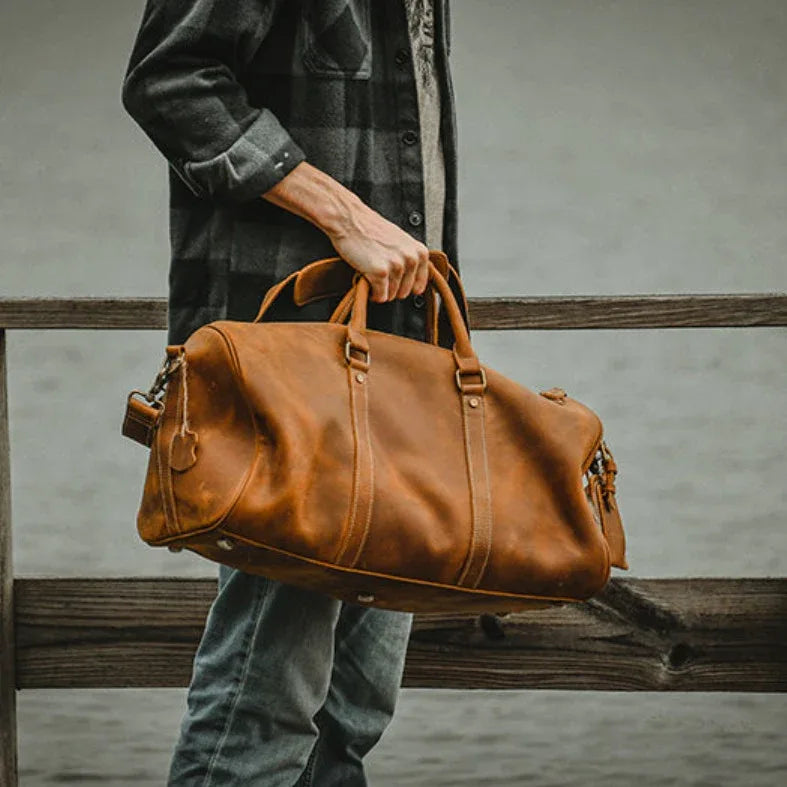
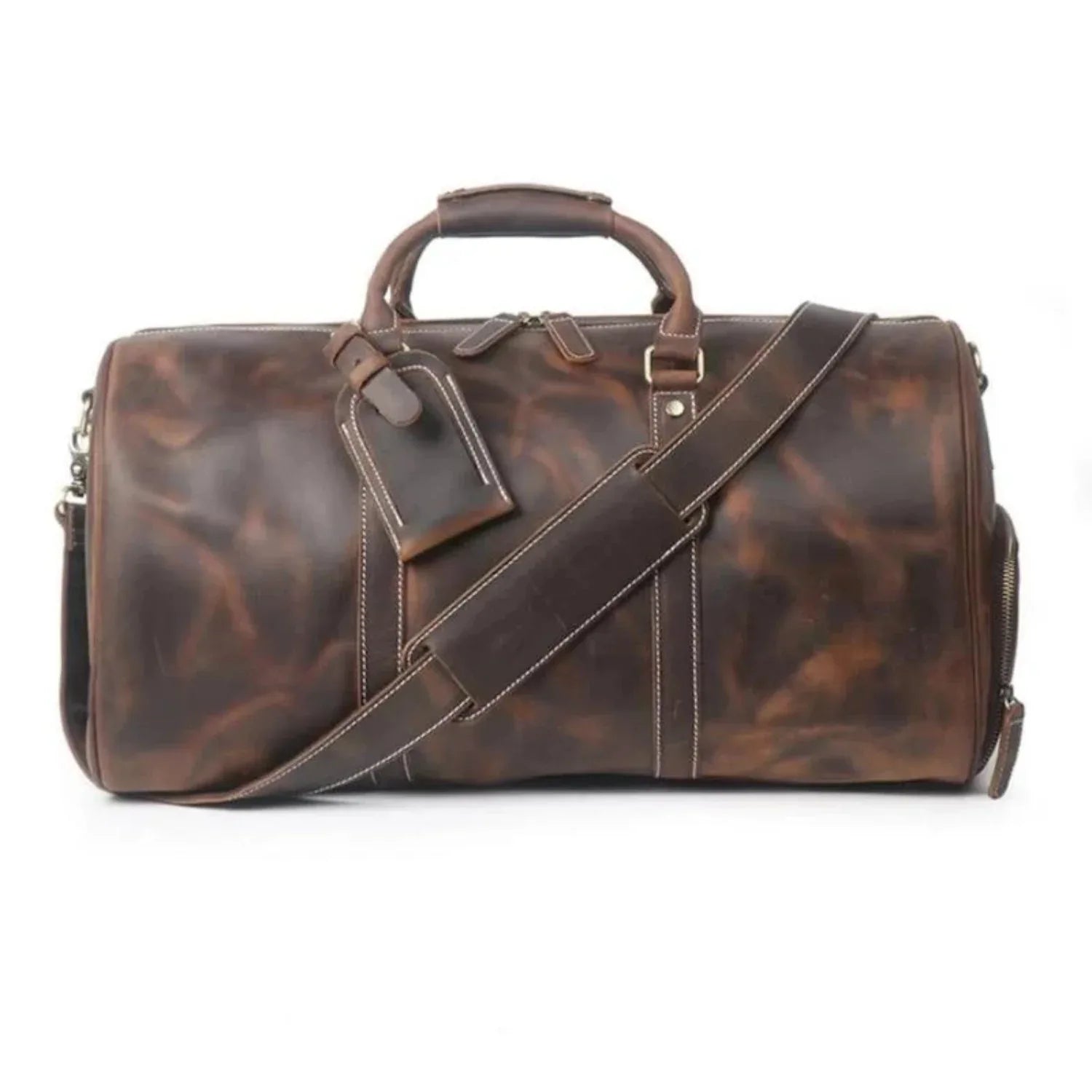
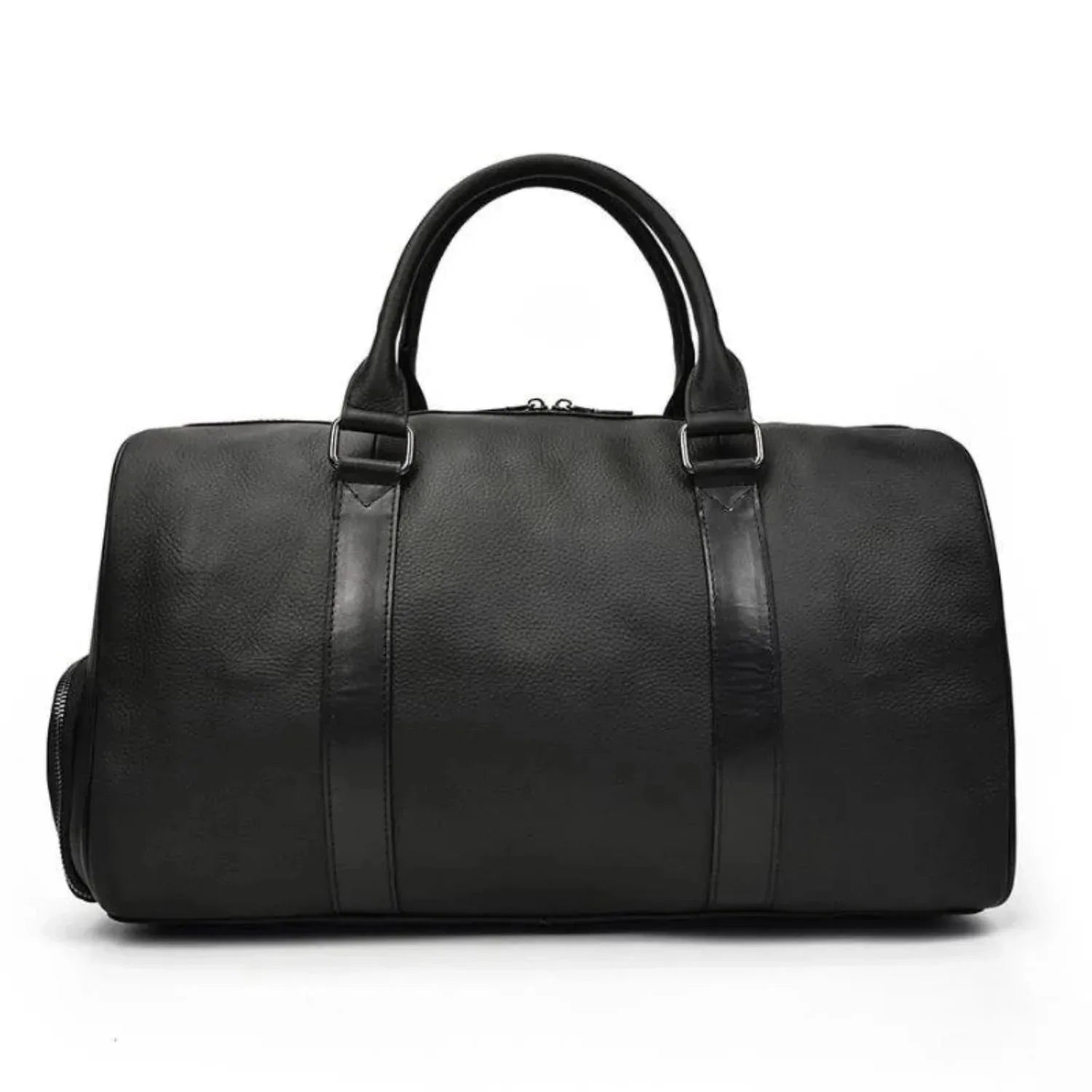
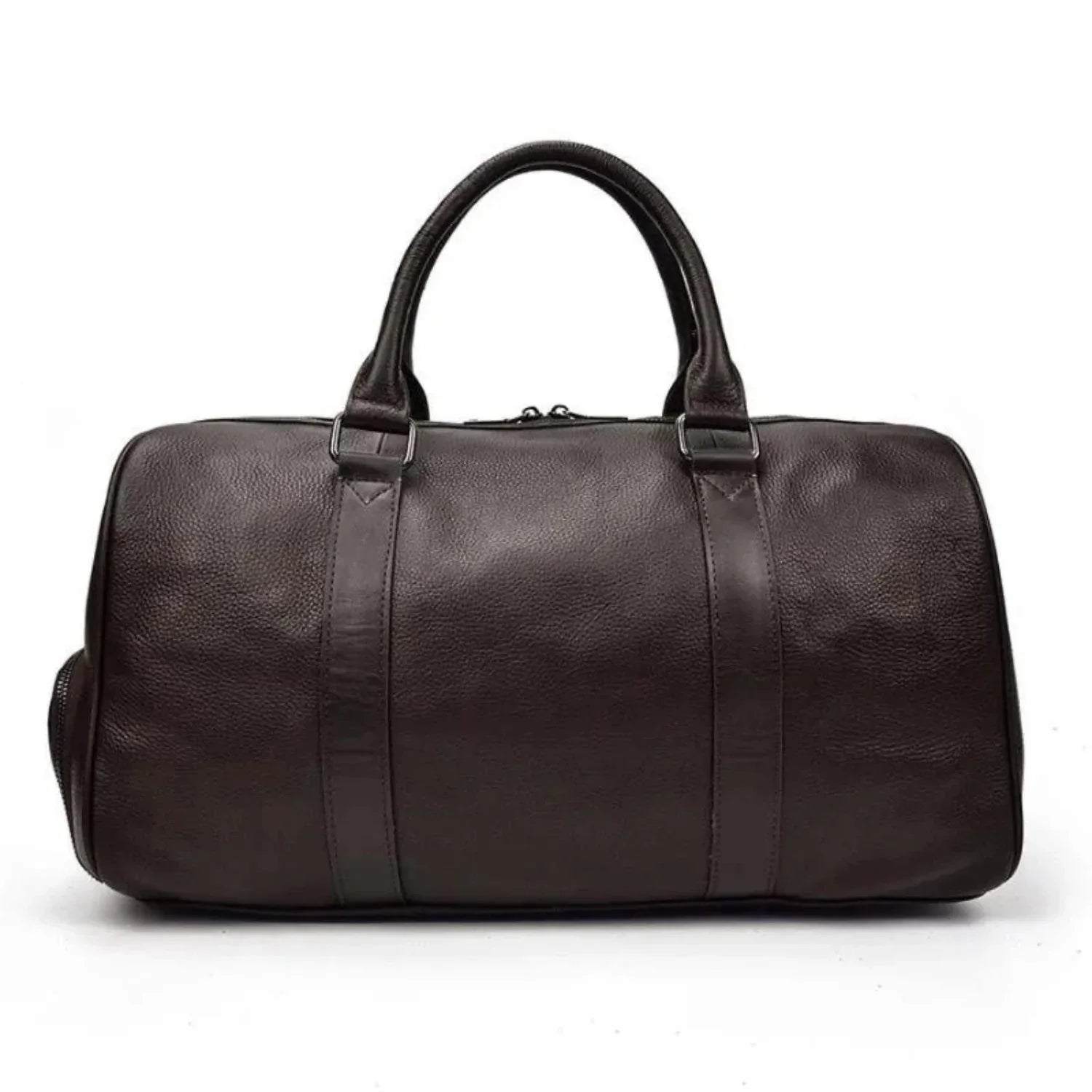
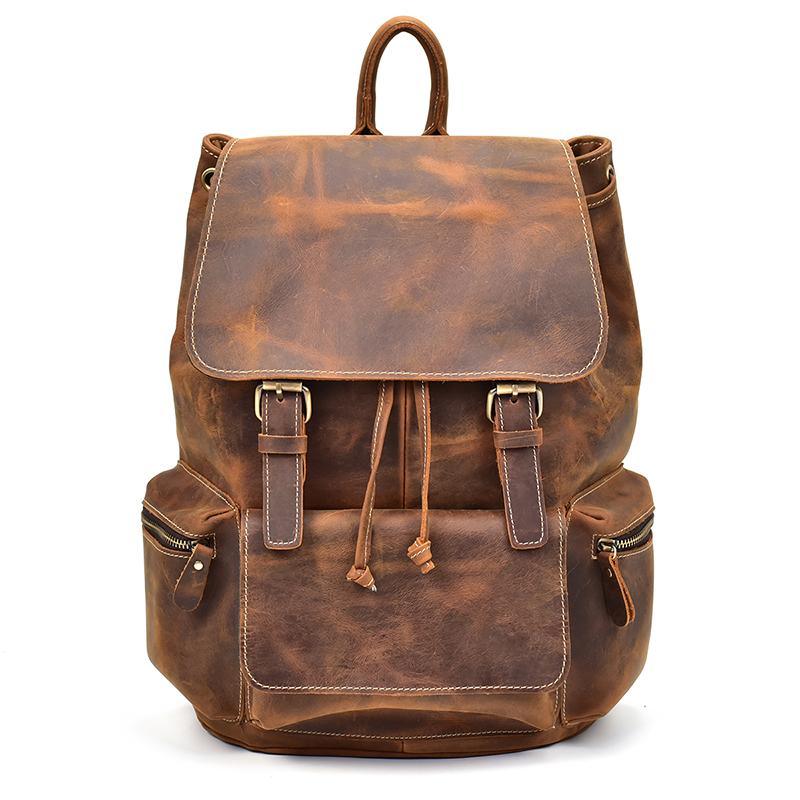
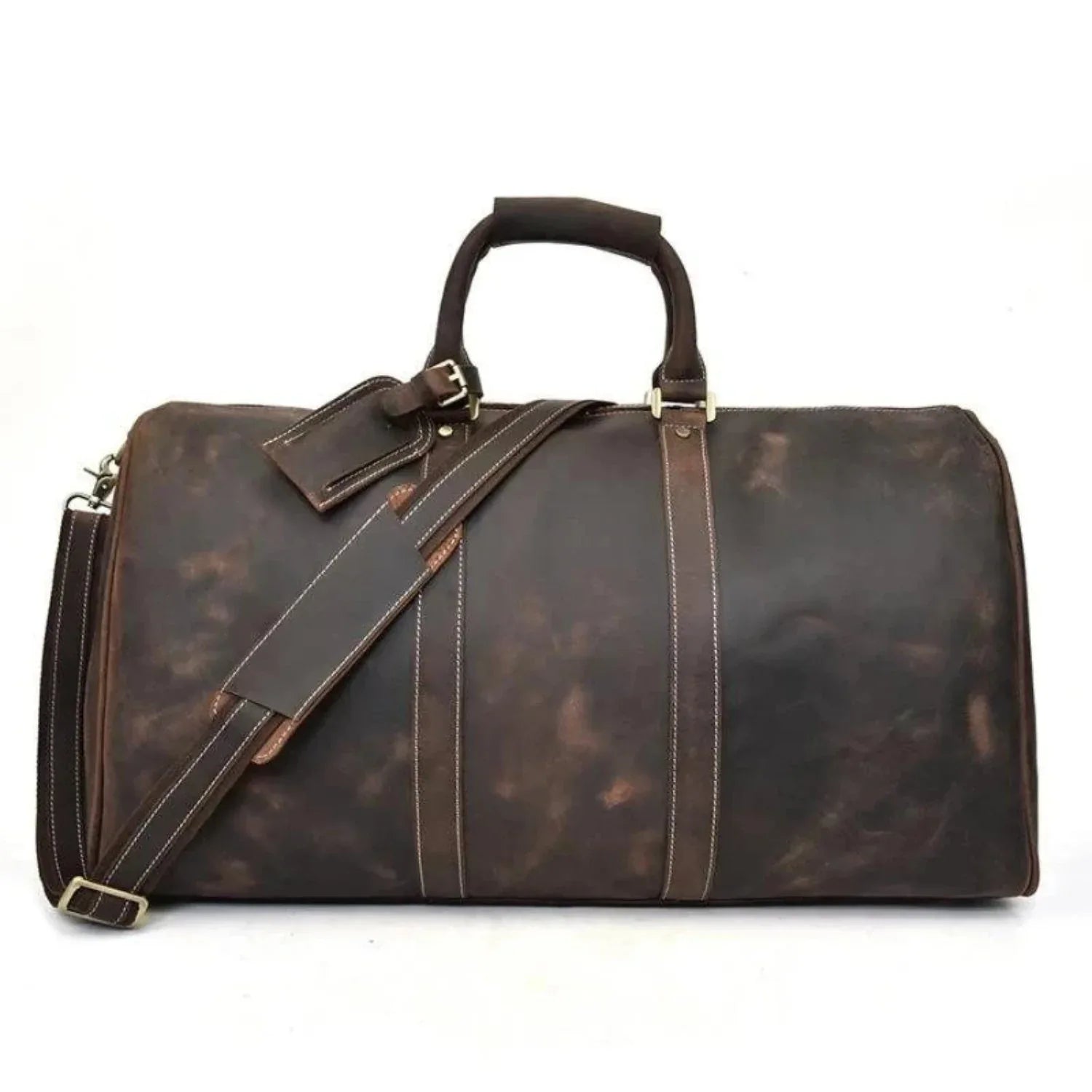
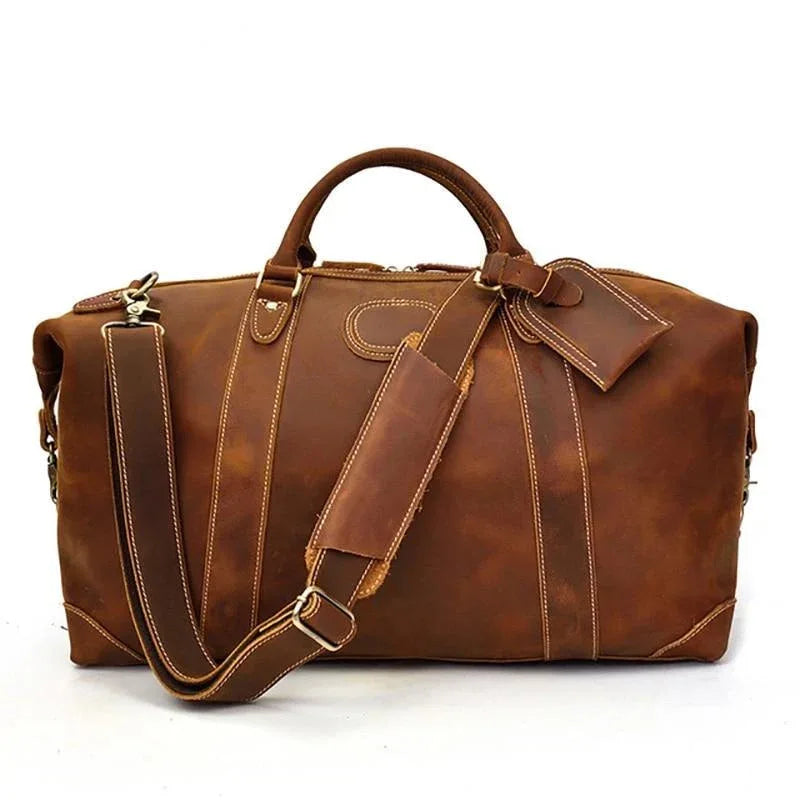
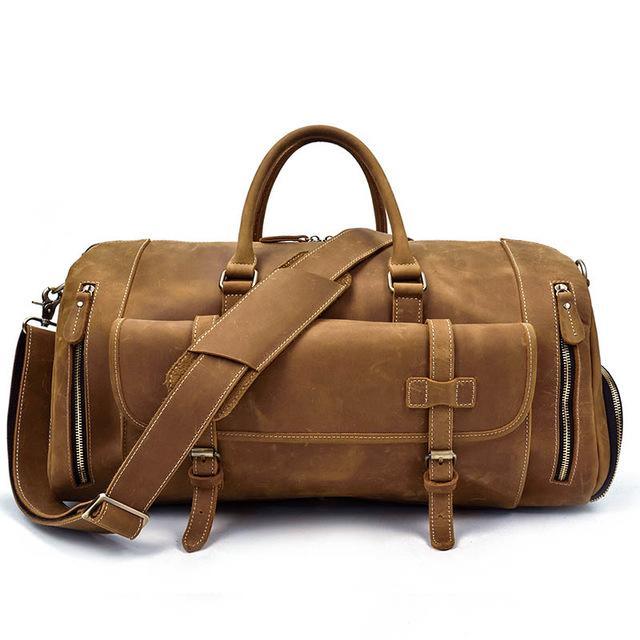
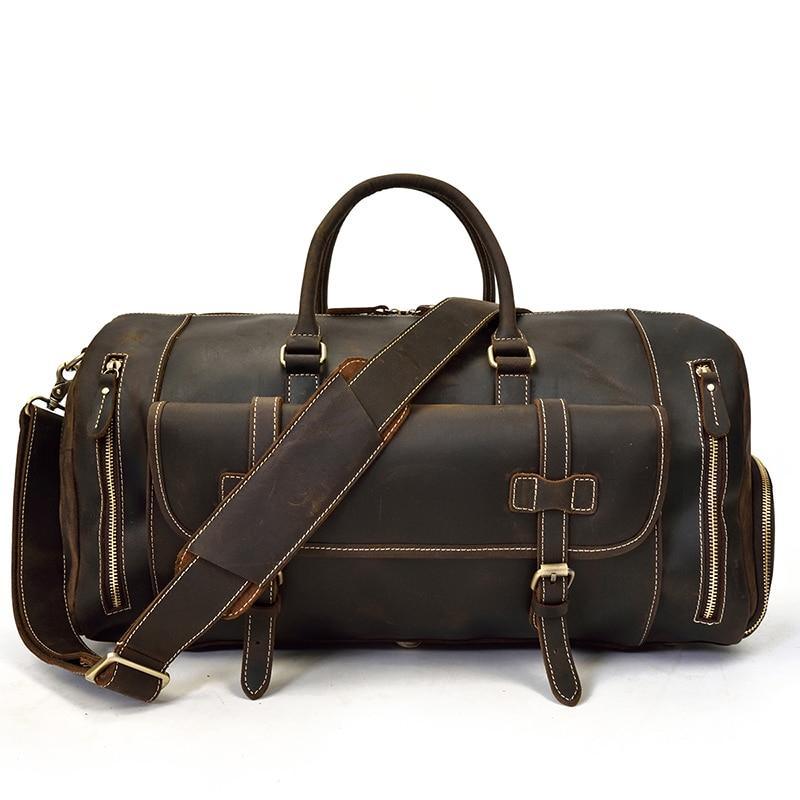
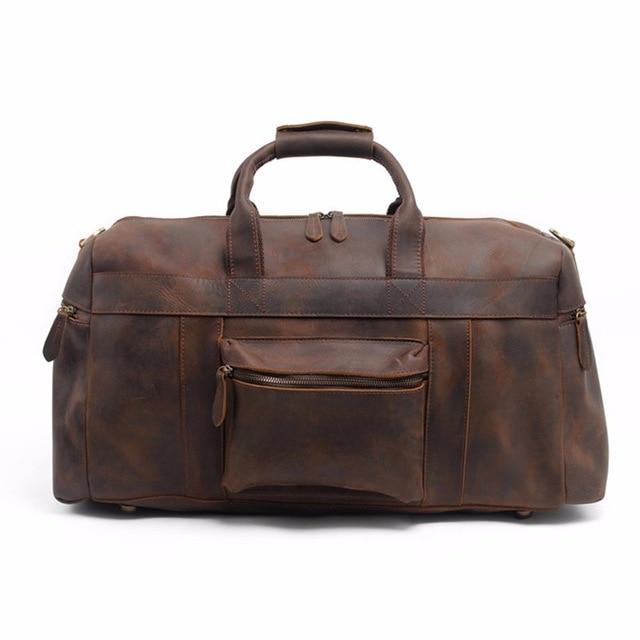
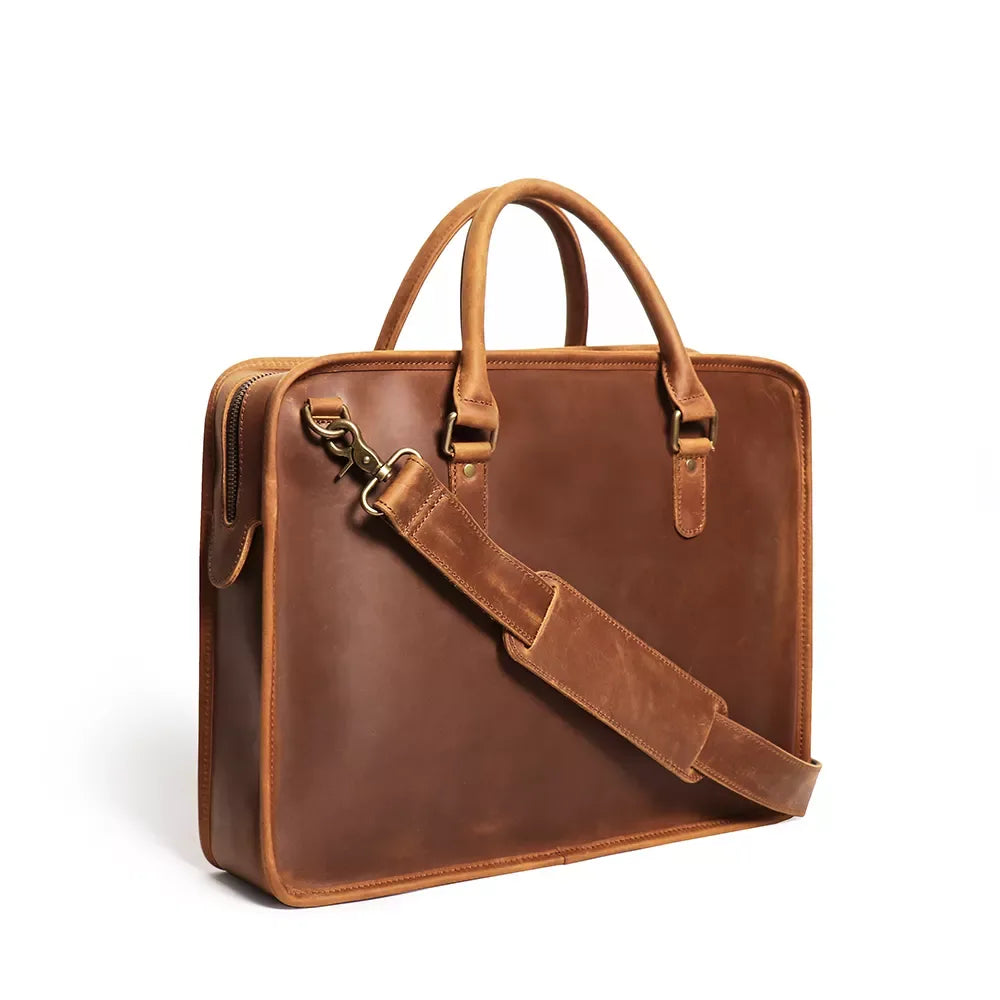
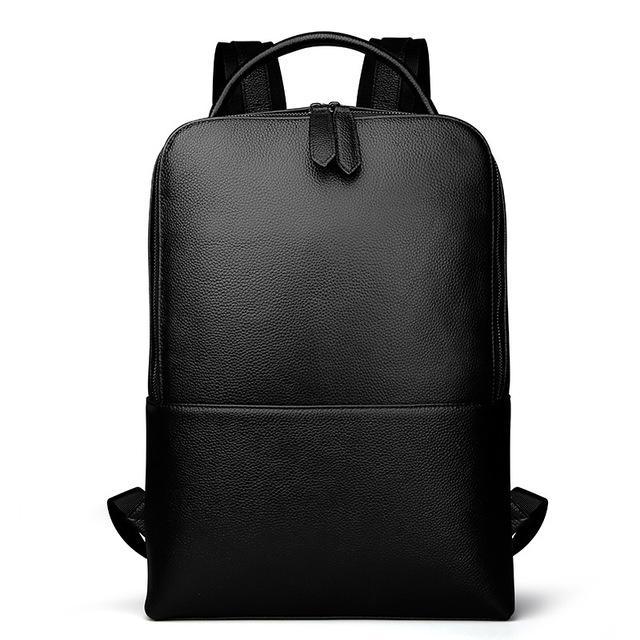
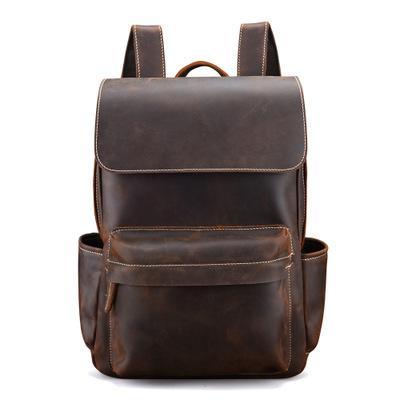
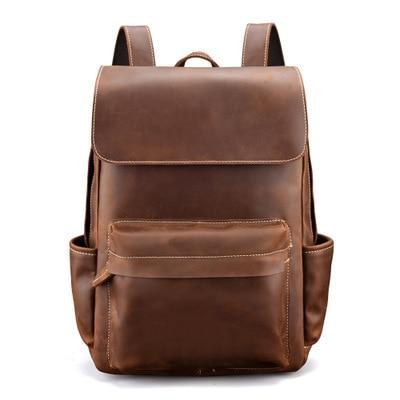
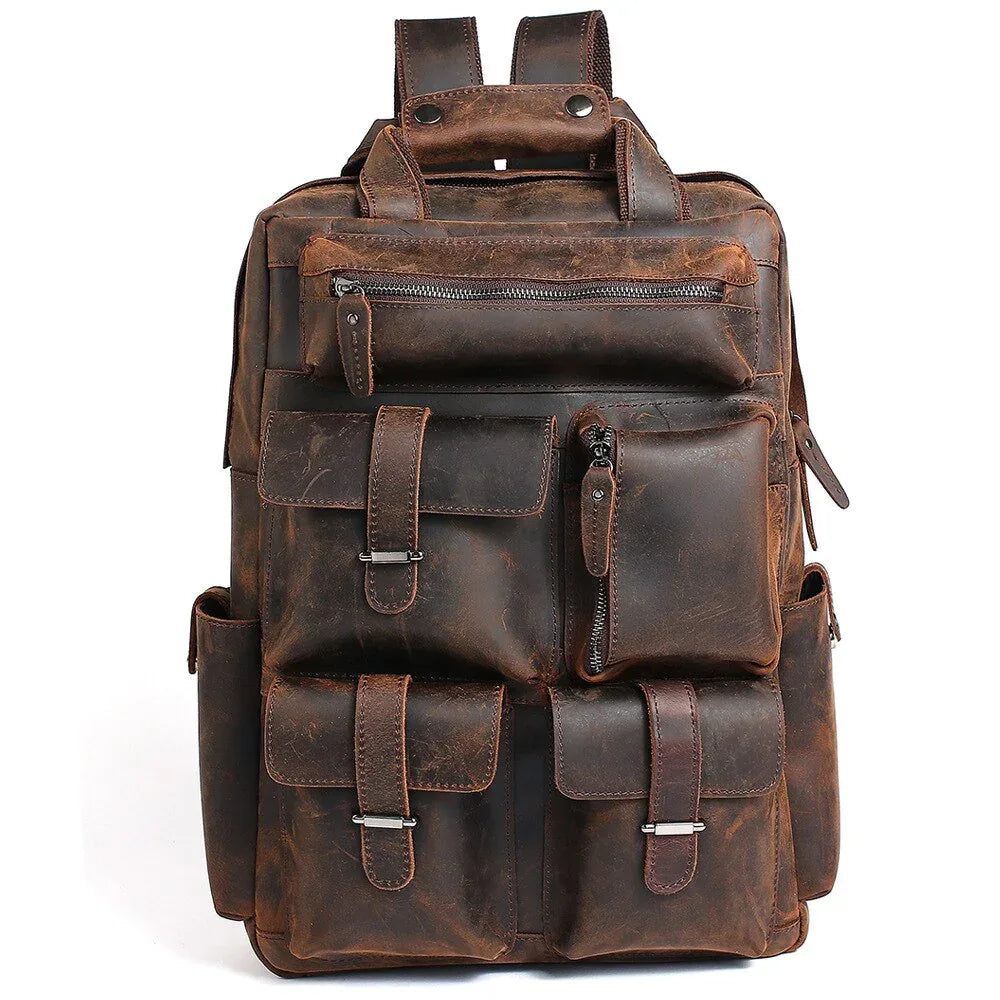
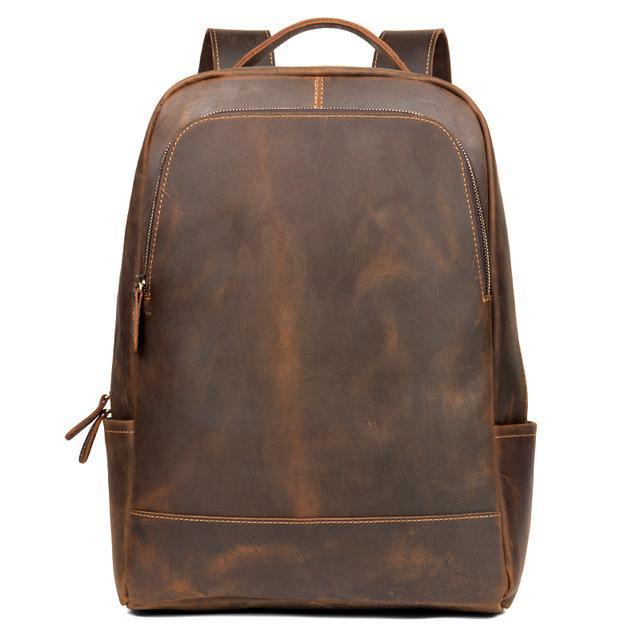
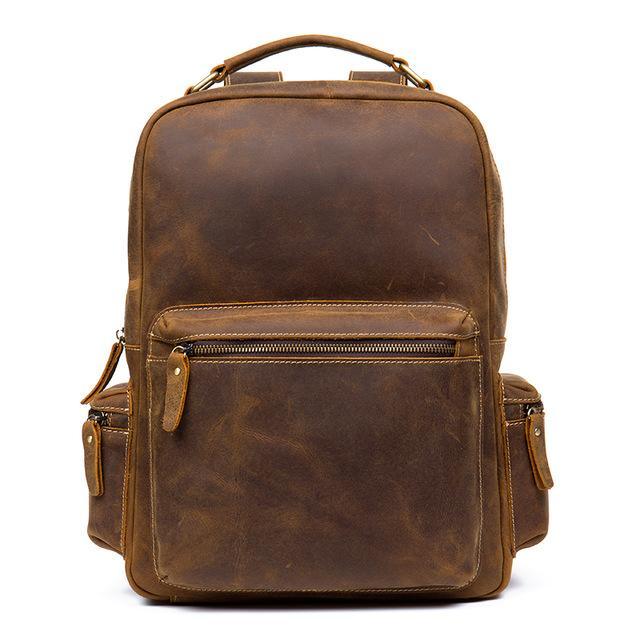
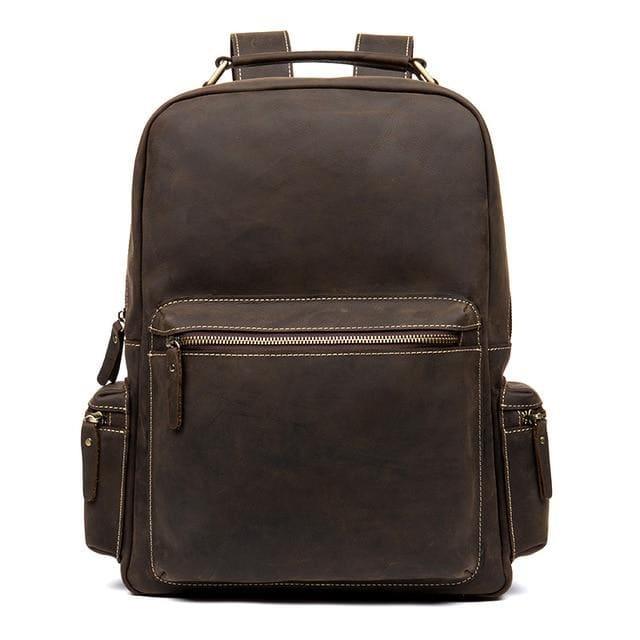
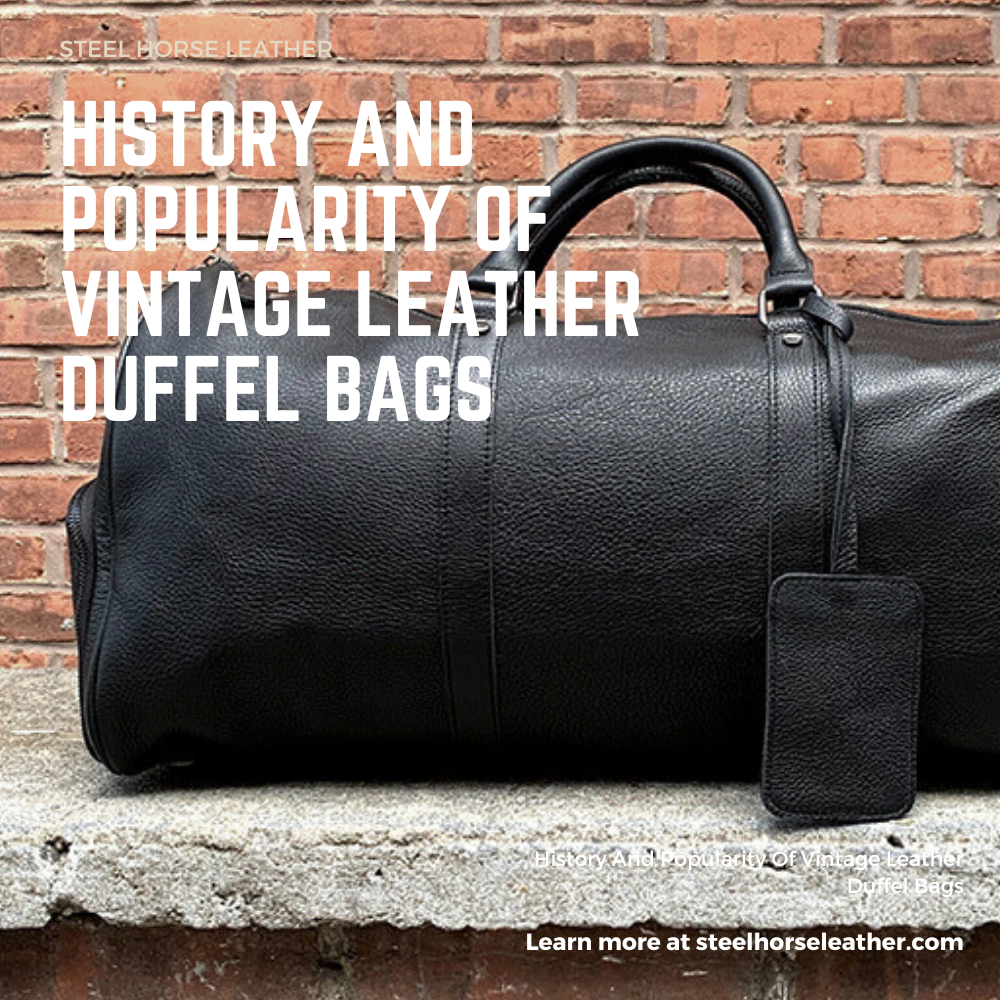
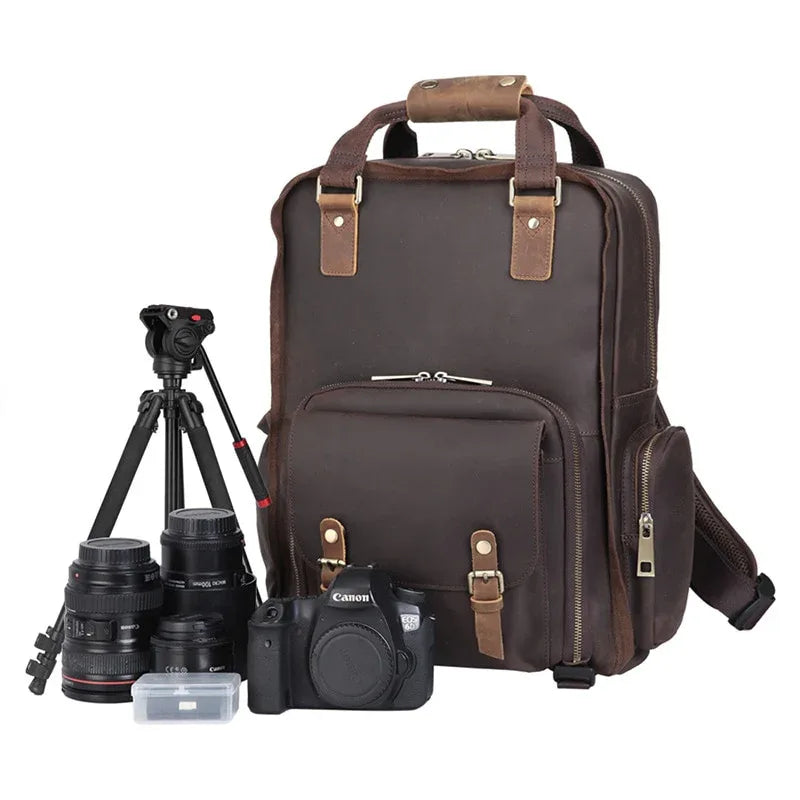
Aniline leather is full-grain leather dyed with transparent, water-soluble dyes and finished with no protective topcoat. It is made from the top 5% of available hides and shows every natural mark on the animal's skin, including scars, wrinkles, and insect bites. Because it has no surface coating, it stains more easily than other leathers but develops a richer patina and feels noticeably softer to the touch.
This guide explains how aniline leather is made, how it compares to semi-aniline and pigmented leather, what it costs, and how to care for it. It also covers where you'll find this leather in real products, from leather duffle bags to wallets.
Key Takeaways
-
Aniline leather is made from the top 5% of hides available to tanneries, using transparent aniline dyes with no pigmented coating.
-
It costs 30 to 50% more to produce than standard leather because of the labor-intensive dyeing process and the rarity of qualifying hides (Wegene et al., 2015).
-
Full aniline leather has no stain protection, so it is not recommended for households with young children or pets.
-
With regular cleaning and conditioning, aniline leather items can remain in good condition for over 20 years (Nasr, 2017).
-
Semi-aniline leather trades some of the natural look for a thin protective coating, making it more practical for daily use and easier to clean with a standard leather conditioner.
What Is Aniline Leather Made From?
Aniline leather is made from full-grain cattle, pig, or goat hides, selected from the top 5% of quality available at the tannery. The hide is not sanded, buffed, or corrected in any way before dyeing. This means the grain layer, the strongest and most durable part of the hide, stays fully intact.
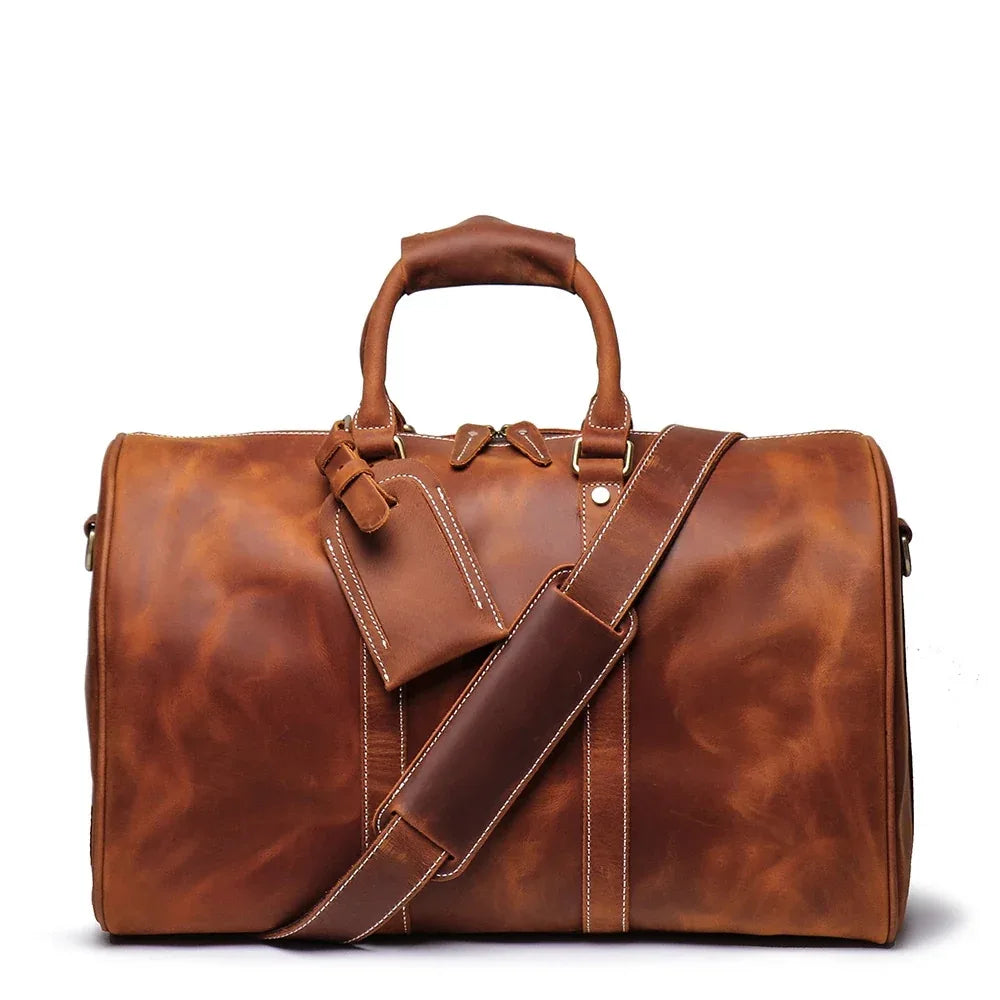
Because there is no corrective sanding, only hides with minimal visible damage qualify for aniline processing. This selectivity is the main reason aniline leather costs more than standard grain leather. Our own Erlend Duffle Bag and Endre Weekender are built from full-grain leather using this same principle of prioritizing hide quality over surface correction.
How Is Aniline Leather Different From Semi-Aniline and Pigmented Leather?
The three main leather finishes differ in how much of the hide's natural surface is altered and how much protection is added. Full aniline has the least processing and the least protection. Pigmented leather has the most processing and the most protection. Semi-aniline sits in between.
| Leather Type | Surface Correction | Protective Coating | Stain Resistance | Relative Cost |
|---|---|---|---|---|
| Full Aniline | None | None | Low | Highest |
| Semi-Aniline | Light buffing | Thin topcoat | Moderate | Moderate to High |
| Pigmented Leather | Sanded/buffed | Opaque pigment layer | High | Lower |
| Corrected Grain Leather | Embossed artificial grain | Heavy pigment/coating | High | Lowest |
| Bonded Leather | Shredded scraps, reformed | Polyurethane binder | Moderate | Lowest |
For a broader breakdown of grades and terminology, see our guide on leather grades and different types and our full explainer on types of leather.
What Is Bonded Leather and Why Is It Different From Aniline Leather?
Bonded leather is made from shredded leather scraps held together with a polyurethane binder, not from a single hide. It does not develop a patina, cracks and peels within a few years of regular use, and has none of the breathability of full aniline leather.
How Does Vegetable-Tanned Leather Compare?
Vegetable-tanned leather refers to the tanning chemistry, not the dyeing method, so it is a separate category from aniline. Vegetable-tanned hides can still be aniline-dyed, and this combination is common in distressed leather goods that are meant to age and darken with handling.
What Are the Types of Aniline Leather?
What Is Pure (Full) Aniline Leather?
Pure aniline leather receives only a transparent dye treatment and no topcoat of any kind. The dye penetrates the fibers rather than sitting on the surface, so the leather keeps its ability to breathe and absorb moisture. This is the most sensitive and most expensive aniline category, and it is not recommended for direct sunlight exposure or heavy daily wear without care.
What Is Pull-Up Aniline Leather?
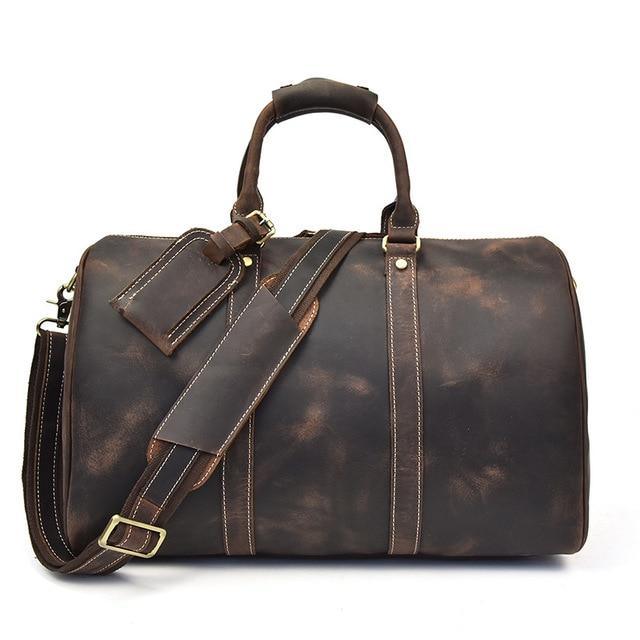
Pull-up leather is aniline leather treated with oils and waxes that shift within the fibers when the material is stretched or flexed. When you pull or bend the leather, lighter streaks appear where the oils have moved, creating a two-tone effect that is part of the design, not a defect. This finish is common in rugged goods like the Bard Weekender and Colden Duffle Bag, where a worn-in look is desirable from day one.
What Is Pigmented Aniline Leather?
Pigmented aniline leather (also called semi-aniline) keeps some of the aniline dye process but adds a light pigmented topcoat for color consistency and stain resistance. It is a middle-ground option for buyers who want part of the aniline look with less maintenance.
How Is Aniline Leather Made?
| Stage | What Happens | Why It Matters |
|---|---|---|
| Hide selection | Only the top 5% of hides, with minimal scarring, are chosen. | Determines final leather quality and cost. |
| Cleaning and de-hairing | Hide is cleaned; no splitting, sanding, or buffing occurs. | Preserves the natural grain and fiber density. |
| Tanning | Hide is chrome-tanned or vegetable-tanned before dyeing. | Stabilizes the hide and prepares it to absorb dye evenly. |
| Aniline dyeing | Hides sit in large drums with translucent, water-soluble dye. | Dye penetrates the fibers without hiding the natural surface. |
| Finishing | No topcoat is applied for full aniline; a thin coat may be applied for semi-aniline. | Determines final softness, breathability, and stain resistance. |
Why Does Aniline Leather Cost More to Produce?
The dyeing process for aniline leather takes longer than standard methods because the dye has to penetrate uniformly through the entire fiber structure, not just sit on the surface. Combined with the rarity of qualifying hides, this raises production costs by an estimated 30 to 50% compared to standard leather processing (Wegene et al., 2015).
What Does Aniline Leather Look and Feel Like?
Aniline leather shows visible scars, stretch marks, wrinkles, and insect bites because the hide is never corrected before dyeing. These marks are not defects. They are proof the leather came from a single, real animal hide rather than a corrected or synthetic surface.
The dye also absorbs unevenly across the hide, since different areas of skin take in moisture at different rates. This creates the slightly mottled, non-uniform coloring that collectors specifically look for in full aniline pieces, an effect studied in comparative leather finishing research (Chen et al., 2013).
Does Aniline Leather Develop a Patina?
Yes. Aniline leather darkens and develops a richer tone as it absorbs body oils, handling residue, and light exposure over months and years. This aging process is one of the main reasons people choose aniline leather over pigmented alternatives, since pigmented leather's coating blocks this kind of natural change.
Is Aniline Leather Breathable?
Yes. Because there is no surface coating blocking airflow, aniline leather has measurably higher moisture vapor permeability than coated leathers, which is part of why it is a common choice for car seats and seating upholstery where comfort against skin matters (Kasmudjiastuti and Murti, 2017).
What Are the Pros and Cons of Aniline Leather?
| Advantages | Disadvantages |
|---|---|
| Made from the strongest, most fiber-dense part of the hide (full-grain layer) | Stains and marks easily without a protective coating |
| Softer and more flexible than many corrected full-grain leathers | Fades with prolonged direct sunlight exposure (You et al., 2018) |
| Develops a visible patina and character over years of use | Not ideal for households with young children or pets |
| Highly breathable, comfortable against skin | Costs 30 to 50% more to produce than standard leather |
| Can last over 20 years with proper care (Nasr, 2017) | Requires regular cleaning and conditioning to avoid drying out |
Where Is Aniline Leather Used?
Aniline leather appears most often in furniture (sofas, armchairs, recliners), luxury car interiors, and premium leather goods where softness and natural appearance matter more than stain resistance. In bags and accessories, it shows up in briefcases, wallets, totes, and duffle bags built for people who want their leather to age visibly over time.
If you want that natural, aging character in a travel bag, look at full-grain options like the Bjarke Weekender, Eira Duffle Bag, or Asta Weekender. For structured work bags, the Welch Briefcase and Hemming Leather Laptop Bag apply the same full-grain principles in a briefcase format. Our full guide to leather duffle bags covers sizing and fit if you're comparing weekender styles.
Which Bags Use a Pull-Up, Distressed Aniline Finish?
Bags meant to look worn-in from the start typically use pull-up leather. The Erlend Duffle Bag, Icarus Backpack, and Unn Backpack are built for this kind of everyday wear-and-patina look. You can browse the full range in our vintage leather backpacks collection and vintage leather duffle bags collection.
Which Smaller Accessories Use Full-Grain Aniline-Style Leather?
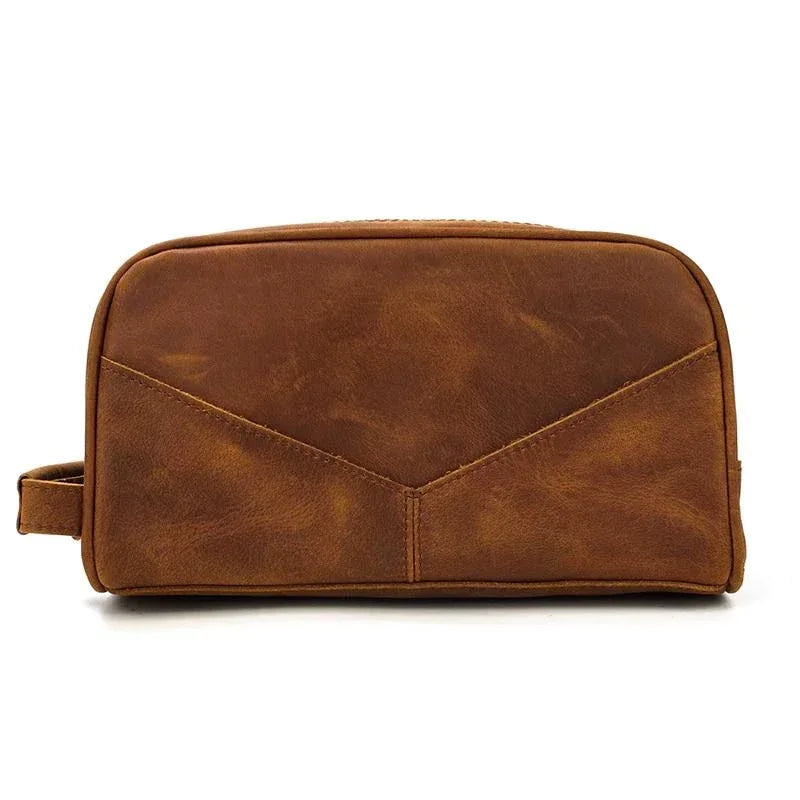
Smaller everyday items also benefit from full-grain construction, including the Pathfinder Bifold Wallet, the Cael Coin Purse, and travel pieces like the Wanderer Toiletry Bag and Dado Leather Dopp Kit. Browse the full range in our leather wallets collection and leather toiletry bags collection.
How Do You Clean and Care for Aniline Leather?
Clean aniline leather with a dedicated leather cleaner, applied with a soft cloth in gentle circular motions, then wipe away residue before it dries. Avoid baby wipes, household cleaners, and anything containing alcohol, since these strip the natural oils from the fibers.
Condition aniline leather every 2 to 3 months for regularly used items, or every 4 to 6 months for items in storage. Our guide on DIY leather conditioners covers safe at-home options if you prefer not to buy a commercial product.
How Do You Get Stains Out of Aniline Leather?
Blot fresh spills immediately with a dry cloth, do not rub, since rubbing pushes the liquid deeper into the unprotected fibers. For oil-based stains specifically, our step-by-step guide on removing oil stains from leather walks through safe methods that won't discolor the surrounding leather.
How Do You Fix Scratches on Aniline Leather?
Light surface scratches on full aniline leather often blend in on their own within a few weeks as natural oils redistribute across the surface. For deeper scratches, follow the process in our guide on how to fix scratched leather in 3 easy steps.
Should You Keep Aniline Leather Out of Sunlight?
Yes. UV exposure causes measurable color intensity loss in aniline leather over time (You et al., 2018), so furniture and bags should be kept away from windows and direct light when not in use. Store leather bags in a breathable cloth dust bag rather than plastic, which traps moisture and can lead to mildew.
How Much Does Aniline Leather Cost Compared to Other Leather?
Aniline leather typically costs 30 to 50% more than standard corrected or pigmented leather because of hide selection and the extended dyeing process (Wegene et al., 2015). This higher upfront cost is offset by a longer usable lifespan, with well-maintained aniline leather items lasting over 20 years compared to a much shorter functional life for bonded or heavily corrected leather (Nasr, 2017).
If you're comparing bag options at different price points, our leather duffel bag buying guide breaks down what to look for beyond just the leather finish, including hardware, stitching, and lining quality.
How We Approach Full-Grain and Aniline-Style Leather at Steel Horse Leather
Every bag we build starts with full-grain leather, the same layer of the hide used in true aniline leather production. We source hides based on grain quality and fiber density rather than surface uniformity, which is why pieces like the Wainwright Weekender and Faulkner Backpack show natural grain variation instead of a uniform, corrected surface.
You can browse the full range across leather backpacks, duffle bags, briefcases, and accessories to find a piece that matches how you plan to use it.
Conclusion
Aniline leather is full-grain leather dyed with transparent dyes and left without a protective topcoat, which is what gives it a soft feel, natural markings, and the ability to develop a patina. It costs more to produce, at an estimated 30 to 50% premium over standard leather, and requires more careful cleaning since it lacks stain protection. Semi-aniline and pigmented leather trade some of that natural character for practicality, making them better suited for high-traffic households.
If you're shopping for a bag built on full-grain leather principles, browse our full leather bags collection, or check our guides on best leather backpacks for men and leather gift ideas for more specific recommendations.
References
Chen, W., Shi, B., and Zhang, Y. (2013). Influence of finishing on leather surface properties. Journal of the Society of Leather Technologists and Chemists, 97(5), 193-199.
Kasmudjiastuti, E., and Murti, R. (2017). Moisture vapor permeability of leather: A comparative study. Leather Science and Engineering, 27(3), 45-52.
Nasr, A. I. (2017). Durability assessment of different leather types under accelerated aging conditions. Journal of Leather Science, 15(2), 78-89.
Wegene, T., Thanikaivelan, P., and Rao, J. R. (2015). Economic analysis of leather production processes. Journal of Cleaner Production, 87, 558-565.
You, H., Li, G., and Zhang, X. (2018). UV degradation mechanisms in natural leather materials. Polymer Degradation and Stability, 152, 86-94.
Frequently Asked Questions
What is aniline leather?
Aniline leather is full-grain leather dyed with transparent, water-soluble aniline dyes and finished without any protective topcoat. It shows natural markings like scars and wrinkles and develops a patina with use.
What is the difference between full aniline and semi-aniline leather?
Full aniline leather has no pigment or protective coating, only transparent dye. Semi-aniline leather is lightly corrected and receives a thin protective topcoat with some added pigment for stain resistance.
How do you clean aniline leather?
Use a leather cleaner made for unfinished leather, applied with a soft cloth. Follow with a leather conditioner every 2 to 3 months, and avoid alcohol-based cleaners or baby wipes.
Is aniline leather worth the higher price?
For buyers who want a natural look and don't mind extra maintenance, yes. Well-cared-for aniline leather can last over 20 years (Nasr, 2017), which offsets the 30 to 50% higher production cost over time.
Can aniline leather be used around kids or pets?
It's not recommended. Full aniline leather has no protective coating, so it stains and scratches easily. Semi-aniline or pigmented leather is a more practical choice for high-traffic households.
Does aniline leather fade in sunlight?
Yes. Prolonged UV exposure causes measurable color loss in aniline leather (You et al., 2018), so it should be kept away from direct sunlight and heat sources.
What is pull-up aniline leather?
Pull-up leather is treated with oils and waxes that shift within the fibers when stretched, creating a lighter, two-tone effect. It's common in duffle bags and backpacks designed for a worn-in, distressed look, like the Erlend Duffle Bag.
What's the best use for aniline leather?
Aniline leather works best in furniture, car interiors, and bags where softness and natural aging matter more than stain resistance, such as weekender bags, briefcases, and wallets kept out of daily rough use.
All of our bags at Steel Horse Leather are crafted from full-grain crazy horse leather, built to develop a rich patina over time. Browse our Leather Bags.