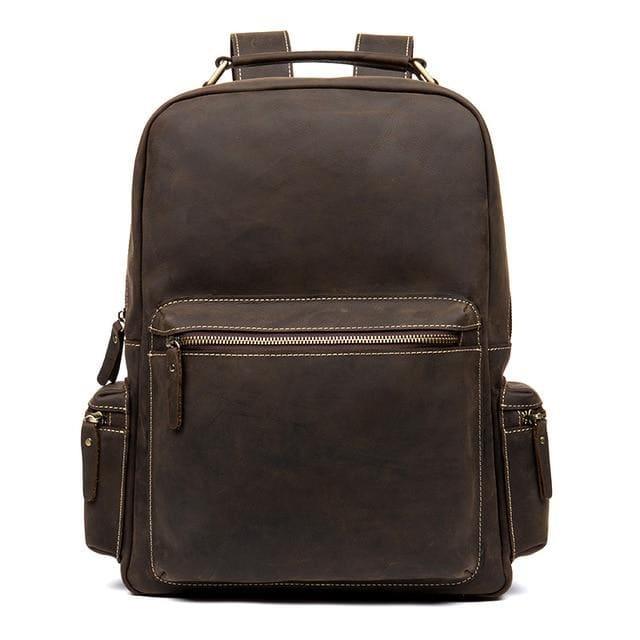
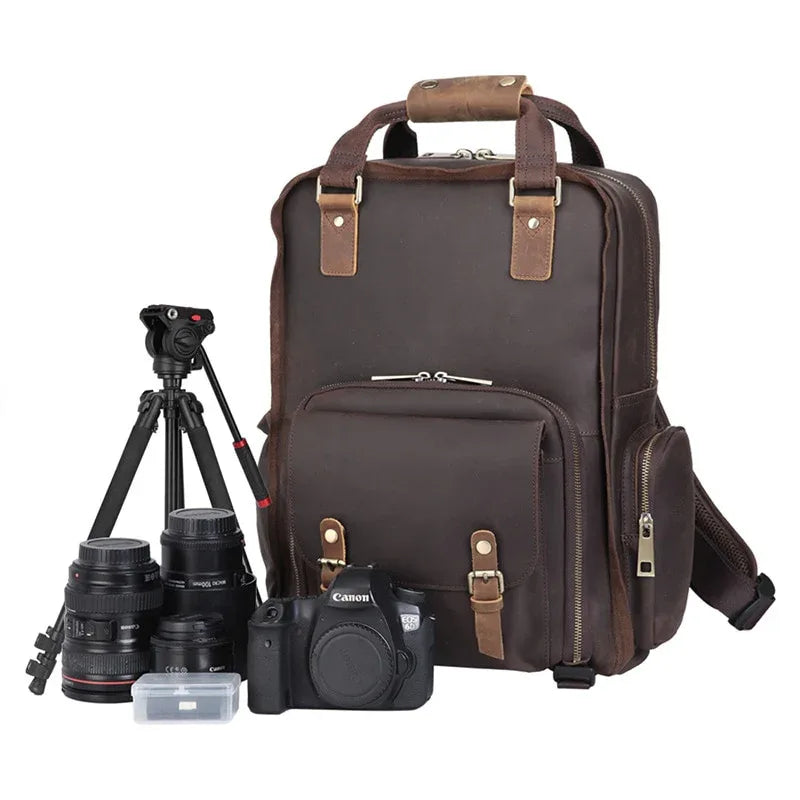
Sunscreen stains leather because its oils, mineral compounds, and chemical carriers penetrate the leather grain and oxidize over time. The fastest fix is to blot excess product immediately with a microfiber cloth, then clean with diluted white vinegar, mild soap, or a dedicated leather cleaner within the first hour of contact. Below we cover exactly how to remove sunscreen stains from leather car seats, leather bags, leather sofas, and leather accessories, along with the prevention habits that stop stains from happening in the first place.
Key Takeaways
-
Sunscreen leaves oily, oxidizing residue on leather that causes yellow or brown discoloration, stickiness, and long-term dryness if it isn't cleaned within a few hours of contact.
-
Five methods work reliably on most leather: blotting with a damp cloth, diluted white vinegar, baking soda or cornstarch, rubbing alcohol (with caution), and dedicated leather cleaners.
-
Sunscreen's oils and mineral compounds (zinc oxide, titanium dioxide) can seep into porous leather, causing staining and weakening the fibers over time (Monico et al., 2015; Shanbhag et al., 2019).
-
Always patch-test any cleaning product on a hidden area first, use the mildest option that works, and condition the leather afterward to replace lost oils and flexibility.
-
Applying sunscreen 15 minutes before contact with leather and wiping down your hands and skin with a cloth beforehand prevents most oil stains on leather before they start.
Why Trust Our Leather Care Expertise?
Steel Horse Leather artisans work daily with full-grain leather craftsmanship, cutting, conditioning, and repairing hides across our full catalog of leather types and tanning processes. Our care recommendations come from hands-on testing on our own products, not just manufacturer claims. Every cleaning method in this guide has been tested on actual full-grain leather goods before being included here.
What Is Sunscreen and Why Does It Stain Leather?
Sunscreen is a lotion, spray, gel, or oil that blocks up to 98% of the sun's UV rays using either mineral blockers (zinc oxide, titanium dioxide) or chemical absorbers combined with oily carriers like polyethylene glycol. Those same ingredients that protect skin are what stain leather: the oils carry pigment and residue into the leather's pores, and the mineral particles leave a visible white film on the surface (Shanbhag et al., 2019).
What ingredients in sunscreen cause leather stains?
Zinc oxide and titanium dioxide are mineral-based UV blockers that reflect UV rays but leave a chalky white residue on contact with leather surfaces. Chemical sunscreens rely on oil-based carriers such as polyethylene glycol to spread evenly on skin, and these same oils are what soak into leather grain and cause staining (Monico et al., 2015). Research on sunscreen formulation shows that modern products increasingly combine multiple active ingredients for anti-aging and sun protection benefits, which means today's sunscreens contain more complex chemical mixtures than older formulas (Shanbhag et al., 2019).
Does sunscreen actually damage leather, or just stain it temporarily?
Sunscreen does more than stain leather temporarily. It can cause structural damage if left untreated because the oils strip natural moisture from the hide while chemical residues oxidize and discolor the surface permanently. Behavioral research on sunscreen use shows that people frequently apply it inconsistently and generously, increasing the amount of unabsorbed product that ends up transferring onto nearby surfaces like car seats and bag straps (Julian et al., 2016).
How Sunscreen Affects Different Leather Types
Not all leather reacts to sunscreen the same way. The table below compares how common leather types respond to sunscreen contact and cleaning.
| Leather Type | Vulnerability to Sunscreen | Cleaning Difficulty |
|---|---|---|
| Aniline leather | High, no protective coating to block oil penetration | Difficult, requires gentle, tested methods only |
| Pigmented leather | Moderate, polymer coating offers some resistance | Moderate, responds well to standard cleaners |
| Perforated leather (car seats) | Very high, residue seeps into perforation holes | Difficult, requires brushes and compressed air |
| PU leather / faux leather | Moderate, synthetic surface but can still discolor | Easy to moderate, tolerates soap and water well |
| Full-grain leather (bags, wallets) | High if uncoated, moderate if finished | Moderate, needs conditioning after cleaning |
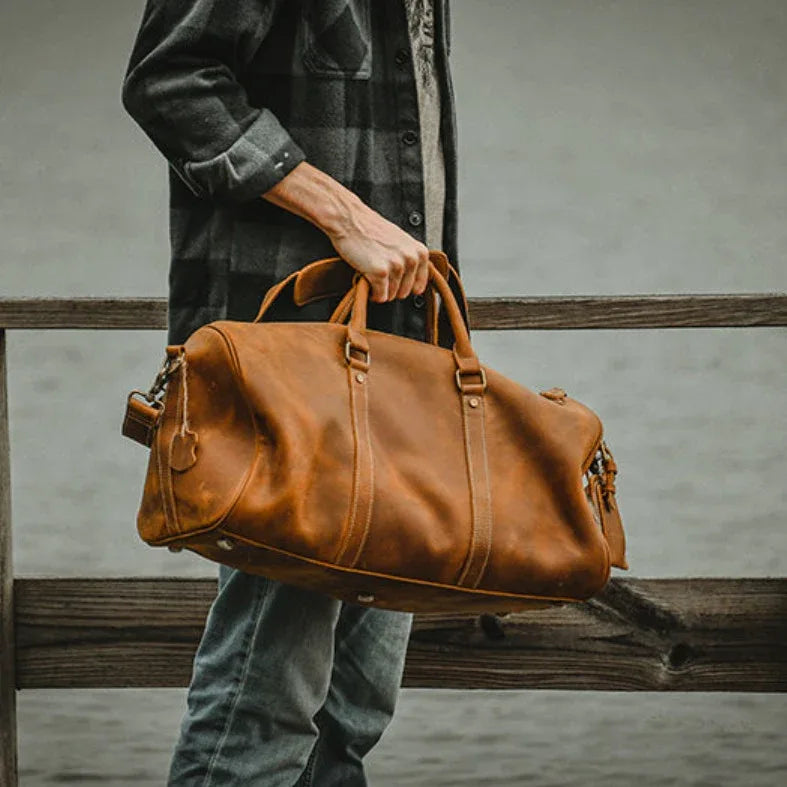
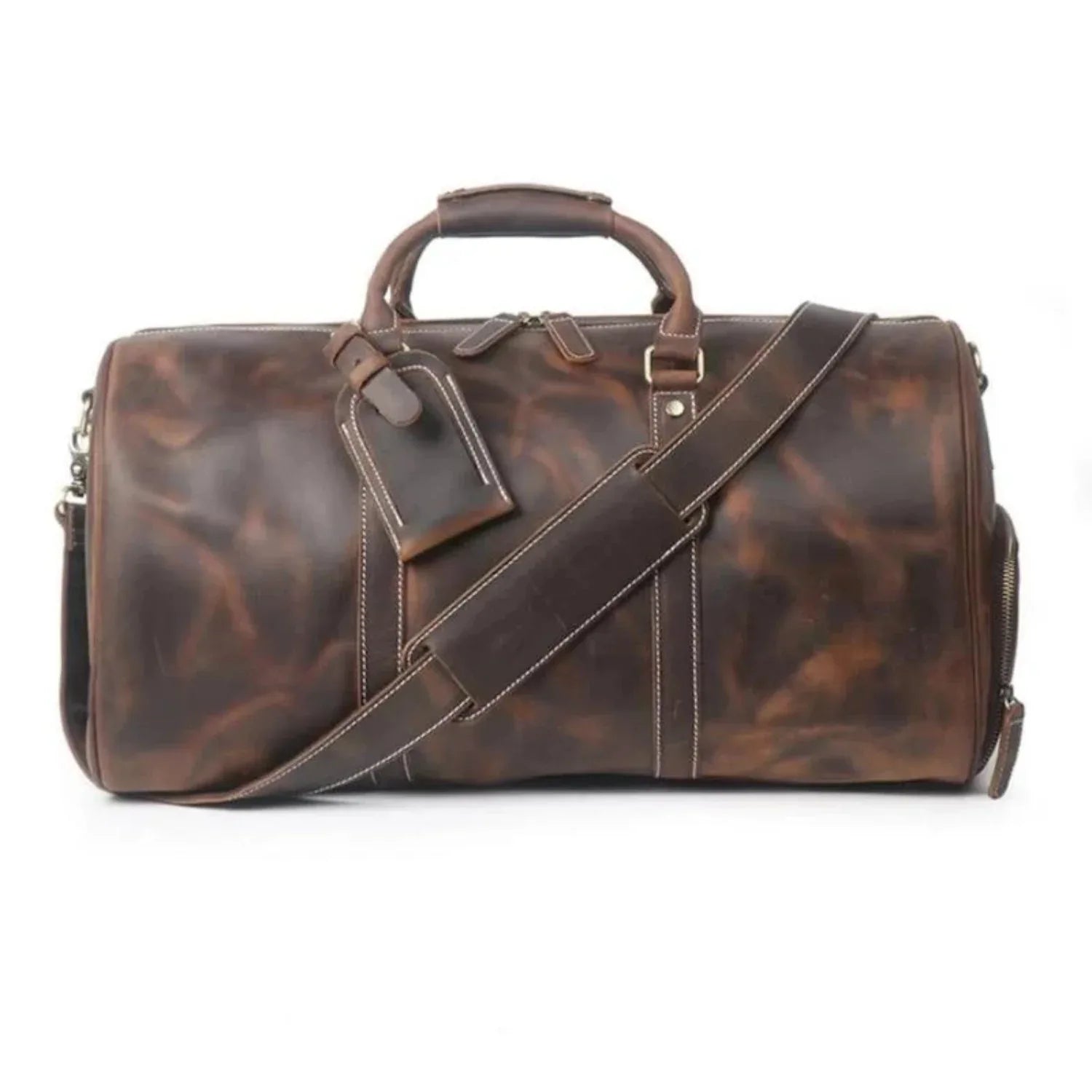
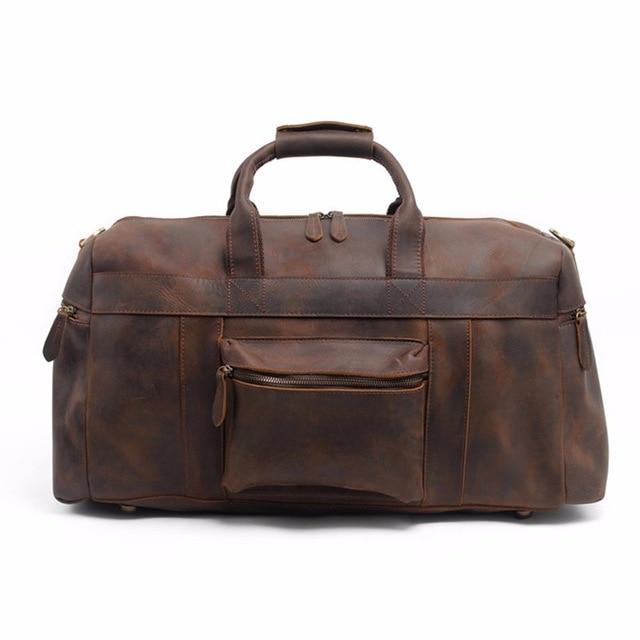
For motorcycle riders, leather motorcycle gear and gloves face regular sunscreen exposure combined with heat and friction, which accelerates residue penetration into how leather is made and finished. Full-grain leather bags such as the Erlend Duffle Bag or the Taavi Tote carry the same risk when sunscreen transfers from hands or shoulders onto the straps and handles during beach trips or outdoor travel.
Why do sunscreen stains appear as yellow or brown patches?
Sunscreen stains show up as yellow or brown patches because the oils and chemical compounds in the product oxidize once absorbed into the leather grain. On lighter leather, such as tan or cream aniline leather, this appears as dark, oily patches within hours. On darker leather, the change is often felt as a sticky or tacky texture before it becomes visually obvious (Monico et al., 2015).
Why is sunscreen residue so hard to remove once it dries?
Sunscreen residue is hard to remove once dry because it contains both oil-soluble and water-soluble ingredients, so water alone will not fully lift it. The longer sunscreen sits on leather, the deeper the oils migrate into the fibers, which is why treating a fresh stain within the first hour is far easier than treating one that has set overnight. Chlorine bleach and heavy-duty detergents should never be used, as they strip natural oils and can make discoloration worse (Shanbhag et al., 2019).
Step-by-Step: How to Remove Sunscreen From Leather
Start with the gentlest method and only escalate to stronger products if the stain persists. Always test any product on a hidden seam or edge first, such as the underside of a strap or the inside of a wallet fold.
Step 1: Blot the excess sunscreen immediately
Use a clean, dry microfiber cloth to blot, not rub, any visible sunscreen the moment you notice it on leather. Rubbing pushes the oil deeper into the grain and can cause dye transfer on pigmented leather. This single step, done within minutes of contact, prevents the majority of permanent staining (Shanbhag et al., 2019).
Step 2: Choose a cleaning method based on stain severity
The table below compares the five most reliable at-home methods for removing sunscreen from leather.
| Method | Best For | How to Use | Time Needed |
|---|---|---|---|
| White vinegar solution | Fresh, light stains on pigmented or PU leather | 1 cup vinegar to 1 gallon water, apply with cloth, let sit 30 minutes | 30 to 45 minutes |
| Baking soda or cornstarch | Perforated car seats, oily surface residue | Apply dry or as paste, leave 10 to 15 minutes, brush away | 15 to 20 minutes |
| Dedicated leather cleaner | Set-in stains, bags, car seats, sofas | Apply with microfiber pad, let penetrate 10 minutes, wipe off | 15 to 20 minutes |
| Rubbing alcohol | Chemical sunscreen residue, never on aniline or suede | Small amount on cloth, test first, soak 30 minutes, rinse | 30 minutes plus drying |
| Mild soap and cold water | Handbags, wallets, delicate finishes | Small amount of soap on damp cloth, circular motion, blot dry | 10 to 15 minutes |
White vinegar approach
Mix 1 cup of white vinegar with 1 gallon of water to create a mild acid solution that breaks down oily sunscreen residue. Apply with a microfiber cloth, let it sit for about 30 minutes, then wipe clean working in the direction of the leather grain. This works well on pigmented and PU leather but should be spot-tested first on aniline leather (Monico et al., 2015; Shanbhag et al., 2019).
Baking soda or cornstarch method
Baking soda and cornstarch absorb oil out of leather pores without introducing chemicals. Apply a dry layer of cornstarch and leave it for 10 to 15 minutes, or make a light baking soda paste for slightly more stubborn residue, then brush away with a soft-bristled brush. This method works particularly well on perforated leather car seats and leather sofa cushions where oil sinks into surface texture (Shanbhag et al., 2019).
Dedicated leather cleaner approach
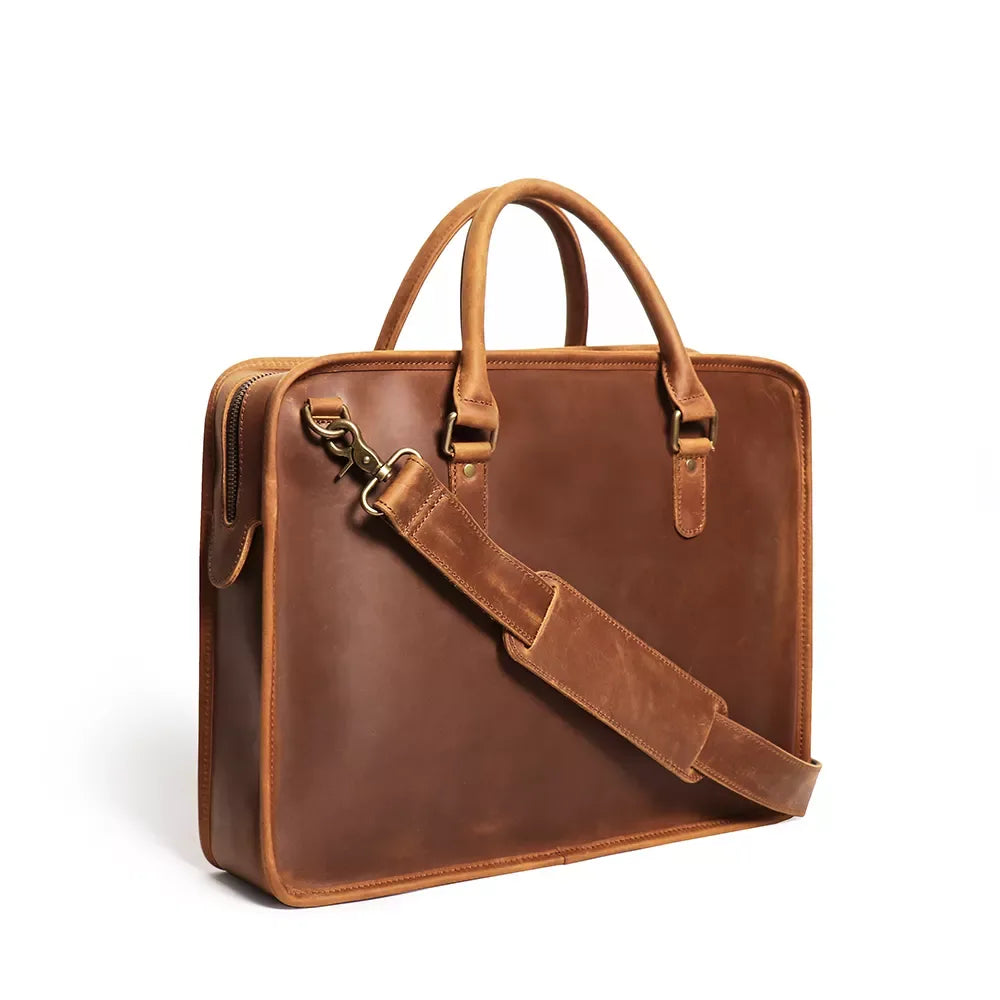
A cleaner formulated specifically for leather is the most reliable option for set-in or repeat stains. Apply with a microfiber pad, let it penetrate for about 10 minutes, then wipe away with a dry cloth and follow with a conditioner. Automotive leather cleaners are formulated for the types of leather used in car interiors and work well for that specific application, but a bag-specific cleaner is a better choice for items like the Welch Briefcase or the Hemming Leather Laptop Bag.
Rubbing alcohol approach (use with caution)
Rubbing alcohol can break down chemical sunscreen residue containing polyethylene glycol, but it must be tested incrementally since it can strip finish and change texture. Apply a small amount to a cloth, test on a hidden area, then apply to the stain and let sit for about 30 minutes before rinsing thoroughly. Do not use rubbing alcohol on aniline leather or suede, since these uncoated finishes are especially vulnerable to solvent damage (Monico et al., 2015).
Mild soap and cold water approach
Cold water and a small amount of mild soap is the safest option for light residue on fashion leather goods. Work the soap gently into the area with circular motions, then blot dry with a clean microfiber cloth. This method suits leather handbags and leather crossbody bags such as the Faust Camera Bag, where aggressive cleaning could damage stitching or hardware (Shanbhag et al., 2019).
Liquid dish soap approach
Combine 1 part liquid dish soap with 3 parts water to cut through oily sunscreen residue. Apply with a damp cloth or spray bottle, work in gently with a soft-bristled brush, then rinse thoroughly so no soap film remains, since leftover soap attracts dirt over time. This works on pigmented leather, PU leather, and faux leather, and is a reasonable starting point before moving to a specialized cleaner.
Step 3: Condition the leather after cleaning
Every cleaning method above removes some natural oil from the leather along with the sunscreen residue, so conditioning afterward is not optional. Apply a leather conditioner with a microfiber applicator pad once the leather is fully dry to restore flexibility and prevent cracking. Learn more about what leather conditioner does and how it protects quality leather long term. If your leather still feels stiff after conditioning, our guide on how to soften leather covers five additional methods.
Can Natural Sunlight Remove Sunscreen Stains?
Natural sunlight can help fade light sunscreen stains on some fabrics and leather surfaces because UV rays break down certain compounds in the residue. Placing a stained item in direct sunlight for a few hours during peak UV hours (10 a.m. to 2 p.m.) after pre-treating with water can help lift mild stains. This is a supplementary technique only, not a standalone fix, and prolonged sun exposure risks fading aniline or pigmented leather, so always follow up with proper cleaning and conditioning.
What Not to Do When Treating Sunscreen Stains
| What NOT to Do | Why You Should Avoid It | What Happens If You Do |
|---|---|---|
| Rub the stain vigorously | Pushes oily sunscreen residue deeper into the leather fibers | Sets the stain permanently, making it much harder or impossible to remove later |
| Use hot water | High heat sets oily stains and speeds up leather drying | Makes stain removal far more difficult and can cause cracking or stiffness |
| Apply random stain removers without testing | Many chemicals react badly with leather finishes | Can cause discoloration, fading, or permanent damage, so always patch-test first |
| Use strong solvents on aniline leather without extra care | Aniline leather is uncoated and extremely sensitive to chemicals | Much higher risk of staining, discoloration, or finish destruction compared to pigmented or coated leather |
| Use tile floor cleaners or non-leather household products | These are not formulated for leather and contain harsh ingredients | Can cause irreparable surface damage, cracking, or permanent dulling |
Never rub a fresh sunscreen stain, since this pushes oils deeper into the fibers instead of lifting them out. Avoid hot water entirely on leather goods, as heat sets oily stains and dries the material faster than it can be treated. Be especially cautious with aniline leather items, since their uncoated surface reacts more strongly to any chemical exposure than pigmented or coated leather (Julian et al., 2016; Monico et al., 2015).
How Can You Prevent Sunscreen Stains on Leather?
The most effective prevention step is applying sunscreen at least 15 minutes before handling any leather item, giving it time to absorb fully into skin. A study on sunscreen application habits found that people frequently apply product unevenly and in larger amounts than needed, increasing the risk of transfer onto nearby surfaces (Julian et al., 2016). Carrying a microfiber cloth to wipe your hands before touching a bag strap, wallet, or steering wheel takes only a few seconds and prevents most transfer stains.
How do I protect my leather bag at the beach or pool?
Apply sunscreen to your hands and shoulders before picking up your bag, and wipe contact points with a dry cloth if you've reapplied recently. Store sunscreen bottles in a sealed interior pocket or a separate pouch rather than loose inside your bag to avoid leaks. This matters most for structured totes and crossbody styles such as the Taavi Tote or the Erling Leather Sling Bag, where straps sit directly against sunscreened skin for hours.
How do I protect leather car seats from sunscreen?
Use a seat cover on days when passengers will be applying sunscreen in the car, particularly for perforated leather seats where residue sinks into the holes. Keep a microfiber towel in the glove compartment for quick blotting immediately after contact. Applying a UV-resistant leather conditioner periodically also helps create a barrier that slows oil absorption.
Does an environmentally friendly sunscreen stain leather less?
Environmentally friendly and reef-safe sunscreens often contain fewer synthetic emollients and heavy oil carriers, which can reduce residue buildup on leather compared to some traditional chemical formulas (Monico et al., 2015; Shanbhag et al., 2019). This is not guaranteed across every product, since mineral formulas with zinc oxide can still leave a visible white film. Checking the ingredient list for lighter, faster-absorbing formulas is a reasonable practical step regardless of the "eco-friendly" label.
Related Leather Care Guides
Sunscreen is just one of many substances that can affect leather over time. For other common leather problems, see our guides on removing oil stains from leather, repairing leather water damage, fixing scratched leather, and reducing unwanted shine on leather. If you prefer natural cleaning ingredients over commercial products, our DIY homemade leather conditioner guide covers additional at-home recipes.
Shop Full-Grain Leather Bags Built for Everyday Use
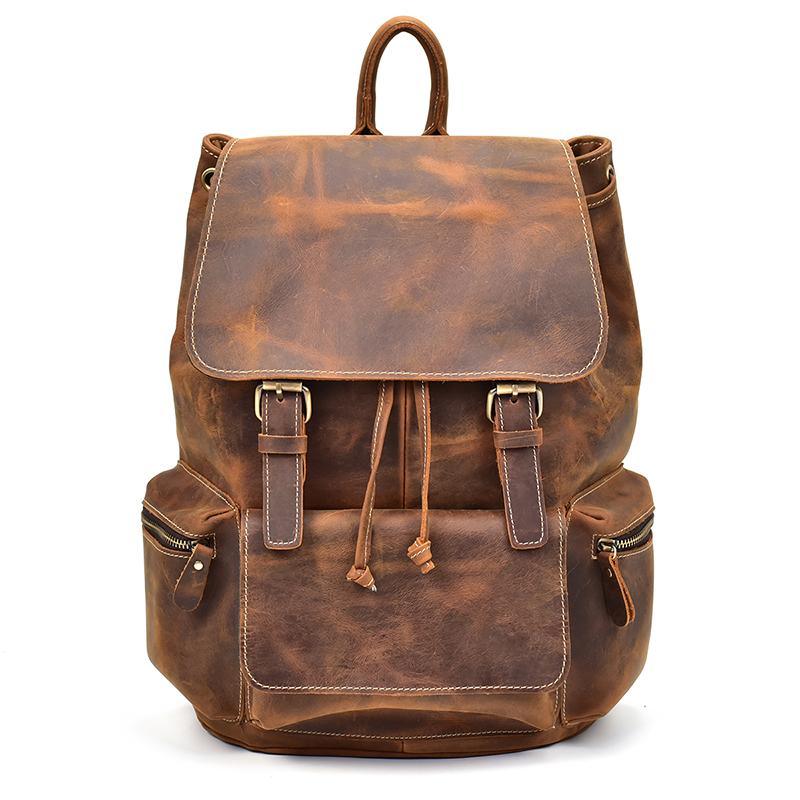
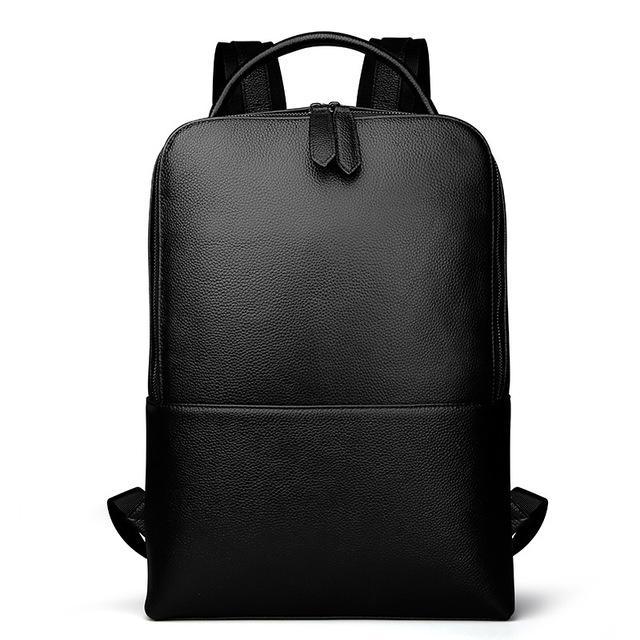
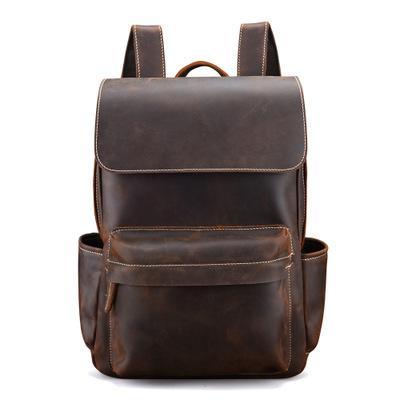
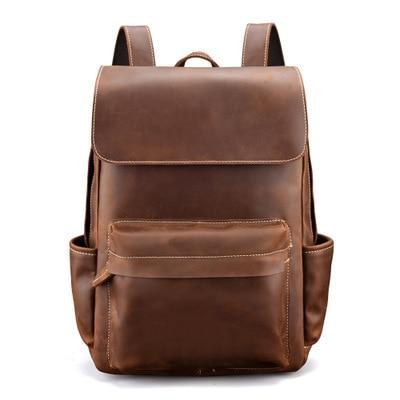
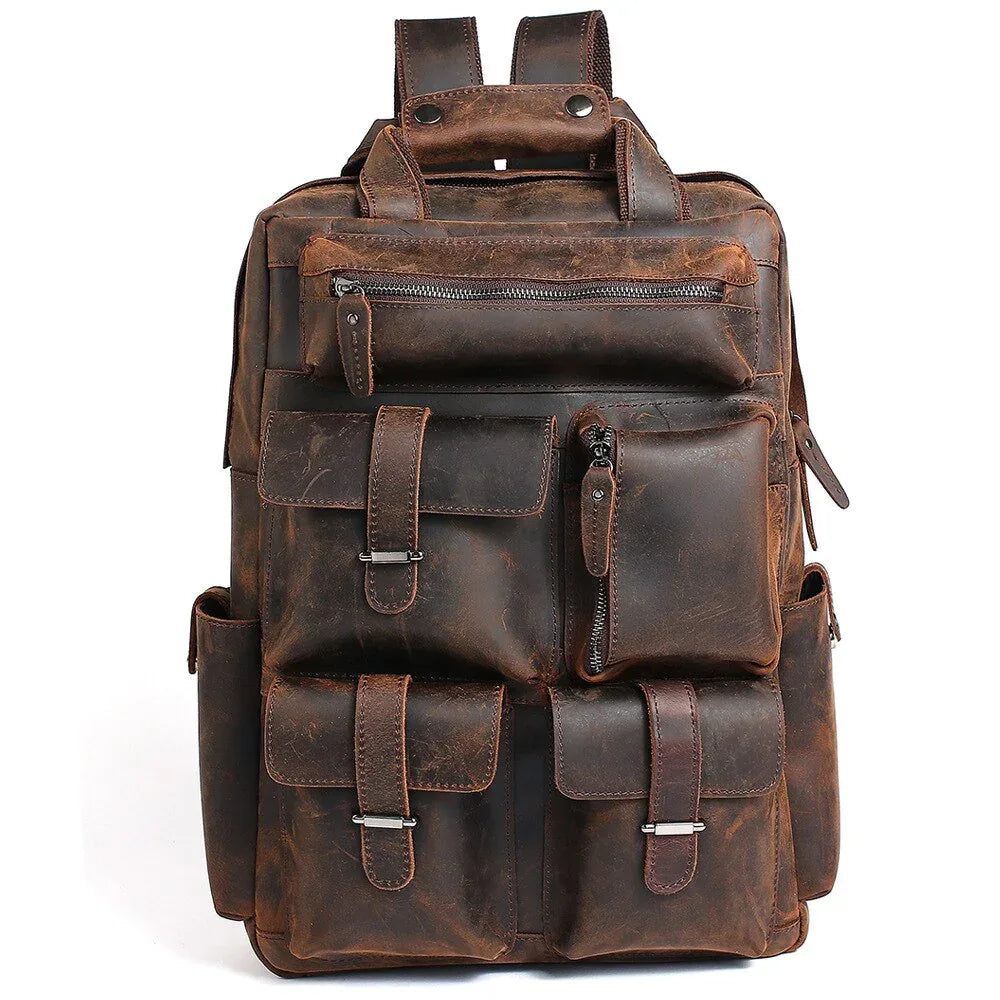
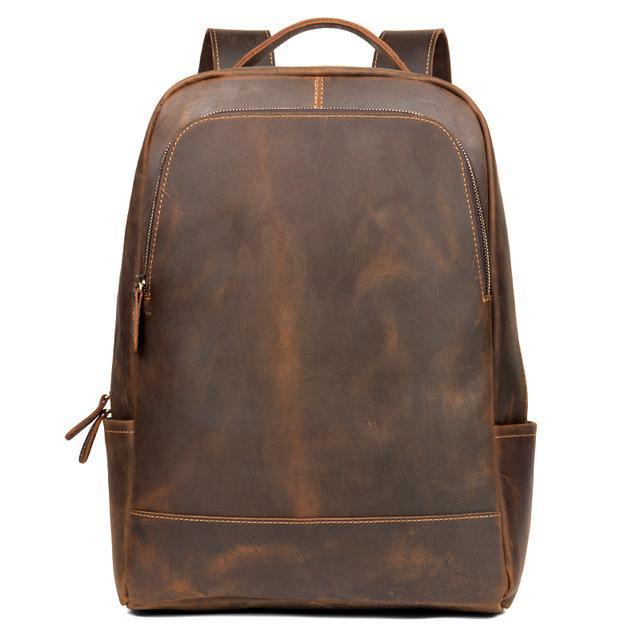
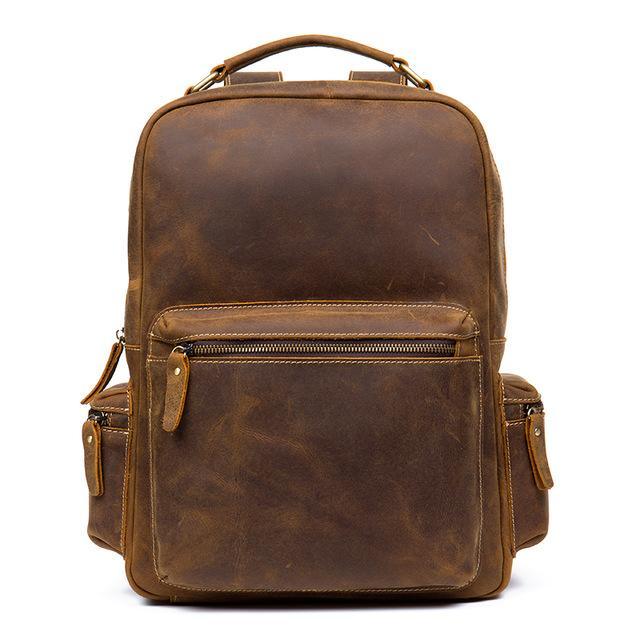
If sunscreen damage has left your current bag looking worn, Steel Horse Leather makes full-grain leather goods designed to age well with proper care. Our leather backpacks collection includes the Skald Black Pebbled Leather Backpack, the Icarus Backpack, and the Tove Backpack, all built from full-grain hides that respond well to standard cleaning methods described above.
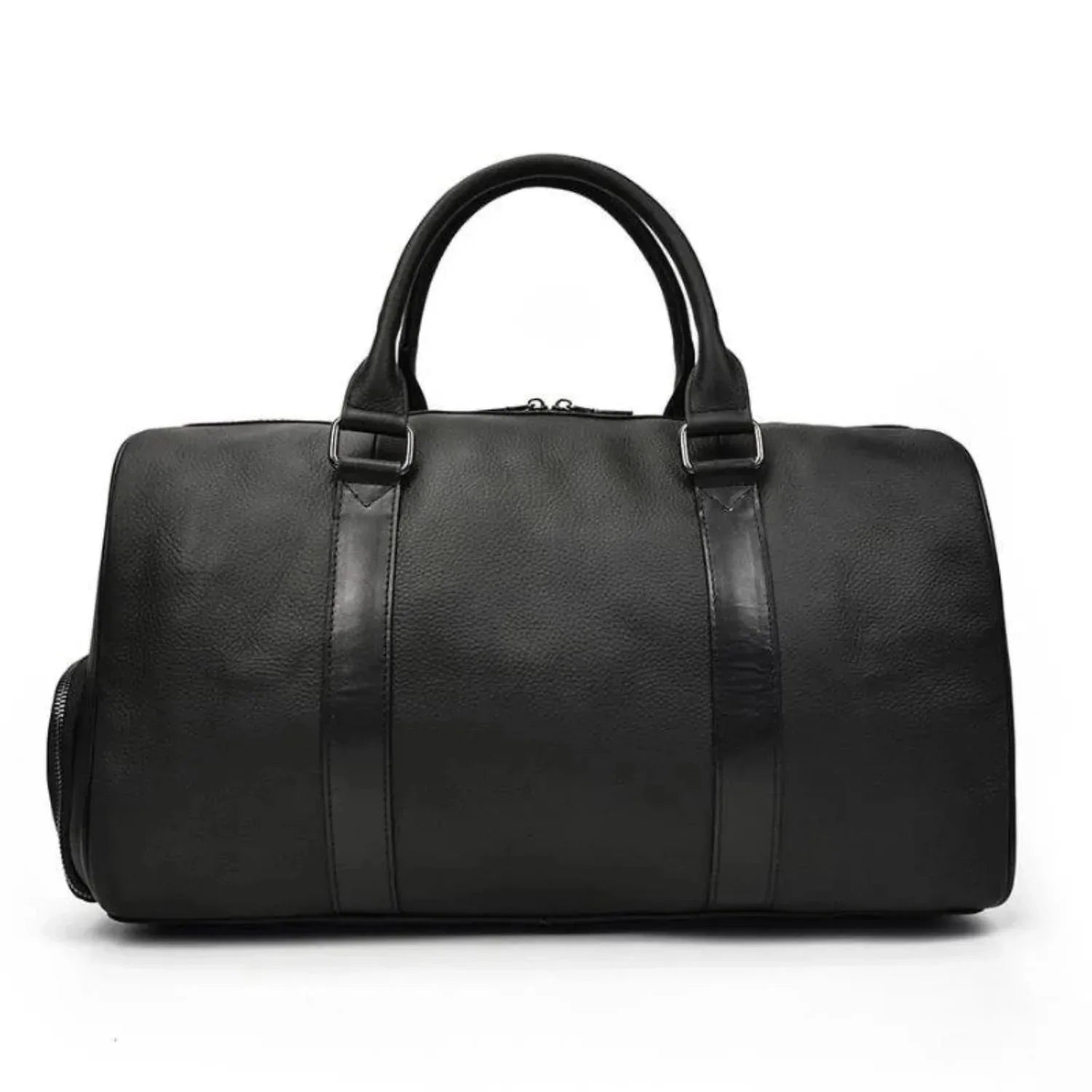
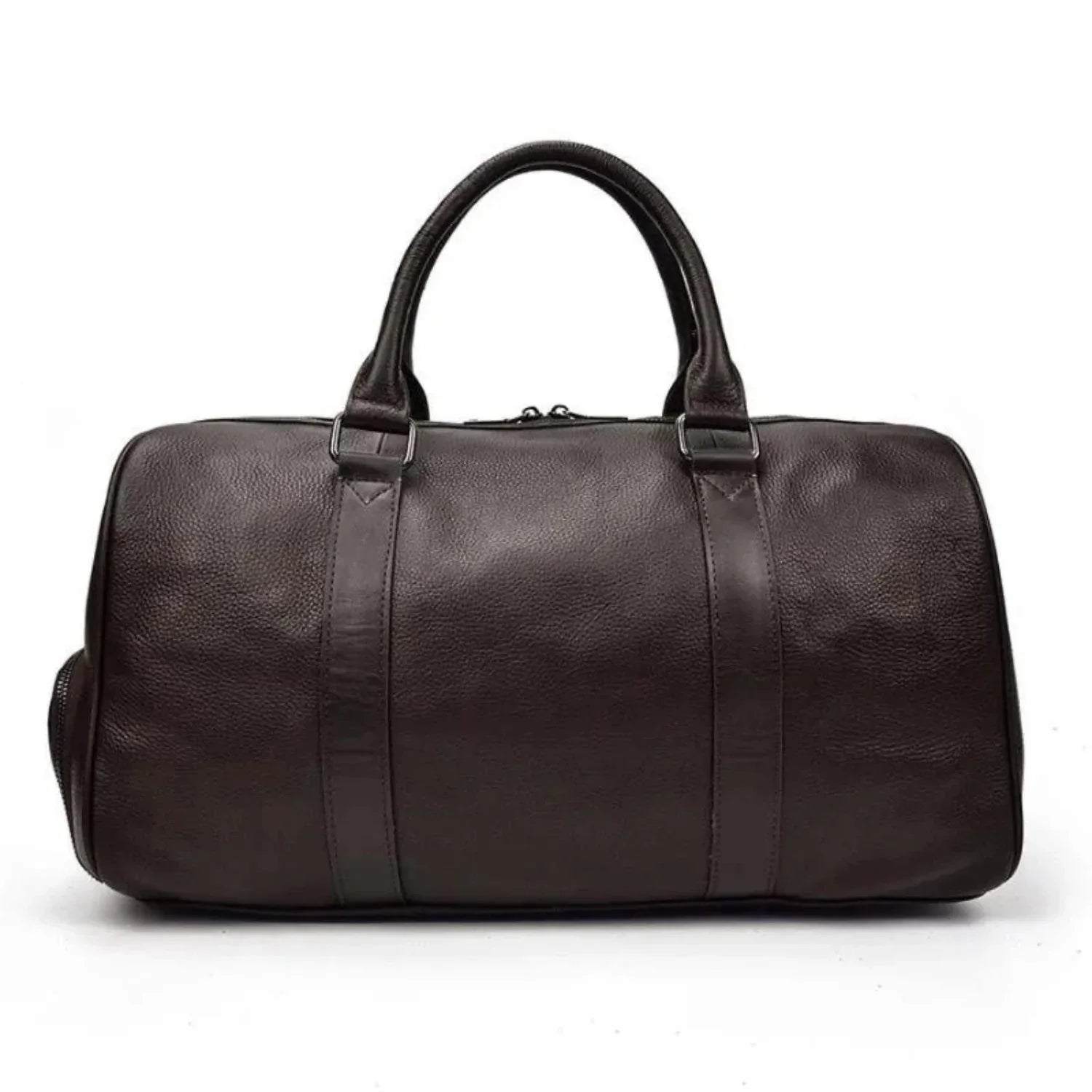
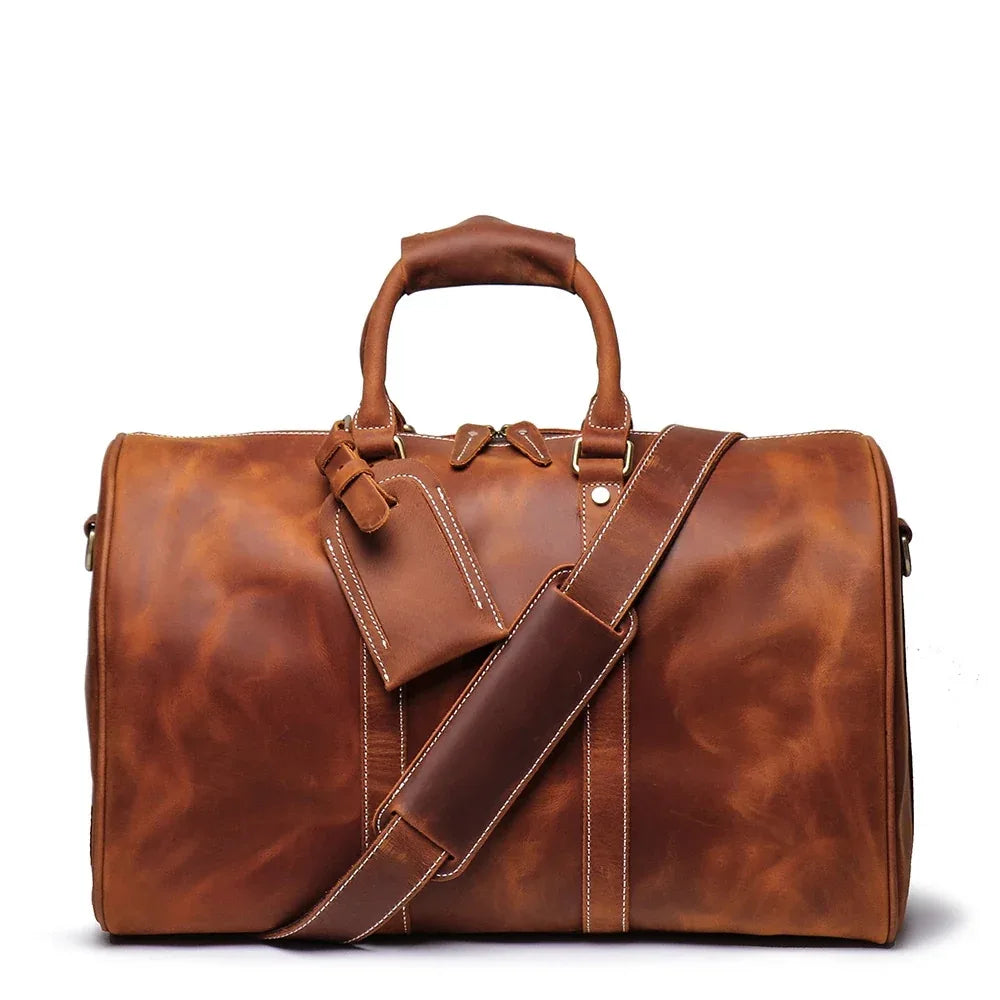
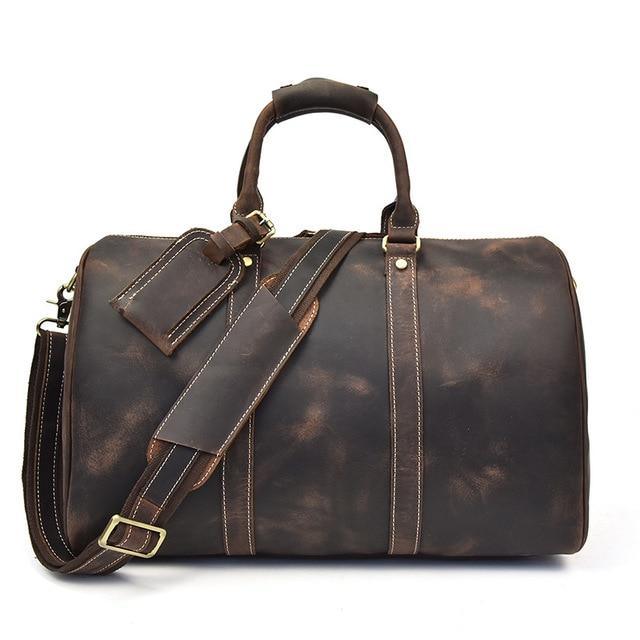
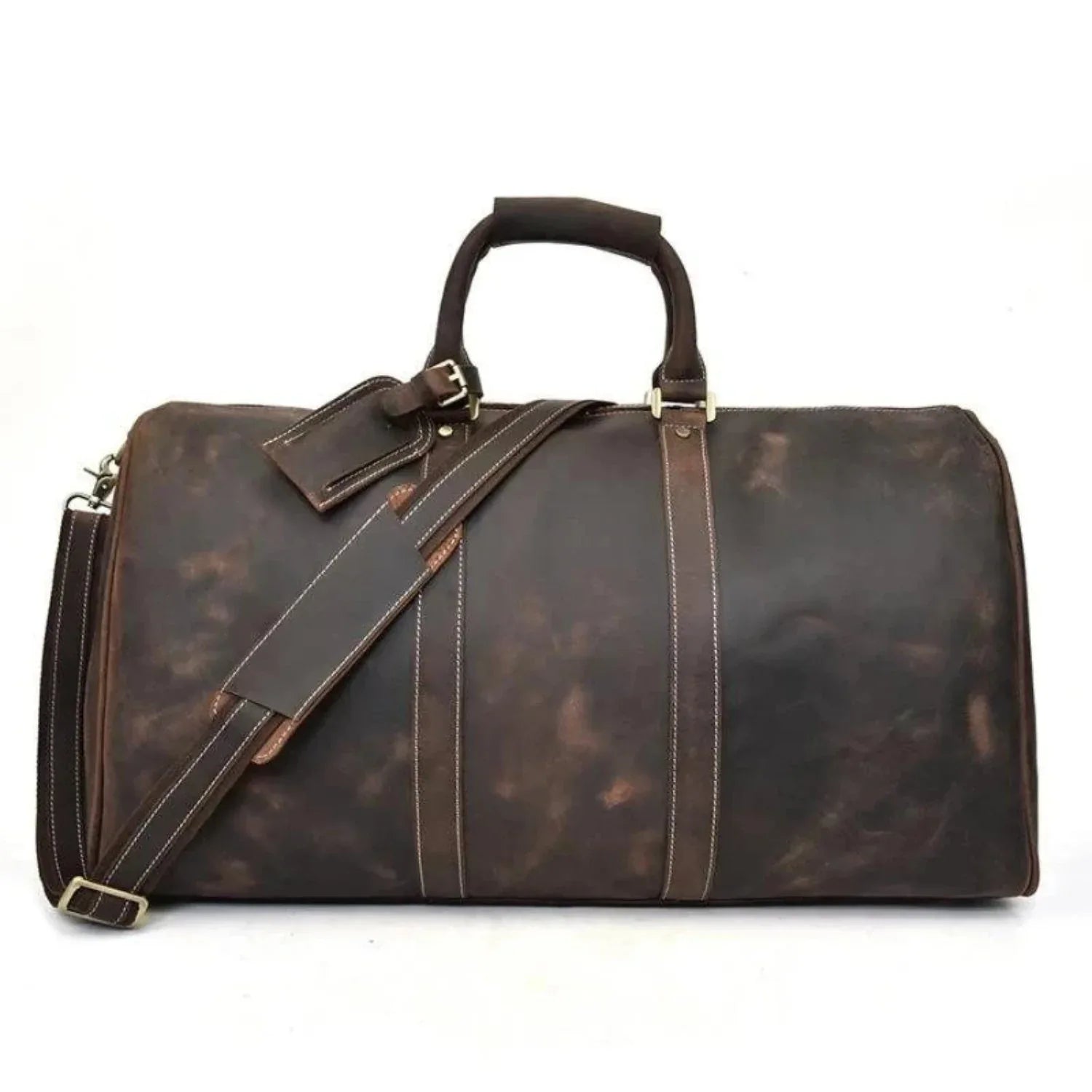
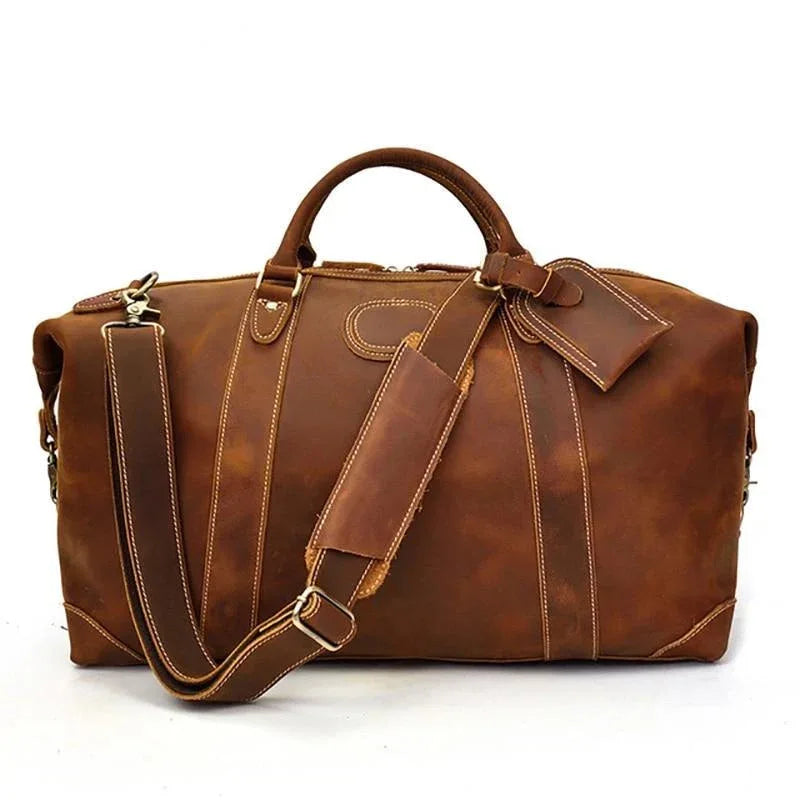
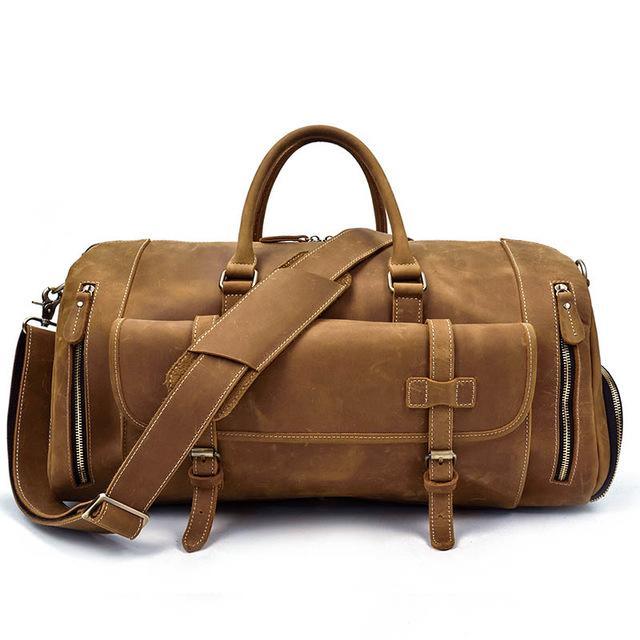
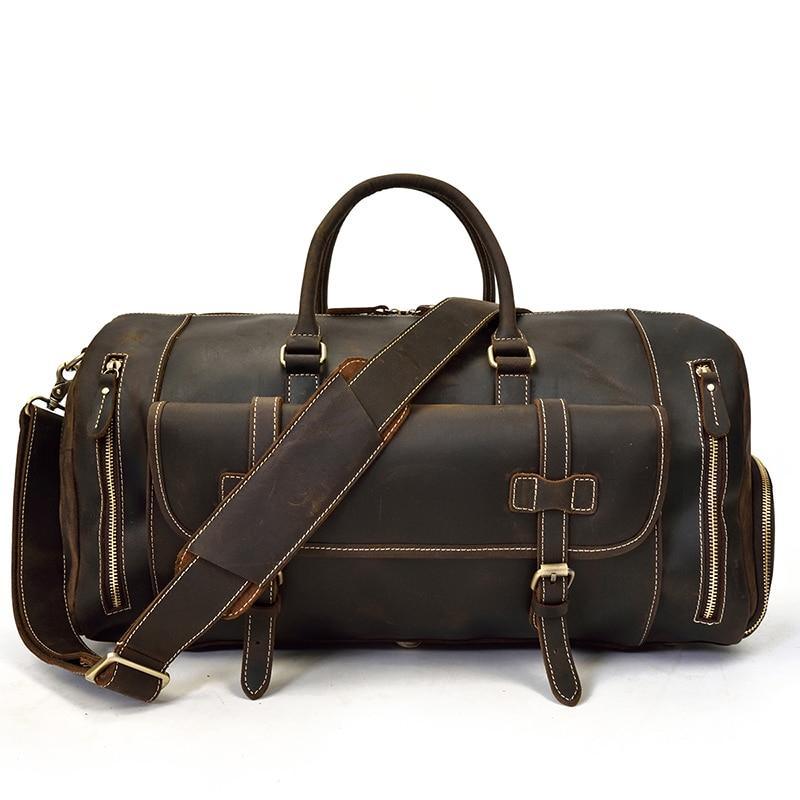
For travel, our leather duffle bags and travel bags include the Erlend Duffle Bag, the Endre Weekender, the Brandt Weekender, and the Colden Duffle Bag, each suited to beach trips and outdoor travel where sunscreen exposure is common. Read our duffel bag cleaning and conditioning guide for maintenance tips specific to weekender styles.
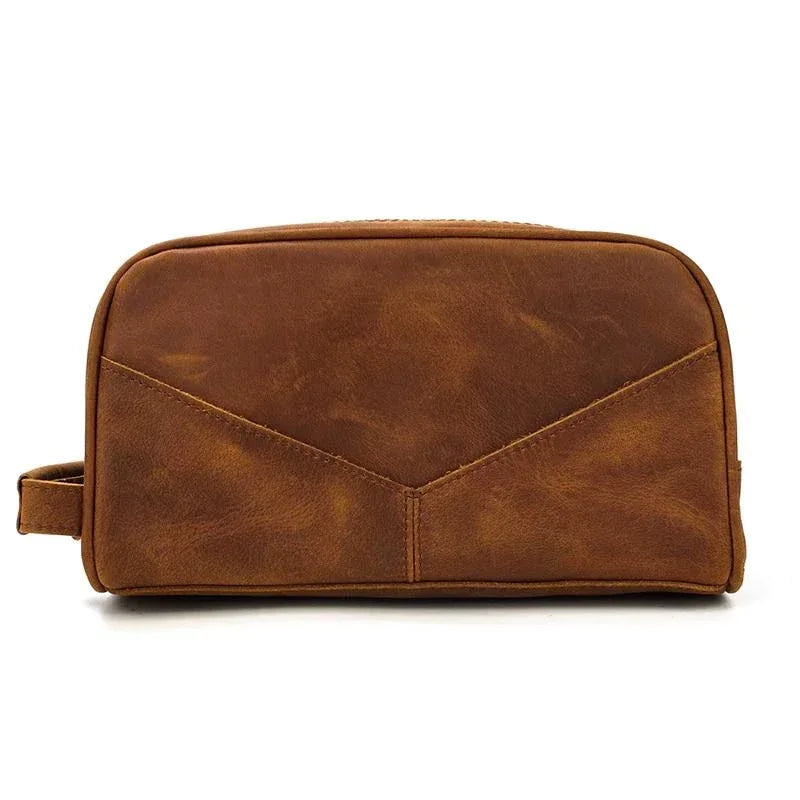
For work and daily carry, browse our leather briefcases and leather laptop bags, including the Welch Briefcase and the Hemming Leather Laptop Bag. Small accessories like the Pathfinder Bifold Wallet and the Wagner Leather Waist Bag from our leather accessories collection are also common victims of sunscreen transfer during outdoor activities, so keep a cloth handy when carrying them poolside.
Conclusion
Sunscreen protects skin but can damage leather if residue is left to sit and oxidize. Zinc oxide, titanium dioxide, and oily carriers like polyethylene glycol penetrate leather grain and cause staining, yellowing, and dryness if not addressed quickly (Monico et al., 2015; Shanbhag et al., 2019). Knowing your leather type, whether aniline, pigmented, perforated, or full-grain, determines which cleaning method is safe to use.
The methods in this guide, from blotting and white vinegar to baking soda, rubbing alcohol, and dedicated leather cleaners, cover nearly every severity of sunscreen stain. Act quickly, test any product on a hidden spot first, avoid heat and harsh chemicals, and always condition the leather afterward. Explore our full range of full-grain leather bags at Steel Horse Leather and browse our leather durability guide to understand how proper care extends the life of your investment.
References
Julian, A., Bethel, J., Odden, M., & Thorburn, S. (2016). Sex differences and risk behaviors among indoor tanners. Preventive Medicine Reports, 3, 283-287. https://doi.org/10.1016/j.pmedr.2016.03.011
Monico, G., Leo, M., Ma, B., Johal, R., Ma, T., & Sivamani, R. (2015). The use of botanical products and vitamins in sunscreens. Dermatology Online Journal, 21(11). https://doi.org/10.5070/d32111029278
Shanbhag, S., Nayak, A., Narayan, R., & Nayak, U. (2019). Anti-aging and sunscreens: Paradigm shift in cosmetics. Advanced Pharmaceutical Bulletin, 9(3), 348-359. https://doi.org/10.15171/apb.2019.042
Frequently Asked Questions
What is the best way to remove sunscreen stains from leather car seats?
Blot excess sunscreen immediately with a clean microfiber cloth, then apply a dedicated automotive leather cleaner or a diluted white vinegar solution using a damp cloth. Test the product on a hidden area first, and follow up with a leather conditioner to restore natural oils (Shanbhag et al., 2019).
How do I know which leather cleaner is safe to use on my leather goods?
Check whether the cleaner is formulated for your specific leather type, since aniline, pigmented, PU, and faux leather all react differently to cleaning agents. Test a small amount on a hidden area and wait 24 hours before treating the full surface. Avoid cleaners with chlorine bleach or harsh solvents (Monico et al., 2015). Browse our leather bags collection for full-grain pieces that respond well to standard care methods.
Can I use rubbing alcohol to remove sunscreen from leather?
Yes, rubbing alcohol can work on chemical sunscreen residue, but it must be used cautiously and tested first, since it can strip finish from some leathers. Apply a small amount to a cloth, test on a hidden spot, then rinse thoroughly with a damp cloth. Never use it on aniline leather or suede (Shanbhag et al., 2019).
How long does it take to fully remove sunscreen residue from leather?
Fresh stains typically lift within 30 to 60 minutes using gentle blotting and a mild cleaner. Set-in or dried stains may need multiple cleaning cycles and a longer soaking time before the residue fully clears (Shanbhag et al., 2019; Monico et al., 2015).
Is baking soda safe to use on all types of leather?
Baking soda and cornstarch are generally safe for pigmented and automotive leather when used as a diluted paste and rinsed thoroughly. Use caution on aniline leather, since the paste's texture can affect its uncoated surface. Always patch-test first and condition afterward (Shanbhag et al., 2019).
What active ingredients in sunscreen are most damaging to leather surfaces?
Oil-based carriers like polyethylene glycol and mineral compounds such as zinc oxide and titanium dioxide cause the most visible residue and staining. Chemical UV blockers can also cause yellowing over time as they oxidize within the leather. Lighter, fast-absorbing formulas tend to leave less residue (Monico et al., 2015; Shanbhag et al., 2019).
How do I prevent sunscreen from staining my leather bags and accessories?
Apply sunscreen at least 15 minutes before handling leather items, allowing it to fully absorb (Julian et al., 2016). Carry a microfiber cloth to wipe your hands before touching leather goods, and store sunscreen in a sealed pocket rather than loose inside your bag.
Can sunscreen damage perforated leather car seats differently than regular leather seats?
Yes, perforated leather is more vulnerable because residue penetrates into the perforation holes, making it harder to remove than on a smooth leather surface. Prompt blotting followed by an automotive leather cleaner applied with a soft brush is essential, and compressed air can help dislodge residue trapped in the holes (Monico et al., 2015; Shanbhag et al., 2019).
Will conditioning my leather bag prevent future sunscreen stains?
Conditioning helps by keeping the leather's pores less porous to oil absorption, but it does not make leather stain-proof. A UV-resistant conditioner applied every few months creates a partial barrier, though wiping sunscreen off your hands before contact remains the most reliable prevention method.
Should I take my leather bag to a professional cleaner for sunscreen stains?
For minor, fresh stains, at-home methods like diluted vinegar or mild soap are usually sufficient. For set-in stains on expensive full-grain pieces, such as a designer leather bag or a corporate gift item, a professional leather cleaner reduces the risk of accidental damage from at-home experimentation.
All of our bags at Steel Horse Leather are crafted from full-grain crazy horse leather, built to develop a rich patina over time. Browse our Leather Bags.