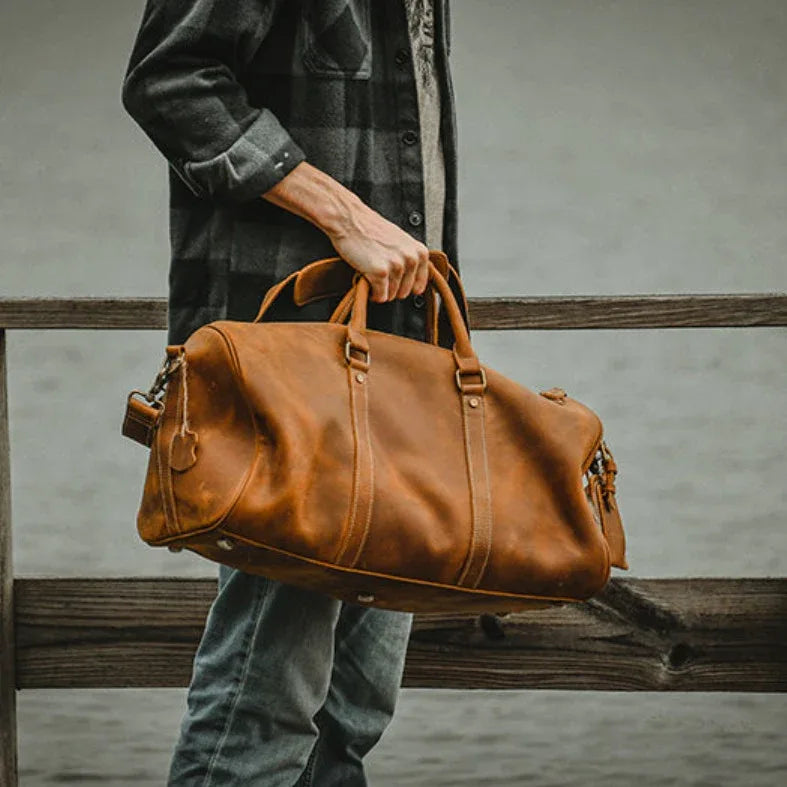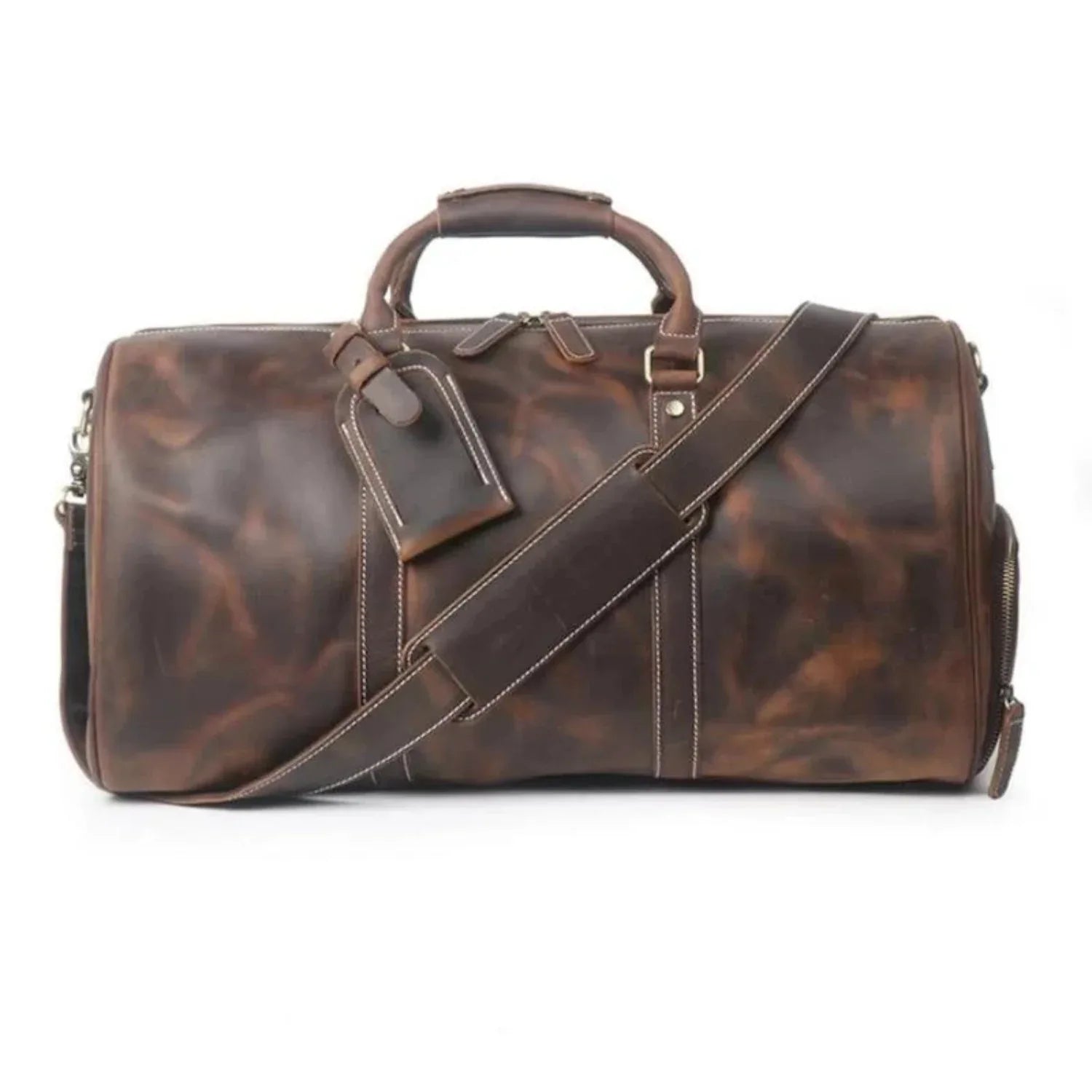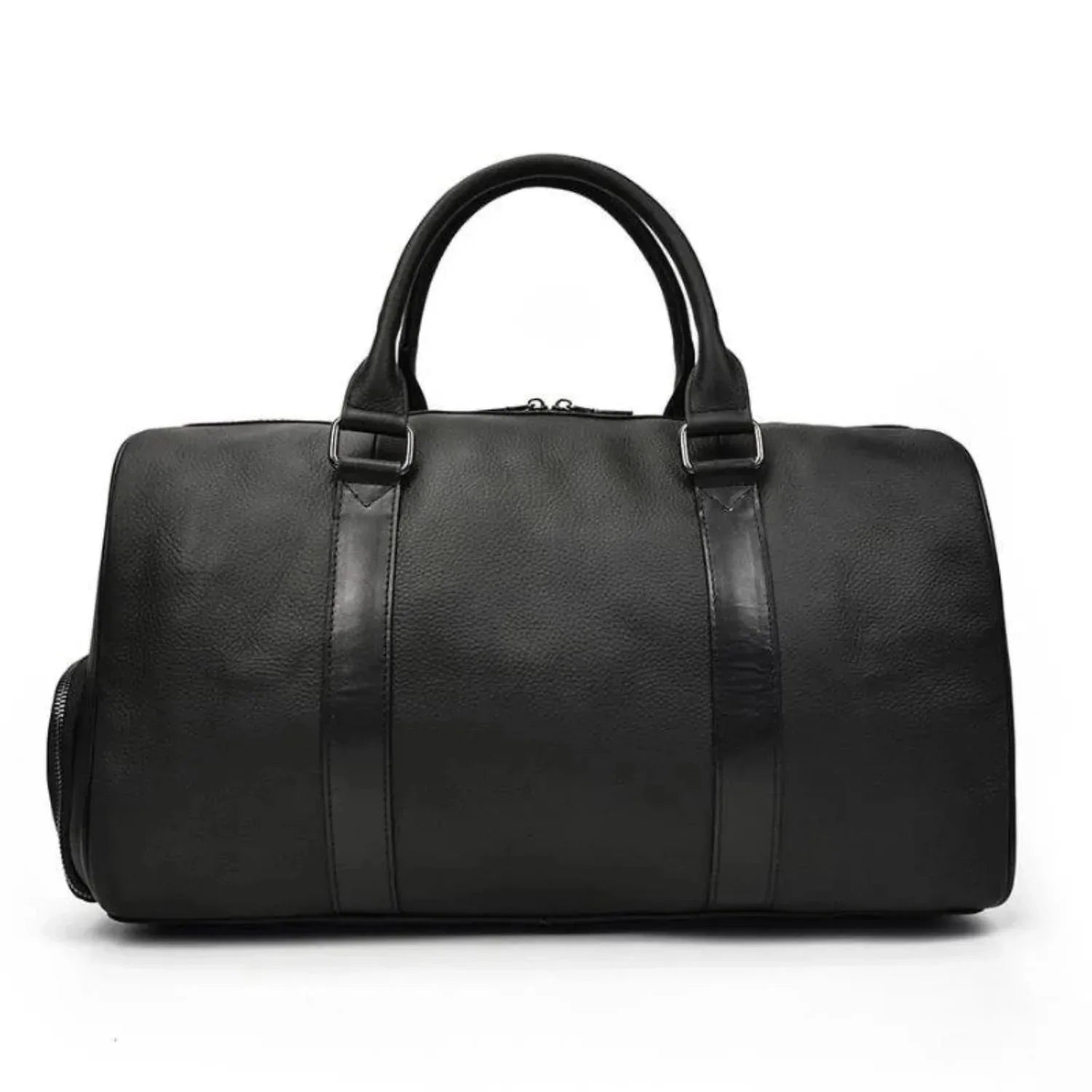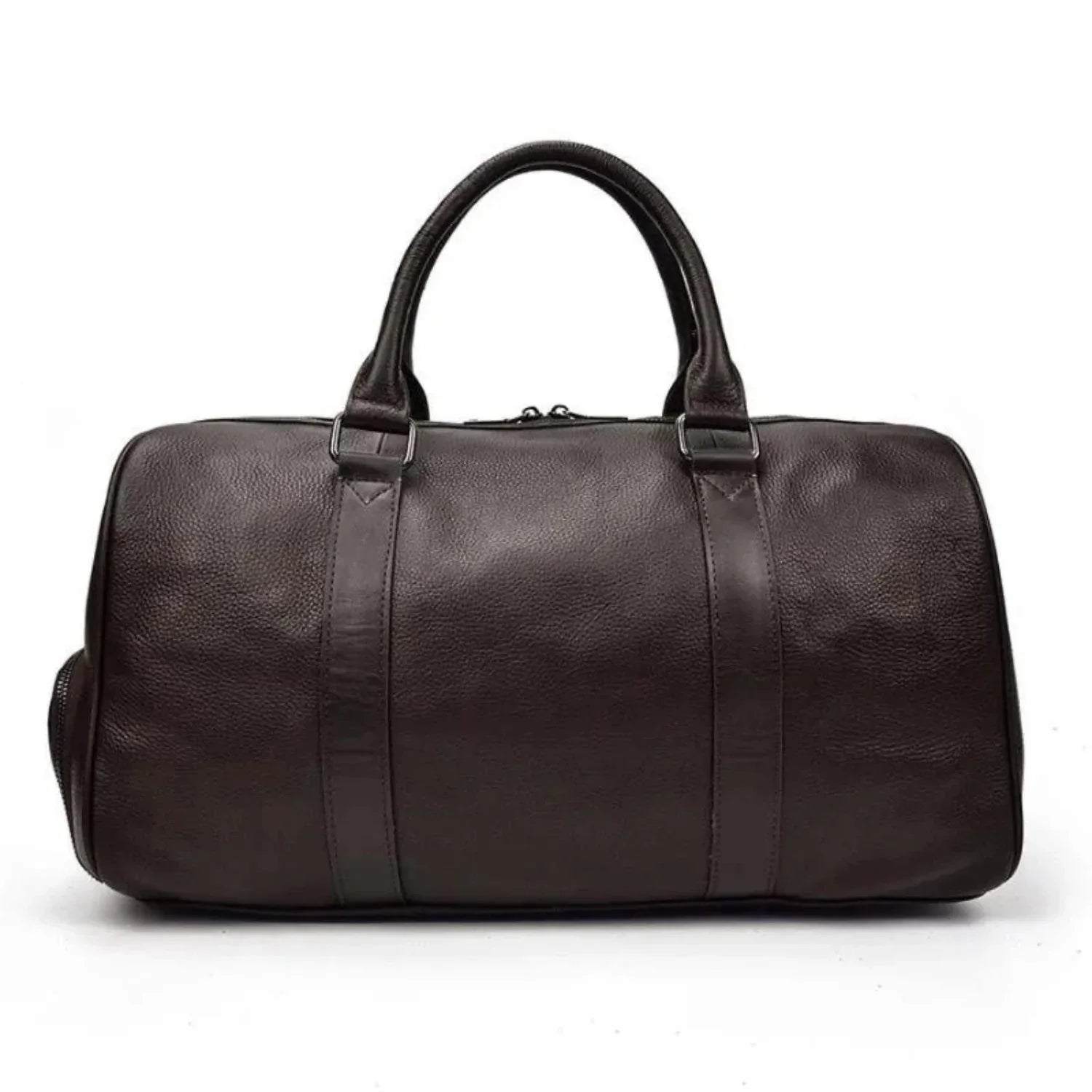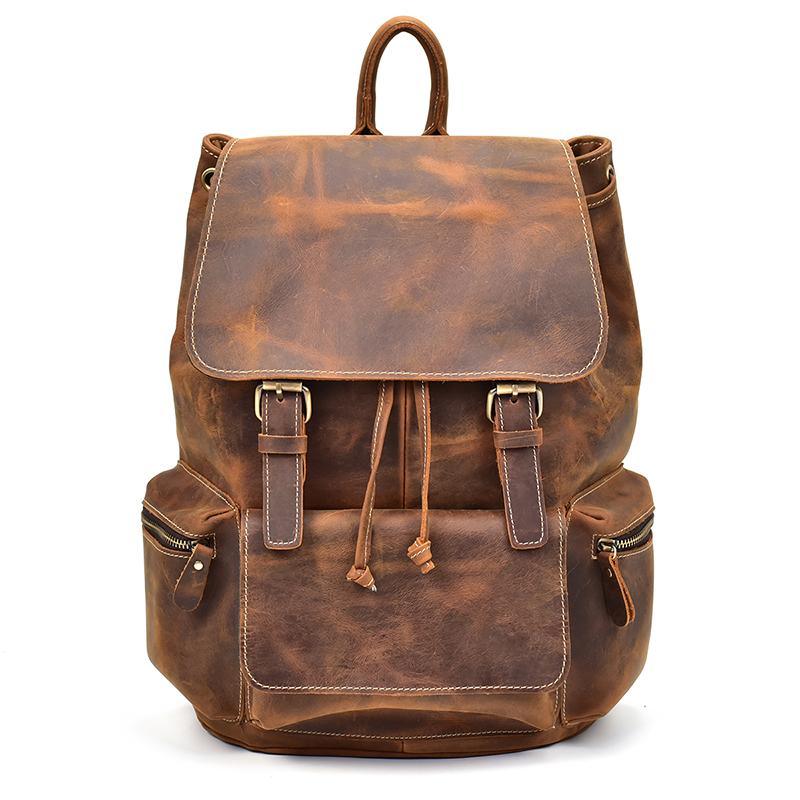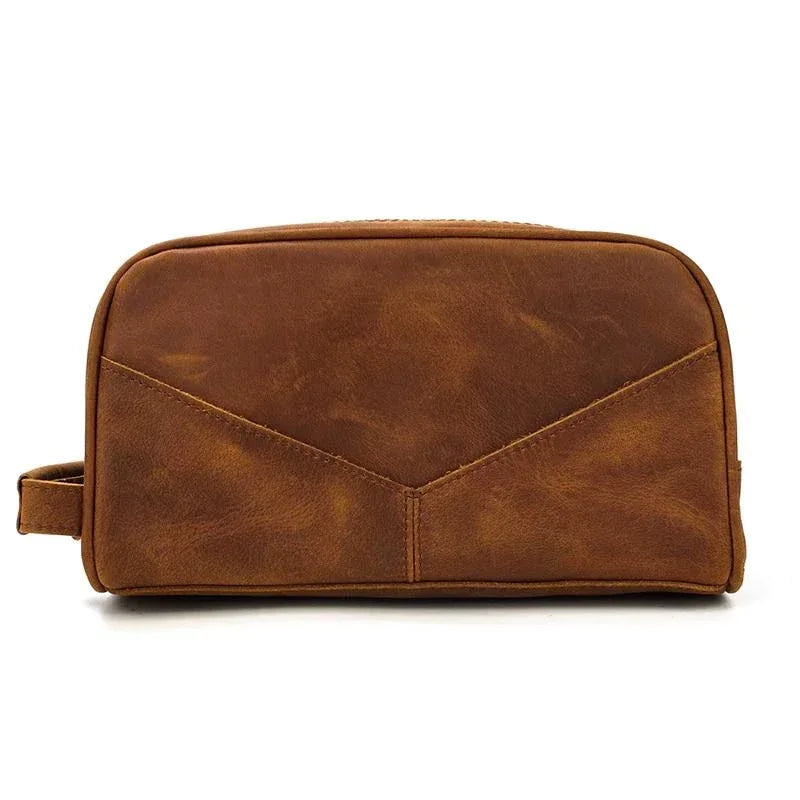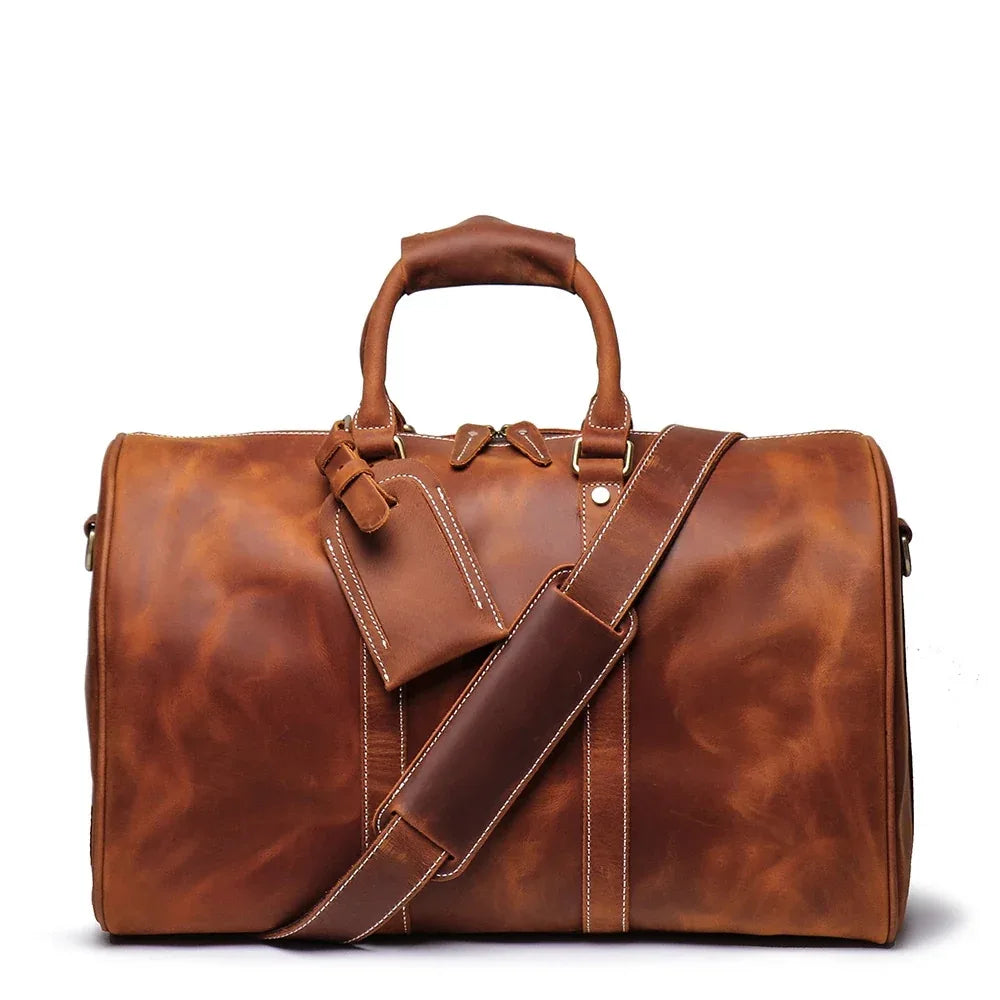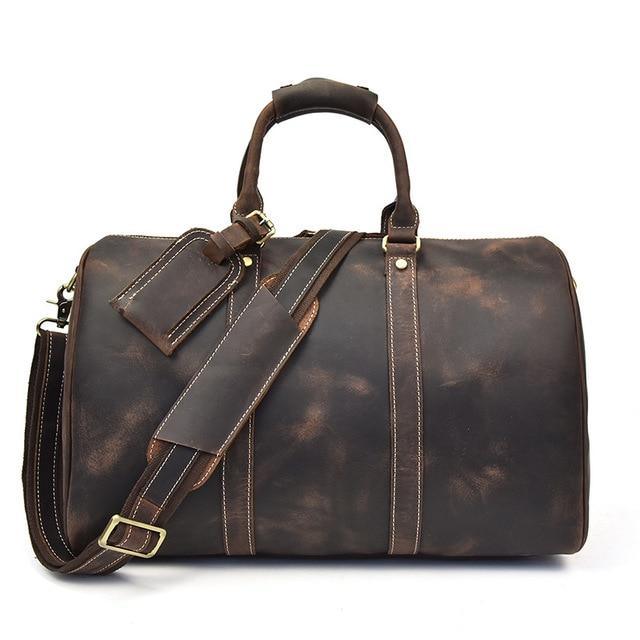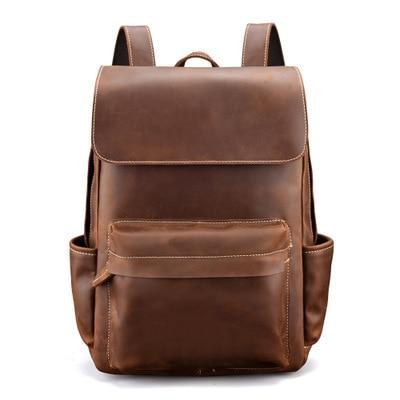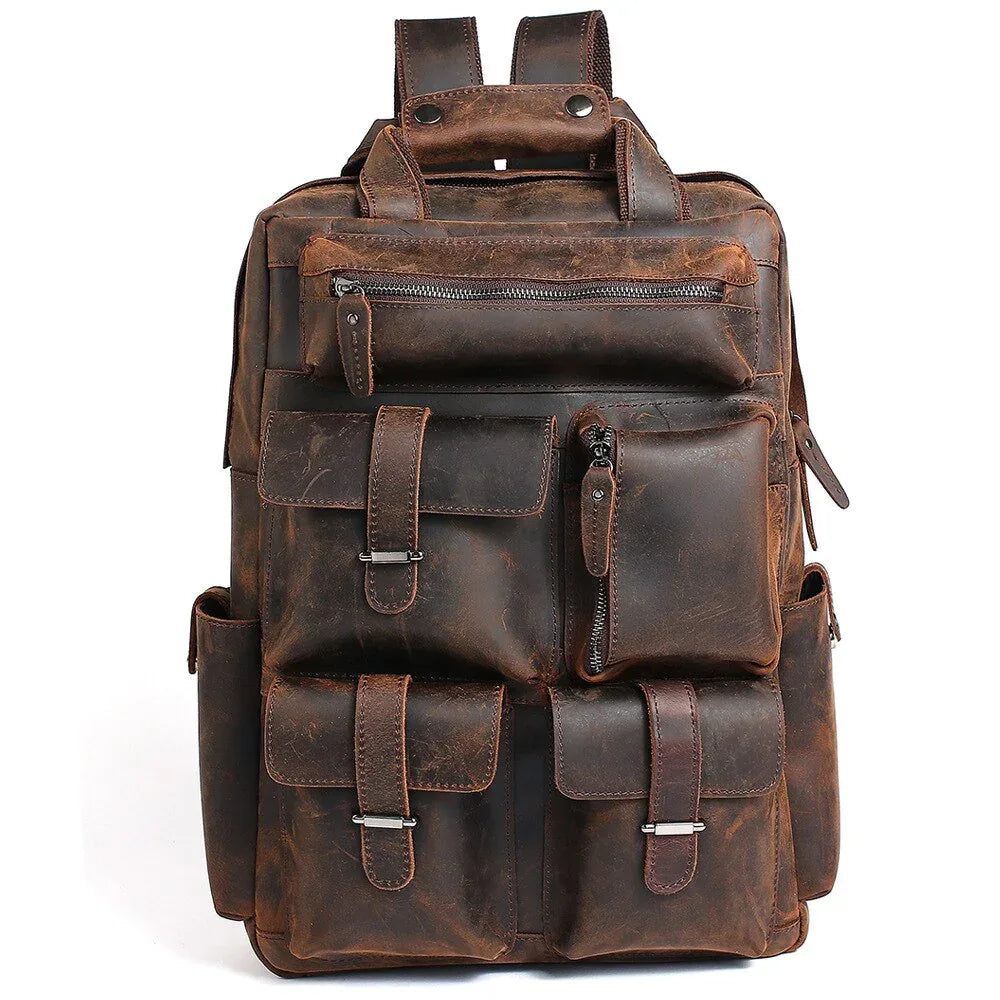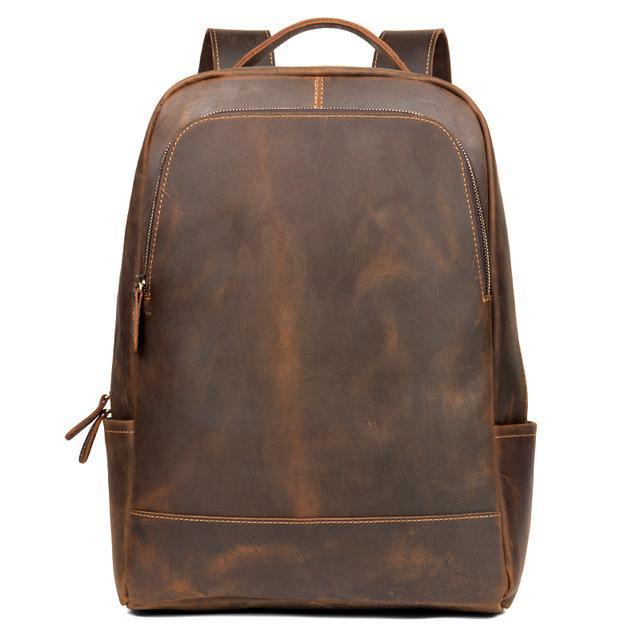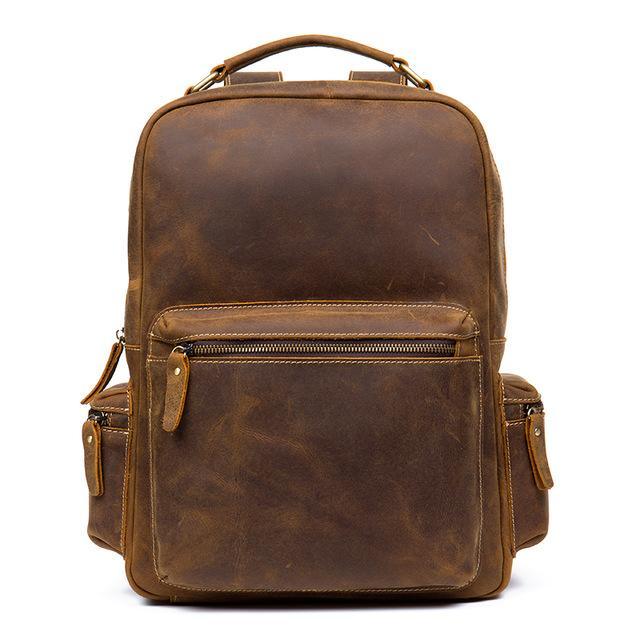
Pebbled leather has a bumpy, textured surface created by stamping or pressing the hide, while smooth leather has a flat, refined grain with little to no texture. Pebbled leather resists scratches and hides wear better, making it a common choice for backpacks and daily-use bags. Smooth leather shows a more polished, formal look but requires more careful handling to avoid visible marks.
In this guide, we break down the real differences between pebbled and smooth leather, including how each is made, how to care for them, and which one fits your lifestyle. We'll also cover related leather types like aniline leather, faux leather, genuine leather, grain leather, real vs. fake leather, full grain vs. top grain leather, vegan leather, split leather, nubuck leather, and how leather is made in general.
Key Takeaways
- Pebbled leather gets its texture from a hammering or embossing process applied after tanning, while smooth leather is tanned and finished without any texturizing step.
- Smooth leather generally costs more per square foot and is used more often in dress shoes, formal briefcases, and luxury accessories.
- Pebbled leather holds up better against scuffs and light moisture, which is why it shows up more often in everyday backpacks, duffle bags, and phone cases.
- Smooth leather should only be dusted or vacuumed and left to air dry. Pebbled leather can handle a damp cloth but neither type should be cleaned with soap or alcohol.
- Neither leather type is universally better. The right choice depends on how often you'll use the item, your budget, and whether you want a rugged look or a polished one.
Why Trust Our Leather Expertise?
Steel Horse Leather has spent years working directly with full grain leather to build bags that hold up under daily use. Our team has handled thousands of hides across different tanning and finishing methods, which gives us a practical understanding of how pebbled and smooth leather actually perform over time, not just how they look on day one.
We've also reviewed sourcing and tanning methods from multiple suppliers to understand what separates durable leather from leather that looks good only in photos. This includes studying the leather supply chain from raw hide to finished product.
The guidance in this article comes from that hands-on experience, not marketing copy. Every recommendation here reflects how these leather types actually age, scratch, and wear based on real use in handmade leather goods.
What Is Pebbled Leather?

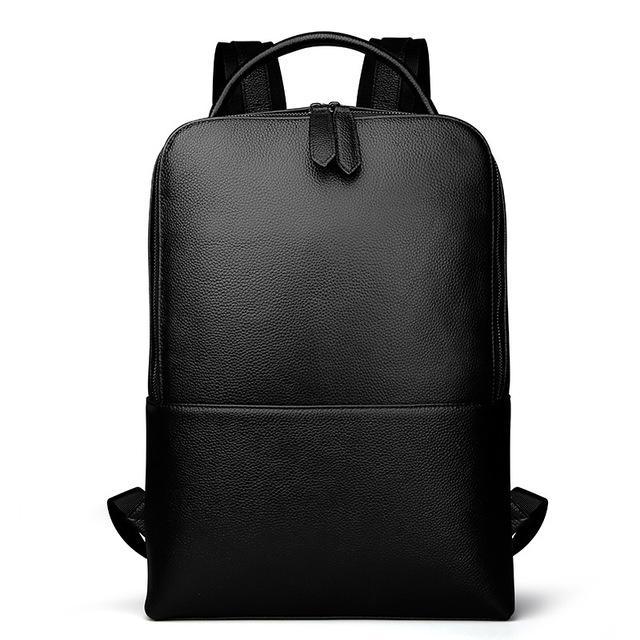
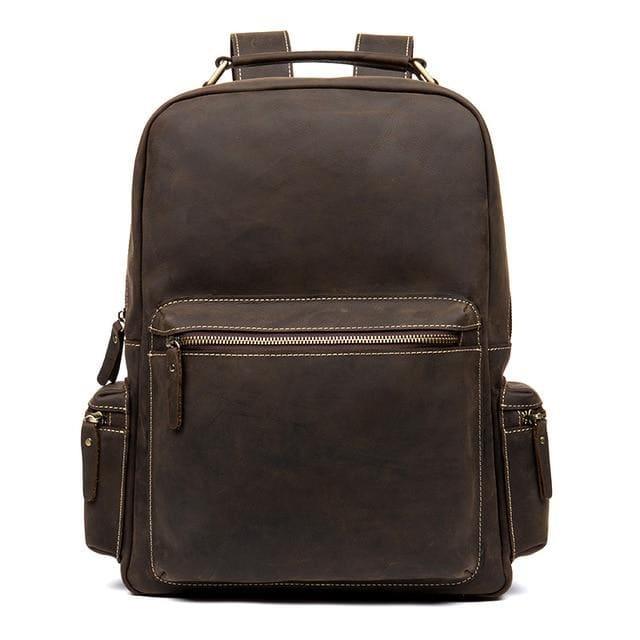
Pebbled leather is leather that has been stamped or pressed with a textured pattern after tanning, giving it a bumpy, grain-like surface. This process is applied to many types of leather goods, most commonly calfskin or cowhide. The textured surface hides small scratches better than smooth leather and is why it's used in bags that see daily wear, like the Skald Black Pebbled Leather Backpack.
How Old Is Pebbled Leather as a Material?
Pebbled leather is a relatively modern finishing technique compared to traditional tanning methods that go back thousands of years. It gained popularity in the 20th century as manufacturers looked for ways to make leather goods more resistant to everyday wear. Today it shows up across pebbled leather bags, wallets, and shoes, and its popularity has grown because it solves a practical problem: hiding scuffs on items that get used constantly.
How Is Pebbled Leather Made?
Pebbled leather is created by pressing or hammering small bumps into the surface of the hide after tanning. Manufacturers use embossing plates or rollers under pressure to stamp the pattern into the leather. This step can be done on full grain or top grain leather, and the depth of the pebbling varies depending on the machine settings and the desired finish.
What Are the Benefits of Pebbled Leather?
Pebbled leather resists visible scratches and scuffs better than smooth leather because the texture already breaks up the surface pattern. It also tends to repel light moisture more effectively, since water beads on the raised texture instead of soaking flat into the grain. This makes it a practical option for items used daily, such as wallets or bags that get tossed around in a car or gym locker.
How Do You Care for Pebbled Leather?
Clean pebbled leather with a damp cloth or a vacuum on the low-suction, no-hose setting. Avoid soap, alcohol-based cleaners, and saturating the surface with water, since these can strip the finish. If your pebbled leather bag develops deep scuffs, a leather repair guide can walk you through fixing them without replacing the item.
What Is Smooth Leather?

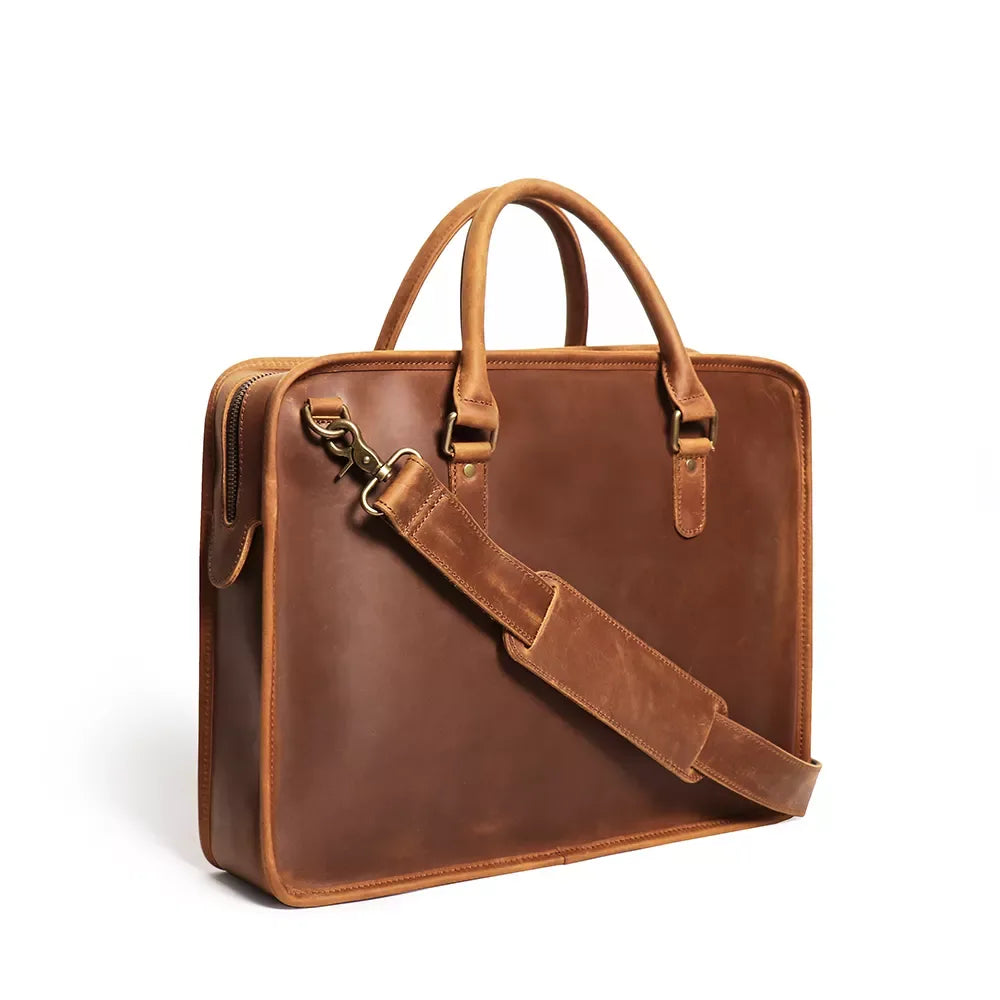
Smooth leather is hide that has been tanned and finished without any embossing or texturizing step, leaving the natural grain visible or lightly buffed. This gives it a flatter, more refined surface compared to pebbled leather. It's commonly used in dress shoes, formal briefcases, and structured bags like the Welch Briefcase.
How Long Has Smooth Leather Been Popular?
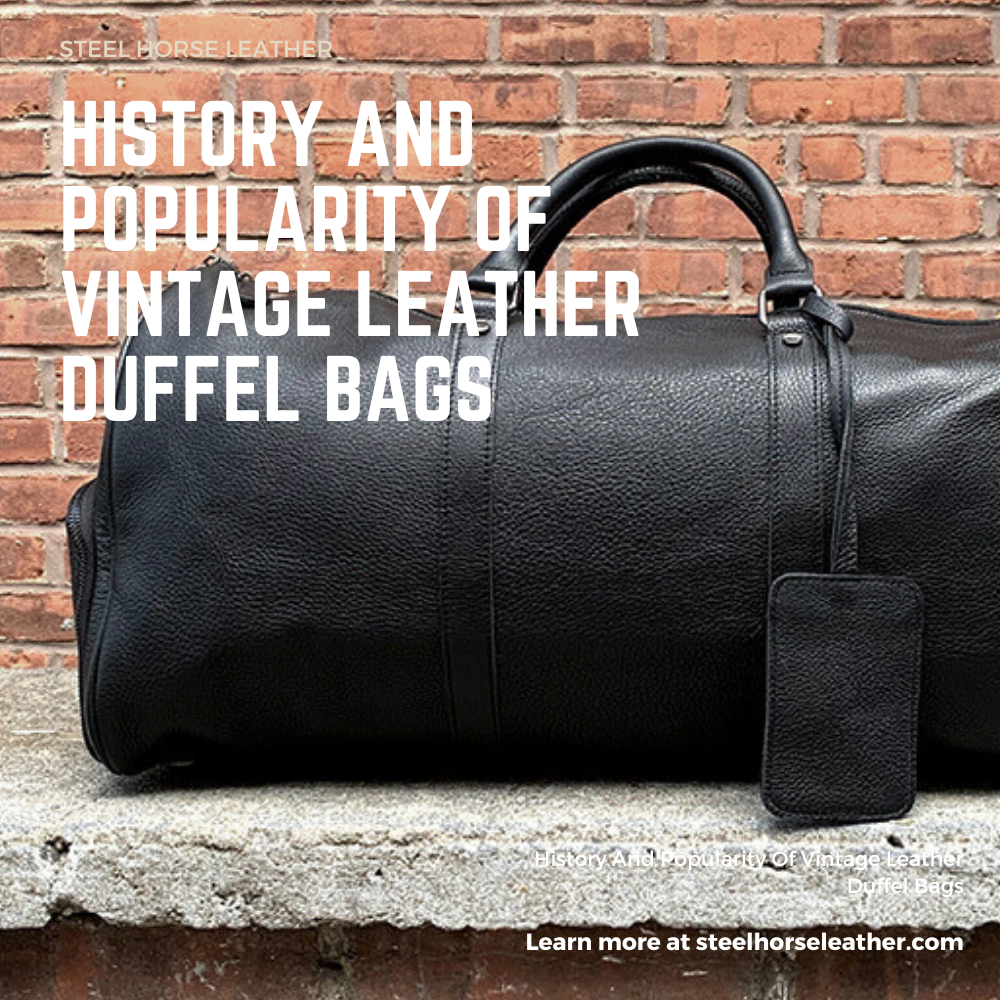
Smooth leather has been the standard finish in leather goods for centuries, especially in formal footwear and accessories. It was historically associated with high-end goods because achieving a clean, unblemished surface requires higher-grade hides with fewer natural imperfections. Today it's used across a wider price range, from budget shoes to luxury briefcases.
What Is Smooth Leather Used For?
Smooth leather is typically used for dress shoes, structured bags, wallets, and belts where a clean, polished look matters. Because the grain is fully visible, any natural markings or blemishes in the hide show up more clearly than on pebbled leather. This is part of why smooth leather items, like the Taavi Tote, are often priced based on the grade of hide used.
How Is Smooth Leather Made?
Smooth leather is produced by tanning the hide and then finishing the surface without any texturizing or embossing step. Depending on the tanning method, this can involve vegetable tanning or chrome tanning, followed by light buffing or oiling to bring out the natural grain. Because the surface stays exposed, higher-grade hides are usually selected for smooth leather to minimize visible scars or blemishes.
How Do You Care for Smooth Leather?
Smooth leather should only be dusted or vacuumed clean and left to air dry if it gets wet. Keep it out of direct sunlight to slow down oxidation of the natural oils in the hide. Apply a leather conditioner every few months to prevent the surface from drying out and cracking, and check out our DIY leather conditioner guide if you prefer a homemade option.
Pebbled Leather vs. Smooth Leather: Side-by-Side Comparison
| Feature | Pebbled Leather | Smooth Leather |
|---|---|---|
| Surface texture | Bumpy, embossed pattern | Flat, refined grain |
| Scratch resistance | Hides scuffs well | Shows scratches more visibly |
| Water resistance | Better at repelling light moisture | Absorbs moisture more easily |
| Typical cost | Generally lower | Generally higher |
| Best for | Daily-use bags, backpacks, phone cases | Dress shoes, formal briefcases, structured bags |
| Cleaning method | Damp cloth or vacuum, no soap or alcohol | Dust or vacuum only, air dry if wet |
| Appearance over time | Texture stays consistent, hides aging | Develops a visible patina |
What Is the Texture Difference Between Pebbled and Smooth Leather?
Smooth leather has a higher shine and a flatter surface, which makes it look more polished but also more prone to visible scuffing. Pebbled leather has a rougher, bumpier finish that hides minor surface damage. If you're choosing leather for something that gets handled constantly, like a daily work bag, the texture difference matters more than the price difference.
What Is the Quality Difference Between Pebbled and Smooth Leather?
Quality in both leather types depends more on the grade of hide (full grain vs. top grain vs. genuine leather) than on whether it's pebbled or smooth. Smooth leather typically costs more because it requires higher-grade hides with fewer natural blemishes, since there's no texture to hide imperfections. Pebbled leather can use a wider range of hide grades because the embossing process masks minor surface flaws.
What Is the Appearance Difference Between Pebbled and Smooth Leather?
Pebbled leather has a casual, rugged look that works well for everyday bags and outdoor gear. Smooth leather has a more formal, sophisticated appearance and is the more common choice for dress shoes and business accessories. Neither look is objectively better. It comes down to whether you want the item to look broken-in and tough or clean and polished.
Pros and Cons of Pebbled and Smooth Leather
| Leather Type | Pros | Cons |
|---|---|---|
| Pebbled Leather | Hides scuffs well, easier day-to-day cleaning, holds up to frequent handling | Less formal look, texture can vary batch to batch, harder to restore if the embossing wears down |
| Smooth Leather | Polished look, develops a natural patina, preferred for formal accessories | Costs more, shows scratches and water spots more easily, needs more careful handling |
The choice between pebbled and smooth leather comes down to how you'll use the item and how much upkeep you're willing to do. Both are available across full grain leather product lines, so you're not sacrificing durability by choosing one over the other.
Which Leather Should You Choose?
Choose smooth leather if you want a formal, polished look and don't mind giving it extra care to avoid scuffs and water spots. Choose pebbled leather if you want something that can handle daily wear, occasional light rain, and less careful handling. Neither option is more "durable" in an absolute sense. Both hold up well when made from full grain leather and cared for properly.
Best Pebbled Leather Picks for Daily Use
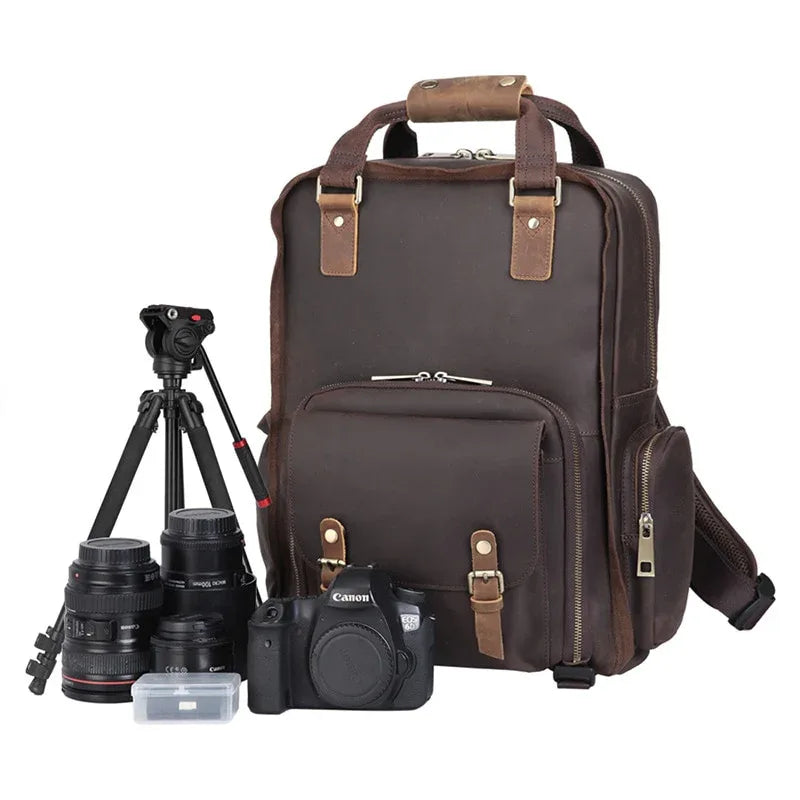
If you want the scratch-resistant benefits of pebbled leather in a daily carry bag, look at the Skald Black Pebbled Leather Backpack, a slim design built for commuting and daily use. It's also worth browsing the full leather backpack collection and our guide to the best leather backpacks for men if you want more texture and durability options side by side.
Best Smooth Leather Picks for a Polished Look
For a more refined, business-ready look, the Welch Briefcase and Hemming Leather Laptop Bag both use smoother full grain leather finishes suited to office settings. Check our high-end leather briefcase guide or browse the full briefcase collection for more formal options.
Everyday Carry Bags That Work With Either Leather Type
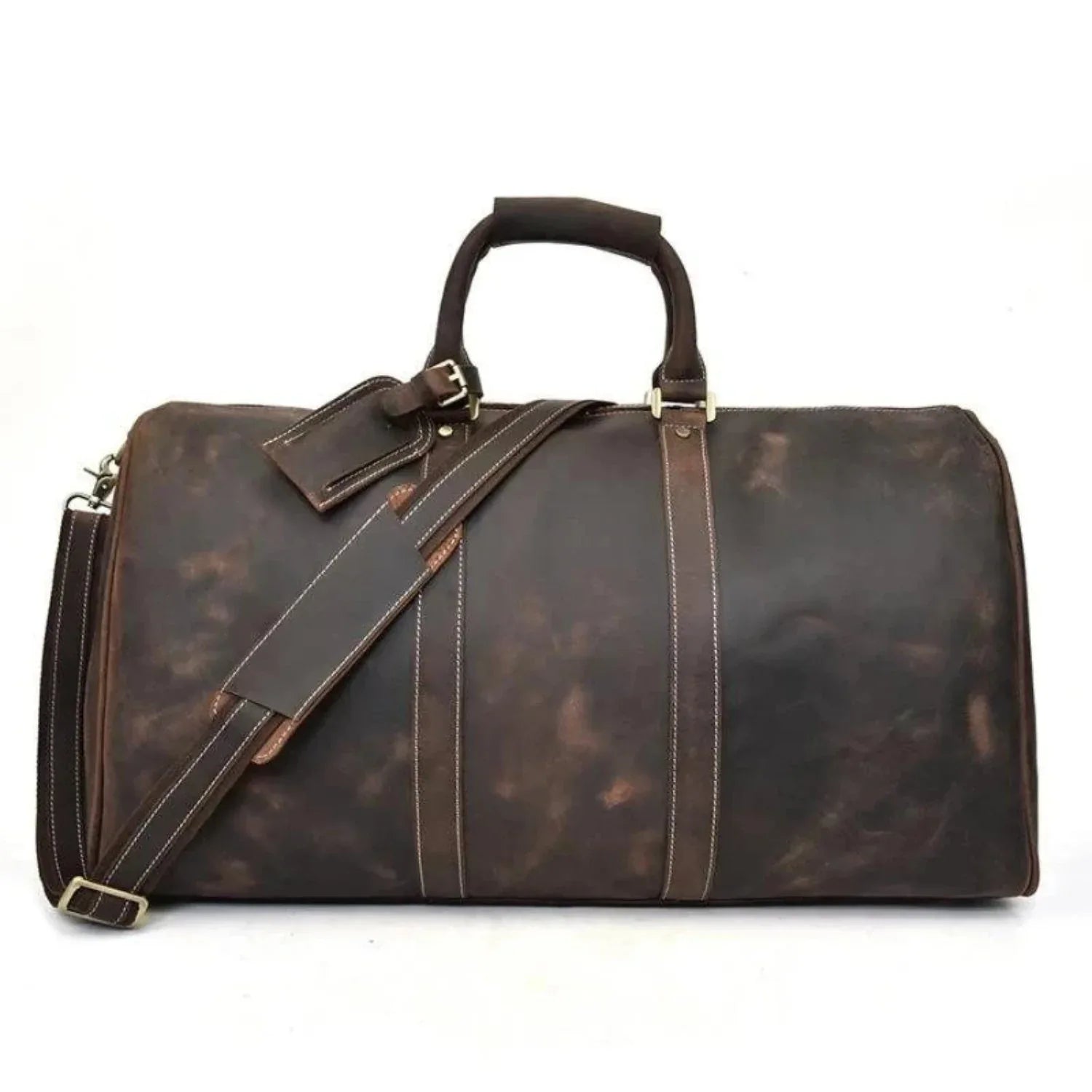
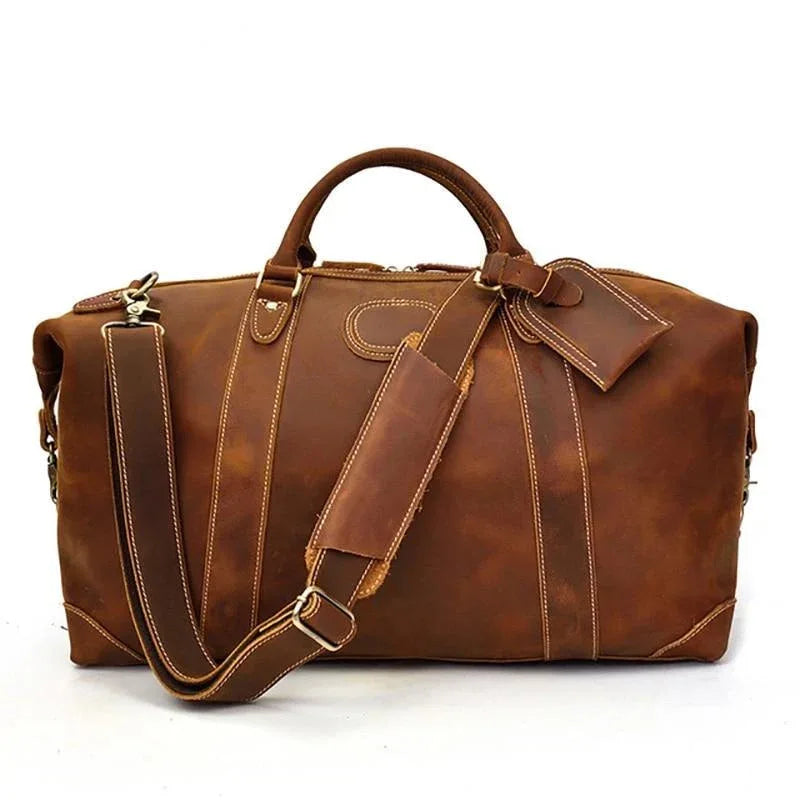
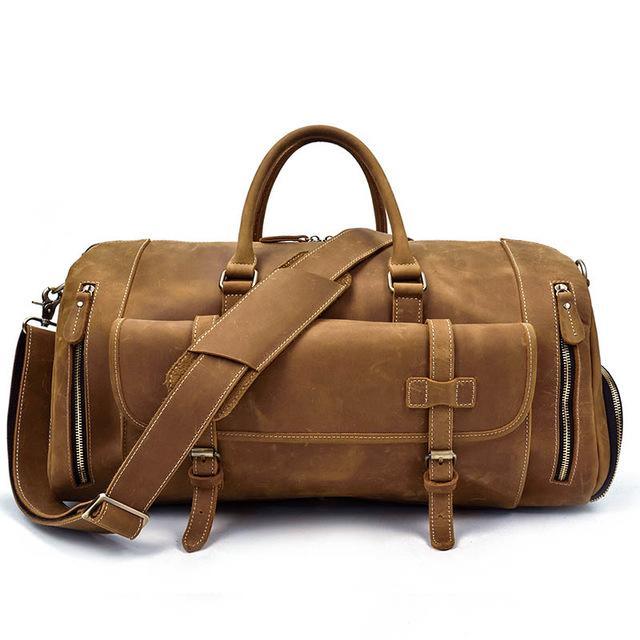
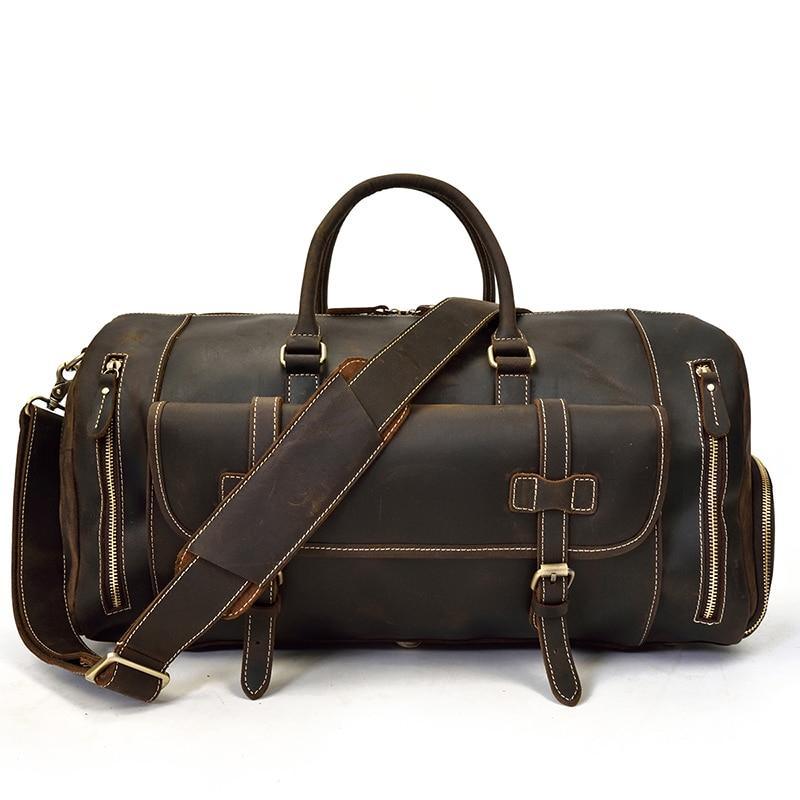
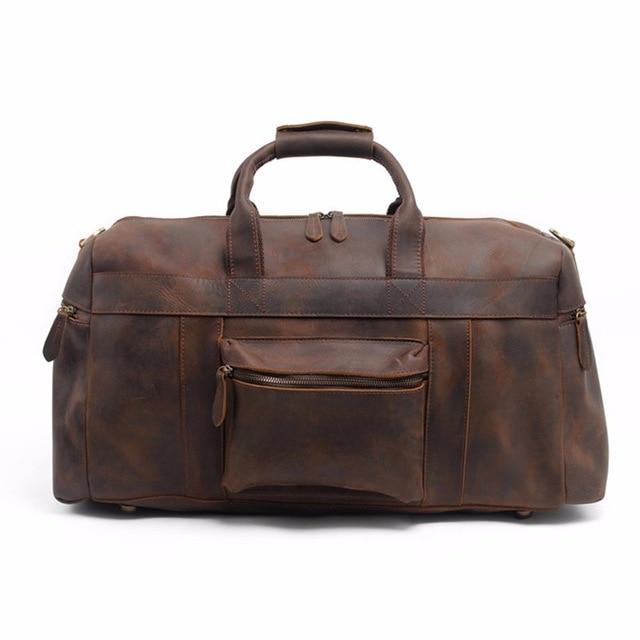
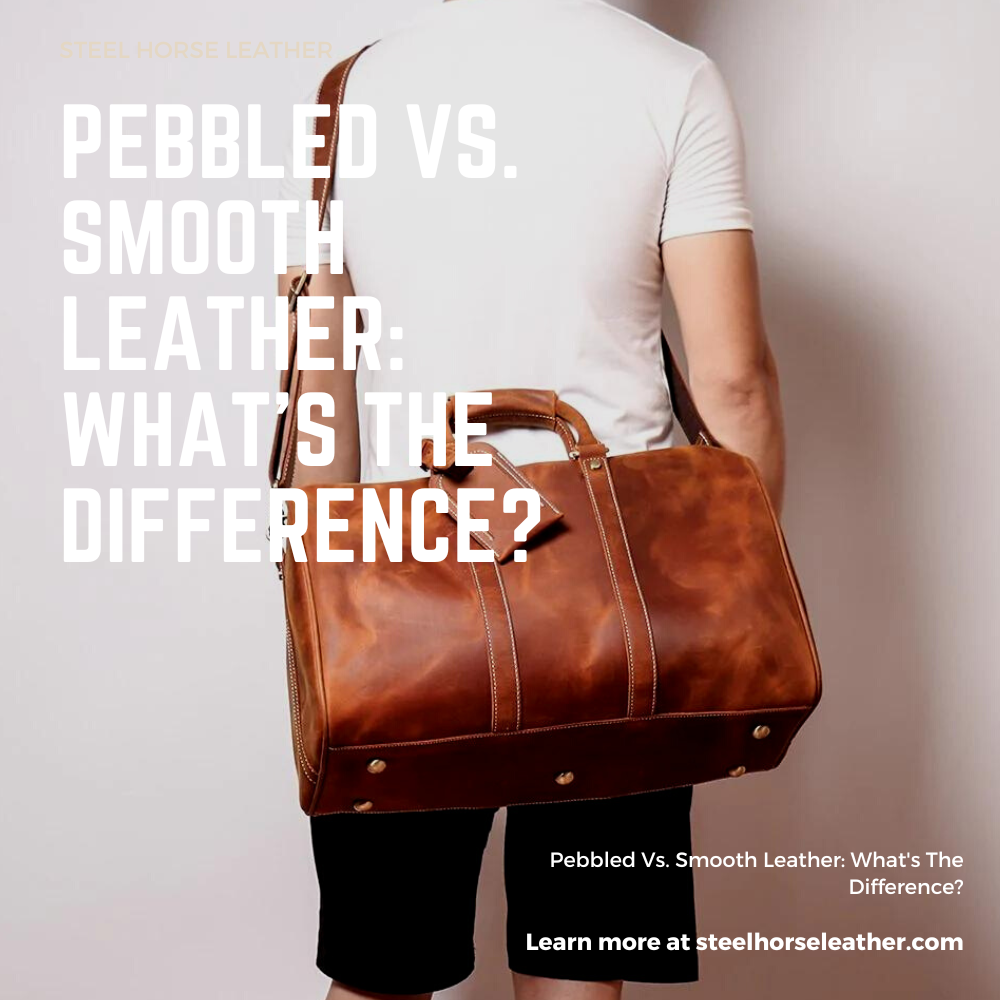
If you're deciding between texture types for a weekender or duffle bag, the Erlend Duffle Bag, Endre Weekender, and Brandt Weekender are all built from full grain leather that develops character over time regardless of finish. See our full leather duffle bag buying guide or shop the duffle bag collection for more sizes.
How Do You Maintain Pebbled and Smooth Leather Long Term?
Both leather types need regular conditioning to prevent drying and cracking, but the frequency and method differ. Pebbled leather can be wiped down with a slightly damp cloth every few weeks without damaging the texture. Smooth leather should stay dry and only be dusted, with conditioner applied every one to three months depending on how often it's used.
If your bag develops surface scratches, our guide on fixing scratched leather in 3 easy steps covers quick fixes for smooth leather specifically. For oil stains on either leather type, see our guide on getting oil stains out of leather.
Frequently Asked Questions
What is the difference between pebbled vs. smooth leather?
Pebbled leather has a textured, bumpy surface created by embossing after tanning, giving it more grip and scratch resistance. Smooth leather has a flat, refined grain with a matte to slight shine finish and develops a visible patina over time. Pebbled leather is more common in backpacks and daily bags, while smooth leather shows up more in dress shoes and formal briefcases.
Is pebbled leather more durable than smooth leather?
Pebbled leather generally hides scratches and scuffs better because its texture already breaks up the surface pattern. This makes it a practical pick for items that see daily wear, like phone cases or gym bags. That said, both leather types can be equally long-lasting when made from full grain hide and properly conditioned. Durability depends more on the leather grade than the finish.
How do I know if my bag or shoes are made of smooth or pebbled leather?
Run your hand over the surface. If you feel raised bumps instead of a flat texture, you're dealing with pebbled or embossed leather. Smooth leather feels flatter and often has a slight sheen, and over time it develops a natural patina that pebbled leather does not show in the same way. Brands sometimes use nappa leather or saffiano leather as smooth, higher-shine finishes.
Which type of leather is best for wallets, belts, and other accessories?
Pebbled leather works well for items that get handled constantly and are prone to scuffs, like the Pathfinder Bifold Wallet or a daily belt bag. Smooth leather suits items where appearance matters more than scratch resistance, such as formal belts or dress accessories. Both hold up well long term if you avoid soap, alcohol, and prolonged sun exposure.
Is pebbled leather waterproof?
No. Pebbled leather is water-resistant, not waterproof. It repels light moisture better than smooth leather because water tends to bead on the raised texture, but prolonged exposure to rain or submersion will still damage it. Always let pebbled leather air dry naturally if it gets wet, and avoid direct heat sources like radiators or hair dryers.
Can pebbled leather be restored if the texture wears down?
Pebbled leather is harder to restore than smooth leather once the embossed texture flattens from heavy use, since re-embossing isn't something you can do at home. Minor scuffs can often be treated with a leather conditioner or filler. For more serious damage, our guide on repairing and restoring a leather backpack covers practical fixes.
Conclusion
Pebbled and smooth leather are both made from the same underlying hides, but the finishing process changes how they perform day to day. Pebbled leather trades some formal polish for scratch resistance and easier upkeep, while smooth leather offers a refined look that requires more careful handling. Neither is objectively better, and the right pick depends on whether you're buying a bag for daily commuting or for client meetings.
If you're still deciding, browse the full leather bag collection or read our breakdown of leather bag types and leather bag durability advantages to match a finish and hide grade to your actual daily use.
All of our bags at Steel Horse Leather are crafted from full-grain crazy horse leather, built to develop a rich patina over time. Browse our Leather Backpacks.