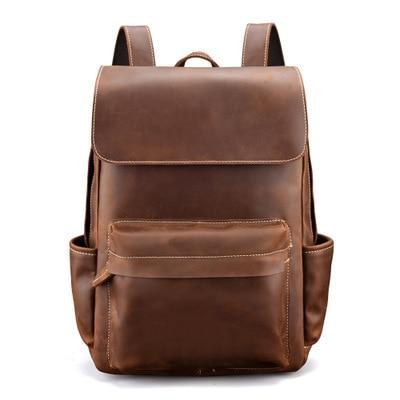
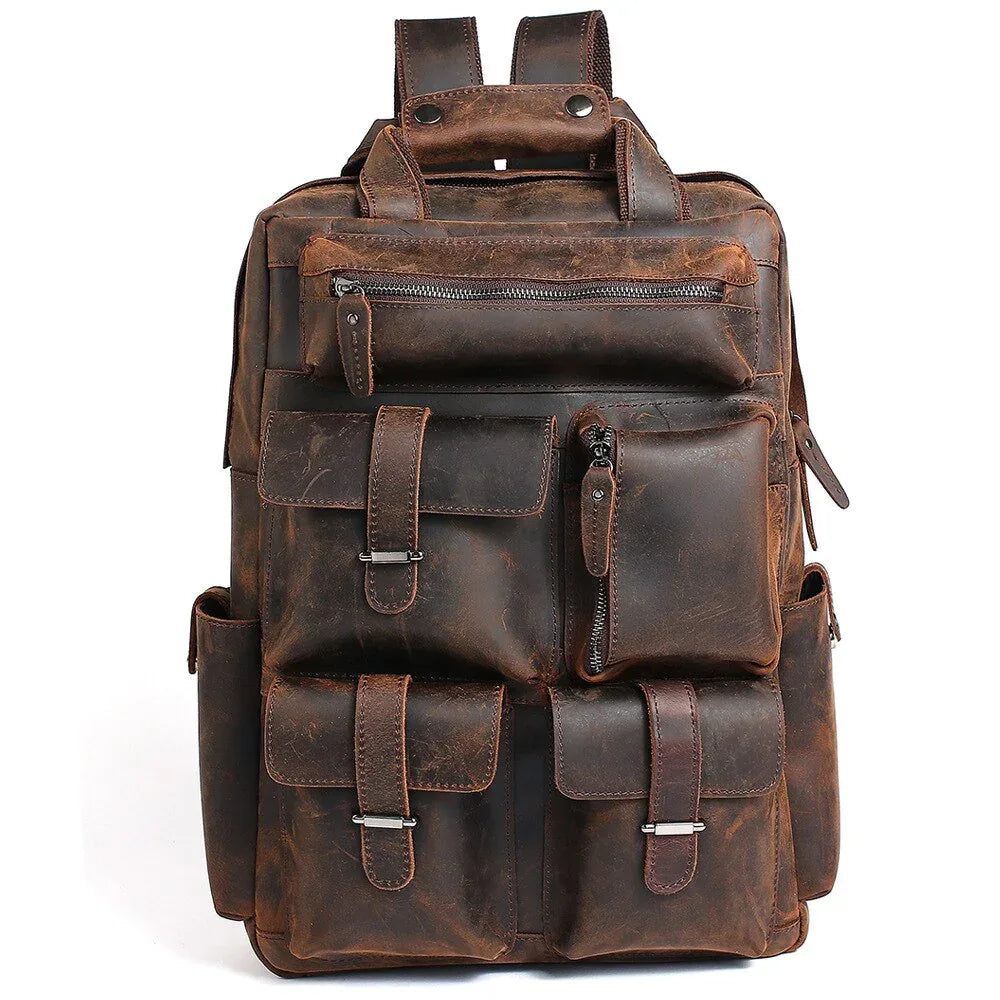
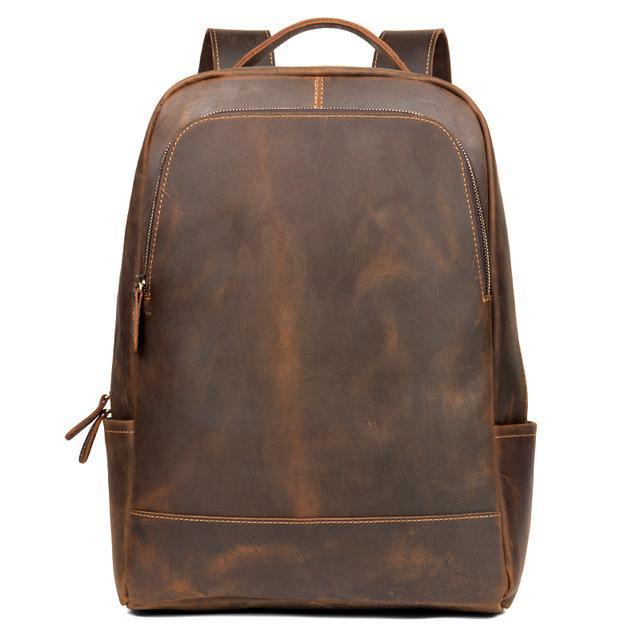
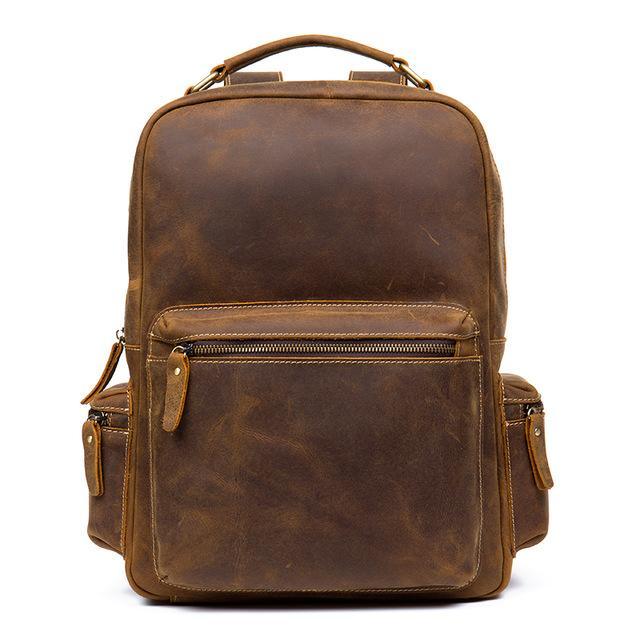
Leather paint is a water-based or acrylic-based coating applied with a brush, sponge, or spray gun to restore color, cover scratches, or change the look of leather goods. It typically dries to a matte, satin, or glossy finish depending on the formula. This guide covers the leading leather paint brands, how they perform, and what to know before you paint a leather bag, jacket, or piece of furniture.
We'll also cover the pros and cons of leather paint, common application mistakes, and how painted leather compares to leather that's been dyed or refinished with conditioner instead. If you're trying to decide whether to paint, dye, or simply condition a leather item, this breakdown will help you choose the right approach.
Key Takeaways
- Leather paint sits on top of the leather surface, while leather dye penetrates into the material. This is the main difference that determines flexibility and longevity.
- Leather paints come in matte, glossy, metallic, and pearlescent finishes, and most brands require 2 to 5 thin coats for full coverage.
- Most leather paints on the market today are non-toxic and water-based, making them safe for indoor use once fully cured (usually 24 to 48 hours).
- Acrylic, metallic, pearlescent, and spray formulas each suit different projects. Acrylic works best for flat furniture surfaces, while flexible formulas work better on bags and shoes that bend.
- Angelus, Jacquard, Fiebing's, Kaps, and U.S. Art Supply are the five most widely used leather paint brands, each with different price points and drying times.
- Full-grain leather goods, like the ones we build at Steel Horse Leather, generally hold paint and dye better than bonded or coated leather because the surface fibers are intact and more porous.
What Is Leather Paint?
Leather paint is a flexible, pigmented coating that sits on the surface of leather rather than soaking into it. It is designed to crack and peel less than standard wall or craft paint because it contains binders that move with the leather as it flexes. Most formulas are water-based, which makes cleanup easier and reduces fumes compared to solvent-based products.
Leather paint is different from leather dye. Dye changes the color of the leather fibers themselves, so the color doesn't chip or flake off, but it also can't hide scratches or stains. Paint sits on top, so it can cover imperfections, but it can crack over time if applied too thick or without a flexible topcoat.
Leather Paint vs. Leather Dye
| Feature | Leather Paint | Leather Dye |
|---|---|---|
| How it works | Coats the surface with pigment | Penetrates and stains the leather fibers |
| Covers scratches/stains | Yes | No, dye highlights texture instead of hiding it |
| Flexibility over time | Can crack if applied too thick | Will not crack or peel |
| Color change options | Any color, including metallics and pastels | Limited to darker shades than the original leather |
| Best for | Furniture, crafts, shoes, accent pieces | Wallets, belts, bags where grain texture should stay visible |
If you're restoring a full-grain leather bag rather than repainting it, dye or conditioner is usually the better route since it preserves the natural grain. Our guide on homemade leather conditioners covers non-paint restoration methods, and our article on fixing scratched leather walks through when paint is actually necessary versus when conditioning is enough.
History and Evolution of Leather Paint
Leather coloring started with natural plant and mineral pigments and has evolved into specialized synthetic paint formulas used across footwear, furniture, and leather goods manufacturing today. Here's how the shift happened.
| Historical Era | Pigment Source / Method | Key Characteristics | Impact on Leatherworking |
|---|---|---|---|
| Traditional / Ancient | Natural pigments from plants and minerals | Limited, regionally dependent color palette | Leather dyed for simple, resource-based colors |
| Industrial Revolution | Synthetic dyes from chemical manufacturing | Vibrant, consistent colors across batches | Enabled mass production of uniformly colored leather goods |
| Contemporary Era | Acrylic, water-based, and specialty paint formulas | Specialized paints for shoes, furniture, bags | Turned leather paint into a customization and repair tool |
Today's market includes formulas engineered for specific uses, from touch-up paint for scuffed shoes to full refinishing kits for furniture. This specialization means picking the right paint depends heavily on what you're painting and how much flex or wear that surface will see.
Advantages of Using Leather Paint
Leather paint restores worn color, covers stains, and adds a layer of surface protection against sun and moisture. Research published in the Journal of Applied Polymer Science found that many leather paint formulations show measurable resistance to fading and cracking after prolonged sunlight exposure, which supports both indoor and outdoor use (Oh & Lim, 2013; Jankauskaitė et al., 2014).
Does leather paint last a long time?
Most quality leather paints last 1 to 3 years on high-contact items like bags and shoes before they need a touch-up coat. Furniture that sees less daily contact can hold a painted finish for 5 years or more. Longevity depends on surface prep, number of coats, and whether a protective topcoat was applied.
Is leather paint safe to use indoors?
Most modern leather paints are water-based and non-toxic once fully cured, typically after 24 to 48 hours. During application, work in a ventilated space, since even non-toxic formulas release some odor while wet. Always check the manufacturer's safety data sheet before using leather paint around children or pets.
What colors and finishes are available?
Leather paint is available in matte, glossy, metallic, and pearlescent finishes, and most brands offer 20 or more standard colors that can be custom mixed. This range makes it possible to match an existing leather item exactly or create a completely new look.
Types of Leather Paint
There are four main categories of leather paint: acrylic, metallic, pearlescent, and spray. Each performs differently depending on whether you're covering a large flat surface, adding shine, or making a small repair.
| Paint Type | Key Features | Best Use |
|---|---|---|
| Acrylic Paint | Low cost, dries in 20 to 30 minutes per coat, durable once cured | Furniture and large flat surfaces |
| Metallic Paint | Thinner consistency, adds sheen, some water and dirt resistance | Accent pieces and existing leather goods needing a refresh |
| Pearlescent Paint | High-shine finish, usually needs only 2 coats, works on exotic leathers | Small decorative items and fashion accessories |
| Spray Paint | Fast, even coverage, some formulas are more water-resistant than others | Large surfaces, quick repairs, sofas and car interiors |
Always check that the paint is labeled specifically for leather rather than fabric or general craft use. Fabric and acrylic craft paints not formulated for leather tend to crack within weeks because they lack the flexible binders leather paint contains.
Acrylic Paint
Acrylic leather paint is inexpensive, dries fast, and holds up well on flat surfaces like furniture panels. It is not the most flexible option, so it's better suited to items that don't bend or fold repeatedly, such as chairs or headboards rather than bags.
Metallic Paint
Metallic leather paint has a thinner consistency than acrylic and leaves a sheen finish rather than a flat one. It works well for adding an accent to an existing piece rather than a full repaint, and many formulas offer some resistance to dirt and light moisture.
Pearlescent Paint
Pearlescent paint gives a polished, high-shine look and typically needs only 2 coats for full coverage. It works on exotic leathers as well as standard cowhide, making it a common choice for fashion accessories and small decorative items.
Spray Paint
Leather spray paint provides quick, even coverage over large areas like sofas, car seats, and jackets. Water resistance varies significantly between brands, so check the product label if the item will be exposed to rain or spills.
The 5 Leading Brands of Leather Paint
Angelus, Jacquard, Kaps, U.S. Art Supply, and Fiebing's are the five most widely used leather paint brands as of 2024, each suited to different budgets and skill levels. Below is what sets each one apart.
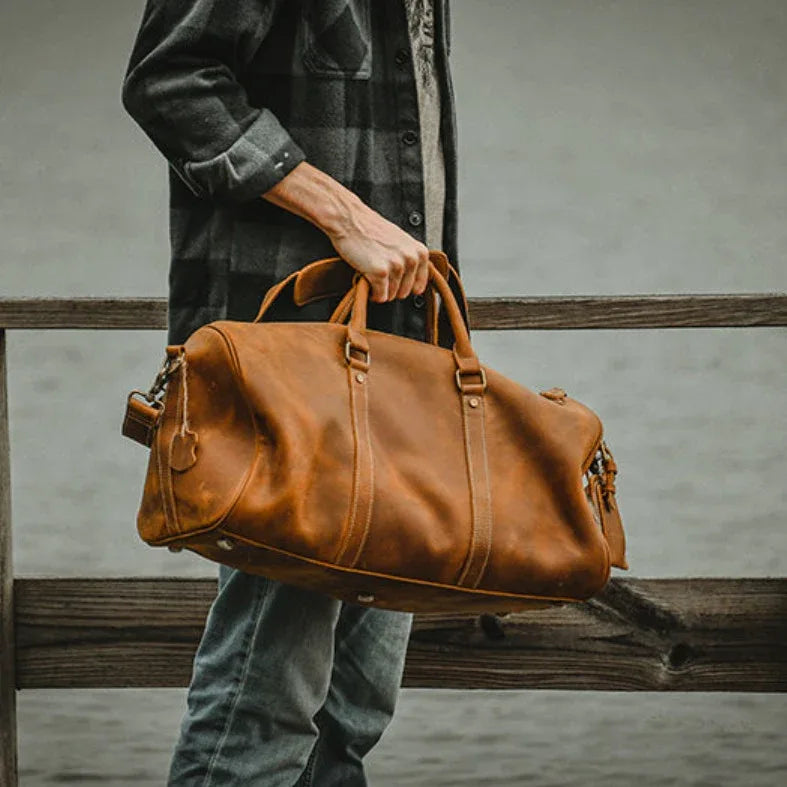
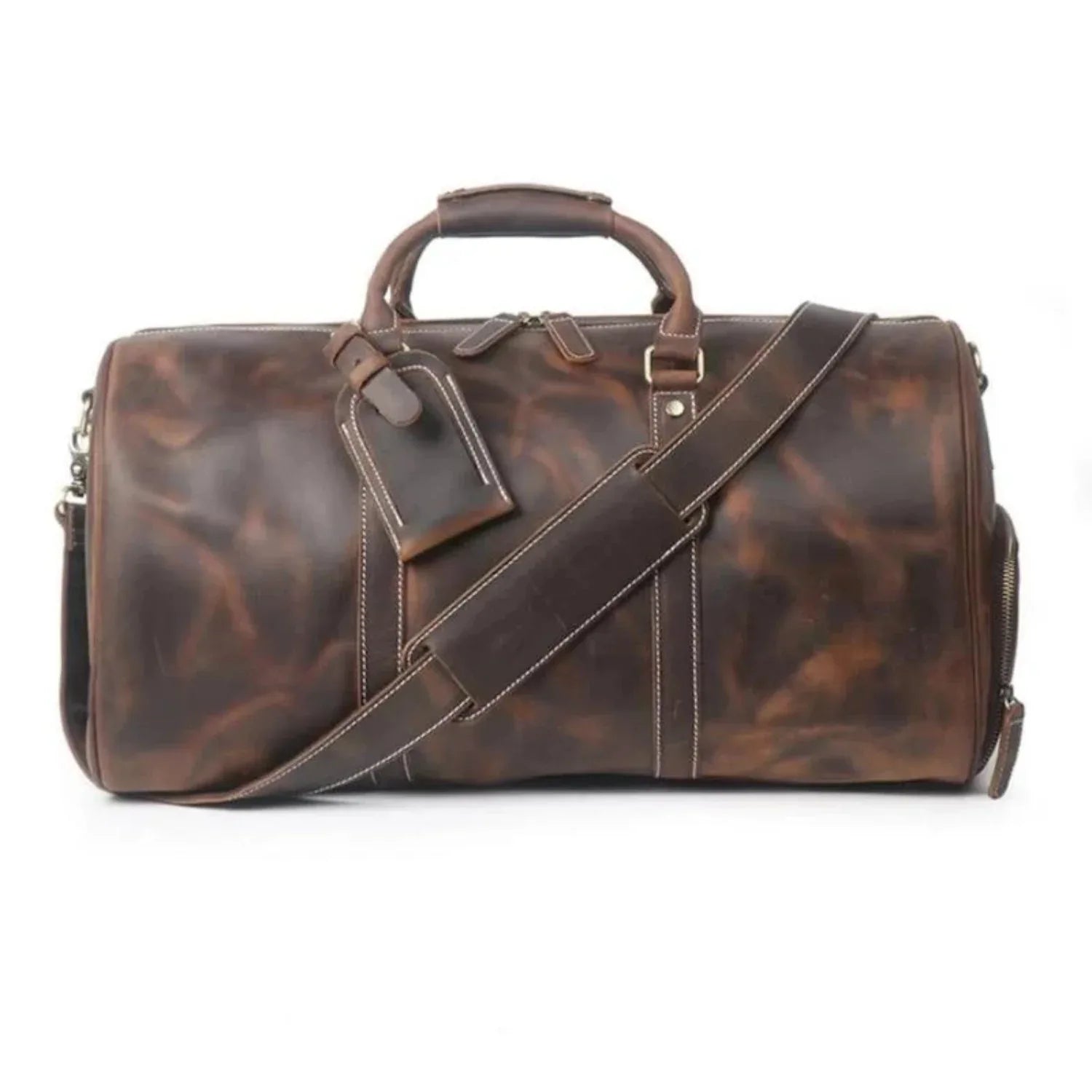
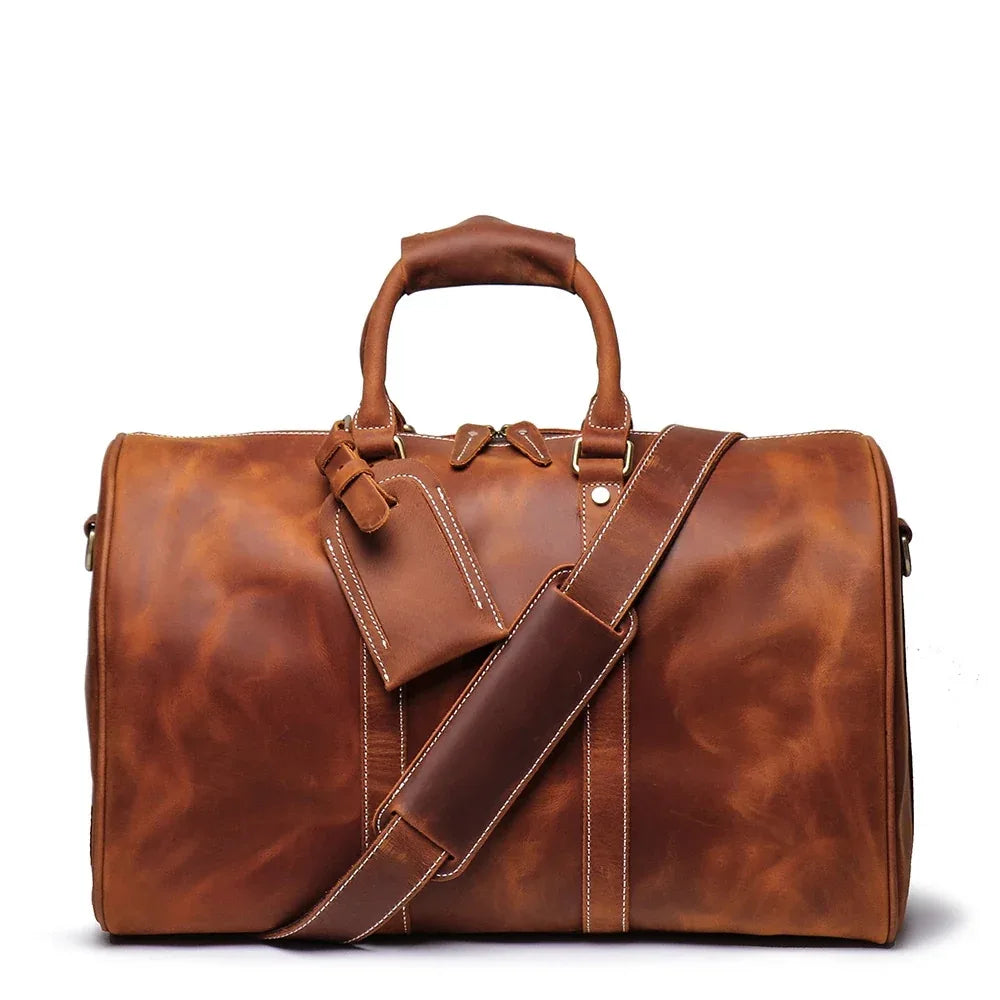
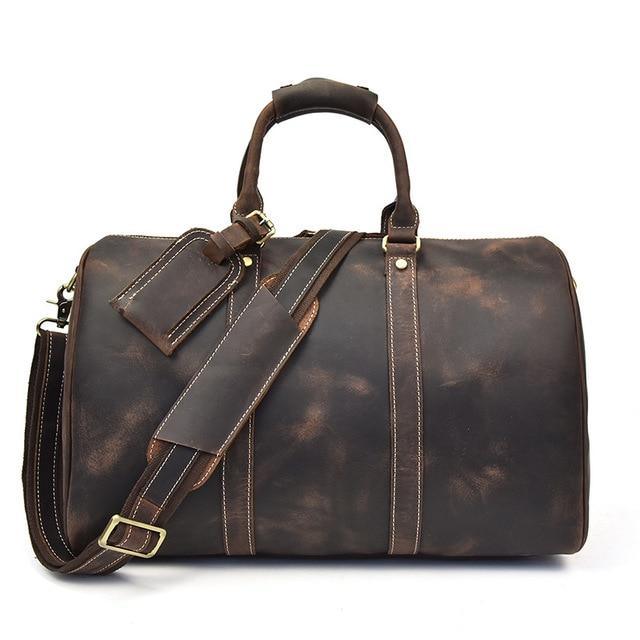
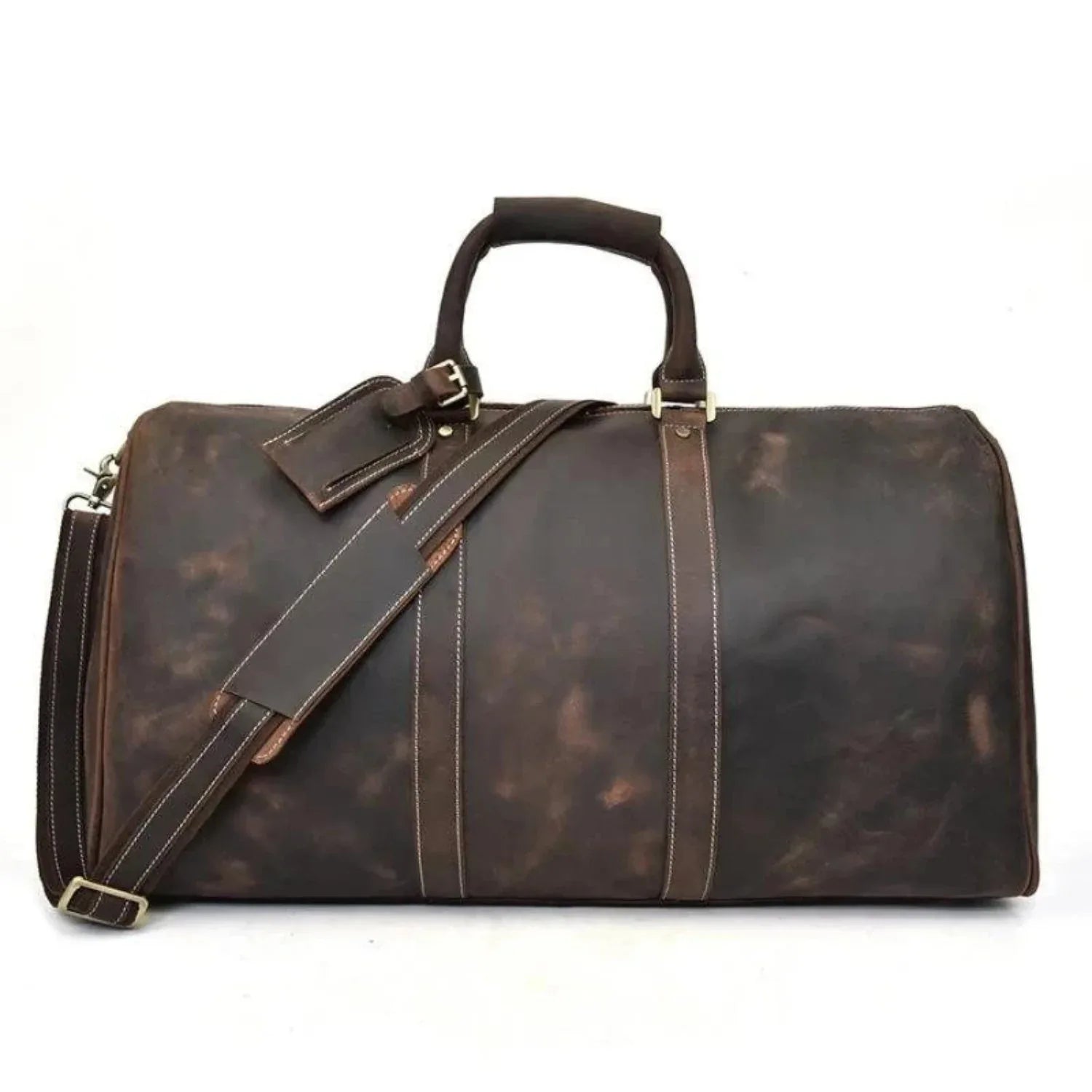
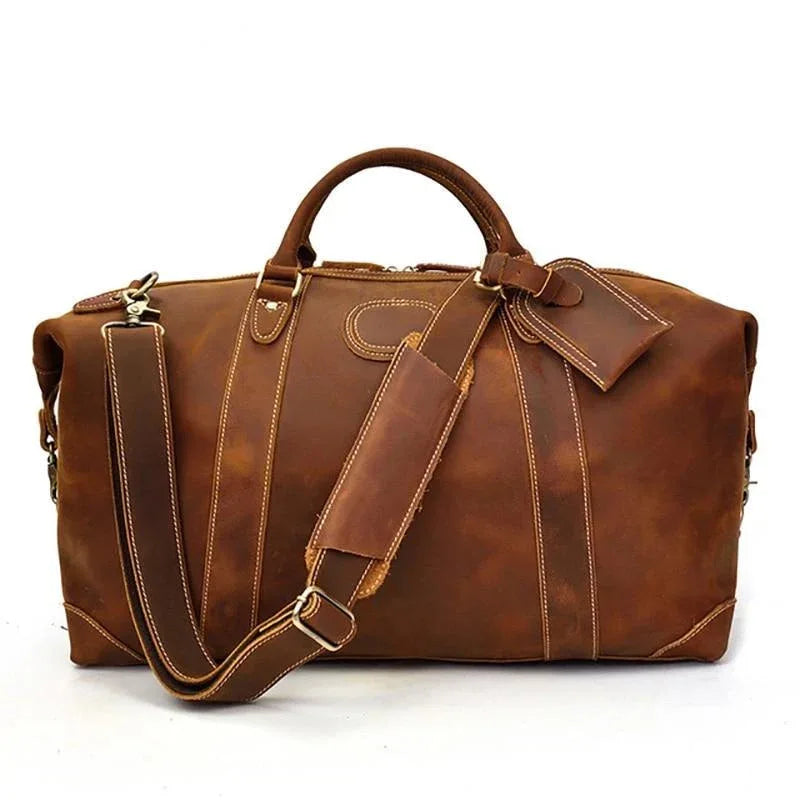
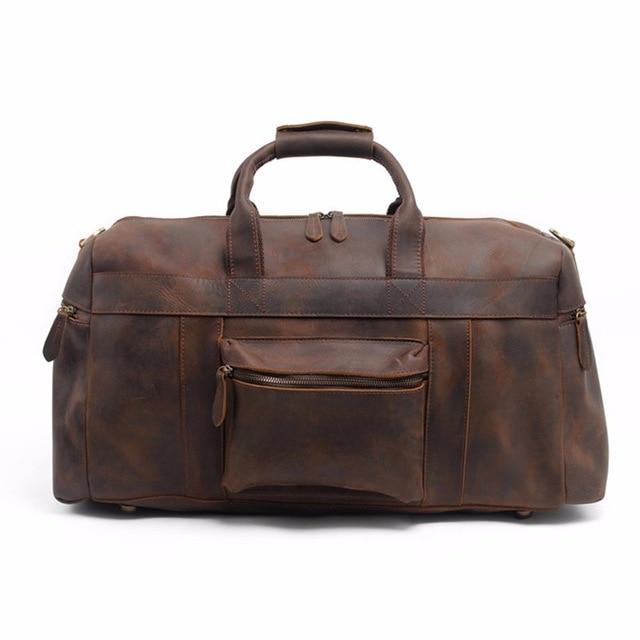
During our development of The Bjarke Weekender, we tested several leather paint formulas to see how they performed on full-grain leather. Our crazy horse leather required specific formulas to maintain its natural aging characteristics while still holding pigment evenly across the surface.
| Brand | Best For | Notes |
|---|---|---|
| Angelus | Shoes, bags, general leather goods | Wide color range, non-toxic, easy to apply with a brush or sponge |
| Jacquard Lumiere | Metallic and pearlescent finishes | No brush required for some applications, works on delicate leathers like calfskin |
| Kaps Super Color Dye Paint | Smooth and rough leather repairs | Highly pigmented, can be thinned for lighter coverage |
| U.S. Art Supply | Large projects and bulk jobs | Sold in small bottles and gallon kits for bigger furniture pieces |
| Fiebing's | Long-lasting finishes | Available in regular and gloss, priced higher than most competitors |
Angelus Leather Paint
Angelus acrylic leather paint is one of the most widely available brands and covers a broad range of finishes, from matte to glossy. It's non-toxic once cured and applies smoothly with a brush or sponge, which makes it a common choice for both DIY projects and small repair jobs.
Jacquard Lumiere Exciter Pack
Jacquard Lumiere Exciter Pack is built for metallic and pearlescent finishes and works on delicate leathers like calfskin without cracking. A 2020 study found that Jacquard Lumiere scored highly for ease of application and finish satisfaction among users (Hess & Bongaerts, 2020).
Kaps Super Color Dye Paint
Kaps Super Color Leather Paint is highly pigmented and works on smooth, rough, or thinned-down leather. It's a common choice for touch-up work on scuffed bags or shoes where a small area needs to match the surrounding color.
U.S. Art Supply Leather Paint
U.S. Art Supply sells both small bottles for touch-ups and gallon kits for larger furniture jobs. This makes it a practical option if you're refinishing a full sofa or multiple items at once rather than a single small accessory.
Fiebing's Leather Paint
Fiebing's Leather Paint comes in regular and gloss variants and is known for a long-lasting finish. It costs more than most competing brands, but the extended wear can offset the price for items that see frequent handling.
How Do You Prepare Leather for Painting?
Clean the leather surface first, let it dry completely, then lightly sand it to help the paint adhere. Skipping any of these steps is the most common reason paint jobs fail early.
Start with a gentle leather cleaner or a mix of water and mild soap, testing on a small hidden area first. Once the leather is completely dry, use fine-grit sandpaper to lightly scuff the surface, creating texture the paint can grip. Wipe away all dust with a soft cloth before applying the first coat.
What Are the Most Common Leather Painting Mistakes?
The two most common mistakes are skipping surface prep and using the wrong paint type. Both lead to cracking, peeling, or uneven color within weeks of finishing the project.
Mistake 1: Inadequate surface preparation
Failing to clean and condition the leather before painting causes uneven paint adhesion. Always clean the surface thoroughly and consider a leather-specific primer before the first coat.
Mistake 2: Using the wrong paint type
Fabric paint or general acrylic craft paint not formulated for leather tends to crack or peel within a short time. Use paint labeled specifically for leather to get a flexible, durable finish.
Mistake 3: Applying paint too thick
Overloading the brush causes drips and uneven coverage. Apply thin layers and let each coat dry fully before adding the next, which usually takes 20 to 30 minutes per coat depending on the brand.
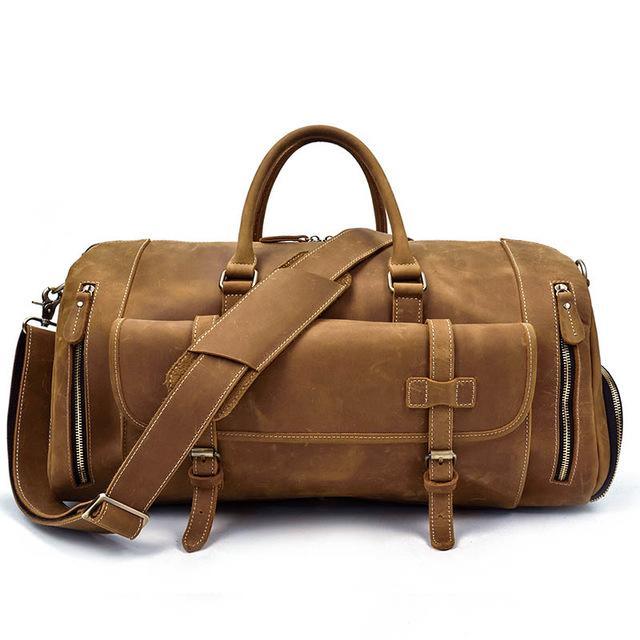
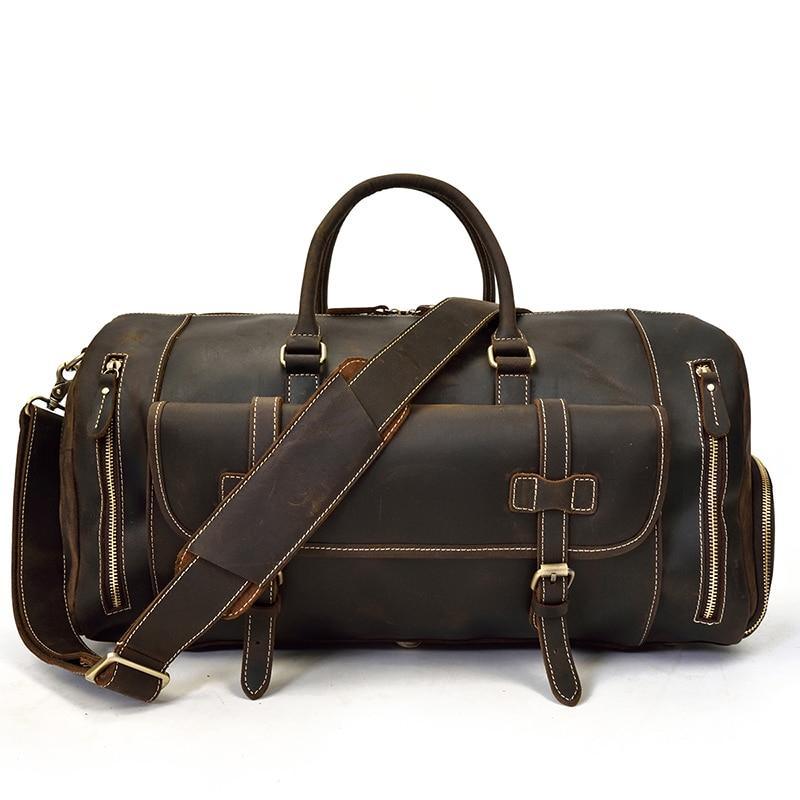
In building The Dagny Weekender, we learned that finish choices affect how well a travel bag performs day to day. With multiple interior pockets and an ultra-soft leather handle, proper surface prep and paint selection were necessary to keep comfort and durability intact where the bag gets the most contact.
How Do You Care for Leather After Painting?
Let the paint cure for about 24 hours before using the item, then clean it going forward with a soft, damp cloth rather than harsh chemicals. This keeps the painted finish intact for longer.
Apply a leather conditioner periodically to keep the material supple, especially in areas that flex often, such as bag handles or wallet folds. A leather protectant spray can add a barrier against stains and moisture on top of the paint. For more on this, see our guide to DIY leather conditioners and our piece on what makes leather bags durable.
Should You Paint a Full-Grain Leather Bag?
In most cases, no. Full-grain leather develops a natural patina over time, and painting it covers up the exact texture and aging process that makes full-grain leather valuable. If you're trying to fix scuffs on a full-grain bag, conditioning or a light dye application usually works better than paint.
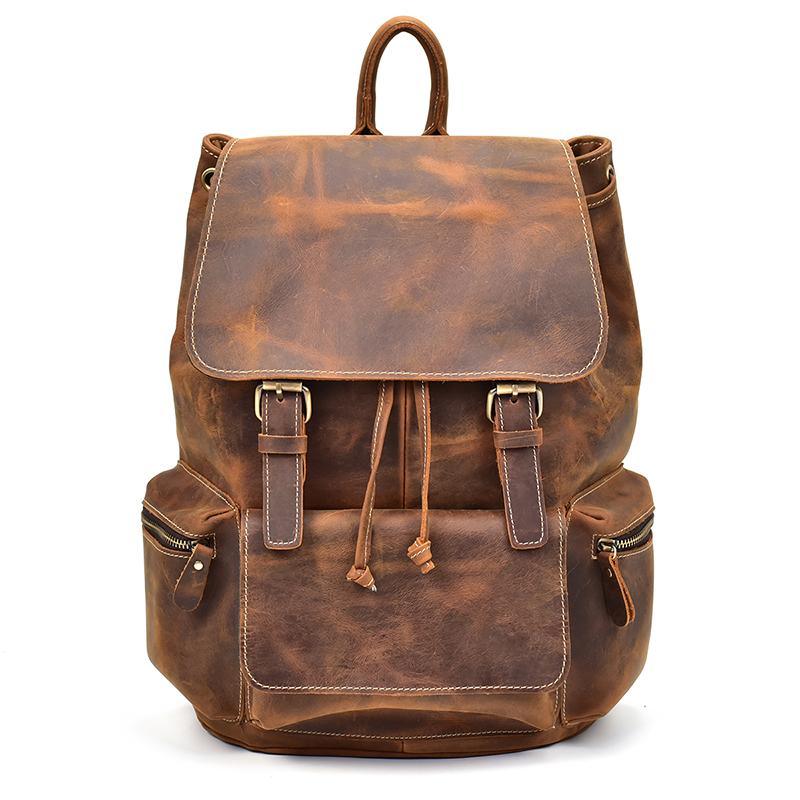
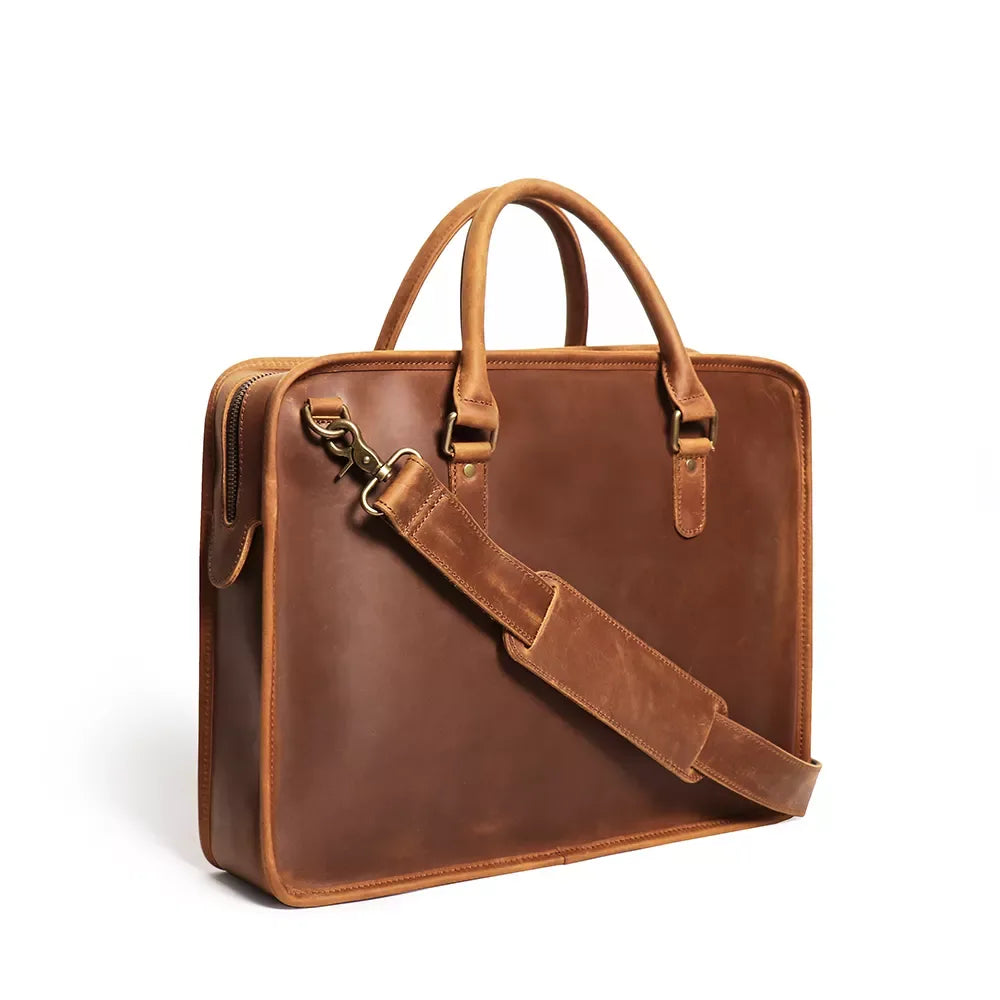
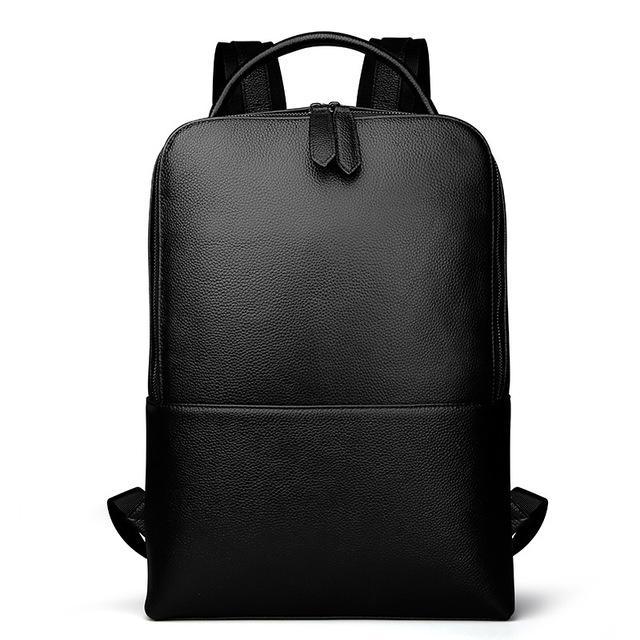
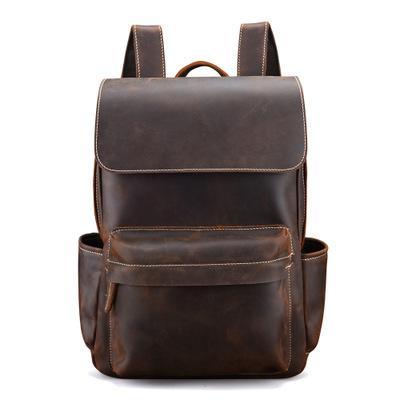
All of our bags at Steel Horse Leather, including The Erlend Duffle Bag, Skald Black Pebbled Leather Backpack, and The Welch Briefcase, are made from full-grain leather designed to age naturally rather than need repainting. If you're shopping for a bag that will develop character on its own, browse our full leather bag collection or our vintage leather backpack collection.
If you already own a full-grain leather item with deep scratches, our guide on fixing scratched leather in 3 easy steps and our article on repairing and restoring a leather backpack cover non-paint fixes first.
Our Experience With Leather Finishes at Steel Horse Leather
At Steel Horse Leather, our understanding of leather paint and finishing comes from years of hands-on work crafting full-grain leather bags like The Endre Weekender and The Hemming Leather Laptop Bag. Our team has tested how different paints and dyes interact with tanning methods, which affects how well a finish holds up over years of daily use.
Through our sourcing process, we've learned that tanning method has a direct effect on how leather absorbs paint or dye. This is part of why we stick to full-grain leather across our lineup, from The Taavi Tote to The Icarus Backpack, since it holds finishes more predictably than bonded or corrected-grain leather. For readers who want a deeper look at leather types, our article on what grain leather actually means explains the differences in detail.
Related Reading
If you're researching leather care and leather bag buying beyond just paint, these guides may help:
- Best leather backpacks for men
- Best leather duffle bags for weekend trips
- High-end leather briefcases guide
- 5 effective methods to soften leather
- How to get oil stains out of leather
- What is waxed leather
- Guide to different leather bag types
Frequently Asked Questions
Can you paint leather?
Yes. Cowhide, sheepskin, and horsehide can all be painted with the right leather-specific paint and a sealer applied afterward. Water-based latex paints made for walls should be avoided since they don't flex with the material and tend to crack quickly.
What kind of paint do you use on leather?
Water-based acrylic leather paint is the most common choice because it's easy to apply and remove if needed. Oil-based leather paint holds up better against weather exposure, while latex-based leather paint resists humidity and heat but usually costs more. For water damage concerns specifically, see our guide on leather water damage prevention.
Does leather paint really work?
Yes. Leather paint bonds to the surface of the leather and creates a finish that resists fading and staining when applied correctly. Results depend heavily on surface prep and using a paint formulated specifically for leather rather than fabric or wall paint.
Is it safe to use leather paint in direct sunlight?
Most leather paints can be applied and used in sunlight, but wear gloves and a mask while applying any paint indoors or outdoors. Many formulas are non-toxic once cured, but test a small area first to check for any reaction with the specific leather you're using.
What should I do if my leather paint starts peeling or chipping after a few days?
Apply a coat of clear lacquer or shellac over the affected area to help seal the finish. If peeling continues, a thin layer of epoxy resin over the surface can provide additional hold, though at that point it's often faster to strip and repaint the section.
What mistakes should I avoid when choosing a leather paint brand?
Use a leather-specific primer first to prevent bleeding or interference from oil and grease on the surface. Choose a paint with a non-cracking formula and read recent customer reviews, since formulas are sometimes updated and quality can shift between production batches.
How many coats of leather paint do I need?
Most projects need 2 to 5 coats depending on the color and coverage you want. Darker colors and metallics typically need fewer coats than lighter colors applied over a dark leather base.
Conclusion
Leather paint is a practical option for covering scratches, changing color, or refinishing furniture and accessories, but it's not always the right choice for every leather item. Full-grain leather bags in particular often look better dyed, conditioned, or left to age naturally rather than painted. If you're shopping for a leather bag built to develop patina over time instead of needing a repaint, browse our full leather bag collection or explore specific categories like leather briefcases, leather duffle bags, and leather wallets.
References
Hess, M. and Bongaerts, J. (2020). Differences in perception of the environmental and health impacts of decorative paints among average consumers. Sustainability, 12(11), 4495. https://doi.org/10.3390/su12114495
Jankauskaitė, V., Gulbinienė, A., JIYEMBETOVA, I., Sirvaityte, J., Urbelis, V., & Mickus, K. (2014). Comparable evaluation of leather waterproofing behaviour upon hide quality. II. Influence of finishing on leather properties. Materials Science, 20(2). https://doi.org/10.5755/j01.ms.20.2.2339
Oh, K. and Lim, K. (2013). Effect of organic photosensitizers on the antimicrobial property of polyurethane coated leather. Fashion & Textile Research Journal, 15(4), 630-634. https://doi.org/10.5805/sfti.2013.15.4.630
All of our bags at Steel Horse Leather are crafted from full-grain crazy horse leather, built to develop a rich patina over time. Browse our Leather Bags.