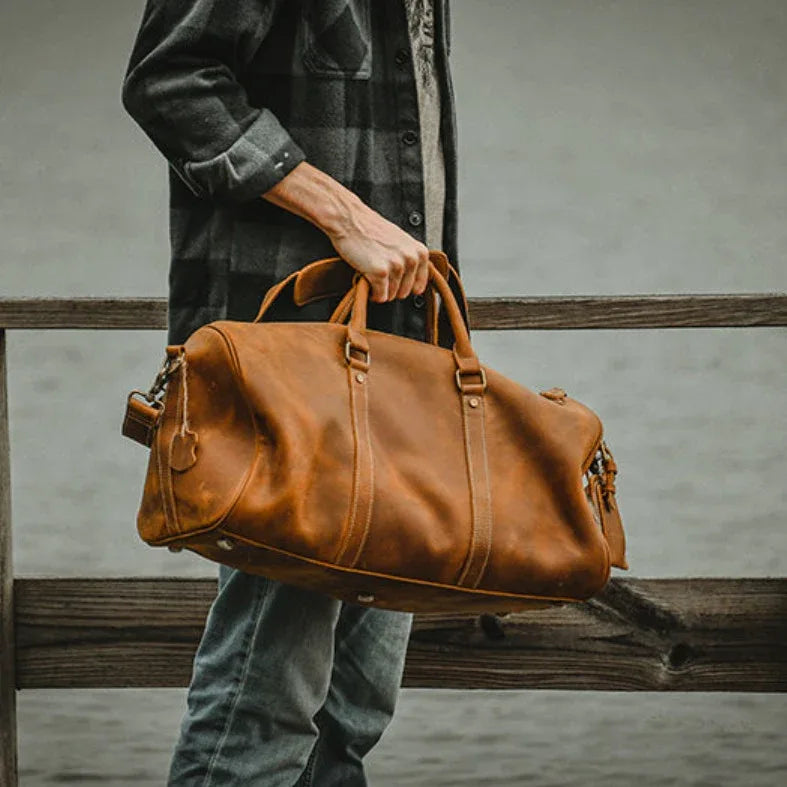
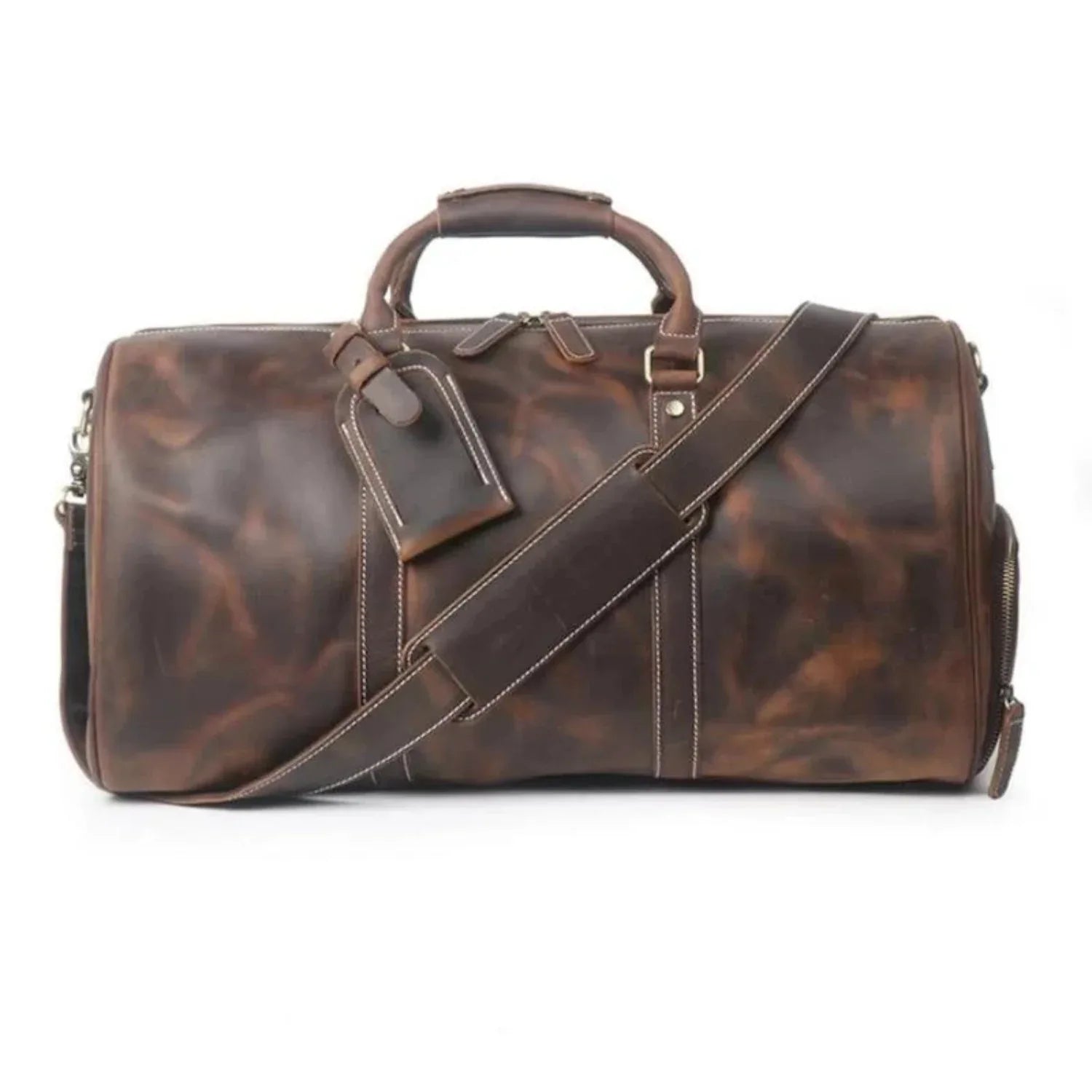
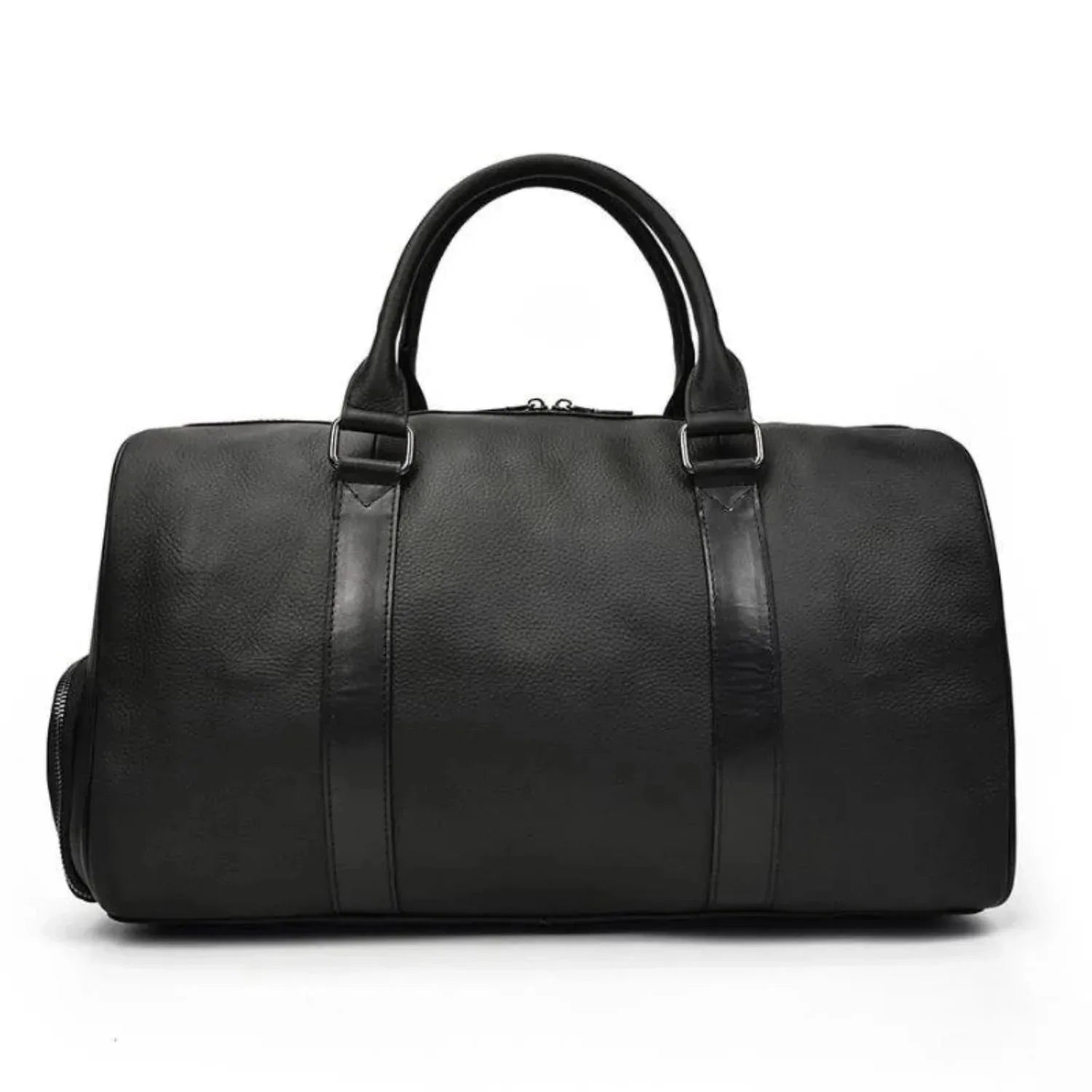
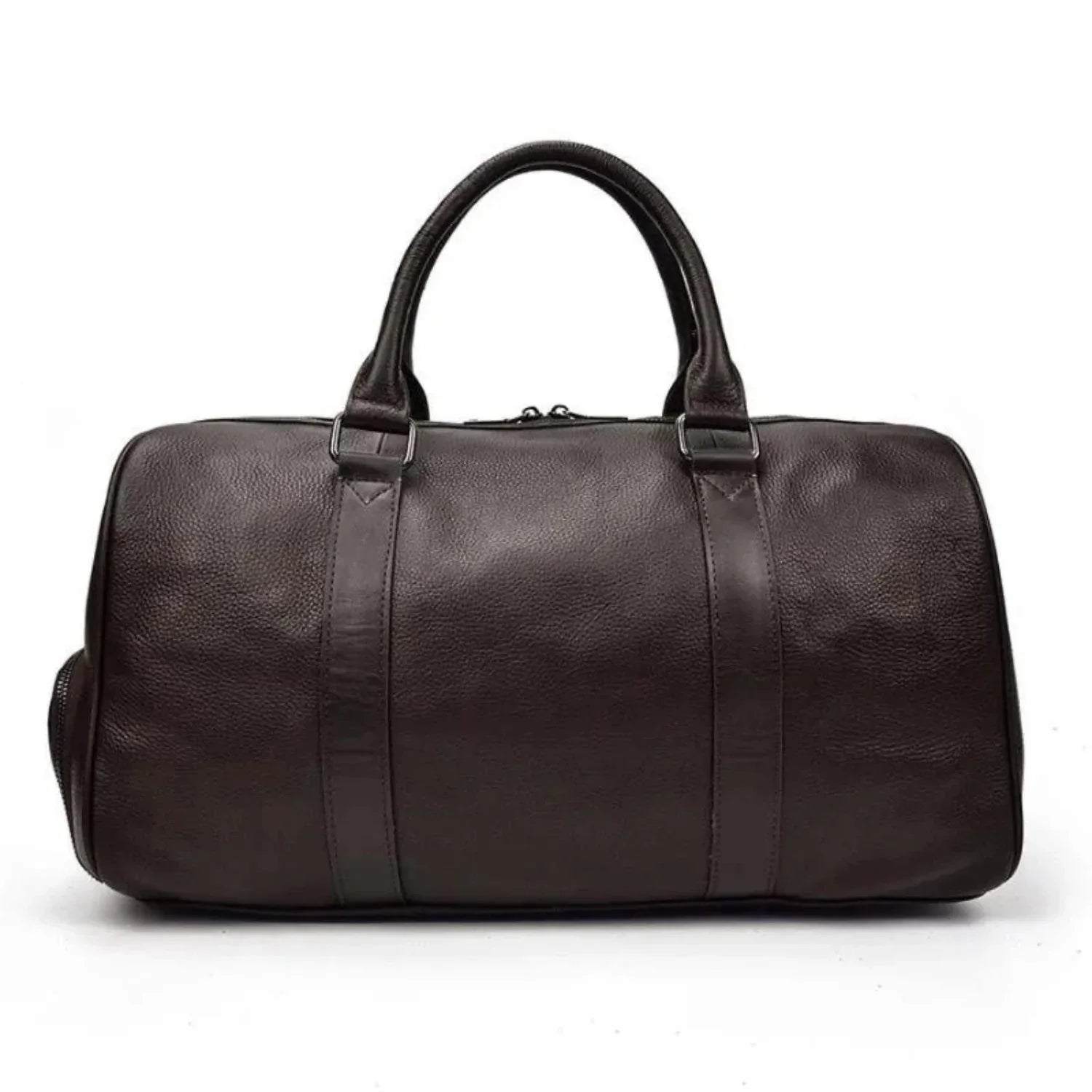
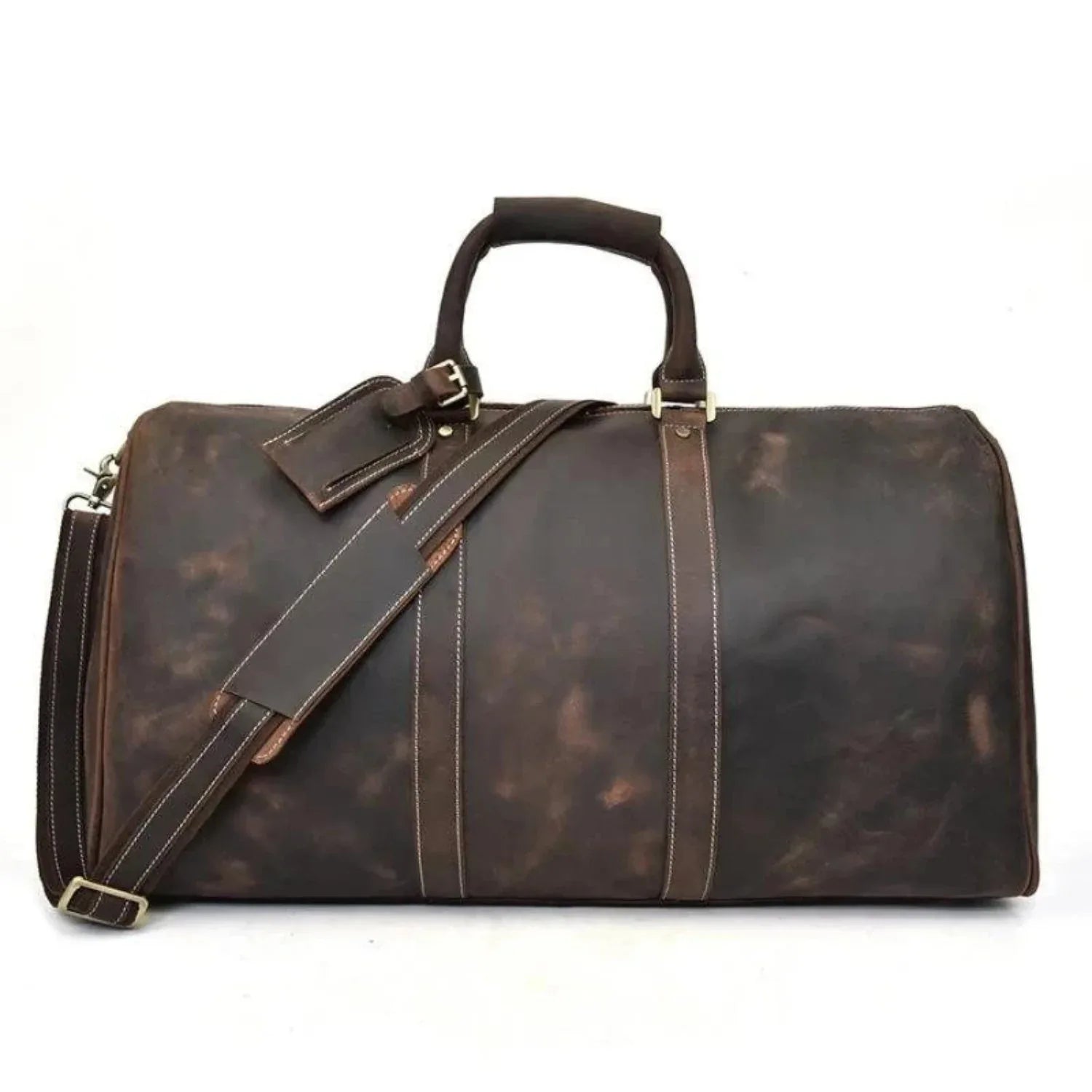
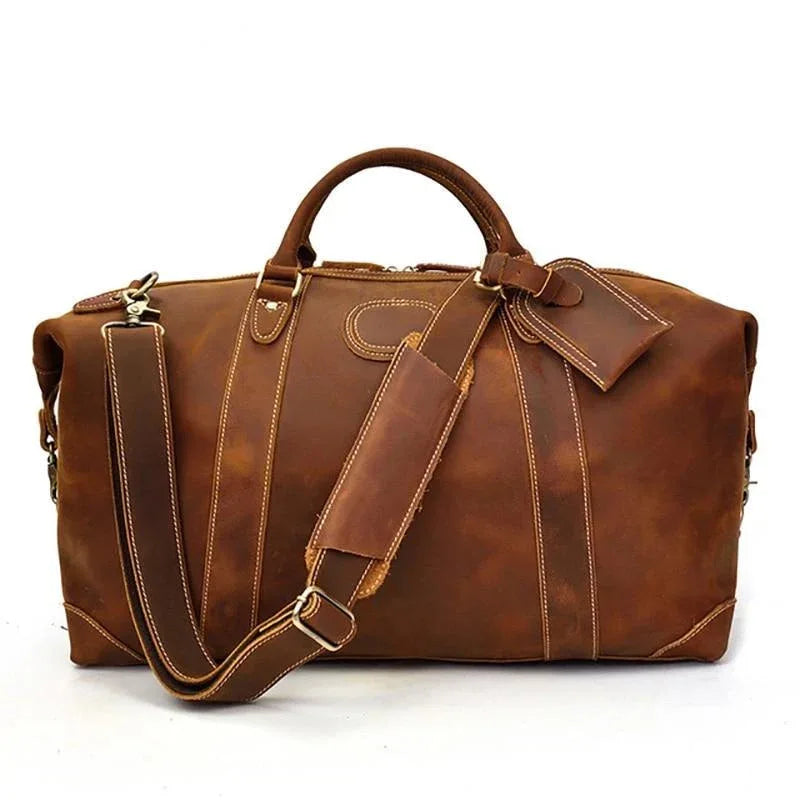
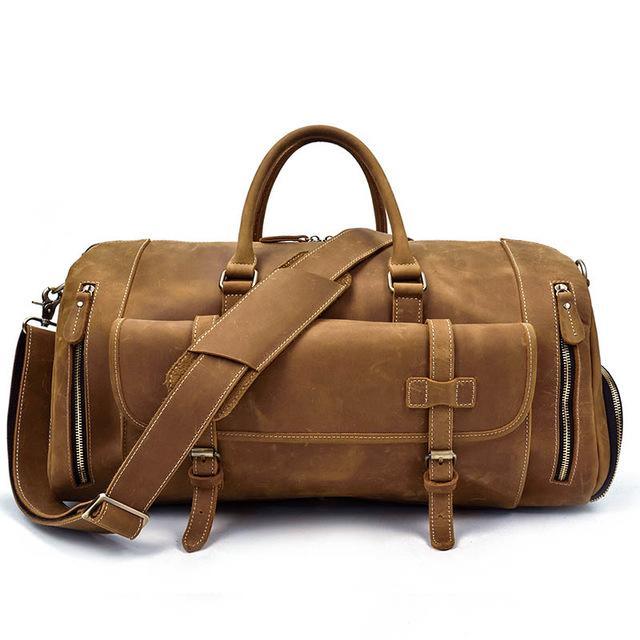
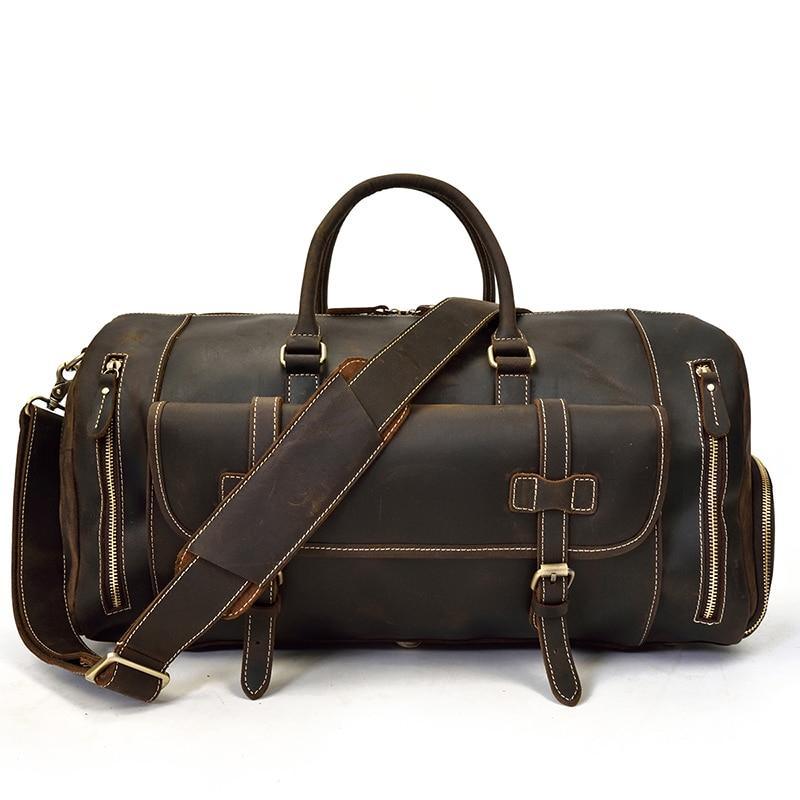
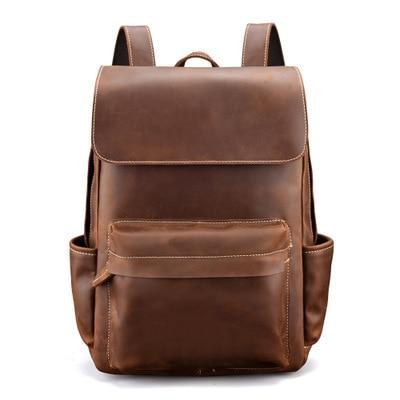
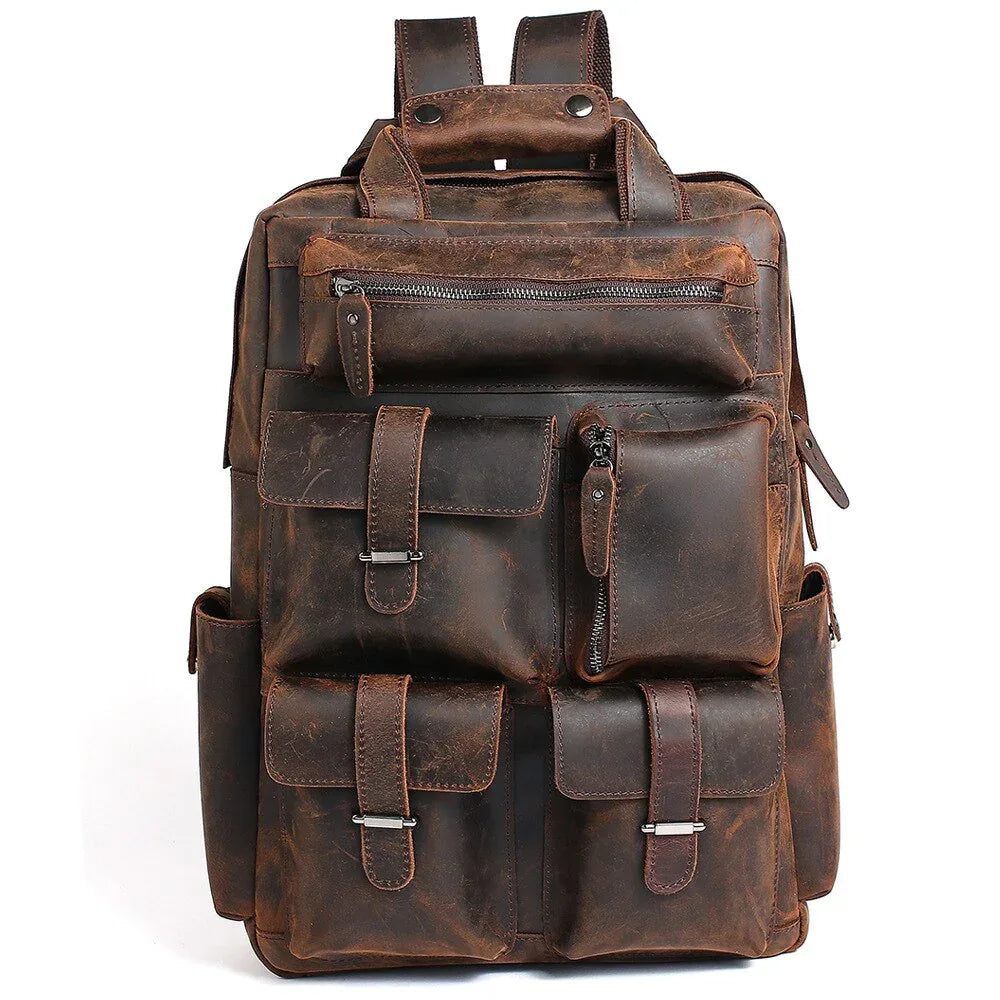
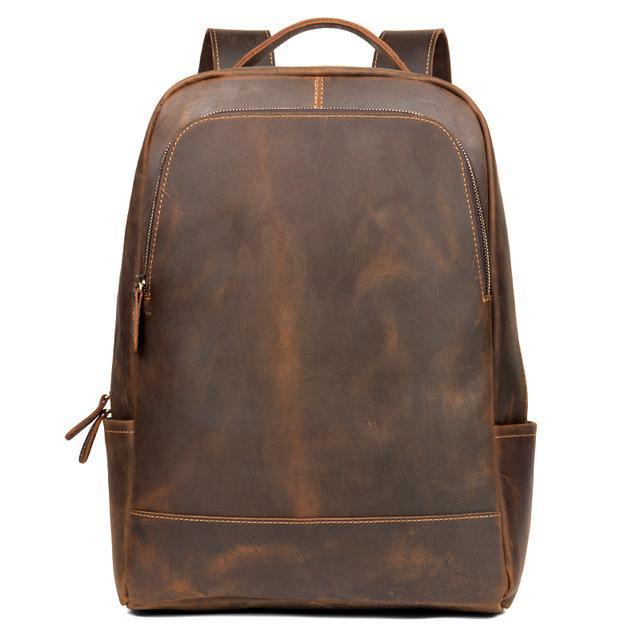
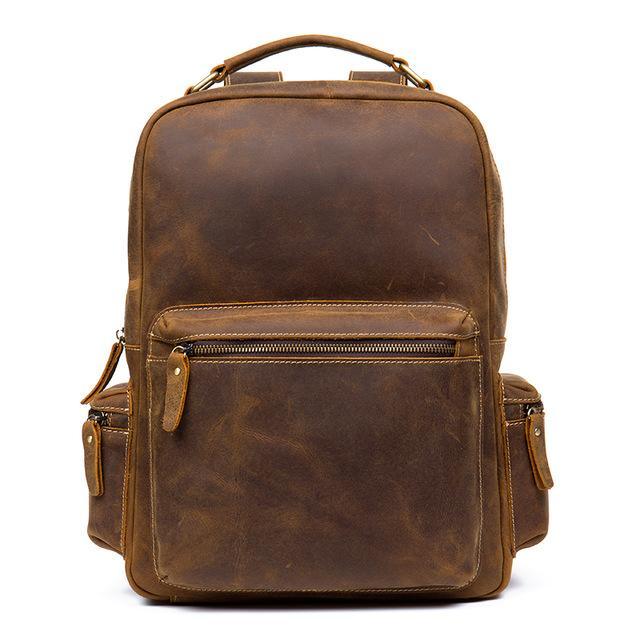
Leather is a long-term investment. Whether you own a full-grain leather bag, a pair of leather boots, or a leather wallet, proper leather care and conditioning is what separates gear that lasts decades from gear that cracks and fades within a few years.
This guide covers why conditioning works, how to do it correctly, which products to use, and when a DIY approach makes sense versus reaching for a trusted commercial conditioner. You will also find a simple homemade leather conditioner recipe using ingredients you likely already own.
If you are new to leather ownership or just realized your bag has been sitting unconditioned for too long, this is the right place to start.
Why Leather Care and Conditioning Actually Matters

Leather is an organic material. Without moisture, the leather fibers that give it strength and flexibility begin to dry out, stiffen, and eventually crack. This is not a question of if but when.
Everyday exposure accelerates the process. UV rays draw out the natural oils in leather. Water from rain or salt air strips moisture from the surface of the leather. Sweat and body oils degrade the finish over time. Even regular use creates friction that slowly weakens the material.
Conditioning replaces the oils that leather loses through use and exposure. It keeps leather fibers supple, restores flexibility, and creates a protective layer against moisture and UV exposure. Think of it the same way as moisturizing skin: without it, things dry out and age faster than they should.
A well-conditioned leather bag or pair of leather boots will outlast an unconditioned one by years, sometimes decades. That is the core argument for making leather conditioning a regular habit.
How often should you condition leather?
As a general starting point, every two to four months works for most items in regular use. That said, the right frequency depends on leather type, finish, climate, and how hard the item works. In hot, dry, or salty climates, lean toward the shorter end of that range. In mild climates with moderate use, every four to six months may be enough. When in doubt, use the water drop test described in the FAQ below.
How to Make a Homemade Leather Conditioner
A DIY leather conditioner is a practical option if you want to avoid chemicals, prefer natural oils, or simply want a reliable recipe using household ingredients. This formula works reasonably well on full-grain leather bags, leather boots, and most finished leather goods in routine maintenance situations.
For high-value, delicate, or heavily damaged leather, a purpose-formulated commercial conditioner is the lower-risk choice. Use this recipe as a solid everyday option, not a replacement for professional-grade products across every leather category.
What You Will Need
Tools:
-
A small saucepan
-
A measuring cup
-
Measuring spoons
-
A wooden spoon
-
Heat-resistant tins or glass containers for storage
Ingredients:
-
2 tablespoons solid beeswax
-
2 tablespoons coconut butter or shea butter
-
1/4 cup sweet almond oil (or grapeseed oil as an alternative)
-
1/4 cup organic castor oil
Step-by-Step Instructions
Step 1: Melt the base. Combine the beeswax and coconut butter in your small saucepan over low heat. Stir gently with a wooden spoon until fully melted and combined. Do not let it boil.
Step 2: Add the natural oils. Remove from heat. Pour in the sweet almond oil and castor oil. Stir until the mixture is smooth and uniform.
Step 3: Pour and cool. Transfer the mixture into your storage tins while still liquid. Allow to cool completely at room temperature before sealing. The conditioner will solidify into a soft balm.
Step 4: Spot test first. Before applying to your entire leather item, test a small amount on an inconspicuous area. Wait 24 hours to check for any discoloration or adverse reaction.
Step 5: Apply with a microfiber cloth. Scoop a small amount onto a clean microfiber cloth and work it into the surface of the leather using circular motions. Use less than you think you need. A thin, even coat is more effective than a heavy application.
Step 6: Buff and dry. Allow the conditioner to absorb for 10 to 15 minutes, then buff off any excess with a dry cloth. Let the item air dry away from direct heat before use.
Storage: Keep in an airtight container away from sunlight and heat. Use within 6 to 12 months for best results.
What to avoid: Do not use olive oil. It goes rancid over time, can cause unpleasant odors, and may darken leather unpredictably. Stick to sweet almond oil, castor oil, or grapeseed oil as your base natural oils. If your leather has developed an unwanted sheen from product buildup, see the guide on how to make leather less shiny for practical solutions.
For a deeper look at DIY formulas and additional homemade leather conditioner options, see the full guide to homemade leather conditioners.
Commercial Leather Conditioners Worth Knowing
Sometimes you want a proven product rather than a DIY formula. These are the leather care products most commonly trusted by leather enthusiasts and professionals.
Leather Honey is one of the most widely used conditioners available. It is odorless, non-toxic, and works on full-grain leather, chromexcel leather, and most finished hides. A little goes a long way.
Bickmore Bick 4 is a light conditioner and conditioning polish that conditions without darkening. It is a solid choice for light-colored leather goods where darkening is a concern. Many users rely on Bick 4 as a regular maintenance conditioner.
Saphir Renovateur (also sold as Saphir Medaille d'Or Renovator) is a premium French conditioning cream that contains mink oil and natural waxes. It conditions, cleans, and restores shine in a single step. Saphir Renovateur is particularly well suited for leather boots, leather shoes, and dress leather goods where appearance matters as much as protection.
Venetian Shoe Cream is a long-trusted shoe cream that doubles as an effective leather conditioner for smooth leathers. It contains neatsfoot oil and lanolin, which deeply nourish leather fibers without leaving a greasy residue.
Huberd's Shoe Grease is a heavier formula designed for work boots and rugged leather goods. It contains pine rosin and pine pitch alongside animal fats, which creates strong water resistance and weather resistance for demanding conditions.
Cobbler's Choice is a respected brand among leather care professionals, offering both conditioners and leather cleaner formulas suited for a range of leather types including boot conditioner applications.
Mink oil deserves a specific mention. It is one of the oldest leather conditioning agents used in the industry. Mink oil is excellent for restoring dry leather and adding deep moisture. However, it can darken leather noticeably, so always test before full application, especially on lighter hides.
What about leather soap and leather cleaner? Before conditioning, always clean the leather. A proper leather cleaner removes surface dirt and oils that would otherwise be sealed in by the conditioner. Apply conditioner only to a clean surface for best results.
What to Do When Leather Gets Wet
Water does not ruin leather outright — but how you respond in the first hour determines whether the bag or item recovers cleanly or comes out stiff, discolored, and cracked. The damage comes from the drying process, not the water itself: as wet leather dries, natural oils evaporate with the moisture, leaving the fibers dry and brittle. Move through these steps in order.
Step 1: Blot, Do Not Rub
Use a clean dry cloth to blot as much surface water as possible. Work gently from the outside of the wet area inward. Rubbing spreads the water further into the grain and pushes it deeper into the leather. Get the surface as dry as you can by blotting alone.
Step 2: Air Dry at Room Temperature
Set the item in a well-ventilated space away from heat sources. No hair dryers, no radiators, no sunlight. Heat causes wet leather to stiffen as it dries and can set permanent creases into the surface. If the item has structure — a bag, a briefcase — stuff the interior loosely with dry cloth or tissue paper to help it hold its shape while drying. Allow it to dry fully before moving to the next step, which typically takes several hours.
Step 3: Condition Immediately After Drying
Once completely dry, apply a leather conditioner across the entire surface, not just the areas that were wet. Water exposure depletes oils from the whole piece, not just the visibly affected zones. Work the conditioner in with a clean microfiber cloth using circular motions, let it absorb for ten minutes, then buff off the excess.
Step 4: Apply a Protective Treatment
After conditioning, apply a beeswax-based leather protector or water-repellent spray to restore the protective barrier that the water stripped away. This step is what prevents the next rain from causing the same damage. Apply in thin even coats, allow to dry between coats, and buff to a light finish.
Water Stains vs. Water Damage
A water stain is a tide mark left on the surface after the leather dries — a ring or dark patch where the wet edge dried unevenly. Water damage is structural: stiffness, cracking, or permanent discoloration from improper drying. Water stains on full-grain leather often fade on their own after conditioning. To speed the process, dampen the entire surface of the item lightly and evenly with a damp cloth so it dries uniformly — this removes the tide mark by eliminating the dry edge that caused it.
How to Waterproof Leather
No leather is truly waterproof. Full-grain leather is naturally water-resistant to a degree — its tight fiber structure and surface oils slow absorption — but extended exposure or a heavy downpour will work through any untreated surface eventually. Waterproofing treatments extend that resistance significantly and make the leather far easier to recover when it does get wet.
Waterproof vs. Water-Resistant
Water-resistant leather repels light moisture and brief exposure — a light rain, a splash, condensation. Waterproof implies a barrier that prevents water penetration under sustained exposure. Most full-grain leather bags and accessories fall into the water-resistant category naturally. A good protective treatment moves them closer to the waterproof end of that spectrum without compromising the leather's breathability or appearance.
Beeswax-Based Protection
A beeswax cream is the most effective and leather-safe waterproofing treatment available. It bonds to the leather surface, fills the microscopic pores in the grain, and creates a flexible barrier that moves with the leather rather than cracking. It is also conditioning the leather at the same time, which sets it apart from spray sealers that sit on the surface without nourishing the fibers below.
To apply: start with clean, conditioned leather. Apply the beeswax cream in small circular motions across the entire surface with a soft cloth. Work it evenly into seams and corners. Allow it to absorb for fifteen to twenty minutes. Buff the surface with a clean dry cloth until the finish looks consistent. Reapply every three to four months under normal use, or after any significant water exposure.
What to Avoid
Silicone-based sprays and petroleum-based protectors create a surface film that blocks the leather's pores and prevents it from breathing. Over time this causes the leather to dry out from the inside, where no conditioner can reach. Stick to beeswax creams or lanolin-based treatments for full-grain leather goods.
How to Restore Faded or Damaged Leather
Fading, surface scratches, and minor scuffs are normal on full-grain leather — and most of them are recoverable. The key distinction is whether the damage is surface-level or structural. Surface issues respond well to conditioning and restoration products. Structural damage — deep cracks through the leather fiber, torn seams, or sections where the grain has separated — requires professional repair.
Restoring Faded Color
Fading on full-grain leather is usually caused by UV exposure and oil depletion. Before reaching for a dye or colorant, try conditioning first. In many cases, restoring the leather's moisture brings back significant depth of color on its own. Apply a generous coat of conditioner, allow it to absorb fully, and assess the result before doing anything else.
If conditioning alone does not restore the color to an acceptable level, a leather-specific restorative balm matched to the original finish can be worked into the surface in thin layers. Apply with a cloth, allow each layer to dry fully before adding the next, and finish with conditioner to seal the surface. Avoid applying heavy coats in a single pass — thin layers bond to the leather properly; thick coats sit on top and peel.
Treating Surface Scratches and Scuffs
Light scratches on full-grain leather often disappear with nothing more than clean fingertips and light friction — the warmth and natural oils from skin buff out surface marks on most finishes. For deeper scuffs, apply a small amount of leather conditioner directly to the area and work it in gently with a microfiber cloth. The conditioner softens the raised fibers and helps them lie flat again. Repeat if necessary. For scratches, cracks and colour loss, see our leather repair and restoration guide.
Crazy horse and waxed pull-up leathers are especially forgiving — scratches reverse almost entirely when rubbed because the surface wax redistributes. These leathers are intentionally designed to show and recover from wear as part of their character.
When to Stop and Get Professional Help
Cracks that go through the full depth of the leather, large areas of delamination, or color loss that exposes bare fiber beneath the finish are beyond what conditioning and surface treatments can reverse. A leather repair specialist can rehydrate, re-dye, and reinforce damaged sections in ways that home treatment cannot. Attempting to over-correct deep damage with heavy product application typically makes the problem worse and limits what a professional can do afterward.
Leather Types That Can and Cannot Be Conditioned

Not all leather responds to conditioning the same way, and one material cannot be conditioned at all.
Full-grain leather is the highest quality and most responsive to conditioning. It has an open grain that allows oils to penetrate deeply, making it ideal for traditional conditioning methods. All Steel Horse Leather products are made from full-grain leather.
Top-grain leather has been sanded or buffed to remove surface imperfections. It still conditions well, though the altered surface may absorb oils slightly differently than full-grain. For a detailed breakdown of how these grades compare, the full-grain vs top-grain leather guide covers the differences clearly.
Chromexcel leather is a tannery-specific leather that already contains significant oils and waxes. It conditions easily and responds particularly well to lighter conditioners like Leather Honey or Saphir Renovateur.
Faux leather and vinyl material cannot be conditioned. These are synthetic materials made without organic fibers. Applying leather conditioner to vinyl material or faux leather will have no benefit and may cause damage. This also applies to bonded leather, which contains very little actual leather fiber.
If you are unsure what type of leather you own, check the product documentation or look for a label. Genuine conditioning only works on real animal-hide leather.
Leather Conditioning for Specific Use Cases
Different leather goods face different conditions. Adjust your conditioning routine accordingly.
Leather Bags and Weekenders
Condition every three to four months as a baseline, though bags used in harsh climates or heavy daily rotation may benefit from more frequent attention. Pay extra attention to handles, straps, and fold points where the leather flexes and dries fastest. Light use of a conditioner or conditioning polish after cleaning keeps the finish consistent.
If you want to soften stiff leather or break in a new bag faster, for a step-by-step guide to accelerating the break-in process, see our dedicated how to soften and break in leather guide that walks through five practical methods that work alongside your conditioning routine.
Leather Boots and Boot Conditioning
Leather boots take serious abuse. Exposure to water, salt, mud, and heat makes regular conditioning essential. Use a dedicated boot conditioner every six to eight weeks if worn frequently, though heavily used work boots in wet or cold climates may need attention more often. Products like Huberd's Shoe Grease or Venetian Shoe Cream provide both conditioning and water resistance for active use.
Leather Wallets
Wallets absorb body heat and friction constantly. A very light application of conditioner twice a year is usually sufficient for most wallets in normal use. Over-conditioning a wallet can make it feel greasy.
Leather Furniture and Dining Chairs
Large surfaces require even application. Use a soft microfiber cloth and work in sections. Condition furniture twice a year, more if the room gets significant sunlight or the leather appears to be drying.
Car Leather Interiors
Auto interiors face heat, UV rays, and regular friction. Use a conditioner rated for auto interiors to avoid damaging protective coatings specific to automotive leather.
Common Leather Care Mistakes to Avoid
Even experienced leather owners make these errors. Avoid them to protect your investment.
Over-conditioning: Applying conditioner too frequently saturates the leather fibers and makes the surface soft, greasy, and prone to attracting dirt. Stick to a schedule that matches your actual use pattern.
Skipping the spot test: Always test on a hidden area first, especially with new conditioners or homemade formulas. Some leathers darken noticeably, and you want to know before you treat the whole item.
Using the wrong oils: Olive oil and vegetable oil are not suitable for leather. They oxidize, go rancid, and create long-term damage. Use purpose-formulated conditioners or stable natural oils like castor oil and sweet almond oil.
Conditioning dirty leather: Conditioning seals whatever is on the surface into the leather. Always clean with a leather cleaner first. For stains already set in, see the guide on how to get oil stains out of leather before you condition.
Using heat to dry leather: Never use a hairdryer or leave leather in direct sunlight to dry after conditioning. Heat causes cracking. Air dry at room temperature.
Ignoring leather repair needs: If your leather already shows cracks, peeling, or significant damage, conditioning alone will not fix it. Leather repair should come before conditioning when damage is present. The guide on repairing and restoring leather bags is a useful starting point if your piece needs more than routine care.
How to Clean Leather
Cleaning is the step most people skip — but conditioning dirty leather seals grime into the fibers rather than protecting them. Clean first, then condition. The process is straightforward.
Step 1: Remove Surface Dust and Debris
Use a dry soft-bristle brush or a clean microfiber cloth to wipe away loose dust and surface dirt. Work in one direction across the leather rather than scrubbing back and forth.
Step 2: Apply a Leather Cleaner
Use a pH-neutral leather cleaner — a spray, gel, or foam formula. Apply a small amount to a soft cloth, not directly onto the leather. Work the cleaner into the surface using small circular motions and do not saturate the leather. For a bag, work in sections: the body, then the straps, then the handles. Avoid the hardware.
Step 3: Wipe Away Residue
Use a clean damp cloth to remove any remaining cleaner. Follow with a dry cloth to remove excess moisture. The goal is a clean, barely-damp surface — not wet leather.
Step 4: Allow to Dry Fully
Let the leather air dry at room temperature, away from direct heat or sunlight. Conditioning wet leather prevents proper absorption and can cause uneven results.
Step 5: Condition
Once fully dry, apply your leather conditioner. This two-step process — clean then condition — is the foundation of proper leather care. For stain-specific methods covering oil, ink, water and more, see our leather stain removal guide. See the homemade leather conditioner section above for your conditioning options, or the guide on DIY leather conditioners for more formulas.
What to Avoid When Cleaning Leather
Do not use dish soap, household surface cleaners, or solvents. These strip the natural oils and finish from the leather surface. Avoid excess water — a damp cloth is sufficient. Never scrub leather aggressively or with abrasive materials.
Can You Dry Clean Leather?
Technically yes — but only under specific circumstances. A general dry cleaner who handles clothing is not the right choice for leather. Leather requires a specialist who uses leather-safe solvents, not the standard perchloroethylene-based processes used for fabrics.
The dry cleaning process removes dirt using solvents rather than water. For leather this has one key advantage: water can cause stiffness, tide marks, and oil loss, so a waterless process avoids those risks. The problem is that standard dry cleaning solvents strip the finish and natural oils from leather, causing brittleness, discoloration, or cracking if the wrong service provider handles it.
When Professional Dry Cleaning Makes Sense
If your leather bag has significant staining that regular cleaning cannot remove, or if it is a high-value item in need of restoration, a leather restoration specialist is worth the investment. These professionals use leather-safe processes and condition the leather as part of the service. Always confirm the provider has specific leather experience before dropping off a bag.
What to Use at Home Instead
For routine maintenance and most stains, a leather-specific cleaner applied with a soft cloth is the safer and more practical home option. For oil-based stains, a specialized leather stain remover is more effective than any dry cleaning approach at home. After any cleaning method — professional or at-home — always condition the leather afterward to restore the oils the cleaning process removes.
Does Leather Breathe?
Yes — genuine full-grain leather breathes through natural pores inherited from the animal's hide. This breathability is one of the primary reasons leather outperforms synthetic alternatives for bags and accessories used daily.
When leather breathes, it absorbs and releases moisture from the surrounding air. This process also draws depleted oils toward the surface as moisture moves through the leather, and allows fresh conditioning oils to absorb deeper into the fibers. The result is leather that stays supple, manages moisture effectively, and ages well with proper care.
Why This Matters for Conditioning
Because leather breathes, it needs regular conditioning to replace the oils it loses through this process. Think of it the same way as moisturizing skin: breathing skin needs moisture or it dries out. A bag that breathes will hold up better in warm and humid environments than a bag made from sealed synthetic material — but only if it is conditioned often enough to keep the fibers supplied with oil.
This is also why storing leather in an airtight plastic bag is harmful. The leather cannot exchange moisture with the surrounding air, which leads to mold growth, dry rot, or irreversible stiffening.
Does Faux Leather Breathe?
No. Synthetic leather, PU leather, bonded leather, and faux leather are made from plastic or polyurethane compounds that lack natural pores. They cannot breathe, cannot absorb conditioning oils, and will not develop a patina. If breathability and longevity matter for your purchase, genuine full-grain leather is the material that delivers both.
How to Prevent Leather from Cracking
Cracking is the most common form of leather damage — and almost entirely preventable. The cause is nearly always the same: leather that has lost its natural oils becomes stiff, and stiff leather cracks under the normal flex and pressure of daily use.
The Primary Cause: Oil Depletion
Leather loses its oils through UV exposure, heat, low humidity, salt air, and friction. Once the oils are gone, the fibers lose their flexibility and begin to break apart at the surface. Conditioning on a regular schedule replaces those oils before the leather reaches the point of cracking.
Daily Prevention Habits
Condition every two to four months for items in regular use. Do not wait until cracks appear — at that point you are repairing rather than preventing. If the leather feels stiff or looks dull, that is the signal to condition.
Keep leather away from direct sunlight and heat. UV rays and heat are the fastest way to dry out leather. Avoid leaving bags on windowsills, in cars under direct sun, or near radiators. Even indirect sunlight over long periods strips moisture from the leather surface.
Maintain storage humidity around 40–50%. Very dry environments accelerate oil loss. Very humid environments risk mold. A moderate indoor humidity level is ideal for leather storage. In particularly dry climates, condition more frequently.
Start with quality leather. Lower-grade materials like bonded leather or genuine leather crack significantly faster than top-grain or full-grain leather regardless of care. The denser fiber structure of full-grain leather holds moisture longer and resists cracking more effectively. The full-grain vs. top-grain leather guide explains the differences in detail.
If Cracking Has Already Started
Minor surface cracking can sometimes be improved with deep conditioning, but cracking that goes through the leather fiber is structural damage conditioning cannot reverse. A leather repair specialist can rehydrate and re-coat damaged sections. See the guide on repairing and restoring leather bags for next steps when damage is already present.
How to Store Leather Bags
How you store leather between uses — and during longer periods of inactivity — determines whether it holds its shape, stays supple, and comes back out in the same condition it went in. Improper storage is one of the most common causes of premature leather deterioration.
The Core Storage Rules
Stuff the bag to maintain its shape. Before storing, fill the interior with crumpled acid-free paper, a soft cloth, or bubble wrap. An empty bag loses its structure over time and develops permanent creases and collapse points.
Use a breathable dust bag, not plastic. Store the bag inside a cotton or muslin dust bag. Plastic bags trap moisture against the leather surface, which promotes mold. If you do not have a dust bag, a clean cotton pillowcase works. Never seal leather in an airtight container.
Choose a cool, dark location. Light — including indoor fluorescent light — causes fading and accelerates drying. Store bags in a closet or cabinet away from windows. LED lighting is a lower risk than CFL or fluorescent bulbs if lighting cannot be avoided entirely.
Target 50–55% humidity. Humidity above 70% creates conditions for mold on leather. Below 40% and the leather begins to dry out and stiffen. Add silica gel packets inside the dust bag in humid climates to absorb excess moisture.
Keep bags off concrete floors. Concrete draws moisture upward and accelerates fungal growth on leather. Store bags on a shelf, hook, or elevated rack.
Protect metal hardware. Wrap chains or metal straps in butter paper or foam before storing. Metal scratches leather it is in contact with over time, and some metals tarnish and transfer color onto lighter leathers.
Before Long-Term Storage
Clean the bag with a leather cleaner, apply a full coat of conditioner and allow it to absorb, stuff the interior, place inside a dust bag with a silica gel packet, and store in a cool dark location. When taking a bag out of long-term storage, inspect for any mold or dry spots and condition again before use.
How to Age Leather and Build Patina
Patina is the gradual change in color, texture, and depth that develops on the surface of full-grain leather over time. It happens through genuine use and is one of the reasons high-quality leather goods become more desirable the longer you own them. It cannot be replicated on synthetic or low-grade materials — only full-grain and top-grain leather develop a true patina.
The Traditional Method: Regular Use
The simplest and most effective way to build patina is to use your leather goods consistently. Exposure to natural elements — sunlight, the oils from your hands, slight environmental moisture — causes gradual surface changes. Sunlight develops golden, warm tones over time. Handling darkens stress points and edges. These subtle changes accumulate over months and years into a rich, unique finish specific to how you use the piece.
Conditioning throughout this process is essential. Regular conditioning keeps the leather fibers healthy so they develop character without cracking or drying out. Vegetable-tanned leather develops patina more visibly and dramatically than chrome-tanned leather. If patina development is important to you, look for vegetable-tanned full-grain leather goods — they respond to use with more pronounced color change and character over time.
Distressing: A Faster Alternative
For those who prefer the aged aesthetic without the wait, distressing is a technique that creates a weathered appearance intentionally. The process involves applying rubbing alcohol lightly to dry and relax the leather surface, then massaging and working the leather to introduce natural-looking creases and character lines. Fine-grit sandpaper used carefully on edges and corners — where leather would naturally show wear — adds to the effect.
Always condition the leather immediately after distressing to restore the moisture that the alcohol removes. Only attempt distressing on full-grain or top-grain leather. Lower grades will not distress — they will simply be damaged.
For a deeper look at what patina is and how it develops across different leather types, see the guide on leather patina.
How Long Does Leather Last?
Leather lifespan depends almost entirely on two factors: the grade of the leather and how well it is cared for. These two variables matter more than brand, price, or frequency of use.
Lifespan by Leather Grade
Full-grain leather — the highest quality grade — can last more than a lifetime with proper care. Made from the outermost layer of the hide, it is the densest and most durable part of the animal's skin. Full-grain leather is never sanded or buffed, which means it retains the natural fiber structure that gives it strength. Over decades of use, it develops a rich patina and becomes more visually appealing with age. This is the grade Steel Horse Leather uses across its entire product line.
Top-grain leather has been sanded to create a more uniform surface. It is still strong and can last a lifetime with consistent maintenance, but it is only as durable as its surface finish remains intact. Once that finish cracks or delamination begins, deterioration accelerates.
Genuine leather is the bottom split of the hide — more porous and less dense than the grades above. With careful maintenance it can last years, but it will not match the durability of full-grain or top-grain under equivalent use.
Bonded leather is made from leather scraps pressed together with adhesive. It degrades quickly regardless of care — typically within a few years of regular use. It is not a long-term investment material.
What Extends Leather Life
Regular conditioning prevents oil depletion and cracking. Proper storage keeps the leather from drying out or developing mold between uses. Keeping leather out of direct sunlight and away from heat slows natural deterioration significantly. A full-grain leather bag that is conditioned on schedule, stored correctly, and kept away from extreme environmental exposure will outlast its owner — and likely the next owner after that. For a full breakdown of how each grade performs over time, see the guide on leather bag durability.
Steel Horse Leather Products Worth Protecting

Proper leather care makes more sense when you own something worth caring for. Every Steel Horse Leather product is made from full-grain leather, the grade that ages best, conditions most effectively, and builds the richest patina over time.
Best Backpacks for Daily Carry
Backpacks flex at the straps and back panel with every use, making consistent conditioning at stress points essential for long-term durability.
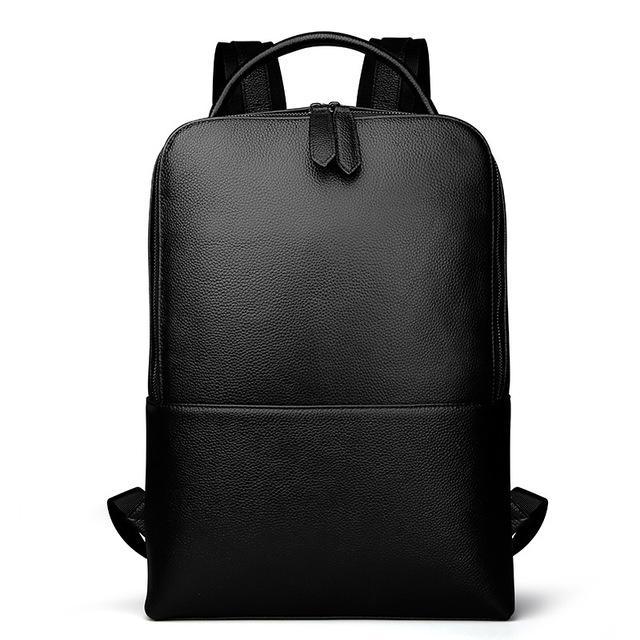
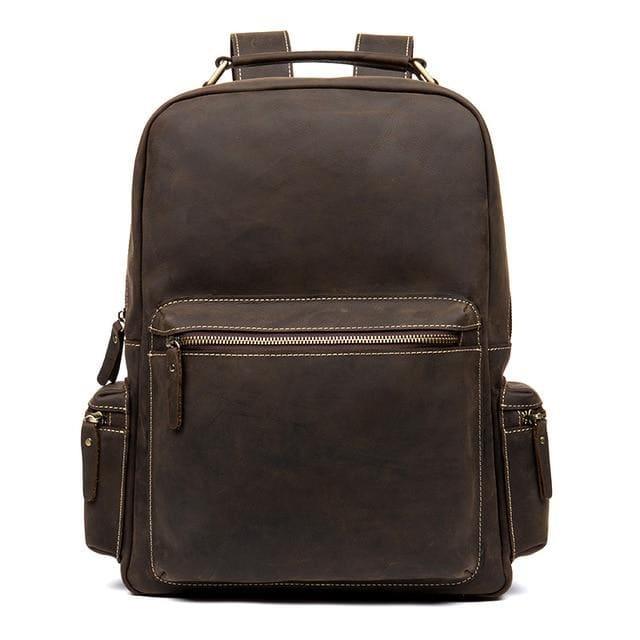
The Skald Black Pebbled Leather Backpack is a slim, refined pack in pebbled full-grain leather. Its streamlined profile suits both commutes and travel, and the pebbled surface develops a subtle, distinctive character with regular conditioning and use.
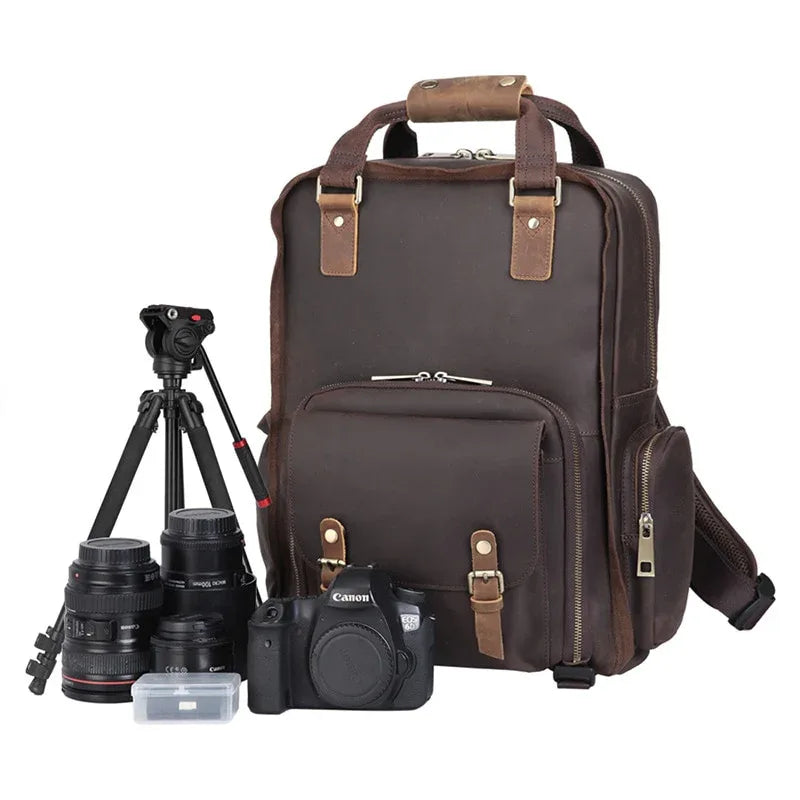
The Mann Bag is a large-capacity full-grain leather camera backpack built for photographers and heavy haulers. The structured interior and reinforced exterior panels benefit from conditioning every two to three months to maintain flexibility under load.
The Gaetano Large Leather Backpack is a full-grain leather camera bag with a built-in tripod holder. The extensive strap system and high-use hardware attachment points should be conditioned regularly to prevent cracking at flex zones.
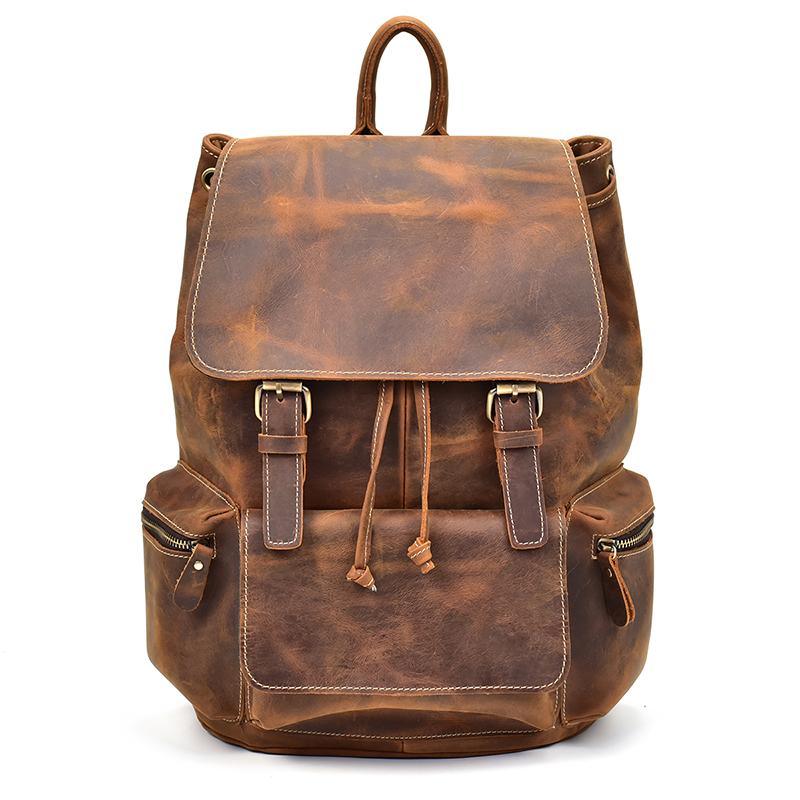
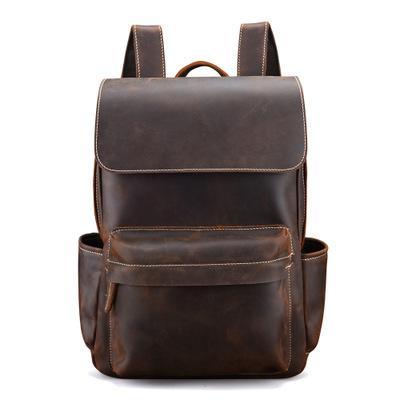
The Icarus Backpack is a handmade vintage full-grain leather backpack built for people who carry a lot daily. Because backpacks flex at the straps and back panel constantly, conditioning these stress points every two to three months extends the life significantly.
The Faulkner Backpack is a handcrafted option for those who want a slightly slimmer profile without sacrificing leather quality. Explore the full leather backpack collection if you are still deciding on size or style.
Best Weekenders and Duffle Bags for Travel
Travel bags take real abuse. Conditioning the handles, strap attachment points, and fold zones every three to four months keeps these high-stress areas supple and strong.
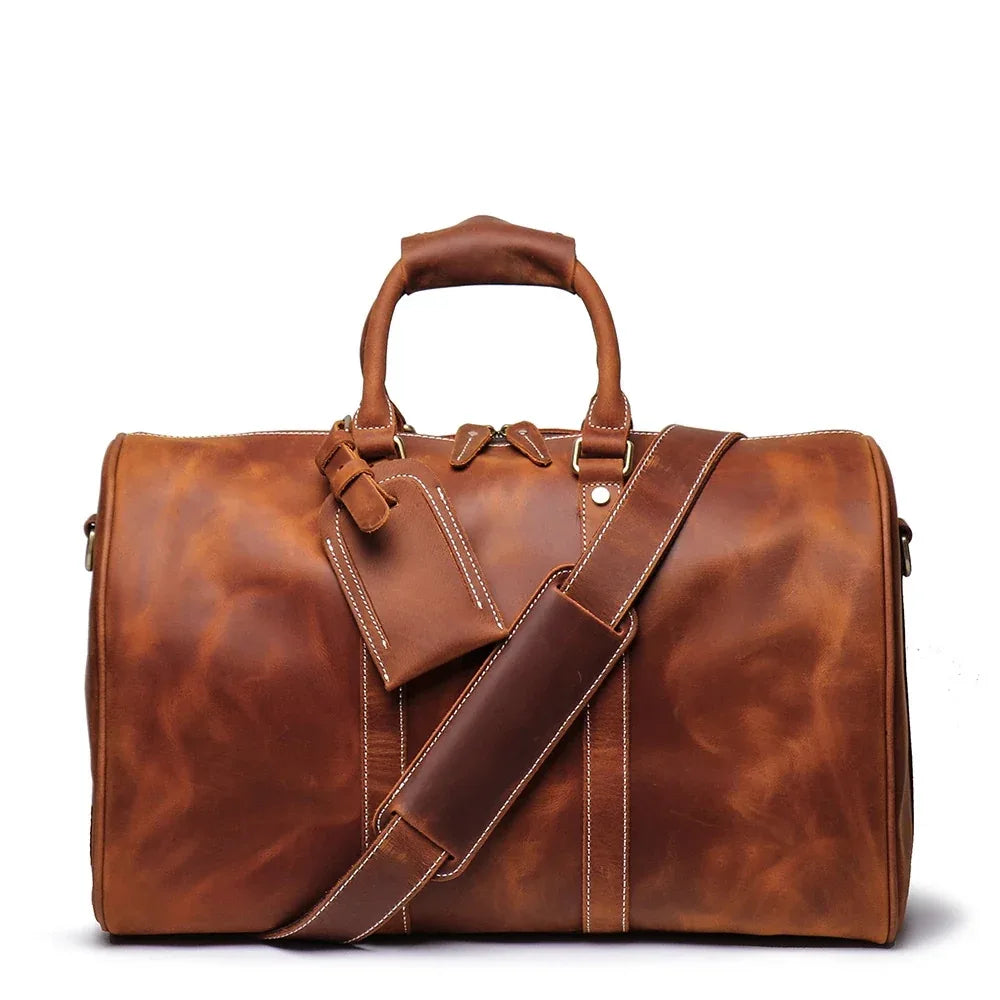
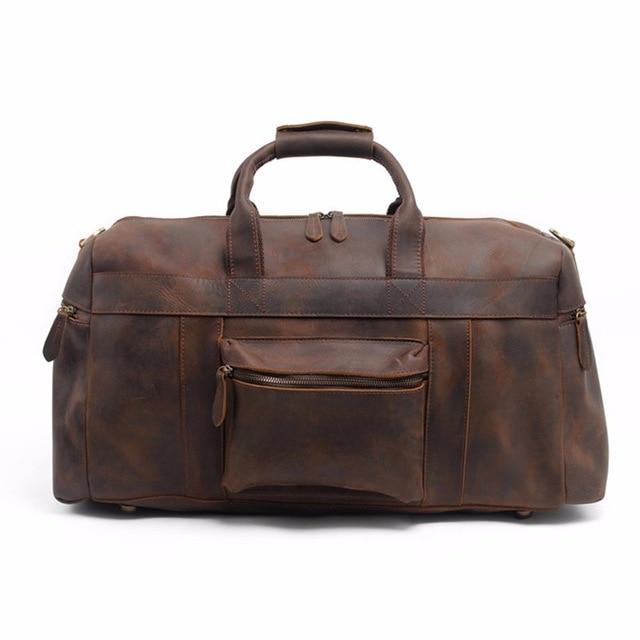
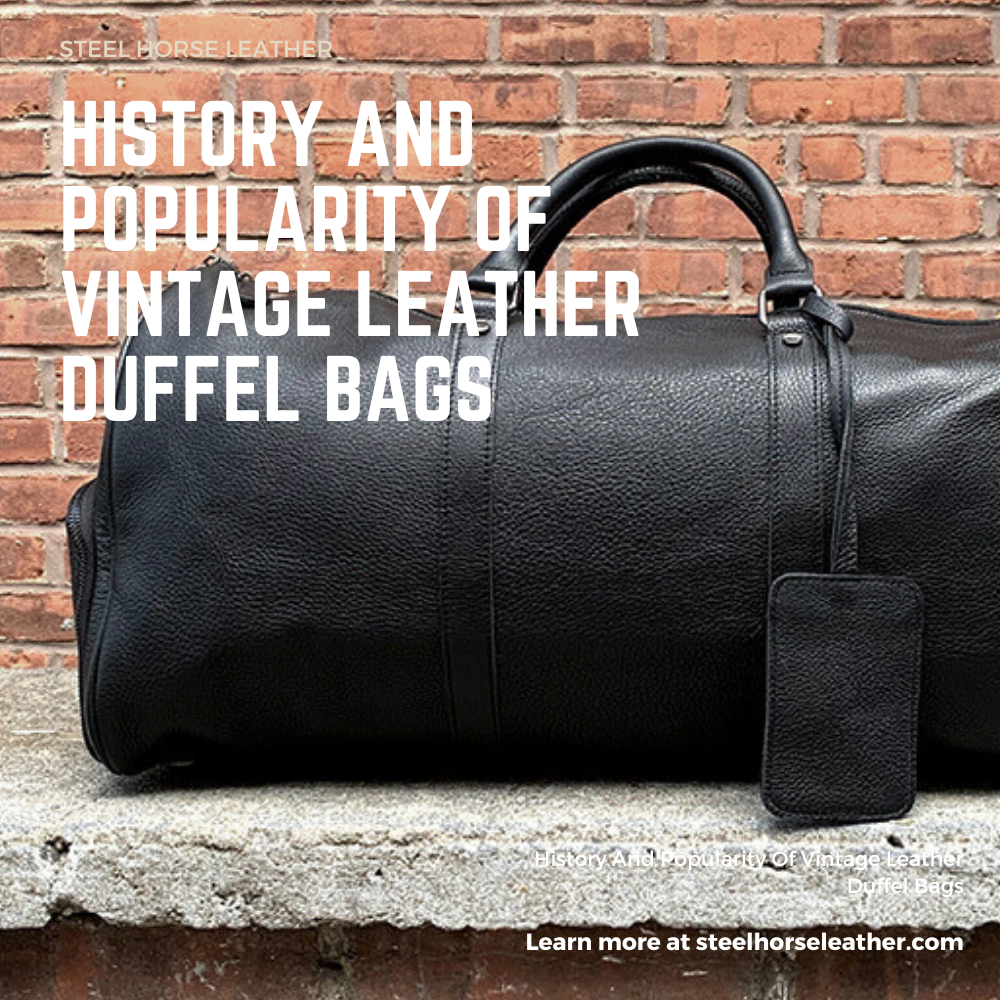
The Endre Weekender is a classic structured duffle built for two to three day trips. The full-grain leather develops an excellent patina with regular conditioning, and the rigid frame holds its shape well over years of use.
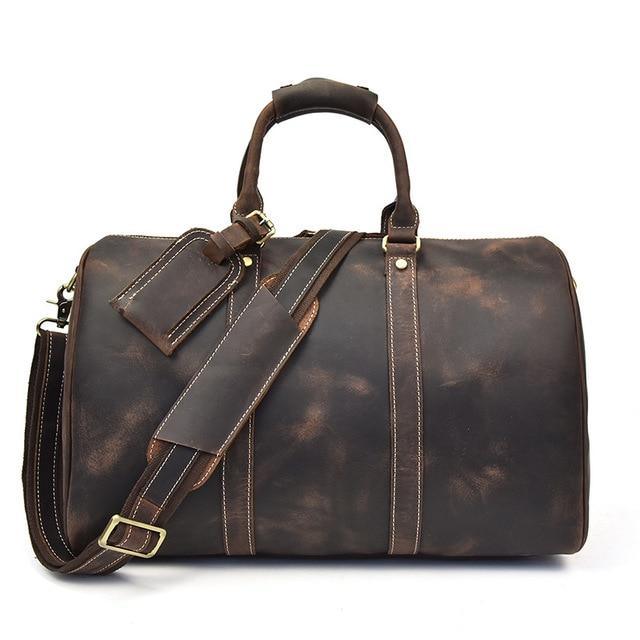
The Brandt Weekender is a compact duffle in full-grain leather, well suited for overnight trips or as a carry-on. Its smaller footprint means conditioning goes quickly, making it easy to keep in top condition.
The Bjarke Weekender offers a relaxed silhouette with handcrafted details. It responds beautifully to regular conditioning, developing rich character with each use.
The Eira Duffle Bag is a vintage-style full-grain leather weekender with a spacious interior and clean exterior lines. The leather's natural grain structure means it absorbs conditioning oils evenly and holds them well.
The Colden Duffle Bag is the right choice when you need maximum capacity without sacrificing structure. Condition the handles and strap attachment points regularly, as these take the most stress. Browse the full leather duffle bag collection to compare all available sizes and styles.
Best Briefcases and Laptop Bags for Daily Professional Use
Briefcases and laptop bags face daily friction, moisture from hands, and the weight of regular loads. Conditioning every three to four months keeps the leather strong at the handles, corners, and base where wear concentrates.
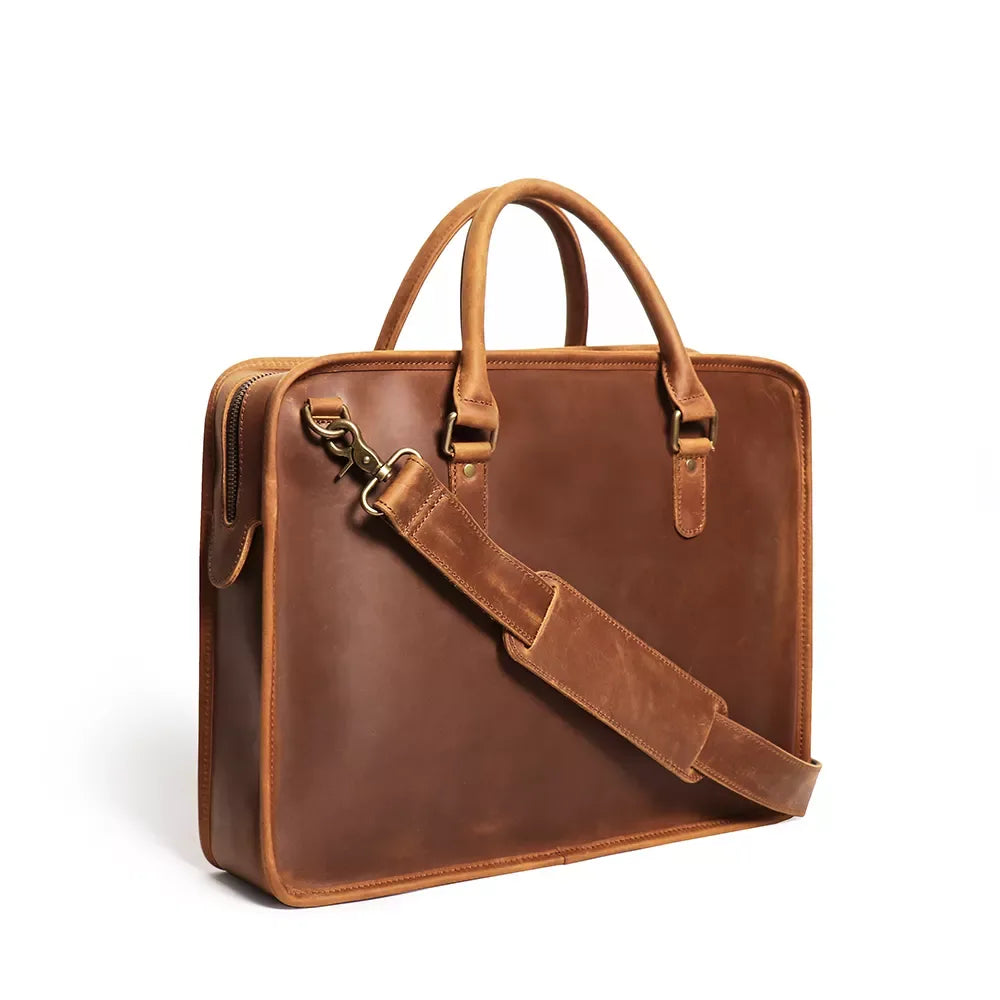
The Welch Briefcase is a vintage-style full-grain leather messenger bag and briefcase hybrid. The structured silhouette holds its shape well, and the leather develops a distinguished patina over years of professional use.
The Hemming Leather Laptop Bag is structured for professional use, protecting your laptop while aging well with consistent leather conditioning. It fits naturally into work and commute routines.
Best Compact Carry and Accessories
Smaller leather goods absorb constant friction and body heat. A light conditioning treatment twice a year is enough for most accessories, but items with straps or fold points need attention at those specific zones.
The Erling Leather Sling Bag is a lightweight daily crossbody carry in full-grain leather. The crossbody strap experiences significant sweat and friction, so conditioning that area every two to three months helps prevent premature wear.
The Pathfinder Bifold Wallet is a compact full-grain leather wallet that many people forget to condition. A light treatment twice a year keeps the leather soft and prevents cracking at the fold.
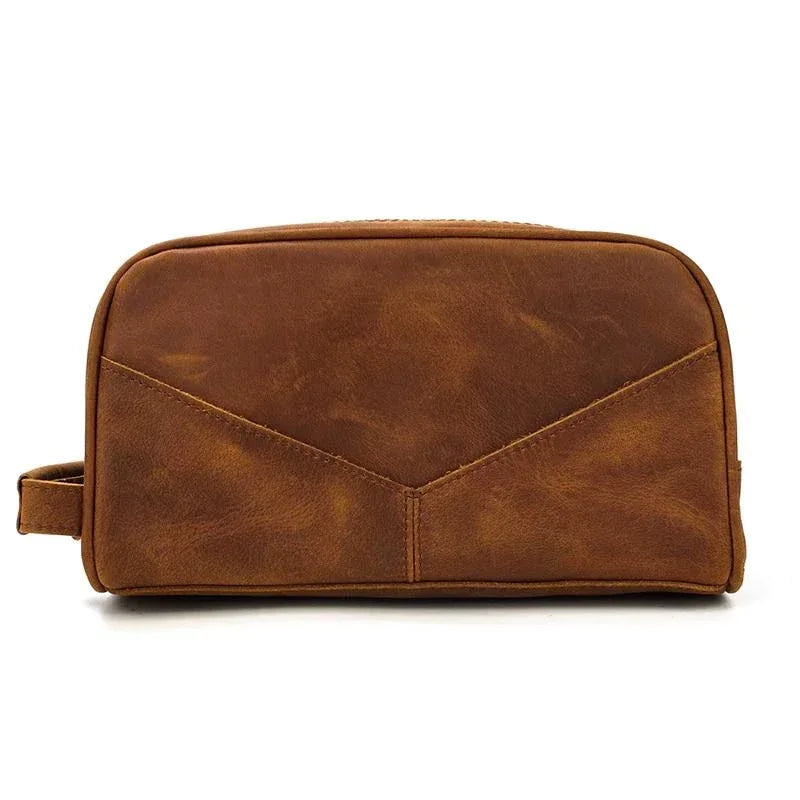
The Wanderer Toiletry Bag is a full-grain leather travel toiletry bag built for regular use. Exposure to bathroom moisture makes conditioning every three to four months especially important for this piece.
The Dado Leather Dopp Kit is a handmade full-grain leather toiletry bag with a structured base and zipper closure. Its compact footprint conditions quickly and responds well to beeswax-based treatments that add both moisture and water resistance.
Steel Horse Leather's Guarantee
Every Steel Horse Leather purchase is backed by a 30-day money-back guarantee. If you are not satisfied with your leather bag for any reason, you can return it within 30 days. That makes it easier to invest in a full-grain leather piece worth properly caring for.
Frequently Asked Questions
How often should I condition my leather goods?
For most leather bags and accessories in regular use, every two to four months is a reasonable starting point. The right interval depends on leather type, finish, climate, and use intensity. Leather boots worn frequently may need conditioning every six to eight weeks. In dry or hot climates, condition more often. In mild climates with light use, every four to six months may be sufficient. When in doubt, use the water drop test: if water absorbs quickly and leaves a dark spot, the leather needs conditioning.
Can I use olive oil on leather?
No. Olive oil goes rancid over time, can darken leather unpredictably, and may cause unpleasant odors. Use stable natural oils like castor oil, sweet almond oil, or grapeseed oil instead. Commercial conditioners like Leather Honey or Bickmore Bick 4 are also reliable alternatives.
Does mink oil darken leather?
Yes, mink oil can noticeably darken leather, especially lighter-colored hides. It is an effective conditioner, but always do a spot test on a hidden area before full application. If darkening is a concern, use a lighter conditioner like Bickmore Bick 4 or Saphir Renovateur instead.
Can you condition faux leather or vinyl material?
No. Faux leather and vinyl material are synthetic and do not have the organic fiber structure that absorbs conditioning oils. Applying conditioner to these materials will not help and may leave a greasy residue. Conditioning only works on real leather made from animal hide.
What happens if I over-condition my leather?
If the leather becomes overly soft, greasy, or starts attracting dirt, you have likely applied too much conditioner or conditioned too frequently. Allow the leather to air dry completely, then buff with a dry cloth to remove excess. Extend the time between conditioning sessions going forward and use a lighter hand on application.
Do I need to clean leather before conditioning?
Yes. Always clean the surface of the leather with an appropriate leather cleaner before conditioning. Conditioning dirty leather seals in grime and oils, which can degrade the leather over time. Clean first, allow to dry fully, then condition.
Is homemade leather conditioner as effective as commercial products?
For routine maintenance on most finished leathers, a properly made DIY conditioner using beeswax, coconut butter, sweet almond oil, and castor oil can hold up well. That said, commercial conditioners like Leather Honey or Saphir Renovateur are more precisely formulated and tend to perform better on specific leather types or for restoration work. For high-value or delicate leather goods, a trusted commercial product is the lower-risk choice.
How do I know when my leather needs conditioning?
Rub a small amount of water on a hidden area. If the water absorbs quickly and leaves a dark spot, the leather is dry and needs conditioning. If it beads on the surface, the leather still has adequate protection. Visual signs include a dull finish, stiffness, or fine surface cracks beginning to appear.
Ready to Own Leather Worth Caring For?
Conditioning routines only matter when the leather is worth the effort. Steel Horse Leather builds every bag, backpack, and accessory from full-grain leather, the grade that conditions best, ages beautifully, and gets better with every year of use.
Browse the full leather bags collection to find the right piece for how you carry. Every purchase is backed by a 30-day money-back guarantee, so you can buy with confidence and start building the kind of leather goods that last a lifetime.
All of our bags at Steel Horse Leather are crafted from full-grain crazy horse leather, built to develop a rich patina over time. Browse our Leather Bags.