A wallet is one of those things you carry every single day, often for years, yet most people spend more time picking out a phone case than they do choosing something that touches their hands multiple times a day. This guide is here to change that. Whether you're replacing a wallet that's finally given out or buying one as a gift, we want you to walk away knowing exactly what makes a bifold wallet worth your money.
What Is a Bifold Wallet, and Who Is It For?

A bifold wallet is a wallet that folds once in the middle, creating two halves. It's the classic wallet silhouette most people picture when they think "wallet." Inside, you'll typically find card slots, a bill compartment, and sometimes a clear ID window or a small pocket for coins or receipts.
Bifolds sit in contrast to trifolds (which fold twice and tend to be bulkier) and front pocket wallets, which are built minimal and slim for people who prefer carrying in their front pocket. Bifolds strike a middle ground: more storage than a minimalist wallet, but slimmer and more classic in profile than a trifold. They're a great fit for anyone who:
- Wants a traditional, timeless wallet style that works with a suit or jeans
- Carries a handful of cards, some cash, and maybe an ID or two
- Prefers back-pocket or jacket-pocket carry over a front-pocket minimalist setup
- Values a wallet that ages well and can last decades with proper care
If you're comparing wallet styles more broadly, our guide on men's leather long wallets and our breakdown of money clip wallets are worth a read if you're still deciding between formats.
Why Leather, and Why Full-Grain Specifically
Leather is the standard material for good reason: it's durable, it molds to your habits over time, and it looks better with age rather than worse. But not all leather is created equal.
Full-grain leather is the top layer of the hide, left uncorrected and unsanded. It contains the natural grain, including small imperfections, which is exactly what gives it character and strength. Full-grain leather develops a patina over time, meaning it darkens and softens in a way that reflects how you've actually used it. A wallet in your back pocket will wear differently than one in your bag, and that's part of the appeal.
Lower-grade leathers (like bonded or corrected-grain) are often sanded down to remove imperfections, then stamped with an artificial grain pattern and coated with finish. They may look fine on day one, but they crack, peel, and wear out far faster. If you want a deeper dive into what separates the grades, our article on what grain leather actually means breaks it down in plain terms. We also have a piece specifically on full-grain leather wallets if you want to understand why this distinction matters so much for something you handle daily.
Key Features to Consider
1. Card Capacity vs. Bulk
Think honestly about how many cards you actually carry. Most people use 3 to 6 cards regularly, but wallets are often designed with 8 to 12 slots. More slots sound appealing, but they also mean more leather layers stitched together, which adds bulk. A wallet stuffed with unused slots will sit awkwardly in your pocket. Be realistic about your daily carry before choosing a wallet based on slot count alone.
2. Bill Compartment Style
Some bifolds have an open bill compartment, others have a center pocket, and some include a separate slot for folded receipts or cash you don't touch often. If you're someone who still carries cash regularly, prioritize a wallet with a well-constructed bill pocket that won't stretch out or lose shape over time.
3. ID Window
A clear ID window is convenient for quick access at airports, bars, or the DMV, but the plastic window itself is often the first part of a wallet to wear out. If you value longevity over convenience, a wallet without a plastic window (just a slot) will typically outlast one with a window insert.
4. Stitching and Edges
This is where cheap and quality wallets really separate. Look closely at the stitching: it should be even, tight, and doubled at stress points like the fold and corners. Edges should be burnished (sealed and smoothed) rather than left raw or simply painted, since raw edges fray and painted edges chip.
5. Coin Storage
Not every bifold includes a coin pocket, and honestly, most people don't need one in daily use. If you do handle coins often, a separate leather coin purse like the Cael Coin Purse can be a smarter solution than a bulky built-in pocket, since it keeps your main wallet slim while still giving you somewhere to keep change.
Matching the Wallet to Your Lifestyle

The everyday professional: If you want something classic that works from the office to dinner, a straightforward bifold with clean lines and minimal hardware is your best bet. The Pathfinder Bifold Wallet is built with exactly this kind of versatility in mind, offering enough card slots for daily use without unnecessary bulk.
The front-pocket carrier: If you've never liked the feeling of a wallet in your back pocket, a bifold might not actually be your best fit. Consider the Walden Front Pocket Wallet, which includes a money clip and is designed to sit flat and slim in a front pocket.
The minimalist: If you're trying to carry less overall, it's worth reading our front pocket wallet guide before committing to a bifold, since a slimmer format might actually serve you better.
The gift buyer: Wallets are one of the most popular leather gifts for good reason. They're personal, useful, and practical for almost anyone on your list. If you're shopping for a groomsman, a father, or a colleague, take a look at our guides on leather gifts for him and groomsmen gift ideas for more context on what tends to actually get used versus what sits in a drawer.
The corporate buyer: If you're purchasing in bulk for employees or clients, a bifold wallet is an easy, universally appreciated option. Our corporate leather gifts collection and article on top corporate gift ideas can help you think through quantity, customization, and budget.
Quality Indicators to Look For
When you're evaluating a wallet in person or in photos, check for these signs of genuine quality:
- Consistent grain pattern across all panels, indicating the leather wasn't stamped to hide inconsistencies
- Tight, even stitching with no loose threads or skipped stitches
- Burnished or finished edges rather than raw or simply painted edges
- Natural smell, real leather has an earthy, slightly sweet smell, not a chemical or plastic odor
- Slight give when you flex it, full-grain leather should feel substantial but not stiff like cardboard
- Reinforced fold line, since this is where a wallet takes the most stress over time
Common Mistakes to Avoid
Buying based on slot count alone. As mentioned above, more slots often means more bulk. Count your actual cards before shopping.
Ignoring how you actually carry it. If you're a back-pocket carrier, thickness matters more than you'd think. A wallet that feels fine in your hand can feel completely different after sitting on it for eight hours.
Choosing style over material. A beautifully designed wallet made from bonded or corrected leather will not hold up. Always prioritize the leather grade first, design second.
Assuming all "genuine leather" labels mean quality. Ironically, "genuine leather" is often one of the lowest grades on the market. Look specifically for "full-grain" or "top-grain" labeling.
Not considering long-term care. A great leather wallet is a long-term investment, but only if you're willing to give it basic care. More on that below.
Caring for Your Leather Bifold Wallet
Leather wallets don't need constant attention, but a little care goes a long way toward extending their life.
- Avoid overstuffing. This is the number one cause of premature wear, since it stretches stitching and distorts the shape.
- Keep it dry. If it gets wet, let it air dry naturally away from direct heat. Never use a hairdryer or place it near a radiator.
- Condition occasionally. Every few months, a leather conditioner will keep the material supple and prevent cracking. If you prefer a DIY approach, our guide on homemade leather conditioners walks through simple, effective options.
- Address stains early. Oil-based stains (like from hands or food) are common on wallets. Our article on removing oil stains from leather covers safe methods that won't damage the material.
- Know the difference between wear and damage. Scuffs and darkening are natural patina. Actual scratches can be treated using the steps in our scratch repair guide.
Finding the Right Fit for You
Before buying, ask yourself a few honest questions:
- How many cards and bills do I actually carry on a normal day?
- Do I carry my wallet in a back pocket, front pocket, or bag?
- Do I need a coin pocket, or would a separate coin purse make more sense?
- Am I buying this for myself, or as a gift for someone with different habits than mine?
- Do I want something that will visibly age and develop character, or do I prefer a consistent look over time?
Answering these honestly will narrow your choice far more effectively than browsing by style alone.
Recommended Products
Based on the considerations above, here are a few pieces worth looking at directly:
- The Pathfinder Bifold Wallet, a classic, full-grain leather bifold built for everyday use with a practical card and bill layout. A solid choice for anyone wanting a dependable daily wallet.
- The Walden Front Pocket Wallet, ideal for those who prefer front-pocket carry and want a built-in money clip rather than a full bill compartment.
- The Cael Coin Purse, a smart companion piece for anyone who handles coins regularly but doesn't want a bulkier wallet to accommodate it.
If you're browsing more broadly, our full leather wallets collection and general leather accessories collection are good places to compare styles side by side.
Frequently Asked Questions
What's the difference between a bifold and a trifold wallet?
A bifold folds once, creating two halves, while a trifold folds twice into three sections. Bifolds are generally slimmer and considered more classic, while trifolds can hold more but tend to be bulkier and thicker in the pocket.
How long should a good leather bifold wallet last?
A well-made full-grain leather wallet with reasonable care can easily last 10 years or more. The leather will darken and soften with use, which is a natural sign of quality, not damage.
Is full-grain leather worth the extra cost?
Yes, in most cases. Full-grain leather is significantly more durable than corrected-grain or bonded leather and develops a patina that actually improves its appearance over time. Cheaper leather grades tend to crack and peel within a year or two of regular use.
How many card slots do I actually need?
Most people use between 3 and 6 cards regularly. Choosing a wallet with slightly more capacity than that gives you flexibility without adding unnecessary bulk.
Can I carry a bifold wallet in my front pocket?
You can, but bifolds are generally designed with back-pocket or bag carry in mind. If front-pocket carry is your preference, a dedicated front pocket wallet, like the Walden, is typically a better fit since it's designed to sit flatter.
How do I clean a leather wallet?
Wipe it down with a slightly damp cloth for light dirt, then let it air dry fully before use. For deeper cleaning or stain removal, refer to our guide on removing oil stains from leather. Avoid soaking the leather or using harsh chemical cleaners.
Does a wallet need a coin pocket?
Only if you regularly carry coins. Many people find that a separate small coin purse works better than a built-in pocket, since it keeps the wallet itself slimmer.
What should I avoid when buying a leather wallet?
Avoid wallets labeled simply as "genuine leather" without further detail, as this term often refers to lower-grade leather. Also avoid wallets with visible glue at the edges, uneven stitching, or an artificial, uniform grain pattern, all of which point to lower-quality construction.
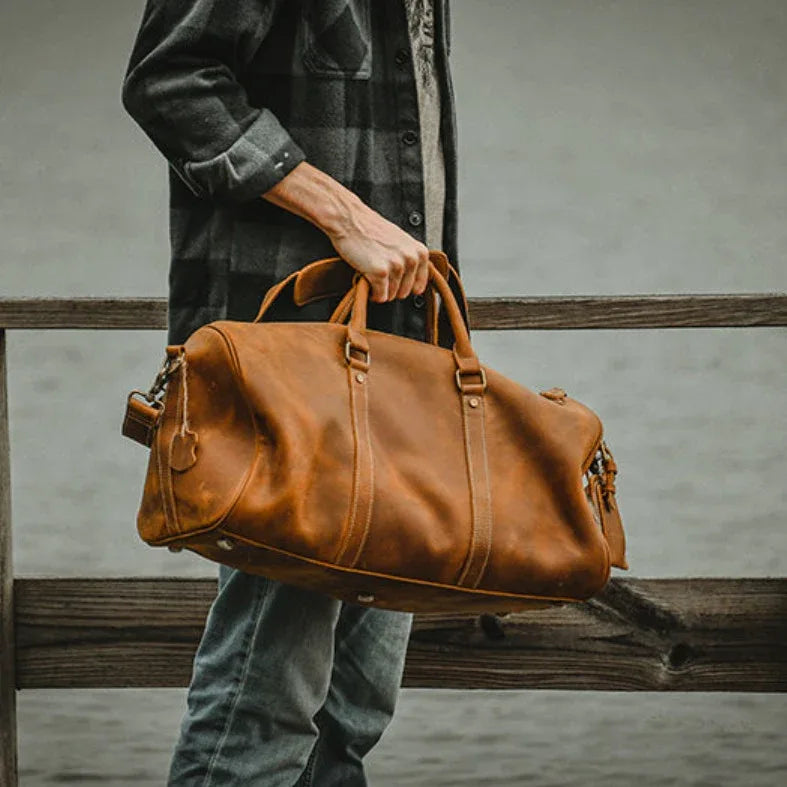
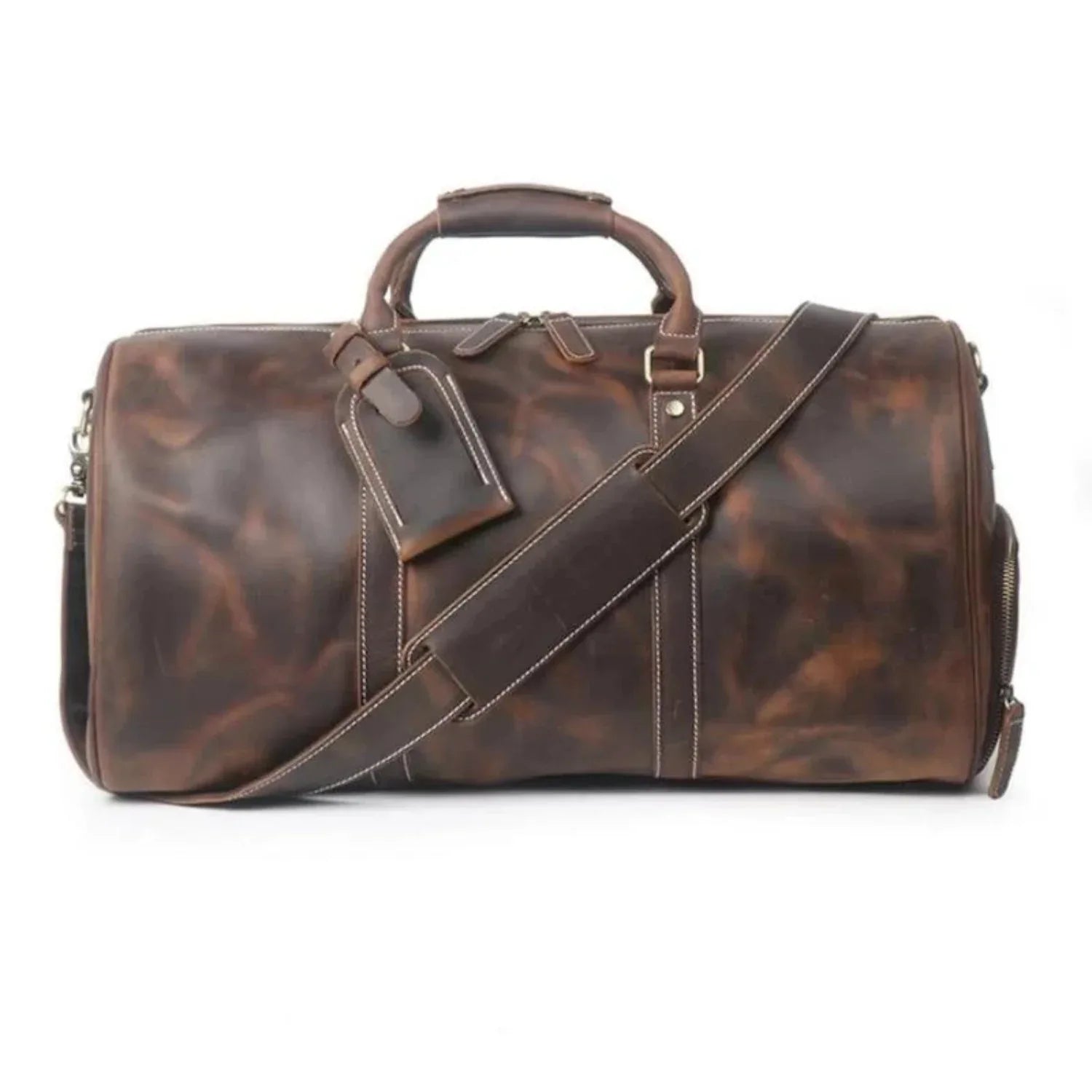
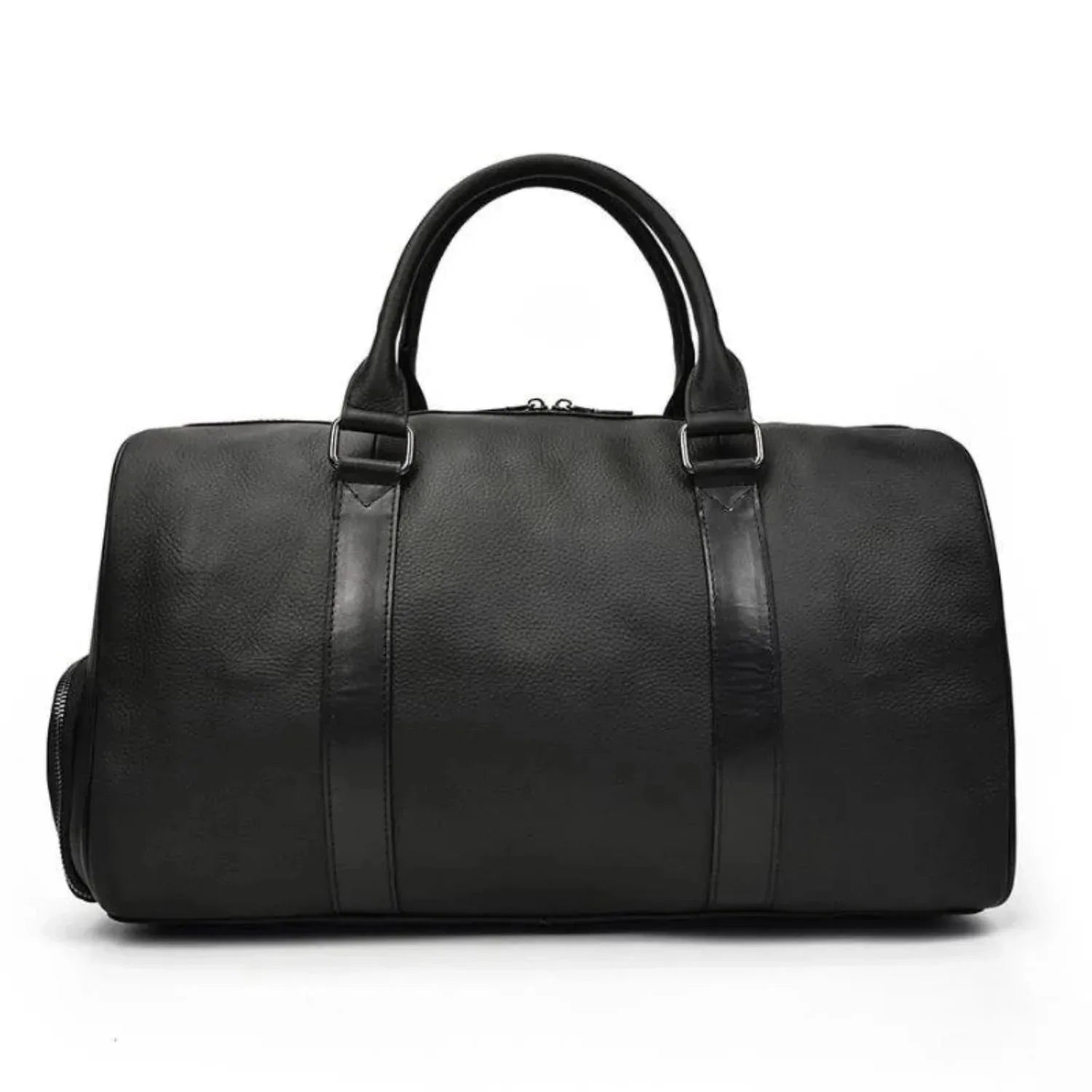
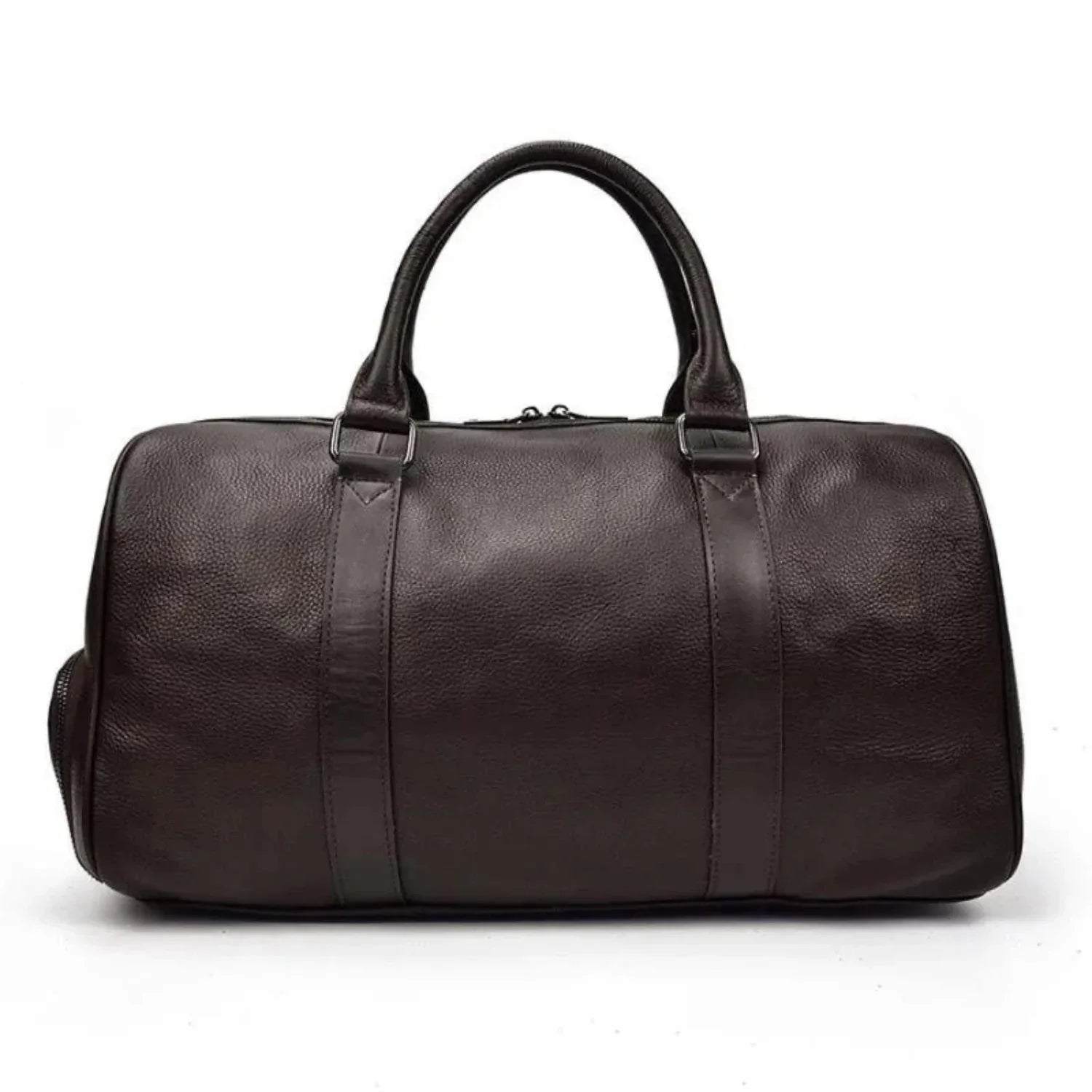
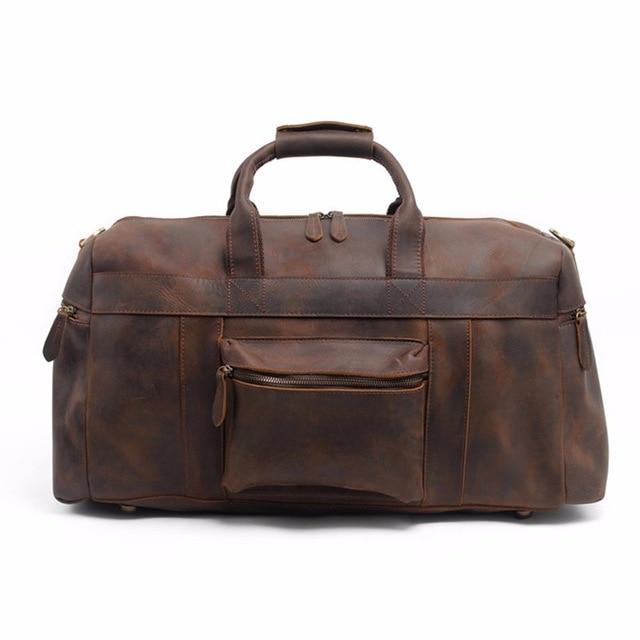
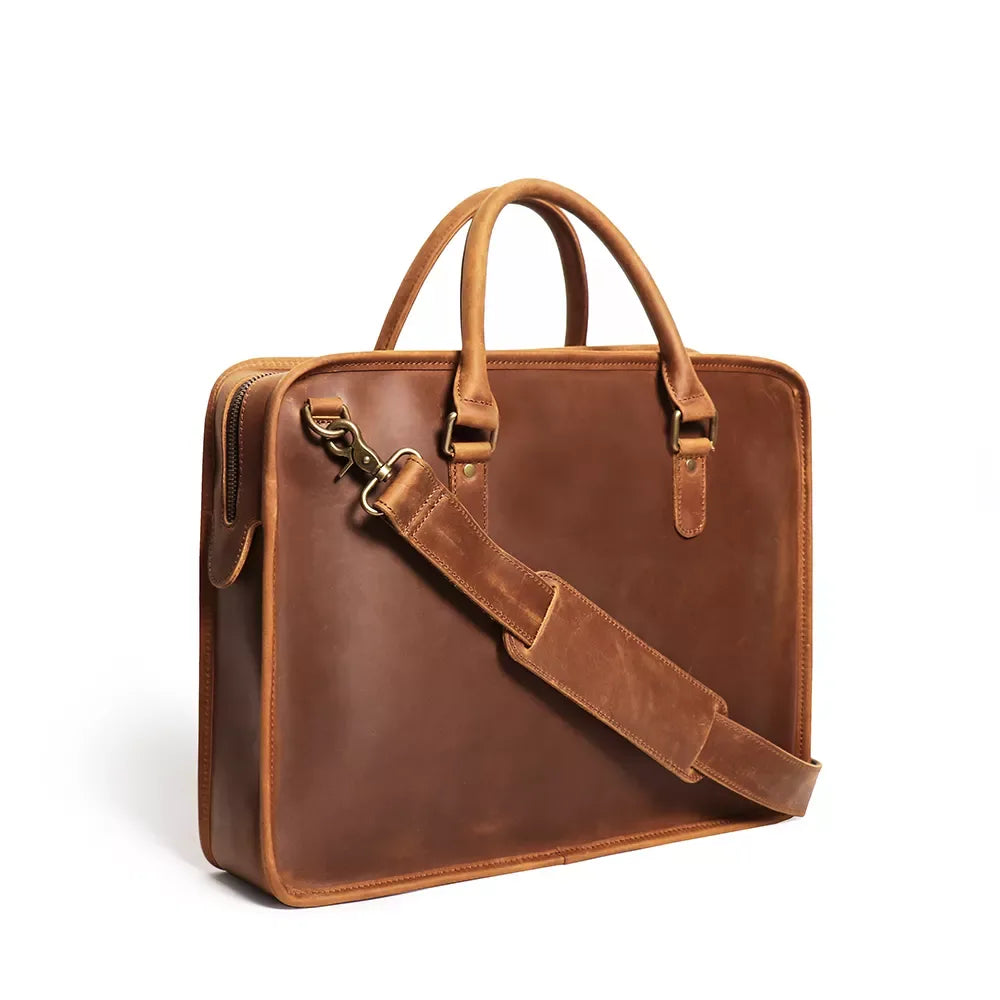
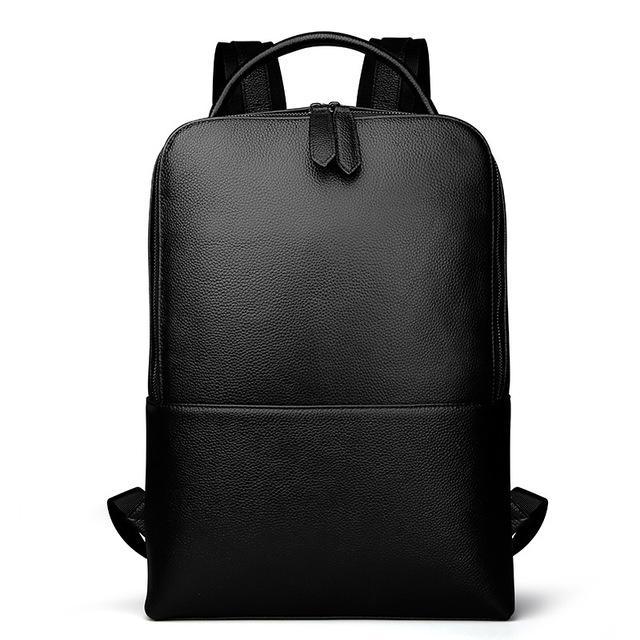
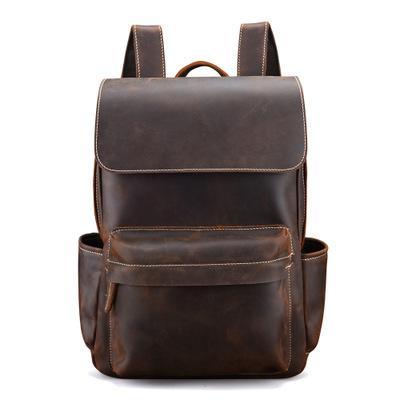
All of our bags at Steel Horse Leather are crafted from full-grain crazy horse leather, built to develop a rich patina over time. Browse our Leather Bags.