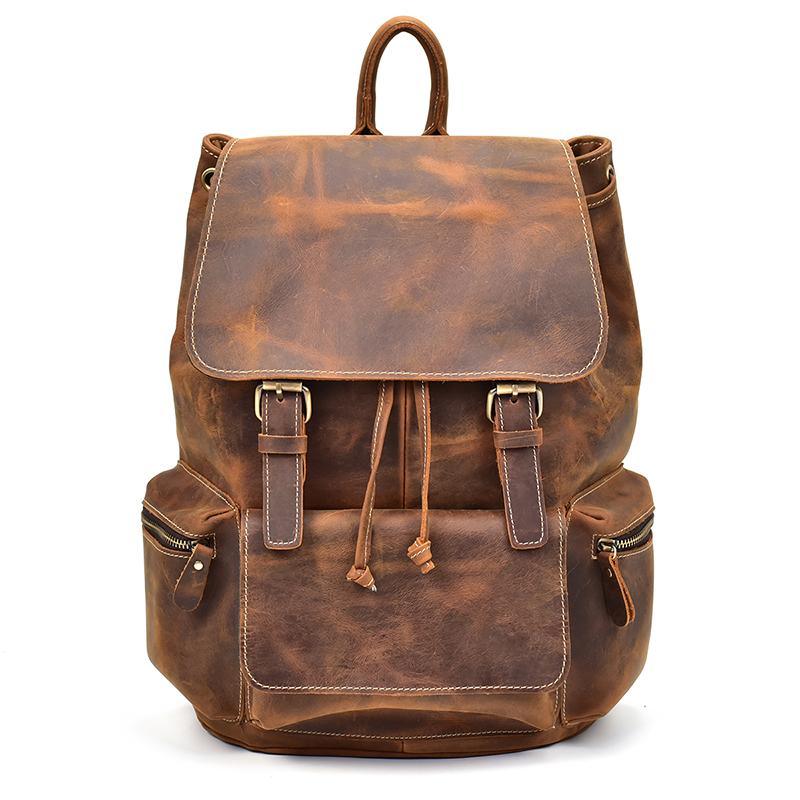
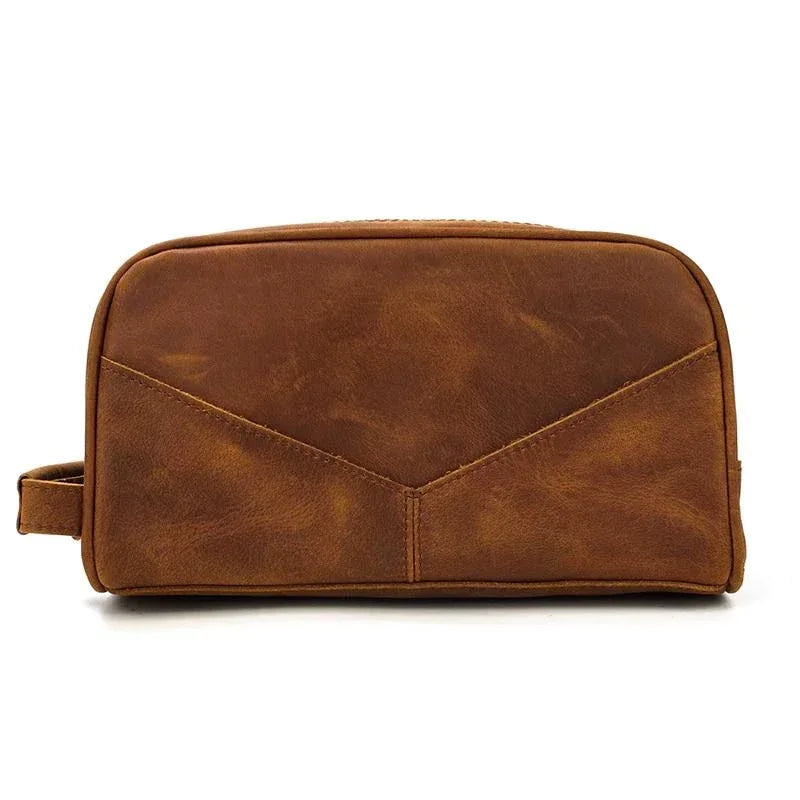
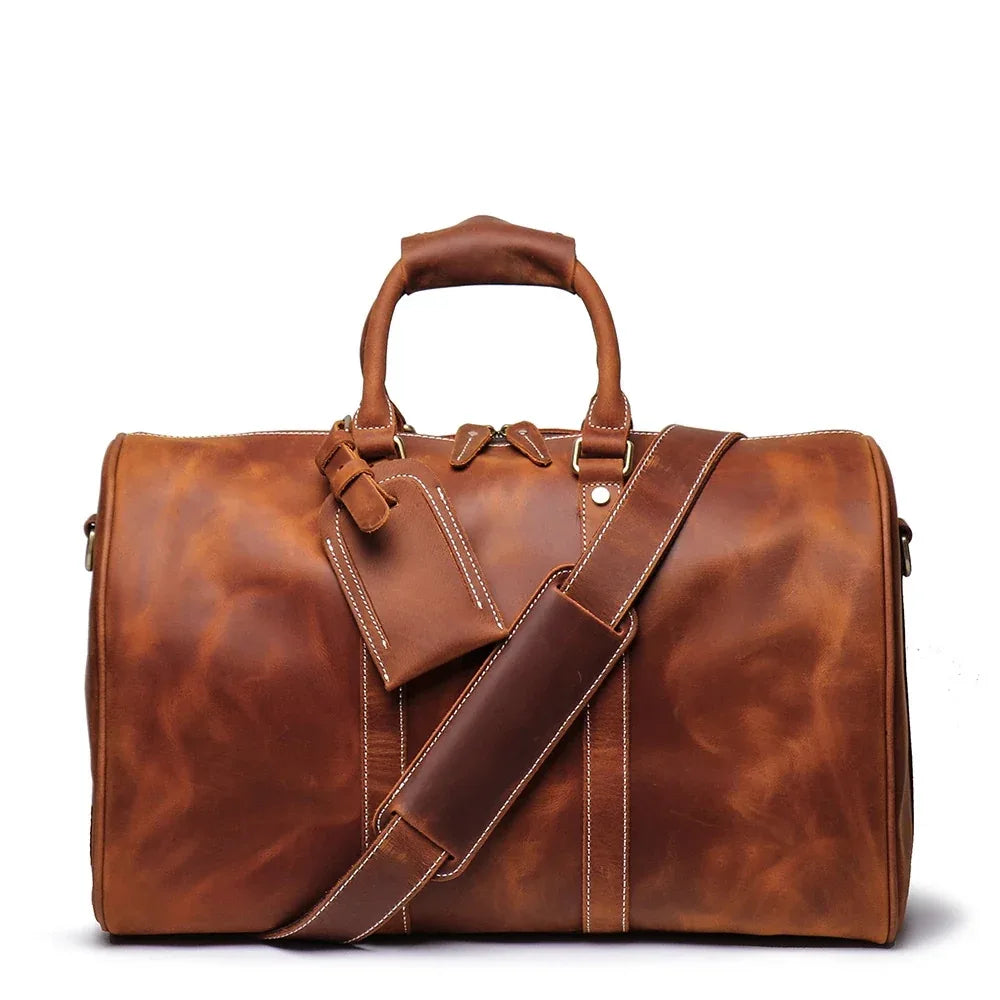
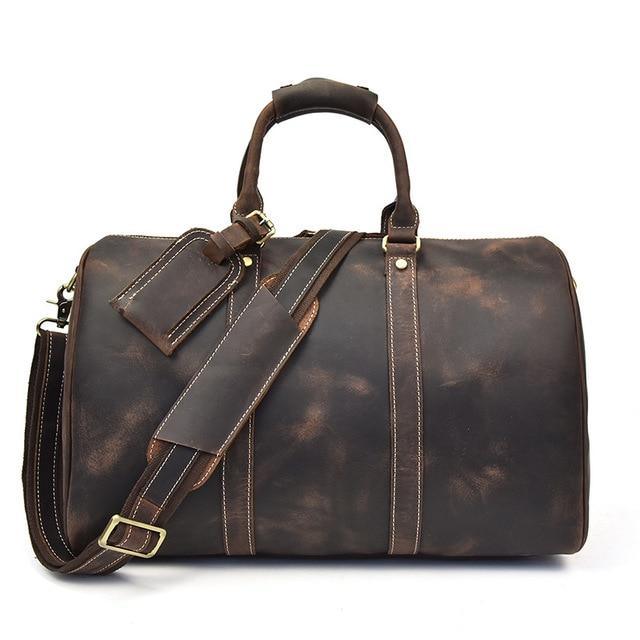
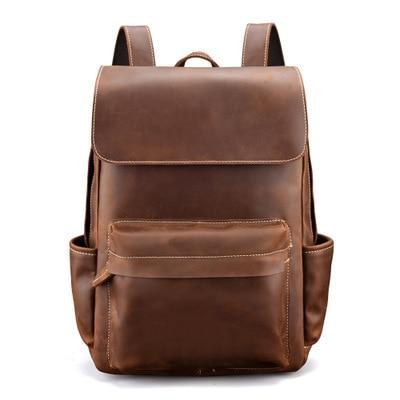
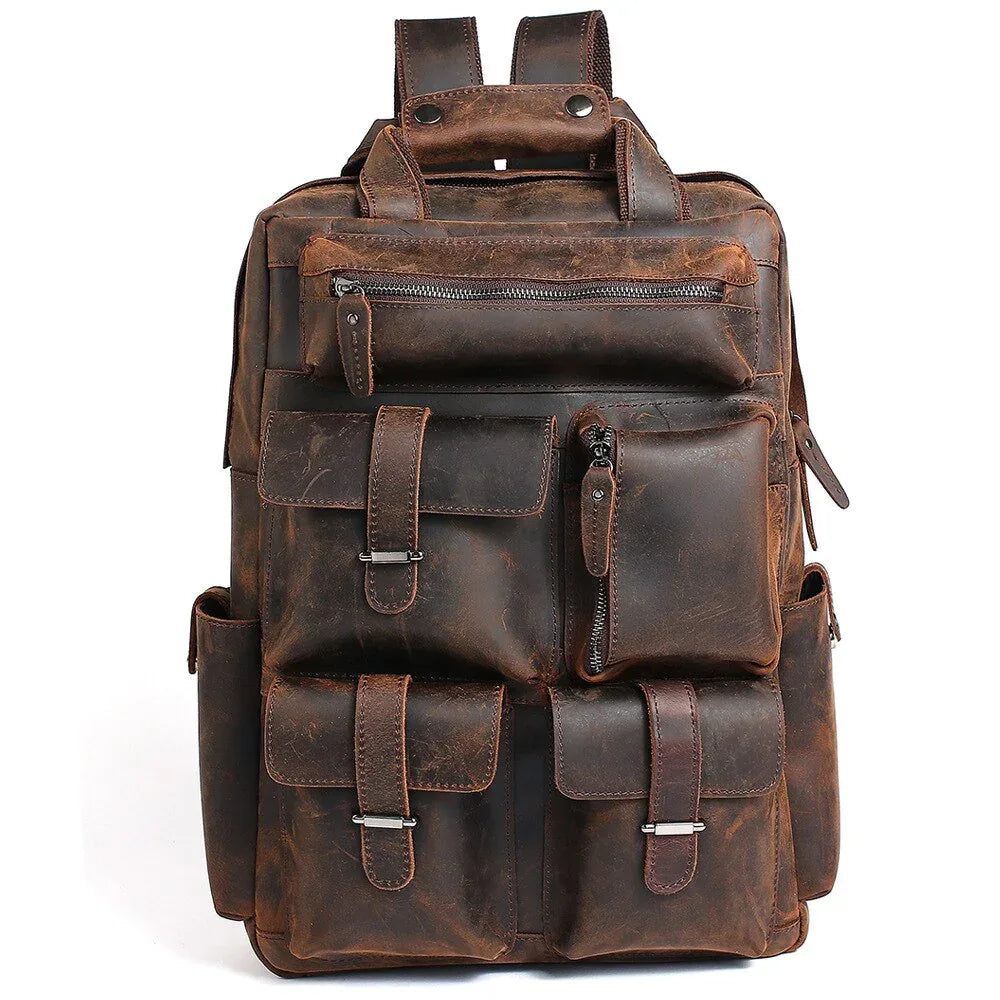
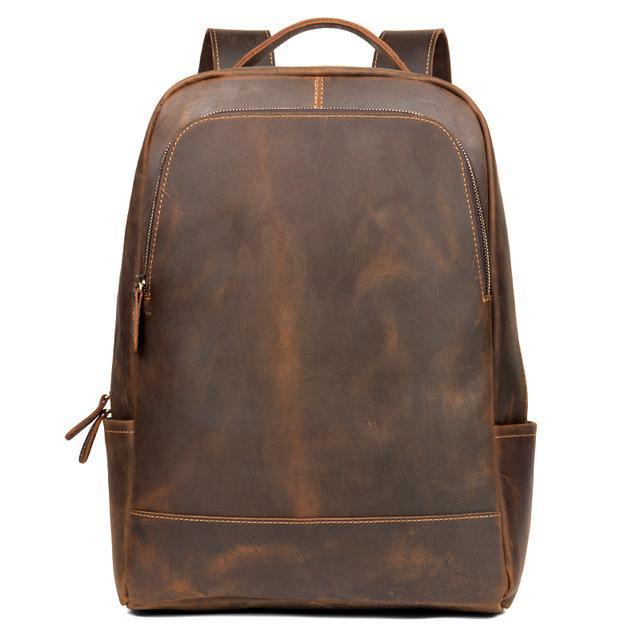
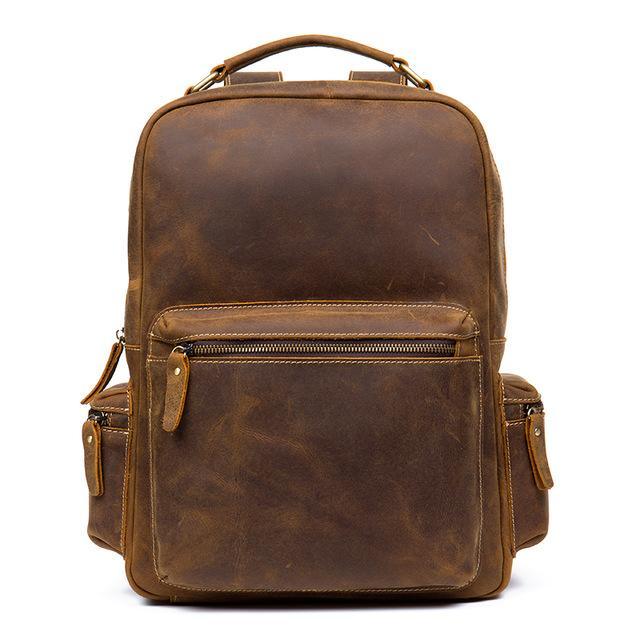
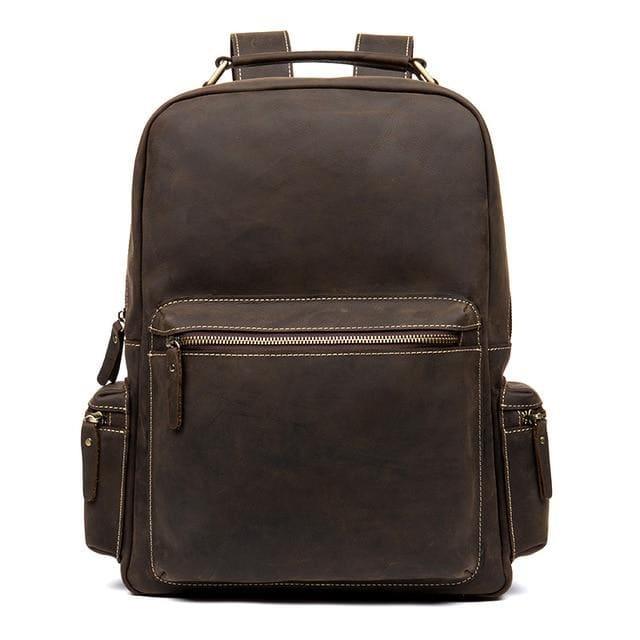
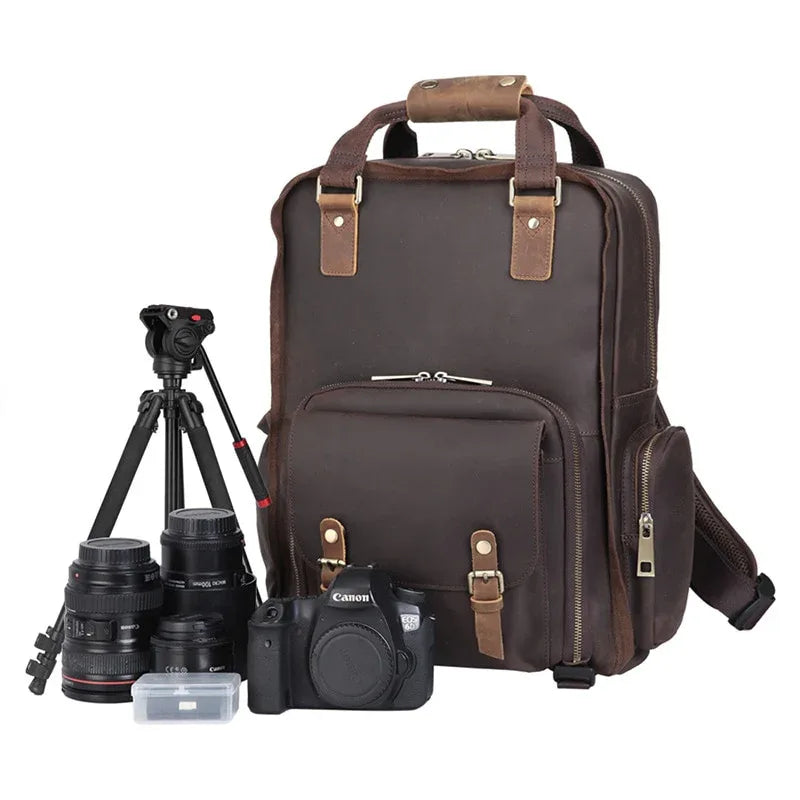
A quality leather backpack is an investment. Treat it right and it gets better with every year of use. Neglect it and you'll watch a premium piece deteriorate faster than it should.
This guide covers everything you need to keep your leather backpack in top condition: cleaning, conditioning, stain removal, repair, and long-term storage. Whether you just bought your first full-grain leather backpack or you've carried the same one for years, you'll find practical steps here that actually work.
We'll also help you find the right Steel Horse Leather backpack if you're ready to upgrade. Every bag in our leather backpacks collection is built from full-grain leather designed to age well and last for decades with proper leather backpack care.
Let's get into it.
Know Your Leather Before You Start

Not every leather backpack responds the same way to cleaning or conditioning. Knowing what you have helps you avoid damage. This section focuses on the leather types you're most likely to encounter in a quality backpack.
Full-Grain Leather
The highest grade available. Full-grain leather includes the entire top surface of the hide, natural markings and all. It's dense, durable, and develops a rich patina over time. It responds well to most leather conditioners and leather cleaners. Steel Horse Leather uses full-grain leather across its entire backpack line.
Top-Grain Leather
Sanded down to remove imperfections. Top-grain leather is more uniform in appearance but slightly less durable than full-grain. It still requires regular leather care to prevent drying and cracking. Conditioning frequency is similar to full-grain, though top-grain may need more protective coats due to its altered surface.
Pebbled Leather
A textured finish applied to smooth leather. Pebbled leather hides surface scratches well and is a solid practical choice for daily carry bags. Clean it with a soft brush or damp cloth before applying conditioner to ensure product reaches the surface evenly.
Vegetable-Tanned Leather
Uses natural plant-based tannins rather than chemicals. Vegetable-tanned leather ages beautifully and responds exceptionally well to natural oils and leather cream treatments. It is the traditional choice for high-quality leather bags built to last. Because it is more porous than chrome-tanned leather, it absorbs conditioners and waterproofing products more readily. Test any new product on a hidden area first.
What to avoid: Faux leather, suede, and exotic leathers require entirely different care routines and are outside the scope of this guide. If you own a suede piece, use a dedicated suede brush and a Suede and Nubuck Protector rather than any standard leather products.
Not sure which leather grade your backpack is made from? Our full-grain vs. top-grain leather guide breaks down the differences in plain terms.
The Core Leather Backpack Care Routine
Consistent care prevents most damage before it starts. Follow this routine and your leather backpack will outlast nearly anything else in your closet.
Step 1: Wipe Down Surface Dust Weekly
Use a dry microfiber cloth to remove surface dust and light debris. Do not skip this step. Surface dust acts like fine sandpaper over time and dulls the leather finish faster than almost anything else.
For tougher surface grime, dampen the cloth slightly. A damp cloth with no cleaning product is enough for most light cleaning.
Step 2: Deep Clean Monthly
Apply a dedicated leather cleaner using a soft brush or soft cloth. Work in small circular sections and avoid saturating the leather. Wipe away any residue with a clean, dry cloth.
Avoid household cleaners like dish soap, vinegar, or alcohol-based products. These strip natural oils from the leather and cause long-term damage even when they appear to work short term. A natural leather cleaner made with natural ingredients is the safer choice. For more on safe cleaning products, see our leather care and conditioning guide.
Step 3: Condition After Every Clean
Leather dries out. Conditioning restores the natural oils that keep leather supple and prevent cracking.
Apply a leather conditioner or leather cream using a soft cloth and work it into the surface in circular motions. Let it absorb for 10 to 15 minutes, then buff off any excess.
Conditioning frequency depends on your leather type and climate:
-
Full-grain leather: every one to two months with regular use
-
Top-grain leather: every four to six weeks, as its surface is more prone to drying
-
Vegetable-tanned leather: condition whenever the surface looks dry or feels stiff, as it absorbs product readily
-
Pebbled leather: every two months; use a soft brush to work conditioner into the texture
In dry climates or during winter when indoor heating reduces humidity, condition more frequently regardless of leather type.
Mink oil works for heavy-duty conditioning and coconut oil is a natural alternative, though both can darken leather slightly. Test any product on a hidden area first. For conditioner recipes, product recommendations, and a full seasonal routine, see our complete leather care and conditioning guide.
Step 4: Protect with a Waterproofing Spray
After conditioning, apply a waterproofing spray or water-repellent spray to protect against moisture and light rain. Apply after conditioning, not before, so the leather can absorb the conditioner fully first.
Note that waterproofing products work differently depending on finish. On vegetable-tanned leather, a natural wax-based protector is preferred over a synthetic spray. On pebbled leather, a standard leather spray applies cleanly. On coated or top-grain leathers, a light water-based spray is sufficient since the surface already has some protection built in.
Reapply every two to three months depending on how often you carry the bag and what conditions you expose it to.
Removing Stains From a Leather Backpack

Act quickly. The longer a stain sits, the harder it is to remove. For a deeper look at specific stain types, our leather stain removal guide covers oil, ink, and dye transfer in detail.
Water Stains
Dampen the entire panel with a lightly damp cloth to even out the waterline. Allow it to air dry naturally away from direct heat. Once dry, condition the area. Never use a hair dryer or place it near a heat source.
Grease and Oil Stains
Blot the stain immediately with a dry cloth. Do not rub. Apply a small amount of leather cleaner and work it gently into the area. Wipe clean and allow to dry fully before conditioning.
Ink and Dye Transfer
Dye transfer from clothing or other surfaces is one of the most common issues with light-colored leather bags. A leather-specific cleaner applied quickly can lift color transfer before it sets. For set stains, consult a leather care professional rather than attempting aggressive at-home removal.
Mold and Mildew
If your backpack has been stored in a damp environment, mold and mildew can develop. Wipe the surface with a dry cloth first, then apply a mold-specific leather cleaner. Allow it to dry completely in a well-ventilated area. Never store leather in plastic bags, as trapped moisture accelerates mold growth.
Repairing Wear and Damage
Minor damage is normal and repairable. Knowing when to handle it yourself and when to call a leather specialist saves time and money. For a complete walkthrough, see our leather repair and restoration guide.
Small Scratches and Scuffs
Rub a small amount of leather conditioner or leather cream into the scuff using your fingertip. The heat from your finger helps work it in. Most light scratches on full-grain leather will blend back into the surface naturally.
Small Tears and Loose Stitching
Use a fine-gauge needle and thread matched to the original stitch color. Secure loose ends and restitch along the original seam line. Keep stitches tight and even.
Larger Tears and Holes
Apply a leather filler to the damaged area, allow it to dry, and sand lightly before applying leather dye matched to the bag's original color. For deep structural damage, a leather specialist will produce a cleaner and more durable result than most DIY attempts.
Broken Zippers and Hardware
Replace zippers and buckles with hardware matched to the original weight and finish. A leather care professional or cobbler can handle this efficiently if you're not confident doing it yourself.
Faded or Uneven Color
A professional leather dye job delivers the most consistent results. If you apply leather dye at home, use permanent dyes formulated for the specific leather type and test on a hidden area first. Condition thoroughly after dyeing to restore suppleness. If your bag feels stiff after a dye treatment or is simply new and rigid, our how to soften leather guide covers five techniques with product callouts that work on new, stiff hides.
Proper Storage to Extend Lifespan
How you store your leather backpack matters as much as how you clean it.
-
Shape: Stuff the bag loosely with parchment paper or a natural fabric pillowcase to hold its shape. Avoid newspaper, which can transfer ink.
-
Covering: Use a breathable cloth bag or breathable dust bag rather than plastic. Breathable dust covers allow air circulation and prevent moisture buildup that leads to mold growth.
-
Environment: Store in a cool, dry, temperature-controlled environment away from direct sunlight. UV exposure fades and dries out leather faster than most people realize.
-
Moisture control: Place silica gel packets inside the bag during long-term storage to absorb excess moisture.
-
Avoid: Plastic bags, sealed bins, humid basements, and storage areas with temperature swings.
When to Seek Professional Help
Some issues go beyond what a standard care routine can fix.
Consider a leather care professional when:
-
The leather is deeply cracked or structurally compromised
-
Color damage is extensive and uneven
-
Hardware replacement requires disassembly of the bag
-
You're unsure about the leather type and don't want to risk using the wrong product
A good leather specialist can add years back to a backpack that looks beyond repair. It's often worth the cost when the bag is high quality.
Steel Horse Leather Backpacks Built to Last
Every bag in the Steel Horse Leather backpacks collection is crafted from full-grain leather. That means better aging, better durability, and a backpack that rewards proper care over time. Here are our top picks grouped by use case.
Best for Daily Carry
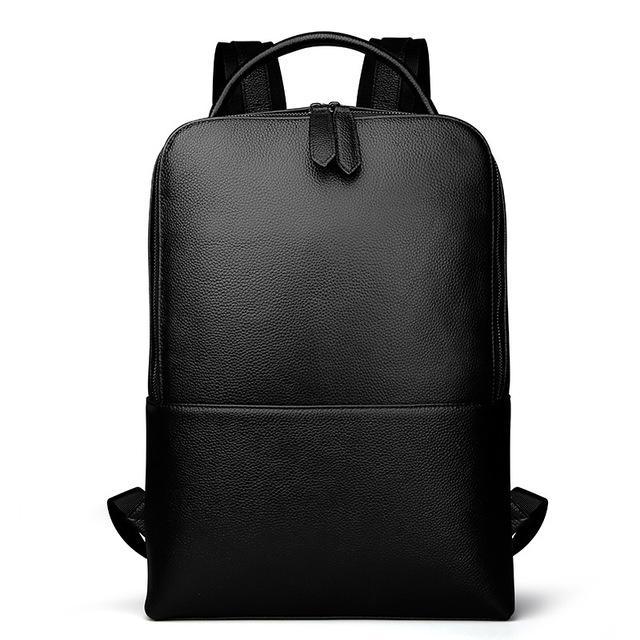
The Skald Black Pebbled Leather Backpack

A slim-profile pebbled leather backpack that excels at hiding surface wear — exactly the kind of bag that benefits from the low-maintenance care routine outlined in this guide. The textured finish resists scuffs and works well for urban commuters who carry it hard every day.
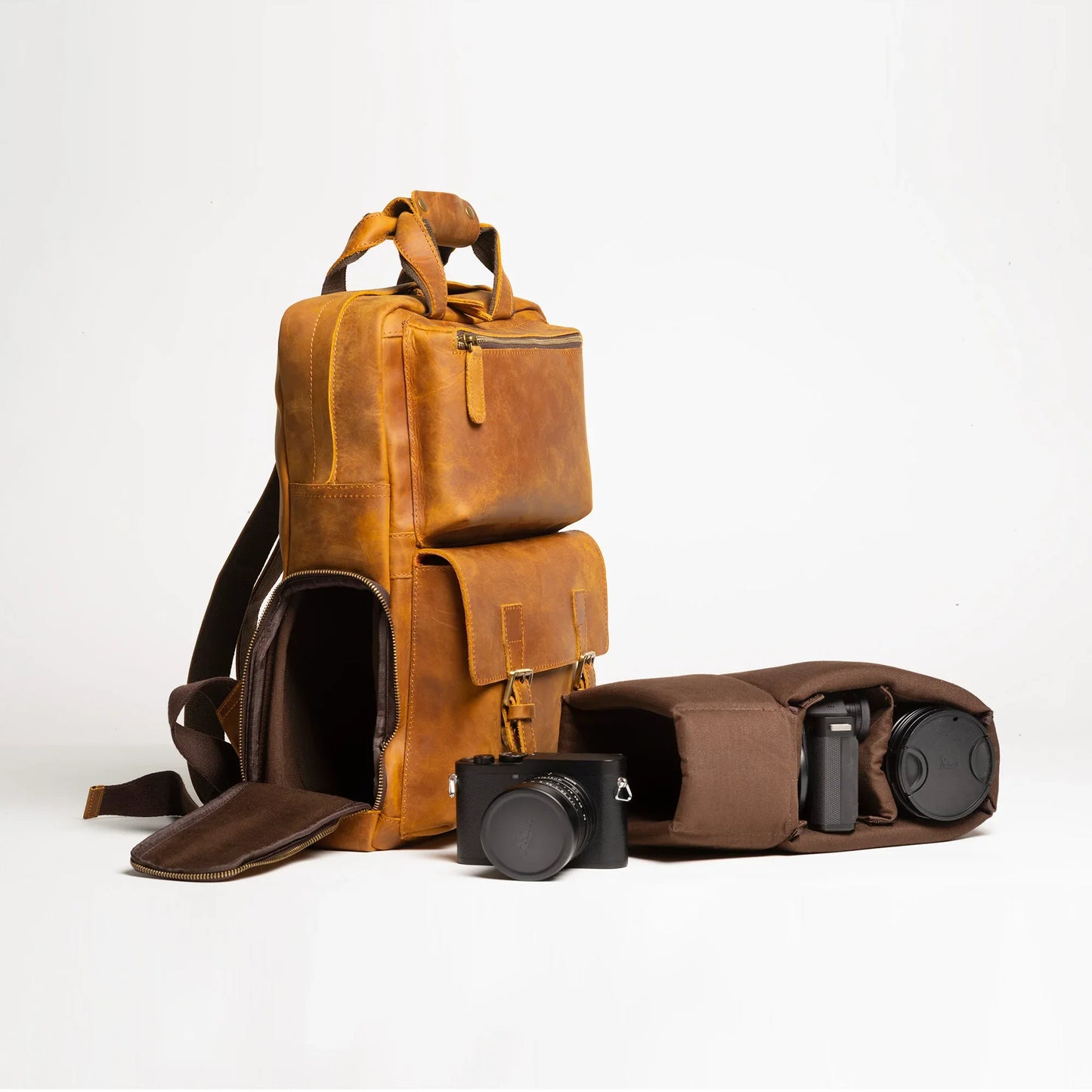
A large-capacity leather camera backpack built for those who carry more than the average daily load. Full-grain construction means it develops a natural patina over time — rewarding anyone who follows a consistent conditioning routine.
The Gaetano Large Leather Backpack

Spacious enough for travel with a camera-ready interior and integrated tripod holder. Built from full-grain leather that ages well and handles heavy daily use without losing its structure.
Best for Work and Laptop Use

A structured full-grain leather backpack with dedicated laptop storage. Professional enough for the office and durable enough for a daily commute. The full-grain surface responds well to regular conditioning and develops a handsome patina with use.

A sharp-edged design with a clean modern silhouette and a spacious main compartment with dedicated laptop and interior pockets. Good for professionals who want a backpack that looks intentional and holds up to the conditioning and waterproofing routine covered in this guide.

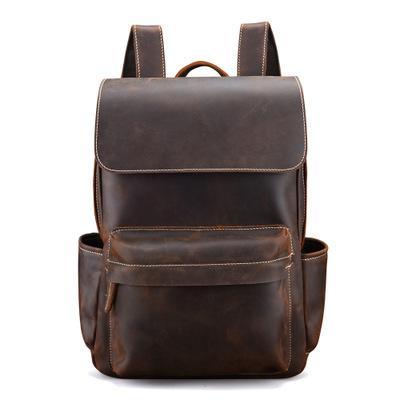
Handmade with a vintage aesthetic that develops character naturally through use. Well-organized interior and ergonomic straps make it a strong work-to-weekend option. The full-grain leather surface takes on a richer patina the more consistently it's cared for.
Best for Travel

A handcrafted full-grain leather backpack with a clean profile and functional layout. If you want one backpack you can carry every day for years — and that rewards proper care with better looks over time — this is a strong place to start.
All Steel Horse Leather backpacks come with a 30-day money-back guarantee. If it's not right for you, returning it is straightforward.
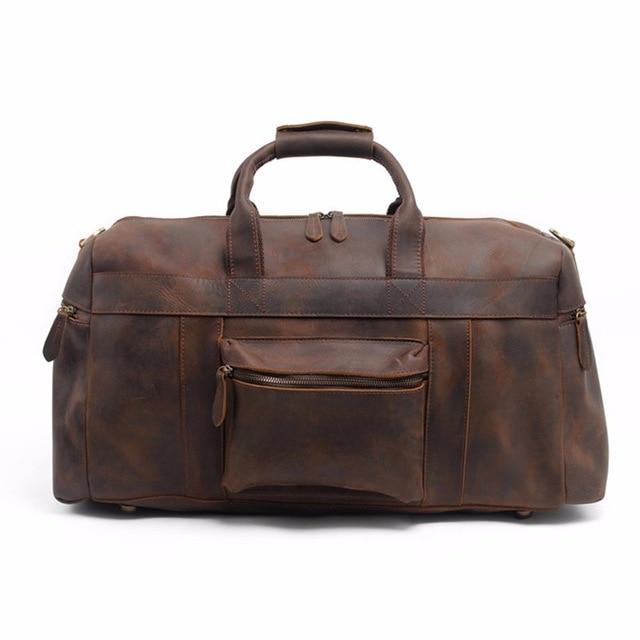
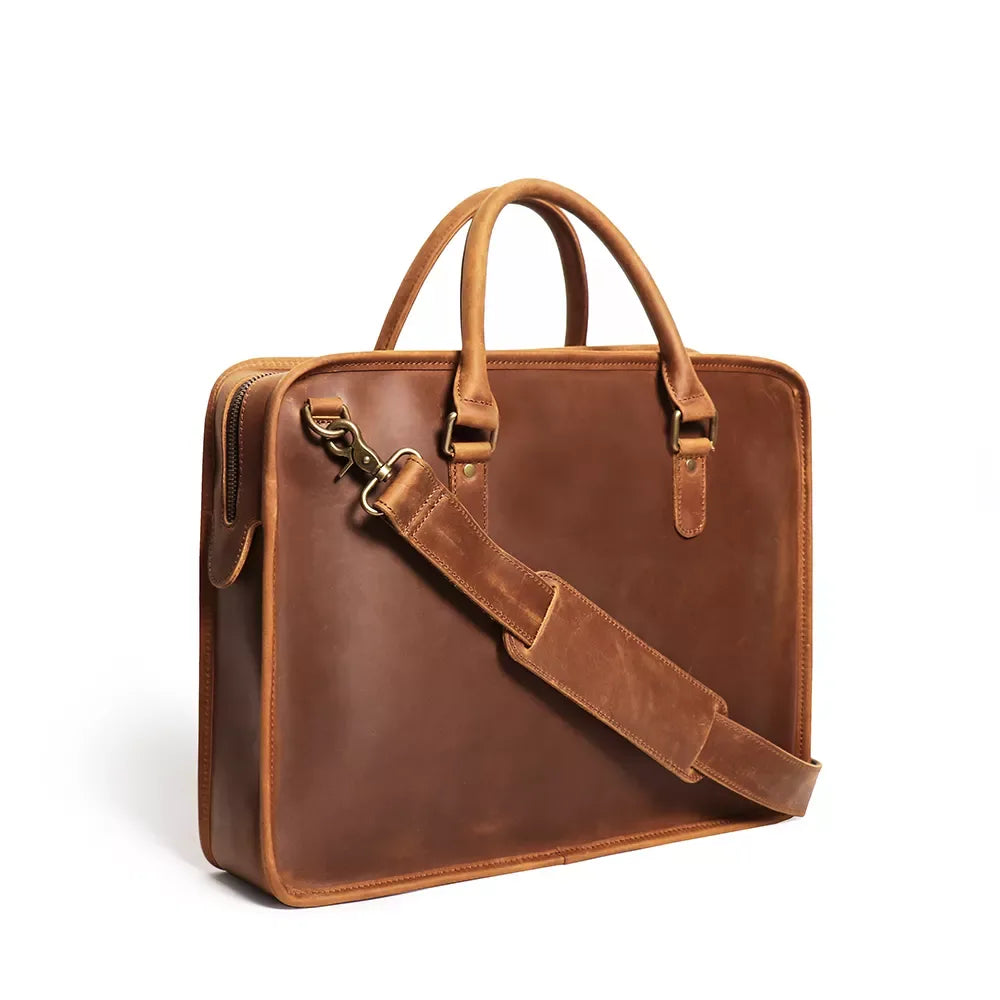
Browse the full leather backpacks collection to compare styles side by side. If you carry other bag types, explore our leather bags collection for crossbody bags, messenger bags, tote bags, and duffel bags all built to the same standard.
Frequently Asked Questions
How often should I condition my leather backpack?
Conditioning frequency depends on your leather type and environment. Full-grain leather generally benefits from conditioning every one to two months with regular use. Top-grain leather may need conditioning every four to six weeks. Vegetable-tanned leather should be conditioned whenever it looks or feels dry. In dry climates or during winter, condition more often regardless of leather type. If the leather starts to feel stiff or looks dull before your scheduled routine, condition it sooner.
Can I use coconut oil or mink oil on my leather backpack?
Yes, but with caution. Both coconut oil and mink oil condition leather effectively but can darken the surface, especially on lighter-colored bags. Always test on a hidden area before applying to the full bag. A dedicated leather conditioner or leather cream is the safer default choice for most leather types.
What is the best way to remove water stains from a leather backpack?
Dampen the entire affected panel with a lightly damp cloth to blend the waterline, then allow it to air dry naturally. Never use a hair dryer or place it near a heat source. Once fully dry, apply a leather conditioner to restore moisture lost during drying.
How do I prevent color transfer on my leather backpack?
Apply a waterproofing spray or natural leather protector after conditioning to create a surface barrier. Avoid placing your bag against dark denim or freshly dyed fabric, especially in wet or humid conditions.
Is it safe to clean my leather backpack with household products?
No. Vinegar, dish soap, alcohol, and most household cleaners strip natural oils from leather and cause long-term damage. Use a dedicated leather cleaner formulated specifically for leather care.
How should I store my leather backpack when I'm not using it?
Stuff it with parchment paper or a natural fabric pillowcase to maintain shape. Store it in a breathable dust bag, never in plastic. Keep it in a cool, dry, temperature-controlled environment away from direct sunlight. Add silica gel packets inside to manage moisture during long-term storage.
When should I take my leather backpack to a leather specialist?
Take it to a leather care professional when the leather is deeply cracked, color damage is extensive, structural repairs are needed, or you're unsure what type of leather you have. For deep damage on a quality leather bag, professional restoration is worth the cost.
Can I use a waterproofing spray on full-grain leather?
Yes. A waterproofing spray or water-repellent spray designed for leather is safe on full-grain leather and helps protect against moisture without sealing the surface. Always apply after conditioning so the leather can absorb the conditioner fully first.
Ready to Carry Leather That Rewards Good Care?
The right leather backpack gets better the longer you own it, but only if it's made from quality leather worth caring for in the first place.
Every backpack in the Steel Horse Leather lineup is crafted from full-grain leather, built to develop a natural patina with age, and backed by a 30-day money-back guarantee.
Browse the full leather backpacks collection and find the one built for how you actually carry.
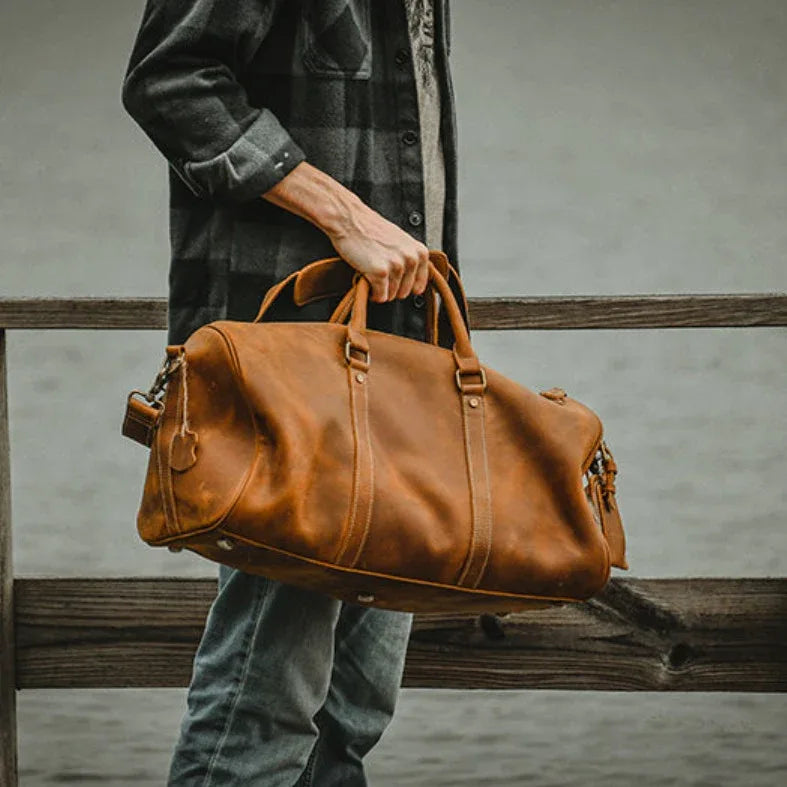
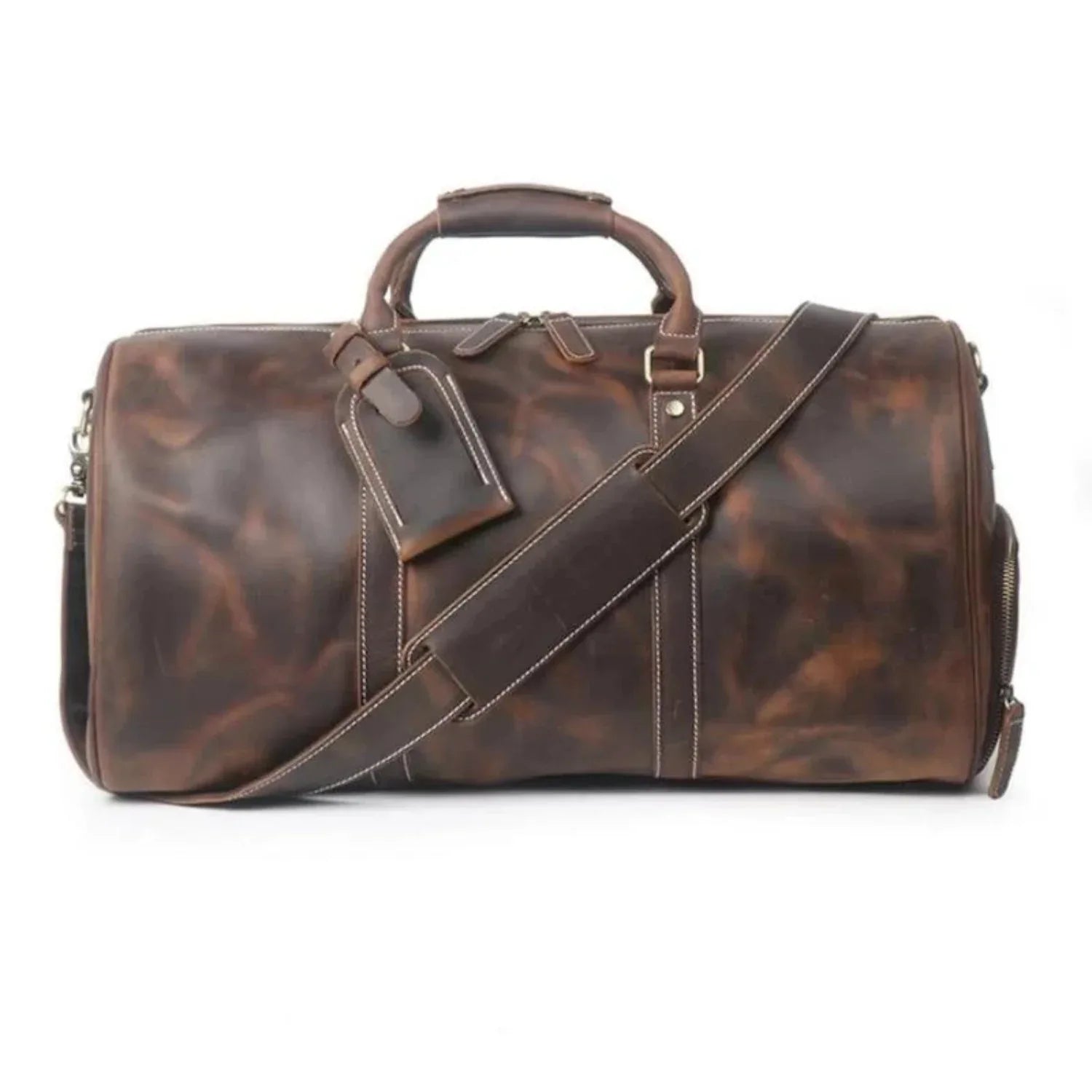
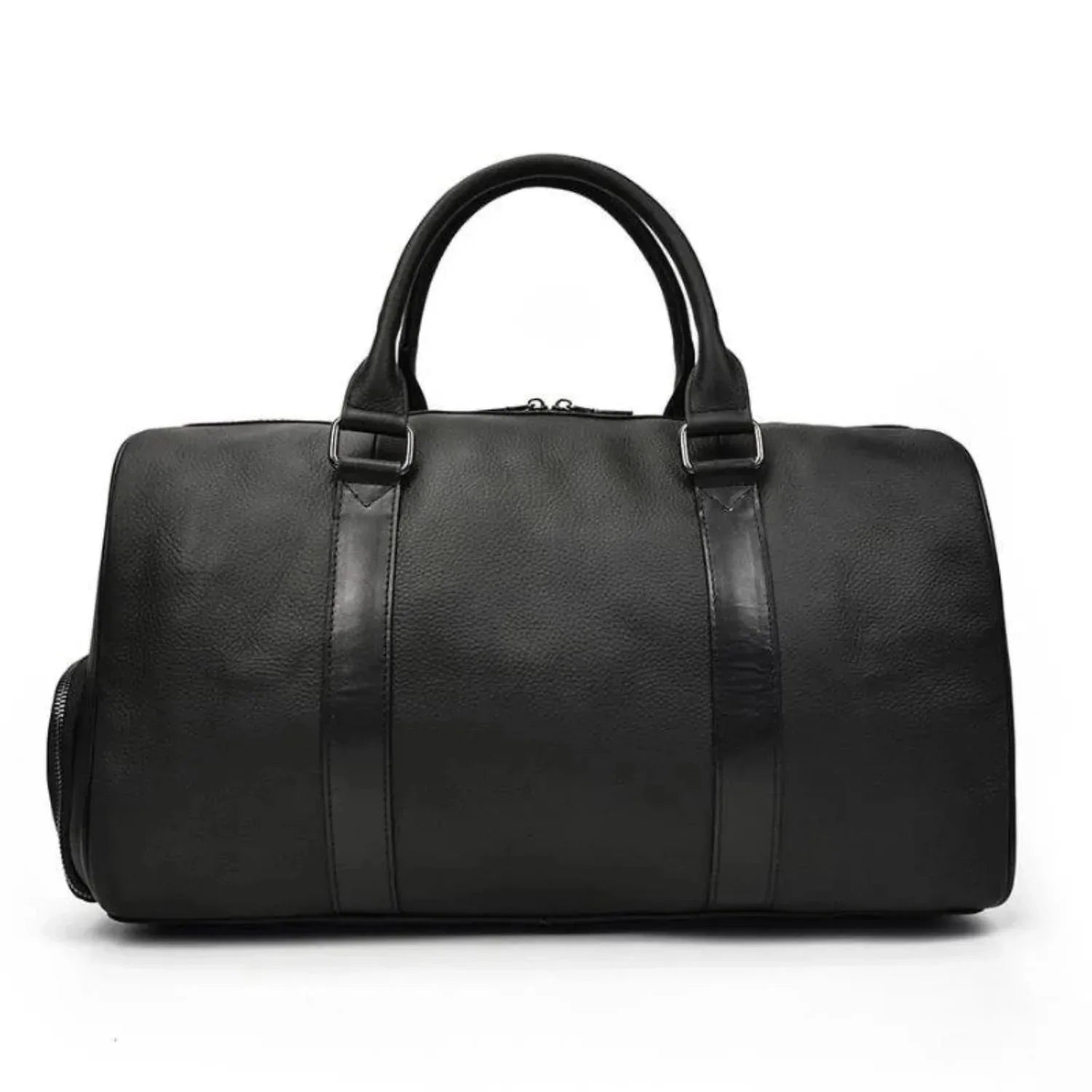
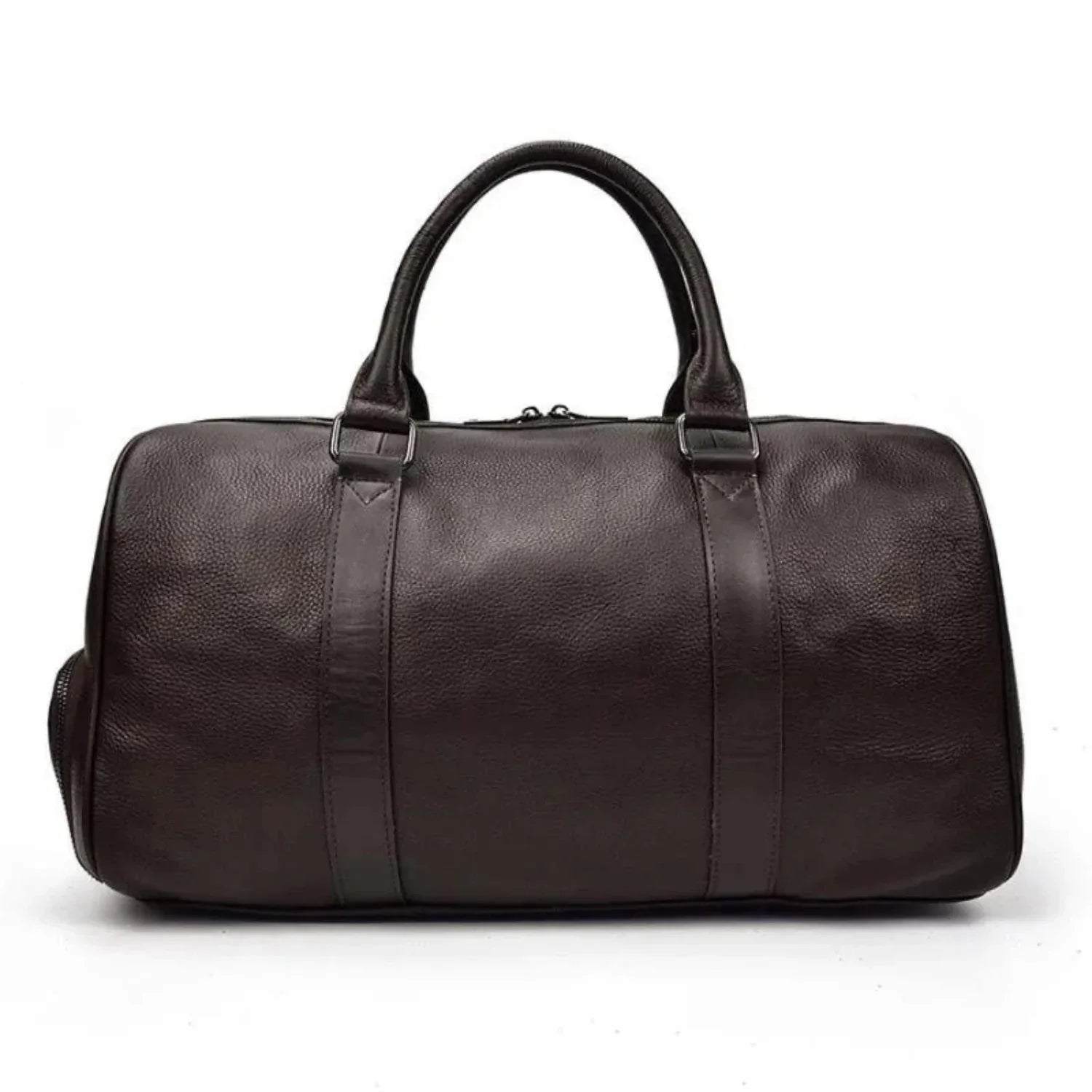
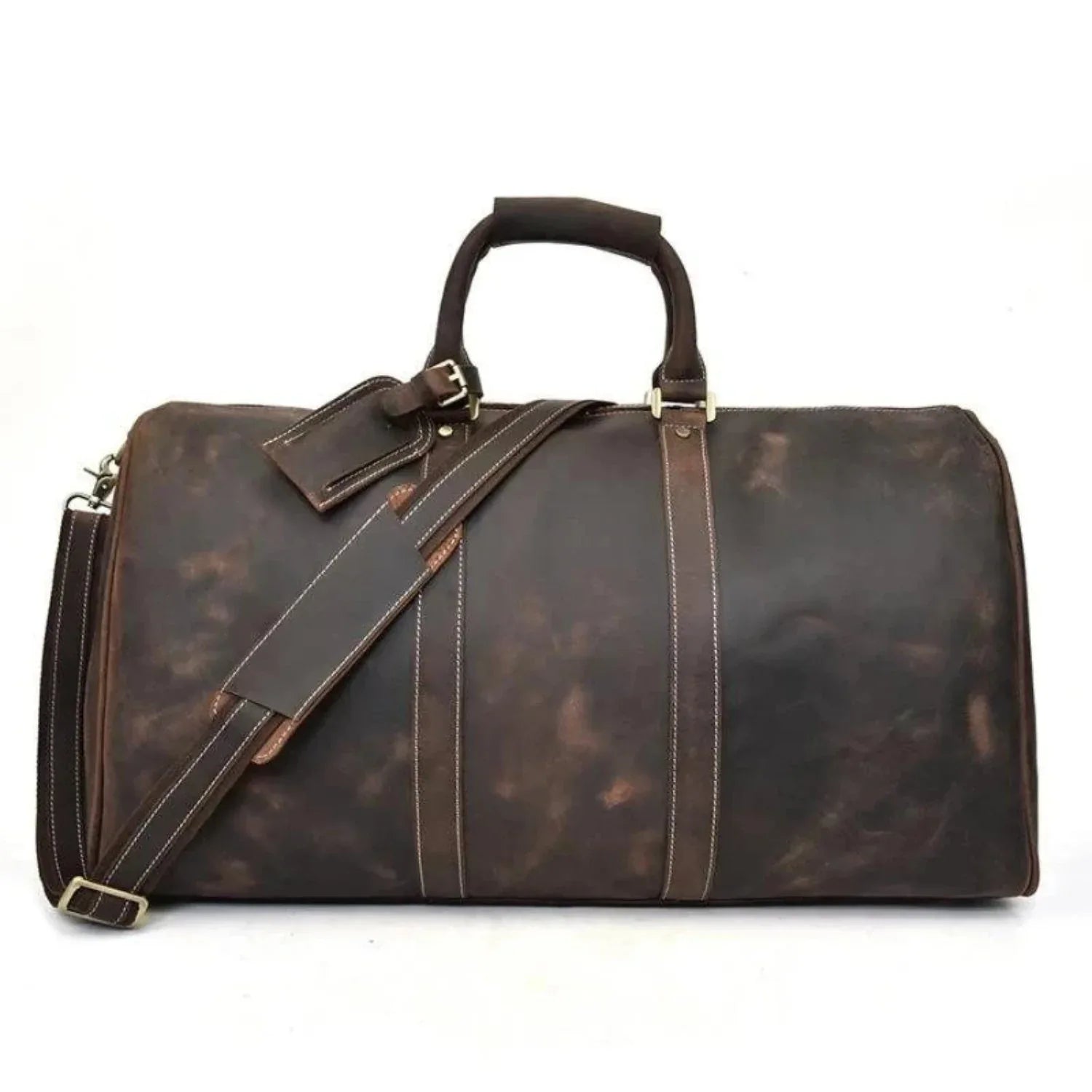
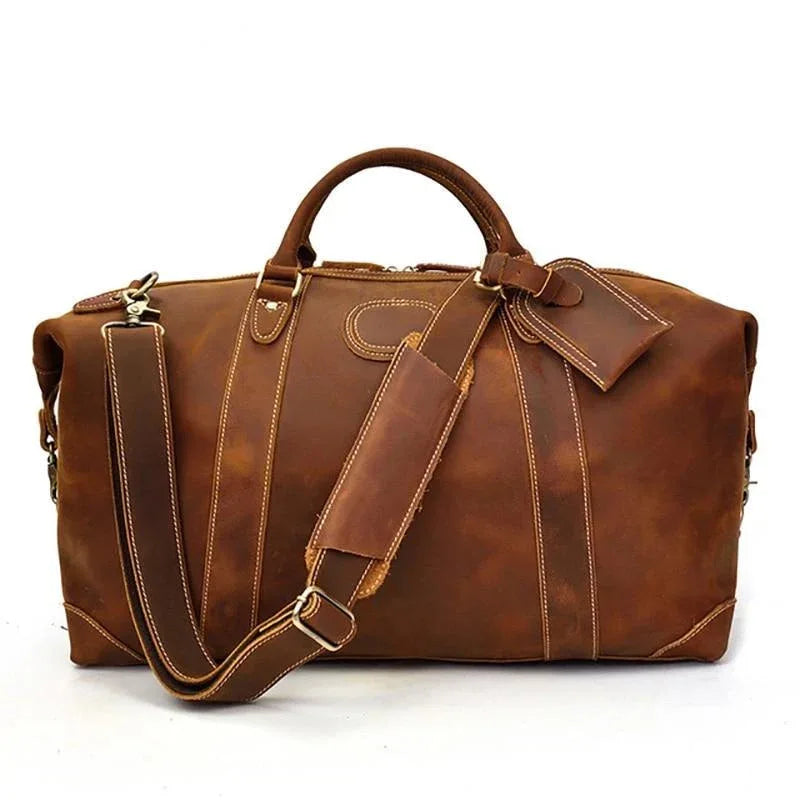
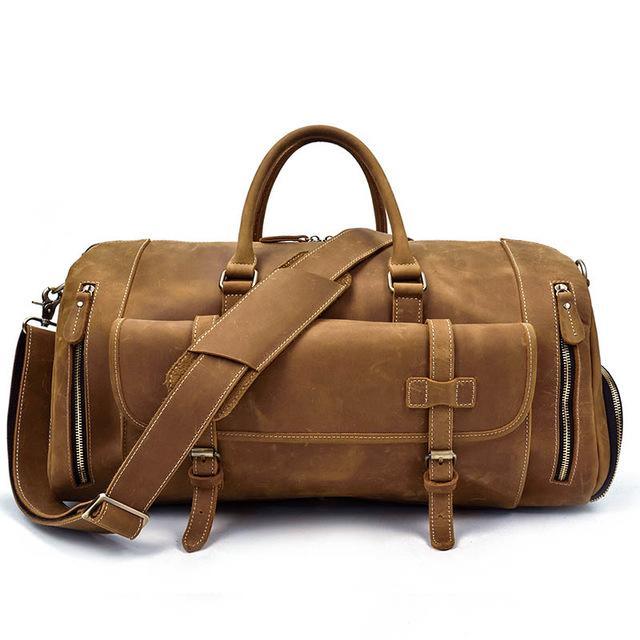
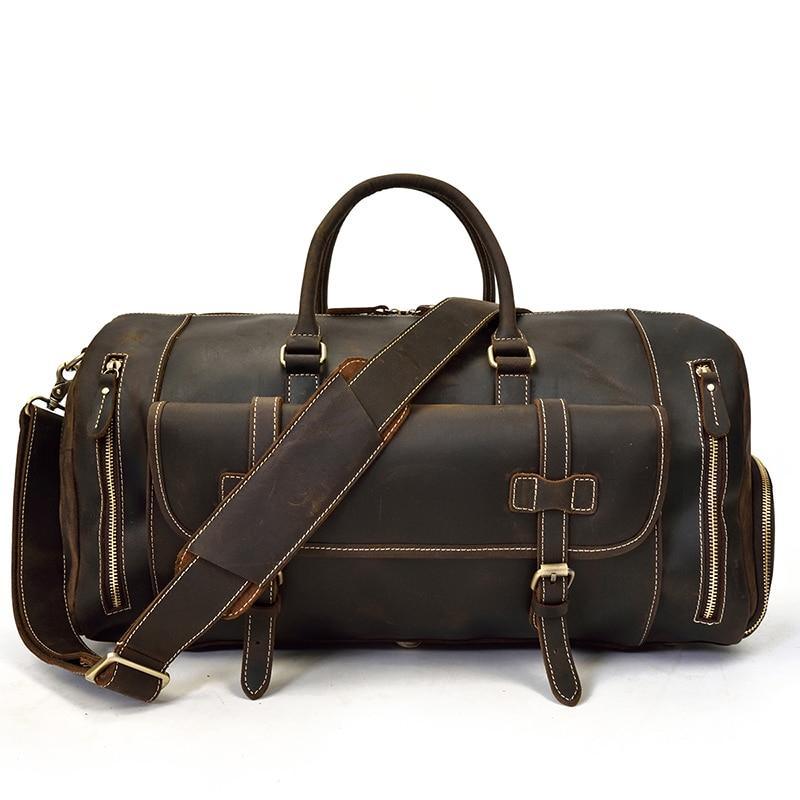
All of our bags at Steel Horse Leather are crafted from full-grain crazy horse leather, built to develop a rich patina over time. Browse our Leather Bags.