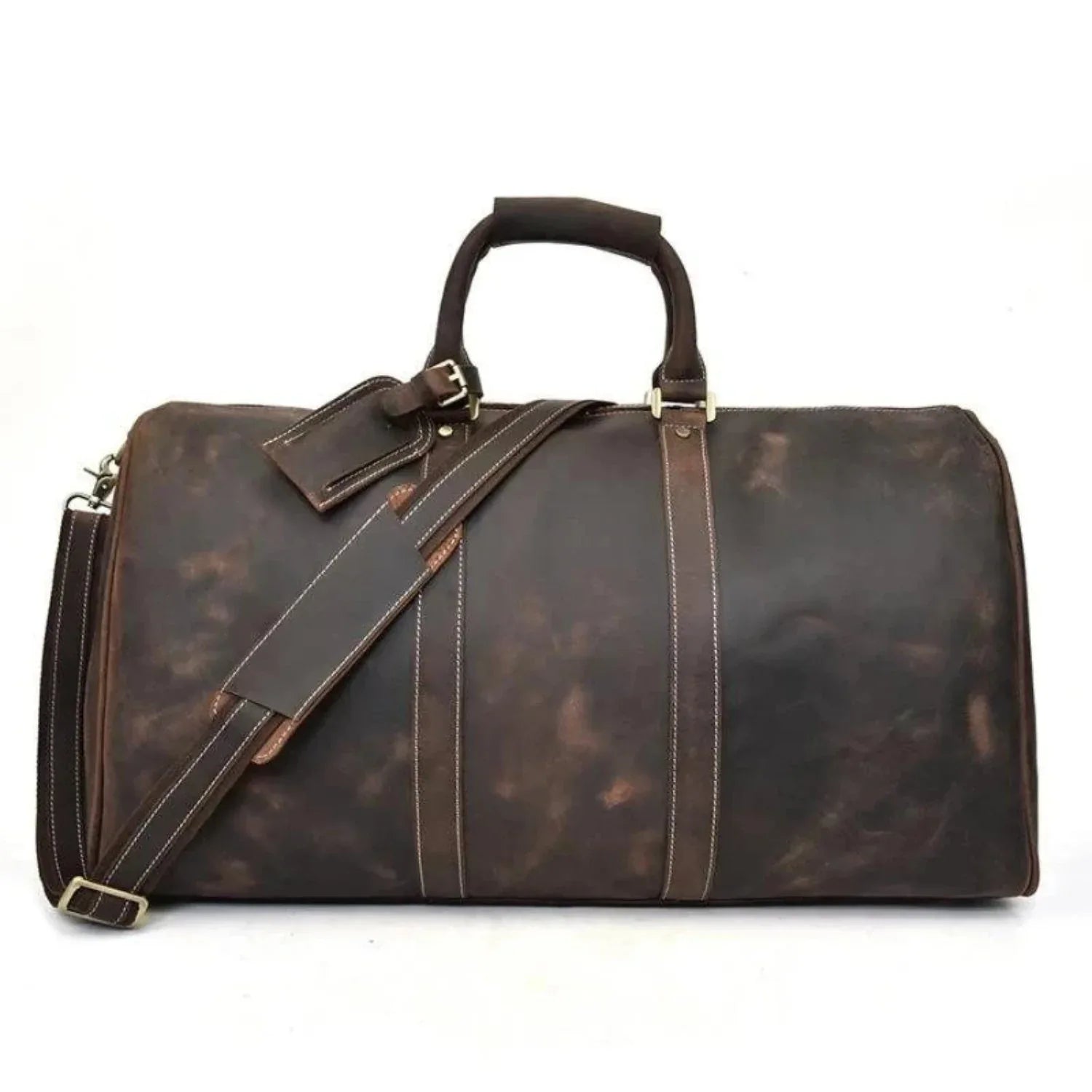
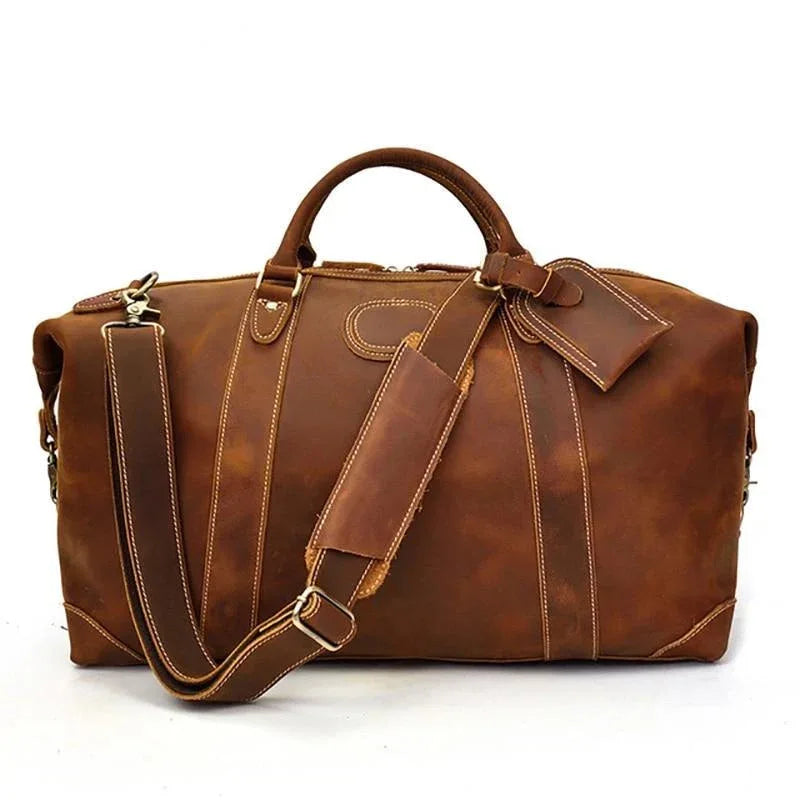
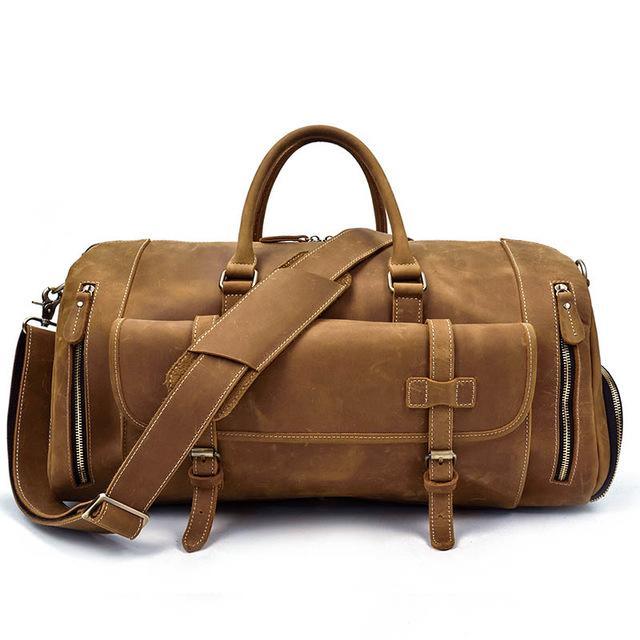
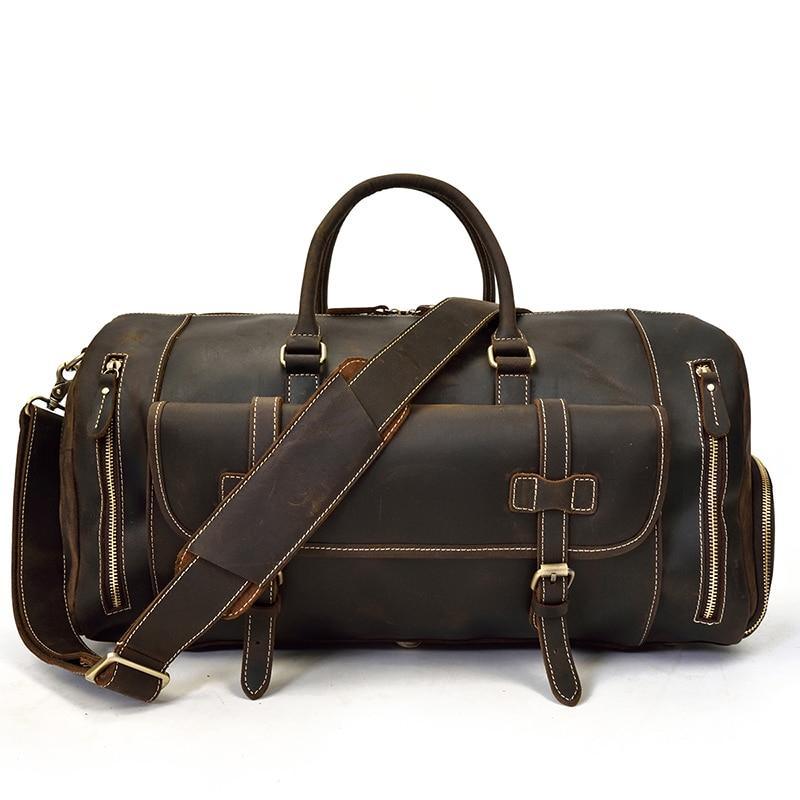
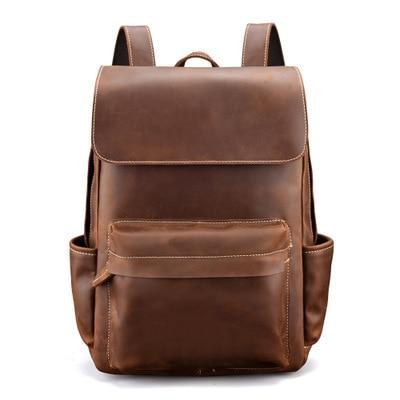
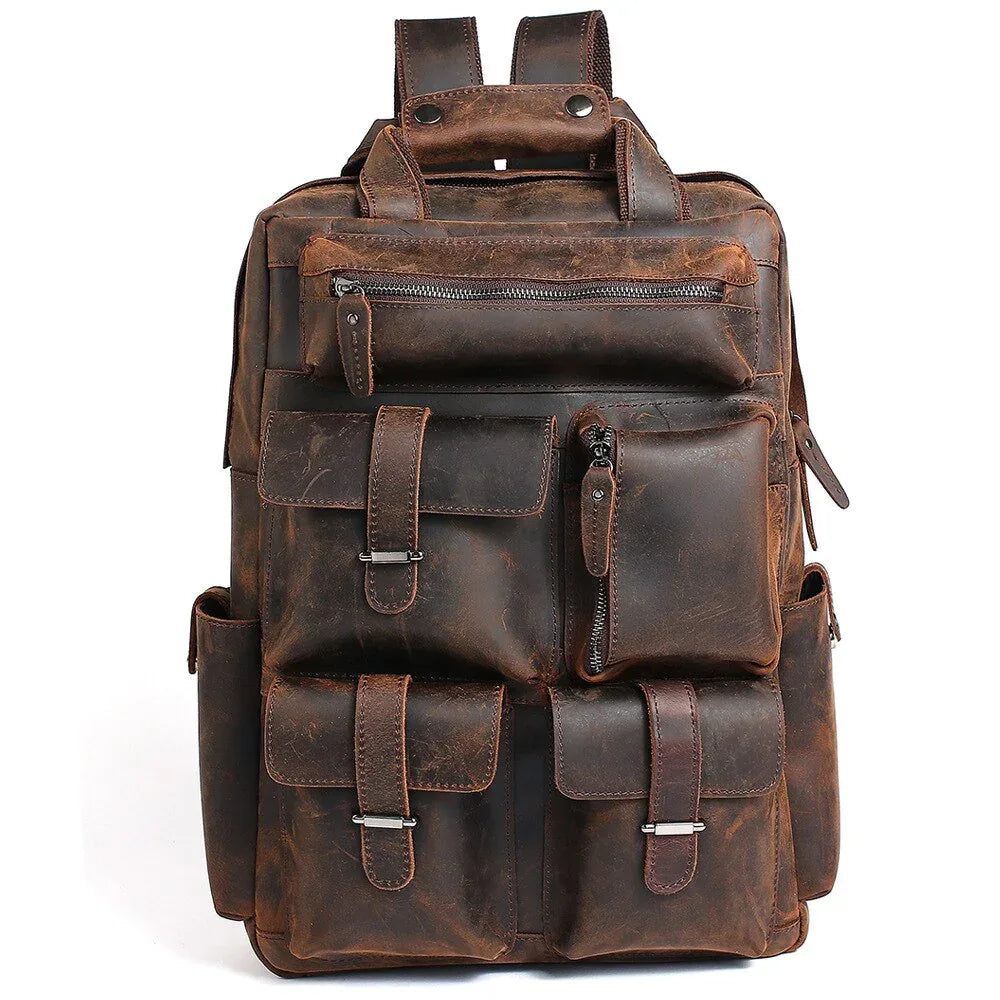
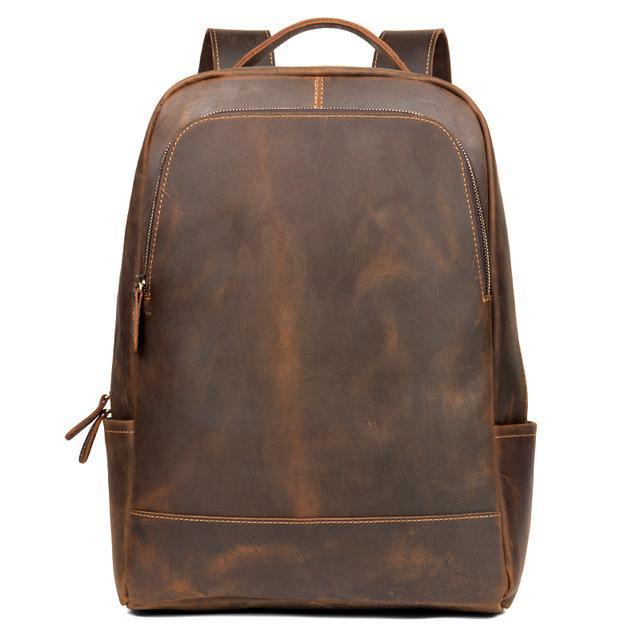
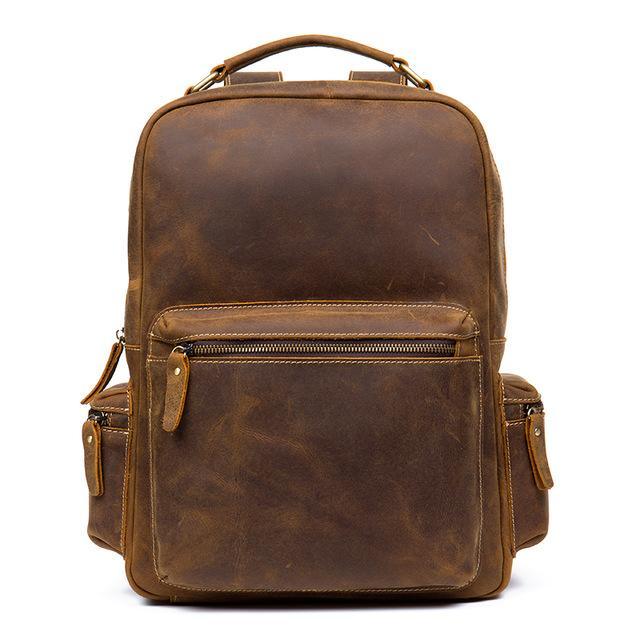
A good leather tote is one of those rare bags that earns its keep every single day. It goes from the office to the airport, from the farmers market to a weekend trip, and it does all of this while aging into something better looking than the day you bought it. But not all totes are built the same, and picking the wrong one means dealing with sagging shoulders, stretched-out handles, or a bag that simply can't hold what you need it to hold.
This guide is meant to help you cut through the marketing noise and actually understand what makes a leather tote worth your money. We'll cover construction, leather types, sizing, use cases, and the common mistakes people make when buying one. By the end, you should know exactly what to look for, whether you're shopping with us or anywhere else.
What Is a Leather Tote Bag, Exactly?
A tote is an open-top (or top-zip) bag with parallel handles designed to be carried by hand or over the shoulder. Unlike a messenger bag or a briefcase, totes are built for volume and easy access rather than compartmentalized organization. You reach in, you grab what you need, you go.
That simplicity is exactly why totes have stuck around for decades. They work for carrying a laptop and files to work, hauling groceries, packing a change of clothes for an overnight stay, or just being the one bag you throw everything into before running out the door. If you've ever wondered how totes compare structurally to other bag styles, our guide to leather bag types breaks down the differences in more detail.
Who Actually Needs a Tote?

Totes tend to fit into a few common lifestyles:
- Professionals who want one bag for a laptop, notebooks, and personal items without the structured, boxy look of a briefcase.
- Frequent travelers who want a reliable "personal item" bag that fits under an airplane seat and can expand to hold a jacket, book, or snacks.
- Parents who need something roomy enough for the day-to-day essentials, though dedicated diaper bags may serve better for infant gear specifically.
- Anyone who values simplicity over multiple zippered pockets and wants a bag that looks as good with jeans as it does with a blazer.
If your priority is strict organization with dedicated pockets for tech and cables, you may actually be happier with a laptop bag or briefcase. Totes are intentionally more open, which is a feature for some and a drawback for others.
Key Features to Consider Before Buying
1. Leather Type
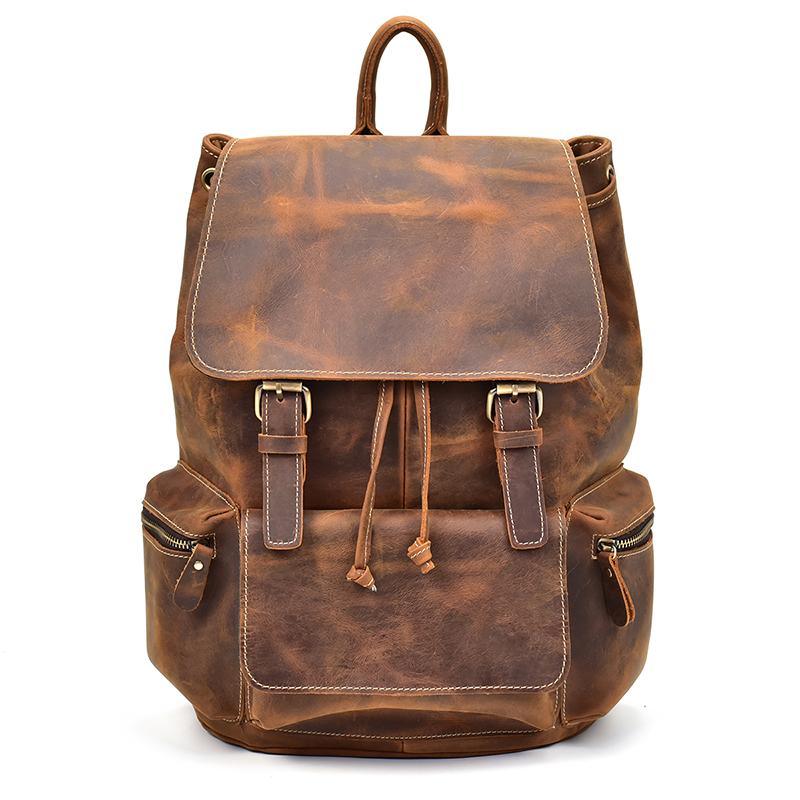
The leather itself determines how the bag looks, feels, and ages. Full-grain leather, the type used in all Steel Horse Leather bags, is the top layer of the hide and includes the natural grain and markings. It's the most durable option available and develops a rich patina over years of use. Lower grades of leather (corrected grain, bonded leather) may look similar on day one but wear out faster and rarely age well. If you want to understand the differences in more depth, our article on what grain leather actually means is worth a read before you buy anything.
2. Construction and Stitching
Flip the bag over (literally, if you can, before buying) and look at the stitching. Even, tight stitches along stress points like handle attachments and corners indicate a bag built to last. Loose threads, uneven spacing, or glued-only seams are warning signs. Since totes are open at the top and carry weight unevenly, the handle attachment points take the most abuse. This is where cheap totes fail first.
3. Hardware
Zippers, buckles, and clasps should feel solid, not flimsy. Brass or solid metal hardware will outlast plastic or thin plated metal, especially if you're tossing the bag around daily.
4. Structure and Bottom Support
A tote with no internal structure will slouch and lose shape over time, and the bottom will bear the brunt of scuffs and weight. Look for reinforced bottoms, a sturdy base, or feet that keep the bag off the ground when you set it down.
5. Handle Length and Comfort
This is one of the most overlooked details. If you plan to wear the bag on your shoulder over a coat, you'll want longer handles with some drop length. If you mostly carry it by hand, shorter handles are fine. Wide, flat handles distribute weight better than thin rolled straps, which matters if you're regularly carrying a laptop, water bottle, or work files.
Choosing the Right Size

Totes generally fall into three rough categories:
- Compact totes for essentials only (wallet, phone, small notebook, sunglasses). Great as an everyday errand bag.
- Mid-size totes that comfortably fit a laptop, a paperback, a water bottle, and daily work items. This is the sweet spot for most professionals.
- Large totes built for travel, meant to double as a carry-on companion or overnight bag for short trips.
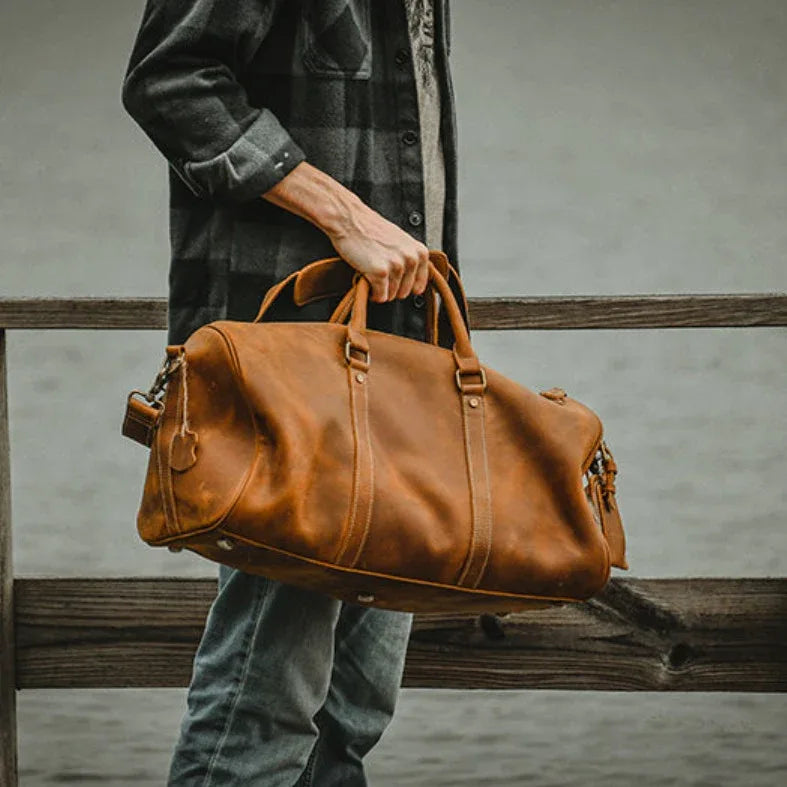
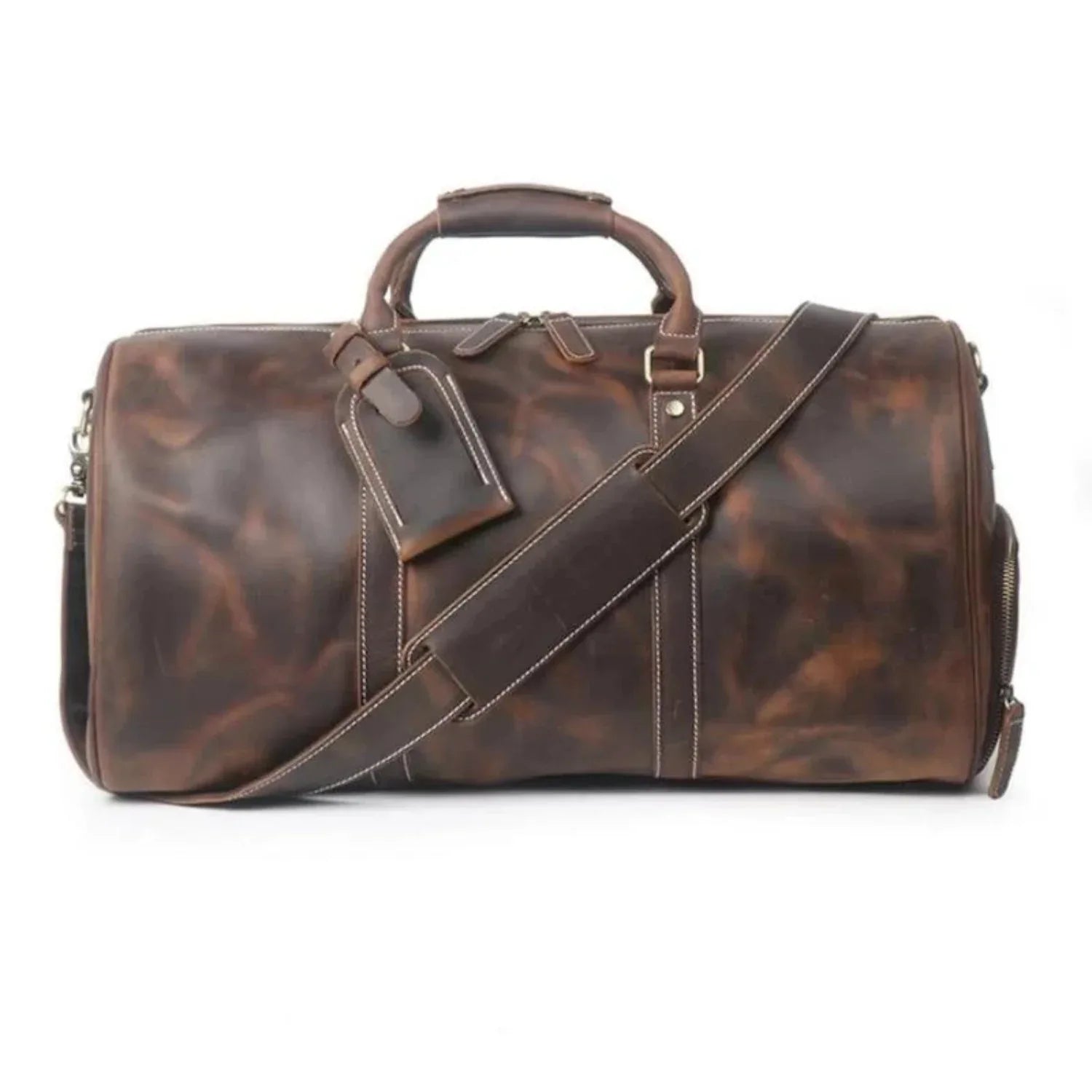
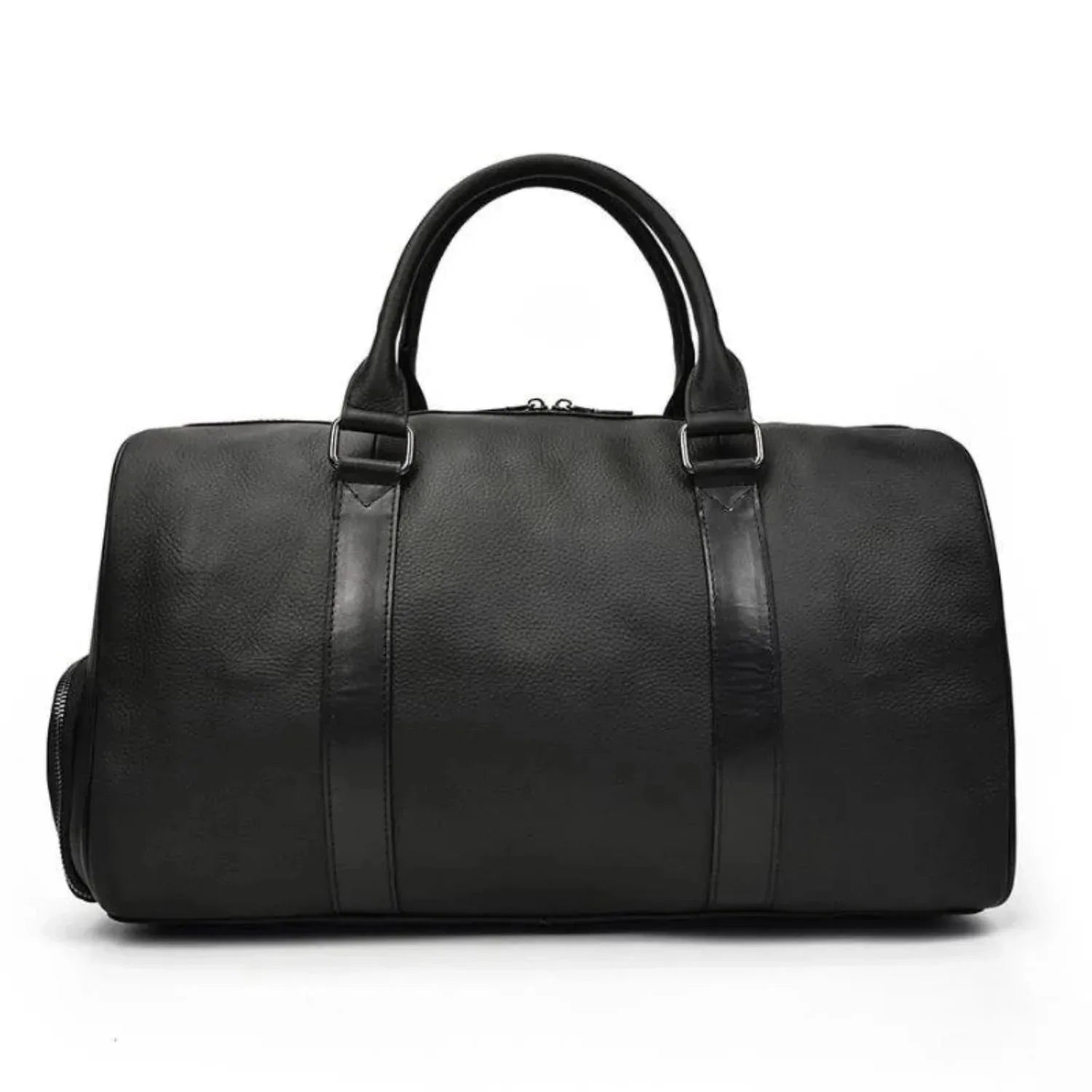
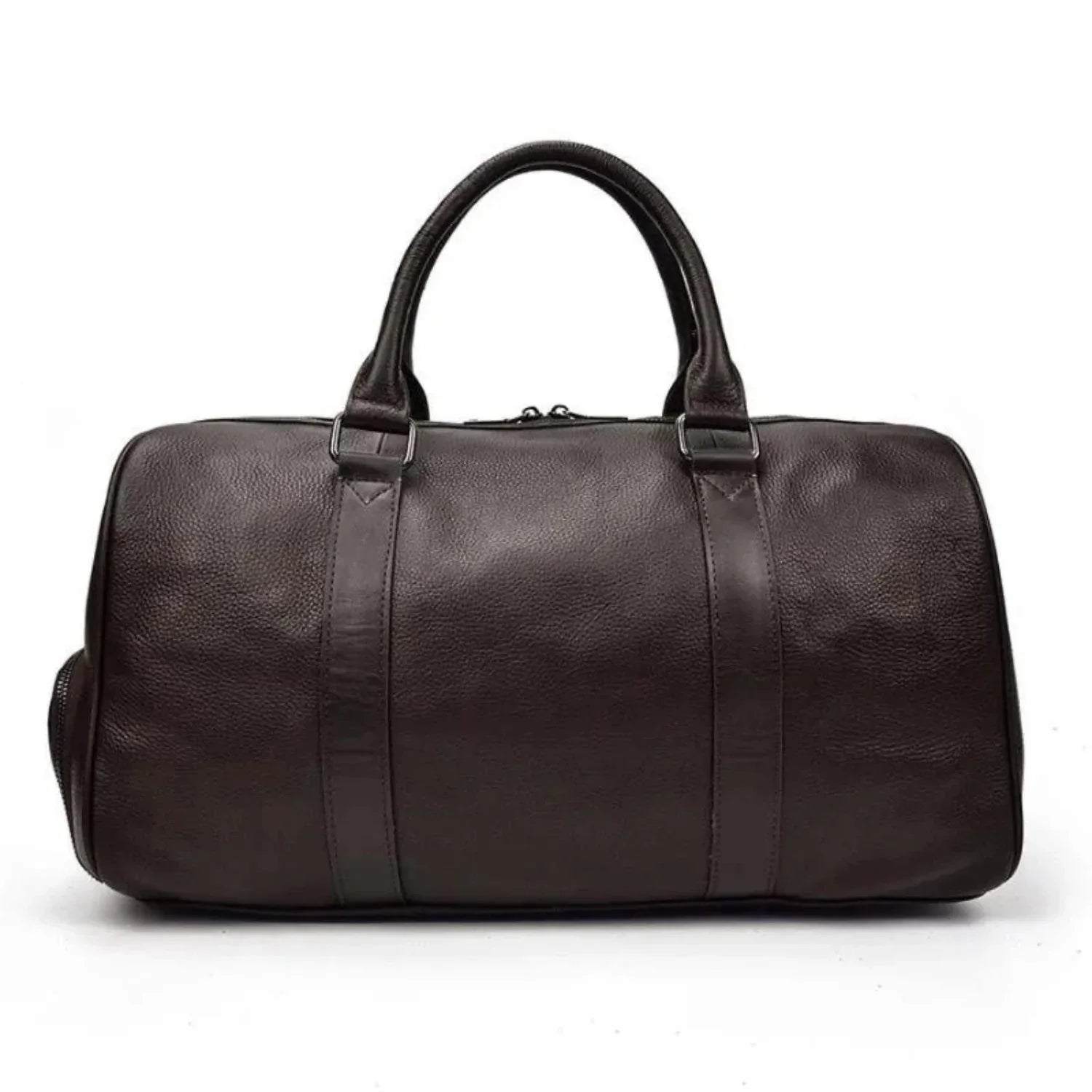
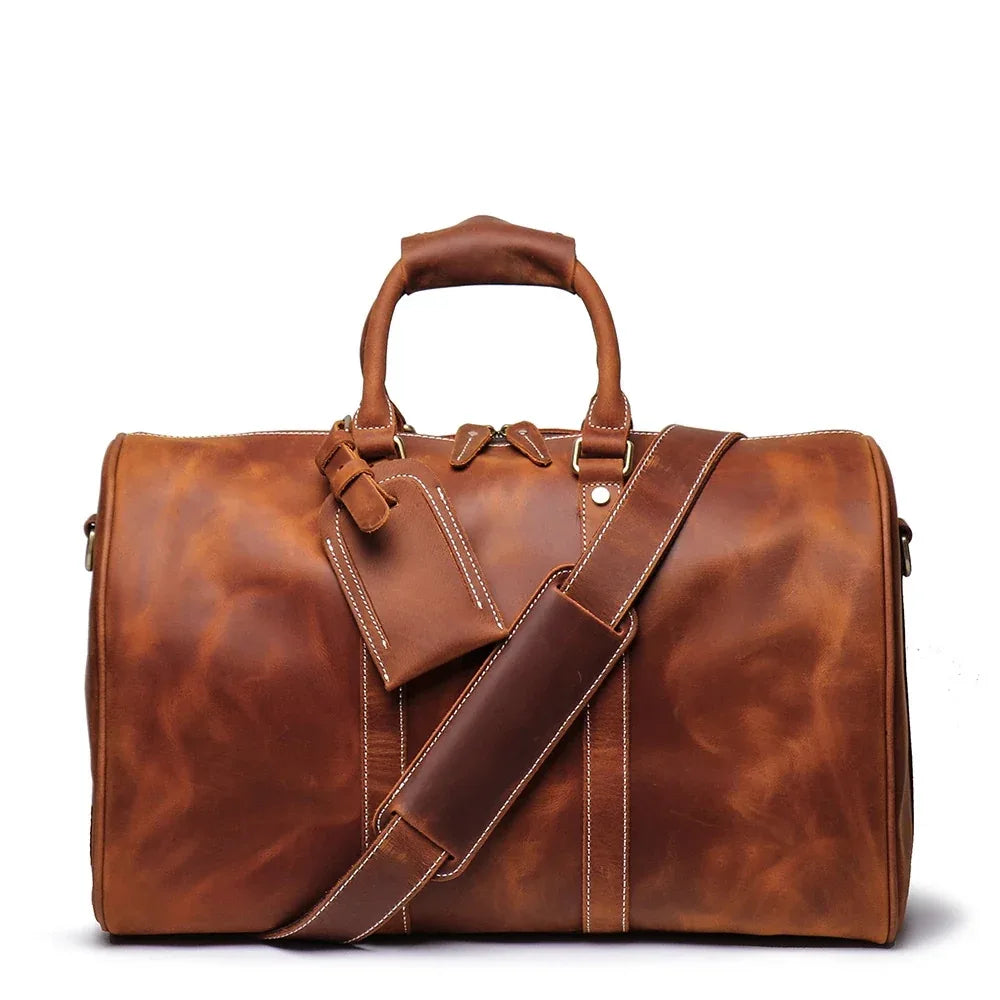
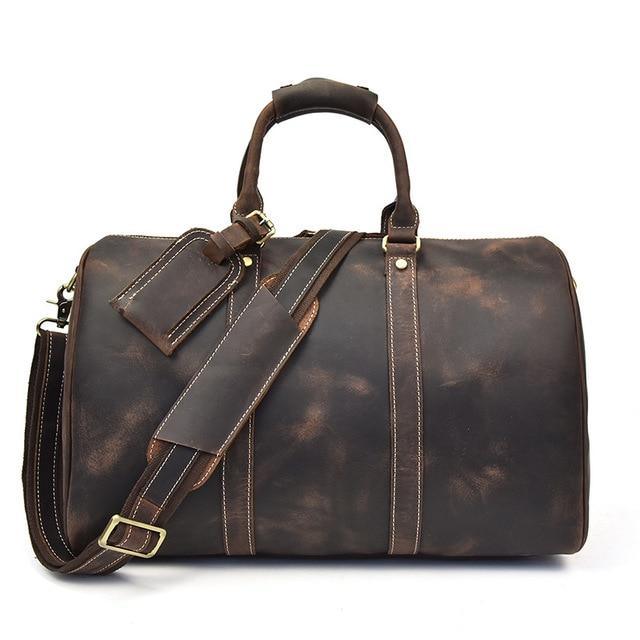
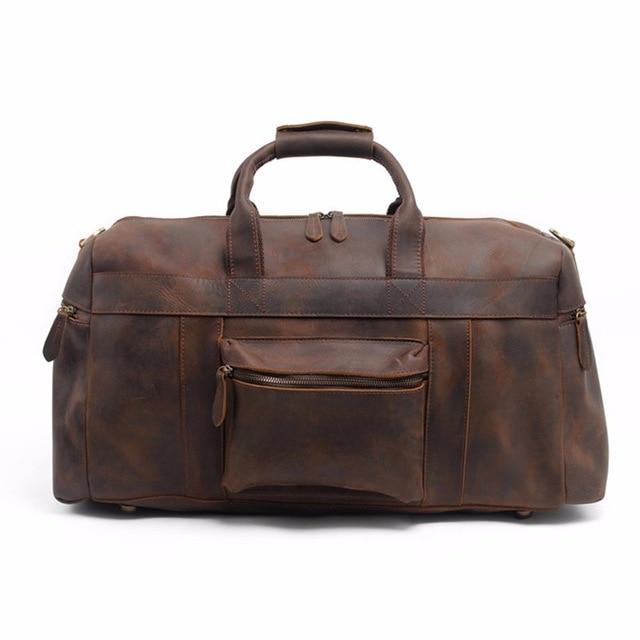
Think about your actual daily carry before buying based on looks alone. Lay out what you bring with you on a typical day and match that to the bag's dimensions rather than guessing. If you frequently travel and need something with more capacity and structure, it's also worth browsing our leather travel bags collection or comparing totes against a weekend duffle bag, since duffles often win out for actual overnight travel while totes work better as a daily or personal-item bag.
Common Use Cases
Work and Commuting
A tote with a padded laptop sleeve and a secure top closure is ideal here. Look for one that stands upright on its own so it doesn't tip over under your desk or on a train seat.
Travel
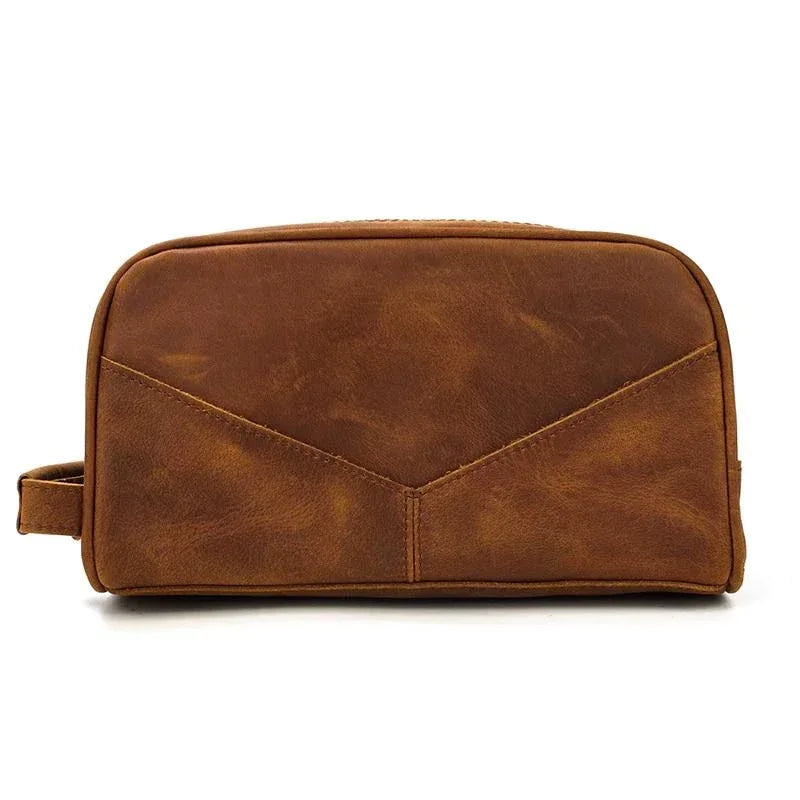
A slightly larger, more structured tote works well as a personal item that fits under the seat. Pair it with a proper duffle bag for longer trips, and consider a toiletry bag to keep grooming items separate and leak-proof.
Everyday Errands
For this, prioritize a lighter, more casual tote over a highly structured one. You want something that can get a little beat up without you worrying about it.
Gifting
Totes make excellent, practical gifts because they suit almost any lifestyle. If you're shopping for someone else, our leather gifts collection and leather gift guide for women can help narrow down options based on the recipient.
Quality Indicators Worth Checking
- Smell: Genuine full-grain leather has a distinct, rich smell. Synthetic materials often smell chemical or plasticky.
- Feel: Real leather has natural texture variation. Perfectly uniform, plastic-smooth surfaces are a red flag.
- Edges: Well-finished edges are burnished or painted neatly. Rough, fraying edges suggest lower quality manufacturing.
- Weight: A quality leather tote will have some heft to it even when empty. This isn't a dealbreaker on its own, but combined with other factors, it tells you something about the materials used.
Caring for Your Leather Tote
Leather is an investment, and a little maintenance goes a long way. A few basics:
- Condition the leather every few months to prevent it from drying out and cracking. Our guide on homemade leather conditioners covers simple, affordable options.
- If your bag gets an oil or grease stain, don't panic. Here's how to safely remove oil stains from leather.
- Minor scratches are part of leather's charm, but if you want to smooth them out, this guide on fixing scratched leather walks through the process in three simple steps.
- Stiff, new leather will soften naturally with use, but if you want to speed things up, see our piece on five effective methods to soften leather.
Common Mistakes to Avoid
Buying based on looks alone
A beautiful tote that doesn't fit your laptop or can't handle daily weight will end up unused in your closet. Match the bag to your actual routine.
Ignoring handle drop length
If you wear coats or jackets often, short handles that only work bare-shoulder will frustrate you every winter.
Choosing style over structure
An unstructured tote looks great in photos but tends to slouch, spill open, and lose shape with daily use. If you need the bag to hold its form, prioritize structure.
Overlooking the closure
Fully open totes look effortlessly chic, but if you're commuting on crowded trains or traveling, an open top means easy access for anyone, including the wrong people. A zip-top or snap closure adds real security.
Not considering weight distribution
Heavy items like laptops and water bottles pull down on handles significantly. If you plan to carry a loaded tote often, wider handles and a reinforced base matter more than you'd think.
Featured Steel Horse Leather Tote

If you're looking for a tote that checks the boxes we've covered, full-grain leather, reinforced construction, and a shape that works equally well for the office or weekend errands, The Taavi Tote is worth a look. It's handcrafted from full-grain leather with sturdy handles built for daily carry, and its clean, structured shape holds up whether you're loading it with a laptop and files or packing it for a short trip. It's a genuinely versatile option if you want one bag that does most of the work in your daily rotation.
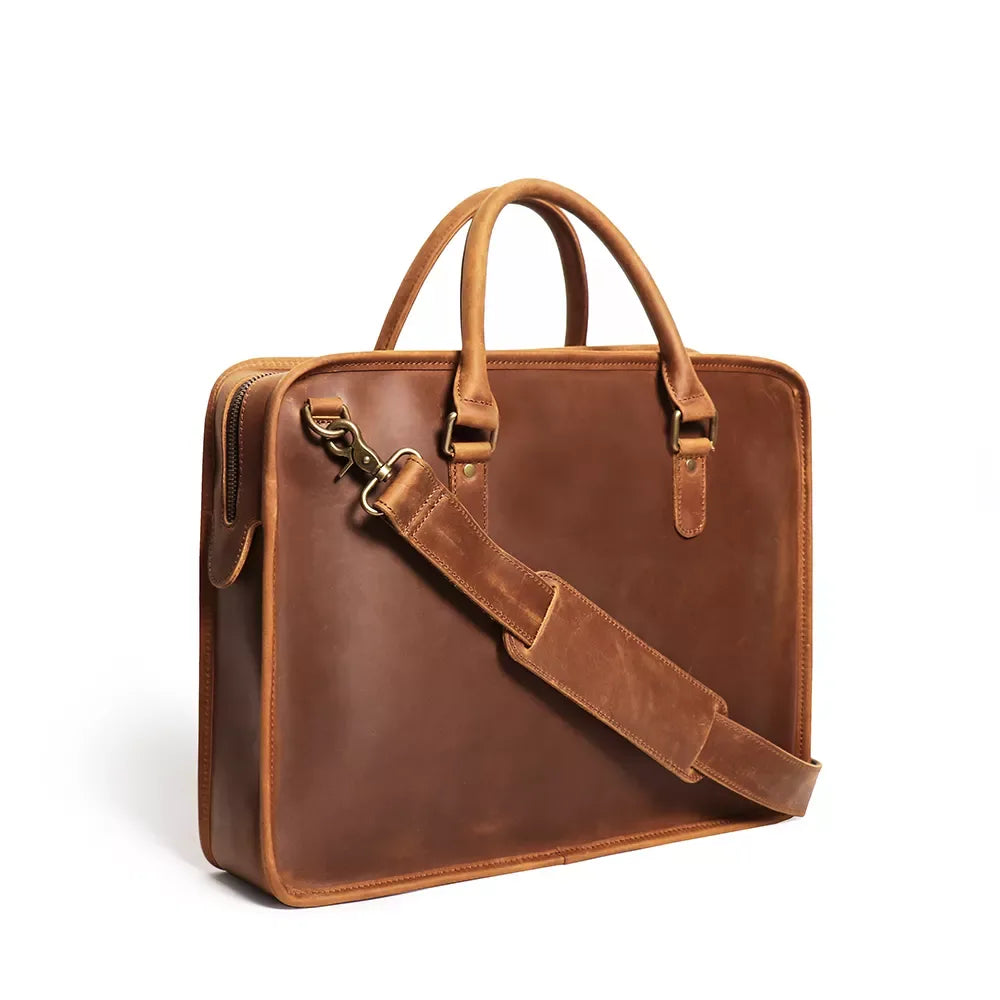
For those who need more organized, professional carry alongside or instead of a tote, it's worth comparing options in our leather briefcases and leather laptop bags collections, or reading our comparison on messenger bags versus briefcases to see which structure suits your work style best.
Frequently Asked Questions
What's the difference between a tote and a shoulder bag?
Totes typically have two parallel handles and an open or semi-open top designed for quick access and larger capacity. Shoulder bags often have a single strap and more defined compartments. Our shoulder bag guide covers this distinction in more detail if you're deciding between the two styles.
Can a leather tote fit a laptop?
Yes, many totes are designed with padded interior sleeves specifically for laptops up to 15 or 16 inches. Always check the interior dimensions of a specific bag rather than assuming, since tote sizing varies quite a bit between brands.
Is full-grain leather worth the extra cost?
In most cases, yes. Full-grain leather lasts significantly longer than corrected or bonded leather, develops a natural patina instead of cracking or peeling, and simply looks better with age. It costs more upfront but tends to outlast cheaper alternatives by years, sometimes decades.
How do I clean a leather tote?
Wipe down spills immediately with a dry cloth, avoid soaking the leather, and use a proper leather conditioner every few months to keep it from drying out. Avoid harsh chemical cleaners, which can strip natural oils from the hide.
Are leather totes good for travel?
They work well as a personal item or day bag during travel, especially ones with a secure zip closure and enough room for a tablet, travel documents, and small essentials. For longer trips, pairing a tote with a dedicated duffle bag gives you better organization overall.
Will a leather tote stretch out or lose its shape over time?
Quality full-grain leather will soften and mold slightly to your carrying habits, but a well-constructed tote with proper reinforcement at the base and handles should hold its overall shape for years. This is exactly why construction quality matters more than initial appearance when you're choosing one.
What should I look for if I want the tote to last for years?
Focus on full-grain leather, reinforced stitching at stress points, solid hardware, and a structured base. These details cost more initially but are the difference between a bag that lasts a few seasons and one that lasts a decade or more.
All of our bags at Steel Horse Leather are crafted from full-grain crazy horse leather, built to develop a rich patina over time. Browse our Leather Bags.