![Leather Messenger Bag Care & Maintenance Guide [2026]](http://steelhorseleather.com/cdn/shop/articles/682Restoring_Elegance_A_Guide_on_How_to_Repair_Leather_Messenger_Bags_031acd98-6085-4b30-b4e8-d19515767ca3.png?v=1779205279)
A quality leather messenger bag is a long-term investment. Treat it right and it develops a rich patina, holds its structure, and lasts decades. Neglect it and you are dealing with cracked surfaces, stained panels, and failing hardware long before its time.
This guide covers everything you need for leather messenger bag care: how to clean, condition, repair, and store your bag properly. Whether you own a full-grain leather workhorse or a top-grain leather daily carry, the principles here apply. You will also find product recommendations for buyers who want a bag built to handle years of real use without falling apart.
If you already own a Steel Horse Leather messenger bag, bookmark this page. If you are still choosing one, use this guide to understand what makes a leather bag worth maintaining in the first place.
Why Leather Quality Determines How You Care for It

Before applying any leather cleaner or conditioner, you need to know what type of leather you are working with. Different leather grades respond differently to products and handling.
Full-Grain Leather
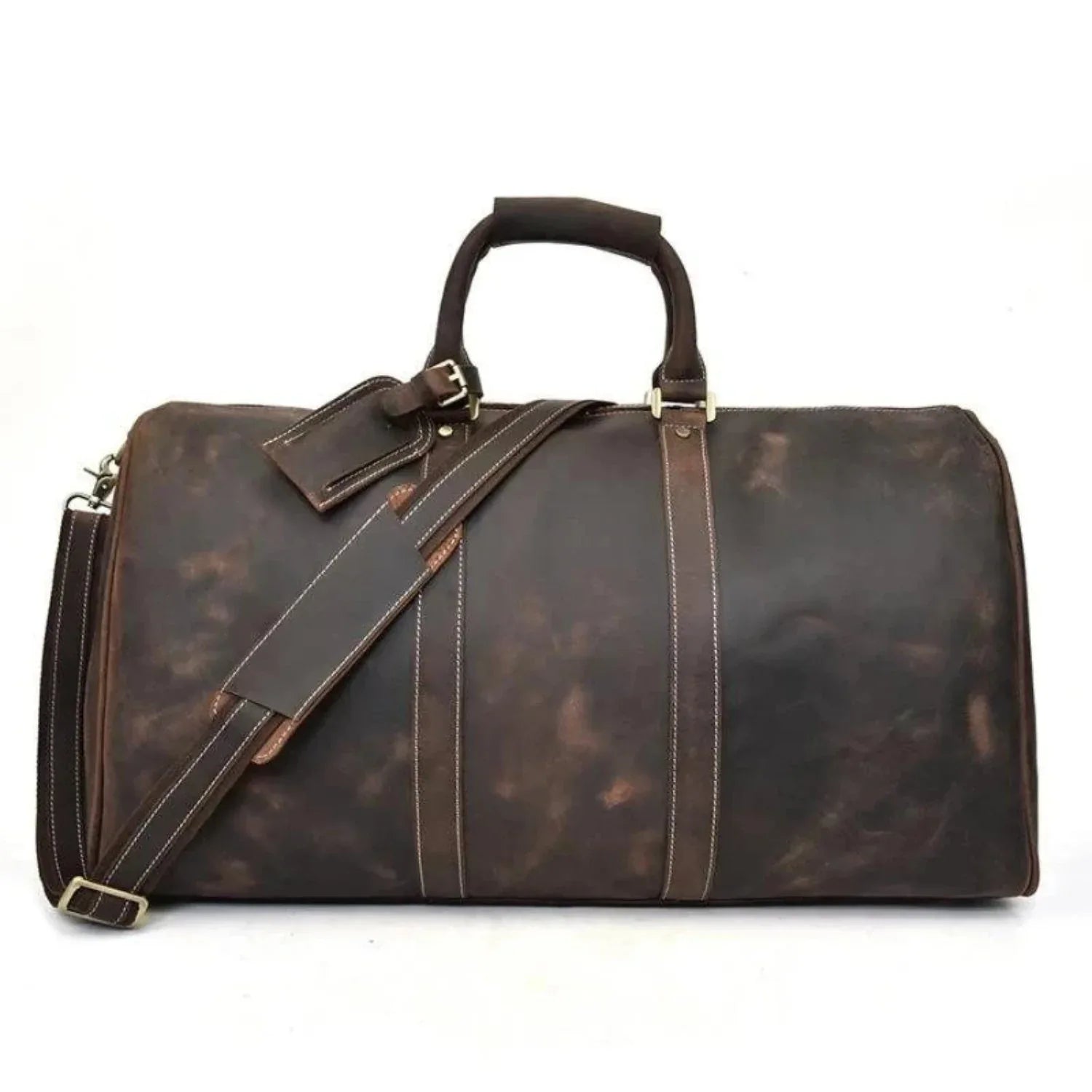
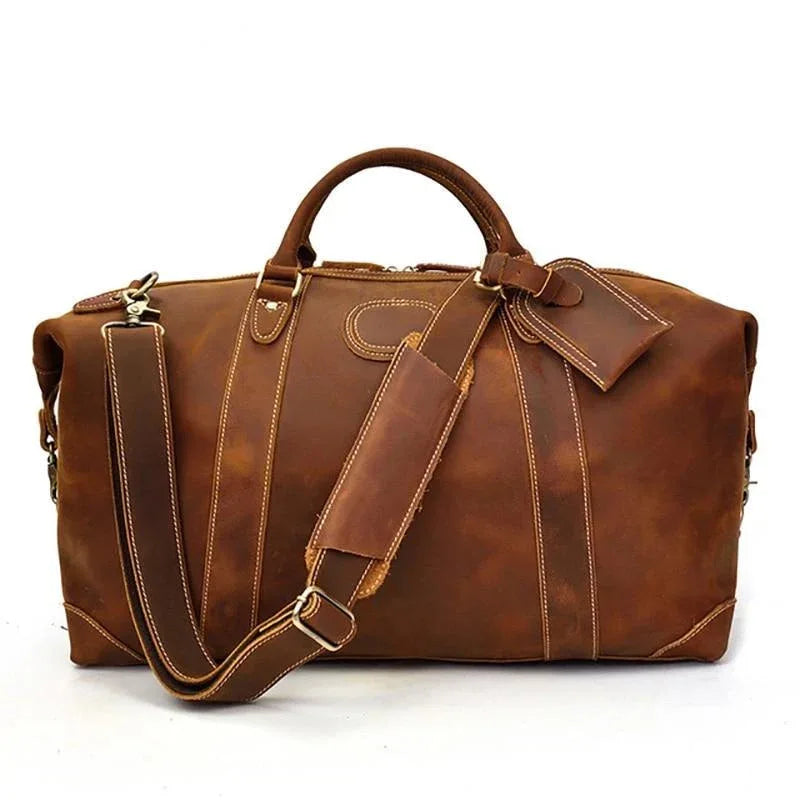
Full-grain leather is the highest quality leather available. It retains the complete outer layer of the hide, including natural grain patterns and markings. It is the most durable option and develops a beautiful patina over time with proper leather care. Steel Horse Leather uses full-grain leather across its messenger bag lineup.
Top-Grain Leather
Top-grain leather has been sanded or buffed to remove surface imperfections. It is more uniform in appearance but slightly less durable than full-grain. It still responds well to leather conditioner and regular cleaning, though it absorbs product faster and may need slightly more frequent conditioning in dry climates.
Genuine Leather
Lower on the leather grades scale. Made from leftover hide layers. Wears faster and does not age as well. Worth knowing if you are comparing options on the market.
Vegetable-Tanned Leather
Produced through vegetable tanning using natural plant tannins. It is firm, develops a strong patina, and is highly responsive to conditioning. Many premium leather goods use this process for its aging qualities. It is also more sensitive to water exposure than other finishes, so a protectant spray matters more here.
What to Avoid
Faux leather peeling is a common issue with synthetic alternatives. Unlike real leather, faux leather cannot be conditioned or repaired effectively. If your bag is peeling in layers, it is likely not genuine or full-grain leather, and no leather cream will fix it permanently.
For a deeper look at how leather grades compare in practice, the full-grain vs. top-grain leather guide covers the differences in durability and aging in detail.
Essential Leather Messenger Bag Care Products
Having the right products makes the difference between a clean, conditioned bag and one that looks worse after treatment. The focus here is on process and product type, not specific brands.
Leather Cleaner
A dedicated leather cleaner removes surface dirt, oils, and grime without stripping the leather's natural oils. Look for a mild leather cleaner free from harsh solvents. Avoid anything containing bleach or ammonia. For light cleaning between deep sessions, a soft-bristled brush or microfiber cloth removes dust and debris without product.
Leather Conditioner
Leather conditioner replenishes natural oils lost through use, sun exposure, and environmental factors. Apply it after every cleaning session. The right type depends on your leather:
-
Leather milk: A lightweight conditioner that absorbs quickly without leaving residue. Good for regular maintenance on full-grain and top-grain leather.
-
Mink oil: A heavier conditioner suited to dry or neglected leather. Note that mink oil can noticeably darken leather, particularly on lighter or unfinished hides. Always test on a hidden area before full application and use it sparingly.
-
Leather cream: Combines conditioning and light protection. A reliable everyday option for full-grain leather bags in regular use.
-
Leather balm: Similar to leather cream but often richer. Useful for bags that see heavy outdoor exposure or variable weather.
-
Saddle soap: A classic cleaner and conditioner combined. Works well for deep cleaning before conditioning, but use it no more than a few times per year as it can dry out the leather if overused.
Protectant Spray
A waterproofing spray or protectant spray creates a barrier against water damage and stains. Apply after conditioning and allow to dry fully before use. A water-repellent spray is particularly useful for leather messenger bags carried in variable weather.
Repair Products
For scratches, scuffs, and minor tears:
-
Leather repair kit with adhesive, filler compound, and color-matching dye
-
Leather repair creams to fill surface scratches
-
White vinegar diluted with water for mold and mildew spots
-
Baking soda for fresh oil stains
-
Cotton swabs for precise stain treatment on small areas
Step-by-Step Leather Messenger Bag Cleaning Routine

Regular cleaning prevents buildup that causes long-term damage. Follow this routine monthly, or more often if the bag sees heavy daily use.
Step 1: Remove Surface Dirt
Use a soft-bristled brush or dry microfiber cloth to brush off loose dust and debris. Pay attention to seams and hardware edges where grime collects.
Step 2: Apply Leather Cleaner
Apply a small amount of leather cleaner or saddle soap to a clean, damp cloth. Work in small circular sections across the bag's surface. Do not saturate the leather. For stubborn spots, use cotton swabs with cleaner for precise treatment.
Step 3: Wipe Clean
Use a clean, damp cloth to remove any cleaner residue. Allow the bag to air dry completely away from direct sun exposure or heat sources. Never use a hair dryer or place the bag near a heat source of any kind.
Step 4: Condition the Leather
Once dry, apply leather conditioner or leather milk using a clean cloth. Work it in with circular motions. Allow it to absorb for 10 to 15 minutes, then buff off any excess with a clean cloth. For full-grain leather in regular daily use, conditioning every four to six weeks is a reasonable baseline. In dry climates or during winter months with indoor heating, move to monthly. For top-grain leather, start with the same interval and reduce frequency if the surface feels tacky after conditioning. For a full routine covering all bag types and conditioner comparisons, see our complete leather conditioning guide.
Step 5: Apply Protectant
Finish with a waterproofing spray or natural leather protector, especially if the bag will be exposed to rain or humidity. This step significantly improves water resistance.
Interior Cleaning
Turn the bag inside out if possible. Use a lint roller or damp cloth with mild soap for fabric linings. For leather interiors, apply the same cleaner and conditioner routine at a lighter concentration.
Repairing Common Leather Messenger Bag Damage
Most damage can be handled at home with the right approach. For a full breakdown of repair techniques by damage type, see the detailed guide on how to repair leather messenger bags.
Scratches and Scuffs
For light surface scratches, apply a small amount of leather conditioner or leather cream and rub gently with a soft cloth. Many light marks disappear with conditioning alone. For deeper scratches, use leather repair creams matched to the color of the leather, then condition over the top.
Leather polish can restore surface sheen after scratch repair. Apply sparingly and buff to a clean finish.
Stains
-
Oil or grease: Apply baking soda immediately and leave overnight. Brush off and clean with leather cleaner.
-
Ink: Dab with a cotton swab dipped in diluted white vinegar or rubbing alcohol. Test first on an inconspicuous area.
-
Water damage: Allow the leather to dry naturally and evenly. Apply leather conditioner once dry to rehydrate the affected area. Avoid drying with heat.
-
Mold: Wipe with a cloth dampened with diluted white vinegar, dry thoroughly, and condition.
For stubborn stains that do not respond to basic treatment, the guide on how to get oil stains out of leather covers more advanced approaches.
Loose Stitching
Small sections of loose stitching can be re-secured with a leather needle and waxed thread. Work slowly and follow the original stitch pattern. For significant structural problems or strap issues, professional leather restoration is recommended.
Hardware Problems
For stiff or catching zippers, apply beeswax along the zipper teeth and work it back and forth. For broken buckles or clasps, replacements are available at leather supply stores. Match hardware finish (brass, gunmetal, nickel) to maintain a consistent look.
Tears and Rips
Small tears respond well to leather adhesive applied to both edges, pressed together, and held for 24 hours. Follow with leather repair creams to blend the surface. Larger tears or structural damage should go to a leather care professional for proper patching.
Proper Storage to Prevent Damage
How you store your leather messenger bag matters as much as how you clean it. Poor storage causes shape distortion, mold growth, and cracking that no amount of conditioning will fix.
Stuffing and Shape
Before storing, stuff the bag with parchment paper or acid-free tissue paper to help it maintain its shape. Avoid using newspaper as the ink transfers to leather.
Dust Protection
Store the bag in a cotton dust bag or a breathable pillowcase. Avoid plastic bags, which trap moisture and encourage mold growth. Breathable dust covers protect against light exposure and environmental factors that degrade leather over time.
If you do not have a cotton dust bag, a clean pillowcase works. Silica gel packets placed inside the bag during storage help absorb excess moisture in humid environments.
Environment
Store in a cool, dry place away from sun exposure and heat sources. Extreme heat dries out leather rapidly. Extreme cold makes it stiff and prone to cracking. Avoid basement storage where humidity levels fluctuate.
Do not hang leather messenger bags by their adjustable straps for extended periods. This causes straps to stretch and distorts the hardware over time.
How to Build Patina Intentionally
One of the most appealing qualities of full-grain leather is patina development over time. Patina is the natural darkening and deepening of color that happens as hand oils, light, and use condition the leather surface gradually. It is not damage. It is character.
To encourage healthy patina development:
-
Use the bag regularly: Patina develops through contact and use.
-
Condition consistently: Well-conditioned leather develops an even, rich patina rather than uneven dry patches.
-
Avoid harsh chemical contact: Cleaning agents, sunscreen, and perfume accelerate uneven discoloration and interrupt natural patina development.
-
Allow natural aging: Do not try to speed up the process with oils not designed for leather. Mink oil is appropriate in small amounts on full-grain hides, but overuse darkens leather unevenly and can compromise the surface finish on lighter leathers.
A well-maintained full-grain leather messenger bag in active use will look significantly better at five years than it did on day one. That is the point.
Steel Horse Leather Messenger Bags Worth Maintaining
If you are investing time in proper leather bag care, it makes sense to start with a bag built to reward that effort. Steel Horse Leather's leather messenger bag collection uses full-grain construction throughout, meaning every hour you put into care translates directly into a better-looking, longer-lasting bag. All bags are backed by a 30-day money-back guarantee.
Best for Daily Work Use

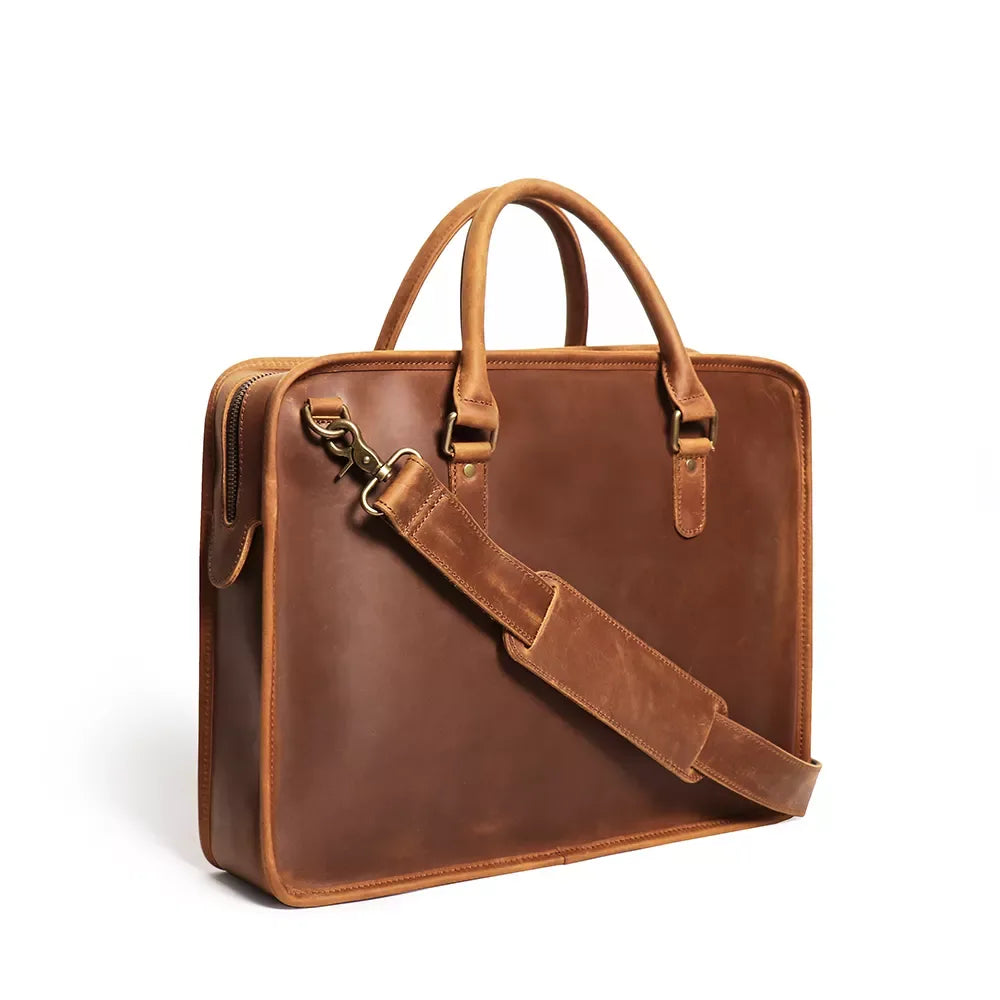
A structured crossbody messenger that transitions cleanly between desk and commute without losing its shape. The full-grain exterior responds readily to conditioning and develops a strong, even patina with regular use. Hardware is built to handle daily wear, and the interior fits laptops and documents without unnecessary bulk. For professionals who carry the same bag five days a week and want it to look noticeably better in three years, this is the one to maintain.
Best Laptop Bag Hybrid
The Hemming Leather Laptop Bag

Designed around laptop protection with a dedicated padded compartment and a well-organized interior. The full-grain exterior responds well to leather milk and leather balm, and surface scratches buff out cleanly with leather cream. Adjustable straps distribute weight evenly across longer carries. A practical choice for anyone who needs both laptop security and a bag that ages well with consistent care.
Best for Travel and Versatility

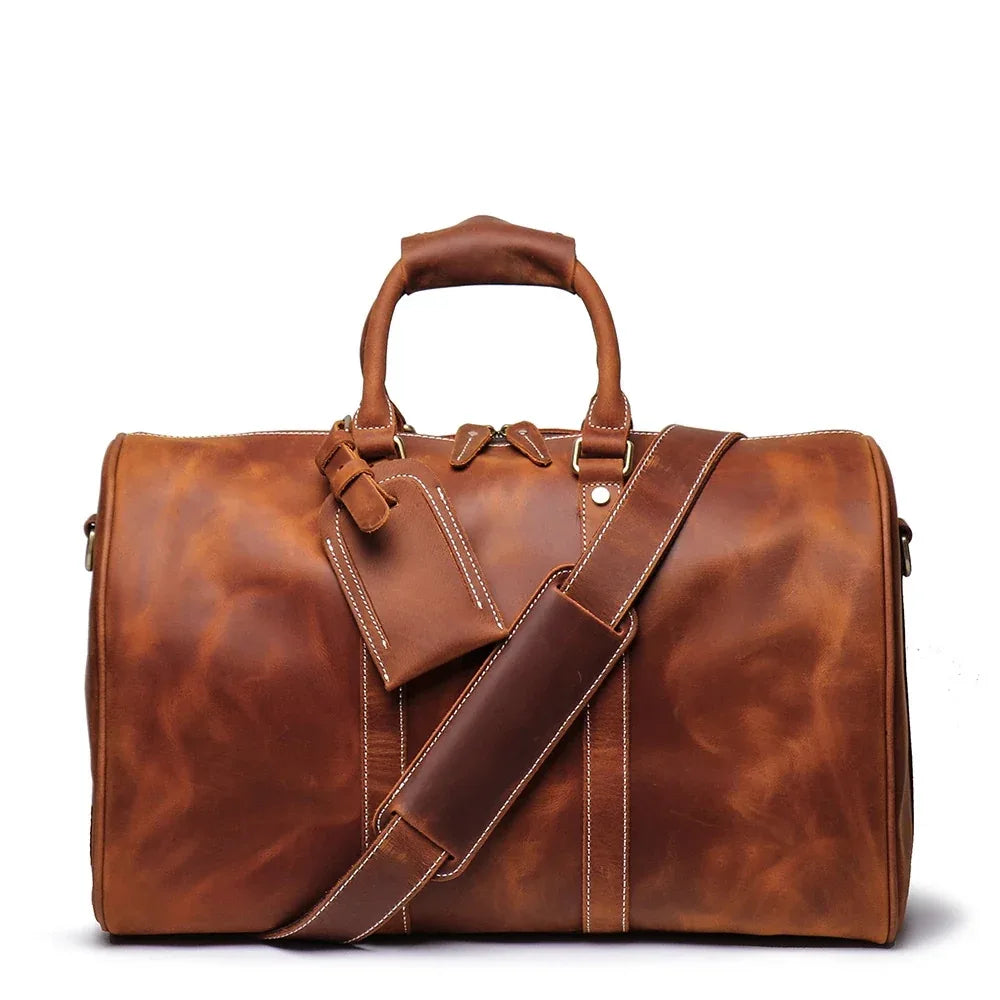
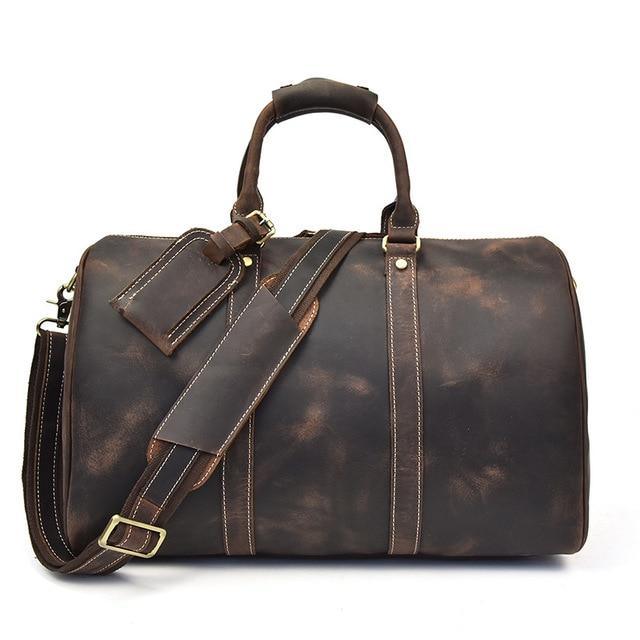
A compact crossbody that functions equally well as a messenger and a travel carry. The full-grain exterior handles variable weather reliably when a protectant spray is applied as part of the regular care routine. Organized compartments keep gear accessible on day trips or daily outings. A versatile option for travelers and creatives who want one bag that performs across multiple settings without compromising on build quality.
Also Consider
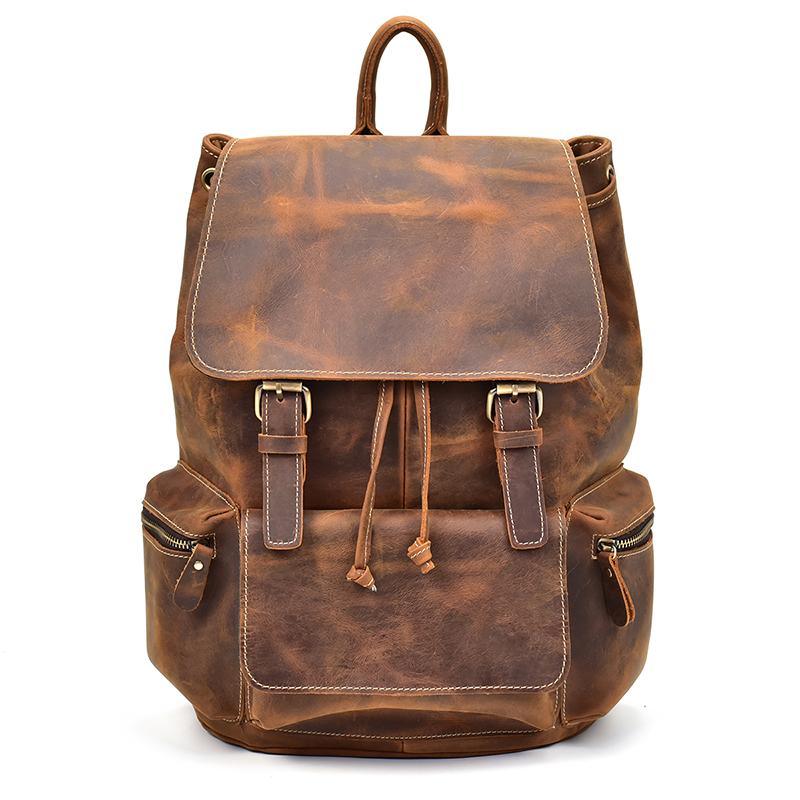
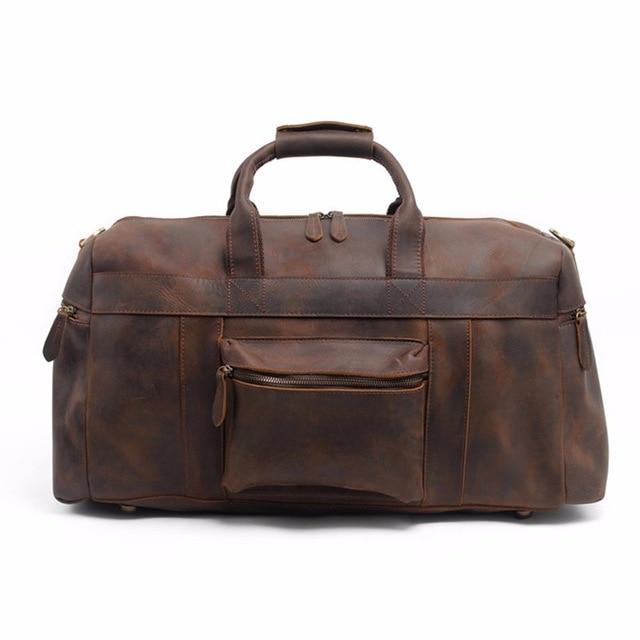
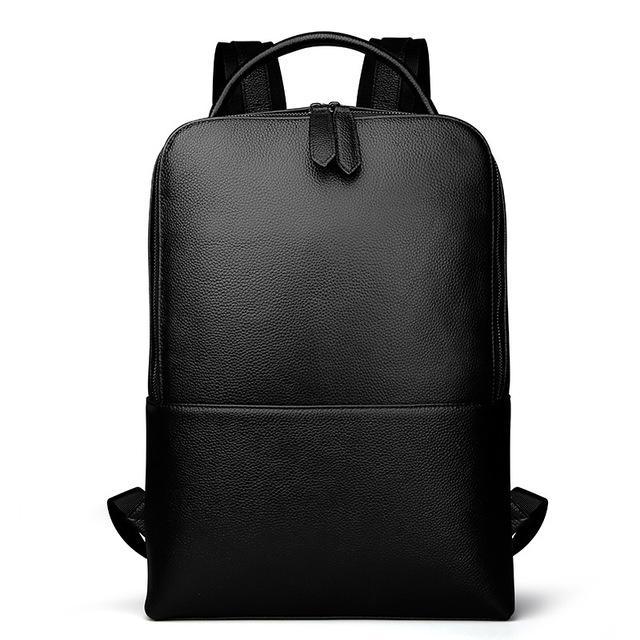
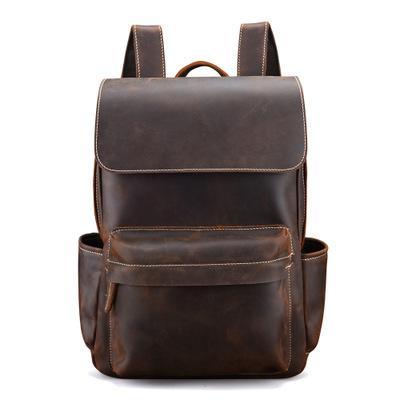
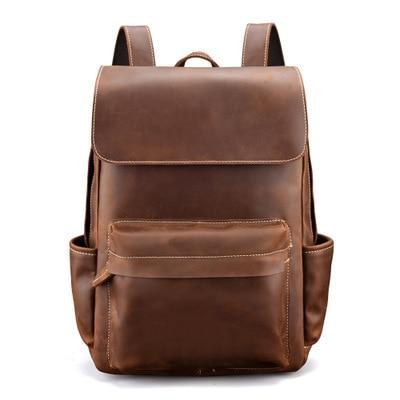
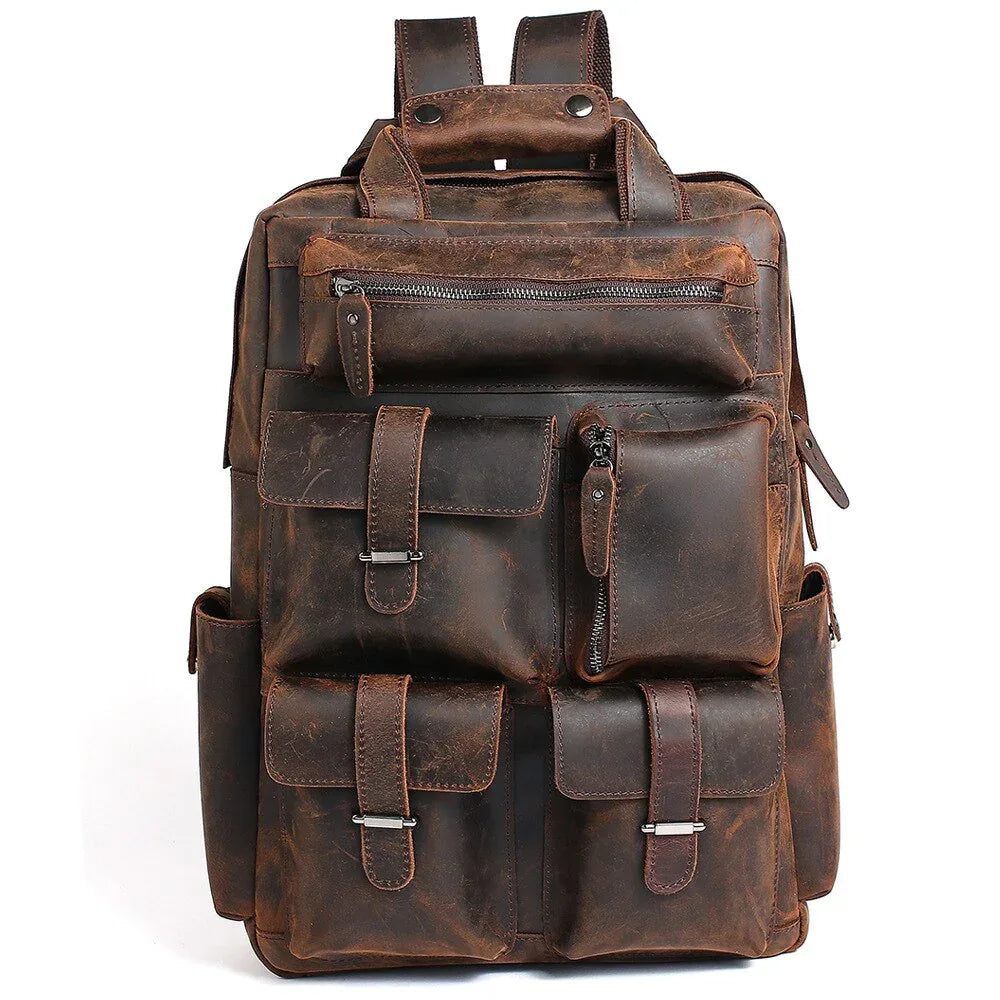
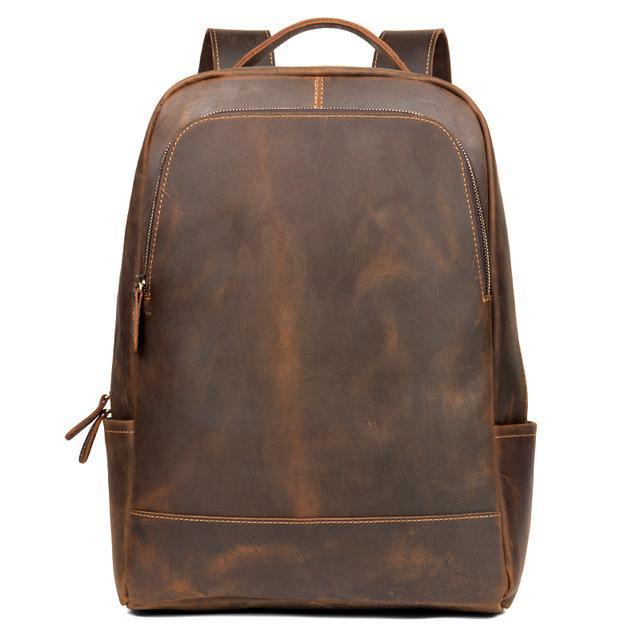
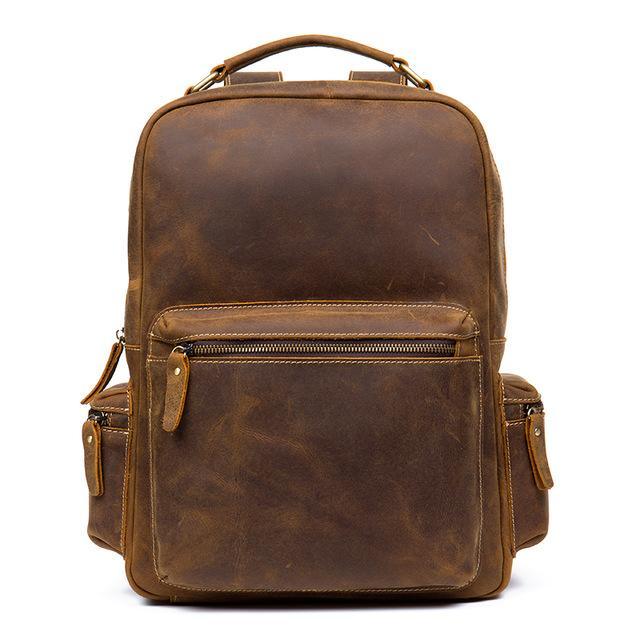
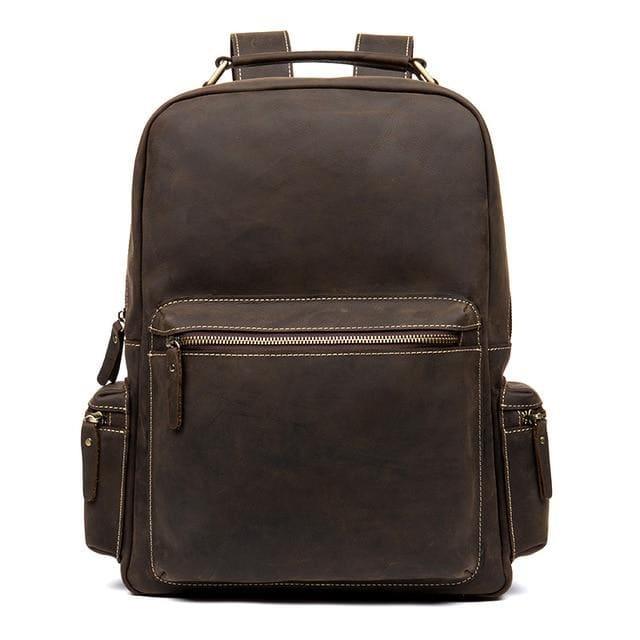
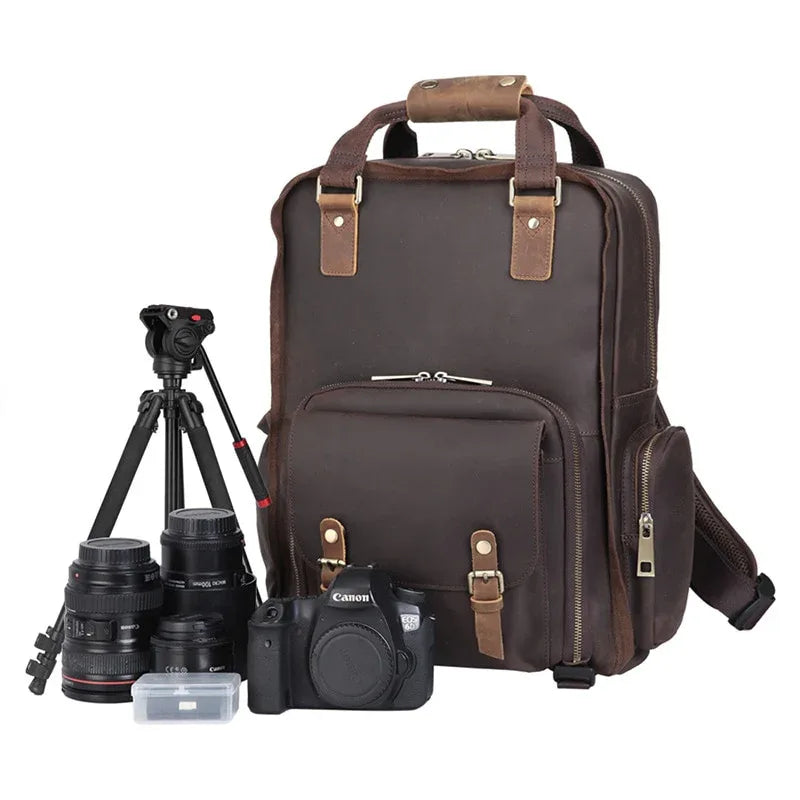
If your needs extend beyond messenger bags, explore Steel Horse Leather's leather work bags collection for structured briefcases and professional options, or the leather backpacks collection for full-grain bags suited to heavier daily loads.
Frequently Asked Questions
How often should I condition my leather messenger bag?
Conditioning frequency depends on leather type, finish, and how often you carry the bag. For full-grain leather in daily use, every four to six weeks is a practical starting point. In dry climates or during winter, move to monthly. Top-grain leather with a smooth or coated finish may need conditioning less frequently since the surface is less porous. Start conservatively and adjust based on how the leather feels. If it looks dull or feels slightly stiff, it is ready for conditioning.
Can I use mink oil on my leather messenger bag?
Yes, but use it sparingly and selectively. Mink oil is an effective conditioner for dry or neglected full-grain leather, but it can noticeably darken lighter hides and may soften structured leather more than intended. Always test on a hidden area first. For regular maintenance on most leather messenger bags, a lightweight leather milk or leather cream is a better everyday option. Reserve mink oil for bags that need deep restoration.
What is the best way to handle water damage on a leather bag?
If your leather messenger bag gets wet, blot excess water immediately with a clean cloth. Do not rub. Allow the bag to air dry naturally at room temperature, away from sun exposure and heat sources. Once fully dry, apply leather conditioner to rehydrate the surface and even out any water marks. A protectant spray applied during your regular care routine will significantly reduce the risk of water damage in future.
How do I remove an oil stain from leather?
Apply baking soda directly to the fresh stain and leave it overnight. The baking soda absorbs the grease from the leather surface. Brush it away gently in the morning and clean the area with a mild leather cleaner. Follow with leather conditioner. Acting quickly matters: the longer oil sits in leather, the harder it is to remove fully.
Is professional cleaning ever necessary for a leather messenger bag?
For most regular maintenance, home care is sufficient. Professional cleaning makes sense when dealing with severe stains, structural problems, significant loose stitching across multiple seams, or tears that require patching beyond what a leather repair kit can handle. A leather care professional has tools and matched dyes that produce cleaner results on complex repairs.
How should I store my leather messenger bag long-term?
Clean and condition the bag before storage. Stuff it with acid-free tissue paper or parchment paper to maintain its shape. Store it inside a cotton dust bag or breathable pillowcase, never in plastic bags. Keep it in a cool, dry location away from sun exposure and extreme temperatures. Do not hang it by the adjustable straps during storage as this causes distortion over time.
What cleaning products should I avoid on leather?
Avoid anything containing bleach, ammonia, or chemical products not formulated for leather. These strip natural oils, break down the leather surface, and cause irreversible discoloration. Also avoid excessive water, acetone, and household multi-surface cleaners. Stick to dedicated leather cleaners, saddle soap used in moderation, or a mild solution of water and gentle soap for basic cleaning.
Can I repair scratches on my leather messenger bag at home?
Yes. Minor scratches and scuffs respond well to leather conditioner or leather cream applied with a soft cloth and buffed gently. For deeper scratches, use a leather repair kit with color-matched filler, then condition over the top. Most surface damage on full-grain leather is recoverable at home without professional help.
Start With a Bag That Rewards Proper Care
Leather care only makes sense when the bag is worth caring for. Steel Horse Leather builds every messenger bag from full-grain leather with hardware and stitching designed for long-term use. The result is a bag that looks better with age, not worse.
Explore the full leather messenger bag collection to find the right fit for your daily carry. Every purchase is backed by a 30-day money-back guarantee, so you can buy with confidence.
If you carry more than a messenger bag, browse the complete leather bags collection for full-grain options across every category.
All of our bags at Steel Horse Leather are crafted from full-grain crazy horse leather, built to develop a rich patina over time. Browse our Leather Bags.