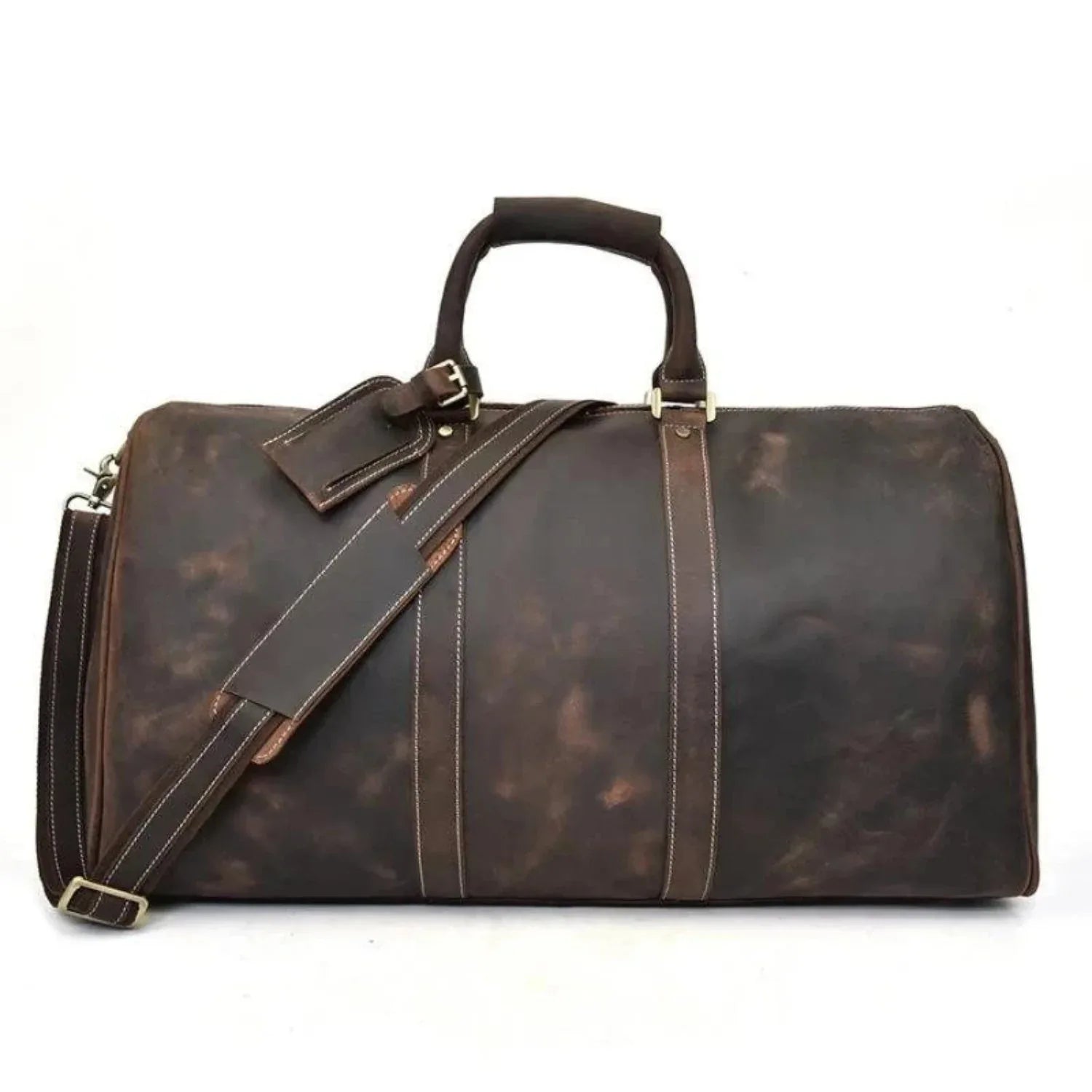
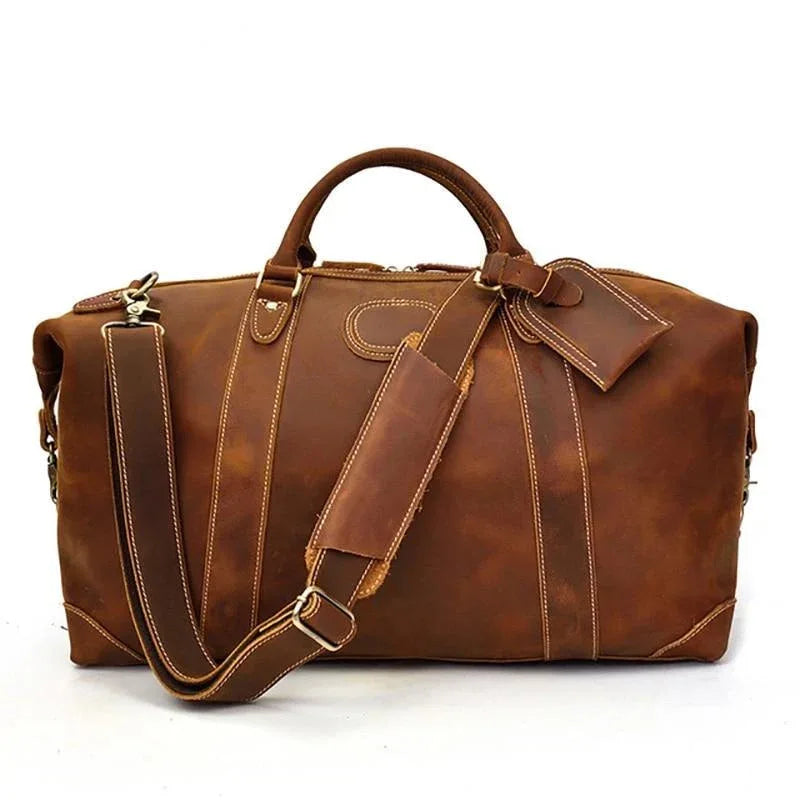
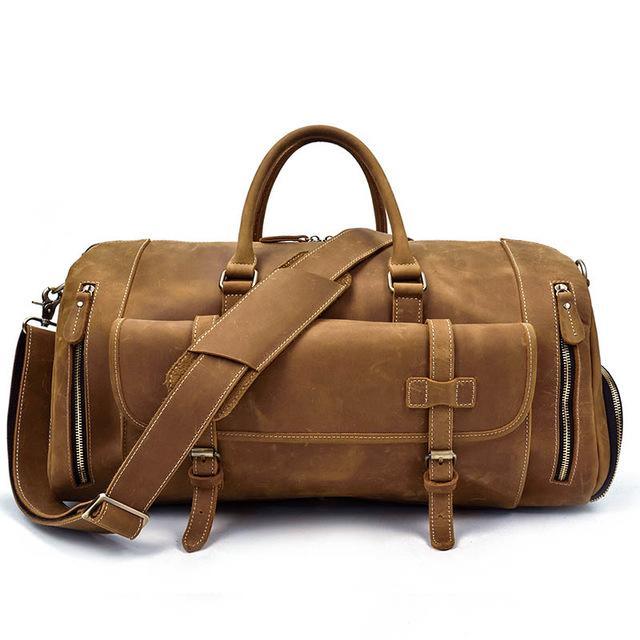
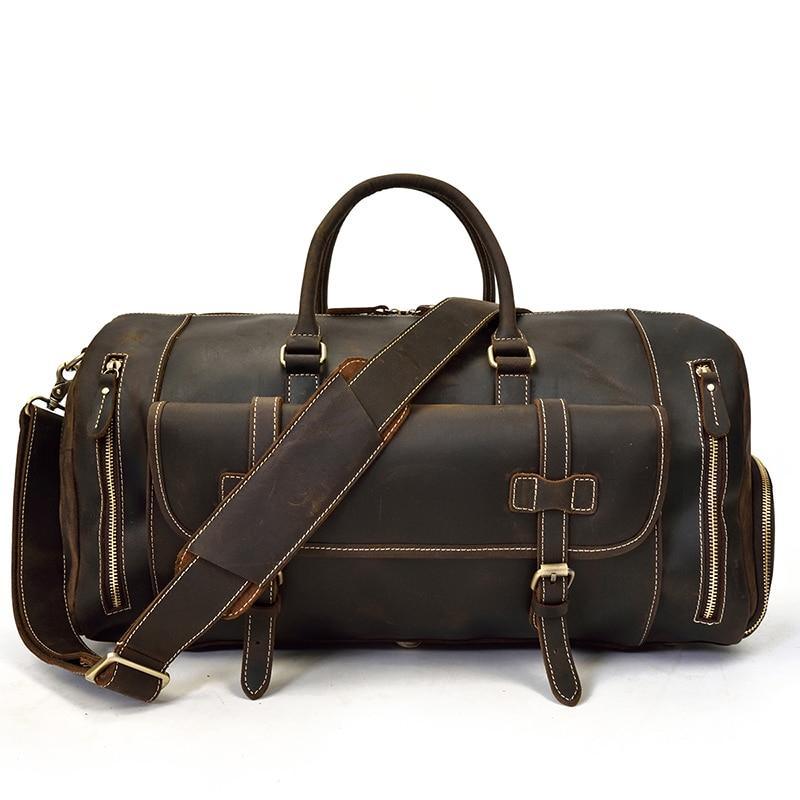
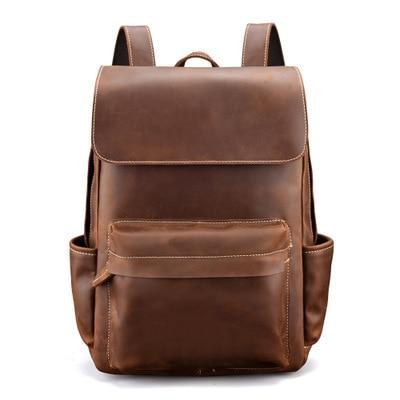
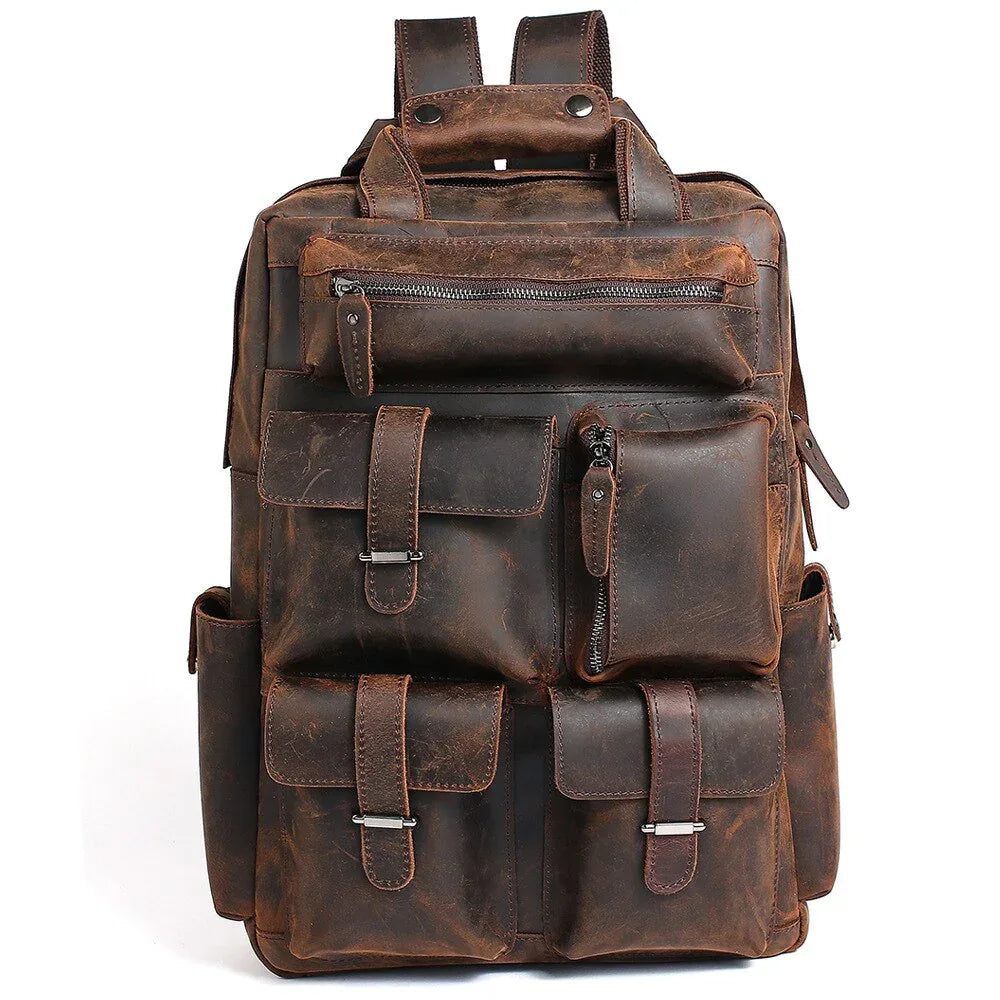
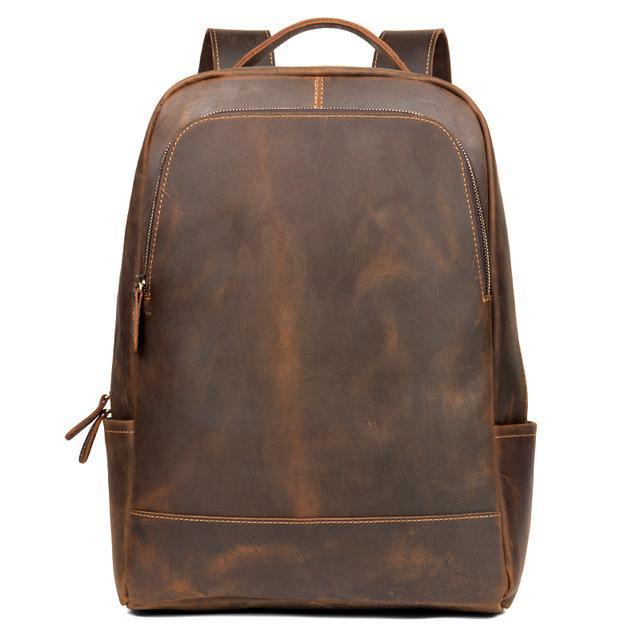
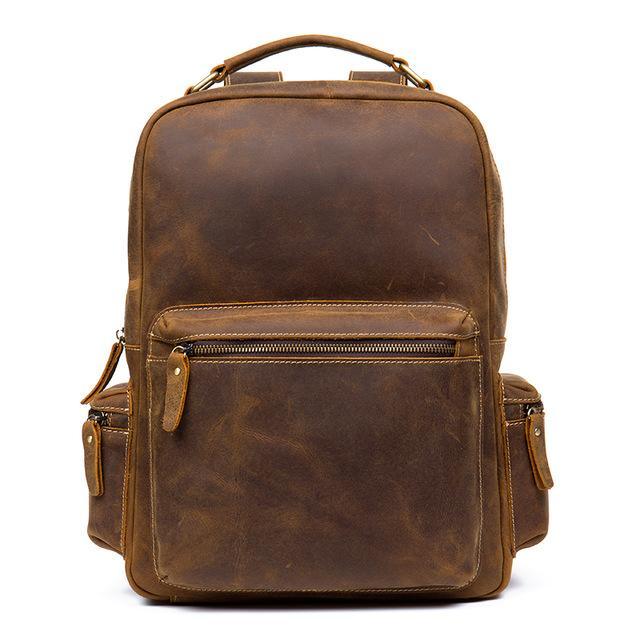
Pebbled leather needs cleaning with a soft, damp cloth and pH-balanced leather cleaner every 3-6 months, plus conditioning to prevent cracking. Avoid soaking it in water, using household chemicals like vinegar or baby wipes, or storing it in direct sunlight. The raised texture already resists scratches better than smooth leather, but it still dries out and cracks without regular care.
The texture of leather affects both how it looks and how it holds up over years of use. Pebbled leather gets its name from the small, rounded bumps pressed into the surface during tanning, and this guide covers how to clean it, moisturize it, store it, and fix scratches when they happen.
Key Takeaways
- Pebbled leather's raised texture naturally resists scratches and hides minor imperfections better than smooth leather.
- Clean and condition pebbled leather every 3-6 months using a proper leather cleaner to prevent cracking and drying.
- Test any cleaning product on a hidden area first and avoid harsh chemicals, excess water, or hard scrubbing.
- Store pebbled leather bags in a cool, dry place using breathable dust bags and tissue paper stuffing to hold their shape.
- Genuine leather needs conditioning, while faux pebbled leather relies on protective surface treatments instead.
What Is Pebbled Leather?

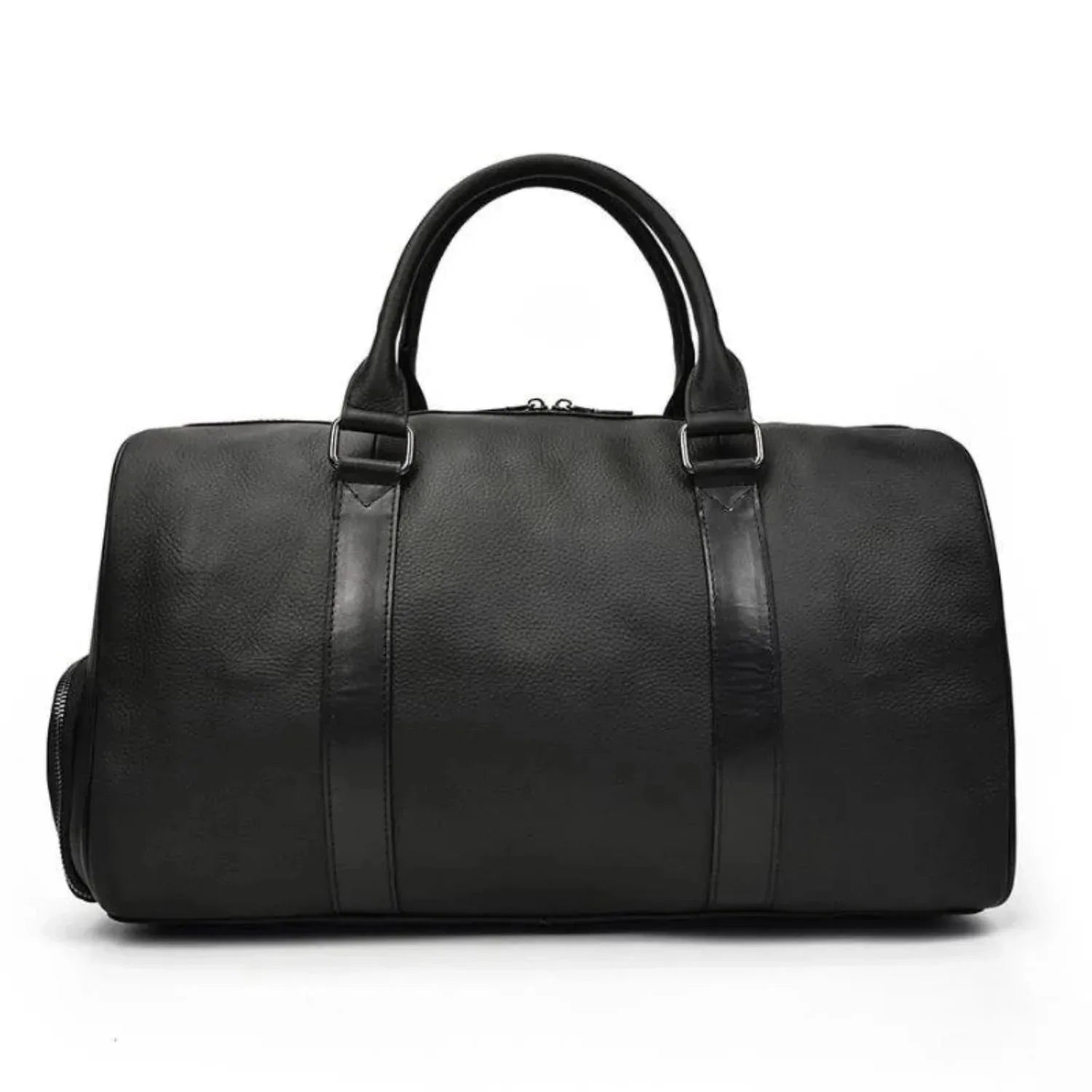
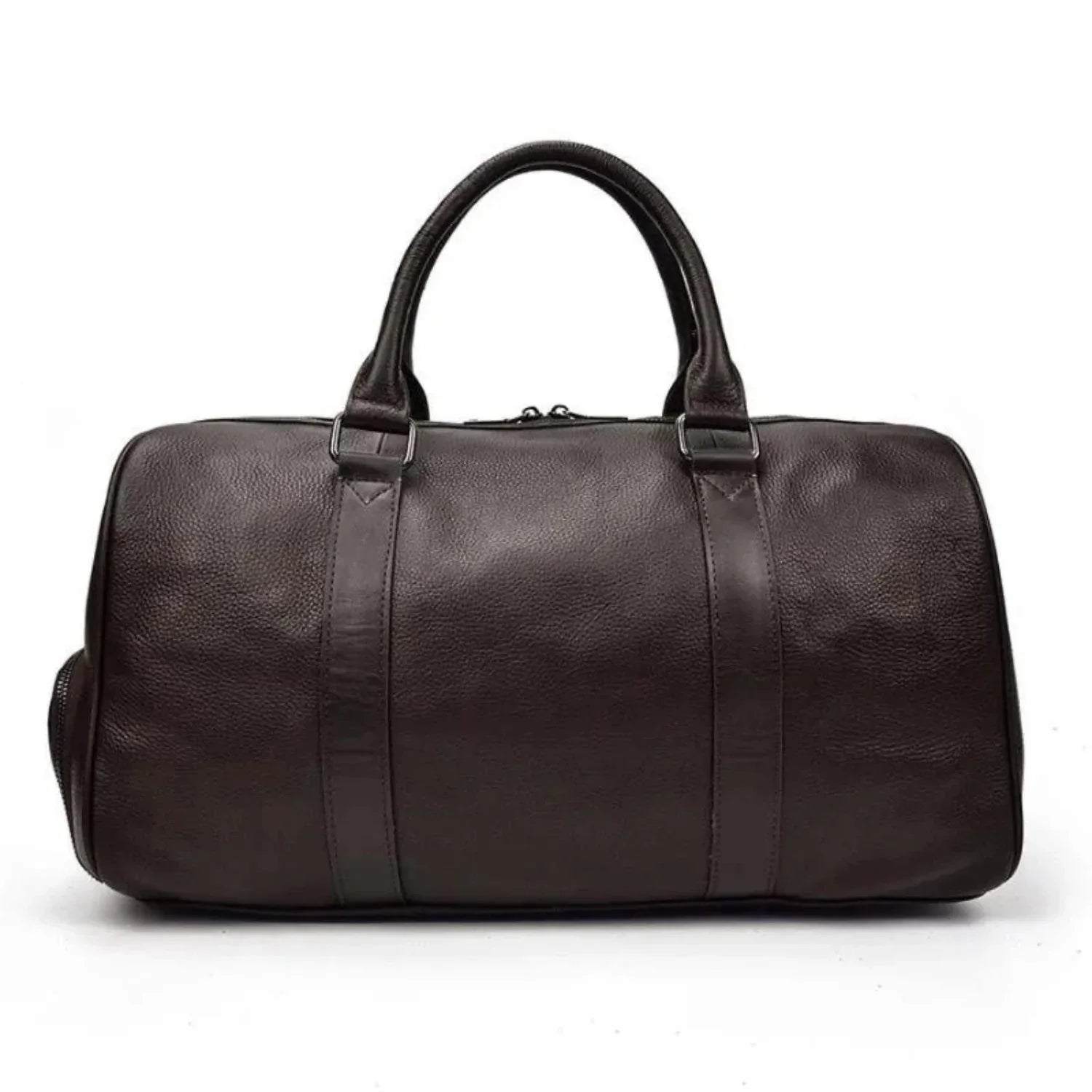
Pebbled leather is leather with small, rounded bumps embossed into the surface, created using a heated roller, mechanical press, or metal stamp. This texture can be applied to genuine leather or synthetic leather alike. The embossing process hides natural imperfections in the hide while adding scratch resistance, which is why it shows up on bags that get daily use.
Because pebbling is stamped into the surface, it can be added to almost any leather type. Natural hides used for pebbled leather come from either full grain leather or split leather. Full grain uses the top layer of the hide and holds up longer, while split leather comes from lower layers and is used more often in lower-cost goods.
Where Is Pebbled Leather Used?
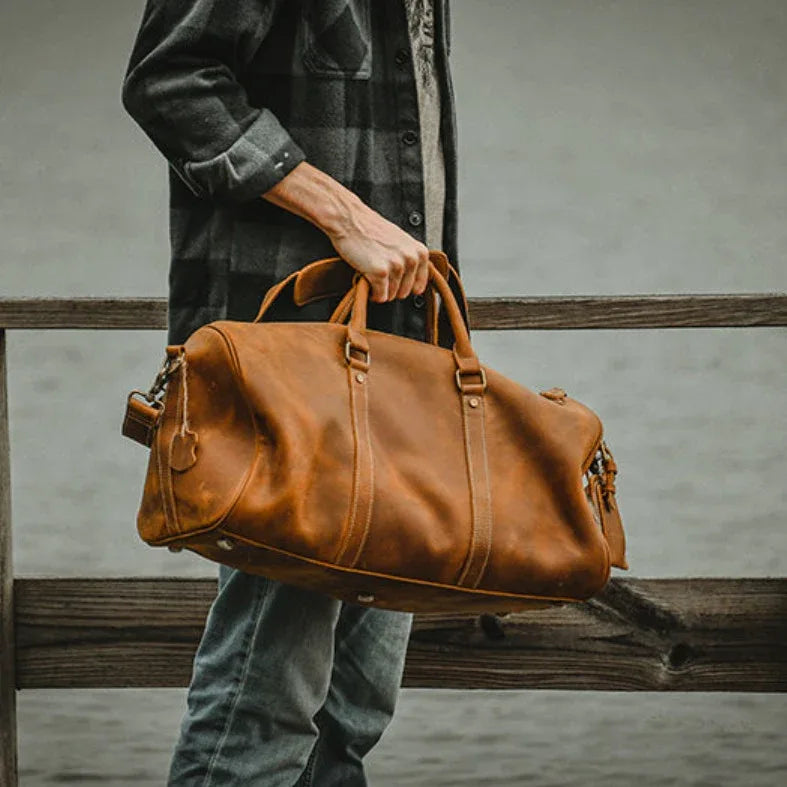
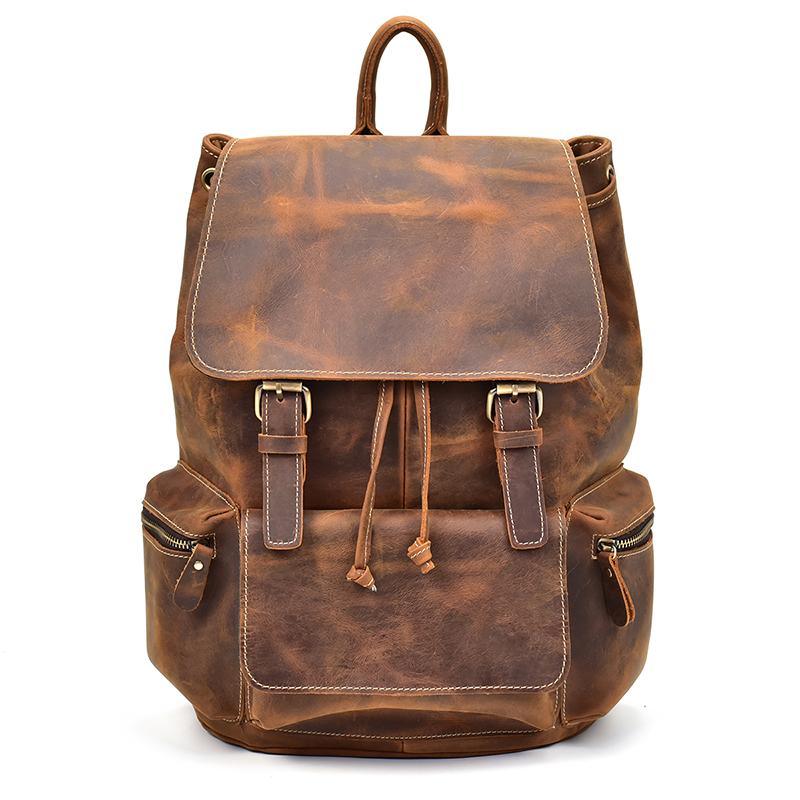
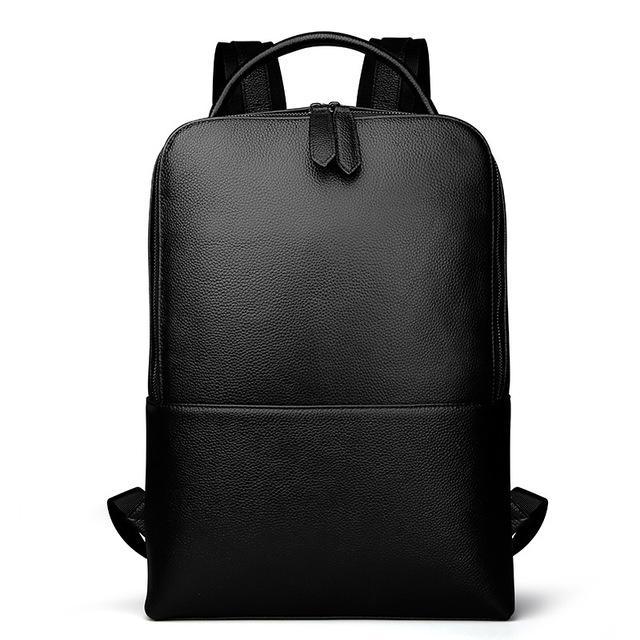
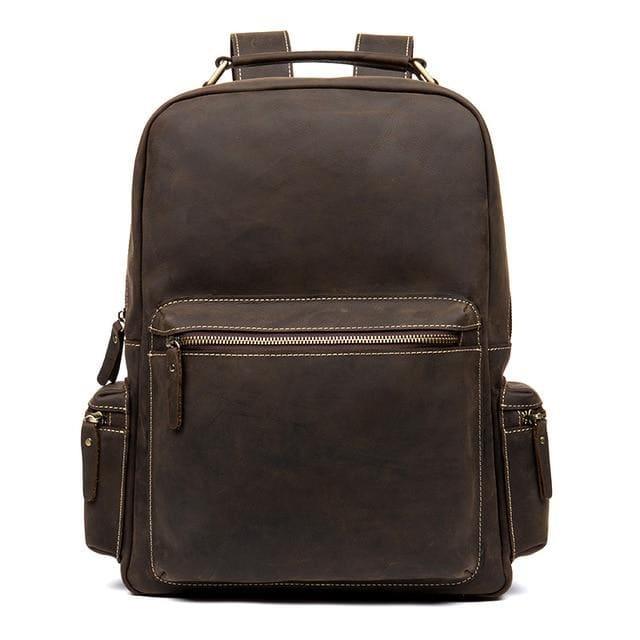
Pebbled leather shows up in handbags, briefcases, travel bags, backpacks, wallets, and footwear. Steel Horse Leather uses full-grain pebbled leather in bags like the Skald Black Pebbled Leather Backpack, where the texture helps the bag resist visible scuffs from daily commuting and travel.
Why Trust Our Pebbled Leather Care Advice?
Steel Horse Leather has worked with full-grain leather for years, sourcing hides and testing how different finishes, including pebbled textures, hold up to daily wear. Our team has handled the tanning, cutting, and finishing process directly, which means the care advice below comes from hands-on experience with the material, not just secondhand research.
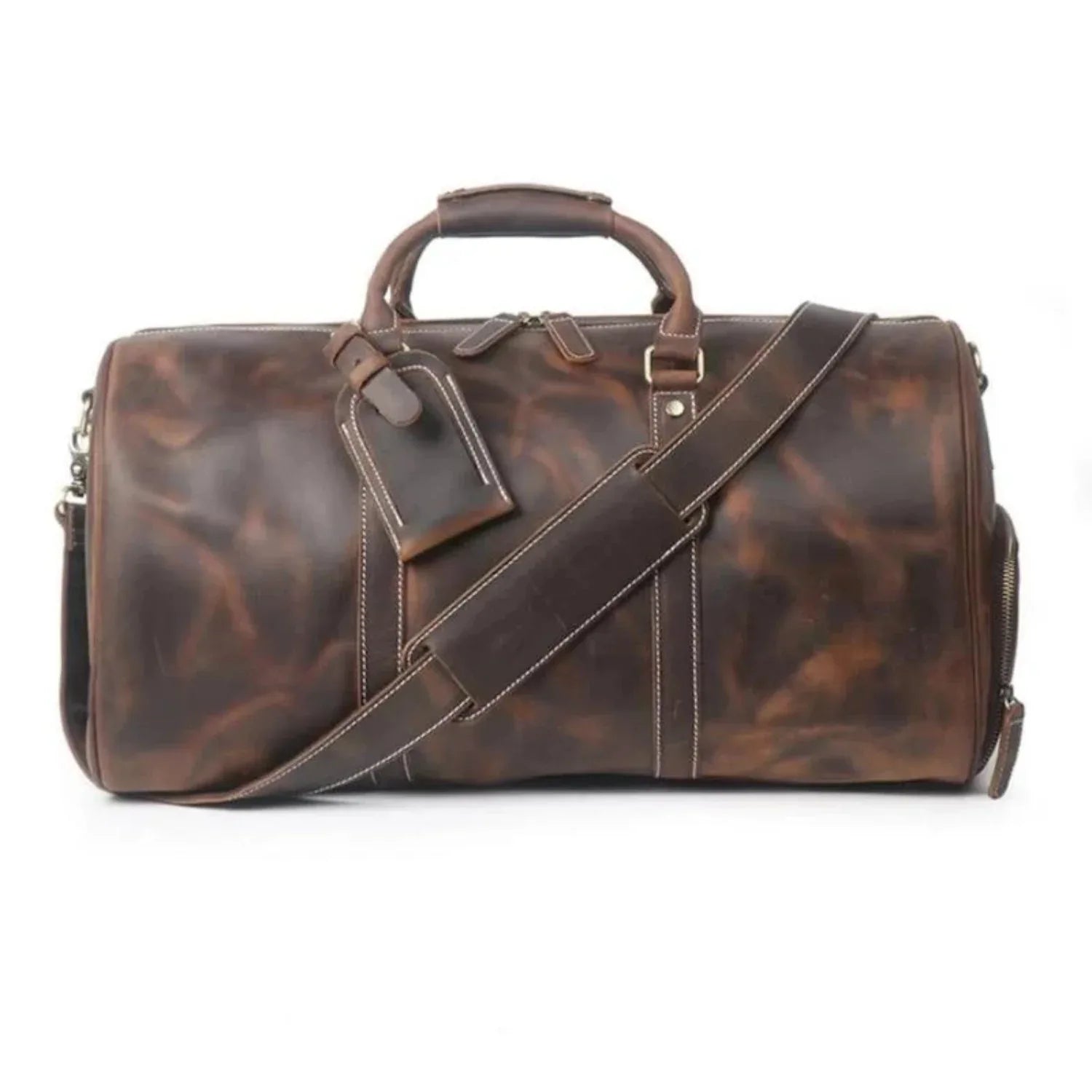
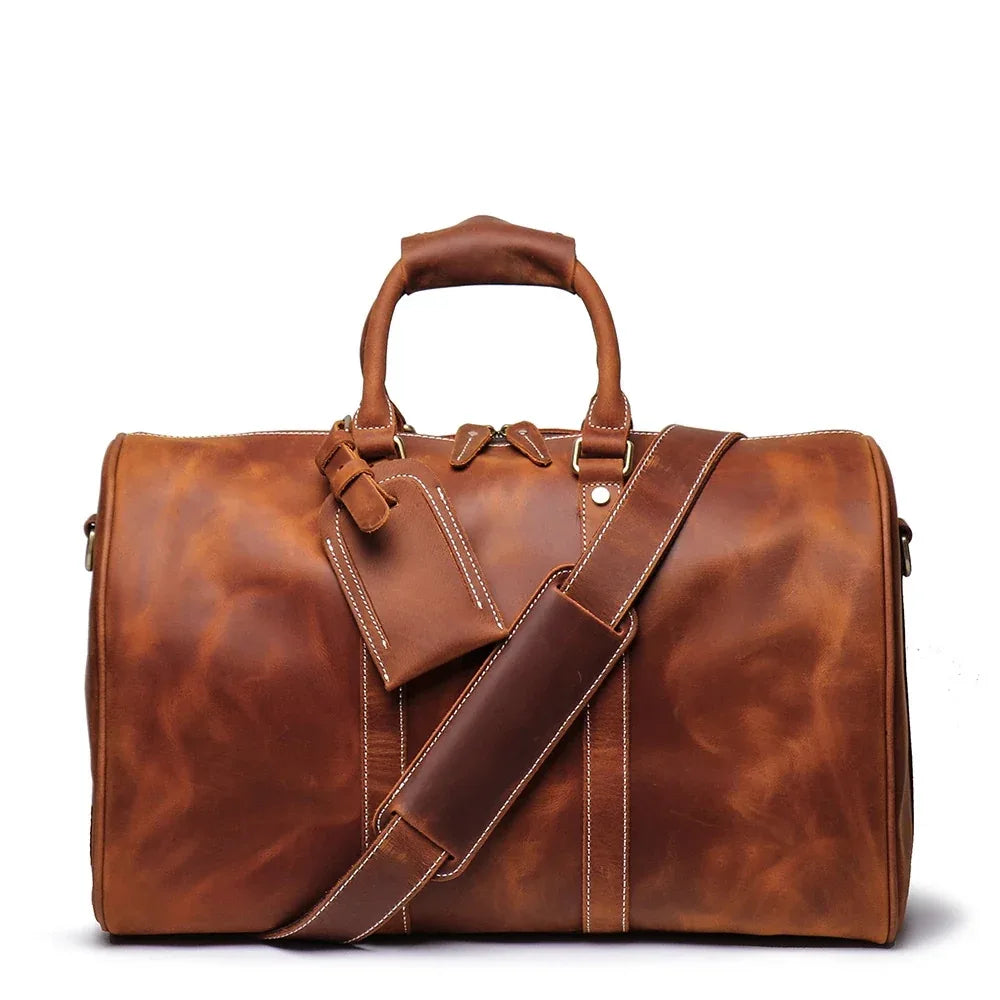
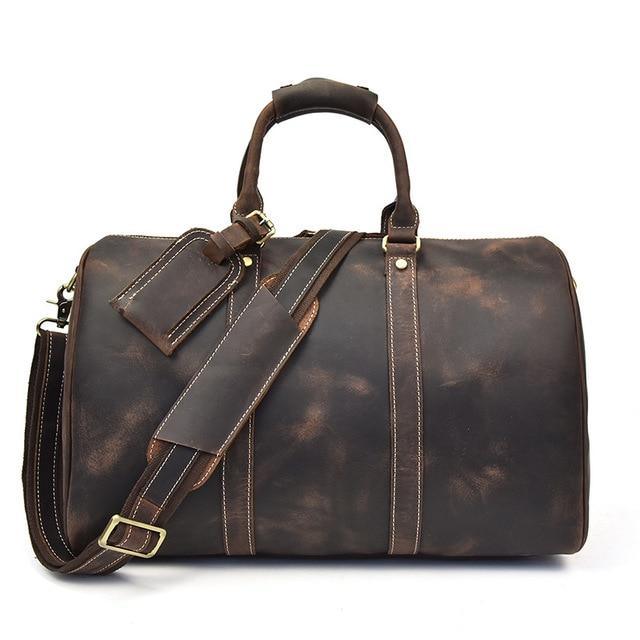
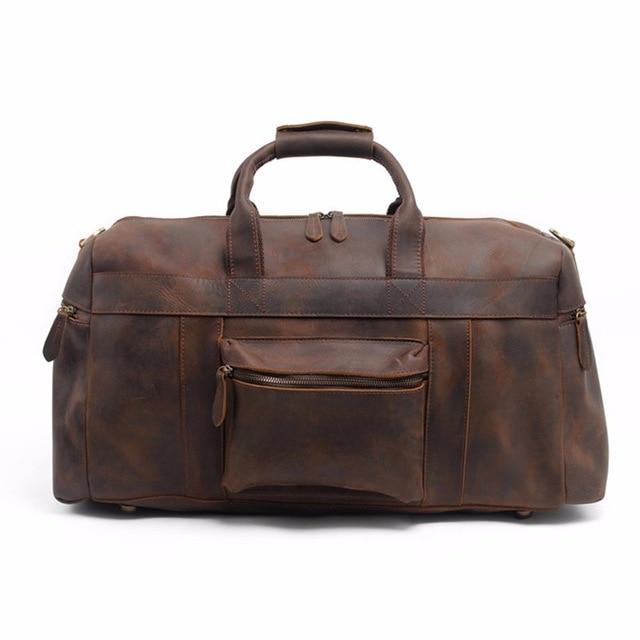
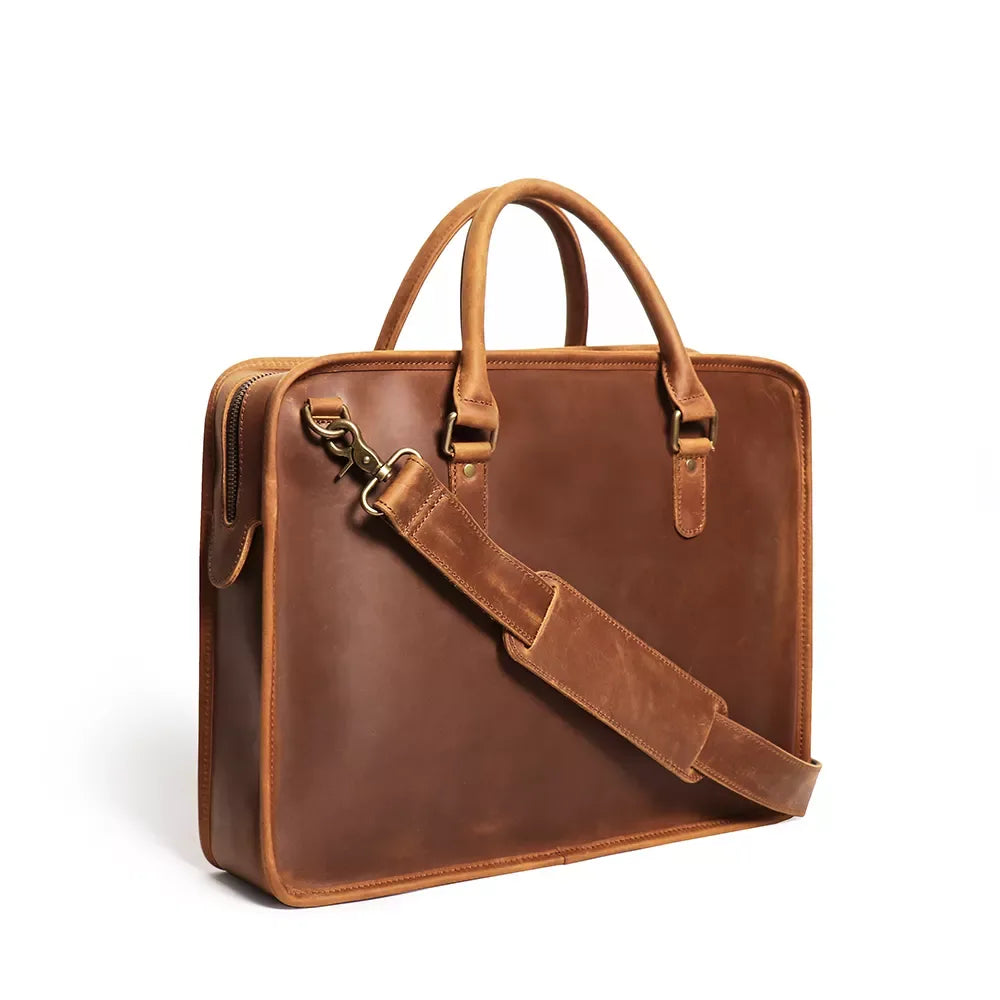
We build products like the Erlend Duffle Bag and the Welch Briefcase to last for years of regular use, so we have a direct interest in helping customers keep their leather in good condition long after purchase.
Why Cleaning Pebbled Leather Matters

Skipping regular cleaning lets dirt, oils, and moisture build up in the leather's pores, which speeds up cracking and discoloration. Pebbled leather hides dirt better than smooth leather at first glance, but grime still works its way into the texture over time. Left untreated, this buildup breaks down the leather fibers and shortens the life of the bag.
Signs Your Pebbled Leather Needs Cleaning
| Sign | What It Looks Like | Action Needed |
|---|---|---|
| Cracking | Leather feels rough or shows fine surface splits | Clean, then condition immediately |
| Visible stains or spots | Dark marks, watermarks, or grease spots | Spot clean before the stain sets permanently |
| Loose or stretched shape | Bag no longer holds its original form | Clean and condition to help restore structure |
| Musty odor | Smells like mildew or damp fabric | Clean, dry fully, and air out in ventilated space |
Regular maintenance matters just as much for premium pieces like a Hemming Leather Laptop Bag as it does for everyday carry items, since full-grain leather is meant to last for years with the right upkeep.
How to Care for Pebbled Leather

Pebbled leather care comes down to four steps: regular cleaning, conditioning every 3-6 months, proper storage, and occasional protective treatment. Skipping any one of these steps shortens the life of the leather, especially on bags used daily like backpacks and briefcases.
Step 1: Clean It Regularly
Wipe the surface with a soft, damp cloth to remove dirt and residue. Avoid harsh chemicals or abrasive cleaners since they strip the natural oils out of the leather and dull the pebbled texture over time.
Step 2: Condition It Every 3-6 Months
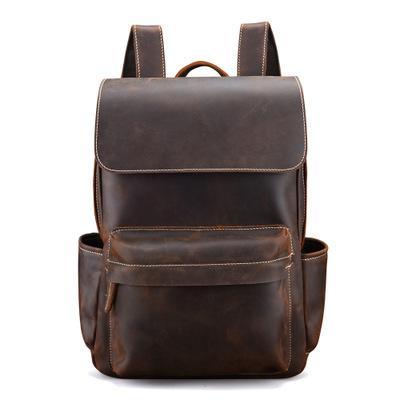
Use a leather conditioner formulated for textured leather and apply it in a thin, even layer. Let it dry fully before using or storing the bag. This is the same interval we recommend for bags like the Icarus Backpack and the Taavi Tote, both made from full-grain leather that needs oils replenished periodically.
Step 3: Store It Properly
Keep pebbled leather bags in a cool, dry space away from direct sunlight and moisture. Avoid folding or hanging the bag for long stretches, since this creates creases that are hard to remove later.
Step 4: Apply Protection When Needed
A leather protectant spray adds a barrier against water and stains. Apply according to the product instructions and let it dry completely before using the bag again.
Step 5: Get Professional Cleaning for Heavy Stains
If a bag is heavily soiled, a professional leather cleaner has the tools to deep clean it without damaging the pebbled texture. This is worth the cost for higher-value pieces like the Endre Weekender or a leather briefcase used for daily commuting.
How to Clean Pebbled Leather Step by Step

Cleaning pebbled leather takes five steps: dusting, spot cleaning, deep cleaning for tough stains, conditioning, and buffing. The texture resists dirt better than smooth leather, but it still needs regular attention to avoid buildup in the grain.
| Step | What to Do | Tools Needed |
|---|---|---|
| 1. Dust | Wipe off surface dirt and debris | Soft cloth or soft-bristled brush |
| 2. Spot clean | Dab small stains with mild soap or leather cleaner | Damp cloth, mild soap |
| 3. Deep clean | Treat stubborn stains with a leather-specific cleaner | Leather cleaner, soft sponge |
| 4. Condition | Restore moisture and softness | Leather conditioner made for textured leather |
| 5. Buff | Restore shine with circular motions | Soft cloth |
Always test cleaner or conditioner on a hidden spot first, such as the underside of a strap. Never store pebbled leather in plastic bags or airtight containers, since trapped moisture leads to mold or mildew and dried-out leather that cracks faster.
How to Moisturize Pebbled Leather
Moisturizing pebbled leather means cleaning the surface first, testing the conditioner on a hidden spot, then applying it in thin, even layers with a soft cloth. Let the leather absorb the product for several hours or overnight before using the bag again. Skipping the test step is the most common mistake, since some conditioners darken lighter leather.
Choose the Right Conditioner
Pick a leather conditioner made for textured leather rather than a generic all-purpose product. Avoid anything with harsh solvents or silicone, since these can strip the natural finish over repeated use.
Clean Before You Condition
Dirt trapped under a layer of conditioner prevents the product from absorbing properly. Wipe the leather down with a damp cloth and let it dry fully before moving to the next step.
Test on a Hidden Area First
Apply a small amount to an inconspicuous spot, like the bottom of a strap or an inside panel, and wait 24 hours to check for discoloration. This step matters more on lighter-colored pebbled leather, where color shifts are more visible.
Apply in Thin, Even Layers
Use a soft cloth to work the conditioner into the leather with circular motions, focusing on dry or cracked spots. Applying too much at once causes uneven absorption and a blotchy finish.
For readers researching leather care basics before their first conditioning session, our guide on DIY homemade leather conditioners covers safe alternatives if you don't have a commercial product on hand, and the guide on softening leather covers additional methods for stiff or dry hides.
Genuine vs. Faux Pebbled Leather: Care Differences
Genuine pebbled leather needs regular conditioning to stay soft and prevent cracking, while faux pebbled leather relies on a protective surface coating that can't absorb conditioner at all. Trying to condition faux leather is a waste of product, since the coating acts as a barrier rather than an absorbent surface.
| Care Factor | Genuine Pebbled Leather | Faux Pebbled Leather |
|---|---|---|
| Conditioning needed | Yes, every 3-6 months | No, coating blocks absorption |
| Cleaning method | Damp cloth plus leather cleaner | Damp cloth only |
| Lifespan with care | Years to decades | Several years before coating wears through |
| Repair options if surface wears | Conditioning, balm, professional restoration | Reapply protective finish coating |
| Smell | Natural leather scent | Little to no scent, or plastic-like odor |
If the protective coating on faux leather starts to peel or crack, applying a new protective finish can restore its appearance, but this doesn't work the same way conditioning does on genuine leather. Read the instructions on any finish product carefully and test on a hidden spot first, since some finishes cause discoloration on certain synthetic surfaces.
How to Fix a Scratch on Pebbled Leather
Light scratches on pebbled leather usually buff out with leather conditioner alone. Deeper scratches need a leather balm or wax, and severe damage may require a repair kit or a professional. The pebbled texture already hides small scratches better than smooth leather, so most surface marks aren't as noticeable as they would be on a smooth-grain bag.
| Step | Description | Key Details |
|---|---|---|
| 1. Clean the leather | Remove dirt and debris before repair | Use a mild leather cleaner and soft cloth for better product absorption |
| 2. Assess the damage | Check how deep the scratch runs | Light scratches buff out with conditioner; deep ones need balm or a kit |
| 3. Use leather conditioner | Buff out light scratches | Rub a small amount in with a soft cloth and let it absorb |
| 4. Apply leather balm or wax | Fill in more visible scratches | Work the balm into the scratch and surrounding texture |
| 5. Use a leather repair kit | Treat scratches still visible after balm | Use a kit made for pebbled leather and follow instructions closely |
| 6. Get professional help | Handle deep or extensive scratches | Best option for restoring severe damage on higher-value bags |
For a more detailed breakdown of scratch repair on all leather types, see our guide on how to fix scratched leather in 3 easy steps. If the damage extends beyond surface scratches, our article on repairing and restoring a leather backpack covers more advanced fixes.
How to Store Pebbled Leather Items
Store pebbled leather bags in a cool, dark place away from direct sunlight, stuffed with tissue paper to hold their shape, and inside a breathable dust bag rather than plastic. This combination prevents fading, cracking, and mildew, which are the three most common issues with poorly stored leather.
Keep It Out of Direct Sunlight
UV exposure fades color and dries out the leather over time. A closet or dresser drawer works better than a shelf near a window.
Use a Breathable Dust Bag
Plastic bags trap moisture and lead to mold or mildew growth. Cotton or fabric dust bags let air circulate while still protecting the bag from scratches during storage.
Stuff With Tissue Paper
Stuffing a bag with acid-free tissue paper before storage helps it hold its shape and prevents creasing at the seams. This matters most for structured bags like the Wainwright Weekender or the Tove Backpack, both of which rely on defined edges and panels.
Store in a Ventilated Space
Leather needs airflow to avoid trapped humidity. A closet with consistent temperature and low humidity works better than a basement or attic, where temperature swings are more extreme.
For more detail on setting up a dedicated storage routine at home, see our guide on how to store leather bags at home.
Common Mistakes When Cleaning a Pebbled Leather Bag
The most common cleaning mistakes are using household products like vinegar or baby wipes, scrubbing too hard, applying too much water, and skipping the spot test before using a new cleaner. Each of these mistakes can cause permanent discoloration, cracking, or stiffness in the leather.
Skip the Homemade Cleaners
Vinegar, baby wipes, and other DIY solutions often contain acids or alcohol that strip natural oils from the leather. Use a leather cleaner formulated specifically for pebbled leather instead.
Avoid Harsh Chemicals
Bleach and ammonia-based cleaners break down the leather's surface finish. Stick to mild soap or a dedicated leather cleaner made for the material.
Always Spot-Test First
Test any new product on an inside panel or the underside of a strap before treating the full surface. This catches discoloration issues before they show up somewhere visible.
Don't Scrub Hard
Pebbled leather is more delicate than it looks. Wipe gently with a soft cloth or sponge rather than scrubbing with abrasive materials.
Limit Water Exposure
Too much water causes pebbled leather to warp or lose its shape. A damp cloth is sufficient for most cleaning, and the leather should never be soaked.
Keep It Away From Direct Sunlight
Sunlight fades color and dries out the leather over time, the same issue that applies during storage. Keep bags out of direct light both in use and in storage when possible.
Handle Ink Stains Immediately
Fresh ink stains have a better chance of coming out than old ones. Use an ink remover made for leather, condition the area afterward, and let it dry fully. Old ink stains are best left to a professional.
Don't Skip Conditioning
Cleaning removes some of the leather's natural oils, so conditioning afterward is what keeps it soft. See our guide on removing oil stains from leather for related stain-specific advice.
Choosing a Pebbled Leather Bag
Pebbled leather works well for daily-use bags because the texture hides scuffs better than smooth leather while still showing the natural grain of full-grain hides. Steel Horse Leather uses full-grain leather across its lineup, including bags built specifically around pebbled and textured finishes.
| Bag Type | Example Product | Best For |
|---|---|---|
| Backpack | Skald Black Pebbled Leather Backpack | Daily commuting, laptop carry |
| Weekender | The Endre Weekender | Short trips and overnight travel |
| Briefcase | The Welch Briefcase | Office use, daily commute |
| Waist bag | Wagner Leather Waist Bag | Hands-free everyday carry |
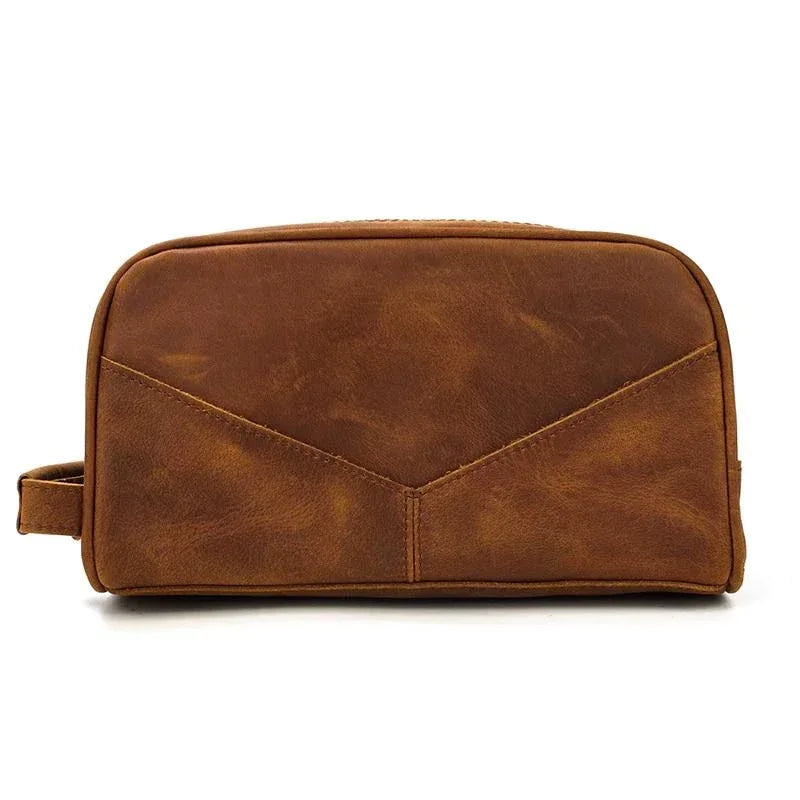
| Toiletry bag | The Wanderer Toiletry Bag | Travel grooming kit storage |
For readers comparing full lineups, our roundups on best leather backpacks for men and best leather duffle bags break down more options by use case. You can also browse the full leather backpacks collection or the leather duffle bags collection directly.
FAQs
What is the difference between faux and pebbled leather?
Pebbled leather refers to a textured finish that can be applied to genuine leather through vegetable tanning or chrome tanning. Faux leather is a separate synthetic material made to mimic the look of real leather. Genuine pebbled leather lasts longer and ages better than faux leather, which tends to crack and peel within a few years of regular use.
How do I know if my leather is genuine?
Genuine leather has a natural smell and shows small imperfections like grain variation, wrinkles, or color differences across the hide. Faux leather often has a uniform pattern with no smell, or a plastic-like odor. Checking for a full-grain or top-grain stamp on the product label is another reliable way to confirm authenticity.
Is pebbled leather waterproof?
No, pebbled leather is water-resistant, not waterproof. It has some natural resistance to moisture, but prolonged exposure to rain or spills can cause discoloration, warping, or staining. A leather protectant spray adds an extra barrier, but it doesn't make the leather fully waterproof.
What are the benefits of pebbled leather?
Pebbled leather hides scratches and minor imperfections better than smooth leather because of its raised texture. It also holds up well to daily handling, which is why it's common in bags, wallets, and jackets that get used frequently. The texture adds a bit of grip too, which is useful on items handled often, like a laptop bag carried through a commute.
Can I use water to clean pebbled leather?
Water should be used sparingly, not as a primary cleaning method. Excess water strips natural oils from the leather and can cause warping or discoloration. A slightly damp cloth is fine for routine wiping, but a leather-specific cleaner is better for anything beyond light dust.
Is it necessary to condition pebbled leather after cleaning?
Yes. Cleaning removes some of the leather's natural oils along with the dirt, so conditioning afterward replaces that moisture and prevents cracking. Skipping this step after repeated cleanings leads to dry, stiff leather over time.
How often should I clean and condition pebbled leather items?
Most pebbled leather items need cleaning and conditioning every 3-6 months under normal use. Bags exposed to heavy daily use, salt, or harsh weather may need attention more often. A protectant spray between conditioning sessions can extend the gap between deeper treatments.
What is the best way to store a pebbled leather bag between uses?
Keep the bag stuffed with tissue paper inside a breathable cotton dust bag, stored in a cool, dry closet away from direct sunlight. Avoid plastic bags, which trap moisture and encourage mildew growth.
Conclusion
Pebbled leather holds up better than smooth leather against everyday scratches, but it still needs regular cleaning, conditioning, and proper storage to last for years. Stick to leather-specific cleaners, test new products on a hidden spot first, avoid excess water, and condition every 3-6 months. Whether you're maintaining a backpack, a weekender bag, or a briefcase, these basic habits are what keep full-grain leather looking good for years of regular use.
All of our bags at Steel Horse Leather are crafted from full-grain crazy horse leather, built to develop a rich patina over time. Browse our Leather Bags.