Scratches, cracks, and fading are inevitable when you own quality leather goods. Whether it is pet scratches on your leather couch, sun damage on car seats, or scuffs on a beloved leather bag, the damage feels worse than it is. Most leather repair and leather restoration work can be done at home with the right products and approach.
This guide cuts straight to what matters: how to assess the damage, which products to use, when to call restoration professionals, and how to protect your leather long-term. We also cover the best leather care kits for different damage types, when UV protectant matters, and how to choose quality leather goods built to last through decades of real use.
If you own a Steel Horse Leather bag or are considering one, this guide will also help you keep it looking its best from day one.
How to Assess Leather Damage Before You Repair
Not all damage is equal. Starting with the wrong product wastes time and can make things worse. Before reaching for a leather restoration kit, identify what you are dealing with.
Surface scratches sit on top of the finish. You can feel them with your fingernail but they do not break into the hide. These are the easiest to fix and often respond to cleaning and conditioning alone.
Deep scratches and gouges cut through the finish into the hide. They require leather filler, color matching, and sometimes light sanding.
Cracks signal dryness. The leather has lost its natural oils and the surface is splitting. Cracks need conditioning first, then filler if deep.
Fading and color loss result from sun damage, UV exposure, and general wear. Color finish restorers and leather re-coloring balm address this category.
Oil stains and surface dirt need cleaning before any repair work begins. Skipping this step causes repair products to bond unevenly.
Run your finger across the damaged area. If you feel depth, you need filler. If it looks worse than it feels, cleaning and conditioning may be enough. This single assessment saves you from over-treating the leather.
Essential Products for Leather Repair and Restoration

Choosing the right kit matters more than technique. Here is what each product category handles:
Leather Cleaners
A leather cleaner removes surface dirt, oils, and residue before repair. Look for a pH-balanced formula safe for the finish type. Foaming action cleaners work well on absorbent leather and upholstery. The Leather Cleaning Kit LRCK10 is a strong starting option for general-purpose cleaning across bags, leather seats, and home furniture.
Leather Conditioners
A leather conditioner replenishes moisture and keeps the hide supple. Apply it after cleaning and after any repair work. The Leather Cleaning & Conditioner - Protection Set combines both steps and is practical for regular maintenance on leather jackets, bags, and auto interior surfaces. You can also explore DIY homemade leather conditioners as an alternative approach.
Leather Repair Kits
For scratches and gouges, a complete kit is more efficient than buying products separately. The Leather & Vinyl Complete Repair Kit covers most damage types including tears, deep scratches, and vinyl upholstery repair. The Pro Style Leather Restoration Kit is a step up for more serious restoration work, offering better color matching compounds and professional-grade filler.
Specialized kits worth knowing:
-
Pet Scratch Leather Dye Repair Kit LRCK16: Built specifically for pet scratches, which tend to produce multiple parallel gouges across the surface.
-
Leather Glue Tear Repair Kit LRCK6: For torn or lifting edges on damaged couches, leather seats, or bags.
-
Aniline Leather Care Kit LRCK9: Designed for aniline and semi-aniline leather, including top-grain aniline leathers which are more delicate and absorbent.
-
Leather Steering Wheel & Leather Scuff Repair Kit: Targeted for automotive leather and vehicle interiors.
-
Leather Handbag Edge Repair Kit LRCK14: Handles edge finishing on bags and accessories.
Leather Re-Coloring Balm and Color Finish Restorers
When fading is the primary issue, leather re-coloring balm restores color without full redyeing services. It works well on leather jackets, bags, and restaurant booths. Match your shade using a color chart before applying. Color finish restorers deliver a sheen finish and are better suited for smooth leathers where gloss consistency matters.
UV Protectant
Sun damage degrades leather faster than almost anything else. Leather Magic UV Protectant is one of the more reliable options for vehicle interiors, automotive leather, and any leather item kept near windows. Apply it after conditioning as the final step in your care routine.
Leather Protection Cream
A leather protection cream creates a barrier against moisture, oil stains, and bacterial growth. It is especially useful for leather seats in cars and restaurant seating maintenance where contact is frequent. Apply every three to four months for consistent protection.
Step-by-Step: Repairing Scratches and Cracks at Home
Step 1: Clean the Area
Use a leather cleaner on a soft cloth to remove surface dirt and oils from the repair zone. For stubborn residue, a cotton swab with distilled white vinegar works on most finished leathers. Let it dry completely before moving on.
Step 2: Apply Leather Conditioner to Cracks
If the leather is cracked or stiff, apply a leather conditioner and work it in with circular motions. This rehydrates the hide and makes it more receptive to filler. If the leather has gone stiff, our how to soften leather guide covers methods to restore suppleness. Do not skip this step for cracks.
Step 3: Fill Deep Scratches
Apply leather filler with a palette knife. Spread it thin, let it dry, then apply a second coat if needed. The Leather & Vinyl Complete Repair Kit includes filler suitable for most leather types. For pet scratches with multiple grooves, the Pet Scratch Leather Dye Repair Kit LRCK16 provides pre-matched dye alongside the filler.
Step 4: Color Matching
This is where most home repairs fall short. Use a color chart to match your leather's shade before applying any leather re-coloring balm or dye. Apply in thin layers, blending outward from the repair. The goal is not perfection but a close match that reads as uniform in normal light.
Step 5: Seal and Protect
Finish with a leather protection cream or UV protectant. This locks in the repair and extends the time before your next maintenance session. Once restored, protect the surface with a routine from our leather care and conditioning guide to keep the hide nourished and resilient long-term.
When to Call Restoration Professionals

Home repair kits handle most surface-level damage. There are situations where restoration experts deliver results that DIY cannot match:
-
Deep gouges that have removed material entirely
-
Large cracked sections on leather furniture or damaged couches
-
Color restoration on luxury leather goods or exotic skin bags where color shades must match precisely
-
Automotive interior restoration on high-end vehicles where finish consistency across leather seats matters
-
Redyeing services on full pieces where spot treatment would be visible
Brands like Creative Colors International operate through a franchise network of certified technicians offering mobile leather repair and on-site service. Companies like Leather Repair OC, LLC and Leather Surgeons specialize in automotive and residential upholstery repair. Madison Avenue Couture and similar specialists focus on luxury leather goods including handbag restoration. For vehicle interiors and aircraft interior work, look for technicians with specific experience in marine and aviation repair.
Restoration services also cover vinyl armrests, plastic door panels, vinyl upholstery, and dental medical seating where upholstery materials take significant abuse. Restaurant seating maintenance and vehicle interior refurbishing are their own specialty categories where volume and durability requirements differ from residential use.
If you are unsure whether a repair is within DIY scope, most restoration professionals offer assessments at no charge.
Crazy Horse Leather: A Special Case
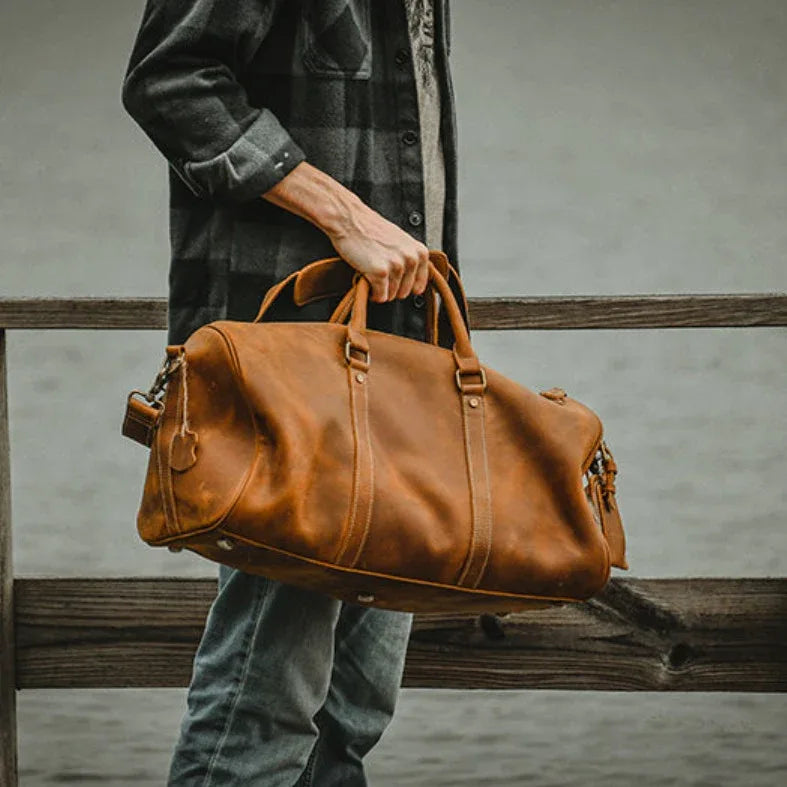
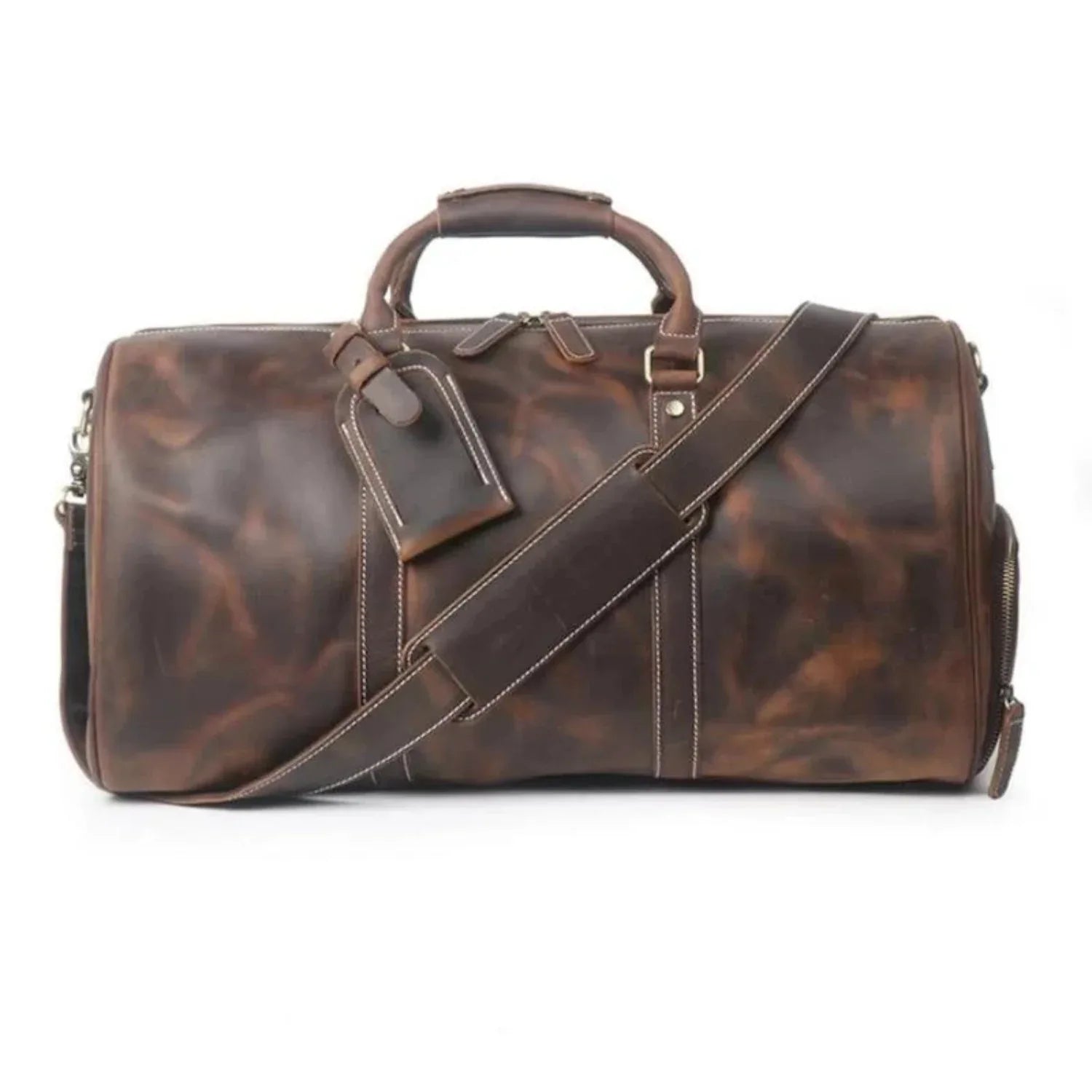
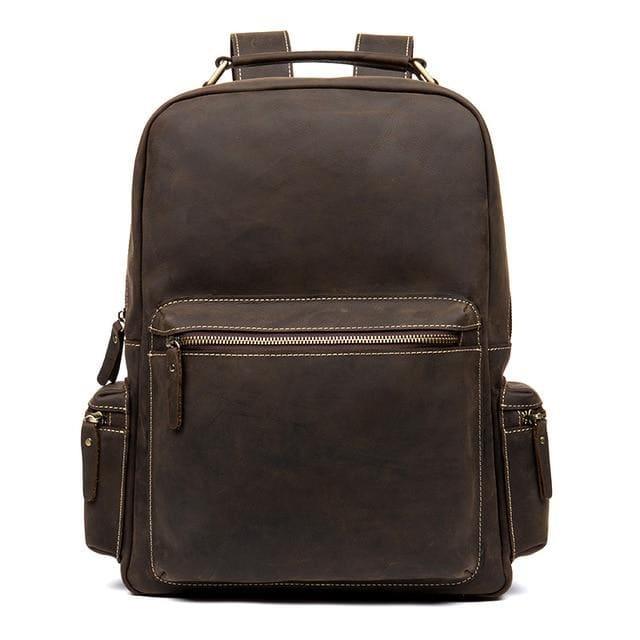
Steel Horse Leather uses full-grain Crazy Horse leather across its bag collection. This material is worth understanding separately because it behaves differently from coated or top-grain leathers.
Crazy Horse leather develops a patina over time. Scratches do not damage it the way they damage finished leathers. Instead, rubbing the scratch gently with a soft cloth in circular motions often reduces its visibility immediately. The oils in the hide redistribute, and the mark blends into the surface.
Many owners of Crazy Horse leather bags choose not to repair minor scratches at all. The character that develops with use is part of what makes this leather worth owning. For conditioning, a manufacturer-recommended leather protection cream or wax applied every few months keeps it flexible and encourages even patina development.
For deeper scratches or cuts on Crazy Horse leather, a light application of leather conditioner followed by gentle buffing handles most situations without needing a full leather restoration kit.
Long-Term Leather Protection Routine
Repair is reactive. Protection is proactive. A simple routine prevents most of the damage covered in this guide:
-
Clean monthly with a leather cleaner suited to your leather type
-
Condition every 2-3 months with a quality leather conditioner
-
Apply UV protectant twice a year, especially on items near windows or in vehicle interiors
-
Use leather protection cream on high-contact surfaces like leather seats, auto interior panels, and bag handles
-
Store properly in a cool, dry location away from direct sunlight
For leather jackets, bags, and accessories, a leather care kit that bundles cleaner, conditioner, and protection covers all three steps efficiently. The Leather Cleaning & Conditioner - Protection Set is a practical all-in-one option for ongoing upholstery repair prevention and general leather cleaning and protecting.
Steel Horse Leather: Quality Leather Goods Built for Real Use

The best way to minimize leather repair and restoration work is to start with quality leather that ages well. Steel Horse Leather bags are handcrafted from full-grain leather, built to develop character over time rather than degrade. Every piece is backed by a 30-day money-back guarantee.
Best for Travel and Weekend Use
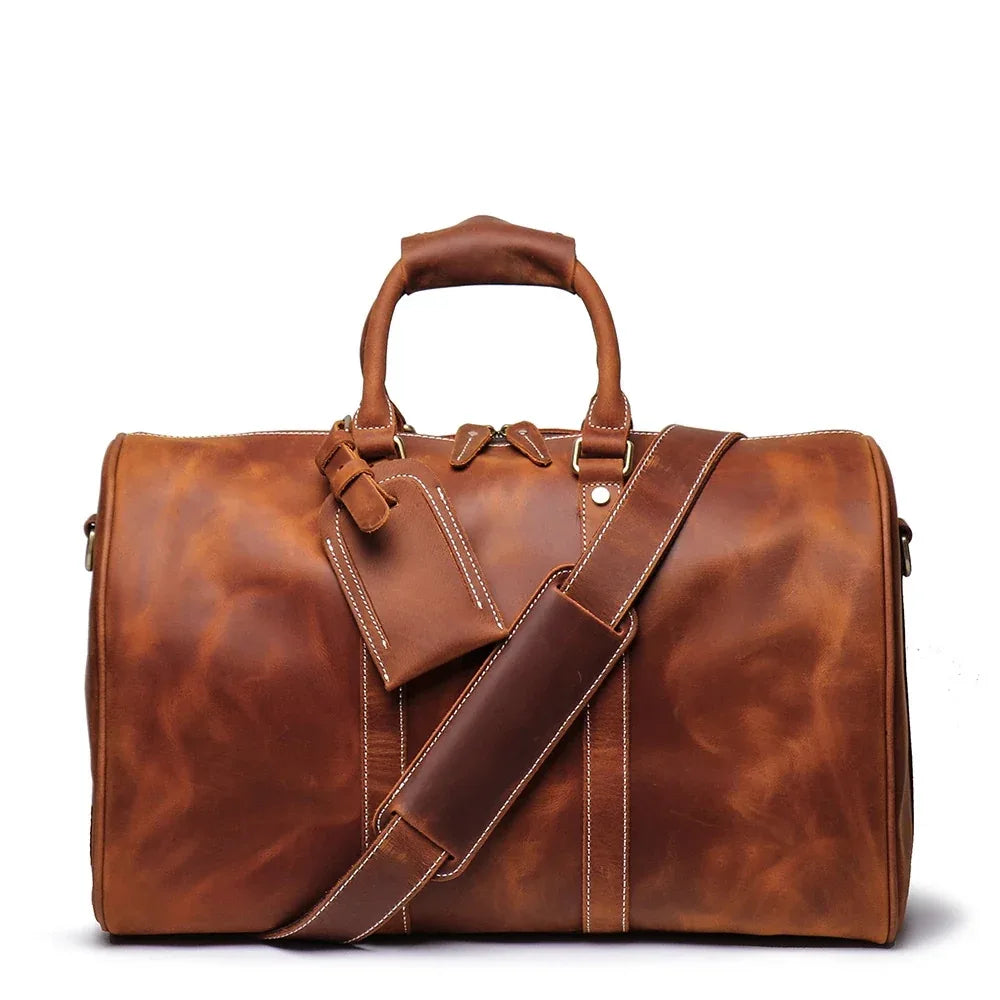
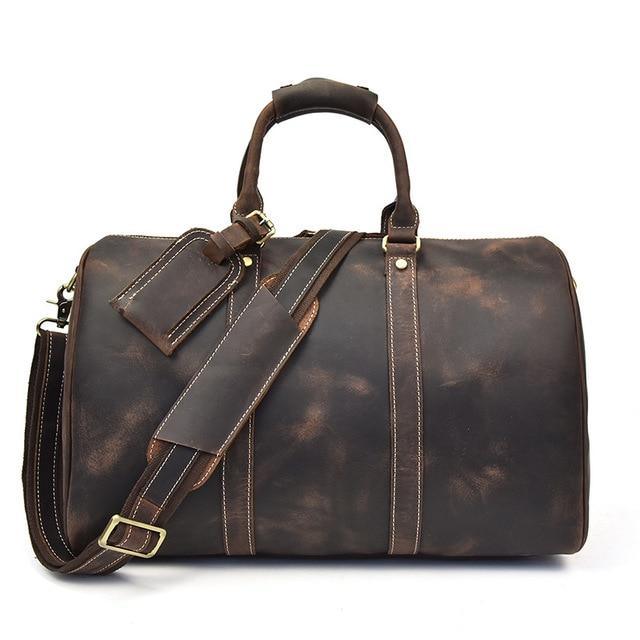
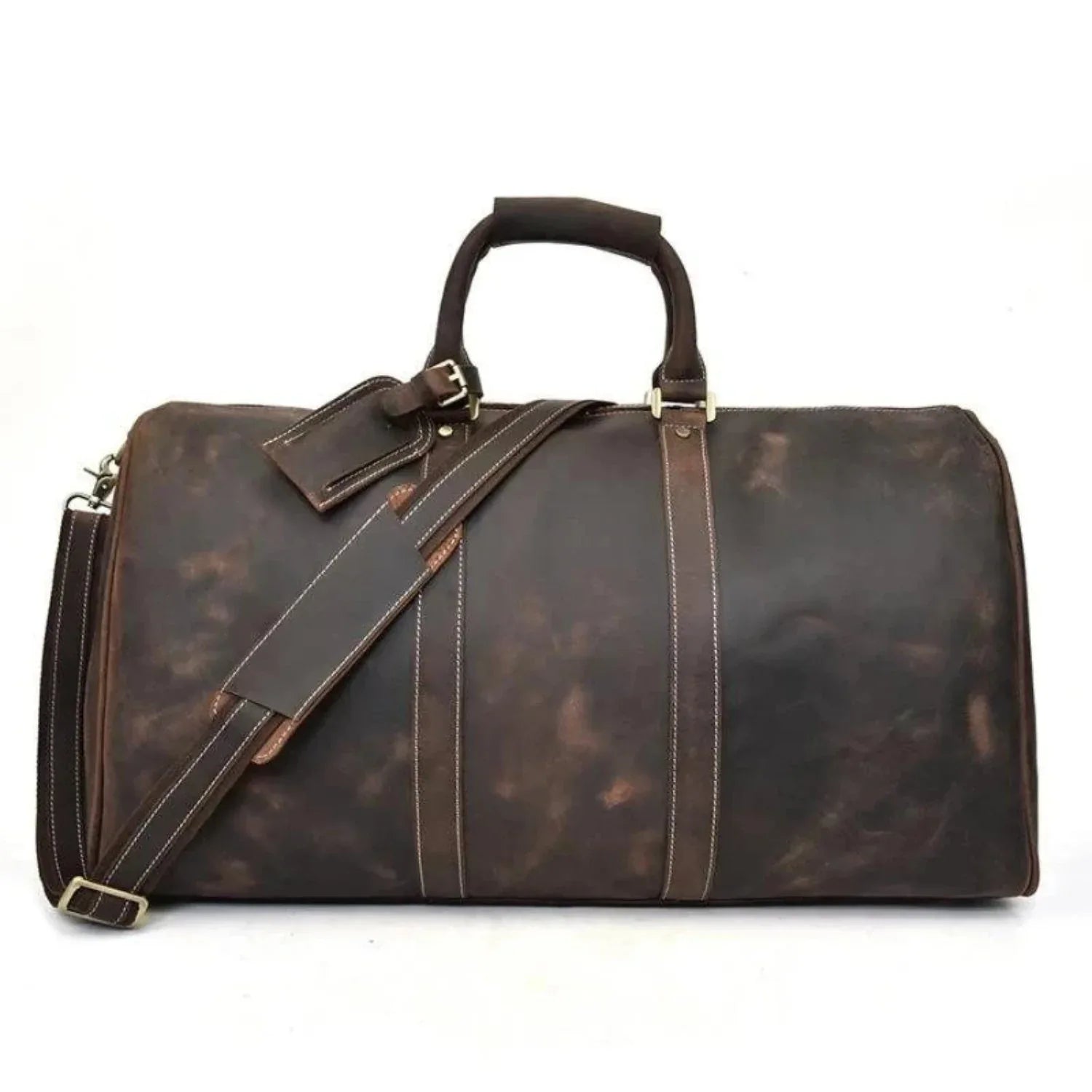
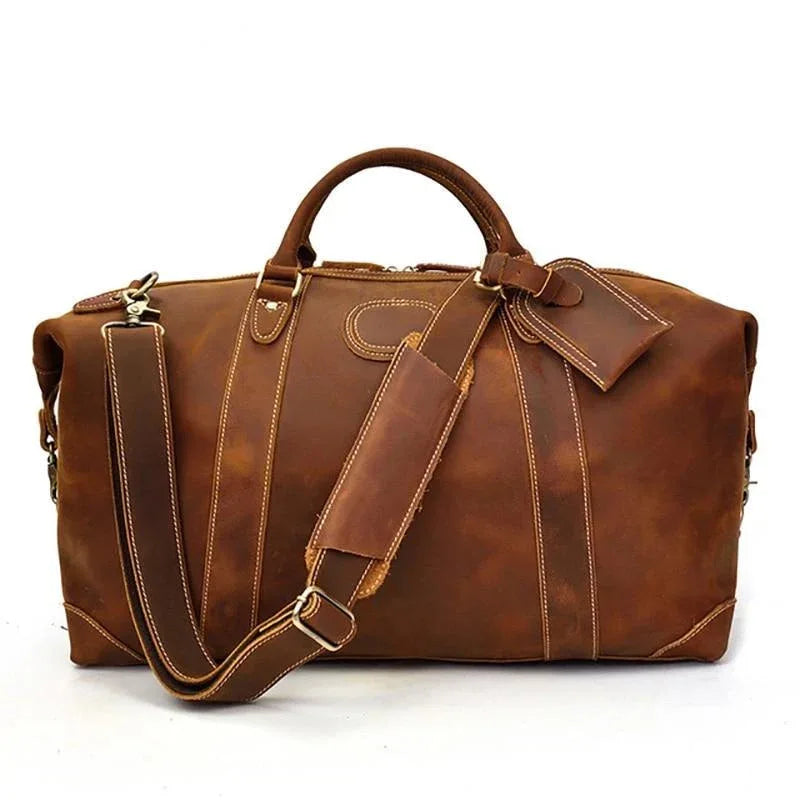
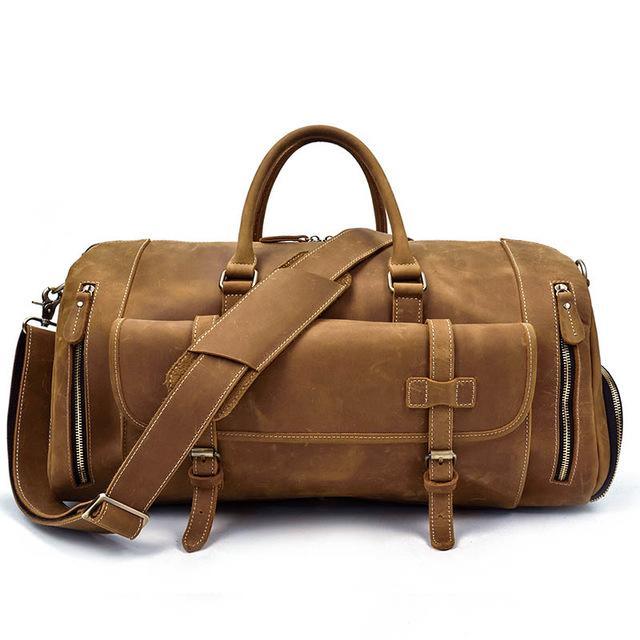
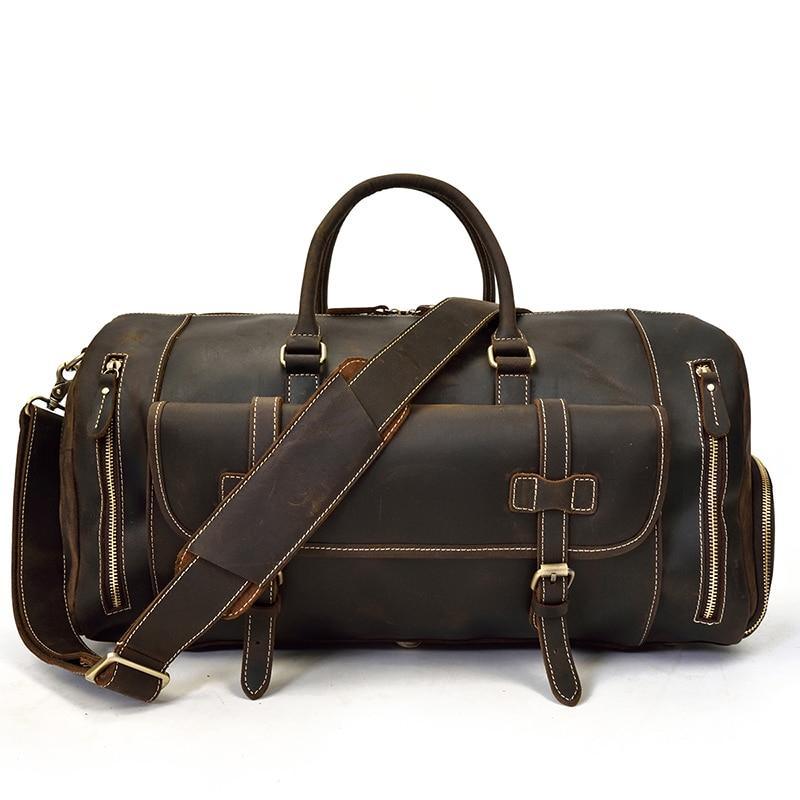
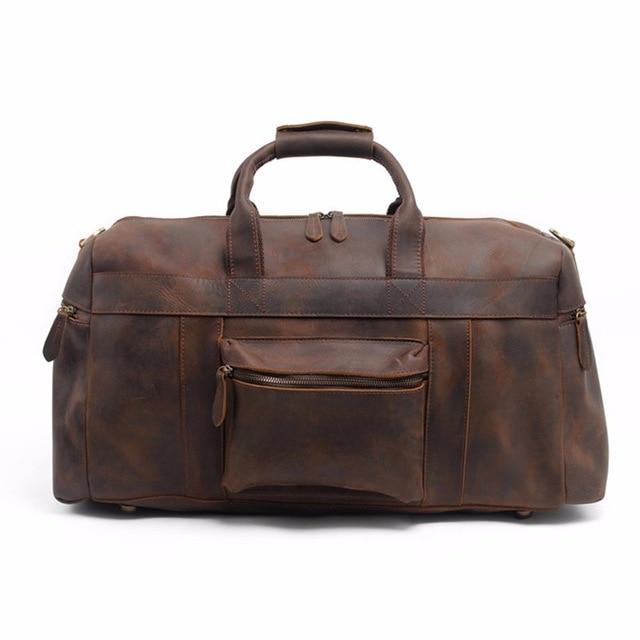
The Endre Weekender is a handcrafted full-grain leather duffle built for weekend trips and overnight travel. Its structured silhouette and spacious interior make it a reliable travel companion, and the full-grain leather develops a rich patina that only improves with use.
The Brandt Weekender is a compact leather duffle ideal for short getaways when you want to travel light without sacrificing quality. Full-grain leather construction means minor scuffs buff out easily and the bag grows better-looking over time.
The Bjarke Weekender is a handcrafted leather duffle with a classic silhouette and durable full-grain leather exterior. It handles the rigors of regular travel well and requires only basic conditioning to maintain its appearance.
The Eira Duffle Bag is a vintage-style full-grain leather weekender from the leather duffle bag collection. It handles daily contact and travel stress without the surface finish degrading the way coated leathers do. Minor scratches buff out easily.
The Colden Duffle Bag offers large capacity for those who need more room on longer trips, with the same full-grain construction that makes maintenance straightforward and scratch repair simple.
Best for Daily Work Use
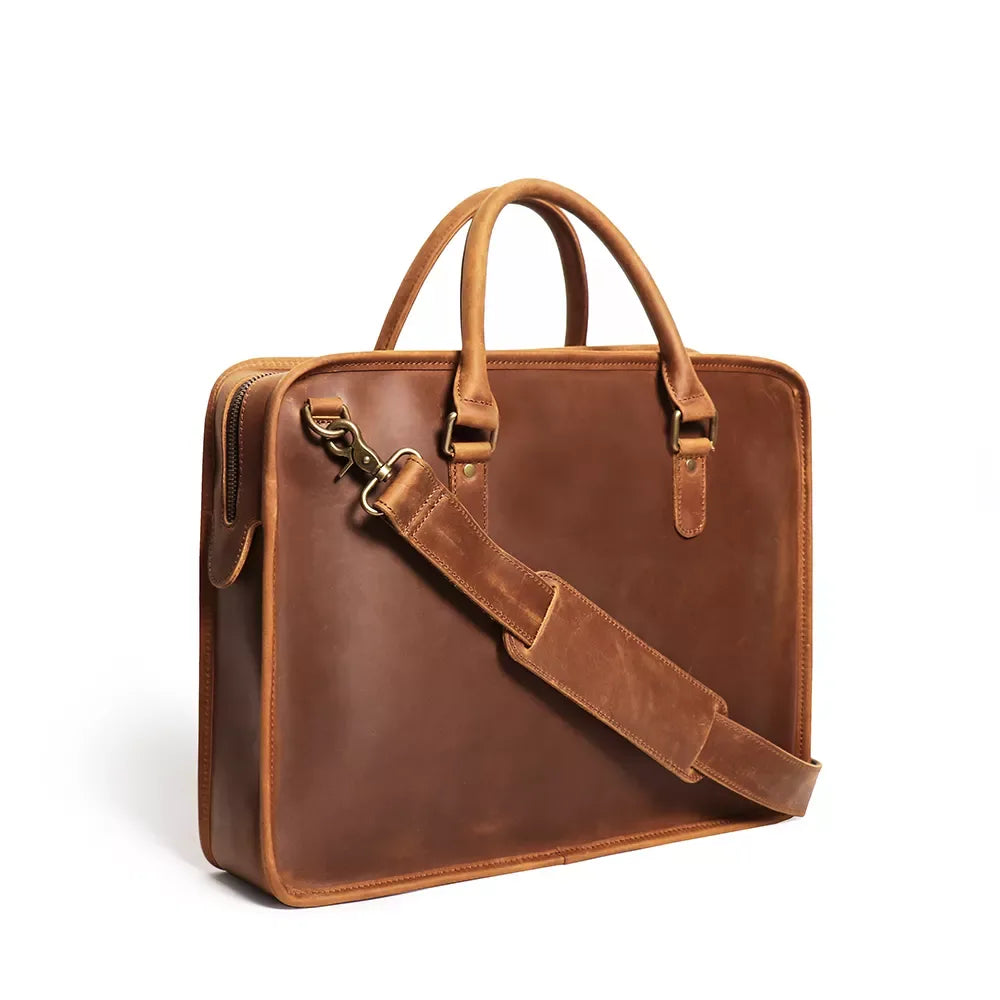
The Hemming Leather Laptop Bag from the leather laptop bag collection is built for daily desk-to-commute use. Full-grain leather handles repeated contact and responds well to conditioning, making upkeep quick and straightforward.
The Welch Briefcase suits professionals who want structure and durability without the maintenance overhead of softer leathers. Its full-grain leather exterior resists daily wear and develops a distinguished patina over time.
Best Compact Everyday Option
The Erling Leather Sling Bag from the leather crossbody collection is a practical daily carrier crafted from full-grain leather. Compact enough that any scratch repair takes minutes, and the leather ages naturally with everyday use.
The Taavi Tote from the leather tote bag collection is a handcrafted full-grain leather tote that works for errands, work, and travel with minimal upkeep required.
Best Premium Backpack
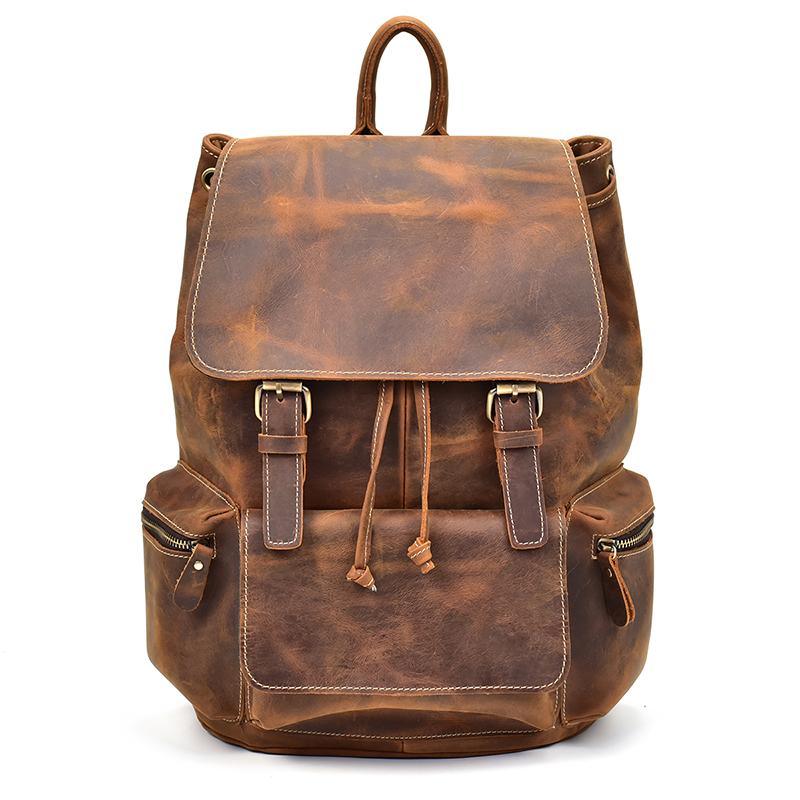
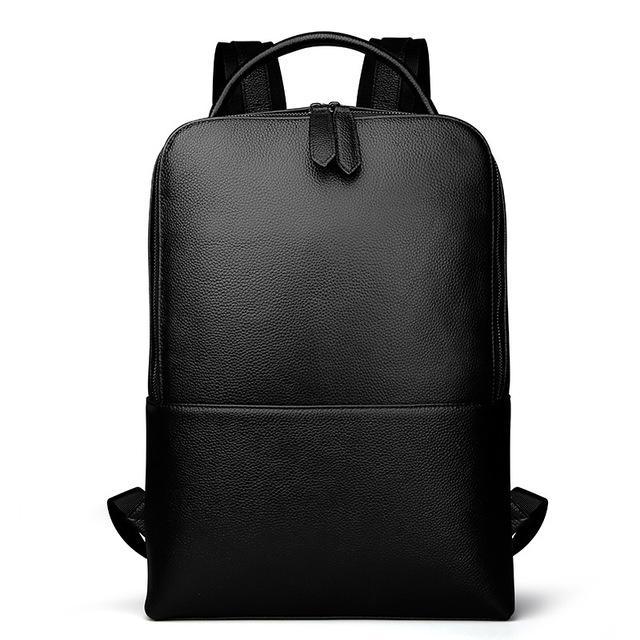
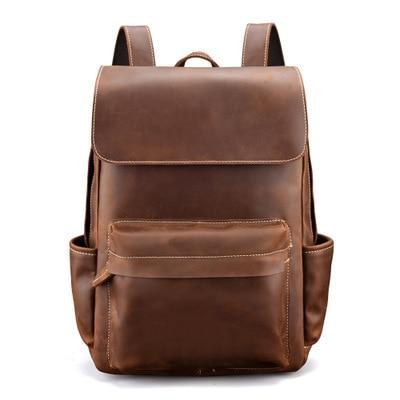
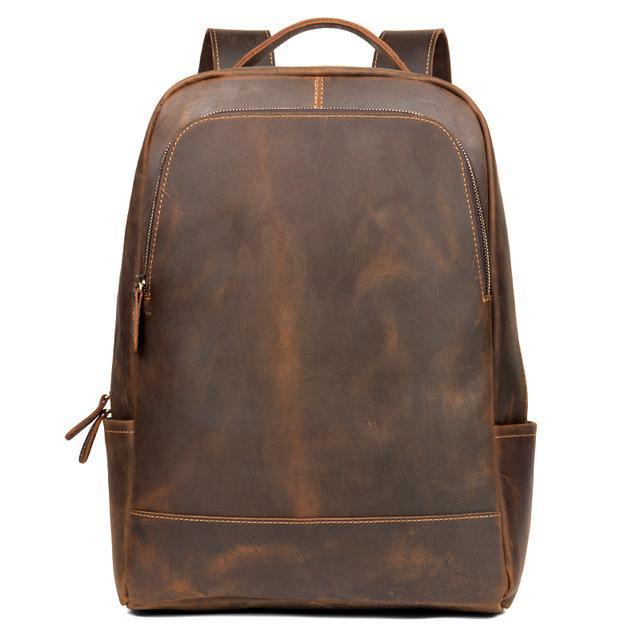
The Skald Black Pebbled Leather Backpack from the leather backpack collection is a slim, refined full-grain leather backpack with a pebbled texture that naturally conceals minor surface marks. It is a low-maintenance option for professionals who want polished everyday carry.
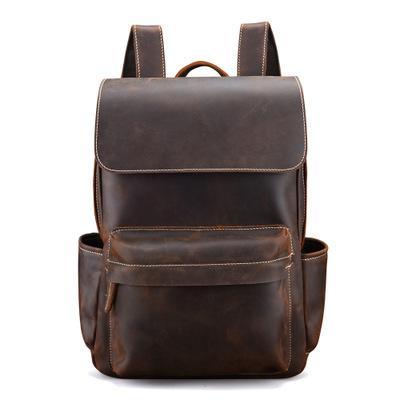
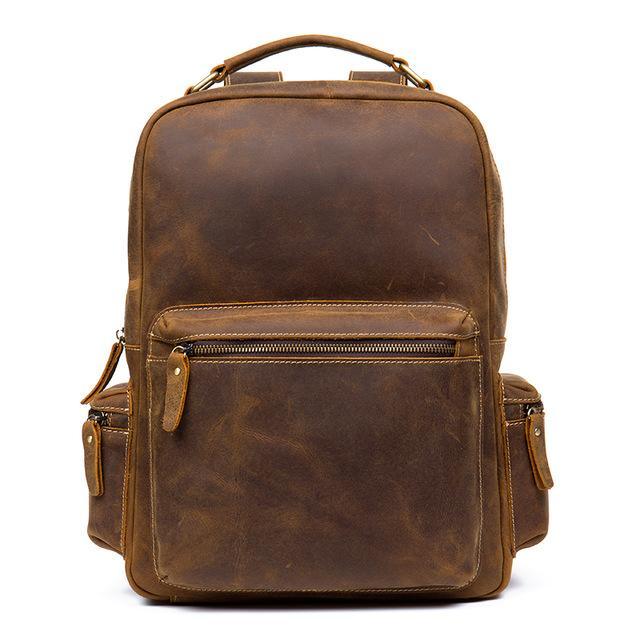
The Faulkner Backpack combines structure with full-grain durability. The leather develops a rich patina with use, and surface scratches integrate naturally into the aging process, making it one of the most forgiving bags to own and maintain.
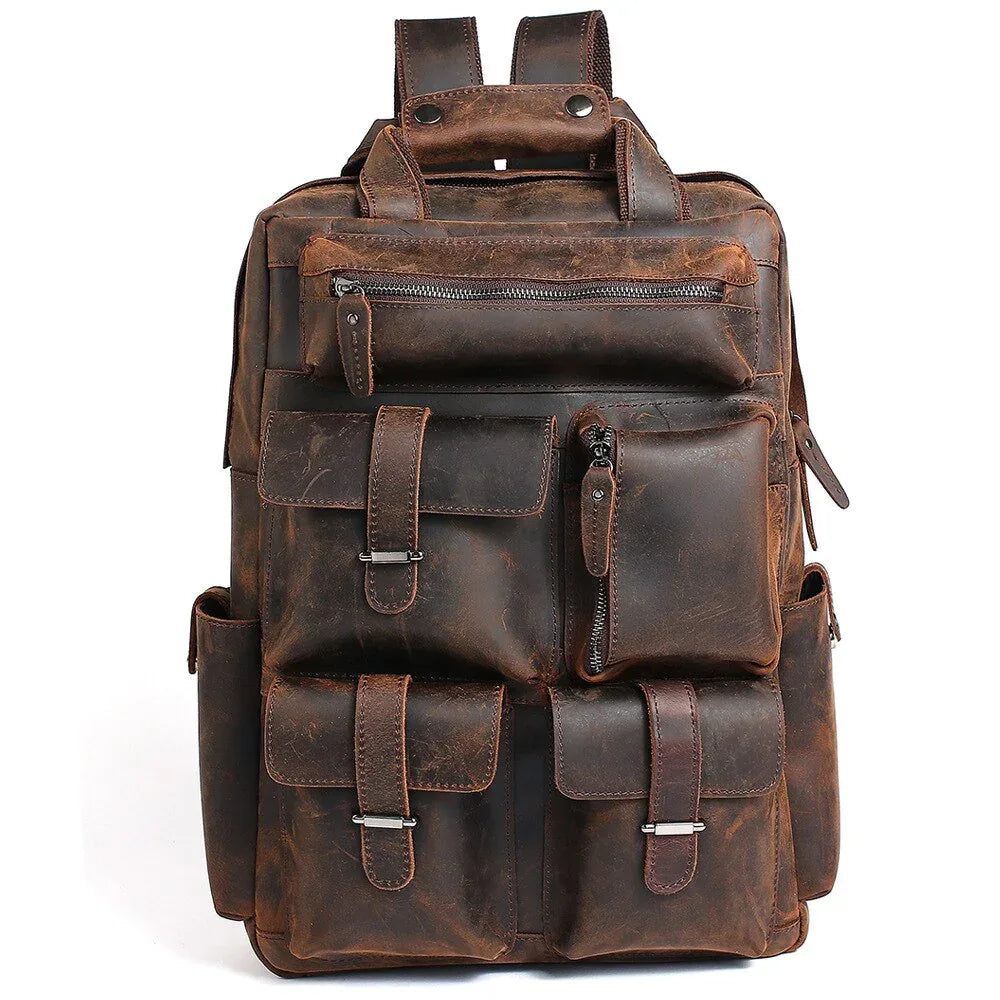
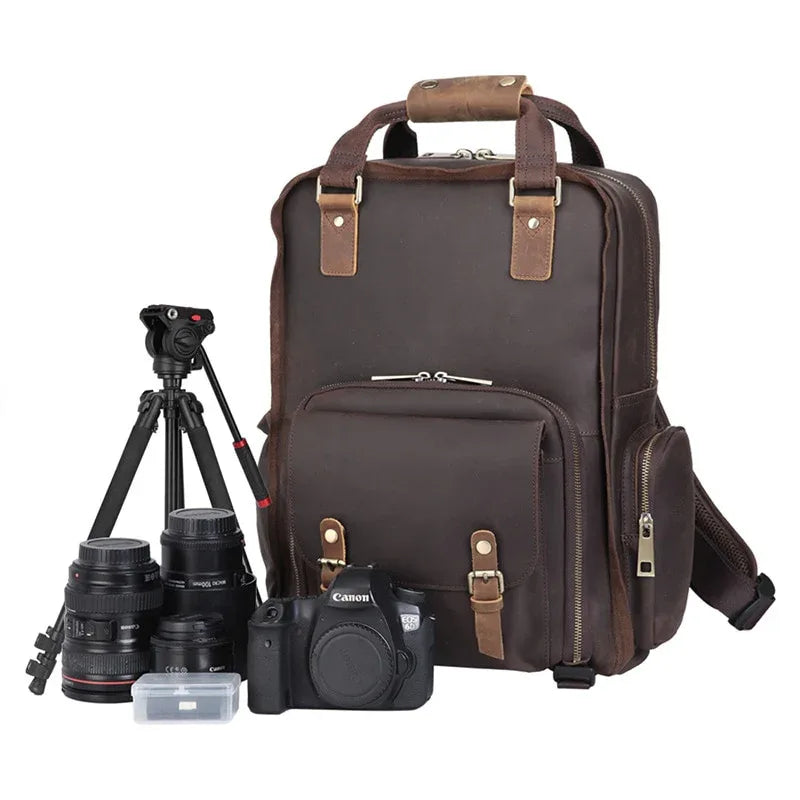
The Gaetano Large Leather Backpack is a full-grain leather camera backpack with a tripod holder, built for photographers and travelers who carry gear daily. Its full-grain construction handles heavy use and responds well to routine conditioning.
Best Leather Accessories
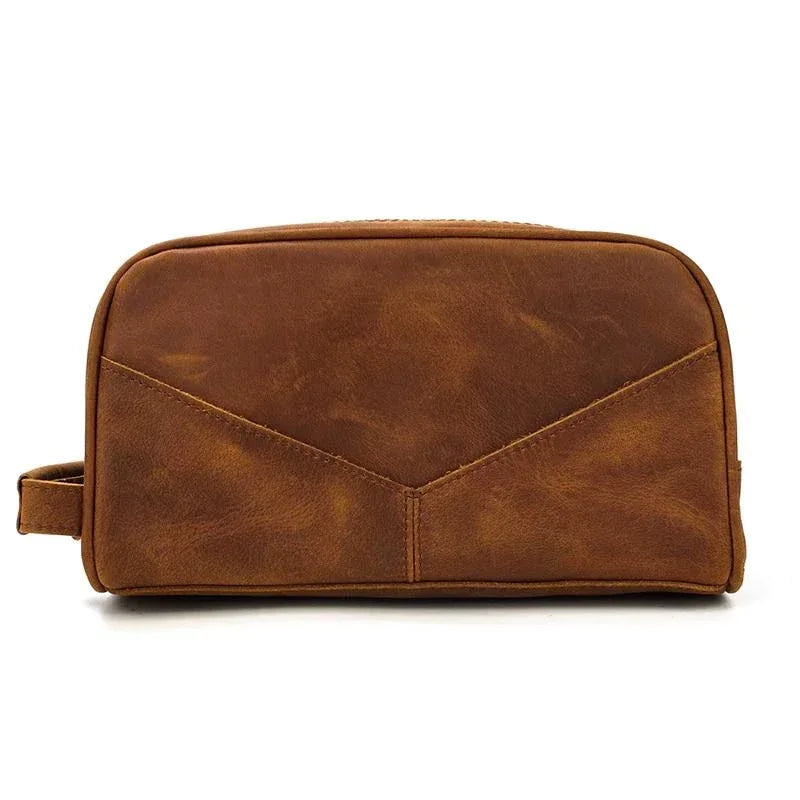
The Wanderer Toiletry Bag is a genuine full-grain leather toiletry bag built for frequent travelers. Its leather exterior is easy to wipe clean and benefits from occasional conditioning to stay supple through repeated use.
The Pathfinder Bifold Wallet is a slim genuine leather bifold that develops a personal patina over time. Light surface marks that accumulate from daily pocket use blend naturally into the leather as it ages.
The Dado Leather Dopp Kit is a handmade full-grain leather toiletry bag with a structured base and ample storage. Regular conditioning keeps the exterior looking sharp and protects it from the moisture exposure common in travel use.
Frequently Asked Questions
What is the difference between leather repair and leather restoration?
Leather repair addresses specific damage such as scratches, tears, or cracks in a localized area. Leather restoration refers to a more comprehensive process that may include cleaning, color restoration, reconditioning, and refinishing across the entire surface. Most home kits handle repair. Restoration often benefits from professional involvement, especially for large items like damaged couches or vehicle interiors.
Can I use a leather repair kit on car seats and auto interior leather?
Yes. Most leather repair kits work on automotive leather, but look for kits specifically tested on vehicle interiors. The Leather Steering Wheel & Leather Scuff Repair Kit and the Leather & Vinyl Complete Repair Kit are both suitable for car seats and auto interior surfaces including vinyl upholstery and vinyl armrests.
How do I fix pet scratches on a leather couch or bag?
Pet scratches typically produce multiple parallel grooves rather than a single cut. Clean the area first, then use the Pet Scratch Leather Dye Repair Kit LRCK16, which is designed for this specific pattern. Apply filler in thin coats, match color carefully using a color chart, and finish with a leather protection cream to seal the repair.
When should I use leather re-coloring balm versus a full redyeing service?
Leather re-coloring balm works for faded or lightly discolored areas where the leather structure is still intact. It is a sustainable option for refreshing color without full redyeing. Redyeing services are better suited for pieces with severe color loss, large discolored sections, or luxury leather goods where precision color shades matter.
Does UV protectant really make a difference on leather?
Yes. UV exposure is one of the primary causes of fading, drying, and surface cracking over time. Leather Magic UV Protectant and similar products form a barrier that slows this degradation significantly. It is especially important for leather seats in vehicles, leather near windows in home furniture settings, and any leather item used outdoors.
How often should I condition full-grain leather?
Every two to three months is a practical schedule for most full-grain leather goods under regular use. Items with heavy daily contact like bag handles, leather seats, and leather jackets benefit from conditioning closer to every six to eight weeks. Watch for stiffness or slight surface dullness as early signs that conditioning is overdue.
Is Crazy Horse leather harder to repair than other leather types?
No. Crazy Horse leather is actually more forgiving. Because it is uncoated full-grain leather, scratches often disappear with simple circular buffing using a soft cloth. Deep scratches respond well to leather conditioner applied directly to the affected area. It does not require color matching in most cases since the patina is part of the material's natural appearance.
When is professional leather repair worth the cost?
Professional repair is worth considering when the damage is extensive, when color matching precision is critical such as on luxury leather goods or exotic skin bags, or when the item has significant monetary or sentimental value. Restoration professionals also handle surfaces beyond leather, including vinyl upholstery and plastic door panels, making them practical for full automotive interior restoration or restaurant seating maintenance projects.
Invest in Leather That Ages Well
The less time you spend on leather repair and restoration, the more you enjoy your gear. Full-grain leather from Steel Horse Leather is built to handle real use, develop a natural patina, and respond well to basic conditioning when maintenance is needed.
Browse the full leather bags collection to find a piece built to last. Every order is backed by a 30-day money-back guarantee. Buy once. Buy right.
All of our bags at Steel Horse Leather are crafted from full-grain crazy horse leather, built to develop a rich patina over time. Browse our Leather Bags.