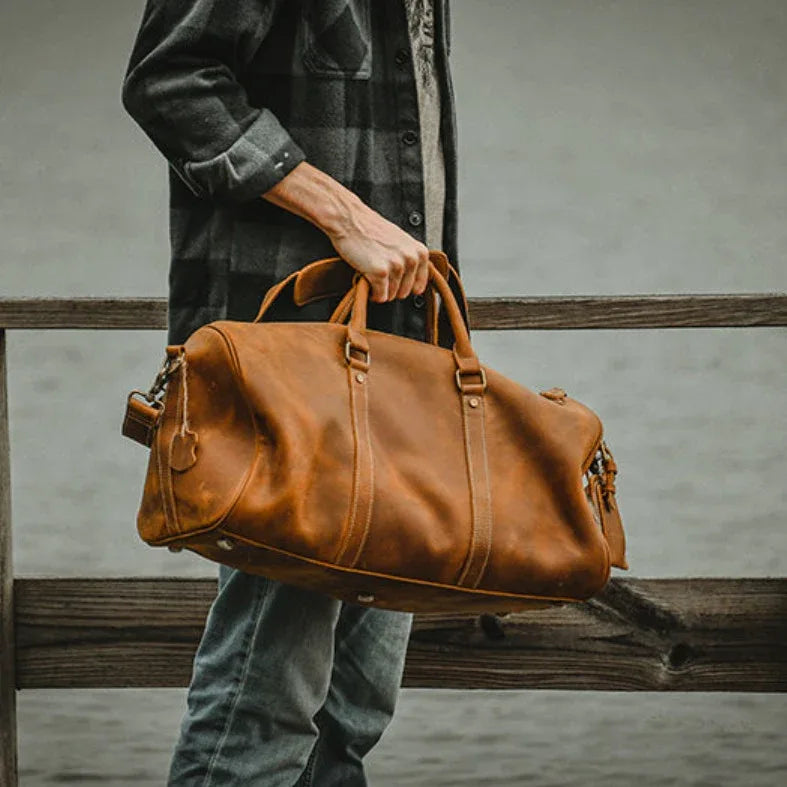
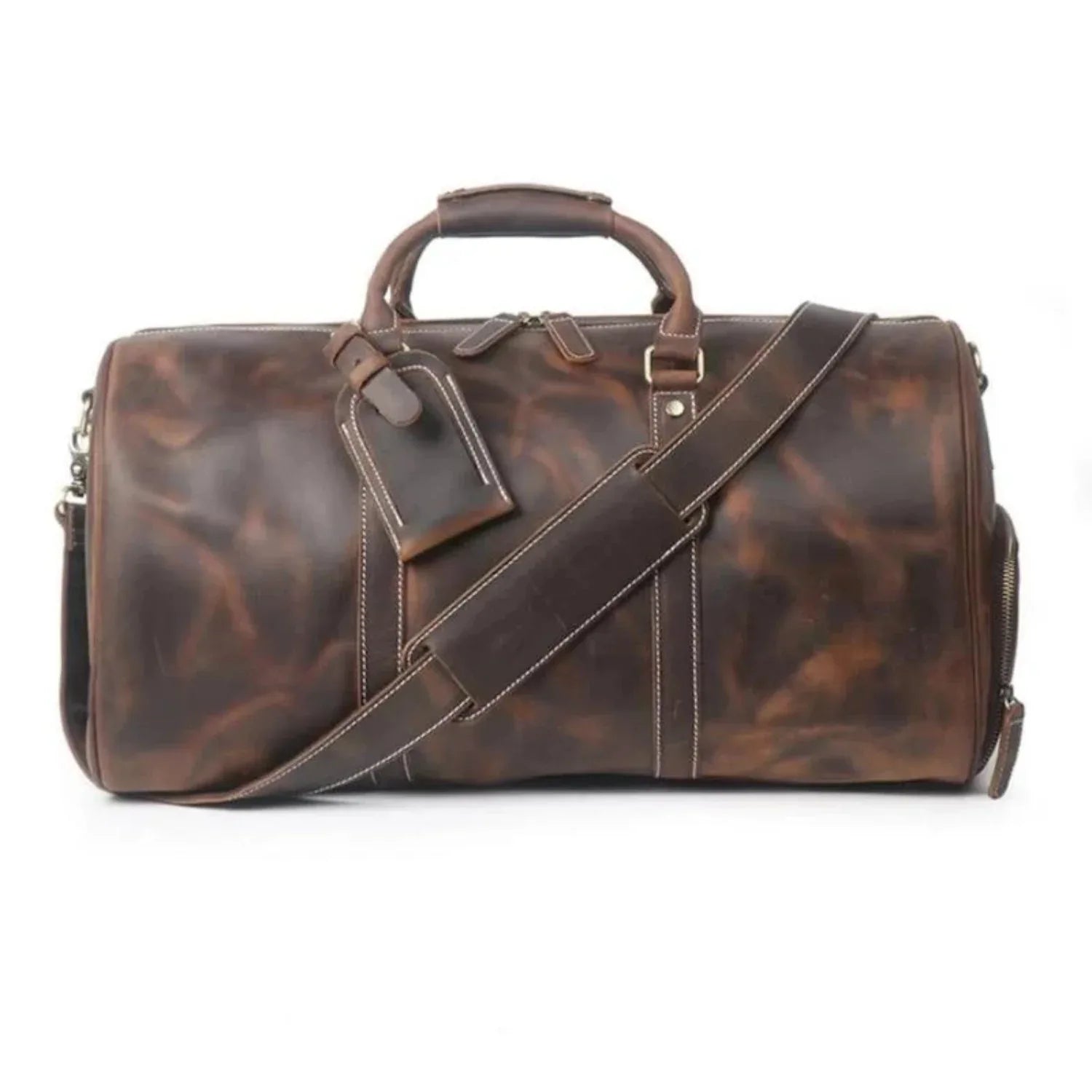
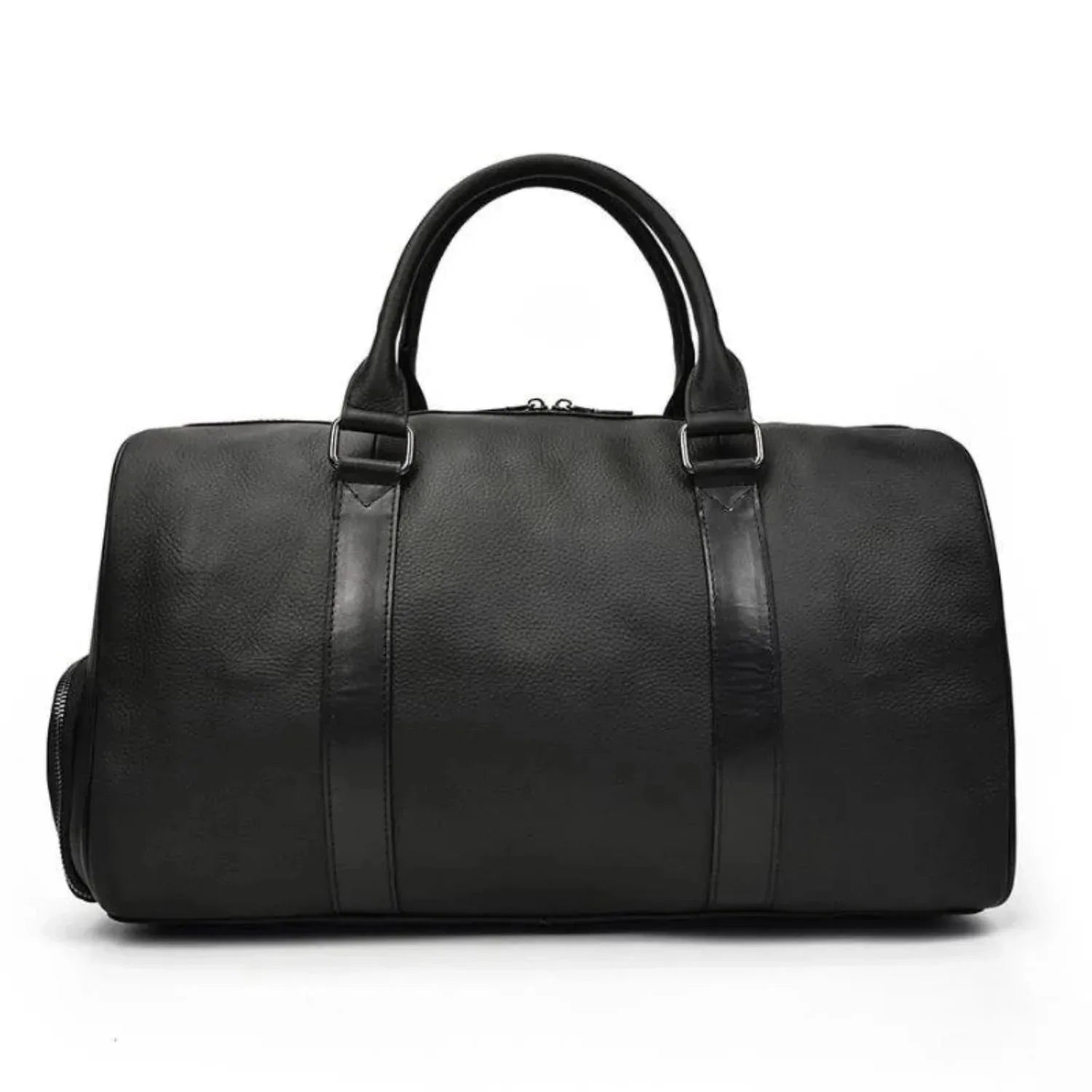
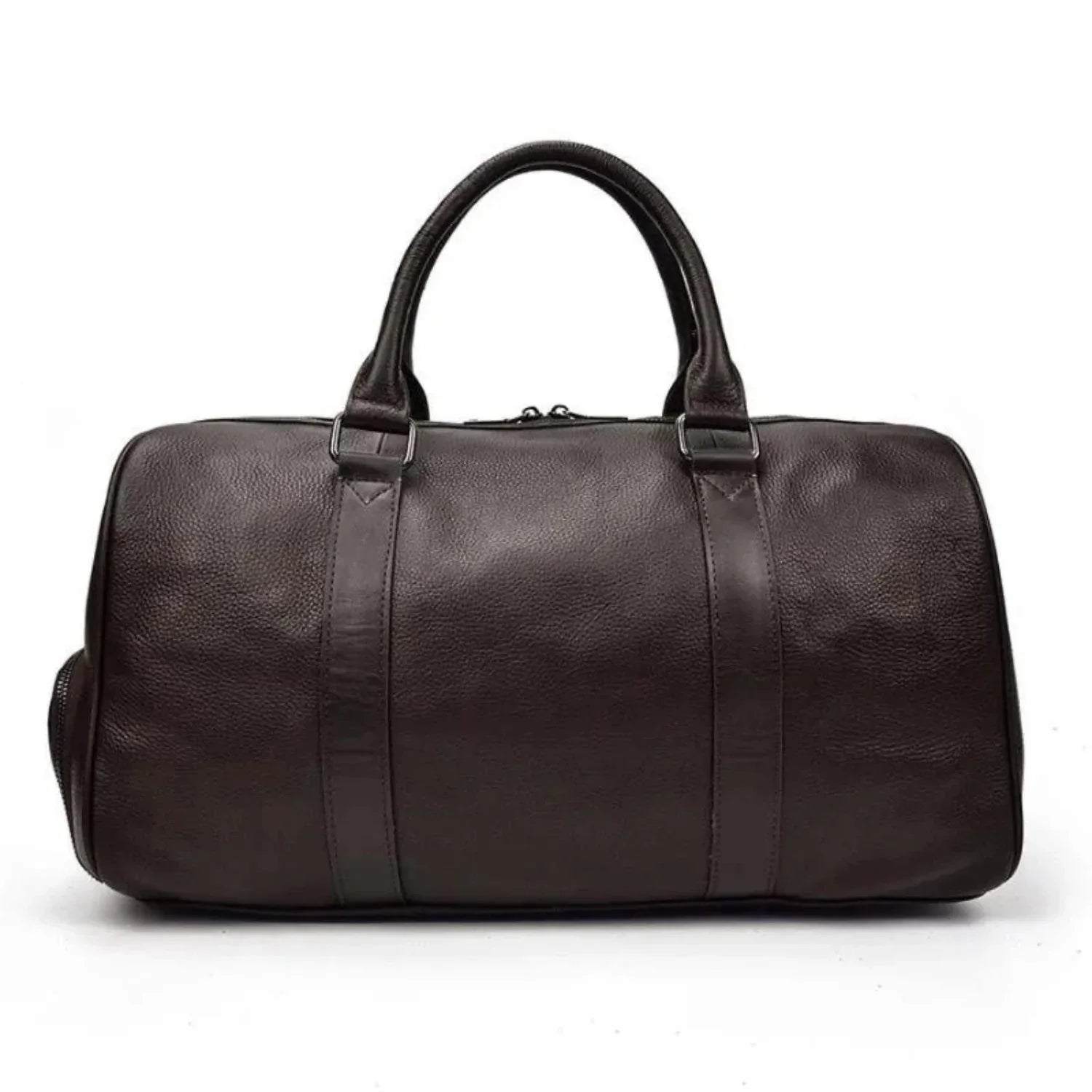
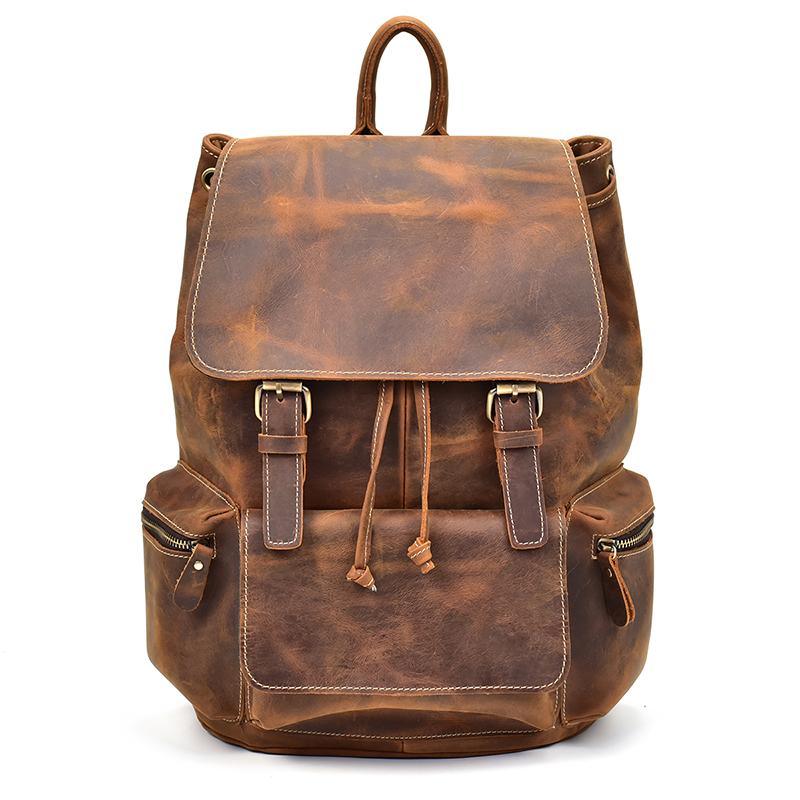
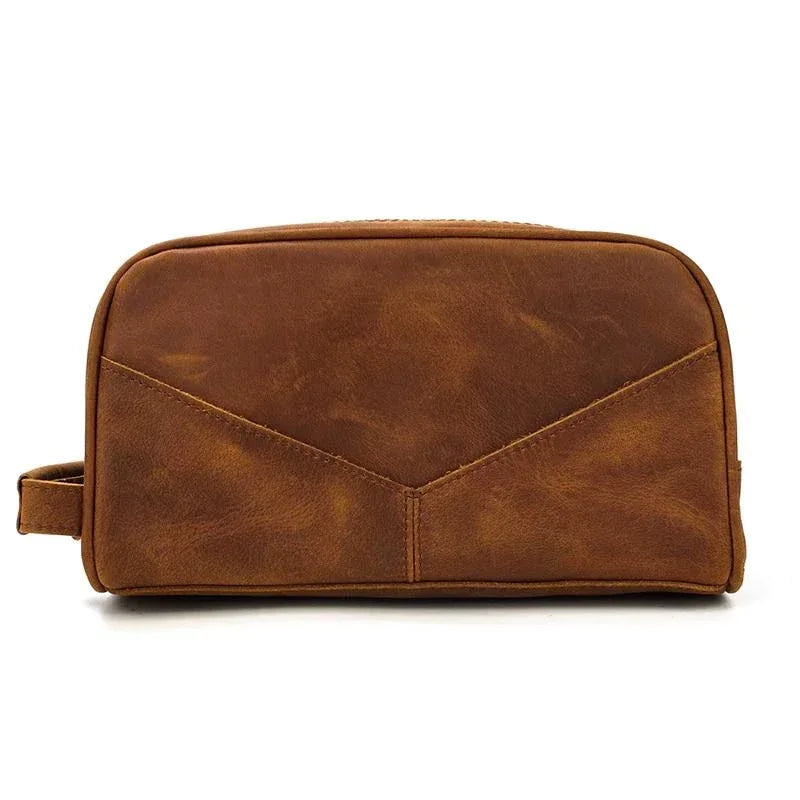
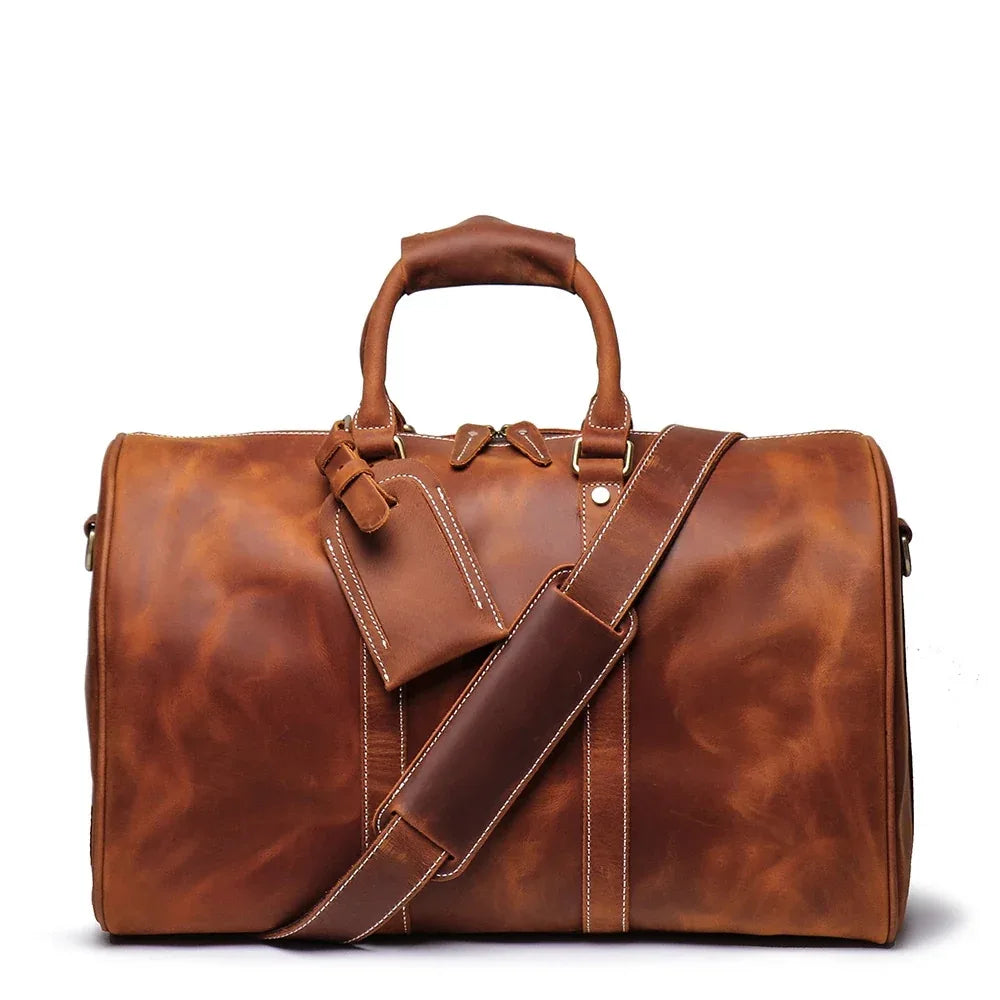
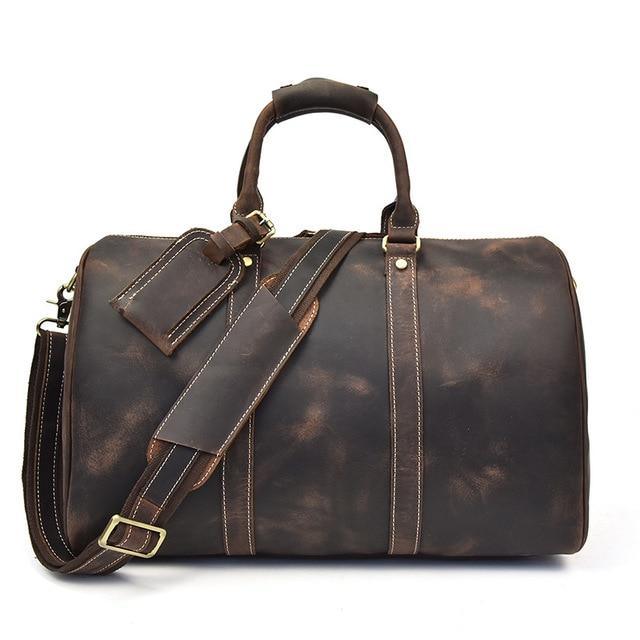
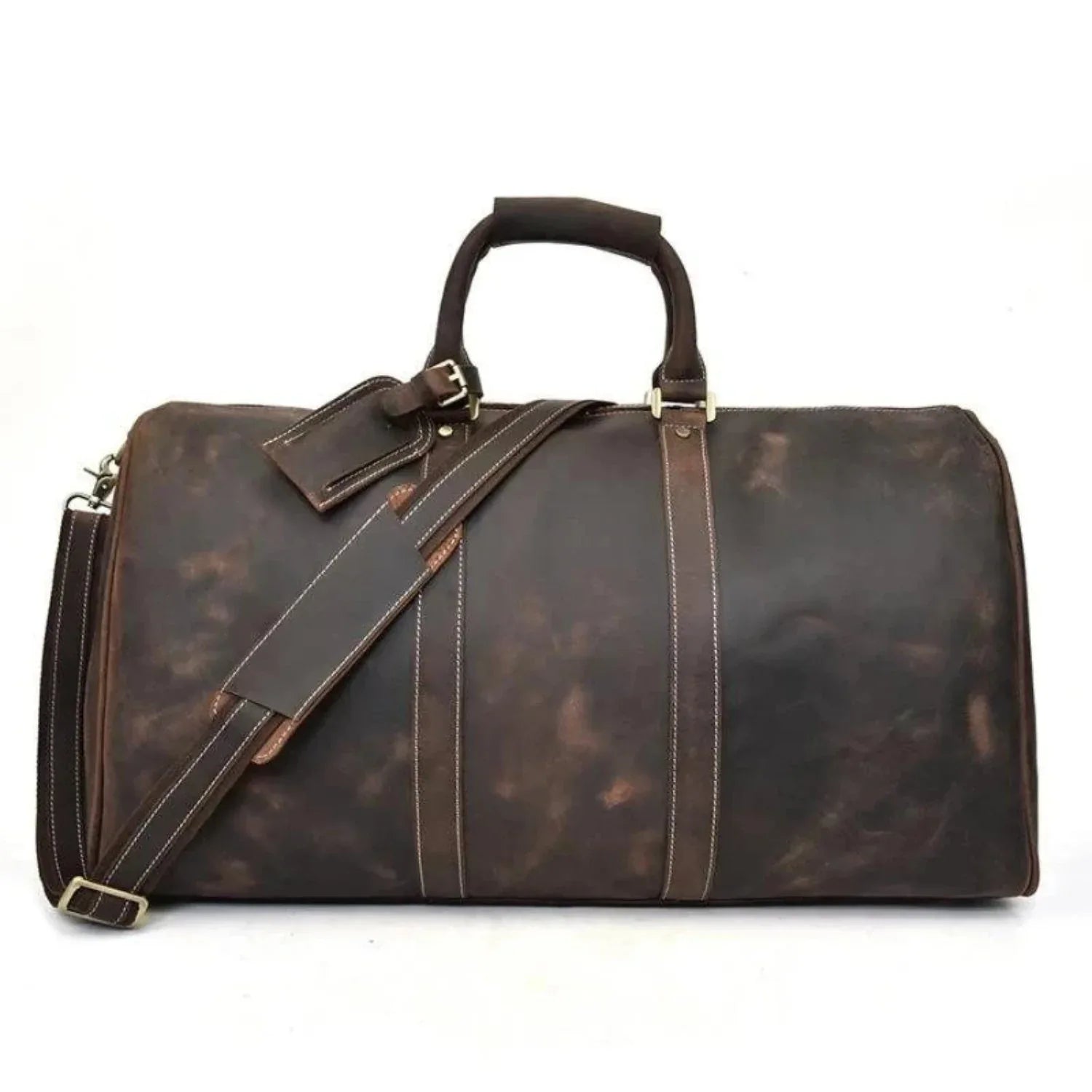
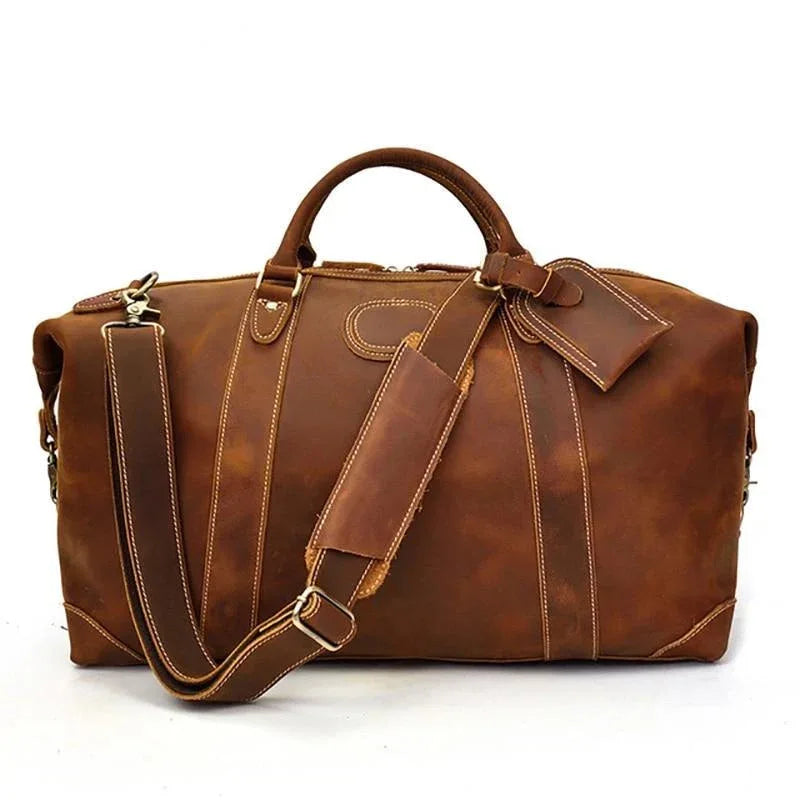
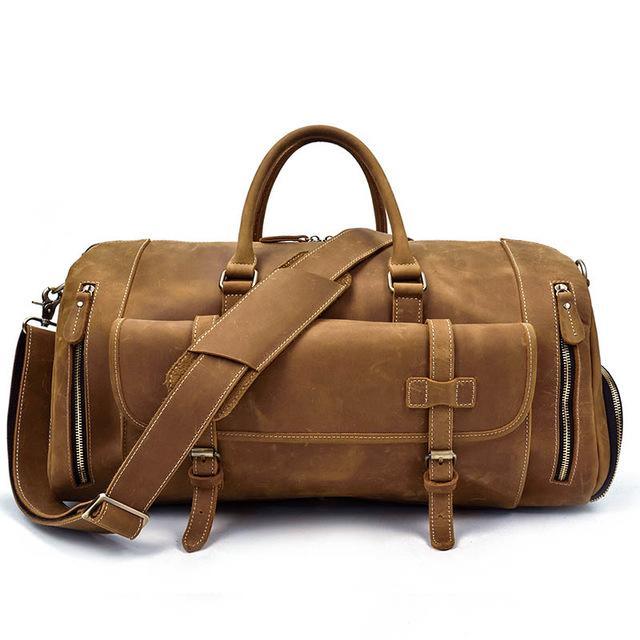
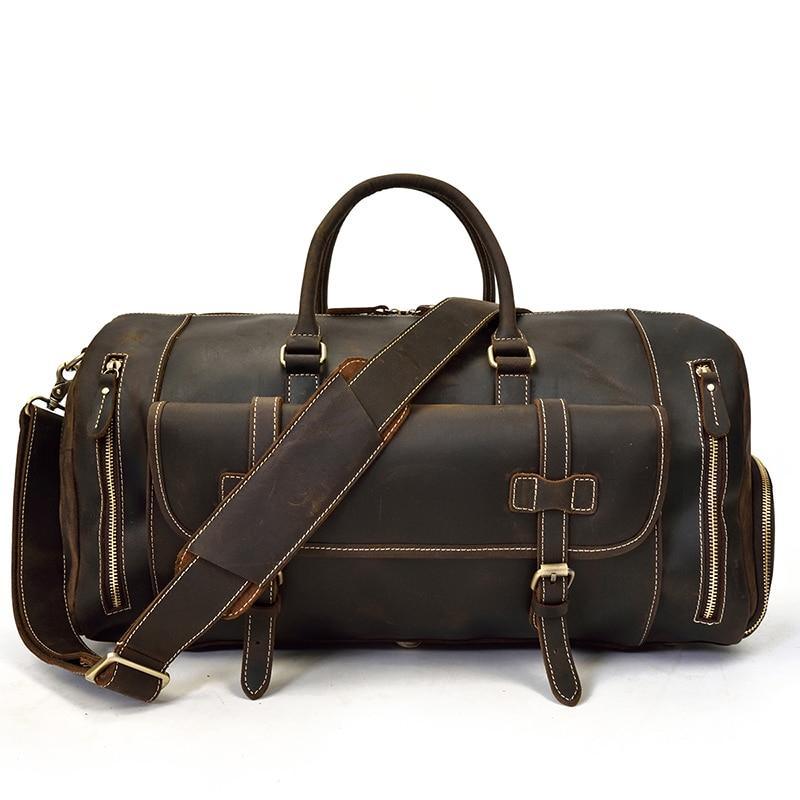
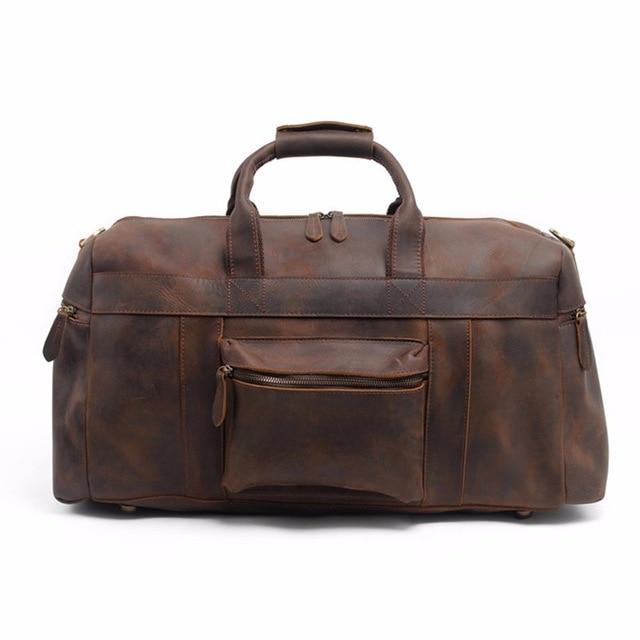
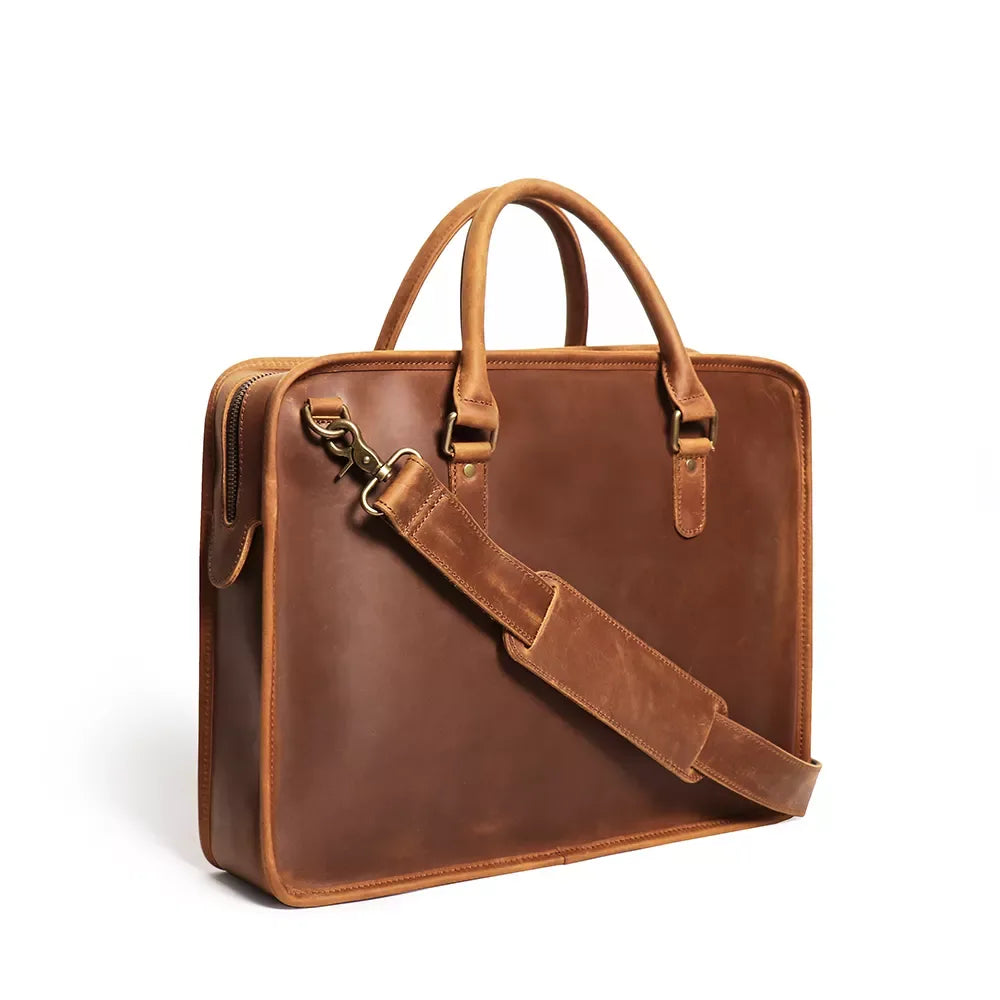
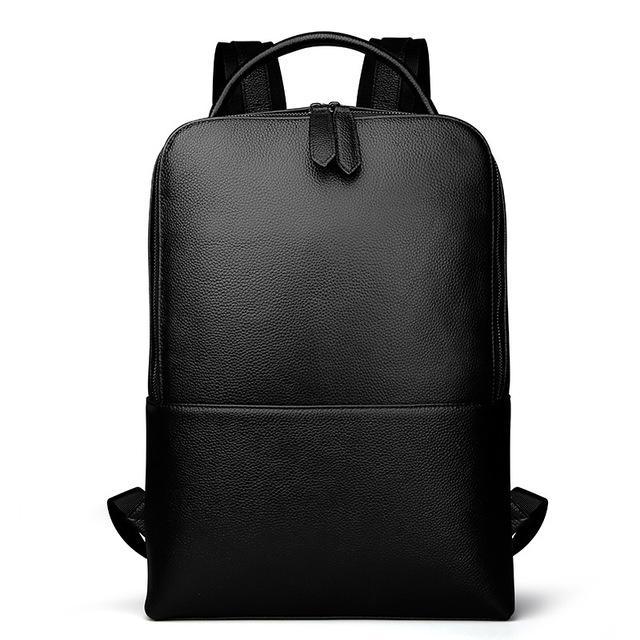
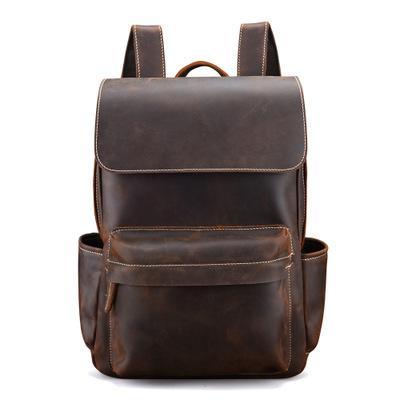
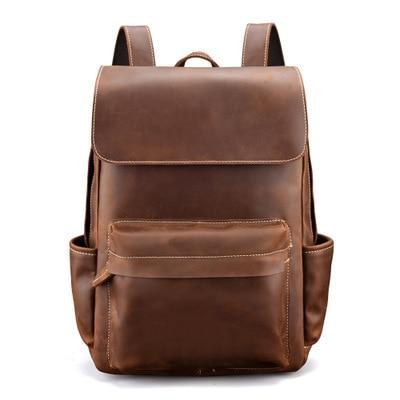
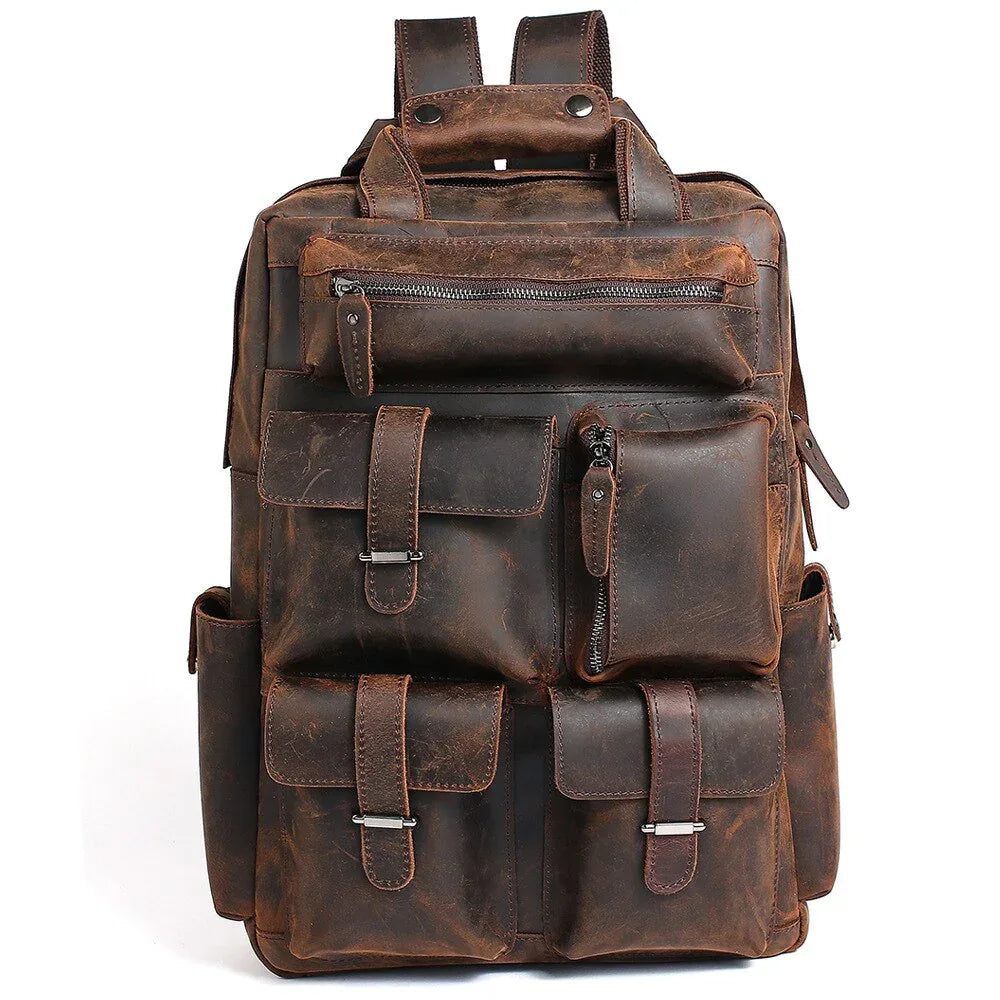
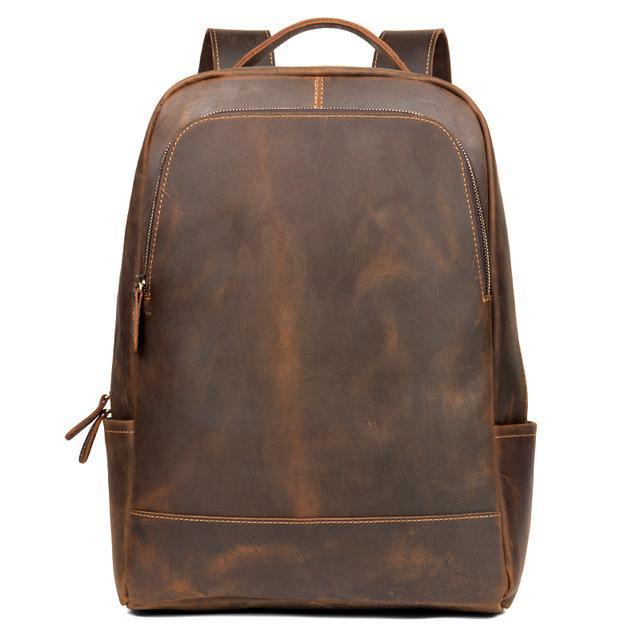
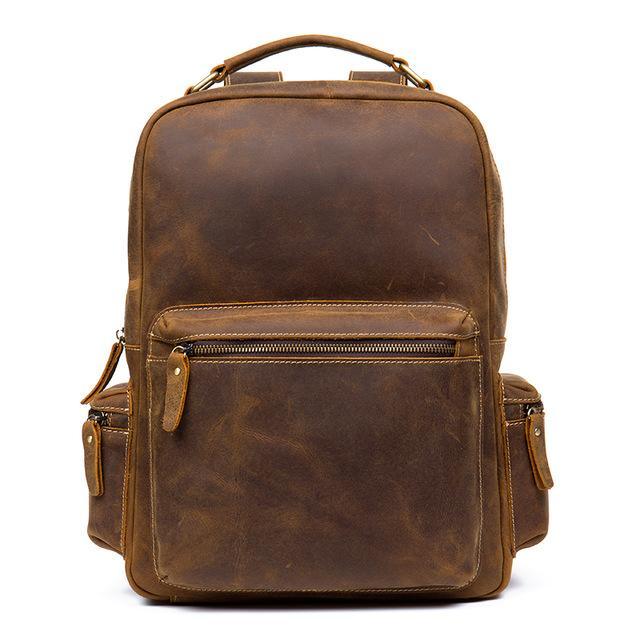
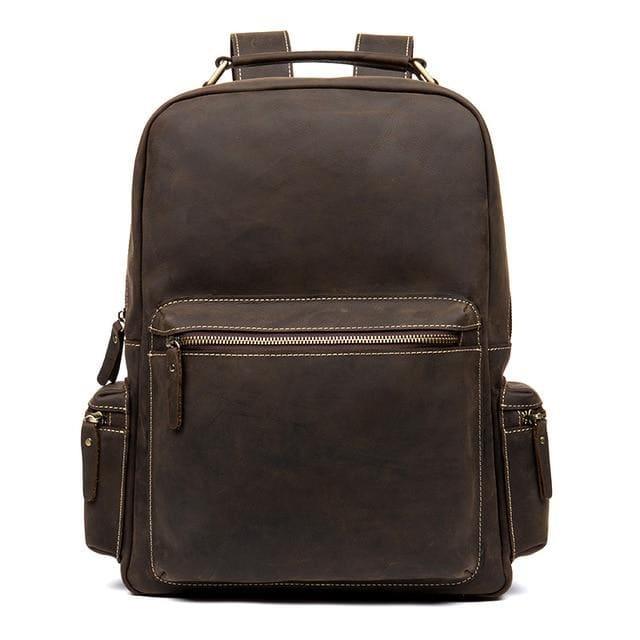
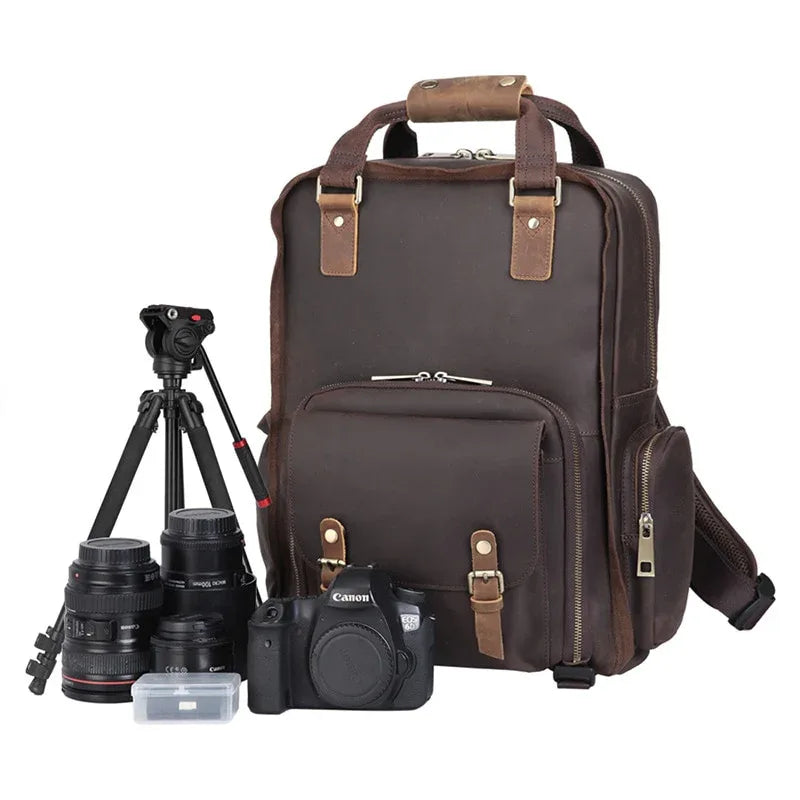
You can darken leather naturally using coconut oil, neatsfoot oil, mink oil, coffee, or walnut hull solutions instead of chemical dyes. These methods penetrate the leather fibers to create a deeper color while also conditioning the material. Most methods take anywhere from a few hours to several days to show full results, and all of them should be tested on a hidden spot first.
This guide covers exactly how to prepare your leather, which natural darkening methods work best for different leather types, and how to maintain the color once you've achieved it. We also cover honest limitations of each method so you know what to expect before you start. If you're shopping for a new bag rather than darkening an old one, browse our full grain leather bags collection to see how natural leather ages and darkens on its own over time.
Key Takeaways
- Natural darkening methods (oils, coffee, walnut hulls) are chemical-free alternatives to commercial dyes and tend to preserve leather quality better over time.
- Always clean and completely dry your leather before applying any darkening agent, and test on a small hidden area first.
- Oils such as coconut oil, mink oil, and neatsfoot oil darken leather while also conditioning it, which helps prevent cracking.
- Coffee and walnut hull solutions rely on natural tannins and work best on vegetable-tanned, full grain leather rather than coated or finished leather.
- Monthly conditioning with natural oils helps maintain the darkened color and keeps leather supple for years.
Why Trust This Guide?
Steel Horse Leather has built handcrafted leather bags for years using full grain leather, which is the same material that responds best to natural darkening methods. Our team has tested oils, coffee, and walnut hull treatments directly on the full grain leather used in our own product line, including bags like The Erlend Duffle Bag and The Welch Briefcase, to see which treatments actually hold up.
We've also studied how different tanning processes affect the way leather absorbs oils and natural tannins. This matters because a chrome-tanned leather reacts very differently to coffee or walnut hulls than a vegetable-tanned hide does. When we recommend a method here, it's based on what has actually worked on real leather goods, not just theory.
Why Darken Leather Naturally Instead of Using Dye?
Natural darkening avoids the harsh chemicals found in commercial leather dyes and lets you build color gradually, so it's easier to control and stop when you like the result. Ingredients like coffee, walnut hulls, and natural oils create a patina that continues to look better with age, similar to how full grain leather naturally darkens through sun exposure and handling. It's also a lower-cost option since most of these materials are already in your kitchen.
What Are the Benefits of Natural Darkening?
Natural methods condition the leather at the same time they darken it, which is not true of most chemical dyes. Oils in particular add moisture back into the hide, which helps prevent the cracking and drying that leads to premature wear. This is especially useful for leather bags that see daily use, like leather backpacks or leather briefcases that get handled constantly.
Natural darkening also gives each item a slightly different result depending on the leather's grain and how the oils absorb, so no two pieces age exactly alike. This is part of why full grain leather items develop character over time instead of just looking worn out. For gift-giving occasions where this kind of aging matters, natural leather pieces make for meaningful leather anniversary gifts or leather gifts for him.
How Do You Prepare Leather Before Darkening It?
Clean the leather thoroughly, let it dry completely for at least 24 hours, and test your chosen method on a hidden spot before treating the whole surface. Skipping any of these three steps is the most common reason natural darkening methods produce uneven or disappointing results. This preparation applies whether you're treating a wallet, a duffle bag, or a full backpack.
How Do You Clean Leather Before Darkening?
Use a mild soap and water solution to wipe down the leather surface, removing dirt, dust, and any old conditioner residue. Avoid abrasive scrubbing tools or harsh detergents, since these can strip natural oils from the hide and cause damage before you even start darkening. If you need a deeper clean first, check our guide on how to clean a leather bag for step-by-step instructions specific to bags.
Once cleaned, inspect the leather for any oil stains or discoloration that might affect how evenly the darkening agent absorbs. If you spot oil stains, treat them first using the methods in our guide on getting oil stains out of leather. A clean, stain-free surface gives you a predictable starting point.
How Long Should Leather Dry Before You Darken It?
Let leather air dry naturally for at least 24 hours after cleaning, and never use a hairdryer or heater to speed this up. Direct heat causes leather fibers to shrink and crack, which permanently damages the material before you've even applied a darkening agent. For a full breakdown of drying times by leather type, see our article on how long it takes for leather to dry.
What Are the Best Methods to Darken Leather Without Dye?
The most reliable methods are natural oils (coconut, neatsfoot, mink), strong brewed coffee, walnut hull solutions, and leather dressing applied in thin layers. Each method produces a different depth of color and works better on some leather types than others. The table below compares them directly.
| Method | Best For | Time to See Results | Limitations |
|---|---|---|---|
| Neatsfoot Oil | Full grain and vegetable-tanned leather | A few hours to overnight per coat | Can over-soften leather if overapplied |
| Mink Oil | Boots, bags exposed to moisture | Several hours per coat | Can darken unevenly on porous leather |
| Coconut Oil | Light to medium darkening with conditioning | A few hours per coat | Can solidify in cold temperatures, may attract dust if overapplied |
| Strong Brewed Coffee | Vegetable-tanned, undyed leather | Dries within a few hours, may need multiple coats | Can stain light-colored leather unevenly |
| Walnut Hull Solution | Deep, rich brown tones on natural leather | Several days to prepare solution, hours to dry | Time-intensive to prepare, strong tannin smell |
| Leather Dressing | Gradual darkening plus surface protection | Each layer dries in a few hours | Requires multiple thin coats for noticeable change |
How Do You Darken Leather With Oil?
Apply a small amount of coconut oil, mink oil, or neatsfoot oil evenly across the leather surface using a soft cloth, then let it soak in for several hours or overnight. Wipe off any excess with a dry cloth before repeating the process if you want a darker result. Always test on a hidden spot first, since oils can darken some full grain leathers more dramatically than expected.
These oils work well on bags that see heavy daily use, such as The Hemming Leather Laptop Bag or The Endre Weekender, because the conditioning effect helps offset the drying that comes from frequent handling. For a deeper dive into oil-based conditioning, see our guide on DIY homemade leather conditioners.
How Do You Darken Leather With Coffee?
Brew a strong cup of coffee, let it cool slightly, then apply it to the leather using a soft cloth or brush in a thin, even layer. Coffee contains natural tannins that react with the leather surface, but it works best on undyed, vegetable-tanned leather rather than leather with a factory finish. Let it dry fully before conditioning, and expect to repeat the process two or three times to reach a noticeably darker shade.
How Do You Darken Leather With Walnut Hulls?
Soak walnut hulls in water for several days until the liquid turns dark brown, then apply the solution to the leather with a sponge or horsehair brush. The tannins in walnut hulls react with proteins in the leather to produce a deep brown tone that holds up well over time. This method takes more prep work than oils or coffee, but it tends to produce more even, longer-lasting results on full grain leather.
How Do You Darken Leather With Dressing or Polish?
Apply leather dressing in thin layers with a soft cloth, letting each coat dry fully before adding another. This method darkens gradually while also adding a protective layer to the surface, which makes it a good choice for leather that gets frequent outdoor use. Beeswax-based dressings in particular add both shine and water resistance, though it's worth noting they are water-resistant, not waterproof.
Which Natural Oils Work Best for Darkening Leather?
Neatsfoot oil, mink oil, and coconut oil are the three most commonly used natural oils, and each produces slightly different results. Neatsfoot oil penetrates deep into the fibers and is a traditional choice for vegetable-tanned leather. Mink oil adds water resistance on top of darkening, which makes it useful for leather exposed to rain or humidity. Coconut oil provides a lighter darkening effect along with moisturizing benefits.
| Oil Type | Darkening Effect | Added Benefit |
|---|---|---|
| Neatsfoot Oil | Strong, deep darkening | Conditions deep into leather fibers |
| Mink Oil | Moderate darkening | Adds water resistance |
| Coconut Oil | Light to moderate darkening | Moisturizes and softens |
| Walnut Oil | Moderate darkening | Nourishes with natural fatty acids |
Before applying any of these oils to a full item, test on a small hidden section, such as the underside of a strap or an interior panel. This matters most on lighter leather bags, including pieces like The Taavi Tote, where uneven darkening would be more noticeable than on darker leather goods.
How Do You Apply Natural Oils Correctly?
Clean and dry the leather first, then apply a small amount of oil evenly across the surface using a soft cloth, working in circular motions. Let the leather absorb the oil for several hours or overnight, then wipe off any excess with a clean, non-abrasive cloth. Using too much oil at once can leave the leather feeling greasy and cause it to attract dirt, so it's better to apply thin coats and repeat as needed.
Regular oil conditioning, done about once a month, helps maintain both the color and the flexibility of your leather over time. This routine works well alongside the leather care instructions in our guide on softening leather, since the same oils that darken leather also help keep it supple.
Natural Darkening vs. Chemical Dye: Which Should You Choose?
Natural methods take longer and produce more subtle results, while chemical dyes darken faster and offer more consistent, predictable color. The right choice depends on whether you want a gradual patina or an immediate, uniform color change.
| Factor | Natural Darkening | Chemical Dye |
|---|---|---|
| Speed of Results | Hours to several days, often needs repeat coats | Usually immediate |
| Color Consistency | Varies by leather grain, more natural-looking | More uniform and predictable |
| Conditioning Effect | Yes, most oils also condition | No, often requires separate conditioning |
| Environmental Impact | Low, uses household materials | Higher, involves synthetic chemicals |
If you're deciding between darkening an existing bag versus purchasing new, our comparison guide on how to dye leather covers the chemical dye process in more detail. For those who prefer to start with leather that already carries natural color variation, browse vintage leather backpacks or vintage leather duffle bags.
Which Steel Horse Leather Bags Work Well With Natural Darkening?
Full grain leather bags respond best to natural darkening because the surface hasn't been coated or heavily treated at the factory. All Steel Horse Leather products, including our weekenders, backpacks, and briefcases, are made from full grain leather, which means they develop a natural patina over time even without additional treatment.
If you want to speed up or deepen that natural aging process, bags like The Icarus Backpack, The Bard Weekender, and The Faulkner Backpack all respond well to the oil and coffee methods described above. Smaller accessories, such as The Pathfinder Bifold Wallet or The Cael Coin Purse, darken quickly with just a small amount of oil since they have less surface area.
For travelers looking to naturally age a toiletry bag along with their other leather gear, The Wanderer Toiletry Bag and Dado Leather Dopp Kit are both full grain leather and take on oil-based darkening evenly. If you're building out a full travel set, our guide to leather carry-on travel bags covers matching pieces.
How Do You Maintain the Color After Darkening Leather?
Keep darkened leather out of direct sunlight, apply a natural oil or conditioner monthly, and clean it regularly with a soft, damp cloth. Sunlight and heat are the two biggest causes of uneven fading after you've achieved your desired color. A consistent maintenance routine, done every four to six weeks, keeps the color stable for years.
For bags used daily, like Skald Black Pebbled Leather Backpack or work briefcases, this means wiping down the exterior weekly and conditioning monthly. Our guide on cleaning and conditioning leather duffel bags walks through a maintenance schedule you can apply to most full grain leather goods.
What Are Common Mistakes When Darkening Leather Naturally?
The most common mistakes are skipping the patch test, applying too much oil at once, and using heat to speed up drying. Each of these can lead to uneven color, greasy residue, or permanent cracking. Take your time between coats and let each layer fully absorb before deciding whether to repeat the process.
Another common issue is applying coffee or walnut hull solutions to leather that has a factory coating or finish, since these treated surfaces don't absorb tannins the same way raw, vegetable-tanned leather does. If you're not sure what type of leather you're working with, our guide on grain leather definitions explains the differences between full grain, top grain, and coated leather.
Frequently Asked Questions
How often should I apply natural products to maintain darkened leather?
Apply natural oils or conditioners about once a month for leather items used regularly, such as bags or wallets carried daily. Less frequently used items can be conditioned every two to three months. Always clean the leather with a quality leather cleaner before each application.
Are there risks to using natural methods to darken leather?
Yes, some risks exist if you're not careful. Vinegar and lemon juice can dry out leather over time if used without follow-up conditioning, and applying too much oil can leave leather greasy or attract dirt. Testing on a hidden spot first is the best way to avoid unwanted results before committing to the full surface.
How long does it take for leather to darken using natural methods?
It typically takes anywhere from a few hours to several days, depending on the method and the type of leather. Oil-based methods often show results within hours, while walnut hull solutions require several days just to prepare the tannin solution before application. Multiple coats are usually needed to reach a noticeably darker shade.
How can I maintain the color of my leather after darkening it naturally?
Avoid prolonged direct sunlight and harsh chemicals, and apply a leather conditioner or natural oil regularly to keep the leather moisturized. Clean with a soft, damp microfiber cloth to remove dirt before it causes uneven wear. A horsehair brush works well for buffing leather dressing into the surface without scratching it.
Can the color from natural darkening methods change or fade over time?
Yes, natural color can shift with continued sun exposure and regular use, sometimes getting darker and sometimes lightening slightly depending on the oils used. If you want to deepen the color further, you can reapply natural oils or leather dressing at any point. Testing any additional treatment on a small area first helps avoid surprises.
Does natural darkening work on all types of leather?
No, natural darkening works best on full grain and vegetable-tanned leather that hasn't been heavily coated or finished. Coated or corrected-grain leather often resists oil and tannin absorption, producing uneven or minimal results. Check our guide on grain leather types to identify what you're working with before starting.
Conclusion
Darkening leather naturally with oils, coffee, or walnut hulls gives you a chemical-free way to update the look of a bag while also conditioning it against future cracking. Clean and dry your leather thoroughly first, test on a hidden spot, and apply your chosen method in thin, repeated layers until you reach the color you want. Regular conditioning afterward keeps that color stable for years.
If you'd rather start fresh with a bag that already features full grain leather built to develop a natural patina, browse our full leather bags collection, including leather backpacks, leather duffle bags, and leather briefcases. Every piece is made from full grain leather designed to darken and improve with age, whether you speed up that process naturally or simply let time do the work.
All of our bags at Steel Horse Leather are crafted from full-grain crazy horse leather, built to develop a rich patina over time. Browse our Leather Bags.