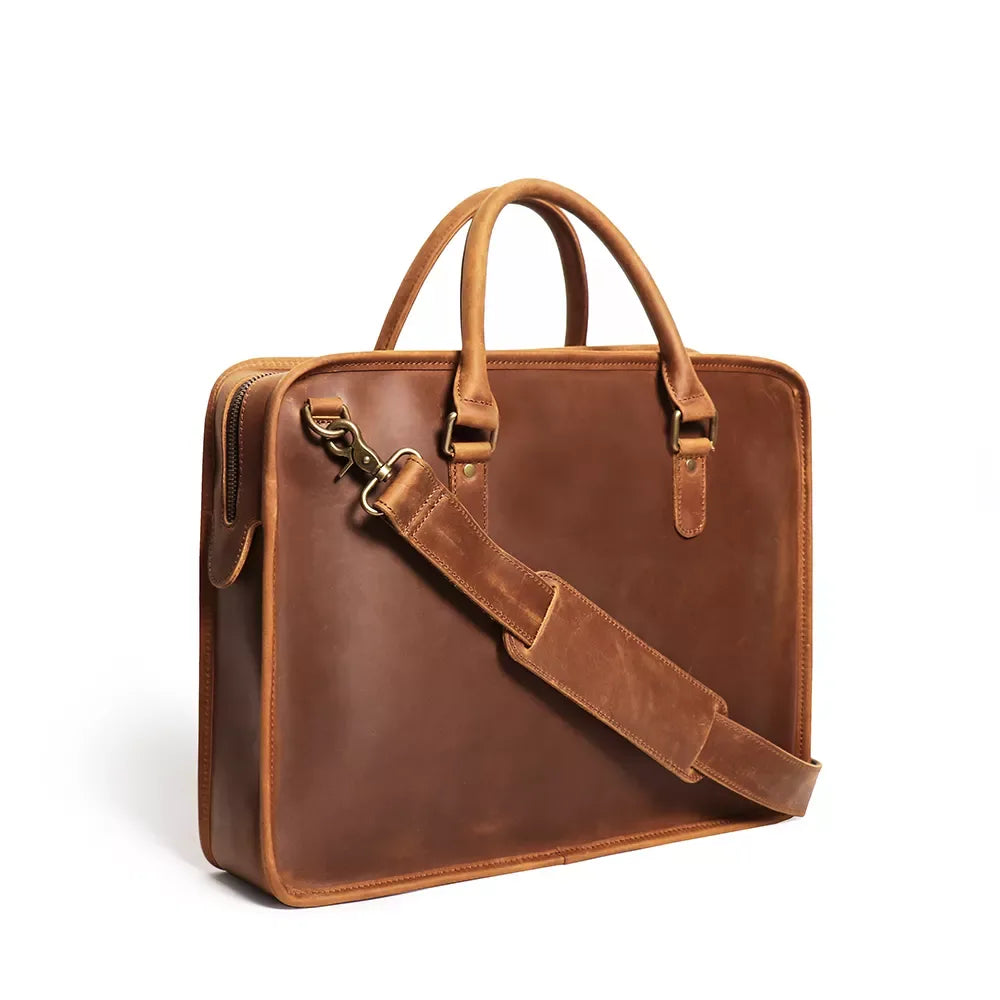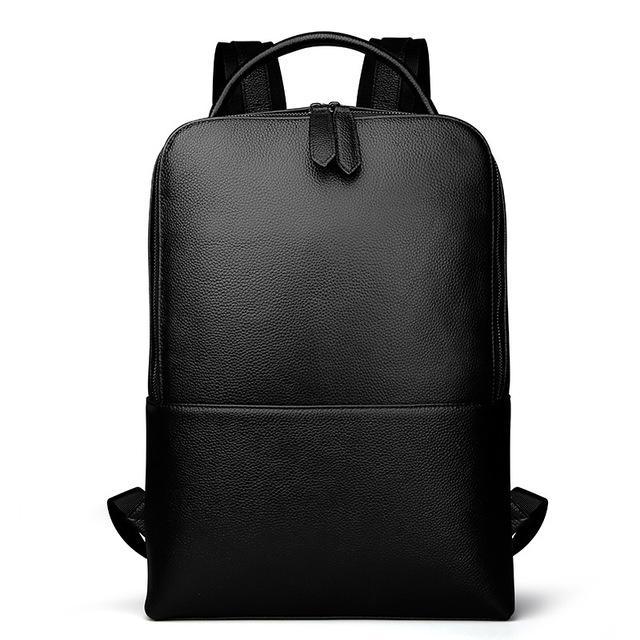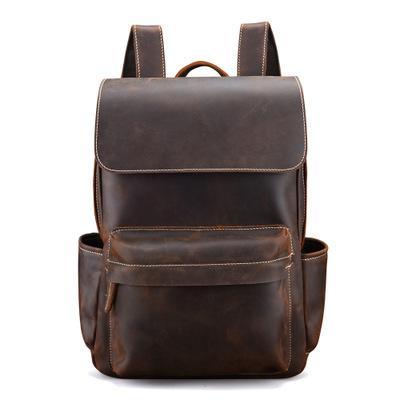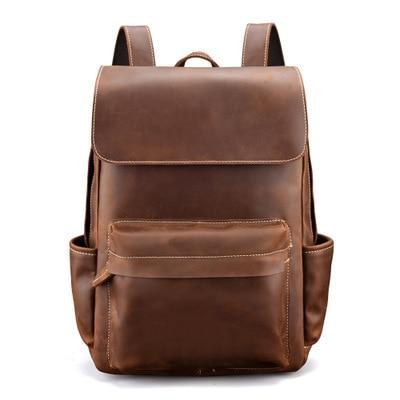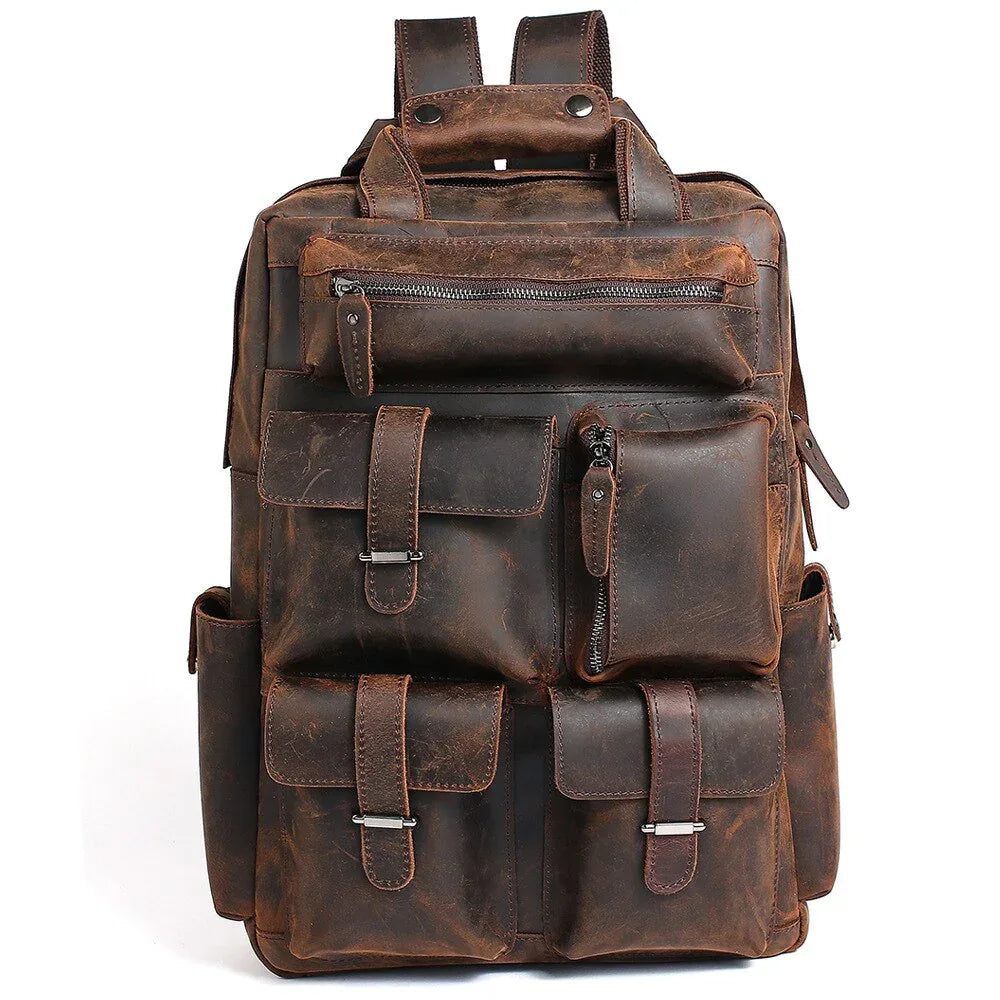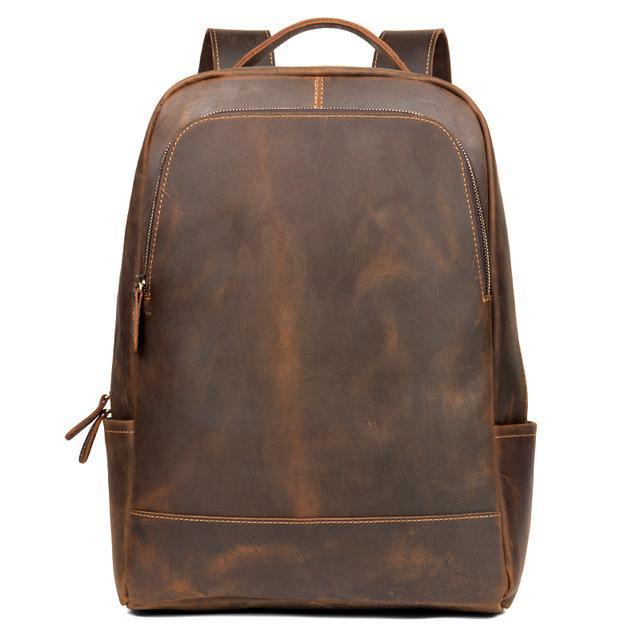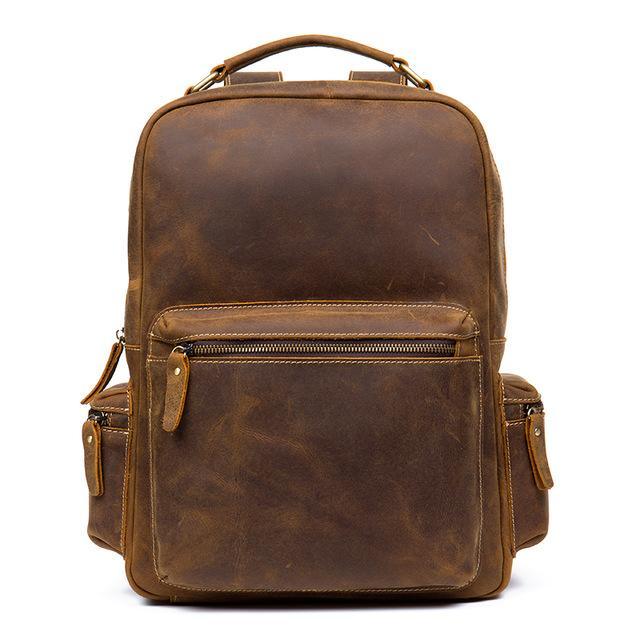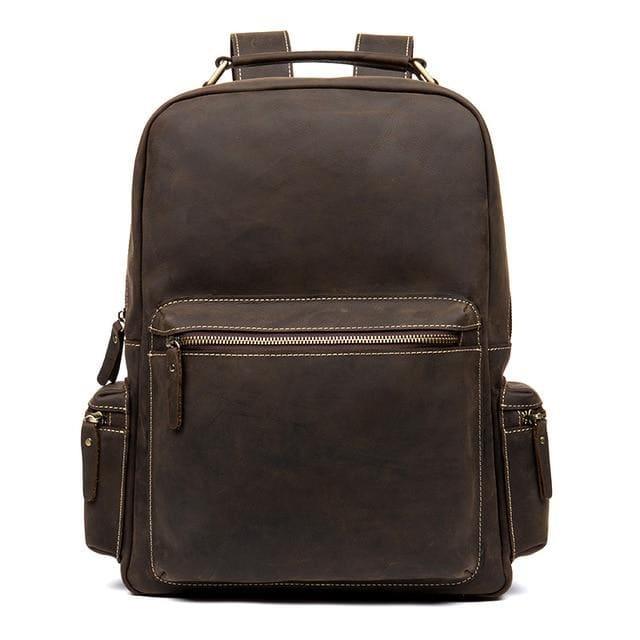
Vegan leather is everywhere. Bags, wallets, jackets, and accessories marketed as cruelty-free and sustainable line the shelves of fast fashion retailers and luxury brands alike. But understanding what these materials actually are, how they are made, and how they perform over time requires looking past the marketing language.
This guide explains what vegan leather and faux leather are made of, how the main categories differ from one another, and how each compares to real leather in terms of durability, environmental impact, and long-term behavior. You will find coverage of PU leather, bonded leather, PVC, and plant-based alternatives like mushroom leather and Piñatex, alongside an explanation of where genuine leather and full-grain leather fit in the broader picture.
What Is Vegan Leather?
Vegan leather is a broad category term for any material designed to resemble animal hide without using animal skin. It is not a single material with consistent properties. It describes a wide range of synthetic and bio-based products that vary significantly in composition, feel, durability, and environmental footprint.
The most important thing to understand when evaluating vegan leather is which type you are actually looking at, because the differences between categories are substantial.
The Main Categories of Vegan and Faux Leather

PU Leather (Polyurethane Leather)
PU leather is the most widely used faux leather on the market. It is made by applying a polyurethane coating over a fabric backing, typically polyester or cotton. The result is a material that is softer and more flexible than PVC and more convincingly leather-like in appearance.
PU leather is used across a broad range of products, including bags, upholstery, footwear, and fashion accessories. It is lightweight, available in a wide range of colors and finishes, and less expensive to produce than animal hide.
In terms of durability, PU leather typically holds up for one to three years under regular use before the polyurethane coating begins to crack and separate from the fabric backing. This delamination is the defining failure mode of PU leather and it is not repairable in any meaningful way once it progresses. The material does not respond to conditioning products because its surface is a sealed synthetic coating rather than a porous natural fiber.
Common use cases: mid-range handbags, fashion accessories, upholstered furniture, budget-tier laptop bags
PVC Leather (Polyvinyl Chloride)
PVC is made from polyvinyl chloride combined with chemical softeners called plasticizers. It is the oldest and least breathable synthetic leather option, and it is generally considered the lowest-performing of the widely available faux leather materials.
PVC is stiffer than PU leather, less comfortable against the body, and has a more obviously plastic appearance. It is also associated with significant environmental concerns during both production and disposal. The manufacturing process involves chlorinated compounds, and PVC does not biodegrade. Some formulations release harmful compounds over time.
Most buyers who prioritize quality or environmental responsibility avoid PVC. It persists in very low-cost products where price is the only consideration.
Common use cases: very low-cost bags, vinyl upholstery, entry-level accessories
Bonded Leather
Bonded leather occupies a confusing middle ground that causes significant consumer misunderstanding. It is made from scrap leather and leather fiber scraps that are ground up and bonded together using a polyurethane binder, then applied to a fiber backing. The resulting material typically contains between 10 and 20 percent animal hide by composition.
Because it contains real leather content, bonded leather is sometimes marketed or labeled in ways that imply higher quality than it delivers. In practice, bonded leather performs similarly to synthetic materials. It peels, cracks, and degrades relatively quickly, and the structural integrity of the polyurethane binder fails in the same way as standard PU leather.
Bonded leather is not the same as genuine leather, top-grain leather, or full-grain leather, though it is often confused with lower grades of genuine leather. It is considered the lowest tier of leather-like materials available.
Common use cases: budget furniture, lower-end book covers, some entry-level bags
For a detailed breakdown of how leather grades compare from the top layer down, see the guide on full-grain vs top-grain leather.
Plant-Based and Bio-Based Leather Alternatives
A newer generation of materials has emerged as an attempt to address both the animal welfare concerns of traditional leather and the plastic reliance of PU and PVC. These plant-based leather alternatives vary considerably in their composition, durability, and actual environmental profiles.
Piñatex
Piñatex is made from the cellulose fibers extracted from pineapple leaves, which are a by-product of pineapple agriculture. The fibers are processed into a mesh and then coated with a resin finish. It is partially biodegradable and avoids the worst inputs of PU and PVC production.
Piñatex has found genuine adoption in footwear, accessories, and some apparel. Its durability is better than PVC but generally falls short of high-quality full-grain leather. The outer coating can wear through with heavy use.
Mushroom Leather (Mycelium)
Mushroom leather is grown from mycelium, the root structure of fungi. It can be cultivated in controlled environments and is naturally biodegradable. Several companies are developing mycelium-based leather alternatives with backing from major fashion brands.
As of now, mushroom leather is still being refined for scalability and durability under real-world use conditions. It represents genuine innovation in bio-based materials but has not yet matched traditional leather in structural strength or lifespan.
Apple Leather and Wine Leather
Apple leather is produced from apple peels and cores that are by-products of the juice and food industry. Wine leather, also known as Vegea, uses grape marc from winemaking. Both use agricultural waste streams as their primary input.
Most commercial versions of these materials still incorporate a polymer matrix to achieve the durability and flexibility needed for bag and accessory production. This means they are not fully bio-based and should be evaluated with that in mind.
Cork Leather
Cork leather is harvested from the bark of Cork Oak trees, a process that does not harm the tree. It requires no added chemicals in processing, is naturally water-resistant, and is fully biodegradable. Cork has a strong environmental profile among plant-based leather alternatives and is genuinely used in durable accessories and small goods.
Cactus Leather (Desserto)
Cactus leather is made from the Nopal cactus and has gained increasing presence in sustainable fashion. Like other plant-based leather alternatives, it relies on a partial polymer content for durability, though the base material is renewable and requires relatively little water to grow.
What Plant-Based Alternatives Share in Common
These bio-based materials share some important characteristics. Most still require polymer backing or coating to achieve usable durability. Most are partially, not fully, biodegradable. Most are more durable than PVC and often more environmentally transparent than standard PU leather, but most fall short of full-grain leather in structural strength and lifespan, particularly for high-use products like bags and backpacks.
For more background on how different leather types are produced, the leather tanning process explained article covers both traditional and alternative methods.
How Real Leather Is Categorized

Understanding how vegan leather compares to real leather requires knowing that real leather is not a single uniform material either. Leather grade and tanning method both affect performance significantly.
Full-Grain Leather
Full-grain leather comes from the top layer of the animal hide and has not been sanded, buffed, or corrected. It retains the full natural fiber density of the hide, which is the source of its strength and durability. Full-grain leather develops a patina over time as the surface absorbs oils and reflects use. With appropriate care, it lasts decades.
Top-Grain Leather
Top-grain leather is sanded and buffed to remove surface imperfections, producing a more uniform appearance. It is commonly used in luxury goods. The sanding process removes some of the fiber density, which slightly reduces long-term durability compared to full-grain, though it remains significantly more durable than any synthetic leather.
Genuine Leather
Genuine leather is a grade label that simply confirms an item contains real leather. It says nothing about quality. Genuine leather products are typically made from the lower layers of the hide and perform below full-grain and top-grain. The label is often misread as a quality marker when it is actually the lower end of the real leather spectrum. For a breakdown of real-leather grade hierarchy, see our guide to full-grain vs genuine leather.
Vegetable-Tanned Leather vs Chrome-Tanned Leather
The tanning process affects how leather ages and performs. Vegetable tanning uses natural tannins derived from plant sources. It takes longer and produces a firmer hide that ages and develops patina more distinctively. Chrome-tanned leather uses chromium salts and is faster and less expensive to produce. It is softer and more uniform but ages differently.
Vegetable-tanned leather is associated with traditional craftsmanship and is preferred by makers focused on long-term performance and natural materials.
Crazy Horse Leather
Crazy Horse leather is a specific type of full-grain leather treated with a wax finish. The wax causes the surface to scratch and mark visibly, revealing a lighter undertone and building a distinctive antique-looking patina over time. Marks from use become part of the appearance rather than damage.
For a full overview of leather grades and what they mean in practice, see leather grades and different types.
Comparing Vegan Leather and Real Leather: Key Dimensions
Durability
Full-grain leather, with appropriate care, lasts decades. PU leather typically lasts one to three years before cracking and delaminating. Bonded leather performs similarly to PU in this regard. Plant-based leather alternatives are more variable, with cork and Piñatex performing better than average for vegan alternatives, but most still fall short of the structural lifespan of full-grain cowhide leather.
Aging and Surface Change
Real leather develops a patina through use. The surface deepens in color and reflects wear in a way many users consider desirable. Faux leather and synthetic leathers do not develop patina. Their surface coatings crack, peel, and fade. There is no comparable aging quality in any current synthetic or plant-based leather material.
Breathability
Full-grain leather has a natural pore structure that allows moisture wicking and breathability. PU leather and PVC trap heat and moisture. For items worn against the body or carried for long periods, this represents a meaningful difference in comfort.
Environmental Impact
This is the most complex dimension of the comparison, and it requires careful framing rather than simple conclusions.
Vegan leather avoids animal hides and the concerns associated with the livestock industry and the leather tanning process. However, most faux leather options carry their own environmental costs. PVC involves chemical waste and does not biodegrade. PU leather relies on petroleum industry inputs and releases microplastic pollution as it degrades. Even plant-based leather alternatives, which have better environmental profiles, often incorporate polymer matrices that limit their biodegradability.
Vegetable-tanned leather sourced from responsible producers has a different environmental profile. When lifespan is factored into any life-cycle assessment, a single leather product lasting 20 years compares differently to multiple faux leather replacements over the same period. Honest environmental comparison requires evaluating the full use cycle of each material rather than only the production inputs.
Repairability
Real leather can be cleaned, conditioned, repaired, and restored throughout its life. Conditioning products penetrate the natural fibers and maintain suppleness. Scratches can often be buffed out or treated. For guidance on maintaining real leather, the leather care and conditioning article covers practical methods.
Faux leather surfaces are sealed coatings. They do not absorb conditioning products. Minor surface damage can sometimes be patched, but widespread peeling or cracking is not repairable.
Cost Over Time
Vegan leather products typically cost less at the point of purchase. Real leather, particularly full-grain leather, has a higher upfront cost. However, replacement frequency changes the long-term cost picture. A full-grain leather bag that lasts ten or more years with proper care compares differently to two to five faux leather replacements over the same period when total spend is considered.
Who Each Material Suits
Faux leather may suit buyers who prioritize the lowest upfront cost, need a very specific color or finish not available in natural hide, plan short-term ownership, or have ethical objections to animal-derived materials.
Real leather, particularly full-grain leather, is better suited to buyers who carry bags and accessories daily and need structural durability, those who prefer items that change and improve with use, and buyers who want to own something long-term rather than replace it on a short cycle.
Steel Horse Leather: Full-Grain Construction

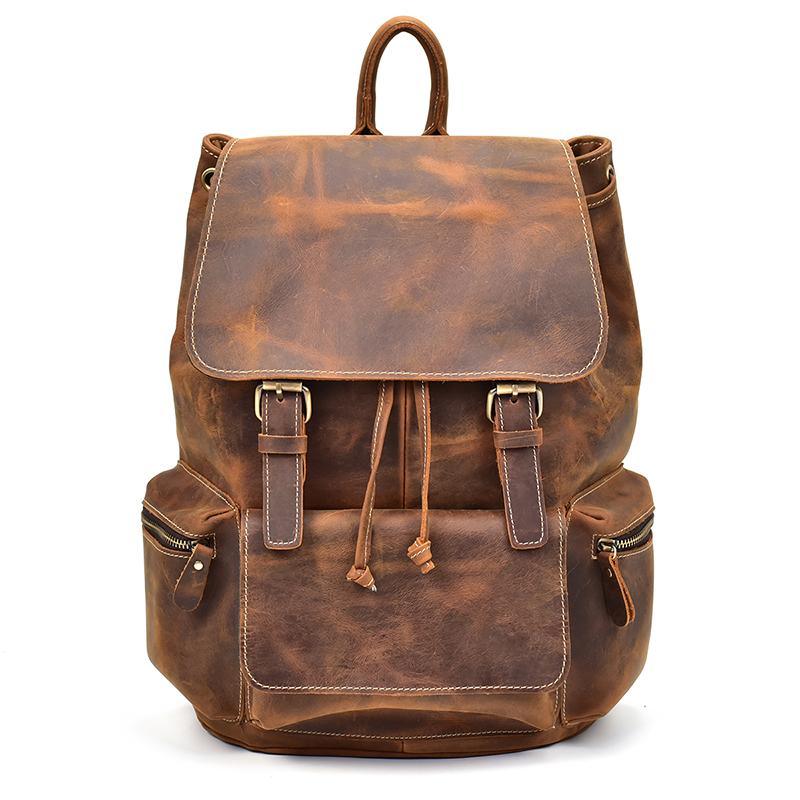
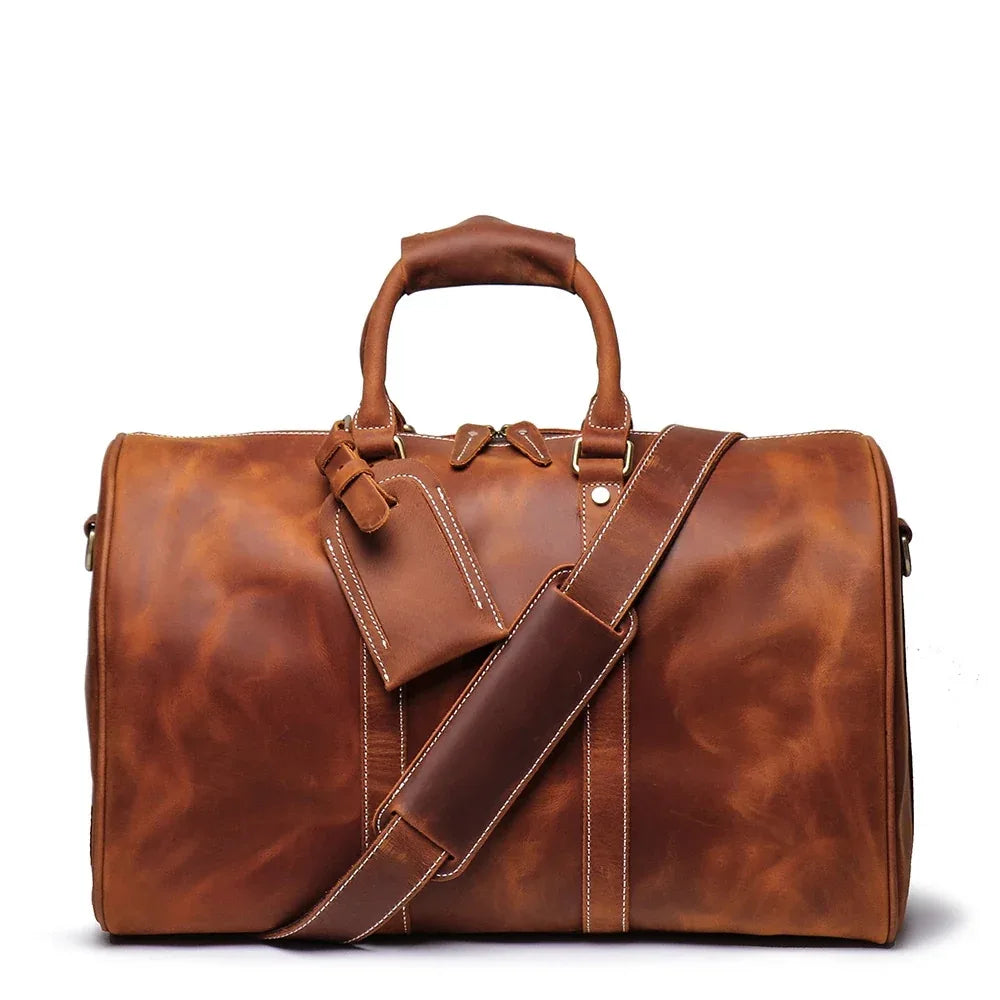
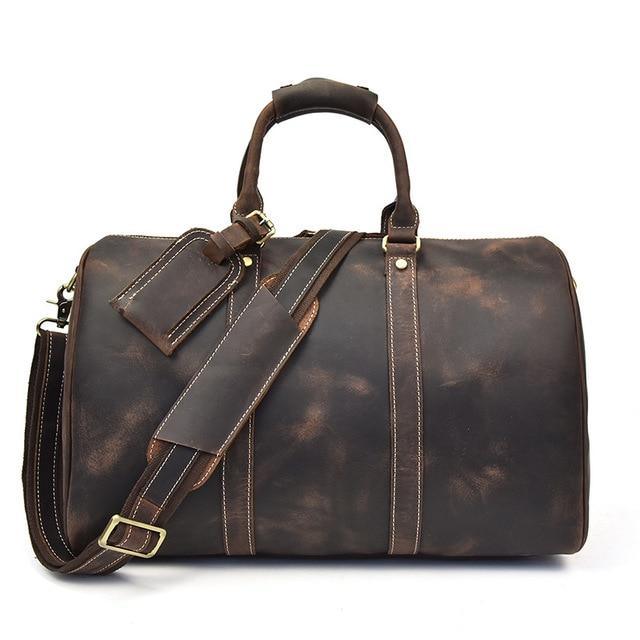
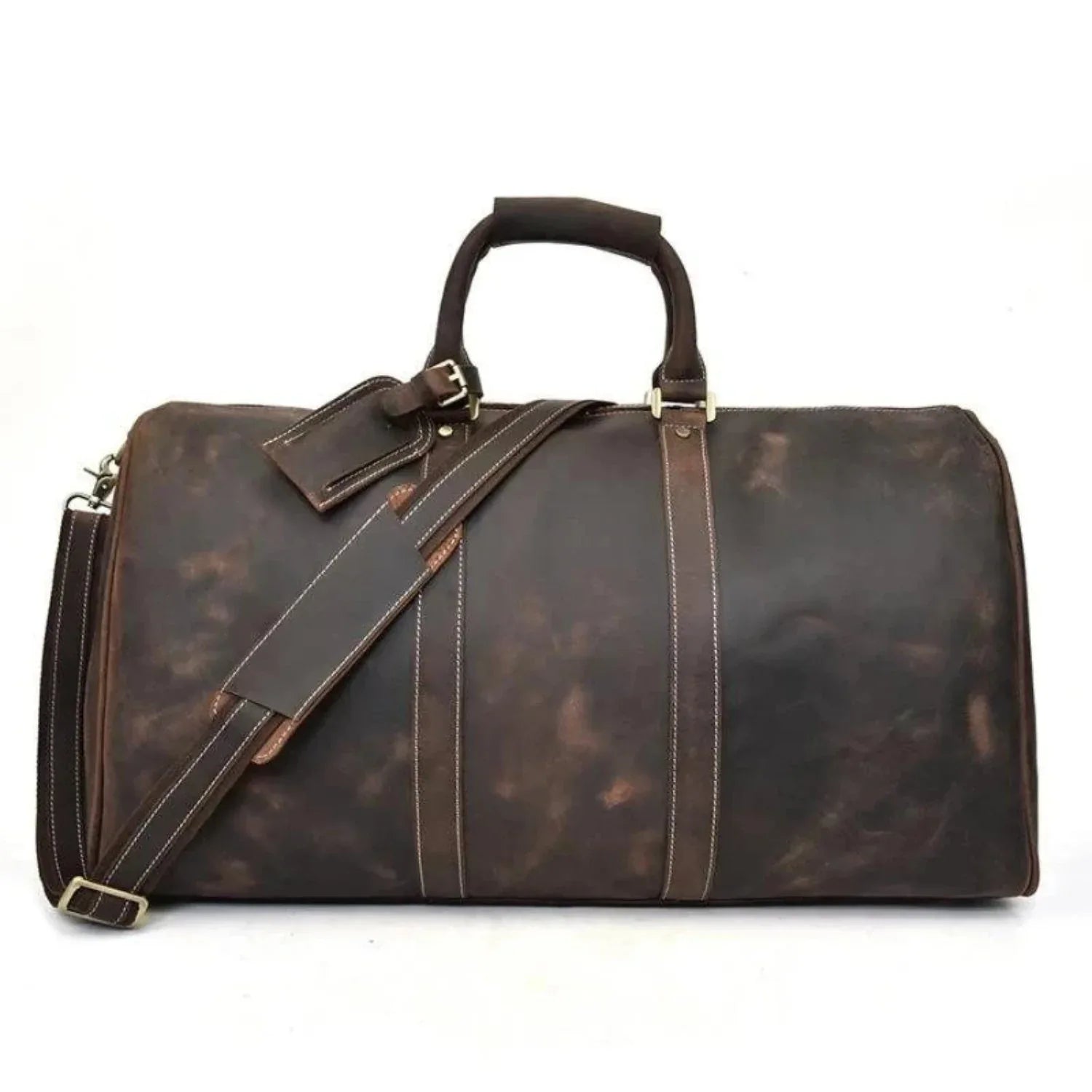
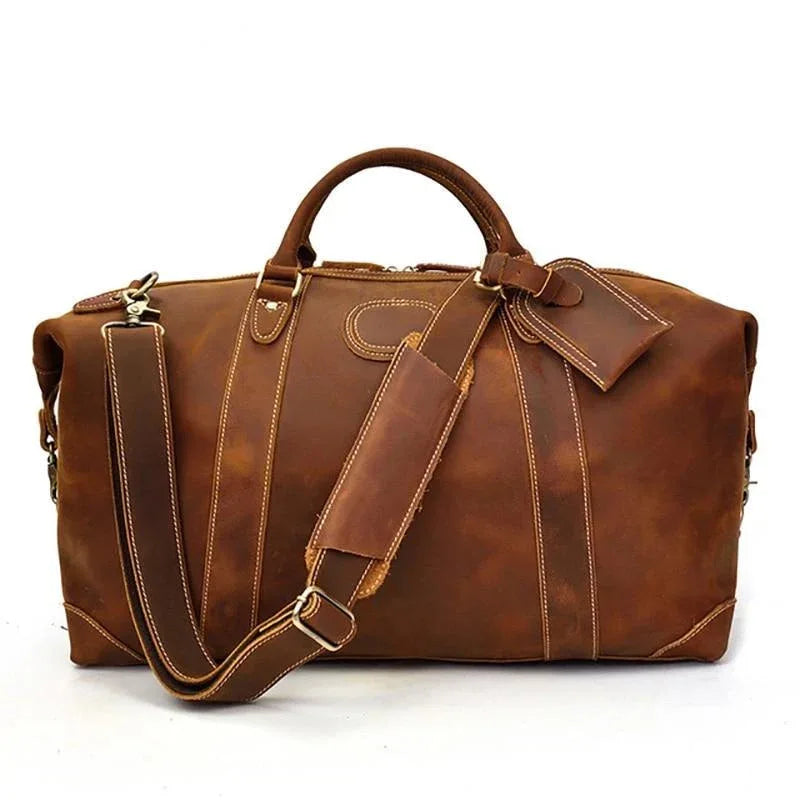
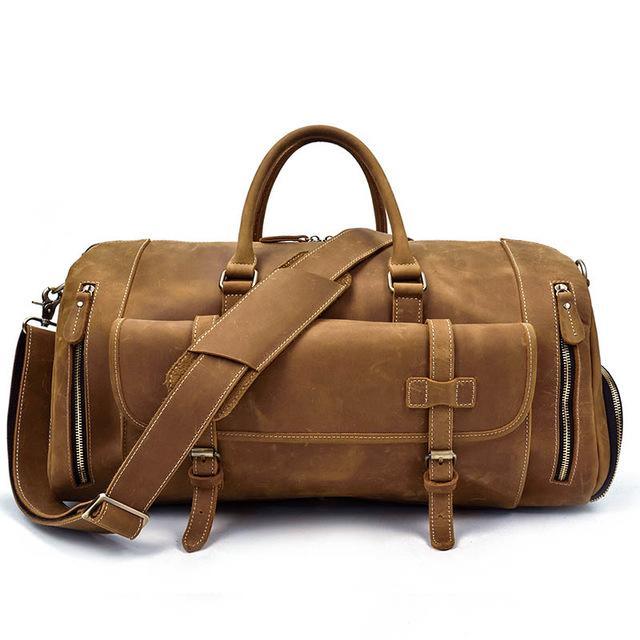
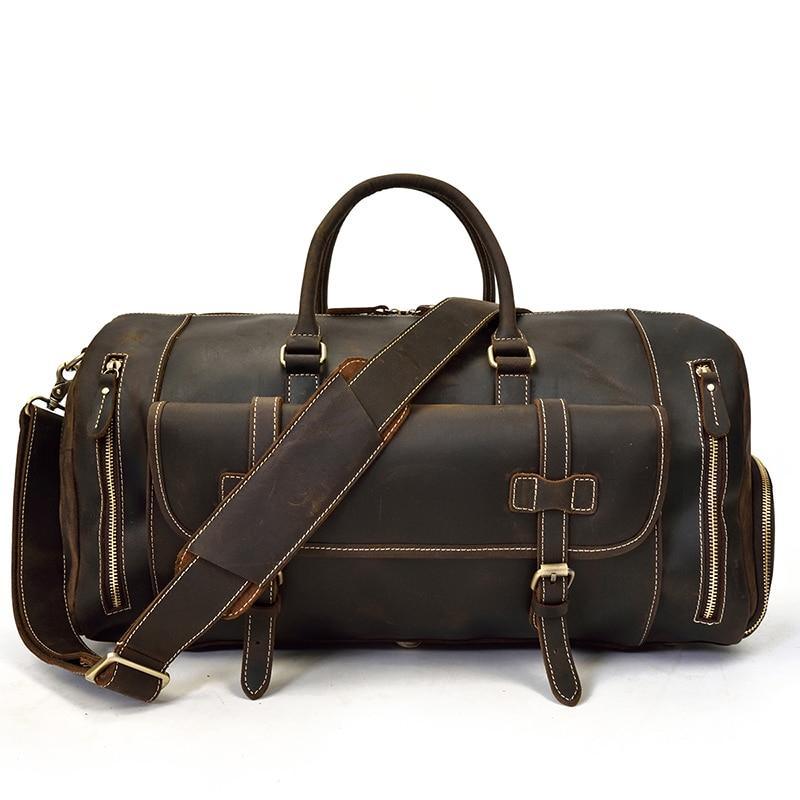
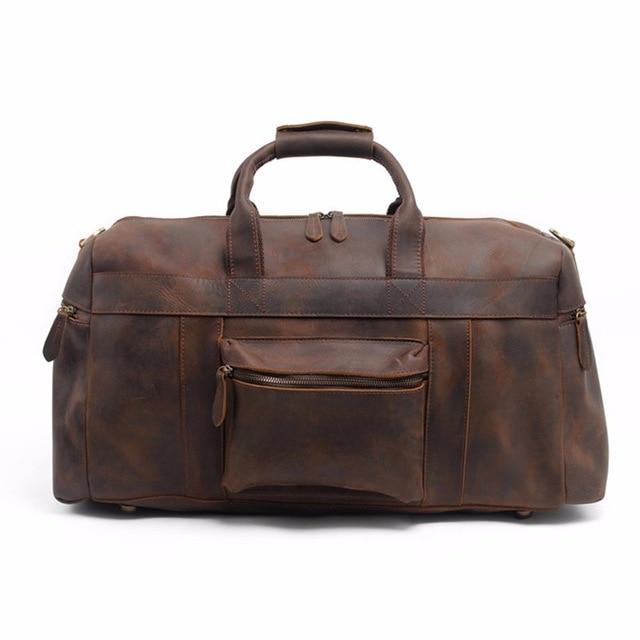
Every Steel Horse Leather product is handcrafted from full-grain, vegetable-tanned leather. No PU, no bonded leather, no synthetic materials are used. For buyers interested in what full-grain leather looks and feels like across different bag types, the full leather bags collection covers the full range.
All purchases are backed by a 30-day money-back guarantee.
Backpacks
Skald Black Pebbled Leather Backpack

A slim, structured full-grain leather backpack with a pebbled black finish. Designed for commuters and daily carry, it holds its shape under consistent use and develops a natural patina over time — the opposite of the cracking and surface failure common in PU leather bags of similar size.

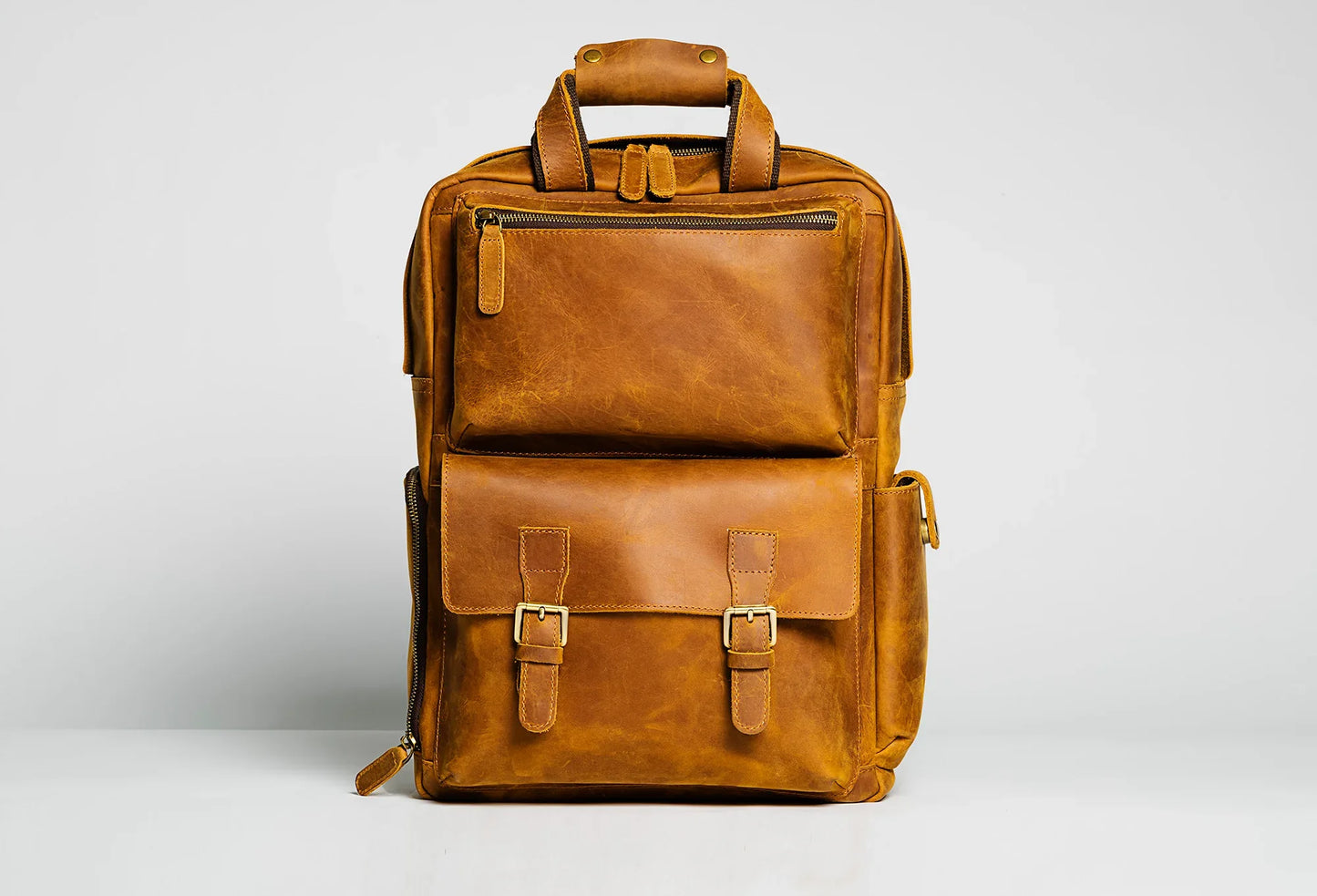
A handcrafted full-grain leather backpack built for daily use. It features a classic silhouette with enough organization for everyday essentials and laptop carry. Made to be used hard and worn in, not replaced.

A vintage-style full-grain leather backpack with a relaxed silhouette suited to everyday carry. The natural aging of the hide over months and years of use produces character that no synthetic leather coating can replicate.
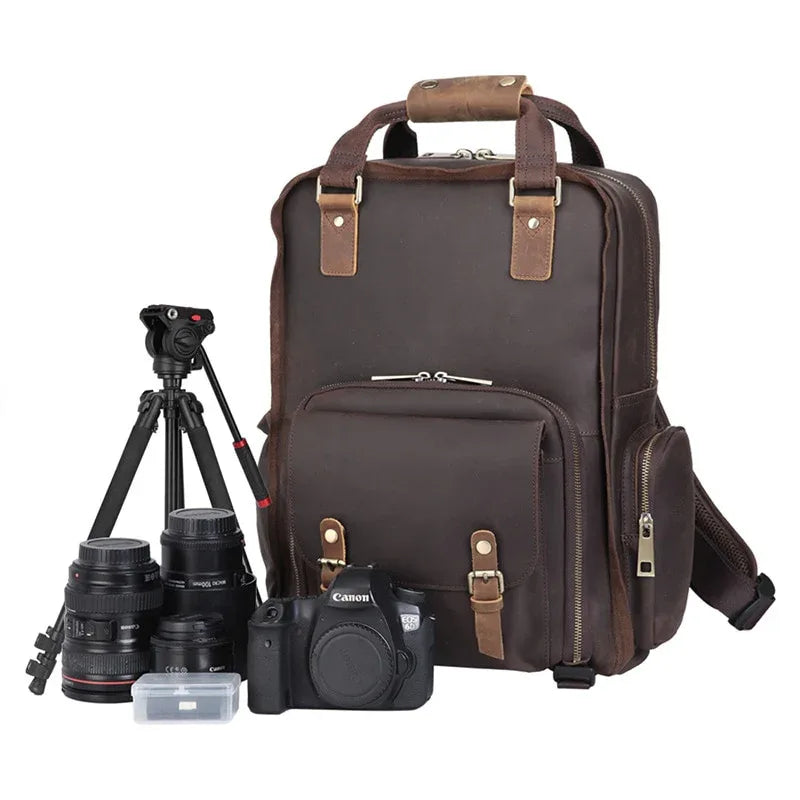
A large-capacity full-grain leather camera backpack designed to carry photography equipment alongside daily essentials. Built with the structural integrity that synthetic leather alternatives cannot sustain under the weight and frequency of equipment carry.
The Gaetano Large Leather Backpack

A full-grain leather camera bag and backpack with an integrated tripod holder. Suited to photographers who carry equipment regularly and need a bag that holds up under sustained daily load without surface delamination or structural failure.
Weekenders and Duffle Bags

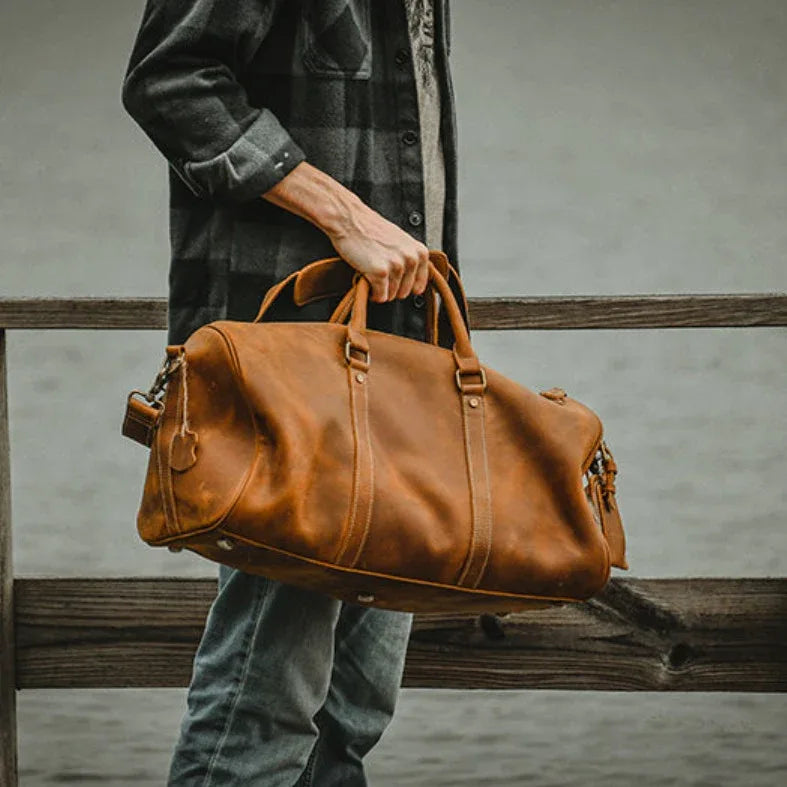
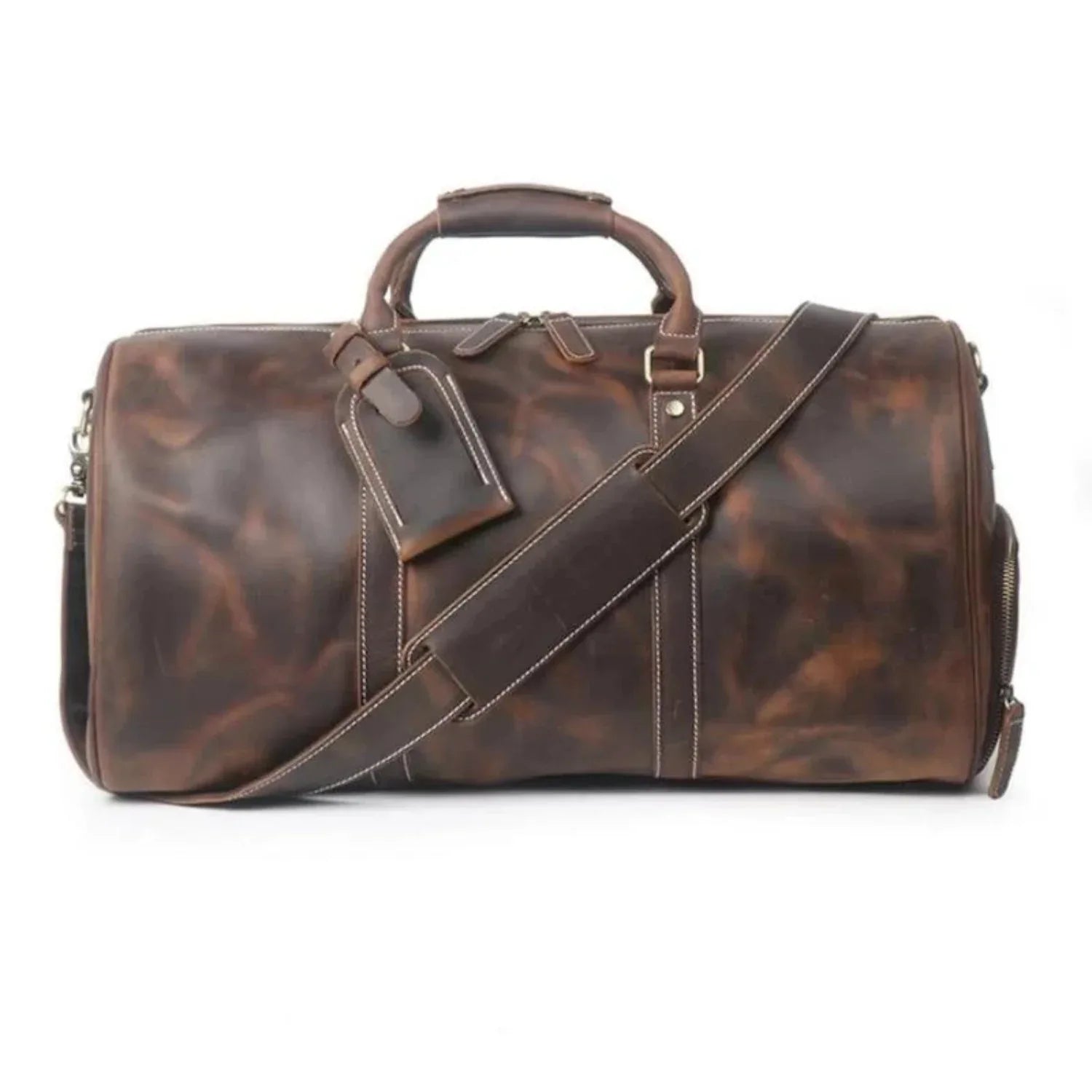
A full-grain leather duffle bag with a vintage profile built for weekend travel. Unlike faux leather travel bags that begin cracking within a few years, the Endre deepens in character with use, developing a patina that reflects its history rather than showing degradation.

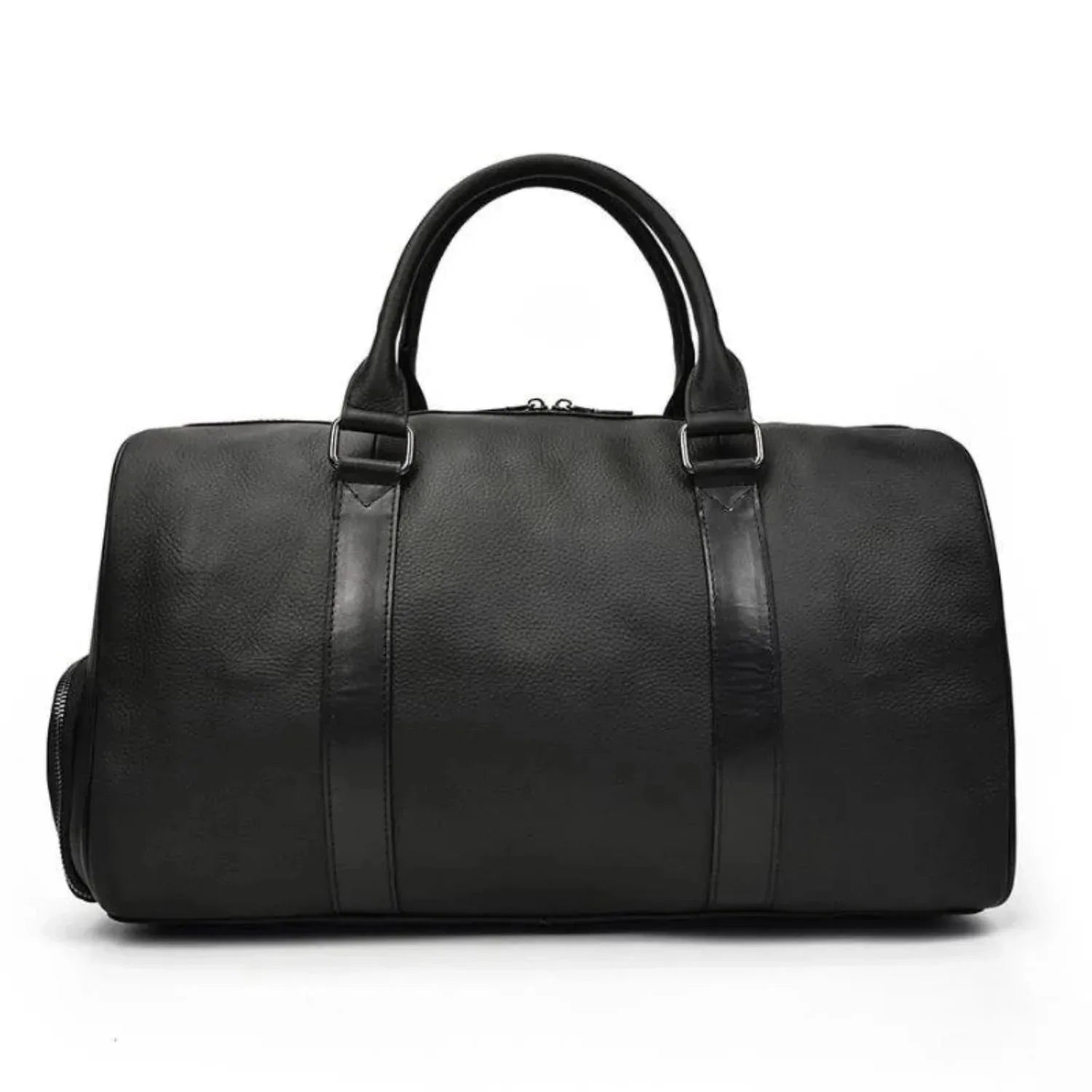
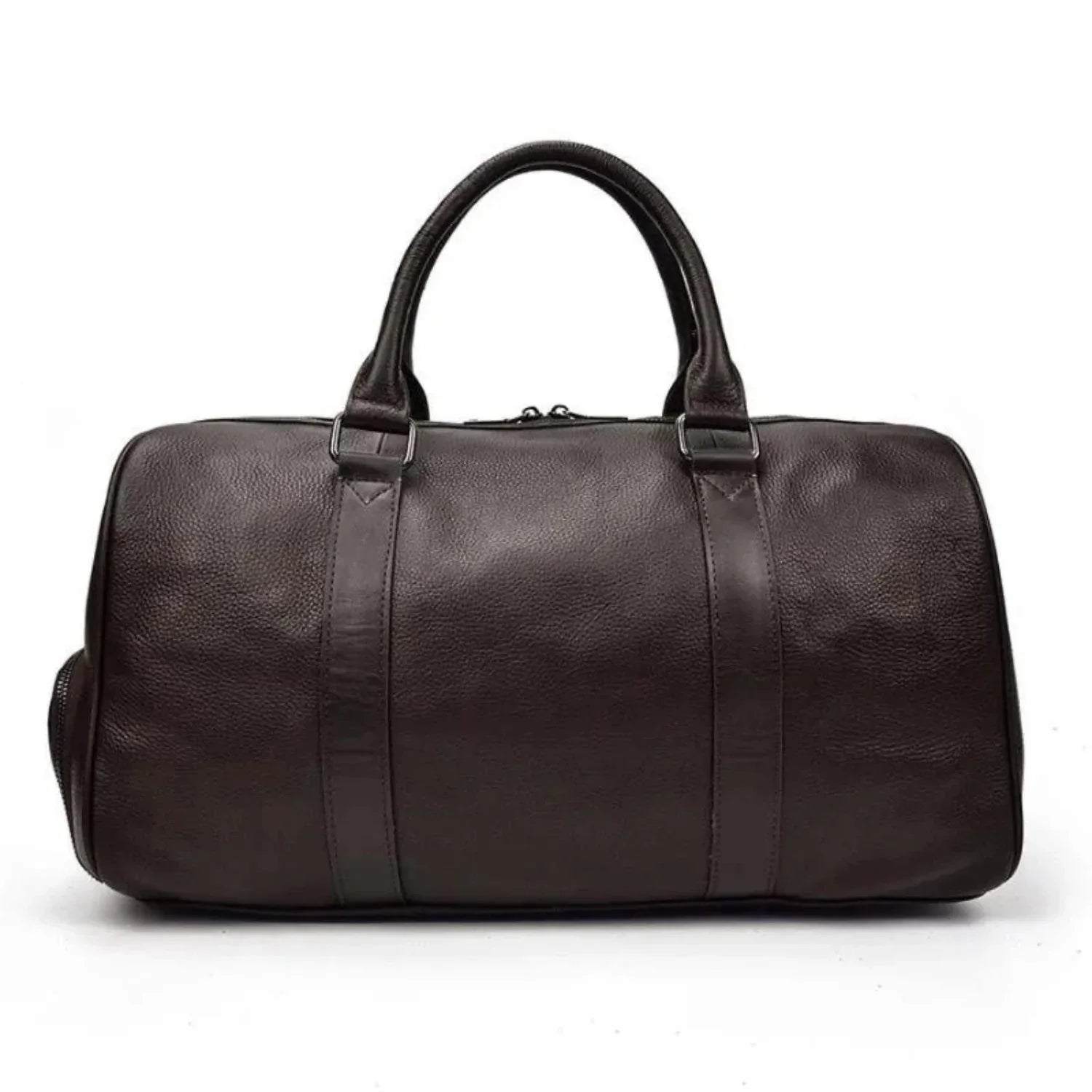
A smaller full-grain leather duffle suited to overnight trips and lighter travel carry. Compact enough for cabin luggage, durable enough to last decades with basic care — the kind of longevity that no bonded leather or PU alternative can offer.

A handcrafted full-grain leather duffle with a structured build and clean lines. Designed for travelers who carry regularly and want a bag that improves with use rather than one that requires replacement after a season or two.

A full-grain leather weekender with a vintage aesthetic and practical interior organization. Built from the same top layer of hide that gives full-grain leather its strength — retained natural fiber density that no synthetic or bonded leather construction can match.

A handcrafted full-grain leather duffle bag for travel carry. The Asta is made to handle the repeated loading, unloading, and transport that causes faux leather bags to delaminate and peel.

A large-capacity full-grain leather weekender for extended trips. When faux leather bags of this size fail, they do so at the seams and along the surface coating simultaneously. The Colden is built from materials that strengthen and flex with use rather than cracking under it.

A round-silhouette full-grain leather weekender with a distinctive vintage profile. A strong option for travelers who want a bag that stands apart from standard rectangular duffles and develops a unique patina over years of use.
Briefcases and Laptop Bags

A vintage-style full-grain leather briefcase and messenger bag built for professional daily carry. The kind of bag that replaces itself every few years if made from PU leather — built here from full-grain hide to last a working career with appropriate care.
The Hemming Leather Laptop Bag

A structured full-grain leather briefcase designed specifically for daily professional use with dedicated laptop organization. The Hemming is built from materials that handle repeated daily packing and unpacking without the surface cracking and lining separation that affects PU laptop bags under the same use conditions.

A full-grain leather crossbody messenger and camera bag with a vintage profile. Suited to photographers and everyday carry users who need a bag that performs under repeated use and develops character rather than deteriorating.
Accessories and Smaller Carry
The Wanderer Toiletry Bag
A full-grain leather travel toiletry bag built to outlast the synthetic alternatives commonly used in travel accessories. Toiletry bags are high-contact, high-moisture items — the kind of use environment where PU leather surfaces begin to separate earliest and most visibly.

A slim full-grain leather bifold wallet. The same patina-developing properties that make full-grain leather bags improve with age apply equally to small goods like wallets — the Pathfinder reflects daily handling over time rather than degrading from it.
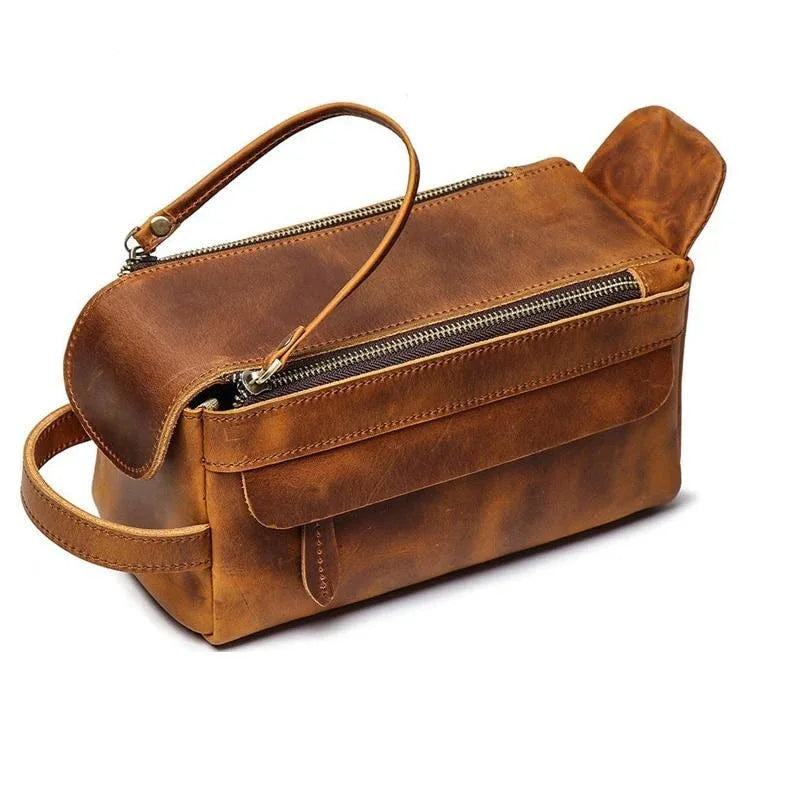
A handmade full-grain leather toiletry bag with a structured form and zipper closure. Built for regular travel use and capable of handling the kind of repeated packing and moisture exposure that causes synthetic toiletry bags to peel at the seams and corners.

A handcrafted full-grain leather tote bag for everyday carry. Open-top totes made from PU leather are among the first items to show edge peeling and surface cracking under daily use. The Taavi is built from the top layer of natural hide with the fiber density to handle sustained daily load.

A full-grain leather waist bag and fanny pack built for hands-free carry. Body contact and heat are the primary accelerants of faux leather surface failure — a problem avoided entirely with full-grain hide that breathes and flexes naturally with movement.

A black full-grain leather fanny pack with a clean, minimal profile. Like the Wagner, it is built from materials that handle the body contact, heat, and repeated use that cause synthetic waist bags to degrade at the surface coating first.

A compact full-grain leather crossbody sling for lighter daily carry. The Erling sits against the body during use — the exact conditions where PU leather breathability limitations and surface cracking are felt most directly.
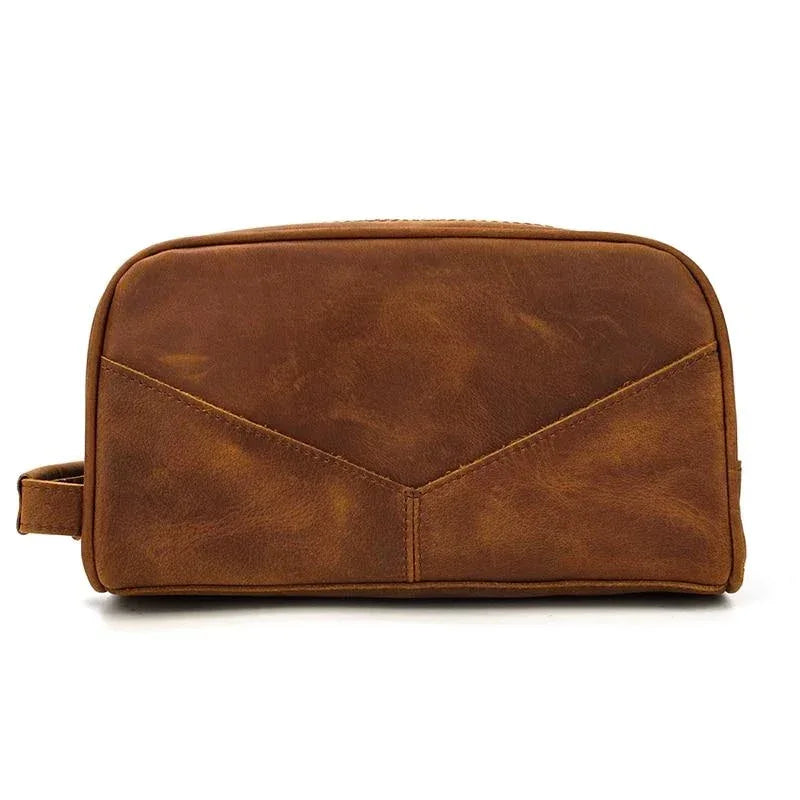
A full-grain leather travel toiletry bag with a straightforward layout suited to regular use. Built to handle the moisture exposure and repeated handling that travel accessories take on, without the surface delamination that affects synthetic alternatives over time.
Browse the leather backpacks collection and the leather duffle bags collection for the full range of options.
Frequently Asked Questions
Is vegan leather as durable as real leather?
No. Most vegan leather, including PU leather and PVC, lasts one to three years before cracking and peeling. Full-grain leather, with proper care, lasts decades. Even the most advanced plant-based leather alternatives do not currently match the structural durability of full-grain cowhide leather.
What is the difference between PU leather and bonded leather?
PU leather is made entirely from polyurethane layered over a fabric backing and contains no animal hide. Bonded leather is made from ground-up scrap leather bonded with a polyurethane binder and contains a small percentage of real animal hide, typically 10 to 20 percent. Both peel and degrade in similar ways. Neither should be confused with genuine full-grain leather.
Is vegan leather better for the environment than real leather?
It depends on the specific material and the timeframe considered. PU leather and PVC involve petroleum industry inputs and produce microplastic pollution as they degrade. Plant-based leather alternatives like Piñatex and mushroom leather have better environmental profiles but still require polymer content for durability. Vegetable-tanned full-grain leather, when its multi-decade lifespan is factored into a life-cycle comparison, often has a lower per-year environmental footprint than faux leather replaced every few years.
Does vegan leather peel and crack?
Yes, this is the most consistent performance issue with faux leather products. The polyurethane coating separates from the fabric backing over time, particularly with heat exposure and daily use. Once peeling begins, there is no effective repair. Real leather does not peel. It may dry out without conditioning but responds to care throughout its lifespan.
What does faux leather smell like?
Most faux leather products have a noticeable chemical odor when new, caused by the polyurethane coating and synthetic materials used in production. PVC leather often carries a stronger plastic odor. Real leather has a natural, earthy scent that many users consider a recognizable characteristic of the material.
Can you condition vegan leather?
Standard leather conditioning products do not penetrate faux leather because its surface is a sealed synthetic coating. Vinyl conditioners can help maintain the surface slightly but do not prevent eventual cracking the way conditioning works on real leather. Real leather absorbs conditioning products into its natural fibers, which significantly extends the material's usable life.
What is the best vegan leather alternative if you need one?
Among plant-based leather alternatives, Piñatex and cork leather have the most credible environmental profiles and avoid the worst chemical trade-offs of PU and PVC. Both are partially biodegradable and use agricultural by-products or renewable sources. Neither currently matches full-grain leather in durability for high-use products like bags.
How do I know if a bag is real leather or faux leather?
Check the edges and the back surface of the material. Real leather has a rough, fibrous back. Faux leather has a smooth, fabric-like backing. Real leather also shows natural variation in color and texture across the surface because it comes from a natural animal hide. Faux leather is typically uniform in appearance. The smell test also helps. Real leather has a natural, earthy scent, while faux leather carries a plastic or chemical odor.
All of our bags at Steel Horse Leather are crafted from full-grain crazy horse leather, built to develop a rich patina over time. Browse our Leather Bags.