Oil stains, grease stains, ink stains, water stains — leather attracts them all. The good news is that most stains on quality leather are treatable if you act fast and use the right method. The bad news is that the wrong approach can make things permanent.
This guide covers leather stain removal for every common stain type: oil and grease, water, ink, blood, sunscreen, and dye transfer. You will learn which cleaning products work, which ones damage leather, and how to protect your leather bag, jacket, or accessory after cleaning. We also cover what to look for in quality leather that resists stains in the first place, and which Steel Horse Leather bags are built to handle real-world use.
Know Your Leather Before You Clean It

Not all leather responds the same way to stain removal. Getting this wrong can cause more damage than the original stain.
Full-grain leather is the most durable and stain-resistant option. Its tight grain structure slows oil absorption, giving you more time to respond. It is also the most forgiving when cleaned correctly. All Steel Horse Leather products use full-grain leather for this reason.
Top-grain leather has a sanded surface. It accepts cleaning products well but can fade if harsh chemicals are used.
Aniline leather is highly porous and absorbs oil stains almost immediately. It requires the most careful approach and often needs a professional leather cleaner.
Pigmented leather has a protective coating that makes it more resistant to staining and easier to wipe clean than aniline leather.
Suede and nubuck are the most delicate. Never use water-based solutions or dish soap on these. Use a dry brush or specialist suede cleaner only.
Faux leather and PU leather are easier to wipe clean but degrade faster, especially when exposed to alcohol-based cleaners. Fake or vegan leather carries similar limitations and should be treated with caution.
Vegetable tanned leather and Pull-Up leather develop a patina over time. Oil stains may simply darken the leather temporarily and blend into the finish with conditioning. Chrome tanned leather is more resistant to moisture and is common in everyday leather bags and accessories.
The rule of thumb: test any cleaning product on a hidden area first. Always.
Oil and Grease Stains: Step-by-Step Removal
Oil stains and grease stains are the most common and the most urgent. Every minute the oil sits, it penetrates deeper.
Step 1: Blot Immediately
Use a clean soft cloth or microfiber cloth. Press firmly and lift straight up. Do not rub — rubbing spreads the stain and pushes oil deeper into the leather surface.
Step 2: Apply an Absorbent Powder
Sprinkle baking soda, corn starch, talcum powder, baby powder, or dry shampoo over the affected area. All of these draw oil out from the leather's pores. Talcum powder and baking soda are the most effective for heavier grease stains.
Leave the powder to sit for at least four hours. For stubborn oil stains, leave it overnight. The longer it sits, the more oil it pulls out.
Step 3: Brush Off the Powder
Use a soft brush or clean soft cloth. Gently sweep the powder away. Do not press hard against the leather surface.
Step 4: Apply a Leather Cleaner
If a stain remains, use a leather cleaner specifically formulated for leather. Apply a small amount to a clean cloth and dab the area gently. Saddle soap is a reliable option for heavier grease stains on full-grain leather and is one of the most trusted leather cleaners for this purpose.
For lighter stains when no leather cleaner is available, a small amount of dish soap diluted in warm water on a soft cloth can be used as a backup option only. Use the minimum amount possible and rinse the area with a barely damp cloth afterward. Dish soap is not a substitute for a proper leather cleaner and should not be used routinely, as it strips natural oils from the leather surface over time. Keep moisture minimal either way.
Step 5: Condition the Leather
After cleaning, always apply a leather conditioner. Cleaning strips natural oils from the leather. A good leather conditioner or leather moisturizer restores suppleness and creates a protective barrier. Linseed oil-based treatments are an option but should be used conservatively, as they can darken leather. Apply conditioner with a clean cloth, rub in circular motions, then wipe off excess.
For a deeper look at removing oil specifically, see our dedicated guide on how to get oil stains out of leather.
Water Stains, Ink Stains, and Other Stain Types

Water Stains
Water stains appear as tide marks and are common on leather bags and leather handbags. To remove them, lightly dampen the entire panel of leather with a barely damp soft cloth, not just the stain. This evens the moisture so there is no defined line. Let it dry naturally, away from direct heat. Finish with a leather conditioner. For more detail on handling moisture damage, our guide on leather water damage covers the full process.
Ink Stains
Rubbing alcohol can lift ink stains on leather but must be treated as a last resort, not a routine cleaning method. Apply a small amount to a cotton swab and dab the ink stain carefully. Do not rub. Work from the outside of the stain inward to avoid spreading. Replace the swab frequently and stop as soon as the ink lifts. Rubbing alcohol dries out leather and strips protective coatings. Always follow immediately with a leather conditioner.
For ballpoint pen stains, white vinegar diluted with water on a soft cloth can be tried as a gentler first attempt. This is also a limited-use approach and should be applied sparingly. If neither method resolves the stain, consult a professional leather cleaner rather than applying additional product. Our full guide on how to get ink out of leather covers additional methods.
Blood Stains
Cold water only. Hot water sets blood stains permanently. Dampen a soft cloth with cold water and blot the affected area. For dried blood stains, a paste of cream of tartar mixed with lemon juice can be applied to the stain and left for no more than ten minutes before gently removing with a damp cloth. Lemon juice is acidic and can affect the leather finish if left too long or reapplied. Use this method once and follow immediately with leather conditioner to restore moisture.
Sunscreen Stains
Sunscreen stains on leather bags are oily in nature. Treat them the same as grease stains: blot excess, apply baking soda or talcum powder, then use a leather cleaner. These stains can be stubborn and may require a professional leather cleaner if DIY methods fail. See our full article on how to get sunscreen off leather for a step-by-step approach.
Dye Transfer Stains
Dye transfer stains from colored clothing or denim are among the hardest to remove. Rubbing alcohol applied carefully with a cotton swab is the best first attempt, used the same conservative way as for ink stains. A dedicated leather stain remover product designed for dye transfer is your next option. If visible color difference between treated and untreated areas remains after cleaning, consult a professional.
Grass Stains
Grass stains on leather are uncommon but possible on bags used outdoors. Blot the area with a barely damp soft cloth first. A mild leather cleaner applied gently with a soft cloth can lift the stain. Avoid DIY acids or harsh solvents. Finish with leather conditioner.
Grease Stains on Specific Items
For a leather couch or car interiors, the same method applies: blot, powder, clean, condition. For smaller items like a leather handbag or a belt, use a cotton swab for precision when applying cleaning solutions.
Cleaning Products That Work vs. What to Avoid
Use These
-
Baking soda, corn starch, talcum powder, baby powder, dry shampoo — absorbent powders for oil and grease stains
-
Soft cloth or microfiber cloth — apply leather cleaners and lift residue without scratching
-
Saddle soap — deep cleaning for full-grain and vegetable tanned leather
-
Leather cleaners (commercial) — specifically formulated leather cleaners are always the first choice over DIY methods
-
Leather conditioner or leather moisturizer — always finish with this after cleaning
-
Leather Protection Cream — adds a protective barrier post-cleaning
-
Rubbing alcohol — last resort only, targeted use for ink stains; always condition after; never apply broadly
-
White vinegar — diluted, as a first attempt on ballpoint pen stains only; limited use
-
Dish soap (mild) — diluted, as a backup option for light stains only when no leather cleaner is available; not a routine cleaner
-
Wax polish — finishing and surface protection after cleaning
Avoid These
-
Acetone or nail polish remover — destroys leather finish permanently
-
Bleach or ammonia-based cleaners
-
Excessive water or soaking — leather warps and cracks
-
A plastic brush or stiff brush — scratches the leather surface
-
Heat sources to speed drying — causes cracking
How to Keep Your Leather Stain-Free
The best stain remover is the one you never need to use.
Condition regularly. Full-grain leather that is well-conditioned resists oil stains because the pores are already nourished. Apply leather conditioner every three to six months depending on use. For guidance on leather care routines, our leather care guide on cleaning and conditioning leather duffle bags applies to all bag types.
Use a leather protection cream. Apply after conditioning. Leather Protection Cream creates a surface barrier that causes liquids to bead rather than absorb.
Act within 60 seconds. Almost any stain on quality leather can be managed if you blot it immediately. The longer it sits, the harder it is to remove.
Store leather bags properly. Keep leather handbags and leather bags away from direct sunlight, heat sources, and damp environments. Use a dust bag when not in use.
Handle with clean hands. Skin oils are a slow-building stain source, especially on handles and straps.
If you want to maintain leather suppleness between cleaning sessions, our guide on how to soften leather covers the most effective methods for keeping leather flexible and conditioned.
If your leather has suffered deeper damage beyond surface staining, our guide on repairing and restoring leather bags covers what can be fixed at home and when to call a professional.
When to Call a Professional
Some situations go beyond DIY leather stain removal:
-
Severe oil saturation that has dried and set over days or weeks
-
Large-scale dye transfer stains covering significant surface area
-
Ink stains that rubbing alcohol has not lifted after two careful attempts
-
Discoloration or finish damage from a previous incorrect cleaning attempt
-
Antique or high-value leather items where color matching matters
A professional leather cleaner has access to industrial-grade stain removers and refinishing tools that are not available for home use. The cost is worth it before attempting aggressive DIY methods that could cause permanent damage.
Steel Horse Leather Bags Built to Handle Real Life
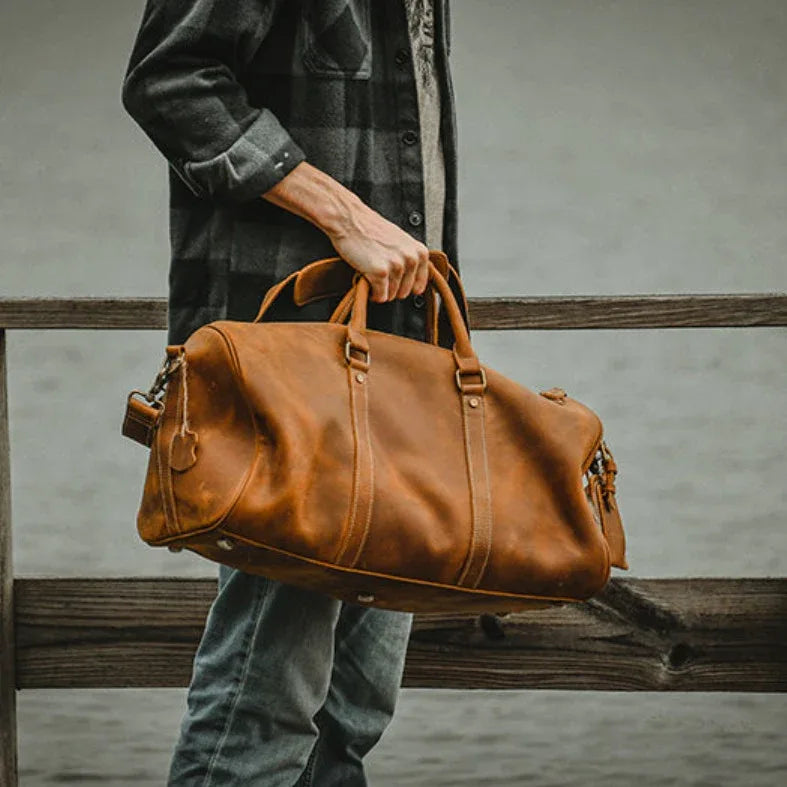
The best way to reduce leather stain removal headaches is to start with leather that is built to last. All Steel Horse Leather bags are crafted from full-grain leather — the most stain-resistant, durable cut of leather available. Every bag also comes with a 30-day money-back guarantee, so you can buy with confidence.
Browse the complete Steel Horse Leather bag collection to find the right carry for your lifestyle. Here are the right bags by use case:
Best for Everyday Carry and Daily Use

Open-top totes take the most abuse. The Taavi Tote's full-grain leather surface handles daily handling, minor spills, and surface contact without losing its character. It develops a natural patina over time rather than deteriorating.
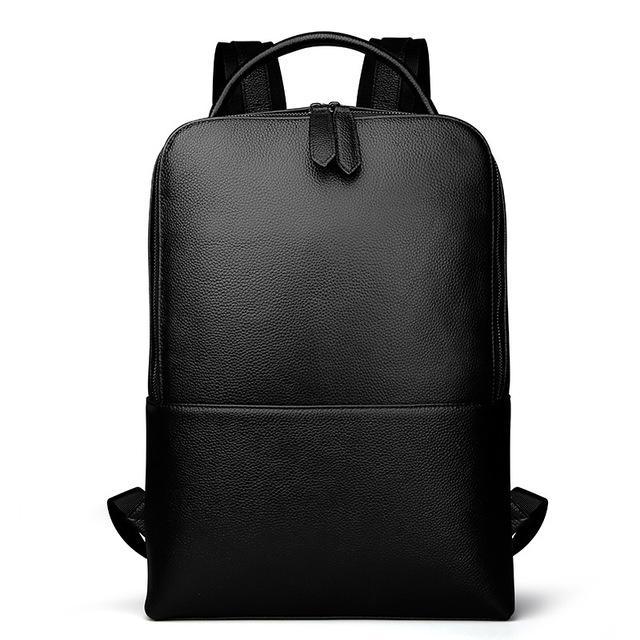
The Hemming Leather Laptop Bag

For professionals who move between meetings and commutes, the Hemming offers structured full-grain leather construction that resists surface staining from desk contact and handling.
Best for Travel and Weekenders

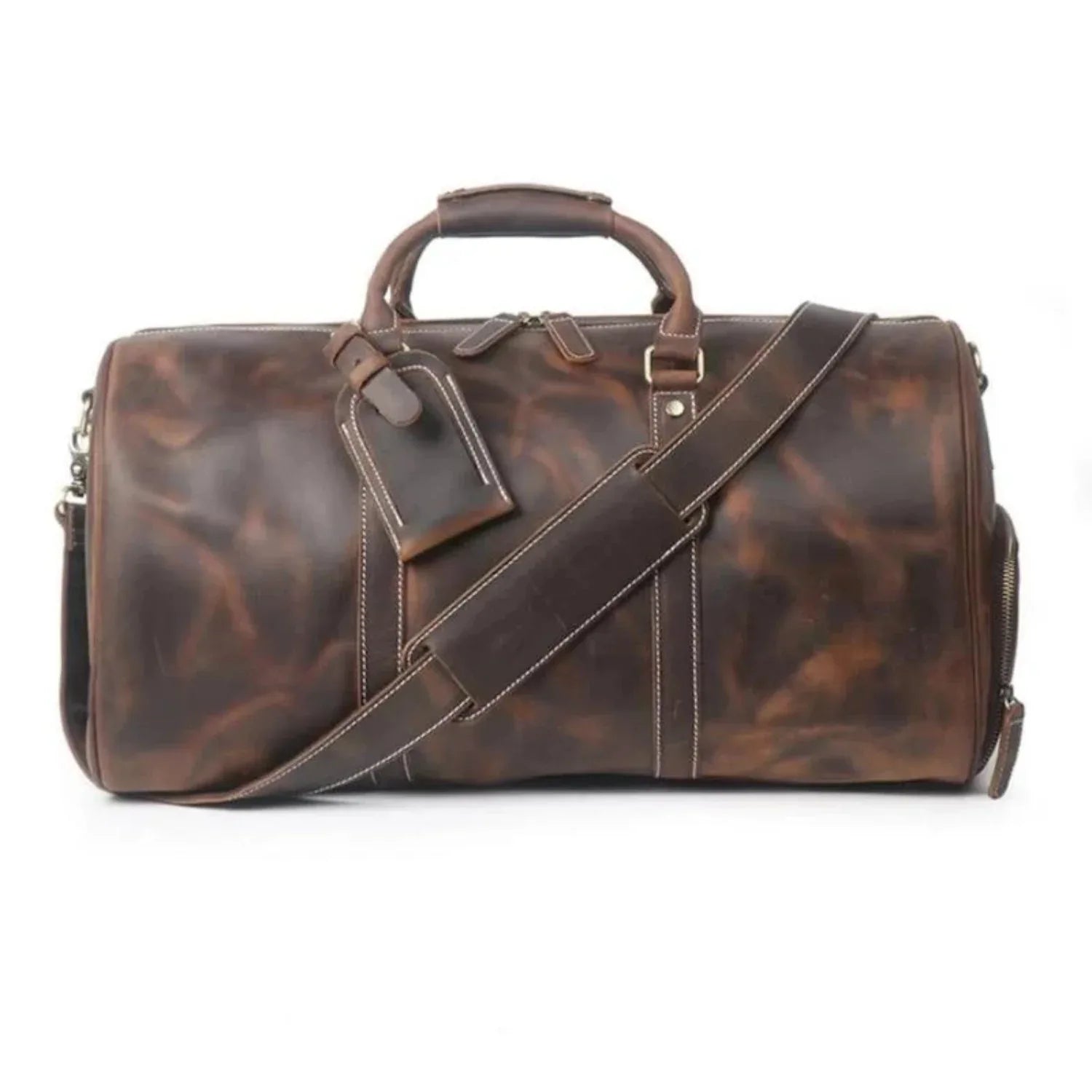
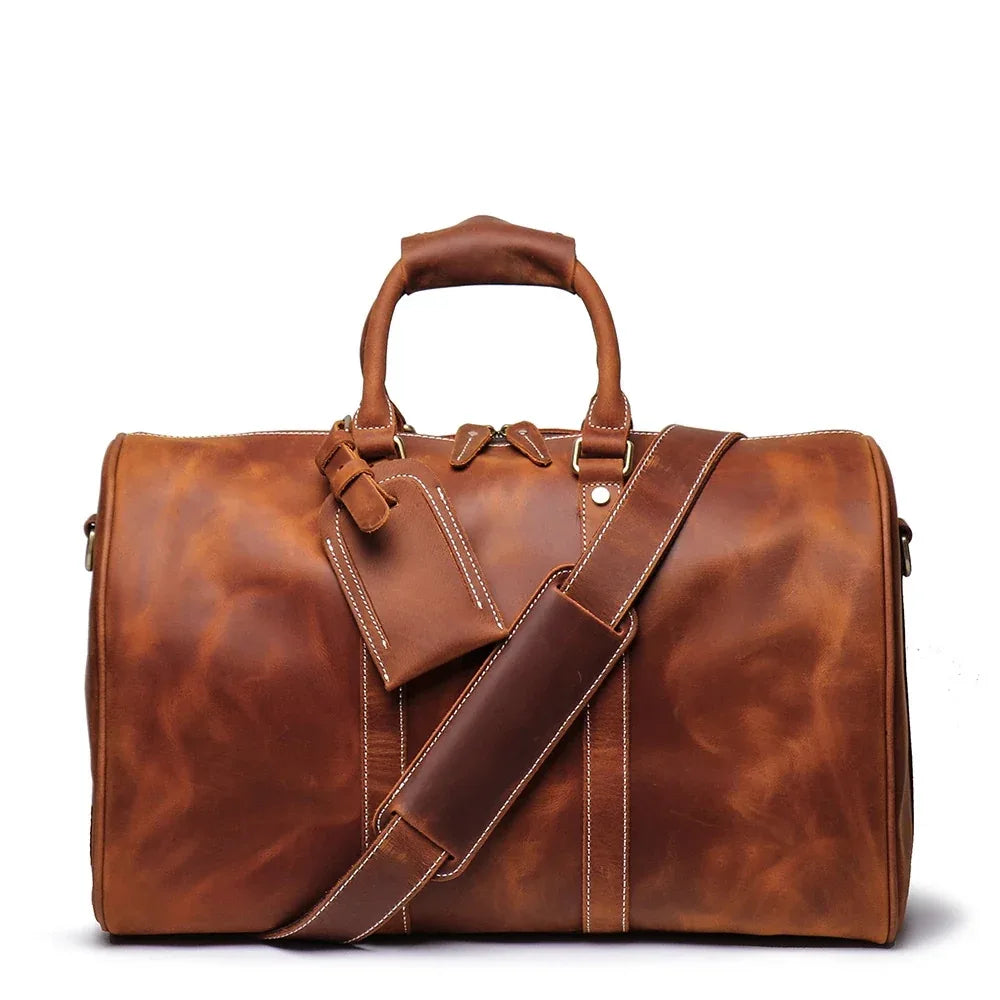
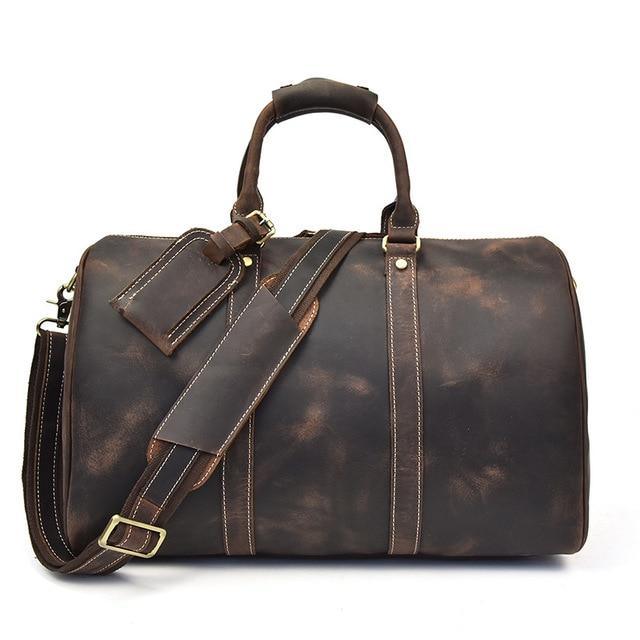
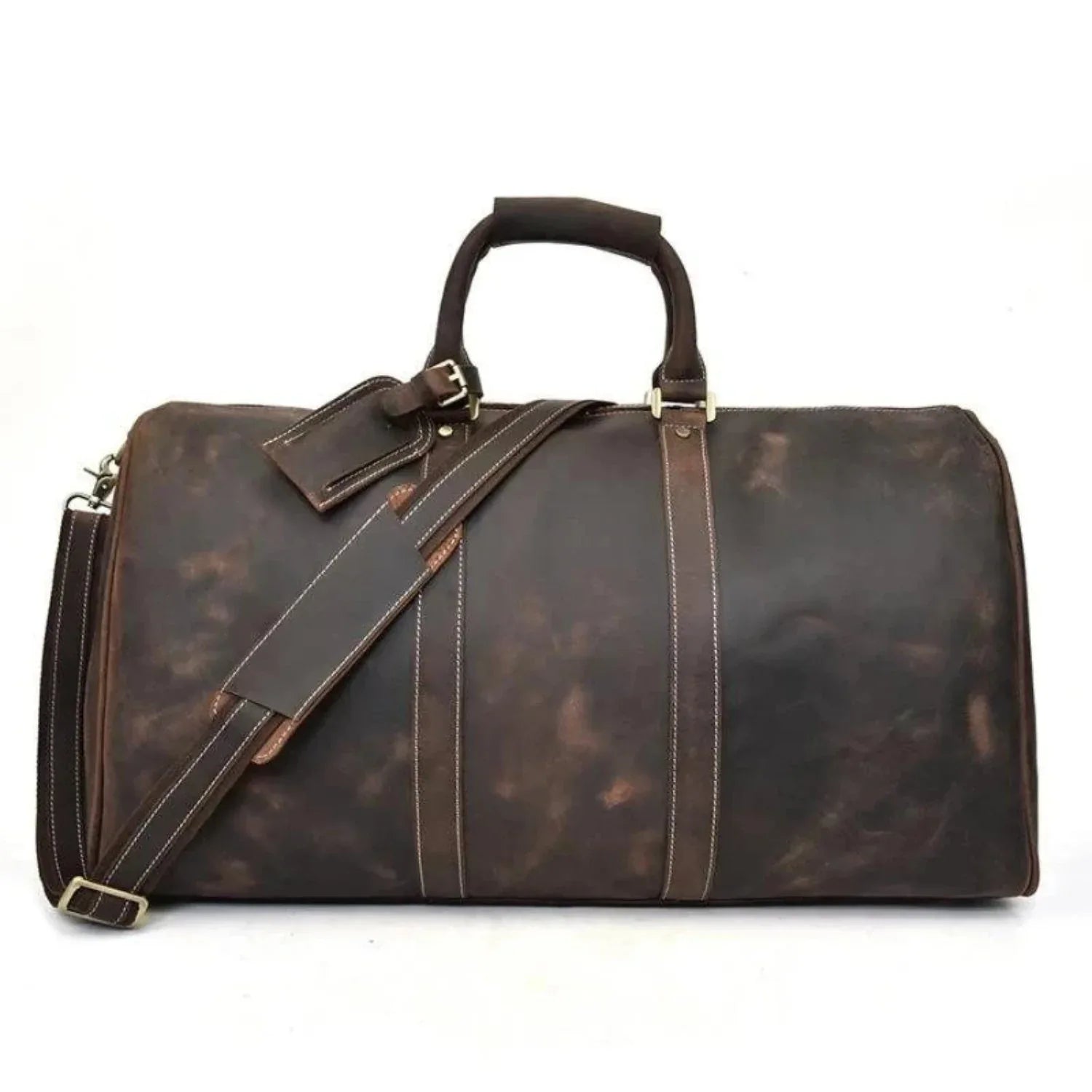
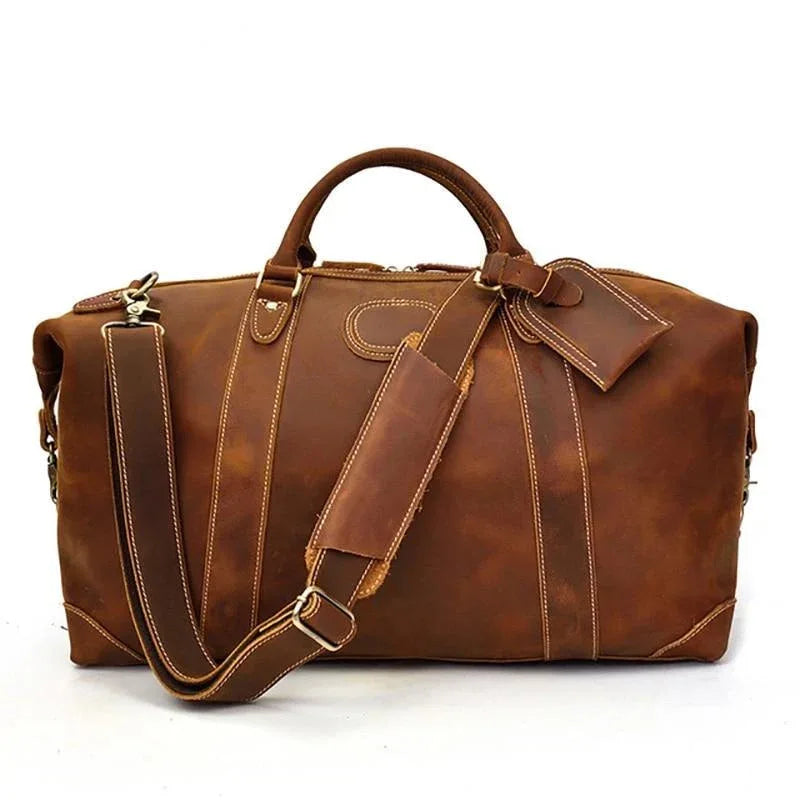
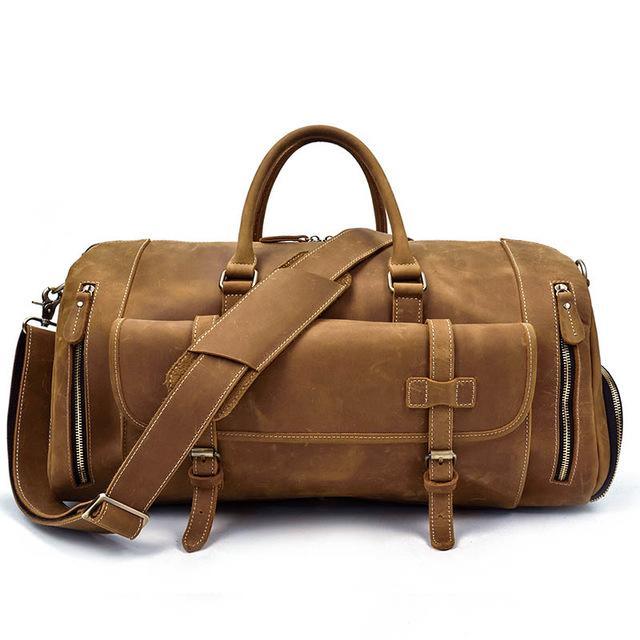
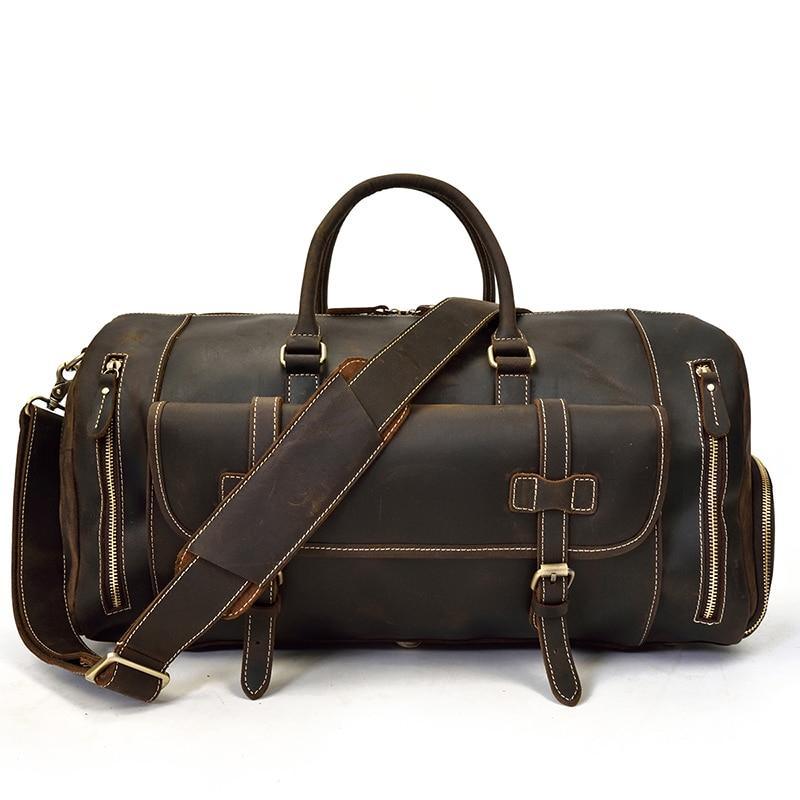
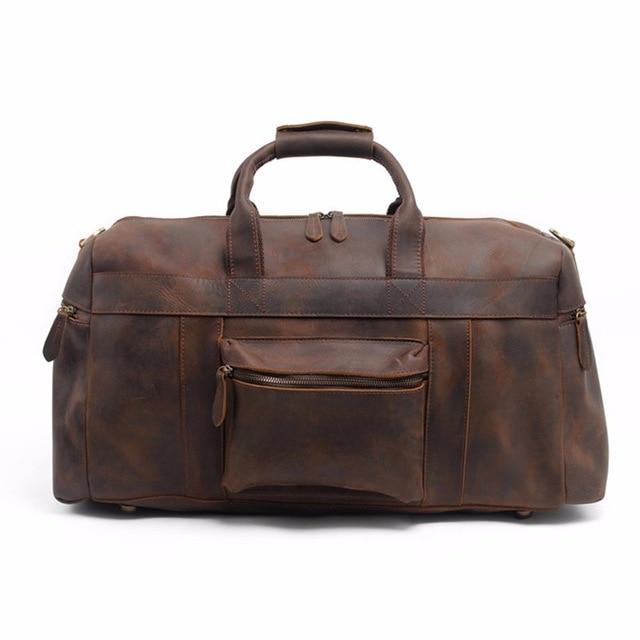
A leather bag that travels gets exposed to everything — restaurant tables, airport floors, hotel surfaces. The Endre's thick full-grain leather handles it. When a grease stain or water stain appears, the surface responds well to baking soda and a quality leather conditioner treatment. Browse the full leather duffle bag collection for more travel-ready options.

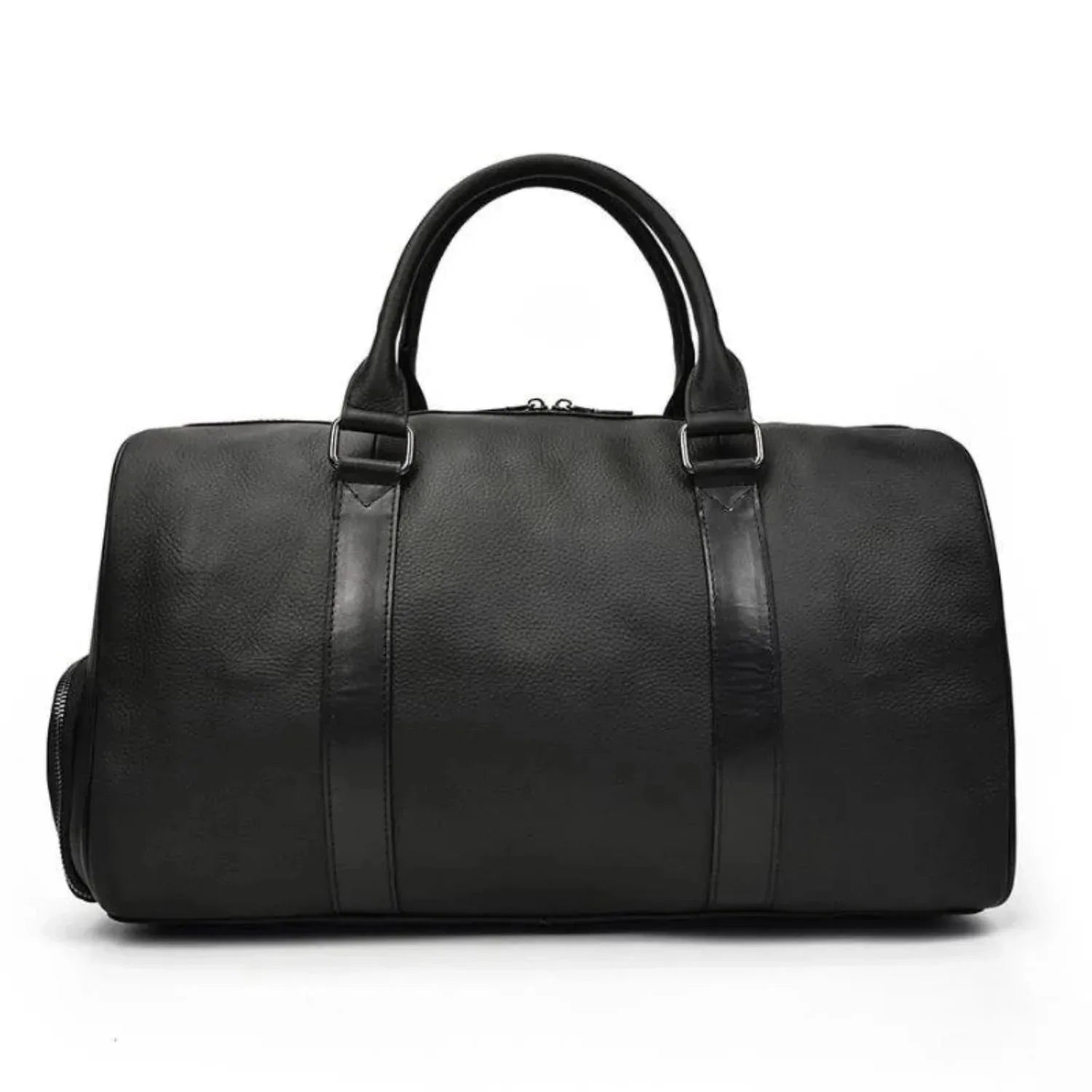
The largest capacity option in the range, built for longer trips. Full-grain leather construction means it resists staining better than bonded or corrected grain alternatives.

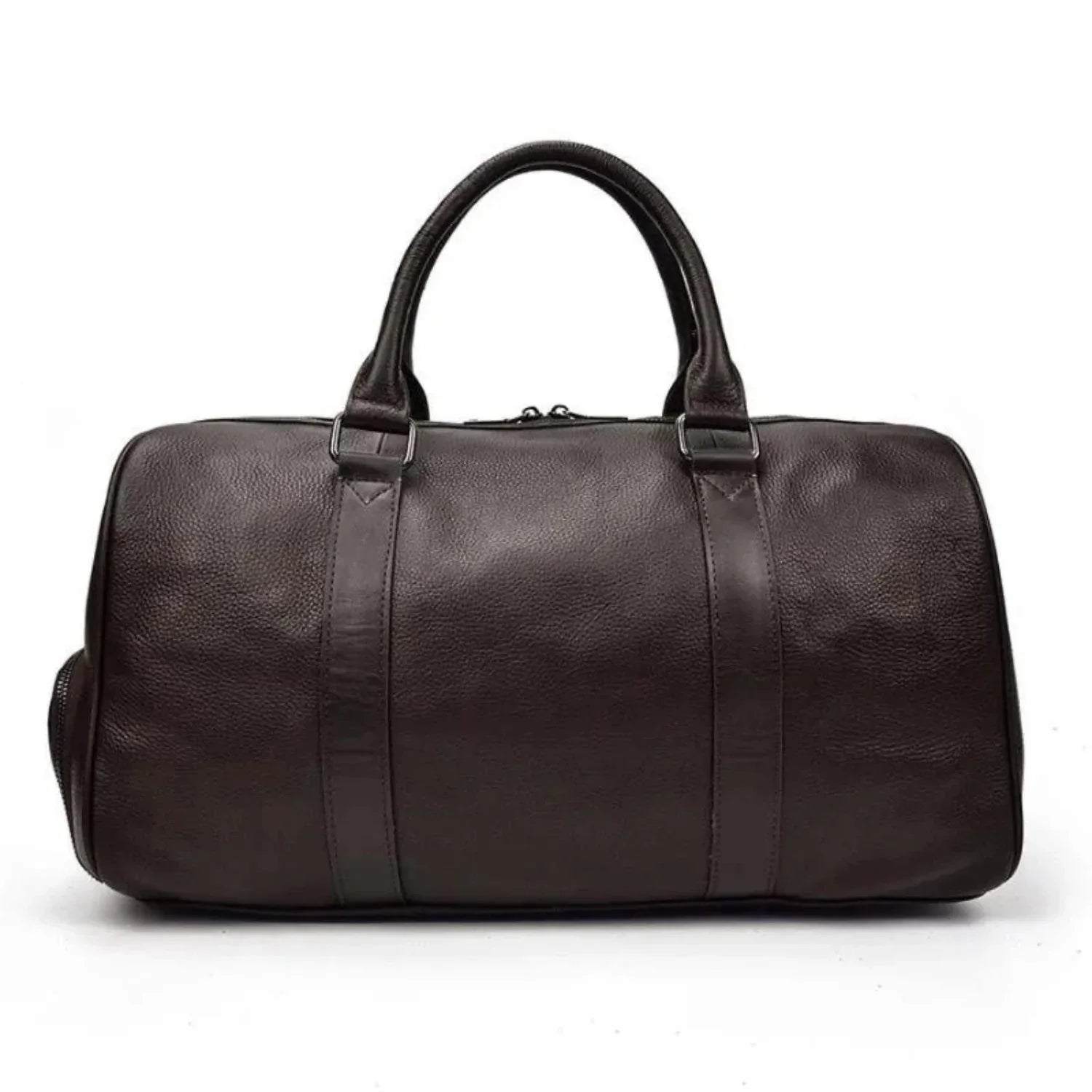
A compact weekender that carries well and cleans easily. Full-grain leather means spot cleaning with saddle soap and a soft cloth keeps it looking sharp trip after trip.
Best Compact Leather Bag

Worn close to the body, sling bags pick up sunscreen stains and skin oils over time. The Erling's full-grain leather surface is easy to spot-clean with a damp soft cloth and a small amount of saddle soap.

A compact, hands-free option that stays clean with minimal maintenance. Occasional conditioning with a leather conditioner keeps it looking sharp.
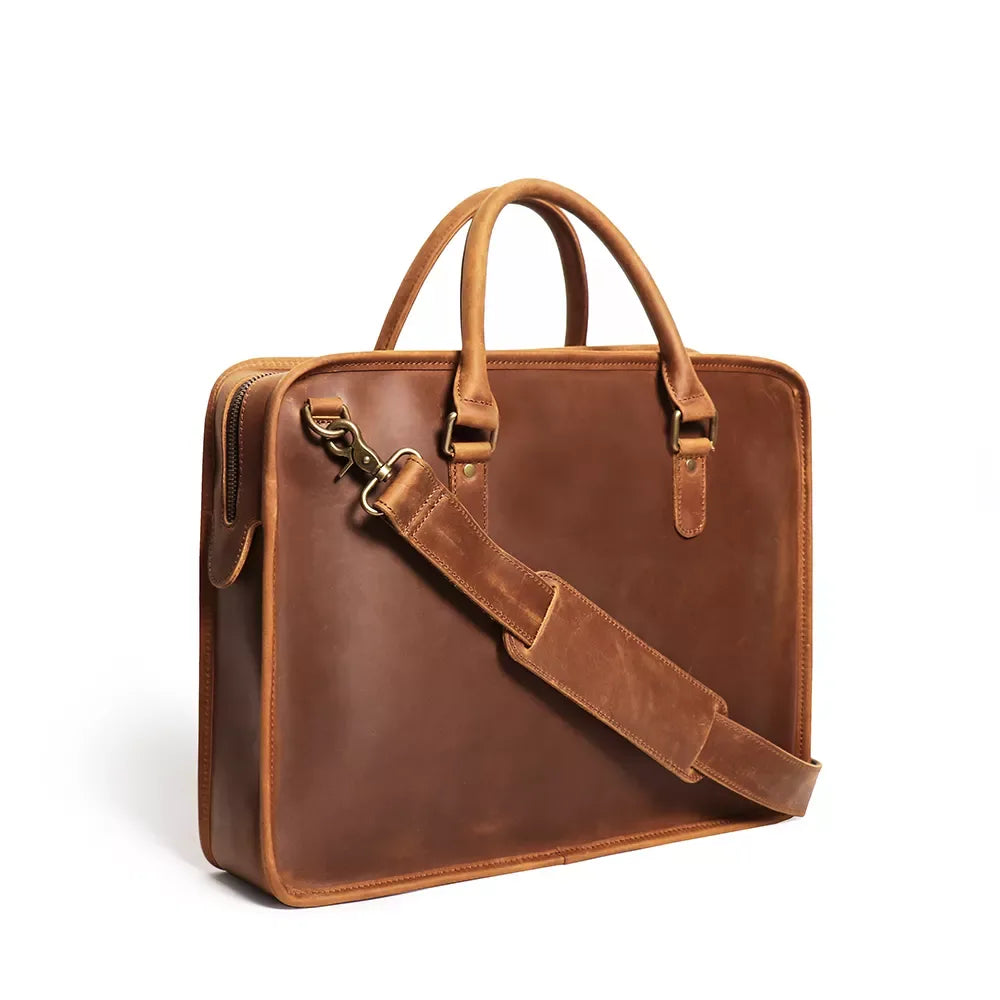
Best Premium Work Bag

Full-grain leather in a structured briefcase format. Desk-ready, professional, and built to age well. Minor ink stains or water stains that occur in a work setting respond well to standard cleaning methods. See the full leather work bag collection for more professional options.
Best Leather Backpack

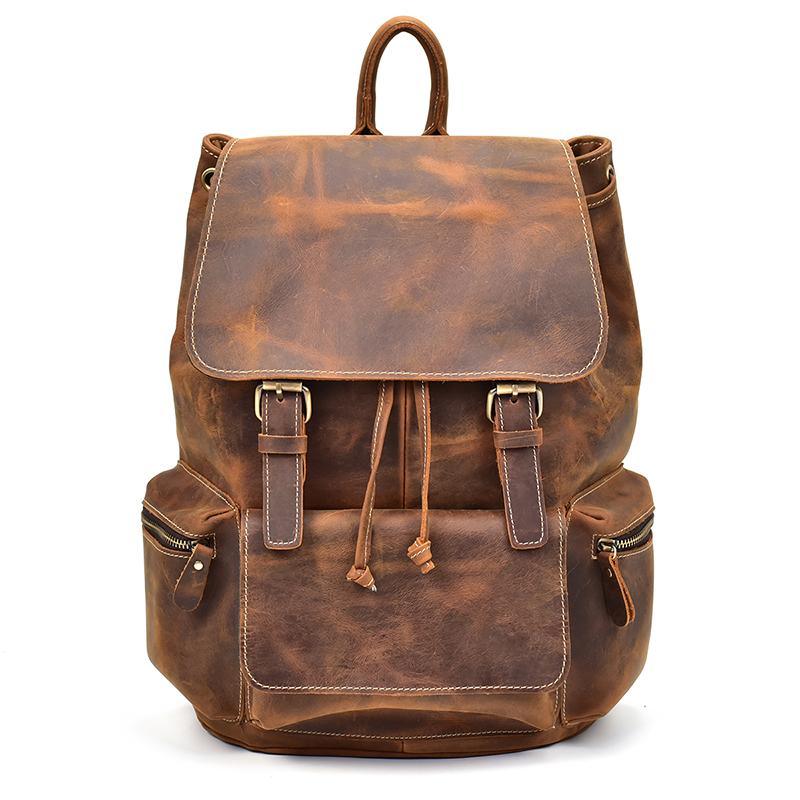
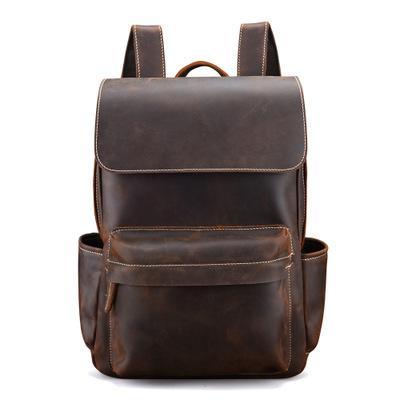
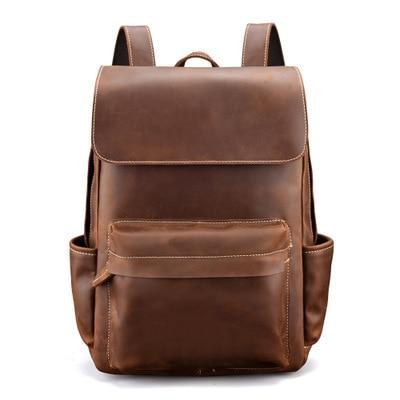
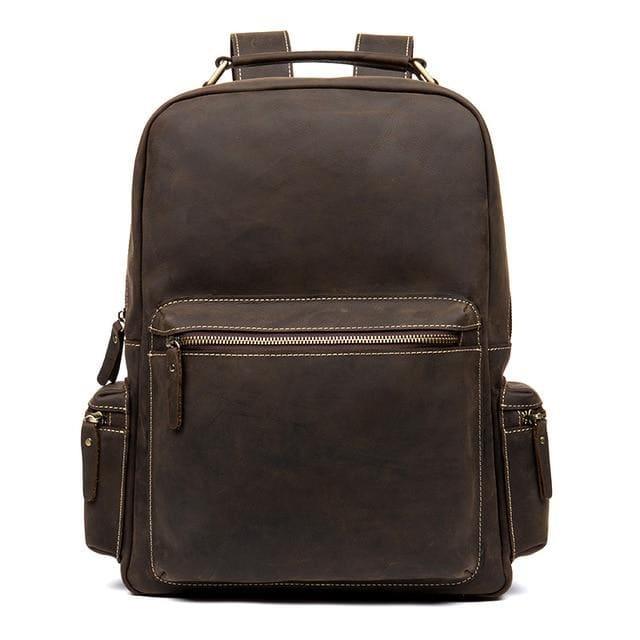
A handcrafted full-grain leather backpack built for daily use. Backpacks accumulate grease stains and contact stains over time. The Faulkner's leather surface holds up to regular cleaning with saddle soap and soft cloths without degrading.
The Gaetano Large Leather Backpack

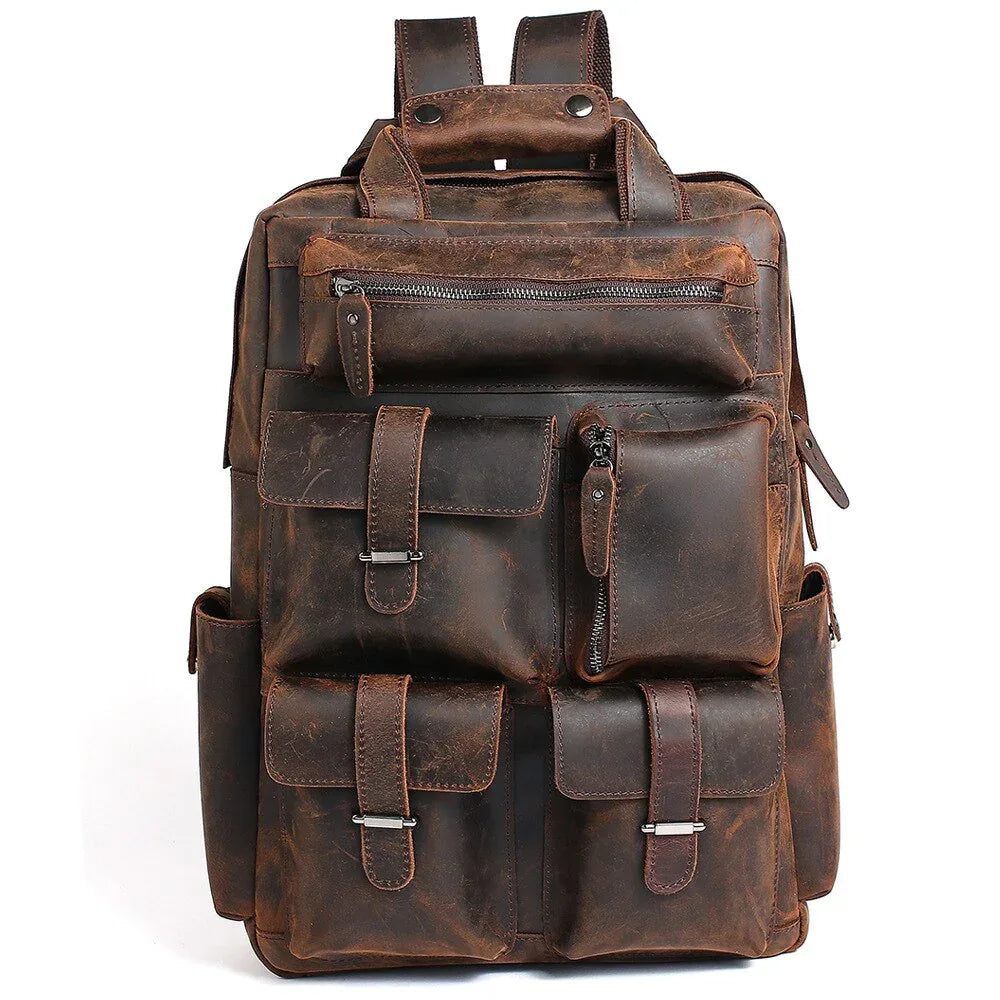
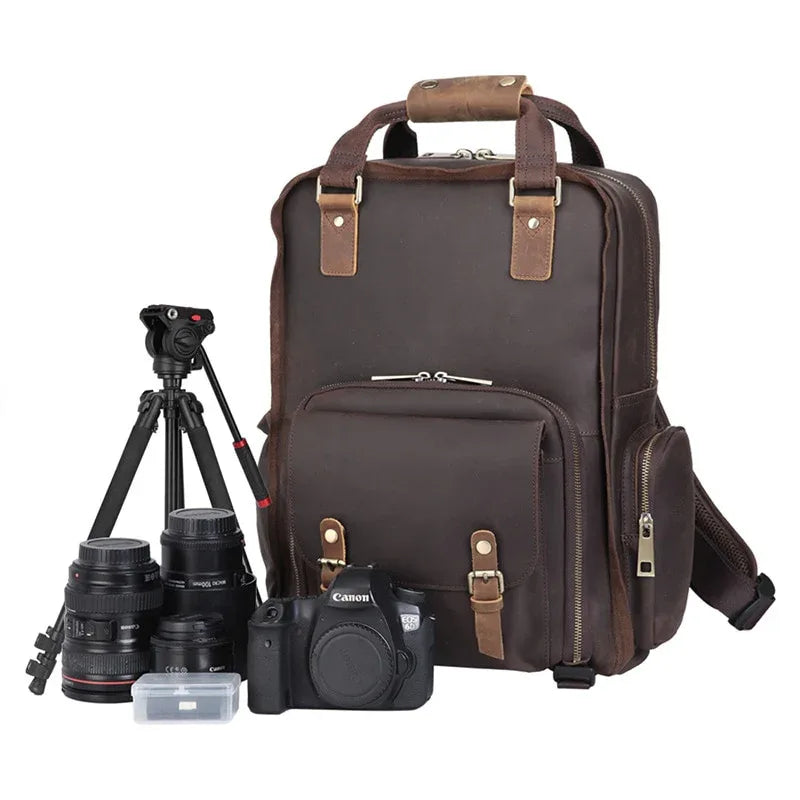
For those who carry camera gear, the Gaetano offers extra capacity and tough full-grain leather construction. Outdoor use means more exposure to environmental staining — the material is up to it. See the full leather backpack collection for more options.
Frequently Asked Questions
Can oil stains be permanently removed from leather?
Most oil stains can be fully removed from full-grain leather if treated promptly. The faster you blot and apply an absorbent powder like baking soda, talcum powder, or corn starch, the better the result. Stains that have been left to set for days are harder to remove and may require a professional leather cleaner.
Is saddle soap safe for all leather types?
Saddle soap works well on full-grain leather and vegetable tanned leather but should be used sparingly. It can dry out leather if overused, so always follow with a leather conditioner. Avoid saddle soap on suede, nubuck, or faux leather.
Can I use rubbing alcohol to clean a leather bag?
Rubbing alcohol is effective for ink stains and targeted spot cleaning but should never be applied broadly to a leather bag. It can strip protective coatings and dry out the leather. Use it on a cotton swab, apply only to the stained area, and always condition afterward. Treat it as a last-resort tool, not a routine cleaner.
What is the best homemade leather stain remover?
When a proper leather cleaner is not available, a diluted solution of dish soap and warm water applied sparingly with a soft cloth can handle light oil stains as a secondary option. For ink stains, rubbing alcohol on a cotton swab can be effective when used conservatively as a last resort. For dried blood stains, a paste of cream of tartar and lemon juice applied once and removed within ten minutes can help — follow immediately with leather conditioner, as lemon juice is acidic and should not be left on the surface or reapplied repeatedly. Always reach for a commercial leather cleaner first whenever possible.
How do I remove water stains from a leather handbag?
Dampen the entire panel of the leather handbag lightly with a barely damp soft cloth, blending the water stain into the surrounding area. Allow it to air dry naturally. Do not apply heat. Once dry, apply a leather conditioner to restore the finish evenly.
How often should I condition my leather bag?
Every three to six months for regular use. If you live in a dry climate or use the bag daily, condition every two to three months. Regular conditioning with a leather conditioner keeps the leather surface supple and reduces its susceptibility to staining.
What should I do if a cleaning product discolors my leather?
Stop immediately and blot off any remaining product with a dry cloth. Do not try to correct the discoloration with additional products, as this often makes it worse. Consult a professional leather cleaner who can assess whether refinishing or color restoration is possible.
Are Steel Horse Leather bags easy to clean?
Yes. Full-grain leather is the most practical leather for cleaning because its dense grain structure resists absorption. Routine leather care with a damp soft cloth, occasional saddle soap for deeper cleaning, and regular leather conditioner application keeps Steel Horse Leather bags in excellent condition for years.
Ready to Invest in Leather That Lasts?
A leather bag you have to fight to keep clean is the wrong leather bag. Steel Horse Leather builds every bag from full-grain leather — the grade that resists staining, ages with character, and responds well to proper leather care. Every purchase is backed by a 30-day money-back guarantee.
Browse the full Steel Horse Leather bag collection and find the bag that fits your carry style. Built for real use. Built to last.
All of our bags at Steel Horse Leather are crafted from full-grain crazy horse leather, built to develop a rich patina over time. Browse our Leather Bags.