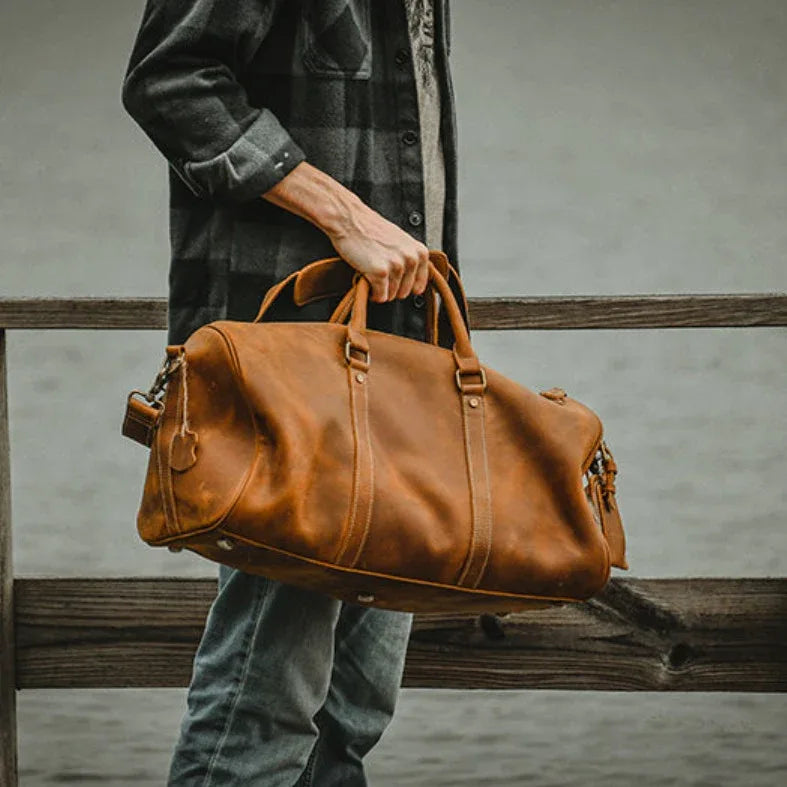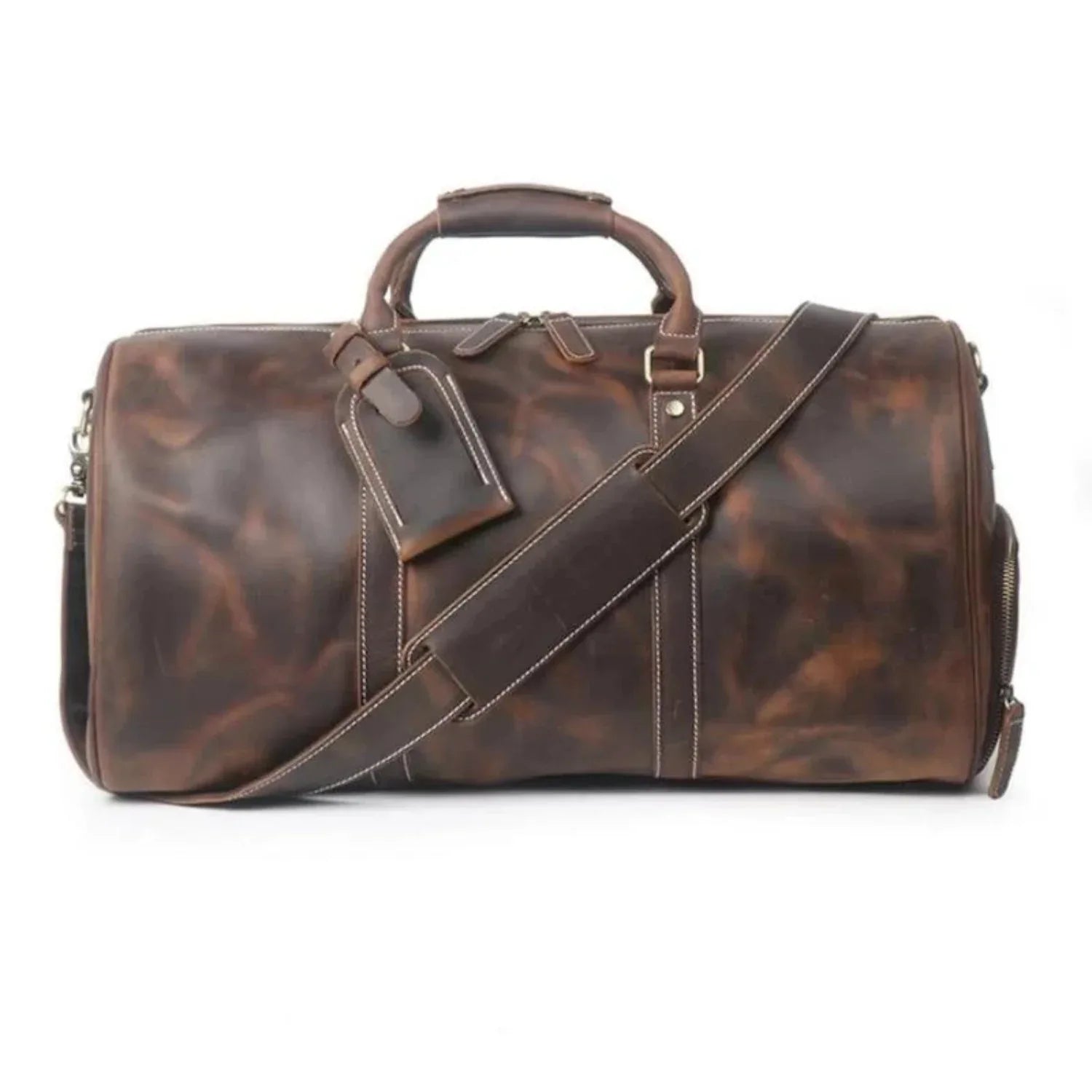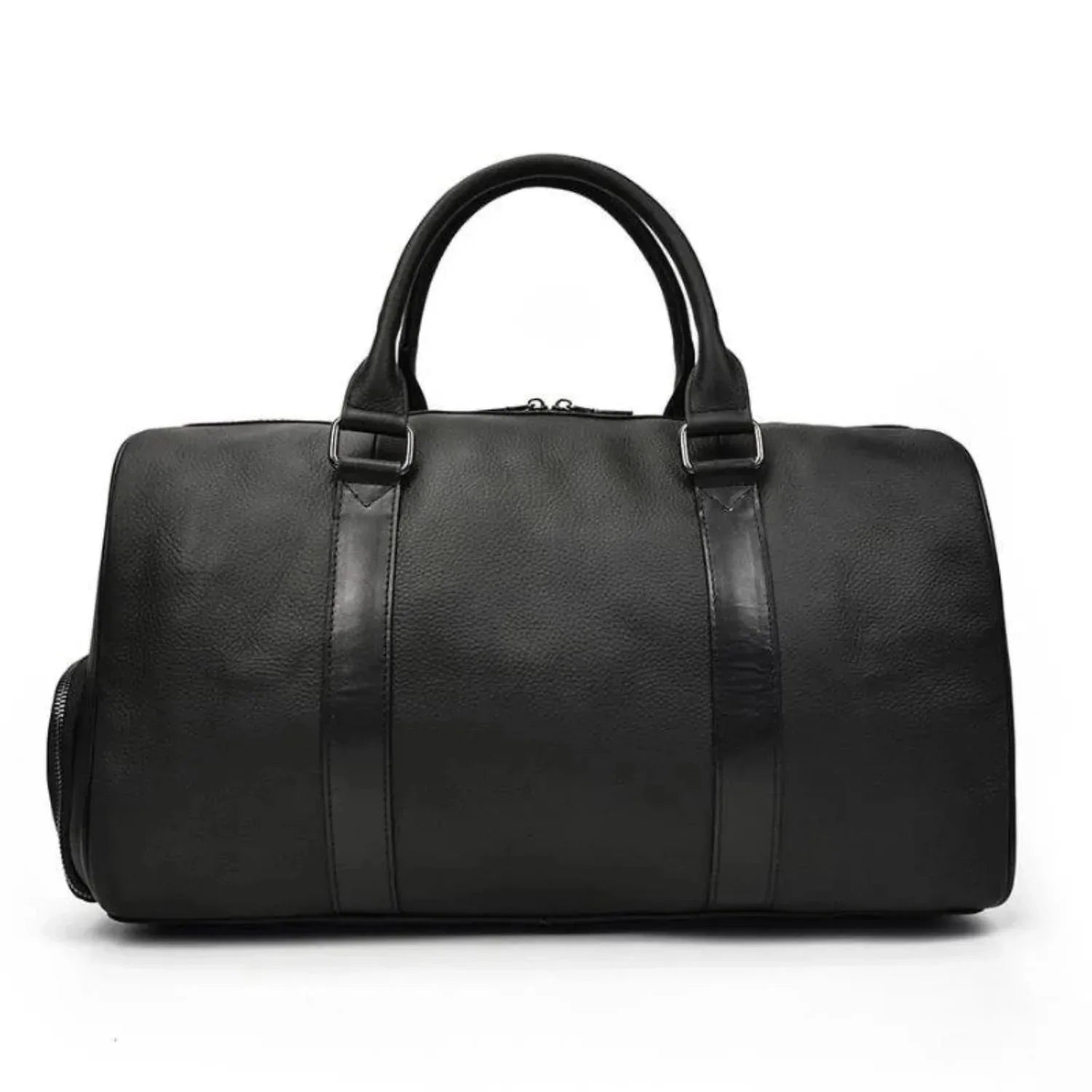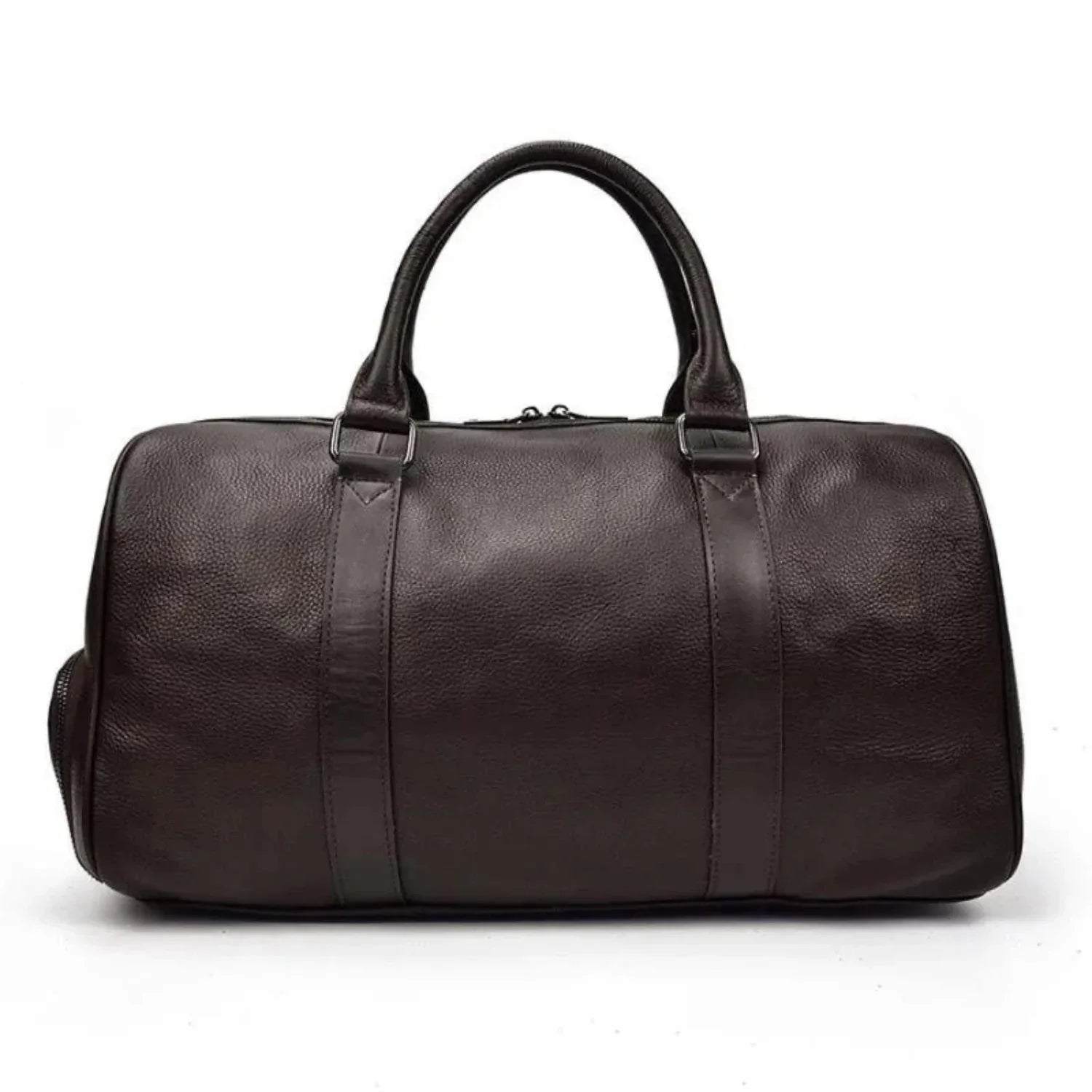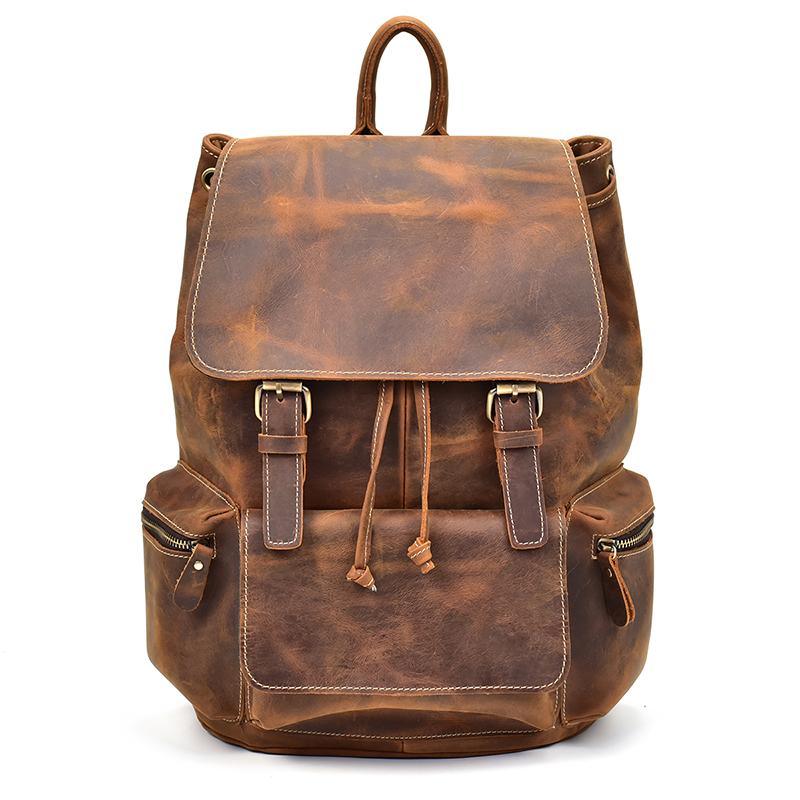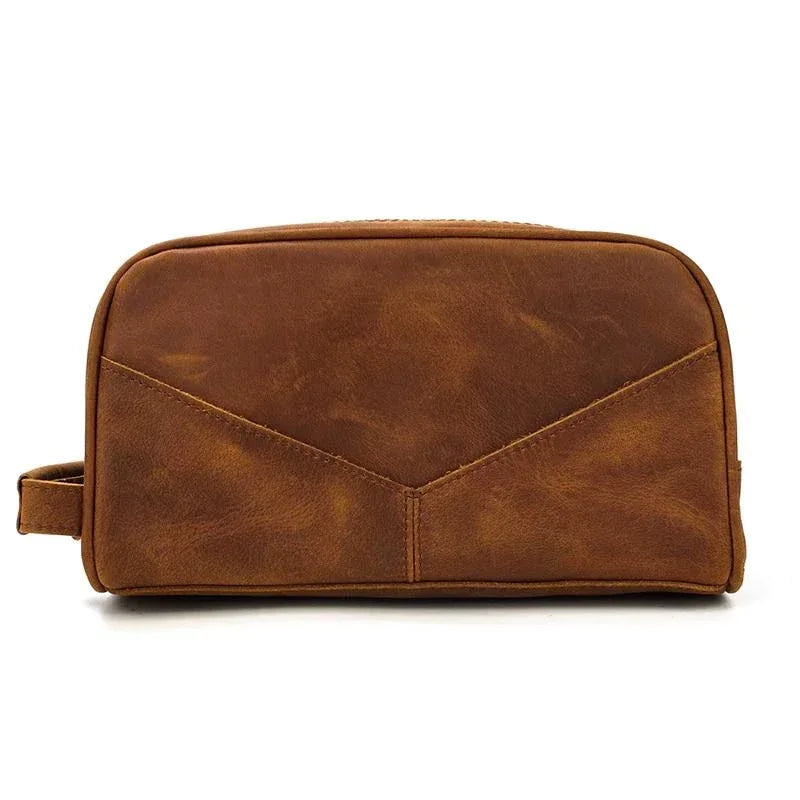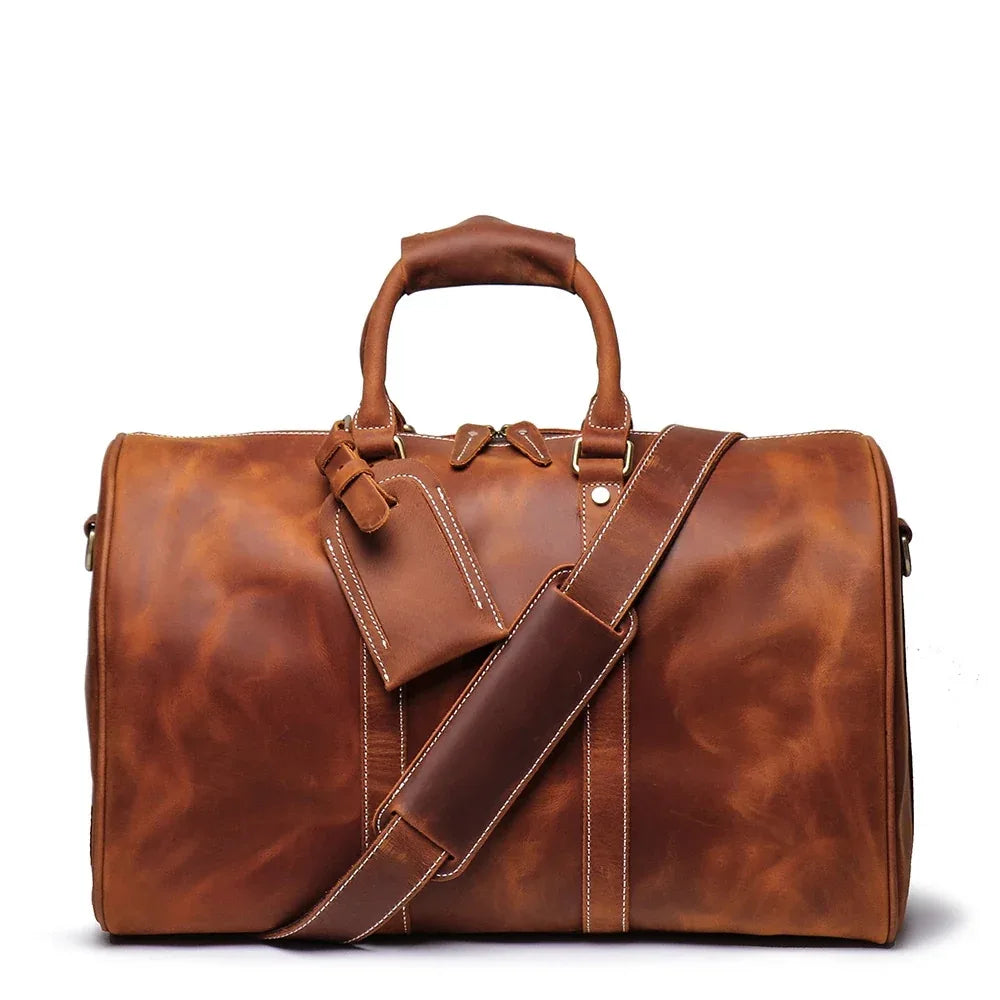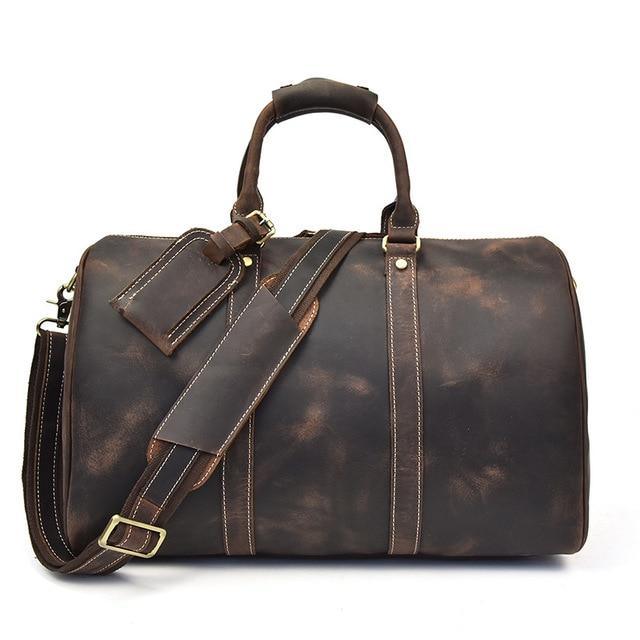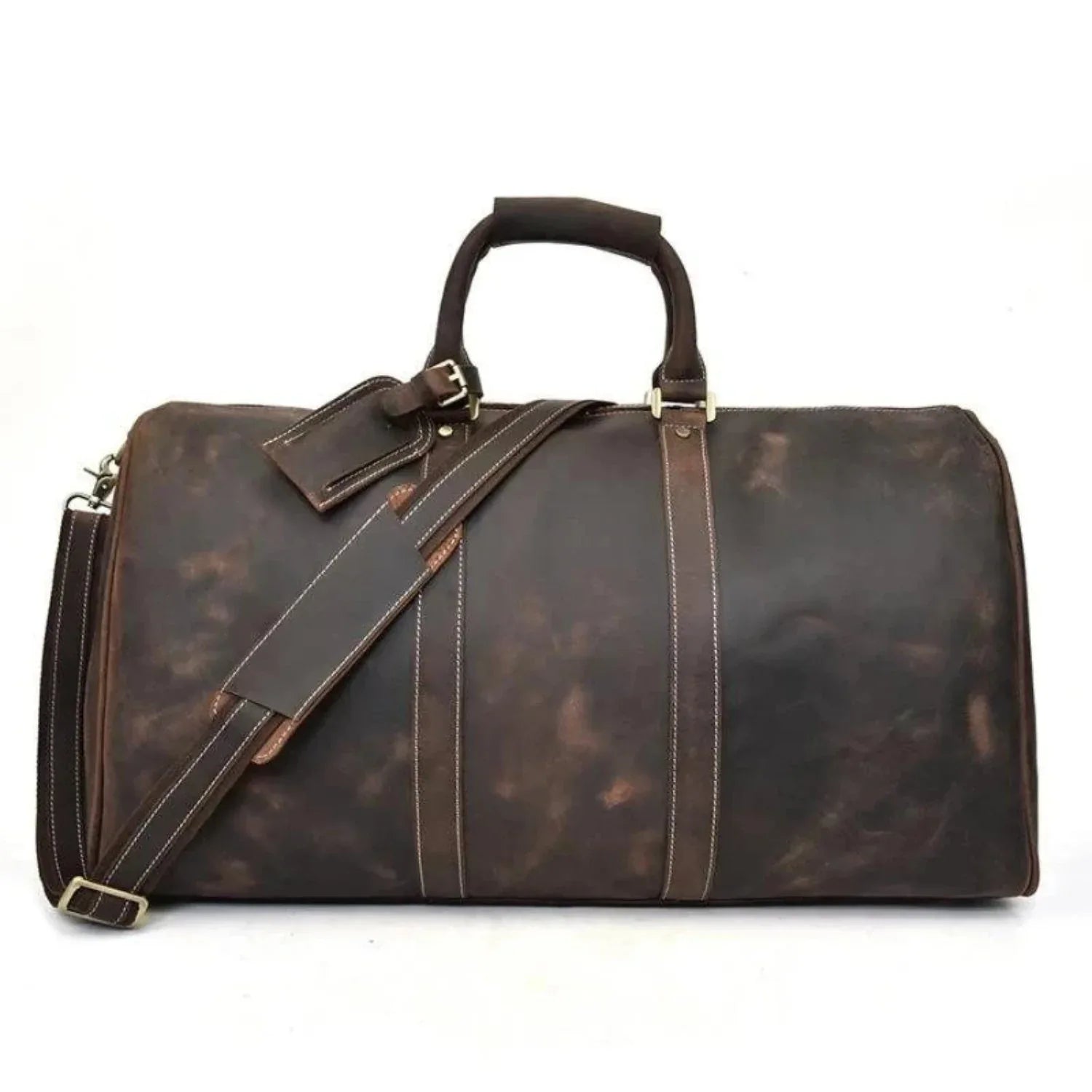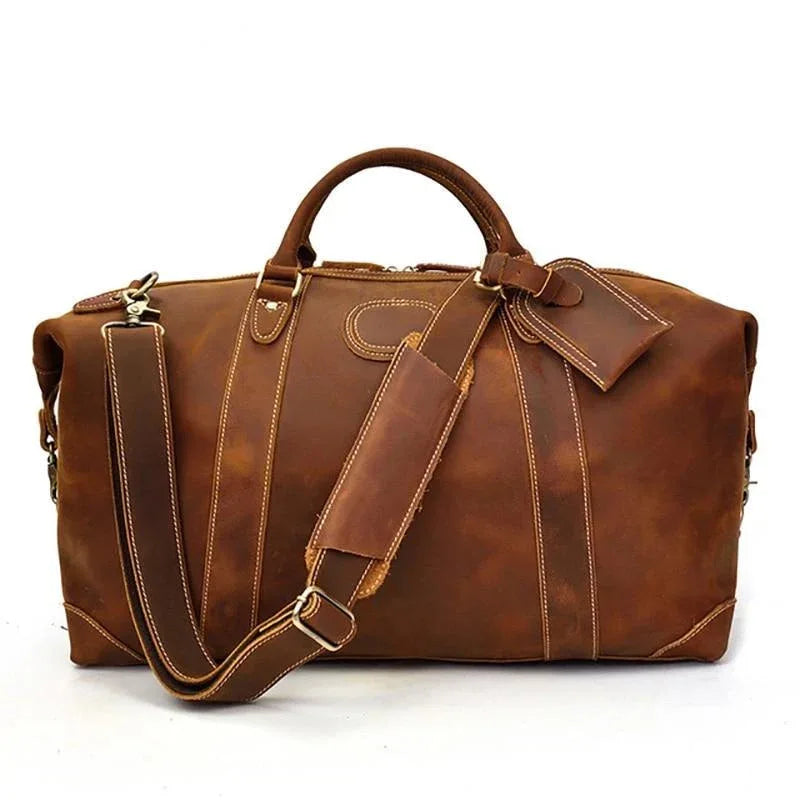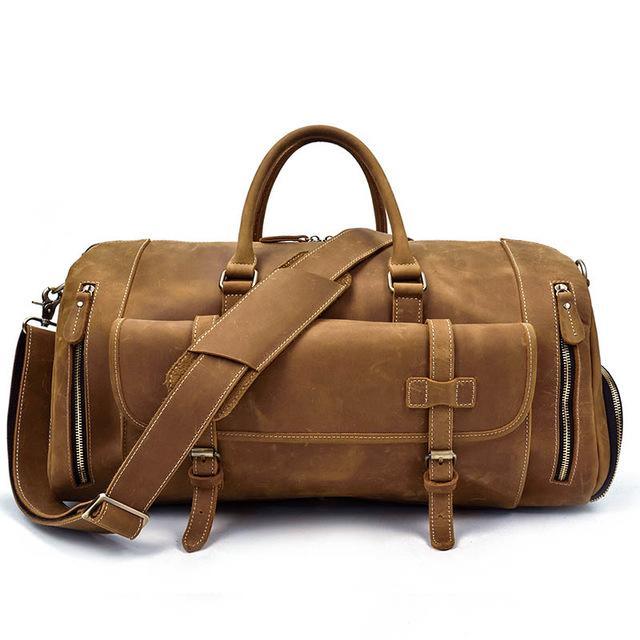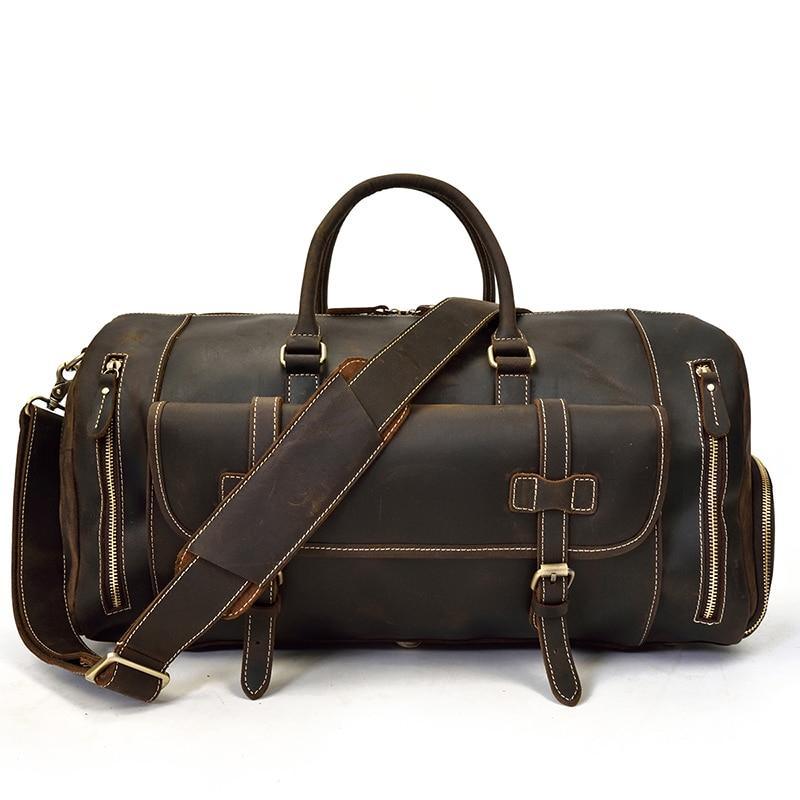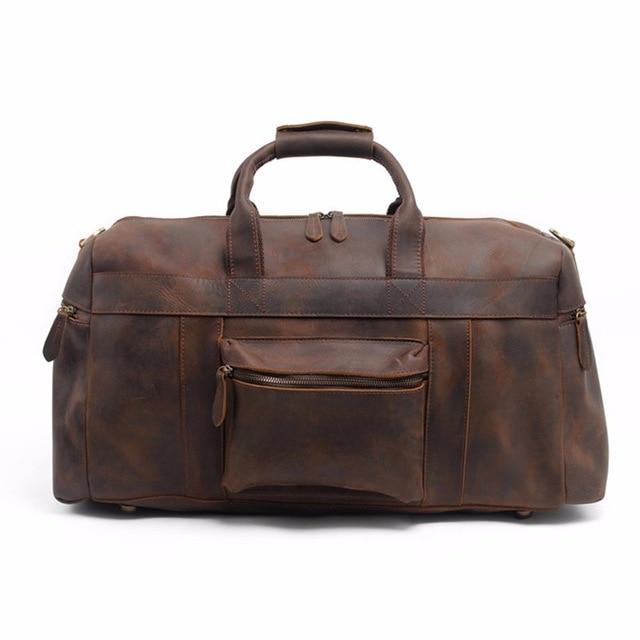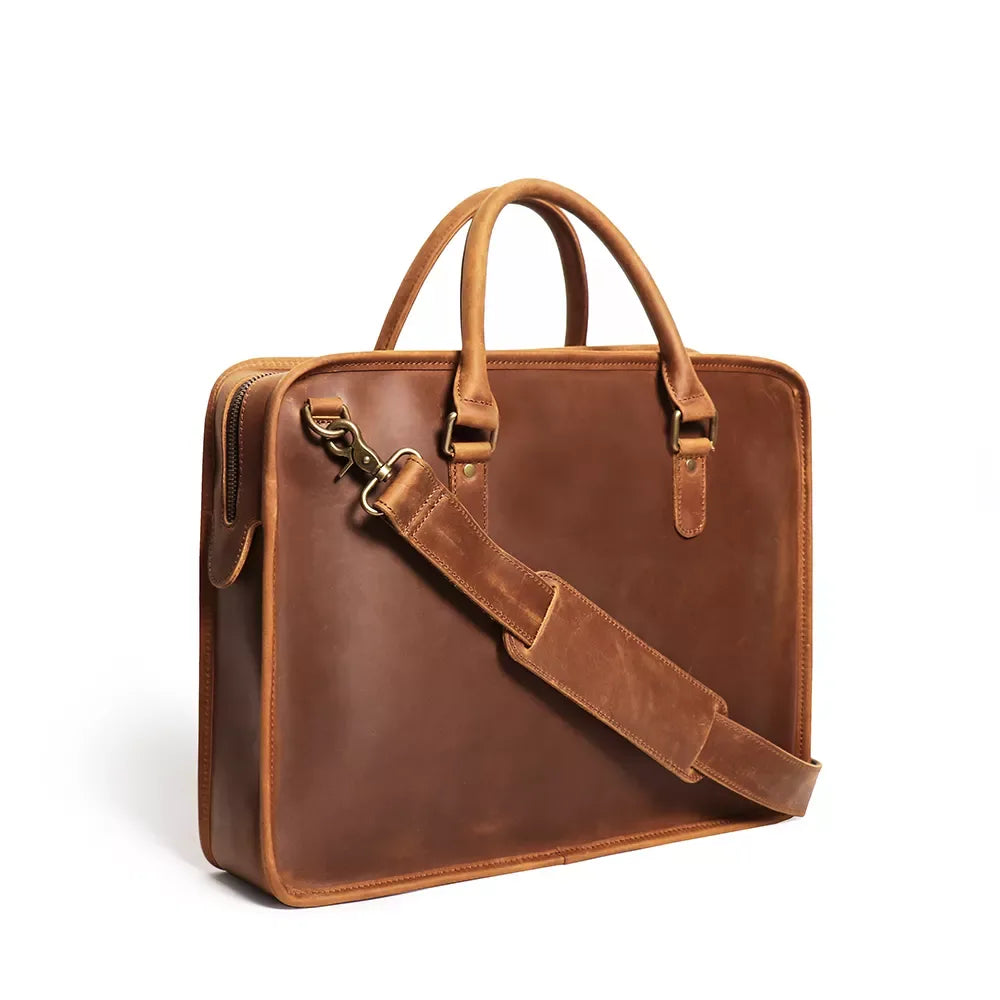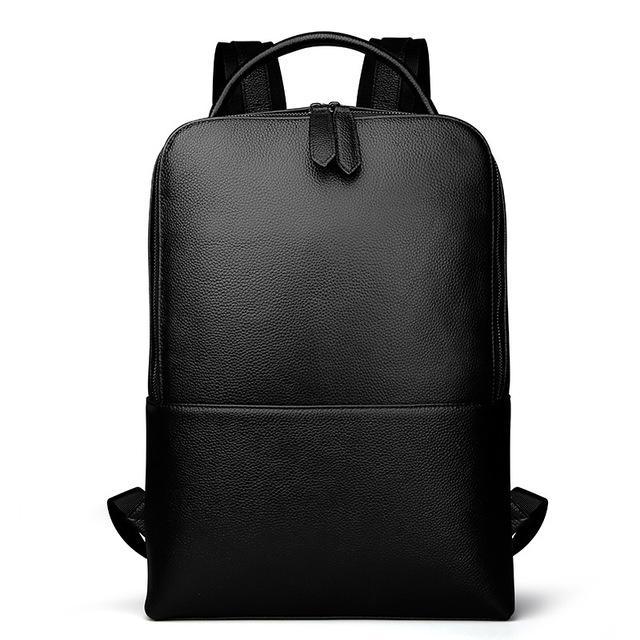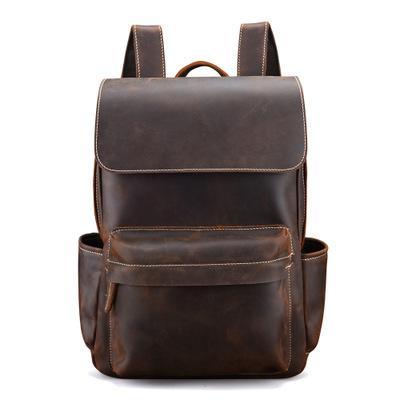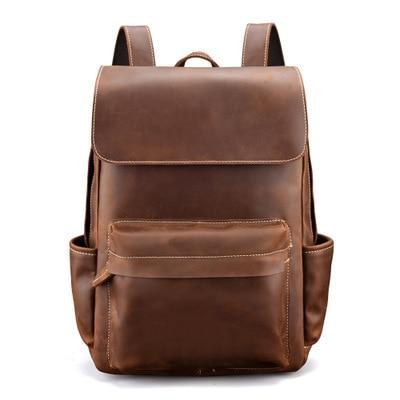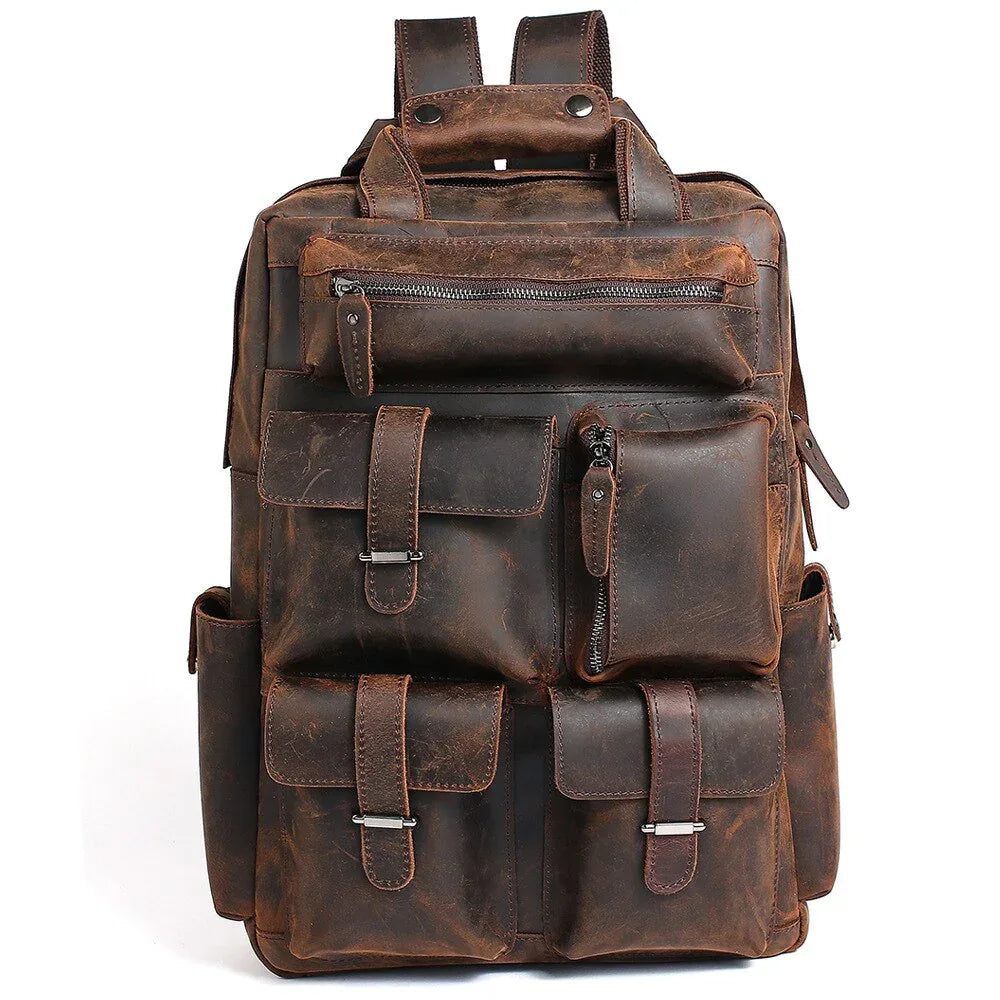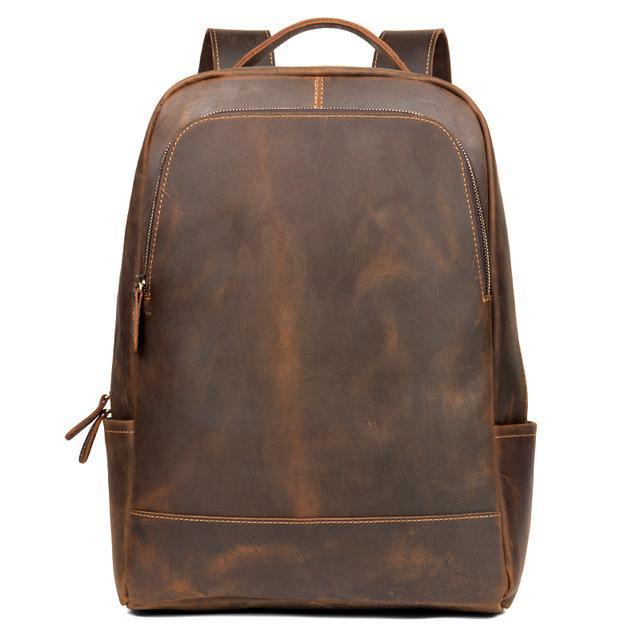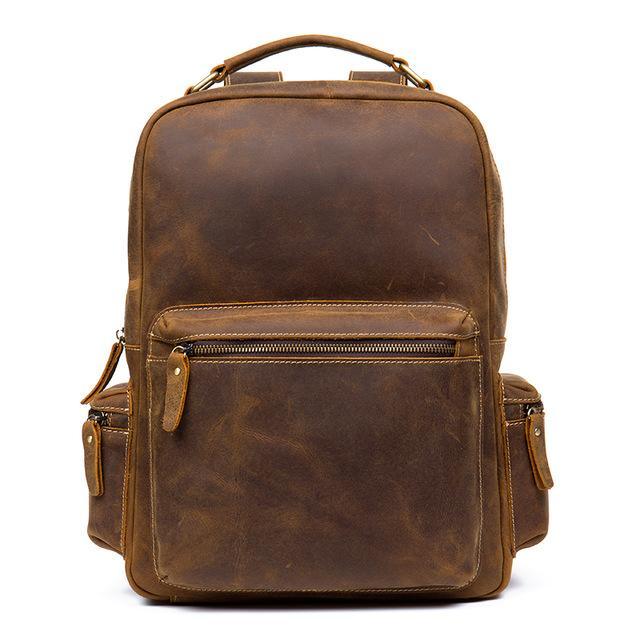
Repairing and restoring a leather bag typically costs 50% less than buying a new one, and can extend its lifespan by 5 to 10 years with proper care (Davis et al., 2021; Lesor and Togi, 2022). Over 80% of leather bags end up in landfills each year, but cleaning, conditioning, and repairing damage instead of discarding a bag significantly cuts down on that waste (Soares et al., 2024). This guide covers exactly how to assess damage, clean your bag, fix common problems like tears and fading, and maintain leather bags for the long term.
Key Takeaways
-
Over 80% of leather bags end up in landfills, but repairing and restoring them reduces waste and supports a more sustainable lifestyle.
-
Restoration typically costs about 50% less than replacement and can extend a bag's usable life by 5 to 10 years.
-
Leather restoration involves cleaning, conditioning, and repairing damage such as scratches, stains, tears, and fading.
-
Ink stains and small tears can often be fixed at home with a leather cleaner and repair kit, but larger structural damage usually needs a professional.
-
To restore faded leather color, clean the bag, condition it, then apply a leather dye or color restorer and finish with a UV-protective spray.
Why Trust This Leather Restoration Guide?
Steel Horse Leather's craftsmen work with multiple leather types every day, including full-grain leather used in our own leather bags, men's leather bags, and leather makeup bags. Understanding how grain leather and genuine leather respond differently to cleaners, conditioners, and dyes is the foundation of any repair job. The recommendations below reflect what actually works on the hides we cut and stitch by hand, not generic advice copied from elsewhere.
What Is Leather, and Why Does the Type Matter for Repair?
Leather is tanned and processed animal hide, and the grade of leather determines how well it can be restored. Full-grain leather keeps the complete natural grain of the hide, which means it holds conditioner and dye more evenly and develops a genuine patina over decades of use. Genuine leather has been sanded or buffed to remove surface flaws, which lowers the cost but also reduces how deeply it absorbs conditioning products.
Before starting any leather bag repair, check the tag or receipt to confirm the leather type. If you cannot find that information, look at the surface: full-grain leather shows natural imperfections, pores, and grain variation, while genuine leather has a more uniform, corrected texture. This one step determines which cleaners and dyes are safe to use.
Full-Grain Leather vs. Genuine Leather: Restoration Differences
| Factor | Full-Grain Leather | Genuine Leather |
|---|---|---|
| Surface | Natural grain, visible pores and marks | Sanded and buffed, more uniform texture |
| Conditioner absorption | Deep, even absorption | Shallower absorption due to sanded surface |
| Dye and color restoration | Takes dye evenly, ages into a natural patina | Can be dyed but may look more uniform, less character |
| Typical lifespan with care | 10 to 20+ years | 5 to 10 years |
| Relative cost | Higher upfront cost | Lower upfront cost |
Is It Worth Restoring a Leather Bag Instead of Replacing It?
Yes, in most cases restoration costs about half of what a new leather bag would cost, and new full-grain leather bags typically range from $100 to over $1,000 (Davis et al., 2021). Restoration also keeps the bag's existing patina and shape intact, which is something a brand-new bag cannot replicate. If the bag has strong sentimental value or was discontinued, restoration is often the only way to keep using it.
Restoring a bag also opens the door to customization. A worn leather purse can be re-dyed to a completely different shade through custom dyeing, giving it a second life that looks intentional rather than repaired. This applies to both everyday leather handbags and higher-end exotic skin pieces.
Browse the full range of handcrafted options at Steel Horse Leather's leather bags collection if you decide a replacement makes more sense than repair for a particular bag.
How Do I Prepare to Repair or Restore a Leather Bag?

Start by inspecting the bag under good light and listing every problem area before buying any supplies. This prevents wasted trips to the store and helps you decide whether the job is a DIY fix or one for a professional. Once you know what you're dealing with, gather the specific tools for that repair, such as leather glue, fine sandpaper, conditioner, and matching thread.
How Do I Assess the Condition of a Leather Bag?
Run your hands over the entire surface to feel for stiff, cracked, or overly soft patches, which indicate dried-out or over-oiled leather. Check visually for scratches, scuffs, and discoloration, and look closely at the stitching to confirm nothing is loose or unraveling. Open the bag and check the lining for fraying or tears, since interior damage is often missed until it gets worse.
Test the handles and straps by gently pulling on the stress points where they attach to the body of the bag. Inspect hardware such as zipper pulls and zipper tracks, since a stuck or broken zipper is one of the most common reasons people think a bag needs replacing when it only needs a $10 part. This full assessment tells you whether you're looking at a simple cleaning job or one that needs structural repair.
What Supplies Do I Need to Clean and Restore a Leather Bag?
You need three core categories of supplies: a cleaner, a conditioner, and application tools. For cleaning, Angelus Easy Cleaner, Fiebings saddle soap, and Leather CPR are commonly used because they remove surface grime without stripping natural oils.
For conditioning, options like Chamberlain's Leather Milk, GE-WY leather conditioner, Renapur Leather Balsam, and Absorbine Leather Therapy offer different levels of hydration depending on how dry the leather is. A horsehair soft brush helps lift dirt from grain and stitching without scratching the surface.
A combined option like The Leather Care Kit pairs a leather cream with a product care formula for a single cleaning-and-conditioning routine. Round out your kit with a lint-free towel for buffing, a leather polish for shine, and a leather protector spray with UV protection to guard against sun damage and moisture going forward.
How Do I Clean a Leather Bag?
There are three main cleaning methods for leather bags: a damp cloth for light dirt, a dry cloth for dust and surface debris, and a specialized leather cleaner for deeper grime or stains. Which one you use depends on how dirty the bag is and what type of leather it's made from. For heavily soiled bags or delicate exotic leathers, professional leather bag dry cleaning is worth the cost.
Damp Cloth Cleaning Method
Dampen a clean cotton cloth with water, wringing it out so it isn't dripping. Wipe the surface using gentle, even pressure, focusing on visibly dirty or stained areas. Avoid scrubbing hard, since this can push dirt into the grain or discolor the leather. Let the bag air dry completely, away from direct heat, before using or storing it again.
Dry Cloth Cleaning Method
Use a clean, debris-free cloth and wipe the entire bag with light pressure to remove dust and surface dirt. This method works best as routine, weekly maintenance rather than for deep stains. If a mark doesn't come off with a dry cloth after two or three passes, move to a damp cloth or specialized cleaner instead of scrubbing harder.
Specialized Leather Cleaner Method
Wipe away loose dirt first, then apply a small amount of leather cleaner to a clean cloth and work it into the surface in circular motions. Pay extra attention to high-contact areas like handles and the base of the bag, where oils and grime build up fastest. Wipe off excess cleaner with a dry cloth and let the bag air dry fully.
For higher-value pieces, services like The Leather Laundry offer professional dry cleaning for leather toiletry bags, while Leather Surgeons, Madison Avenue Couture, and Rago Brothers specialize in luxury leather goods and exotic skins that need a gentler touch than typical over-the-counter products provide.
How Do I Repair Damage on a Leather Bag?
Small damage like ink stains, minor tears, and uneven fading can usually be fixed at home with a repair kit and some patience. Larger structural issues, like torn seams, broken hardware, or major holes, usually require a professional. Related guides on repairing leather messenger bags and repairing leather briefcases cover similar techniques if you're working on a different bag style.
How Do I Remove Ink Stains From a Leather Bag?
Blot the stain immediately with a clean, dry cloth to soak up as much ink as possible before it sets. Dab (don't rub) the area with a cotton ball lightly dampened with rubbing alcohol. If the stain persists after two or three attempts, switch to a leather cleaner formulated specifically for ink removal. Always test any product on a hidden spot, like the underside of a strap, before applying it to a visible area.
For severe or old discoloration on a leather belt bag or purse, professional services like Cobblers Direct or Madison Avenue Couture offer color match and color renewal treatments that go beyond what home products can achieve.
How Do I Fix Tears and Holes in a Leather Bag?
For small tears under about an inch, a leather repair kit with adhesive and a color-matching compound is usually enough. Clean around the tear first, apply adhesive to both edges, press them together firmly, and let it cure fully (usually 24 hours) before using the bag. Guides like how to fix scratched leather cover a similar process for surface-level damage.
Larger holes, torn seams, or damage near stress points like handle attachments need a professional. Leather Surgeons and Rago Brothers handle these structural repairs, including replacing worn edging, fixing or replacing a broken zipper pull, and installing new custom handles to replace frayed originals. A technique called "snip and singe" is often used to cleanly finish raw leather edges before new edging is applied.
How Do I Fix Uneven Fading on a Leather Bag?
Clean the bag with a mild leather cleaner to remove surface dirt, then apply a leather conditioner to restore moisture and flexibility. Once conditioned, apply a leather dye or color restorer matched to the bag's original shade, working it in evenly with a soft cloth or applicator. Let it dry fully according to the product's instructions, then finish with a UV-protective leather protector spray to slow future fading.
Keep in mind this evens out uneven fading, it does not eliminate the natural patina leather develops with age. Many people actually prefer that patina, since it reflects years of genuine use rather than looking artificially new.
How Do I Identify the Original Color of a Faded Leather Bag?
Check protected areas that rarely see light or friction, such as under the handles, inside pockets, or the part of the bag that sits against a dust bag in storage. These spots usually preserve the closest match to the bag's original color. Compare that reference spot to a color swatch or an old photo of the bag if you have one.
Full-grain leather ages more gracefully and predictably than corrected-grain leather, so if your bag is full-grain, expect subtle color variation rather than uniform fading. Once you've identified the target shade, choose a leather dye or color-matching compound formulated for that specific color family, not just "brown" or "black" in general.
How Do I Maintain a Leather Bag for the Long Term?

Store the bag in a dust bag when it's not in use to limit UV exposure and dust buildup. Keep it away from direct sunlight and high humidity, both of which speed up fading and structural breakdown over time. For DIY conditioning between deep cleans, see this guide on homemade leather conditioners.
Apply a leather cream or conditioner every 3 to 6 months depending on climate and usage, more often in dry climates. If the leather feels stiff sooner than that, that's a sign it needs conditioning ahead of schedule. Our guide on how to soften leather covers five methods for restoring suppleness to stiff or dry hides.
If you're dealing with oil-based stains specifically, this guide on removing oil stains from leather walks through the process step by step. For a broader maintenance routine on backpacks specifically, see how to repair and restore a leather backpack, and for duffle bags, check out cleaning and conditioning leather duffel bags.
For those looking to invest in bags built to hold up over years of use and restoration, browse these collections:
Which Steel Horse Leather Bags Hold Up Best to Restoration?
Full-grain leather bags respond best to restoration because the leather's intact grain structure absorbs conditioners and dyes evenly. Below are ten bags worth considering, whether you're replacing a worn-out bag or adding a piece designed to age well over years of use and eventual restoration. For a broader comparison of options, see our roundup of the best leather duffle bags and best leather backpacks for men.
The Taavi Tote

The Taavi Tote is a full-grain leather tote with one large main compartment and an interior pocket, plus a removable inside clutch included at no extra cost. It fits a 13-inch laptop and works equally well as an office bag or weekend carry-all. Ergonomically designed straps help distribute weight evenly across the shoulder, which matters if you regularly carry it fully loaded.
Product Specs:
-
Material: Full-grain leather
-
Dimensions: 13.4 x 13 x 5.9 in (34cm x 33cm x 15cm)
-
Features: 1 large compartment, interior pocket, removable inside clutch
-
Fits: 13-inch laptop
Pros:
-
Handcrafted with visible attention to stitching detail
-
Ergonomic straps for comfortable long-term carry
-
Includes a free removable inside clutch
Cons:
-
Natural material means each bag has slight color variation
-
Shipping times range from 3 to 30 business days
-
Certain sale items are not eligible for returns
The Endre Weekender

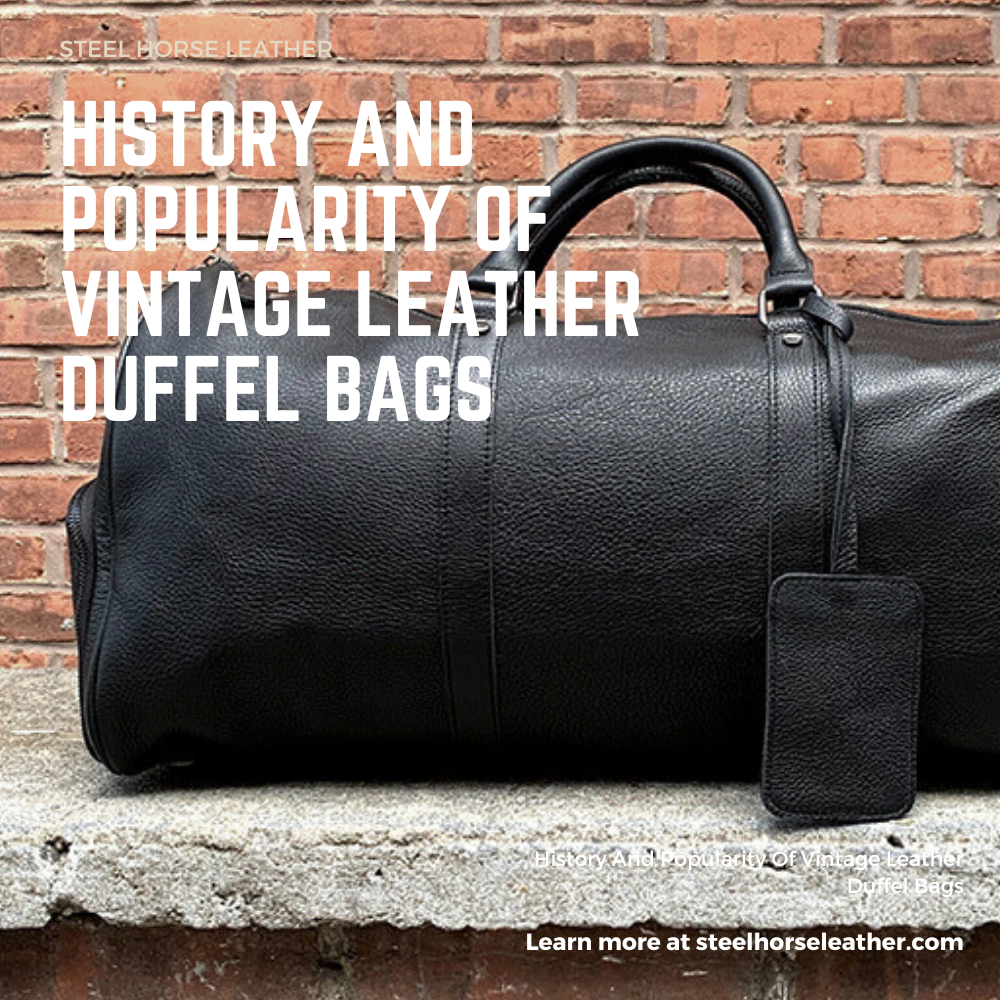
The Endre Weekender is a full-grain leather vintage duffle bag with a large main compartment, three small object pockets, and a separate shoe compartment. It fits devices up to 14 inches and can be carried by the leather handle or a removable shoulder strap. The leather is water-resistant, not waterproof, so it will handle light rain but shouldn't be submerged or left out in a downpour.
Product Specs:
-
Dimensions: 20.4 x 12.6 x 11.8 in
-
Weight: 5.3 lbs
-
Compartments: 1 large main compartment, 3 small pockets, 1 shoe compartment
-
Fits: devices up to 14 inches
-
Carry options: leather handle or removable shoulder strap
Pros:
-
Vintage styling that ages well over time
-
Full-grain leather construction
-
Well-organized, spacious compartments
-
Lightweight relative to its capacity
Cons:
-
Limited to black and brown colorways
-
Shipping times may vary by destination
-
Certain sale items are not eligible for returns
The Bjarke Weekender
The Bjarke Weekender is a handcrafted full-grain leather duffle designed for short trips, with enough structure to hold its shape when packed heavy. It pairs well with the checklist in our leather duffel bag buying guide if you're comparing multiple weekenders before committing to one.
The Brandt Weekender
The Brandt Weekender is a smaller-capacity duffle built for one to two night trips, making it a good fit for carry-on travel. For airline-specific sizing considerations, see our guide on leather carry-on travel bags.
The Hagen Backpack

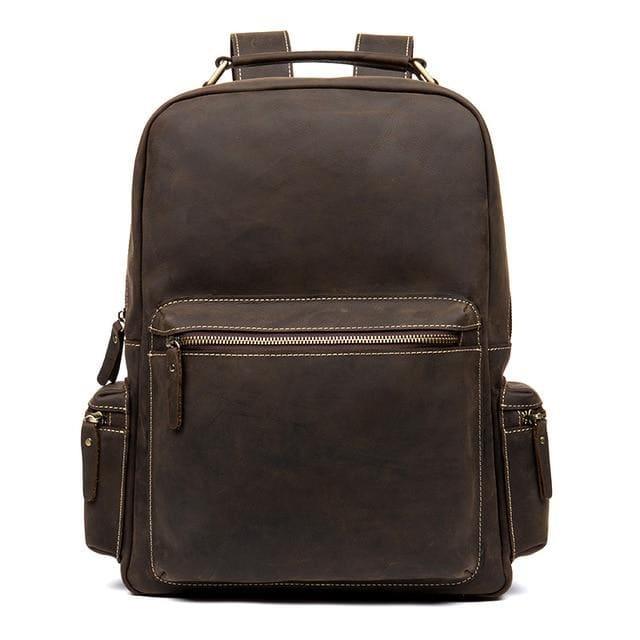
The Hagen Backpack holds 20 to 35 liters and includes a large main compartment, two zipped exterior pockets, and a front magnetic-locked pocket for quick-access items. It fits a 14-inch laptop and works for daily commuting or short travel. The leather is wax-treated for an aged look and water resistance, though like all leather it should not be soaked or machine washed.
Product Specs:
-
Dimensions: 14.6 x 12.2 x 5.1 in (37cm x 31cm x 13cm)
-
Capacity: 20 to 35 liters
-
Exterior: front magnetic locked pocket, two side pockets
-
Interior: main laptop compartment, 1 zippered pocket, 2 slip pockets
-
Fits: 14-inch laptop
Pros:
-
Versatile layout for daily use
-
Full-grain leather with wax treatment
-
Water-resistant construction
-
Adjustable shoulder straps and comfortable grab handle
Cons:
-
Limited to brown and dark brown
-
Develops scratches and marks with heavy use (part of the natural patina)
-
Higher price point at $199.00
The Shelby Backpack

The Shelby Backpack is built for outdoor use, with a padded laptop case that fits up to a 17-inch laptop and a design that stays upright rather than slumping when set down. The wax-treated leather resists water and daily wear, making it a practical option for hiking, camping, or a daily commute.
Product Specs:
-
Dimensions: 16.9 x 12.6 x 4.3 in (43cm x 32cm x 11cm)
-
Weight: 4.18 lbs (1.9 kg)
-
Exterior pockets: 2 zippered, 3 flapped, 2 side pouches, 1 rear zippered pocket
-
Interior: large main compartment with 2 linings, 1 zipper pocket, 2 small pockets, 2 pen holders
Pros:
-
Full-grain leather construction
-
Durable, lightweight build
-
Adjustable straps and leather-lined grab handle
-
Suitable for hiking, camping, and daily commute
Cons:
-
Limited color options
-
Longer shipping times for international orders
-
Returns accepted only if unused and in original packaging
Related options in the same category worth comparing include the Skald Black Pebbled Leather Backpack, the Icarus Backpack, and the Tove Backpack. For a rundown of minimalist options, see our guide to minimalist leather backpacks, or for laptop-specific features, see 9 best leather backpacks with laptop compartments.
What Other Bags Are Worth Considering for Long-Term Use?
Beyond backpacks and weekenders, a few other categories are worth mentioning since they're built from the same full-grain leather and hold up equally well to restoration over time.
Briefcases and Laptop Bags
The Welch Briefcase and Hemming Leather Laptop Bag are both built for daily office use and hold up to a decade or more with regular conditioning. For a deeper comparison of styles, see high-end leather briefcases, slim leather briefcases, or women's leather briefcases. If you're deciding between styles, this comparison of leather messenger bags vs. briefcases breaks down the tradeoffs, and popular leather messenger bag brands covers what else is on the market. Browse the full leather briefcases collection or the leather laptop bags collection to compare options side by side.
Camera Bags
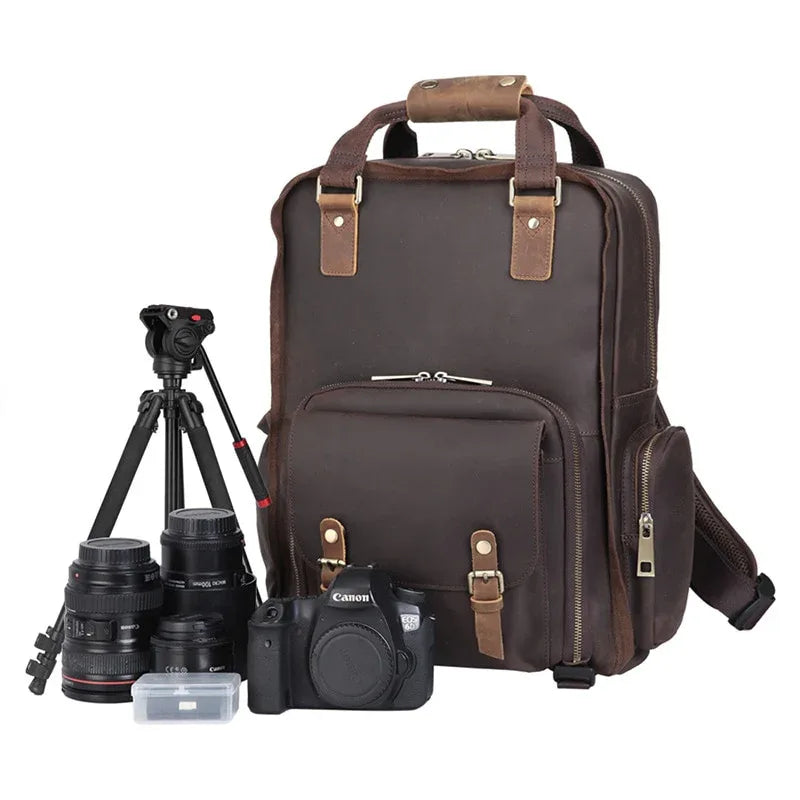
The Faust Camera Bag, Gaetano Large Leather Backpack, Calista Small Camera Bag, and Mann Bag are all built with padded compartments for camera gear. See leather camera bags for vintage lovers for more on this category, or browse the leather camera bags collection and leather camera backpacks collection.
Wallets and Small Accessories
The Pathfinder Bifold Wallet, Cael Coin Purse, and Walden Front Pocket Wallet are smaller leather goods that respond just as well to conditioning as full-sized bags. See our guides on men's leather long wallets, the best front pocket wallets, money clip wallets, and full-grain leather wallets. Browse the leather wallets collection for more options.
Travel and Grooming Accessories
For travel, the Wanderer Toiletry Bag, Dado Leather Dopp Kit, and Nomad Toiletry Bag hold up well to frequent packing and unpacking. Learn more about the history behind the name in why is it called a Dopp kit, and see our guide on why a leather passport holder matters for travel. Browse the leather toiletry bags collection and leather passport holders collection for more.
Waist Bags and Slings
The Wagner Leather Waist Bag, Walcott Leather Waist Bag, and Erling Leather Sling Bag are compact, everyday-carry options built from the same full-grain leather as our larger bags. See our guide to the historical evolution of leather belt bags for background on this style, or browse the leather belt bags collection and leather crossbody bags collection.
Leather Bag Care Products at a Glance
| Product Type | Examples | Use Case |
|---|---|---|
| Cleaner | Angelus Easy Cleaner, Fiebings saddle soap, Leather CPR | Removing surface dirt and oils |
| Conditioner | Chamberlain's Leather Milk, GE-WY, Renapur Leather Balsam, Absorbine Leather Therapy | Restoring moisture, preventing cracking |
| Repair kit | Adhesive plus color-matching compound | Small tears, holes, and scuffs |
| Dye or color restorer | Formulated for specific leather type and color | Fading, discoloration, color matching |
| Protector spray | UV and moisture protector sprays | Preventing future sun and water damage |
Where Can I Get Professional Leather Bag Repair?
For damage beyond home repair, several specialized services handle structural work, custom dyeing, and color restoration. Leather Surgeons and Rago Brothers focus on structural repairs including zippers, handles, and edging. Madison Avenue Couture and Cobblers Direct specialize in color matching and restoration for luxury and exotic leather bags.
Expect turnaround times of a few days to a couple of weeks depending on the extent of damage and part availability. Always ask for a written estimate before sending in a bag, since custom dye jobs and hardware replacement can vary significantly in price between providers.
Conclusion
Repairing and restoring a leather bag is a practical, cost-effective alternative to replacement, and it keeps usable leather out of landfills. Whether you're removing an ink stain from a leather wallet, replacing worn edging on a leather gym bag, or doing a full color renewal on a faded tote, most of this work is doable at home with the right cleaner, conditioner, and repair kit. For damage beyond that scope, professional services like Leather Surgeons, Rago Brothers, and Madison Avenue Couture handle structural repairs and custom dyeing. A bag that's cleaned and conditioned regularly is a purchase that keeps paying off for a decade or more, so it's worth investing in quality leather bags built to be repaired rather than replaced.
References
Davis, S. J., Wise, W. R., Recchia, S., Spinazzè, A., and Masi, M. (2021). The evaluation of the detection of cr(vi) in leather. Analytica, 3(1), 1-13. https://doi.org/10.3390/analytica3010001
Lesor, P., and Togi, V. (2022). Assessment of Nigeria's manufacturing industry and economic growth relationship through factors that affect economic growth. African Journal of Engineering and Environment Research, 3(1). https://doi.org/10.37703/ajoeer.org.ng/q1-2022/03
Soares, R. d. M. e., Nunes, A. M., Heliodoro, P., and Martins, V. (2024). Impact of research and development expenses on the profitability of assets: the case of textile and clothing industry in Portugal. Problems and Perspectives in Management, 22(1), 702-715. https://doi.org/10.21511/ppm.22(1).2024.55
Frequently Asked Questions
What is the best leather cleaner for a leather bag?
The right cleaner depends on your bag's leather type. Angelus Easy Cleaner, Fiebings saddle soap, and Leather CPR are commonly recommended because they remove dirt and oils without stripping natural moisture. For luxury leather goods or exotic skins, professional-grade cleaners used by services like Leather Surgeons or Madison Avenue Couture are a safer choice.
How do I use a leather repair kit at home?
Clean the damaged area with a mild leather cleaner and let it dry completely. Apply the adhesive to the torn edges, press them together firmly, and use the color-matching compound to blend the repair with the surrounding leather. Let everything cure fully, then apply a leather conditioner to restore moisture to the repaired area.
How long does it take to repair a damaged leather bag?
Home repairs like small tears or ink stains can be done in an afternoon, including drying time. Professional repairs typically take a few days to two weeks, depending on the extent of the damage and whether replacement parts need to be sourced.
Can I restore color to a faded leather purse at home?
Yes. Clean the bag, apply a leather conditioner, then apply a leather dye or color restorer formulated for your specific leather type. Let it dry fully and finish with a leather protector spray to guard against future fading from UV exposure.
What is the difference between full-grain leather and genuine leather in terms of restoration?
Full-grain leather responds better to restoration because its intact grain structure absorbs conditioners and dyes deeply and evenly. Genuine leather has been sanded, which makes it slightly less receptive to deep conditioning, though it can still be restored successfully with the right products.
Is it worth paying for professional leather bag repair services?
Yes, for bags with significant structural damage or that need custom dyeing beyond what home products can achieve. Services like Rago Brothers, Cobblers Direct, and Madison Avenue Couture can restore heavily worn luxury accessories to near-original condition, usually for less than the cost of a replacement bag. You can also browse durable leather bags at Steel Horse Leather's backpack collection if you're considering an upgrade instead of a repair.
How should I store a leather bag to prevent damage?
Store the bag in a dust bag in a cool, dry place away from direct sunlight to limit UV exposure and fading. Stuff it with a pillowcase or acid-free tissue paper to help it hold its shape, and make sure the storage area has enough airflow to prevent mold or mildew.
What common mistakes should I avoid when cleaning a leather bag?
Avoid harsh chemicals, abrasive cleaners, and excessive water, all of which strip natural oils and cause cracking or discoloration. Use a mild leather cleaner with a soft cloth, skip the hard scrubbing, and always finish with a conditioner to restore moisture and flexibility.
Is leather water-resistant or waterproof?
Most full-grain leather bags, including wax-treated styles like the Hagen and Shelby backpacks, are water-resistant, not waterproof. They can handle light rain or splashes, but should not be submerged, left in standing water, or machine washed.
How often should I condition a leather bag?
Most leather bags need conditioning every 3 to 6 months under normal use, though bags used daily in dry climates may need it more often. A good indicator is touch: if the leather starts to feel stiff or dry, it's time to condition it regardless of the calendar.
All of our bags at Steel Horse Leather are crafted from full-grain crazy horse leather, built to develop a rich patina over time. Browse our Leather Bags.