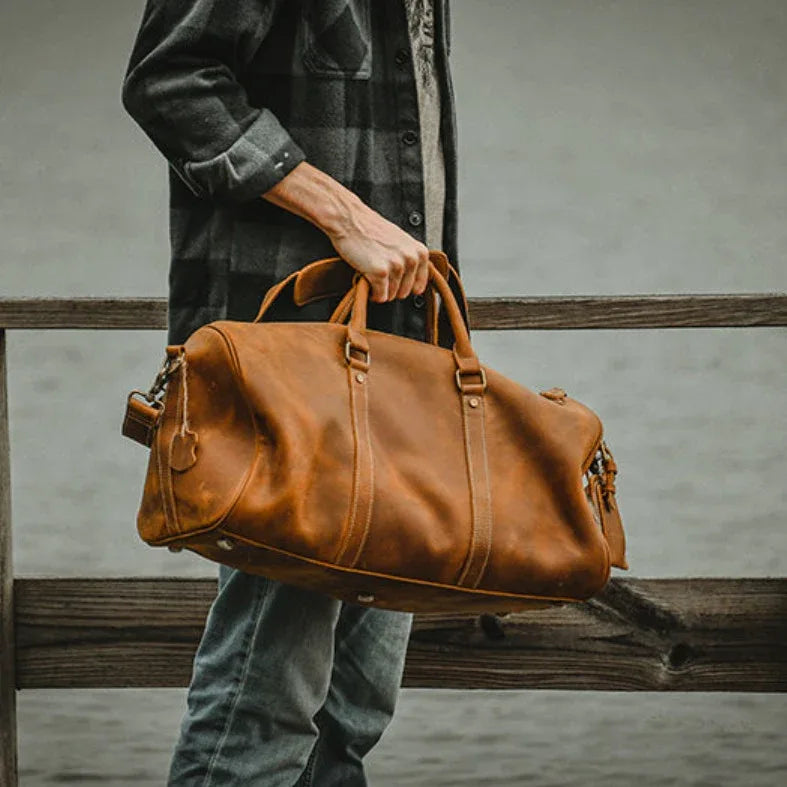
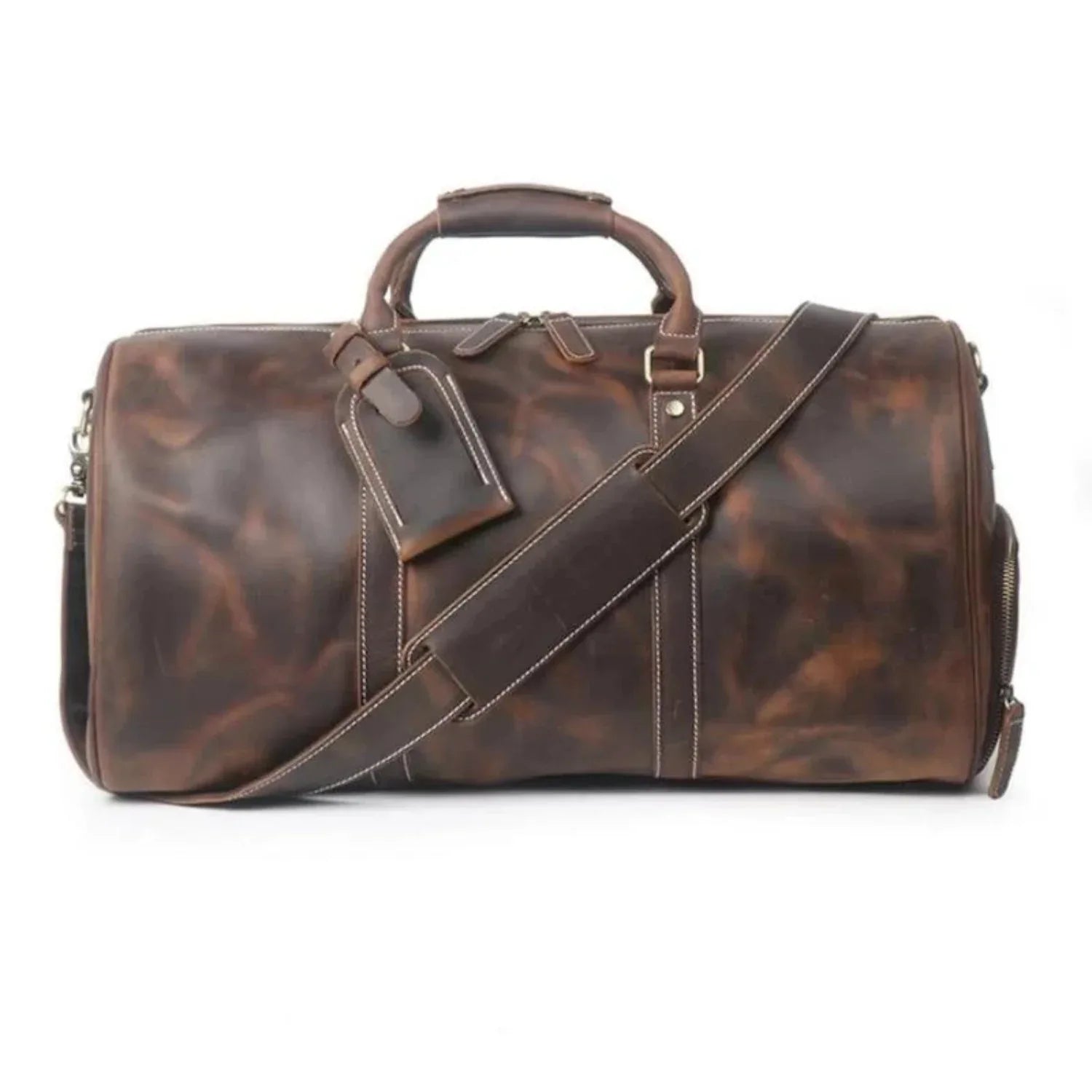
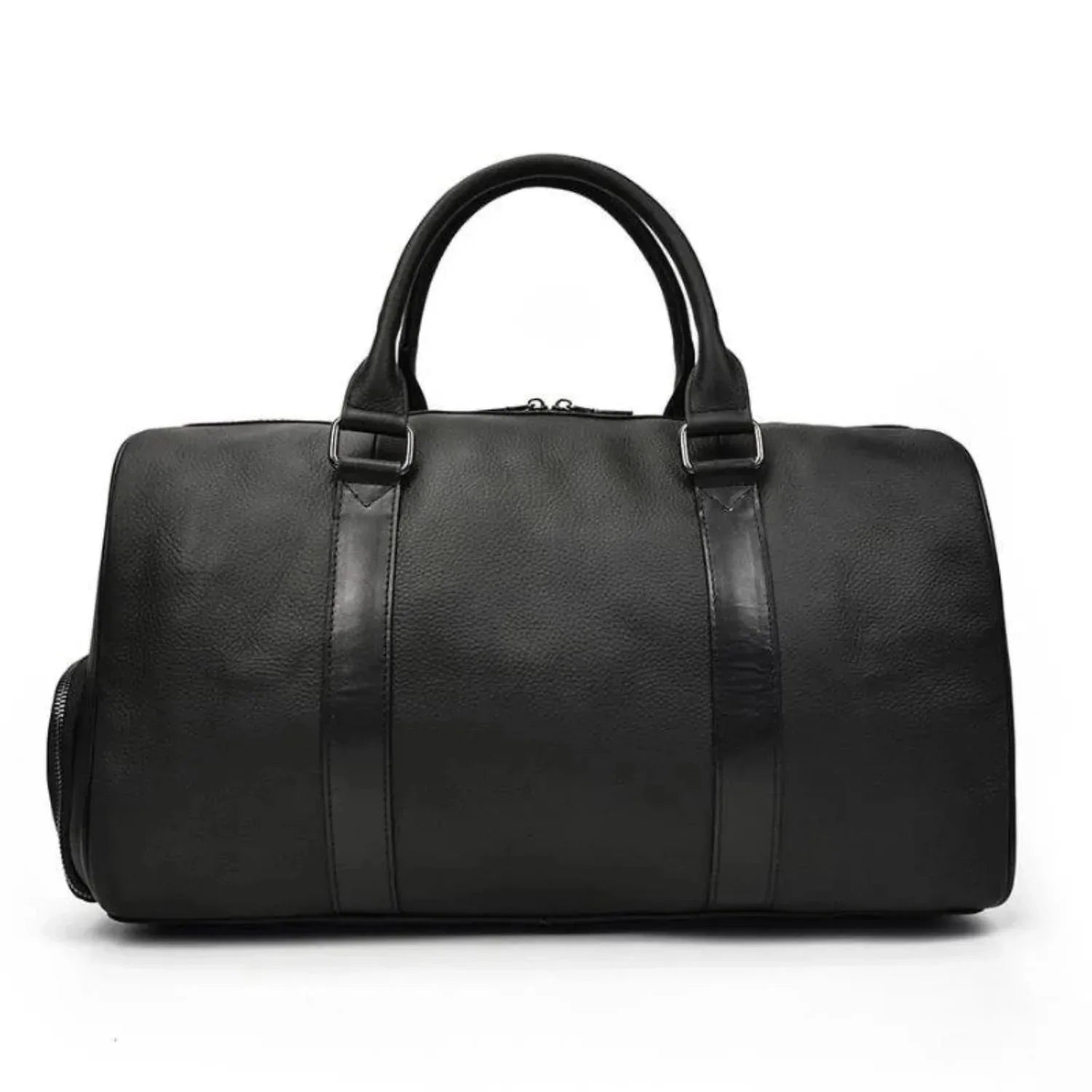
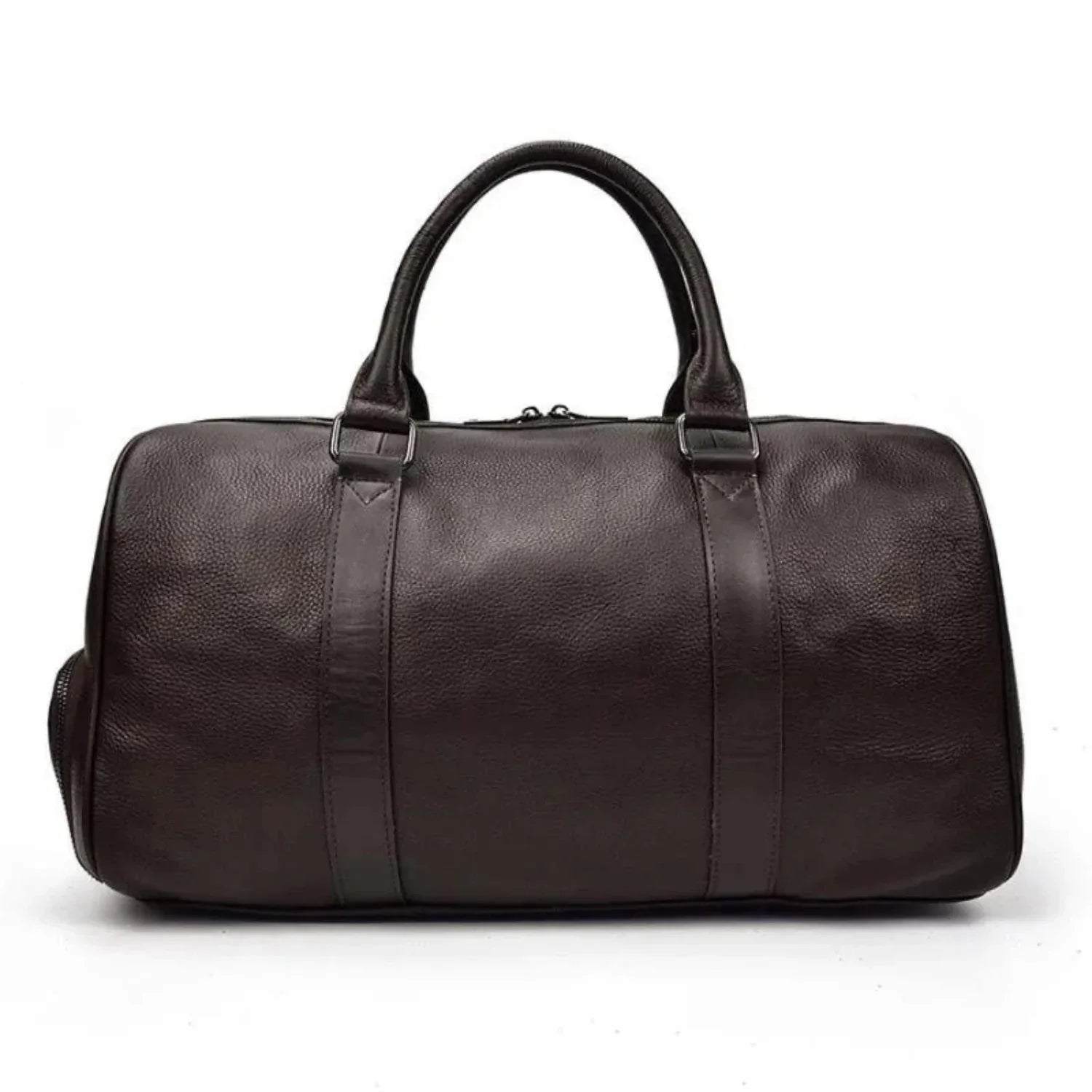
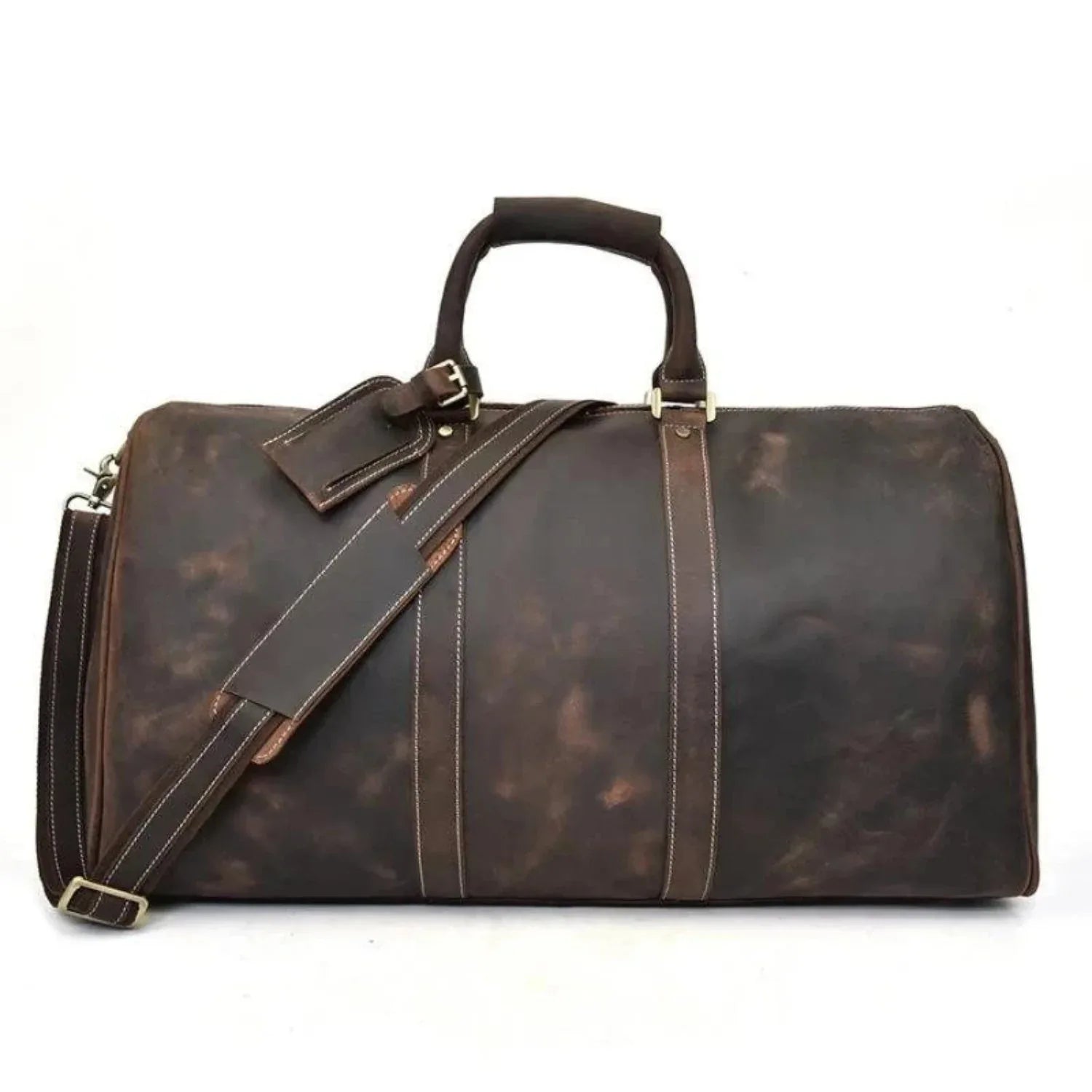
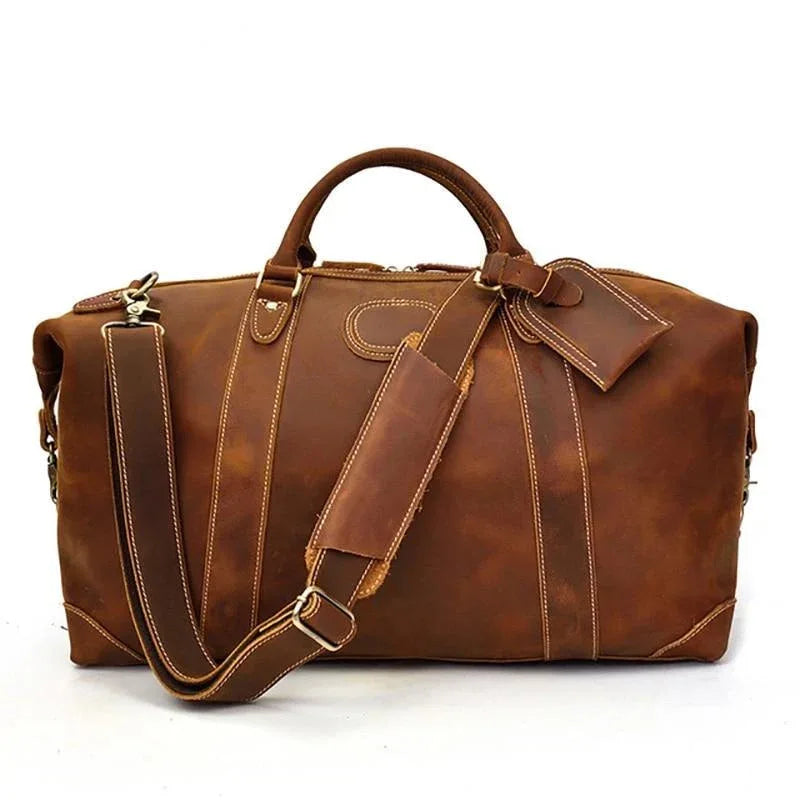
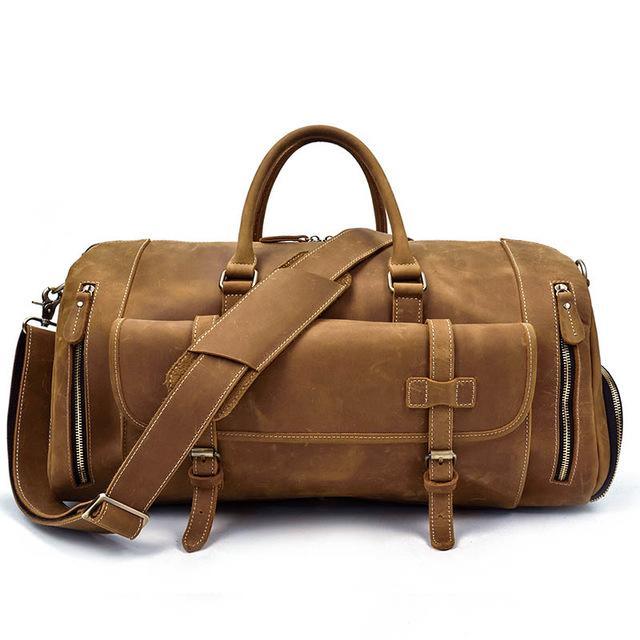
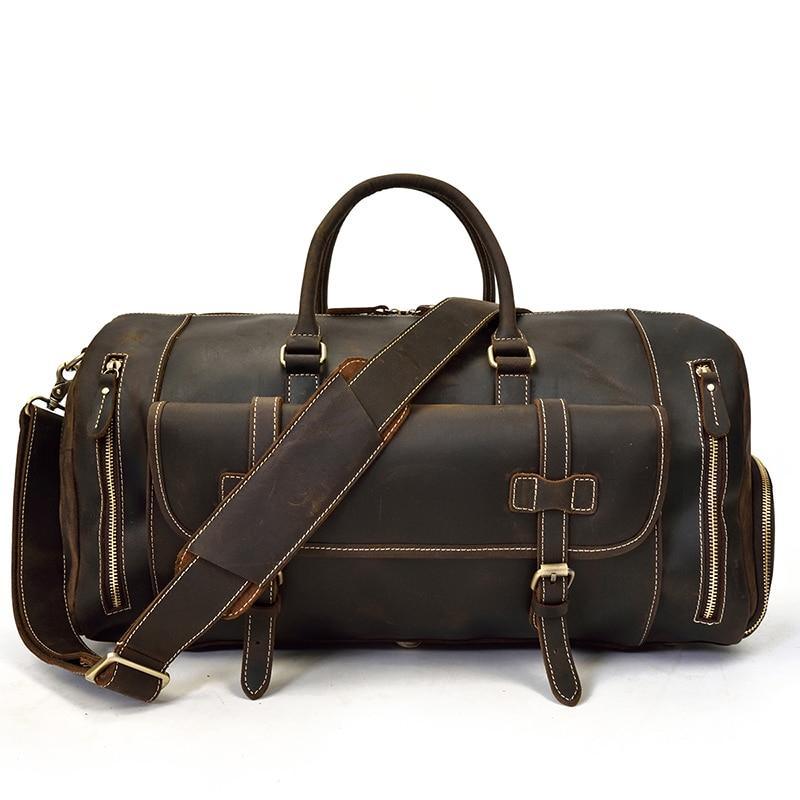
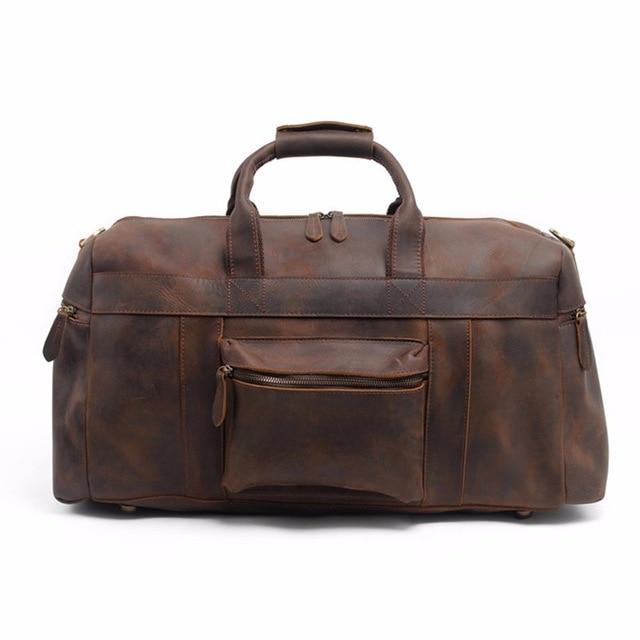
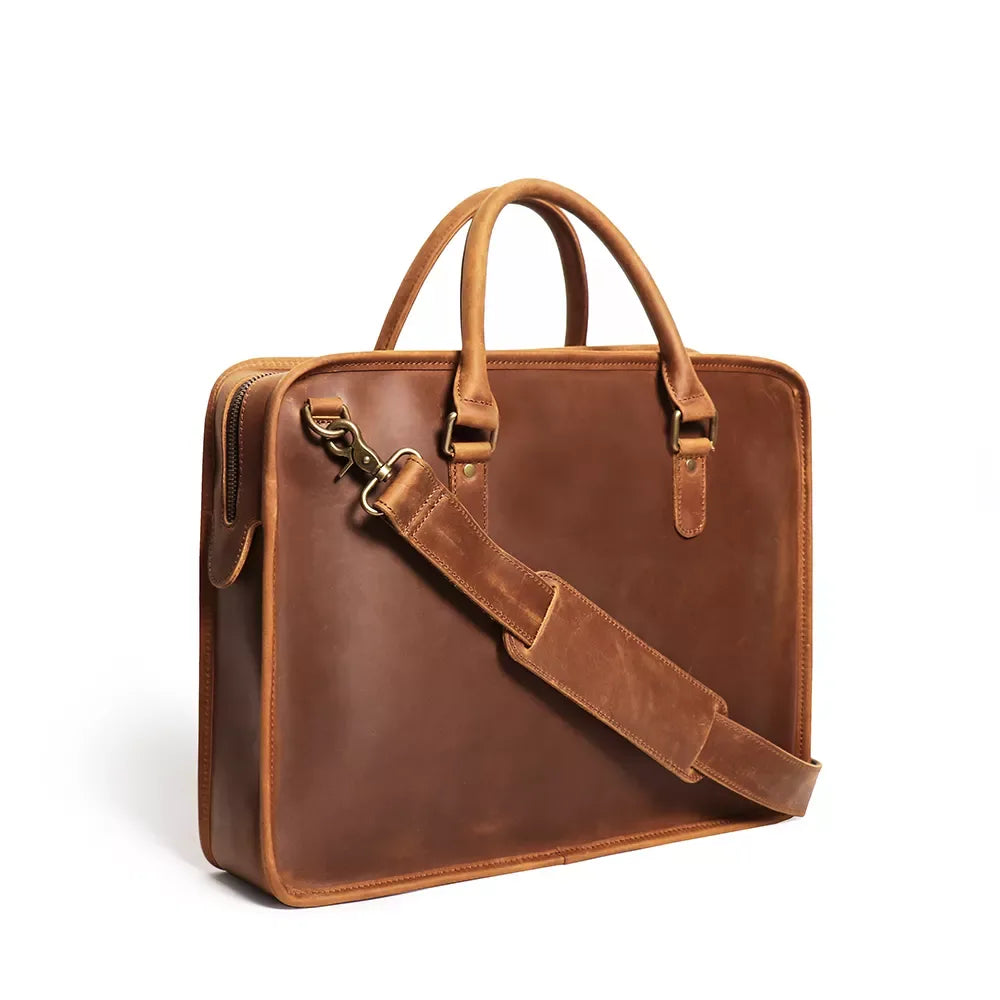
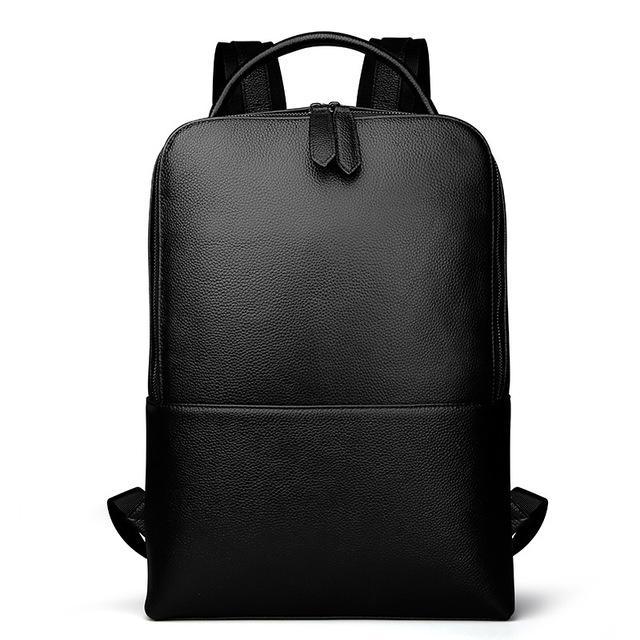
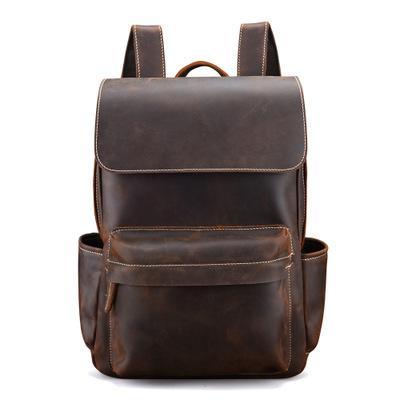
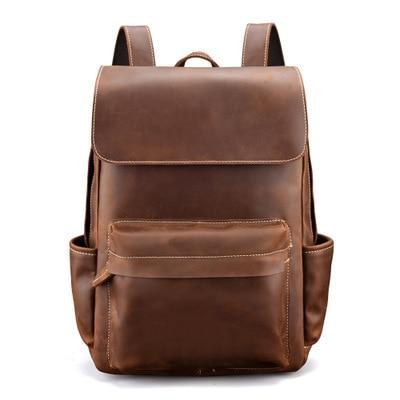
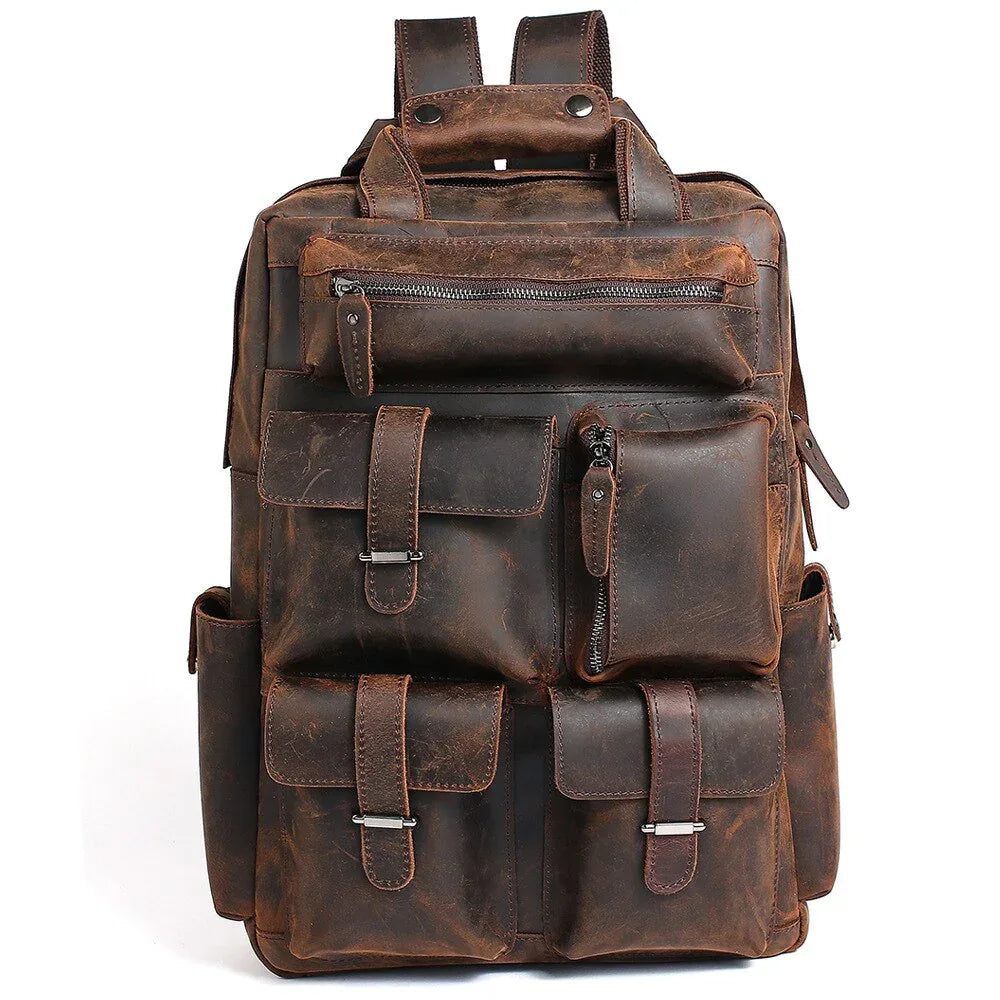
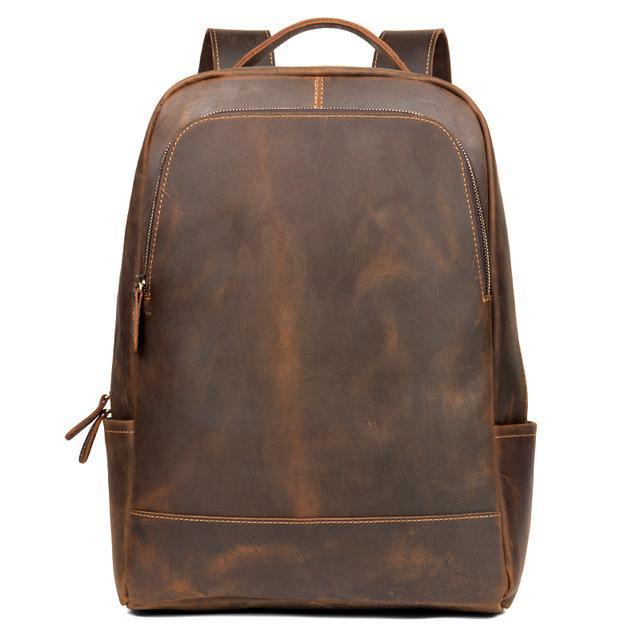
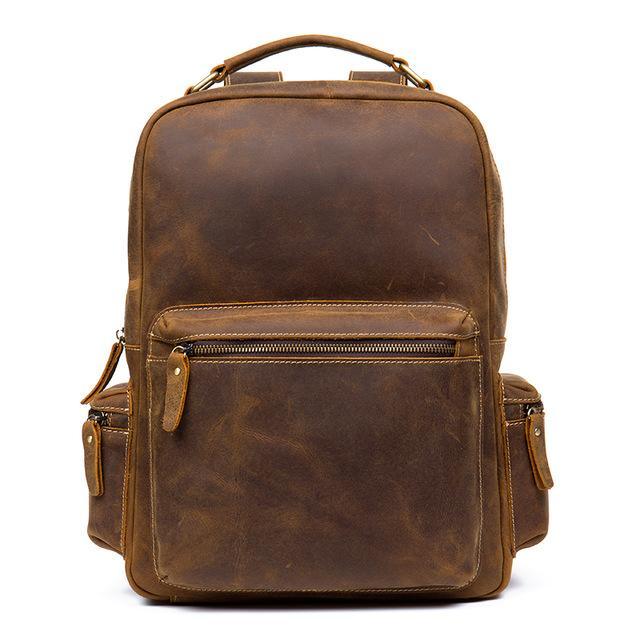
A leather travel bag is a piece of luggage made from cowhide or other animal hide, designed to carry clothing and gear for trips lasting one night to two weeks. The best options use full-grain or top-grain leather, which resist scratches, develop a patina over time, and typically last 10 to 20 years with basic care. This guide covers the leather types, features, and specific bags worth buying in 2026.
Genuine leather travel bags range from $150 for entry-level pieces to over $1,200 for full-grain duffels and weekenders. The price difference comes down to three things: the layer of hide used, the tanning process, and the hardware quality. Understanding these factors before you buy prevents you from overpaying for a bag that won't hold up.
High-quality leather, such as full-grain or top-grain, ages by developing a patina, a gradual darkening and softening of the surface caused by oils, light exposure, and handling. The attention to detail and craftsmanship in these bags allows them to withstand repeated TSA handling, overhead bin storage, and rough road trips while still looking presentable years later.
This aging process is more than cosmetic. Research shows that the patina developing on quality leather functions as a kind of visual record, with the material becoming enriched through interaction as part of the owner's life, creating an emotional bond through memories of specific trips and events (Munch & Jensen, 2021; Lilley et al., 2019). This graceful aging extends product lifespans, since owners tend to hold onto pieces that carry personal history instead of replacing them at the first sign of wear.
Key Takeaways
- Full-grain leather travel bags develop a visible patina within 6 to 12 months of regular use, and this patina increases in richness for years afterward.
- The type of leather used (full-grain, top-grain, genuine, or synthetic) directly affects durability, weight, price, and how the bag ages.
- Look for adjustable straps, metal feet on the base, and reinforced stitching at stress points as baseline durability markers.
- Full-grain leather bags are water-resistant, not waterproof. Heavy rain requires a rain cover or waterproof packing cubes inside the bag.
- Proper conditioning every 3 to 6 months can extend a leather bag's usable life well past 15 years.
Our Leather Craftsmanship Heritage
At Steel Horse Leather, every travel bag is built from full-grain leather, sourced through vetted, ethical leather suppliers. Our team oversees tanning and treatment directly, which is how we guarantee the leather develops a genuine patina instead of a cracked, artificial finish.
Each bag goes through manual inspection before shipping, checking stitch density, hardware attachment points, and lining seams. This is a different process than mass production, where quality checks happen on a sampling basis rather than on every unit.
What Is a Leather Travel Bag?

A leather travel bag is luggage constructed primarily from tanned animal hide, used for weekend trips, business travel, or as a carry-on companion. Common formats include duffel bags, weekenders, backpacks, and briefcases. Full details on selection criteria are covered in our leather duffel bag buying guide.
What Are the Benefits of a Leather Travel Bag?
Leather travel bags resist scratches and stains better than canvas or nylon alternatives, and they typically hold their shape after repeated packing and unpacking. Full-grain leather in particular does not tear easily and can handle 20+ liters of packed weight without stretching out of shape.
Leather bags also work across contexts. The same weekender that works for a business trip also works for a weekend road trip, since the material reads as appropriate in both casual and semi-formal settings. This cuts down on how many bags you need to own.
What Types of Leather Are Used in Travel Bags?
Full-grain leather is the strongest and longest-lasting option, top-grain is a smoother mid-tier choice, and genuine or bonded leather is the budget tier with a shorter lifespan. Synthetic leather is the non-animal alternative, priced lowest but without true patina development.
| Type | Layer / Production | Durability & Aging | Look & Feel | Price Range | Best For |
|---|---|---|---|---|---|
| Full-Grain Leather | Topmost layer of hide, no sanding | 10 to 20+ years with care | Natural grain, visible marks, rich texture | $300 to $1,200+ | Long-term investment, patina lovers |
| Top-Grain Leather | Top layer, sanded and buffed to remove imperfections | 8 to 15 years | Smooth, uniform surface, refined look | $200 to $800 | Balanced quality and appearance |
| Genuine Leather | Split leather (lower layers), often surface-corrected | 3 to 6 years, can crack or peel | Smooth but often artificial-looking finish | $100 to $400 | Budget "real leather" look |
| Synthetic / Faux Leather | PU, PVC, or plant-based synthetics | 2 to 5 years, cracks and peels faster than genuine leather | Mimics leather, uniform, no true patina | $50 to $250 | Budget or vegan-preference buyers |
| Bonded Leather | Leather scraps bound with polyurethane | 1 to 3 years, flakes and peels quickly | Uniform but low-quality appearance | $50 to $200 | Not recommended for regular travel use |
For a deeper breakdown of grading terminology, see our guide on leather grades and what grain leather actually means.
What Is Full-Grain Leather?
Full-grain leather is the top layer of the hide, left unsanded so the natural grain, pores, and minor markings remain visible. Because it is not corrected or sanded, it holds up to daily scuffing and typically outlasts every other leather grade. Roughly half of luxury travel bags sold globally use full-grain leather as the primary material.
Every bag in our current catalog, including the Endre Weekender and the Erlend Duffle Bag, is built from full-grain leather. Details on how full-grain compares to top-grain are covered in our full-grain vs. top-grain leather breakdown.
What Is Top-Grain Leather?
Top-grain leather is also cut from the upper hide layer but is sanded and buffed to remove natural imperfections. This creates a smoother, more uniform surface than full-grain, at the cost of some durability and a less pronounced patina over time. It's a common choice for bags that prioritize a polished, consistent look over rugged texture.
What Is Synthetic Leather?
Synthetic leather, also called faux leather, is made from polyurethane or PVC coatings applied to a fabric backing. It costs less than genuine leather and doesn't involve animal hide, which appeals to buyers looking for a vegan leather option.
The tradeoff is longevity. Laboratory analysis shows that polyurethane coatings on faux leather are subject to optical fading and surface degradation in ways that differ markedly from natural leather (Bossin et al., 2020). In practical terms, this means synthetic leather bags tend to show cracking and peeling within 2 to 3 years of regular use, well before a full-grain leather bag would show comparable wear.
Full-Grain vs. Top-Grain vs. Genuine Leather: What's the Difference?
| Factor | Full-Grain | Top-Grain | Genuine Leather |
|---|---|---|---|
| Surface | Unsanded, natural grain visible | Sanded and buffed smooth | Often corrected or stamped |
| Patina Development | Strong, visible within months | Moderate, slower to develop | Minimal to none |
| Expected Lifespan | 10 to 20+ years | 8 to 15 years | 3 to 6 years |
| Typical Price (Travel Bag) | $300 to $1,200+ | $200 to $800 | $100 to $400 |
What Should You Look For in Materials and Craftsmanship?
Check three things before buying: the leather grade, the stitching density at stress points, and the hardware finish. Bags that skip these details tend to fail at the strap attachment or zipper pull first, usually within the first year of regular use.
How Durable Is a Leather Travel Bag?
Leather travel bags made from full-grain material resist abrasion better than canvas, nylon, or genuine leather alternatives. Full-grain leather is the toughest option because the fibers remain intact instead of being sanded away. For a comparison of how leather holds up against fabric alternatives, see our guide on leather bag durability advantages.
Stitching and hardware quality matter as much as the leather itself. Bags with reinforced stitching at the handle base and strap attachment points, like the Bard Weekender, hold up to repeated overhead bin loading better than bags with single-line stitching.
Do Leather Travel Bags Have Adjustable Straps?
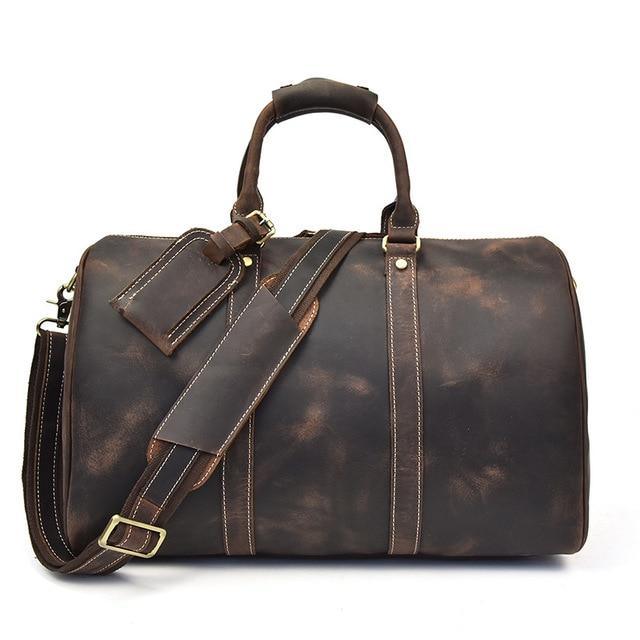
Most full-grain leather weekenders and duffels include an adjustable, often detachable, shoulder strap in addition to top handles. This lets you switch between a crossbody carry and a hand-carry depending on how much you're navigating (stairs, crowded terminals, or long walks to a gate).
Bags like the Eira Duffle Bag and the Colden Duffle Bag both ship with adjustable straps standard. If you need a dedicated replacement strap, an adjustable full-grain leather shoulder strap with metal hooks is sold separately and fits most duffel-style bags.
Why Do Leather Bags Have Metal Feet on the Bottom?
Metal feet raise the bottom of the bag off the ground by a few millimeters, which prevents the leather base from scuffing on airport floors, sidewalks, or car trunks. This is a small detail, but it's one of the first things to check when comparing bags at similar price points, since it directly affects how the base ages over time.
What Pocket and Closure Features Matter Most?
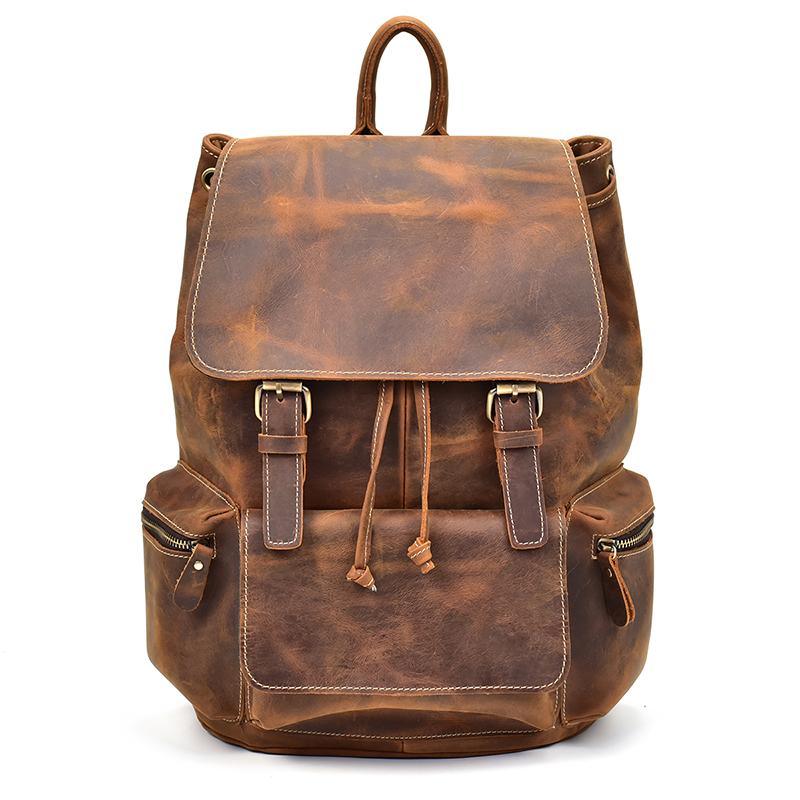
Exterior pockets with zip closures matter most for items you need fast access to, like a passport, phone, or boarding pass. Look for at least one zippered exterior pocket and one open-access pocket, which is the configuration used on bags like the Hagen Backpack.
What Security Features Should a Travel Bag Have?
Look for lockable zippers, RFID-blocking pockets, and a strap that can be worn crossbody and controlled visually while walking through crowded transit areas. These three features address the most common travel security risks: pickpocketing, electronic skimming, and unattended bag snatching.
RFID-blocking is particularly relevant if your bag carries a passport or credit cards. A dedicated leather passport holder with RFID lining, such as the Priam Leather Passport Cover, adds a second layer of protection inside your main bag.
How Does a Leather Travel Bag Change Over Time?
A leather travel bag darkens and softens with use, typically showing visible patina within 6 to 12 months of regular handling. This is a functional process, not just cosmetic: the leather fibers relax and the surface absorbs oils from hands and the environment, which is what creates the color shift.
Why Does Patina Make Leather Look Better With Age?
Patina works because it reflects actual use. Research confirms that natural materials like leather are culturally recognized as aging gracefully, and the resulting patina is often valued more highly than the unworn material (Bridgens et al., 2017). Separate research on material perception shows that people respond positively to visible signs of wear over time, since it reveals a material's capacity to adapt to changing conditions instead of degrading uniformly (Lewis, 2020).
In practice, this means scuffs and creases on a full-grain leather bag are not defects. They are part of what makes each bag look distinct after a year or two of ownership.
The Best Leather Travel Bags to Buy in 2026
Below are seven full-grain leather travel bags worth considering, organized by use case. Each is built from full-grain leather with adjustable or detachable straps.
The Erlend Duffle Bag
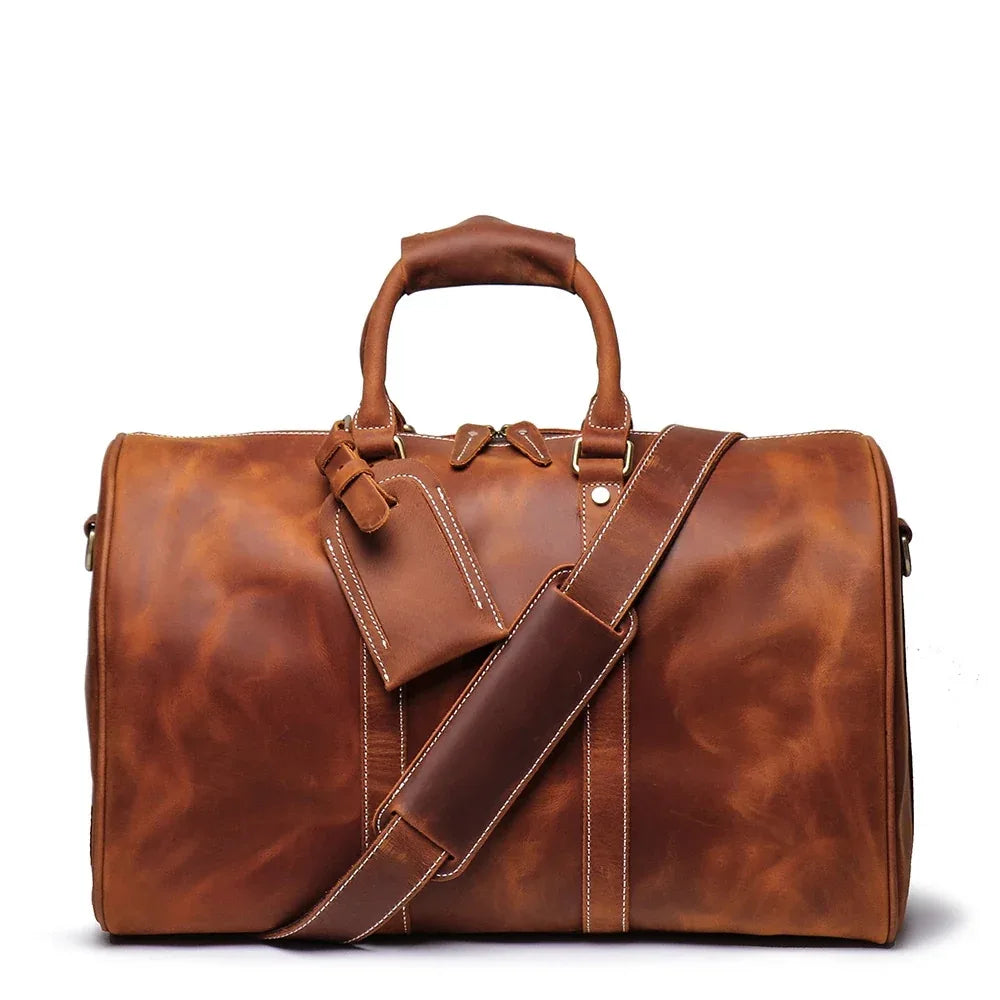
The Erlend Duffle Bag is a full-grain leather weekender built for 2 to 4 night trips. It includes a spacious main compartment plus exterior pockets for quick-access items like boarding passes and phone chargers.
The Endre Weekender
The Endre Weekender is one of our highest-volume duffel bags, built from full-grain leather with a detachable shoulder strap. It fits comfortably as a carry-on for most domestic flights, though checking your specific airline's dimension limits is recommended, since carry-on sizing varies. For more on carry-on compliance, see our leather carry-on travel bags guide.
The Brandt Weekender (Small)
The Brandt Weekender is the compact option in our duffel lineup, sized for 1 to 2 night trips or as a gym bag. Its smaller footprint makes it easier to fit under an airline seat compared to full-size weekenders.
The Bjarke Weekender
The Bjarke Weekender measures 23.6 x 11.8 x 11.8 inches and weighs 5.3 lbs, built from full-grain leather. It includes a 14-inch padded laptop sleeve, soft leather handles, and a detachable shoulder strap.
Product Specs:
- Dimensions: 23.6 x 11.8 x 11.8 inches
- Weight: 5.3 lbs
- 14-inch laptop sleeve and multiple interior pockets
- Top handle and removable shoulder strap carry options
Pros: Sizeable main compartment, dedicated laptop storage, durable full-grain construction.
Cons: Heavier than smaller weekenders, natural leather grain means some color variation between units.
The Eira Duffle Bag
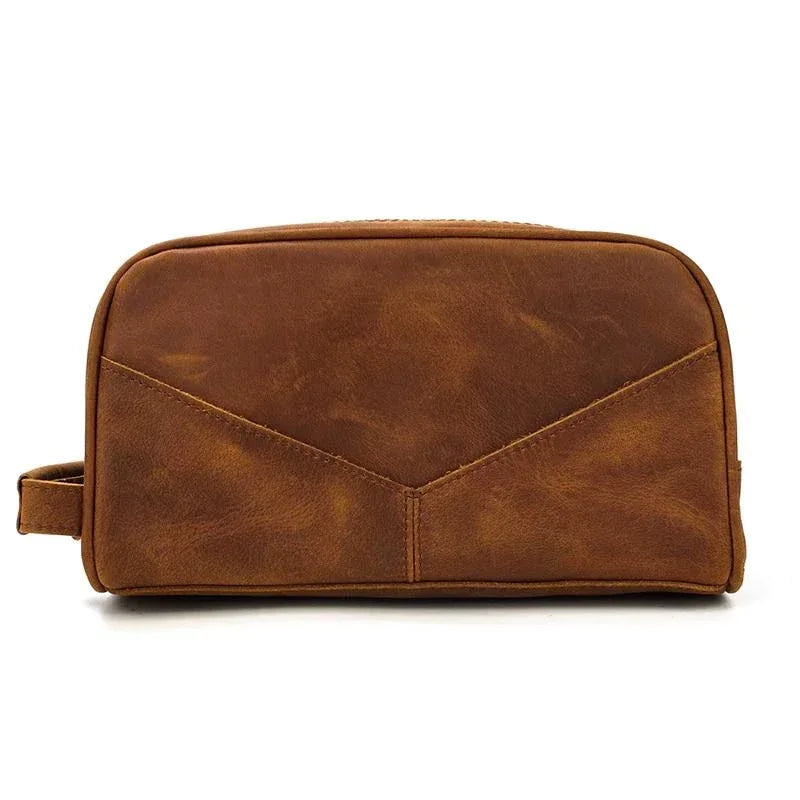
The Eira Duffle Bag is built for slightly longer trips, with a wider main compartment than the Brandt or Erlend. It pairs well with a separate Wanderer Toiletry Bag for keeping grooming items separate from clothing.
The Bard Weekender
The Bard Weekender is handmade with reinforced stitching at the handle base, a common failure point on lower-cost duffels. It's built for travelers who check a bag frequently and need the handles to hold up to repeated baggage handling.
The Colden Duffle Bag
The Colden Duffle Bag is the largest-capacity option in our weekender line, suited for trips of 5 nights or longer, or for travelers who prefer one large bag over a bag-plus-backpack combination.
What Are the Best Leather Backpacks for Travel?
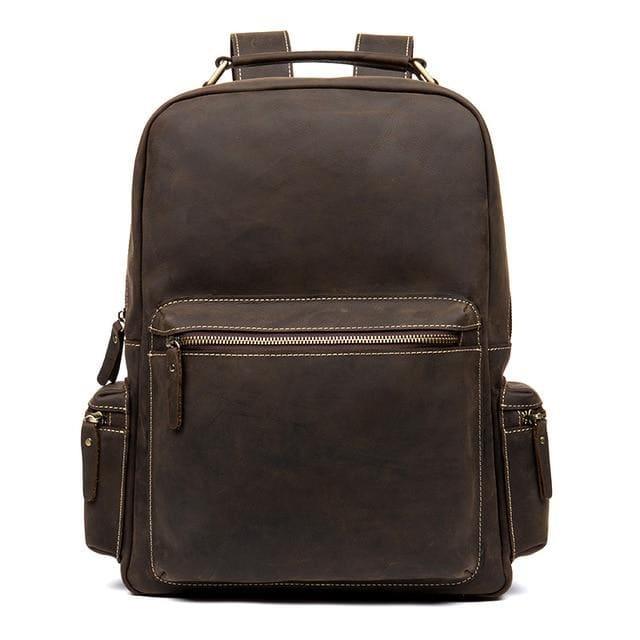
If you prefer hands-free carrying, a leather backpack works as either a primary travel bag or a carry-on companion to a checked duffel. The Hagen Backpack measures 14.6 x 12.2 x 5.1 inches, holds 20 to 35 liters, and fits a 14-inch laptop in its interior compartment.
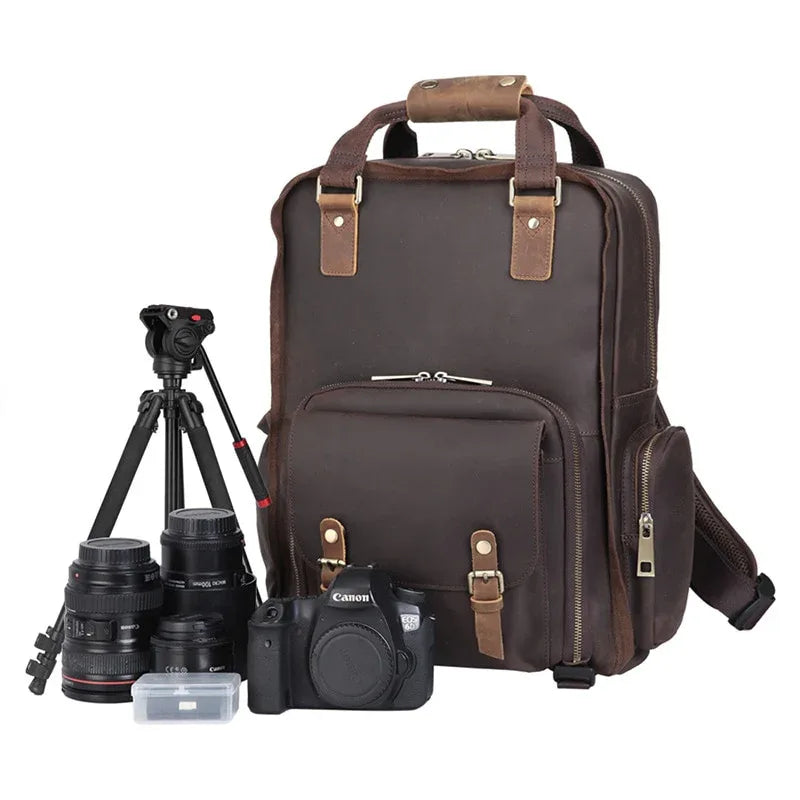
The Asmund Backpack is built from full-grain leather with adjustable shoulder straps and multiple organizational pockets, suited for day trips as well as multi-day travel. For more backpack options by use case, see our guides on the best leather backpacks for men, women's laptop work backpacks, and backpacks with dedicated laptop compartments.
For a slimmer, lower-profile option, the Skald Black Pebbled Leather Backpack works well for city travel where bulk matters. Browse the full range in our leather backpacks collection, including men's leather backpacks, women's leather backpacks, and vintage-style leather backpacks.
What Are the Best Leather Bags for Business Travel?
For business trips, a briefcase or laptop bag that meets underseat dimensions matters more than duffel capacity. The Welch Briefcase and the Hemming Leather Laptop Bag are both built to hold a laptop plus documents while remaining compact enough for a full flight underseat stow.
See our comparisons on leather messenger bag vs. briefcase and slim leather briefcases if you're deciding between formats. Browse the full range at our leather briefcases collection and leather laptop bags collection.
Care and Maintenance: How Do You Clean a Leather Travel Bag?
Wipe the bag with a soft, damp cloth to remove dirt, then apply a leather conditioner every 3 to 6 months to prevent the material from drying out and cracking. Avoid harsh chemical cleaners, which strip the natural oils that keep the leather flexible.
Store the bag in a cool, dry place away from direct sunlight when not in use, since UV exposure fades color unevenly over time. A dust bag helps prevent surface scratches during storage. For stains, a mixture of mild soap and water applied gently with a soft cloth works for most marks; for deeper guidance, see our articles on DIY leather conditioners, fixing scratched leather, and removing oil stains from leather.
Frequently Asked Questions
Can leather travel bags be used for both casual and formal occasions?
Yes. A full-grain leather duffel or weekender works for a business trip, a weekend getaway, or a formal dinner stop along the way, since the material reads as appropriate in both casual and dressier settings. This is different from nylon or canvas bags, which read as strictly casual regardless of design.
How do you clean and maintain a leather travel bag?
Wipe with a soft, dry or slightly damp cloth to remove surface dirt, then apply leather conditioner in circular motions every 3 to 6 months. For stubborn stains, use a mild soap and water mixture applied with a soft cloth, then let the bag air dry completely before storing it.
Are leather travel bags suitable for long trips or only short journeys?
Leather duffels and weekenders with 20 to 40 liter capacity, like the Colden Duffle Bag, work for trips up to a week or more. For trips longer than a week, pairing a duffel with a leather backpack, such as the Faulkner Backpack, gives you more total capacity without checking a hard-shell suitcase.
What features should you look for when choosing a leather travel bag?
Prioritize a spacious main compartment, at least one zippered exterior pocket, an adjustable or detachable strap, and metal feet on the base. Anti-theft pockets and RFID-blocking liners add security for air travel. Reinforced corners and quality zipper hardware are also worth checking, since these are common early failure points on lower-cost bags.
Are leather travel bags waterproof?
No. Full-grain leather travel bags are water-resistant, not waterproof. They can handle light rain or splashes, but heavy rain or submersion will soak through over time. For added protection, use a rain cover or pack items in waterproof pouches inside the bag, especially electronics.
How long does a full-grain leather travel bag last?
With conditioning every 3 to 6 months and dry storage, a full-grain leather travel bag typically lasts 10 to 20 years. This is longer than top-grain (8 to 15 years), genuine leather (3 to 6 years), and synthetic leather (2 to 5 years) alternatives.
What is the difference between a duffel bag and a weekender bag?
The terms are largely interchangeable in the leather goods market, though "weekender" often implies a slightly more structured shape and dedicated laptop or shoe compartment, as seen in the Dagny Weekender. "Duffel" more often refers to a simpler cylindrical or rectangular main compartment with fewer internal dividers.
Conclusion
A full-grain leather travel bag costs more upfront than a synthetic or genuine leather alternative, but it typically lasts three to five times longer and develops a patina that most owners come to value rather than replace. Whether you choose a duffel like the Erlend Duffle Bag, a backpack like the Hagen Backpack, or a briefcase like the Welch Briefcase, the material and construction details covered in this guide apply across the board. Browse the complete lineup in our leather travel bags collection or the broader leather bags collection to compare options directly.
All of our bags at Steel Horse Leather are crafted from full-grain crazy horse leather, built to develop a rich patina over time. Browse our Leather Bags.