Small leather goods tell the story of what you value. A leather keychain, card holder, or wallet is handled dozens of times a day, tucked into pockets, tossed onto desks, and carried through every season. That level of everyday carry demands materials that do not just survive — they improve.
This guide answers three questions buyers ask most often: how long do quality leather wallets and small goods actually last, what does healthy aging look like versus early failure, and how do you avoid cheap leather that cracks, peels, or falls apart within a year or two. Every answer here is built to help you choose correctly the first time.
Leather durability and aging is not a flaw to manage. It is a feature to choose. When you invest in full-grain leather small goods, the natural oils from your skin, the friction of daily use, and the passage of time combine to build character that synthetic materials simply cannot replicate.
Why Leather Durability Depends on What You Buy First

Most leather items fail early not because of poor care, but because they were made from the wrong material to begin with. The biggest factor is grade — see our breakdown of full-grain leather quality for a detailed look at what separates the grades. Understanding the difference between leather grades takes two minutes and saves years of frustration.
Leather Grade Comparison: Durability, Aging, and Value
|
Leather Type |
Durability |
Aging Behavior |
Price Range |
Best Use |
|
Full-grain leather |
Excellent, 10-20+ years |
Develops rich patina, improves with use |
Premium |
Wallets, card holders, keychains, everyday carry |
|
Top-grain leather |
Good, 5-10 years |
Minimal patina, softens gradually |
Mid to premium |
Everyday carry, travel accessories |
|
Genuine leather |
Moderate, 2-4 years |
Surface deteriorates, no meaningful patina |
Budget to mid |
Light use items, occasional carry |
|
Bonded leather |
Poor, 1-2 years |
Peels, flakes, delaminates |
Budget |
Avoid for daily use |
|
Faux leather |
Poor to moderate |
Cracks and surface degrades, does not age |
Budget to mid |
Single-season use only |
Full-Grain Leather: The Longest-Lasting Option
Full-grain leather is cut from the outermost layer of the hide. Nothing is sanded away. The tightly packed fibers remain intact, which is exactly why full-grain leather outlasts every other grade. Natural markings, subtle variations, and the original grain surface are preserved.
Over time, full-grain leather develops a patina — a deepening of color and richness that comes from the natural aging process, natural oils absorbed through handling, and exposure to light. The best patina comes from vegetable-tanned leather — for a full explainer on why, see our tanning guide. This patina is not damage. It is the material becoming more itself.
For leather wallets, card holders, and keychains, full-grain leather is the only grade worth buying if long-term value matters to you. To learn more about how leather grades differ at a structural level, the full-grain vs top-grain leather guide covers the differences in depth.
Top-Grain Leather: A Practical Second Choice
Top-grain leather starts from the same layer but is lightly sanded to remove surface imperfections. The result is softer, more uniform, and slightly more resistant to early surface scuffs. It is a legitimate choice for everyday carry items, though it develops less patina than full-grain leather and loses some structural integrity over years of use. Top-grain leather is still a high-quality option found in many premium small goods.
Genuine Leather and Bonded Leather: What to Avoid
Genuine leather uses inner hide layers with a looser fiber structure. It feels acceptable when new but deteriorates quickly under daily stress. Bonded leather is worse — it is leather scraps glued together, and it peels, cracks, and fails within a year or two of regular use. Neither belongs in a card holder or wallet that you expect to carry for a decade.
How Leather Ages: What to Expect at Every Stage

How leather ages follows a predictable arc, and knowing it helps you make smarter buying decisions.
Months 1 to 6: The leather is firm and sometimes slightly stiff. The color is at its most uniform. You do not need to condition a new piece immediately or on a fixed schedule. Condition when the leather feels dry, looks dull, or has lost its suppleness. As a general baseline, conditioning leather every three to six months is a reliable habit that prevents the surface from drying out prematurely.
Months 6 to 18: The piece begins to conform to your habits. This is the leather condition improving, not declining.
Year 2 and beyond: The patina deepens. Scratch resistance increases. The material becomes more supple without losing structural strength. Pieces that have been properly maintained at this stage often look better than they did when new.
The natural aging process is what separates leather from every synthetic or faux leather alternative. PU and PVC do not age — they degrade. Leather evolves.
What Aging Looks Like by Product Type
Every small leather item ages differently based on how it is handled and where it experiences the most contact. Here is what to expect:
Bifold wallet: The fold line gradually darkens and softens as natural oils from your hands concentrate there. After six to twelve months of daily carry, the fold becomes noticeably richer in color than the face panels. This is healthy wear and tear, not damage.
Card holder: The edges and corners begin to develop a polished look from pocket friction. High-contact zones along the card slot openings smooth out first, and the leather takes on a burnished quality that factory finishing cannot replicate.
Keychain: The contact point where the ring sits darkens earliest. This is one of the highest-friction areas on any small leather item. The leather fibers compress and polish from constant metal contact, creating a natural dark ring that becomes part of the piece's character.
Coin purse: Creasing develops near the zipper pull and along the top fold as the leather flexes repeatedly during opening and closing. This creasing is a sign of active leather fibers responding to use, not a sign of failure.
What Aging Is Not: Recognizing Real Failure
Understanding leather durability and aging also means knowing the difference between healthy patina and actual leather damage or material failure. These are not the same thing.
Peeling and flaking: Real leather does not peel. If the surface is lifting, separating into layers, or shedding in chips, the item is bonded leather or has a heavily coated synthetic surface. This is a manufacturing failure, not aging.
Sticky or tacky coating: A surface that becomes tacky with heat or humidity is a sign of a synthetic coating breaking down. Full-grain leather does not become sticky through normal wear.
Cracked plastic surface: When the surface of a "leather" item develops hard, geometric cracks across its face rather than soft, natural creasing, it is almost certainly a bonded or faux leather product. Natural leather creases. It does not crack in a brittle, uniform pattern across the face.
Separated layers or delamination: Any item that begins to separate into visible layers is not solid leather. Solid full-grain or top-grain leather does not delaminate.
If you are shopping secondhand or evaluating an existing item, this distinction matters. Healthy aging improves character. Material failure only accelerates. For a deeper look at the tanning process and what it does to leather fibers, see the leather tanning process explained.
Proper Care for Small Leather Goods

Leather care does not require much, but it requires consistency. Neglect is the primary cause of leather deterioration.
Conditioning
Condition when the leather looks dull, feels stiff, or lacks its usual suppleness. Under normal use, conditioning leather every three to six months covers most climates. In dry environments or with frequent heat exposure, every two to three months is appropriate. Natural oils replenish what daily use removes. Products containing carnauba wax add a light protective layer without altering the natural texture of the surface.
Avoid petroleum-based products. They clog pores, create buildup, and change how the leather breathes. For vegetable-tanned leather goods specifically, plant-based leather conditioners preserve both the leather and the natural tannins used during production. More information on DIY and recommended options is available in the homemade leather conditioners guide.
Cleaning
For light dust and debris, a stiff bristle brush or dry cloth is sufficient. For surface grime on smooth leathers, a damp cloth followed by immediate air drying works well. For deeper cleaning on structured small goods, a leather cream works better than liquid cleaners, which can over-saturate.
Avoid soaking leather in water. Moisture from rain is manageable if dried naturally at room temperature. Direct heat sources accelerate leather deterioration and should never be used to speed drying.
Storage
Store small leather goods away from prolonged direct sunlight when not in use. UV exposure fades color and breaks down the fiber structure over time. Keychains stored on metal rings benefit from occasional conditioning at the ring contact point, where abrasion is highest.
For leather wallets and card holders, avoid overstuffing. Constant stretching under pressure distorts the shape and weakens stitching over time.
Leather Repair
For surface scuffs on full-grain leather, apply a small amount of leather conditioner or leather cream and buff gently with a soft cloth. The natural oils in the material often help minor scratches blend in as the patina develops around them.
For deeper gouges, torn stitching, or broken hardware, that is when professional repair becomes worthwhile. Small goods like wallets and keychains rarely require it, but when structural damage occurs, the cost of proper repair is almost always less than replacement. See the leather repair and restoration guide for more detail.
Identifying Quality Before You Buy
A buyer who knows what to look for is harder to disappoint. Here is how to evaluate small leather goods before purchase.
Surface feel: Full-grain leather has a natural, slightly irregular texture. Genuine leather feels smooth in a way that seems too uniform. Bonded leather has a plastic-like quality under close examination.
Smell: Real leather has a distinctive natural smell. Synthetic materials smell chemical or plastic-like, even when new.
Stitching techniques: Look at the thread used and how the seams are finished. Saddle stitching — where two needles work the same thread from opposite sides — is the strongest hand-stitching method available and a hallmark of traditional craftsmanship. High-quality machine stitching with strong, dense thread is also durable and should not be dismissed. What matters is thread weight, stitch density, and whether the seam is reinforced at stress points.
Edge finishing: On quality handmade leather products, edges are burnished, painted, or folded cleanly. Raw, fraying edges indicate shortcuts.
Hardware: Brass and solid zinc hardware outlast chrome-plated zinc. Zippers should glide without resistance. Rivets should sit flush.
Tanning type: Vegetable-tanned leather tends to age with more character. Chrome-tanned leather is softer and more resistant to water early in its life. For small goods like keychains and card holders, vegetable tanning produces pieces that respond beautifully to the natural aging process. Read more about tanning methods in the methods to tan hides guide.
Why Quality Leather Costs More: The Manufacturing Economics
The price difference between a $30 bonded leather wallet and a $120 full-grain leather wallet is not markup. It reflects a fundamentally different production process that begins before the leather is ever cut into a product.
Hide Selection: The First Filter
Full-grain leather starts with hide selection, and the standards are strict. Only hides with minimal surface scarring, no significant brand marks, and consistent fiber density across the panel qualify for full-grain production. Depending on the tannery and the intended product, as few as 5 to 10 percent of available hides meet the threshold for premium full-grain use. The rest are downgraded to top-grain (where the surface is sanded to remove imperfections) or processed further into split leather and genuine leather grades.
This selection process has a direct cost. A tannery purchasing 100 hides may only be able to cut full-grain panels from the top 8 to 10. The remaining hides are sold at lower price points, but the sourcing and inspection cost is spread across the entire lot. Premium hide quality is not accidental — it is the result of selective purchasing and rigorous grading that cheaper producers skip.
Vegetable Tanning: The Time Cost
The tanning method is the second major cost driver. Chrome tanning, used for the majority of mass-market leather production, takes one to two days. The process uses chromium salts that penetrate the hide rapidly, producing soft, uniform leather efficiently. It is effective and widely used across many legitimate leather goods.
Vegetable tanning takes 30 to 60 days. The hides are submerged in progressively stronger baths of tannin-rich plant extracts — oak bark, chestnut, mimosa — and moved through pits over weeks until the tannins have fully penetrated the fiber structure. The result is a denser, firmer leather with a tighter fiber network that develops a deeper patina over time. That time investment is real cost that appears in the final price.
Color and Finishing Complexity
Dyeing and finishing add another layer of variation in production cost. Natural vegetable-tanned leather takes dye well, but achieving consistent, deep color across full-grain hides — with their natural surface variation — requires careful application and multiple passes. Darker colors are more forgiving. Lighter colors expose every inconsistency.
White and cream leather is the most expensive to produce. The hide must be nearly flawless before dyeing begins, the bleaching and finishing process is more involved, and any imperfection that would be invisible in a dark dye becomes immediately apparent on a pale surface. This is why genuine white full-grain leather goods command a significant premium over comparable pieces in tan or brown.
Small Batch vs. Industrial Scale
Mass-market leather manufacturers negotiate bulk pricing on hides, use chrome tanning at industrial speed, and accept a wider range of hide quality. The math works for high volume and low margin. Small-batch producers — including most of the brands making genuinely excellent leather goods — pay more per hide, invest more time in tanning, and operate at lower volume without the same economies of scale.
The cost-per-year math still favors full-grain. A $30 bonded leather wallet that fails in 18 months costs $20 per year. A $120 full-grain leather wallet that lasts 10 years costs $12 per year — and looks better in year five than the bonded leather did in month two.
Leather and Sustainability: What the Material Actually Represents
The sustainability conversation around leather is more nuanced than most marketing on either side suggests. Understanding what leather actually is — and what the alternatives actually do — leads to more informed buying decisions.
Leather as a Meat Industry Byproduct
Leather is produced from hides that are a byproduct of the beef and dairy industries. No animals are raised or killed specifically for leather production. The hide is a co-product — material that would otherwise be disposed of as waste. This is not a defense of industrial animal agriculture; it is an accurate description of how leather enters the supply chain.
The practical implication: the environmental footprint of hide sourcing is already partially attributed to meat production. Using that hide for a long-lasting leather good — rather than sending it to a landfill — is the more resource-efficient outcome from the perspective of waste utilization.
Biodegradability vs. PU Leather
Natural leather is biodegradable. A vegetable-tanned full-grain leather good, at the end of its useful life, will break down over time without persistent environmental impact. This is not true of synthetic leather alternatives.
Most vegan leather uses polyurethane (PU) or polyvinyl chloride (PVC) as the primary material — both petroleum-derived plastics. PU leather does not biodegrade; it fragments into microplastics as it degrades. The environmental case for PU leather rests primarily on avoiding animal agriculture inputs, but the material itself creates a different category of persistent waste. Plant-based vegan leathers made from materials like cactus, mushroom mycelium, or apple fiber are genuinely different products, though they remain limited in durability and commercial availability compared to full-grain leather.
Tanning Methods and Environmental Impact
Not all leather tanning carries the same environmental footprint. Chrome tanning uses heavy metal salts, and poorly managed chrome tannery waste is a documented source of water pollution in regions with weak environmental regulation. This is a real concern, and it has driven movement toward certified, traceable leather supply chains.
Vegetable tanning uses plant-derived tannins and is significantly cleaner in its chemistry. The Leather Working Group (LWG) certification program audits tanneries for environmental practices including water management, chemical handling, and energy use. Leather from LWG-certified tanneries has a meaningfully different environmental profile than leather from uncertified industrial facilities. When sourcing information is available, it matters.
The Longevity Argument
The most straightforward sustainability argument for full-grain leather is durability. A single full-grain leather wallet that lasts fifteen years represents one manufacturing cycle, one set of raw material inputs, and one product. Replacing a PU or bonded leather wallet every two years over the same period requires seven or eight production cycles — seven sets of inputs, seven products manufactured, seven end-of-life disposal events.
Buy-it-once is a genuinely more sustainable consumption pattern than buy-it-cheap-and-replace. This applies regardless of the environmental accounting around raw materials. A long-lived product that gets used is almost always preferable to a short-lived product that gets discarded and replaced.
The Long-Term Value of Full-Grain Leather Small Goods
The argument for investing in full-grain leather over mass-produced goods or synthetic materials comes down to a simple calculation. A quality card holder made from full-grain leather, maintained with proper care, lasts a decade or more. A bonded leather or faux leather equivalent needs replacing every one to two years.
Over ten years, the full-grain piece costs less. It also looks better. The timeless style of well-maintained leather does not go out of fashion in the way that trend-driven synthetic accessories do. Traditional craftsmanship produces goods built around function, not novelty.
For everyday carry items specifically — wallets, card holders, keychains, coin purses — the case for quality of leather is especially strong because these pieces interact with your hands constantly. That contact is what builds the patina, what deepens the character, and what makes a leather item genuinely personal over time.
Steel Horse Leather Small Goods: What to Buy and Why
Every Steel Horse Leather piece is made from full-grain leather. No bonded leather. No synthetic materials. No shortcuts. All products carry a 30-day money-back guarantee, so buying with confidence is straightforward.
Best for Everyday Carry: The Pathfinder Bifold Wallet

The Pathfinder Bifold Wallet is a slim, structured bifold built for daily use. The full-grain leather breaks in beautifully and develops a rich patina within the first few months of carry. Card slots are firm enough to protect and accessible enough to use quickly. This is the right choice if you carry cards, cash, and ID and want something that lasts years without losing its shape.
Best for Minimalist Carry: The Walden Front Pocket Wallet

The Walden Front Pocket Wallet is designed for those who prefer to carry less. It sits flat in a front pocket without bulk and features a built-in money clip, making it ideal for travel, daily errands, or pairing with slim trousers. The full-grain leather construction means it will soften and conform to your preferred fold over time — a practical example of how the natural aging process works in your favor.
Best for Coins and Small Items: The Cael Coin Purse
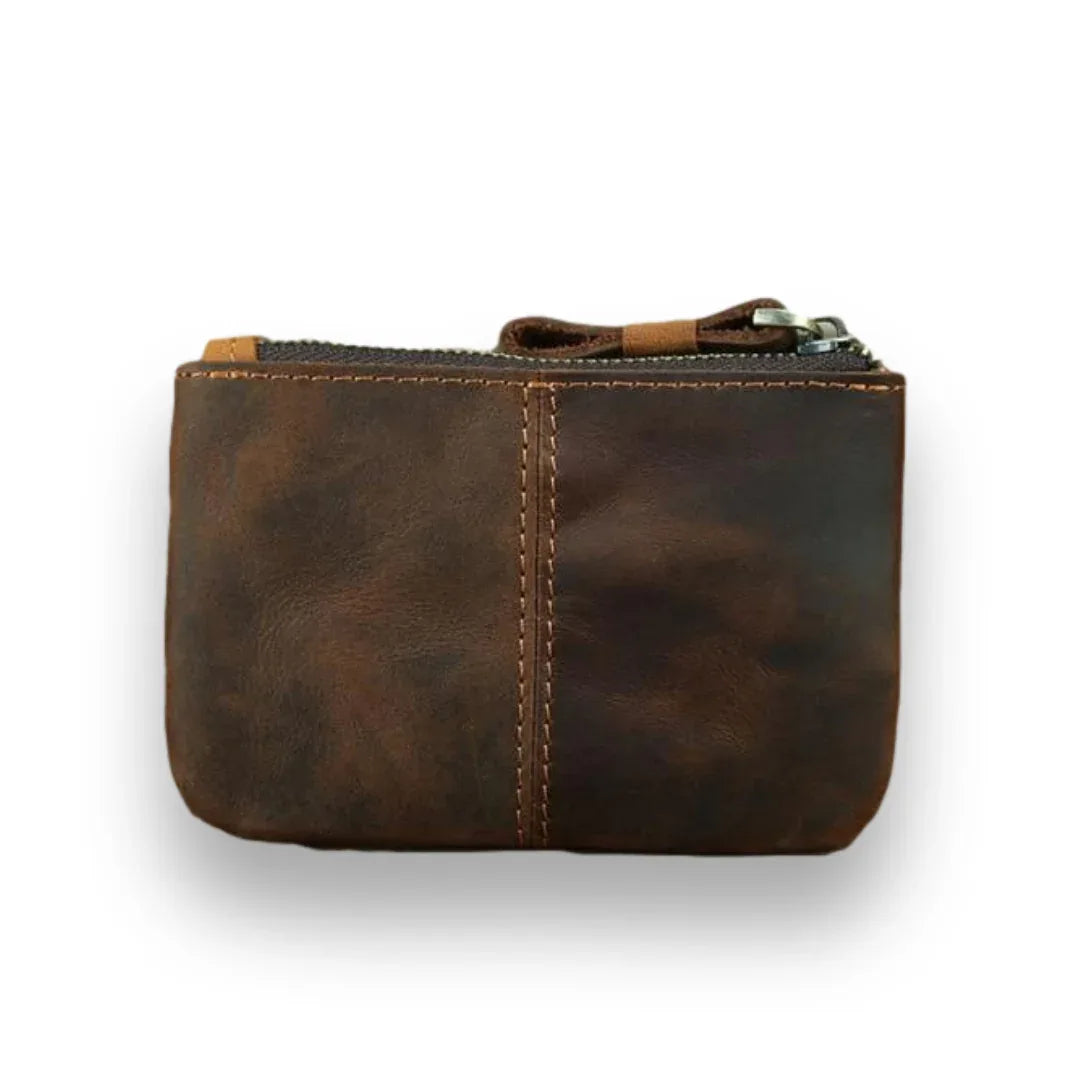
The Cael Coin Purse is a handmade leather piece with a zipper closure and compact form. It works as a standalone coin holder or as an organizer inside a larger bag. The zipper hardware is solid and the full-grain exterior will develop character with regular use. A practical, well-made piece at an accessible price point.
Best for Travel: The Wanderer Toiletry Bag

The Wanderer Toiletry Bag is a full-grain leather dopp kit built for travelers who want their grooming gear organized and protected. Spacious enough for daily essentials, structured enough to hold its shape in a bag or on a bathroom counter. The leather exterior ages with the same patina-building character as any other full-grain piece in your carry rotation.
Best for Grooming Organization: The Dado Leather Dopp Kit
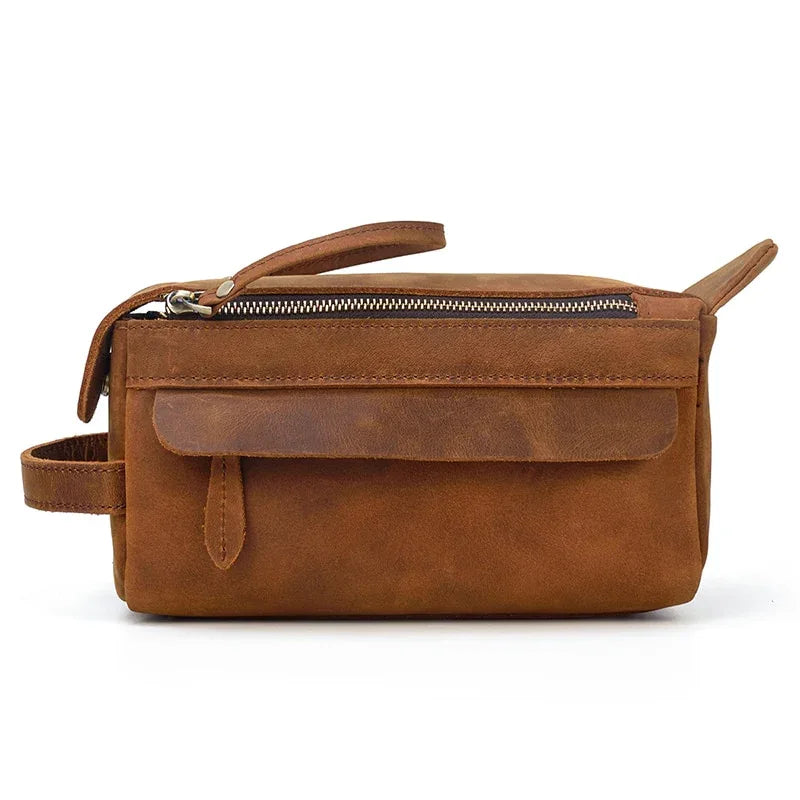
The Dado Leather Dopp Kit is a handmade full-grain leather toiletry bag with a clean, compact profile. It is a well-proportioned option for weekend trips or daily gym use, with enough interior space for toiletries without unnecessary bulk on the outside. Like all full-grain leather goods, it will develop a natural patina and become more personal with use.
Best for Compact Travel Organization: The Nomad Toiletry Bag
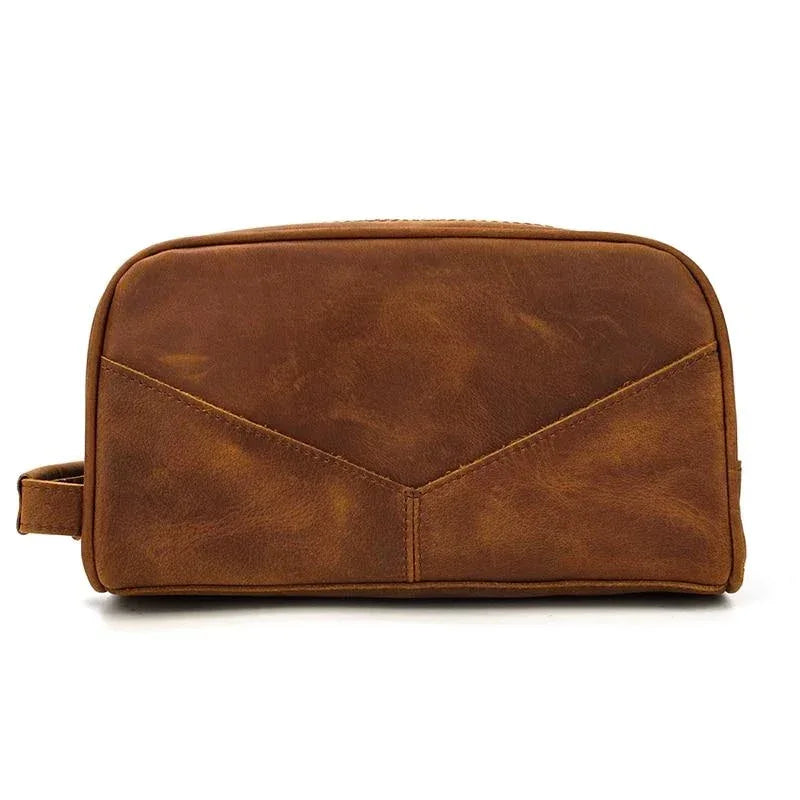
The Nomad Toiletry Bag offers a streamlined profile suited to light travelers and those who prefer to carry only the essentials. The full-grain leather exterior holds up through repeated packing and unpacking cycles, and the interior is organized for efficient access on the road.
Looking for Matching Leather Bags?
If you are building a coordinated leather carry setup, explore the leather wallets collection for the full range of wallets and small accessories. For everyday carry bags that complement small leather goods, the leather crossbody bags collection and leather belt bags collection are worth browsing. The Erling Leather Sling Bag and the Wagner Leather Waist Bag pair well with any of the small goods above for a complete full-grain carry system.
Frequently Asked Questions
How long do full-grain leather small goods actually last?
With proper care, a full-grain leather wallet or card holder can last ten to twenty years. The key factors are conditioning every few months, avoiding prolonged heat exposure, and not overstuffing the piece. The natural aging process strengthens the surface over time rather than degrading it.
What is the difference between genuine leather and full-grain leather for wallets?
Full-grain leather uses the complete top layer of the hide with its tightly packed leather fibers intact. It is the strongest, most durable grade available and develops a rich patina with age. Genuine leather is made from inner layers of the hide that have been processed and sanded. It feels acceptable when new but deteriorates faster, especially under the friction of daily use in leather wallets and card holders.
How often should I condition small leather goods?
Condition when the leather looks dull, feels stiff, or has lost its usual feel. Under normal conditions, conditioning leather every three to six months is a reliable baseline. If you live in a dry climate or expose the item to heat frequently, condition every two to three months. Use a leather conditioner or leather cream applied sparingly with a soft cloth.
Can I use natural oils like coconut oil on my leather wallet?
Some natural oils work in small quantities, but application must be careful. Coconut oil and similar vegetable oil products can darken leather and may go rancid in the leather fibers over time. Purpose-made leather conditioners are more stable and formulated to work with the leather's natural structure without residue buildup. For vegetable-tanned leather especially, plant-based conditioners designed for leather care are the better choice.
What causes leather deterioration on small goods?
The main causes of leather deterioration in small items are: heat exposure (drying out fibers), overstuffing (distorting structure and weakening stitching), neglected conditioning (leading to cracking), moisture cycles without proper drying (mold and warping), and contact with harsh chemicals. Most leather deterioration is preventable with basic leather care habits.
Is vegan leather a good alternative for keychains and card holders?
Vegan leather has improved considerably, but it does not match full-grain leather for durability or long-term value. Most vegan leather uses PU or PVC-based synthetic materials that resist stains early but develop flaking finishes and surface cracks after sustained use. For buyers prioritizing leather durability and aging, full-grain leather remains the better investment. More context is available in the vegan leather guide.
How do I repair minor scratches on a leather keychain or wallet?
For light surface scuffs, apply a small amount of leather conditioner or leather cream and buff gently with a soft cloth. On full-grain leather, the natural oils in the material often help the scratch blend in over time as the patina develops. For deeper scratches or color loss, a leather repair kit designed for small goods can restore the surface. Significant damage — such as torn stitching or broken hardware — is worth taking to a repair professional.
Does the stitching type affect how long a leather wallet lasts?
Yes. Saddle stitching, where two needles pass through the same holes from opposite sides, is significantly stronger than standard machine lock-stitching. If one thread breaks in a saddle-stitched seam, the rest holds. That said, high-quality machine stitching with strong thread and tight stitch density is also durable and is used in many well-made leather goods. What matters most is thread quality and reinforcement at high-stress points.
Find Your Next Full-Grain Leather Essential
Small leather goods reward good decisions. Buy the right piece once, maintain it with proper care, and it will outlast everything else in your carry rotation.
Explore the full range of handcrafted leather wallets, coin purses, and small accessories at the Steel Horse Leather wallets collection. Every piece is made from full-grain leather, built for long-term use, and backed by a 30-day money-back guarantee.
If you are building a complete leather carry system, browse the full leather bags collection to find bags that match your new small goods in material, style, and quality. For those specifically looking for men's leather bags, the dedicated collection offers a curated range of full-grain options built for everyday use.
Buy better once. Carry it for years.
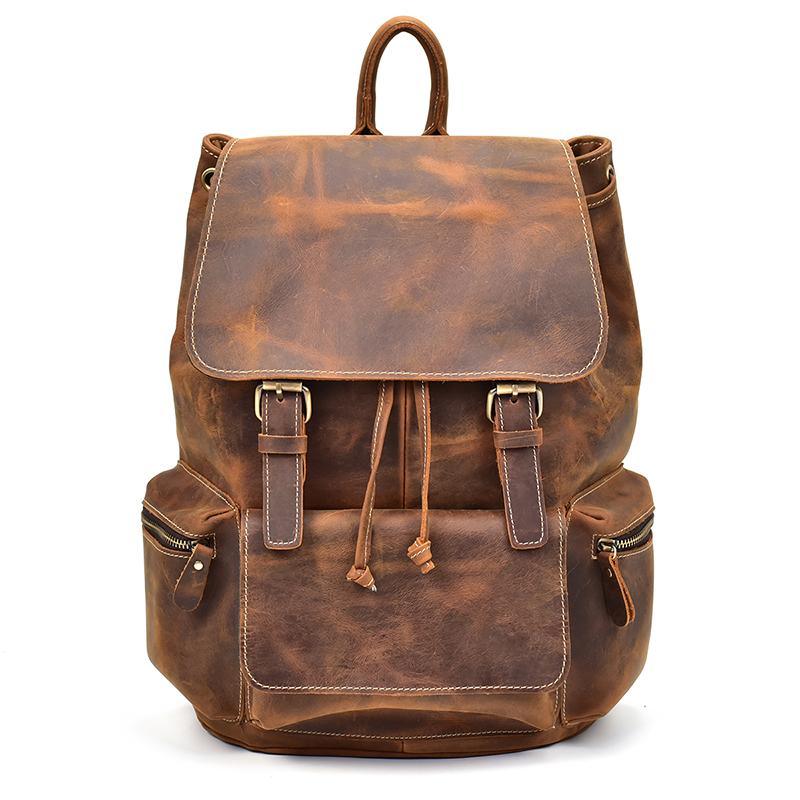
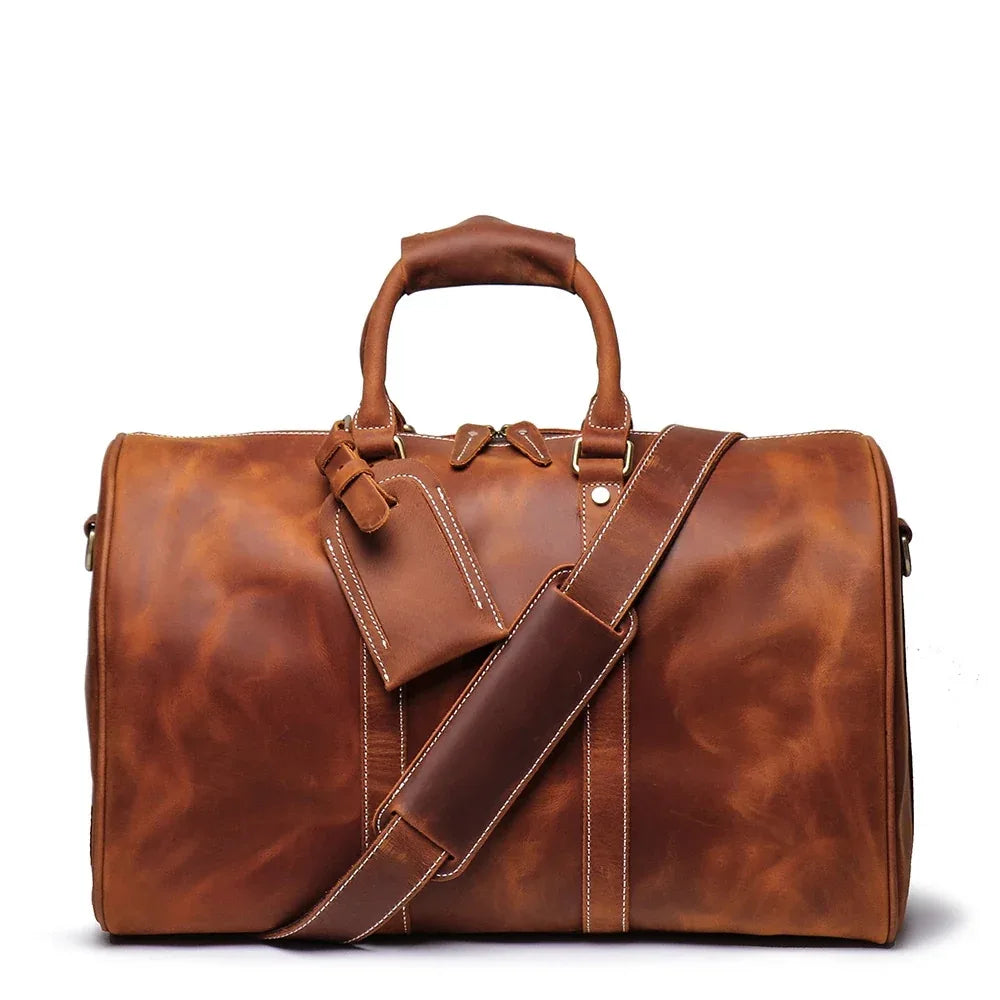
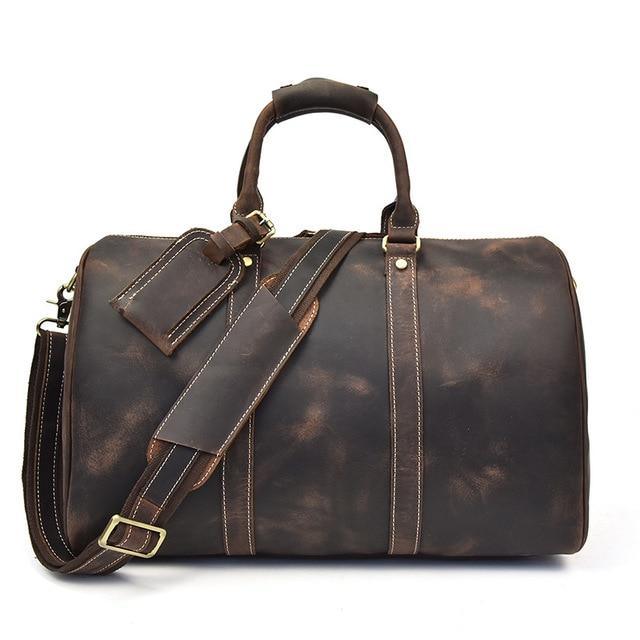
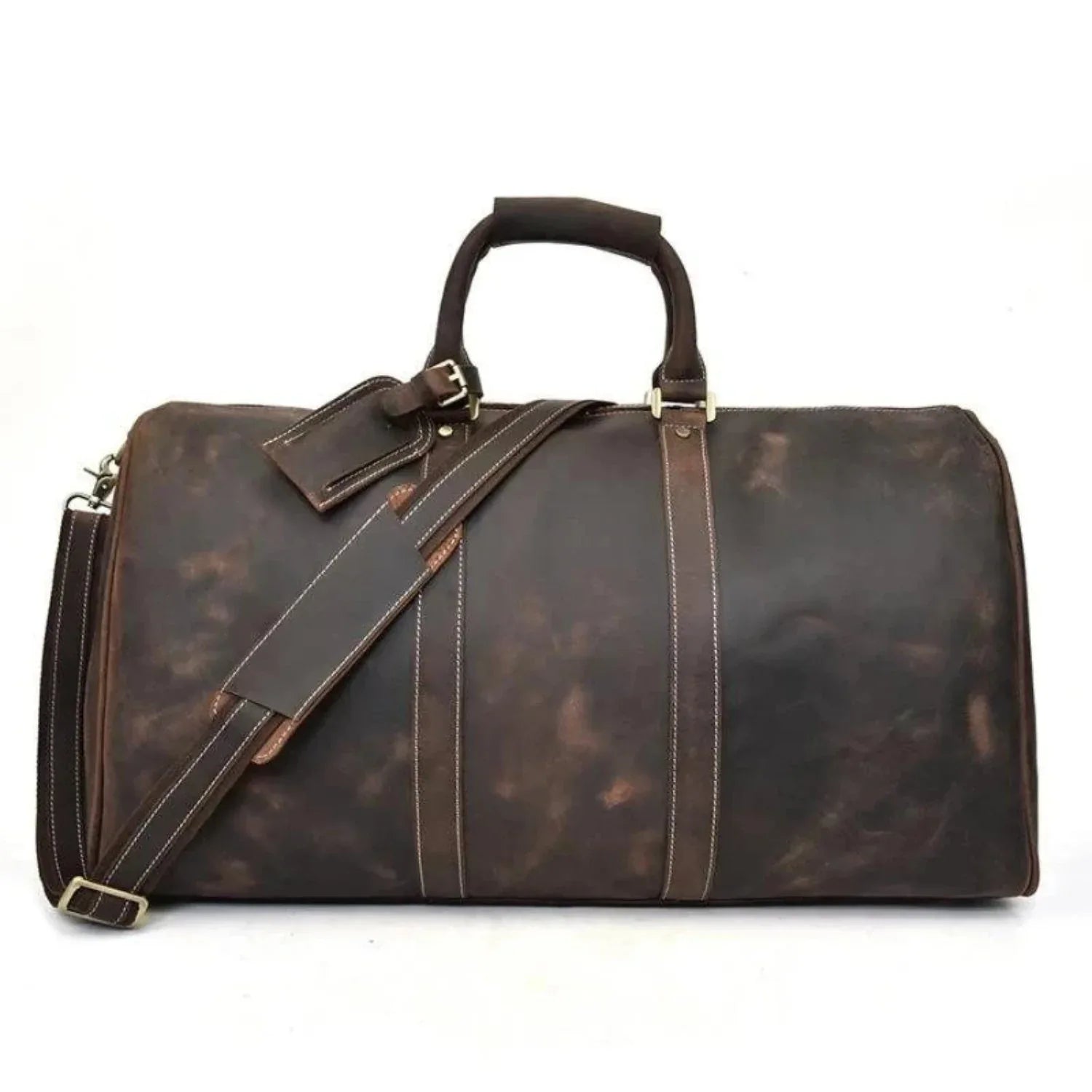
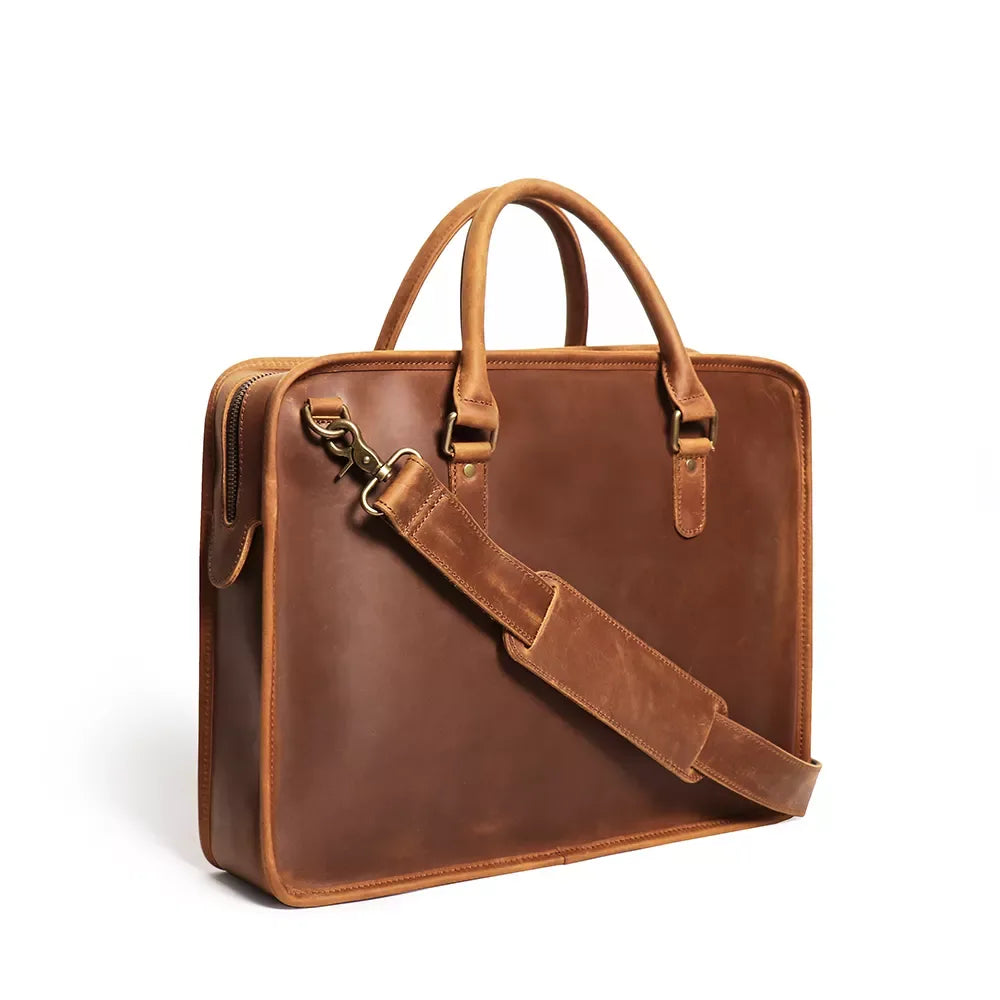
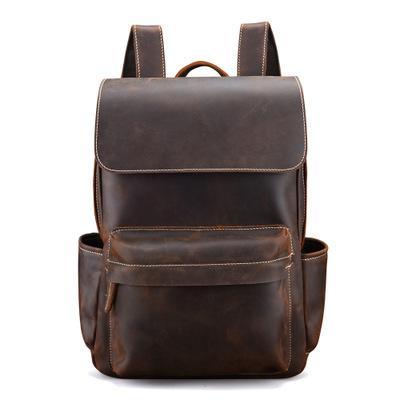
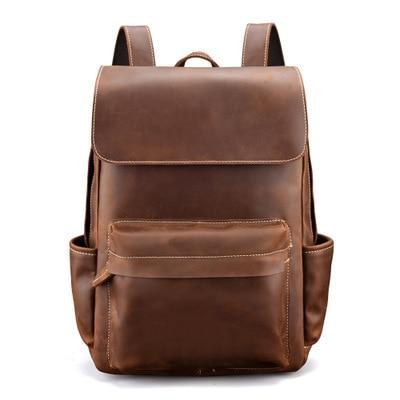
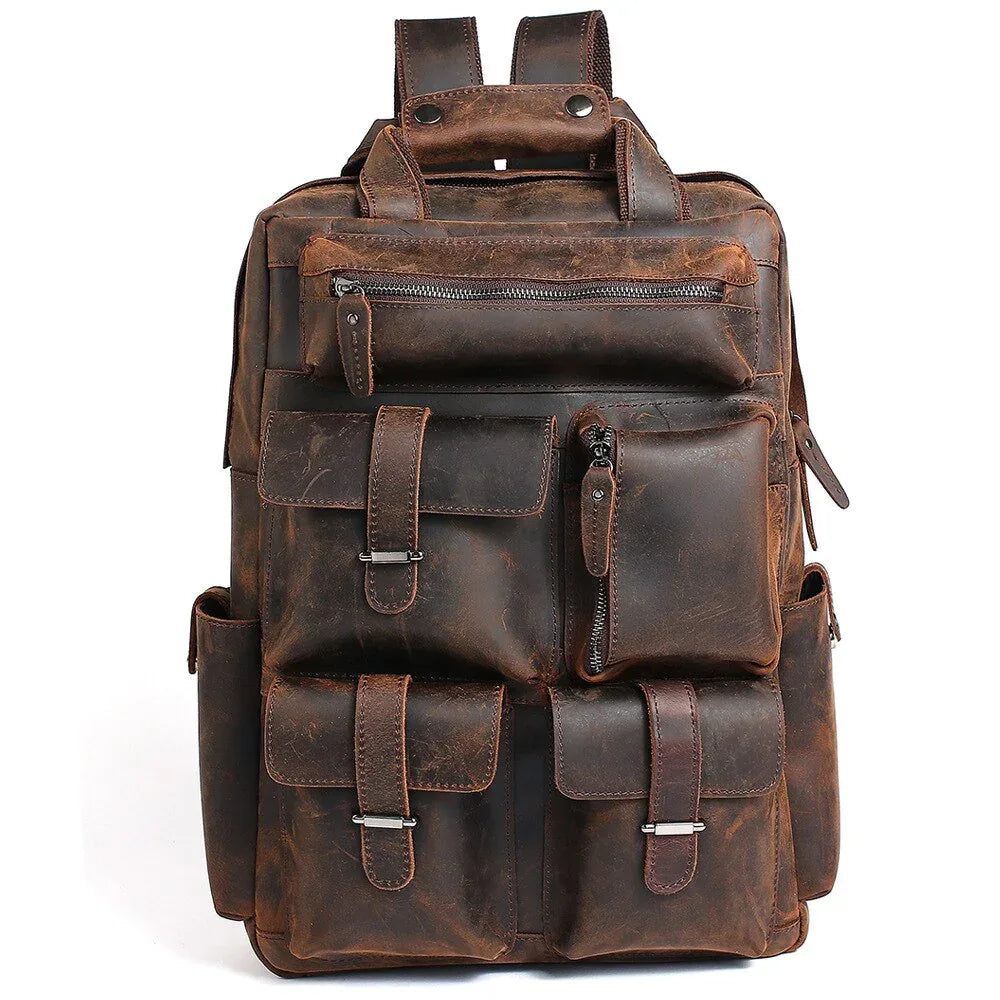
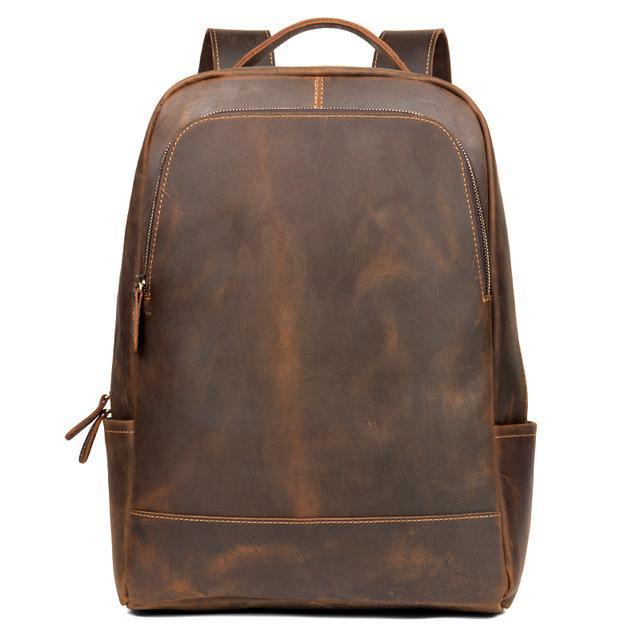
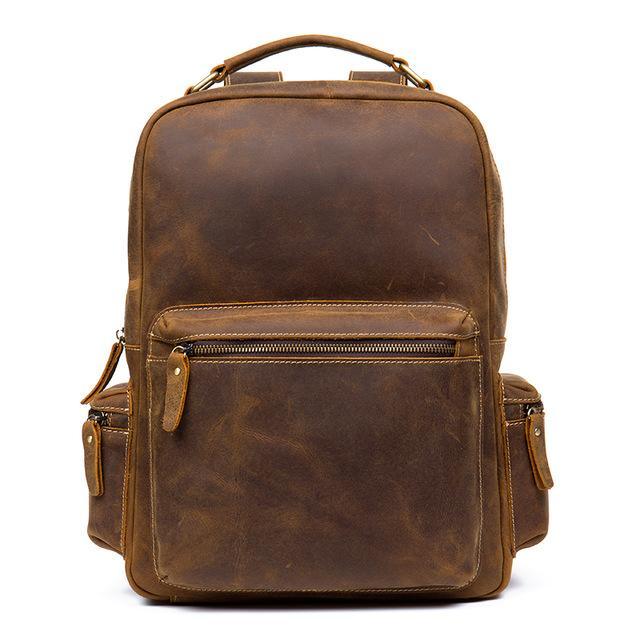
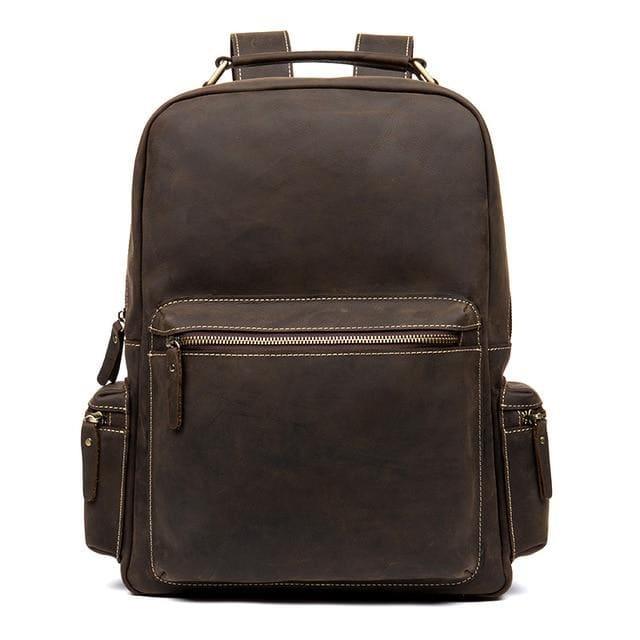
All of our bags at Steel Horse Leather are crafted from full-grain crazy horse leather, built to develop a rich patina over time. Browse our Leather Bags.