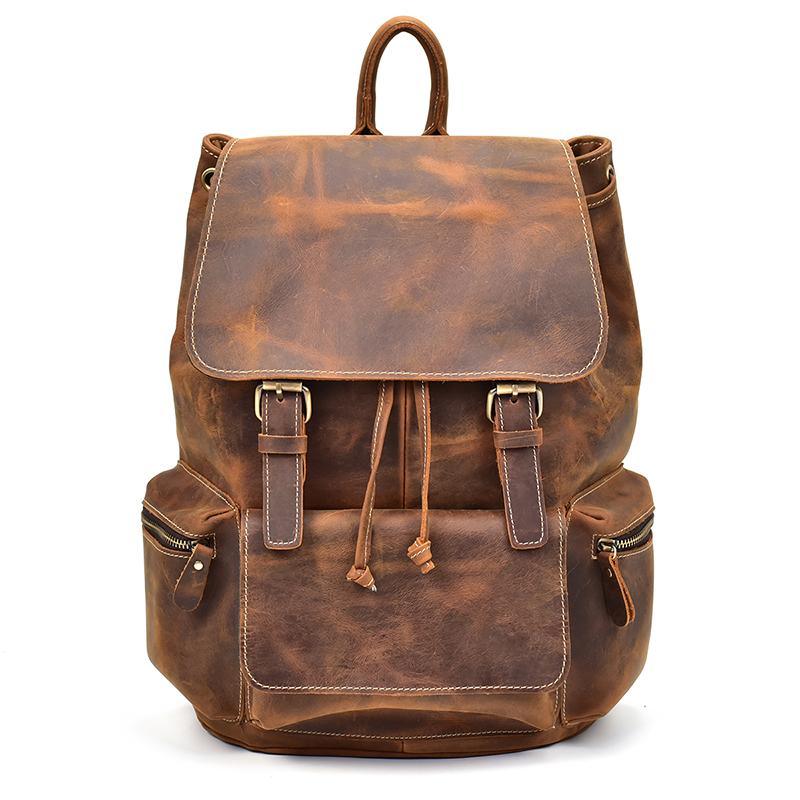
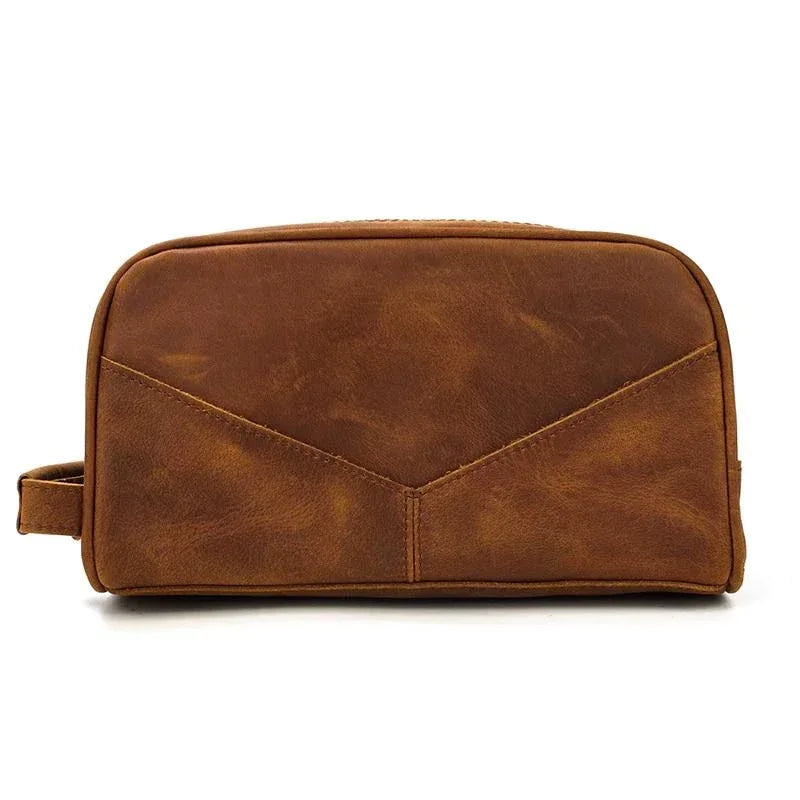
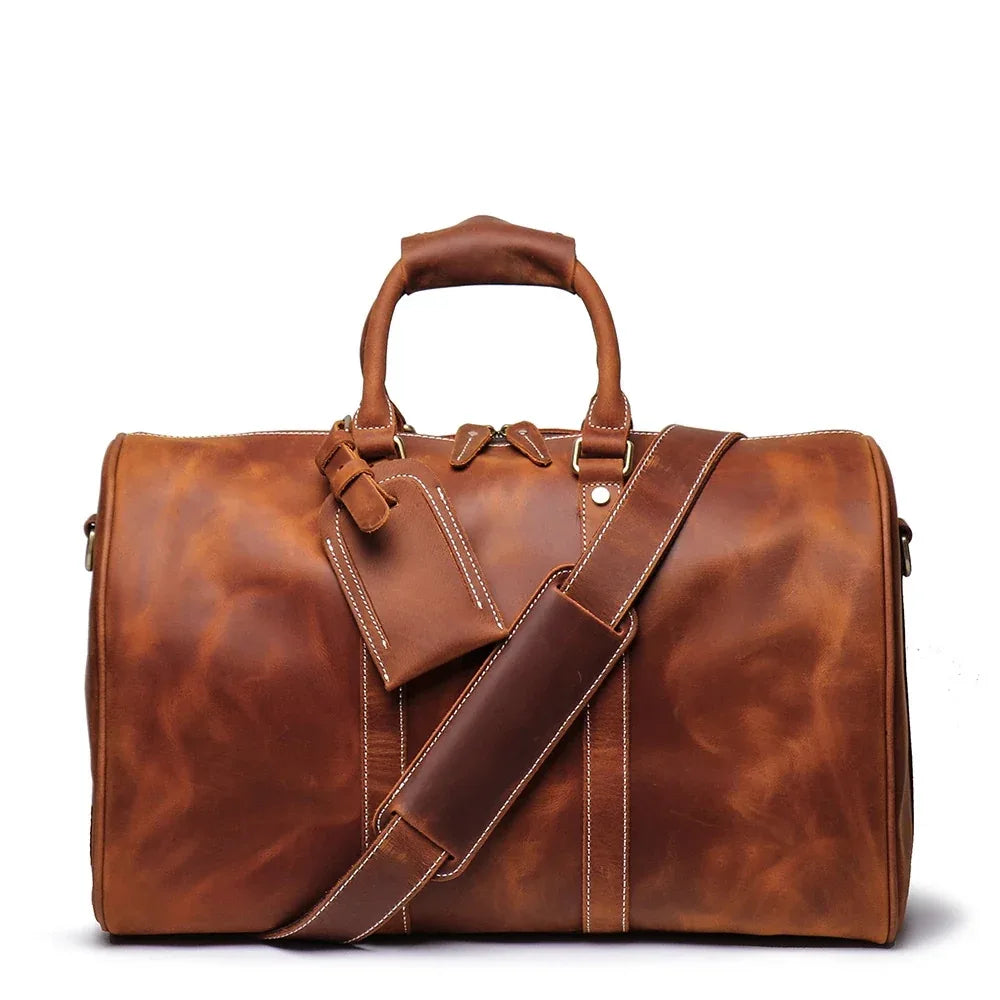
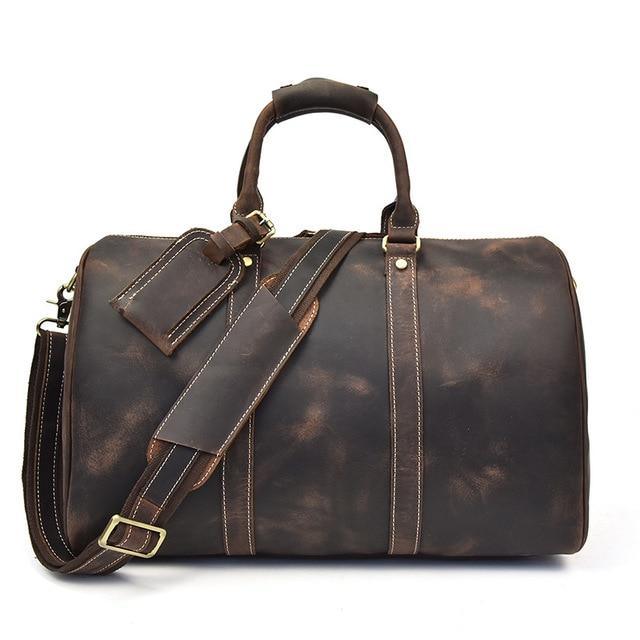
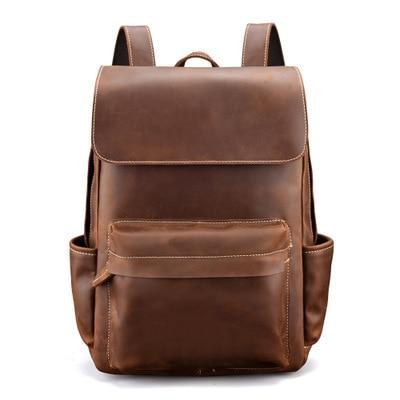
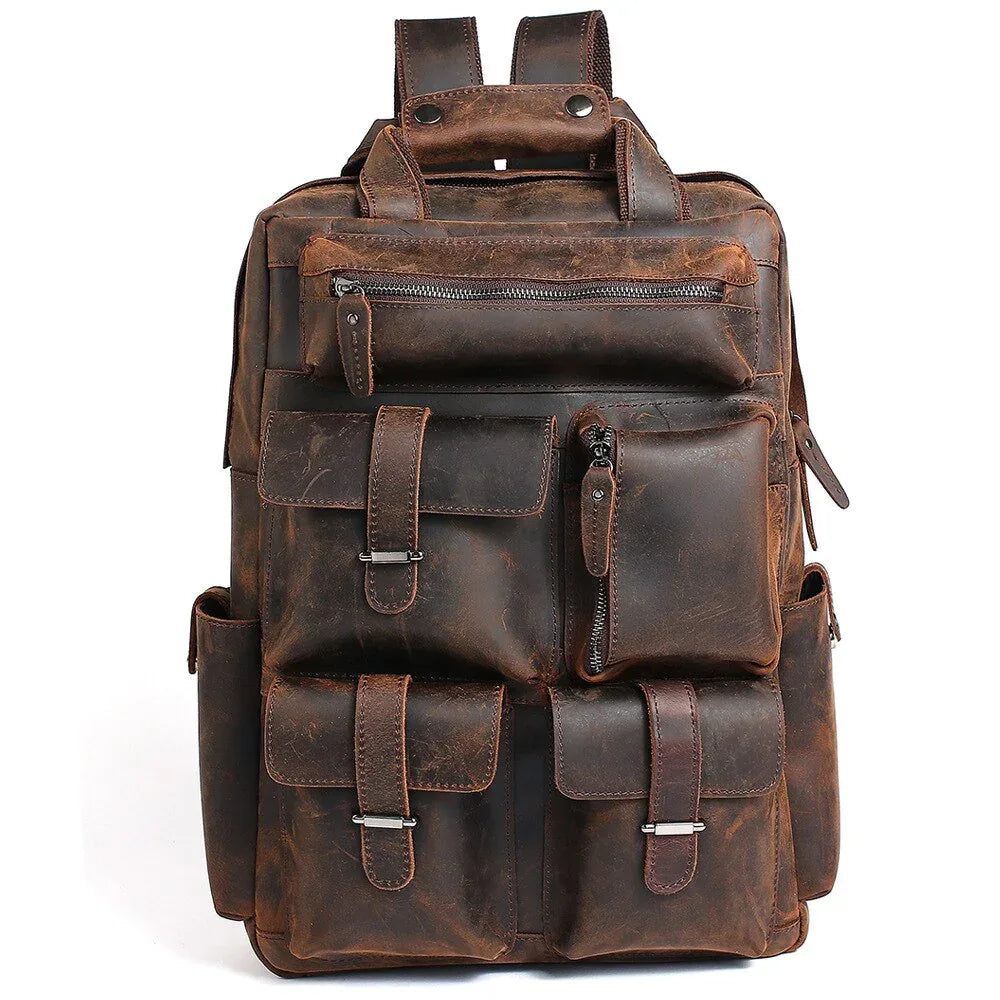
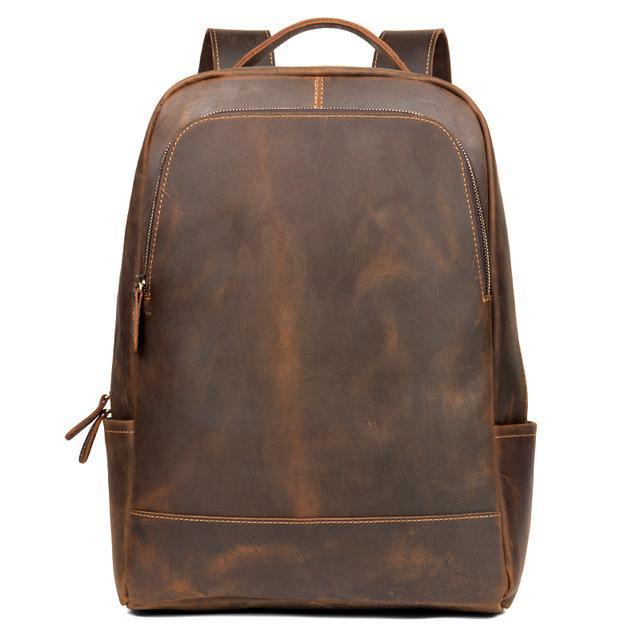
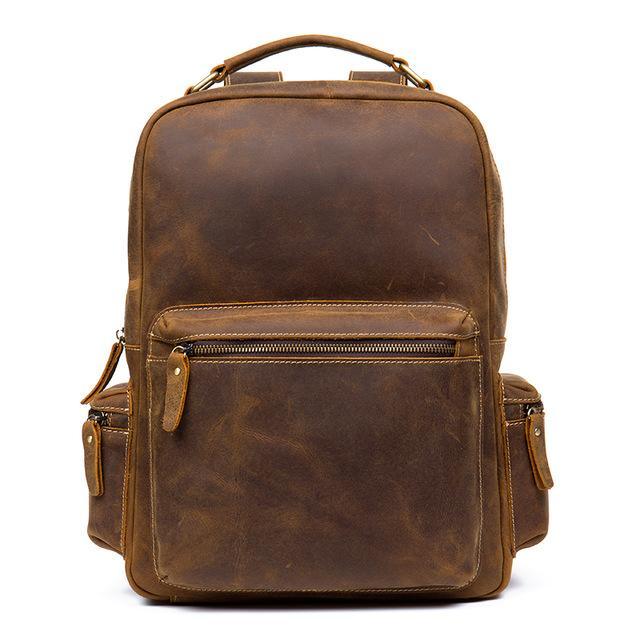
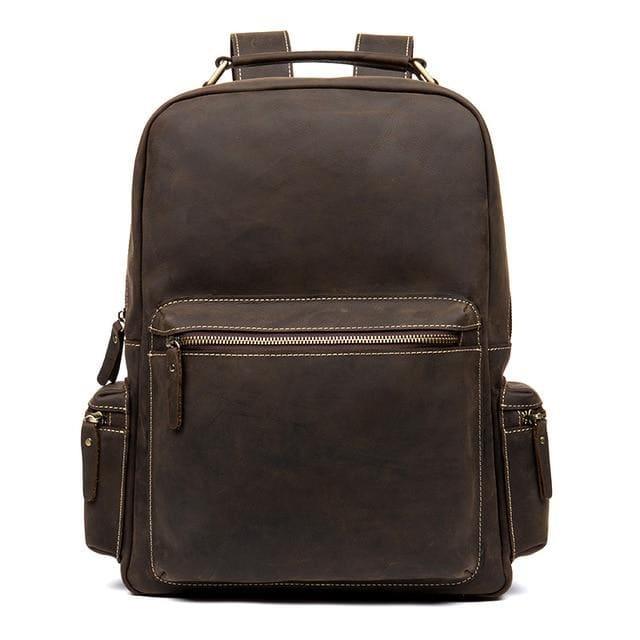
A good leather backpack is one of those purchases you make once and use for a decade, if you choose well. That's the challenge though, isn't it? Between the vague product descriptions, the wide range of prices, and the sheer number of styles out there, it's easy to end up with something that looks great in photos but doesn't actually work for your life. This guide is here to change that.
We're going to walk through everything you need to know to choose a leather backpack that fits your daily routine, your body, and your budget, and one that will actually hold up over time. No fluff, just the information you need to make a confident decision.
What Makes a Backpack a "Leather Backpack" (And Why It Matters)
Leather backpacks occupy an interesting middle ground. They have the structure and durability of a briefcase but the practicality and hands-free convenience of a backpack. That combination makes them popular with commuters, students, travelers, and professionals who need to carry a lot without looking like they're heading to the gym.
Not all "leather backpacks" are created equal, though. Some use full-grain or top-grain leather for the entire body, others use leather trim over canvas or nylon, and some are leather in name only, with a thin coating over a synthetic base. Understanding this distinction is the first step to buying smart. If you want a deeper dive into how leather is graded and what "full-grain" actually means, our guide on grain leather and what it really means is worth a read before you shop.
At Steel Horse Leather, our backpacks are made from full-grain leather, which is the strongest and most durable grade available since it retains the natural, unaltered surface of the hide. It develops a rich patina over time rather than cracking or peeling like bonded or coated leathers often do.
Who Actually Needs a Leather Backpack?

Leather backpacks tend to fit a few common lifestyles particularly well:
- Commuters and office workers who want something more polished than a sport backpack but still need to carry a laptop, charger, and daily essentials.
- Frequent travelers who want a durable carry-on companion that can take a beating without looking worn out.
- Students who need room for books, tech, and everyday items in a bag that will outlast a four-year degree.
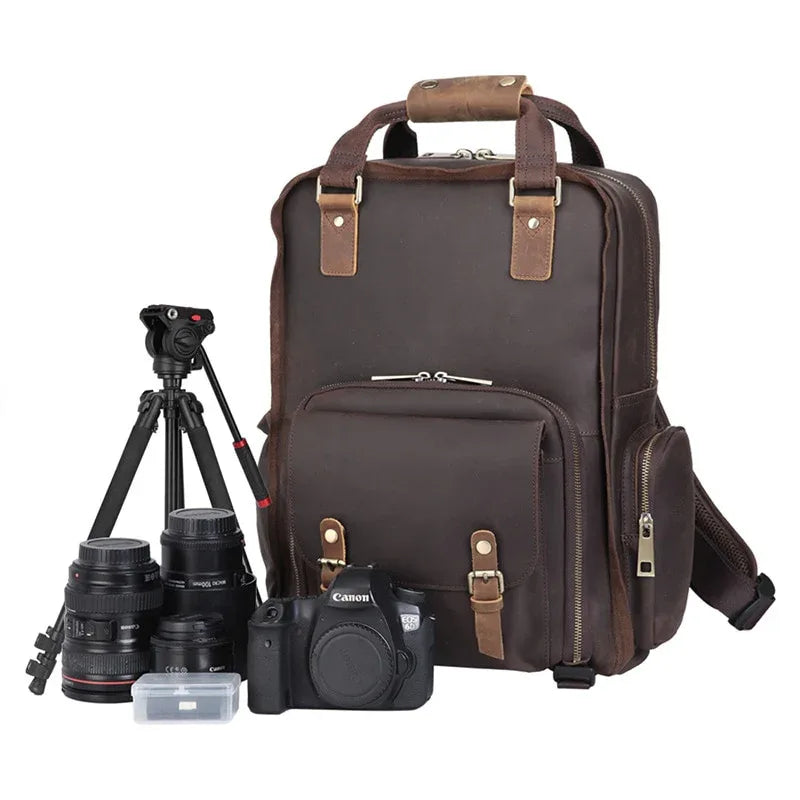
- Photographers and creatives who need padded, organized storage for gear.
- Parents who want a hands-free option for carrying baby essentials without sacrificing style.
Browsing by who the bag is for can simplify your search considerably. Our collections for men's leather backpacks and women's leather backpacks are organized with fit and style preferences in mind, while our vintage leather backpacks collection is popular with people who want a broken-in, well-loved look right out of the box.
Key Features to Consider Before You Buy
1. Size and Capacity
Think honestly about what you carry on a typical day and on your heaviest day. A backpack that's too small becomes useless the moment you need to pack an extra layer or a pair of shoes. One that's too large invites overpacking and unnecessary strain on your shoulders and back.
If you're someone who needs serious capacity for travel, take a look at our guide to large genuine leather backpacks for tourists, which breaks down how to judge capacity in practical terms rather than just liters.
2. Laptop and Tech Protection
If you're carrying a laptop or tablet daily, a padded, dedicated compartment isn't optional, it's essential. Look for a separate sleeve that suspends the device away from the bottom of the bag, protecting it if you set the bag down harder than intended.
Our article on the best leather backpacks with laptop compartments goes into detail on what to check for, and our piece on women's laptop work backpacks covers fit and organization considerations specific to that use case. If you already own a bag you love but need extra protection for your device, The Runa Leather Laptop Sleeve is a simple add-on solution.
3. Straps, Back Panel, and Comfort
This is the feature people overlook most often, and it's the one that determines whether you'll actually enjoy using the bag. Adjustable, padded straps and a structured back panel matter enormously once you're carrying any real weight. Try to check the strap width and stitching quality, thin straps dig into shoulders over long days.
4. Hardware and Closures
Zippers, buckles, and clasps take more abuse than almost any other part of the bag. Cheap zippers jam and break, thin buckles bend. Look for solid metal hardware (brass or nickel finishes tend to hold up best) and closures that feel substantial when you handle them in person or see them up close in product photos.
5. Structure vs. Slouch
Some people prefer a structured backpack that holds its shape and looks sharp with business casual attire. Others prefer a softer, slouchier silhouette that feels more relaxed. Neither is objectively better, it comes down to your personal style and how you'll be using the bag day to day. If minimalist and structured is your preference, our guide to minimalist leather backpacks that don't sacrifice comfort is a good starting point.
Matching the Bag to Your Use Case

For Daily Commuting and Office Work
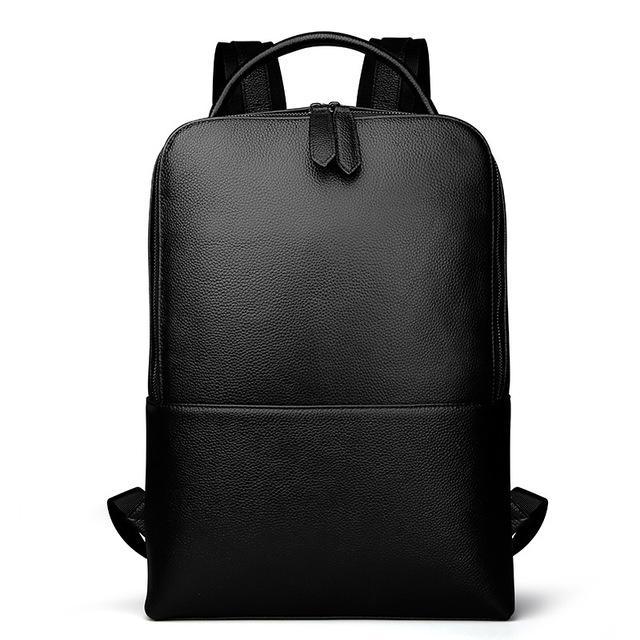
You'll want something that balances professional style with practical organization: laptop sleeve, pockets for cables and a notebook, and a silhouette that works with both jeans and business casual. The Skald Black Pebbled Leather Backpack is a strong example here, its slim profile and pebbled texture hide daily wear well while keeping a polished, professional look. For a full breakdown of top options, see our guide to the best leather backpacks for men.
For Travel
Travel demands durability, security, and enough room for the essentials without becoming unwieldy in an airport or train station. A backpack with an anti-theft back pocket and a stable base that can stand upright is worth prioritizing. Our leather travel bags collection is a good place to compare backpacks alongside duffles and weekenders if you're deciding between formats.
For Outdoor Use and Rugged Everyday Carry
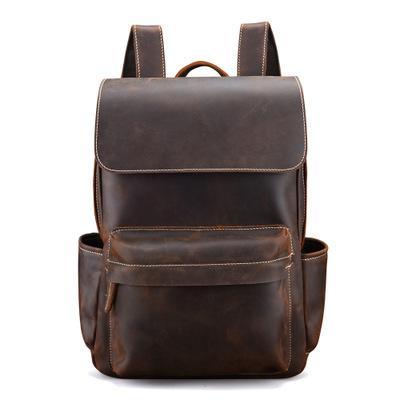
If you want the classic rucksack look, thick straps, roll-tops or drawstring closures, and a rugged, worn-in aesthetic, our article on handcrafted leather rucksack backpacks for hiking and camping explains what separates a genuinely functional rucksack from one that's just styled to look outdoorsy.
For Photography
Camera gear needs padded, adjustable compartments and quick access without digging through a main compartment. The Mann Bag offers generous capacity for multiple lenses and bodies, while The Gaetano Large Leather Backpack adds a dedicated tripod holder for photographers who need to carry a full kit. You can browse more options in our leather camera backpacks collection.
For Parents
Hands-free carrying matters most when you've got a child in one arm, and a leather backpack can double effectively as a diaper bag if it has enough dedicated pockets for bottles, wipes, and changing essentials. Our leather diaper bag collection is worth a look if this applies to you.
Quality Indicators to Look for in Construction
Whether you're buying from us or elsewhere, here's what separates a well-made leather backpack from one that will disappoint you in a year:
- Stitching: Even, tight, and consistent. Loose threads or uneven spacing is a red flag for rushed manufacturing.
- Leather feel: Full-grain leather should feel substantial and slightly firm, softening naturally with use. If it feels plastic-like or overly thin, it's likely bonded or heavily coated leather.
- Edge finishing: Look closely at the edges of the leather panels. Burnished or painted edges that are smooth and sealed indicate careful craftsmanship.
- Hardware attachment: Rivets and stitching should secure hardware, not glue alone.
- Lining: A durable interior lining (canvas or suede) resists tearing better than a thin, flimsy fabric.
To understand more broadly why full-grain leather outperforms other types over the long run, our article on leather bag durability advantages lays out the reasoning in detail.
Common Mistakes to Avoid
Buying based on looks alone. A beautiful bag that doesn't fit your back comfortably or lacks the compartments you need will end up in the closet within a month.
Ignoring weight. Full-grain leather is heavier than nylon or canvas. That's part of its durability, but if you're already carrying a heavy laptop and books, factor in the bag's own weight too.
Assuming bigger is better. Oversized bags encourage overpacking, which strains your back and shoulders over time. Match the size to your actual daily needs, not your worst-case scenario.
Skipping care instructions. Leather is a natural material that needs occasional conditioning. Neglecting this leads to premature drying, cracking, and a shortened lifespan.
Not checking return policies. Fit and comfort are personal. Buy from retailers who allow returns or exchanges so you're not stuck with a bag that doesn't work for your body.
Caring for Your Leather Backpack
Full-grain leather is durable, but a little maintenance goes a long way in keeping it looking great for years:
- Condition regularly. Every few months, apply a quality leather conditioner to prevent drying and cracking. If you prefer natural options, our guide on DIY homemade leather conditioners offers safe, effective recipes.
- Address stains promptly. Oil and water stains are common culprits. See our guide on removing oil stains from leather for a step-by-step approach.
- Fix scratches early. Minor scratches are normal with use and often easy to buff out. Our article on fixing scratched leather in 3 easy steps covers the basics.
- Know when to repair vs. replace. Quality leather backpacks are worth repairing rather than replacing. Our guide on how to repair and restore your backpack walks through common fixes.
- Store it properly. Keep your bag stuffed with paper or a bag pillow when not in use to help it hold its shape, and avoid direct sunlight or damp storage areas.
How to Determine the Right Size and Style for You

Start with your daily essentials laid out on a table. Laptop, charger, notebook, water bottle, whatever you actually carry. That's your baseline capacity. Add a bit of room for occasional extras, but resist the urge to size up "just in case."
Next, think about your frame and how you carry weight. Petite frames often do better with more compact, structured bags, while broader frames can comfortably support larger, roomier styles. Try a bag on if possible, and adjust the straps so the bag sits high on your back rather than sagging toward your lower spine.
Finally, consider where you'll use it most. A backpack that works beautifully for weekend hikes might feel out of place in a client meeting. If you split your time between casual and professional settings, a versatile, minimalist design will serve you better than something highly specialized.
Featured Steel Horse Leather Backpacks

Based on what our customers reach for most, here are some standout options worth considering:
- Skald Black Pebbled Leather Backpack: A slim, professional silhouette in durable pebbled leather, ideal for daily commuting.
- The Icarus Backpack: A handmade vintage-style backpack for those who want character and history built into their everyday carry.
- The Tove Backpack: Clean, sharp-edged design for a modern, structured look.
- The Unn Backpack: A versatile vintage-inspired option that works equally well for travel or daily use.
- The Faulkner Backpack: Handcrafted with an emphasis on classic proportions and everyday durability.
- The Mann Bag: Built for photographers who need large capacity and gear protection.
- The Gaetano Large Leather Backpack: Includes a dedicated tripod holder for photographers carrying full kits.
You can browse our complete range in the leather backpacks collection, or explore related carry styles in our full leather bags collection if a backpack turns out not to be quite the right fit for your needs.
Frequently Asked Questions
How long does a full-grain leather backpack last?
With proper care, a full-grain leather backpack can last well over a decade, often improving in appearance as it develops a natural patina. This is a significant advantage over synthetic materials, which tend to degrade rather than improve with age.
Are leather backpacks heavy?
Full-grain leather is heavier than canvas or nylon, but the difference is usually a pound or two, not enough to be a dealbreaker for most people. The tradeoff is significantly better durability and a more refined look.
Can leather backpacks get wet?
Light rain typically won't damage quality full-grain leather, but prolonged exposure to water isn't recommended. Wipe off moisture promptly and allow the bag to air dry naturally, away from direct heat, and follow up with a conditioner if it dries out.
How do I know what size leather backpack I need?
Base your decision on what you actually carry daily, not an imagined worst-case scenario. Most everyday laptop backpacks fall in the 15 to 25 liter range, while travel-oriented backpacks often exceed 30 liters.
Is a leather backpack good for carrying a laptop?
Yes, as long as it has a padded, dedicated laptop compartment. Look for a sleeve that suspends the laptop away from the base of the bag for extra shock protection.
What's the difference between full-grain and genuine leather?
"Genuine leather" is a marketing term that often refers to a lower grade of leather made from split hides, while full-grain leather retains the entire, unaltered top layer of the hide. Full-grain is stronger, more durable, and ages better over time.
How do I clean a leather backpack?
Wipe with a slightly damp cloth to remove surface dirt, then apply a leather conditioner every few months to keep the material supple. Avoid harsh chemical cleaners, which can strip natural oils from the leather.
Are leather backpacks appropriate for professional settings?
Absolutely, particularly slim, structured styles in black or dark brown. Many professionals prefer a leather backpack over a traditional briefcase for the added comfort and hands-free convenience while still looking polished.
Choosing the right leather backpack comes down to being honest about how you'll actually use it, day in and day out. Focus on genuine full-grain construction, comfortable straps, the right capacity for your needs, and hardware that will hold up over years of use. Get those fundamentals right, and you'll have a bag that only gets better with time.
All of our bags at Steel Horse Leather are crafted from full-grain crazy horse leather, built to develop a rich patina over time. Browse our Leather Bags.