Checkbooks might feel like a relic to some, but for a lot of people, whether it's small business owners writing vendor payments, landlords collecting rent, or folks who simply prefer the paper trail of a physical check, a checkbook is still part of daily life. And if you're going to carry one, it deserves better than getting tossed loose into a bag where it bends, tears, or gets lost under a pile of receipts.
A leather checkbook cover solves that problem. But like any leather good, not all covers are built the same, and choosing the right one comes down to understanding your own habits, your leather preferences, and what you actually need the cover to hold. This guide walks you through everything worth knowing before you buy.
What Is a Leather Checkbook Cover, Exactly?

At its core, a checkbook cover is a slim leather case designed to hold a checkbook, your register, a pen, and often a few cards or cash. It functions as protection first and organization second. Think of it as the wallet equivalent for people who still write checks regularly.
Most covers fall into one of two structural styles:
- Standard duplicate checkbook covers, sized to fit the common 6.5" x 3.5" checkbook with a duplicate carbon register underneath
- Single checkbook covers, slimmer and built for checkbooks without a duplicate register
Beyond that, covers vary based on how many extras they carry, whether they close with a snap, a strap, or stay open like a simple sleeve, and how much card storage they include.
Who Actually Needs One?
It's worth being honest here: not everyone needs a checkbook cover. But several groups get real, daily value from one:
- Small business owners who pay vendors, contractors, or suppliers by check
- Landlords and property managers collecting rent or paying maintenance invoices
- Freelancers and consultants managing client payments
- People who prefer paper trails for budgeting or record-keeping over digital transactions
- Anyone gifting a practical, personal item to a parent, mentor, or colleague who still writes checks regularly
If you're shopping for the second category, a checkbook cover pairs naturally with other leather business gifts or fits well into a broader corporate leather gifts order for clients and employees who value traditional, well-made goods.
Key Features to Look For
1. Leather Quality
This is the single biggest factor in how long your cover lasts and how it looks over time. Full-grain leather is the top tier. It uses the entire hide, including the natural grain, which means it develops a rich patina and holds up to years of handling without cracking or peeling. Bonded or heavily coated leathers may look similar on day one but tend to flake and wear thin much faster.
If you want to understand the differences in leather grades before you buy anything leather, our guide on what grain leather actually means breaks down the terminology so you're not relying on guesswork at checkout.
2. Stitching and Construction
Flip the cover over and look at the seams. Stitching should be tight, even, and doubled at stress points like corners and card slot edges. Loose threads or uneven spacing are early warning signs that the seams will give out within a year of regular use.
3. Card and Cash Slots
Most people don't carry a checkbook alone. Look for a cover with a few card slots and, ideally, a slim pocket for cash or a pen. This turns the cover into a more complete daily-carry piece rather than a single-purpose case.
4. Closure Style
Some covers stay open like a folder, others snap shut, and some use a wraparound strap. Snap or strap closures offer better protection if the cover goes into a bag with other items, while open-style covers are easier to access quickly at a register or desk.
5. Size and Fit
Checkbooks aren't perfectly standardized. Before buying, measure your actual checkbook and register, including the duplicate carbon pages if you use them. A cover that's too snug will wear out faster from the tension, and one that's too loose won't protect the corners properly.
Matching a Cover to Your Lifestyle
If you write checks occasionally: A simple, slim cover without a lot of extra card storage is enough. You don't need to pay for features you won't use.
If you use checks for business regularly: Look for a cover with a pen loop and several card slots, since you're likely pulling it out multiple times a day alongside a business card or ID.
If you're buying it as a gift: Consider pairing it with a matching wallet or card case for a cohesive set. Our leather wallets collection has options that complement a checkbook cover nicely in color and grain, and our leather gifts for him guide has more ideas if you're building out a full gift.
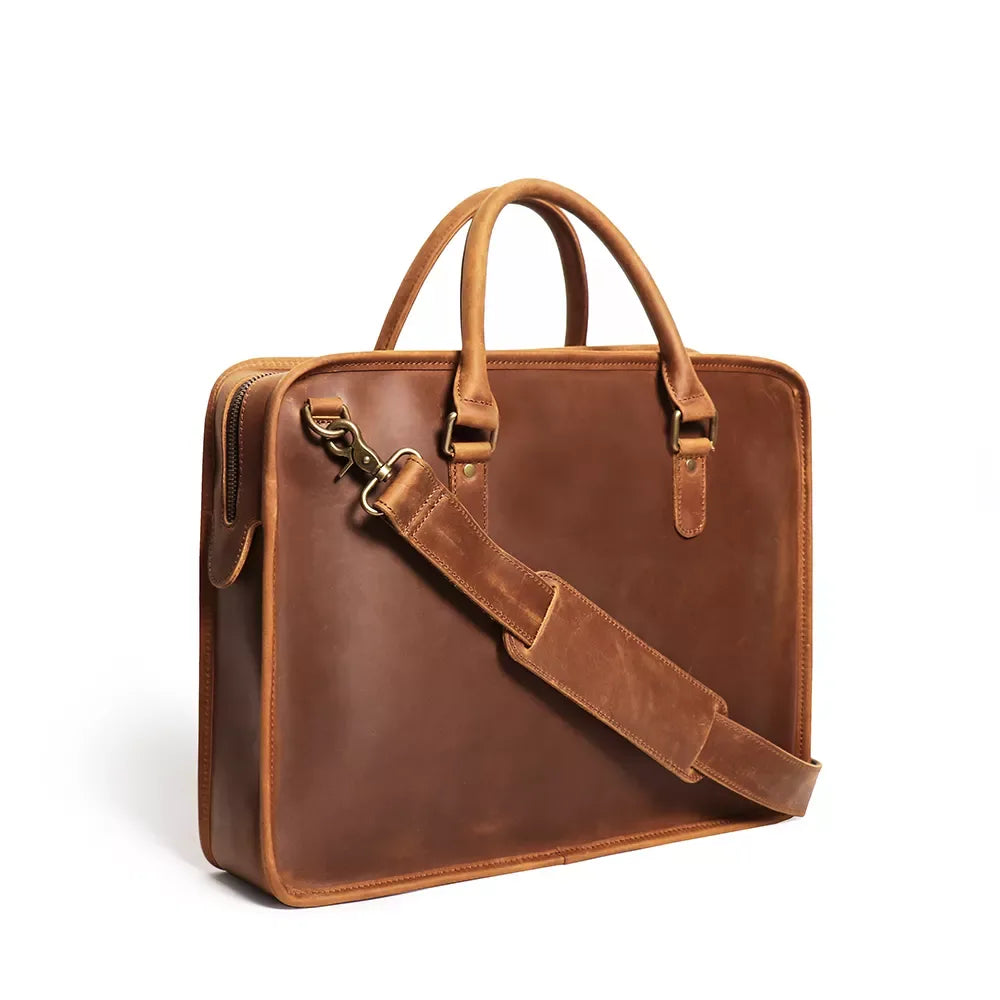
If you carry it inside a bigger bag: Fit and bulk matter less since a briefcase or work bag will protect it further. If you're also shopping for that larger bag, our leather briefcases and leather laptop bags collections are worth a look, and pieces like The Welch Briefcase or The Hemming Leather Laptop Bag have interior organization pockets sized well for a checkbook cover and wallet.
Quality Indicators Worth Checking Before You Buy
- Edge finishing: Quality covers have burnished or painted edges that won't fray over time. Rough, unfinished edges are a sign of rushed manufacturing.
- Hardware: If the cover has a snap or clasp, it should feel solid, not tinny or loose.
- Consistent color and grain: Natural leather has some variation, which is normal and even desirable in full-grain pieces, but you shouldn't see cracking, plastic-like shine, or an artificial texture pressed into the surface.
- Smell: This sounds unusual, but genuine leather has a distinct, natural smell. A strong chemical odor usually means heavy synthetic coating or bonded material.
Common Mistakes to Avoid
Buying based on looks alone. A cover that photographs well isn't necessarily built well. Check the stitching and material descriptions, not just the color.
Ignoring the fit. As mentioned above, checkbooks vary slightly in size depending on your bank. A cover that's a poor fit will loosen, gap, or strain at the seams.
Overlooking maintenance. Full-grain leather ages beautifully, but it does need occasional conditioning, especially if it's handled daily. Skipping this step is the most common reason a good leather cover starts looking tired before its time.
Choosing style over function. If you need to access your checkbook quickly and often, an overly complex closure system will slow you down and frustrate you daily.
Caring for Your Leather Checkbook Cover

Leather checkbook covers see a lot of handling, oils from your hands, friction from being pulled in and out of pockets or bags, and occasional exposure to moisture. A little care goes a long way:
- Wipe it down periodically with a soft, dry cloth to remove surface dirt.
- Condition the leather every few months to keep it supple. Our guide on DIY leather conditioners is a good resource if you'd rather use something you already have at home.
- If it gets wet, let it air dry naturally away from direct heat. Never use a hairdryer or radiator, which can cause cracking.
- For scuffs or light scratches, our step-by-step guide on fixing scratched leather covers simple fixes that don't require professional help.
- Avoid overstuffing the cover with more cards or cash than it's designed to hold. This stretches the seams and warps the shape over time.
If you're new to leather care in general and want a broader understanding of how to keep any leather good looking its best for years, our piece on softening leather effectively is a helpful starting point.
How This Fits Into Your Everyday Carry
A checkbook cover rarely travels alone. Most people pair it with a wallet, sometimes a passport holder for travel, and often a bag that holds all of it together. If you're building out a complete everyday carry setup, it's worth browsing our leather accessories collection for pieces that share the same leather quality and finish, so everything ages consistently and matches over time.
For those who travel frequently and want to keep financial documents organized on the road, a leather passport holder makes a natural companion piece, and our article on why a leather passport holder matters while traveling explains the reasoning if you're on the fence.
Frequently Asked Questions
Do I need a checkbook cover if I rarely write checks?
Probably not one with a lot of extra storage. A simple, slim sleeve style is enough to protect an occasionally used checkbook without adding bulk to your bag or drawer.
What size checkbook cover should I buy?
Measure your checkbook and register together, including any duplicate carbon pages. Standard checkbooks are roughly 6.5" x 3.5", but always confirm with your own before buying, since some banks issue slightly different sizes.
Is full-grain leather worth the extra cost?
Yes, if you want the cover to last years rather than months. Full-grain leather resists cracking and peeling far better than bonded or coated leather, and it actually improves in appearance as it ages.
Can a checkbook cover also hold cash and cards?
Many do. Look for covers with built-in card slots and a small cash pocket if you want it to double as a lightweight wallet.
How do I clean a leather checkbook cover?
Wipe with a soft, dry cloth regularly, and condition every few months with a quality leather conditioner. Avoid soaking it or using harsh cleaning chemicals.
Are leather checkbook covers a good gift?
Yes, especially for business owners, landlords, or anyone who still manages payments by check. It's a practical, personal gift that shows thought, particularly when paired with a matching wallet or card case. Our leather gifts for women and leather gifts for him guides have more pairing ideas if you want to build a complete set.
Final Thoughts
A leather checkbook cover is a small purchase, but it's one that gets used often enough that quality genuinely matters. Focus on full-grain leather, solid stitching, a fit that matches your actual checkbook size, and features that match how you really use it, not just how it looks on a shelf. Do that, and it's a piece that will hold up for years, not months.
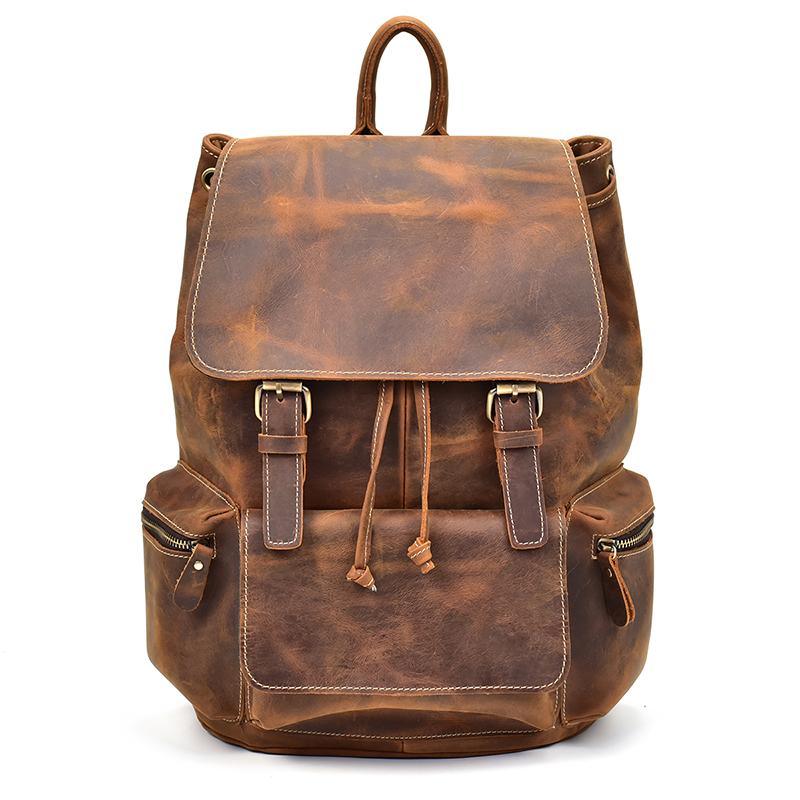
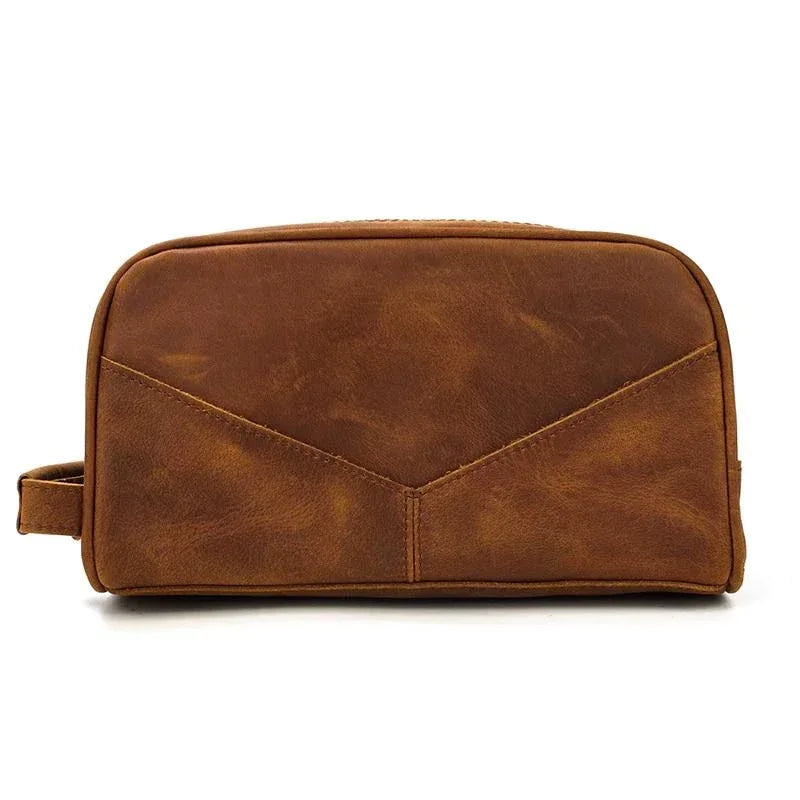
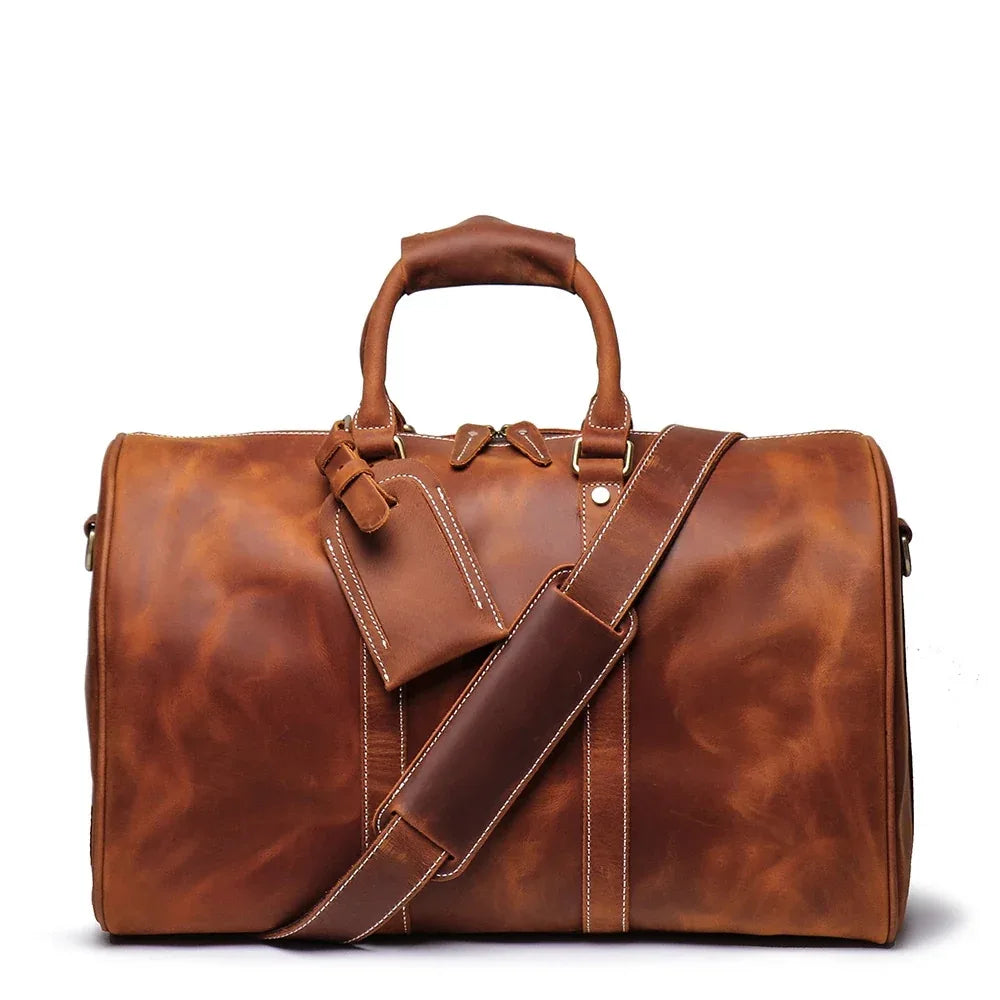
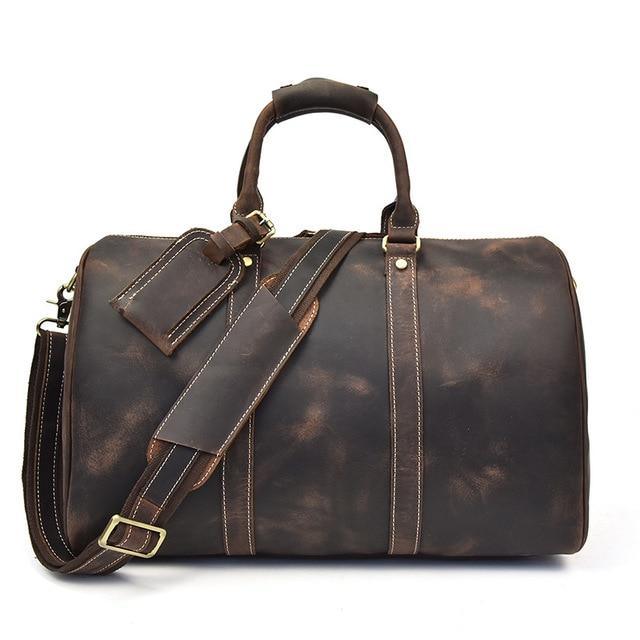
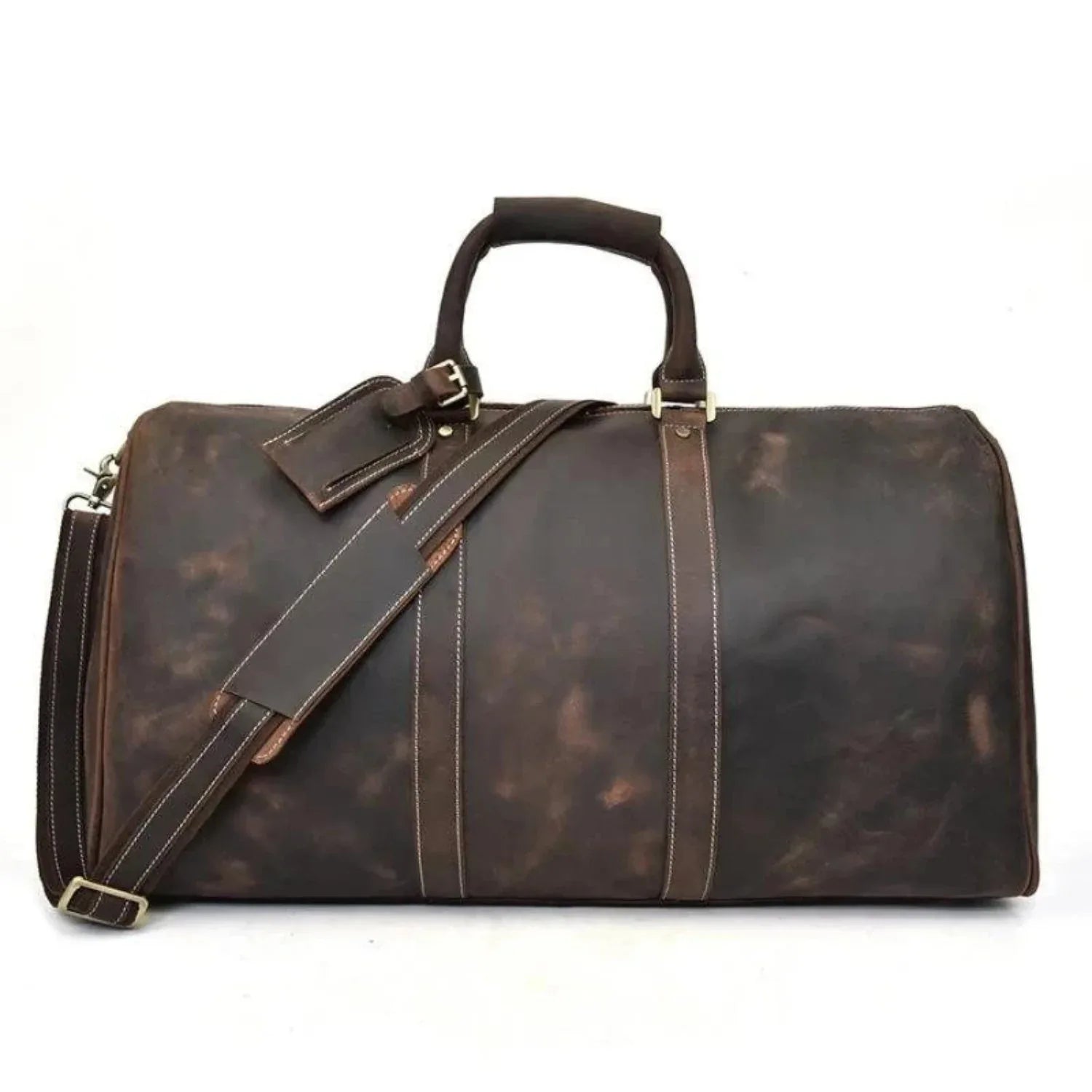
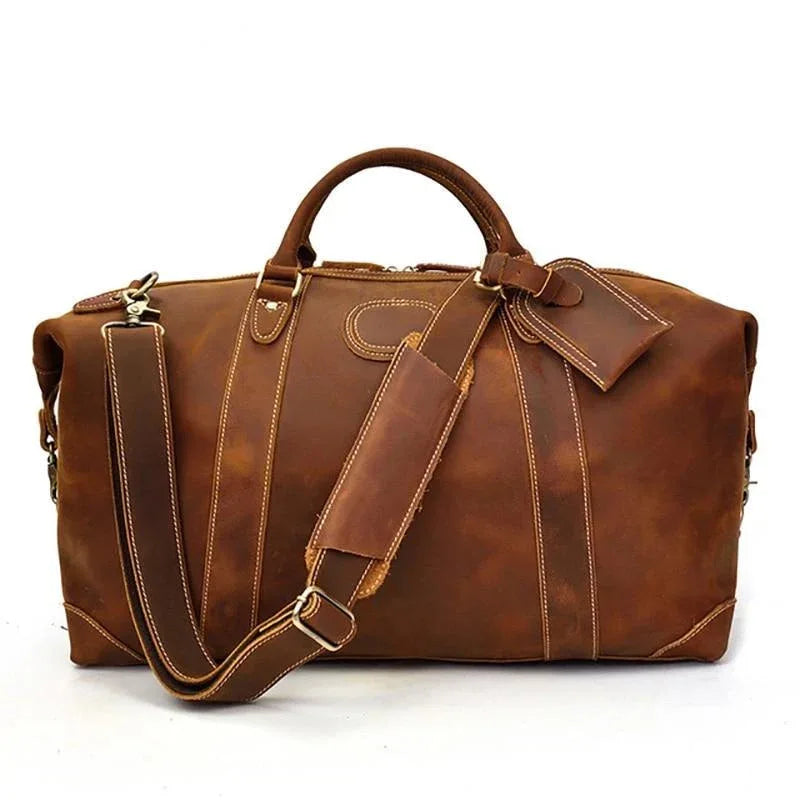
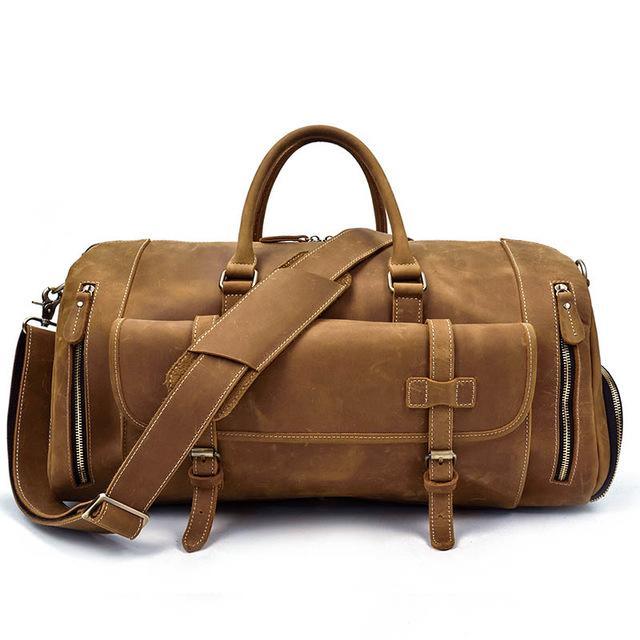
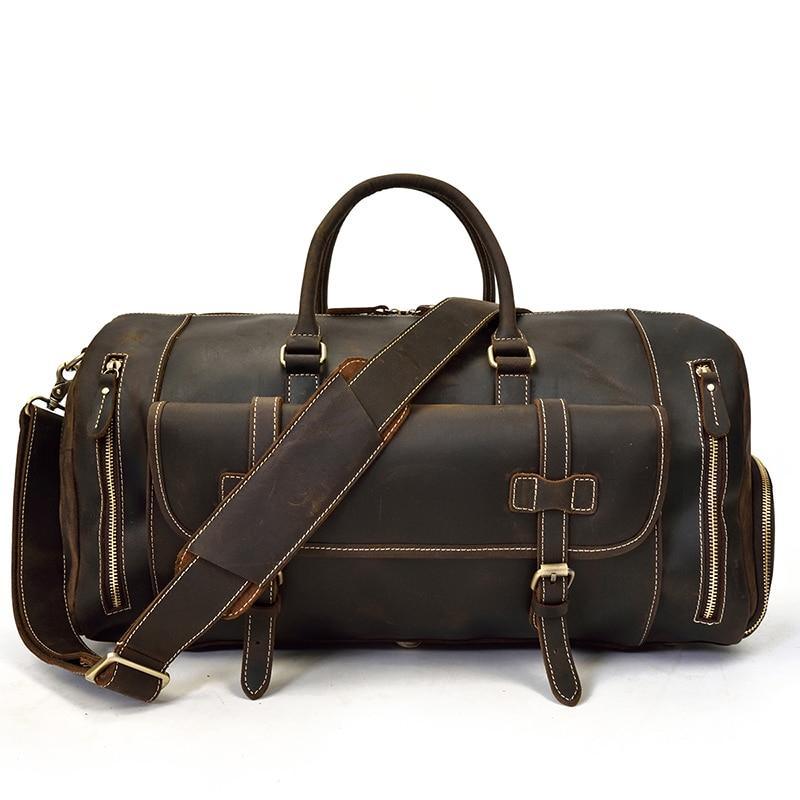
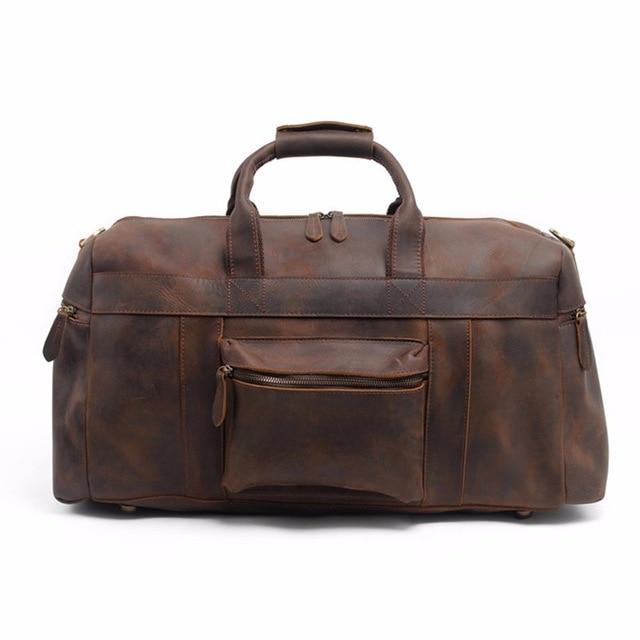
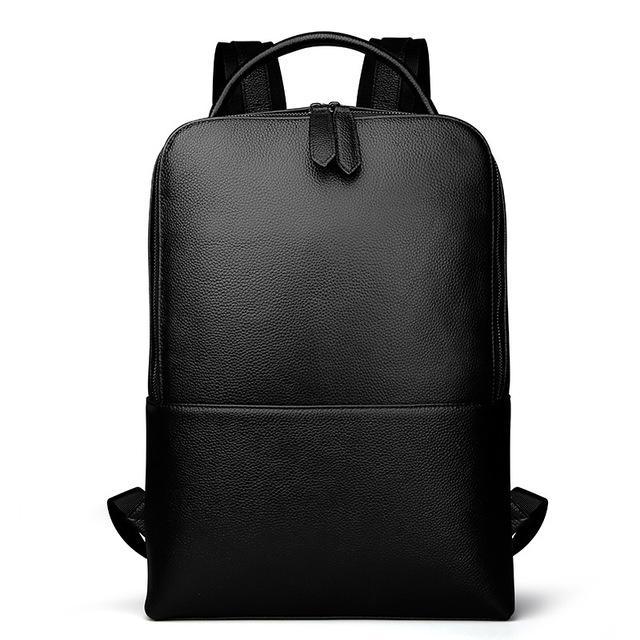
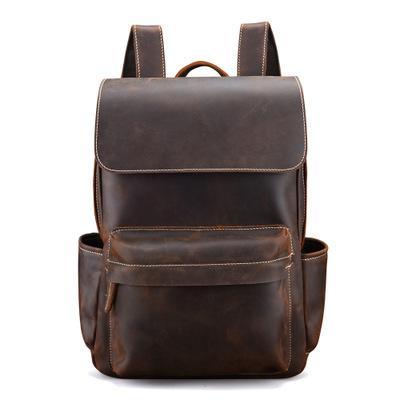
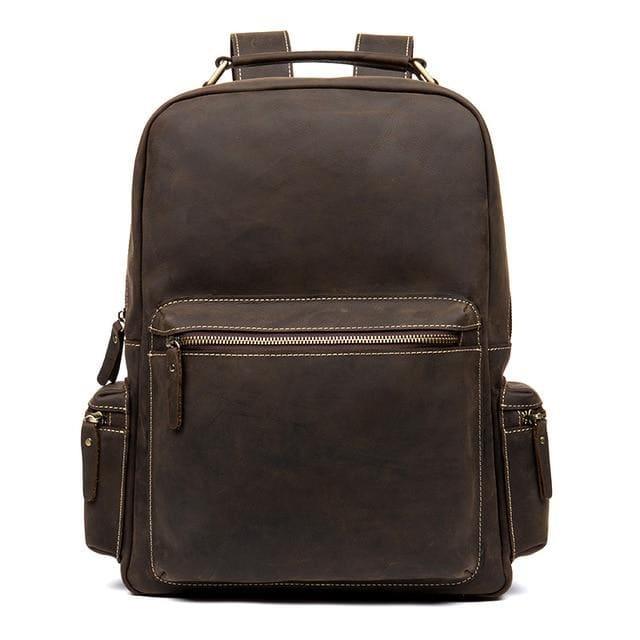
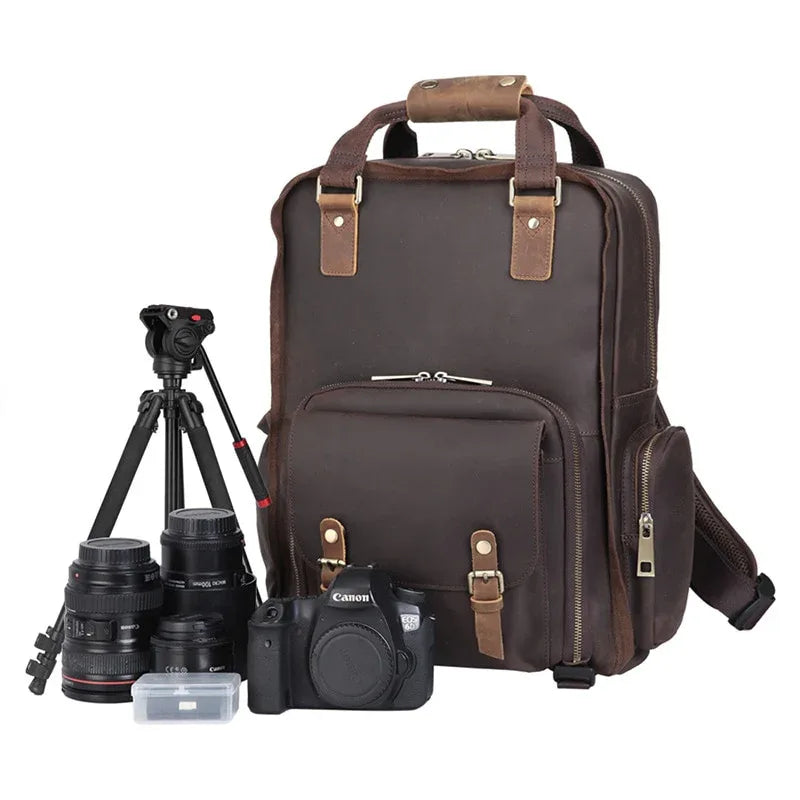
All of our bags at Steel Horse Leather are crafted from full-grain crazy horse leather, built to develop a rich patina over time. Browse our Leather Bags.