A wallet is one of the few things you touch every single day, sometimes dozens of times. It rides in your pocket or bag for years, gets pulled out at checkout counters, stuffed into tight jeans, and generally put through more wear than almost anything else you own. Yet most people spend more time picking out a phone case than they do choosing a wallet.
This guide is here to change that. Whether you're buying your first quality leather wallet, replacing one that finally gave out, or shopping for a gift, we'll walk you through exactly what matters, what to ignore, and how to find something that will genuinely serve you for the long haul.
What Makes a Leather Wallet "Good"?

A good leather wallet comes down to three things: the leather itself, how it's constructed, and whether the design actually fits how you live. Get all three right and you've got something that ages beautifully and holds up for a decade or more. Get one wrong and you'll be shopping again within a year.
Leather wallets generally fall into a few categories worth knowing before you shop:
- Bifolds: The classic fold-in-half wallet with card slots and a bill compartment. Balances capacity and slimness well.
- Trifolds: Folds twice, offering more card slots but bulkier in the pocket.
- Front pocket wallets: Slim, minimal designs built for front-pocket carry rather than back-pocket habits.
- Money clip wallets: Combine card storage with a metal clip for cash, popular with people who prefer a thinner profile.
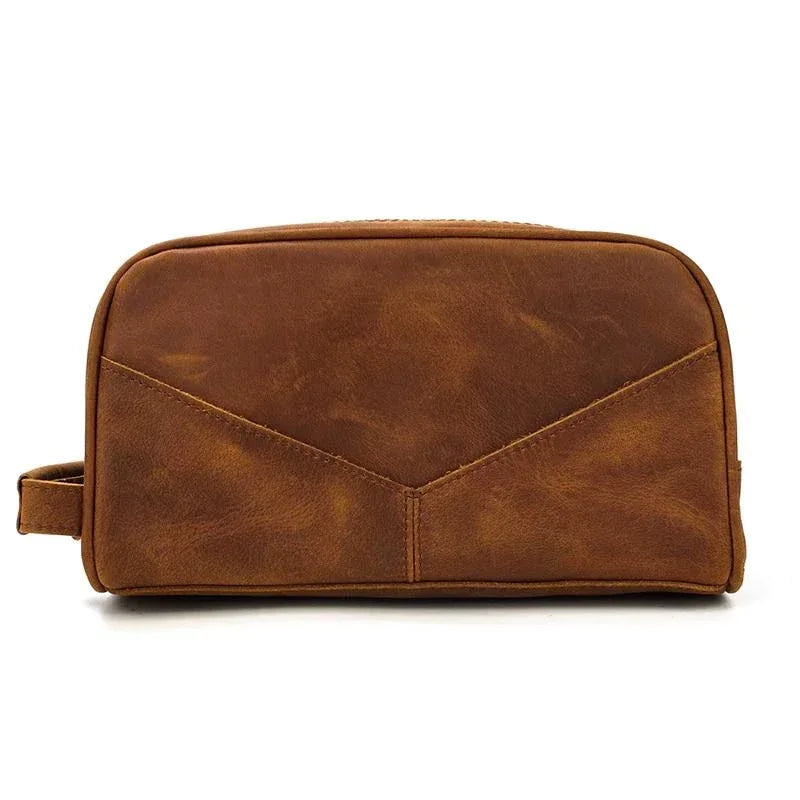
- Coin purses and pouches: Small zippered options for coins or as an add-on to a larger wallet system.
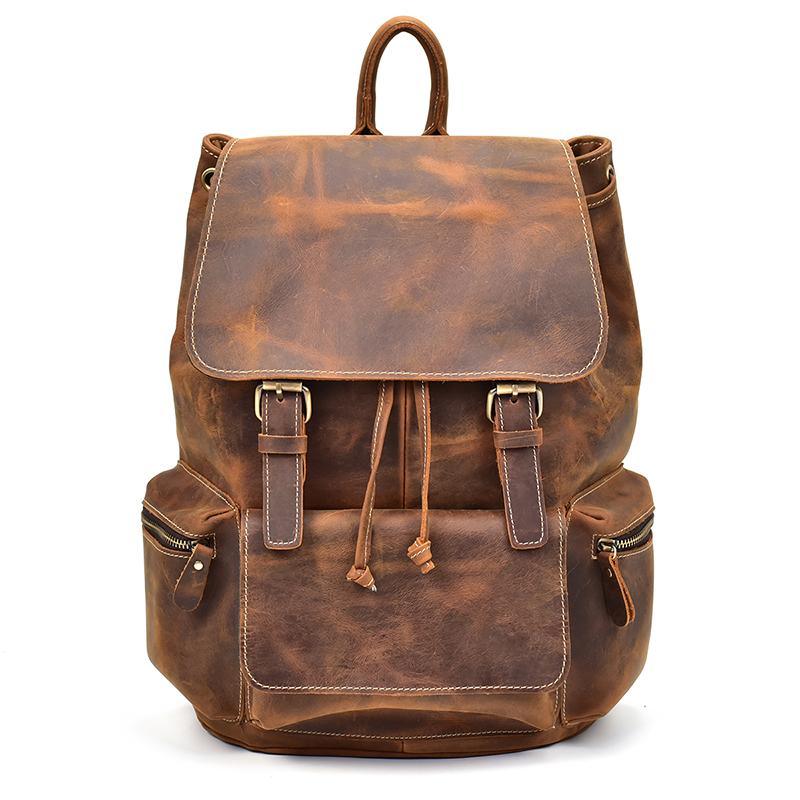
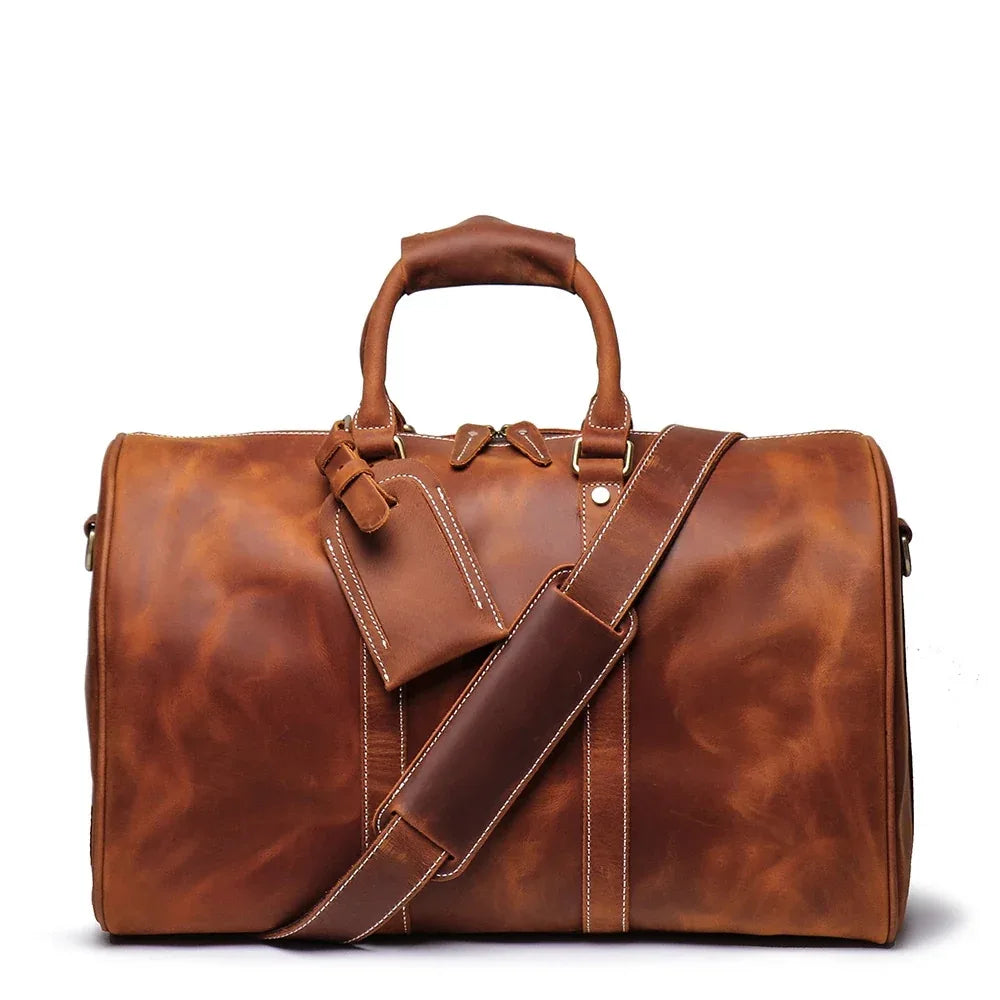
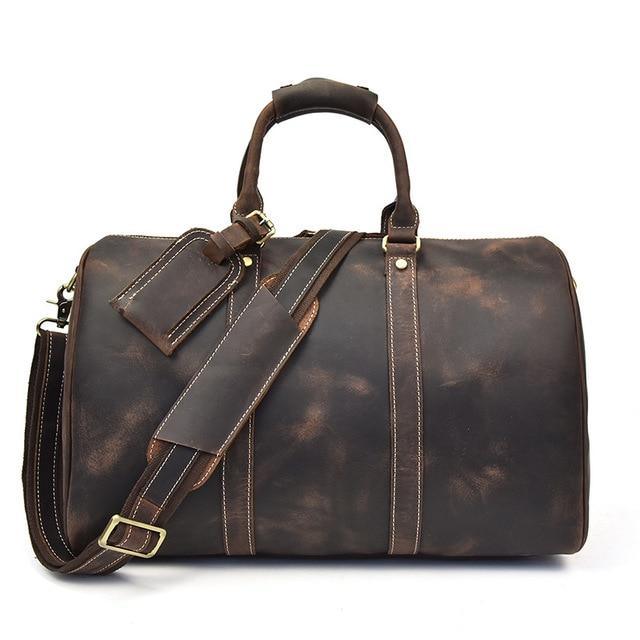
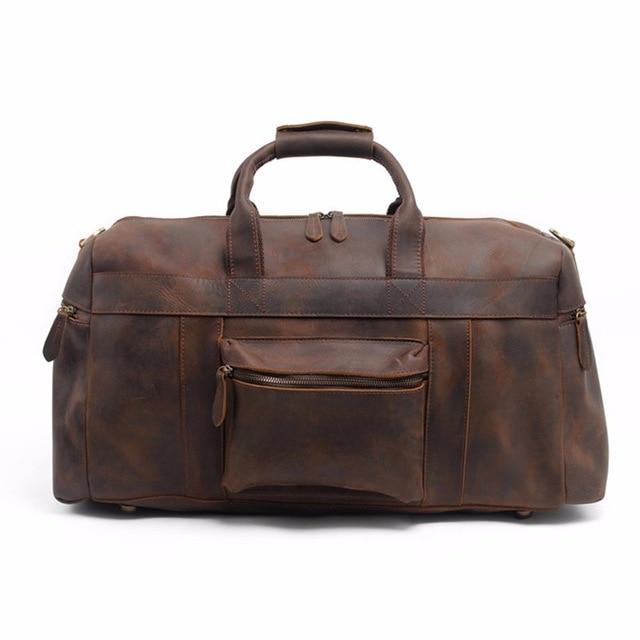
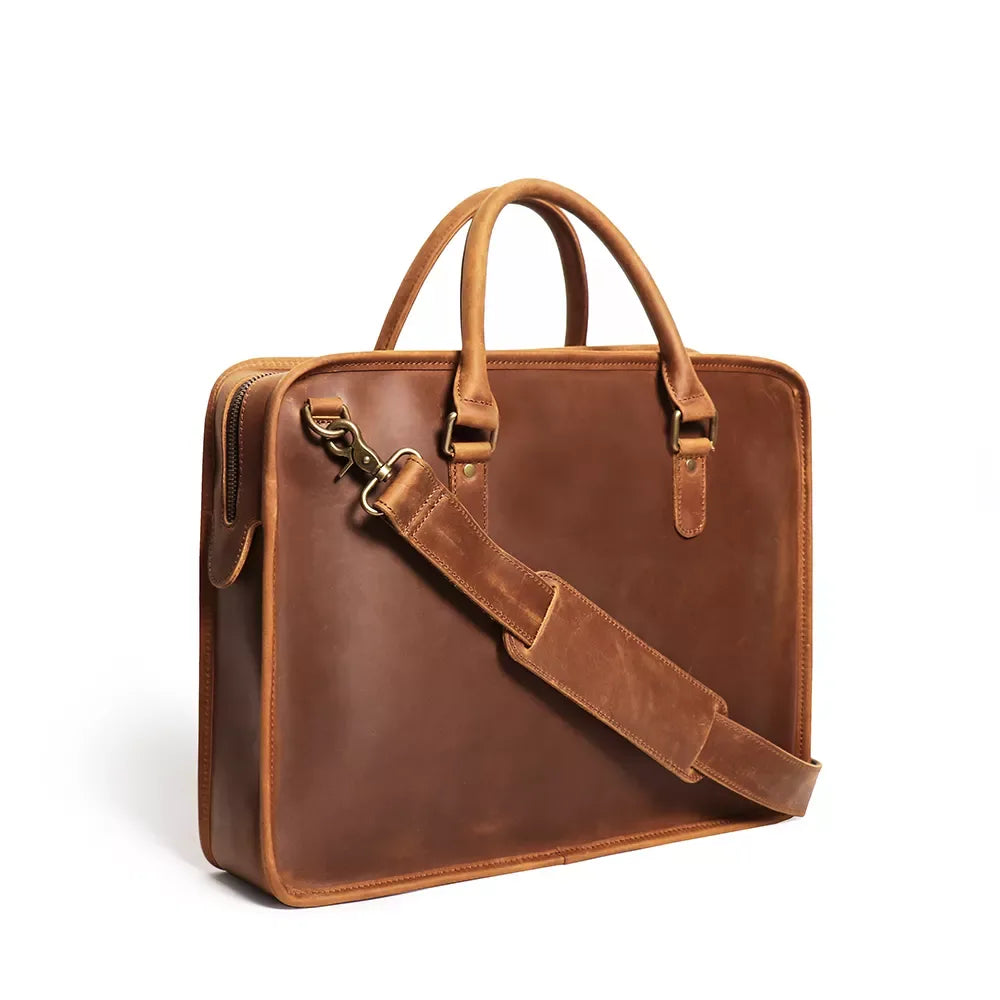
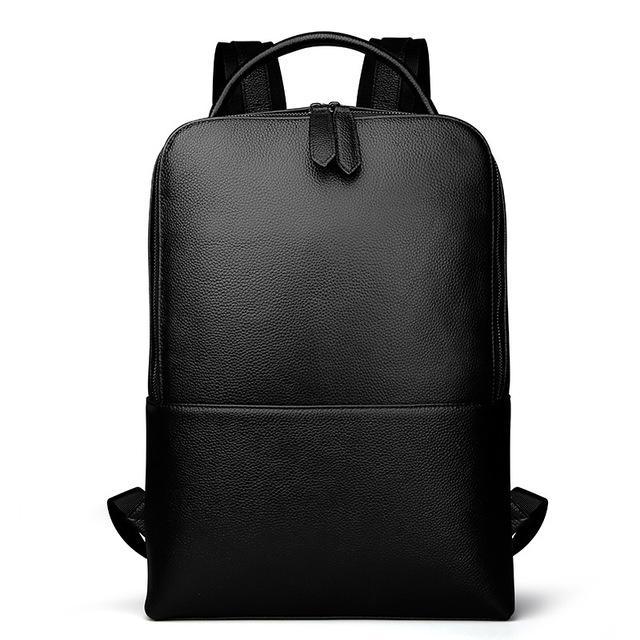
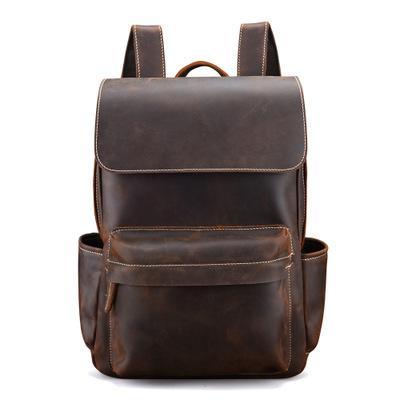
If you carry a bag day to day, it's also worth thinking about how your wallet fits into your broader leather accessories collection. A wallet that matches your briefcase or messenger bag creates a more put-together look, though this is far from a requirement.
Understanding Leather Quality: What Actually Matters
This is where most buyers get confused, and honestly, where a lot of brands take advantage of that confusion. Here's what you actually need to know.
Full-Grain Leather Is the Standard to Look For
Full-grain leather uses the entire top layer of the hide, including the natural grain, which is the strongest and most durable part of the material. It hasn't been sanded or buffed to remove imperfections, which means it develops a rich patina over time and actually looks better with age. This is different from corrected-grain or genuine leather (a confusingly named lower grade), which is sanded down and often coated with a finish to hide flaws, resulting in a product that looks fine on day one but cracks and peels years down the road.
If you want to understand this distinction in more depth, our guide on grain leather breaks down exactly how the different grades are made and why it matters for longevity. We've also written specifically about full-grain leather wallets if you want to go deeper on this particular category.
Stitching and Edge Finishing
Flip any wallet over before buying and look closely at the stitching. It should be even, tight, and free of loose threads. Edges should be burnished (smoothed and sealed) rather than raw or fraying. These small details are usually the first sign of whether a wallet was made with care or rushed through production.
Hardware Quality
If the wallet has a money clip, snap, or zipper, check that the hardware feels solid rather than light and tinny. Cheap hardware tarnishes quickly and can fail within months of regular use.
Choosing the Right Wallet for How You Actually Live

The "best" wallet depends entirely on your daily habits. Here's how to think through it.
If You Carry a Lot: Cards, Cash, Receipts, IDs
A traditional bifold gives you the most organized storage without becoming unwieldy. The Pathfinder Bifold Wallet is a solid example of this style done right, offering enough card slots and a bill compartment while still folding down to a reasonable size for a pocket or bag.
If You Prefer to Travel Light
Minimalist carriers have grown in popularity for good reason: nobody actually enjoys sitting on a thick wedge of leather all day. Front pocket wallets are designed specifically to sit flat and slim in a front pocket, holding just your essential cards and folded cash. Our front pocket wallet guide covers this style in detail if slimming down is your goal.
If You Want Cash Accessible Without Bulk
Money clip wallets solve a specific problem: you want your cards organized but don't want a thick fold of bills adding bulk. The money clip wallet guide explains who benefits most from this style. If you're sold on the concept, The Walden Front Pocket Wallet combines a slim card holder with an integrated money clip, which is worth considering if you want the best of both worlds.
If You Need Just the Basics
Sometimes you don't need a full wallet at all. Coin purses like The Cael Handmade Leather Coin Purse work well as standalone carriers for change and small essentials, or as a companion piece to a slim card wallet for people who split up their cash and coins.
For a broader look at how these styles compare side by side, our piece on men's leather long wallets is a useful reference point as well.
Sizing It Right
Wallet sizing isn't just about how many cards fit. Think about where you carry it:
- Back pocket carry: A slim bifold is generally more comfortable and better for your posture over time than a thick trifold.
- Front pocket carry: Look specifically for wallets marketed as front pocket designs, since they're cut narrower and shorter to sit comfortably.
- Bag carry: If your wallet mostly lives in a bag rather than your pocket, you have more flexibility to choose based on organization rather than slimness. This is where a slightly larger bifold or even a folio style makes sense.
A good rule of thumb: count how many cards you actually use weekly. Most people overestimate this. If you're realistically carrying two or three cards and some cash, a slim wallet will serve you better than a bulky one with a dozen unused slots.
Caring for Your Leather Wallet
A quality leather wallet is a long-term investment, but only if you take basic care of it.
- Avoid overstuffing. Cramming receipts and extra cards stretches the leather and stitching over time, distorting its shape permanently.
- Keep it dry. Leather and moisture don't mix well. If it gets wet, let it air dry naturally away from direct heat.
- Condition occasionally. Leather can dry out and crack if never conditioned. Our guide on homemade leather conditioners offers simple, affordable ways to keep the material supple.
- Address scratches early. Minor surface scratches are common and usually not a big deal with full-grain leather, but if you want to smooth them out, this guide on fixing scratched leather walks through the process.
- Break it in. New full-grain leather can feel stiff at first. This is normal and part of the process, it will soften and mold to your habits with use. For tips on speeding this along, see our guide on softening leather.
Common Mistakes to Avoid
Buying based on looks alone. A wallet can look great in photos and still be made from bonded or corrected leather that won't hold up. Always check the material description, and when possible, the construction details.
Choosing a style that doesn't match your carry habits. A thick trifold might have great organization, but if it lives in your back pocket, it will wear out both the wallet and, over time, be genuinely uncomfortable to sit on.
Ignoring the stitching and edges. These are the first parts to fail on a poorly made wallet. If they look rushed in photos or in person, that's a signal about overall quality.
Assuming more slots equals better value. Extra card slots you never use just add bulk. Choose based on your actual carry, not a hypothetical maximum.
Overlooking gift context. If you're buying a wallet as a gift, consider the guides on leather gifts for him or browse our leather groomsman gifts and leather anniversary gifts collections for wallets paired thoughtfully with other leather goods.
Wallets for Work and Gifting
Wallets also make excellent, practical corporate gifts, especially when paired with other leather goods. If you're outfitting a team or client gift set, our guide on leather corporate gift ideas covers how to build a thoughtful set, and our corporate leather gifts and custom leather business gifts collections include wallet options alongside briefcases and travel accessories.
Steel Horse Leather Wallets and Accessories to Consider

All of our wallets are made from full-grain leather, chosen specifically because it holds up to daily use and develops a natural patina rather than breaking down. Here are a few worth knowing about:
- The Pathfinder Bifold Wallet: A dependable, well-organized bifold for anyone who wants classic style with enough room for cards and cash without unnecessary bulk.
- The Walden Front Pocket Wallet: A slimmer profile built for front pocket carry, with an integrated money clip for those who want cash accessible without a separate compartment.
- The Cael Coin Purse: A compact, zippered option for coins or small essentials, useful on its own or as a companion to a slimmer card wallet.
You can browse our full range in the leather wallets collection, and if you're building out a broader everyday carry setup, our leather accessories collection includes passport holders, card cases, and other small goods designed to match.
Frequently Asked Questions
How long should a good leather wallet last?
A well-made full-grain leather wallet with reasonable care should last anywhere from 5 to 15 years, sometimes longer. The leather will darken and soften with use, which is a natural part of its lifecycle rather than a sign of wear.
What's the difference between full-grain and genuine leather?
Full-grain leather uses the top layer of the hide with the natural grain intact, making it the strongest and most durable option. "Genuine leather" is a lower grade that's sanded and often coated, which looks fine initially but wears out faster. See our grain leather guide for a full breakdown.
How many cards should my wallet hold?
Most people carry between 3 and 6 cards regularly. Choose a wallet based on your actual habits rather than maximum capacity, since unused slots just add bulk.
Is a money clip wallet better than a traditional bifold?
It depends on how you carry cash. Money clip wallets are thinner and keep bills flat and accessible, while bifolds offer more traditional, enclosed storage. Neither is objectively better, it comes down to preference and daily habits.
How do I clean and condition a leather wallet?
Wipe it down with a slightly damp cloth for surface dirt, then let it air dry. Periodically apply a leather conditioner to prevent drying and cracking. Our DIY leather conditioner guide has simple recipes using items you likely already have at home.
Will a new leather wallet feel stiff at first?
Yes, especially with full-grain leather. This is completely normal and it will soften with regular use over the first few weeks. You can also speed up the process using the methods in our leather softening guide.
What's the best wallet style for front pocket carry?
Look specifically for wallets labeled as front pocket designs, which are cut slimmer and shorter than standard bifolds. Our front pocket wallet guide covers what to look for.
Are leather wallets a good gift?
Yes, they're practical, long-lasting, and appropriate for a wide range of occasions from birthdays to groomsmen gifts to corporate milestones. Check out our leather gifts for him guide for pairing ideas.
All of our bags at Steel Horse Leather are crafted from full-grain crazy horse leather, built to develop a rich patina over time. Browse our Leather Bags.