The fastest way to remove gum from leather is to harden it first with an ice cube, then scrape it off gently with a hard-edged tool like an old credit card or butter knife. This works on leather bags, backpacks, shoes, and car seats without damaging the surface. Below are six proven methods, plus prep steps and warnings to avoid discoloration or scratches.

Gum stuck to leather shoes, backpacks, or furniture is common and fixable at home. Most methods use items already in your kitchen or bathroom, like ice, a hair dryer, or baking soda. The key is patience: rushing the process with too much force can scratch or discolor the leather.
What Causes Gum to Stick to Leather?
Gum sticks to leather when it comes into direct contact with the surface and softens from body heat or friction, bonding to the grain. This commonly happens when someone sits down with gum in their pocket, steps in a dropped piece, or presses gum against a bag while it's still soft. Leather's slightly textured surface, especially on full-grain or vintage finishes, gives gum more surface area to grip onto compared to smooth plastic or glass.
Once gum sits on leather for more than a few hours, it can harden and become more difficult to remove. Heat from sunlight or a car interior speeds up this bonding process. If left untreated for days, gum residue can also attract dirt and oils, creating a stain that spreads beyond the original spot.
How Do You Prepare Leather Before Removing Gum?
Start by wiping the surrounding area with a soft cloth and mild soap and water to remove surface dirt before touching the gum itself. This prevents dirt from getting rubbed deeper into the leather grain during the removal process. Let the area air dry completely before applying any gum removal method.
If the gum is old and hardened, a non-flammable solvent like acetone applied in small amounts can help loosen it. Let it sit for one to two minutes only, since prolonged solvent contact can strip natural oils from the leather and cause discoloration. Always test any solvent on a hidden spot, like the underside of a strap or the interior lining, before applying it to a visible area.
After the gum is removed, clean the area again with warm water and a small amount of saddle soap, then let it dry naturally away from direct heat or sunlight. Skipping this step can leave behind sticky residue that attracts dust over time.
What Are the Best Methods to Remove Gum from Leather?
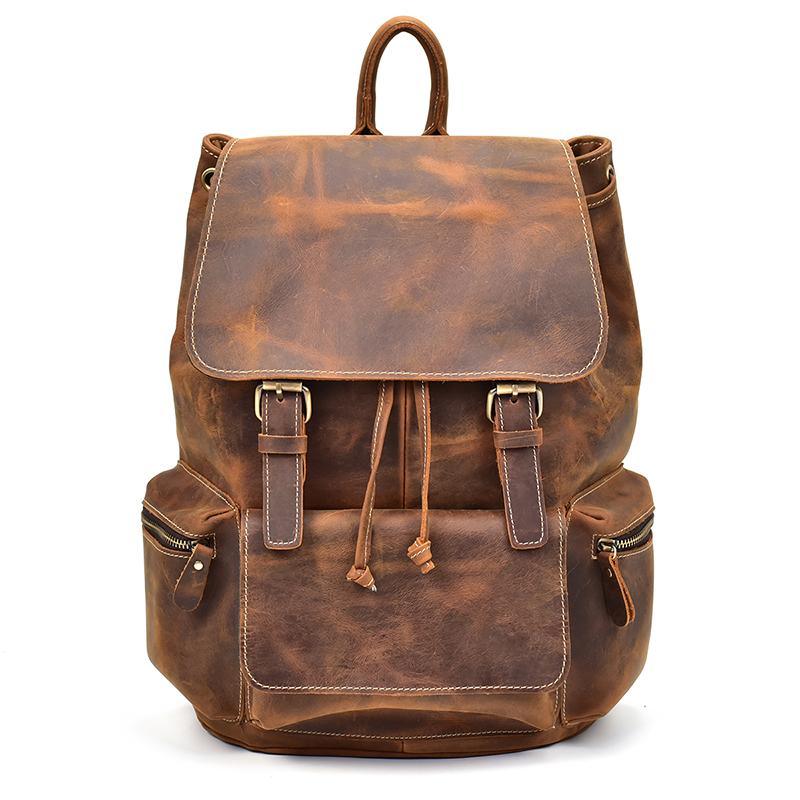
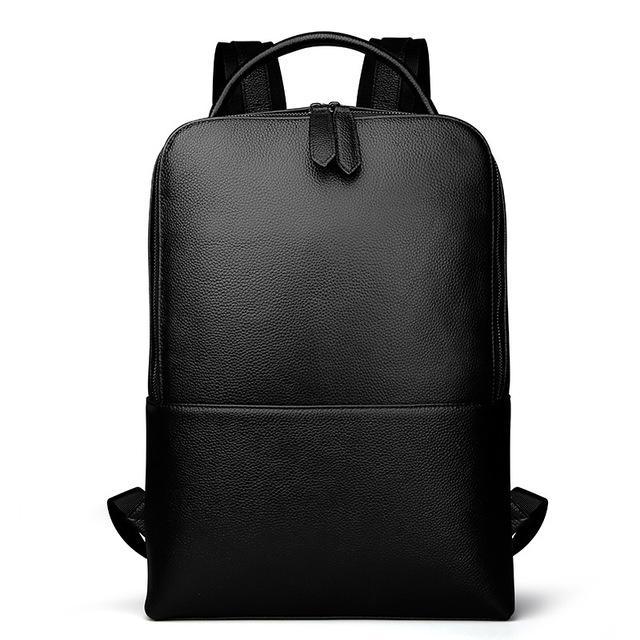
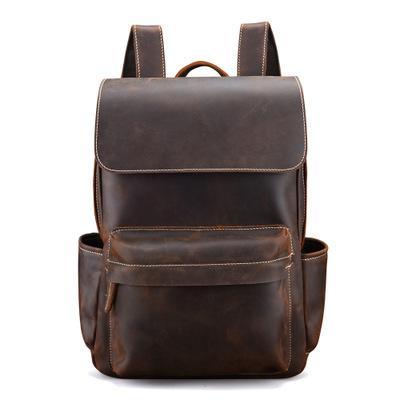
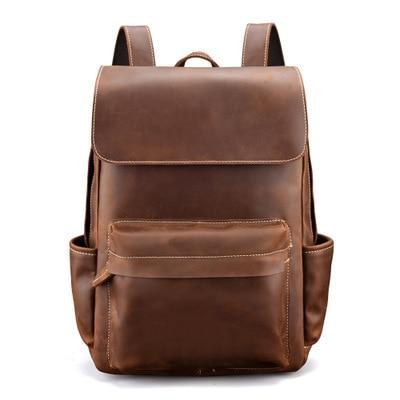
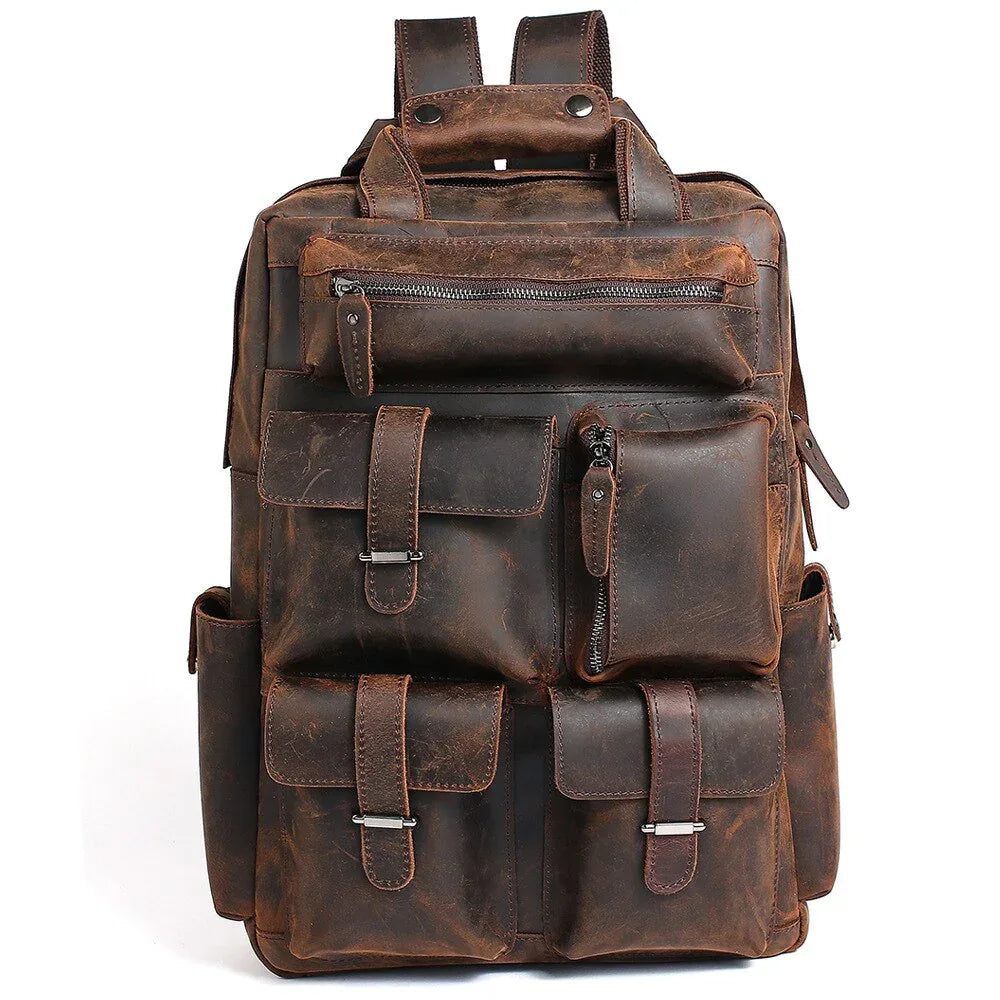
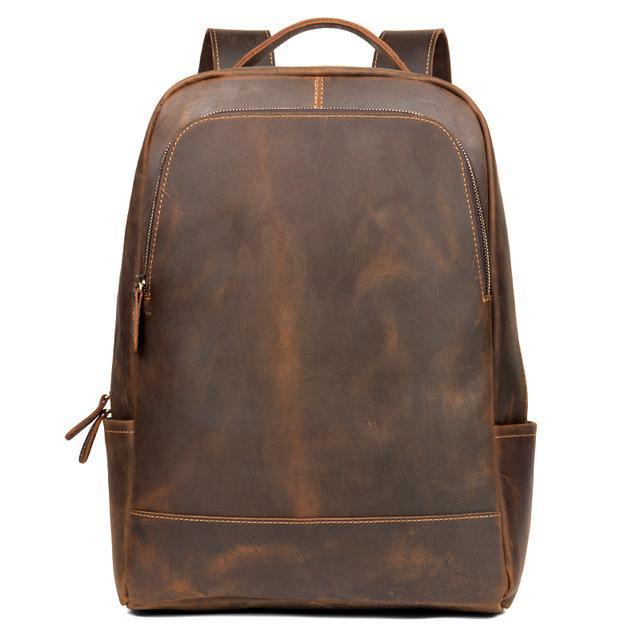
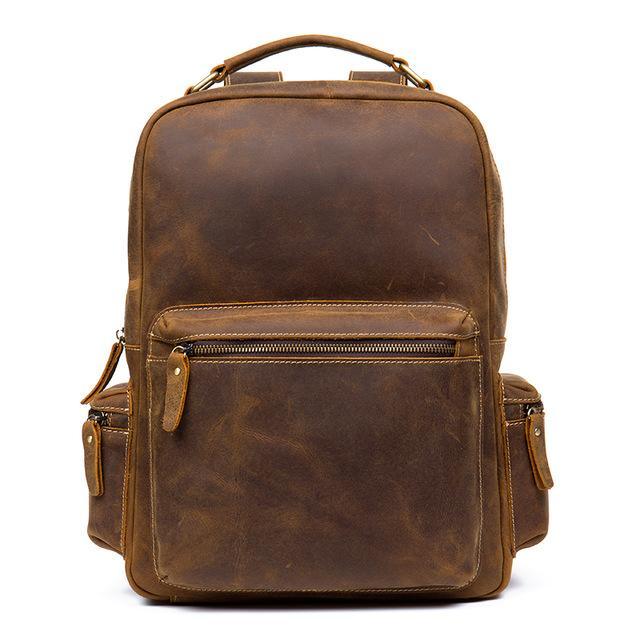
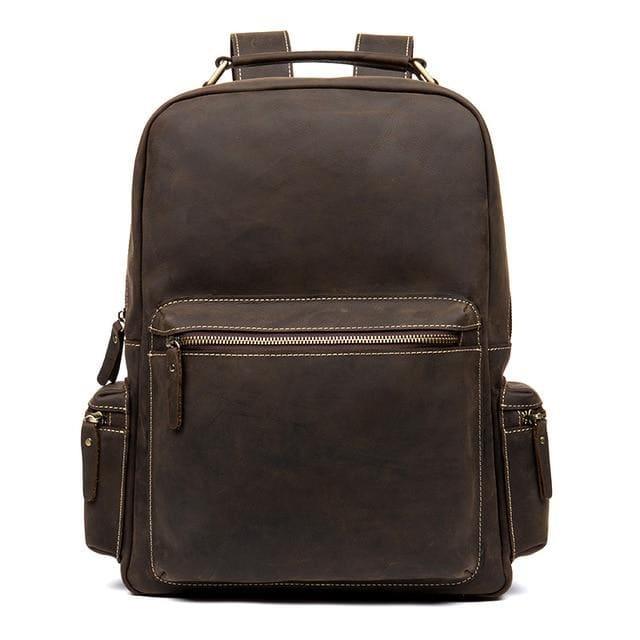
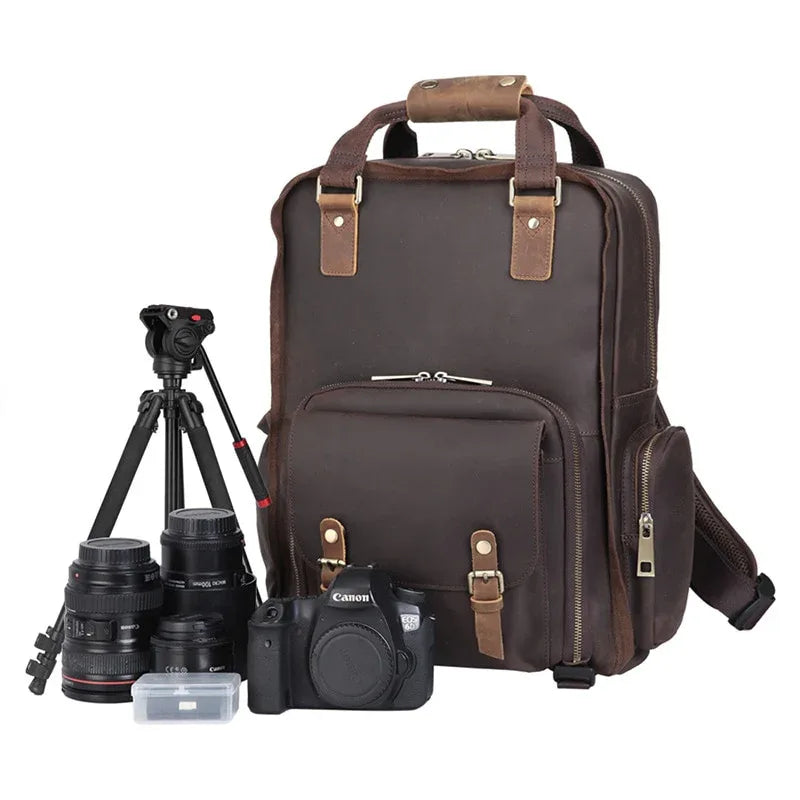
The six most effective methods are ice, a hair dryer, saddle soap, scotch tape, baking soda paste, and peanut butter or vegetable oil. Each method works differently depending on whether the gum is soft and fresh or hardened and old. Test on a small hidden area first, especially with vintage or dyed leather like the pieces used in The Icarus Backpack or The Tove Backpack.
| Method | Best For | Time Needed | Risk Level |
|---|---|---|---|
| Ice Cube | Fresh or soft gum | 5 to 10 minutes | Low |
| Hair Dryer | Hardened gum | 2 to 5 minutes | Medium (heat damage) |
| Saddle Soap | General cleanup after removal | 5 to 10 minutes | Low |
| Scotch Tape | Small gum spots | 5 to 15 minutes | Low |
| Baking Soda Paste | Sticky residue after gum removal | 5 to 10 minutes | Low |
| Peanut Butter or Vegetable Oil | Softening hardened gum | 2 to 3 minutes | Low (may leave oil residue) |
Ice Method
Place an ice cube in a sealed plastic bag and hold it against the gum for five to ten minutes until it hardens. Once frozen solid, use a hard-edged scraper like an old credit card or a butter knife to chip the gum away in small pieces. Avoid using your fingernail directly on the leather, since sharp edges can scratch the grain.
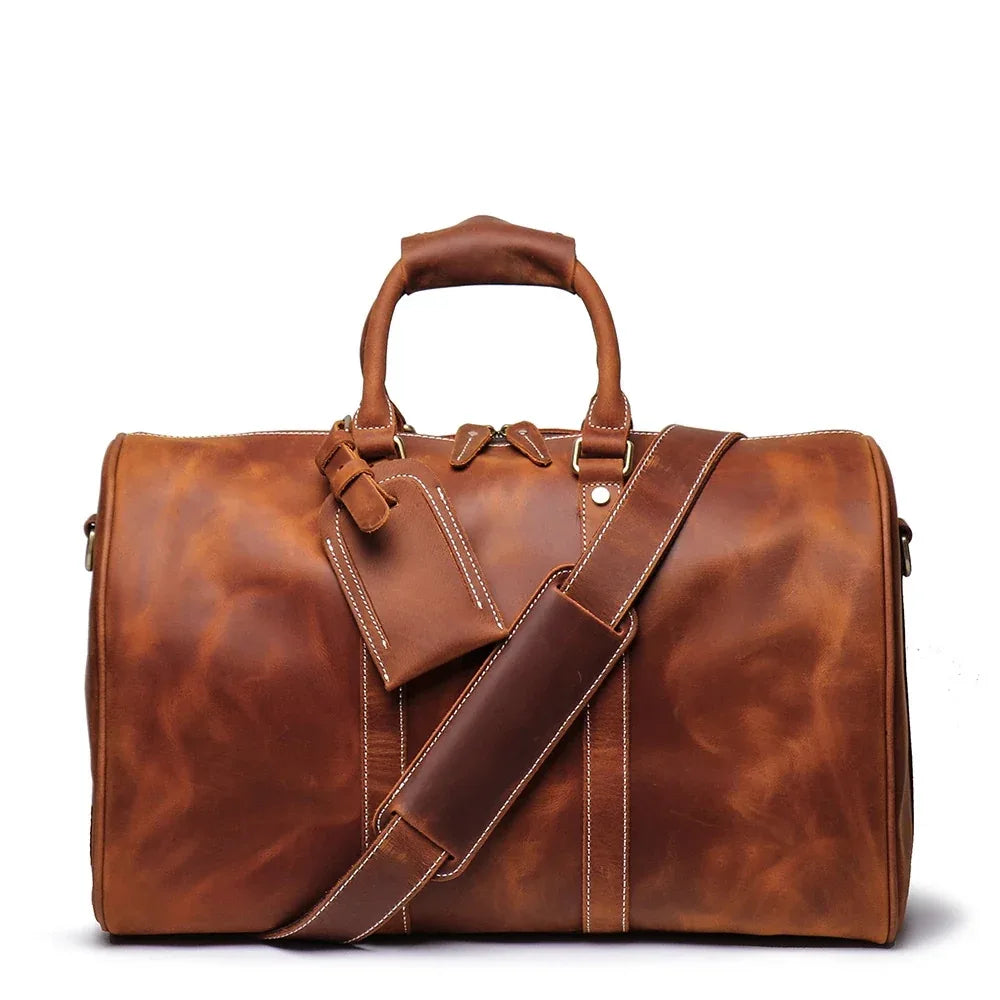
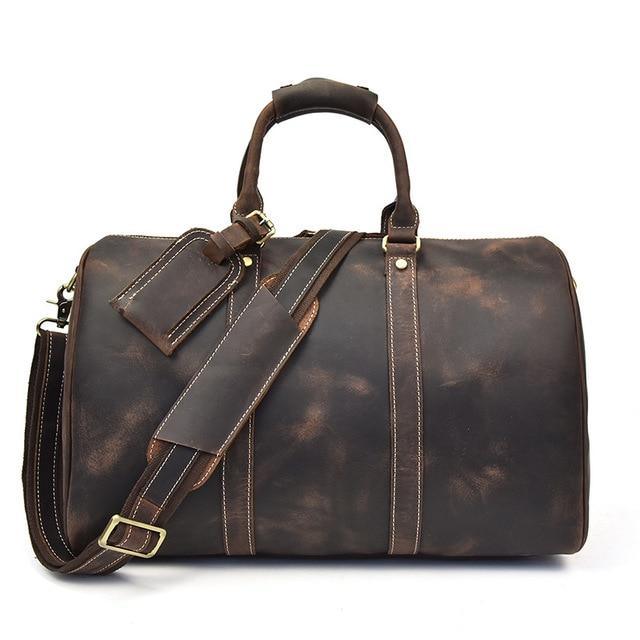
This method works best on smaller, fresher gum spots. Freezing the entire leather item in a freezer bag is an alternative if the gum covers a larger area, such as on the bottom of a leather tote or the corner of a duffle bag.
Hair Dryer Method
Set a hair dryer to low heat and hold it four to six inches from the gum for 30 to 60 seconds, then wipe with a soft cloth. If the gum doesn't lift, increase to medium heat and repeat, checking the leather after every pass. Never use high heat directly on leather, since this can cause cracking or fading, especially on lighter-colored bags.
This method works well on gum that has already partially hardened but hasn't fully bonded to the grain. It's a common fix for gum stuck to the strap or handle of bags like The Hemming Leather Laptop Bag.
Saddle Soap Method
Mix a small amount of saddle soap with lukewarm water, then work it into a lather using a soft cloth. Rub the lathered cloth over the gummed area in small circular motions until the gum loosens, then wipe clean with a separate damp cloth. Finish by drying the area with a dry towel and letting it air dry away from direct sunlight.
Saddle soap is gentler than solvents and works well as a follow-up cleaning step after removing the bulk of the gum with ice or a hair dryer. For a full breakdown of safe cleaning products, see our guide on cleaning and conditioning leather duffle bags.
Scotch Tape Method
Press a strip of scotch tape firmly onto the gum, then peel it back slowly in one motion. Repeat with a fresh piece of tape until no more gum transfers onto the tape. This method works best on smaller spots and is low-risk since it doesn't involve heat, moisture, or chemicals.
Wipe the area afterward with a dry cloth to remove any adhesive residue left behind by the tape itself.
Baking Soda Paste Method
Mix baking soda with a small amount of water until it forms a thick paste, then apply it directly to the gum residue. Let it sit for three to five minutes, then wipe off with a damp cloth. This method works best for lifting the last bit of sticky residue after the bulk of the gum has already been scraped or peeled away.
Avoid leaving baking soda paste on leather for longer than ten minutes, since it can dry out the surface if not wiped off completely.
Peanut Butter Method
Apply a small amount of natural peanut butter directly onto the gum and let it sit for two to three minutes. The oils in the peanut butter help break down the gum's stickiness, making it easier to wipe away with a clean cloth. This method works because peanut butter contains oil, not because of any special ingredient, so plain vegetable oil works similarly.
Wipe away any oily residue afterward with a small amount of saddle soap and water to prevent staining.
Vegetable, Canola, or Olive Oil Method
Apply a few drops of vegetable, canola, or olive oil directly onto the gum and rub gently with a soft cloth. The oil softens the gum enough to wipe it away within two to three minutes. Follow up with mild soap and water to remove any greasy residue left on the leather surface.
This method is a good backup if saddle soap isn't available, but it should be used sparingly since too much oil can darken lighter leather tones.
What Are the Risks of Removing Gum from Leather?
The biggest risks are heat damage, solvent discoloration, and surface scratches from scraping too hard. Leather can crack or fade if exposed to high heat for too long, and harsh solvents can strip the natural oils that keep leather flexible. For more on preventing and fixing surface damage, see our guide on how to fix scratched leather.
Wait at least two hours between cleaning attempts on the same spot to avoid water damage or over-saturating the leather. If gum residue leaves a stain after removal, avoid scrubbing repeatedly, since this can wear down the finish faster than the stain itself. For general upkeep, see our article on DIY homemade leather conditioners.
If a stain remains after trying the methods above, a professional leather cleaner or a product like Goo Gone (used sparingly and tested first) can help. Always use a soft cloth and light pressure, working from the outer edge of the stain inward.
Gum Removal vs. Professional Leather Cleaning
| Factor | DIY Gum Removal | Professional Cleaning |
|---|---|---|
| Cost | Free to under $10 in household items | $30 to $100+ depending on item size |
| Time | 10 to 30 minutes | 1 to 5 business days |
| Best For | Fresh or small gum spots | Deep stains, discoloration, or vintage leather |
| Risk of Damage | Moderate if done incorrectly | Low, handled by trained technicians |
How Do You Prevent Gum from Sticking to Leather Bags?
Store gum in a sealed pocket or wrapper, away from direct contact with leather surfaces inside bags. Avoid setting bags on surfaces where gum has been discarded, such as sidewalks, benches, or car seats. A leather protectant spray can also add a light barrier that makes accidental gum contact easier to wipe away.
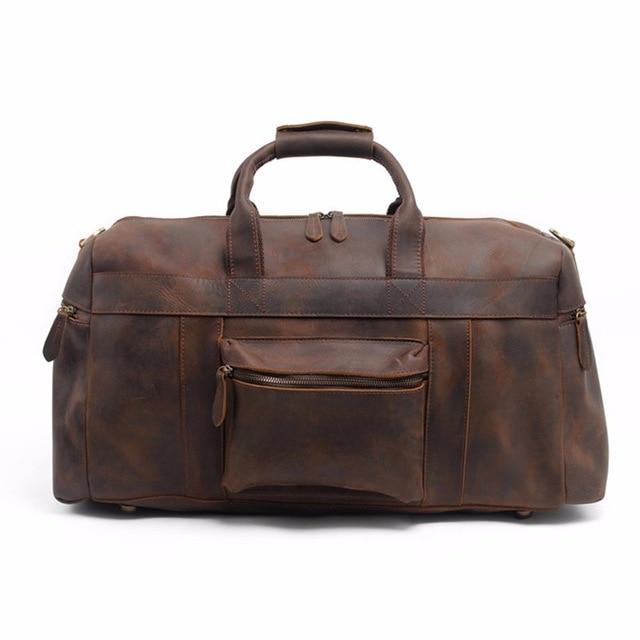
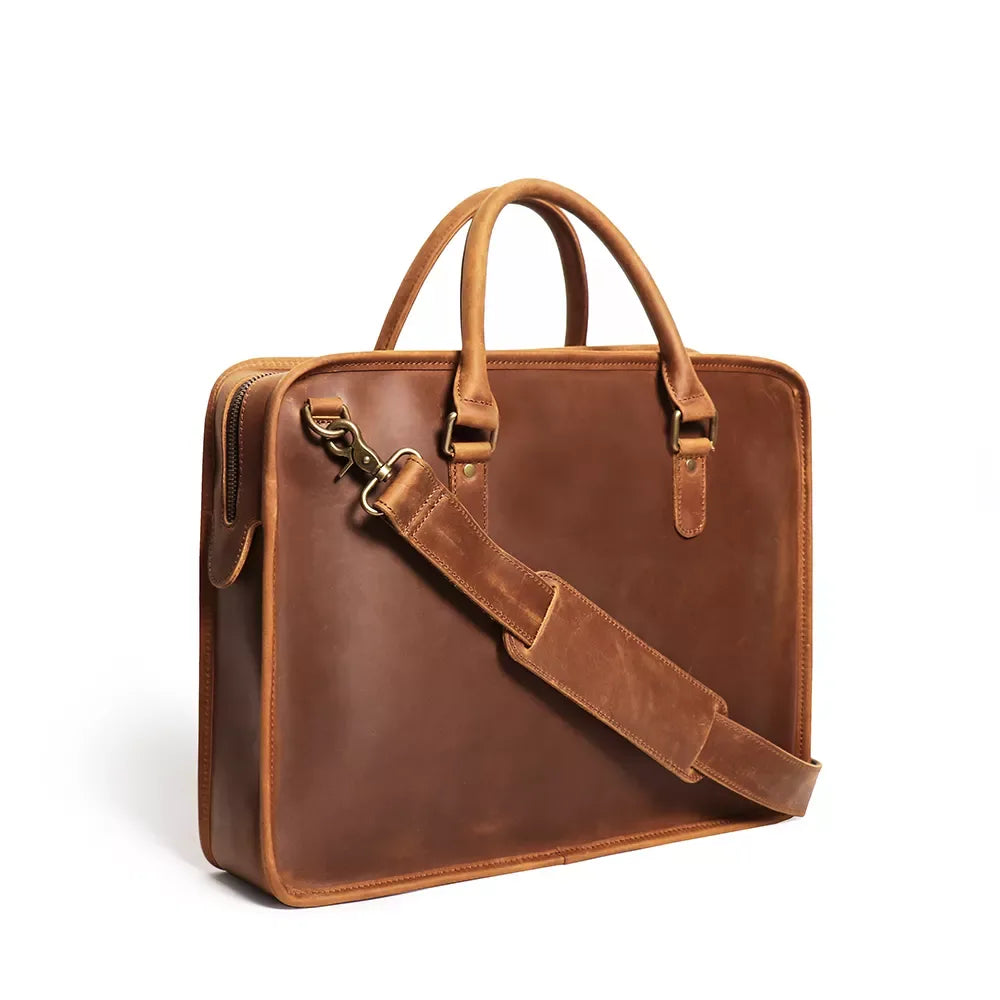
For bags used daily, like The Welch Briefcase or The Erlend Duffle Bag, regular conditioning every two to three months helps maintain a smoother finish that resists sticky residue better than dry, cracked leather.
How Do You Maintain Leather Bags Long-Term?
Keep leather bags out of direct sunlight and away from dryers or heating vents, since both accelerate cracking and fading. Use a leather conditioner every two to three months to keep the material flexible and less prone to absorbing stains. Store bags with a slightly damp cloth nearby to maintain ambient moisture, especially in dry climates.
For more detailed guidance by bag type, see our collection pages for leather backpacks, leather duffle bags, and leather briefcases.
Frequently Asked Questions
What is the best way to clean gum off of leather?
Harden the gum first with ice, then scrape it off gently with a hard-edged tool like an old credit card. Follow up with saddle soap and warm water to clean the area and remove any leftover residue.
Can I use any type of cleanser to remove gum from leather?
No. Avoid harsh household cleaners not made for leather, since they can strip natural oils and cause discoloration. Stick to leather-specific cleaners or mild soap and water.
How can you prevent gum from sticking to your leather again?
Keep gum sealed in its wrapper and avoid placing leather bags on surfaces where gum may have been discarded. Regular conditioning also creates a smoother surface that resists sticky residue.
What should I do if the gum is not coming off easily?
Try applying a small amount of leather conditioner to soften the area, then gently work the gum off with a soft cloth. If it still won't budge, a professional leather cleaner is the safer option over repeated scrubbing.
Does removing gum damage the leather's finish?
It can, if too much heat, solvent, or pressure is used. Testing any method on a hidden spot first, like the underside of a strap, reduces the risk of visible damage.
Is gum removal different for full-grain versus finished leather?
Full-grain leather, like the material used in The Endre Weekender, is more porous and absorbs oils faster than coated or finished leather. This means oil-based methods like peanut butter or vegetable oil should be used sparingly and wiped off promptly to avoid dark spots.
Final Thoughts
Removing gum from leather is straightforward if you act quickly and avoid excessive heat, solvents, or pressure. Ice and a hard-edged scraper work for most fresh gum spots, while saddle soap and baking soda paste help clean up residue afterward. If you're shopping for a new bag that can handle daily wear, browse our full range of leather bags, men's leather backpacks, and leather travel bags.
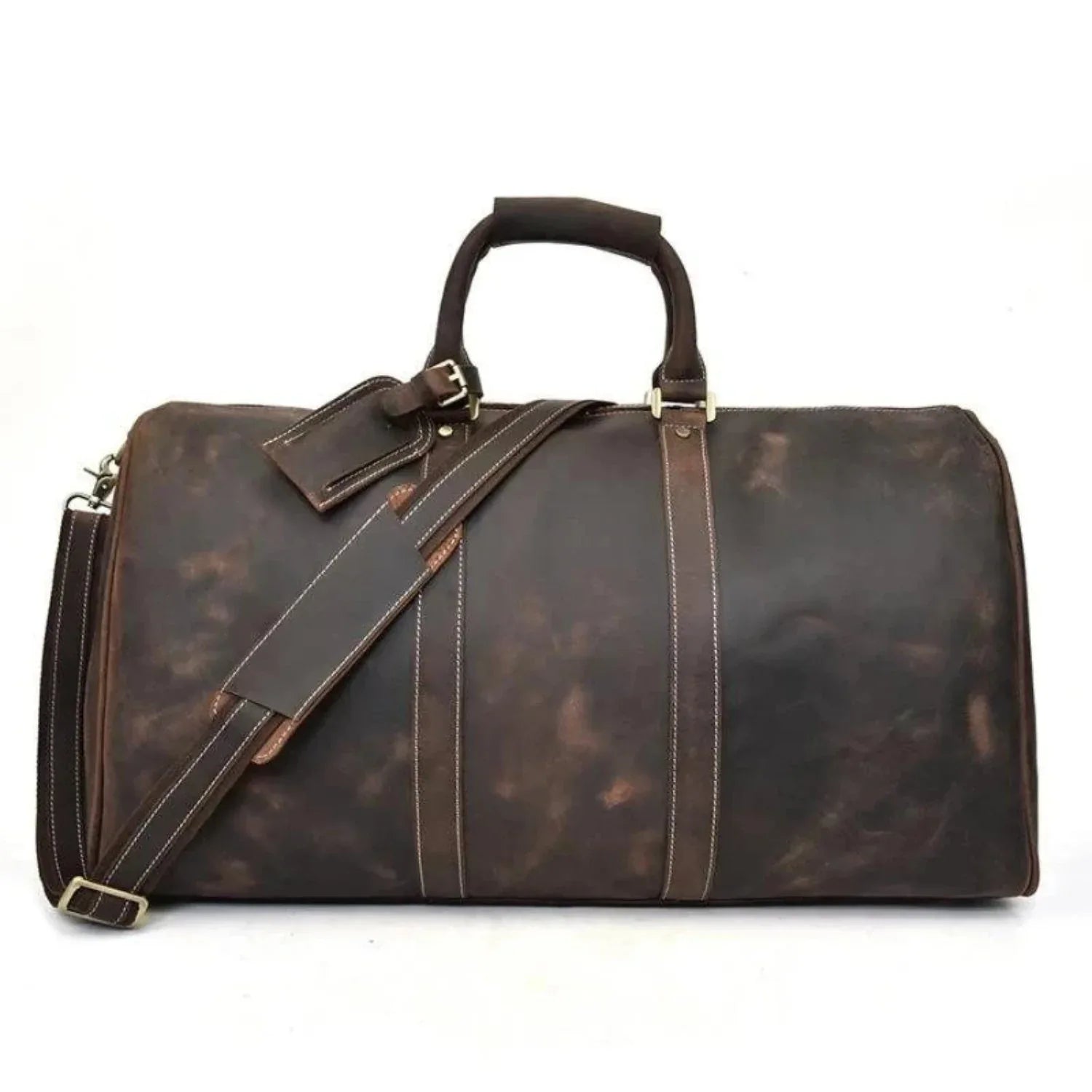
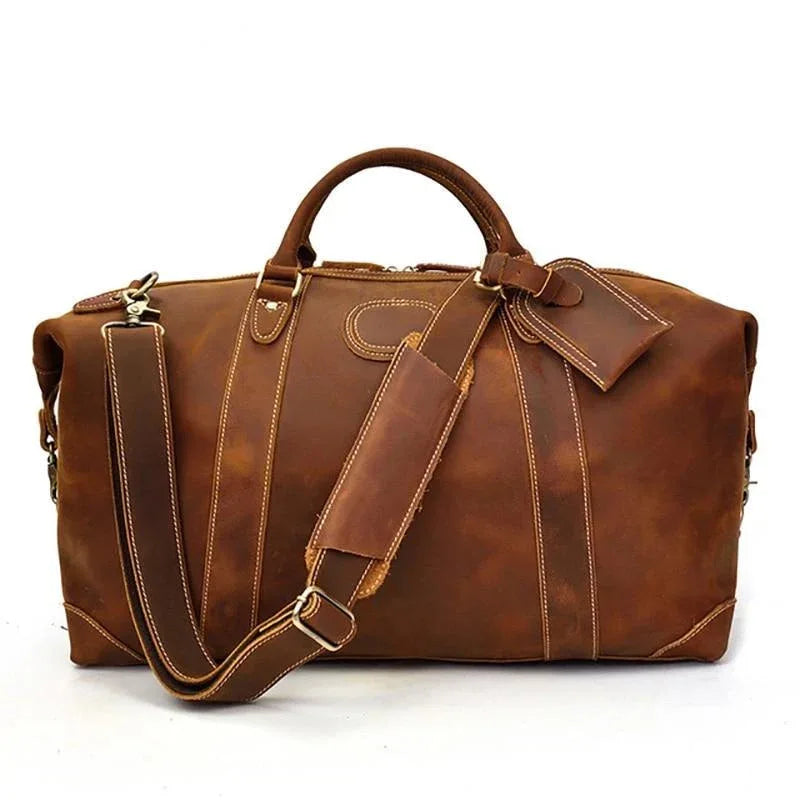
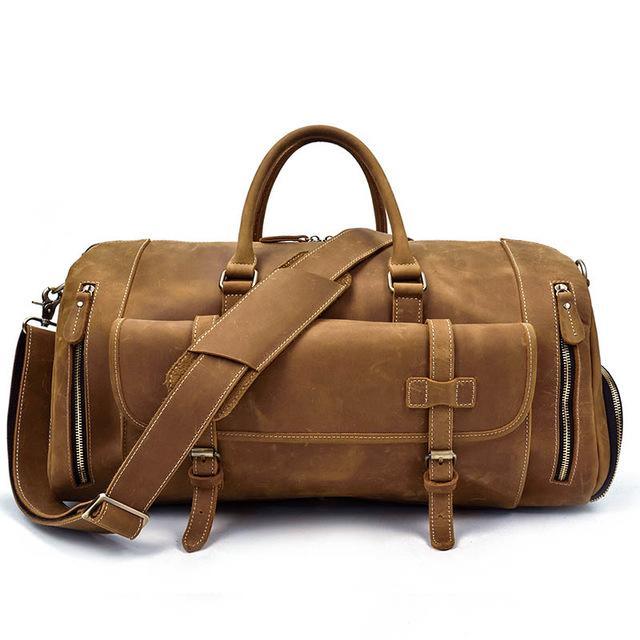
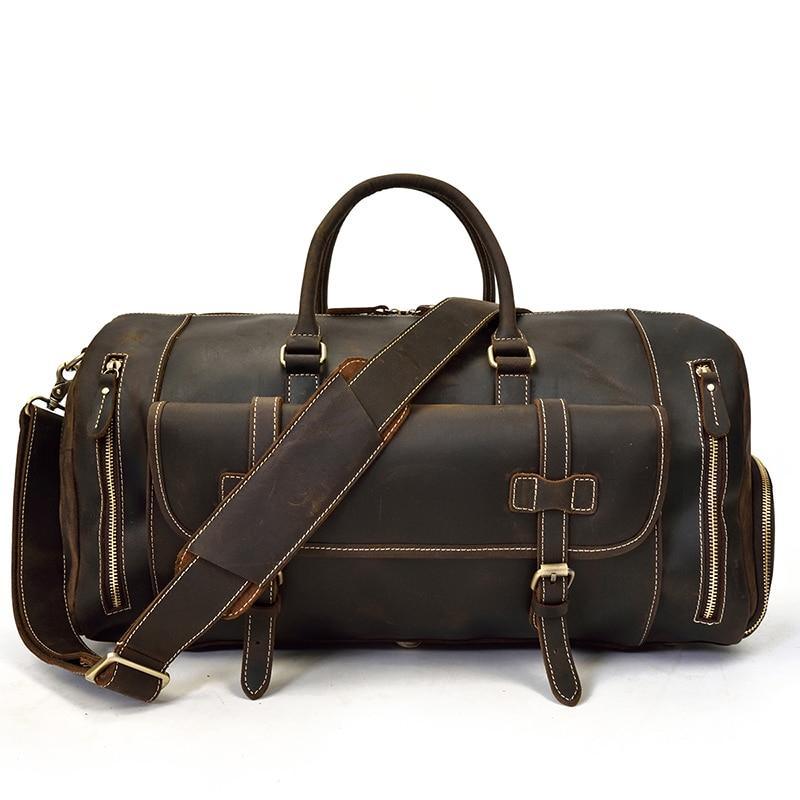
All of our bags at Steel Horse Leather are crafted from full-grain crazy horse leather, built to develop a rich patina over time. Browse our Leather Bags.