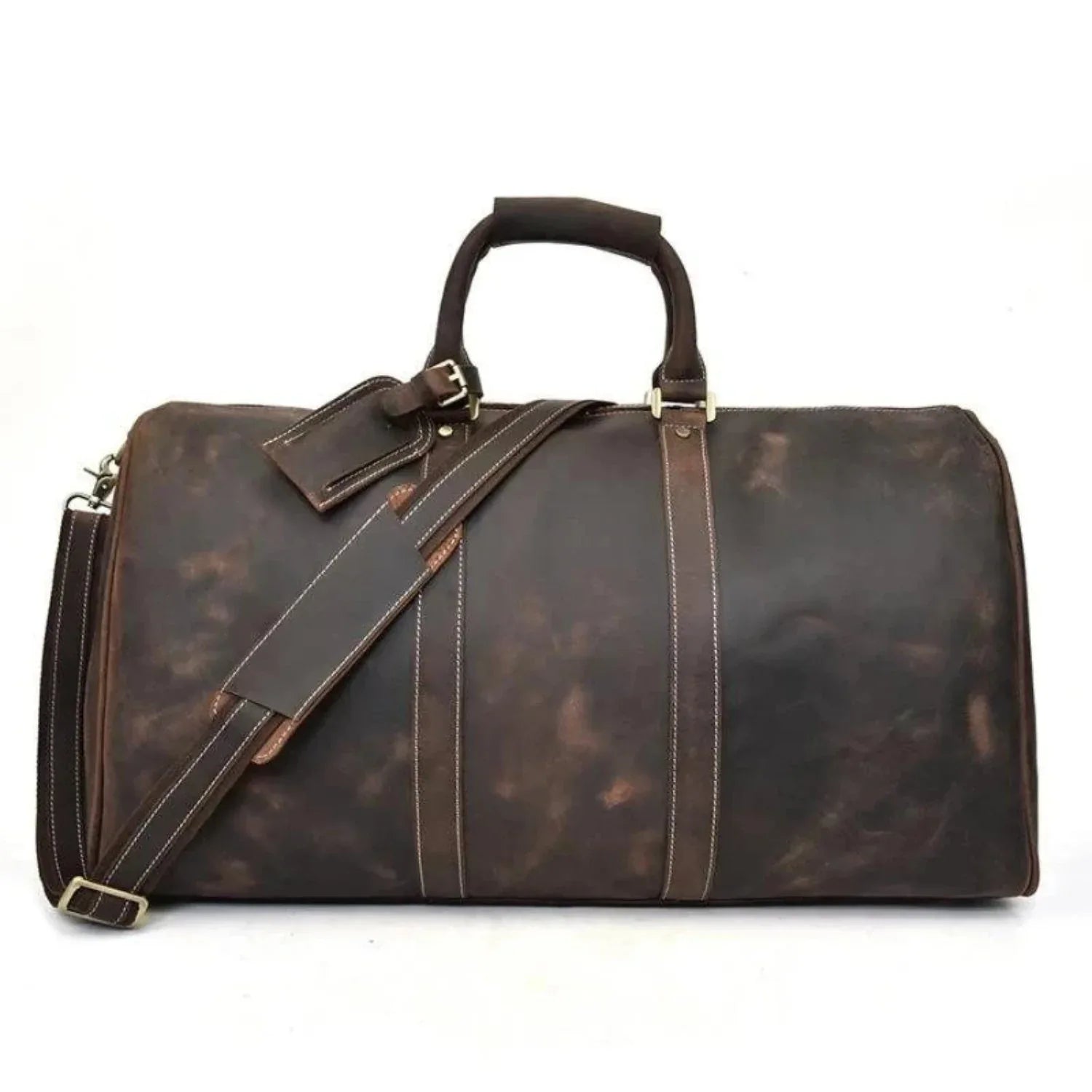
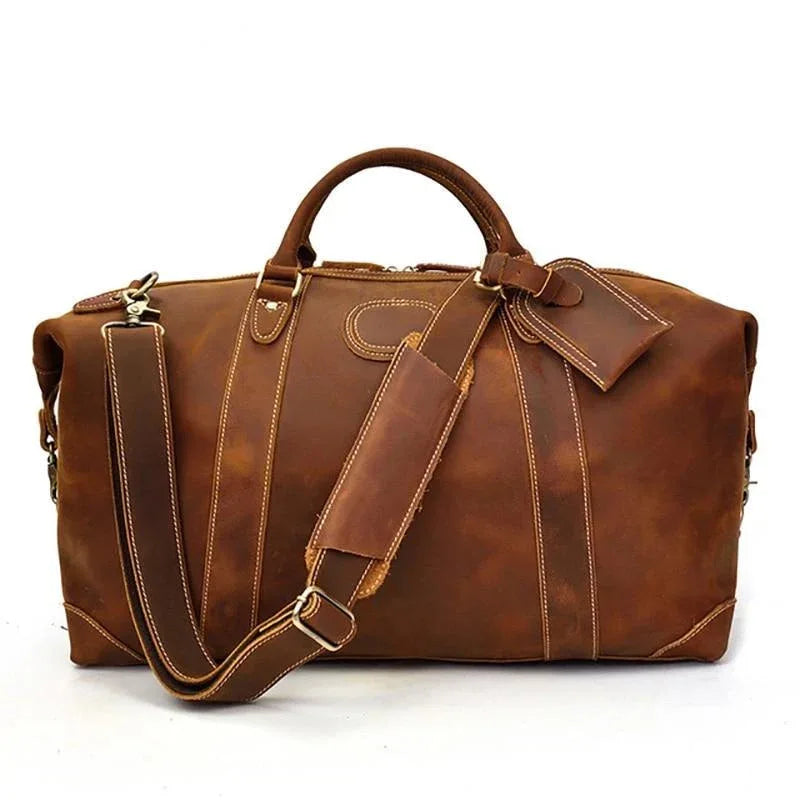
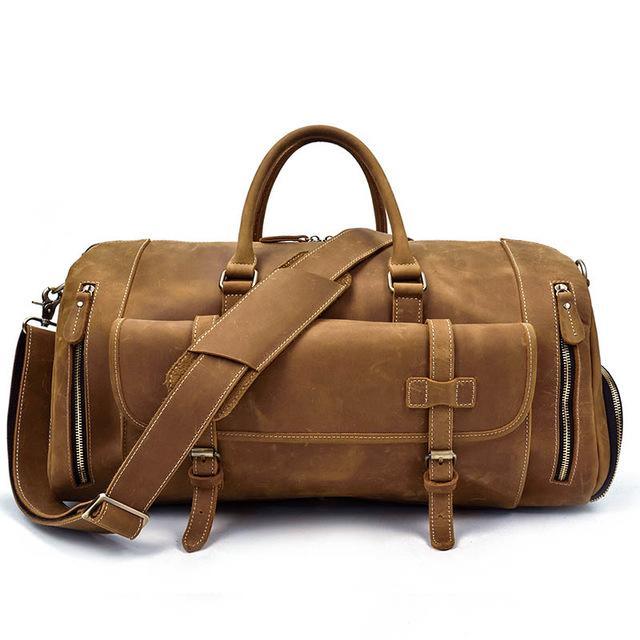
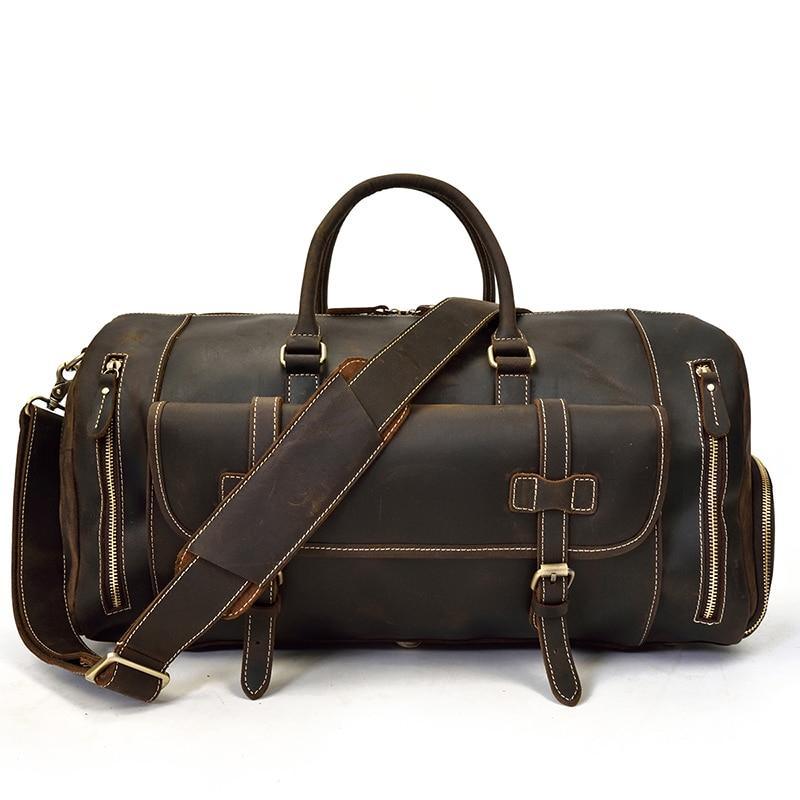
If you've ever pulled your camera out of a bag only to find scratches on the lens barrel or a dented body cap, you already understand why the bag matters as much as the gear inside it. A good camera bag isn't just storage. It's protection, organization, and often the difference between a camera that lasts a decade and one that gets damaged on its second trip.
Leather camera bags occupy an interesting middle ground. They offer the structure and protection of technical camera bags while looking like something you'd actually want to carry into a coffee shop or client meeting. But not all leather camera bags are built the same, and choosing the wrong one can mean inadequate padding, poor organization, or a bag that simply doesn't fit your workflow. This guide will walk you through everything worth knowing before you buy.
What Makes a Camera Bag Different From a Regular Bag
At first glance, a leather camera bag might look like a messenger bag or a backpack. The real differences are on the inside. Camera bags typically feature:
- Padded, adjustable dividers that create customizable compartments for bodies, lenses, and accessories
- Reinforced structure so the bag holds its shape even when set down on uneven ground
- Quick-access openings so you can grab your camera without unpacking the whole bag
- Extra padding on the base and sides where impact is most likely
- Room for accessories like batteries, memory cards, filters, and cables without cramming them against your glass
A bag that lacks these features might carry your camera just fine on a walk to the park, but it won't protect it on a flight, a hike, or a day of shooting where you're setting the bag down on curbs, dirt, and car trunks.
Who Actually Needs a Leather Camera Bag
Leather camera bags tend to appeal to a specific kind of photographer, and it's worth being honest about whether that's you.
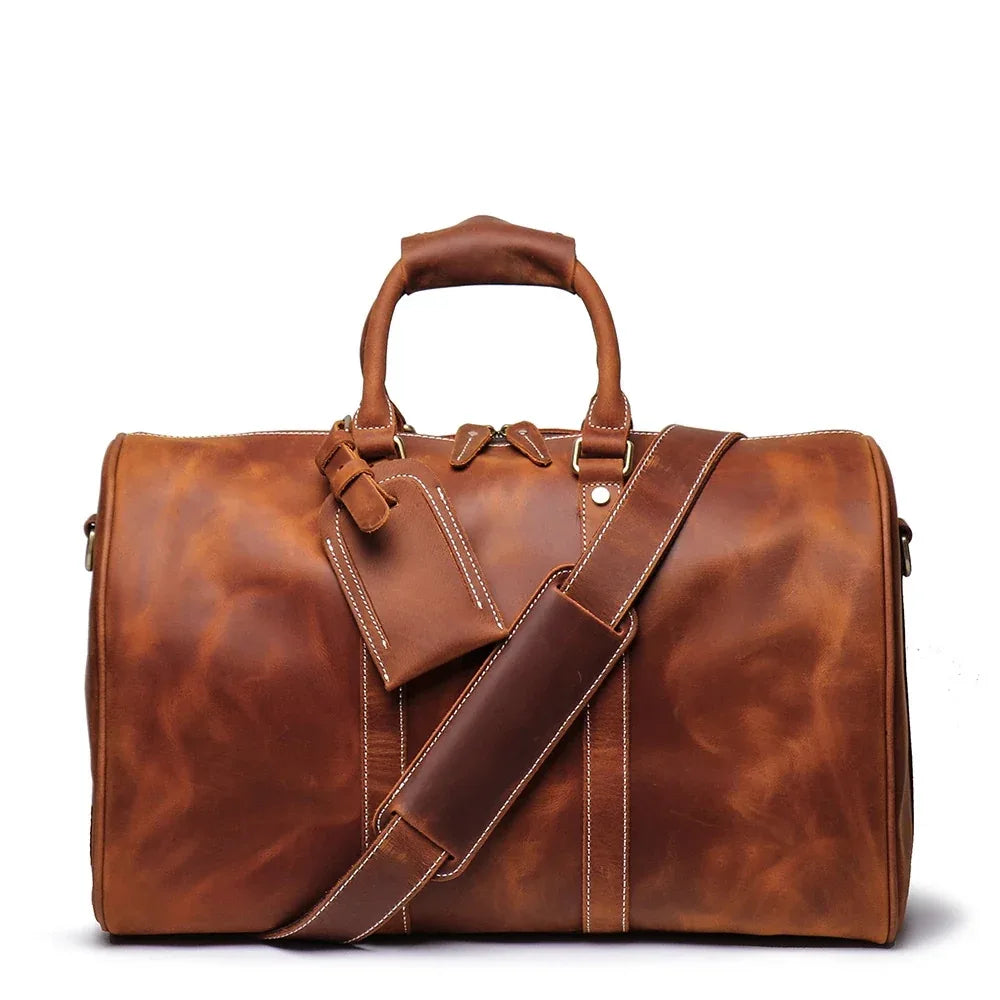
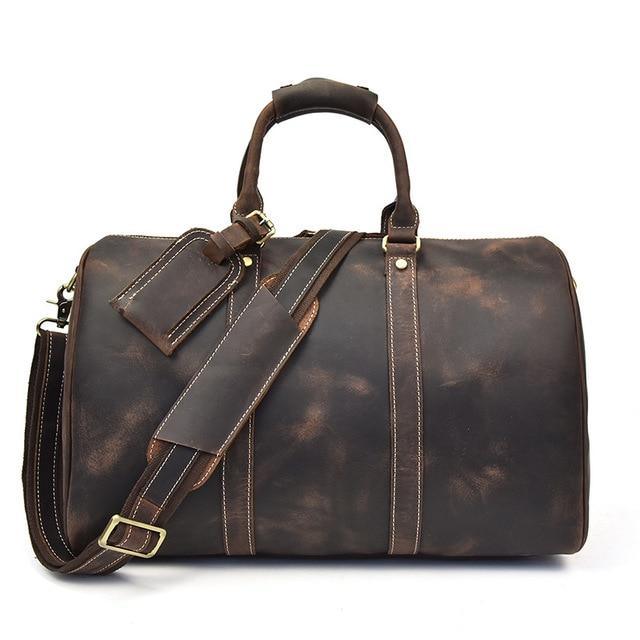
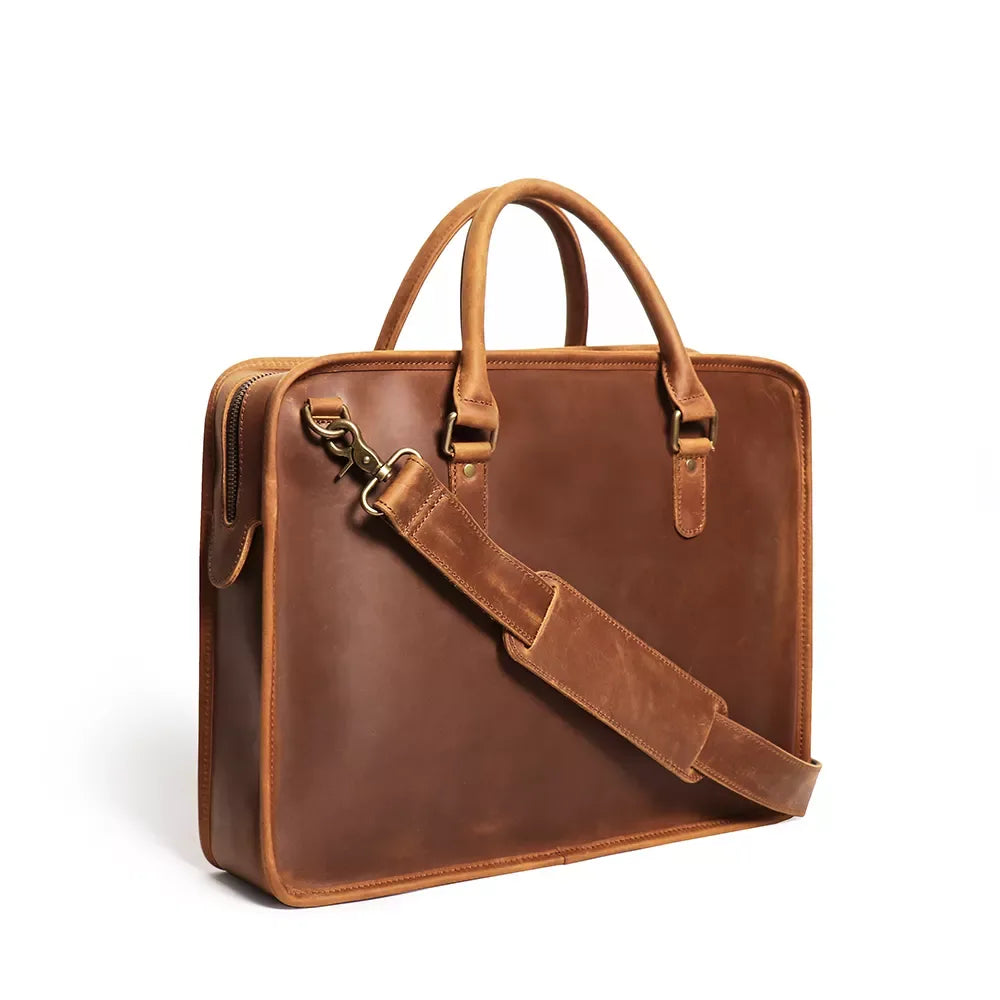
Everyday and street photographers often want something compact and low-profile that doesn't scream "expensive equipment inside." A crossbody-style bag like The Faust Camera Bag works well here, offering quick access and enough room for a body with an attached lens plus a spare.
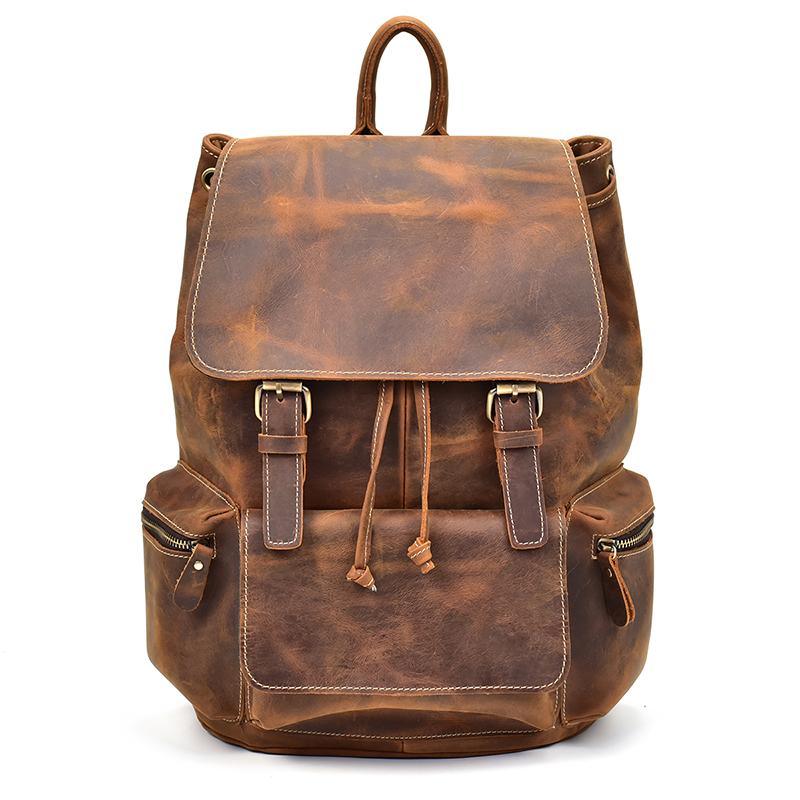
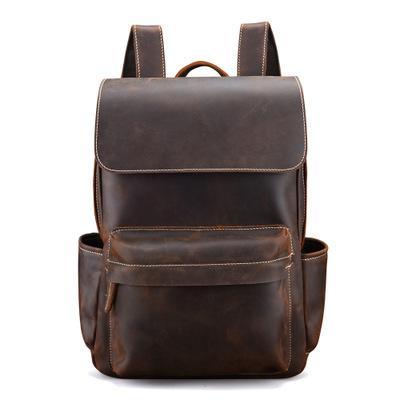
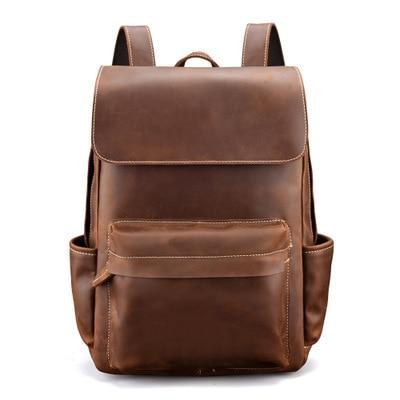
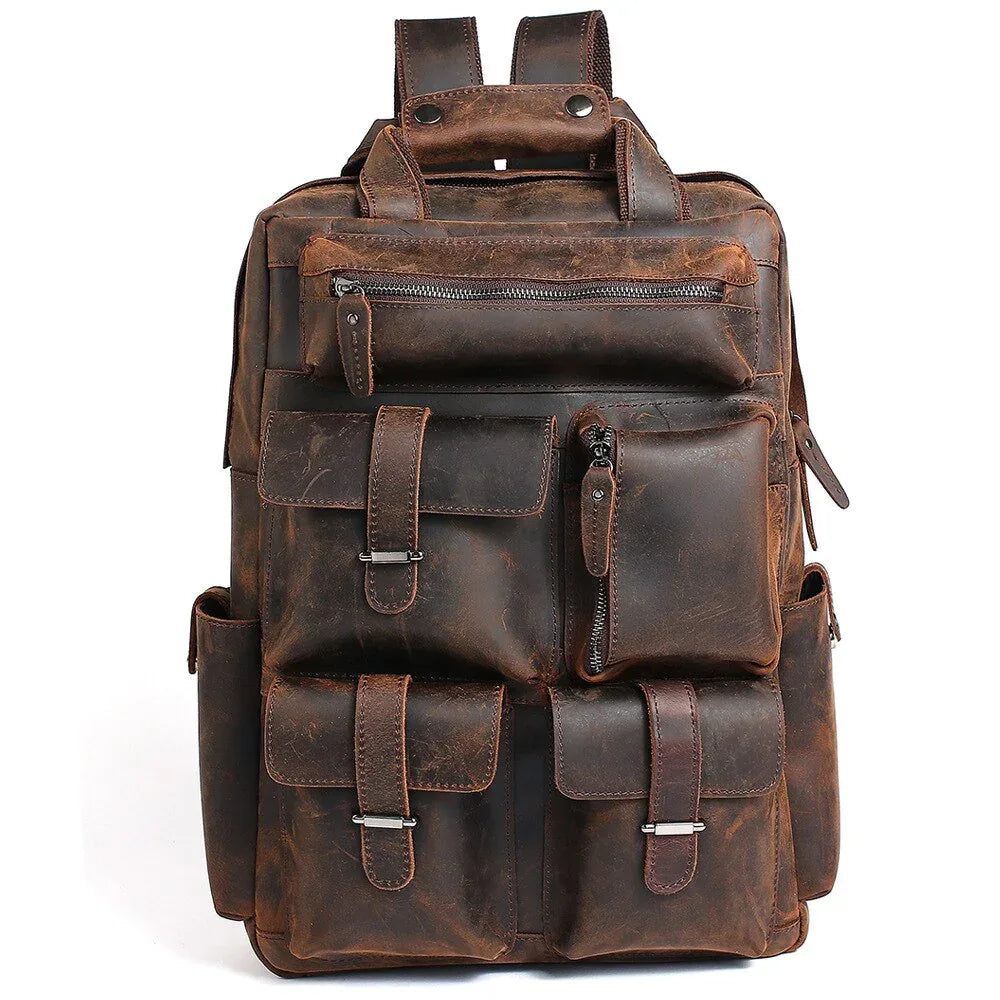
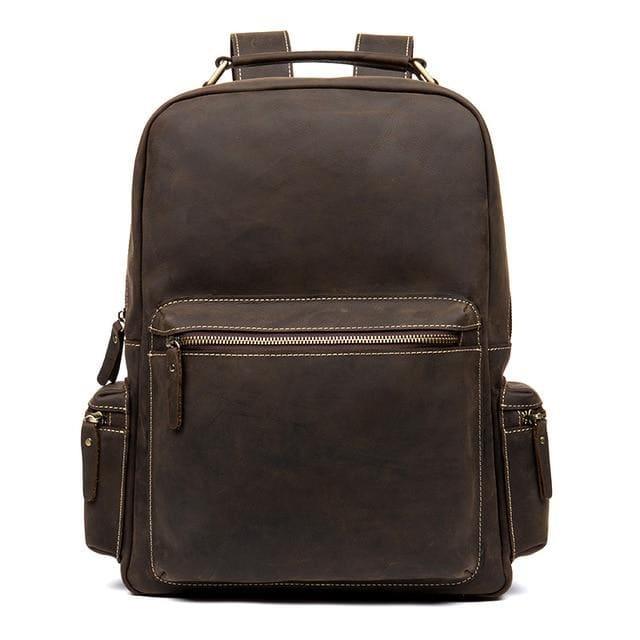
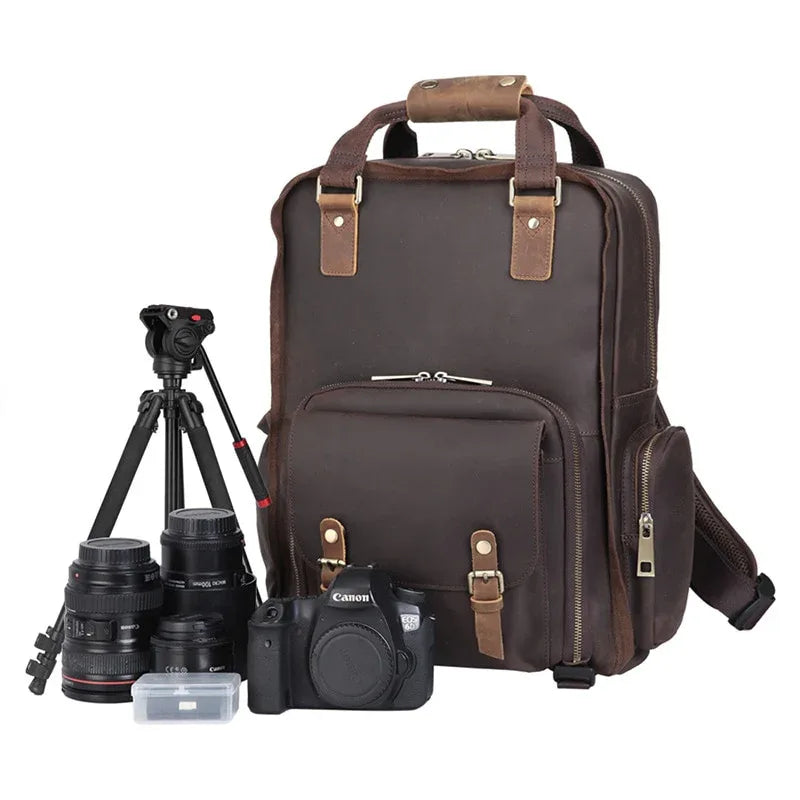
Professional and hobbyist shooters with multiple lenses need more capacity and better organization. This is where a full camera backpack earns its keep. The Mann Bag is built for exactly this scenario, with large capacity and a layout designed around multiple lenses and bodies.
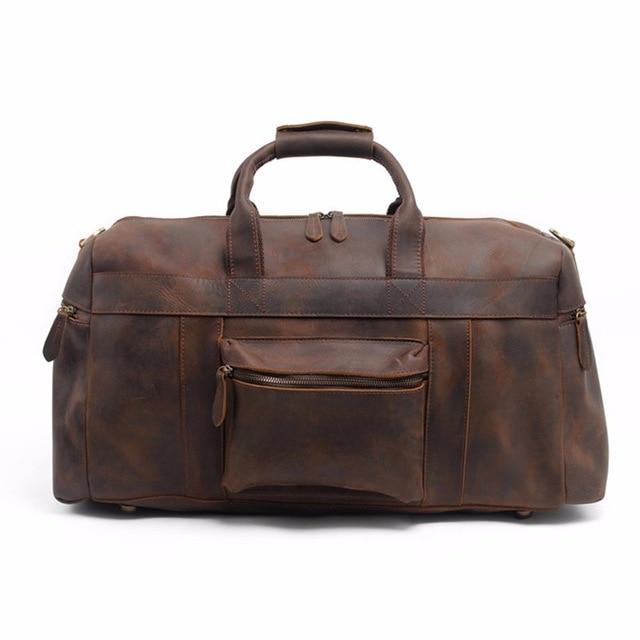
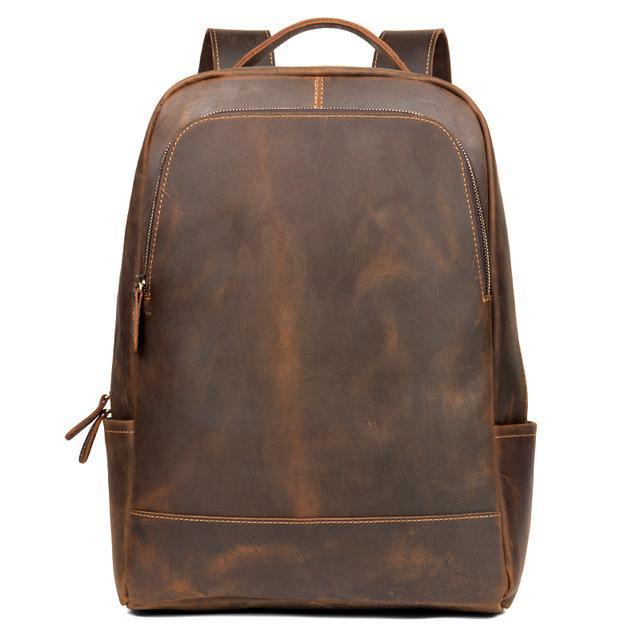
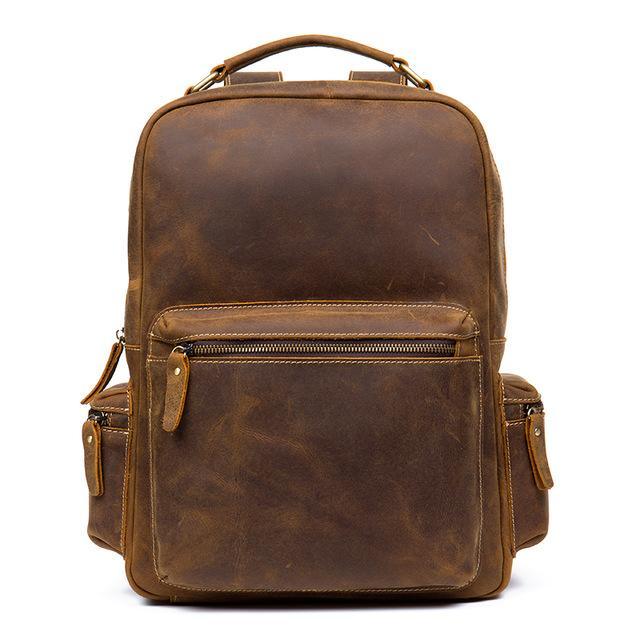
Travel and landscape photographers who carry tripods, extra bodies, and a full lens kit need a bag that can handle both weight and duration. The Gaetano Large Leather Backpack includes a dedicated tripod holder, which matters more than people expect once you've tried strapping a tripod to the outside of a bag with bungee cords.
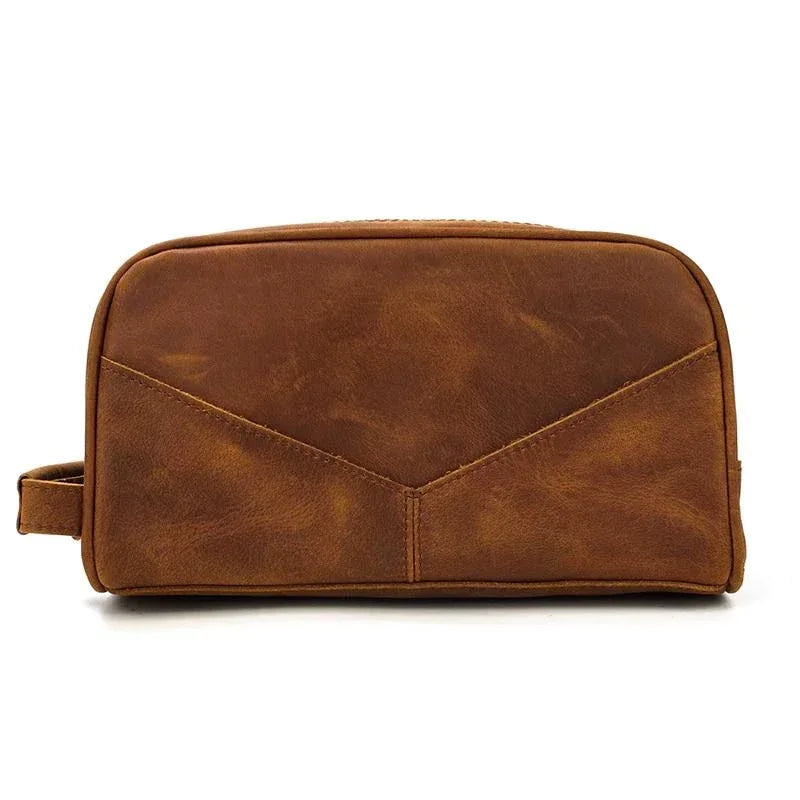
Minimalists carrying a single mirrorless setup or a lens and accessories don't need a huge bag at all. The Calista Small Camera Bag is sized for exactly this kind of lighter, simpler kit.
If you're still deciding between a backpack, sling, or messenger-style camera bag, it helps to read up on the broader category first. Our guide to leather camera bags for vintage lovers covers the aesthetic side of this decision, while our leather camera backpacks collection and full camera bag collection are good places to compare styles side by side.
Key Features to Evaluate Before Buying

Padding and Protection
Check for padded dividers, not just a padded exterior. The dividers are what keep your lenses from knocking into each other, and they should be adjustable with velcro or similar so you can reconfigure the interior as your kit changes.
Access Style
Think about how you actually shoot. If you need to grab your camera quickly for street photography, a top-loading or flap-style bag with quick-release buckles beats a bag you have to fully unzip and dig through. If you're more deliberate in your shooting, a backpack with a rear-panel opening keeps your gear more secure and better protected from pickpockets.
Capacity and Configuration
Be realistic about what you carry on a typical shoot, not what you might carry on your biggest possible shoot. Overbuying capacity means carrying a heavier, bulkier bag every single day for a scenario that happens twice a year. Underbuying means you'll be frustrated every time you pack.
Weatherproofing
Full-grain leather has natural water resistance, but it's not waterproof. If you shoot outdoors frequently, look for bags with a tighter grain and consider how you'll condition the leather over time to maintain that resistance.
Weight of the Bag Itself
Leather is heavier than technical nylon or synthetic camera bag materials. This is a fair tradeoff for durability and style, but if you're already carrying a heavy kit, factor in the bag's own weight, especially for all-day wear.
Quality Indicators Worth Checking
Not all leather is created equal, and the quality of the leather affects both the bag's durability and how it protects your gear over time. Full-grain leather is the top tier. It's the strongest, most durable layer of the hide, and it develops a rich patina with age rather than deteriorating. If you want to understand the differences in leather grades before you buy anything leather, our article on what grain leather actually means is worth a few minutes.
Beyond the leather itself, look at:
- Stitching: even, tight stitches with no loose threads, particularly at stress points like strap attachments
- Hardware: solid metal buckles and zippers rather than lightweight or plastic-feeling components
- Strap construction: straps should be riveted or stitched through multiple layers, not just glued
- Interior lining: a soft, tightly woven lining protects gear from scratches and shouldn't fray at the edges
Full-grain leather bags will feel firm and slightly stiff when new. This is normal and not a defect. The leather softens and molds to your usage patterns over the first few months.
Common Mistakes to Avoid
Buying based on looks alone. A beautiful bag that doesn't protect your gear or fit your workflow will end up sitting in a closet while you carry something else.
Ignoring the weight of an empty bag. Some camera bags are heavy before you've even packed anything into them. Combined with a full camera kit, this adds up fast on long days.
Not accounting for growth. If you're building a kit, buying a bag that fits only your current gear means you'll be shopping again in a year. Buying slightly ahead of your needs, without going overboard, saves money long term.
Skipping the divider check. Some bags marketed as camera bags are really just bags with a single padded insert thrown in. Make sure the interior is genuinely configurable for your specific lenses and accessories.
Forgetting about non-camera use. If you want a bag that transitions from a shoot to a client meeting or a weekend trip, consider whether the dividers are removable so the bag can function as a regular messenger bag or backpack when you're not shooting.
Care and Maintenance
Leather camera bags need a bit more attention than synthetic ones, but the payoff is a bag that looks better with age instead of worse. A few basics:
- Condition the leather every few months, more often if you're in dry or harsh climates. Our guide on homemade leather conditioners is a good starting point if you'd rather not buy a commercial product.
- Wipe off dust and dirt with a soft, dry cloth after outdoor shoots.
- If you get oil or product residue on the bag (common if you're also handling lens cleaning solutions), address it quickly. Our article on removing oil stains from leather covers the right approach.
- Avoid prolonged direct sunlight, which can dry out and fade leather over time.
- Address scratches early. Minor surface scratches on full-grain leather can often be buffed out; our guide on fixing scratched leather walks through the process.
Choosing the Right Size and Style for You
Start with an honest inventory of your kit: how many bodies, how many lenses, and what accessories you bring on a typical outing (not your dream outing). Then think about how you carry weight. If you have back or shoulder concerns, a backpack style distributes weight more evenly than a crossbody or messenger bag. If you need to move quickly and access your camera without breaking stride, a sling or messenger style will serve you better.
Consider your usage frequency, too. If you're shooting daily and need a bag that also functions as your everyday carry, look at something versatile enough to double as a work bag. If your photography is occasional, a more dedicated, compact option might make more sense so it doesn't take up excessive space when you're not using it.
Featured Steel Horse Leather Camera Bags

For readers who want a quick starting point, here's how our current camera bag lineup breaks down by use case:
- The Mann Bag: A large-capacity leather camera backpack suited to photographers carrying multiple lenses, a body or two, and a full set of accessories. Best for professionals and serious hobbyists who need everything organized and protected in one place.
- The Gaetano Large Leather Backpack: Built with a dedicated tripod holder, making it a strong choice for travel, landscape, and outdoor photographers who need to carry a tripod without external straps or bungees.
- The Faust Camera Bag: A crossbody-style vintage camera messenger bag for photographers who prioritize quick access and a lower profile. Good for street and everyday photography where speed matters.
- The Calista Small Camera Bag: A compact camera and lens case for minimalist kits or as a secondary bag for carrying an extra lens on top of your main setup.
You can browse the complete range, including newer additions, in our leather camera bags collection and leather camera backpacks collection.
Frequently Asked Questions
Are leather camera bags as protective as technical camera bags?
A well-constructed leather camera bag with proper padded dividers offers comparable protection to technical bags. The key is checking for genuine padded, adjustable interior compartments rather than assuming leather alone provides protection. The leather exterior adds structure and some water resistance, but the interior padding is what actually protects your gear.
Will leather camera bags protect my gear from rain?
Full-grain leather has natural water resistance and will hold up to light rain or moisture, but it's not fully waterproof. For extended exposure to heavy rain, use a rain cover, which many photographers carry regardless of bag material.
How much should I expect to pay for a quality leather camera bag?
Quality full-grain leather camera bags typically cost more than synthetic alternatives because of the materials and craftsmanship involved. The tradeoff is a bag that lasts significantly longer and improves in appearance with age, rather than showing wear the way synthetic materials do.
Can I use a leather camera bag for things other than camera gear?
Yes, especially if the interior dividers are removable. Many photographers use their camera bags as everyday bags or travel bags on days they're not shooting, simply removing or rearranging the padded inserts.
How do I know what size camera bag I need?
List out exactly what you carry on a typical shoot, including your body, lenses, and accessories like batteries and filters. Choose a bag sized for that typical load, with a small amount of extra room rather than a large amount of unused space.
How often should I condition a leather camera bag?
Every three to six months under normal use, more frequently if you're in dry climates or use the bag outdoors often. Watch for the leather feeling dry or stiff as a sign it's due for conditioning.
What's the difference between a camera backpack and a camera messenger bag?
Backpacks distribute weight across both shoulders and are better for heavier kits and longer carrying periods. Messenger and crossbody styles offer faster access to your camera and tend to be better for lighter kits and situations where you need to shoot quickly and often.
All of our bags at Steel Horse Leather are crafted from full-grain crazy horse leather, built to develop a rich patina over time. Browse our Leather Bags.