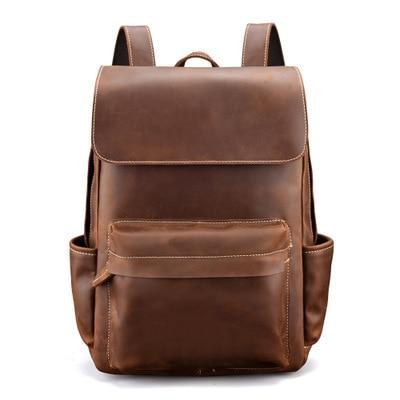
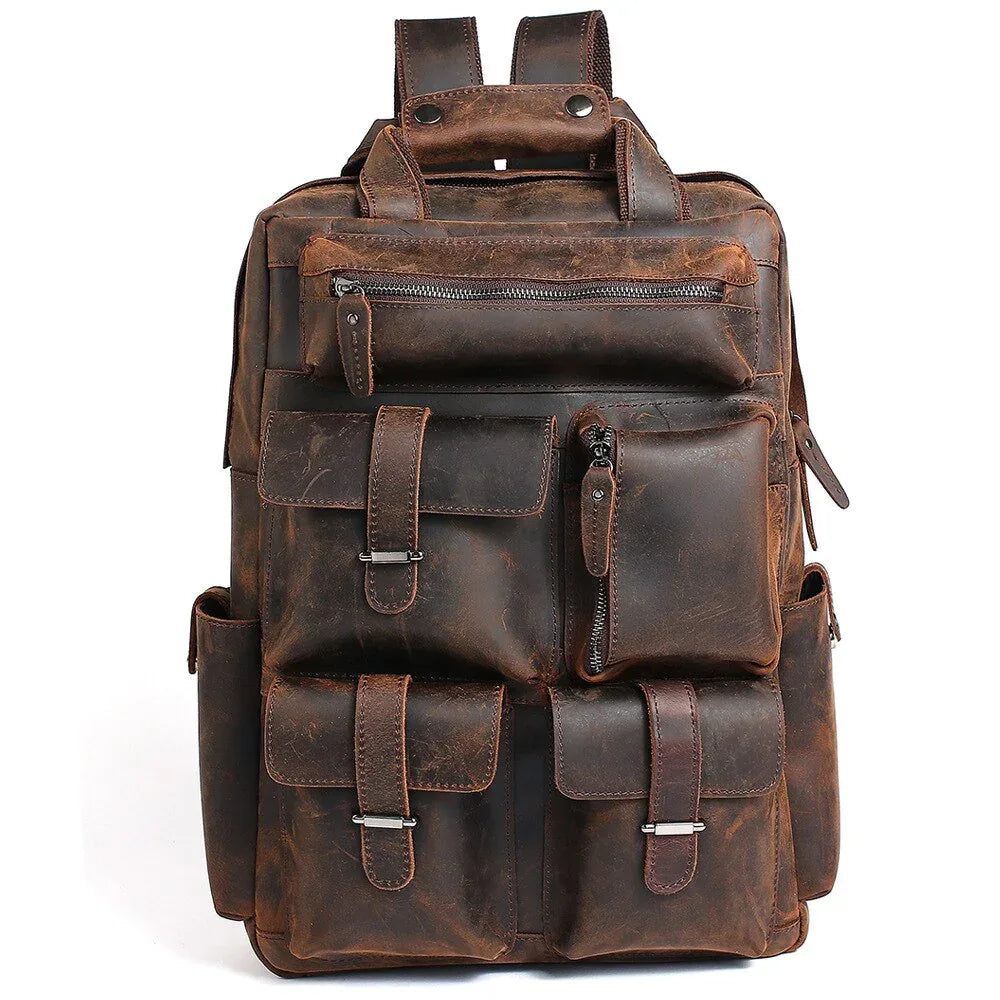
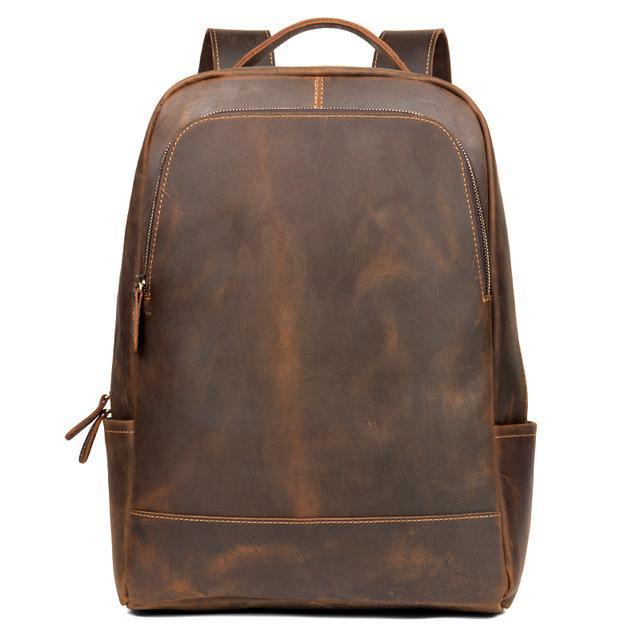
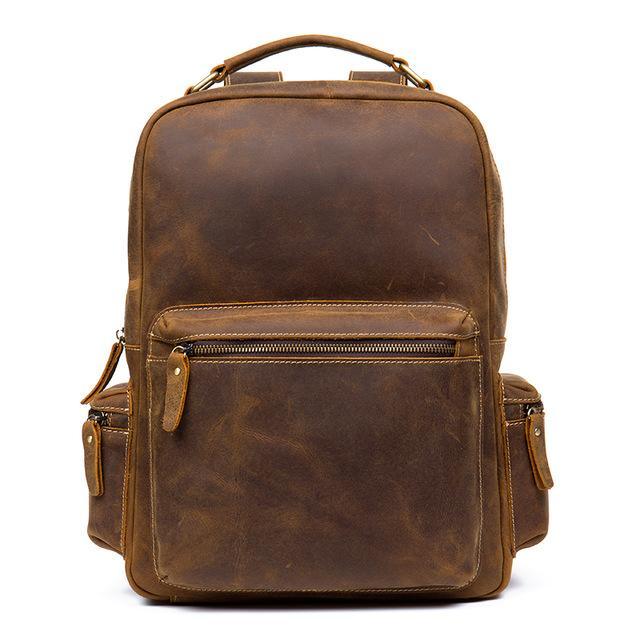
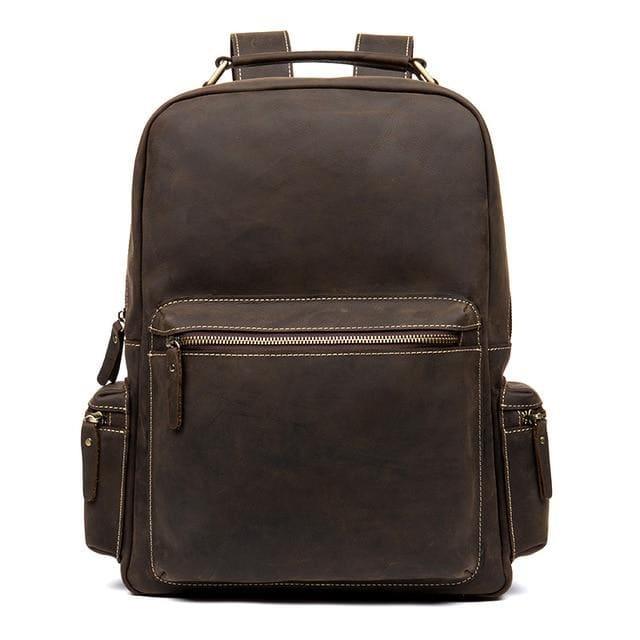
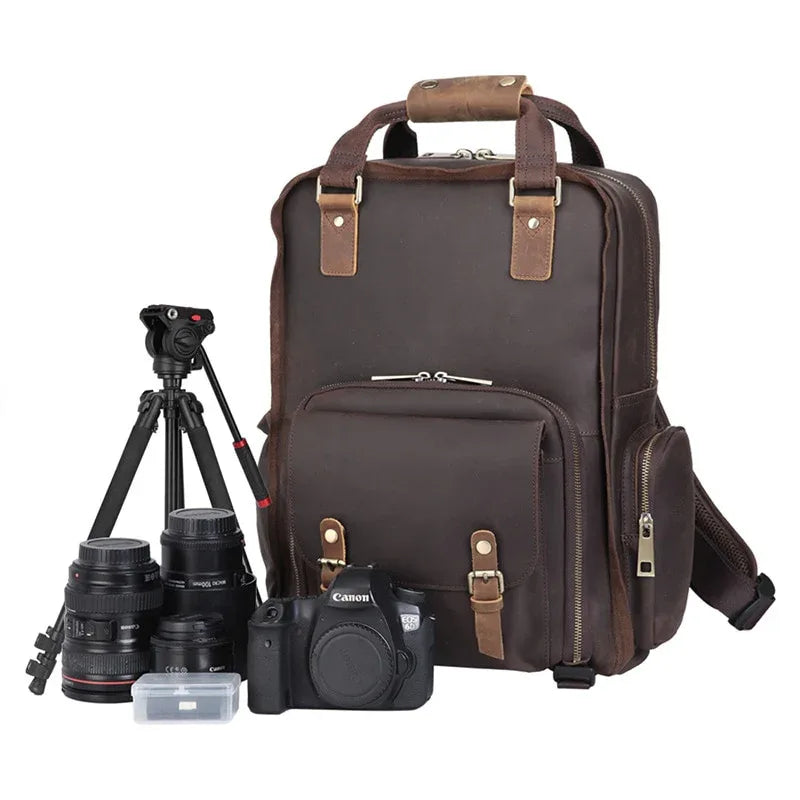
If you're carrying thousands of dollars in camera gear on your back, the bag you choose matters just as much as the lenses inside it. A good camera backpack protects your equipment from bumps, weather, and wear while keeping everything organized and accessible. A bad one leaves your gear rattling around, forces you to dig through disorganized compartments while a shot slips away, or simply falls apart after a year of regular use.
Leather camera backpacks sit at an interesting intersection. They need to deliver the same protective function as a technical camera bag, but many photographers also want something that doesn't look like it belongs strictly in a studio or on a hiking trail. This guide walks through everything worth considering before you buy, so you end up with a bag that actually fits how you shoot, travel, and live.
What Makes a Camera Backpack Different from a Regular Backpack

At a glance, a leather camera backpack might look like any other leather backpack. The real differences are on the inside. Camera backpacks are built around padded, often customizable interior dividers that create individual compartments for camera bodies, lenses, and accessories. Good ones also include:
- Reinforced padding on the base and sides to absorb shock if the bag is set down hard or bumped
- Quick-access openings (side or top) so you can grab your camera without unpacking the whole bag
- Separate compartments for a laptop or tablet, since so many photographers edit on the go
- Weather resistance, since leather naturally sheds light rain better than canvas, though it still needs care in sustained wet conditions
- External attachment points for a tripod, monopod, or additional gear
A camera backpack is essentially a technical bag wearing a more refined exterior. The leather adds durability and a look that transitions well from a shoot to a dinner afterward, but the padded, modular interior is what actually protects your equipment.
Who Actually Needs One
Not every photographer needs a dedicated camera backpack. If you carry a single mirrorless body and one lens, a smaller bag might serve you better. Leather camera backpacks make the most sense for:
Working photographers who carry multiple bodies, several lenses, flashes, and accessories to shoots and need everything organized and protected in one bag.
Traveling photographers who want a single bag that holds gear during flights, doubles as a daypack when exploring, and doesn't scream "expensive equipment inside" the way a tactical-looking camera bag might.
Hobbyists and enthusiasts who want their gear protected without sacrificing style, especially those who use the bag for both photography outings and everyday carry.
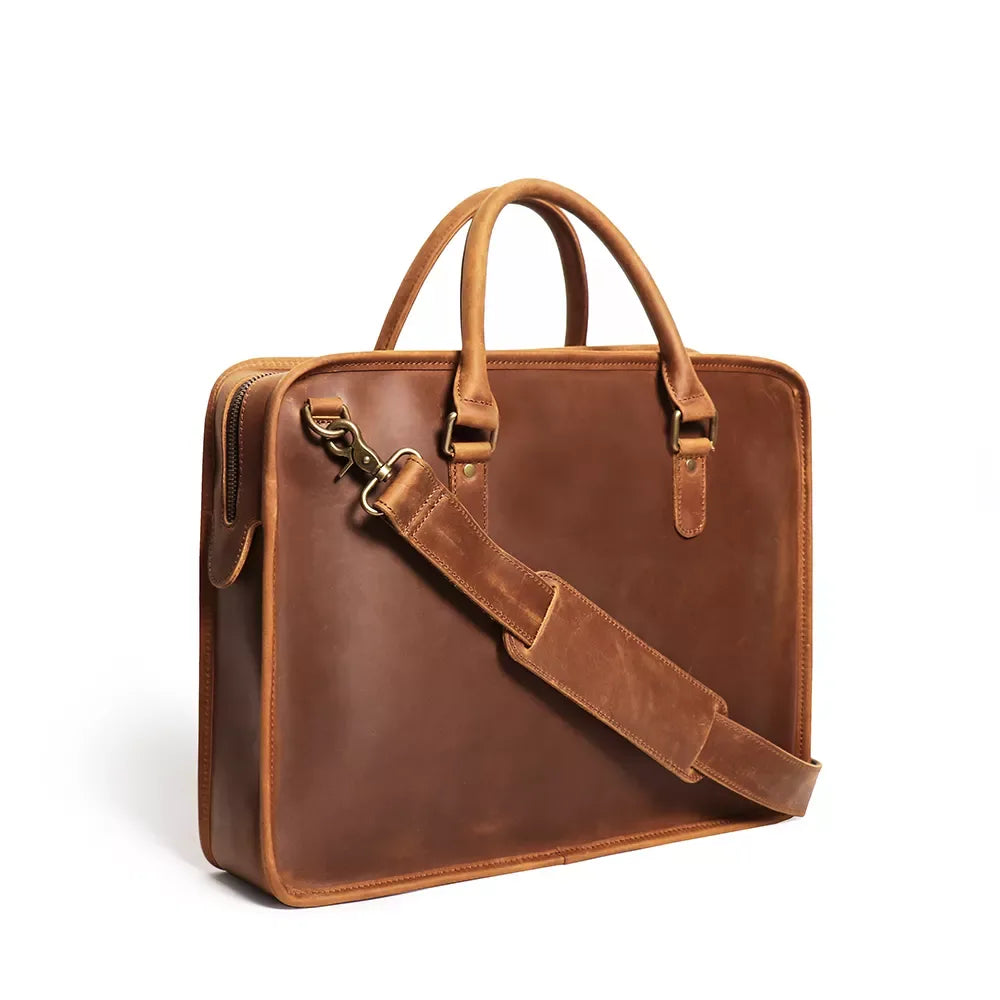
If you mostly shoot with one camera and a couple of accessories, it's worth looking at a leather camera bag or a crossbody-style option instead. Something like The Faust Camera Bag gives you padded protection and quick access without the bulk of a full backpack, and The Calista Small Camera Bag works well as a dedicated lens case or minimalist option for lighter kits.
Key Features to Evaluate Before Buying
Interior Padding and Customization
Look closely at how the interior compartments are built. Removable, adjustable padded dividers give you the flexibility to reconfigure the bag as your kit changes, whether you're carrying two bodies one week and a single body with extra lenses the next. Padding should be firm enough to protect against drops, not just soft filler that looks the part.
Capacity and Compartments
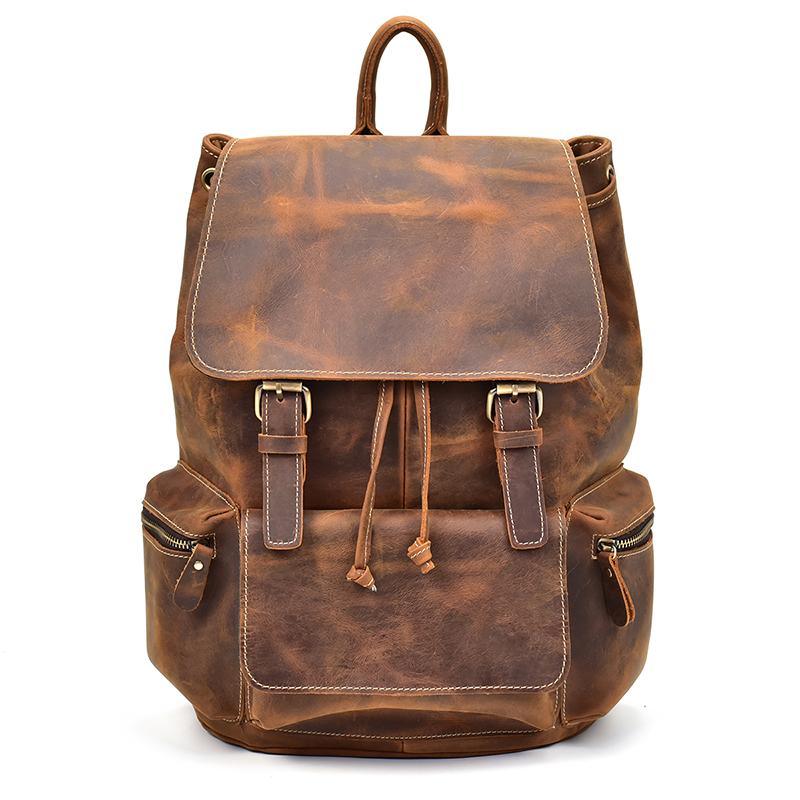
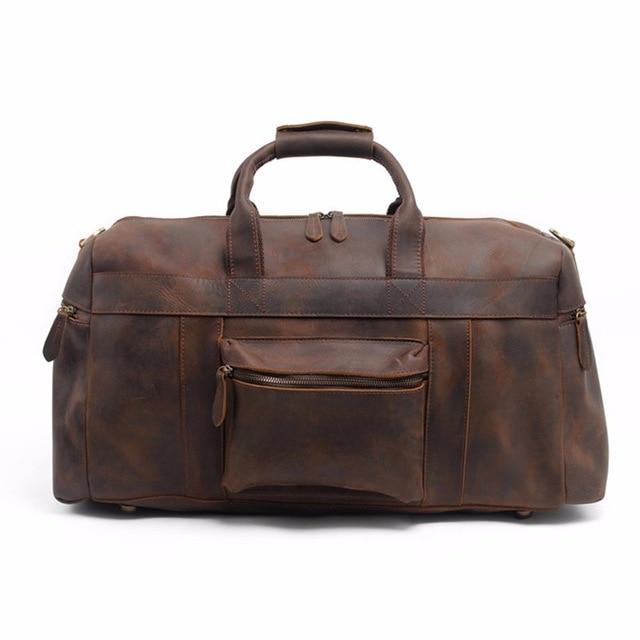
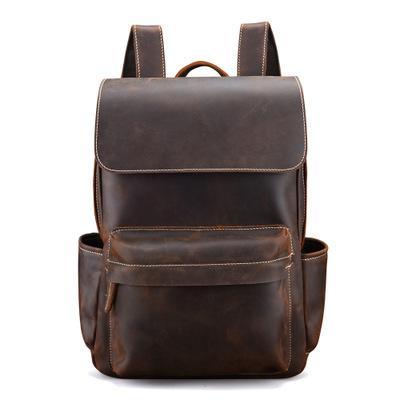
Think honestly about what you carry on a typical day versus what you carry on your biggest shoots. A bag sized for your heaviest gear day will feel oversized most of the time. A bag sized for your average day will feel cramped when you need to pack extra. For photographers who regularly carry a full kit, multiple lenses, and a tripod, a larger option like The Gaetano Large Leather Backpack with its dedicated tripod holder is built for exactly that scenario. For photographers who want generous room without going oversized, The Mann Bag offers large capacity while staying manageable as a daily carry.
Access Points
Consider how you'll actually get gear in and out. Top-loading bags are secure but slower to access. Side-access panels let you pull out a camera without taking the bag off, which matters if you're shooting on the move at events or while traveling. If quick access is a priority, test this before buying or read reviews that speak to it directly.
Laptop and Tablet Storage
Many photographers edit on location or during travel. A padded laptop sleeve integrated into the backpack means one less bag to carry. If you're comparing options with this in mind, our guide to leather backpacks with laptop compartments covers what separates a true protective sleeve from a compartment that's laptop-sized in name only.
Weight and Comfort
Full-grain leather is heavier than technical nylon, and camera gear is heavy on its own. Look for wide, padded shoulder straps and a structured back panel that distributes weight rather than letting the bag pull on your shoulders. If you'll be wearing the bag for long days of travel or shooting, comfort features aren't optional extras, they're essential.
Tripod and Accessory Attachment
If you shoot landscapes, architecture, or long exposures, external tripod straps or holders save you from having to fit a tripod inside the main compartment. This is a small feature that makes a big difference for specific types of photography.
Quality Indicators Worth Knowing
Leather quality varies enormously, and it's not always obvious from photos online. A few things to check:
- Full-grain leather is the strongest and most durable option, developing a rich patina over time rather than cracking or peeling. Our guide on what grain leather actually means is worth reading if you want to understand what you're paying for.
- Stitching should be even, tight, and reinforced at stress points like strap attachments and handle bases.
- Hardware (zippers, buckles, clasps) should feel solid, not like it will corrode or loosen with regular use. Camera bags get opened and closed constantly, so this matters more here than on almost any other bag type.
- Base reinforcement matters because camera backpacks get set down on pavement, floors, and rocky ground far more than a typical daypack.
Handcrafted construction tends to hold up better over time than mass-produced bags, since more attention goes into stress points and finishing. If you're curious about durability more broadly, this piece on the advantages of leather bag durability explains why leather tends to outlast synthetic alternatives with proper care.
Matching the Bag to Your Use Case

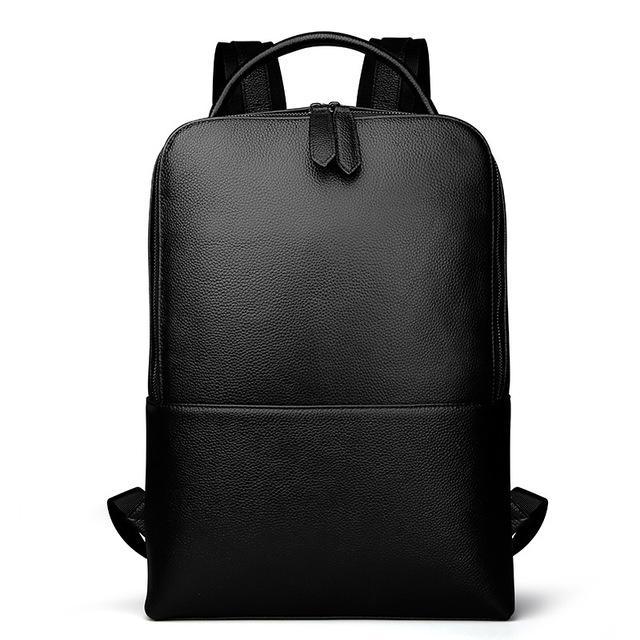
Everyday city shooting: Prioritize a bag that doesn't look overtly technical. A slimmer profile like the Skald Black Pebbled Leather Backpack works well if you carry a mirrorless setup and want something that reads as a normal backpack rather than an obvious camera bag.
Travel photography: You want capacity, organization, and comfort for long wear. Larger options that also handle laptops and personal items double as your main travel bag. It's worth browsing our full camera backpack collection to compare capacities side by side.
Professional shoots: If you're bringing multiple bodies, several lenses, and lighting accessories, prioritize customizable padding and higher capacity, and don't be afraid of a bigger bag. The Gaetano's tripod holder and generous interior are built with this kind of workload in mind.
Minimalist or hybrid carry: If your camera gear is only part of what you carry daily, a bag that balances camera protection with general everyday function (laptop, notebook, personal items) will serve you better than a bag built exclusively around gear.
Common Mistakes to Avoid
Buying based on looks alone. A beautiful bag with poor padding will let you down the first time it takes a hard knock. Always check the interior protection before falling for the exterior.
Sizing up "just in case." An oversized bag you rarely fill becomes uncomfortable to carry and awkward to organize. Buy for your typical kit, not your once-a-year maximum load.
Ignoring strap and back panel comfort. Camera gear is dense and heavy. A bag that feels fine empty in a store can feel very different fully loaded after two hours of walking.
Overlooking access speed. If you shoot events, street photography, or anything spontaneous, a bag that requires full unpacking to reach your camera will cost you shots.
Neglecting leather care. Leather is durable but not maintenance-free. Skipping conditioning and proper storage shortens the life of an otherwise excellent bag.
Caring for Your Leather Camera Backpack

Leather rewards basic maintenance with decades of use. A few habits go a long way:
- Condition the leather every few months to prevent drying and cracking, especially if you're in a dry climate. Our DIY leather conditioner guide covers effective at-home options.
- Address oil stains or spills quickly rather than letting them set. This guide on removing oil stains from leather walks through the process step by step.
- Store the bag upright in a cool, dry place when not in use, away from direct sunlight which can fade and dry out leather over time.
- If the surface gets scratched, most light scratches can be buffed out. Here's how to fix scratched leather in three simple steps.
- For bags that have seen years of hard use, restoration is often possible rather than needing replacement. This guide on repairing and restoring a leather backpack is a good starting point.
Getting the Size Right
Before buying, lay out your actual gear (not your wishlist gear) and measure it. Camera body, your most-used lenses, flash, batteries, memory cards, and anything else you bring regularly. Add the laptop or tablet if you edit on location. This gives you a realistic sense of what capacity you need, rather than guessing from product photos.
If you're between sizes, err toward the slightly larger option only if you also want the bag to double as a general daypack or travel bag. If it's strictly for camera gear, buying close to your actual needs keeps the bag comfortable and your equipment snug rather than shifting around during movement.
Recommended Steel Horse Leather Products for Photographers

Based on capacity, protection, and everyday usability, here are the pieces worth considering depending on your needs:
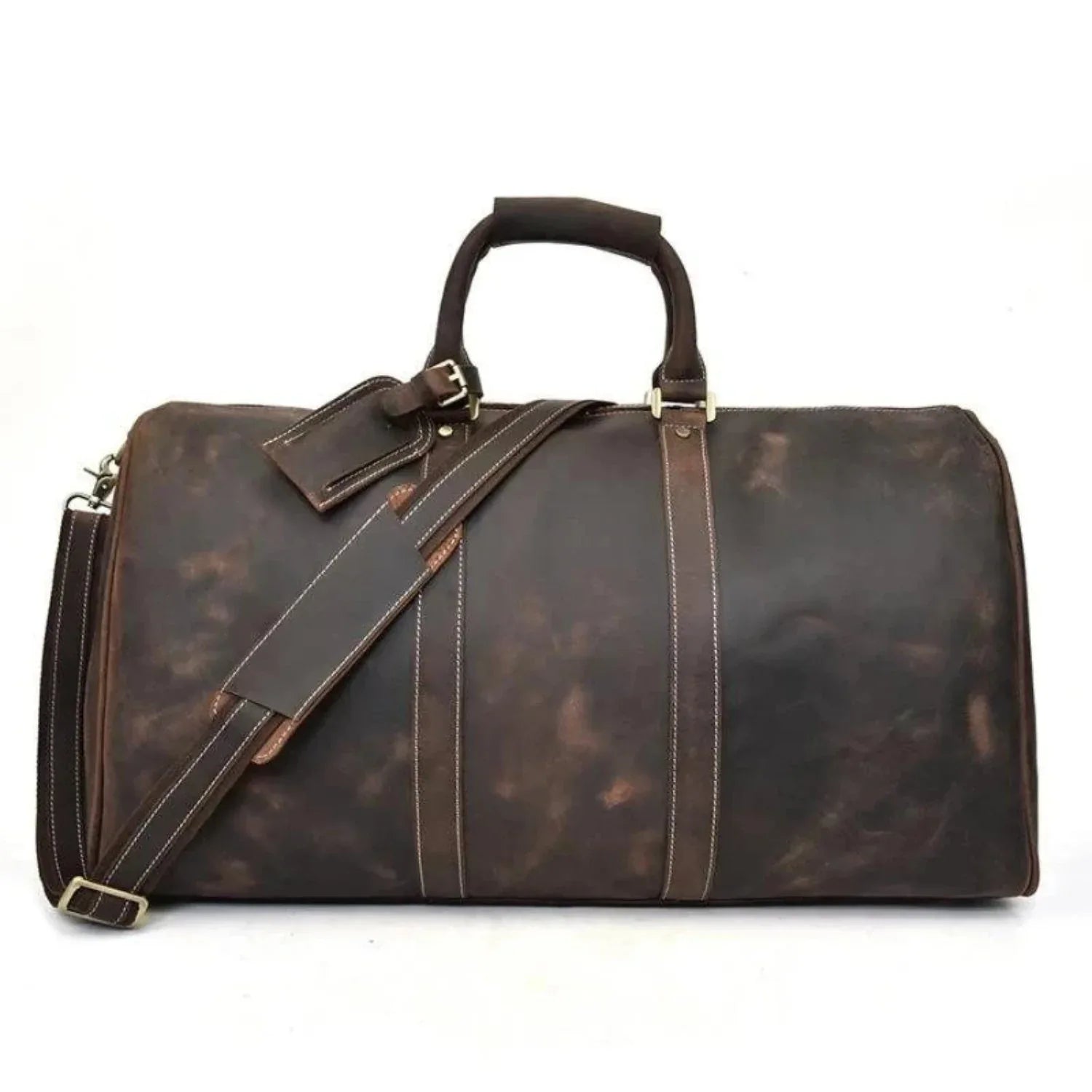
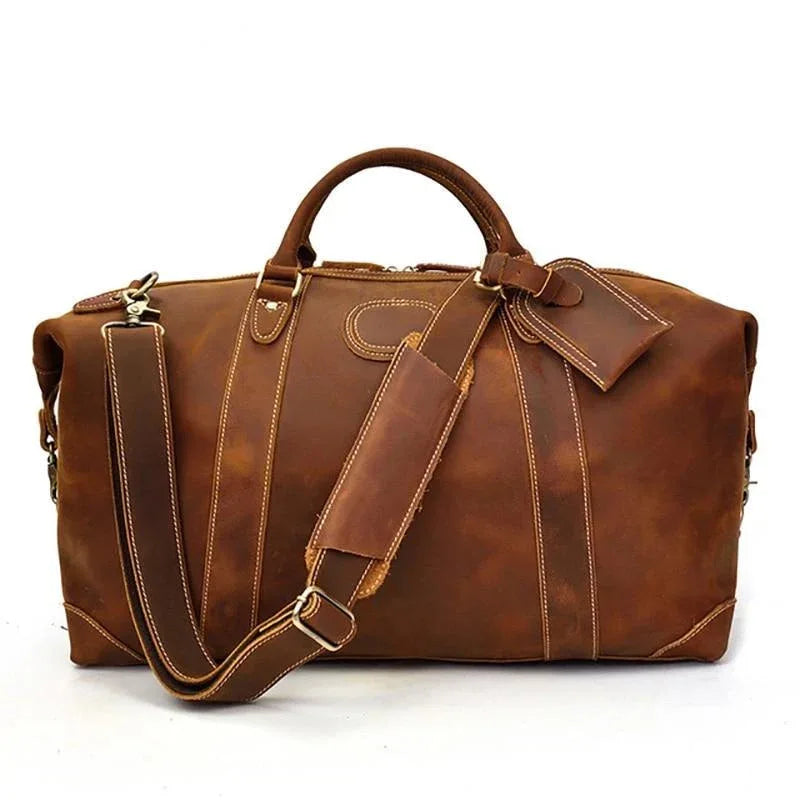
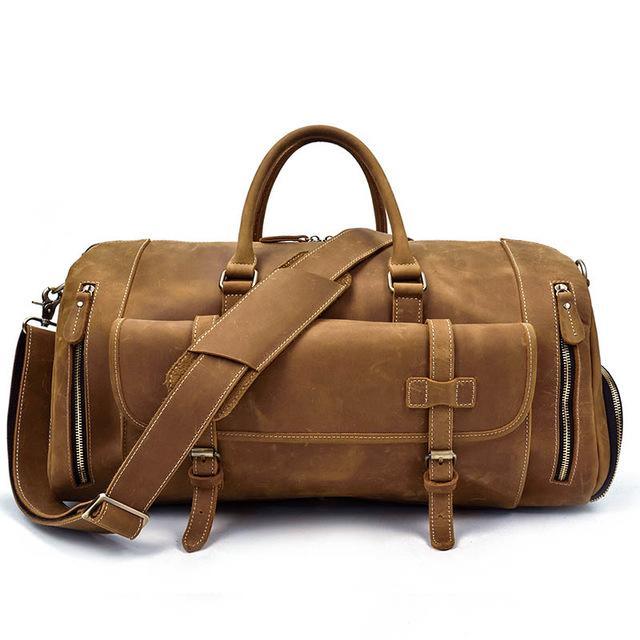
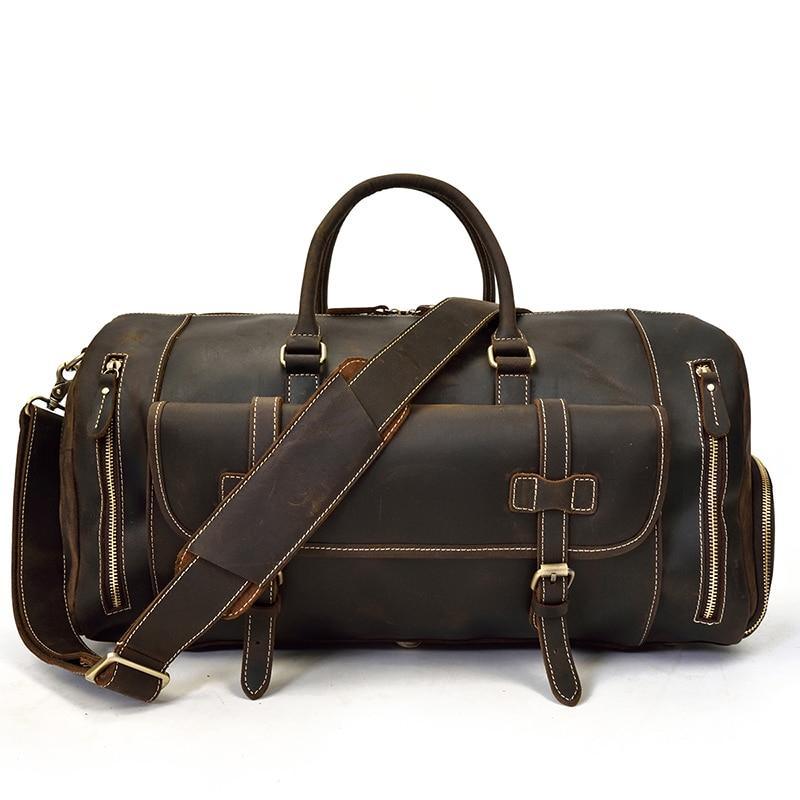
- The Mann Bag: A large-capacity leather camera backpack suited for photographers who need serious room for bodies, lenses, and accessories without sacrificing everyday usability.
- The Gaetano Large Leather Backpack: Built for photographers who travel with a full kit, including a dedicated tripod holder for landscape and location shooters.
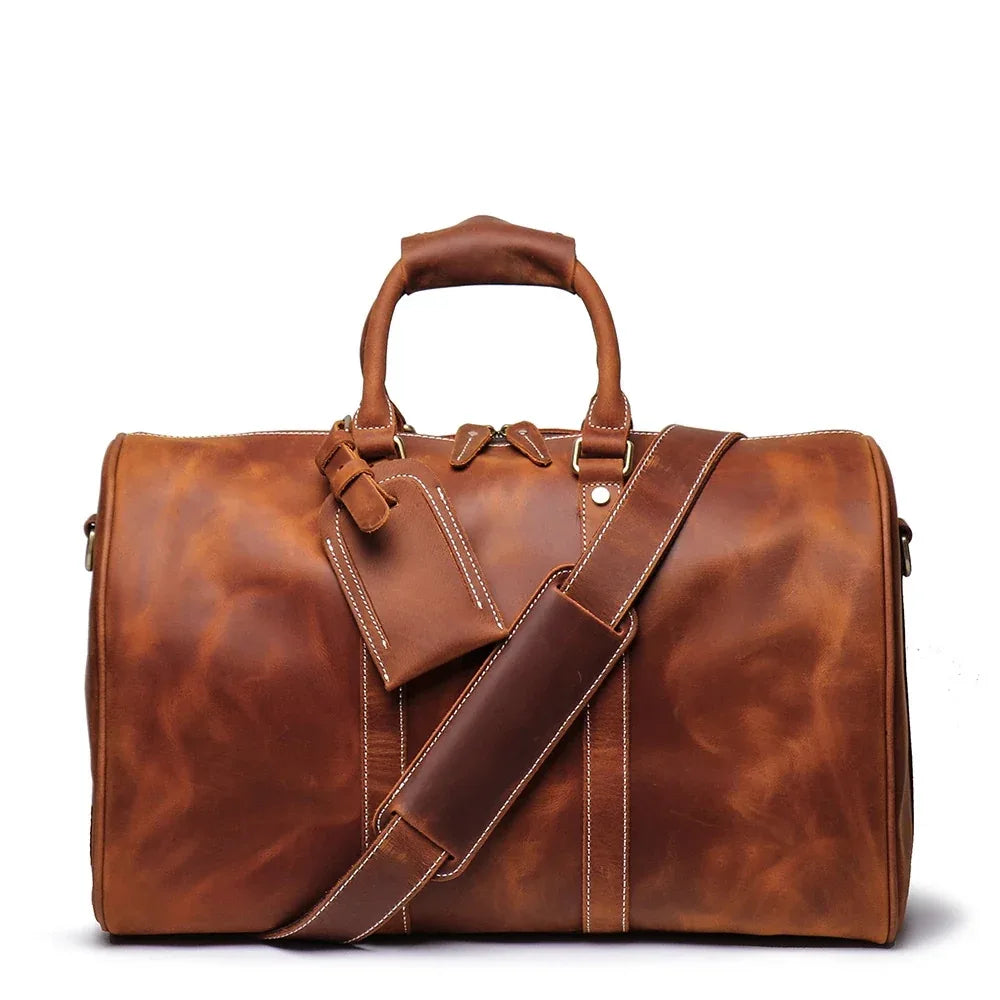
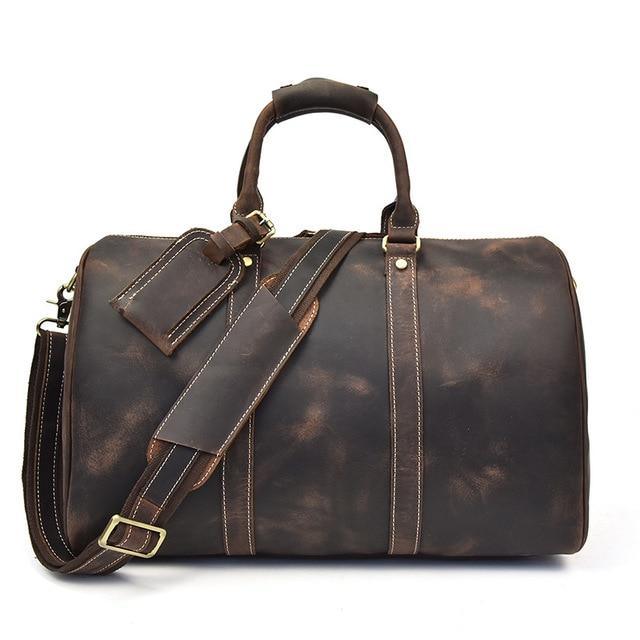
- The Faust Camera Bag: A crossbody-style option for photographers who prefer quick, single-body access over full backpack capacity.
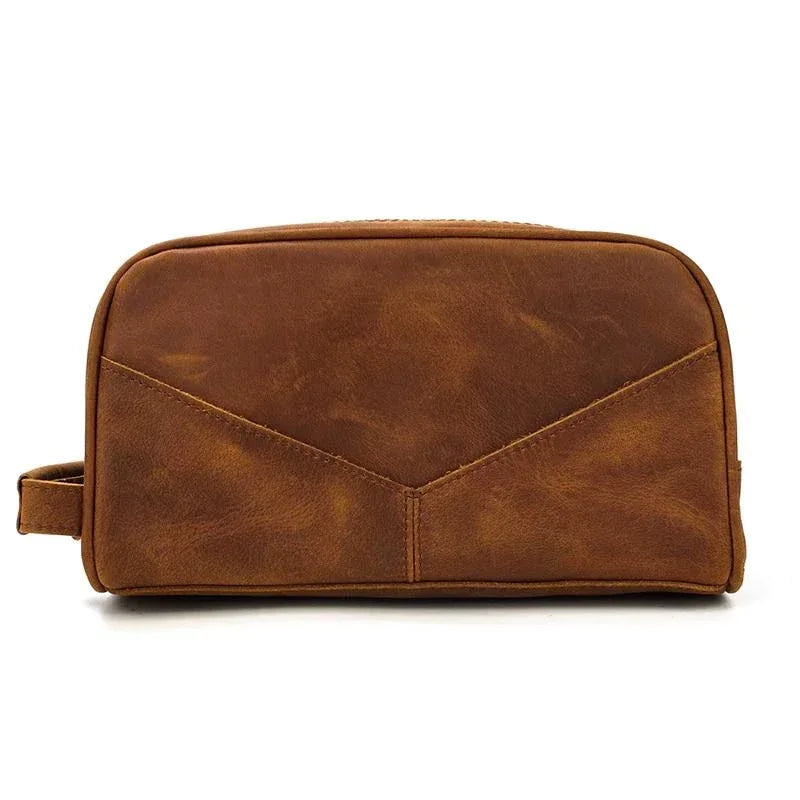
- The Calista Small Camera Bag: A compact leather case ideal as a dedicated lens carrier or minimalist camera bag for light setups.
- Skald Black Pebbled Leather Backpack: A slimmer profile for photographers who want their gear protected without an overtly technical look, well suited to city shooting and daily carry.
You can browse the complete lineup in our leather camera backpack collection, or explore leather camera bags if a smaller crossbody or shoulder style fits your kit better.
Frequently Asked Questions
Is leather a good material for a camera backpack?
Yes, with the right care. Full-grain leather is durable, resists light rain and general wear better than many fabrics, and holds up to years of regular use. It does require occasional conditioning to stay in good shape, especially compared to synthetic technical bags.
How do I protect my camera gear inside a leather backpack?
Look for a bag with padded, adjustable interior dividers designed specifically for camera equipment. The exterior material matters less than the interior padding and compartment structure when it comes to actual gear protection.
Can a leather camera backpack get wet?
Leather handles light rain and moisture reasonably well, but it isn't waterproof. Sustained exposure to heavy rain can damage both the leather and, more importantly, your gear inside. If you frequently shoot in wet conditions, consider a rain cover as backup protection.
What size camera backpack do I need?
It depends on your typical kit, not your maximum kit. Lay out what you carry on an average shoot, including a laptop if you edit on location, and choose a bag sized to that rather than your busiest possible day.
How is a camera backpack different from a regular leather backpack?
The main difference is the interior. Camera backpacks include padded, often customizable dividers designed to protect camera bodies and lenses, along with features like tripod holders and quick-access panels that a standard backpack won't have.
How often should I condition a leather camera backpack?
Every few months under normal use, or more frequently if you're in a dry or harsh climate. Conditioning keeps the leather flexible and prevents cracking over time.
Are leather camera backpacks heavier than technical camera bags?
Generally, yes. Leather adds weight compared to nylon or technical synthetic materials. This is worth factoring in if you already carry a heavy kit, and it makes strap padding and back panel design especially important.
Can I use a leather camera backpack for travel and everyday carry, not just photography?
Absolutely. Many photographers choose leather camera backpacks specifically because they double as everyday bags, holding a laptop, personal items, and camera gear in one bag that doesn't look purely technical.
All of our bags at Steel Horse Leather are crafted from full-grain crazy horse leather, built to develop a rich patina over time. Browse our Leather Bags.