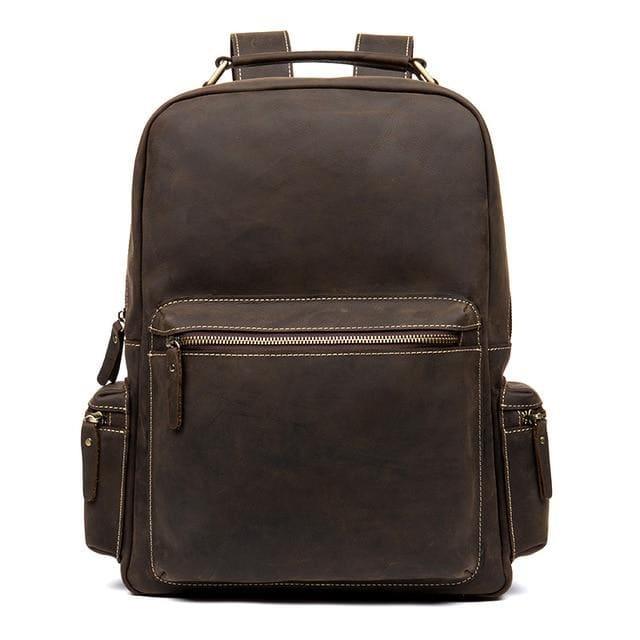
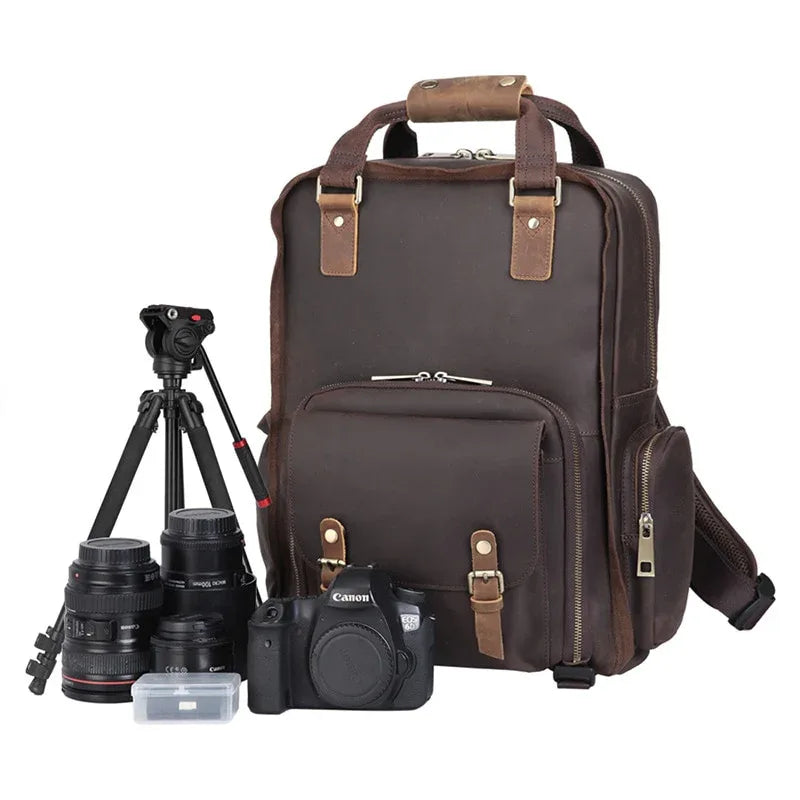
Writing on leather is done through pyrography (burning fine lines with a heated tip), leather dye pens, or hand tooling with a stylus. Pyrography gives the cleanest, most permanent lettering and is the method most professional leather workers use for personalizing bags, wallets, and belts. Engraving, carving, and embossing are different processes and are not the same as writing on leather.
This guide breaks down exactly how leather inscription works, which methods actually hold up over time, and the step-by-step process for writing on a leather surface at home. If you're personalizing a leather bag, a leather wallet, or a gift for a groomsman, this covers what tools to use and what to avoid.
Key Takeaways
- Pyrography is the most effective technique for creating fine, permanent lettering on leather, producing cleaner results than engraving, carving, or embossing.
- Proper surface preparation matters. Always clean the leather thoroughly and let it dry completely before inscribing.
- Practice your design on cardboard first. This avoids mistakes on the actual leather surface.
- Different types of leather marking serve different purposes, from temporary stitching guidelines to permanent decorative inscriptions.
- Writing on leather adds personal value to a bag or wallet and can turn a everyday item into something worth keeping for years, sometimes passed down as a family piece.
Our Experience With Leather Inscription and Marking
Steel Horse Leather works with full-grain leather across our entire catalog, from backpacks to duffle bags to wallets. Our craftsmen have spent years testing how different marking tools, dyes, and pyrography tips interact with different leather grades and finishes.
This includes testing which pens actually work on suede versus full-grain, how deep a pyrography burn needs to go without weakening the hide, and how a tanning process affects how a surface takes ink or heat. We've also seen firsthand how softened leather behaves differently under a marker than stiffer, vegetable-tanned hides. The recommendations below come from that hands-on testing, not general theory.
Is Writing on Leather the Same as Engraving, Carving, or Embossing?
No. These are four different processes that produce different results, and mixing them up leads to using the wrong tool for the job. The table below breaks down what separates each method.
| Method | What It Does | Best Suited For |
|---|---|---|
| Engraving | Cuts into a rigid material with a sharp tool. Requires a stiff surface like wood, glass, or metal. | Hard materials, not leather. Leather is too soft and pliable for standard engraving tools. |
| Tooling / Carving | Presses or cuts a design into damp leather using hand tools and a mallet. | Decorative patterns and borders, not fine text. |
| Stamping | Imprints an existing pattern or logo onto the surface using pressure. | Repeated logos or brand marks, not custom lettering. |
| Embossing | Uses heat, pressure, and two dies (male and female) to raise a pattern on the surface. | Raised logos and textures, not personalized inscriptions. |
| Pyrography (Writing) | Burns fine lines into the surface using a heated tip or laser, following a specific design. | Names, initials, dates, and custom messages on leather goods. |
What About Drawing on Leather With a Pen?
A regular pen produces sloppy, inconsistent results on leather and the ink typically fades or smears over time. Drawings made with a normal ballpoint pen also don't hold up the way pyrography or leather-specific dye pens do. If you want something that lasts, use tools designed for leather rather than standard office supplies.
What Is Leather Marking Used For?
Leather marking covers a range of techniques, some temporary and some permanent, used for different stages of leather work. Marking is used before cutting, during stitching prep, and for final decorative touches.
Before cutting, marking helps copy a pattern or guide a straight cut, trim, punch, or seam line. A pricking wheel creates evenly spaced dots along a stitch line, which pricking irons then follow to punch clean holes. A pencil works fine for quick, temporary marks that need to disappear later.
For decorative work, pens, markers, and leather dyes give you more creative freedom since these marks are meant to stay. This is the category that inscriptions and personalized lettering fall into.
What Is Leather Inscription?

Leather inscription is the process of permanently marking a leather item with text, initials, or a symbol chosen by the owner or maker. Pyrography is the technique used to achieve this, and it's currently the only method that produces fine, legible lettering directly into the grain of the leather.
There are two ways to do pyrography: laser engraving and traditional hand-branding. Traditional inscription uses a heated branding iron or a leather-specific pen, guided by hand. Laser inscription uses a programmed laser cutter set to specific heat and speed settings.
Most leather workshops still prefer the traditional hand method for custom pieces, even though laser is faster and more consistent for bulk orders. Hand-inscribed lettering carries small imperfections that make each piece look genuinely one-of-a-kind, which matters for gifts and heirloom items like a leather anniversary gift or a personalized groomsman gift.
How Do You Write on Leather Step by Step?
Writing on leather takes four steps: clean the surface, prepare your workspace, practice on cardboard, then transfer the design to the leather. The full breakdown is in the table below.
| Step | Action | Key Details & Tips |
|---|---|---|
| 1. Clean the Leather Surface | Remove dust and residue before writing. | Use a leather cleaner and conditioner suited to your leather type. Test on a hidden spot first. Let it air dry away from direct sunlight. |
| 2. Prepare the Workspace | Set up your work area and pen. | Lay cardboard on a flat surface. Shake the leather pen for a few seconds and remove the cap. |
| 3. Practice on Cardboard | Rehearse your design before touching the leather. | Apply steady pressure. Repeat until your lettering is consistent and legible. |
| 4. Write on the Leather | Transfer the practiced design onto the leather item. | Hold the leather steady with one hand, write with the other. Let it dry for at least one hour. Check the pen manufacturer's instructions, as most leather pens do not work well on suede. |
Note: most leather dye pens are alcohol-based, non-toxic, and dry within roughly an hour. Look for a pen with both a fine-point tip and a flexible brush tip, since this gives you more control for small lettering versus wider fill-in strokes.
1. Clean the Leather Surface
Dust and surface particles interfere with pen strokes and make lettering look uneven. Clean the surface first with a cleaner matched to your leather type. A pebbled leather finish, for example, can typically handle a small amount of saddle soap, while smoother full-grain leather needs a gentler approach.
Always test any cleaning product on an inconspicuous spot first, like the underside of a strap or an interior panel. Let the surface air dry completely, out of direct sunlight, before moving to the next step.
2. Prepare the Workspace
Lay a sheet of cardboard on a flat, stable surface. Shake your leather pen for a few seconds before removing the cap so the ink flows evenly from the first stroke.
3. Practice on Cardboard
Write out your full design on cardboard before touching the actual leather item. Apply consistent pressure and repeat the design multiple times until the lettering looks clean and even. This step matters more on items like a leather bifold wallet or a leather waist bag, where there's limited surface area and no room for a do-over.
4. Write on the Leather Surface
Once you're comfortable with the design, transfer it to the leather. Hold the pen tip steady with one hand and keep the leather flat and taut with the other. Reproduce exactly what you practiced on the cardboard, referring back to it if you forget a letter or curve.
Let the writing dry for about an hour before handling the item. Always check the manufacturer's guidelines for your specific pen, since most leather pens do not perform well on suede surfaces. Alcohol-based, non-toxic, quick-drying leather dye pens tend to give the most consistent results for personal projects.
Why Would You Write on a Leather Bag or Wallet?
People write on leather items mainly for identification, personalization, appearance, and longevity. Each reason has a slightly different practical use, covered below.
1. Telling Items Apart
Leather bags and wallets in similar colors get mixed up easily, especially in shared spaces like offices or shared luggage on a trip. Writing initials or a name on a men's leather bag or a leather wallet makes it instantly identifiable, even if someone else owns the same model.
2. Personal Style
Adding a name, initials, or short quote to a leather backpack or leather briefcase makes it recognizably yours. This matters for corporate settings too, where a personalized corporate leather gift stands out more than an unmarked one.
3. Better Appearance
A clean, well-placed inscription can make a plain leather item look more finished. This applies to everyday pieces like the Taavi Tote or a Hemming Leather Laptop Bag, where a monogram near the handle or flap adds a finished, intentional look.
4. Longer Lifespan and Sentimental Value
Leather items with a name or date inscribed tend to get kept and passed down rather than replaced. A personalized Dado Leather Dopp Kit or a Walden Front Pocket Wallet becomes more than just an accessory when it carries someone's initials or a meaningful date, which is part of why these make popular leather gifts and anniversary gifts.
Which Steel Horse Leather Products Work Well for Inscriptions
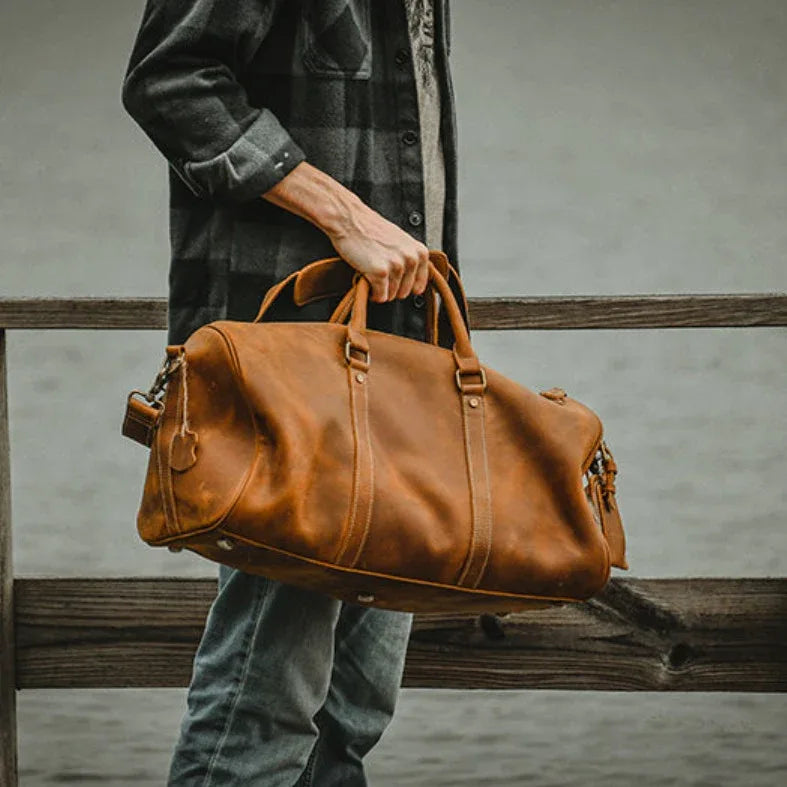
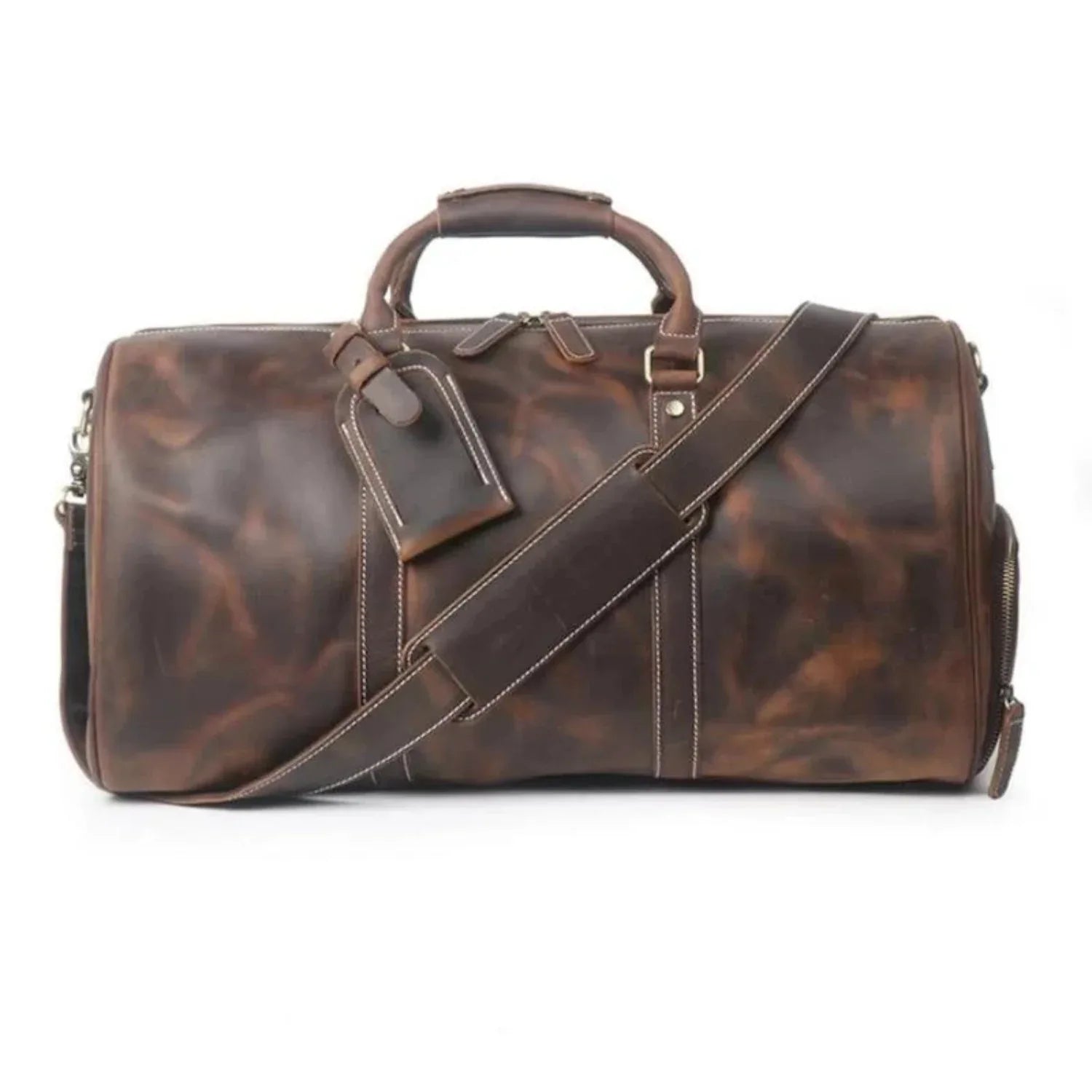
Full-grain leather with a smooth, matte finish takes pyrography and leather dye pens better than heavily pebbled or waxed finishes. Below are a few product categories worth considering if you're planning to personalize a piece.
| Category | Example Products | Good Inscription Spots |
|---|---|---|
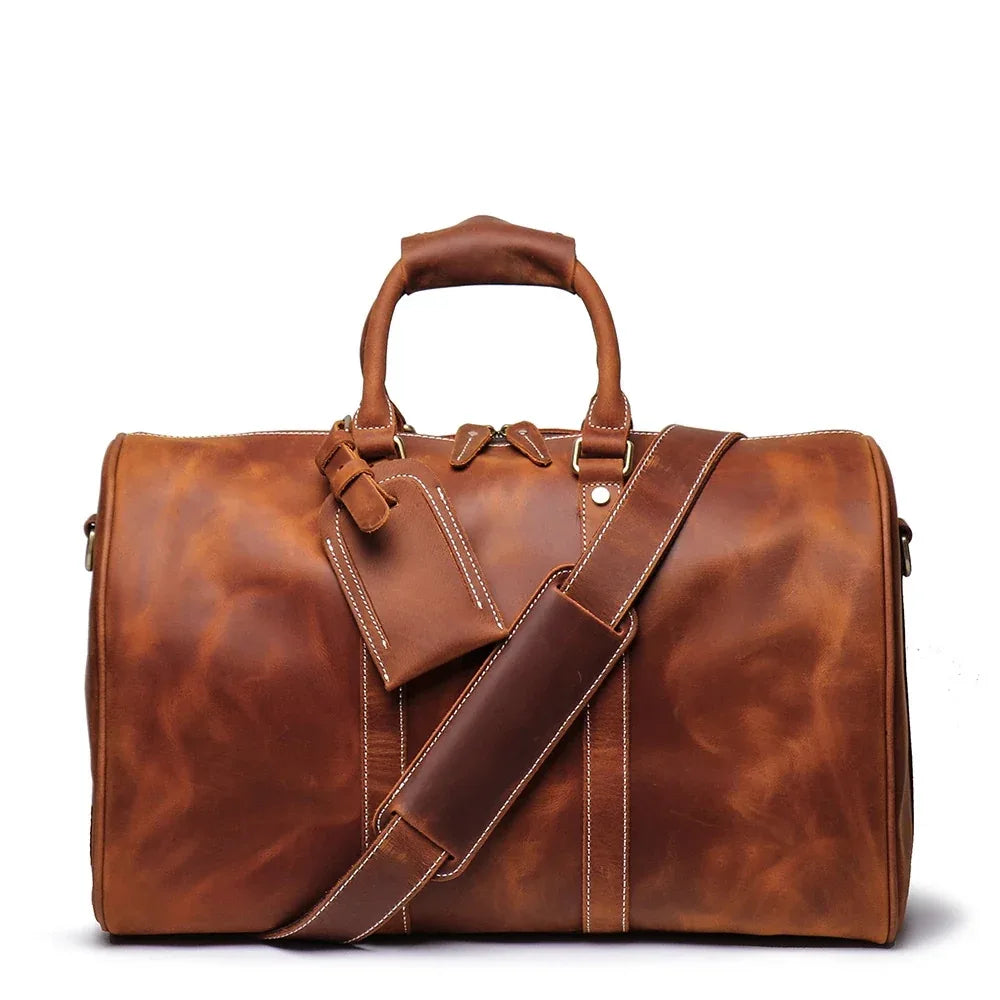
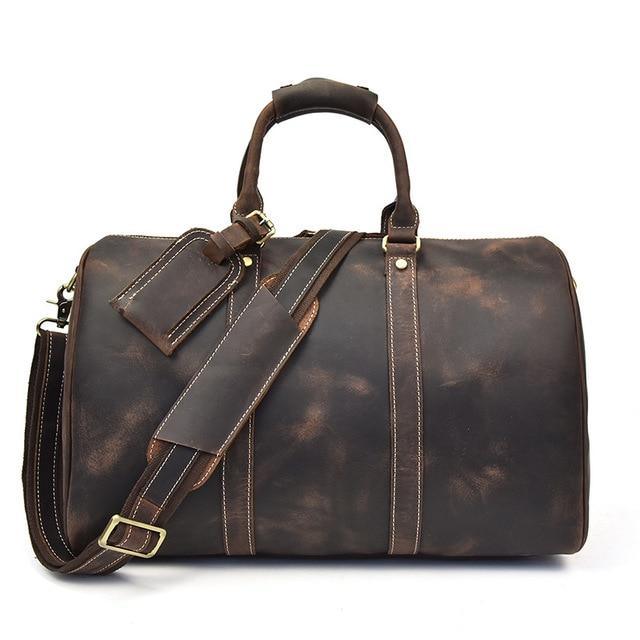
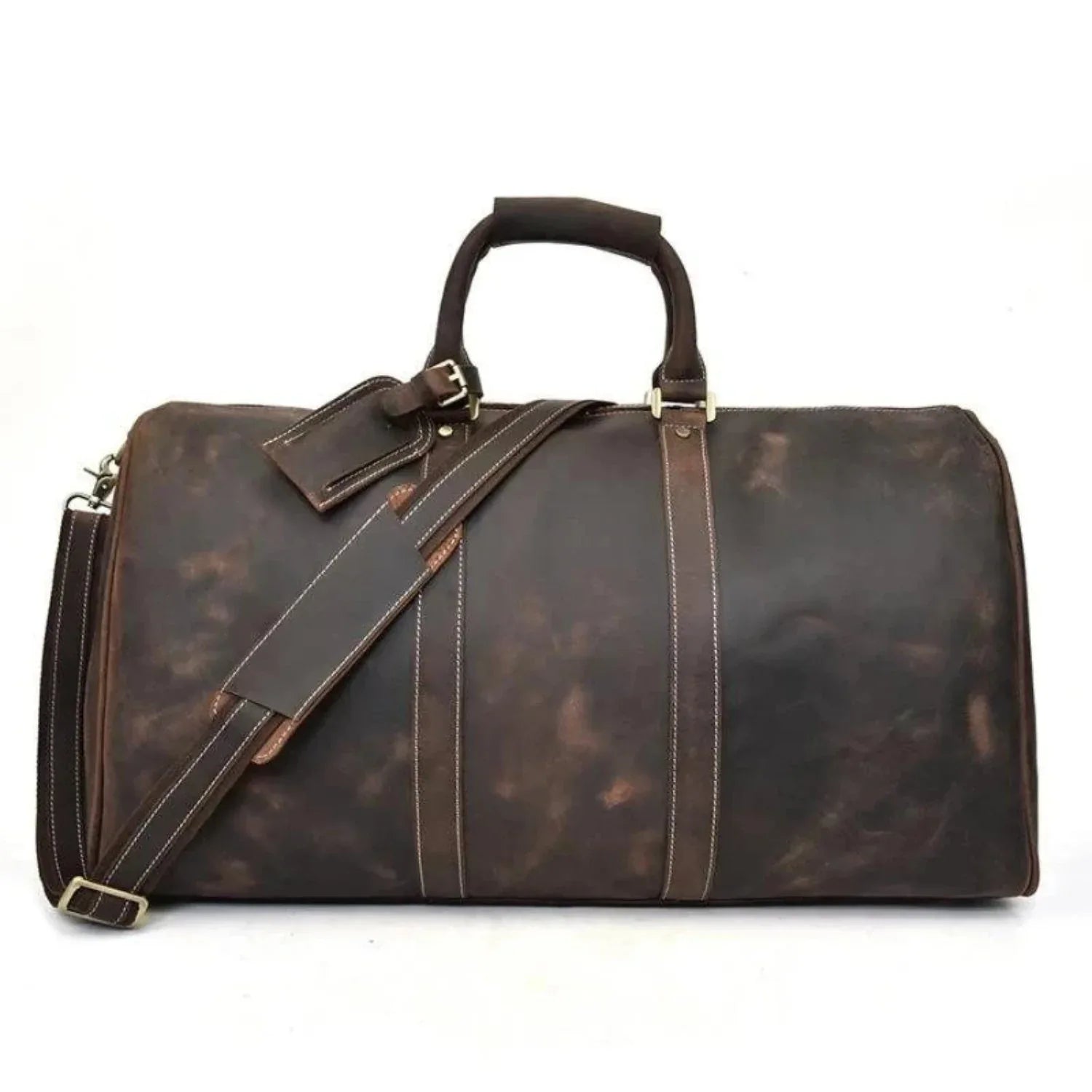
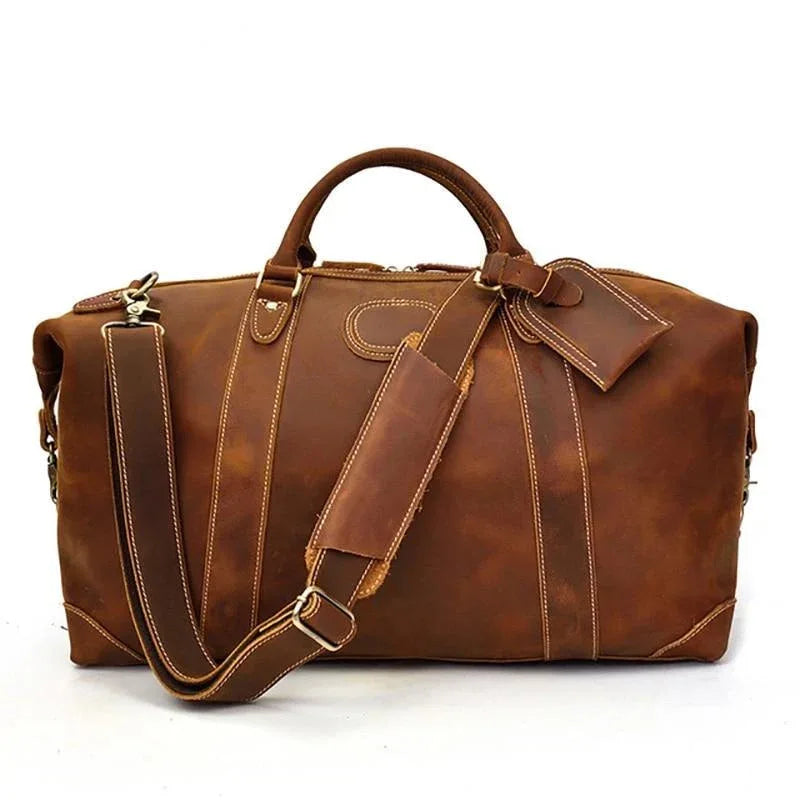
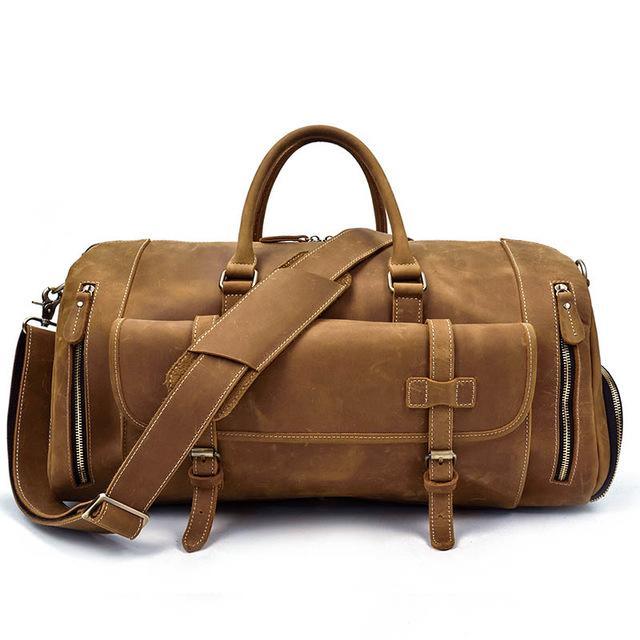
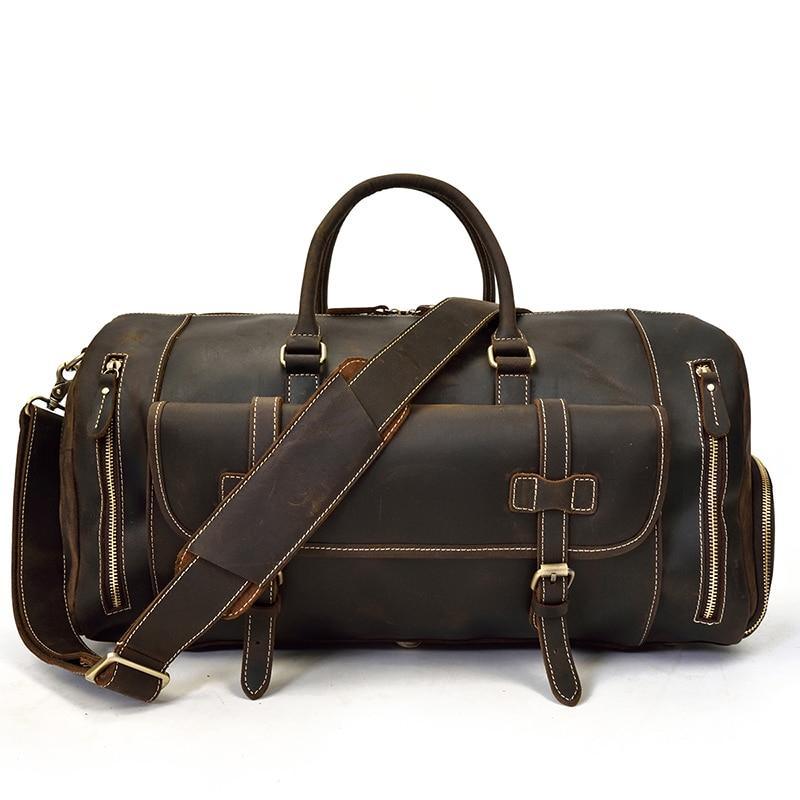
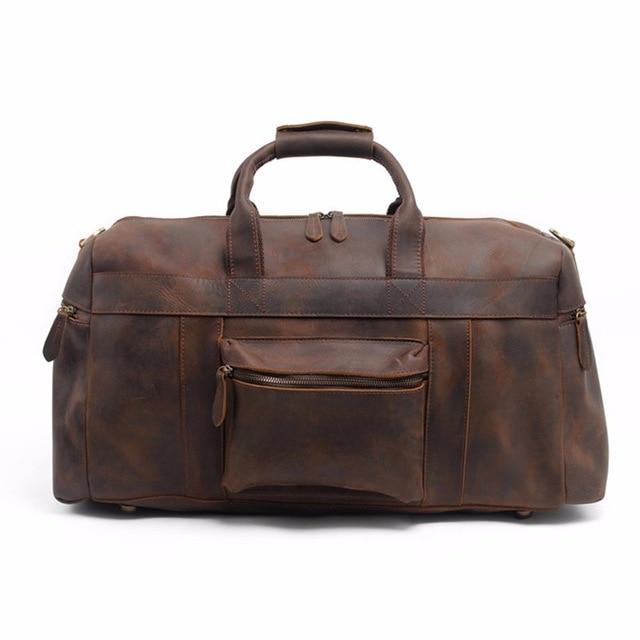
| Weekenders & Duffles | Endre Weekender, Brandt Weekender, Eira Duffle Bag | Leather luggage tag, side flap, or handle wrap |
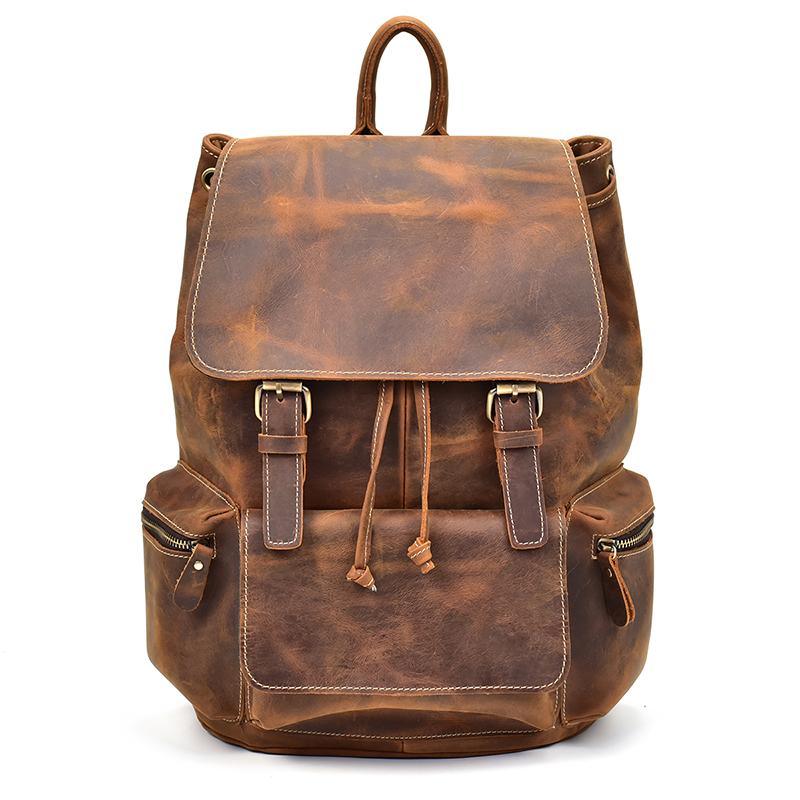
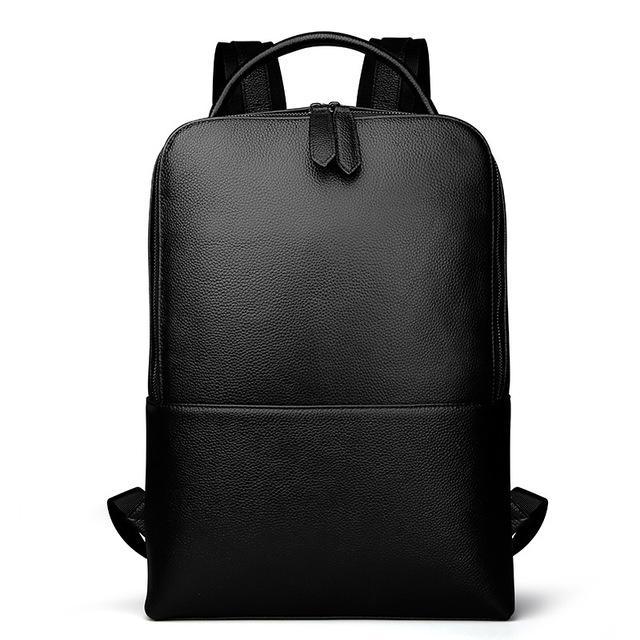
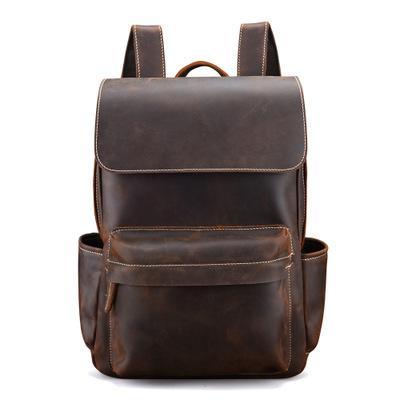
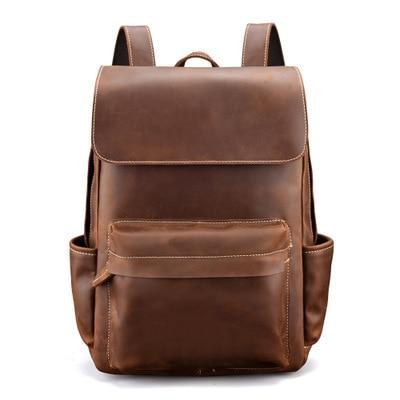
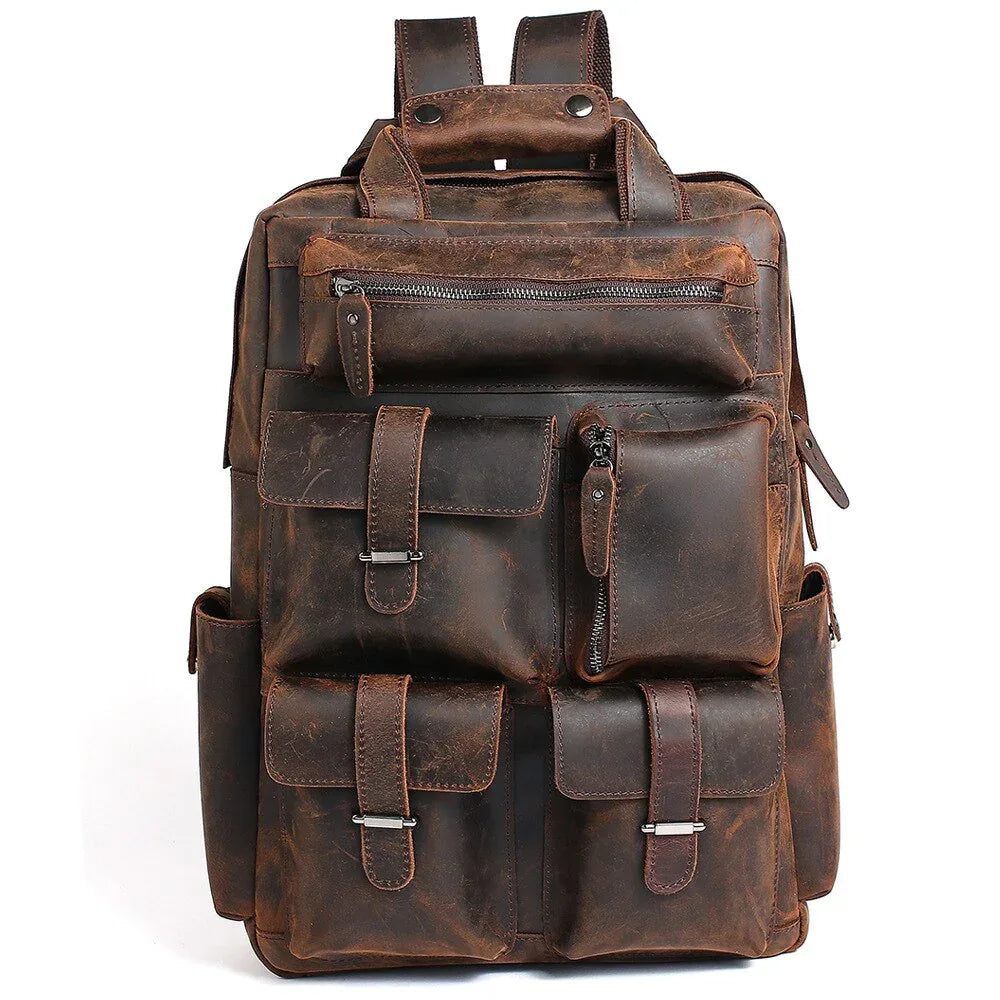
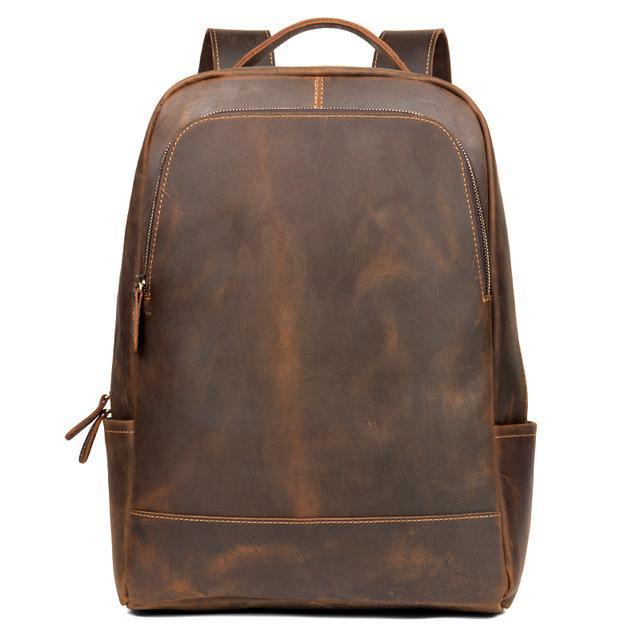
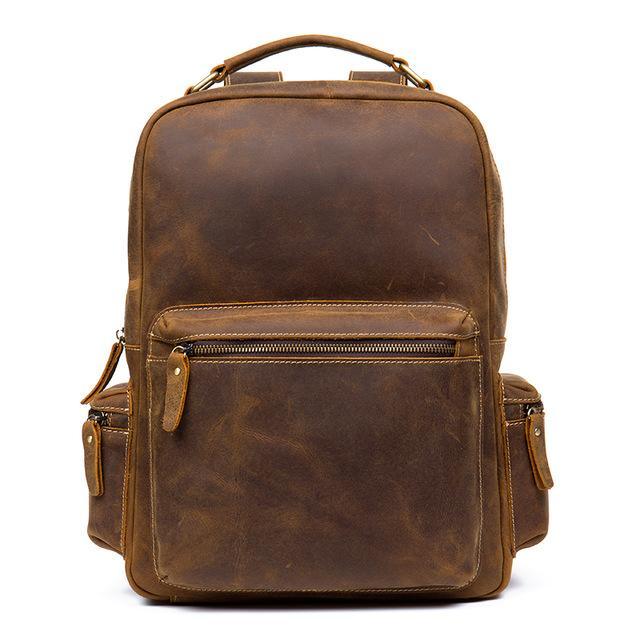
| Backpacks | Skald Backpack, Icarus Backpack, Unn Backpack | Front pocket flap or interior name panel |
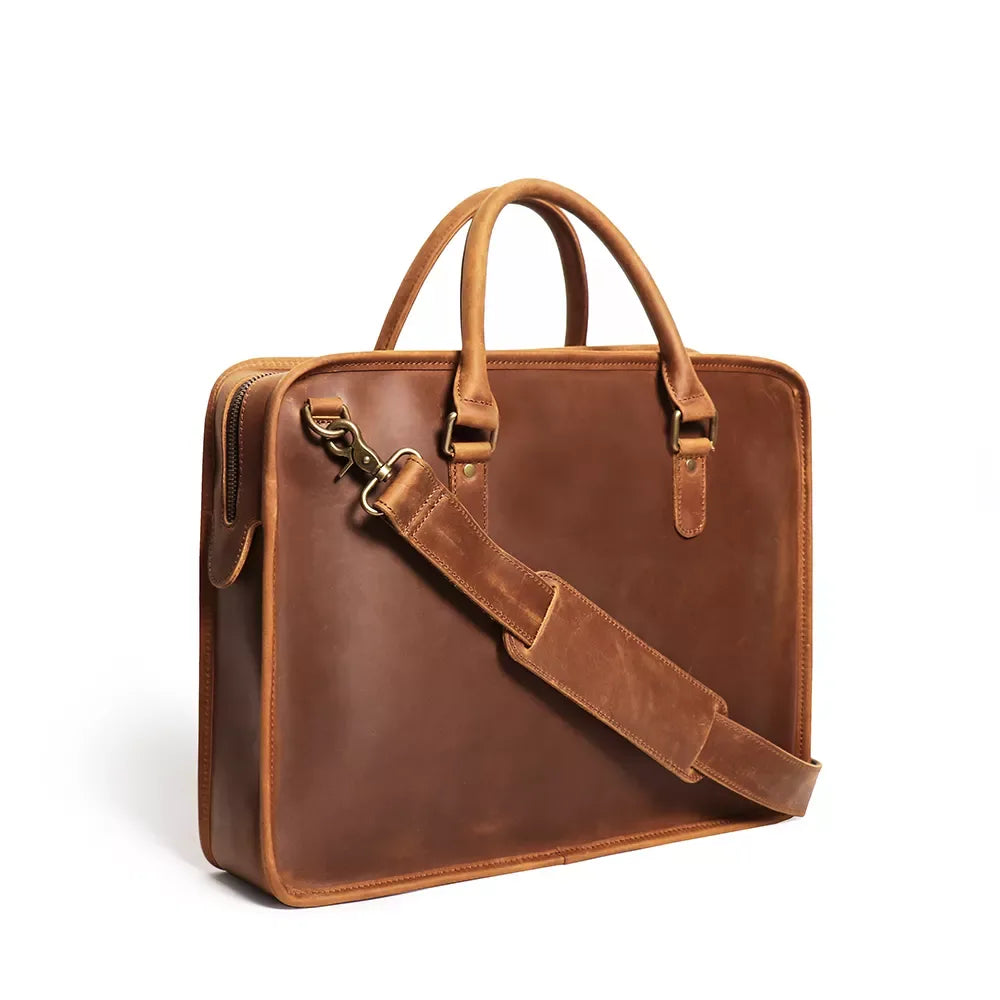
| Briefcases & Laptop Bags | Welch Briefcase, Hemming Laptop Bag | Front strap or bottom corner monogram |
| Wallets & Small Accessories | Pathfinder Bifold Wallet, Cael Coin Purse | Interior lining or exterior corner |
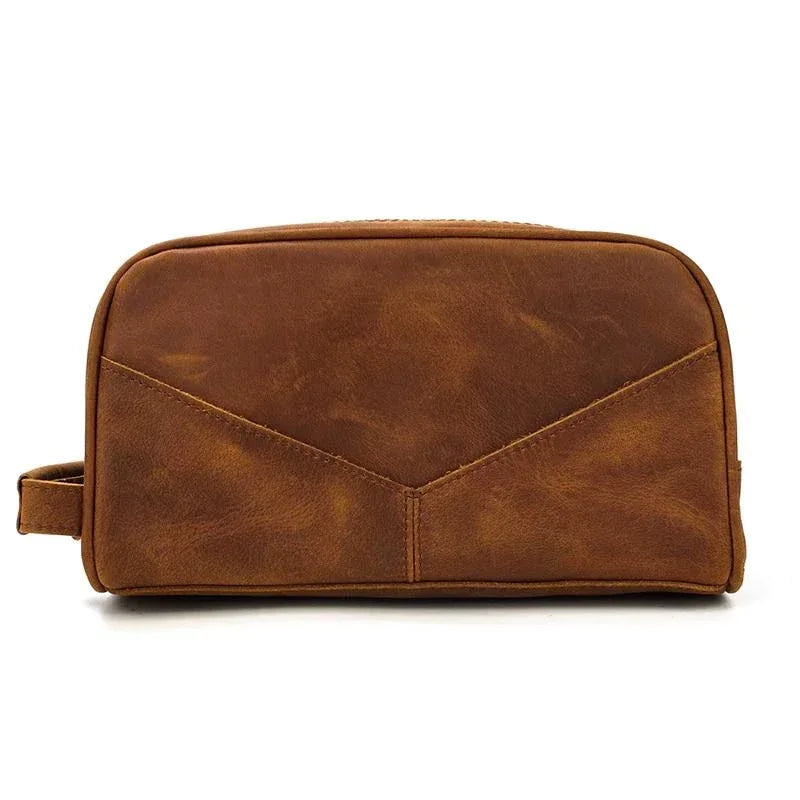
| Travel & Toiletry | Wanderer Toiletry Bag, Dado Dopp Kit, Nomad Toiletry Bag | Zipper flap or front panel |
For more ideas on choosing a bag before personalizing it, see our guides on best leather backpacks for men, best leather duffle bags, and high-end leather briefcases. You can also browse the full leather bags collection or the leather accessories collection directly.
How Do You Keep an Inscription Looking Good Over Time?
Pyrography inscriptions are permanent and don't fade, but the surrounding leather still needs regular care. Clean and condition the bag periodically using guidance from our leather conditioner guide, and avoid soaking the inscribed area in water or oil.
If the surrounding leather gets scratched or discolored, check our guide on fixing scratched leather before attempting any repairs near the lettering. Leather dye pen inscriptions, unlike pyrography, are not permanent and can fade or smear if the item is cleaned aggressively, so they should be treated more like temporary personalization than a lasting brand.
FAQ
How can I write on leather?
You can write on leather using leather-specific dye pens, pencils for temporary marks, or pyrography for permanent lettering. Knives, etching tools, and embossing dies are also used depending on whether the mark needs to be temporary or permanent.
How do you mark leather for stitching?
Use a pricking wheel, overstitch wheel, or pricking iron to create evenly spaced marks along the stitch line. For thinner threads or fine leather, these marks alone are often enough to guide the needle without further chiseling.
What can you use to draw on leather?
The same tools used for writing work for drawing: leather dye pens, pencils, knives, etching tools, and embossing dies. A standard ballpoint pen is not recommended since it smears and fades quickly on leather.
How do you permanently mark leather?
Pyrography with a heated tip or laser creates a permanent mark by burning the design into the surface. For stitching guides, pricking wheels or irons leave permanent holes. For coloring larger areas, a leather dye works better than a pen.
How do you temporarily mark leather?
Use erasable silver leather marking pencils or chalk-based pens. These marks wipe off easily, which is useful if you want to test a design before committing to something permanent.
Does writing on leather damage the material?
Pyrography does not weaken the leather structurally when done correctly, since it only affects the surface grain rather than cutting through the hide. Leather dye pens sit on top of the surface and don't affect durability at all.
Can you write on suede the same way you write on full-grain leather?
No. Most leather dye pens do not perform well on suede because of its textured, absorbent surface. Full-grain and top-grain leather with a smoother finish hold ink and pyrography lines much more consistently.
Conclusion
Pyrography is the method that actually produces clean, lasting lettering on leather. Engraving, carving, stamping, and embossing all serve different purposes and none of them replicate the fine detail of a proper inscription.
If you're personalizing a bag for yourself or as a gift, start with a clean surface, practice on cardboard first, and use tools made specifically for leather. Browse our full leather bags collection, leather wallets collection, or leather gifts collection to find a piece worth personalizing.
All of our bags at Steel Horse Leather are crafted from full-grain crazy horse leather, built to develop a rich patina over time. Browse our Leather Bags.