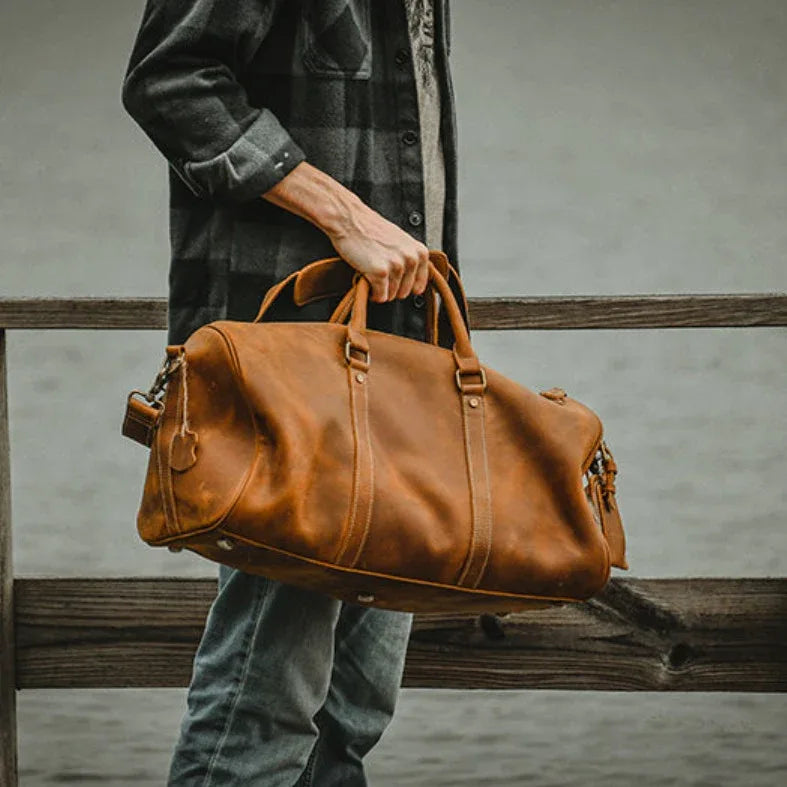
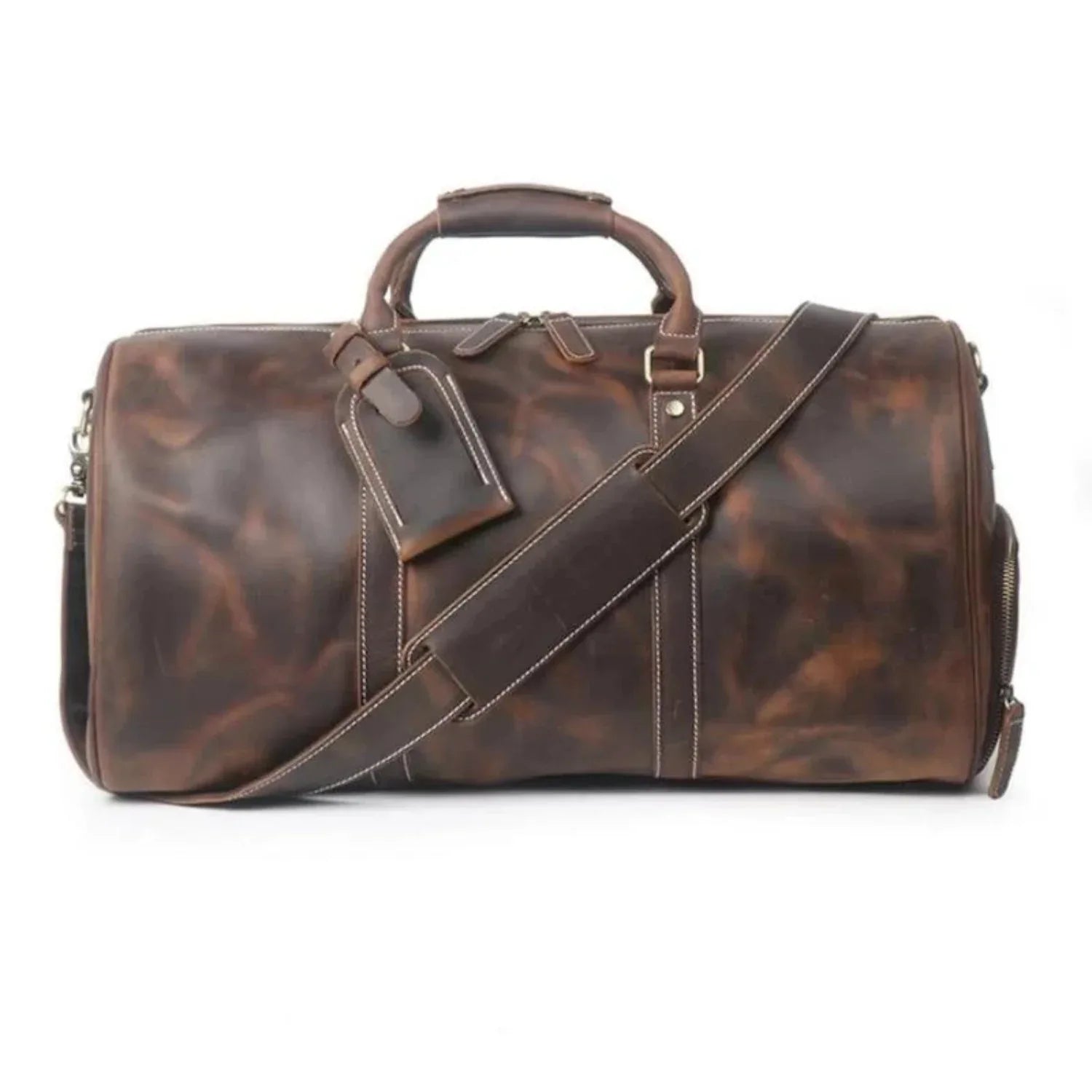
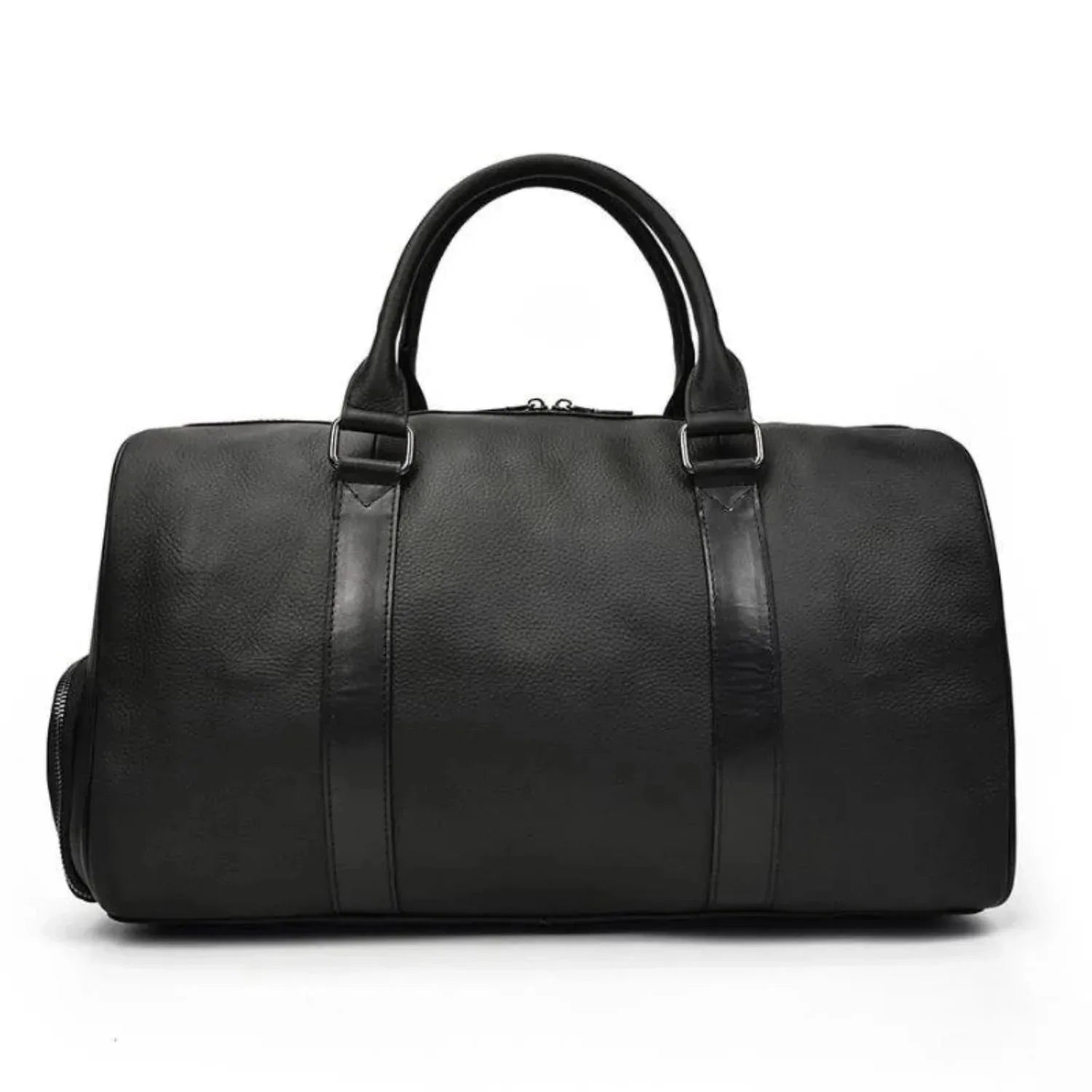
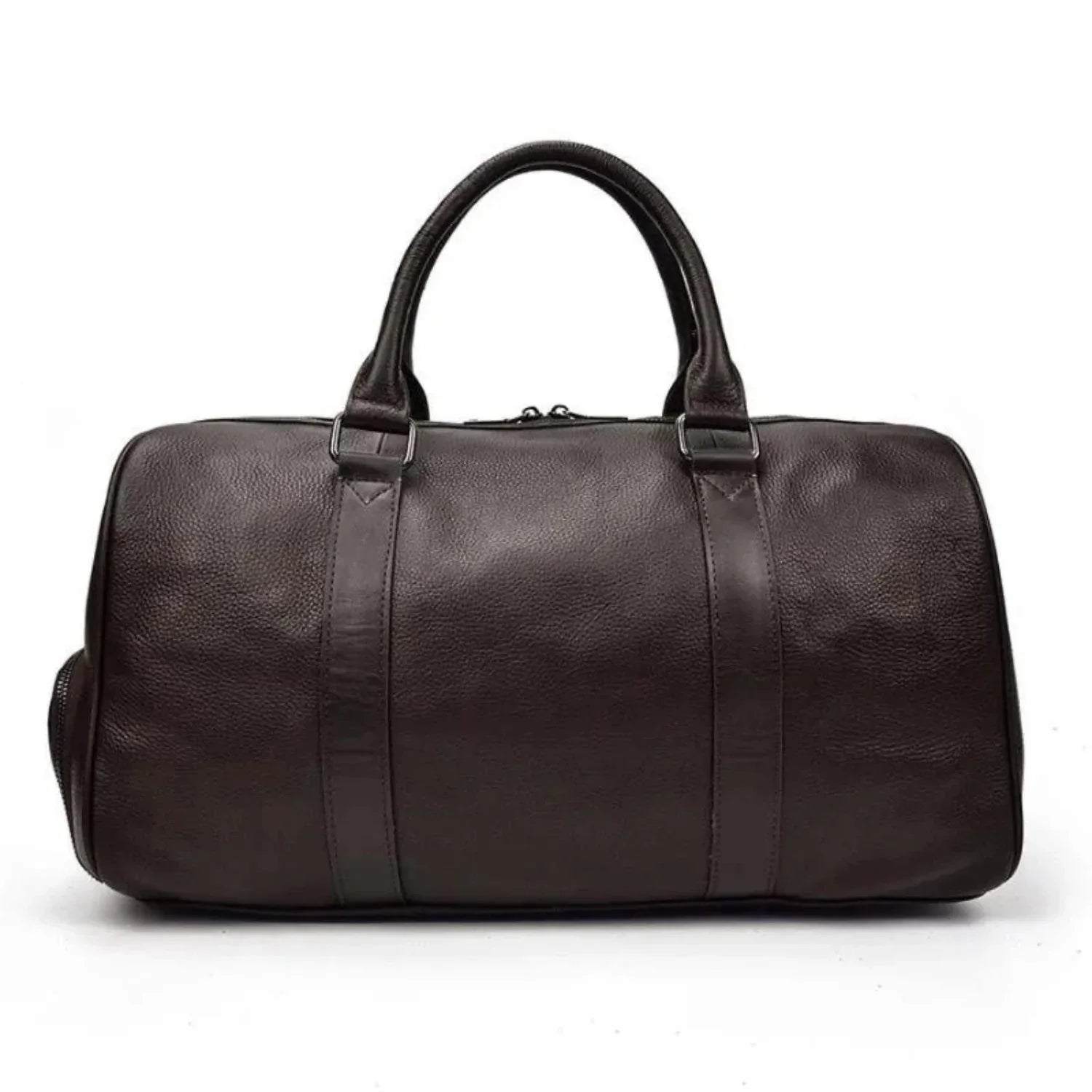
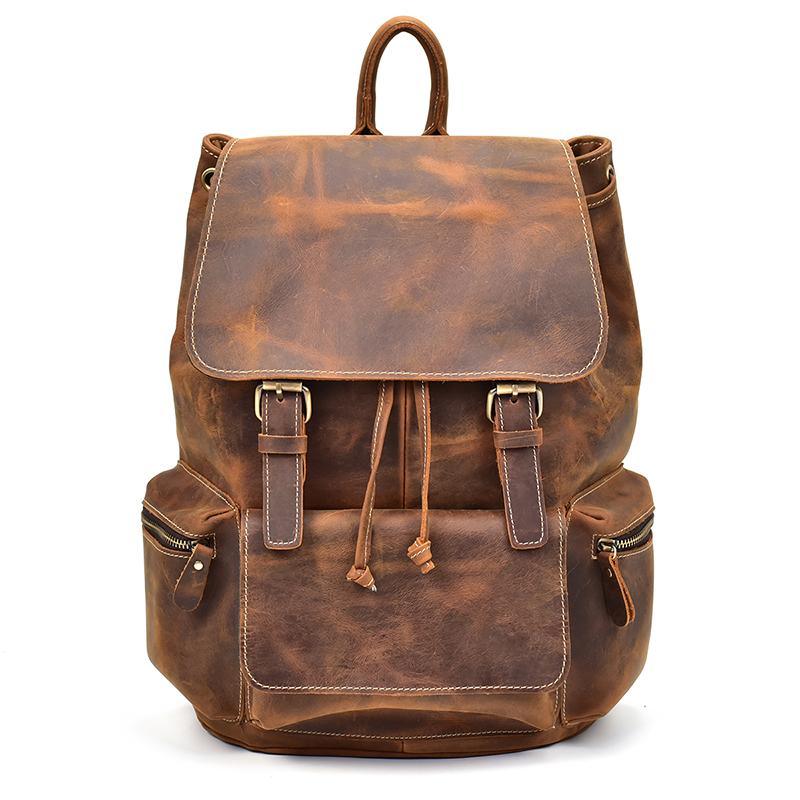
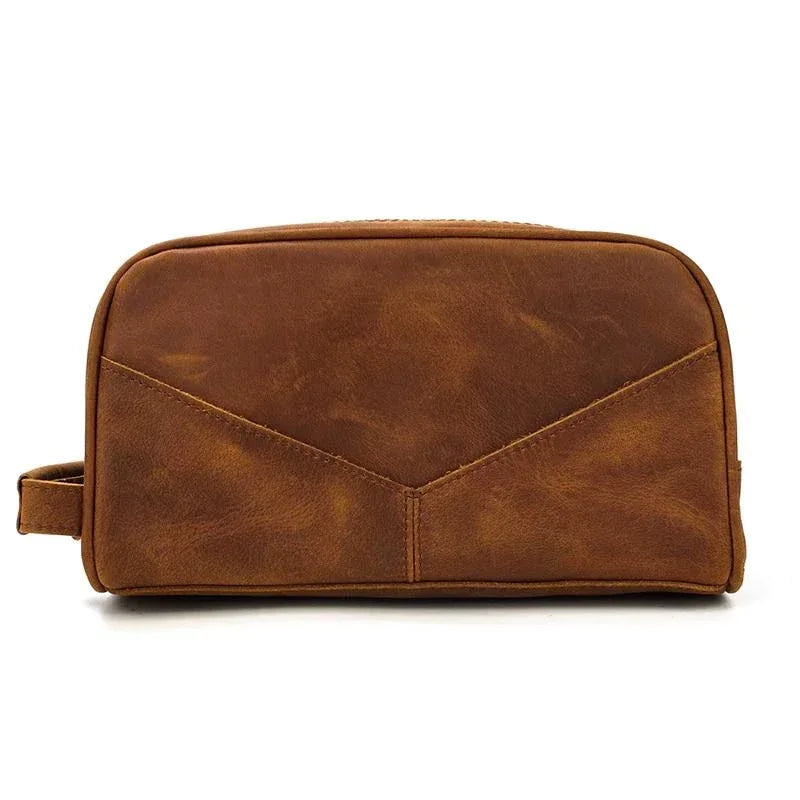
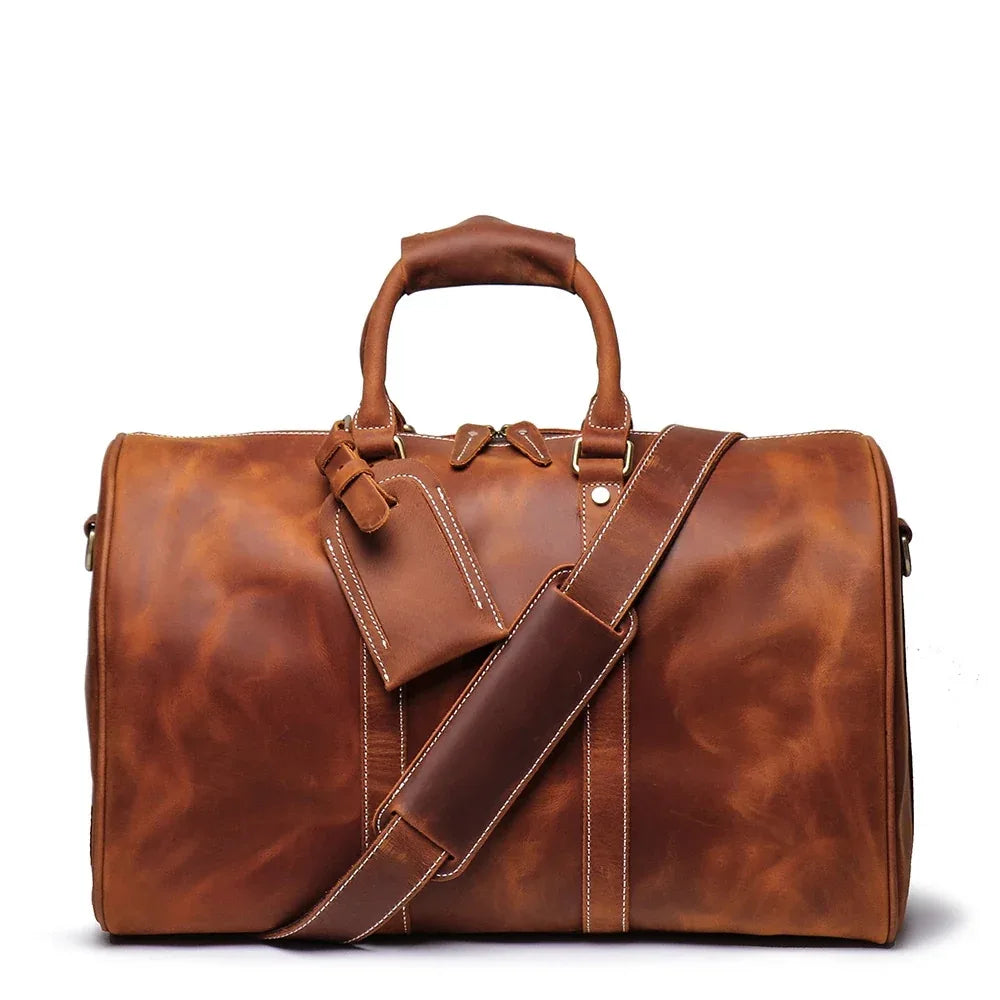
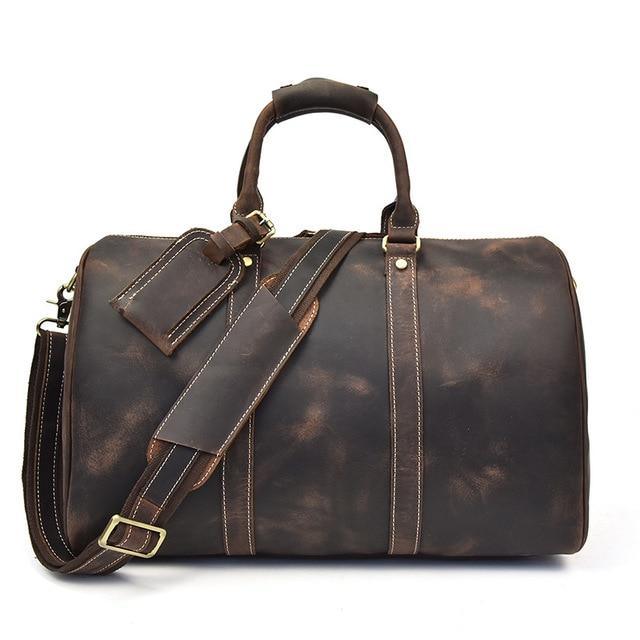
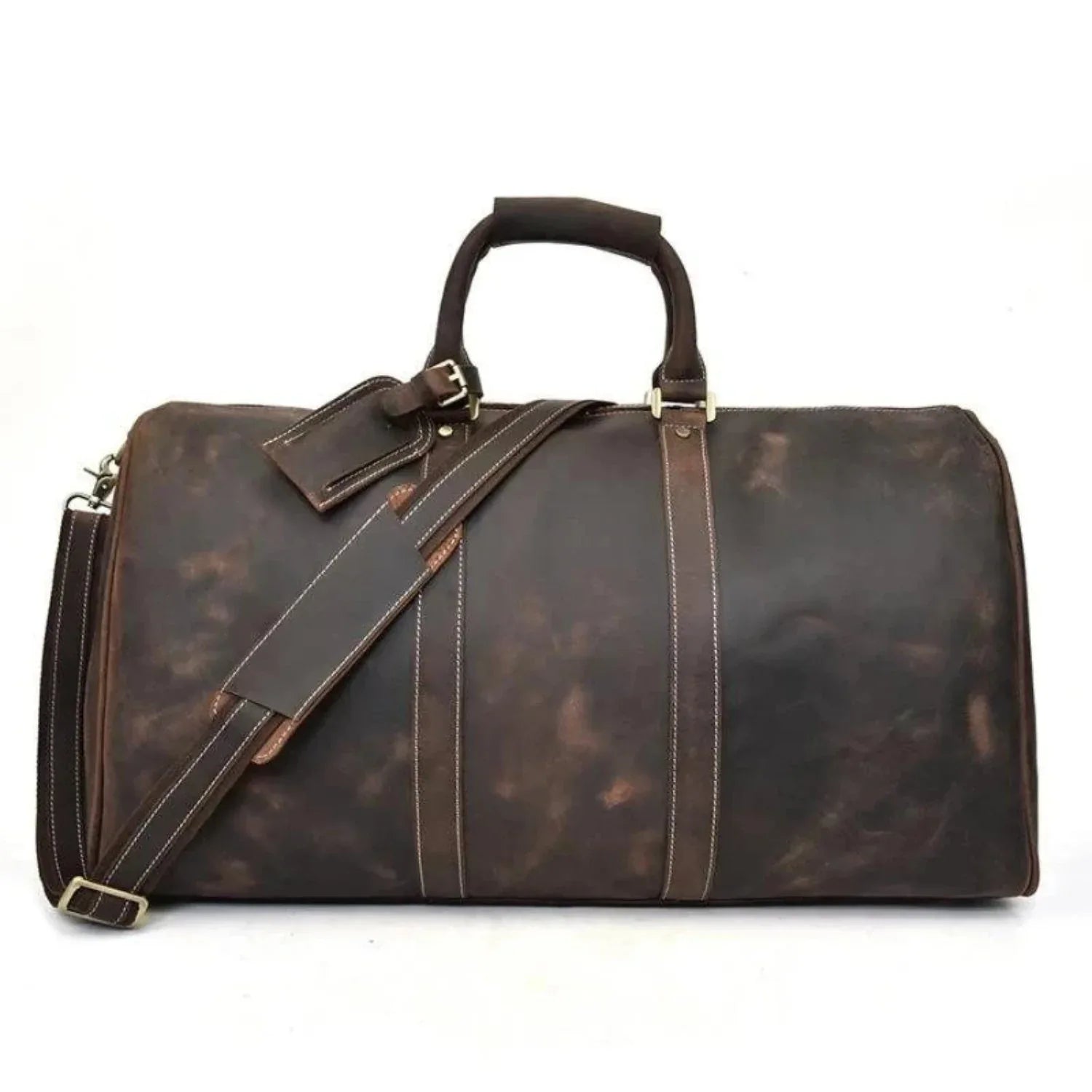
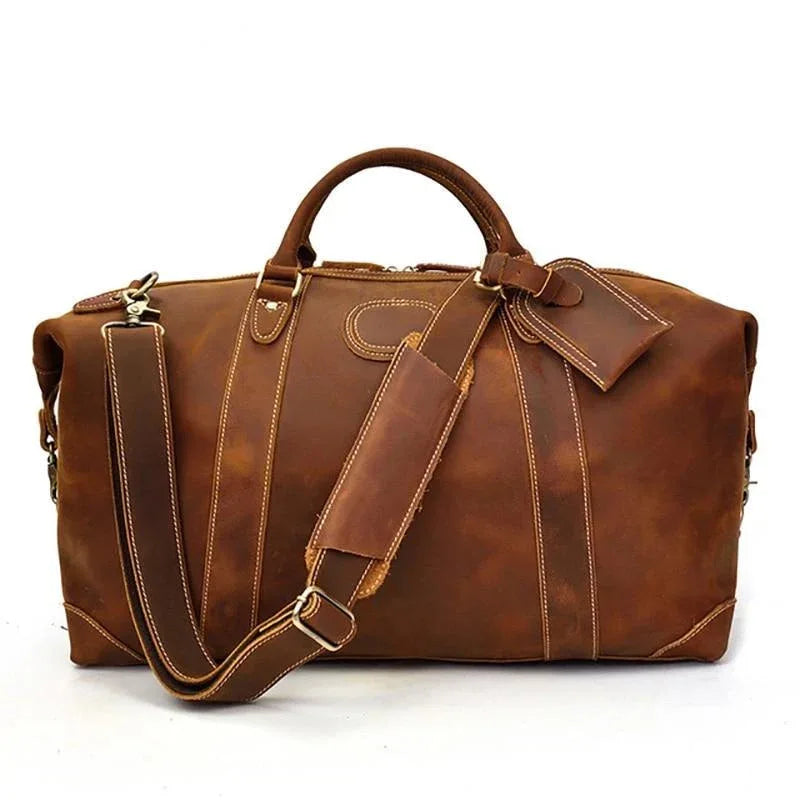
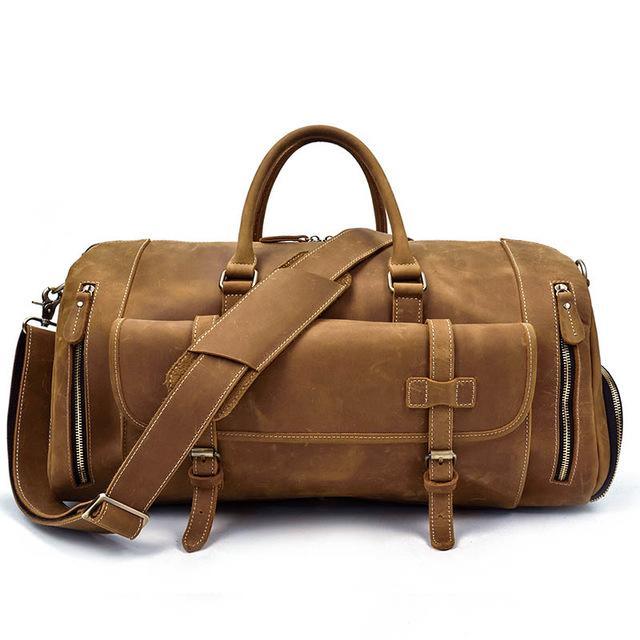
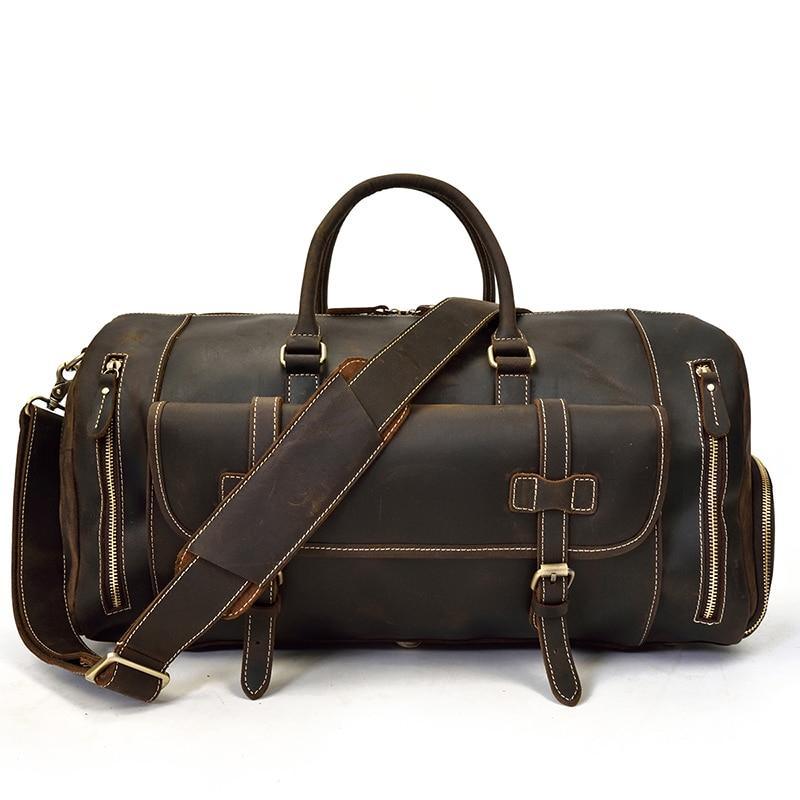
A good crossbody bag disappears into your daily routine. It's there when you need to grab your phone at a stoplight, when you're weaving through an airport, when you're carrying a camera through a city you've never been to. A bad one reminds you constantly that you made the wrong choice, digging into your shoulder, gaping open, or falling apart within a year.
This guide is meant to help you avoid the second scenario. We'll walk through what actually matters when choosing a leather crossbody bag, how to think about size and fit for your body and lifestyle, what separates well-made leather from bags that just look good in photos, and how to keep your bag in good shape for years. Along the way we'll point out specific options where they genuinely fit the use case being discussed.
What Is a Leather Crossbody Bag, Exactly?
A crossbody bag is any bag worn on a strap that crosses the body diagonally, resting the weight on the opposite hip from the shoulder it hangs from. This is different from a standard shoulder bag, which typically sits closer to the hip on the same side as the strap. If you're trying to understand the broader category and how crossbodies relate to shoulder bags generally, our shoulder bag guide breaks down the distinctions in more detail.
Crossbody bags are popular precisely because that diagonal strap distributes weight better than a one-shoulder bag and keeps your hands free. They range from small sling-style packs to structured messenger-style bags to compact camera bags, all sharing that core crossbody design.
It's worth noting that "crossbody" overlaps with several other bag categories. A messenger bag worn diagonally is technically a crossbody. Many camera bags are designed as crossbodies for quick access to gear. Even some satchels can be worn crossbody depending on strap length. If you're unclear on how satchels differ from other styles, our article on what is a satchel is a helpful companion read. Understanding these overlaps helps you search more effectively and avoid narrowing your options too soon.
Who Actually Needs a Crossbody Bag?

Crossbody bags tend to suit a few kinds of people particularly well:
- Commuters and city dwellers who need their hands free for train doors, coffee cups, and phones, while keeping essentials secure against their body in crowded spaces.
- Travelers who want a compact daily bag that won't get pickpocketed easily and doesn't require setting a bag down at every checkpoint or café table.
- Photographers who need quick, one-handed access to a camera without unslinging a full backpack every time.
- Minimalists who are tired of carrying more bag than they need and want something sized for essentials only, phone, wallet, keys, maybe a small notebook.
- Anyone who moves a lot during the day, from parents chasing kids to people who bike or walk most places, since a crossbody stays put in a way that a tote or single-strap shoulder bag doesn't.
If your daily needs include a laptop, a change of clothes, or camera gear plus multiple lenses, a crossbody may only be part of the answer. For those heavier loads, it's worth also looking at leather backpacks or messenger bags, which we'll touch on later.
Key Features to Consider Before You Buy
1. Size and Capacity
This is the most common mistake people make: buying a crossbody that's either too small to be useful or too large to feel like a crossbody at all. Think honestly about what you carry on a typical day. Phone, wallet, keys, and sunglasses need very little room. Add a small camera, a paperback, or a water bottle and you need considerably more.
If you want something genuinely compact for the essentials-only crowd, browse our mini leather bags collection. If you tend to carry a bit more but still want the crossbody silhouette, look at options like the Soren Vintage Leather Crossbody Sling, which offers a bit more structure and room without tipping into backpack territory.
2. Strap Design and Adjustability
An adjustable strap is close to non-negotiable. Bodies and preferences differ, and a strap that can't be shortened or lengthened will either sit wrong or force you to compromise. Look for solid metal hardware on the buckle or slider, not just for looks but because this is the part of the bag under the most ongoing stress. Stitching at the strap attachment points should be dense and even, ideally reinforced with a bar-tack or box stitch pattern, since this is where bags most commonly fail first.
3. Closure Type
Crossbody bags typically close with a flap and buckle, a zipper, magnetic snap, or some combination. Zippers offer the most security for travel and crowded environments, since they're harder to open accidentally or by someone else. Flap closures with a buckle look classic and work well when you're not worried about pickpockets, but they're a bit slower to access. If you plan to wear your bag in dense urban environments or while traveling internationally, prioritize secure closures, and consider keeping valuables in an interior zippered pocket as a second layer of security.
4. Organization and Pockets
Even a small bag benefits from some internal structure. A slip pocket for a phone, a card slot or small zip pocket for cash and cards, and enough room for keys without them scratching against a phone screen all matter more day to day than they sound like they would. If you frequently carry a passport or travel documents alongside your everyday items, it's worth checking whether a leather passport holder that slips into your crossbody makes more sense than trying to find a bag with a dedicated slot.
5. Leather Type and Construction
This is where a lot of buying decisions go wrong, mostly because people don't know what questions to ask. We'll cover this in depth in the next section, but at a glance: full-grain leather ages better and lasts longer than corrected-grain or bonded leather, even though it costs more upfront. If you want to understand grades of leather before you shop, our article on what grain leather actually means is a good starting point.
Understanding Leather Quality: What to Actually Look For

Leather quality is the single biggest factor in how long your bag lasts and how it looks after a few years of use. Here's what separates good leather from bags that look fine on a screen but disappoint in person.
Full-Grain Leather
Full-grain leather uses the entire top layer of the hide, including the natural grain, imperfections, and markings that make each piece unique. It's the strongest and most durable leather grade because none of the fiber structure has been sanded away. It also develops a patina over time, meaning it gets richer and more attractive with age and handling rather than simply wearing out. Every bag we make at Steel Horse Leather uses full-grain leather for exactly this reason: it's the only grade that genuinely improves with age instead of just degrading more slowly than cheaper alternatives.
What to Check When Evaluating Construction
- Stitching: Look for consistent stitch length and tight, even seams. Loose threads or uneven spacing are early warning signs.
- Edges: Well-finished bags have burnished or painted edges on the leather, not raw, fraying cut edges.
- Hardware: Buckles, zippers, and rings should feel solid, not light or hollow. Cheap hardware is one of the first things to fail and one of the hardest things to repair well.
- Smell and feel: Genuine full-grain leather has a distinct, rich smell and a slightly irregular texture. Bonded or heavily coated leather often smells more chemical and feels uniformly smooth in a way real hide doesn't.
For a broader look at why leather quality affects longevity so significantly, read our piece on leather bag durability and advantages. And if you're curious about the different types of leather goods and how grades are categorized industry-wide, our types of leather goods guide covers this well.
Matching the Bag to Your Use Case
The Everyday Minimalist
If your goal is simply to carry phone, wallet, and keys without a bulky bag, look for compact sling-style crossbodies. The Erling Leather Sling Bag is built for exactly this kind of low-profile daily carry, sitting close to the body with just enough room for essentials.
The Photographer
If you're shooting on the go and need quick access without carrying a full camera backpack, a dedicated camera crossbody solves a specific problem: protecting gear while keeping it instantly accessible. The Faust Camera Bag is designed with padded protection and quick-access styling for exactly this situation. If you shoot with multiple lenses or a larger body and need more room, it's worth comparing against our full leather camera bags collection, and for vintage-inspired options, our article on leather camera bags for vintage lovers is worth a read.
The Traveler
Travelers often want a crossbody that can hold a passport, phone, small wallet, and maybe a paperback, while sitting securely against the body in crowded stations and markets. Security matters more here than in daily city use, so prioritize zippered closures and consider pairing your crossbody with a proper leather passport holder to keep documents protected inside. If you're building out a full travel kit, our guide to leather carry-on travel bags covers the larger pieces that might pair with your crossbody for longer trips.
The Commuter Who Needs a Bit More Room
Some days call for more than a sling bag but less than a full laptop bag. This is where a slightly larger crossbody or a compact messenger bag earns its keep. If you occasionally need to carry a tablet, a notebook, or a light jacket in addition to the basics, it's worth looking at our messenger bags collection or comparing crossbody sizing against a proper briefcase, especially if you also need laptop protection. Our comparison article on messenger bags vs briefcases can help you decide which structure suits your actual carry needs.
Women's Specific Needs
Crossbody bags are a popular category for women in particular, partly because they solve the everyday problem of needing hands free while carrying essentials securely. If you're comparing crossbody styles against other options built for daily use, our articles on leather messenger bags for women and women's laptop work backpacks offer useful comparisons if you're unsure whether a crossbody, messenger, or backpack silhouette fits your daily routine best. For dedicated crossbody and messenger options built with women in mind, see our leather messenger bag for women collection.
Parents on the Go
If you're carrying essentials for a child in addition to your own, a crossbody alone likely won't cut it, but it can work well as a secondary bag alongside a proper leather diaper bag, giving you a place for your phone, wallet, and keys that doesn't get buried under diapers and wipes.
Common Mistakes to Avoid
- Buying based on looks alone. A bag that photographs well but has a stiff, non-adjustable strap or thin hardware will frustrate you within weeks.
- Ignoring your actual daily carry. Don't buy a bag sized for a magazine's idea of minimalism if you genuinely need to carry a water bottle and a paperback every day. Be honest about your habits.
- Choosing style over closure security. A beautiful open-top bag isn't the right choice for a daily subway commute or a crowded market abroad.
- Overlooking strap comfort at length. Try to check the strap width and padding, not just the adjustability. Thin, unpadded straps dig in over hours of wear, especially with heavier loads.
- Assuming all "leather" is equal. Bonded leather, genuine leather (a lower grade than it sounds), and full-grain leather are very different products with very different lifespans. Know what you're paying for.
- Not considering how the bag will age. Cheaper coated leathers crack and peel. Full-grain leather develops a patina and gets better looking with time. If you want a bag you'll still like in five years, this matters more than initial price.
Caring for Your Leather Crossbody Bag
Full-grain leather is durable, but it still benefits from basic care to look good long-term.
- Condition periodically. Leather can dry out over time, especially with regular sun exposure or in dry climates. A quality conditioner keeps it supple. If you'd rather make your own, our DIY leather conditioner guide walks through simple, effective options.
- Address stains promptly. Oil stains in particular need specific treatment rather than just wiping, since oil sits differently in leather fibers than water-based stains. Our guide on getting oil stains out of leather covers the right approach.
- Fix scratches early. Minor surface scratches are common and usually easy to buff out or condition away before they set in. See our steps on fixing scratched leather.
- Break in new leather gently. New full-grain leather can feel stiff at first. This is normal and part of what makes it durable. Our guide on how to soften leather covers safe methods to speed this up if you don't want to wait for natural break-in.
- Store it properly. Avoid leaving leather bags in direct sun or in a hot car for extended periods, which accelerates drying and fading.
Sizing Guide: How to Pick the Right Fit for Your Body and Needs

There's no universal "right size" for a crossbody bag, but here's a practical way to think it through:
- Empty your current bag or pockets onto a table. Whatever you actually carry on a normal day is your baseline. Measure it, roughly, against bag dimensions listed on product pages.
- Consider your height and frame. Taller individuals can generally wear slightly larger crossbodies without them looking oversized, while a smaller frame may be overwhelmed by a bag built for heavier daily loads.
- Think about strap drop. A longer strap drop sits the bag lower on the hip, which some people find more comfortable for all-day wear, while a shorter drop keeps it higher and more secure for movement-heavy days.
- Account for seasonal changes. If you carry a phone in a coat pocket during winter but need the bag to hold it during summer, size for the season with more items, not less.
Steel Horse Leather Recommendations

A few specific pieces worth considering depending on your needs:
- Erling Leather Sling Bag: A true minimalist crossbody, ideal for essentials-only daily carry.
- Soren Vintage Leather Crossbody Sling: A step up in capacity for those who want the crossbody silhouette with a bit more room and a worn-in, vintage character.
- The Faust Camera Bag: Built specifically for photographers who need protective, accessible crossbody storage for a camera and small kit.
- Wagner Leather Waist Bag and Walcott Leather Waist Bag: Worth considering if you want an alternative to a traditional crossbody with a similar hands-free, close-to-body carry style.
If none of these quite match what you're picturing, our full leather crossbody bags collection is worth browsing in full, and our broader leather bags collection is a good place to compare across categories if you're still deciding between a crossbody, messenger, or backpack.
Frequently Asked Questions
What's the difference between a crossbody bag and a messenger bag?
Messenger bags are generally larger, more structured, and designed to carry work items like laptops or documents, though they're often worn crossbody style. A crossbody bag specifically refers to the way a bag is worn (diagonal strap, opposite hip), and can describe anything from a tiny sling to a messenger bag. Smaller crossbodies tend to prioritize convenience and minimal carry over capacity.
Can men wear leather crossbody bags?
Yes, crossbody bags are unisex in function and increasingly common in men's everyday carry, particularly for travel, commuting, and photography. Many styles, including slings and small messenger-crossbody hybrids, are designed with a more rugged or minimal aesthetic that works well for men who want hands-free carry without a backpack.
How do I know if full-grain leather is genuine?
Full-grain leather shows natural variation, small marks, and texture inconsistencies since it's the unaltered top layer of the hide. It should have a distinct leather smell, feel slightly irregular rather than perfectly uniform, and develop a patina (a gradual darkening and softening) with use. Corrected-grain or bonded leather tends to look unnaturally smooth and uniform across the whole surface.
How long should a full-grain leather crossbody bag last?
With reasonable care, a well-made full-grain leather crossbody bag can last well over a decade, and often significantly longer. Unlike synthetic materials, full-grain leather actually improves in appearance over time as it develops a patina from handling and light wear.
What size crossbody bag should I get for travel?
For travel, a mid-sized crossbody that holds a passport, phone, wallet, and a few small items is usually ideal. It should be large enough to keep your essentials in one place but small enough to wear comfortably for hours in airports and while walking through unfamiliar cities. Prioritize secure, zippered closures for travel use over open flap-style bags.
Are leather crossbody bags waterproof?
Untreated full-grain leather is water-resistant but not fully waterproof. It can handle light rain without issue, but prolonged soaking should be avoided. Conditioning your leather periodically helps maintain its natural water resistance.
How do I clean a leather crossbody bag?
Wipe down the exterior regularly with a soft, dry cloth to remove dust and surface dirt. For deeper cleaning or stains, use products specifically designed for leather rather than household cleaners, which can strip natural oils. Our guides on removing oil stains and fixing scratches cover specific situations in detail.
What should I look for in crossbody bag hardware?
Look for solid metal buckles, D-rings, and zippers rather than lightweight or plastic-feeling hardware. Hardware takes on repetitive stress every time you wear and adjust the bag, so it's often the first place lower-quality bags fail.
All of our bags at Steel Horse Leather are crafted from full-grain crazy horse leather, built to develop a rich patina over time. Browse our Leather Bags.