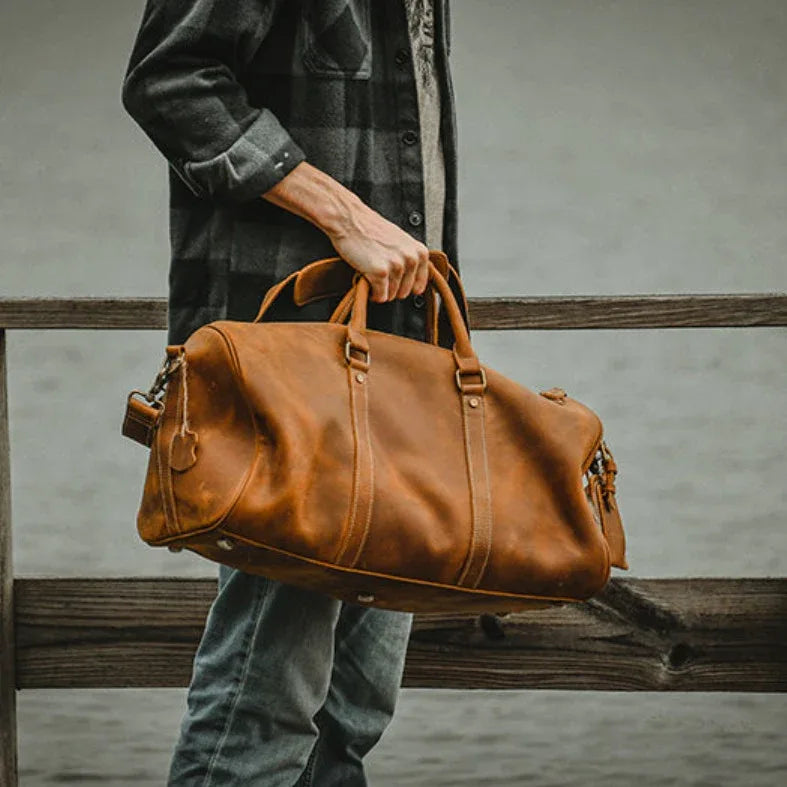
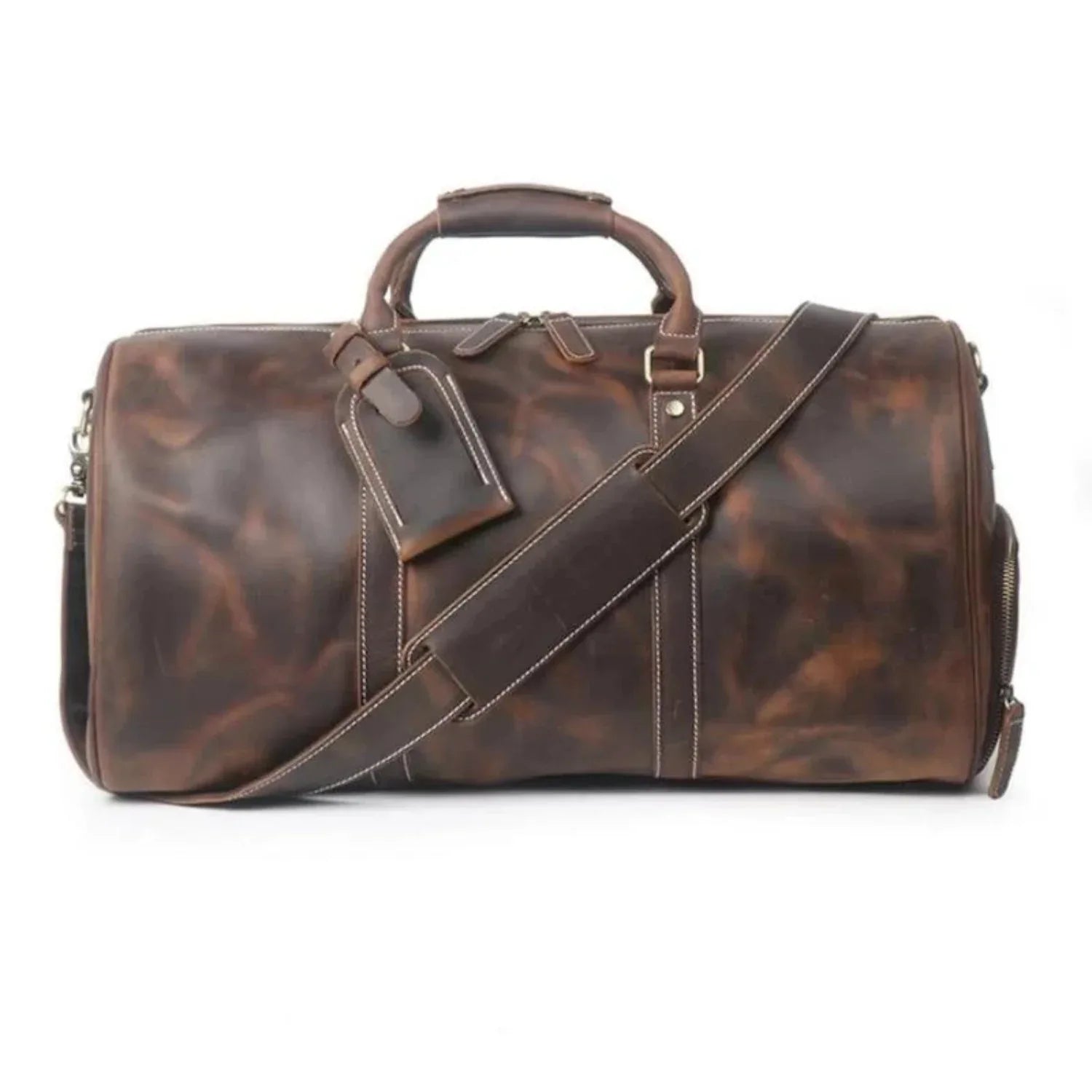
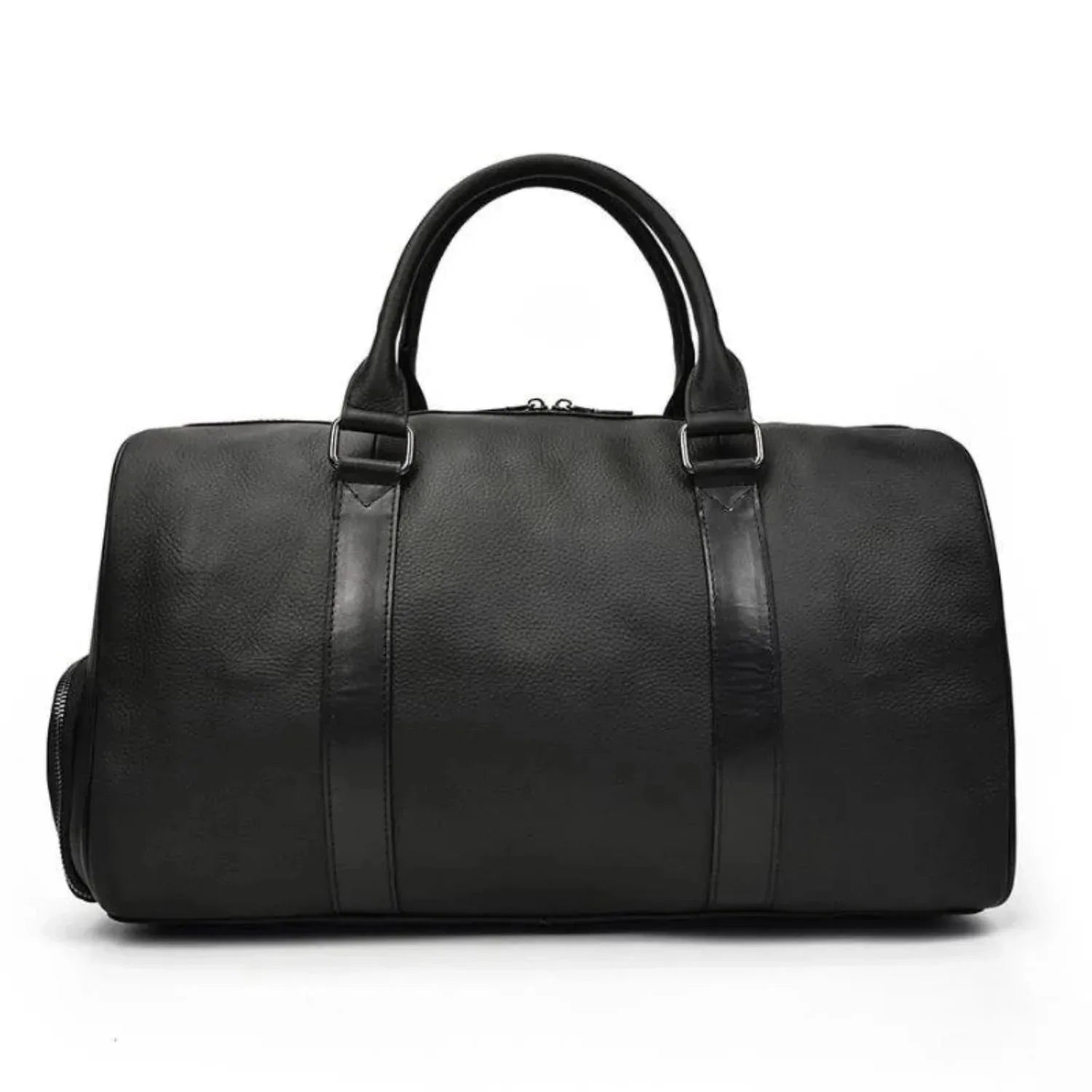
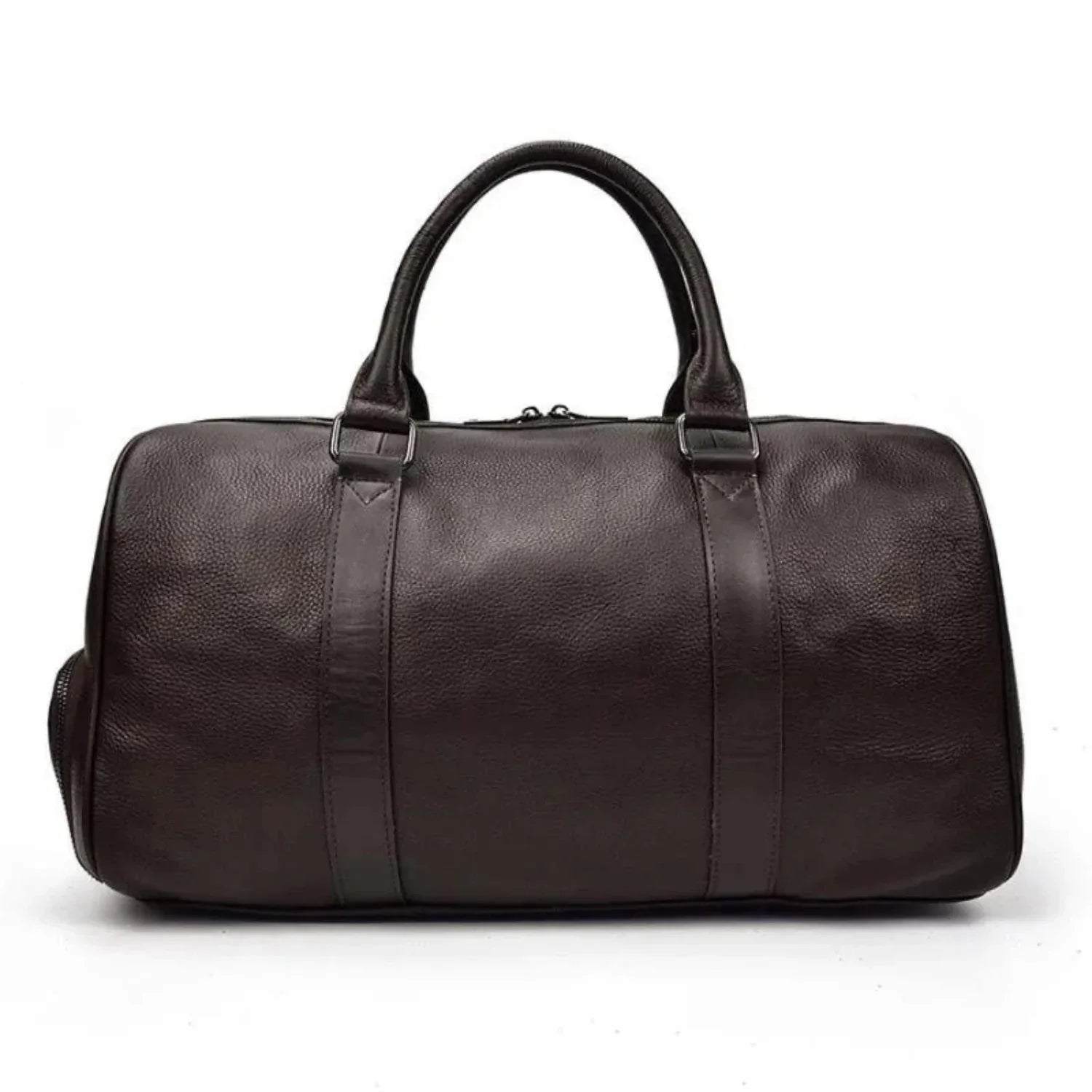
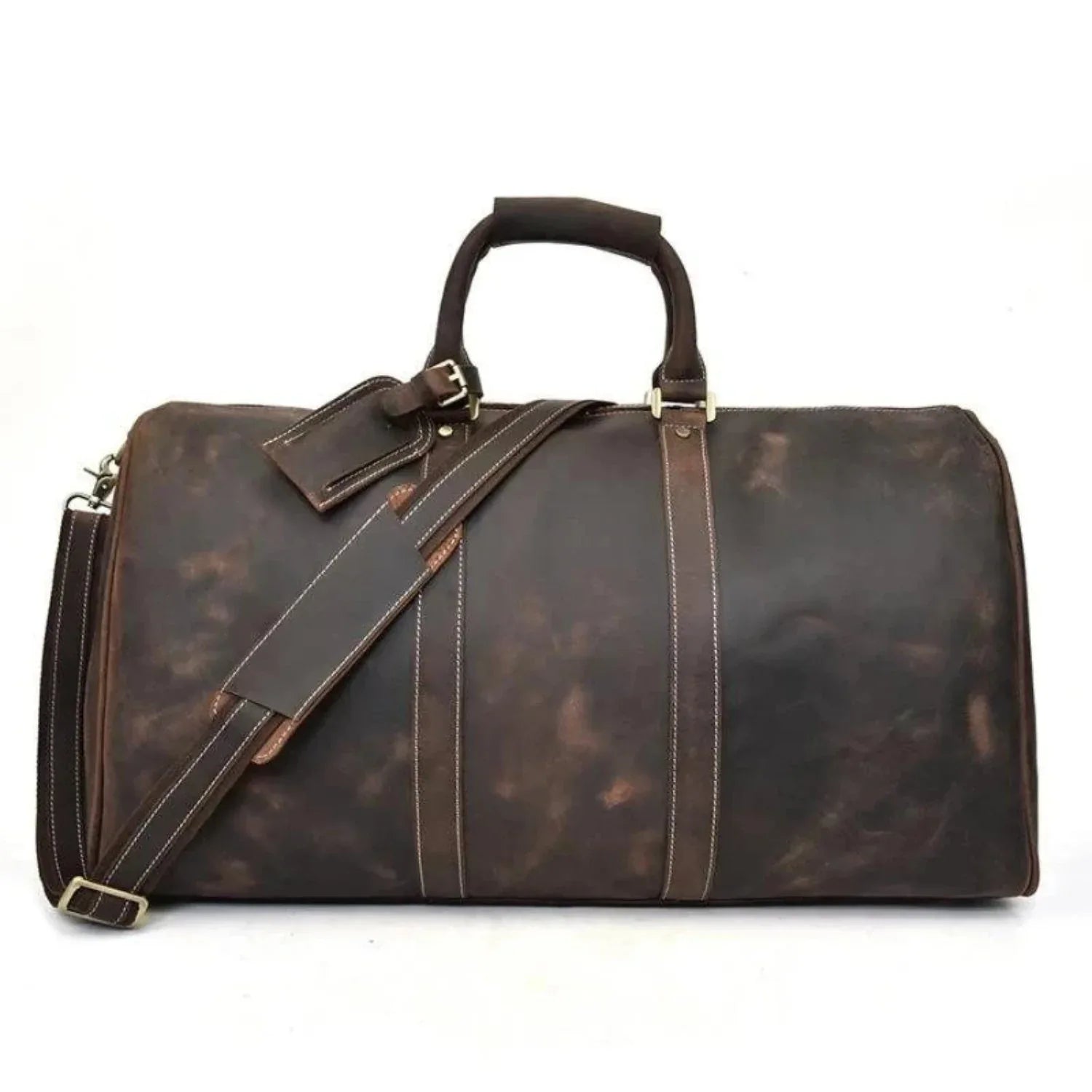
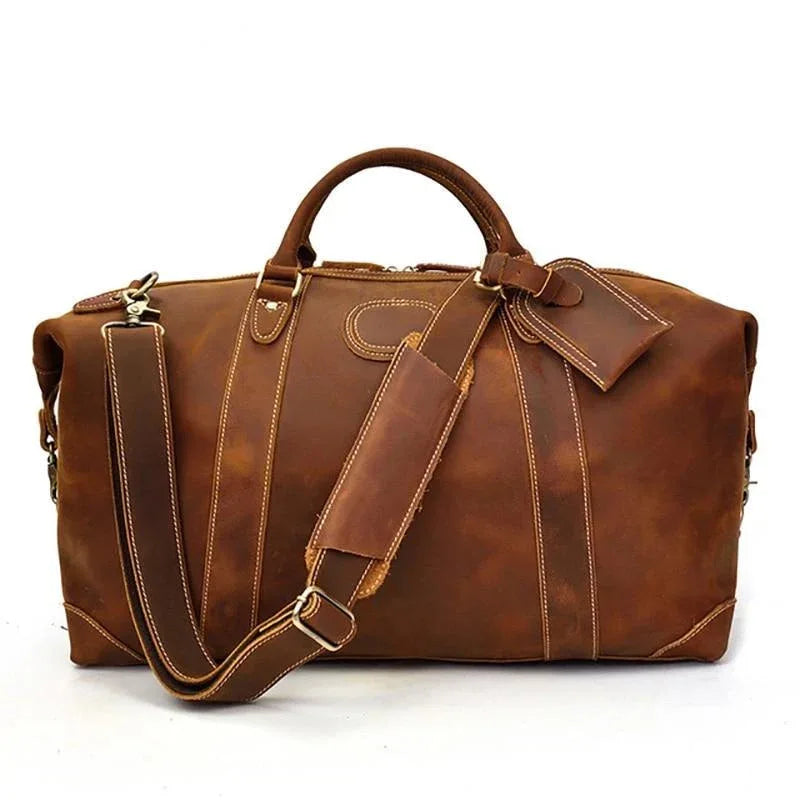
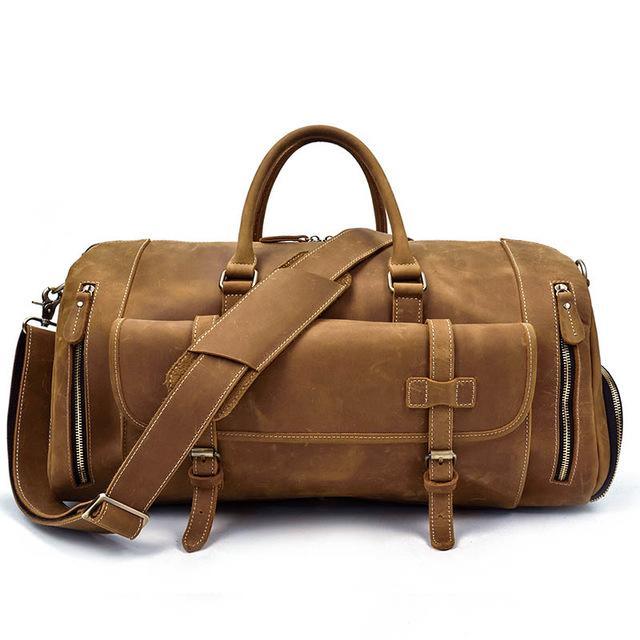
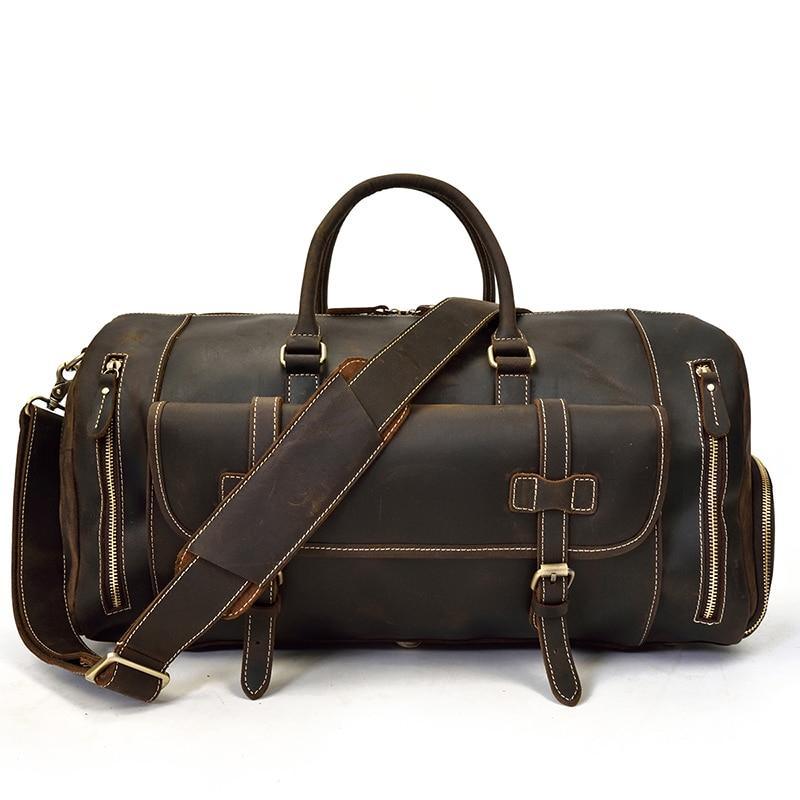
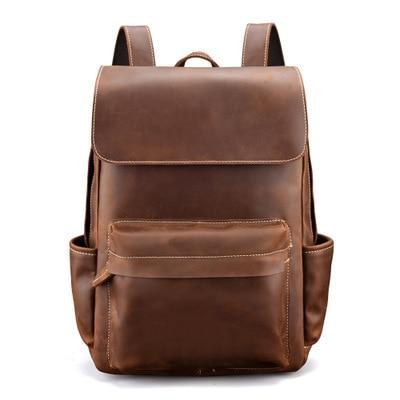
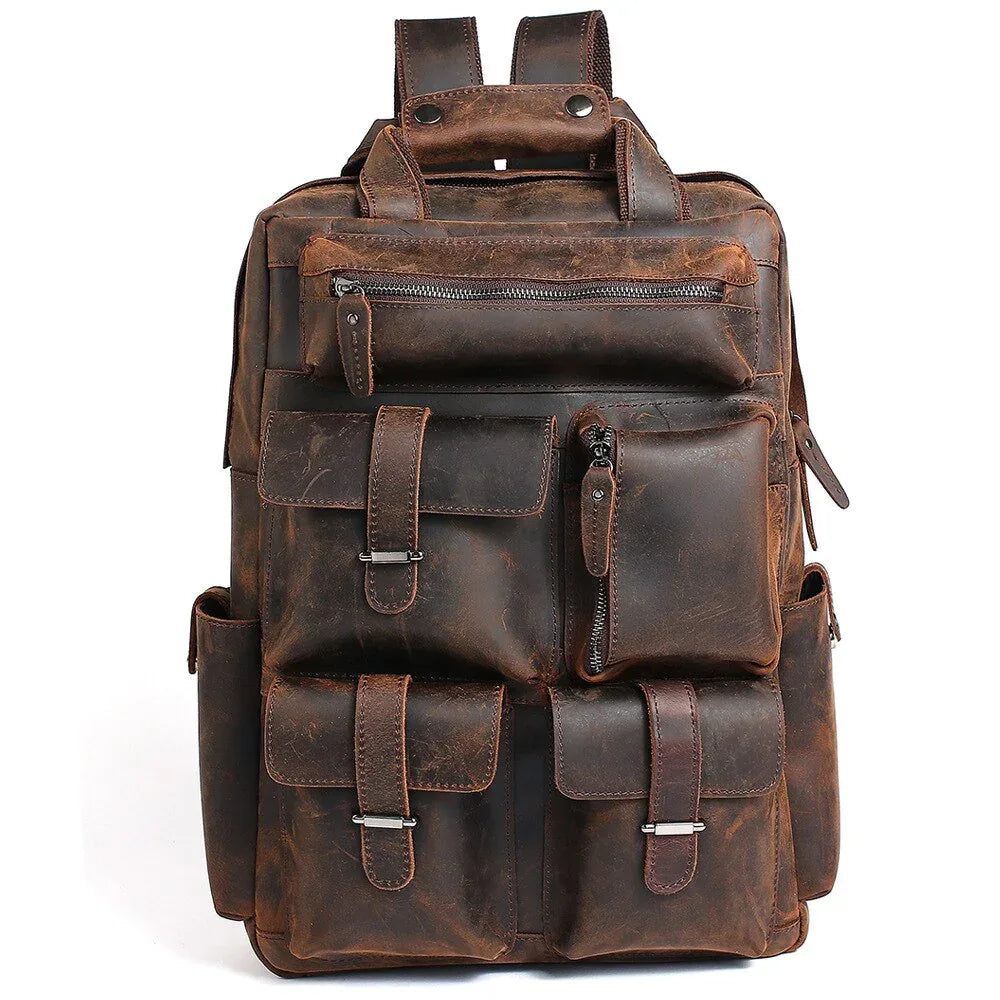
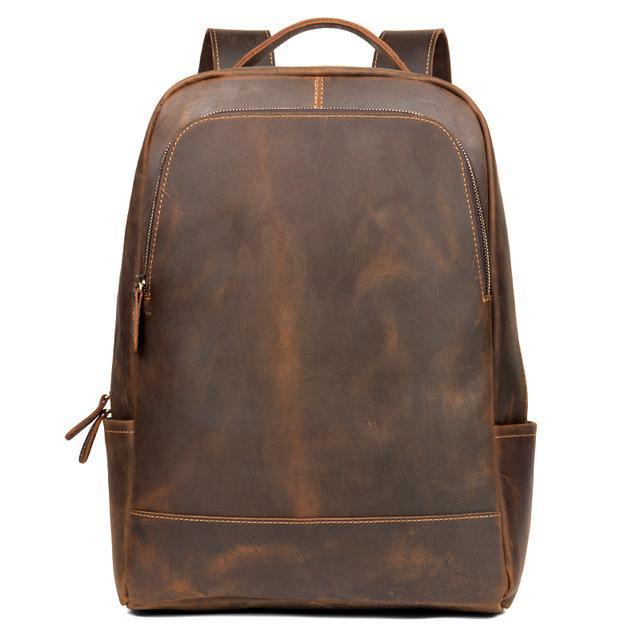
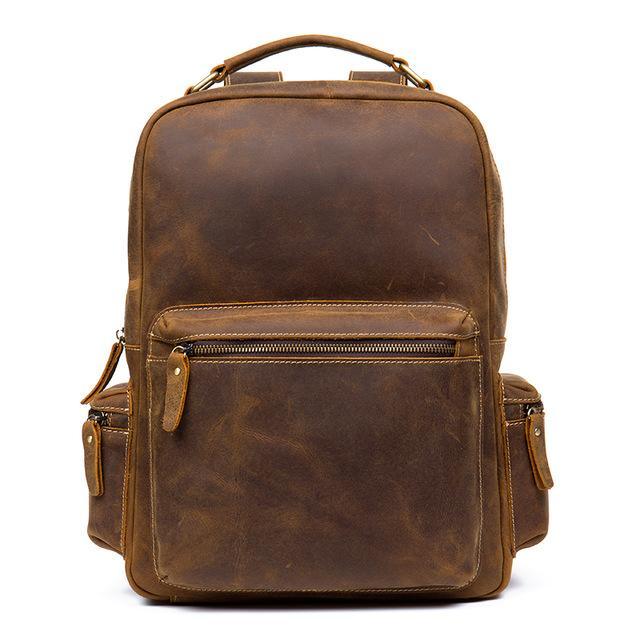
If you've started shopping for a doctor's bag, you've probably noticed something quickly: the term gets used loosely. Some retailers slap the label on anything with a rounded top and two handles. Others reserve it for the true medical-style bag with a wide gusseted opening and rigid frame. This guide will help you cut through the confusion, understand what actually matters in construction and materials, and figure out which style fits the way you actually live and work.
We'll be honest about tradeoffs, point out mistakes we see people make, and only recommend specific bags when they genuinely fit the use case being discussed. No fluff, no filler, just what you need to make a confident decision.
What Exactly Is a Doctor's Bag?

The classic doctor's bag (sometimes called a Gladstone bag) dates back to the 1800s, when physicians needed a bag that could open wide and stand upright on its own so they could see and reach everything inside without digging around. The defining features are:
- A frame or structured opening that lets the bag "yawn" open at the top, often close to 180 degrees
- A rigid or semi-rigid base so the bag stands on its own instead of slumping over
- Top handles rather than a shoulder strap, meant for quick pickup and short carries
- A compact, boxy silhouette that's deep enough for tools or supplies but not sprawling
That said, "doctor's bag" has evolved into a broader style category. Today it's carried by people who have nothing to do with medicine but love the shape, the vintage character, and the practicality of a bag that opens flat and stands upright. If you're comparing this style to other structured leather bags, it's worth looking at our guide on leather bag types to see how it stacks up against satchels, totes, and briefcases.
Who Actually Needs This Style of Bag
Doctor's bags aren't for everyone, and that's fine. They tend to work best for:
- Medical and veterinary professionals who genuinely need to carry instruments, supplies, or a stethoscope and want quick, full visibility into the bag
- Traveling professionals who need a structured overnight or day bag that holds its shape and looks sharp set down in a meeting or hotel lobby
- Collectors of vintage-inspired accessories who appreciate the old-world craftsmanship and silhouette
- Anyone who wants a distinctive alternative to the standard briefcase or messenger bag for work
If your main need is a daily laptop carry with a shoulder strap for long commutes, a doctor's bag may not be the most practical pick. Its handles-only design and boxy shape mean it's better suited to shorter trips from car to office, or being carried between rooms, rather than being slung over a shoulder for a long walk or train ride. In that case, a leather laptop bag or messenger bag might serve you better. We break down that comparison in more detail in Leather Messenger Bag vs. Briefcase.
Key Features to Look For
1. The Frame and Opening
This is the single most important feature that separates a real doctor's bag from a look-alike. Good ones use an internal metal frame or heavily reinforced top edge so the mouth of the bag opens wide and stays open while you're loading or unloading it. Cheaper versions rely only on the leather itself, which sags over time and eventually won't hold its shape.
When you're examining a bag in person or reading product photos closely, check whether the top edges look reinforced and whether the opening mechanism (frame, clasp, or structured zipper) seems substantial. A flimsy opening is the first sign of a bag that won't age well.
2. Base and Structure
A proper doctor's bag stands upright unaided. Look for a firm base, often with metal feet or studs to protect the leather from ground contact and wear. If a bag collapses sideways when you set it down empty, the internal structure is too soft for genuine daily use.
3. Handles and Hardware
Since these bags are carried by hand rather than over the shoulder, handle quality matters more here than on almost any other bag style. Look for:
- Hand-stitched or riveted handle attachment points, not just glue
- Thick, rolled, or double-layered leather handles that won't dig into your palm
- Solid brass or nickel hardware that resists corrosion
If you want a deeper understanding of how leather grades affect long-term durability in handles and structural points, our article on what grain leather actually means is worth a read before you buy anything.
4. Interior Layout
Because these bags open wide rather than via a single zipper compartment, interior organization is a genuine advantage. Look for:
- Interior pockets for smaller tools, pens, or a phone
- A center divider or compartment separation, useful for keeping supplies from shifting
- A lining that's easy to wipe down, particularly important for medical use
Leather Quality: What to Actually Check

Since a doctor's bag is meant to be a long-term piece, not a seasonal accessory, the leather itself deserves scrutiny. Full-grain leather is the standard to look for. It's the strongest, most durable layer of the hide, and it develops a natural patina with age rather than peeling or cracking like bonded or corrected-grain leather.
Ask or check for:
- Full-grain vs. top-grain vs. genuine leather: full-grain is the most durable and ages best. "Genuine leather" is often the lowest quality despite sounding premium.
- Vegetable-tanned vs. chrome-tanned leather: vegetable tanning tends to produce a firmer, more structured leather well suited to a bag that needs to hold its shape. Our guide on tanning methods explains the differences if you want to go deeper.
- Consistent color and grain: natural variation is normal and attractive in full-grain leather, but obvious inconsistencies can signal lower-quality hides pieced together.
Choosing the Right Size
Doctor's bags run smaller than duffels or weekenders, but sizing still varies quite a bit depending on intended use.
- Compact/personal size: best for carrying a tablet, small notebook, keys, and a few personal items. Good for short trips or as a stylish everyday hand-carry.
- Medium/professional size: fits a laptop, folders, and basic tools or supplies. This is the most common size for professional daily use.
- Large/traditional medical size: deep enough for full medical kits or overnight essentials. Heavier and bulkier, best suited to those who genuinely need the extra capacity.
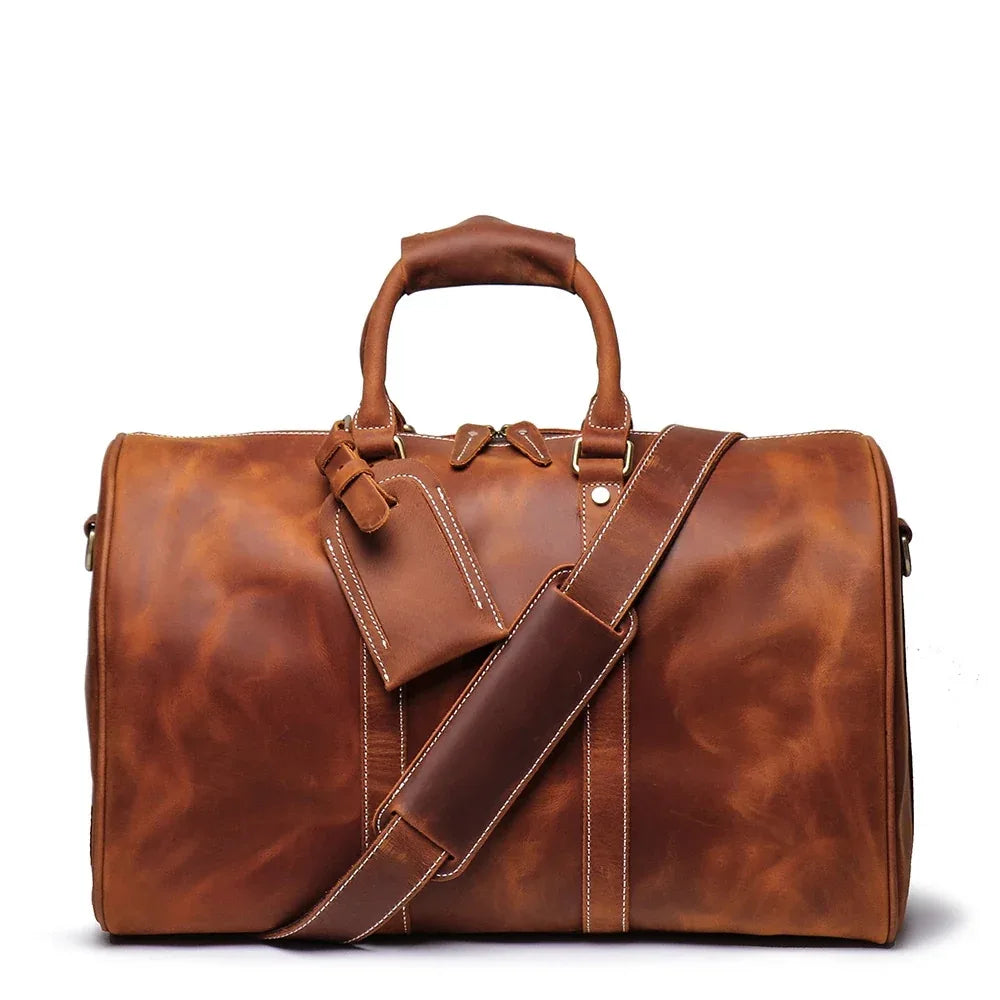
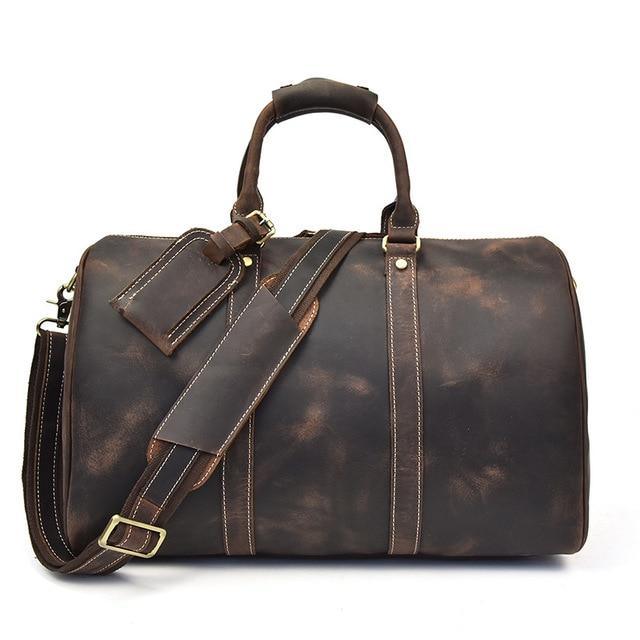
If you're torn between a doctor's bag and something with more room for actual overnight travel, take a look at our handmade leather duffel bags collection, or read our duffel bag buying guide for a side-by-side sense of capacity and use cases.
Common Mistakes to Avoid
- Buying on looks alone. The rounded silhouette is charming, but if the frame is weak, the bag won't hold its shape after a few months of real use.
- Ignoring handle comfort. Since there's no shoulder strap option on most true doctor's bags, uncomfortable handles become a daily annoyance fast.
- Assuming bigger is better. An oversized bag that's mostly empty puts unnecessary strain on the handles and frame, and it's awkward to carry when not full.
- Overlooking the lining. If you're using this for medical or grooming supplies, an unlined or hard-to-clean interior becomes a real problem over time.
- Choosing style over structure for professional use. If you need this bag to genuinely function daily, structural quality should outrank aesthetic details.
Care and Maintenance
A well-made leather doctor's bag can outlast you if you take care of it. A few basics:
- Condition regularly, especially if the bag sees regular handling or outdoor exposure. Our DIY leather conditioner guide covers simple at-home options if you'd rather not buy commercial products.
- Address oil or product spills quickly, particularly relevant if you're carrying grooming or medical supplies that might leak. Here's our guide on removing oil stains from leather.
- Keep it soft but structured. Over-conditioning can soften the leather too much, which works against the bag's structural purpose. Use conditioner sparingly and focus on handles and stress points.
- Repair small scratches promptly rather than letting them worsen. This quick guide on fixing scratched leather covers the basics.
- Store it upright, ideally stuffed lightly with tissue paper or a bag insert when not in use, to help the frame and base hold their shape long term.
Doctor's Bag vs. Other Structured Leather Bags
It's worth understanding how this style compares to other bags you might be considering:
- Vs. briefcase: briefcases are typically slimmer and built around laptop and document storage. Doctor's bags are deeper and open wider, better for irregularly shaped items. See our guide to high-end leather briefcases for comparison.
- Vs. satchel: satchels usually include a shoulder strap and a flap closure, prioritizing a slimmer profile over wide-open access. Our article What Is a Satchel? explains the distinction well.
- Vs. duffel/weekender: duffels are soft-structured and built for volume, ideal for clothing and travel gear rather than tools or organized supplies. Our travel-friendly duffel features article covers what to look for there.
Recommended Steel Horse Leather Products

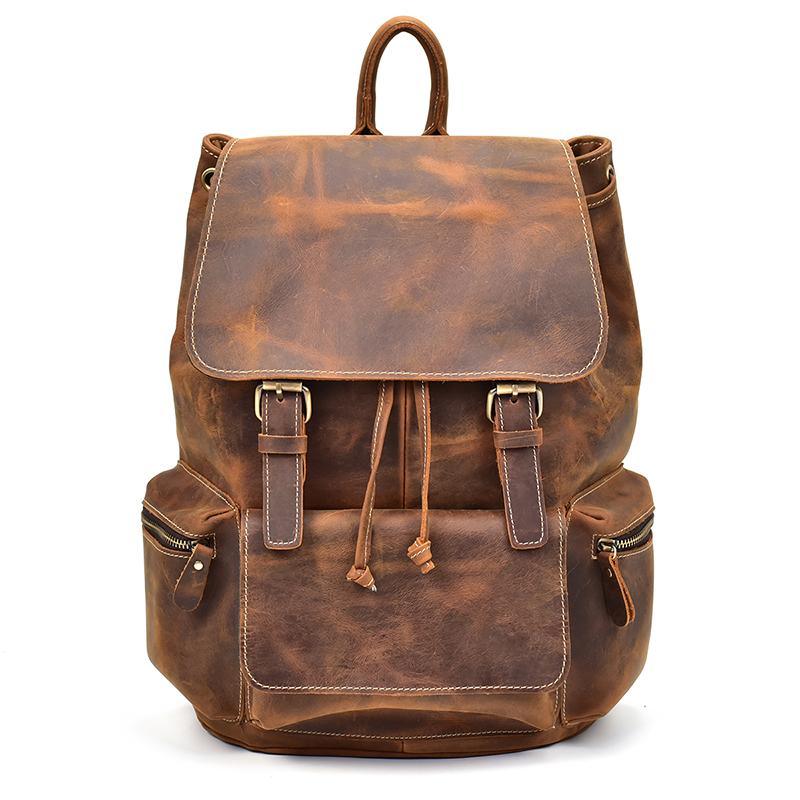
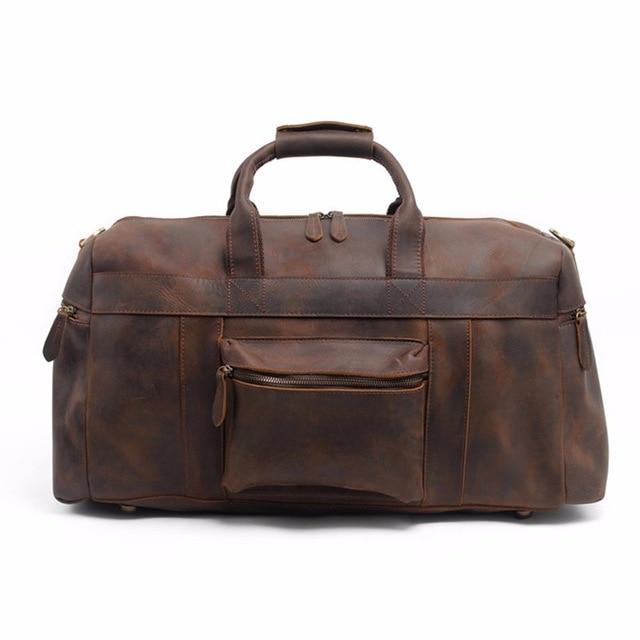
While we don't currently offer a bag marketed specifically as a traditional Gladstone-style doctor's bag, several of our full-grain leather pieces share the qualities that matter most in this category: structured shape, quality hardware, and handle-based carry designed for short, purposeful trips.
- The Taavi Tote: For those drawn to the wide-open, easy-access appeal of a doctor's bag but wanting a slightly more relaxed daily carry, the Taavi offers a structured shape with generous interior room and sturdy handles.
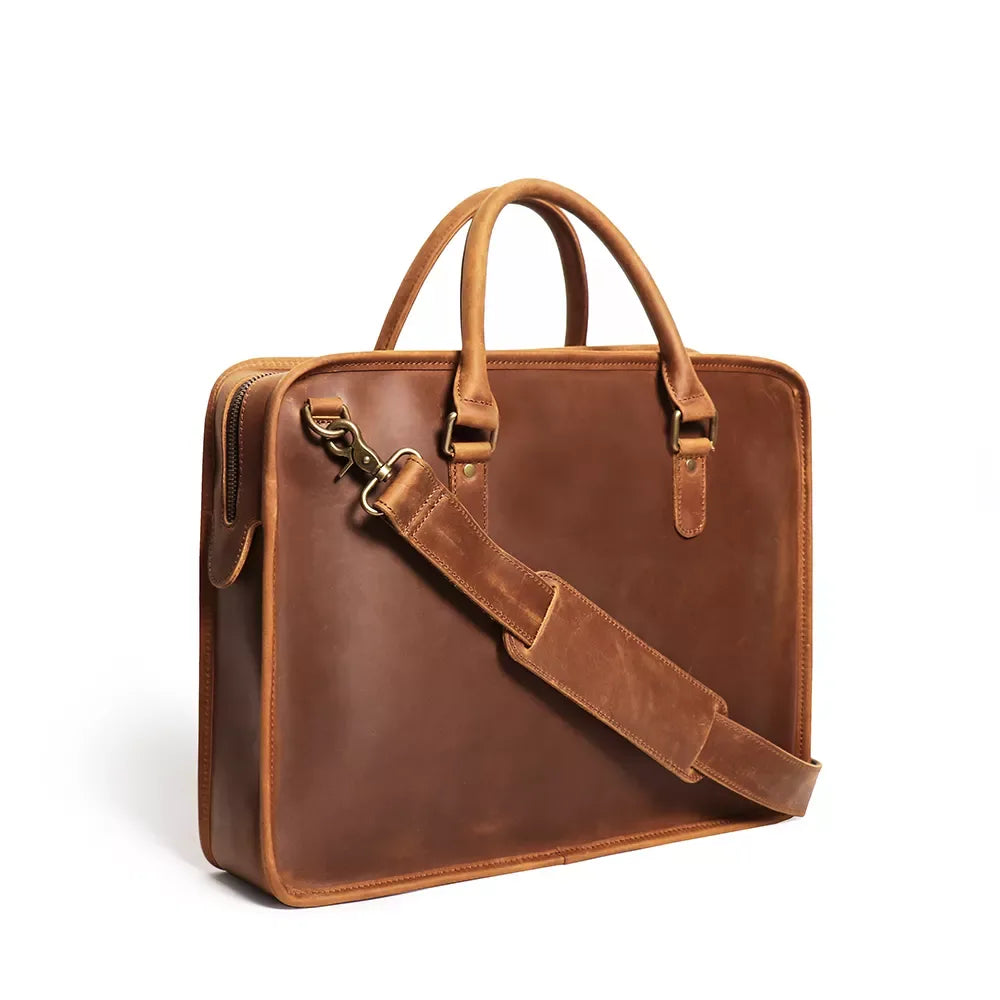
- The Welch Briefcase: If you need a professional-use bag with a firmer structure and vintage character, the Welch shares the classic aesthetic sensibility of a doctor's bag while offering more familiar briefcase-style organization for laptops and documents.
- The Hemming Leather Laptop Bag: For professionals who want the sturdy, boxy feel of a structured bag with dedicated laptop protection, Hemming is a solid alternative for daily office use.
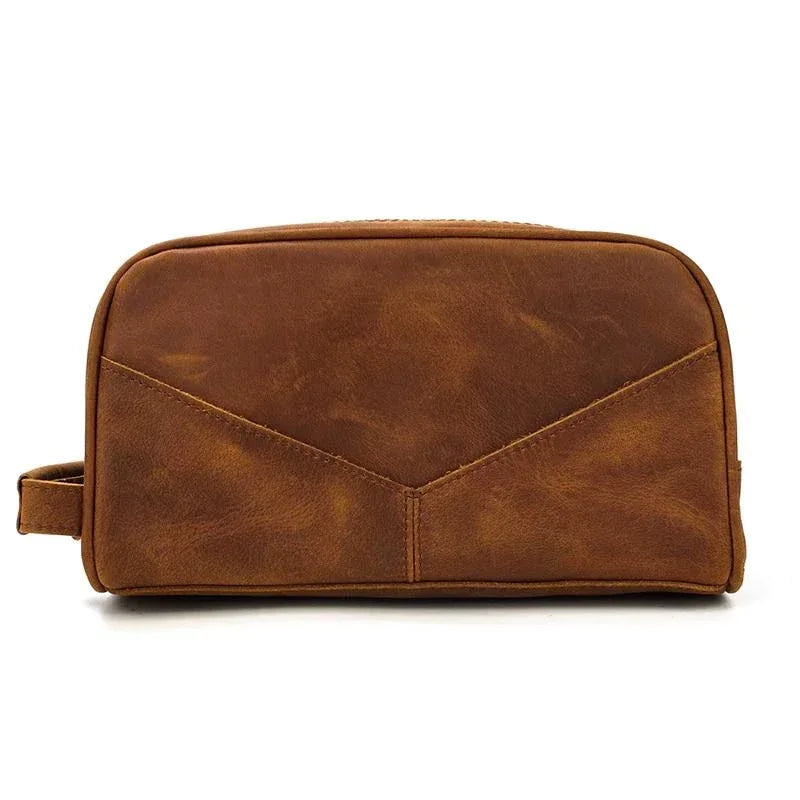
- The Wanderer Toiletry Bag: If part of what you love about a doctor's bag is the idea of a compact, well-organized kit for personal items or small tools, the Wanderer offers that same sense of purposeful, structured storage in a smaller format.
- Dado Leather Dopp Kit: A smaller companion piece, useful for anyone who wants a grab-and-go structured bag for grooming or small medical supplies alongside a larger primary bag.
For a broader look at structured and vintage-inspired leather carry options, browse our full leather bags collection or the men's leather bags collection.
Frequently Asked Questions
What is the difference between a doctor's bag and a Gladstone bag?
They're essentially the same style. "Gladstone bag" is the traditional British term, named after 19th-century politician William Gladstone, while "doctor's bag" refers to its most common historical use. Both describe a bag with a wide-opening frame and rigid base.
Are leather doctor's bags still practical for daily use today?
Yes, especially for short commutes, professional settings, or anyone who values wide, easy access to their belongings over shoulder-carry convenience. They're less ideal for long walking commutes since most designs rely on handles rather than straps.
How do I know if a doctor's bag is genuine full-grain leather?
Look at the grain pattern closely. Full-grain leather shows natural imperfections, slight texture variation, and doesn't feel plastic-like or overly uniform. It should also develop a richer patina over time rather than staying static or cracking.
Can a doctor's bag be used as a briefcase?
Many people use them this way. Just be aware that most doctor's bags are deeper and less organized internally than a dedicated briefcase, so you may want to add a padded laptop sleeve, like The Runa Leather Laptop Sleeve, for extra protection if you're using one to carry a laptop.
How much should a good leather doctor's bag cost?
Prices vary significantly based on leather quality and construction, but genuine full-grain leather with real hardware and reinforced structure typically starts in the mid-range price bracket and up. Extremely low prices are usually a sign of bonded leather or a weak internal frame that won't last.
How do I clean the inside of a leather doctor's bag, especially for medical use?
Look for a bag with a wipeable interior lining, and clean spills immediately with a damp cloth. Avoid harsh chemical cleaners on both the interior lining and exterior leather, as they can dry out or discolor the material over time.
All of our bags at Steel Horse Leather are crafted from full-grain crazy horse leather, built to develop a rich patina over time. Browse our Leather Bags.