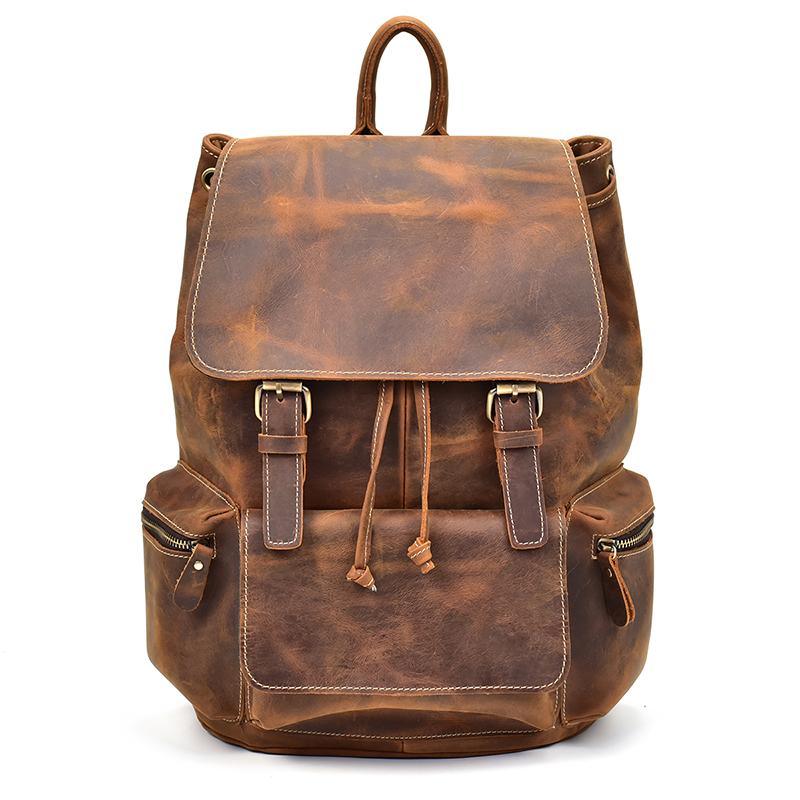
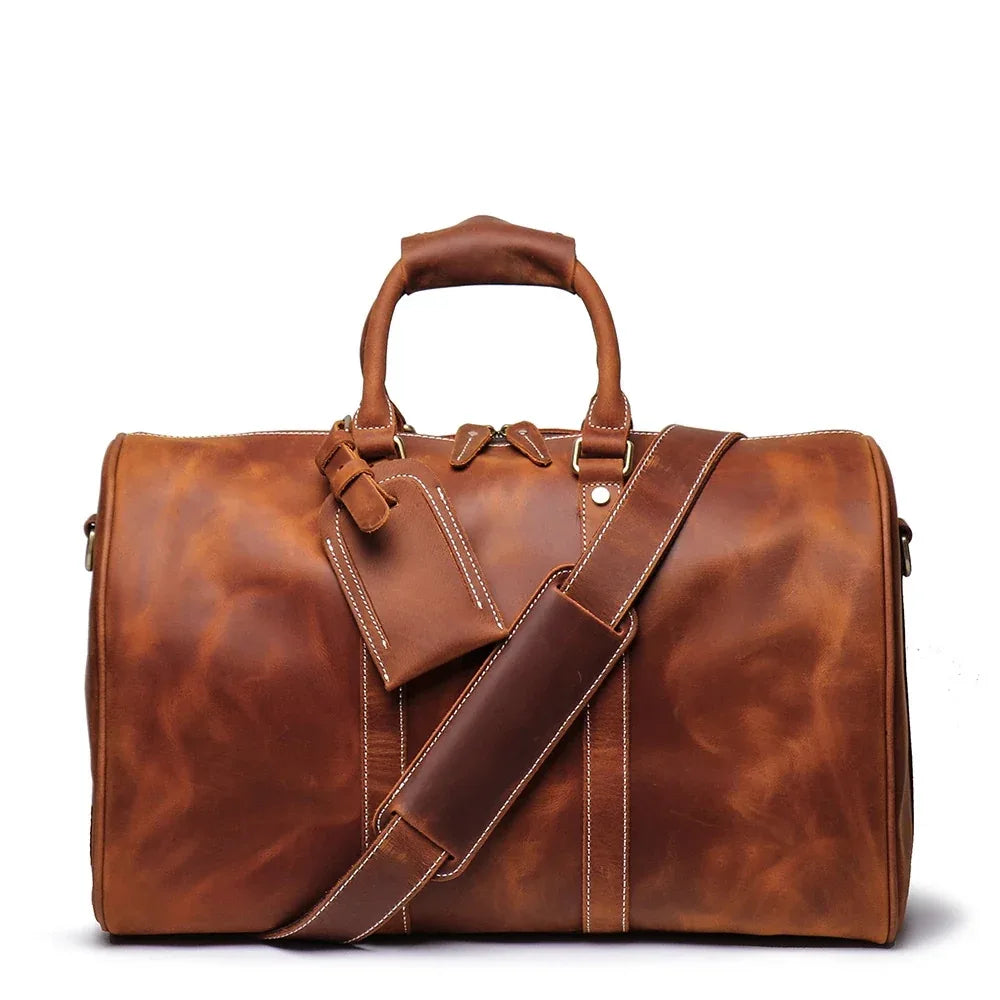
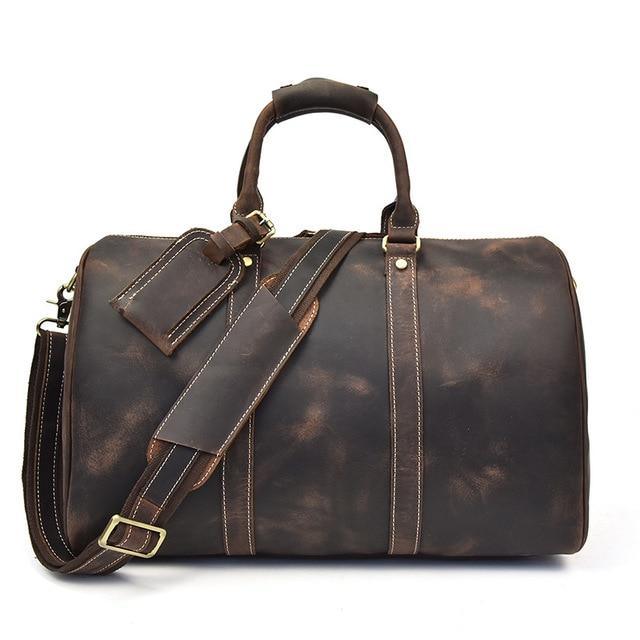
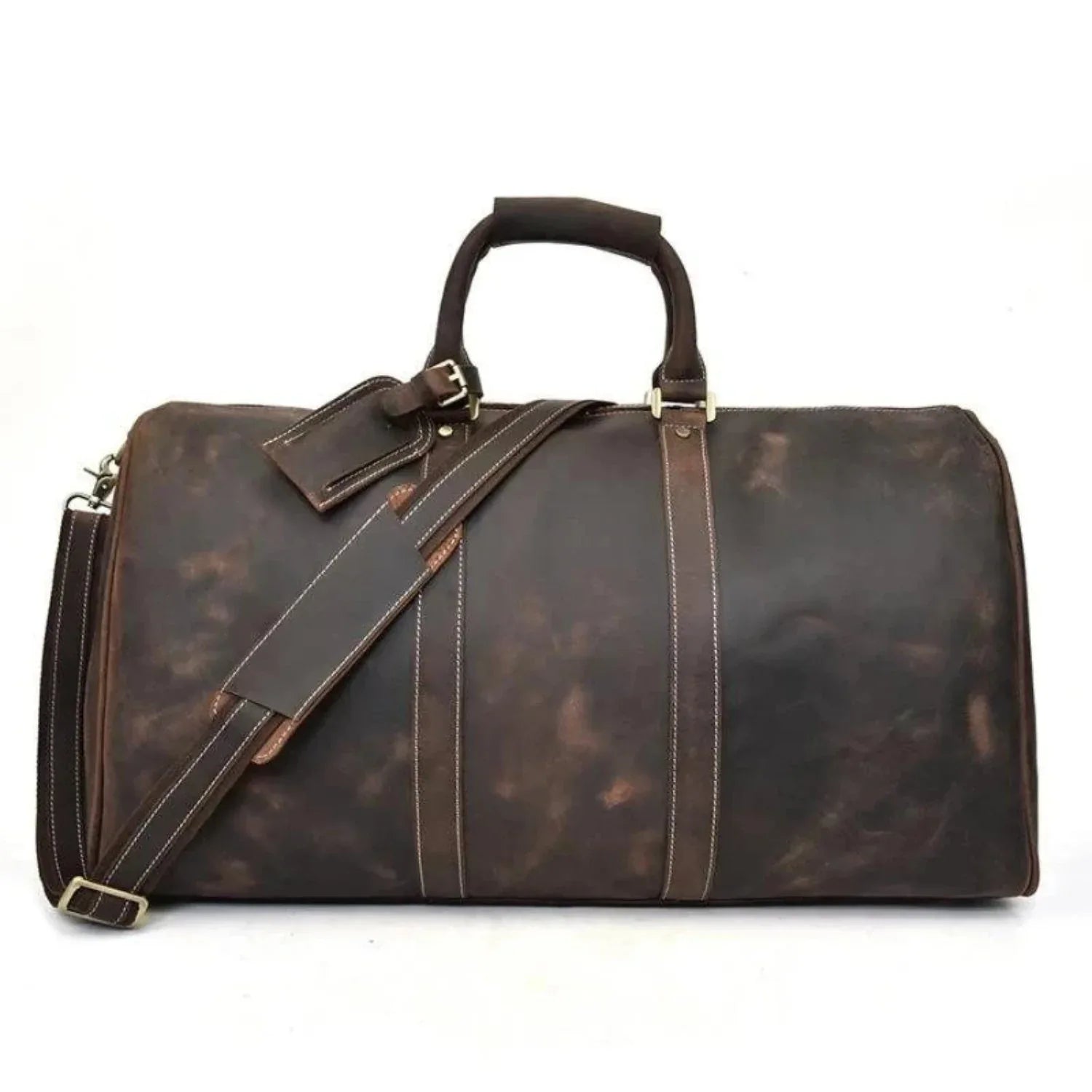
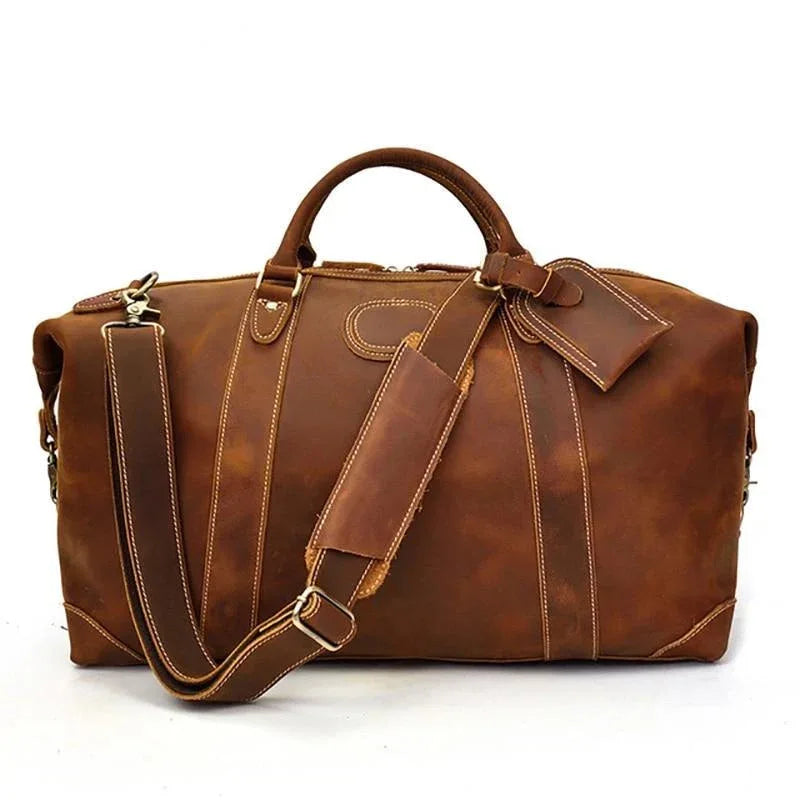
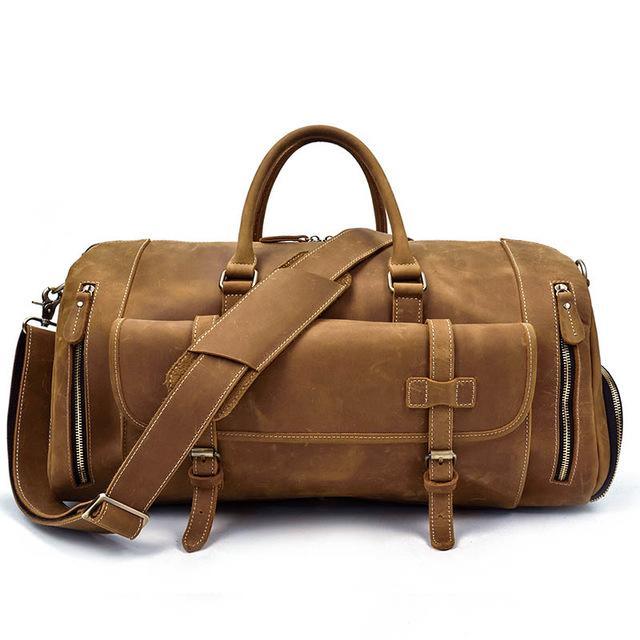
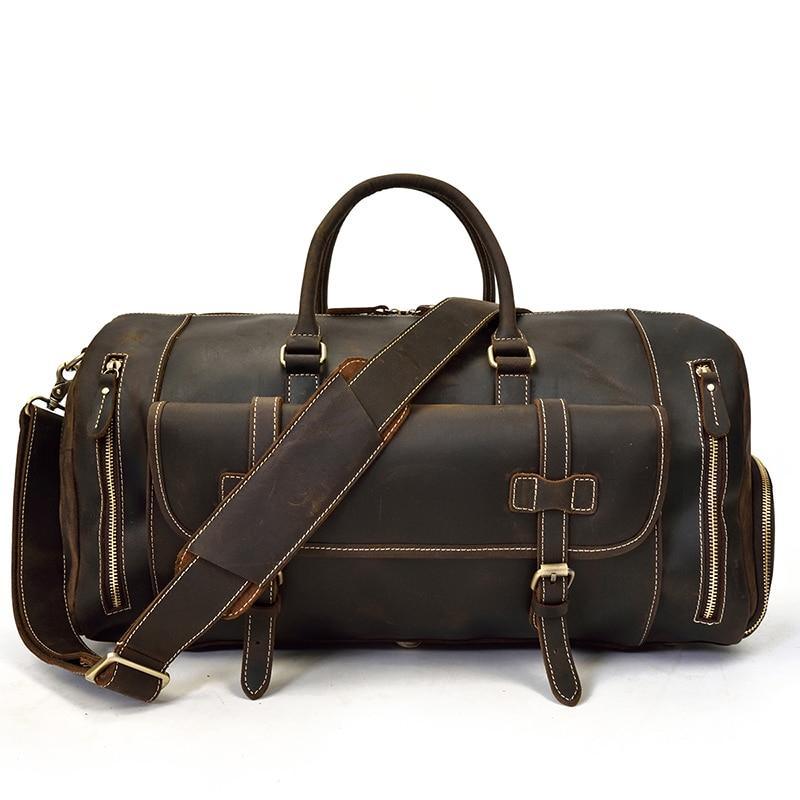
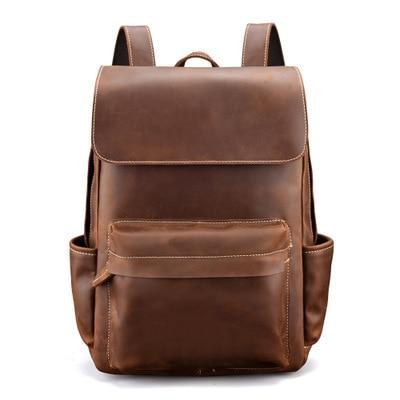
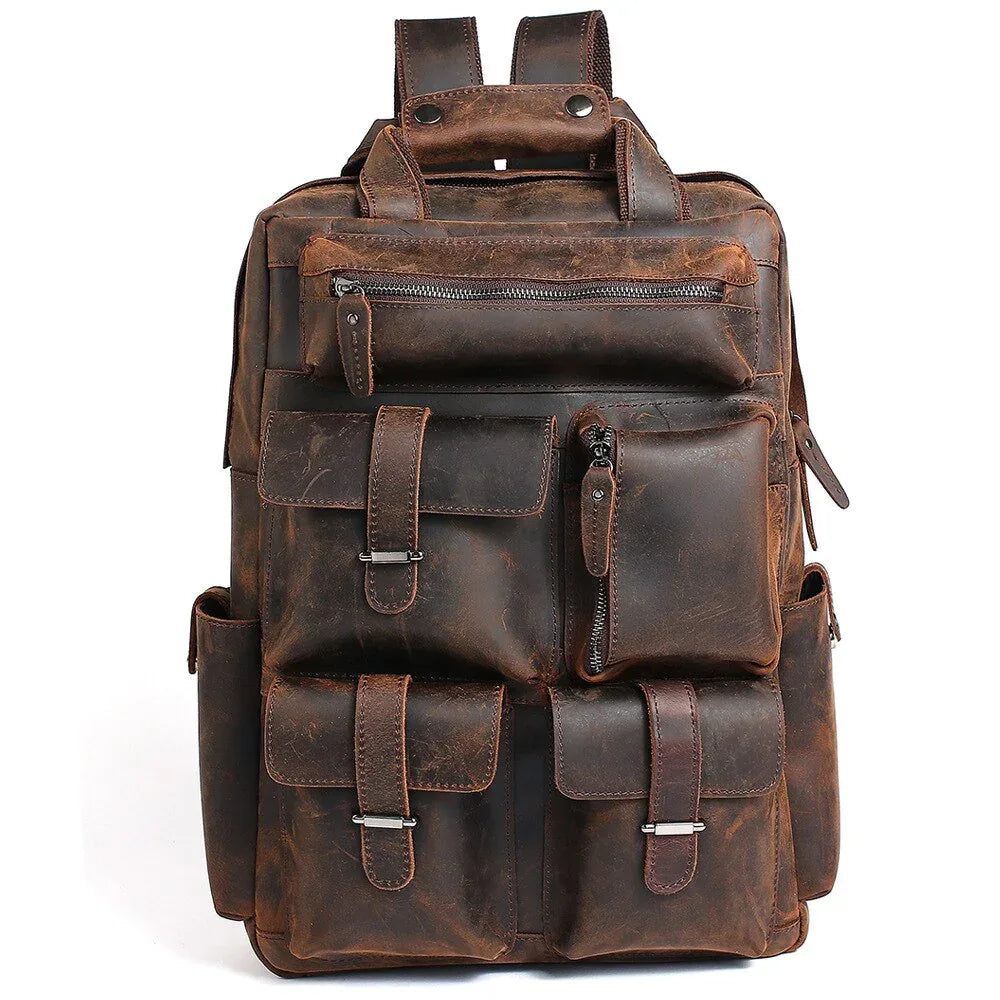
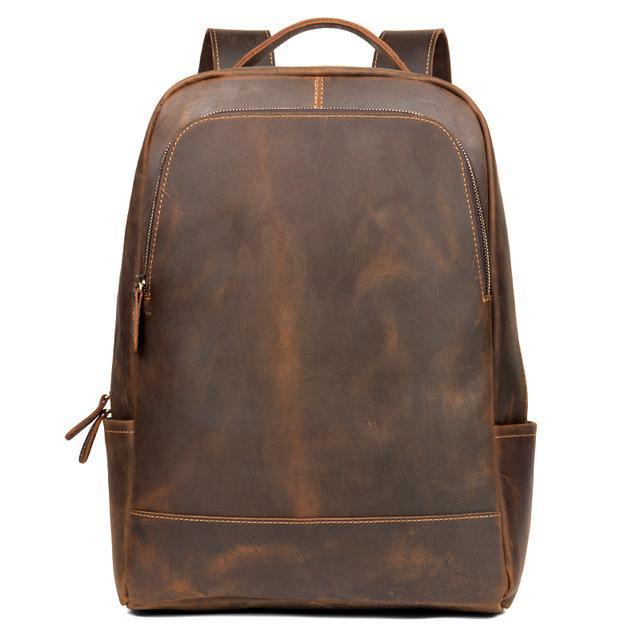
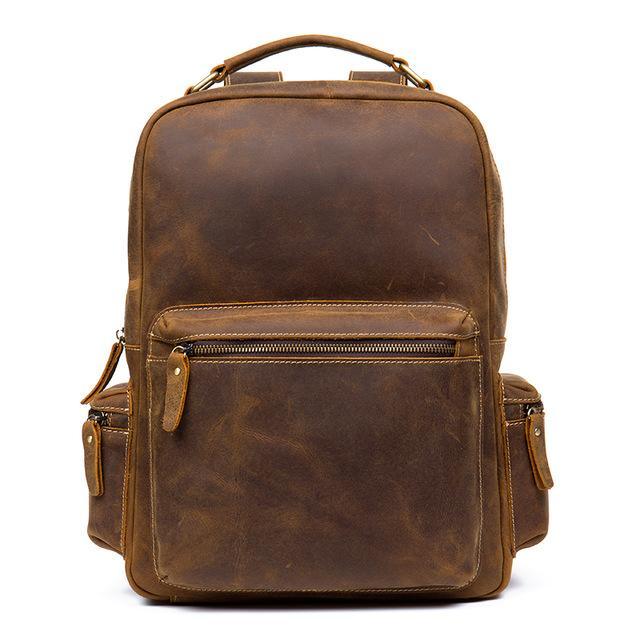
Ink stains on leather can be removed if you act quickly and use the right method. The safest options, in order of preference, are specialized leather cleaner, mild soap and water, rubbing alcohol, hairspray, and acetone-based nail polish remover. Fresh stains treated within minutes have the highest success rate; stains left for days or weeks may only fade rather than disappear completely.
This guide walks through five removal methods, when to use each one, and how to protect your leather bag or leather goods afterward with proper conditioning.
Key Takeaways
- Treat ink stains immediately. Fresh ink blots up with a dry paper towel; ink that sits for more than a few hours starts to bond with the leather fibers and becomes harder to lift.
- Specialized leather cleaners are the safest option because they clean and moisturize at the same time. Household alternatives like rubbing alcohol and hairspray work but carry higher risk of drying out the leather.
- Always test any cleaning solution on a hidden spot, such as the underside of a strap or an interior panel, before applying it to the visible stain.
- Alcohol-based products must be dried immediately with a cloth or blow dryer. Leaving alcohol on leather for more than a minute or two can cause cracking.
- Apply a leather conditioner after any stain removal to replace lost oils and add a protective layer.
Why Do Ink Stains Damage Leather If Left Untreated?

Ink contains dyes and solvents that penetrate leather's porous surface. Once the solvent evaporates, the dye pigment remains lodged in the grain, which is why old ink stains are much harder to remove than fresh ones. Covering the stain with polish or dye is not a real fix since the ink is still sitting under the surface.
Leather is a delicate material, and cleaning it incorrectly can cause more damage than the stain itself. Before attempting any ink removal, it helps to understand the basics of how to clean a leather bag so you don't strip natural oils or damage the finish.
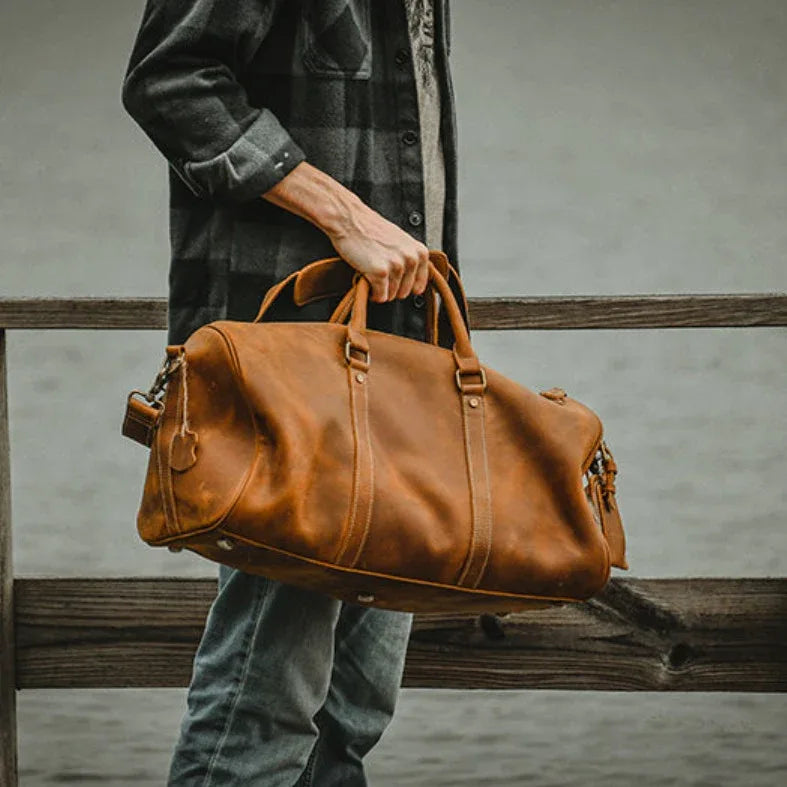
If you own a handmade leather bag, you've likely noticed it develops a natural patina over time. This aged look is desirable, but ink stains disrupt it unevenly, which is one more reason to treat stains as soon as they happen rather than let them set into the patina.
How Quickly Should You Treat an Ink Stain on Leather?

Treat ink stains within the first few minutes for the best chance of full removal. Research confirms that the sooner ink stains are treated, the higher the chances of complete removal, since fresh stains require significantly less effort to clean than set-in stains (Ferreira et al., 2011).
Stains that sit for hours or days may still respond to treatment, but expect fading rather than complete disappearance. This is especially true on full-grain leather items like a duffle bag or laptop bag that see daily use and get exposed to pens, markers, or ink cartridges regularly.
What Should You Do for a Fresh Ink Stain?
Dab (don't wipe) the ink with a dry paper towel to absorb as much as possible without spreading it. Follow with a small amount of mild moisturizing soap mixed in water, applied with a damp cloth. Finish by drying the area completely with a clean, dry paper towel.
What Are the Best Methods for Removing Ink from Leather?
Below is a quick-reference comparison of the five main methods, ordered from gentlest to strongest. Start at the top of the list and only move down if the previous method doesn't fully work.
| Method | Best For | How to Apply | Risk Level |
|---|---|---|---|
| Leather cleaner (ink-specific) | Any stain, especially on premium bags | Apply per product instructions, wipe clean | Low |
| Mild soap and water | Fresh, light stains | Blot ink, then wipe with damp soapy cloth, dry fully | Low |
| Rubbing alcohol (70% isopropyl) | Ballpoint pen stains, set-in marks | Cotton swab, circular motion, dry immediately with blow dryer | Medium |
| Hairspray | Moderate stains when alcohol isn't available | Spray, blot immediately, follow with soap and water rinse | Medium |
| Perfume or acetone nail polish remover | Last resort for stubborn stains | Apply sparingly with cloth, wipe off, rinse with soapy water | High |
It is important to understand before cleaning your leather that the wrong solution can dry it out and cause cracking. The methods above range from store-bought ink removers to items already in your household.
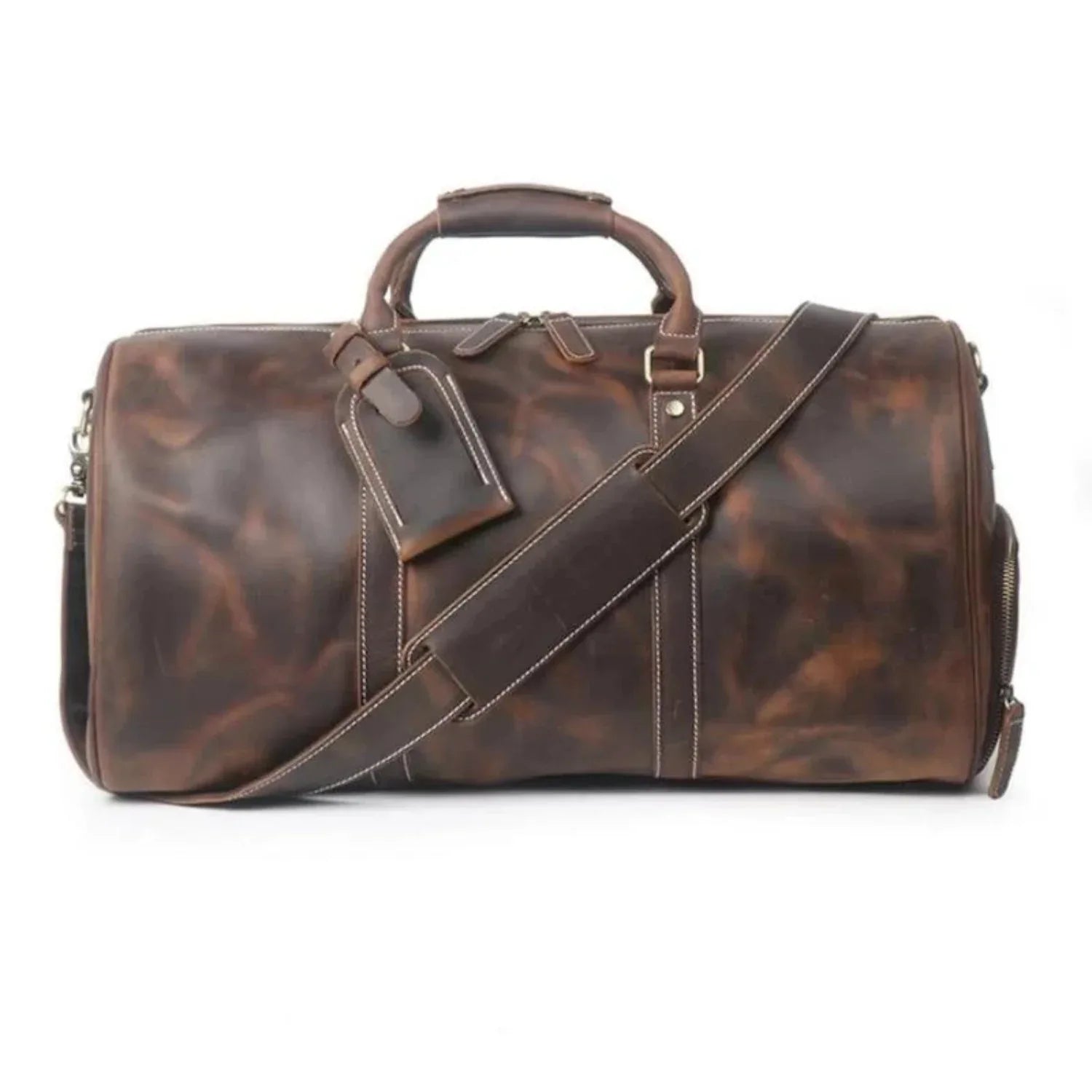
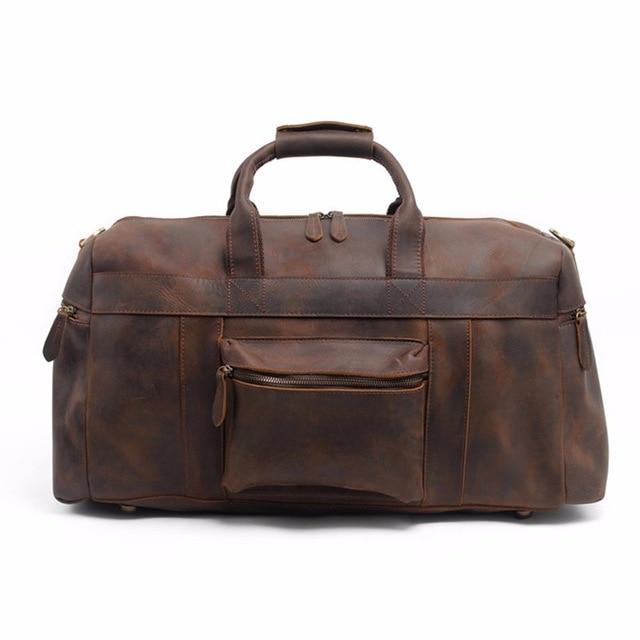
Professional note: When cleaning premium full-grain leather items like the Endre Weekender, start with the gentlest method first. Full-grain leather responds well to specialized cleaners, though mild soap solutions handle fresh stains fine without added risk.
Option 1: Leather Cleaner
A specialized leather cleaner is the safest option for removing ink stains. Studies have found that leather cleaners formulated for ink removal clean effectively while also moisturizing the material, which helps preserve the leather's integrity compared to generic cleaning products (Stern et al., 1987). Choose an ink-specific formula if one is available; if not, a standard leather cleaner is still a safer starting point than household chemicals.
Option 2: Soap and Water
Mild soap and water works on light or fresh stains without added risk. Blot the ink with a dry paper towel first, then wipe the area with a damp cloth and a small amount of moisturizing soap. Dry the leather fully and repeat as needed until the stain lifts.
Option 3: Rubbing Alcohol

Isopropyl alcohol at 70% concentration is effective on ballpoint pen ink and other set-in marks. Research has shown that 70% isopropyl alcohol achieves over 90% cleaning efficacy when applied to contaminated surfaces immediately (Datta et al., 2018). You'll need rubbing alcohol, cotton swabs, and a blow dryer.
Apply the alcohol directly to the stain with a cotton swab in a small circular motion. Stubborn stains may require several swabs before the ink lifts completely. Dry the area immediately afterward, since alcohol-based cleaners left on leather too long can cause cracking (Vayısoğlu & Öncü, 2021).
A blow dryer on a low or cool setting works best for this step since it dries the area quickly without adding heat damage. This drying step is not optional. Skipping it is the most common reason alcohol-based cleaning goes wrong on leather bags and leather furniture alike.
Option 4: Hairspray
Hairspray breaks down ink pigment and can lift moderate stains, though it's not the most eco-friendly option on this list. Spray the stained area until saturated, then blot immediately with a dry paper towel or microfiber cloth. Follow up with warm water and mild soap to remove any sticky residue, then dry and condition the leather.
Option 5: Perfume or Nail Polish Remover
Acetone-based nail polish remover or perfume should only be used when the other four options aren't available. Apply with a cotton swab or lint-free cloth directly on the stain, then wipe off as much as possible. Rinse with soapy water afterward to remove any harsh chemical residue, since leftover acetone will dry out and crack the leather over time.
For pigmented or aniline leather with stubborn stains, consult a professional leather cleaner rather than risk further damage. Regular cleaning combined with a leather protector helps prevent future ink stains on leather furniture and bags.
During development of the Taavi Tote, a 13.4" x 13" x 5.9" tote made from full-grain leather, customer questions about ink stains led to testing each of these five methods directly on leather offcuts. The gentlest methods (leather cleaner, then soap and water) consistently produced the best results with the least risk to the finish.
Rubbing Alcohol vs. Leather Cleaner: Which Should You Use?
Leather cleaner is the safer choice for most ink stains because it's formulated specifically for leather and includes conditioning agents. Rubbing alcohol works faster on stubborn ink but strips natural oils from the leather if not dried immediately. The table below breaks down the practical differences.
| Factor | Leather Cleaner | Rubbing Alcohol (70%) |
|---|---|---|
| Moisturizes leather | Yes, most formulas include conditioning agents | No, strips natural oils |
| Effectiveness on set-in ink | Moderate to high, depending on formula | High, works well on ballpoint pen ink |
| Drying time required | Minimal, air dry | Immediate, requires blow dryer or fast towel dry |
| Risk of cracking if misused | Low | Medium to high |
| Availability | Requires purchase, not always on hand | Common household item |
Final Reminders and Best Practices

Handle every ink stain removal attempt with a light touch. Aggressive scrubbing spreads the ink and can damage the grain surface permanently.
Important Guidelines
- Clean dust and grime off the area before treating the stain. A quick wipe-down prevents grinding dirt into the leather during cleaning.
- Every method except specialized leather cleaner carries some risk of drying out the leather. Always wipe away excess product immediately.
- Test any solution on a hidden spot first, such as the underside of a strap or an interior seam.
- Apply a leather conditioner after removing the stain to restore moisture and add a protective layer. For a natural approach, see this guide on DIY homemade leather conditioners.
Ink isn't the only substance that stains leather. If you're dealing with grease or oil marks instead, this guide on getting oil stains out of leather covers a different set of techniques. For scuffed or scratched leather, see how to fix scratched leather in 3 easy steps. And for leather that's gone stiff after cleaning, check out this guide on how to soften leather.
Which Steel Horse Leather Bags Are Most Prone to Ink Stains?
Any bag used daily for work or school is more likely to pick up ink marks from pens, markers, or leaking cartridges. Bags with exterior pen loops or open-top pockets see this most often.
| Bag Type | Example Product | Common Ink Exposure |
|---|---|---|
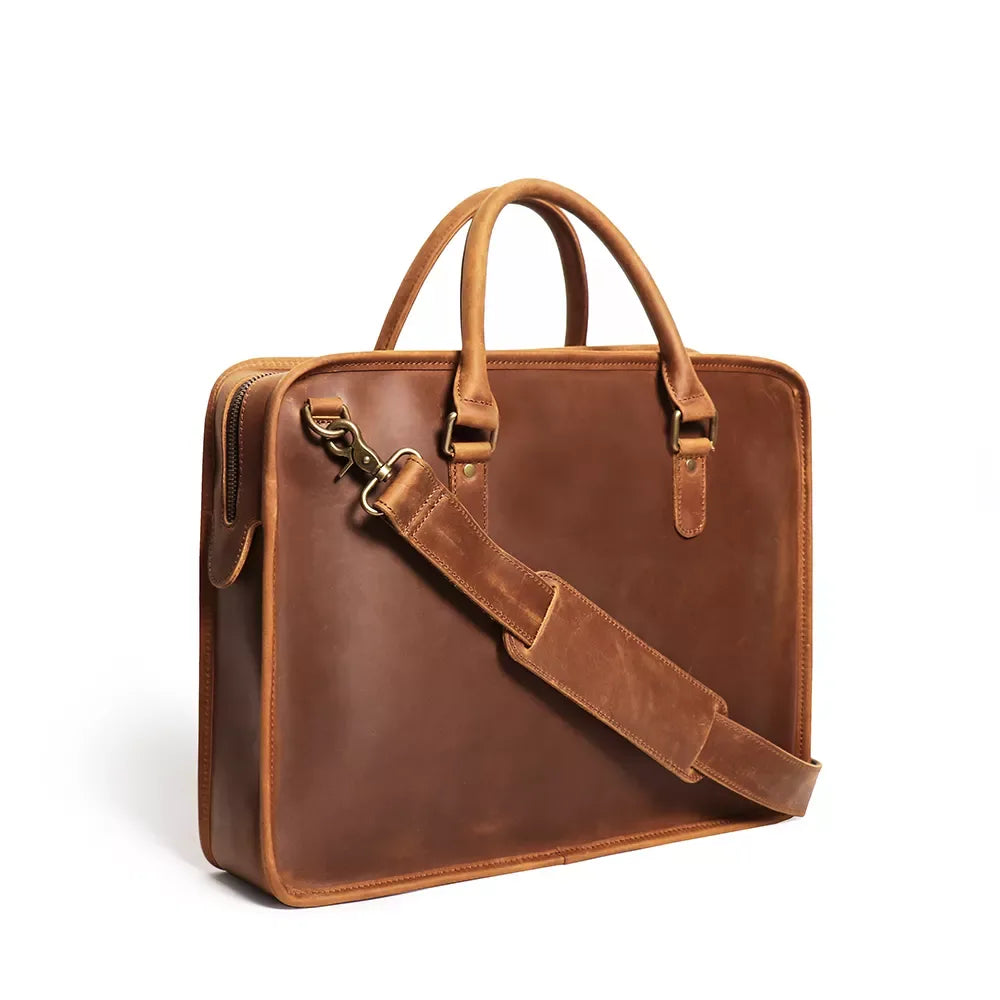
| Briefcase | The Welch Briefcase | Pen leaks from interior organizer pockets |
| Laptop bag | The Hemming Leather Laptop Bag | Marker or pen contact during commuting |
| Tote | The Taavi Tote | Open-top design allows pens to shift and leak |
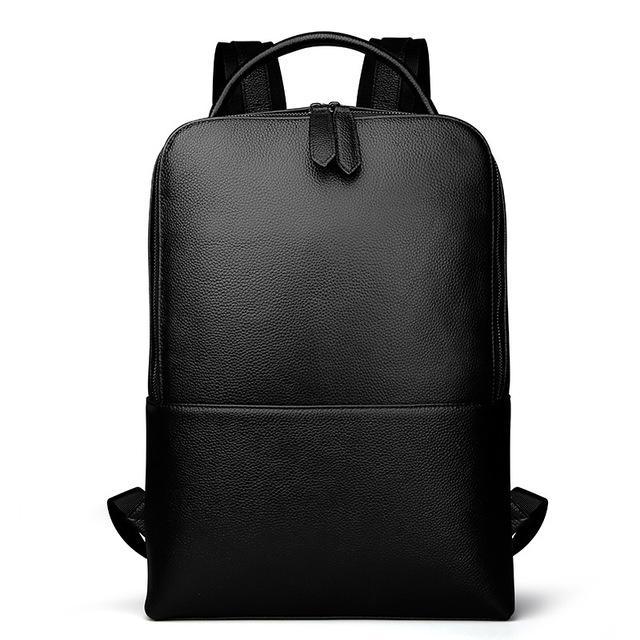
| Backpack | Skald Black Pebbled Leather Backpack | Ink transfer from notebooks and folders |
| Weekender / duffle | The Endre Weekender | Pens rolling loose in main compartment |
If you're shopping for a new bag and want to reduce future stain risk, look for models with zippered interior pockets or pen sleeves, such as the Viggo Briefcase or the Bjorn Leather Laptop Bag. Browse the full leather briefcase collection or leather laptop bag collection for more options with organized interiors.
Why Trust This Leather Care Guide?
Steel Horse Leather's care recommendations come from years of hands-on work crafting full-grain leather goods. Our artisans work daily with different leather types and field customer questions about maintenance, including stain removal, on a regular basis.
We vet our leather providers and understand the tanning and treatment process from start to finish, which shapes how we test and recommend cleaning methods. Every technique in this guide has been tested on leather offcuts and finished products, including full-grain and full-grain leather pieces, before being recommended here.
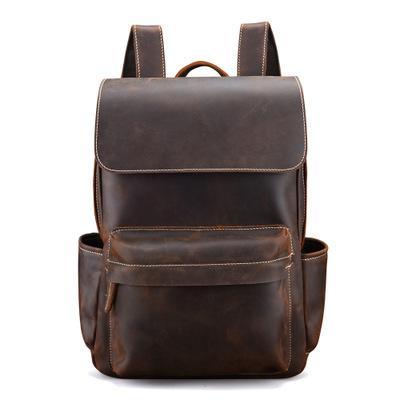
This hands-on testing is also why we recommend starting with the gentlest method and working up only if needed. It's a slower process, but it protects the leather's finish and keeps items like the Icarus Backpack or Brandt Weekender looking right for years of regular use.
Frequently Asked Questions
How soon should I treat an ink stain on leather?
Treat it immediately. Fresh stains blot up easily with a dry paper towel using a dabbing motion, while stains left for hours or days require stronger methods and may only partially fade.
What is the best method for removing ink from leather?
A specialized leather cleaner made for ink stains is the best option since it cleans and moisturizes at the same time. If unavailable, soap and water, rubbing alcohol, hairspray, or nail polish remover can work, though each carries more risk to the leather's finish.
Can household items safely remove ink from leather?
Yes, but with caution. Rubbing alcohol, hairspray, and nail polish remover can all lift ink stains, though they must be followed by immediate drying to prevent cracking or discoloration.
Why is drying important after cleaning leather?
Cleaning solutions, especially alcohol-based ones, can damage leather if left on the surface too long. A blow dryer on a cool setting or a thorough towel dry prevents this damage.
Should I condition the leather after removing ink?
Yes. A leather conditioner replaces oils lost during cleaning and adds a protective layer that helps prevent future stains from setting in as quickly.
Will rubbing alcohol lighten or discolor my leather?
It can, especially on dyed or aniline leather. Always test on a hidden area first, such as the underside of a strap, before applying alcohol to a visible stain.
Is ink stain removal different for full-grain leather versus bonded leather?
Full-grain leather, used in all Steel Horse Leather products, tends to handle these cleaning methods better than bonded or coated leather because it's a single, solid layer of hide rather than scraps bonded with adhesive. Bonded leather can peel or bubble when exposed to alcohol or acetone-based cleaners.
Conclusion
Ink stains on leather are treatable in most cases if you act quickly and start with the gentlest method available. Specialized leather cleaner is the safest first choice, followed by soap and water, rubbing alcohol, hairspray, and finally acetone-based products as a last resort. Always test on a hidden spot, dry thoroughly after cleaning, and finish with a leather conditioner to protect the material going forward.
For more on keeping leather bags in good condition over time, see our guides on cleaning and conditioning leather duffel bags and repairing and restoring a leather backpack. Browse the full leather bags collection to find your next everyday carry.
References
Datta, P., Kaur, M., Rawat, S., Gupta, V., & Chander, J. (2018). Stethoscope, "the friendly foe" – a study to evaluate bacterial contamination of stethoscopes and disinfection practices. The Journal of Infection in Developing Countries, 12(10), 887-893. https://doi.org/10.3855/jidc.10128
Ferreira, M., Almeida, M., & Freitas, F. (2011). Formulation and characterization of leather and rubber wastes composites. Polymer Engineering & Science, 51(7), 1418-1427. https://doi.org/10.1002/pen.21643
Stern, F., Beaumont, J., Halperin, W., Murthy, L., Hills, B., & Fajen, J. (1987). Mortality of chrome leather tannery workers and chemical exposures in tanneries. Scandinavian Journal of Work Environment & Health, 13(2), 108-117. https://doi.org/10.5271/sjweh.2073
Vayısoğlu, S., & Öncü, E. (2021). The use of cleaning products and its relationship with the increasing health risks during the covid-19 pandemic. International Journal of Clinical Practice, 75(10). https://doi.org/10.1111/ijcp.14534
All of our bags at Steel Horse Leather are crafted from full-grain crazy horse leather, built to develop a rich patina over time. Browse our Leather Bags.