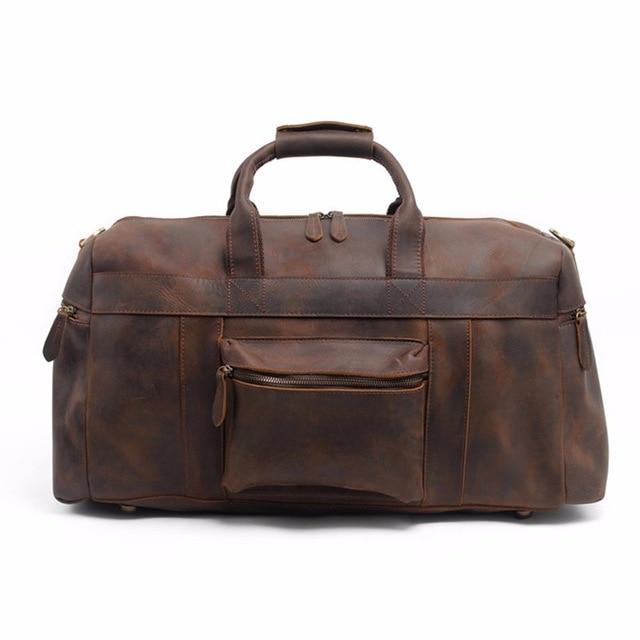
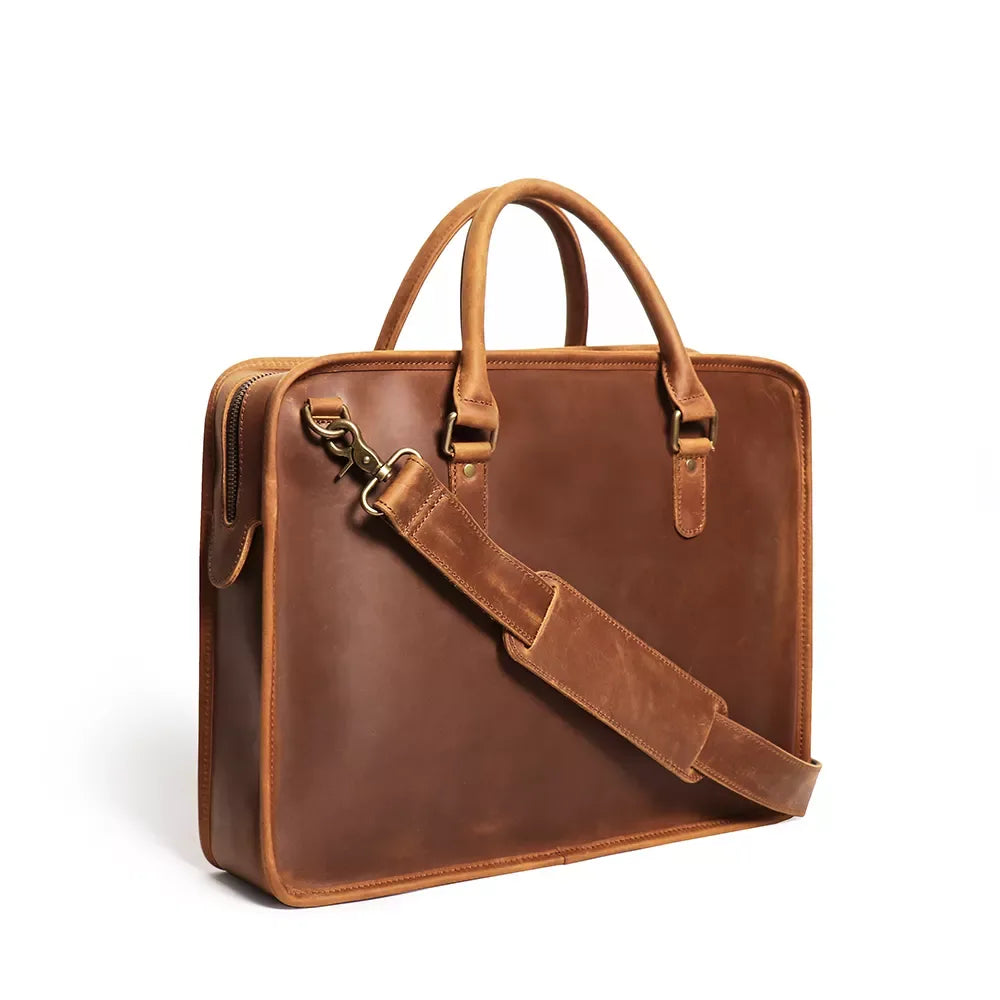
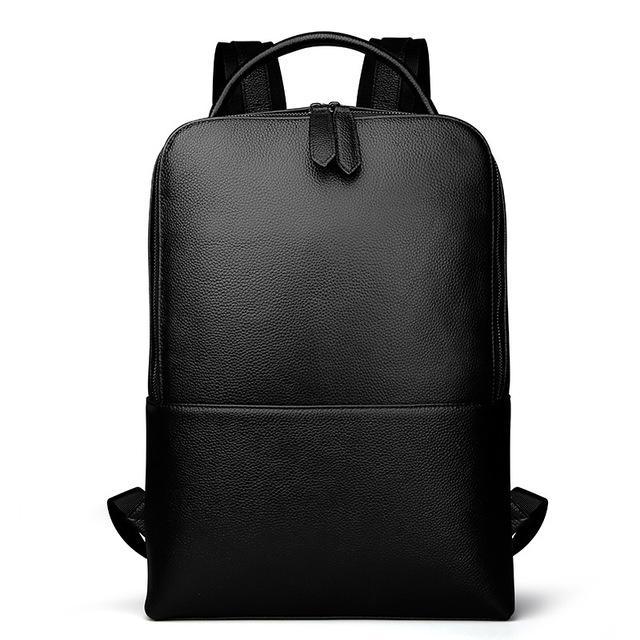
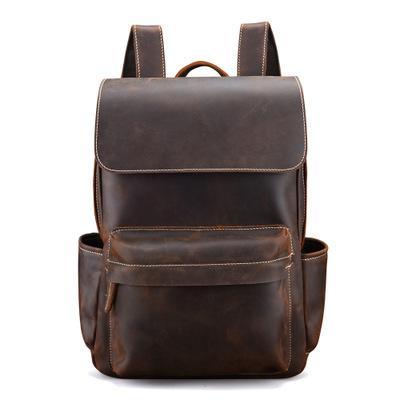
If you've ever tossed a good pen into a backpack or briefcase pocket only to fish it out later with a bent clip or a leaking cartridge, you already understand the value of a proper pen case. It's a small accessory, but for anyone who writes daily, whether that's signing contracts, journaling, or sketching, a leather pen case protects an investment and adds a bit of quiet, personal style to your everyday carry.
This guide will walk you through everything worth knowing before you buy one: what makes a pen case well built, how to pick the right size, how to care for it, and the mistakes we see people make most often.
What Exactly Is a Leather Pen Case, and Who Needs One?

A leather pen case is a small, structured pouch or sleeve designed to hold one or more writing instruments (pens, pencils, styluses) safely and separately from the rest of your bag's contents. Unlike a generic pouch, a well-made pen case has some internal structure, whether that's individual slots, an elastic loop, or a snug-fitting sleeve, to keep pens from rolling around, clacking against each other, or getting their tips damaged. Pen cases tend to appeal to a few overlapping groups of people:
- Professionals who carry a fountain pen or a quality rollerball for client meetings and want it protected from scuffs inside a briefcase or laptop bag
- Writers and students who use multiple pens or fine-tipped instruments daily and want quick access without digging through a bag
- Fountain pen enthusiasts and collectors who need cases that prevent ink leakage and protect nibs from pressure damage
- Gift buyers looking for a thoughtful, practical present for graduations, promotions, or retirements
If you're already shopping for a bigger piece, like a leather briefcase or a leather laptop bag, a pen case is a natural add-on that keeps your smaller essentials organized inside a larger interior.
Key Features to Look For
1. Capacity and Slot Count
Pen cases generally range from single-pen sleeves to cases holding six or more instruments. Before buying, think honestly about how many pens you actually use day to day. A single fountain pen user doesn't need a six-slot case; a note-taker who color-codes with multiple pens might. Overbuying capacity just means extra bulk in your bag for no reason.
2. Closure Type
Common closures include:
- Snap closures: fast access, secure enough for daily use
- Zip closures: best for cases carrying loose items like erasers or a small ruler alongside pens
- Roll-up ties: traditional, flexible, and great for cases holding an odd number of pens or mixed sizes
- Elastic loops: simple and minimal, good for single or dual pen carry
Each closure has trade-offs between speed of access and security. If you're tossing your case into a bag with other items, a snap or zip closure will keep pens from spilling out.
3. Leather Type and Thickness
Since a pen case is small, the leather used matters even more per square inch. Full-grain leather is the standard to look for, it's the strongest, most durable layer of the hide and develops a rich patina over time rather than just wearing out. Thinner, lower-quality leather may look fine on day one but will crease, crack, or lose shape after a few months of daily use. If you want to understand more about what separates good leather from mediocre leather, our guide on grain leather definition breaks this down in plain terms.
4. Stitching and Edge Finishing
Check the stitching lines: they should be straight, even, and tight, without loose threads. Edges should be burnished (smoothed and often darkened) rather than raw and fraying. These details are small but tell you a lot about how the case was made and how long it will hold up.
Choosing the Right Size and Style for You

Think about where the pen case will actually live. Will it sit inside a bag pocket, or will you carry it on its own? Consider these common scenarios:
- Desk or drawer storage: a slightly larger, structured case with multiple slots works well since portability isn't a priority
- Daily commuting inside a bag: a slim, low-profile case that slides into a laptop bag or briefcase pocket without adding bulk
- Travel: a compact roll or snap case that protects pens from pressure changes and rough handling in transit
- Gifting: a case that pairs well with another leather good, such as a wallet or passport holder, for a cohesive gift set
If you're building out a full everyday carry system, it's worth browsing our broader leather accessories collection to see how a pen case might pair with other small leather goods you already own or are considering.
Quality Indicators: What Separates a Good Case from a Great One
When you're evaluating a pen case in person or from photos online, look for:
- Consistent color and grain: natural leather has some variation, but it shouldn't look patchy or artificially printed
- Firm structure: the case should hold its shape even when empty, not flop over
- Snug but not tight slots: pens should slide in and out easily without excessive friction that could scratch a finish
- Reinforced stress points: areas like snap closures or roll-tie attachment points should have extra stitching or a backing layer
- A clean smell: genuine, well-tanned leather has an earthy, not chemical, scent
It's also worth understanding the tanning process, since it affects both durability and smell. Our article on how hides are tanned is a good primer if you want to go deeper.
Care and Maintenance Tips
A leather pen case sees a lot of handling, so it picks up oils from your hands and occasional exposure to ink smudges. A little maintenance goes a long way:
- Wipe down regularly with a soft, dry cloth to remove surface dust and oils
- Condition every few months to keep the leather supple and prevent cracking, especially if you live in a dry climate. If you prefer a natural approach, we've put together a guide on DIY homemade leather conditioners
- Address ink stains quickly. Leather is porous, so an ink spill left untreated can set in. Blot, don't rub, and consult our guide on removing oil stains from leather for related stain-lifting techniques
- Avoid overstuffing, which stretches slots and weakens stitching over time
- Store away from direct sunlight when not in use to prevent uneven fading
If your case does end up with a scratch from keys or other items in your bag, don't panic, minor surface scratches are usually fixable. Our step-by-step guide on how to fix scratched leather covers a simple at-home method.
Common Mistakes to Avoid
Buying based on looks alone. A beautiful case that falls apart in six months isn't a good value. Always check leather type and stitching quality, not just color and design.
Ignoring your actual pen collection. A case with slots too narrow or too wide for your specific pens will either damage them or let them rattle around. If possible, measure your pens' diameter and length before buying.
Choosing bulk over need. A ten-slot case looks impressive, but if you only carry two pens, you're carrying dead weight and unused space.
Overlooking how it fits into your existing bag. A pen case that doesn't fit your briefcase or backpack's interior pockets becomes just another loose item. If you're shopping for a case and a bag together, it helps to think about them as a system. Our guide on messenger bag vs briefcase can help you decide on the bag first, which will inform what size accessories make sense inside it.
Assuming all "leather" is equal. Bonded leather and heavily coated leather are cheaper but far less durable than full-grain leather. If you're unsure what to look for, our piece on types of leather goods explains the differences clearly.
Pen Cases as Gifts

Because they're compact and genuinely useful, leather pen cases make excellent gifts, especially for graduations, promotions, or as a thoughtful add-on to a larger present. They pair naturally with items from our leather business gifts collection or corporate leather gifts for colleagues and clients. If you're shopping for a groomsman or a milestone anniversary, a monogram-ready leather pen case can be a small but memorable detail alongside larger gifts from our groomsman gifts or anniversary gifts collections.
Pairing Your Pen Case with the Right Bag

A pen case rarely travels alone. Here's how it fits with some common bag types:
- Briefcases: Slim pen cases slide easily into interior organizer pockets. The Welch Briefcase has the kind of structured interior that keeps a pen case from sliding around with your documents.
- Laptop bags: If you're carrying a laptop for work, a case like the Hemming Leather Laptop Bag offers dedicated smaller pockets well suited to a pen case alongside chargers and notebooks.
- Totes and everyday bags: A roomier bag like the Taavi Tote benefits from a pen case simply to keep pens from getting lost among larger items.
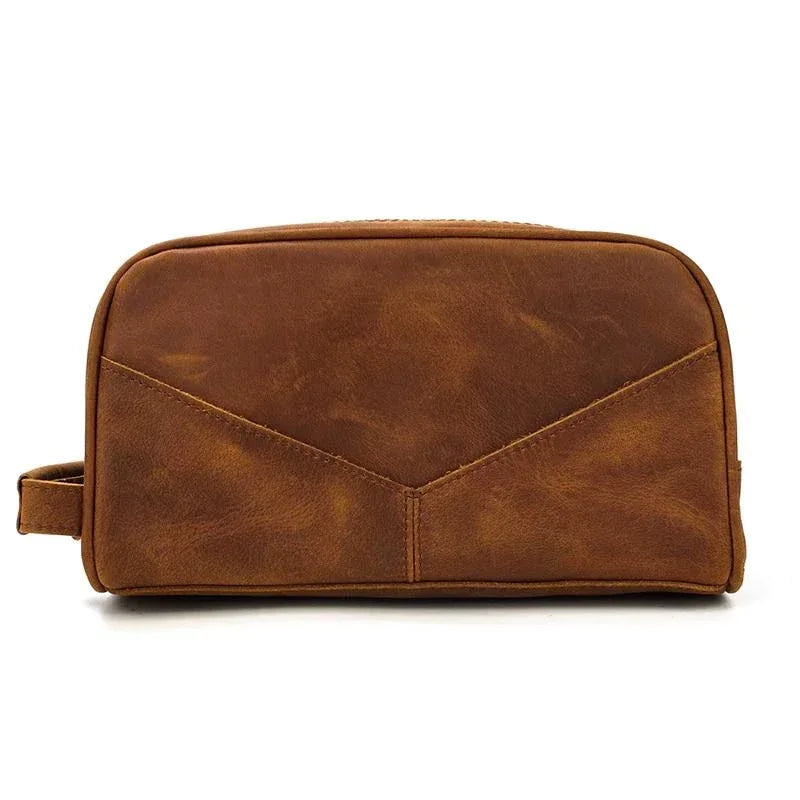
- Travel: If you're packing for a trip, a pen case fits neatly alongside grooming essentials. Something like the Wanderer Toiletry Bag or the Dado Leather Dopp Kit shows the same attention to compact organization that a good pen case should offer.
Frequently Asked Questions
How many pens should a leather pen case hold?
Most people are well served by a two to four slot case. Single-pen sleeves work for minimalists who carry one everyday writer, while larger multi-slot cases suit professionals who switch between colors or pen types throughout the day.
Will a leather pen case protect fountain pens from leaking?
A well-fitted case with individual slots reduces movement, which is the main cause of jostling-related leaks. It won't prevent a leak caused by air pressure changes on a flight, but it will contain any minor leakage and protect other items in your bag.
What's the difference between full-grain and genuine leather for a pen case?
Full-grain leather uses the outermost, most durable layer of the hide and improves with age. "Genuine leather" is a lower grade made from split layers, often treated with coatings to look uniform, and it tends to wear out faster. For an accessory that gets handled daily, full-grain is worth the difference.
Can I fit a leather pen case inside a backpack?
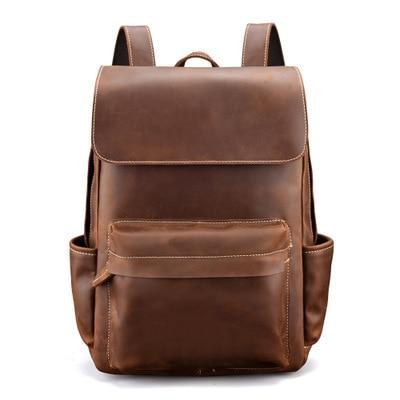
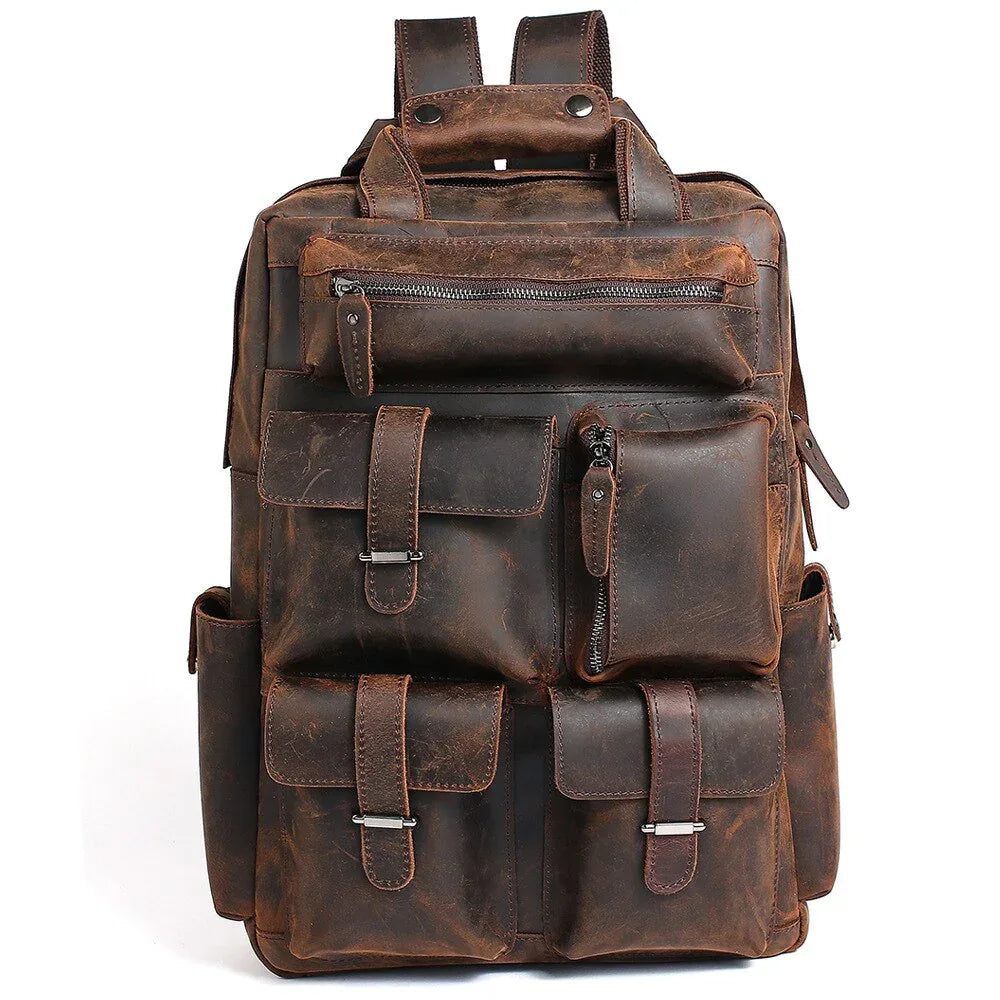
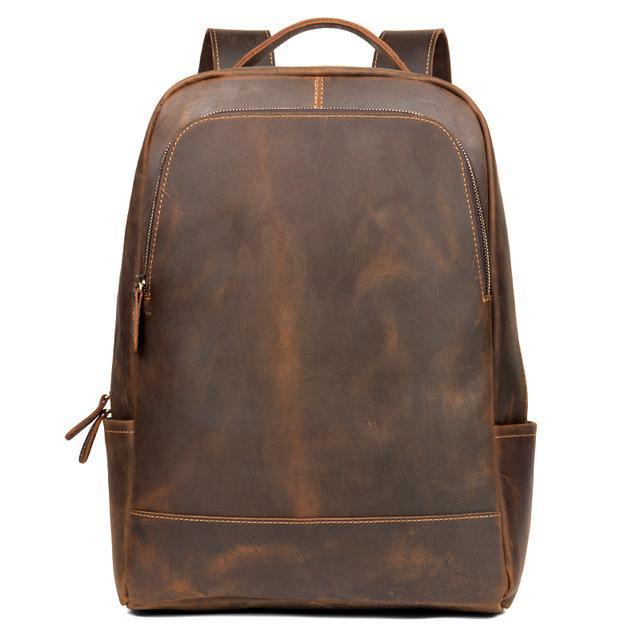
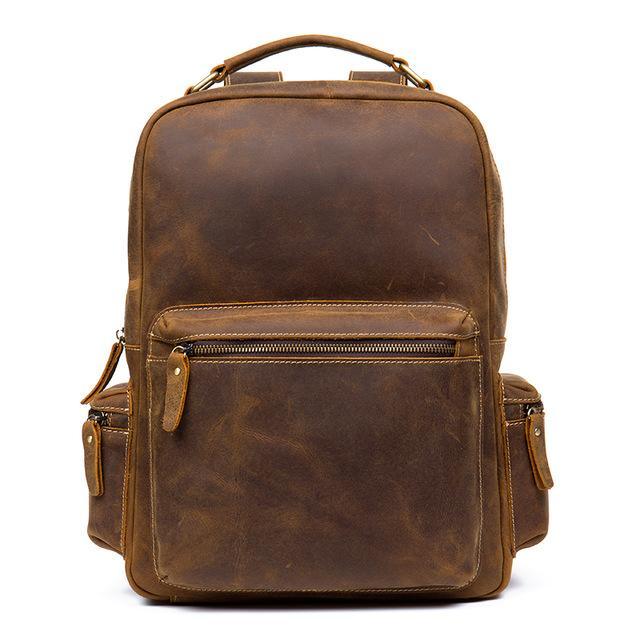
Yes, most slim pen cases fit easily into interior organizer pockets found in laptop backpacks and daypacks. If you're shopping for a backpack with good internal organization, our leather backpacks collection and our article on backpacks with laptop compartments both cover options with dedicated smaller pockets.
How do I clean ink stains off a leather pen case?
Blot fresh ink immediately with a dry cloth, never rub. For set-in stains, a small amount of leather-safe cleaner applied gently can help, but test on an inconspicuous spot first. Persistent stains may require a leather care specialist.
Are leather pen cases a good gift?
Yes. They're practical, relatively affordable compared to larger leather goods, and suit a wide range of recipients, from students to executives. They also pair well as an add-on gift alongside a wallet, journal, or briefcase.
How long should a good leather pen case last?
With proper care, a full-grain leather pen case can easily last a decade or more. The leather will develop a patina and soften slightly with use, but the structure and stitching should hold up well beyond that of synthetic alternatives.
Final Thoughts
A leather pen case is a small purchase, but it's one that quietly improves your daily routine, protecting the tools you rely on and keeping your bag organized. Focus on the leather quality, the fit for your specific pens, and how well it integrates with the bags you already carry. If you're outfitting your full everyday carry setup, take a look at our complete leather accessories collection or explore our full range of leather bags to find pieces that work together, not just individually.
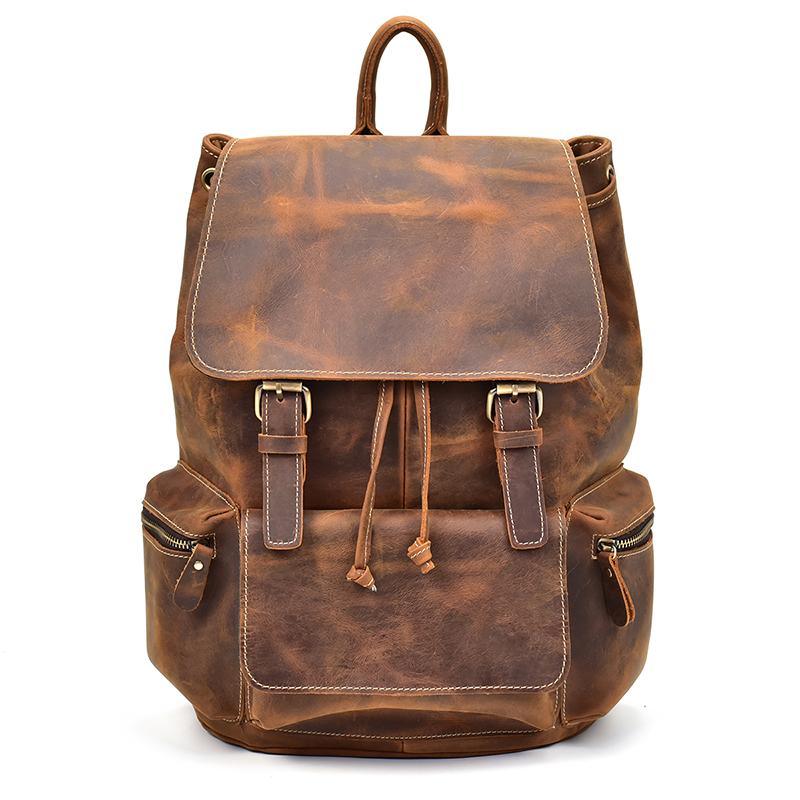
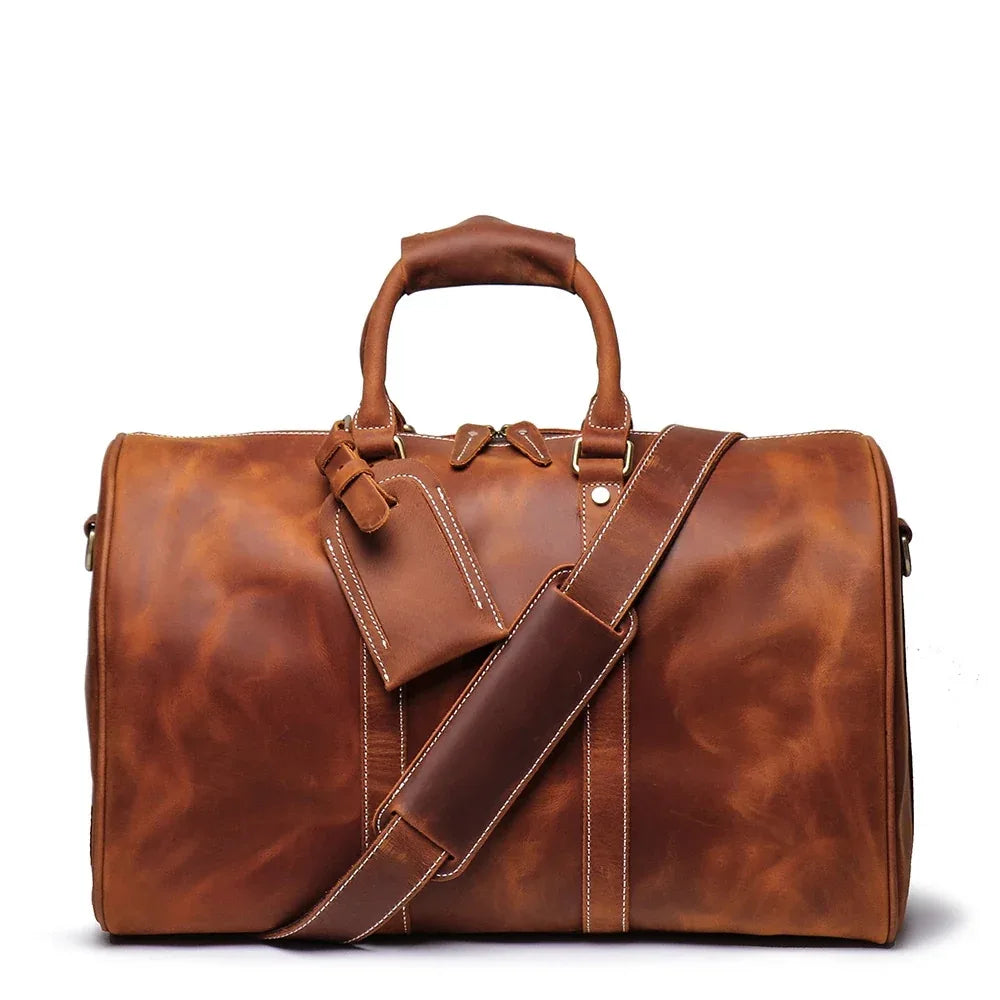
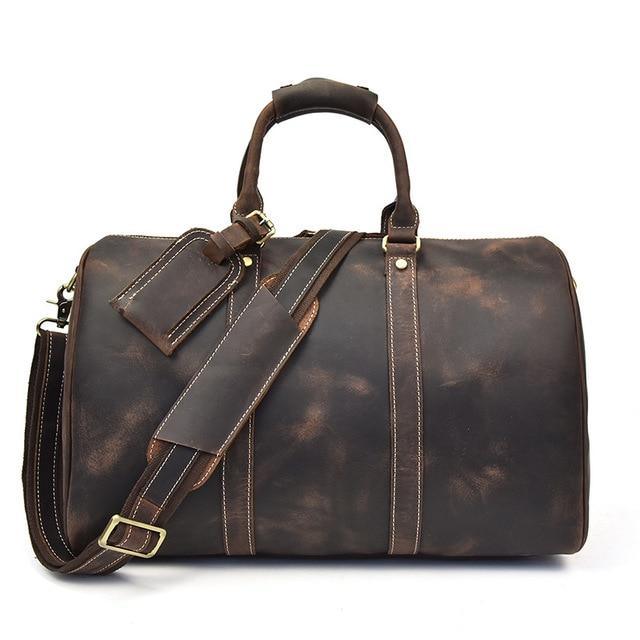
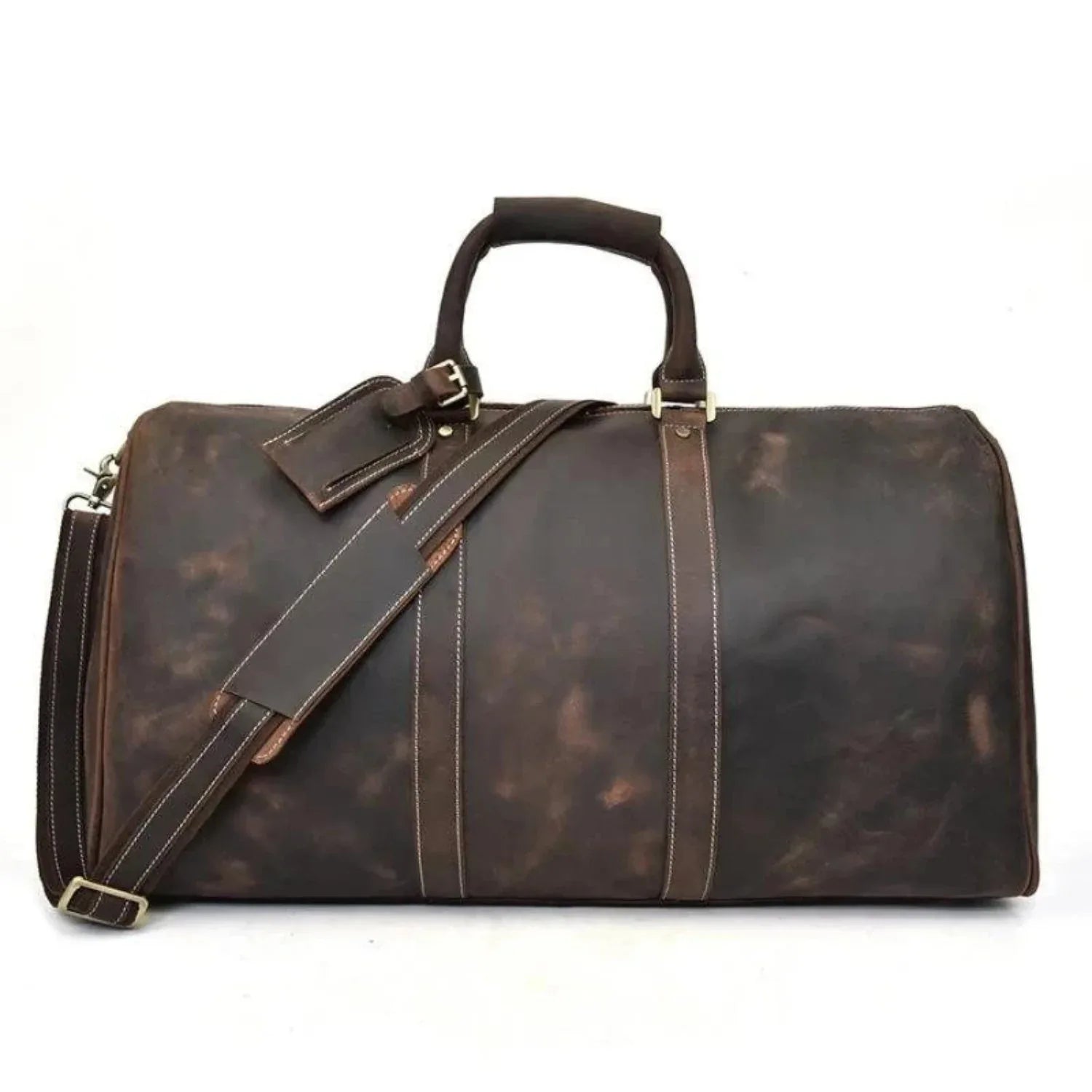
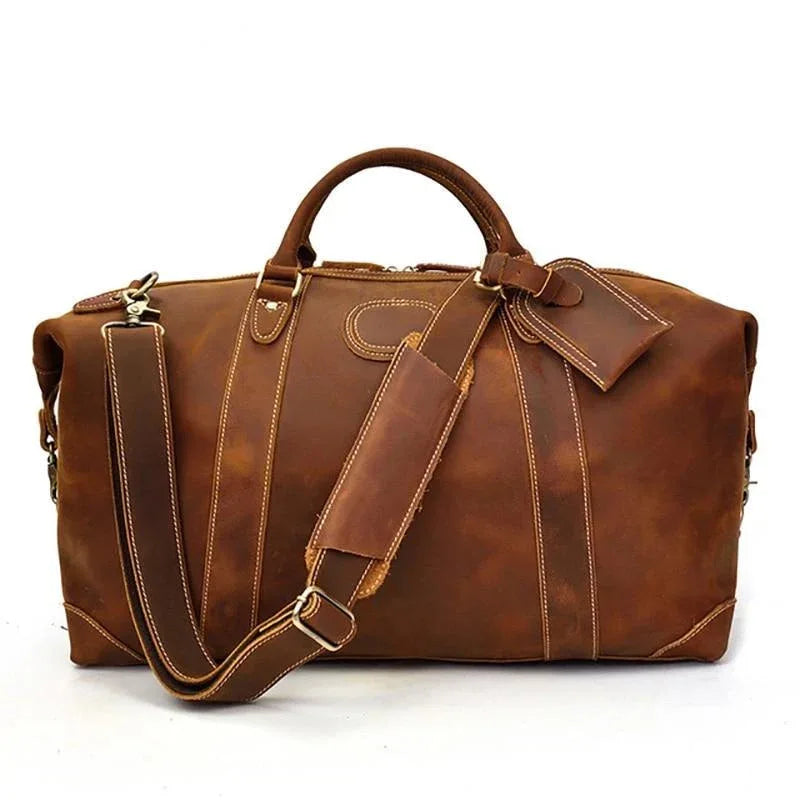
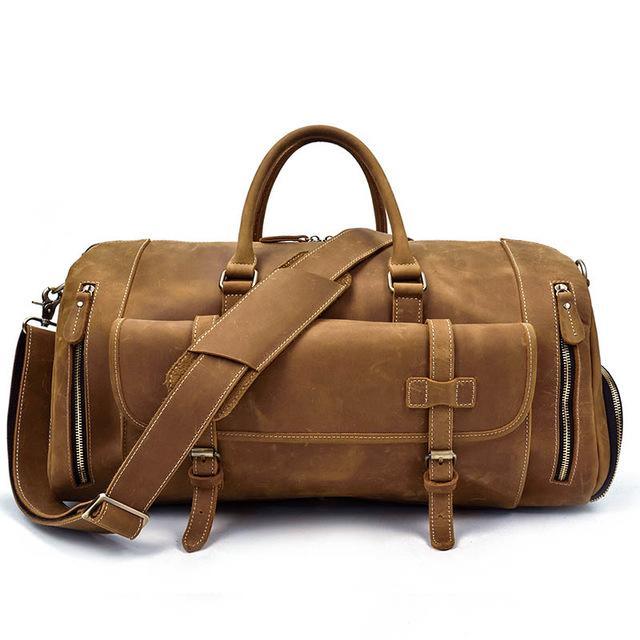
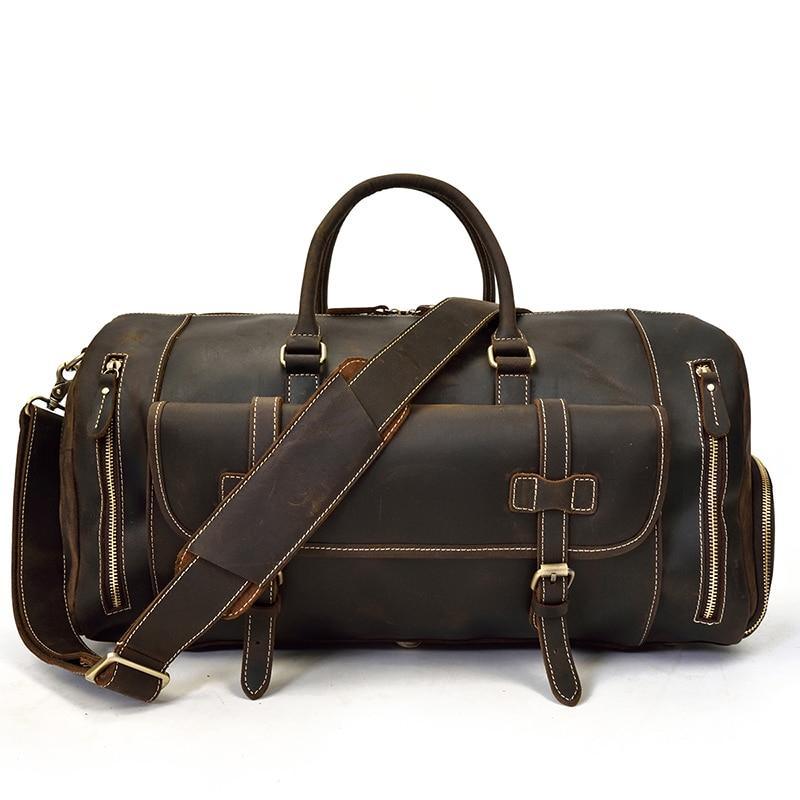
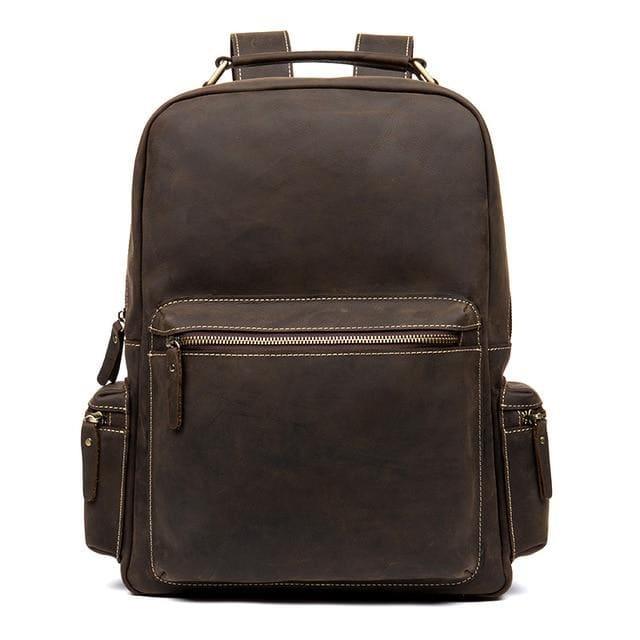
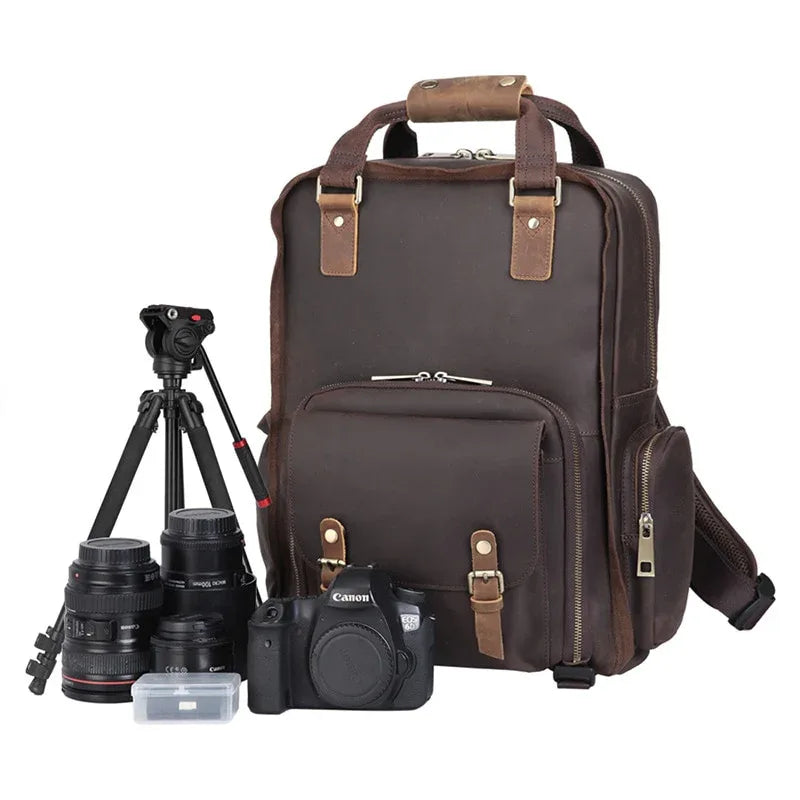
All of our bags at Steel Horse Leather are crafted from full-grain crazy horse leather, built to develop a rich patina over time. Browse our Leather Bags.