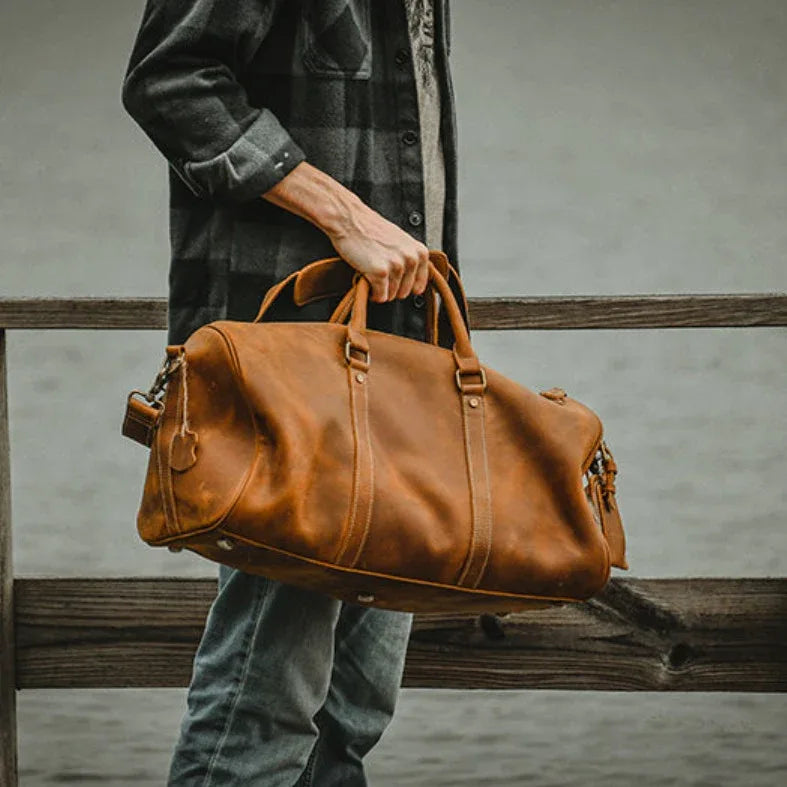
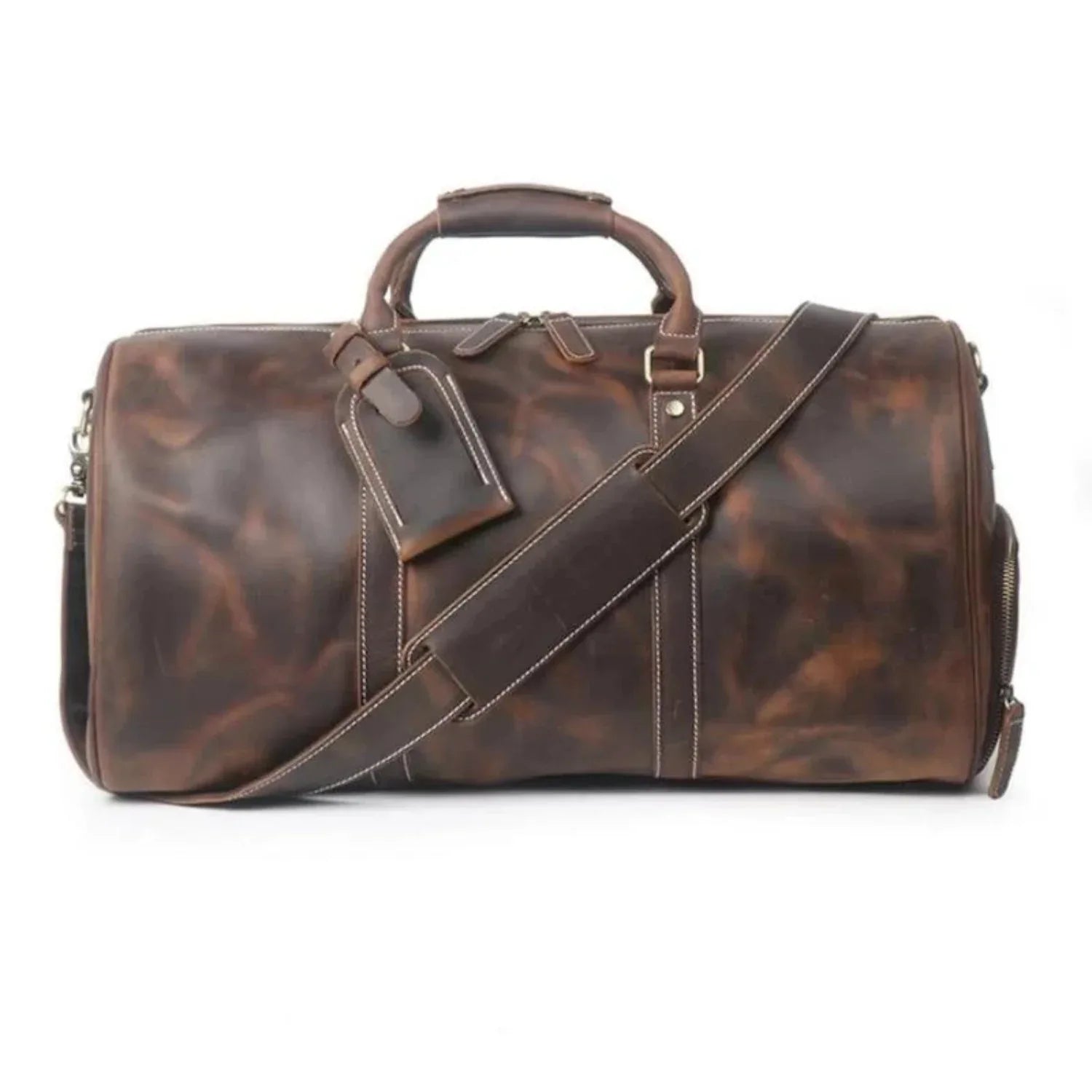
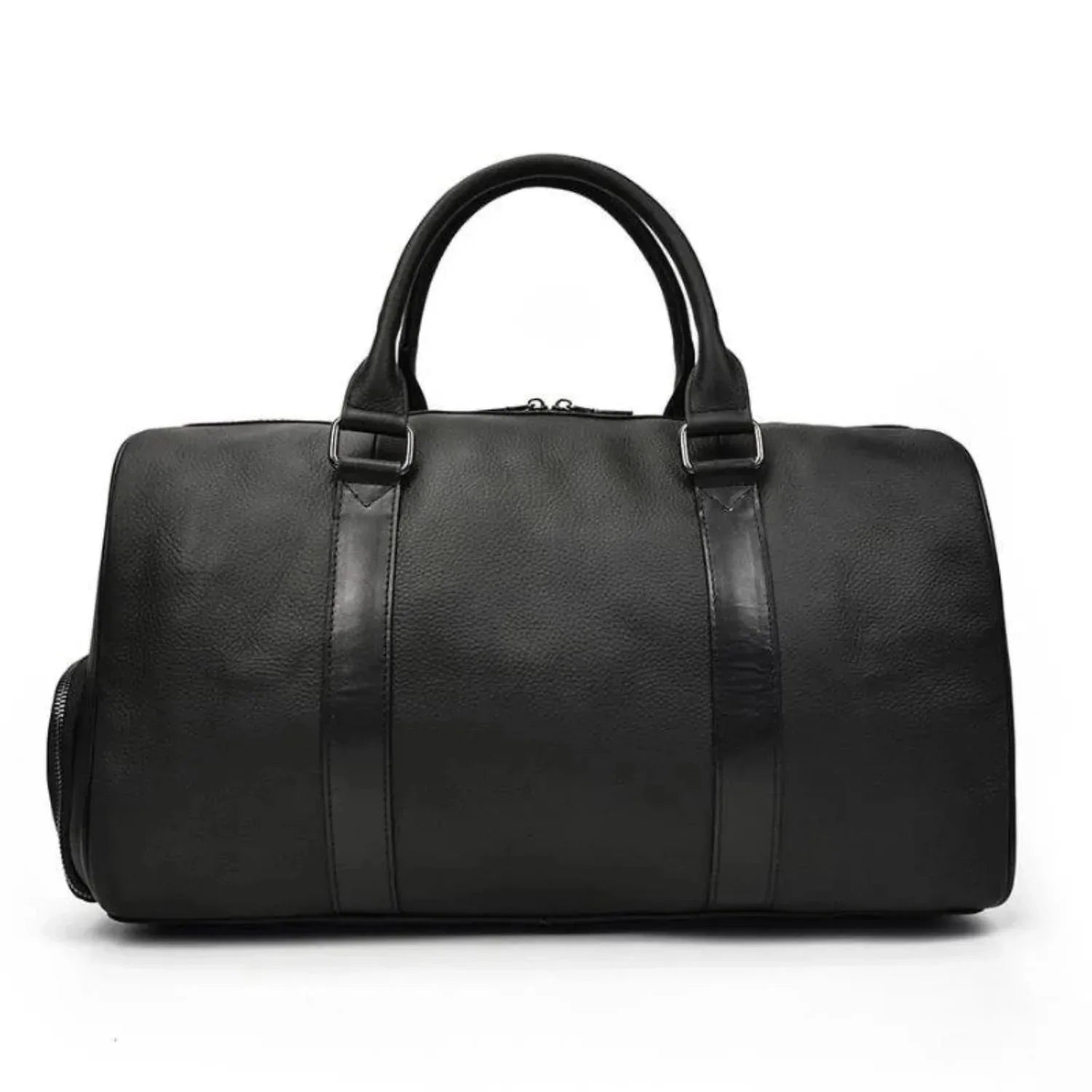
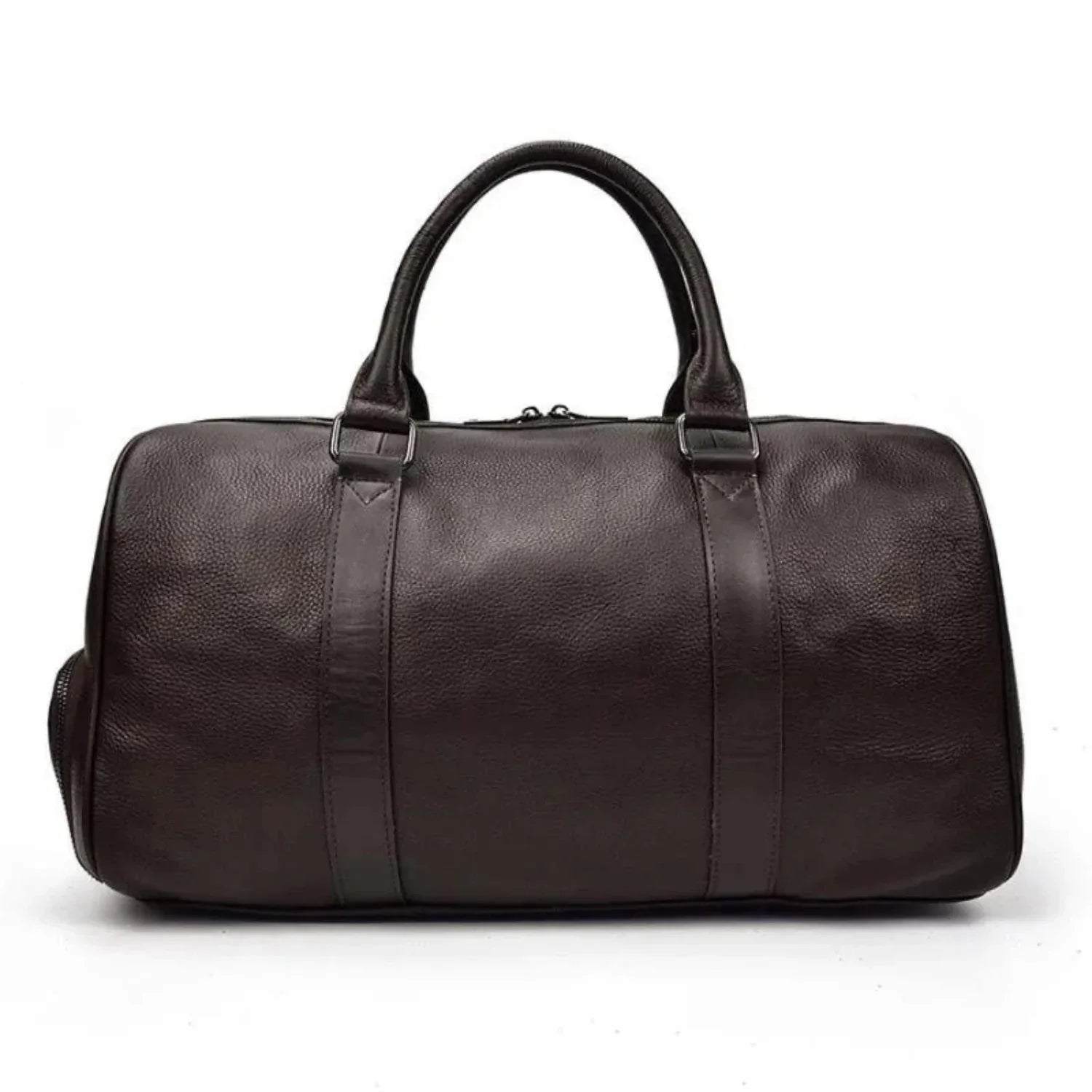
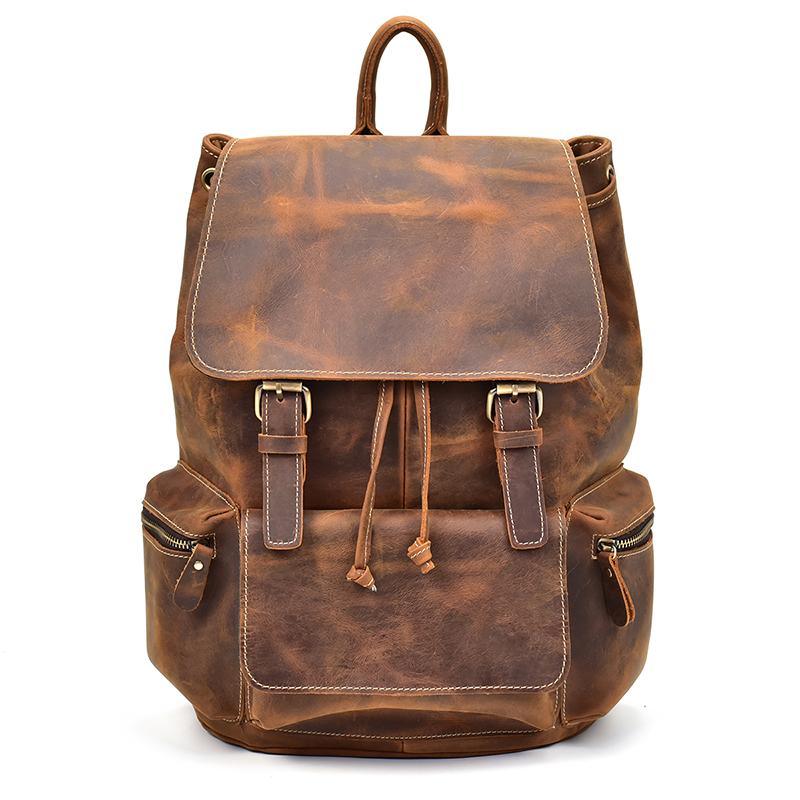
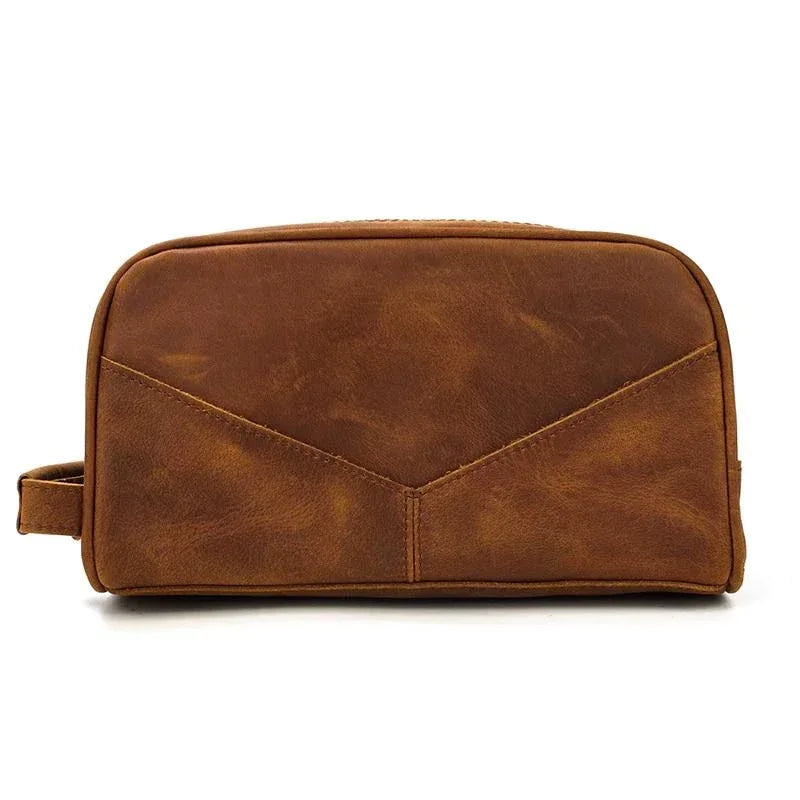
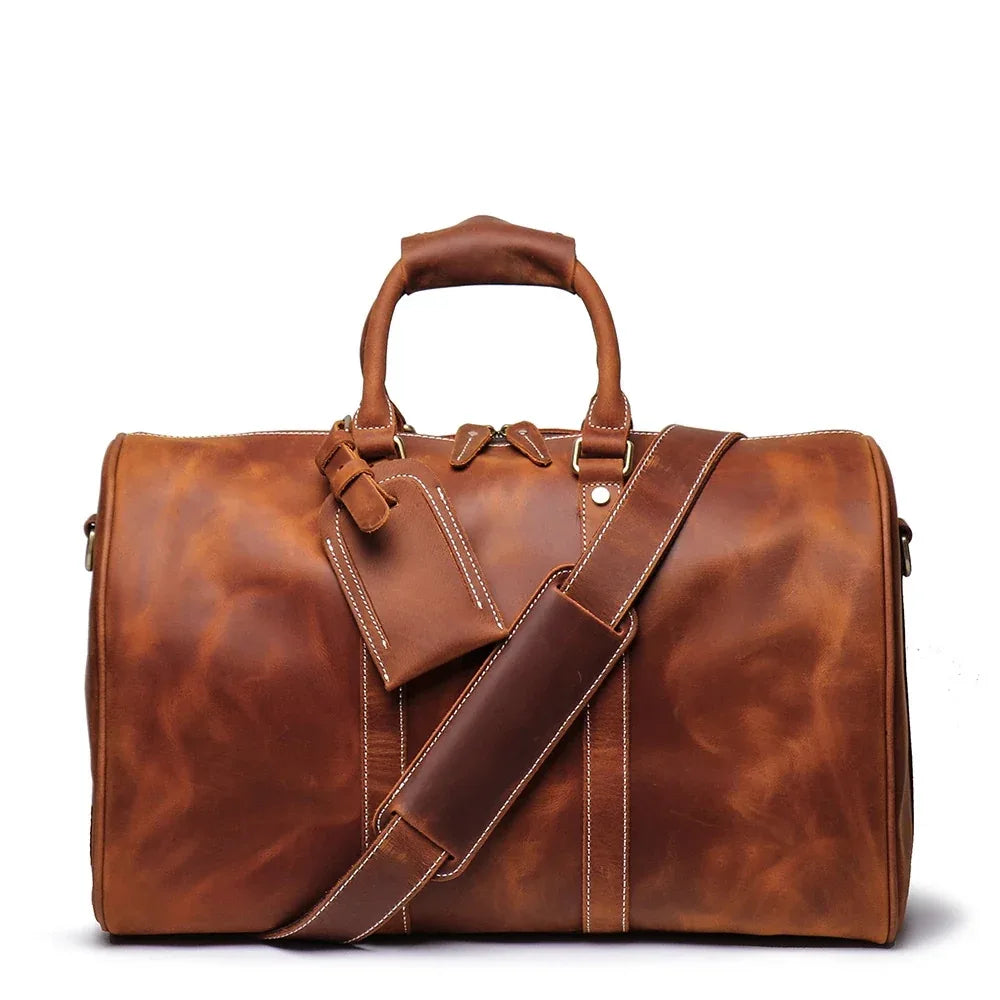
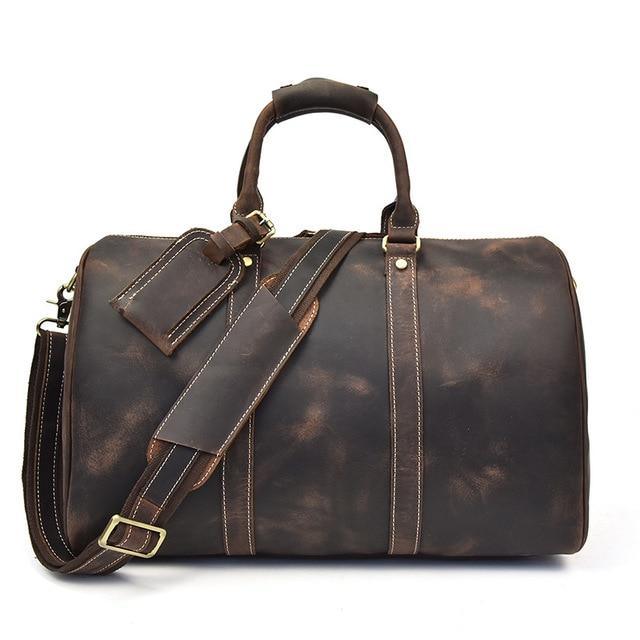
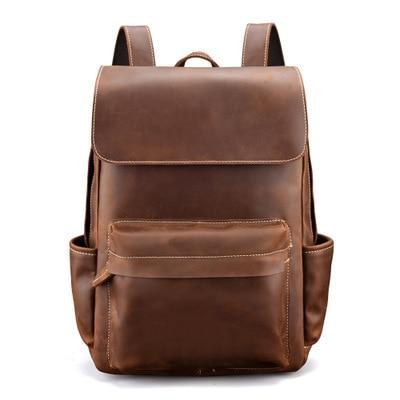
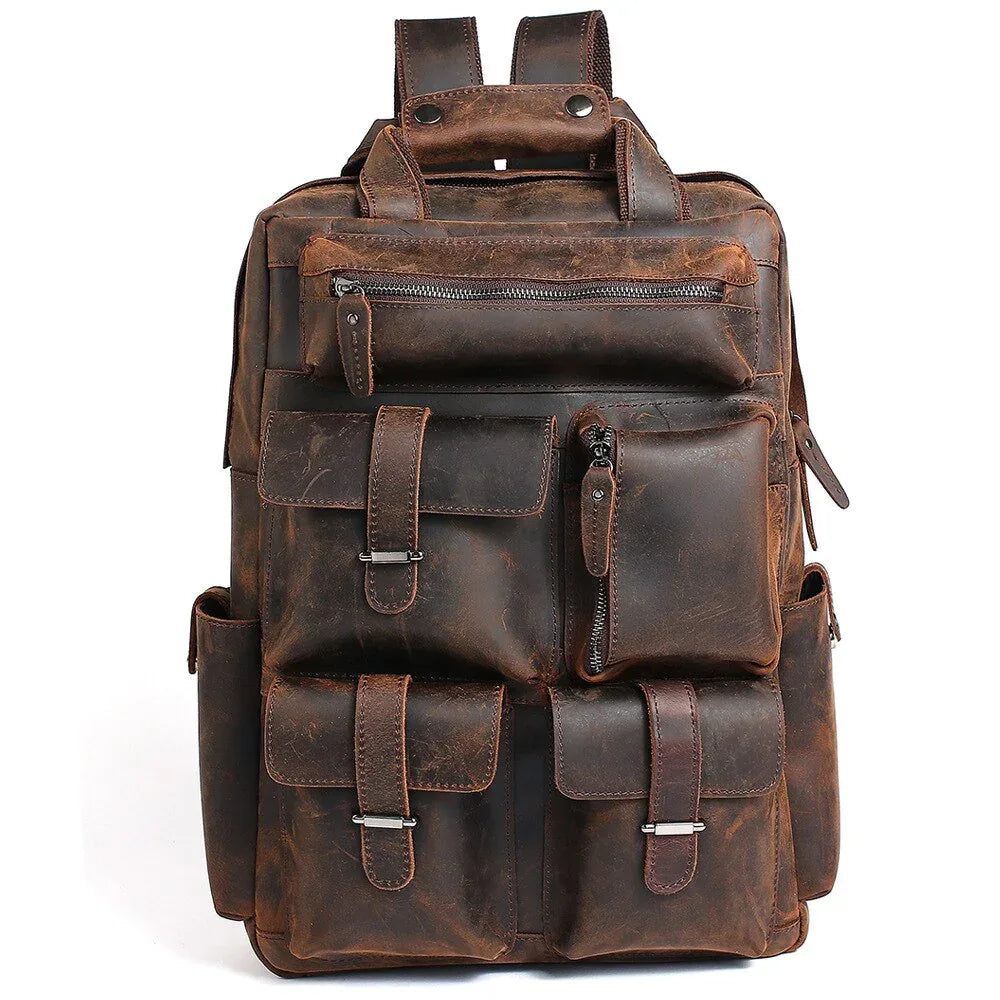
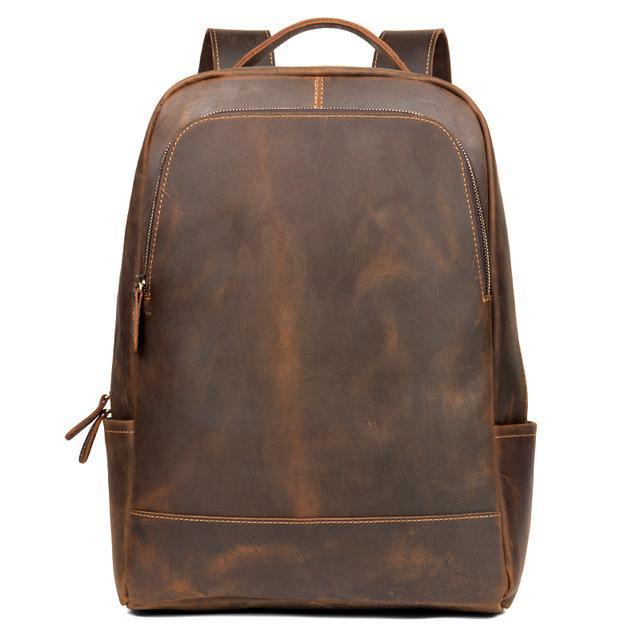
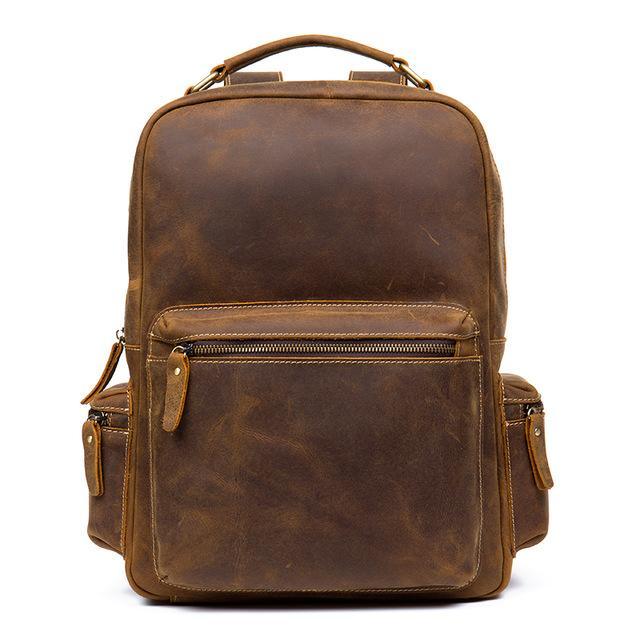
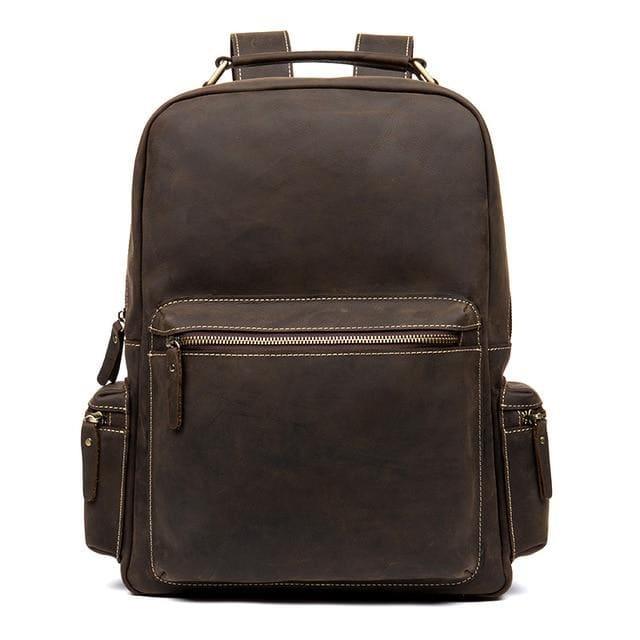
Your laptop, tablet, and other devices are probably worth more than most of the furniture in your house, yet a lot of people still carry them around in flimsy nylon sleeves that were never built to last. A leather tech case solves that problem while also looking a lot better in a meeting. But not all leather tech cases are created equal, and buying one is a bit more nuanced than picking whatever shows up first in a search.
This guide walks through everything you should think about before buying, from construction quality to sizing to the mistakes we see people make over and over. Our goal here isn't to push you toward any one product. It's to help you understand what actually matters so you can make a smart choice, whether that's with us or somewhere else.
What Exactly Is a Leather Tech Case?

"Leather tech case" is a broad term that covers several different products, and understanding the distinctions matters because each one serves a different purpose:
- Laptop sleeves - slim, minimal protection cases that slide into a bag or get carried on their own for short trips
- Laptop bags - standalone bags with a dedicated laptop compartment plus room for accessories, cables, and documents
- Tech organizers/pouches - smaller cases meant to hold chargers, cables, portable batteries, and other loose gear
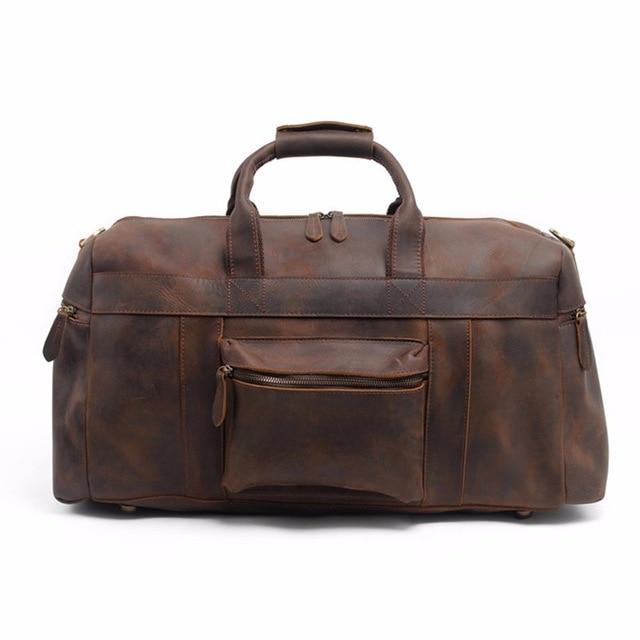
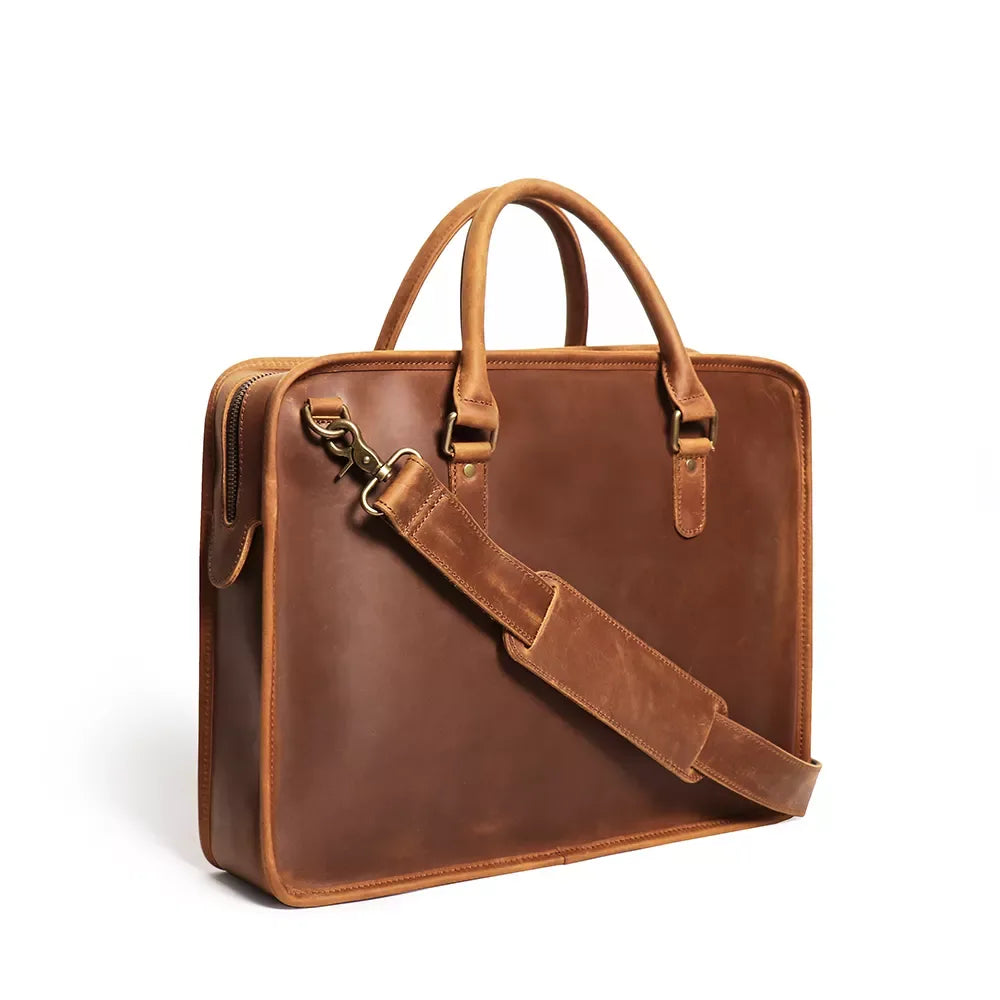
- Briefcases and messenger bags with tech compartments - larger work bags that include padded laptop sections as one feature among many
If you already carry a backpack, messenger bag, or briefcase for work, you might just need a slim sleeve as an inner layer of protection. If you're looking for one bag to handle your whole workday, a dedicated leather laptop bag or a leather briefcase might be the better call.
Who Actually Needs One
Leather tech cases make sense for a wide range of people, but the "why" behind the purchase should shape which style you pick:
The daily commuter wants something that protects their laptop on crowded trains or in a car trunk, looks professional walking into the office, and can take a beating without falling apart in a year.
The frequent traveler needs a case that fits into carry-on luggage, survives overhead bins, and doesn't add unnecessary bulk. If this sounds like you, it's worth reading our thoughts on leather carry-on travel bags for how tech storage fits into the bigger travel picture.
The remote worker or freelancer who works from cafes and co-working spaces wants something that's comfortable to carry all day and doesn't scream "I'm precious, don't touch me."
The executive or consultant often wants a case that reads as polished and put-together, since a battered nylon bag doesn't send the same message in a client meeting as a well-kept leather one. Our guide to high-end leather briefcases covers this in more depth.
The gift buyer, whether shopping for a graduation, a promotion, or a corporate milestone, wants something that feels substantial and lasts. We cover this angle more in our corporate gift ideas article, and you can browse our dedicated corporate leather gifts collection if that's what brought you here.
Key Features to Consider
Size and Fit for Your Device
This sounds obvious, but it's the number one mistake people make. A case that's too tight will stretch out or strain seams over time. One that's too loose lets your laptop slide around and take unnecessary impact. Always check the interior dimensions against your specific laptop model, not just the screen size. A 15-inch laptop from one brand can be noticeably larger than a 15-inch laptop from another once you account for the chassis.
If you switch devices often or want some breathing room for a tablet and laptop together, a slightly larger case with padded dividers gives you more flexibility than an exact-fit sleeve.
Leather Type and Quality
Not all leather is created equal, and this matters more for tech cases than almost any other bag category because you need something durable enough to protect expensive electronics daily.
Full-grain leather is the top tier. It uses the entire hide, including the outermost layer, which means the natural grain and fiber structure stay intact. This makes it the strongest, most durable option, and it develops a rich patina over time rather than just wearing out. If you want to understand the differences in leather grades before you buy anything, our article on what grain leather actually means is worth a read.
Top-grain leather has had the top layer sanded and treated, making it smoother and more stain-resistant but slightly less durable long-term.
Genuine leather, despite the name suggesting quality, is actually a lower grade made from the leftover layers after the top grain is removed. It's real leather, but it won't hold up nearly as well.
For something you're going to use every single day and trust with a $2,000 laptop, full-grain leather is worth the investment. It's tougher, ages better, and simply lasts longer.
Padding and Protection
Leather alone doesn't cushion your device from drops or bumps. Look for cases with a padded interior, ideally foam or a similar cushioning material sewn into the lining, not just a single layer of fabric. Check where the padding is concentrated. The bottom and corners take the most impact, so those areas should have reinforcement even if the sides are thinner.
Hardware and Closures
Zippers, buckles, snaps, and magnetic closures all affect daily usability. Zippers offer the most security and are good for travel, but cheap zippers are one of the first things to fail on a bag. Look for metal pulls (YKK is a widely respected brand in the industry) rather than plastic. Buckles and straps feel classic and hold up well, but they're slower to access if you're in and out of your bag all day. Magnetic closures are the fastest and most convenient, but make sure they're strong enough to actually stay shut when the bag is full.
Organization and Compartments
Think honestly about what you carry beyond your laptop. Do you need a spot for a charger, a mouse, business cards, a phone, pens? A case with a couple of well-placed interior pockets is more useful day to day than one giant compartment where everything gets tangled together. That said, more pockets isn't automatically better if it adds bulk you don't need. Match the organization to your actual habits.
Carry Style
Standalone tech cases usually come as a handle-only case, a sleeve you tuck into another bag, or a bag with a shoulder strap. If you're going to be walking any real distance with it, a shoulder strap or crossbody option beats a handle-only case for comfort. This is where a full leather messenger bag or briefcase style might serve you better than a bare sleeve, especially if you're commuting on foot or by public transit.
Matching the Case to Your Lifestyle

If you work from an office most days and just need something to protect your laptop on the commute, a slim option like The Runa Leather Laptop Sleeve keeps things simple. It slides easily into a backpack or tote if you already have a bag you love, or it works fine carried on its own for short trips.
If you need one bag that does everything for the workday, look at a dedicated laptop bag or briefcase instead of a sleeve. The Hemming Leather Laptop Bag gives you a padded laptop compartment along with room for files, chargers, and the other odds and ends that pile up during a workday. For something with a more traditional structured briefcase feel, The Welch Briefcase is worth a look, and our slim leather briefcases article breaks down how to choose between styles if you want something less bulky.
If you're deciding between a messenger bag and a briefcase for daily tech carry, this comes down to comfort and how you move through your day. We wrote a full comparison in Leather Messenger Bag vs Briefcase that's worth reading before you decide.
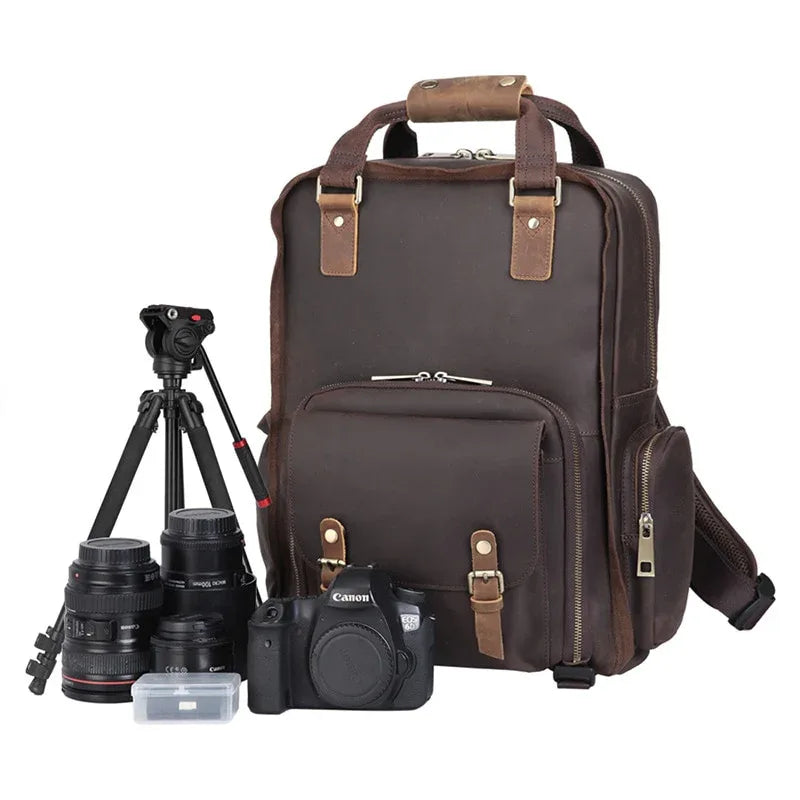
If you're a photographer or videographer carrying a laptop alongside camera gear, a specialized option makes more sense than a general laptop bag. The Faust Camera Bag and The Mann Bag both offer padded, adjustable compartments designed to protect cameras and lenses while still leaving room for a laptop. You can browse the full range in our leather camera backpacks collection.
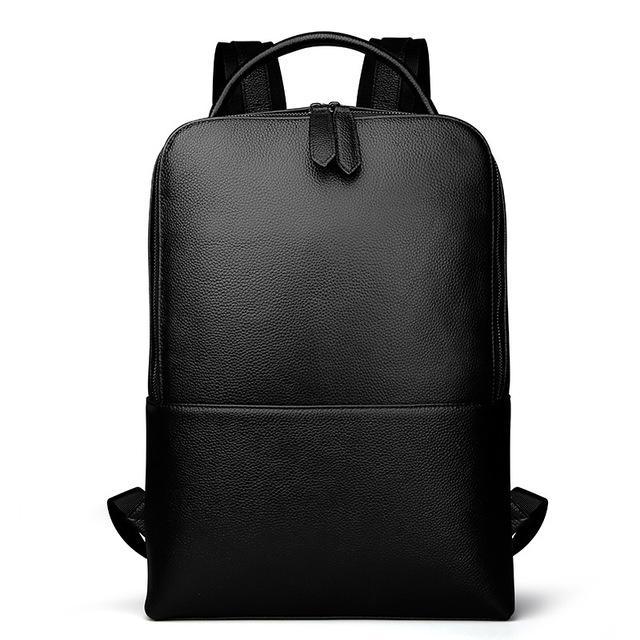
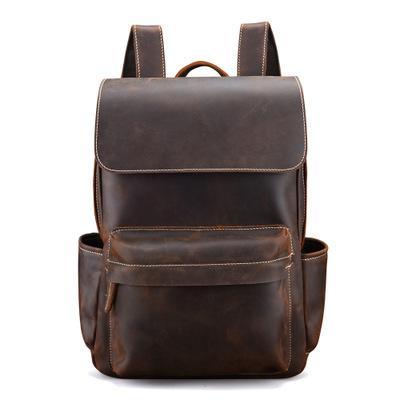
If you travel frequently, prioritize a case that plays well with your existing luggage setup. A slim laptop bag that slides over a rolling suitcase handle, or a backpack with a dedicated padded laptop sleeve, tends to work better than a standalone case you have to carry separately. Our guide to leather backpacks with laptop compartments covers this in detail.
If you're buying for someone else, whether it's a graduation gift, a promotion, or a corporate order, keep sizing simple and choose a universal fit rather than guessing at exact laptop dimensions. Browse our leather business gifts and custom business gifts collections for ideas, or read Leather Gifts for Him for more specific suggestions.
Quality Indicators to Look For
When you're evaluating a leather tech case in person or in photos, here's what separates a well-made piece from one that will disappoint you in six months:
- Even, tight stitching with no loose threads or gaps. Uneven stitching is one of the clearest signs of rushed or low-quality manufacturing.
- Reinforced stress points like handle attachments, strap connections, and zipper ends. These are the first spots to fail on a cheaply made bag.
- Consistent leather grain and color across the panels. Full-grain leather naturally has some variation since it's a real animal hide, but panels should still feel intentional, not mismatched.
- A leather smell, not a chemical one. Genuine, quality leather has a distinct natural scent. A strong plasticky or chemical smell usually signals bonded leather or heavy synthetic treatment.
- Weight and stiffness that feels substantial without being rigid. Good leather has some structure but should soften slightly with use, not stay stiff as a board or feel floppy and thin.
If you want to go deeper on how leather is graded and produced, our articles on how hides are tanned and why leather bags are so durable are both good background reading.
Care and Maintenance
A leather tech case is a long-term investment, and a little maintenance goes a long way toward making it last for years instead of months.
Condition it periodically. Leather can dry out and crack over time, especially with regular handling. A quality conditioner every few months keeps it supple. If you'd rather make your own, we have a guide on DIY leather conditioners using ingredients you probably already have.
Deal with stains quickly. Oil from hands, coffee spills, and food stains are common on daily-carry bags. Our guide on removing oil stains from leather walks through the process step by step.
Address scratches instead of ignoring them. Leather is fairly forgiving when it comes to surface scratches, and most can be buffed out or minimized. See our piece on fixing scratched leather in three steps if this happens to you.
Break it in properly. New leather can feel stiff. If yours feels too rigid at first, our guide on softening leather with five effective methods can speed up the process safely.
Avoid excessive shine. Some conditioners and constant handling can leave leather looking overly glossy. If that's not the look you're after, we cover how to fix it in how to make leather less shiny.
Store it properly when not in use. Keep it away from direct sunlight and heat sources, which dry leather out faster than almost anything else. Avoid plastic storage bags, since leather needs to breathe. A breathable dust bag or simply keeping it in a closet works better.
Common Mistakes to Avoid
Buying based on looks alone. A beautiful case that doesn't fit your laptop or lacks padding isn't doing its job. Function has to come first for a tech case specifically, since you're protecting something expensive and fragile.
Ignoring the weight of the empty bag. Leather is heavier than nylon or polyester to begin with. Add a laptop, charger, and accessories, and a poorly designed bag can get uncomfortable fast. Check reviews or product descriptions for weight before buying, especially if you'll be carrying it for long stretches.
Assuming all leather is the same. As covered above, genuine leather, top-grain, and full-grain leather all perform very differently over time. Always check what grade of leather you're actually buying.
Overlooking ventilation and heat. Laptops generate heat, and a fully sealed leather case with no airflow can trap it. This matters less for short trips but is worth considering if you often work directly out of the bag.
Choosing a case that's too small "to save space." A cramped case puts constant pressure on seams and zippers and increases the risk of scratching your device against the edges of the case itself. Give your electronics a little breathing room.
Not considering how the case will age. Full-grain leather develops a patina, meaning it changes color and texture slightly with use. Some people love this look; others want their bag to look the same on day 500 as it did on day one. Know which camp you're in before choosing your leather type and color.
Recommended Products

Based on everything above, here are specific pieces worth considering depending on your needs:
- The Runa Leather Laptop Sleeve - Best for those who already have a favorite bag and just need reliable, slim protection for their laptop inside it.
- The Hemming Leather Laptop Bag - A strong all-around choice for anyone who wants one bag to carry a laptop plus daily work essentials.
- The Welch Briefcase - Ideal for a more traditional, structured look suited to client meetings and corporate environments.
- The Faust Camera Bag - Built for photographers who need to carry a laptop alongside camera equipment.
- The Mann Bag - A larger camera backpack option with tech storage for creative professionals on the move.
You can browse the broader range of related bags in our full leather bags collection, or look specifically at our leather briefcases and leather laptop bags collections if you know you want a full bag rather than a sleeve.
Frequently Asked Questions
Is leather safe for laptops and electronics?
Yes, as long as the interior lining is smooth and the case has adequate padding. Leather itself won't damage electronics. The main concern is impact protection, which comes down to the padding and structure of the case, not the leather exterior.
Will a leather case make my laptop overheat?
Not during normal transport. Heat becomes a concern only if you're actively running your laptop while it's zipped inside a fully sealed case for extended periods. For carrying and storage, there's no meaningful heat risk.
How do I know what size case to buy?
Measure your laptop's actual length, width, and thickness rather than relying on the advertised screen size, since chassis dimensions vary between brands. Compare those measurements against the interior dimensions listed for the case, and allow a little extra room rather than an exact fit.
What's the difference between a laptop sleeve and a laptop bag?
A sleeve is a minimal, close-fitting case meant to slide into another bag or be carried alone for short trips. A laptop bag is a standalone piece with its own handles or strap, additional pockets, and more storage for other daily items.
How often should I condition a leather tech case?
Every three to six months for regular use, or sooner if you notice the leather feeling dry or stiff. Bags kept in dry climates or exposed to more sun and heat may need conditioning more often.
Can leather tech cases get wet?
Light rain generally isn't a problem for full-grain leather, but it's not waterproof. Wipe off moisture as soon as possible and let the bag air dry naturally, away from direct heat, to avoid warping or cracking.
Is full-grain leather worth the extra cost over genuine leather?
For a tech case specifically, yes. You're protecting expensive electronics daily, and full-grain leather holds up significantly longer under regular use, resists wear better, and ages more attractively than lower-grade genuine leather.
What should I look for if I'm buying a tech case as a gift?
Stick to a universal-fit sleeve or bag rather than guessing at exact laptop dimensions, and prioritize full-grain leather for durability. Check out our leather gifts collection for more curated options.
Choosing a leather tech case is really about being honest with yourself about how you work and travel day to day. Get the size, padding, and leather grade right, and the case will serve you well for years. If you have questions about any specific piece or aren't sure what fits your situation, that's exactly what we're here to help with.
All of our bags at Steel Horse Leather are crafted from full-grain crazy horse leather, built to develop a rich patina over time. Browse our Leather Bags.