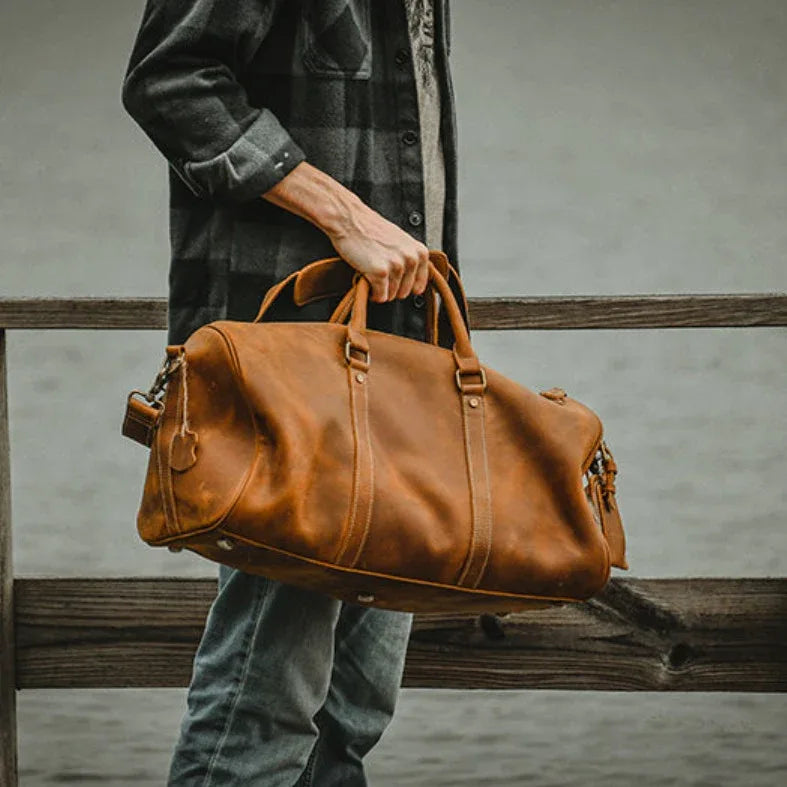
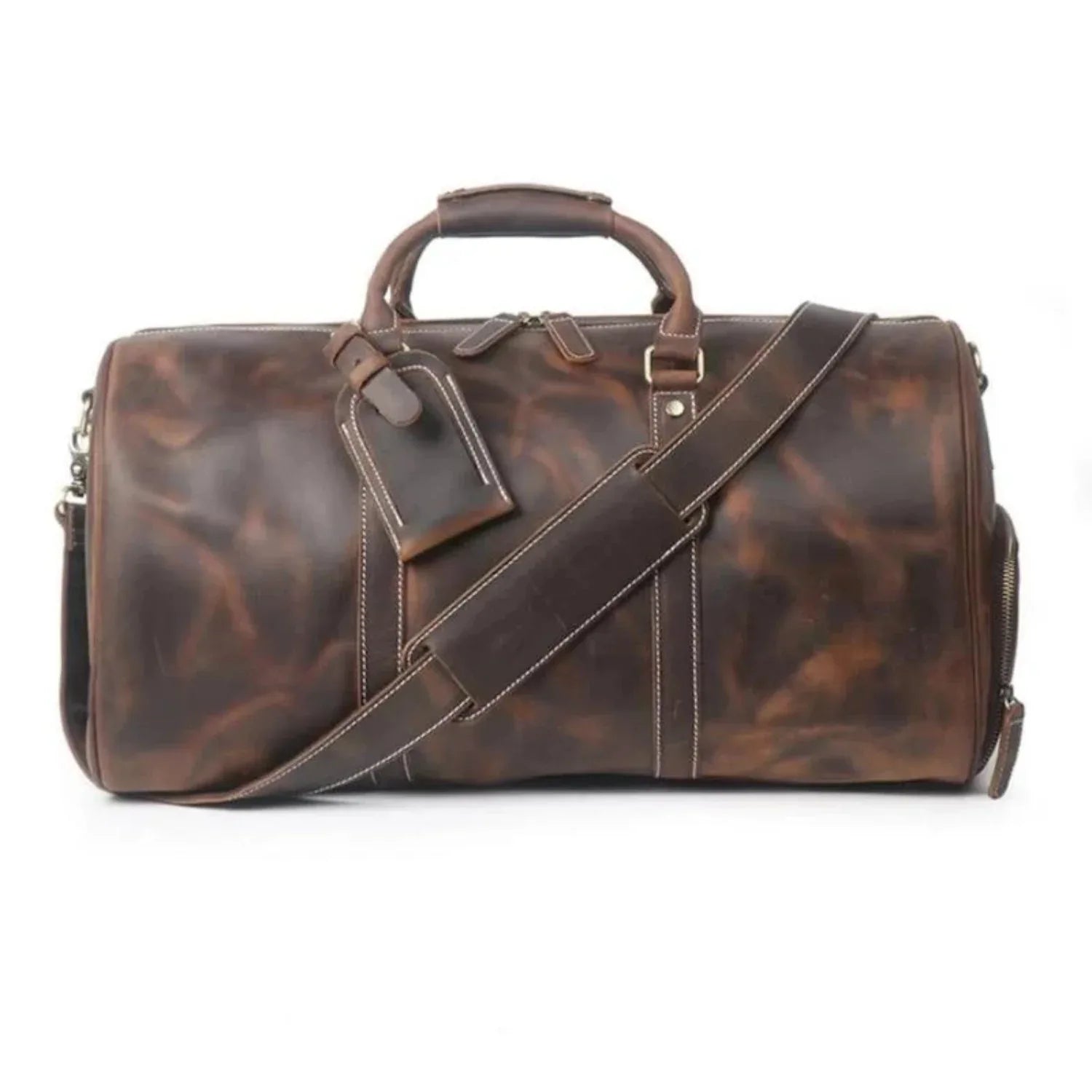
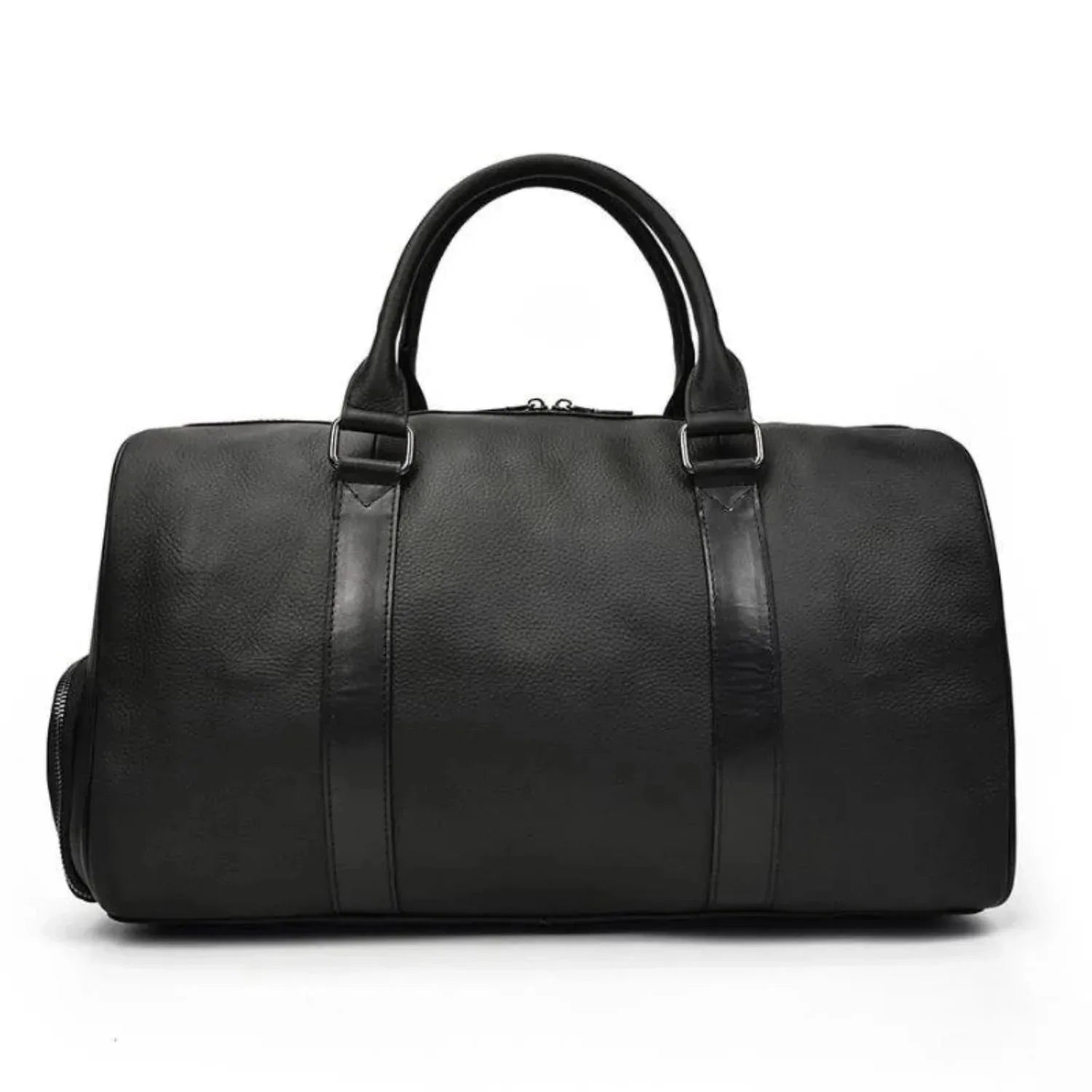
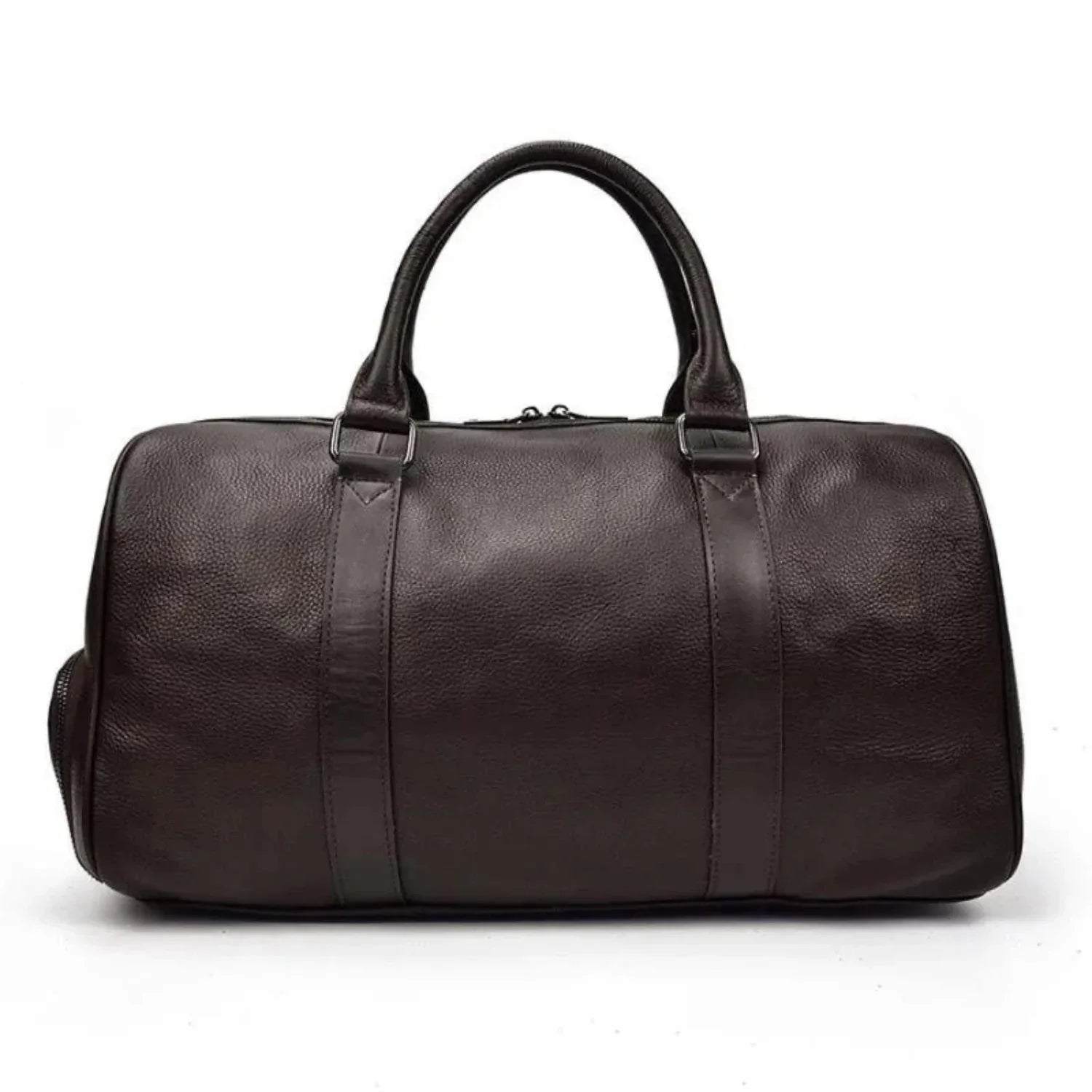
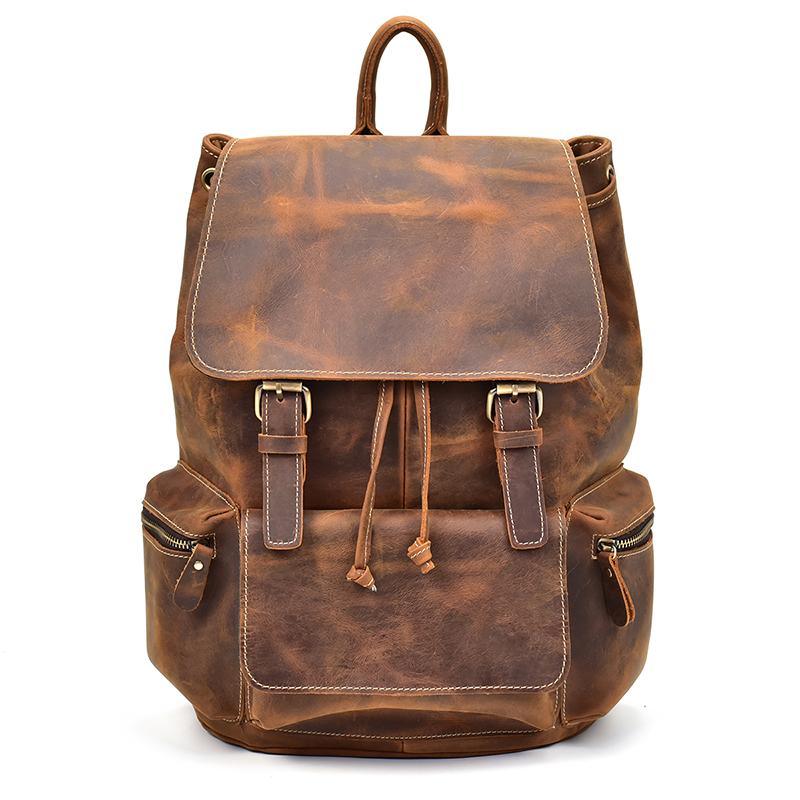
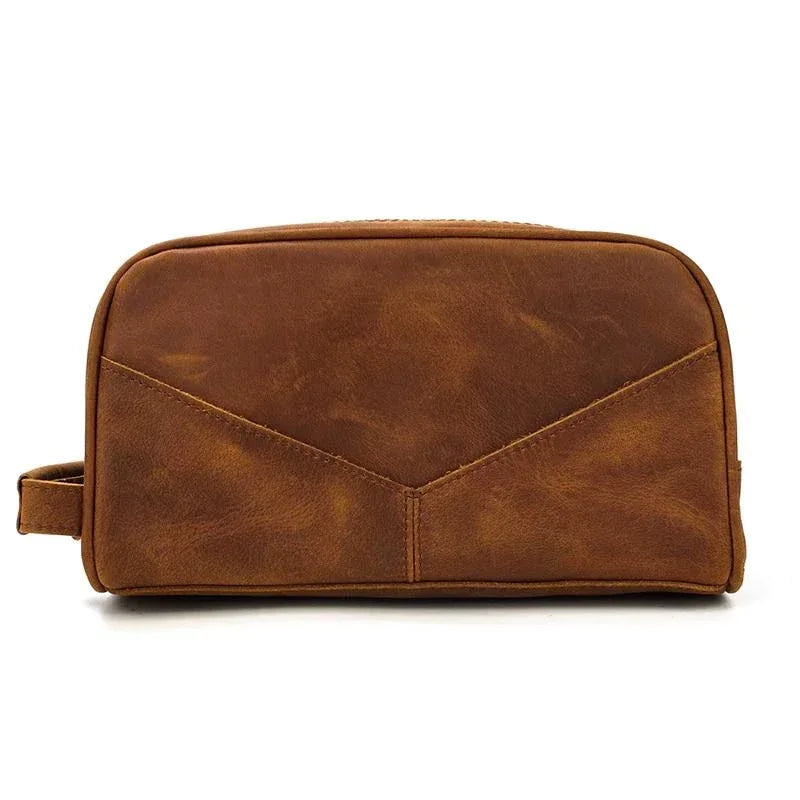
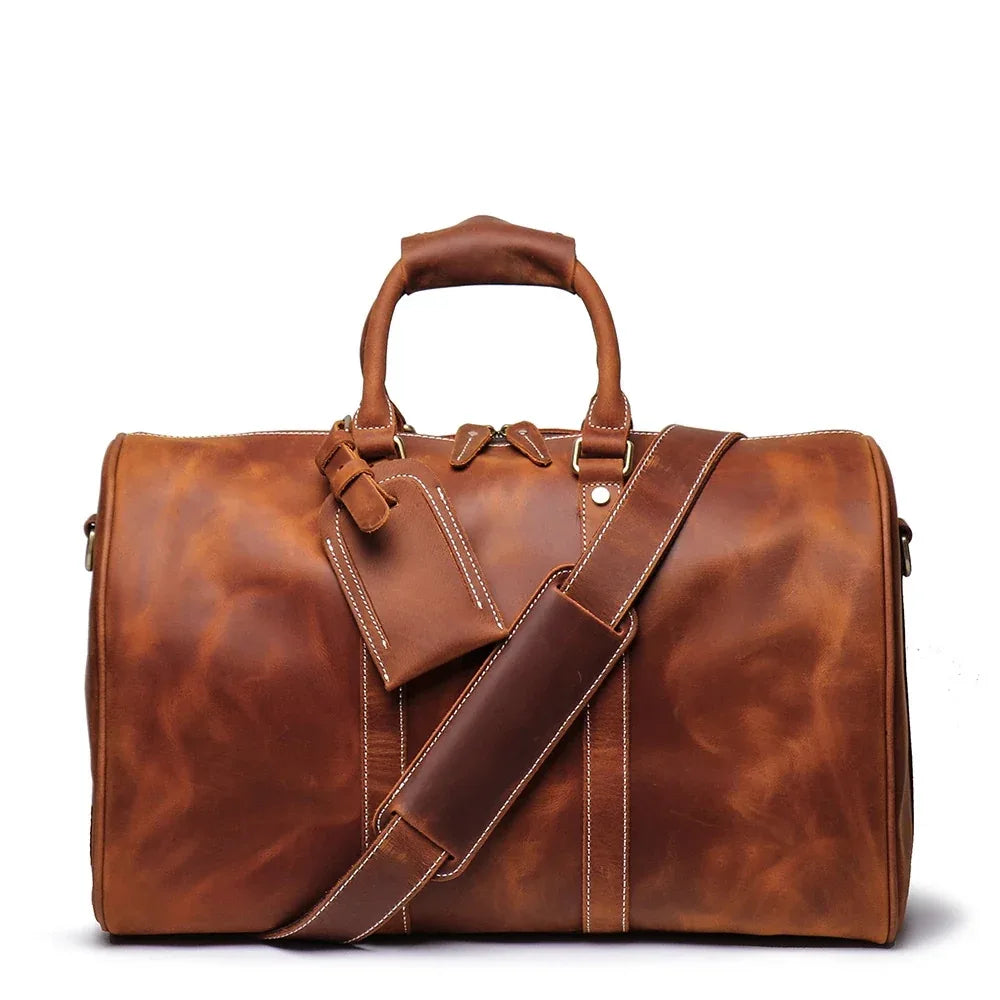
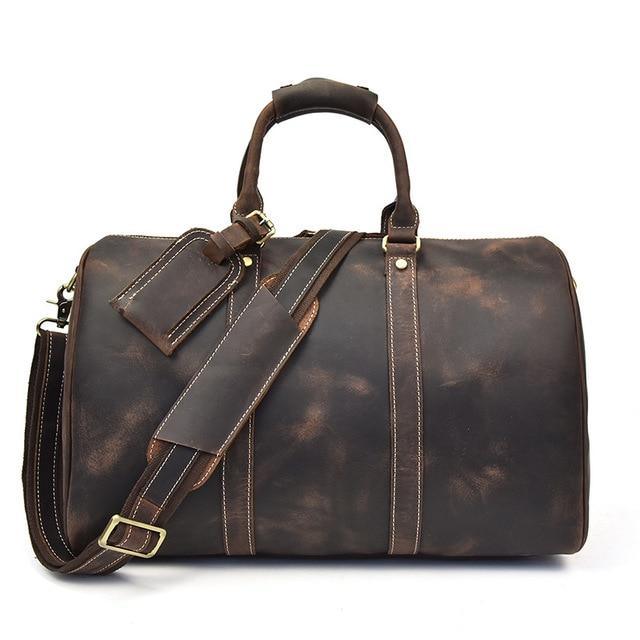
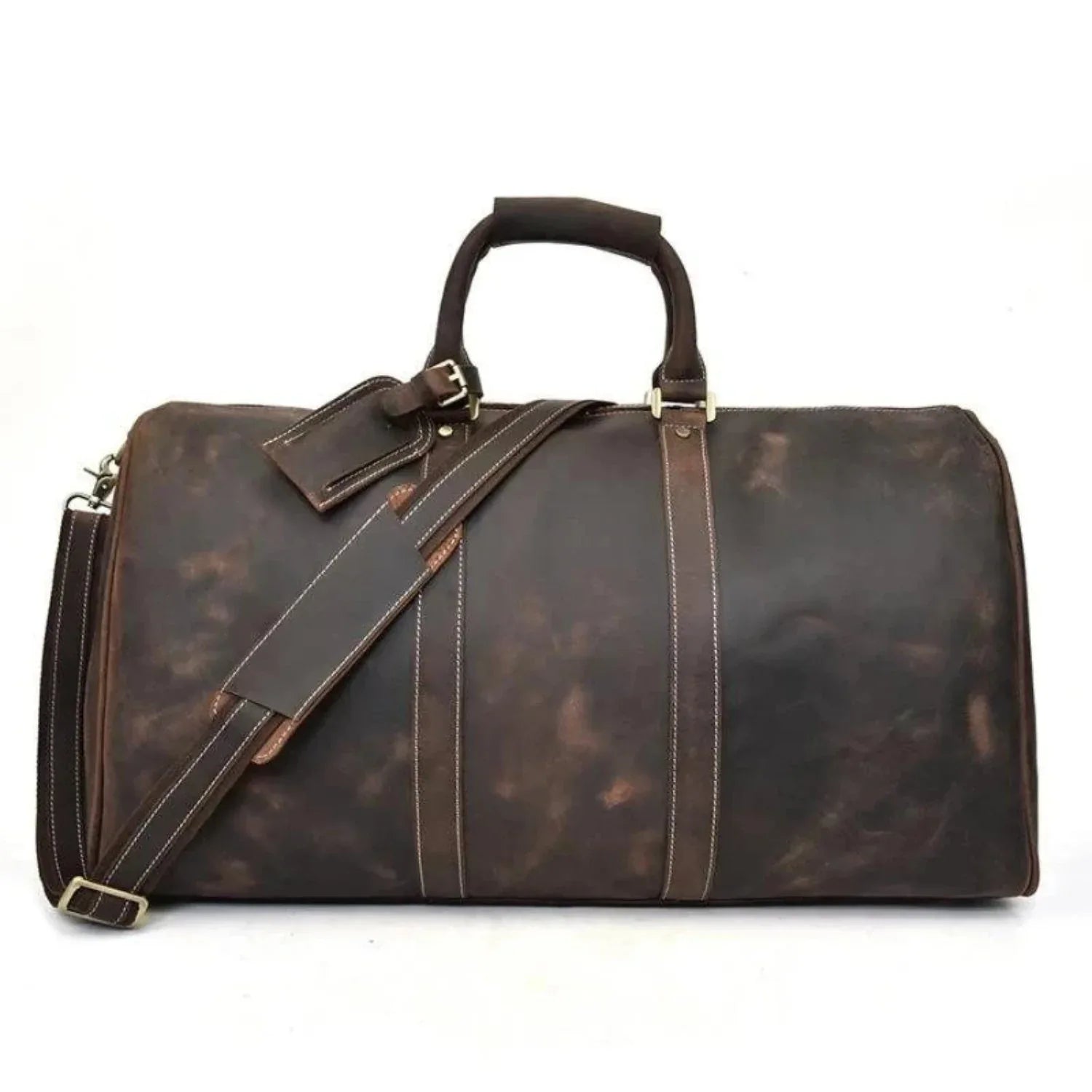
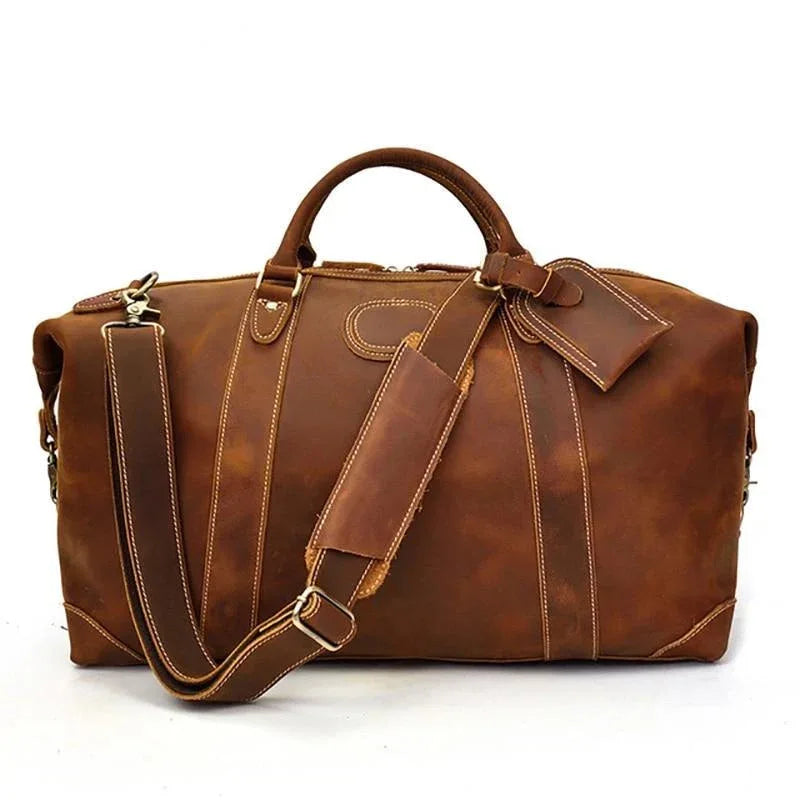
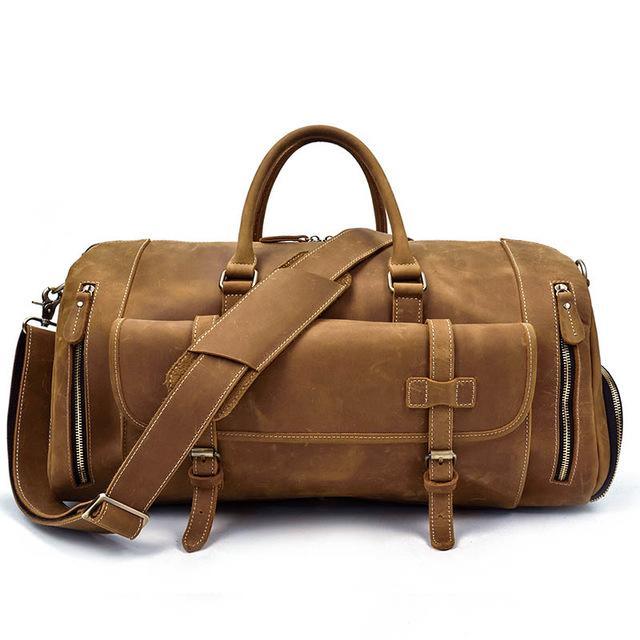
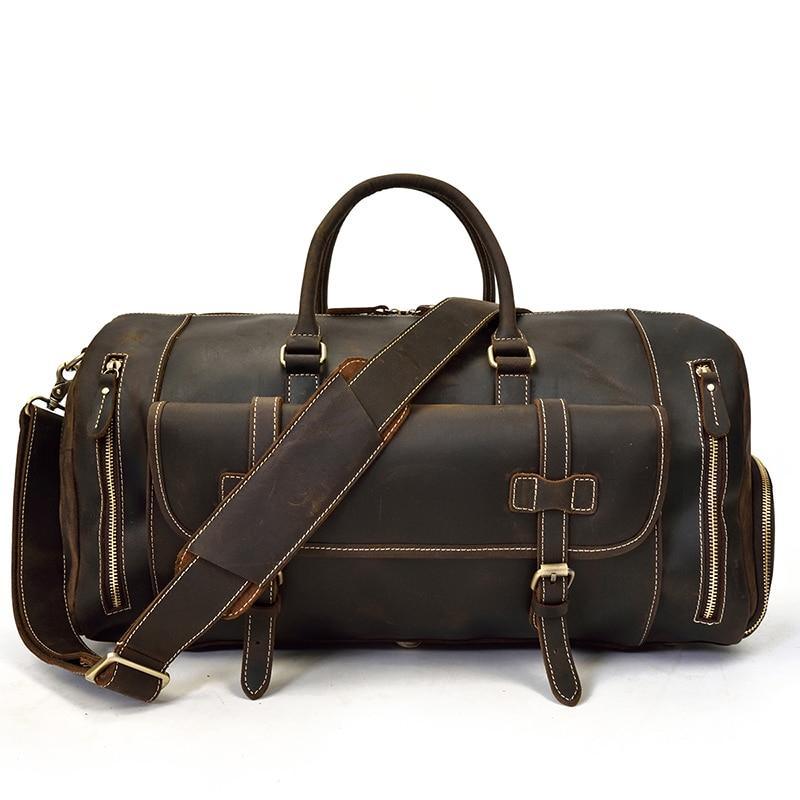
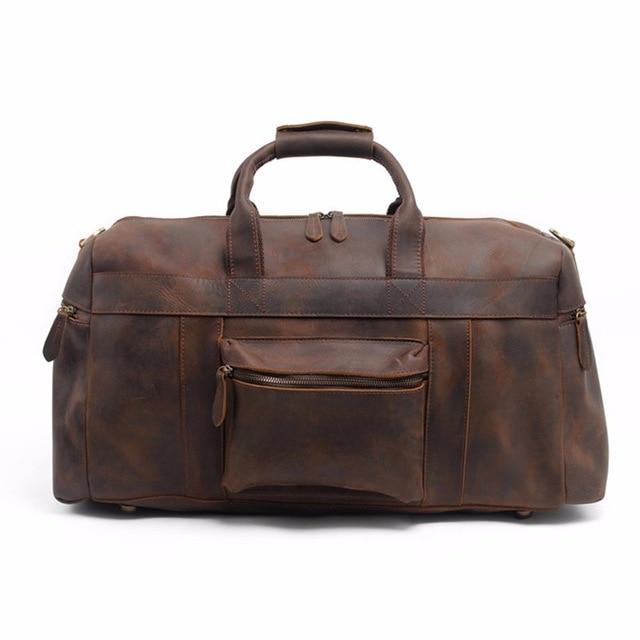
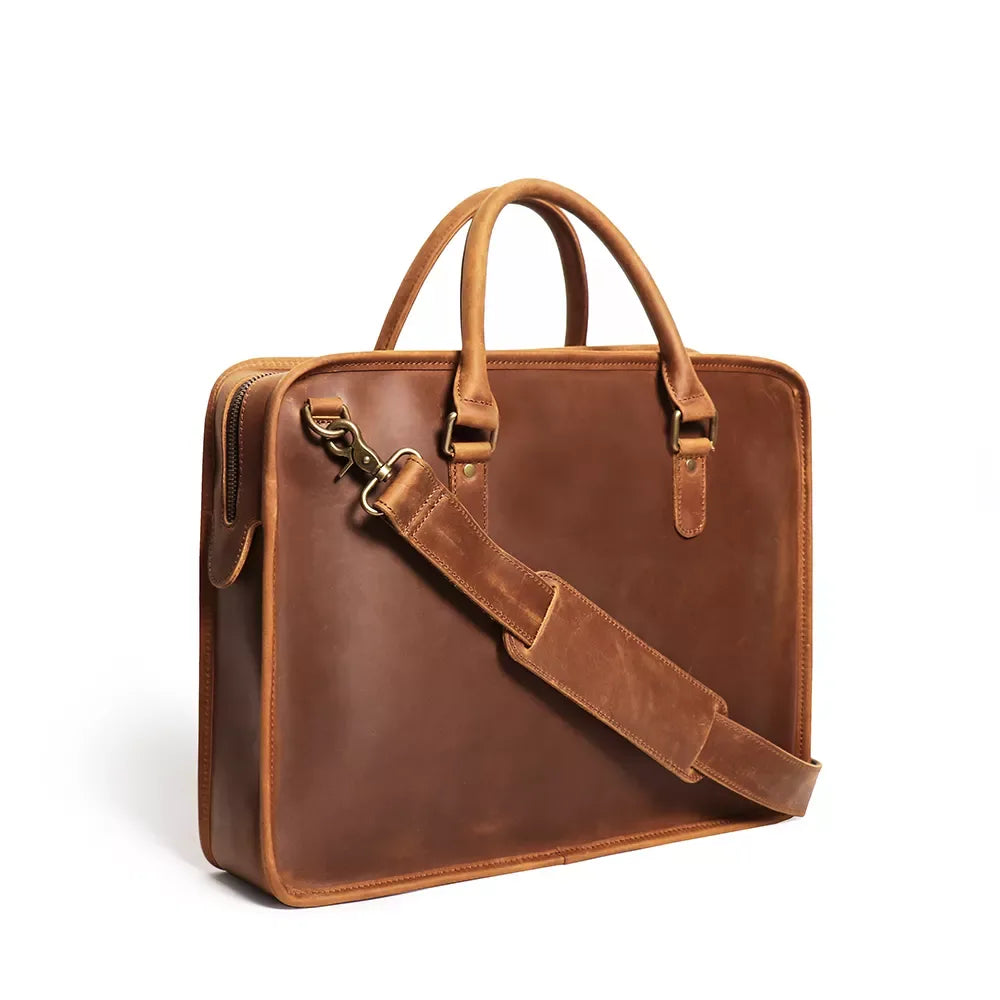
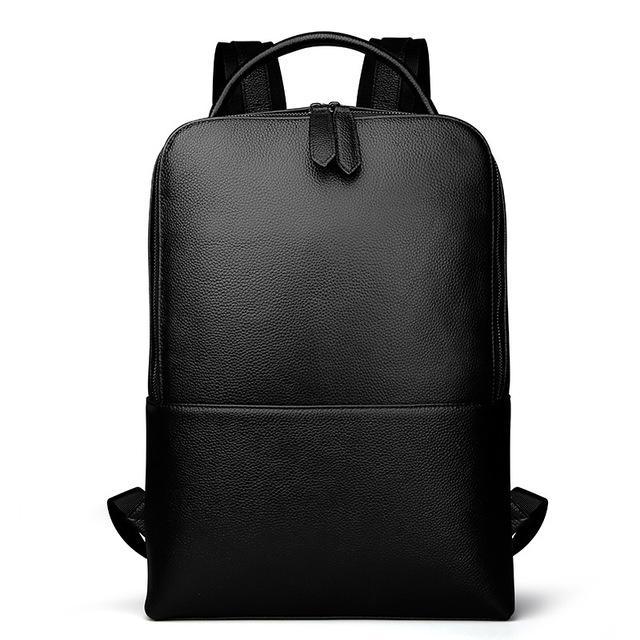
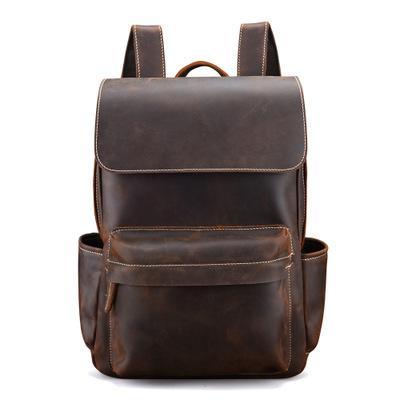
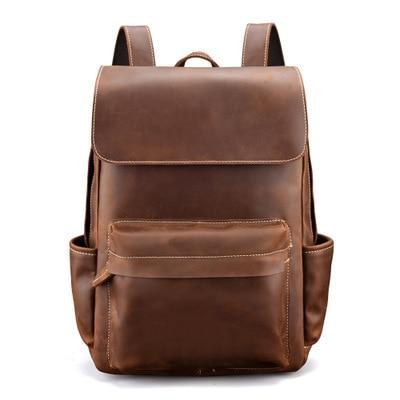
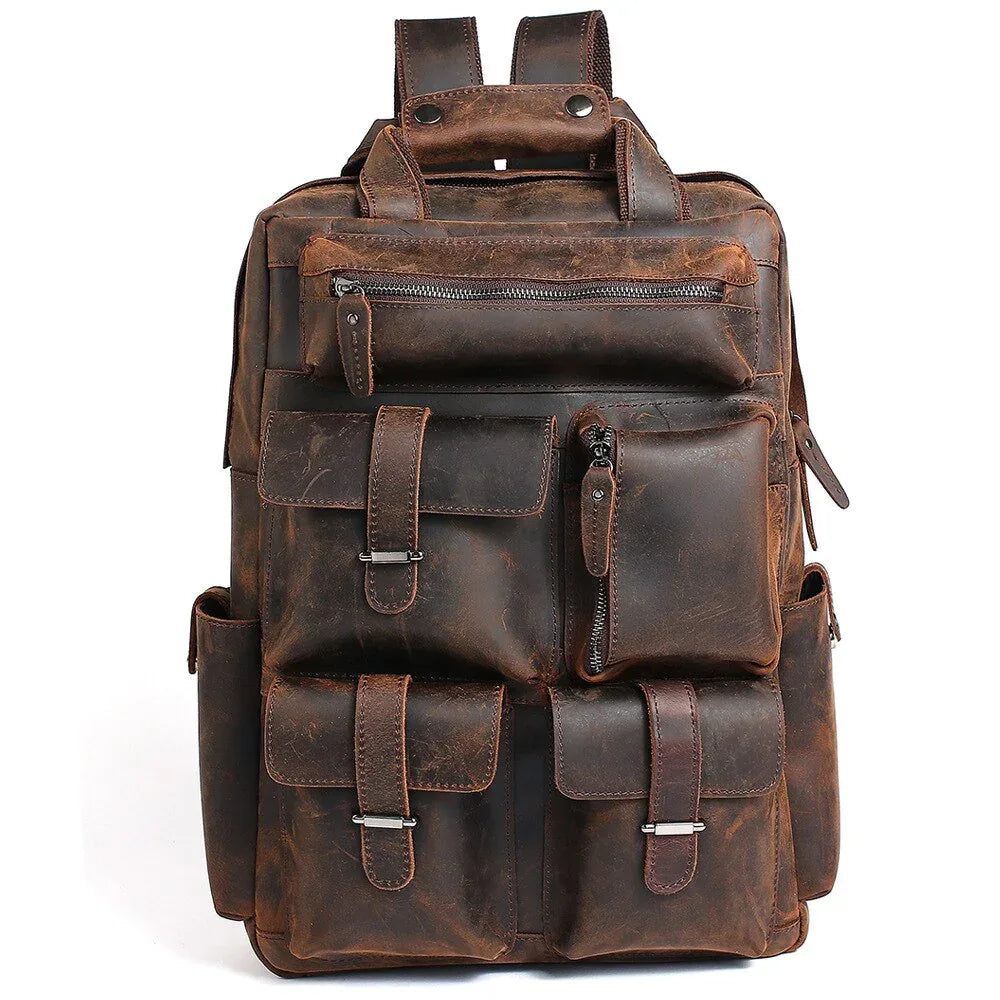
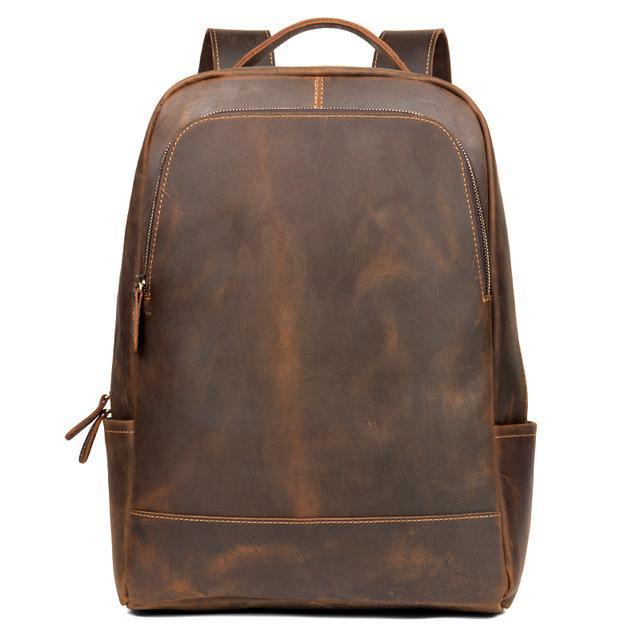
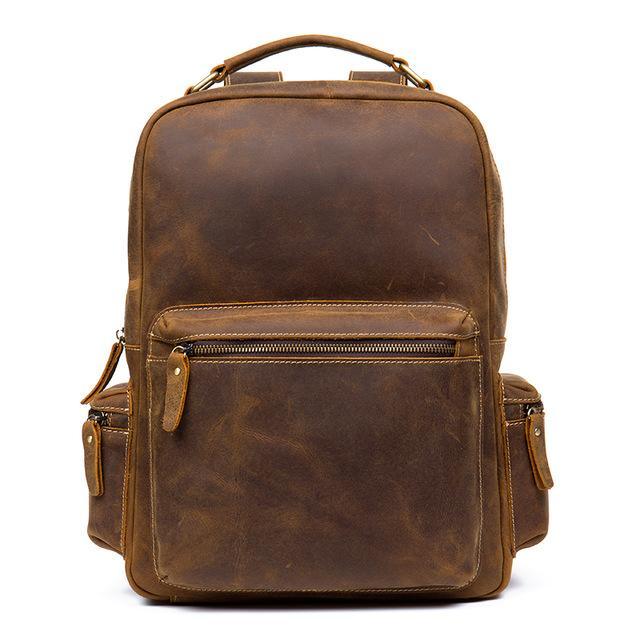
Leather is a timeless material that adds sophistication to any outfit or space, but keeping it in top condition requires more than an occasional wipe-down. The type of leather you own and how it was tanned directly affect how you clean and maintain it, making it essential to understand your leather before reaching for any product. In this guide, we will walk you through everything you need to know about leather care, from identifying your leather type to building a complete cleaning and conditioning routine that preserves your leather goods for years to come.
Key Takeaways
-
Identify your leather type first, as vegetable-tanned, chrome-tanned, and oil-tanned leathers each require different cleaning and conditioning methods.
-
Always start with gentle cleaning by removing dust, testing solutions on a small area, and avoiding harsh chemicals that can strip natural oils.
-
Condition leather regularly with the right product to keep it soft, prevent cracking, and maintain long-term durability.
-
Protect leather from sunlight, heat, and excess moisture, and store it properly in a cool, dry place to extend its lifespan.
Understanding Tanned Leather

Tanned leather is a popular and durable material used to create various products such as wallets, leather bags, leather shoes, and leather couches. Understanding the different types of tanning processes can help determine the appropriate cleaning and maintenance methods for your leather goods. As research confirms, leather care must be tailored to leather type because the tanning method fundamentally influences cleaning and conditioning needs (Nyakundi et al., 2021). Taking care of tanned leather makes it look better and last longer. To keep it in great shape, you can clean it with a soft cloth, use leather conditioners regularly, and store it in a cool, dry place. Avoiding sunlight or heat and fixing stains quickly also extends its lifespan considerably.
If you are looking for well-crafted leather goods built to stand the test of time, explore the full collection at Steel Horse Leather.
Different Types of Tanned Leather and Their Care Requirements
| Leather Type 🌿 | Tanning Method ⚗️ | Key Characteristics ✨ | Care Requirements 🧴 |
|---|---|---|---|
| Vegetable-Tanned Leather 🌱 | Natural plant tannins (tree bark, oak, etc.) | Natural look, develops rich patina over time, firm when new but softens with use | • Condition regularly with natural oils (neatsfoot, olive oil) • Keep moist to prevent cracking • Avoid excessive water |
| Chrome-Tanned Leather ⚡ | Chromium salts & synthetic chemicals (fast process) | Very durable, water & stain resistant, soft & flexible from the start | • Use chrome-specific conditioner • Clean with soft cloth only • Avoid harsh chemicals |
| Oil-Tanned Leather 🛢️ | Tanned with oils (mineral, neatsfoot, etc.) | Supple, somewhat water-repellent, often used for work boots & rugged items | • Minimal conditioning needed • Wipe clean and apply light oil occasionally |
| Aniline Leather 👑 | Usually chrome-tanned + translucent aniline dye | Very soft, luxurious, natural grain fully visible | • Very delicate • Use gentle cleaners only • Condition lightly and protect from water |
| Suede & Nubuck 🧶 | Usually chrome-tanned, then sanded to create nap | Soft, velvety texture, delicate surface | • Use suede brush & eraser • Protect with suede spray • Keep away from water |
Taking care of your leather products is important for keeping them in good condition. Different tanning processes and the quality of leather determine what steps are needed to keep them looking their best. Full-grain, non-treated leather does not need excessive intervention, but it does require regular cleaning and conditioning to maintain its structure. Suede, a delicate leather that requires special care, and saddleback leather, which benefits from frequent brushing, are more challenging to maintain. Knowing the specific type of leather you own and tailoring your leather care routine accordingly is the single most effective way to extend the life of your leather products (Nyakundi et al., 2021; Jia et al., 2016).
Identifying Vegetable-Tanned Leather
Vegetable-tanned leather is one of the most celebrated forms of leather, prized for its natural appearance and the rich patina it develops with age. The vegetable tanning process uses natural tannins derived from organic materials such as tree bark, oak bark, and other plant based tannins, making it a more earth conscious choice compared to synthetic alternatives. This ancient method, once carried out in ancient tanning vats, produces natural vegetable tanned leather that is firm when new but softens beautifully with daily wear. Vegetable tanned mammalian leathers are known for their ability to develop a sacred aging quality that chrome-tanned leather simply cannot replicate (Nyakundi et al., 2021).
To identify vegetable-tanned leather, look for its distinctive texture and natural color that distinguishes it from chrome-tanned leather. Natural vegetable tanned leather tends to have a firmer feel and a tan or cream tone when new. Veg-tanned leather needs to be kept moist and conditioned often to avoid cracking. It can be treated with natural oils like olive oil or neatsfoot oil to keep it flexible and prevent damage, though these should be used sparingly to avoid over-darkening the surface (Nyakundi et al., 2021; Jia et al., 2016). Louis Vuitton Vachetta leather is one of the most recognized examples of vegetable tanned lining leather used in luxury goods. Well-known products like the Brooks saddle also rely on vegetable tanning for durability and performance. By following proper guidelines, you can keep your vegetable-tanned leather products, whether a vegetable-tanned heirloom bag or a belt, looking their best for years to come.
Understanding Chrome-Tanned Leather
Chrome-tanned leather is the most commonly used type of leather in commercial products. Its popularity stems from its durability and water resistance, making it an ideal choice for shoes, upholstery, and leather bags designed for daily wear. The chrome tanning process uses chromium salts and synthetic chemicals to transform raw hides into a finished product far more quickly than vegetable tanning, often in just one to two days compared to weeks for vegetable tanning. However, it is essential to take proper care of chrome-tanned leather to maintain its quality over time.
Harsh chemicals or abrasive cleaning methods can damage the finish of chrome tanned leather, so it is important to use soft cloths, rags, or paper towels when cleaning the surface. To keep the material supple and prevent cracking, apply a conditioner designed specifically for chrome-tanned leather rather than one formulated for vegetable-tanned varieties (Hedberg et al., 2018). Research also highlights an important health consideration: chromium release from chrome tanned leather has been associated with allergic contact dermatitis in chromium-sensitive individuals, so those with skin sensitivities should exercise caution when selecting chrome-tanned products (Hedberg et al., 2018).
Comparing Vegetable-Tanned and Chrome-Tanned Leather
When comparing vegetable-tanned and chrome-tanned leather, several important factors come into play. The vegetable tanning process does not rely on synthetic chemicals, making it a more natural option. Over time, the leather develops a rich patina and grain pattern that only improves with age and daily wear. Chrome tanned leather, on the other hand, offers superior water resistance and stain resistance straight from the factory, making it a practical chrome-tanned companion for everyday use. However, it may not develop the same depth of character over time that a vegetable-tanned heirloom piece achieves.
A direct comparison in the literature notes that vegetable-tanned leathers age with richer patina and often outlast chrome-tanned leather when properly cared for, underscoring the need to match products to tanning type (Hedberg et al., 2018; Nyakundi et al., 2021). Oil-tanned leather represents another category worth mentioning, as finishing processes that involve the application of oils like mineral oil or neatsfoot oil during tanning produce a leather that is already quite supple and somewhat water repellent. Knowing which category your leather falls into before you clean it is an essential first step.
For premium leather bags built with quality tanning in mind, check out the leather duffle bags and leather backpacks at Steel Horse Leather.
Why You Need to Clean and Maintain Tanned Leather
Regular cleaning and maintenance of tanned leather is crucial for maintaining its integrity and longevity. Neglecting your leather items allows dirt and moisture to accumulate, which can cause them to deteriorate rapidly. By cleaning your tanned leather regularly, you remove these contaminants and prevent them from causing further damage. Proper leather conditioning also helps retain the natural oils in the leather, keeping it soft and supple. Without regular leather stewardship, tanned leather can dry out, crack, fade, and break down irreversibly over time. Taking care of your tanned leather through consistent leather care routines ensures that it lasts for many years to come (Nyakundi et al., 2021; Jia et al., 2016).
Pre-Cleaning Preparations
Before cleaning tanned leather, it is essential to take a few pre-cleaning measures to ensure a successful outcome. The first step is to identify the type of leather and check for any special care instructions. Do not assume all leather is the same; identifying the finish and tannage before cleaning is critical because different types of tanned leather, such as vegetable-tanned and chrome-tanned, require fundamentally different care methods (Nyakundi et al., 2021; Jia et al., 2016). After identifying the type of leather, remove any surface dust or dirt with a cleaning brush or vacuum cleaner. It is important to test cleaning solutions on a small, discreet area of the leather item before using them across the whole surface. Also, avoid applying water or harsh chemicals directly to sensitive leather, as these can damage the finish. Use leather-specific cleaners and conditioners appropriate to your leather type. By taking these simple precautions, you will be able to clean and maintain your tanned leather items effectively.
Test Cleaning Solutions
Before cleaning tanned leather, it is crucial to test any cleaning solutions on a small, inconspicuous area. Testing and patch testing are essential for safety and long-term results (Nyakundi et al., 2021). Some options for cleaning leather include a small amount of saddle soap and water, a diluted vinegar solution, or a dedicated leather cleaner. However, avoid using harsh chemicals or abrasive materials that can strip the natural oils from the leather and cause damage over time. After using the cleaning solution on the test patch, wait for the area to dry fully before evaluating the result. Leather-specific cleaners and conditioners are designed to remove dirt and oils without compromising the finish, whereas household detergents can strip protective oils and harm the leather's surface (Jia et al., 2016).
Gently Dust the Leather Surface
To ensure the longevity of tanned leather, it is crucial to keep it free of surface dust or debris before applying any liquid cleaner. Always begin with dust removal using non-abrasive tools, and avoid using water or cleaners during this sensitive pre-cleaning step (Nyakundi et al., 2021). Before any moisture-based cleaning, gently dust with horse hair brushes or a soft cloth to remove surface debris, preventing scratches and keeping debris from being pushed deeper into the leather's pores (Jia et al., 2016). Make sure not to use water or any cleaning agents at this point, as they may further damage the leather. Once you have removed all surface dust, you can proceed with appropriate cleaning and conditioning products for tanned leather.
Cleaning Tanned Leather
Maintaining tanned leather in pristine condition requires the right cleaning methods and a methodical approach. Use a soft-bristled brush or a soft cloth to remove dirt and dust before applying a dedicated leather cleaner. After cleaning, it is essential to condition the leather regularly to prevent cracking and keep it moisturized. Keeping leather items in a cool, dry place will extend their lifespan considerably. These simple tips will help you keep your leather items looking their best for a long time.
Cleaning Vegetable-Tanned Leather
Maintaining the beauty and durability of your vegetable-tanned leather requires proper cleaning methods. Before starting, use a soft-bristled brush to remove any dirt or debris from the surface. Use mild soap and warm water to clean it, applying the solution gently with a damp cloth or cotton swab. It is important to avoid using harsh chemicals or abrasive materials that can damage the natural texture of the leather. Once you have finished cleaning, air dry the leather away from direct sunlight or heat sources. Commercial conditioners designed for vegetable-tanned leather, including a vegetable tanned leather cream, are often safer for ongoing care than DIY blends, as they are formulated to preserve the leather's finish without over-darkening or oversoftening it (Nyakundi et al., 2021).
Cleaning Chrome-Tanned Leather
To clean chrome-tanned leather, take care to avoid damaging its surface. Start by wiping it with a soft cloth to remove any dust or dirt that has accumulated. Then, use a solution of mild soap and warm water applied gently with a soft-bristle brush. When cleaning chrome-tanned leather, start with the soft cloth to remove dust, then use the mild soap solution with the brush, followed by thorough air-drying and conditioning with products suitable for chrome-tanned leather (Jia et al., 2016). Rinse thoroughly with clean water and allow the leather to air dry completely before conditioning. Regular leather conditioning keeps the surface supple and helps prevent the kind of surface damage that can occur with daily wear bags and accessories.
How to Make a Cleaning Solution for Tanned Leather
When it comes to cleaning tanned leather, it is essential to use the right cleaning solution. A simple and gentle option is to mix equal parts white vinegar and water to create a mild solution that is unlikely to harm your leather's finish. Before using the solution, test it on a small, inconspicuous section to verify it will not stain or damage the leather. Then, use a soft cloth and rub in a circular motion for the best results. Remember not to use harsh chemicals or abrasives, as they can damage the surface of tanned leather and strip away natural oils (Nyakundi et al., 2021; Jia et al., 2016). For more sensitive leathers, a vegetable based detergent or a dedicated leather cleaner may be the safer choice.
How to Apply the Cleaning Solution on Tanned Leather
When applying a cleaning solution to tanned leather, proceed with caution. Use a soft, damp cloth and rub it gently in a circular motion. Be careful not to use too much water or scrub too hard, as this can cause damage to the leather. After cleaning, make sure the leather dries completely and then apply a conditioning treatment to keep it looking its best. Regular leather cleaning and conditioning will help keep your tanned leather looking great for years to come.
Conditioning Tanned Leather
Taking care of tanned leather does not end with cleaning it. Leather conditioning is a critical step in maintaining the quality and durability of your leather items. Conditioning leather keeps the material soft and flexible, preventing it from cracking or drying out. Regular conditioning is necessary to keep tanned leather items supple and prevent cracking and dryness; it is generally recommended to condition your leather goods every few months or as needed based on use and environment, with more frequent conditioning in dry or variable climates (Nyakundi et al., 2021; Jia et al., 2016). A thin layer of a high-quality leather conditioner should be applied, allowing it to soak in for several hours or overnight before wiping off any excess. Be careful not to over-condition, as this can cause the material to become too greasy or prone to stretching (Nyakundi et al., 2021).
Making a Conditioner for Tanned Leather
Making your own leather conditioner is one way to keep costs down, but it requires caution. Homemade conditioners using natural oils such as neatsfoot oil, olive oil, or mink oil can help vegetable-tanned leather remain supple, but should be used sparingly to avoid darkening or oversoftening the leather (Nyakundi et al., 2021; Jia et al., 2016). A natural blend that includes ingredients like honey, oil, and beeswax, similar in concept to a montan wax application, can be melted together in a pot and applied with a soft cloth. However, for chrome-tanned leather, commercial leather care conditioners are preferable to ensure compatibility with the leather's finishes, and for vegetable-tanned leather, a dedicated vegetable tanned leather cream is often the safest ongoing option (Hedberg et al., 2018).
Applying the Conditioner on Tanned Leather
Applying conditioner correctly is as important as choosing the right product. Before applying the conditioner, clean the leather thoroughly with a damp cloth to remove any surface dirt. Take a small amount of conditioner and rub it into the leather in a circular motion using a soft cloth or sponge. Ensure that you work the conditioner into all areas of the leather, including seams and creases. Leave the conditioner to soak in for at least 30 minutes before wiping away any excess with a clean cloth. Conditioning tanned leather this way, using a Leather Care Conditioner or a Leather Care Dressing appropriate to your leather type, will help preserve it against the rigors of daily wear for the long term.
Tips for Maintaining Tanned Leather

Keeping your leather items looking their best requires consistent effort and the right approach. Using a soft-bristled brush or soft cloth to remove debris is an easy and effective way to prevent damage from accumulating. In addition, applying a leather conditioner every few months helps keep the leather supple, preventing cracking and dryness. It is important to store leather goods in a cool, dry place to keep them from fading or warping. A complete care routine benefits from using a dedicated leather cleaner, a leather conditioner, and a leather protector or protectant as a system, since using these products together reduces the risk of mismatched products and improves longevity (Jia et al., 2016; Nyakundi et al., 2021).
Regular Cleaning Schedule
Establishing a regular cleaning schedule is key to maintaining the appearance and longevity of your tanned leather items. Use a soft-bristled brush or soft cloth to remove any dirt, dust, or debris from the surface of the leather regularly. Avoid using harsh chemicals or abrasive materials. Conditioning tanned leather with a balanced leather conditioner can also help keep it supple and prevent cracking. Making leather cleaning and conditioning a part of your regular routine will undoubtedly benefit your leather items in the long run.
Avoiding Exposure to Direct Sunlight and Heat
Tanned leather is a material that requires regular care and attention, and one of the most critical factors in preserving it is avoiding exposure to direct sunlight and heat sources. When leather is exposed to the sun or heat, it can become brittle, fade, and crack over time. Dirt and moisture are also damaging agents, so keep your leather items in a cool, dry place with good air circulation. If they get wet, use a soft cloth or dry towel to absorb the moisture and let them dry naturally in a well-ventilated area, away from direct heat sources (Nyakundi et al., 2021; Jia et al., 2016). Protecting your leather from water damage and UV exposure is one of the simplest and most impactful things you can do for its longevity.
Investing in Protective Products
Protective products are an essential investment for anyone looking to maintain the quality of their tanned leather. Things like leather conditioners, waterproofing sprays, and a dedicated leather protector help extend the life of your leather goods significantly. A leather protectant or waterproofing spray provides protection against water damage and grease stains, while also offering stain resistance and perspiration resistance for items subject to daily wear. A Leather Protector designed specifically for tanned leather can also make the surface water repellent without altering its appearance. It is crucial to choose protective products made specifically for tanned leather to avoid discoloration. Regular conditioning and the use of protective sprays help resist water and stains over time (Nyakundi et al., 2021; Jia et al., 2016).
Use a Soft Cloth
When cleaning tanned leather, the type of cloth you use matters greatly. A soft cloth, particularly a microfiber towel, is a must-have for maintaining the quality of your leather items. Harsh or rough fabrics can damage the surface of the leather, causing scratches or tearing. Microfiber cloths are gentle, absorbent, and do not leave behind any lint or residue that could damage the surface. Wiping your tanned leather items with a soft cloth regularly keeps them clean and free from dirt and grime, maintains their natural shine, and extends their lifespan.
Test Cleaners Before Use
It is always important to test cleaning products on a small area before using them on the entire surface. Different types of leather can react differently to cleaners, making it important to choose a cleaner appropriate for your specific leather type. Testing a small, inconspicuous spot can prevent discoloration or finish damage that can occur when using the wrong cleaner (Nyakundi et al., 2021; Jia et al., 2016). Additionally, be aware that certain preservatives such as isothiazolinones, which appear in some leather care and leather processing products, have been identified as potential contact allergens, so individuals with sensitive skin should review product labels carefully (Aerts et al., 2017).
Condition Regularly
For tanned leather to remain in good condition, conditioning leather on a regular schedule is necessary. Conditioning leather helps keep it from drying out and cracking. Use a conditioner formulated for your specific type of tanned leather and follow the directions carefully. Apply a thin layer using a soft cloth or sponge, gently rubbing it in until it is absorbed. Avoid over-conditioning, as this can lead to a buildup of oils on the surface that can dull its appearance or cause stretching (Nyakundi et al., 2021). With regular conditioning, your tanned leather items will continue to look and feel great for years.
Avoid Excess Moisture
Excess moisture can wreak havoc on tanned leather, causing it to shrink, swell, or even change color. To keep your leather looking and feeling its best, avoid exposing it to excessive moisture. If your tanned leather does get wet, use a soft cloth or dry towel to blot it immediately. Moisture exposure can also lead to mold or mildew growth, which is why storing items in a well-ventilated, dry space is so important (Nyakundi et al., 2021; Jia et al., 2016). Regularly conditioning your leather with a specialized conditioner can also help prevent drying out and cracking caused by fluctuations in humidity.
Protect from Sunlight
Exposure to direct sunlight can cause tanned leather to fade, dry out, and become brittle over time. Keeping your leather items in a cool, dry place, away from windows and heat sources, and regularly treating them with a leather conditioner will keep them looking and functioning well. Using a Leather Protector with UV-blocking properties can add an additional layer of defense for items like daily wear bags or equestrian gear that are frequently exposed to the outdoors.
Store Properly
Storing tanned leather correctly is essential for maintaining its quality and durability. Improper storage can cause discoloration, mold growth, or irreparable damage. It is best to store tanned leather in a cool, dry place with good air circulation to prevent moisture buildup. Using a dust bag to store leather items keeps them free from dust accumulation and protects them from accidental scratches. Using acid-free paper or cotton stuffing inside leather bags helps them maintain their shape. Never store leather items in plastic bags, as this traps moisture and can lead to mold or mildew growth (Nyakundi et al., 2021; Jia et al., 2016).
Use Leather-Specific Cleaners
When it comes to how to clean it and condition it properly, using the right products is crucial. Regular household cleaning products can damage the surface of leather, leading to discoloration and cracks. Leather-specific cleaners are specially designed to remove dirt, oil stains, and other impurities without damaging the item or stripping natural oils. Purchasing a high-quality leather cleaner tailored to your leather type, whether a foam leather cleaner, a Leather Care Conditioner, or a vegetable tanned leather cream, ensures your leather items stay in great condition. Just remember to follow the manufacturer's care instructions when using these products.
For everyday bags that combine style and durability, explore the leather tote bags and leather work bags collections at Steel Horse Leather.
Conclusion
Tanned leather is a worthwhile investment that deserves proper care to ensure its longevity, whether it is a vegetable-tanned heirloom piece or a chrome-tanned companion built for daily wear. Understanding the type of leather you have, whether it is vegetable tanned leather, chrome tanned leather, or oil-tanned leather, and its specific care requirements is crucial before you begin any cleaning or conditioning routine. Regular leather cleaning, leather conditioning, and a complete protective care system using a dedicated leather cleaner, conditioner, and leather protector are essential for keeping your tanned leather items looking their best. Before cleaning, always test any cleaning solutions on a small, inconspicuous area to avoid damaging the leather. Avoid exposing your tanned leather products to direct sunlight, heat, and excess moisture, and store them properly using a dust bag and acid-free stuffing materials. For individuals with sensitive skin, being mindful of the chromium content in chrome-tanned leather and the potential for allergens in certain leather care products is also worth considering (Hedberg et al., 2018; Aerts et al., 2017). Follow the tips and tricks in this guide for cleaning and maintaining tanned leather, and your leather goods will reward you with years of beauty and reliable performance.
References
Aerts, O., Goossens, A., Lambert, J., & Lepoittevin, J. (2017). Contact allergy caused by isothiazolinone derivatives: an overview of non-cosmetic and unusual cosmetic sources. European Journal of Dermatology, 27(2), 115-122. https://doi.org/10.1684/ejd.2016.2951 Halldórsdóttir, H., Williams, R., Greene, E., & Taylor, G. (2024). Rapid deterioration in buried leather: archaeological implications. RSC Advances, 14(6), 3762-3770. https://doi.org/10.1039/d3ra07020d
Hedberg, Y., Erfani, B., Matura, M., & Lidén, C. (2018). Chromium(III) release from chromium-tanned leather elicits allergic contact dermatitis: a use test study. Contact Dermatitis, 78(5), 307-314. https://doi.org/10.1111/cod.12946
Jia, L., Ma, J., Gao, D., Lyu, B., & Zhang, J. (2016). Application of an amphoteric polymer for leather pickling to obtain a less total dissolved solids residual process. Journal of Cleaner Production, 139, 788-795. https://doi.org/10.1016/j.jclepro.2016.08.097
Nyakundi, J., Ombui, J., Mulaa, F., & Wanyonyi, W. (2021). Evaluation of the Bacillus cereus Strain 1-p Protease for the Unhairing of Goatskins during Leather Production. Textile & Leather Review, 4(1), 38-54. https://doi.org/10.31881/tlr.2020.18 Pacheco, K. (2018). Occupational dermatitis. Annals of Allergy Asthma & Immunology, 120(6), 583-591. https://doi.org/10.1016/j.anai.2018.04.013
Frequently Asked Questions
What is the difference between vegetable-tanned leather and chrome-tanned leather?
Vegetable-tanned leather is made using natural tannins from organic materials such as tree bark and oak bark, giving it a firmer feel and a rich patina that develops over time with daily wear. Chrome-tanned leather is produced using chromium salts, making it more water-resistant and stain-resistant but less likely to develop the same depth of character as vegetable-tanned leather (Hedberg et al., 2018; Nyakundi et al., 2021). Choosing between the two depends on your priorities, whether that is patina and longevity or water resistance and durability straight from the factory.
How do I clean vegetable-tanned leather at home?
Start by gently dusting the surface with horse hair brushes or a soft cloth to remove loose dirt and debris. Then, use a damp cloth with a mild soap and warm water solution, applied gently in a circular motion, and allow the leather to air dry away from direct sunlight or heat (Nyakundi et al., 2021). Finish by applying a vegetable tanned leather cream or a dedicated leather conditioner to restore moisture and keep the leather supple.
How often should I condition my tanned leather goods?
It is generally recommended to condition tanned leather goods every few months, or more frequently in dry or variable climates where the leather is more prone to drying out and cracking (Nyakundi et al., 2021; Jia et al., 2016). Items subject to heavy daily wear, such as daily wear bags or equestrian gear, may benefit from more frequent conditioning treatments. Always apply a thin layer and allow it to absorb fully before wiping away any excess to avoid over-conditioning.
What is the best way to store tanned leather items when not in use?
Store tanned leather items in a cool, dry, well-ventilated place away from direct sunlight and heat sources, as moisture and UV exposure are two of the most common causes of leather deterioration. Use a dust bag to protect leather goods from dust accumulation, and stuff leather bags with acid-free tissue paper or a clean cloth to help them retain their shape. Never store leather items in plastic bags, as these trap moisture and can lead to mold or mildew growth (Nyakundi et al., 2021). For a range of well-crafted leather bags designed with longevity in mind, browse the leather crossbody bags collection at Steel Horse Leather.
Can I use olive oil or neatsfoot oil to condition my leather?
Natural oils like olive oil and neatsfoot oil can help keep vegetable-tanned leather supple, but they should be used sparingly, as over-application can darken the leather or oversoften it over time (Nyakundi et al., 2021; Jia et al., 2016). For chrome-tanned leather, it is safer to use a commercial leather care conditioner formulated specifically for that type to ensure compatibility with the leather's finish (Hedberg et al., 2018). When in doubt, a dedicated vegetable tanned leather cream or commercial leather conditioner is the safer choice for ongoing care.
Is chrome-tanned leather safe to wear for people with sensitive skin?
Chromium release from chrome-tanned leather has been associated with allergic contact dermatitis in individuals who are sensitive or allergic to chromium (Hedberg et al., 2018). If you have a known chromium allergy or sensitive skin, it is advisable to opt for vegetable-tanned leather products or to consult a dermatologist before extended contact with chrome-tanned goods (Pacheco, 2018). Additionally, some leather care products contain isothiazolinones, which have been identified as potential contact allergens, so reviewing product labels is a prudent step for sensitive individuals (Aerts et al., 2017).
What are the signs that my tanned leather needs professional cleaning or repair?
If your tanned leather has deep stains, significant cracks, or structural damage that cannot be addressed through standard home cleaning and conditioning, it may be time to seek professional leather repair services (Nyakundi et al., 2021). DIY leather repair kits can address minor surface scratches or small tears, but a leather repair shop is better equipped for more extensive restoration work. If you are unsure whether a stain or damage is within the scope of home care, consulting a professional before attempting further cleaning is always the safer approach.
How do I protect my leather bags from water damage?
To protect leather bags from water damage, apply a leather protector or waterproofing spray regularly to create a water repellent barrier on the surface. If your bag does get wet, use a soft cloth to blot away moisture immediately and allow it to air dry naturally in a well-ventilated space, away from direct heat sources (Nyakundi et al., 2021; Jia et al., 2016). Regular conditioning also helps maintain the leather's natural resilience against moisture and prevents the dryness and cracking that can follow water exposure.
All of our bags at Steel Horse Leather are crafted from full-grain crazy horse leather, built to develop a rich patina over time. Browse our Leather Bags.