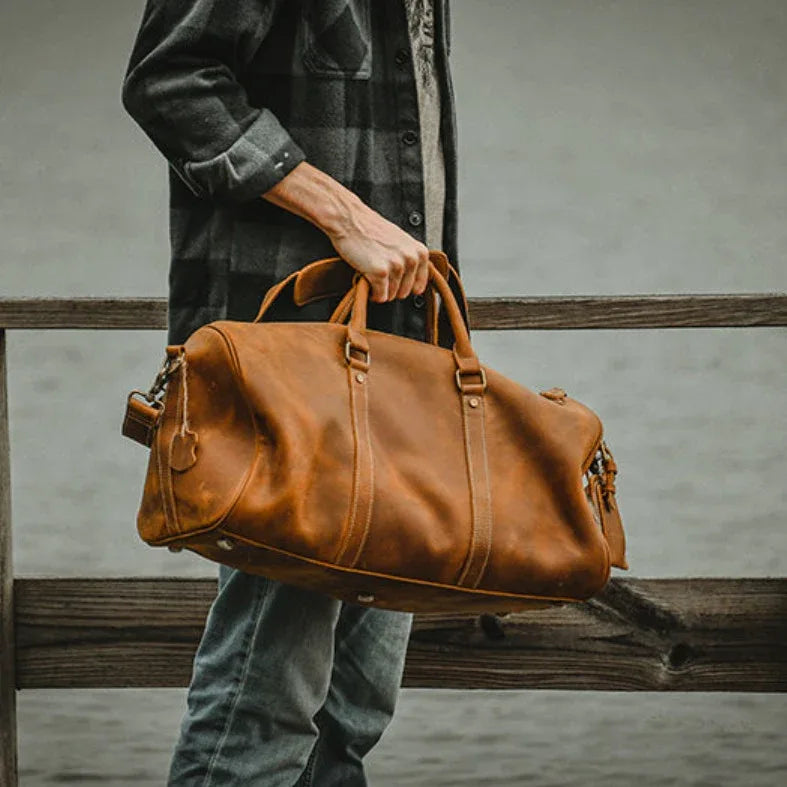
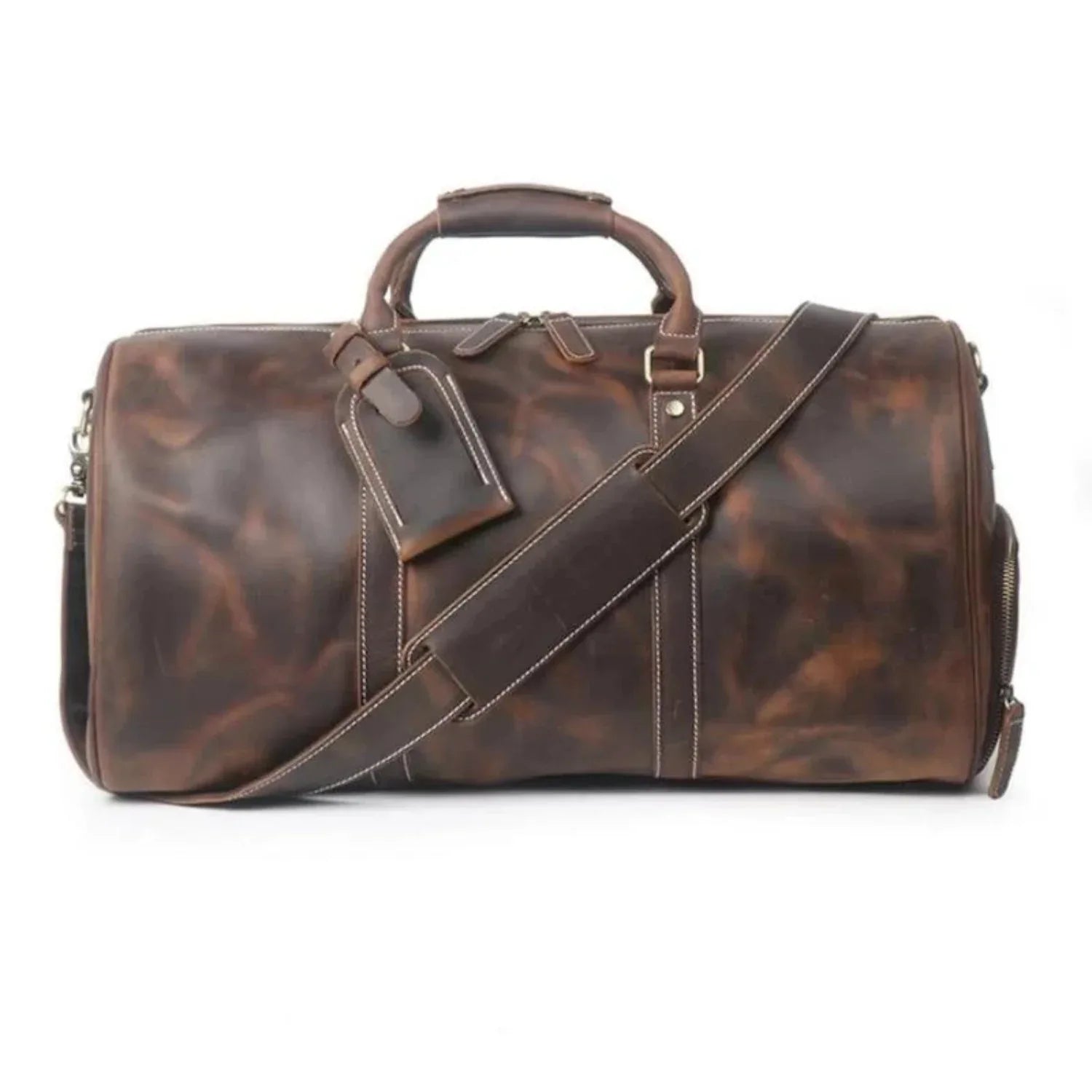
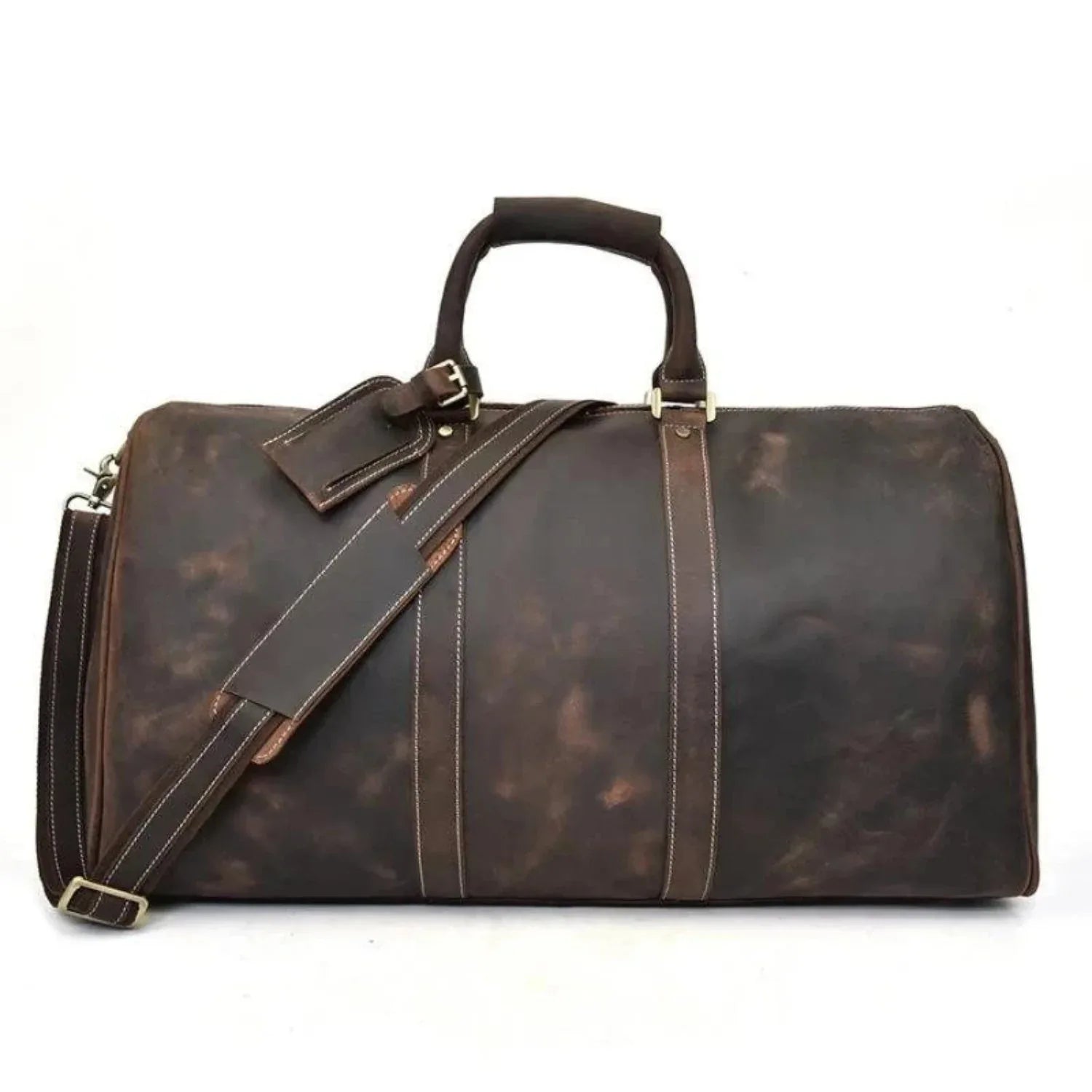
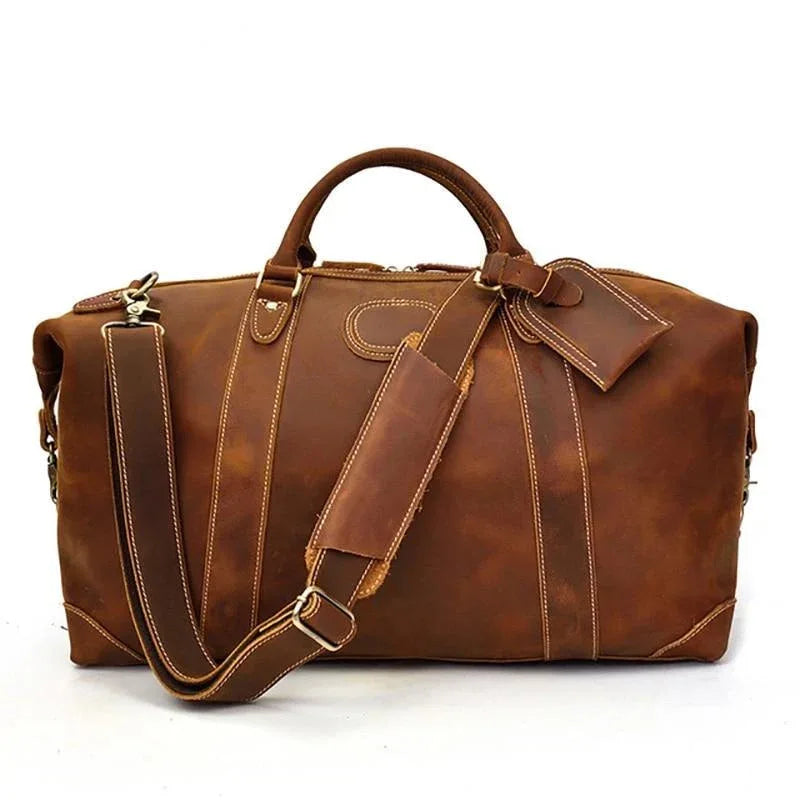
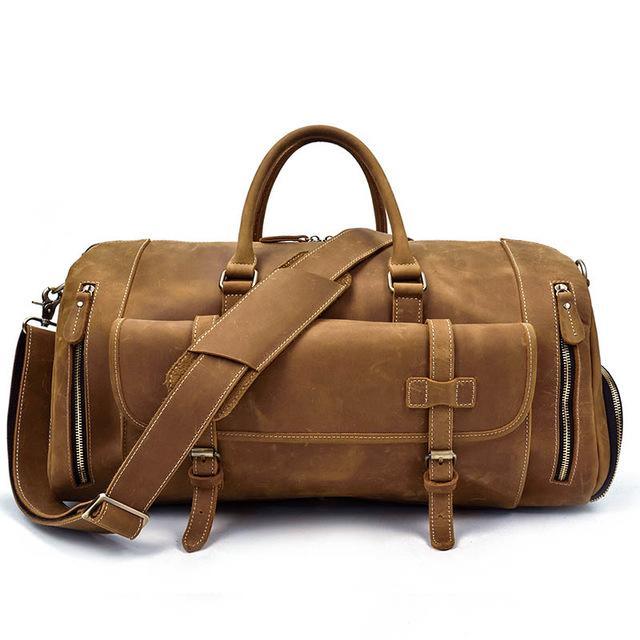
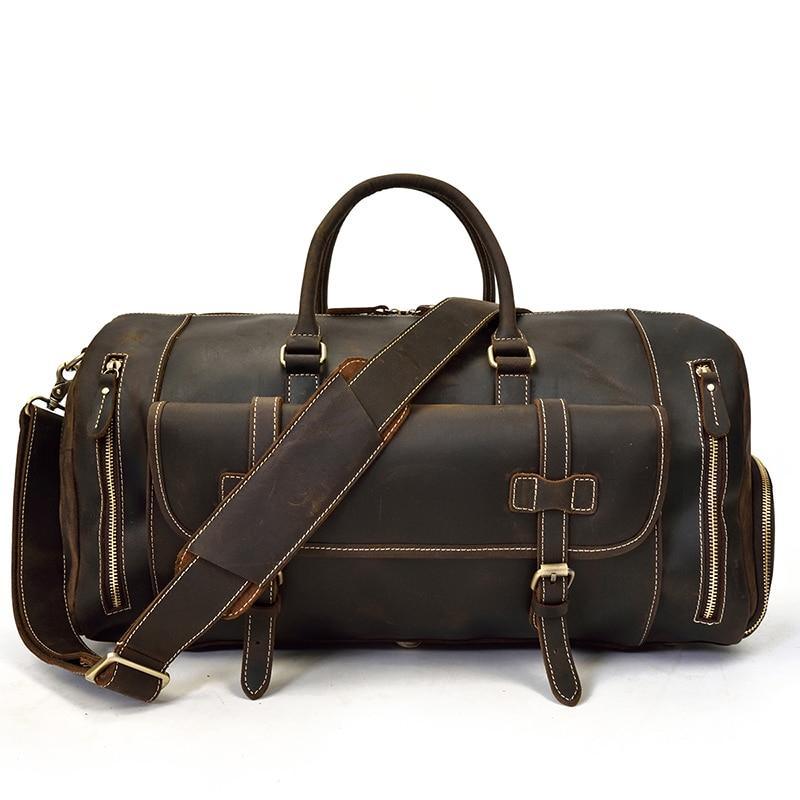
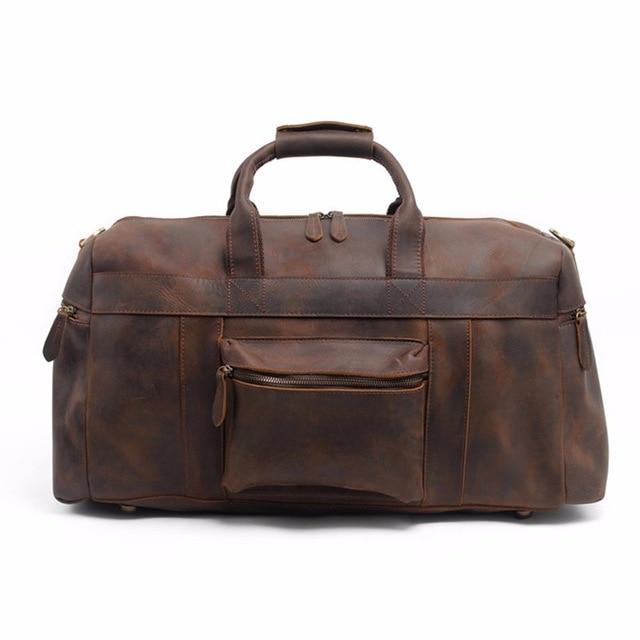
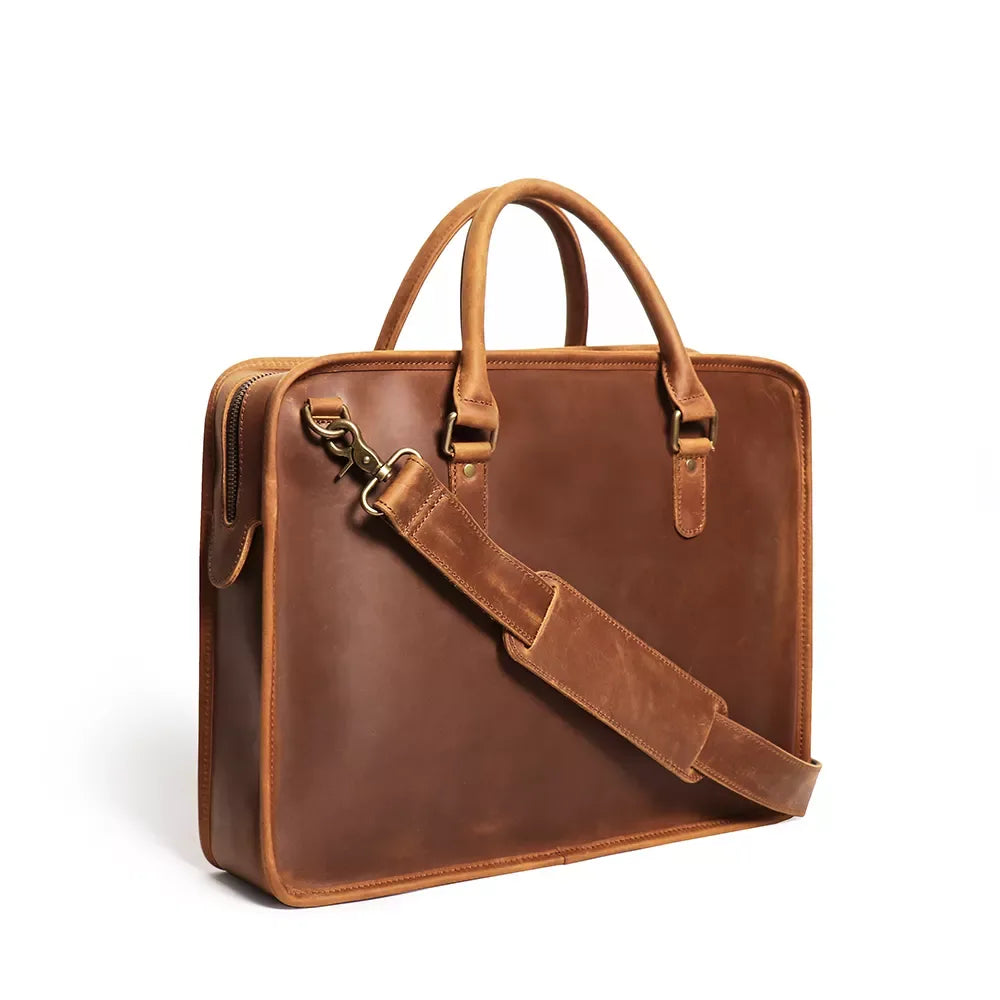
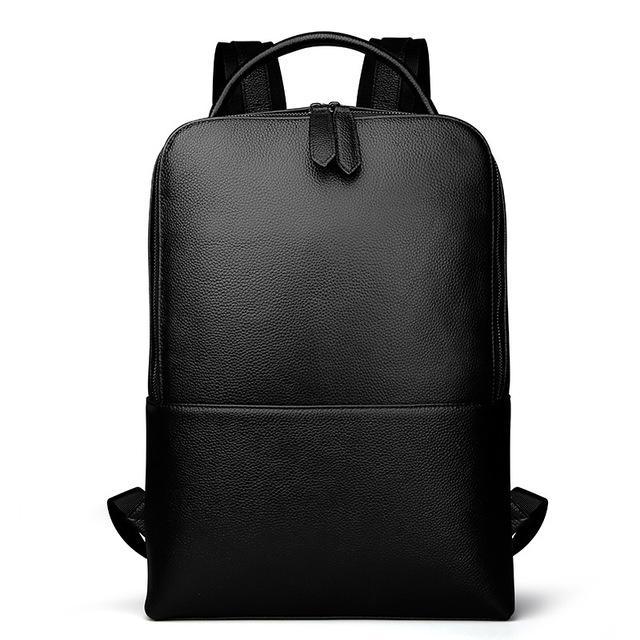
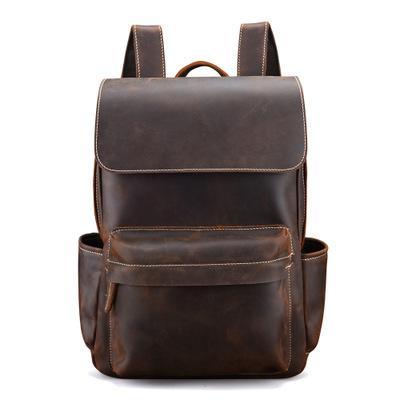
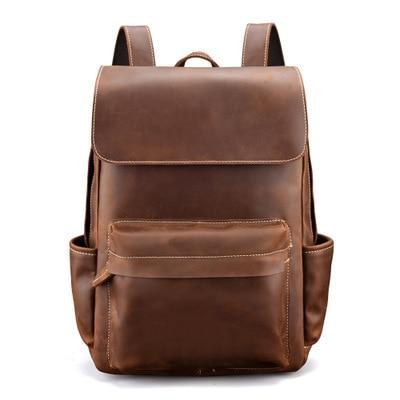
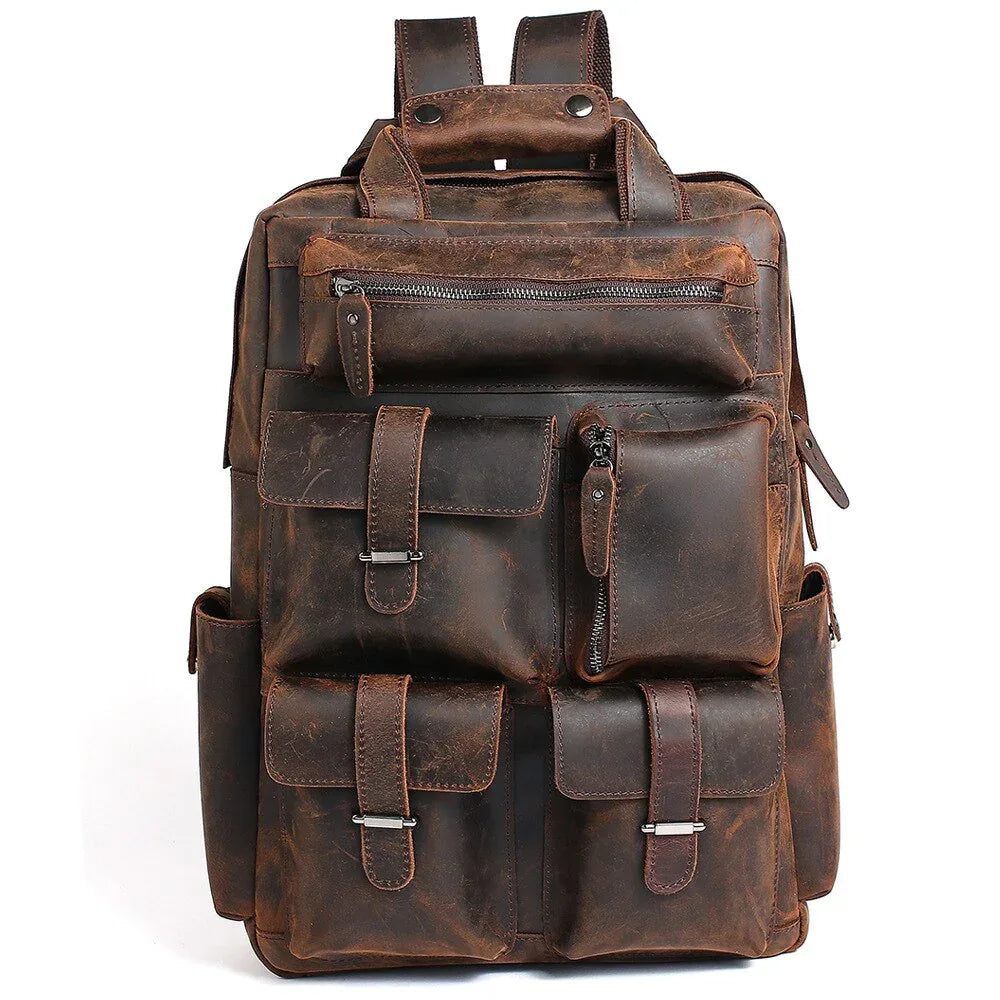
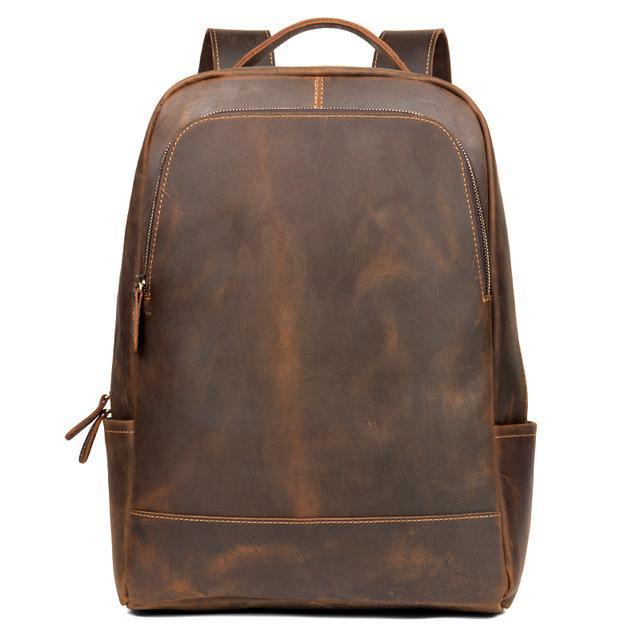
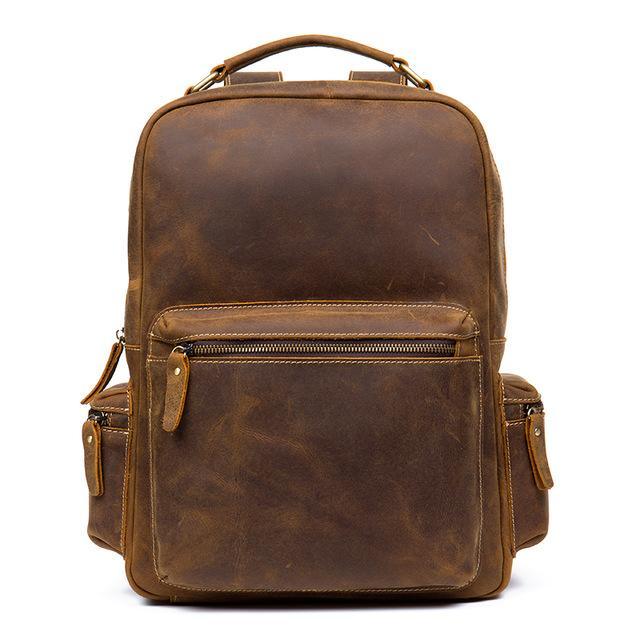
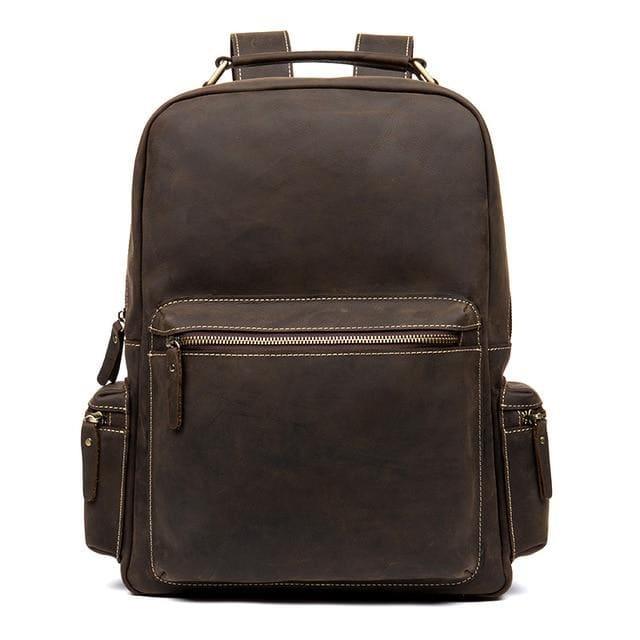
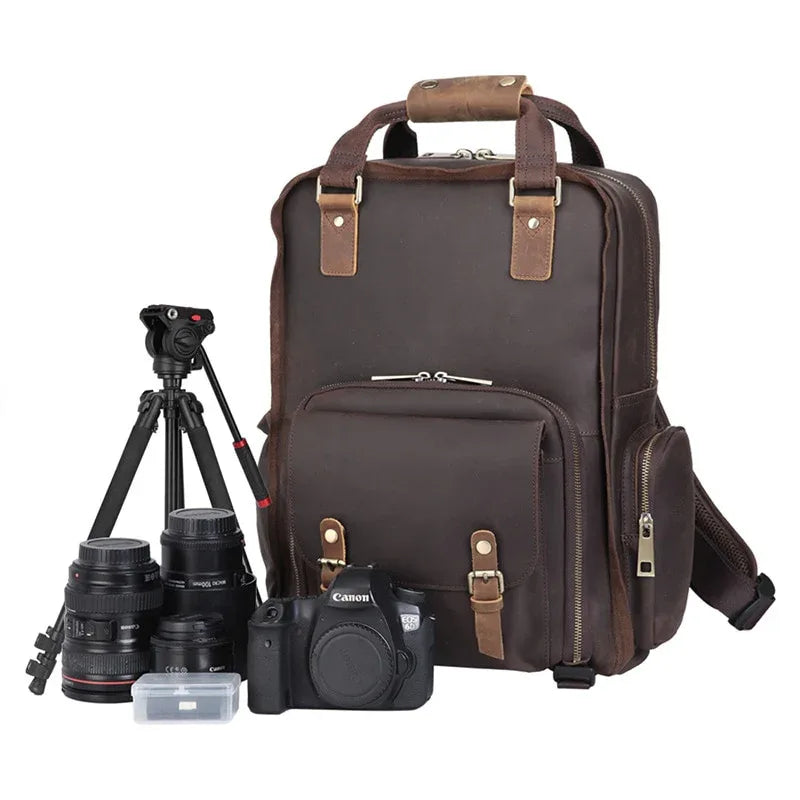
Leather creasing is a natural, largely unavoidable part of owning leather goods. Like skin, leather ages and develops wrinkles over time, and completely wrinkle-free leather is extremely rare and expensive to produce (Meyer et al., 2021; Vilhanová et al., 2022; Omer, 2021). This guide explains why creases form, how to prevent them, and five tested methods for removing them from both genuine and faux leather.
Whether you own a leather backpack, a set of leather shoes, a leather duffle bag, or a leather wallet, understanding how creases form will help you keep your items looking their best for years to come.
Key Takeaways
-
Leather creasing is a natural process that occurs over time. Completely wrinkle-free leather is extremely rare and expensive.
-
Prevention works better than removal. Proper storage away from direct sunlight, avoiding moisture exposure, and choosing correctly fitted items minimize creasing before it starts.
-
Five removal methods exist: gravity reshaping, steam treatment, alcohol solution, iron treatment, and hair dryer treatment. Each suits different crease depths and leather types.
-
Leather quality changes crease resistance. Full grain leather from the shoulder or side of a hide, cut at 1.2mm to 1.6mm thickness, resists creasing better than thin, lower-grade splits.
-
Always condition leather after any heat treatment. Iron, hair dryer, and alcohol methods all remove moisture from the hide, and skipping conditioner afterward leads to cracking.
Why Trust Our Leather Care Expertise?
Steel Horse Leather builds leather bags from full grain leather sourced from vetted tanneries, and our care guidance comes from handling thousands of hides through cutting, stitching, and finishing. Our artisans see firsthand how leather from different parts of a hide creases, stretches, and ages under daily use.
When we recommend a crease removal method, it is because we have tested it on the same full grain leather used in products like the Endre Weekender and the Welch Briefcase, not because it appeared in a generic care guide.
Is Creased Leather Normal?
Yes. Creasing is a normal characteristic of leather, not a manufacturing defect. Leather is animal hide, and like skin, it develops folds and lines wherever it bends repeatedly, particularly at flex points like crossbody bag straps, bag gussets, and shoe toe boxes (Meyer et al., 2021).
No leather, regardless of price, is permanently crease-proof. Even leathers marketed as wrinkle-resistant will develop some creasing with regular use; the difference is how quickly and how deeply the creases set (Meyer et al., 2021; Vilhanová et al., 2022; Omer, 2021). Independent material testing shows crease behavior varies significantly by leather type, thickness, and tanning method, which is why generic care advice often falls short (Örk and Temel, 2023; Meyer et al., 2021).
What Causes Leather to Crease?

Four factors drive most leather creasing: improper storage, poor fit, product design, and leather quality. Each is explained below with specific detail on how it affects your bags and accessories.
Does Improper Storage Cause Creasing?
Yes, storage is one of the most common causes of unwanted creases. Stuffing a bag into a tight closet shelf, stacking heavy items on top of a soft-sided gym bag, or leaving a wallet folded in a back pocket for months will all cause the leather to hold a bent shape.
Storing leather goods away from direct sunlight and in a stable, dry environment prevents most storage-related creasing. For camera bags and messenger bags with structured panels, storing them upright rather than flat helps the panels hold their shape.
Does Bad Fit Cause Creasing?
Yes. Oversized leather items develop deeper creases faster than properly fitted ones because excess material has more room to fold with each movement (Omer, 2021). A leather jacket that is one size too large will crease at the waist during normal walking within weeks.
The same principle applies to briefcases and crossbody bags carried with slack straps. Adjusting straps to sit snugly, rather than loosely, reduces the swinging motion that accelerates crease formation.
How Does Bag Design Affect Creasing?
Bags built with fewer, larger leather panels crease differently than bags built with many smaller panels. When a design uses less leather per panel, more mechanical stress concentrates on each section, making those areas crease sooner (Vilhanová et al., 2022; Omer, 2021).
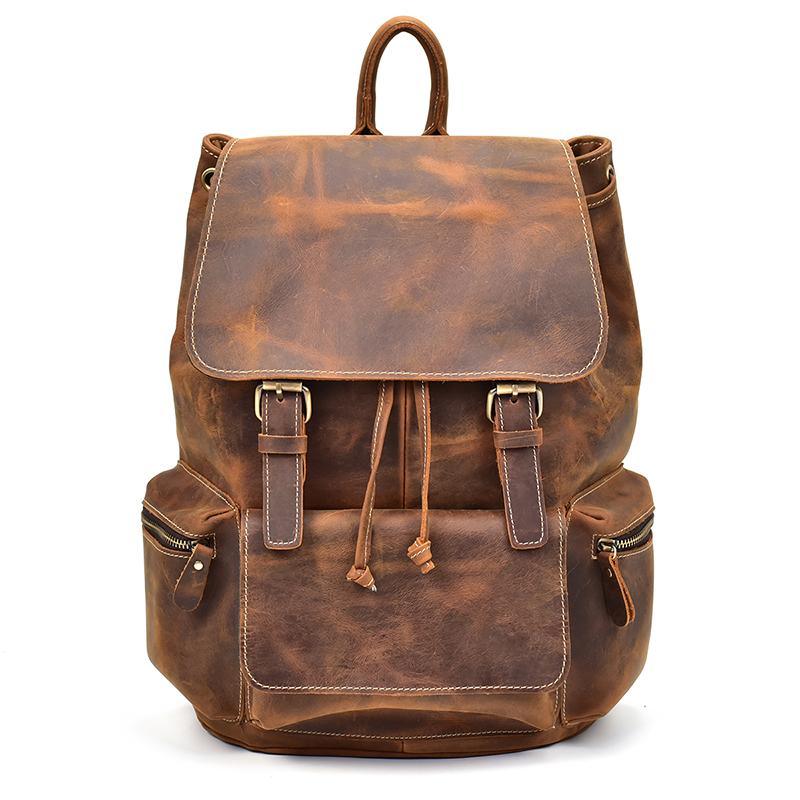
This is one reason structured bags like the Gaetano Large Leather Backpack hold their shape longer than slouchier, single-panel totes. Compartmentalized construction distributes weight across multiple stitched panels instead of one continuous piece of hide.
How Much Does Leather Quality Affect Creasing?
Leather quality is the single biggest factor in crease resistance (Meyer et al., 2021; Vilhanová et al., 2022; Omer, 2021). The table below compares how different leather grades and thicknesses respond to creasing.
| Leather Type | Typical Thickness | Crease Resistance | Notes |
|---|---|---|---|
| Full grain leather | 1.2mm to 2mm | High | Retains natural grain; develops patina and shallow creases over years, not weeks |
| Top-grain leather | 1mm to 1.5mm | Medium-high | Sanded surface removes some fiber strength compared to full grain |
| Genuine leather (split) | 0.8mm to 1.2mm | Low-medium | Cut from lower hide layers; creases faster and deeper than full grain |
| Bonded leather | 0.5mm to 1mm | Low | Scraps bonded with polyurethane; often cracks rather than creasing cleanly |
| Faux leather / PU | 0.5mm to 1mm | Low | Synthetic coating lacks fiber structure of hide; creases can appear within months |
The region of the hide also matters. Leather cut from the shoulder or the back tends to be denser and less wrinkle-prone than leather cut from the belly or flank (Vilhanová et al., 2022; Omer, 2021). Every Steel Horse product, including the Icarus Backpack and the Taavi Tote, uses full grain leather rather than bonded or genuine-grade splits for this reason.
Tanning method changes crease behavior too. Vegetable-tanned leather develops a visible patina and responds to heat differently than chrome-tanned leather, which stays more supple but can still crease under heavy daily use. Price is not a reliable predictor: some inexpensive leather resists wrinkles better than expensive pieces, depending on hide origin and processing.
Does Regular Use Cause Creasing?
Yes, frequent handling eventually creases any leather bag, regardless of thickness. Thicker hides delay the process but do not prevent it entirely. During manufacturing, some producers use heat guns to bond interlayers into the leather, which can introduce minor creases before the product ever reaches you, so a few faint lines on a brand-new bag are not unusual.
How Do You Prevent Leather From Creasing?

Prevention beats removal because creases that set over months are harder to reverse than creases caught early (Meyer et al., 2021; Vilhanová et al., 2022; Omer, 2021). Four habits make the biggest difference.
Keep leather out of direct sunlight. UV exposure dries out the natural oils in the hide, and dry leather cracks and creases more readily than conditioned leather.
Avoid high-humidity storage. Moisture weakens leather fibers over time and accelerates wrinkling, so closets and storage areas should stay dry.
Use shoe trees for footwear. Cedar shoe trees absorb moisture and hold the shoe's shape between wears, which is the single most effective habit for preventing shoe creasing.
Stuff bags before storing them. Fill a duffle bag or satchel with acid-free tissue paper or bubble wrap so it holds its shape on the shelf, and use a dust bag or pillowcase to block sunlight and dust.
For structured pieces like the Hemming Leather Laptop Bag or the Erling Leather Sling Bag, storing the bag upright with its main compartment lightly filled keeps the front and side panels from developing fold lines.
Basic Leather Care Routine
Full grain and top-grain leather need minimal but consistent maintenance. Dust flat surfaces with a soft-bristled brush weekly, and for light stains, wipe with a cloth dampened in mild soap and warm water, then air dry completely before storing.
A leather cleaner removes surface dirt and grime, while a leather conditioner moisturizes the hide from within. Both belong in a basic care kit for any leather accessory, from a bifold wallet to a full-size duffle bag. For homemade conditioner recipes using ingredients you likely already have, see our guide on DIY homemade leather conditioners.
Avoid harsh detergents and saddle soap, which strip natural oils faster than they clean. If your leather has picked up scuffs along with creases, our guide on how to fix scratched leather in 3 easy steps covers that separately.
How Do You Remove Creases From a Leather Bag?
Five methods work for removing creases from genuine leather bags: gravity reshaping, steam, alcohol solution, iron treatment, and hair dryer treatment. Always check the manufacturer's care instructions first, since success depends on leather type and how deep the crease has set (Meyer et al., 2021; Vilhanová et al., 2022; Omer, 2021).
| Method | Best For | Time Required | Risk Level |
|---|---|---|---|
| Gravity reshaping | Light, shallow creases from storage | 1 to 3 days | Very low |
| Steam | Medium creases on jackets and bags | 10 to 15 minutes | Low |
| Alcohol solution | Stiff creases on vegetable-tanned or chrome-tanned leather | 15 to 20 minutes | Medium (test first) |
| Iron with cloth barrier | Deep, set-in creases on full grain leather | 20 to 30 minutes | Medium-high |
| Hair dryer | Moderate creases on shoes and bags | 5 to 10 minutes | Medium |
Method 1: Remove Creases Using Gravity
Gravity reshaping is the safest method because it involves no heat or chemicals. Stuff the bag with crumpled newspaper, plastic bags, or soft packing material so it returns to its intended shape.
If hanging the bag, use a clip-style hanger on the handle, placing a cloth between the metal clips and the leather to prevent pinch marks. Hang it out of direct sunlight and let the bag's own weight pull the leather back into shape over one to three days. This works well for belt bags and vintage-style messenger bags alike.
Method 2: Remove Creases Using Steam
You do not need a garment steamer. Hang the leather item in the bathroom, run a hot shower for 10 minutes, and let the steam soften the fibers without letting the leather touch water directly.
After steaming, let the item rest so the leather releases tension before you smooth the crease by hand. This method suits weekender bags and jackets equally well.
Method 3: Remove Creases Using Alcohol
Mix equal parts water and rubbing alcohol in a spray bottle and mist the leather lightly from a distance, without saturating it. Always test on an inconspicuous spot first, since vegetable-tanned leather reacts differently to alcohol than chrome-tanned or faux leather (Sabuncu and Özdemir, 2023).
Once the leather softens, smooth the crease by hand. Alcohol dries out leather quickly, so a leather conditioner must follow immediately after this treatment.
Method 4: Remove Creases Using an Iron
Set the iron to its lowest setting, between 60 and 75 degrees Celsius, and place a damp cloth or pillowcase between the iron and the leather at all times. This extra layer protects full grain and chrome-tanned leather from scorching, and it is essential for embossed grain leathers, which can be permanently marked by direct heat.
Press gently for a few seconds, check the crease, and repeat as needed. Blot any remaining moisture with a lint-free towel, then apply leather conditioner immediately (Meyer et al., 2021; Omer, 2021).
Method 5: Remove Creases Using a Hair Dryer
Set the hair dryer to its lowest heat setting and hold it at least 10 inches from the leather. Apply heat in 20-second bursts, smoothing the crease with your fingers between each round, and only increase heat if the low setting has no effect.
This method works well on smooth leather bags and shoes, including structured pieces like the Faust Camera Bag. Never hold the dryer in one spot for more than a few seconds at a time.
Why Does Leather Need Conditioner After Heat Treatment?
Every heat-based method pulls moisture out of leather, and skipping conditioner afterward leaves the hide dry and prone to cracking (Meyer et al., 2021; Omer, 2021). Apply a leather cream, oil, or liquid conditioner with a soft cloth immediately after ironing, steaming, or blow-drying, following the product's specific instructions. This single step is what separates a temporary fix from long-term damage.
Genuine Leather vs. Faux Leather: How Do Creases Differ?

Genuine leather and faux leather respond differently to heat, moisture, and cleaning products, so they need different crease removal approaches (Sabuncu and Özdemir, 2023; Meyer et al., 2021; Vilhanová et al., 2022). The table below breaks down the key differences.
| Factor | Genuine Leather | Faux Leather / PU |
|---|---|---|
| Crease onset | Months to years, depending on grade | Can appear within weeks of regular use |
| Response to heat | Softens and reshapes with controlled heat | Can melt, bubble, or discolor under direct heat |
| Best removal method | Iron, steam, hair dryer, or alcohol | Weight pressing or light steam only |
| Conditioning needed | Yes, after every heat treatment | No, standard leather conditioners do not absorb into PU coating |
| Crease recovery | Fibers relax and reshape well | Lacks fiber structure; recovery is inconsistent (Örk and Temel, 2023) |
Why Do Faux Leather Bags Crease Faster?
Faux leather bags often arrive with creases already present from tight packaging or folding during shipping. Because PU material lacks the fiber structure of genuine hide, it holds these fold lines more stubbornly.
Storing faux leather items hanging in a closet, rather than stacked or compressed, reduces the chance of new creases forming.
How Do You Remove Creases From Faux Leather?
Two methods work reasonably well on faux leather: weighted pressing and light steam. Place evenly distributed heavy books on top of the bag to press out wrinkles, checking periodically to avoid new deformations.
For steam, hang the bag in a closed bathroom while running a hot shower for a few minutes, then press it gently by hand on a flat surface once the material has softened. Results vary more on faux leather than on genuine leather because it lacks natural fiber structure (Sabuncu and Özdemir, 2023).
Choosing a Bag That Resists Creasing
If you are shopping for a new bag and want to minimize future creasing, full grain leather with thicker panels and multi-panel construction is the safer bet. Structured designs like the Tove Backpack and the Skald Black Pebbled Leather Backpack hold their shape better than single-panel, unstructured totes.
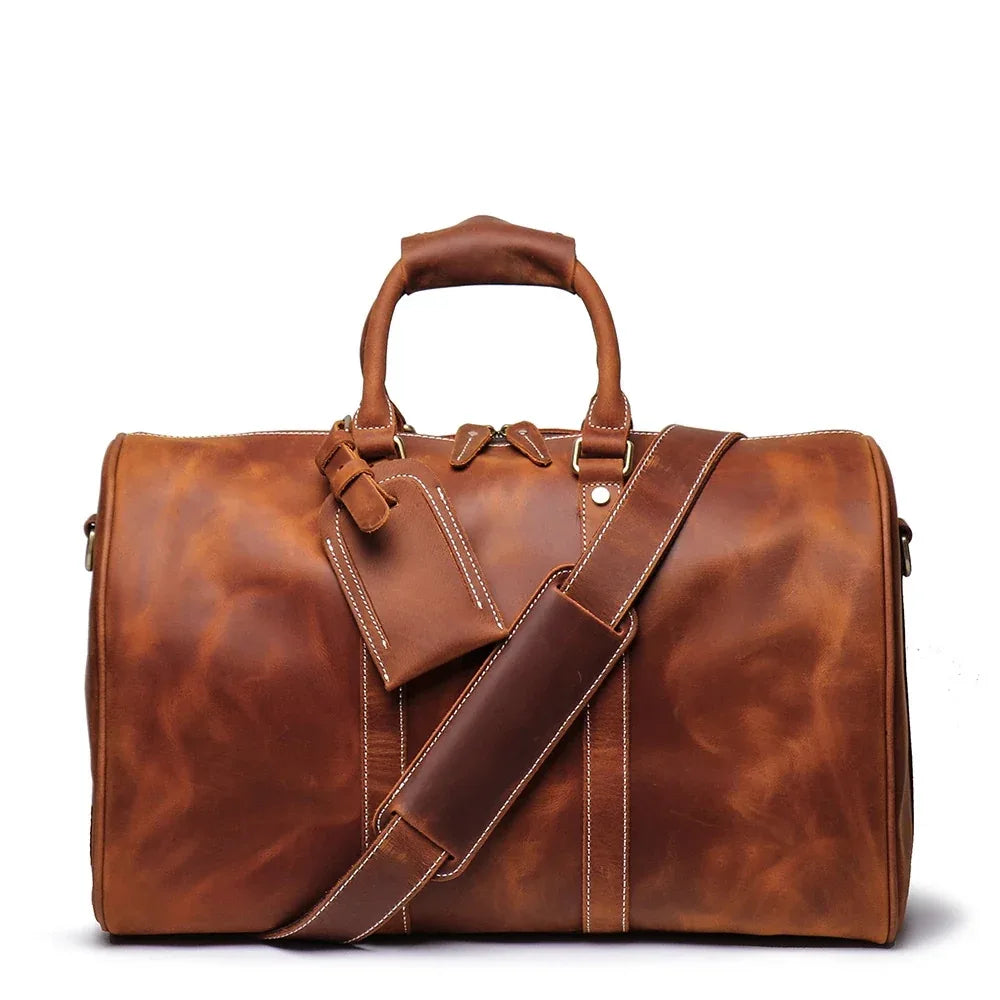
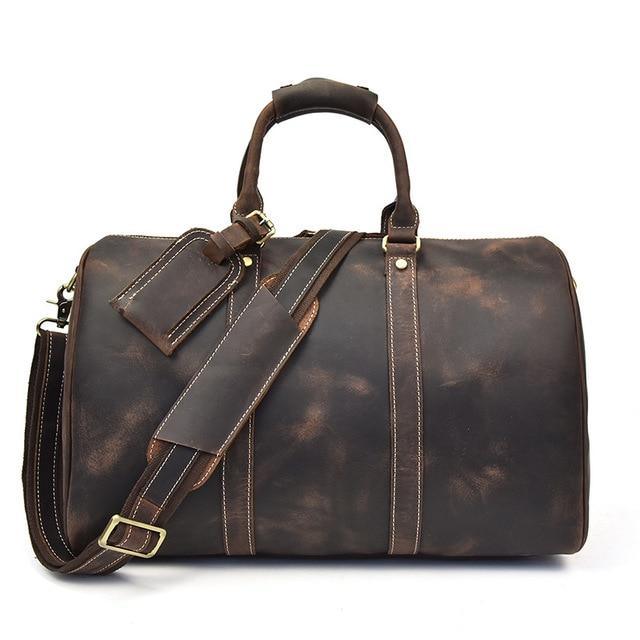
For travel, weekender bags built with reinforced panels, such as the Bjarke Weekender or the Wainwright Weekender, tend to crease more evenly across the surface rather than developing one deep fold line. Our guide to buying a leather duffel bag covers construction details worth checking before you buy, and our grain leather definition guide explains hide grading in more depth.
For everyday carry, the Unn Backpack and Faulkner Backpack use full grain leather panels sized to reduce stress concentration in any single area. You can browse the complete range in our leather backpacks collection, including options built specifically for men and women.
If you are outfitting a home office or shopping for a colleague, our top leather corporate gift ideas and leather gifts for him guides feature pieces like the Pathfinder Bifold Wallet and the Dado Leather Dopp Kit, both built from full grain leather that ages rather than deteriorates.
Ethical and Sustainability Considerations
Consumer interest in sustainable and ethically sourced materials continues to grow. Research shows millennials and ethically conscious shoppers increasingly weigh environmental impact when choosing between genuine leather and synthetic alternatives, including vegan leather and fake fur (Choi and Lee, 2021; Sun et al., 2022). Bio-based and recycled leather alternatives are also entering the market as new options alongside traditional hides (Bettenhausen, 2021).
Regardless of which material you choose, proper care extends the life of the product and reduces how often you need to replace it, which is itself a more sustainable outcome. A full grain leather bag conditioned regularly can last decades, while a poorly maintained one of any material wears out far sooner.
Conclusion
Leather creases are a normal, expected part of owning leather goods, not a sign of poor quality. Prevention through correct storage, proper fit, and regular conditioning remains more effective than any removal method, but when creases do appear, gravity reshaping, steam, alcohol, careful ironing, or a hair dryer can all restore the leather's appearance (Meyer et al., 2021; Vilhanová et al., 2022; Omer, 2021).
Always follow heat or alcohol treatments with a leather conditioner to rehydrate the hide, and remember that genuine leather and faux leather require different approaches (Sabuncu and Özdemir, 2023). Higher-grade full grain leather, like the material used across the Steel Horse Leather collection, naturally resists creasing better than thinner, lower-quality alternatives, and with a basic care routine, it can look presentable for a lifetime.
References
Bettenhausen, C. (2021). Sustainable materials make a play for the leather market. C&EN Global Enterprise, 99(8), 23-24. https://doi.org/10.1021/cen-09908-feature3
Choi, Y. and Lee, K. (2021). Ethical consumers' awareness of vegan materials: Focused on fake fur and fake leather. Sustainability, 13(1), 436. https://doi.org/10.3390/su13010436
Meyer, M., Dietrich, S., Schulz, H., and Mondschein, A. (2021). Comparison of the technical performance of leather, artificial leather, and trendy alternatives. Coatings, 11(2), 226. https://doi.org/10.3390/coatings11020226
Omer, S. (2021). Leather used in furniture upholstery. Koža and Obuća, 69(2), 12-15. https://doi.org/10.34187/ko.69.2.2
Örk, N. and Temel, E. (2023). Practically comparison of some mechanical standard test methods for leather and textile. Mühendislik Bilimleri ve Tasarım Dergisi, 11(4), 1568-1579. https://doi.org/10.21923/jesd.1196657
Sabuncu, M. and Özdemir, H. (2023). Identifying leather type and authenticity by optical coherence tomography. International Journal of Clothing Science and Technology, 36(1), 1-16. https://doi.org/10.1108/ijcst-11-2022-0159
Sun, Y., Wang, R., Cattaneo, E., and Młodkowska, B. (2022). What influences the purchase intentions of sustainable luxury among millennials in the UK? Strategic Change, 31(3), 323-336. https://doi.org/10.1002/jsc.2501
Vilhanová, A., Langová, N., Kłos, R., and Máchová, E. (2022). The effect of selected factors on the strength of stitches of upholstery faux leather. Materials, 15(19), 6585. https://doi.org/10.3390/ma15196585
Frequently Asked Questions
What is leather creasing and is it normal?
Leather creasing is the development of wrinkles and folds in leather over time due to aging, use, and handling. It is a natural and largely unavoidable process; completely wrinkle-free leather is extremely rare and expensive (Meyer et al., 2021; Vilhanová et al., 2022; Omer, 2021).
How do I prevent leather bags from creasing?
Store bags away from direct sunlight and humidity, stuff them with tissue paper or bubble wrap when not in use, and avoid stacking heavy items on top of them. Choosing bags with multi-panel construction and thicker full grain leather, like the Bard Weekender, also reduces how quickly creases form.
What is the fastest way to remove a crease from a leather bag?
Steam is usually the fastest low-risk option, taking about 10 to 15 minutes using steam from a hot shower. For deeper, set-in creases, a low-heat iron with a protective cloth barrier works faster but carries more risk if not done carefully (Meyer et al., 2021; Omer, 2021).
Can I use a hair dryer on leather to remove creases?
Yes, a hair dryer on its lowest heat setting can gently warm leather and help smooth out creases. Hold the dryer at least 10 inches away and work in 20-second intervals, smoothing the leather with your fingers between sessions, then apply leather conditioner afterward.
What is the difference between a leather cleaner and a leather conditioner?
A leather cleaner removes surface dirt, grime, and stains, while a leather conditioner penetrates the material to moisturize it and prevent drying and cracking. Both are needed for a complete care routine on any leather bag or accessory.
Does leather quality actually change how much a bag creases?
Yes. Full grain leather at 1.2mm to 2mm thickness resists creasing better than thin genuine-leather splits or bonded leather under 1mm, because thicker, denser fiber structure holds its shape longer under repeated flexing (Meyer et al., 2021; Vilhanová et al., 2022; Omer, 2021).
Is faux leather cared for the same way as genuine leather?
No. Faux leather and PU leather respond differently to heat, moisture, and cleaning agents than genuine leather (Sabuncu and Özdemir, 2023; Meyer et al., 2021). Heat treatments that work safely on genuine leather can melt or discolor faux leather, so weighted pressing or light steam is safer for synthetic materials.
How often should I condition my leather bag?
Most leather care experts recommend conditioning every three to six months under normal use, or more often in dry climates or with heavy daily use. Regular conditioning with a quality leather cream maintains suppleness and reduces how deeply creases set over time. For more detail on softening stiff leather before conditioning, see our guide on 5 effective methods to soften leather.
Will a new leather bag arrive with creases already in it?
Some minor creasing is possible even on new bags, since manufacturing processes like heat bonding interlayers can introduce small lines before shipping. This is not a defect and typically relaxes with gravity reshaping or light steam within the first few uses.
All of our bags at Steel Horse Leather are crafted from full-grain crazy horse leather, built to develop a rich patina over time. Browse our Leather Bags.