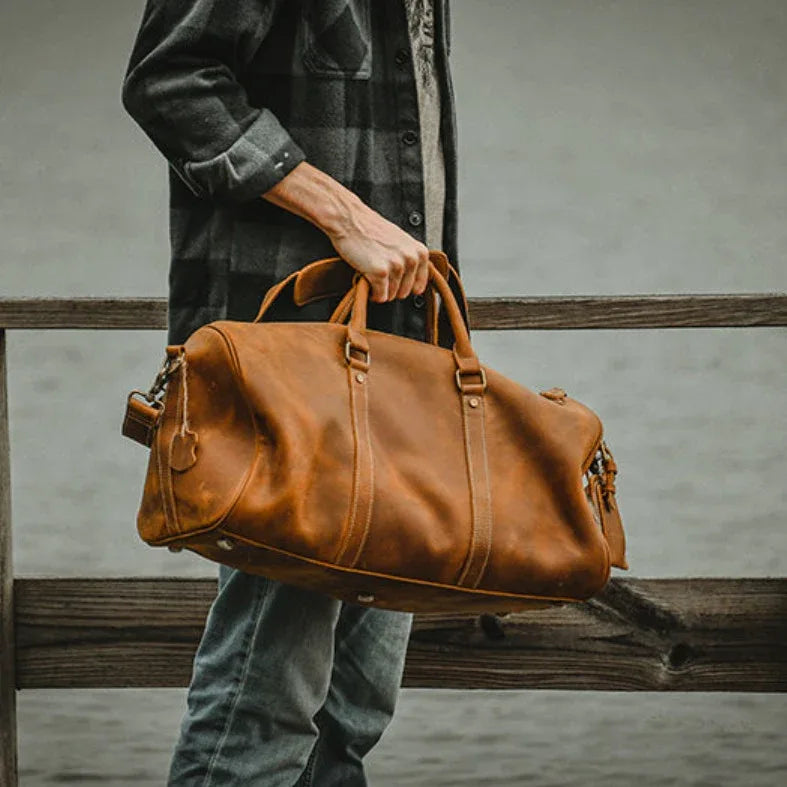
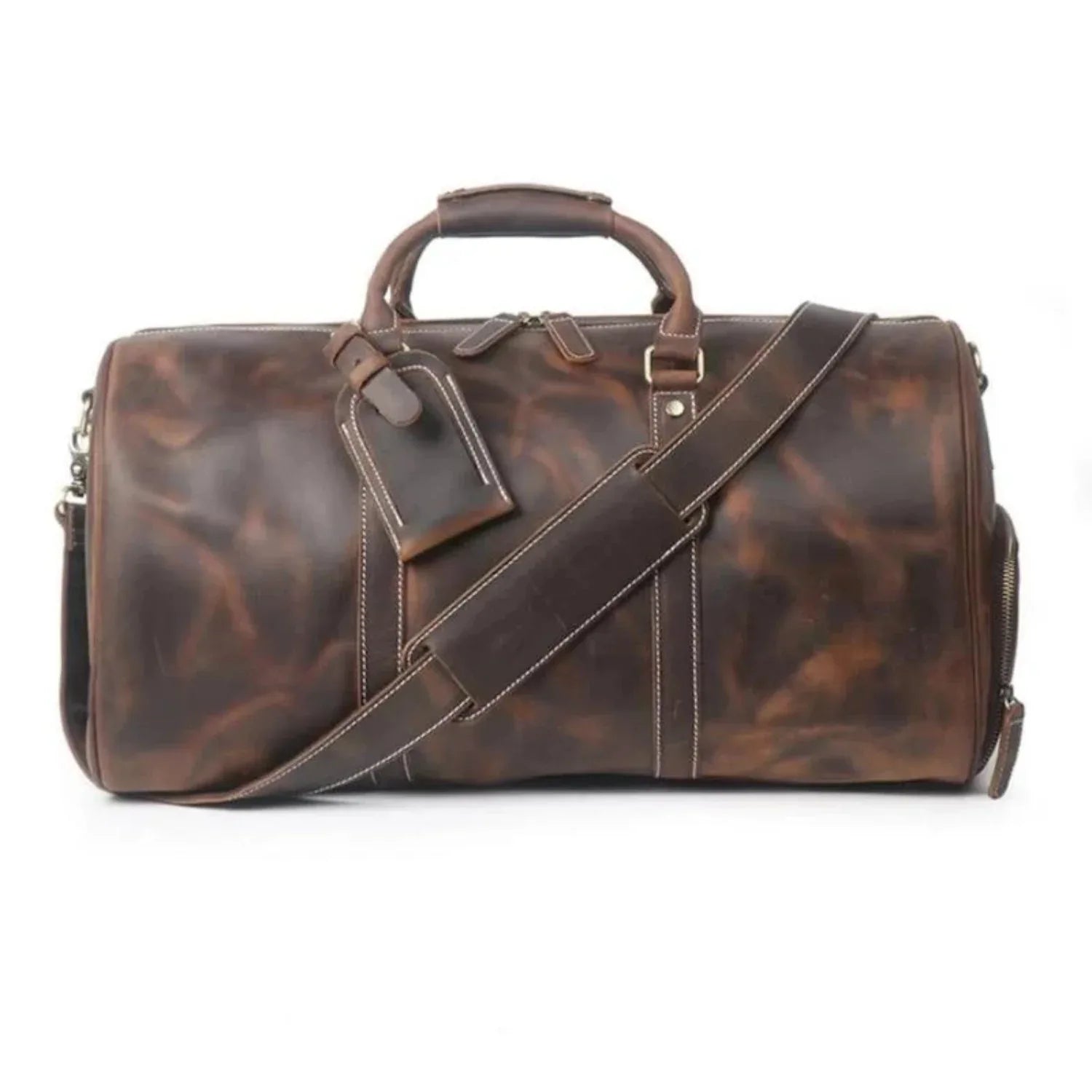
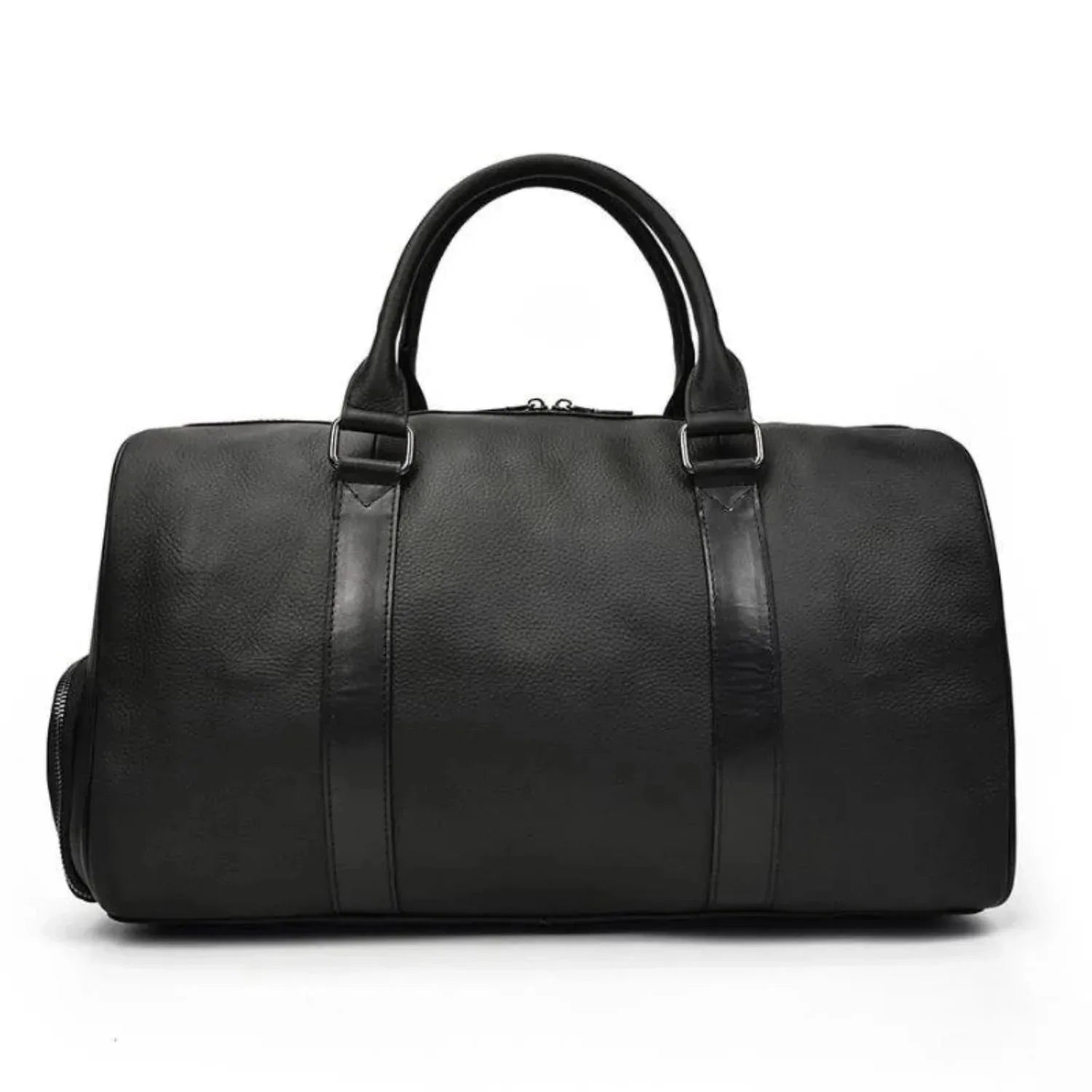
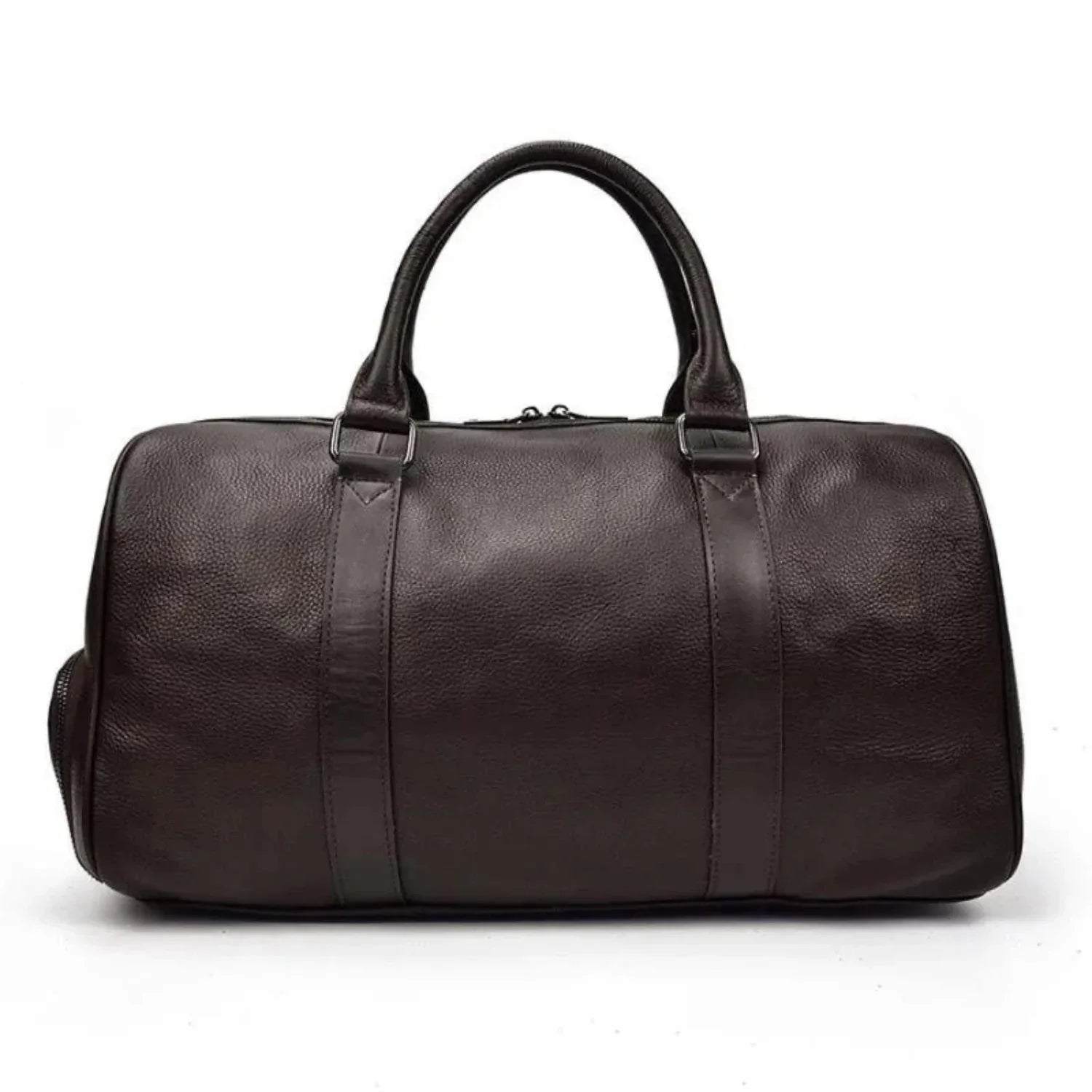
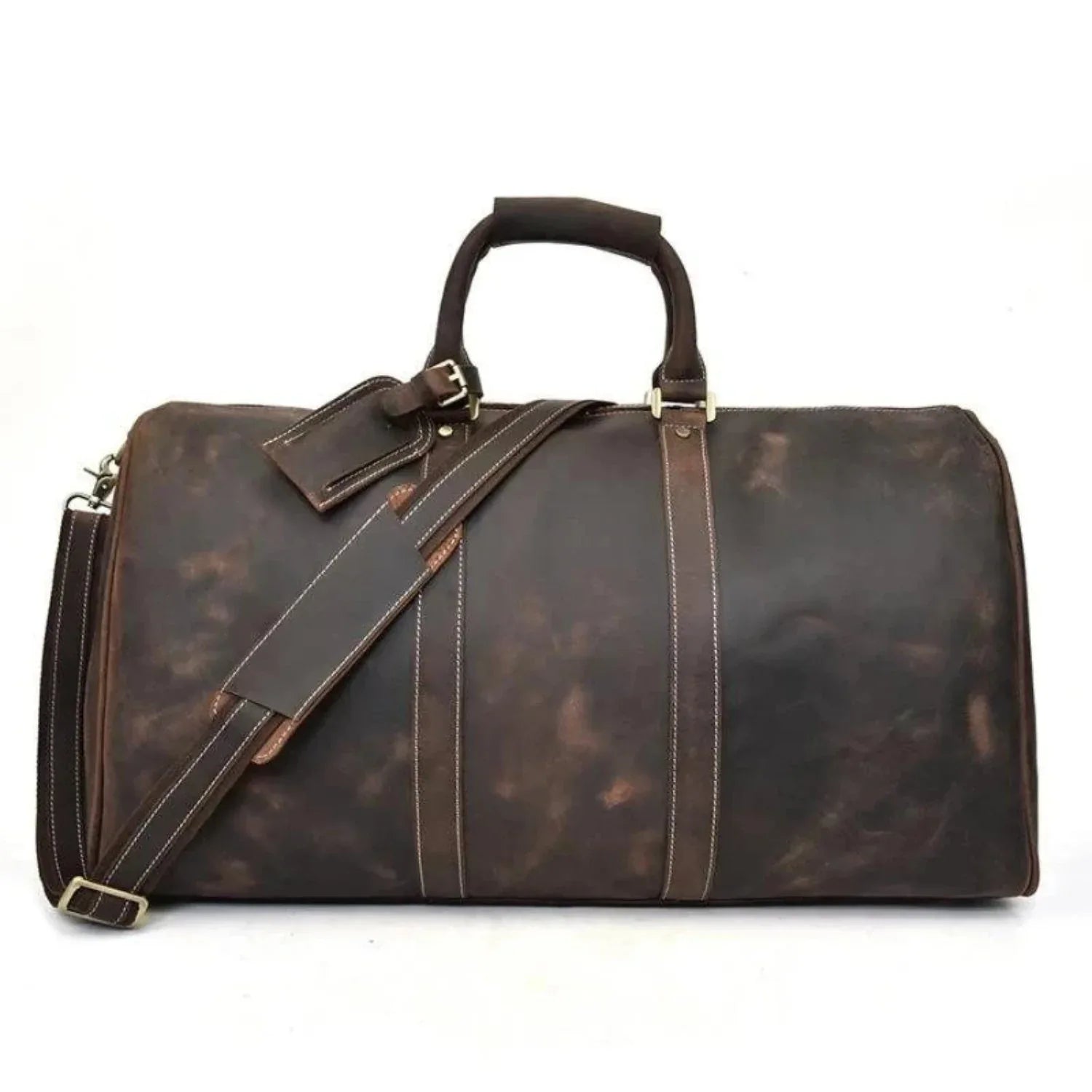
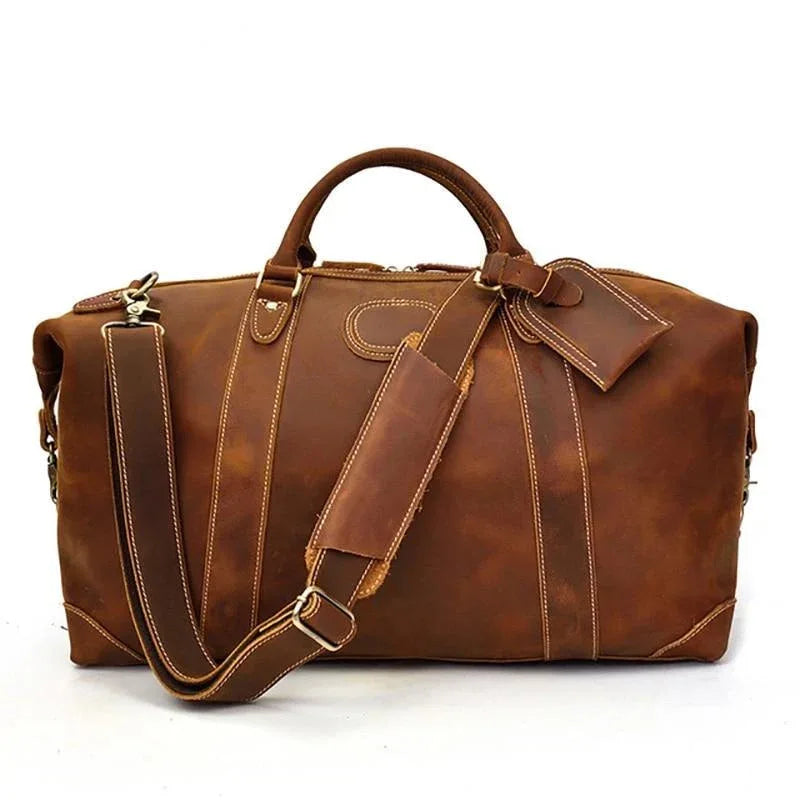
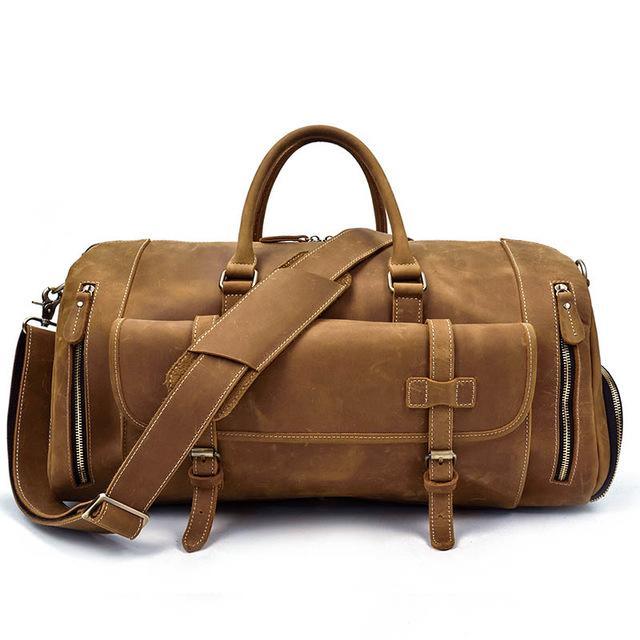
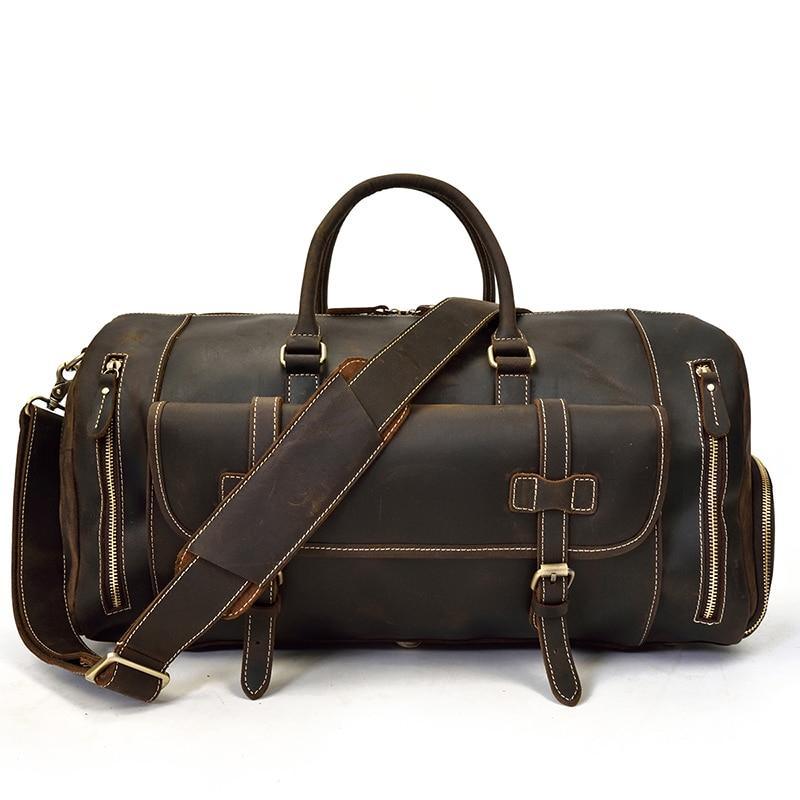
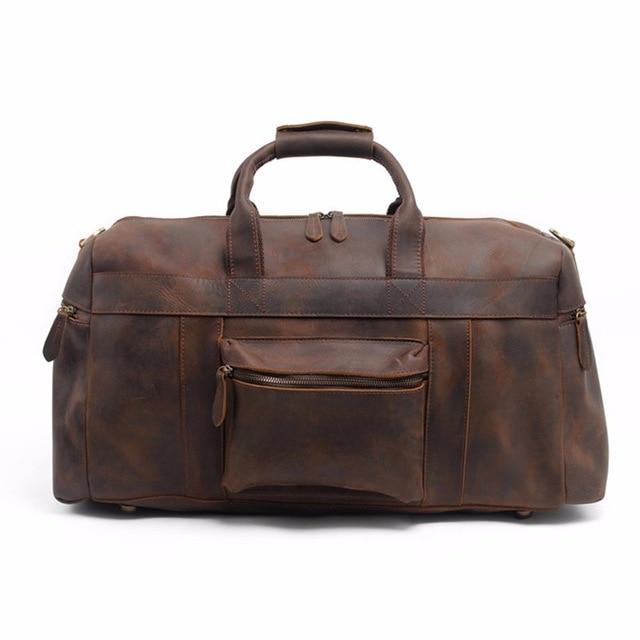
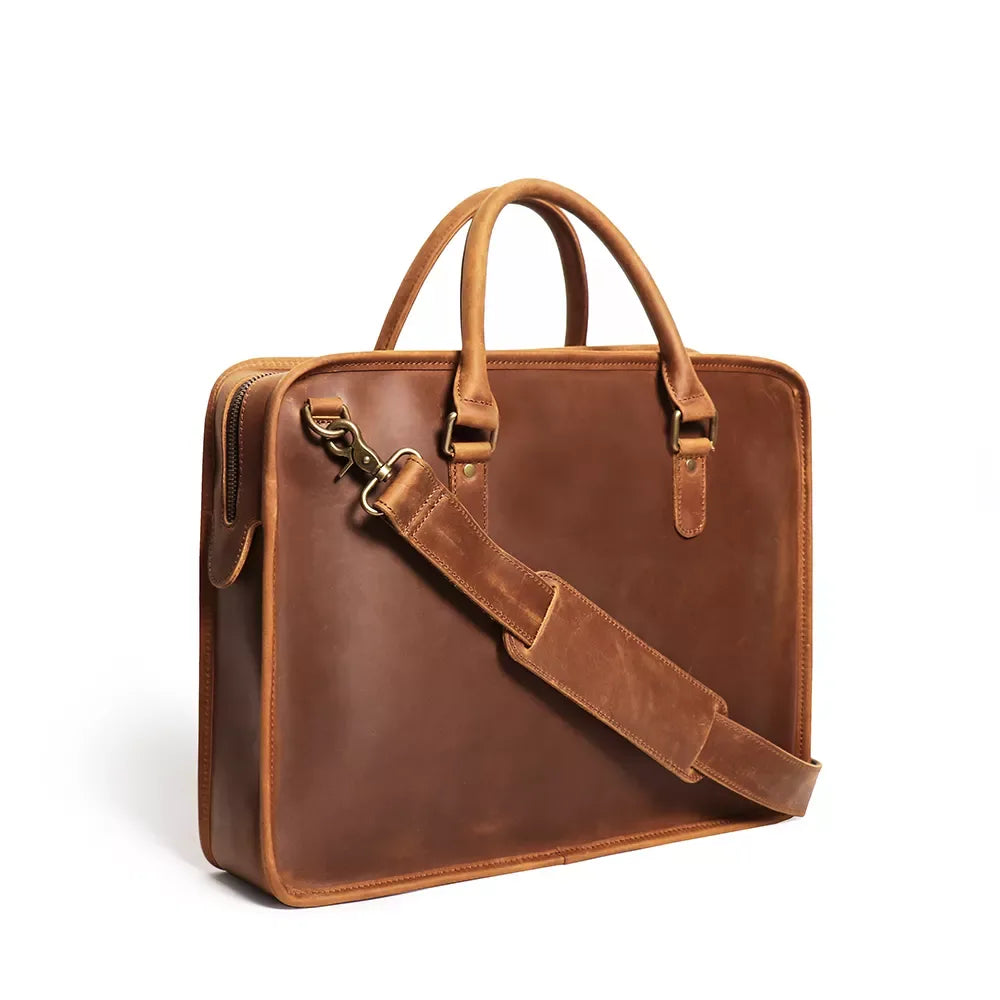
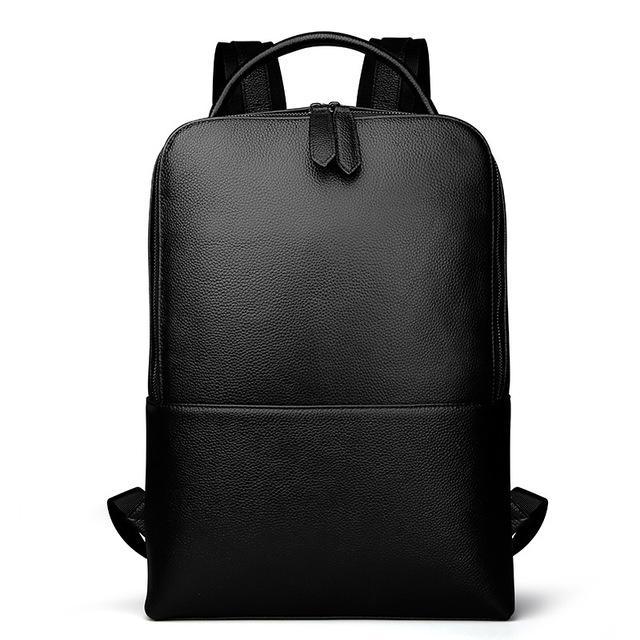
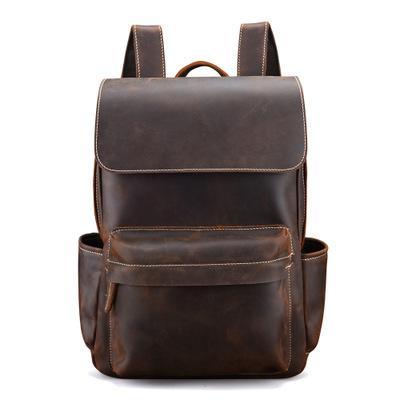
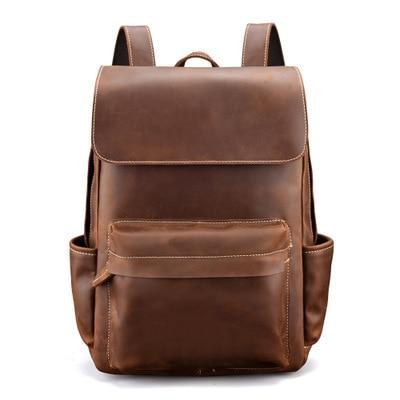
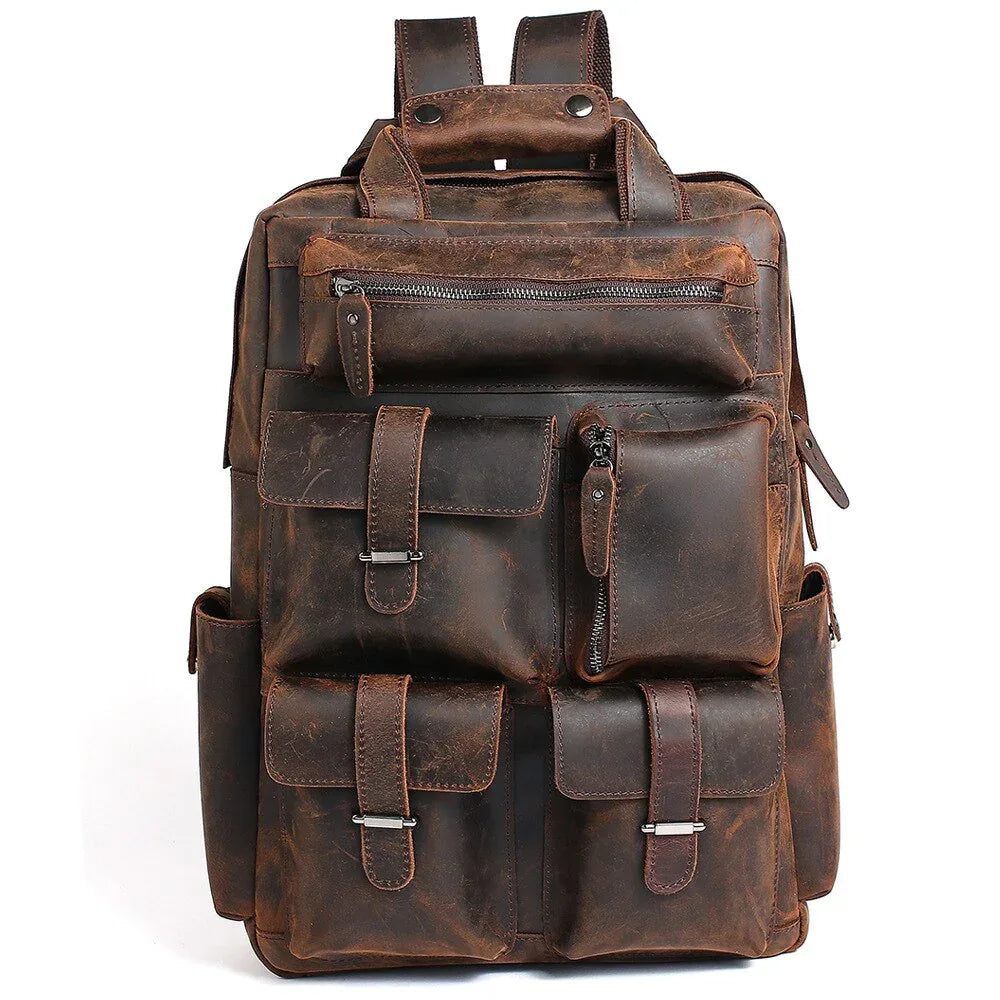
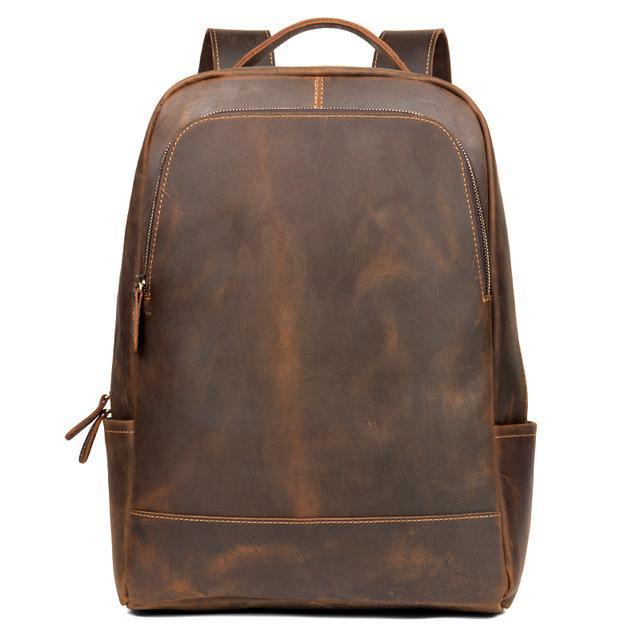
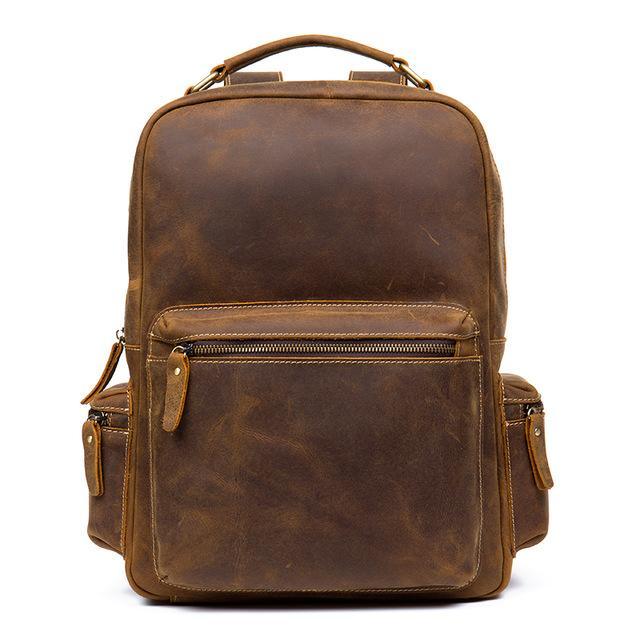
A good leather satchel is one of those purchases that quietly outlasts trends. Choose the right one and it becomes a daily companion for a decade or more, aging into something better looking than the day you bought it. Choose the wrong one and you end up with a stiff, sagging, or impractical bag shoved in the back of a closet within a year.
This guide walks through everything worth knowing before you commit to a leather satchel, from what actually defines the style to the construction details that separate a bag built to last from one that just looks like it. If you're still deciding whether a satchel is even the right style for your needs, our article on what is a satchel is a good place to start, as is our broader breakdown of leather bag types if you're comparing satchels against messengers, briefcases, or totes.
What Exactly Is a Leather Satchel?
A satchel is traditionally a structured bag carried by a top handle, a shoulder strap, or both, closed with a flap secured by buckles, straps, or a clasp rather than a zipper. Historically used by schoolchildren, postmen, and professionals to carry books and documents, the satchel has evolved into a versatile everyday bag that sits somewhere between a briefcase and a messenger bag in formality.
What separates a satchel from its close cousins:
- Structure: Satchels tend to hold their shape, thanks to a rigid base and stiffer leather or internal framing, unlike the softer, slouchier profile of a messenger bag.
- Closure style: The classic front flap with buckle closures is a defining trait. It's part of the look, not just function.
- Carry versatility: Most satchels offer both a top handle and a detachable or adjustable shoulder strap, giving you options depending on the day.
If you're trying to decide between a satchel and a messenger bag specifically, our comparison on the difference between a messenger bag and a briefcase covers similar ground and can help clarify which structure and carry style fits your daily routine better.
Who Actually Needs a Satchel?

Satchels work well for people who want one bag that transitions between settings without looking out of place. Common use cases include:
- Students who need room for books, a laptop, and notebooks, with a structured shape that protects contents in a crowded backpack or locker
- Office professionals who want something more casual than a briefcase but still put-together enough for client meetings
- Creatives and teachers who move between locations throughout the day and want quick access without digging through a bag
- Commuters who prefer a shoulder strap over a backpack but still want their hands free some of the time
If your daily carry is really centered around a laptop and tech gear first, it's worth comparing a satchel against a dedicated leather laptop bag or a leather briefcase, since those are built with padded compartments as the priority rather than general capacity. Our guide to best leather laptop bags breaks down what to look for if tech protection is your main concern.
Key Features to Evaluate
Leather Quality
This is the single biggest factor in how long your satchel lasts and how it ages. Full-grain leather, made from the top layer of the hide including the natural grain, is the strongest and most durable option available. It develops a patina over time rather than cracking or peeling like bonded or corrected-grain leather. If you want to understand the differences between grain types before you buy, our guide on what grain leather actually means explains how to spot the real thing.
Every satchel we make at Steel Horse Leather uses full-grain leather specifically because it's the only grade that genuinely improves with age instead of degrading.
Hardware
Buckles, rivets, and zippers take more daily abuse than people expect. Look for solid brass or stainless steel hardware rather than plated metal, which tends to chip or discolor within a year of regular use. Give the buckles a firm tug in the store or in product photos. They should feel anchored, not like they're just stitched onto the surface.
Stitching
Uneven stitching, loose threads, or stitching that doesn't follow the stress points of the bag (handle attachments, strap connections, corners) is a red flag. Quality satchels reinforce these high-stress areas with box stitching or extra rivets.
Interior Organization
A satchel with zero internal structure becomes a black hole for small items. Look for at least one interior pocket for a phone or keys, and ideally a padded sleeve if you plan to carry a laptop or tablet. This matters more than people think until they're digging around for their phone at the bottom of an unstructured bag.
Size and Capacity
Satchels generally run smaller than backpacks or duffels, so think about what you actually carry daily rather than what you might carry occasionally. A satchel meant for a tablet and a notebook will feel cramped the day you need to bring a change of clothes. If your daily needs fluctuate significantly, a bag from our full leather bags collection with more flexible capacity might serve you better than a fixed-structure satchel.
Matching the Bag to Your Lifestyle

For the daily office commute: Look for a satchel with a padded laptop compartment and a comfortable, adjustable strap. The Hemming Leather Laptop Bag is a strong example of structure meeting function, with enough organization for a workday without the bulk of a full briefcase.
For client meetings and business travel: A more polished, briefcase-adjacent satchel makes sense here. The Welch Briefcase strikes that balance between traditional satchel styling and professional presentation.
For students: Durability and easy-access compartments matter more than polish. Look for reinforced corners and a strap that can handle being slung on and off dozens of times a day.
For weekend or travel use: If you're deciding between a satchel and something with more capacity, take a look at our leather travel bags collection or read through our guide to leather carry-on travel bags to see whether a duffel or weekender might actually serve your trips better than a satchel.
Quality Indicators: What Separates a Good Satchel From a Great One
- Edge finishing: Raw, unfinished edges fray over time. Quality satchels have burnished or painted edges that seal the leather.
- Base reinforcement: Since satchels are set down frequently, a reinforced or slightly raised base protects against wear and moisture.
- Strap adjustability: A strap that only offers one or two length settings limits how the bag can be worn. Full-range adjustability accommodates different body types and carry preferences.
- Symmetry and consistency: On handmade leather goods, slight variation is normal and even desirable, but the overall construction should still be even and intentional, not sloppy.
If you want to understand more broadly why full-grain leather construction holds up better over years of daily use, our piece on leather bag durability goes deeper into the materials science side of things.
Care and Maintenance

A leather satchel is a long-term investment, and basic maintenance goes a long way toward protecting that investment.
- Condition regularly: Leather dries out over time, especially with seasonal changes. Conditioning every few months keeps it supple and prevents cracking. Our DIY leather conditioner guide offers accessible options using ingredients you likely already have.
- Address stains promptly: Oil stains in particular need quick attention. Our guide on getting oil stains out of leather walks through the safest removal methods.
- Break in stiff leather gradually: New full-grain leather is often firmer than it will eventually become. If you want to speed up that process safely, see our guide on five effective methods to soften leather.
- Fix scratches as they happen: Minor surface scratches are common with full-grain leather and usually simple to buff out. Our three-step scratch repair guide covers the basics.
- Store it properly: Keep your satchel stuffed lightly with tissue or a bag pillow when not in use to help it hold its shape, and avoid direct sunlight for extended periods, which dries and fades leather.
Common Mistakes to Avoid
Buying based on looks alone. A satchel might photograph beautifully, but if the strap isn't adjustable or the interior has no organization, you'll notice the frustration daily, not just occasionally.
Ignoring your actual daily carry. People consistently buy satchels too small for their laptop or too large for what they actually need, leading to either cramming or a bag that never looks full and structured.
Overlooking the strap. The strap takes the most physical stress of any component. A thin or poorly attached strap will fail long before the body of the bag does.
Assuming all "leather" is equal. Bonded leather, corrected-grain leather, and full-grain leather all look similar in a product photo but perform completely differently over years of use. Always check the material description closely.
Not considering how it's worn. Some satchels only work well as handheld bags and feel awkward with a shoulder strap due to weight distribution. If you plan to wear it cross-body or on one shoulder most days, check that the design actually supports that.
Recommended Steel Horse Leather Satchels and Related Bags

All of our satchels and related carry bags are built from full-grain leather, chosen specifically because it holds up to daily use and improves in character over time rather than wearing down.
- The Welch Briefcase: A structured, professional option for anyone who needs their satchel to double as client-facing carry.
- The Hemming Leather Laptop Bag: Ideal for daily commuters who need dedicated laptop protection alongside general capacity.
- Erling Leather Sling Bag: A lighter, more casual crossbody alternative for those who want minimal bulk day to day.
- The Taavi Tote: Worth considering if you need more open capacity than a structured satchel allows, particularly for days carrying extra items.
You can browse our complete leather satchels collection to compare styles side by side, or look at our leather messenger bags and leather briefcases collections if you're still weighing satchels against those closely related styles.
If you're shopping for someone else, a satchel also makes a genuinely useful gift. Our guides on leather gifts for him and leather gifts for her include satchels among practical, long-lasting options, and our corporate leather gifts collection is worth a look if you're buying for colleagues or clients.
Frequently Asked Questions
What's the difference between a satchel and a messenger bag?
Satchels are typically more structured, with a rigid shape and flap-and-buckle closures. Messenger bags tend to be softer, more casual, and usually close with a single flap over the top rather than multiple buckles. See our detailed messenger bag vs briefcase comparison for more on this distinction.
Are leather satchels good for carrying a laptop?
Yes, as long as the specific bag includes a padded compartment. Not all satchels are designed with laptops in mind, so check for a dedicated sleeve before assuming it'll offer adequate protection.
How do I know what size satchel to buy?
Think about your actual daily items rather than worst-case scenarios. Lay out what you carry on a typical day (laptop, notebook, wallet, phone, water bottle) and choose a size that fits that comfortably with a little extra room, not a size meant for occasional heavier days.
How long should a full-grain leather satchel last?
With proper care, a well-constructed full-grain leather satchel can last well over a decade, often longer. The leather actually improves in appearance over time as it develops a natural patina.
Can leather satchels get wet?
Full-grain leather can handle light rain without significant damage, but prolonged exposure to moisture should be avoided. If your bag does get wet, let it air dry naturally away from direct heat, and condition it afterward to prevent stiffness.
How do I clean a leather satchel?
Wipe down with a slightly damp cloth for surface dirt, then follow with a quality leather conditioner. Avoid harsh soaps or household cleaners, which can strip natural oils from the leather.
Is a satchel appropriate for professional settings?
Yes, particularly styles with clean lines and minimal external hardware. Satchels sit comfortably between the casualness of a backpack and the formality of a traditional briefcase, making them appropriate for most business casual and even some formal office environments.
All of our bags at Steel Horse Leather are crafted from full-grain crazy horse leather, built to develop a rich patina over time. Browse our Leather Bags.