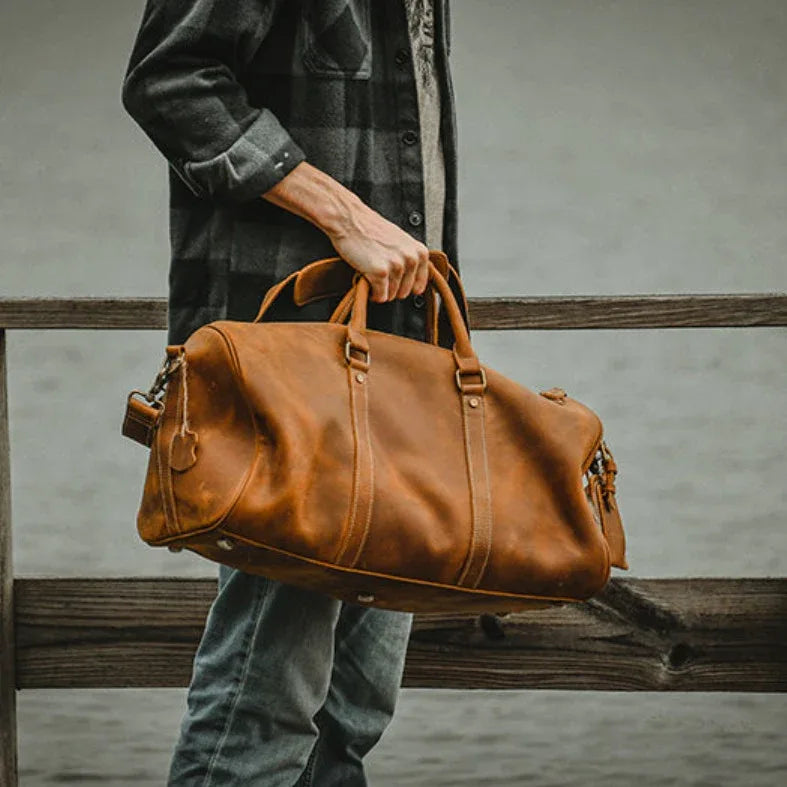
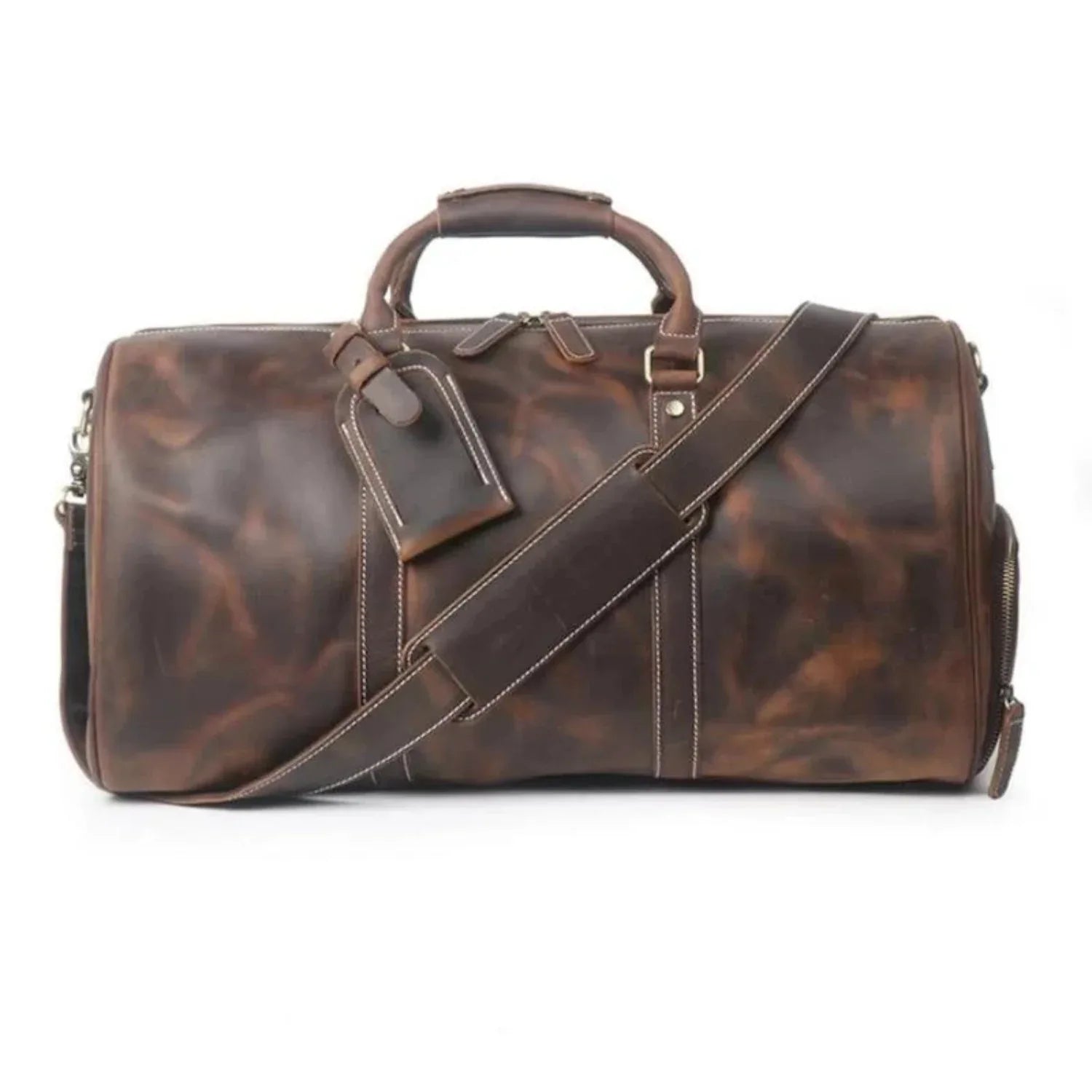
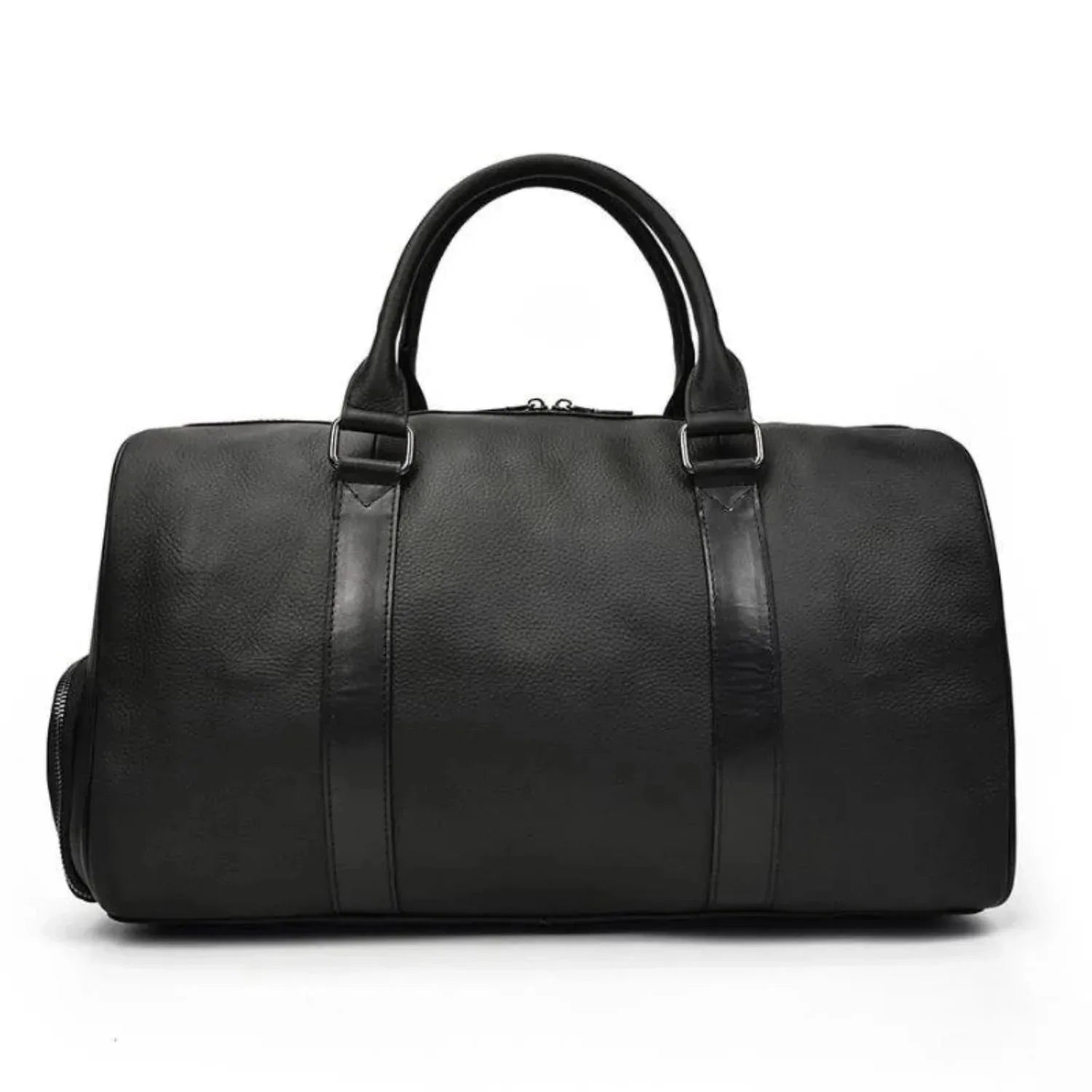
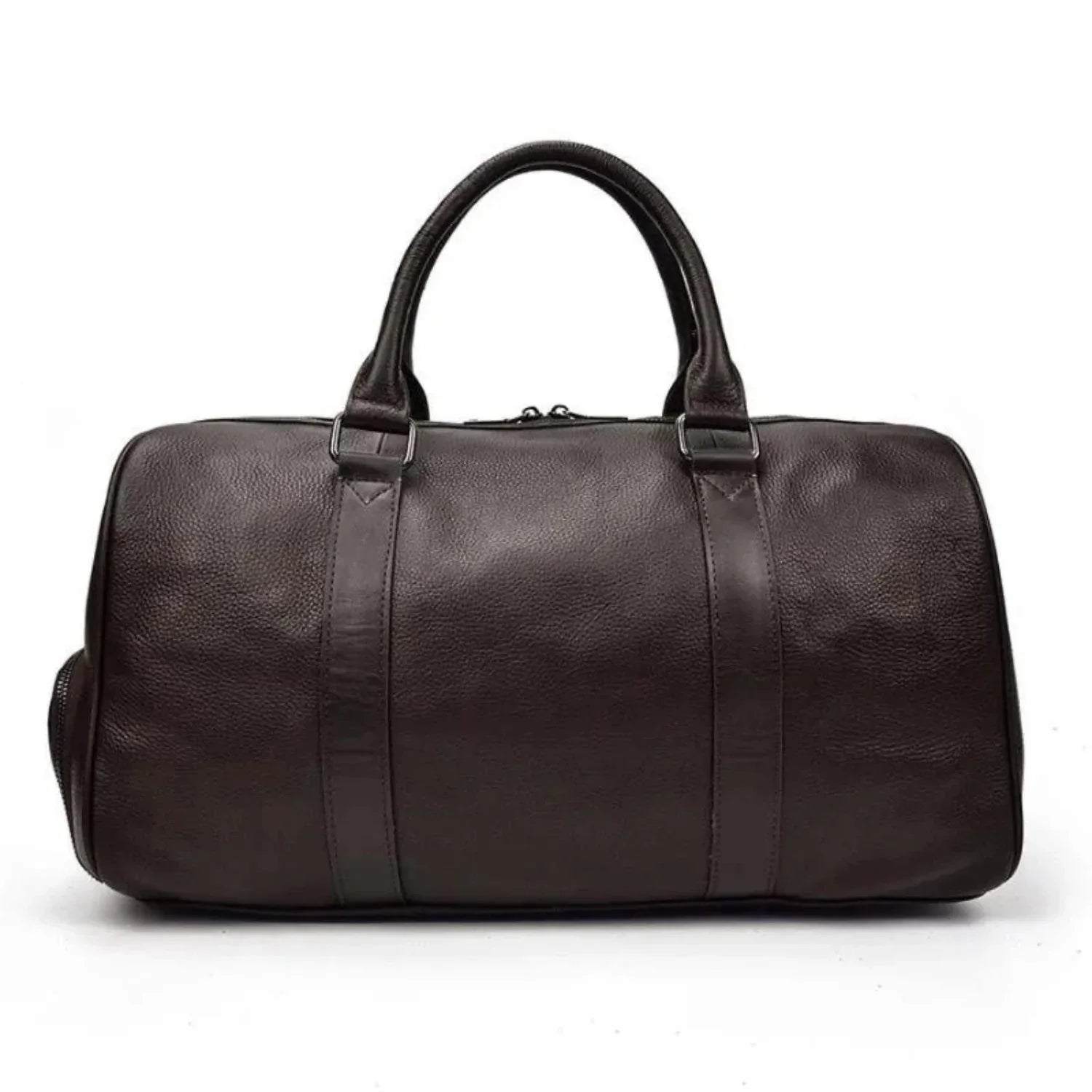
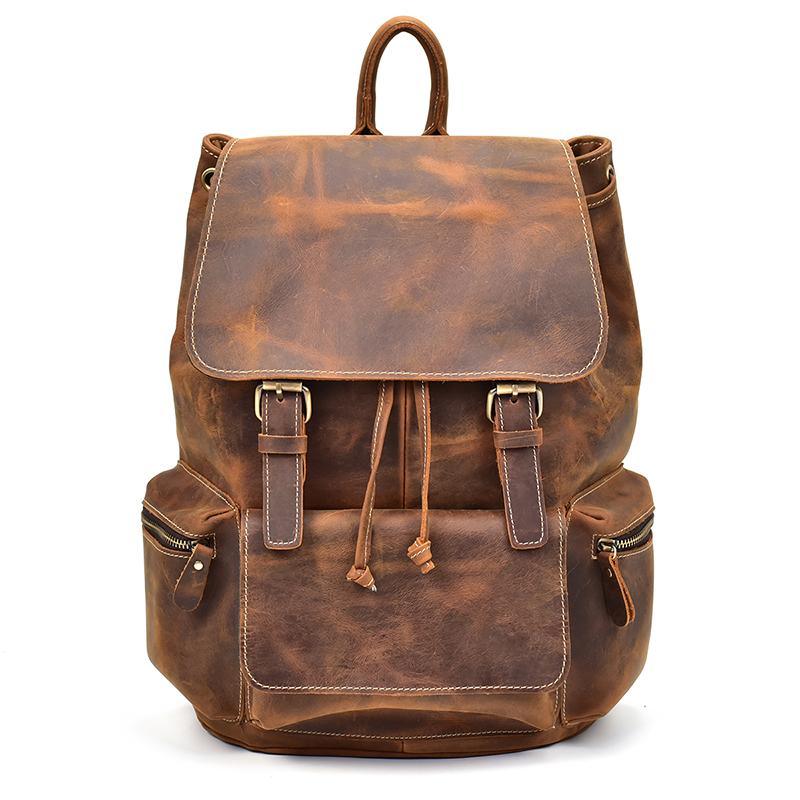
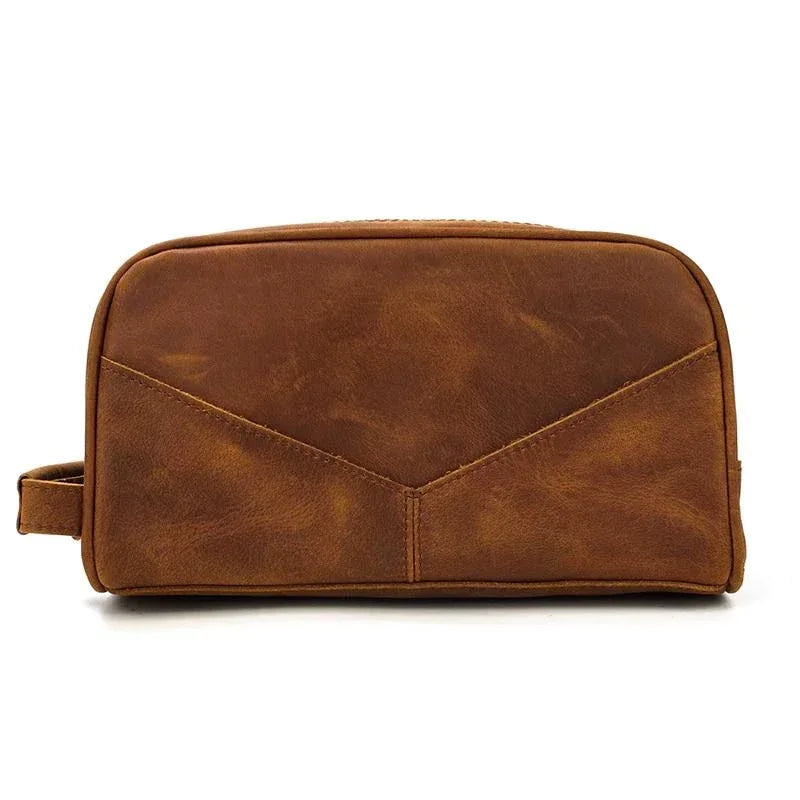
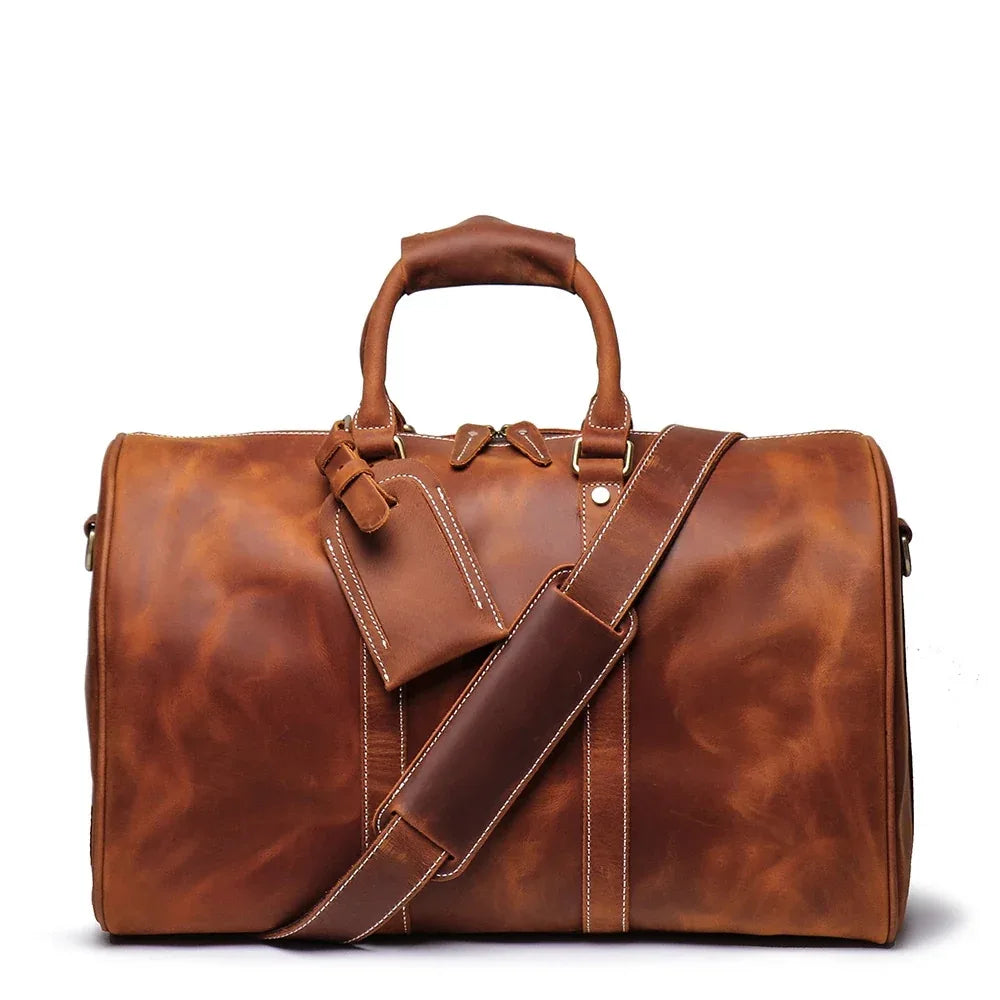
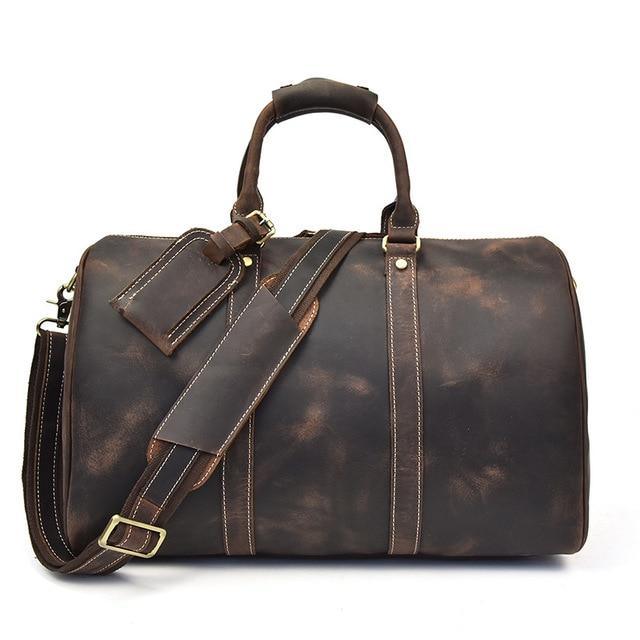
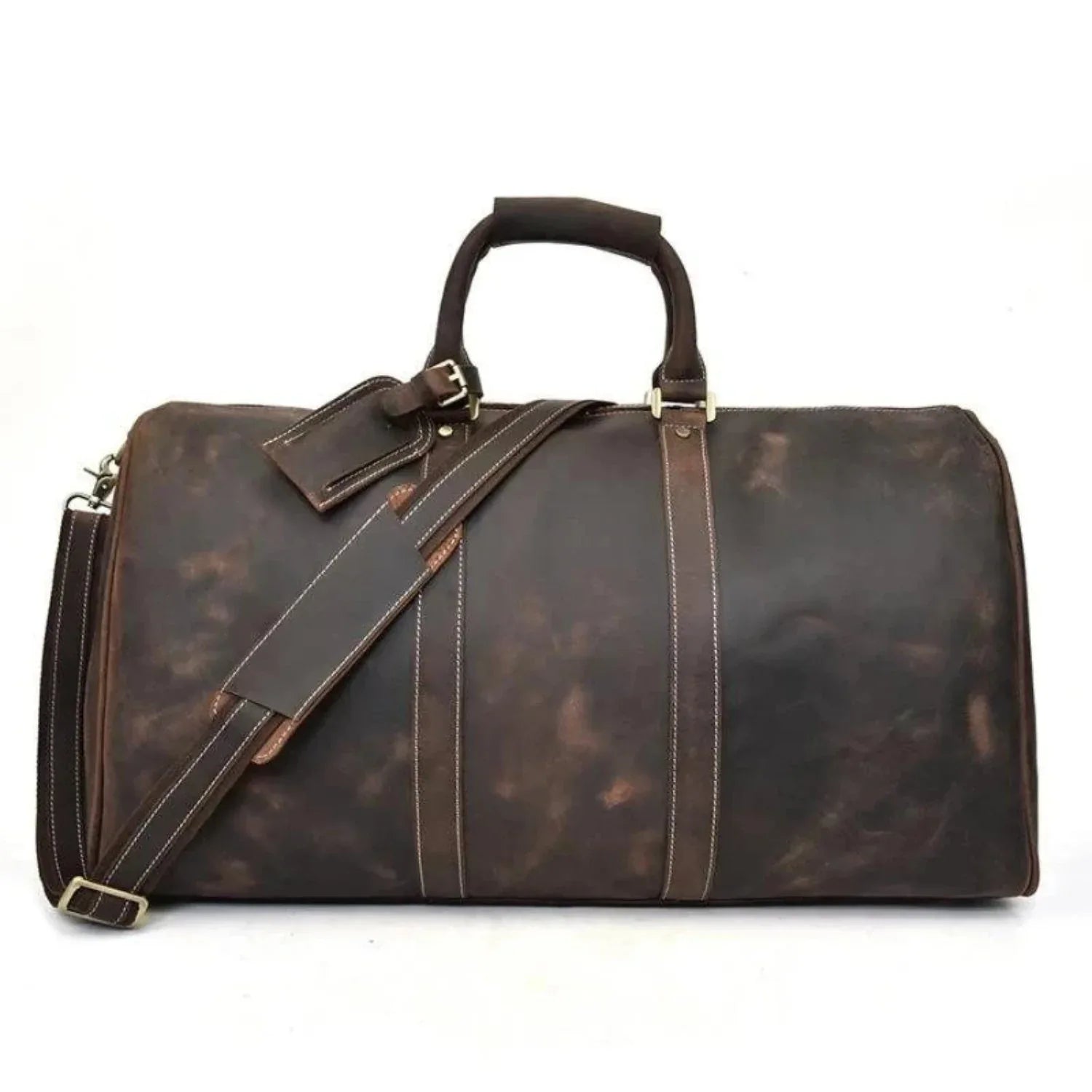
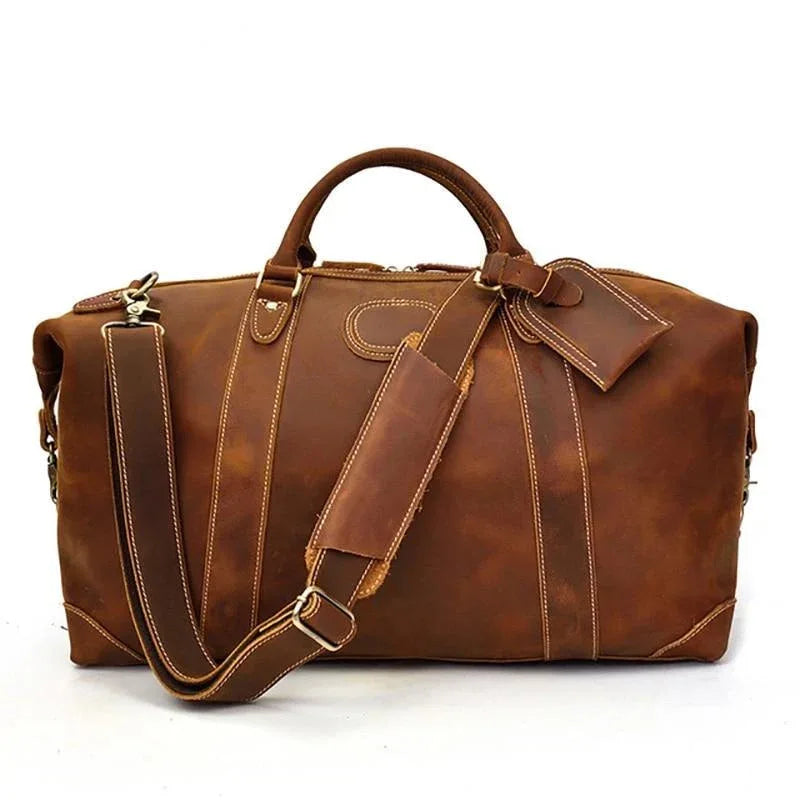
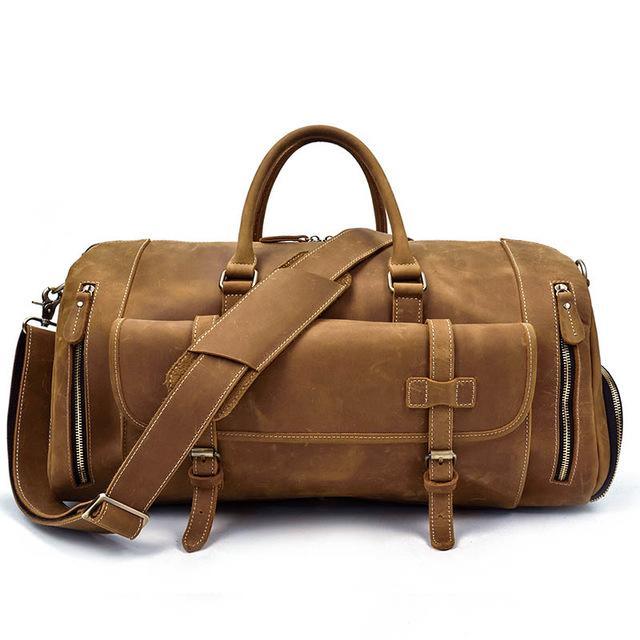
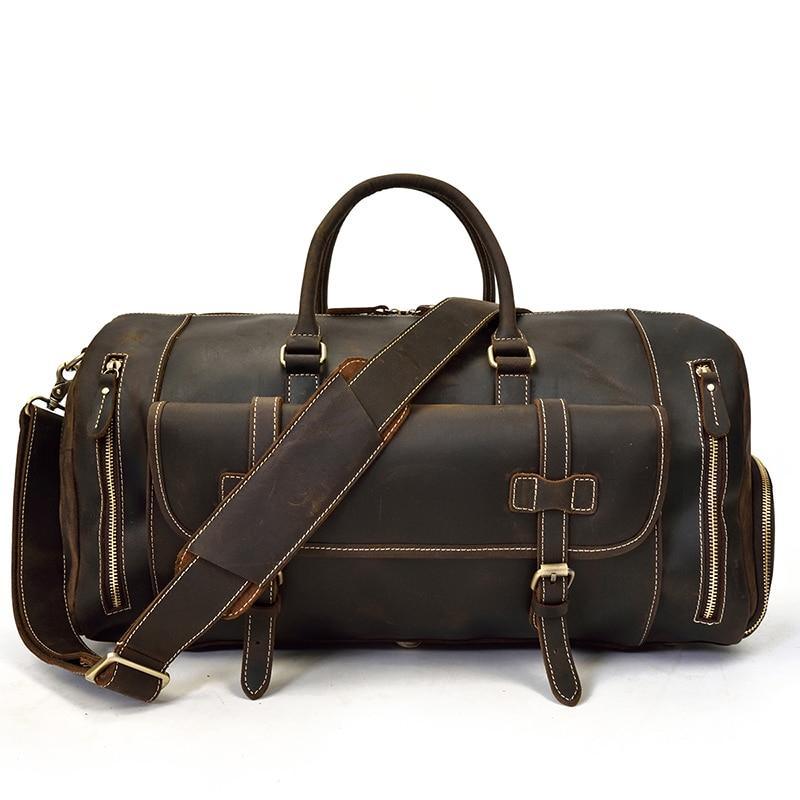
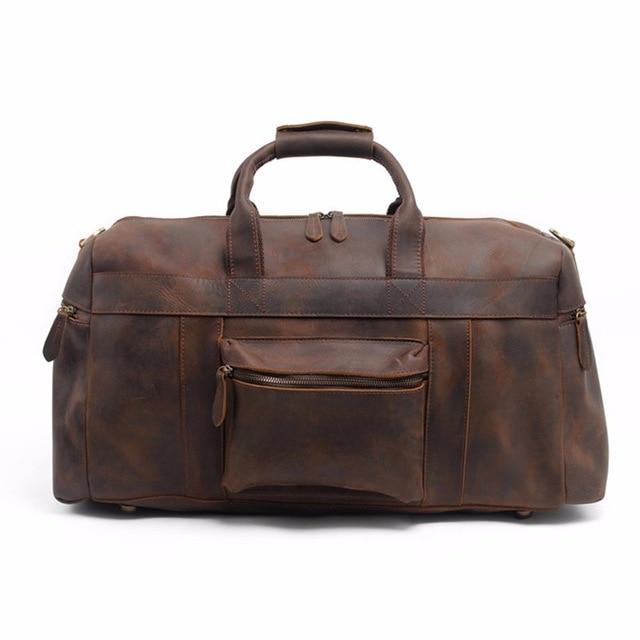
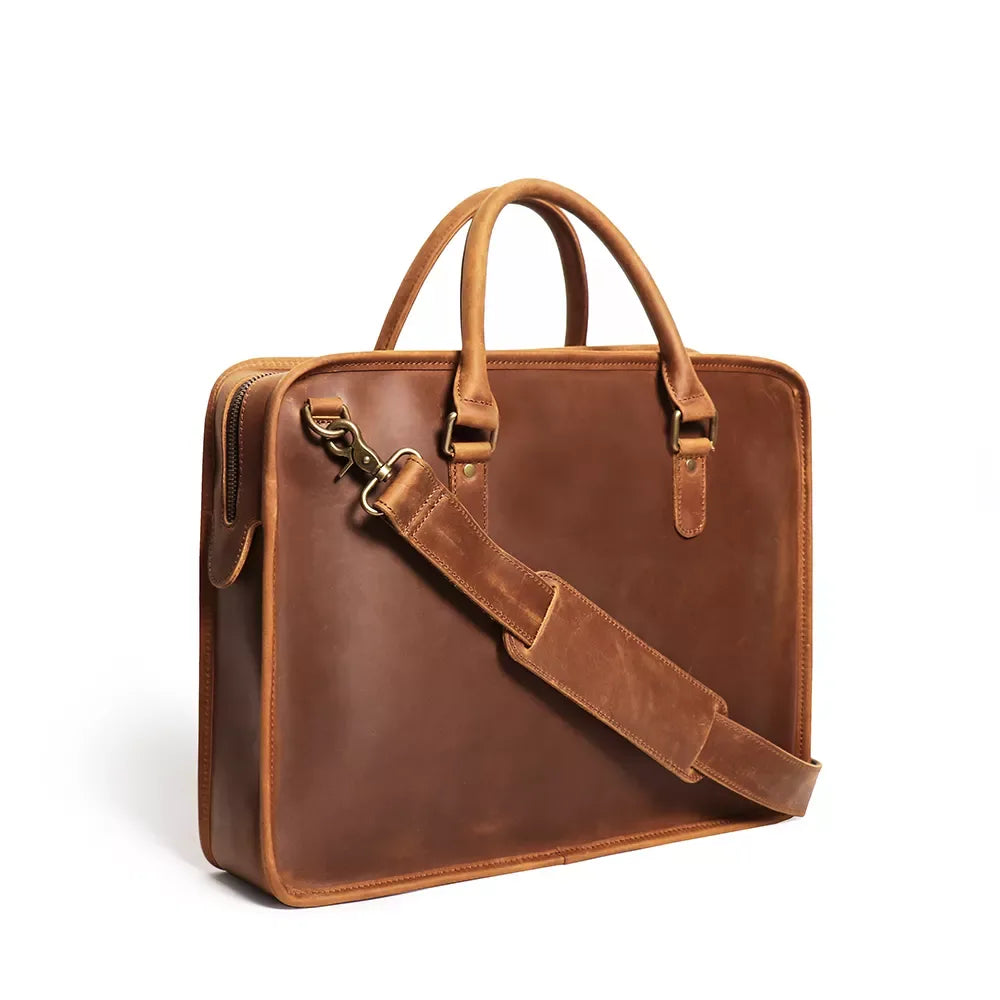
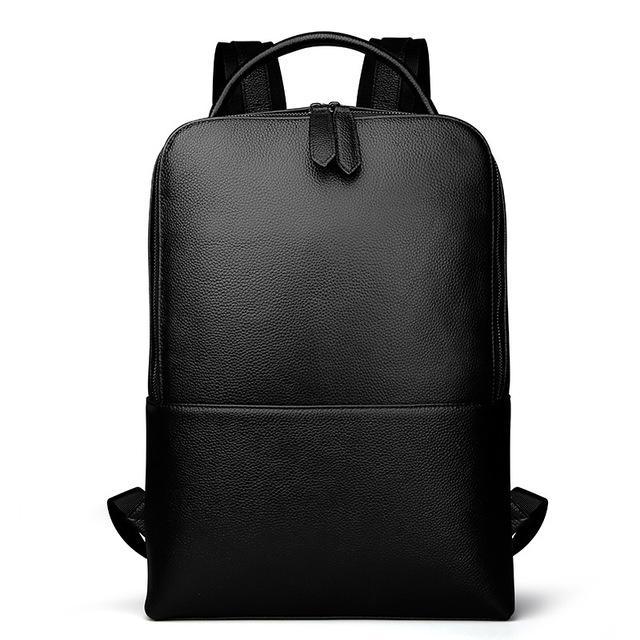
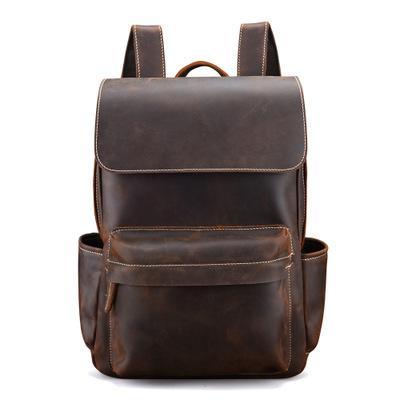
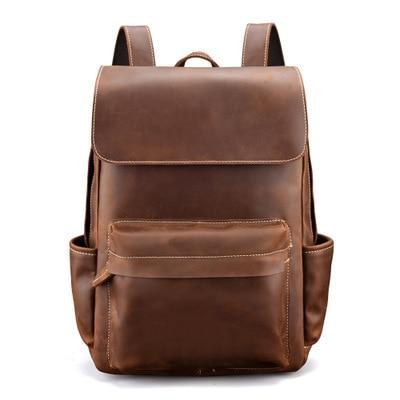
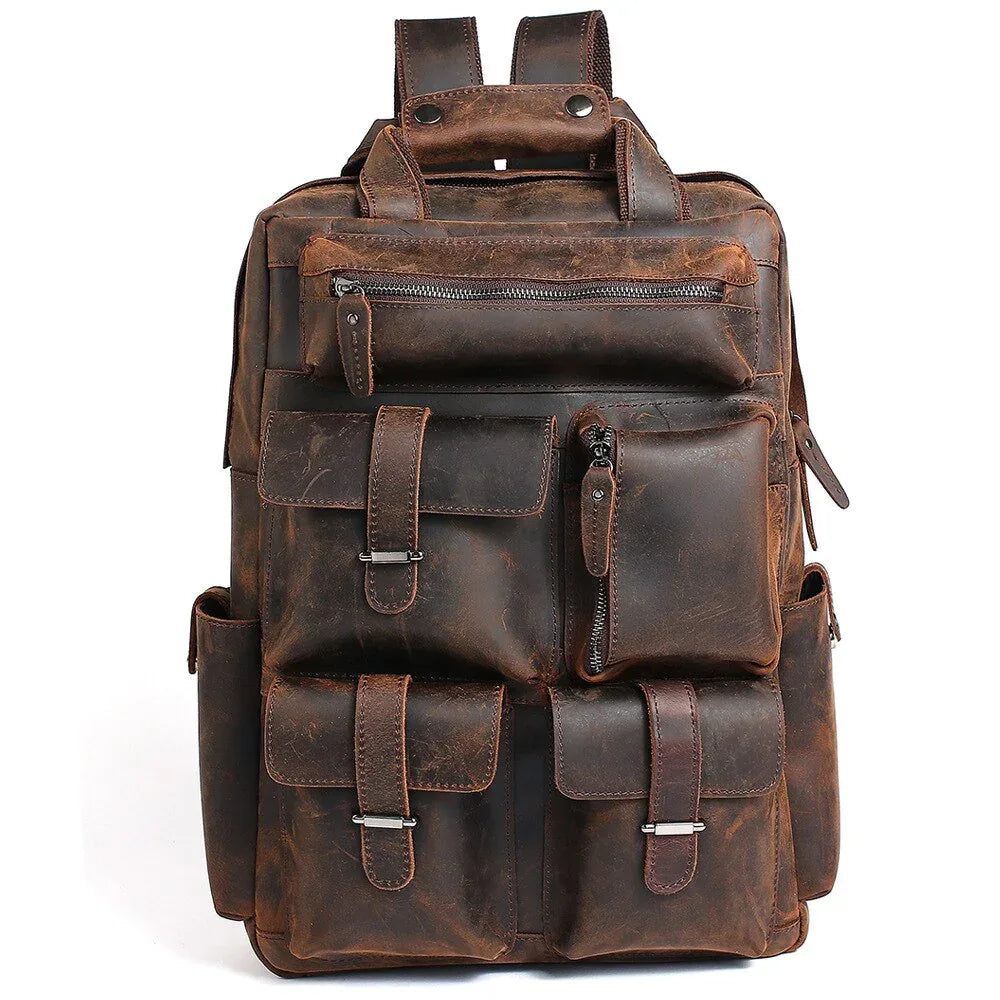
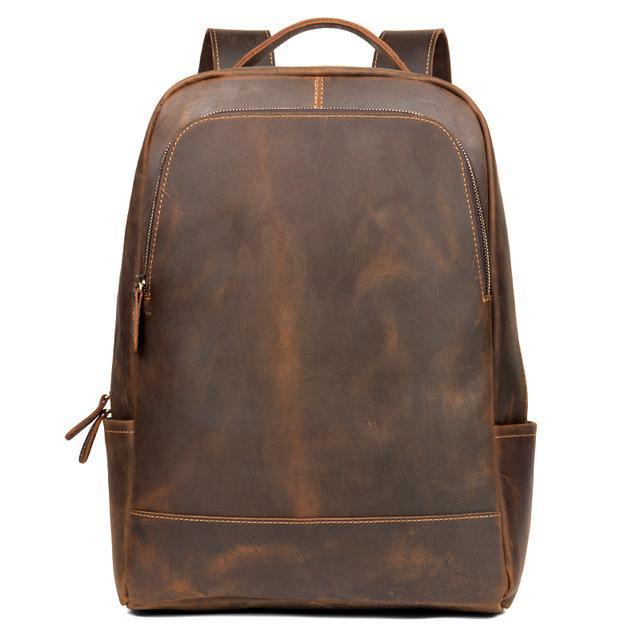
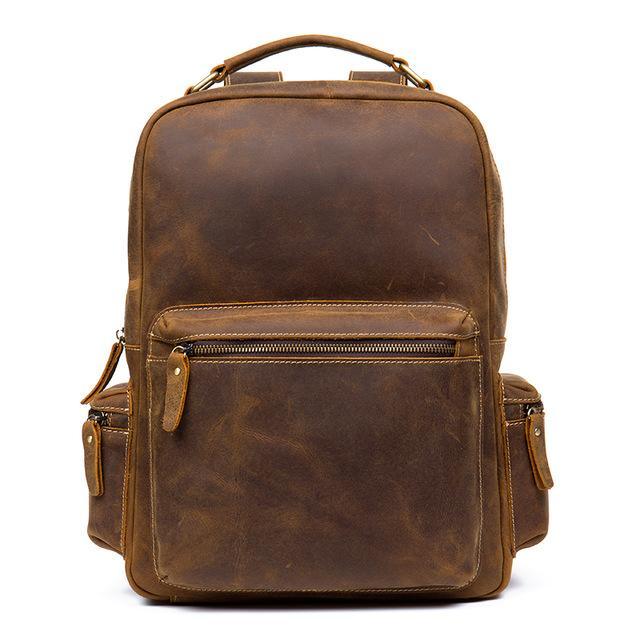
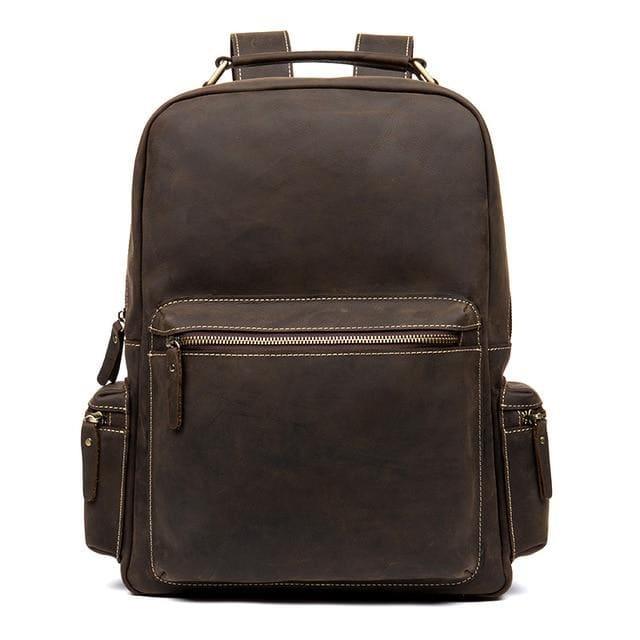
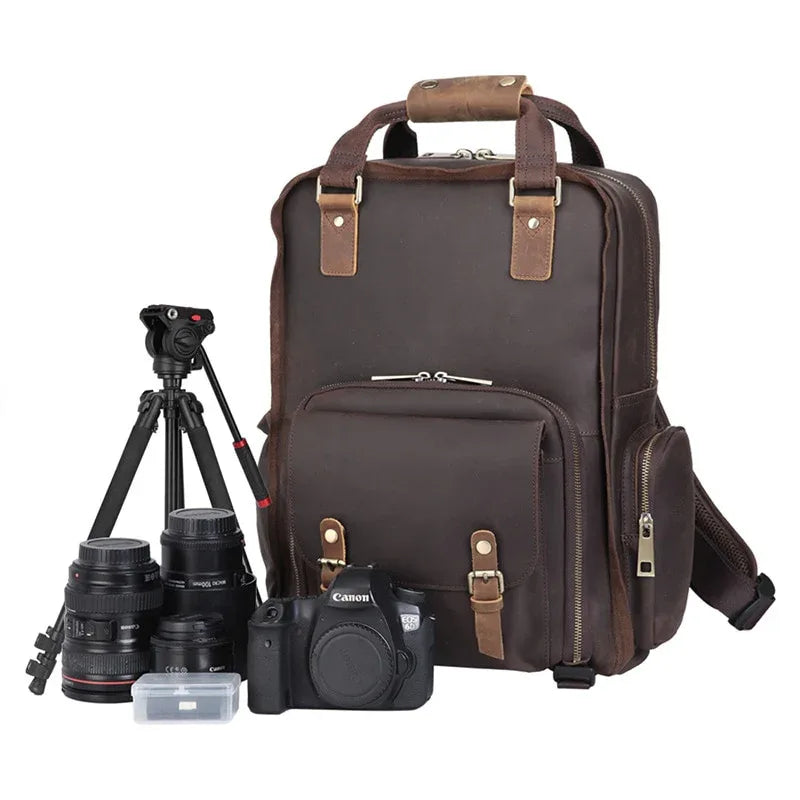
There's something a plain nylon laptop bag will never give you: character. A vintage leather briefcase carries the marks of its own life, the creases that form around your grip, the color that deepens with every commute, the smell that gets a little richer each year. But buying one isn't as simple as picking whatever looks old or worn in a product photo. A genuinely good vintage-style leather briefcase is an investment piece, and like any investment, it pays to understand what you're actually buying before you hand over your money.
This guide walks through everything we think matters: what actually makes a briefcase "vintage" versus just distressed-looking, how to judge real construction quality, which style fits which lifestyle, and how to keep the thing looking better with age instead of falling apart. We'll also point you toward specific pieces in our own collection where they genuinely fit the use case being discussed, but the goal here is to make you a smarter buyer first.
What Actually Makes a Briefcase "Vintage"

The term gets used loosely, so it's worth being precise. A true vintage leather briefcase refers to one of two things: an actual antique or older bag that's been restored and resold, or a newly made bag that's deliberately crafted using traditional materials, construction methods, and finishing techniques to achieve that lived-in, heritage look and feel from day one.
Most buyers today are shopping for the second kind, and that's not a compromise. New vintage-style briefcases built with full-grain leather, brass hardware, and old-world stitching techniques will develop the same rich patina and character as a genuine antique, except you get to break it in yourself instead of guessing at someone else's history. The leather briefcase collection is a good place to see this range firsthand, from structured formal pieces to more relaxed, worn-in silhouettes.
If you're deciding between a genuine vintage find and a new heritage-style piece, know this upfront: authentic antiques often come with hidden issues (dried-out leather, weakened stitching, non-functional hardware) that aren't visible in photos. A well-made new bag gives you the aesthetic without the guesswork.
Who This Bag Is Actually For
A vintage leather briefcase isn't just for lawyers and bankers anymore, though it still works beautifully in that world. Consider it if:
- You want one bag that works for the office, client meetings, and travel without looking like corporate swag
- You're tired of replacing flimsy bags every year or two
- You appreciate objects that improve with age rather than degrade
- You need something that reads as professional but not stiff or overly formal
- You're buying a gift for a milestone, a graduation, new job, promotion, retirement
If your daily carry is mostly gym clothes and a water bottle, this isn't your bag. For that, our leather gym bags or duffle bags make more sense. But for anyone whose daily routine involves a laptop, documents, or client-facing meetings, a good briefcase is one of the few bags that actually earns its price tag over a decade of use.
Key Features to Evaluate Before Buying
1. Leather Type and Quality
This is the single biggest factor in how the bag looks, feels, and lasts. Full-grain leather uses the entire top layer of the hide, imperfections and all, which is exactly why it develops such a rich, individual patina over time. Genuine leather (a lower grade despite the reassuring name) and bonded leather won't age the same way and tend to crack or peel within a few years. If you want to understand the grading system in detail, our guide on what grain leather actually means breaks down the differences so you're not relying on marketing language alone.
Every briefcase in our collection is built from full-grain leather specifically because it's the only grade that ages the way vintage leather is supposed to age: darker, softer, more character, not more damage.
2. Hardware
Cheap zippers and buckles are often the first thing to fail on a leather bag, long before the leather itself gives out. Look for solid brass or antique-finished metal hardware, not plated or painted metal that will flake or rust. Give the zipper pulls, buckles, and clasps a firm tug in photos or in person. They should feel substantial, not hollow.
3. Stitching
Uneven stitching, loose threads, or machine stitching that puckers the leather are red flags. Quality construction uses tight, even stitches, often reinforced at stress points like handle attachments and corners. This is where a bag either lasts twenty years or falls apart in two.
4. Compartment Layout
Think honestly about what you carry daily. A laptop sleeve is close to non-negotiable now. Beyond that, consider:
- A dedicated pocket for a phone and keys you can access without opening the main compartment
- Interior organization for pens, cards, or a notebook
- Whether you need a separate document section for files that shouldn't get bent
If your primary need is a laptop bag first and briefcase second, it's worth comparing dedicated leather laptop bags to traditional briefcase silhouettes, since the padding and access points are often designed differently.
5. Carrying Options
Top handles are standard, but a detachable, adjustable shoulder strap adds real versatility for travel days or long walks between meetings. If you regularly move between a briefcase and a bag you wear on your back, it's worth reading up on the differences between a messenger bag and a briefcase before deciding which silhouette actually fits your habits better.
Matching the Bag to Your Lifestyle

The Daily Commuter
You want something structured enough to protect a laptop, with a strap or handles comfortable enough for a walk or transit ride. The Hemming Leather Laptop Bag is built with this in mind, combining a padded laptop compartment with the classic vintage briefcase profile, so it reads as professional without sacrificing daily practicality.
The Client-Facing Professional
If you're regularly in meetings and want a bag that looks intentional rather than utilitarian, a structured, classic silhouette with clean hardware and minimal external pockets tends to look sharper. The Welch Briefcase leans into this, with a vintage-leather finish that still reads polished across a conference table.
The Frequent Traveler
For travel, prioritize a bag that can slide onto a rolling suitcase handle, has exterior pockets for quick access to a passport or boarding pass, and isn't so precious you're afraid to gate-check it. Pair it with a proper leather passport holder and you've got a travel setup that ages well together. If you're weighing a briefcase against a full travel bag for longer trips, our guide to leather carry-on bags is worth a read.
The Gift Buyer
Vintage leather briefcases make excellent milestone gifts precisely because they're built to last and improve with use rather than wear out. If you're shopping for a graduation, promotion, or retirement, our guide to high-end leather briefcases covers what separates a genuinely gift-worthy piece from something that just looks nice in a box. Corporate buyers outfitting a whole team should also look at our corporate leather gifts and custom business gift collections.
Women Seeking a Vintage Briefcase
Fit and proportion matter as much as style. A briefcase that's too large or too boxy can overwhelm a smaller frame, while a well-proportioned bag carries with more ease. Our piece on finding the perfect women's leather briefcase covers sizing and style considerations in more depth.
Quality Indicators Worth Checking Before You Buy
Whether you're shopping online or in person, here's a practical checklist:
- Smell test (in person): Real full-grain leather has a rich, slightly earthy smell. A strong chemical odor usually means synthetic materials or heavy processing.
- Edge finishing: Look closely at the edges of the leather. Quality bags have burnished or painted edges that are smooth and sealed, not raw or fraying.
- Weight: A full-grain leather briefcase has real heft, even empty. Suspiciously light bags often use thinner, lower-grade material.
- Symmetry: Lay the bag flat and check that panels, pockets, and straps line up evenly on both sides.
- Interior lining: A quality lining is stitched in cleanly, not glued, and doesn't feel flimsy or overly synthetic.
To go deeper on why full-grain leather specifically holds up better over time, our article on leather bag durability covers the material science in plain terms.
Common Mistakes to Avoid
Buying based on distressing alone. Some bags are artificially aged with surface treatments that wear off, revealing new-looking leather underneath. Real full-grain leather develops its patina from actual oils, use, and light exposure over time. Ask what process was used if it's not clear from the listing.
Ignoring capacity for your actual laptop size. A 13-inch laptop sleeve won't fit a 15-inch machine, obviously, but people misjudge this constantly. Measure your device and check the bag's interior dimensions, not just the exterior.
Choosing style over function. A beautiful bag you can't actually fit your daily items into becomes a display piece, not a work bag. Make a quick list of what you carry daily before you shop.
Overlooking the strap. Handles alone are fine for short trips from the car to the office. If you walk more than a few minutes regularly, an adjustable, padded shoulder strap will save your shoulder and your patience.
Assuming all "leather" is equal. As covered above, the grade of leather affects everything from smell to longevity to how it ages. Don't assume all listings labeled "leather" are using the same material.
How to Care for a Vintage Leather Briefcase
Part of what makes these bags worth the investment is that proper care actually extends their life for decades, not just years. A few fundamentals:
- Condition regularly, not constantly. Leather needs conditioning every few months, not every week. Over-conditioning can actually saturate and weaken the fibers. Our guide on homemade leather conditioners covers simple, effective options if you'd rather not buy commercial products.
- Address stains immediately. Oil stains in particular need quick action. Here's a useful guide for getting oil stains out of leather if it happens to you.
- Fix scratches early. Small scratches are easy to blend out before they set in. This simple 3-step method works for most surface-level scratches.
- Store it properly. Keep the bag stuffed with paper (not plastic) when not in use to help it hold its shape, away from direct sunlight and heat sources.
- Know when to repair versus replace. A quality briefcase is almost always worth repairing rather than replacing. Our guide on repairing and restoring leather briefcases walks through what's fixable and what to bring to a professional.
Sizing It Right
Before buying, lay out everything you carry on a typical day: laptop, charger, notebook, a folder or two, phone, keys, maybe a water bottle. Measure the footprint. Then check the bag's actual interior dimensions, not just "fits 15-inch laptop" marketing copy, since padding and structure eat into usable space.
As a general guide:
- Slim/compact briefcases work well if you mostly carry a laptop and a few documents. Our article on slim leather briefcases is worth reading if minimal bulk is a priority.
- Standard-size briefcases handle a laptop plus files, a small toiletry bag, and daily accessories comfortably.
- Expandable or gusseted briefcases are worth considering if you occasionally need extra room for travel days without switching bags entirely.
Recommended Steel Horse Leather Products

Based on genuine fit for the use cases discussed above, here are pieces worth considering:
- The Welch Briefcase, a classic vintage-leather silhouette suited to client meetings and daily office use, with clean hardware and a structured profile.
- The Hemming Leather Laptop Bag, ideal for commuters who need dedicated laptop protection without sacrificing the vintage briefcase look.
- The Taavi Tote, a strong option for those who want briefcase-level craftsmanship in a more open, versatile carry style, useful for days juggling a laptop and personal items together.
If you're outfitting an office or shopping for a team, our leather business gifts and general leather gifts collections include complementary pieces like wallets and passport holders that pair well as a complete set.
Frequently Asked Questions
What's the difference between a vintage leather briefcase and a regular leather briefcase?
"Vintage" typically refers to the aesthetic and construction approach, using full-grain leather and traditional finishing techniques that create an aged, characterful look from the start, or a genuinely older bag that's been restored. A "regular" leather briefcase might use lower-grade leather or a more modern, minimalist finish without that worn-in appeal.
How long should a good leather briefcase last?
A well-made full-grain leather briefcase with proper care can easily last 20 to 30 years, often longer. The leather actually improves in appearance over that time, developing a deeper patina, while the stitching and hardware are the parts most likely to eventually need attention.
Can I fit a 15-inch laptop in a vintage leather briefcase?
Most standard-size briefcases accommodate 15-inch laptops, but always check the actual interior compartment dimensions rather than assuming. Padded sleeves reduce usable space, so a bag advertised as fitting a 15-inch laptop with no padding detail is worth double-checking.
How do I know if a briefcase is genuine full-grain leather?
Look for natural imperfections in the grain (small marks, slightly varied texture), a rich rather than chemical smell, and a description that specifically states "full-grain." If a listing just says "genuine leather" without specifying grain, it's likely a lower grade.
Is it normal for a new leather briefcase to feel stiff?
Yes, particularly with full-grain leather. It softens with use and handling. If you want to speed up the process, our guide on five effective methods to soften leather covers safe techniques that won't damage the material.
Can a vintage leather briefcase get wet?
Light rain won't ruin quality full-grain leather, but it shouldn't be soaked regularly. Wipe off moisture promptly with a dry cloth and let it air dry away from direct heat. Regular conditioning also helps build some natural water resistance over time.
What's the difference between a briefcase and a messenger bag?
Briefcases are typically more structured with a formal profile and top handles, while messenger bags are more casual, often with a single crossbody strap and a flap closure. Our detailed comparison of messenger bags versus briefcases breaks down which suits which lifestyle.
Are vintage leather briefcases good for gifts?
Very much so. They're practical, long-lasting, and tend to feel more personal and considered than typical corporate gifts. Just make sure the recipient's daily carry needs (laptop size, commute style) match the bag's actual dimensions and features.
All of our bags at Steel Horse Leather are crafted from full-grain crazy horse leather, built to develop a rich patina over time. Browse our Leather Bags.