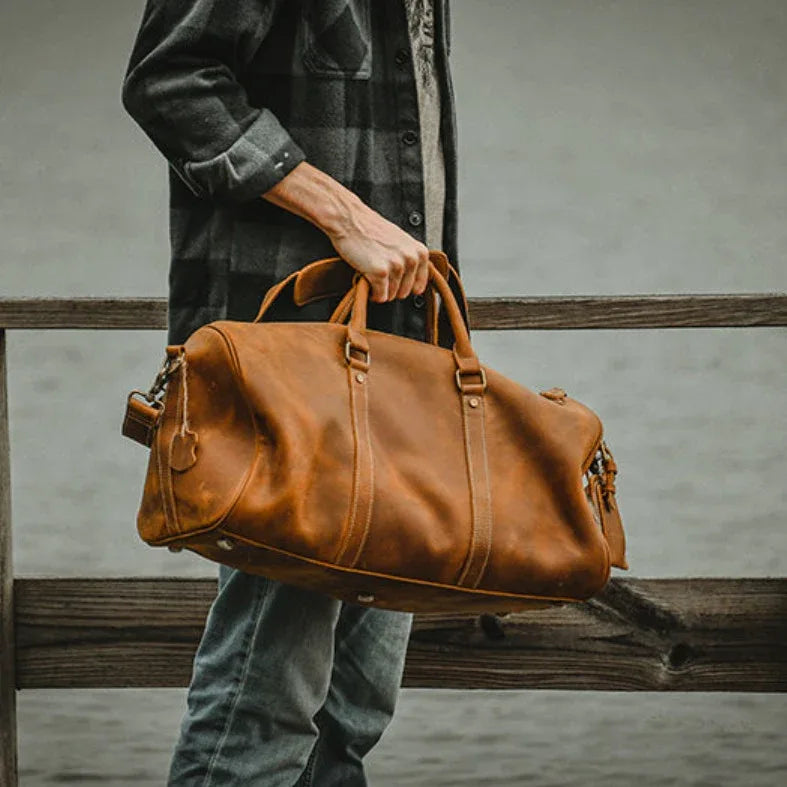
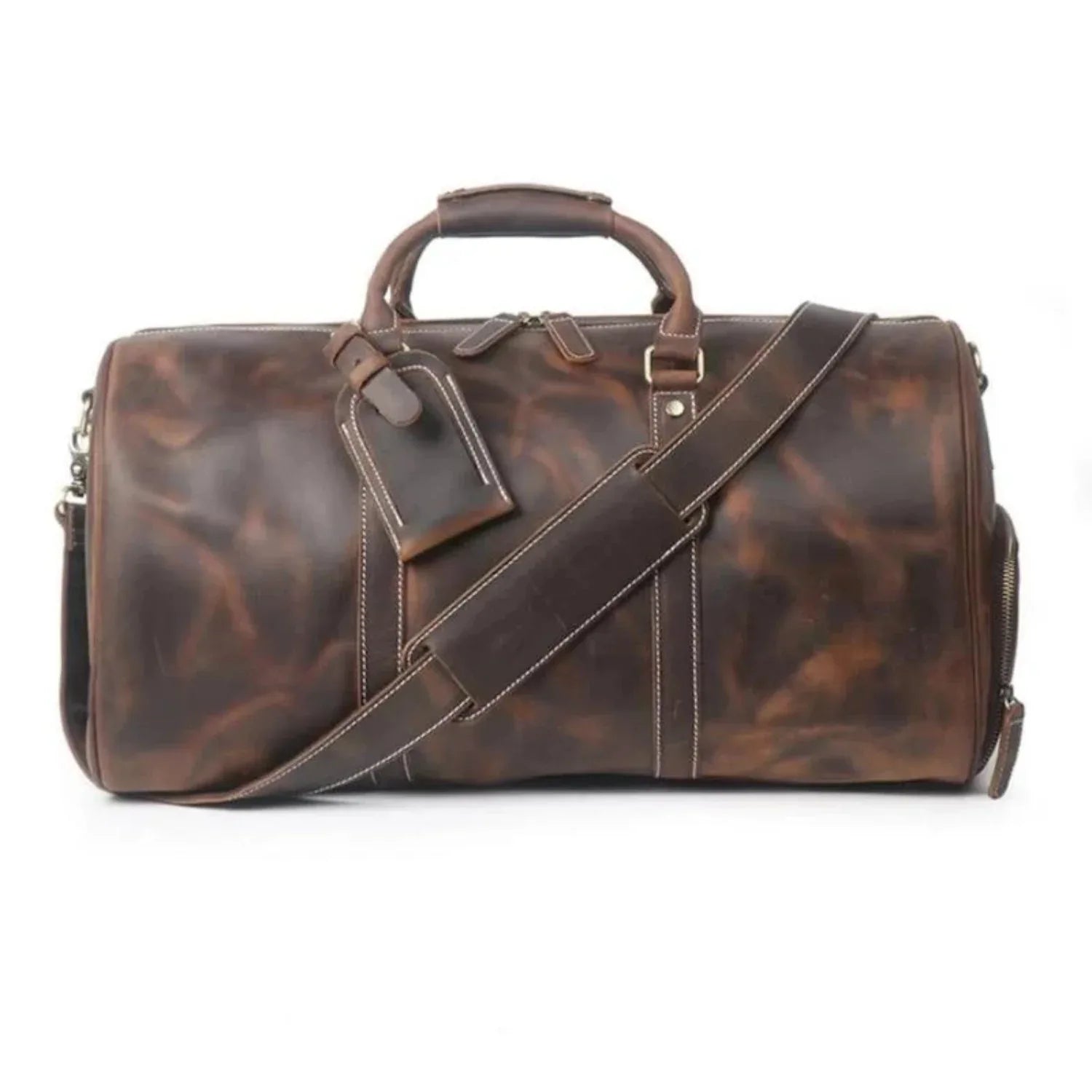
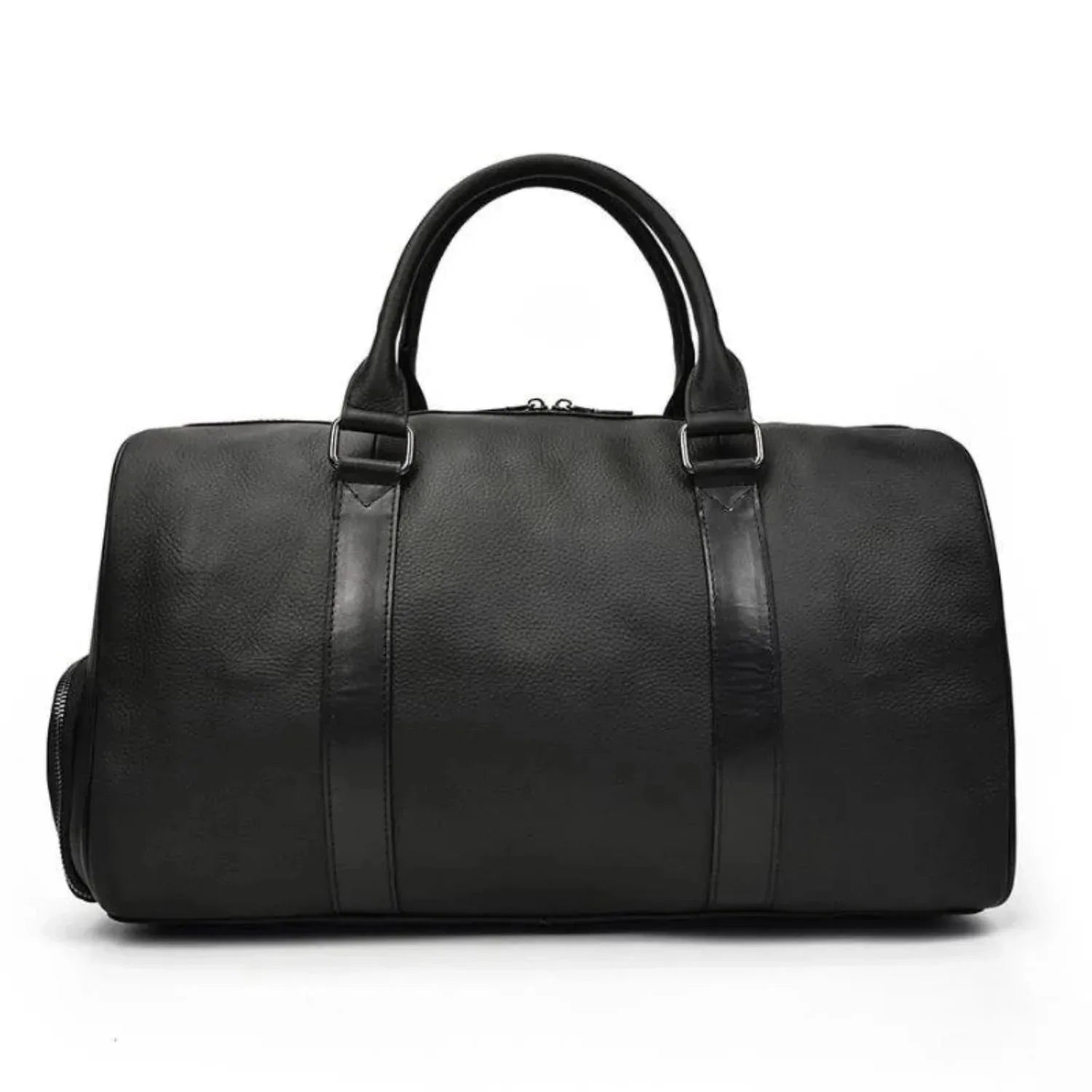
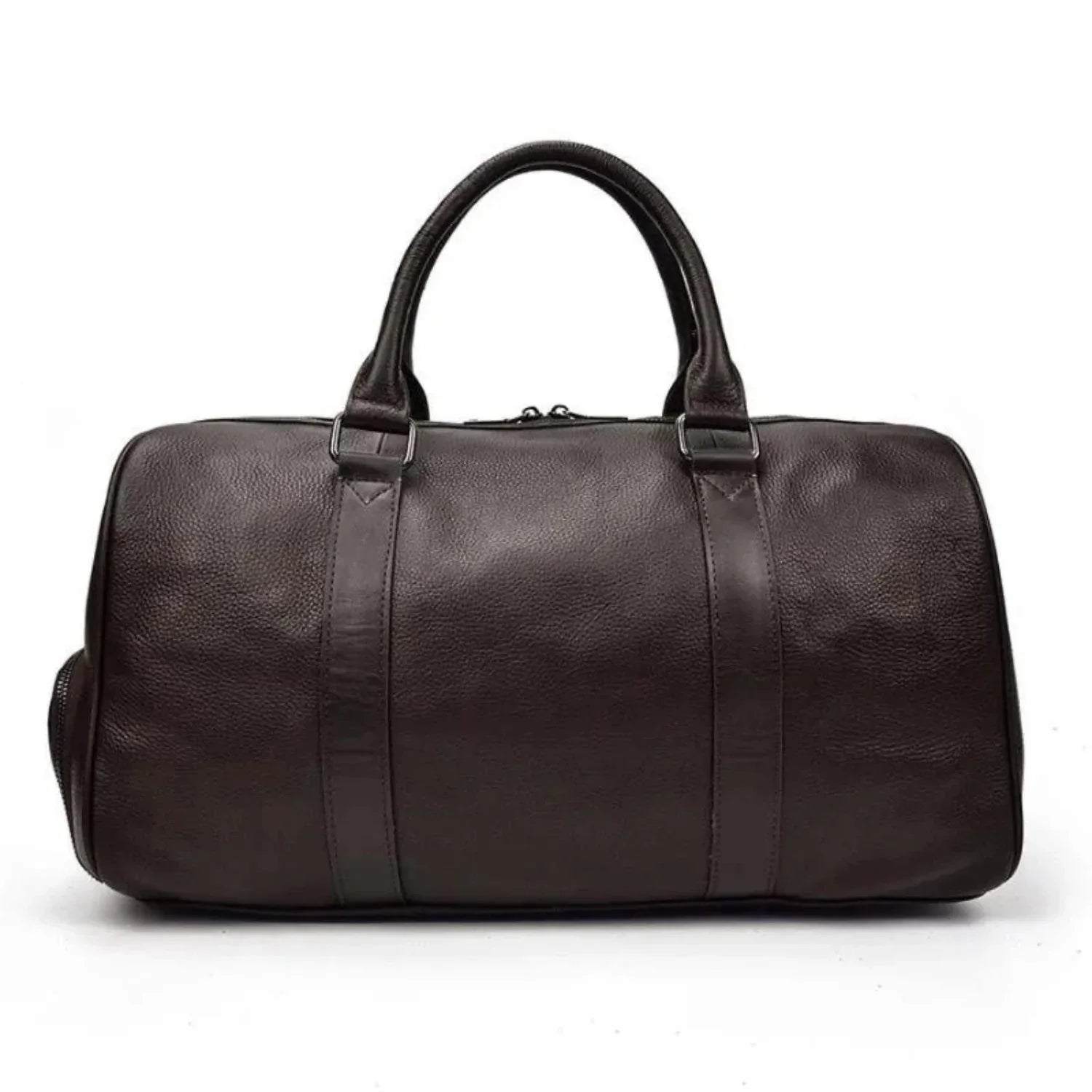
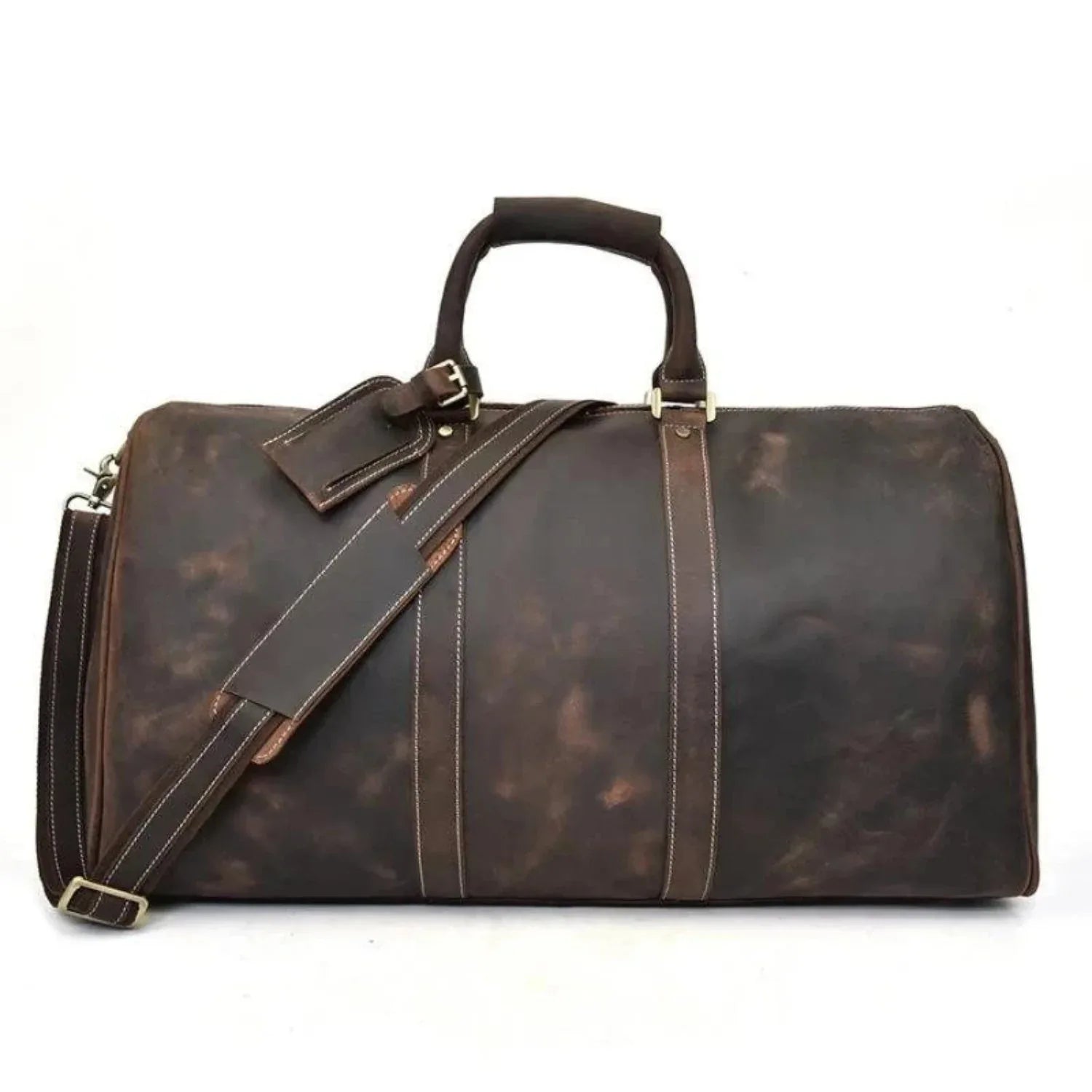
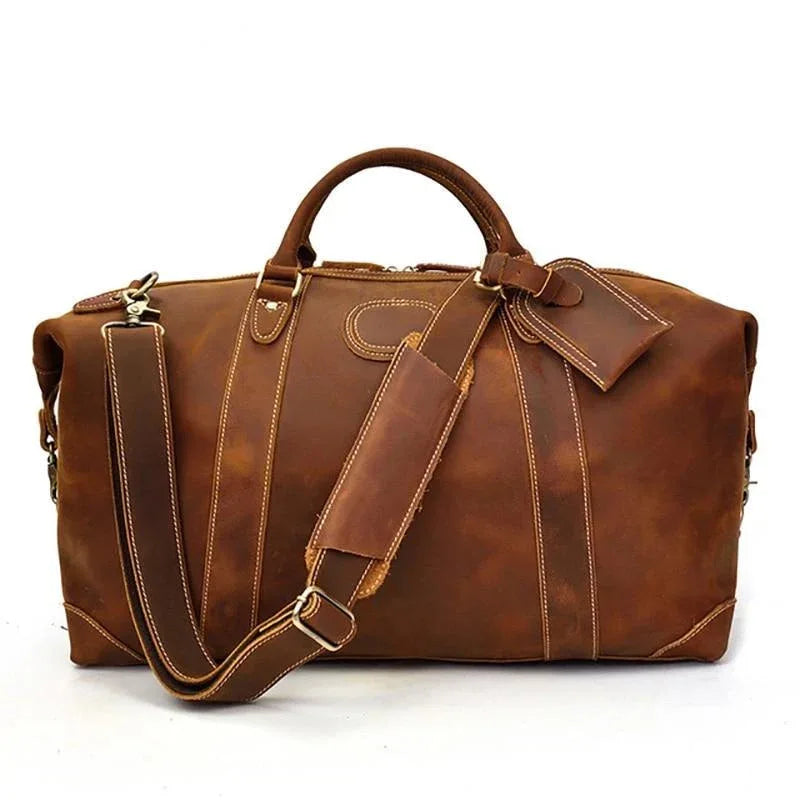
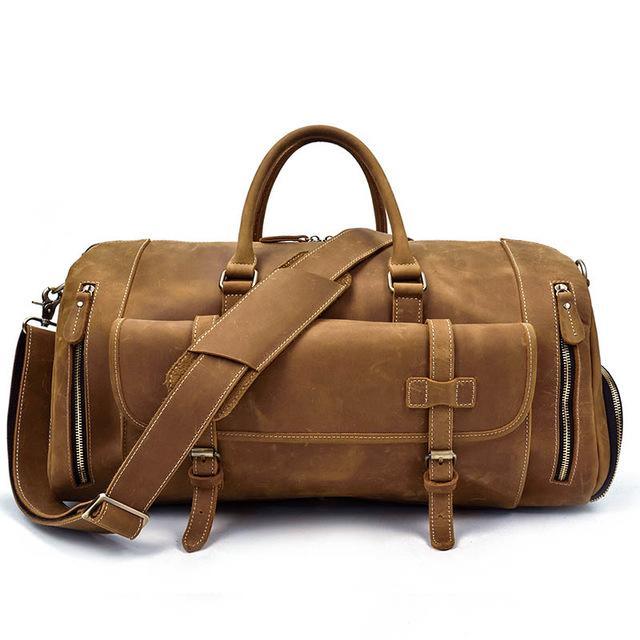
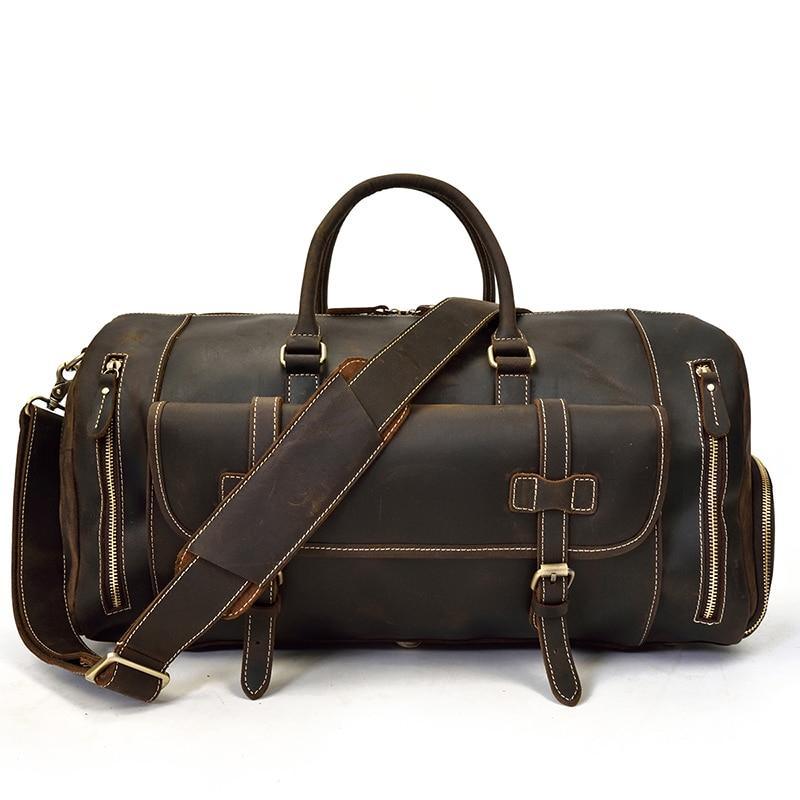
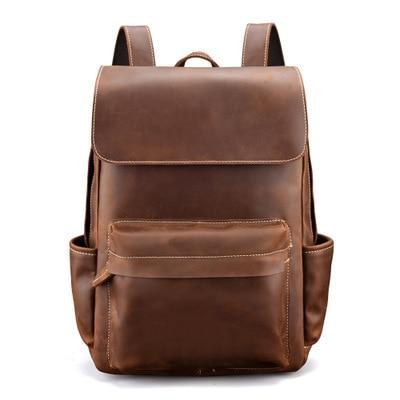
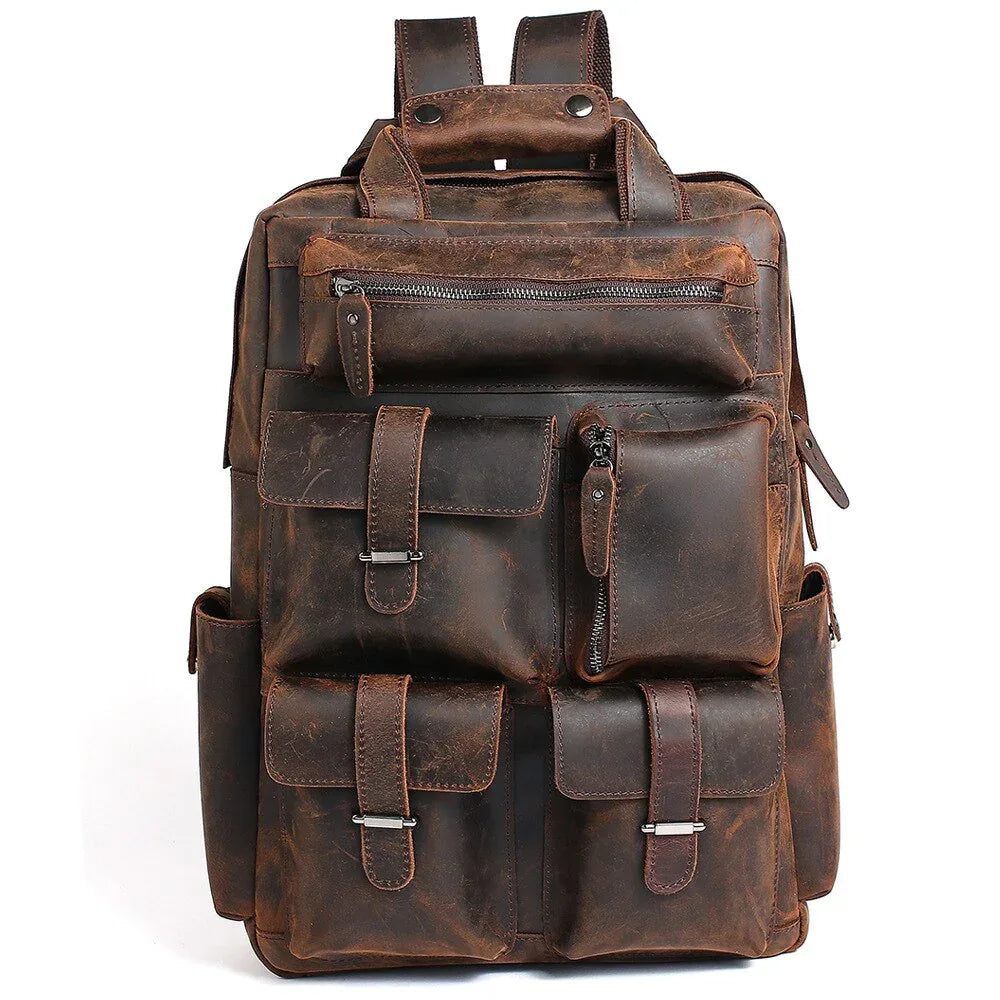
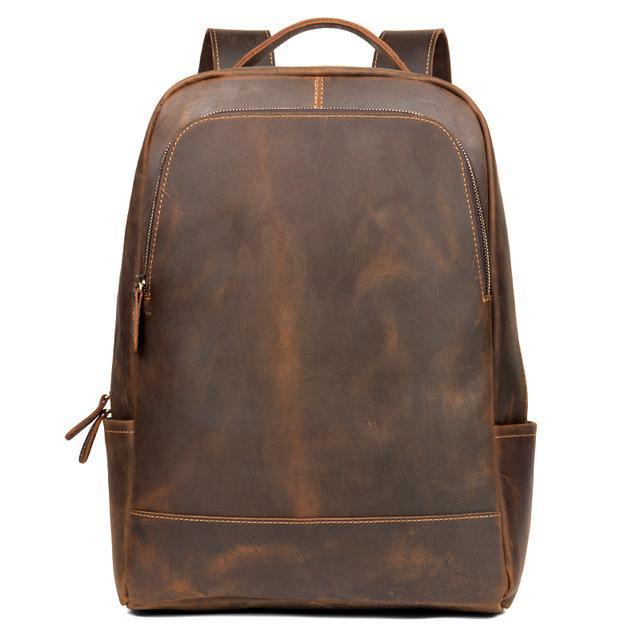
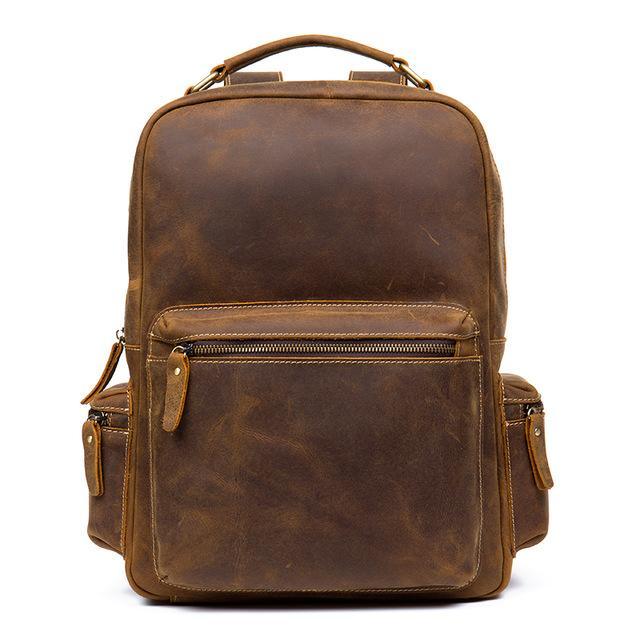
Cleaning a leather bag seems simple enough until you realize that the wrong approach can cause permanent damage. While many people reach for soap and water to tackle scuff marks, research published in Materials by Stanca et al. (2021) confirms that this method strips leather of its natural oils, increases porosity, and reduces long-term durability. Understanding the right techniques for leather care, from choosing the correct leather cleaner to knowing when to call professional leather cleaners, is what separates a bag that lasts decades from one that cracks and fades within a few years. Whether you own full-grain leather totes, leather purses, or everyday leather bags, this guide covers everything you need to keep them looking their best.
Key Takeaways
-
Washing leather bags with soap and water may cause long-term harm by stripping natural oils, fading color, and making the leather more porous, which reduces its durability.
-
Leather bags can be cleaned effectively with specialized cleaners or natural remedies like diluted white vinegar, but harsh chemicals and excess water should be avoided to prevent damage.
-
For high-end bags or stubborn stains, it is often best to seek professional cleaning to preserve the bag's appearance and structural integrity.
-
Full-grain leather, top-grain, and corrected-grain leathers each have unique cleaning needs, from minimal maintenance for full-grain to gentle cleaning for top-grain.
-
Regular cleaning every 3 to 6 months, addressing spills immediately, and applying a leather conditioner every few months can help maintain the bag's suppleness and appearance.
-
Chrome-tanned leather and vegetable-tanned leather respond differently to moisture and conditioning, so identifying your leather grade before cleaning is essential.
The Old Times: How Leather Treatment Has Evolved
In the olden days, all leather was treated with a mixture of vegetable oil, grease, and wax to preserve its collagen fibers and keep the material supple. These days, most leather products have been treated with a waterproofing agent called a finish, designed to help the leather keep its color and prevent water from seeping into the material. These finishes can occasionally feel stiff or carry a strong smell, but they serve an important protective function. For lightly soiled modern leather bags, a simple mild soap solution applied with a microfiber cloth may suffice for surface cleaning, though prolonged or repeated use of any soap-based method should be avoided to protect the finish and the leather underneath (Stanca et al., 2021).
Understanding Leather Grades and Types
Before you begin cleaning a leather purse or bag, it helps to understand leather grades, because each type responds differently to cleaning agents and moisture.
Full-Grain Leather Full-grain leather is the highest quality grade available. It retains the entire grain surface, complete with natural markings, and its intact collagen fibers make it exceptionally strong and breathable. Full-grain leather requires minimal cleaning, typically just a dry lint-free cloth or microfiber cloth to wipe away surface dirt, plus the occasional application of a leather conditioner to maintain suppleness. Avoid soaking full-grain leather in any solution, as its open pores absorb moisture readily, which can lead to warping or staining (Stanca et al., 2021).
Top-Grain Leather Top-grain leather is sanded and finished for a more uniform, smoother appearance. It benefits from gentle spot cleaning with a damp microfiber cloth and pH-balanced cleaners. Because the surface has been altered through a chemical process, it is slightly less breathable than full-grain leather but still responsive to conditioning.
Corrected-Grain Leather Corrected-grain leather is usually embossed to hide imperfections and is best maintained with frequent dusting using a soft-bristled brush and occasional deep cleaning with a mild soap solution. Excessive moisture can damage its embossed finish, so moisture management is especially important for this leather grade.
Chrome-Tanned Leather Chrome-tanned leather, produced through a faster chemical process using chromium salts, is softer and more water-resistant than vegetable-tanned leather. It is a common choice for everyday leather bags and leather purses. While chrome-tanned leather is more forgiving of light moisture exposure, it still benefits from regular conditioning and proper storage to prevent the collagen fibers from drying out over time (Stanca et al., 2021).
Understanding these leather grades ensures that the cleaning methods you choose will preserve rather than compromise the material.
Why Soap and Water Can Damage Your Leather Bag
It is a common question, but the answer is not as straightforward as most people hope. According to research conducted by Leather Working USA and supported by peer-reviewed findings, washing leather bags with soap and water may seem effective in the short term but can cause long-term damage. Stanca et al. (2021) found that soap and water can strip leather of its natural oils, which increases porosity and reduces durability over time. This increased porosity also means the leather becomes incompatible with certain waxes and protective treatments, as the altered surface can no longer interact properly with conditioning agents (Elnaggar et al., 2016). Over time, this approach leads to cracking, fading, and a structurally weakened bag.
This does not mean that water must never touch leather. Rather, it means that prolonged soaking, aggressive scrubbing with soapy water, and repeated washing with standard household detergents should be avoided. A mild soap solution applied sparingly with a damp microfiber cloth, then quickly dried, is far less harmful than submerging the bag or rubbing it vigorously.
Guide to Different Leather Types and Their Specific Care Needs
When it comes to leather handbags, understanding the various types of leather is crucial for effective leather maintenance. Different types, such as full-grain leather, top-grain, and corrected-grain leathers, each come with their own specific care needs.
Full-grain leather, prized for its natural look and durability, requires minimal cleaning, just a dry cloth to wipe away dirt and the occasional conditioning with a specialized leather conditioner to keep it supple. Top-grain leather, which is sanded and finished for a smoother appearance, often benefits from gentle surface cleaning with a damp cloth and the use of pH-balanced cleaners. Corrected-grain leather, usually embossed to hide imperfections, is best maintained with frequent dusting using a soft-bristled brush and occasional deep cleaning, while avoiding excessive moisture that can damage its finish. Understanding these distinctions will not only prolong the life of your handbag but also ensure it stays looking its best for years to come.
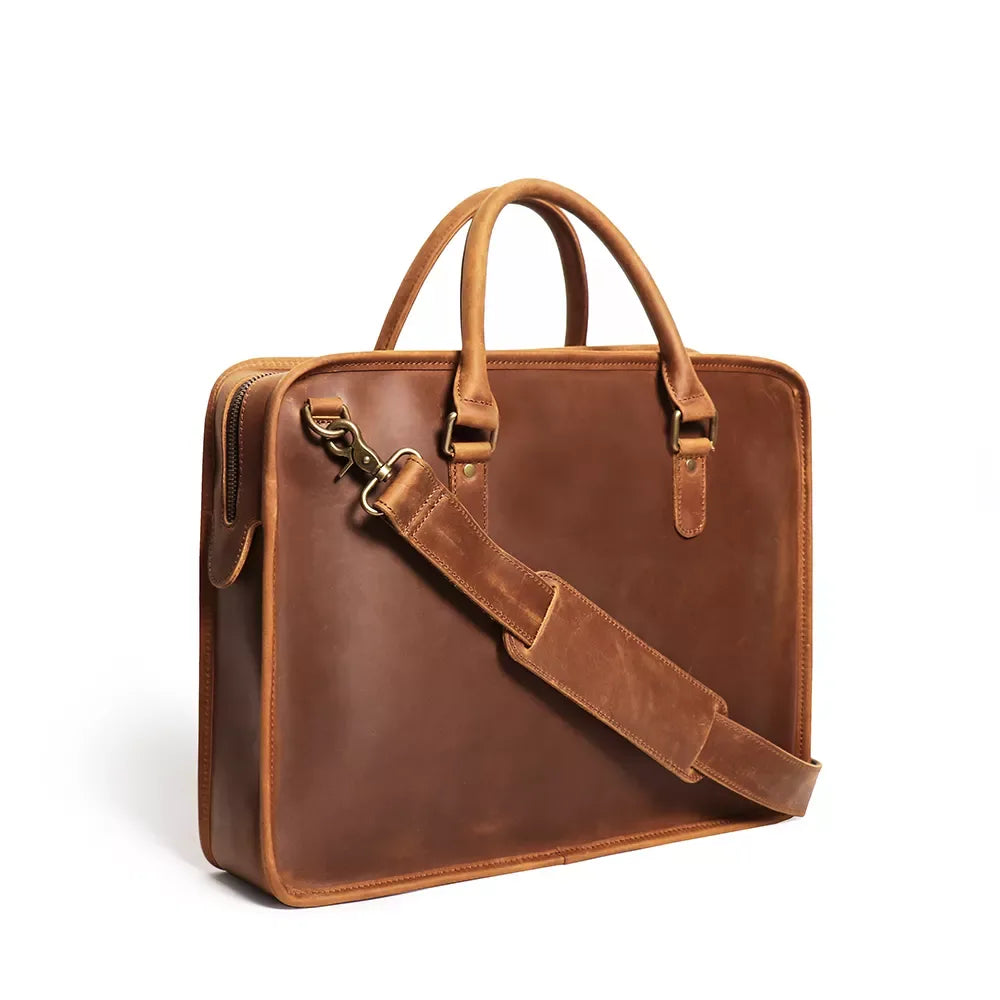
If you are looking for bags built to handle a variety of conditions and last for years with proper care, explore the full range of leather bags at Steel Horse Leather, where each product is crafted with premium materials and made to be maintained for the long term.
How Often Should Leather Bags Be Cleaned?

To maintain the beauty and longevity of your leather bags and other leather products, it is essential to establish regular leather maintenance routines. Ideally, you should clean your leather bags every three to six months, depending on usage and exposure to environmental factors.
If you frequently use your leather purse or it encounters surface dirt, moisture, or sunlight, consider cleaning it monthly. For basic leather accessories like wallets or cardholders, regular wiping with a soft lint-free cloth or microfiber cloth can prevent the buildup of loose dirt. After any spills or stains, including ink stains, oil stains, or water stains, address these promptly to prevent permanent damage (Stanca et al., 2021). Different leather grades, such as full-grain leather, patent leather, or nubuck leather, may require special care or specific cleaning methods.
Apply a high-quality leather conditioner every few months to maintain suppleness and provide a protective layer against environmental elements. When dealing with stubborn stains, use appropriate cleaning products based on the type of stain, whether grease stains, mud stains, or denim stains. For tough stains, consult professional leather cleaners or seek professional cleaning services.
Store your leather bags in a well-ventilated area, preferably in their dust bag, away from direct heat sources and harsh cleaning products. Always test any cleaning solution on a small, inconspicuous area first and follow the care instructions specific to your leather type.
Equipment and Materials Needed for Leather Bag Care
To effectively clean and maintain your leather handbag, equipping yourself with the right tools and materials is essential. A mild leather cleaner removes dirt without stripping the leather's protective finish. A microfiber cloth is a must-have for applying the cleaner and buffing the leather to a shine, while a soft-bristled brush gently lifts dirt from textured areas or seams. A leather conditioner hydrates the leather, helps prevent cracks, and extends the life of your bag. A water-repellent product or protective spray creates a barrier against moisture and stains after cleaning.
Cotton swabs are invaluable for precise spot removal around hardware, seams, and stitching. Rubbing alcohol, used cautiously via a cotton swab, can address ink stains without saturating the leather. For odor removal, a leather deodorizer is far safer than spraying household deodorizers, which can contain alcohol or chemicals harmful to leather surfaces.
Regular Maintenance and Daily Cleaning Practices for Leather Bags
| Practice | How to Do It | Frequency / Tips |
|---|---|---|
| Daily Dust Removal 🧹 | Gently wipe the entire surface with a soft, dry, lint-free cloth to remove dust, dirt, and particles. | Daily or after each use — prevents buildup that can scratch leather over time. |
| Light Cleaning (when needed) 🧼 | Use a slightly damp microfiber cloth with a mild soap solution or dedicated leather cleaner. Wipe in gentle circular motions. | As needed (not daily). Never soak or saturate the leather — excess water causes stains or warping. |
| Conditioning 💧 | Apply a high-quality leather conditioner evenly with a clean cloth, let it absorb, then buff lightly. | Every 2–3 months (or more often in dry climates). Keeps leather supple and adds protection against cracking & environmental damage. |
| Proper Storage 📦 | Store in a cool, dry place away from direct sunlight. Use the original dust bag or a breathable cover. For travel/duffel bags, stuff with acid-free tissue paper to hold shape. | Always when not in use. Prevents scratches, fading, and deformation — especially important for structured bags. |
| Travel / Post-Use Care ✈️ | After exposure to different environments, do a quick wipe-down with a soft dry cloth. Check for any spots or dirt immediately. | After every trip or heavy use. Helps catch issues early before they set in. |
To keep your leather handbag in pristine condition, implementing regular leather maintenance and daily cleaning practices is essential. Begin by gently wiping the surface with a soft, dry lint-free cloth to remove dust and dirt particles that can accumulate throughout the day. If more thorough cleaning is needed, use a slightly damp microfiber cloth with a mild soap solution or a specialized leather cleaner to avoid damaging the material. It is important to avoid saturating the leather, as excessive moisture can lead to water stains or warping.
For daily maintenance, apply a leather conditioner every few months to maintain the suppleness of the leather and offer protection against environmental elements. Store your handbag in a cool, dry place, preferably in its dust bag, to keep it safe from scratches and direct sunlight, thereby preserving its beauty for years to come.
Recent advances in leather treatment have shown promising results for leather maintenance. Research by Stanca et al. (2021) demonstrates that leather surfaces treated with carbon nanotube-based composites can exhibit enhanced self-cleaning properties and improved durability, suggesting that future leather products may require even less intensive maintenance while maintaining their aesthetic quality.
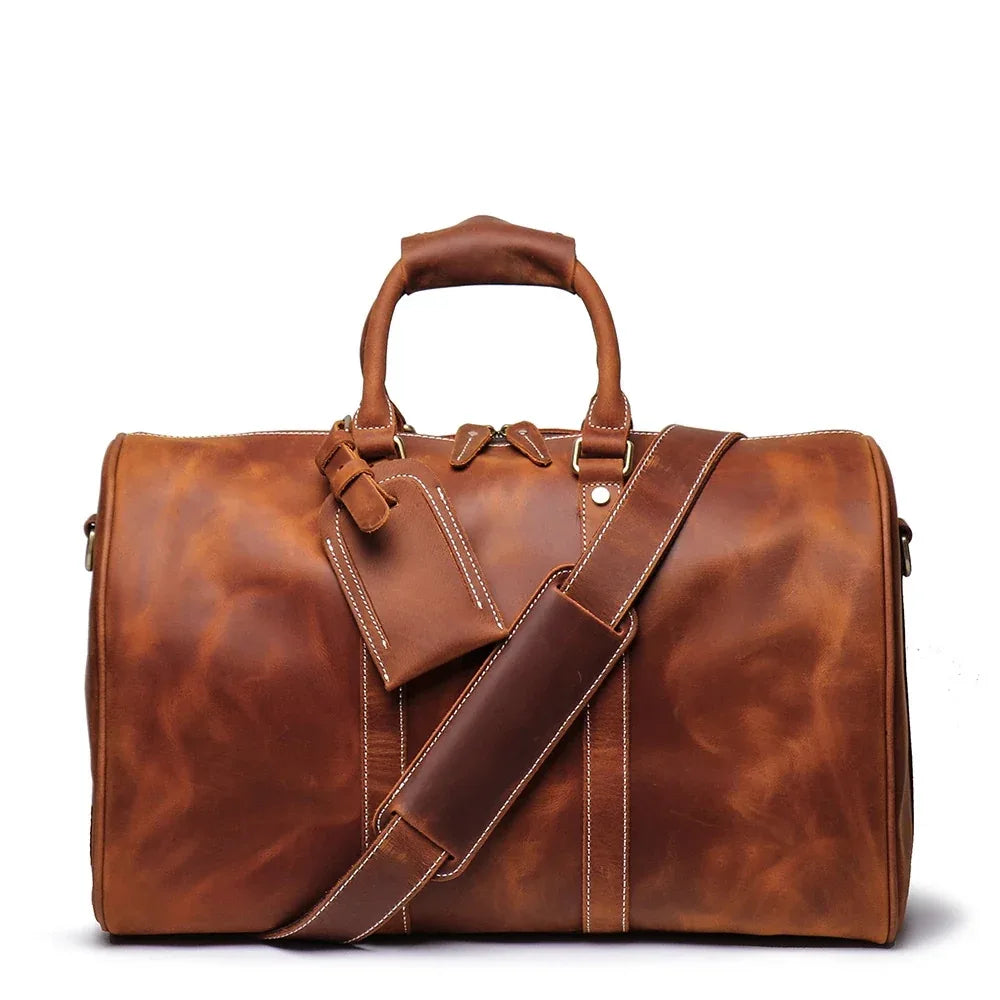
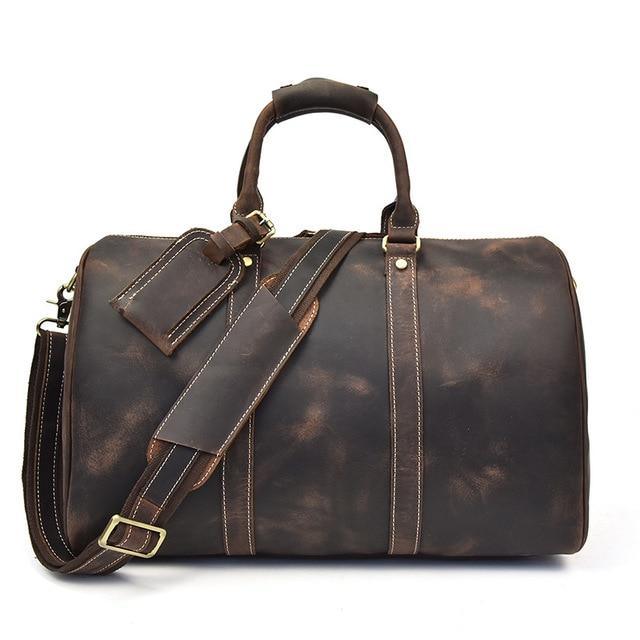
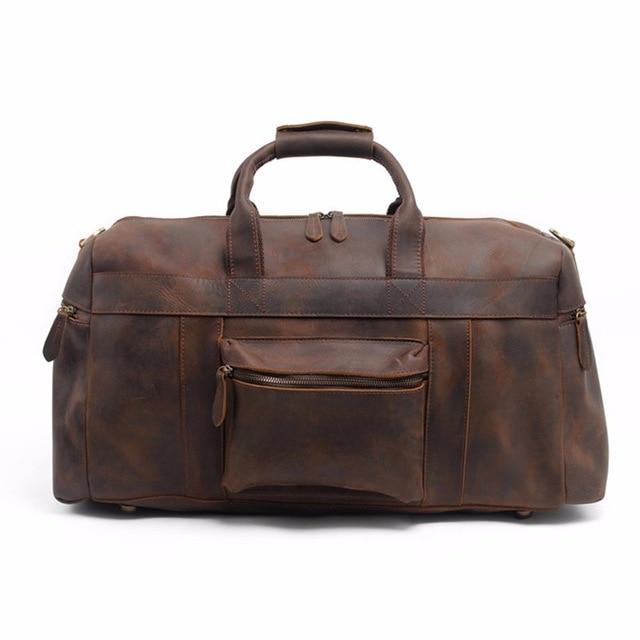
For travel bags such as leather duffel bags, a simple daily wipe-down with a soft, dry cloth is especially important after exposure to various environments. Stuffing the bag with tissue paper when storing helps maintain its shape, particularly for bags with dedicated interior compartments. Explore options in the leather duffle bags collection if you need a well-crafted travel companion built for regular use and easy care.
What Not to Use When Cleaning Leather

Knowing what not to use is just as crucial as understanding the proper cleaning methods. Avoid harsh detergents, bleach, or any products containing alcohol in large quantities, as these can strip the leather of its natural oils, leading to dryness and potential cracking. Similarly, stay away from abrasive materials such as rough sponges or hard scrub brushes that can scratch and damage the leather's surface. Wet wipes and chemical-laden cleaning solutions not specifically formulated for leather products should also be avoided.
When it comes to home cleaning methods, tea tree oil should be used sparingly and patch-tested first, as it can alter the finish of some leather grades. Coconut oil, while sometimes recommended as a natural conditioner, can darken certain leathers and leave a greasy residue if overapplied. Similarly, a mixture of vinegar and olive oil is a traditional home remedy that may work on some smooth leathers, but it can affect the finish on corrected-grain or patent leather. Always research the compatibility of any home remedy with your specific leather type before applying it broadly (Stanca et al., 2021).
Instead, opt for gentle, pH-balanced leather cleaners and conditioners specifically formulated for leather products to preserve the bag's integrity and prolong its lifespan.
Techniques for Removing Specific Types of Stains
Spot Cleaning for Ink Stains
Ink stains require prompt action for effective spot removal. Gently dab the affected area with rubbing alcohol using a cotton swab, being careful not to saturate the leather. Work from the outer edge of the stain inward to avoid spreading the ink. Always test the rubbing alcohol on a hidden area first to confirm it will not affect the leather's finish (Stanca et al., 2021).
Oil Stains
Oil stains are best addressed with baking soda or cornstarch, both of which absorb the oil without introducing moisture. Sprinkle the powder directly onto the stain and allow it to sit for several hours or overnight before gently brushing it away with a soft-bristled brush. If the oil stain persists after this process, professional leather cleaners are the safest next step.
Food Stains and Makeup Mishaps
Food stains and makeup mishaps can often be managed with a mild soap solution applied with a microfiber cloth in a circular motion. After spot cleaning, always dry the leather thoroughly with a clean lint-free cloth to prevent moisture from penetrating the surface. Prompt treatment of any spill significantly improves the chances of complete spot removal without leaving a permanent mark.
Odor Removal
For odor removal, a leather deodorizer is the safest option. Alternatively, placing the bag in a well-ventilated area or near an open window for a few hours can help dissipate mild odors. Avoid placing scented sachets directly against the leather, as some fragrance compounds can stain or dry out the surface.
How to Wash Your Leather Bags With a Washing Machine
While leather bags are generally not recommended for machine washing, there are instances where you can safely clean them if proper precautions are taken.
Step 1: Check if the Bag is Machine-Washable
Before washing, confirm that your bag can handle a machine wash by testing for color fastness on a hidden area with a damp, white cloth. Inspect the hardware by gently tugging on zippers and buckles to confirm they are securely attached. Examine the lining material to ensure it is not prone to shrinking.
Step 2: Prepare the Bag for Washing
Empty all contents from the bag, securing all zippers, snaps, or flaps. Place the bag inside a protective laundry bag to reduce direct friction against the machine drum.
Step 3: Set Up the Washing Machine
Use a mild, leather-safe detergent or a small amount of diluted mild soap solution. Set the washing machine to a gentle or delicate cycle using cold water to prevent leather shrinkage or color fading. Avoid hot water or high-speed cycles.
Step 4: Dry the Handbag Properly
Remove the bag immediately after the wash cycle completes. Air dry the bag in a well-ventilated area away from direct sunlight or heat sources. Stuff the bag with clean, dry towels to help it retain its shape, replacing the towels as they become damp. Gently pat the leather surface occasionally to prevent stiffening.
Step 5: Protect and Condition the Leather
Once completely dry, apply a leather conditioner to replenish the natural oils in the leather. Use a microfiber cloth to apply the conditioner evenly using circular motion, then buff off any excess with a clean lint-free cloth.
Additional Tips for Machine Washing Leather Bags
-
Always handwash the bag if you are unsure of its durability.
-
Avoid using a tumble dryer, as heat can irreparably damage the collagen fibers within the leather.
-
If your bag has excessive stains or delicate detailing, consider professional cleaning services instead of machine washing.
-
After any machine wash attempt, applying a water-repellent product once the bag is fully dry adds a layer of protection for future use.
Evaluating When to DIY vs. When to Seek Professional Leather Cleaning
When it comes to leather maintenance for your handbag, the decision between home cleaning methods and professional cleaning can be challenging. DIY cleaning is effective for routine maintenance, particularly for light dust or mild stains addressed with spot cleaning using a microfiber cloth and a gentle leather cleaner. However, if you notice deep stains, significant discoloration, or any signs of damage such as cracks or severe wear, seeking professional leather cleaners is advisable.
Professionals possess specialized knowledge, tools, and proprietary cleaning agents that treat delicate materials in ways that typical household products simply cannot replicate. Moreover, if your handbag carries significant sentimental or monetary value, investing in professional cleaning services can help prolong its life without risking damage from improper DIY practices (Stanca et al., 2021).
Studies on advanced leather cleaning techniques, including ultrafast picosecond laser technology for historical leather restoration, highlight the sophisticated methods professionals can employ that are unavailable for home use (Elnaggar et al., 2016). This technological advantage underscores why professional intervention is particularly valuable for high-end or damaged leather items. A leather repair kit can address minor surface scuffs at home, but structural damage or deep staining consistently warrants professional attention.
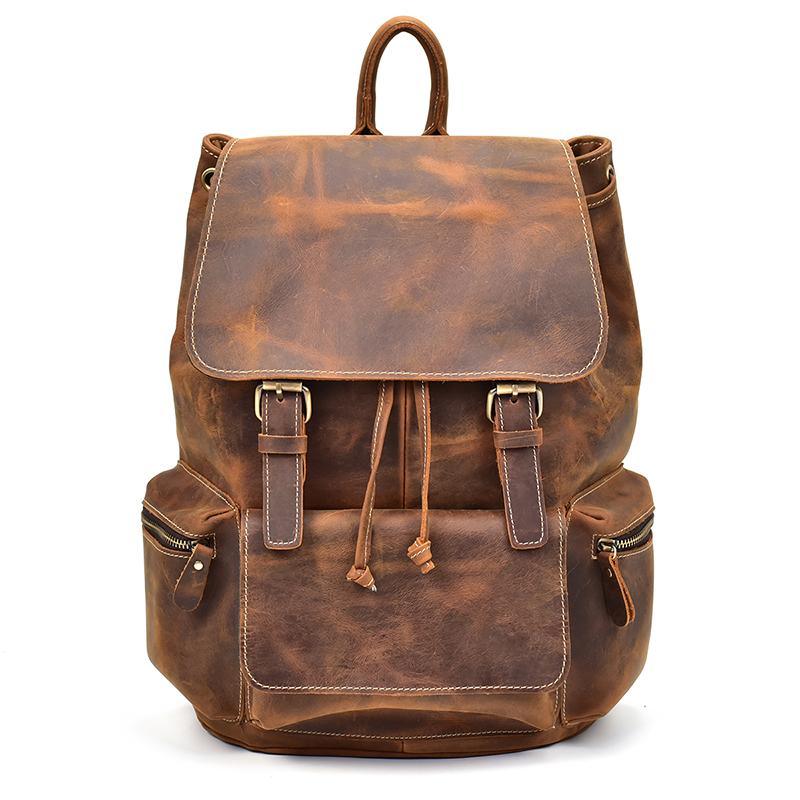
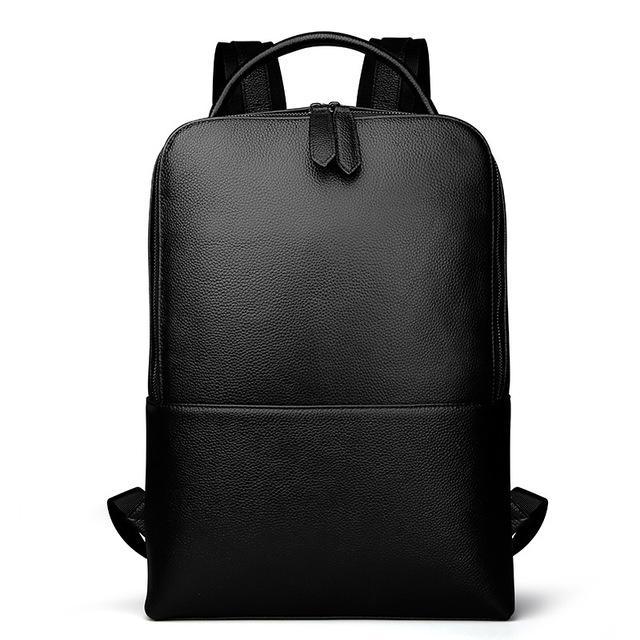
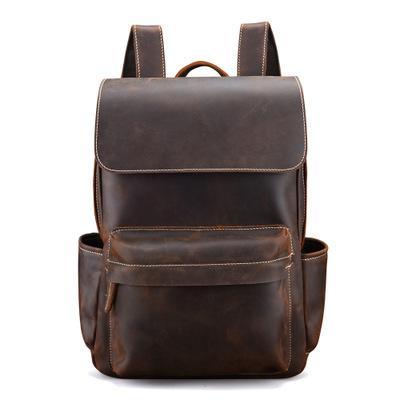
For those who carry their essentials in premium leather backpacks, having a trusted professional cleaner on call is especially worthwhile. Explore the leather backpacks collection for bags built with quality materials that respond well to both home care and professional maintenance.
Why Trust Our Leather Care Expertise?
At Steel Horse Leather, our leather care guidance comes from decades of hands-on experience crafting and maintaining premium leather products, working directly with vetted tanneries, and testing every cleaning and conditioning recommendation on real materials across multiple leather grades. Our master artisans have worked extensively with full-grain leather, chrome-tanned leather, corrected-grain leather, and specialty finishes, giving us practical, validated insights into how different home cleaning methods and professional approaches affect leather over time. This direct experience, from raw material sourcing through finished product care, ensures that every recommendation in this guide is grounded in real-world results rather than theory.
Conclusion
Caring for a leather bag is not complicated once you understand the material you are working with. The key principles are consistent: protect the natural oils in the collagen fibers by avoiding harsh soap-and-water cleaning, use the right leather cleaner and leather conditioner for your specific leather grade, address stains promptly with targeted spot removal techniques, and store your bag in a dust bag in a cool, dry environment. Whether you own full-grain leather totes, leather purses, or chrome-tanned leather messenger bags, the same foundational approach applies: gentle, regular leather maintenance prevents the kind of damage that neither home cleaning methods nor professional cleaning can fully reverse.
As research by Stanca et al. (2021) confirms, even the science of leather care points toward preserving the material's natural structure rather than aggressively cleaning it. And when in doubt, professional leather cleaners remain the safest choice for high-value or heavily soiled leather products. With the right knowledge and tools, a well-maintained leather bag can remain a reliable, beautiful accessory for decades.
Browse the full collection of handcrafted, premium leather bags at Steel Horse Leather to find a bag worth caring for.
References
Elnaggar, A., Fitzsimons, P., Lama, A., Fletcher, Y., Antunes, P., & Watkins, K. (2016). Feasibility of ultrafast picosecond laser cleaning of soiling on historical leather buckles. Heritage Science, 4(1). https://doi.org/10.1186/s40494-016-0104-3
Stanca, M., Gaidău, C., Alexe, C., Stănculescu, I., Vasilca, S., Matei, A., Schröpfer, S., Stelzig, T., Vuorinen, T., & Constantinescu, R. (2021). Multifunctional leather surface design by using carbon nanotube-based composites. Materials, 14(11), 3003. https://doi.org/10.3390/ma14113003
Frequently Asked Questions
What is the best way to clean a leather bag at home?
The best home cleaning method involves wiping the surface with a microfiber cloth dampened with a mild leather cleaner or a diluted mild soap solution, using gentle circular motion. After cleaning, dry the leather thoroughly with a lint-free cloth and follow up with a leather conditioner to restore natural oils. Avoid soaking the leather or using harsh chemicals that can strip its protective finish (Stanca et al., 2021).
How do I remove oil stains from a leather bag?
Sprinkle baking soda or cornstarch directly onto the oil stain and allow it to absorb the grease for several hours or overnight. Gently brush away the powder with a soft-bristled brush, then wipe the area clean with a dry microfiber cloth. For persistent oil stains, professional cleaning services are the safest next step to avoid further damage.
Can I use white vinegar to clean my leather bag?
Diluted white vinegar can be used for specific stains like salt marks on appropriate leather types, applied carefully with a lint-free cloth in a circular motion. However, it should not be used as a general leather cleaner, as its acidity can affect certain finishes and dry out the surface over time. Always patch-test on a hidden area before applying it more broadly.
How often should I condition my leather bag?
Applying a leather conditioner every few months is generally recommended to maintain suppleness and protect the collagen fibers from drying out and cracking. Bags used daily or exposed to variable weather conditions may benefit from more frequent conditioning. After any cleaning session, conditioning the leather is always a good practice to replenish any oils removed during the process.
What is the difference between full-grain leather and chrome-tanned leather?
Full-grain leather retains the entire natural grain surface, making it the most durable and breathable leather grade available, while chrome-tanned leather is produced through a faster chemical process using chromium salts, resulting in a softer and slightly more water-resistant material. Full-grain leather develops a rich patina over time with minimal care, whereas chrome-tanned leather tends to stay consistent in appearance with regular conditioning. Both benefit from proper leather maintenance but may respond differently to conditioning products (Stanca et al., 2021).
Is it safe to machine wash a leather bag?
Machine washing leather bags is generally not recommended, as the combination of water, agitation, and heat can strip natural oils, warp the structure, and damage the collagen fibers of the leather. If machine washing is attempted, it should only be done on a gentle, cold-water cycle with a leather-safe detergent, and the bag must be air-dried and conditioned immediately afterward. For high-end or delicate leather bags, professional cleaning services are always the safer choice.
How do I get rid of odors in a leather bag?
A leather deodorizer applied according to product instructions is the safest method for odor removal from leather bags. Placing the bag in a well-ventilated area for several hours can also help dissipate mild odors without risking damage to the surface. Avoid using standard household sprays or placing scented sachets directly against the leather, as many contain alcohol or other compounds that can harm the finish. You can find well-crafted bags designed with quality linings that resist odor buildup in the leather tote bags collection.
When should I take my leather bag to a professional cleaner?
Professional cleaning is recommended when a leather bag has deep stains, significant discoloration, structural cracks, or damage that home cleaning methods cannot address safely. High-end bags or those with significant sentimental value should be entrusted to professional leather cleaners to avoid the risk of DIY damage. Advanced techniques such as ultrafast laser cleaning, used for historical leather restoration, illustrate the level of specialized expertise that professionals can bring to complex leather care situations (Elnaggar et al., 2016).
All of our bags at Steel Horse Leather are crafted from full-grain crazy horse leather, built to develop a rich patina over time. Browse our Leather Bags.