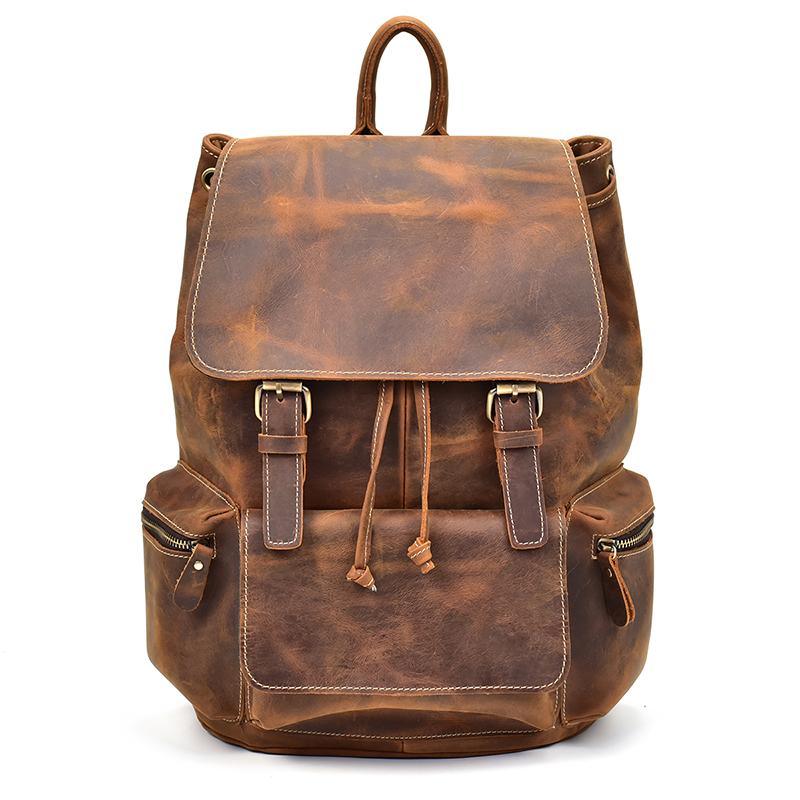
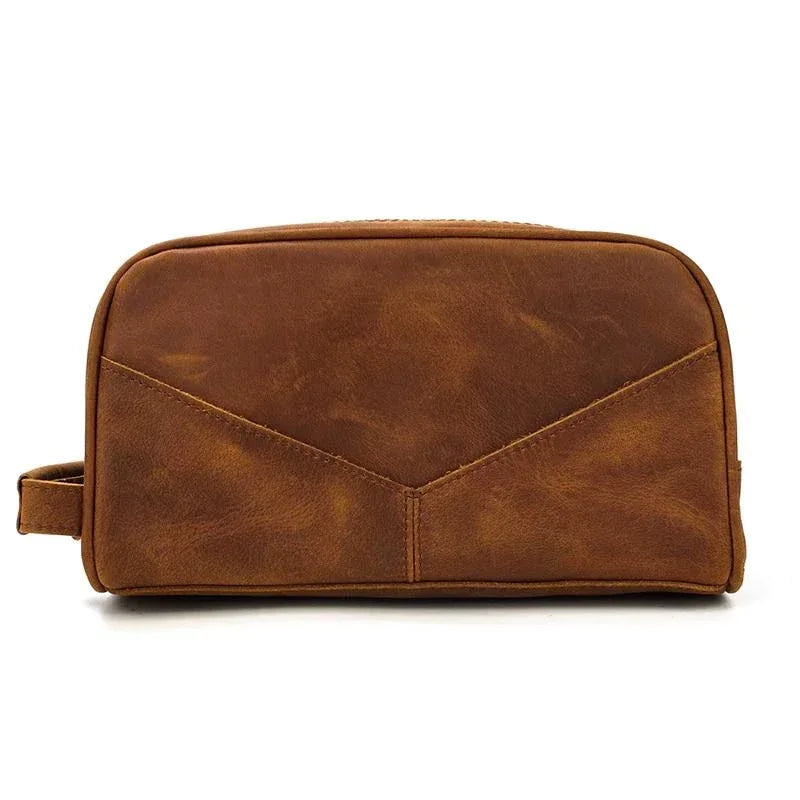
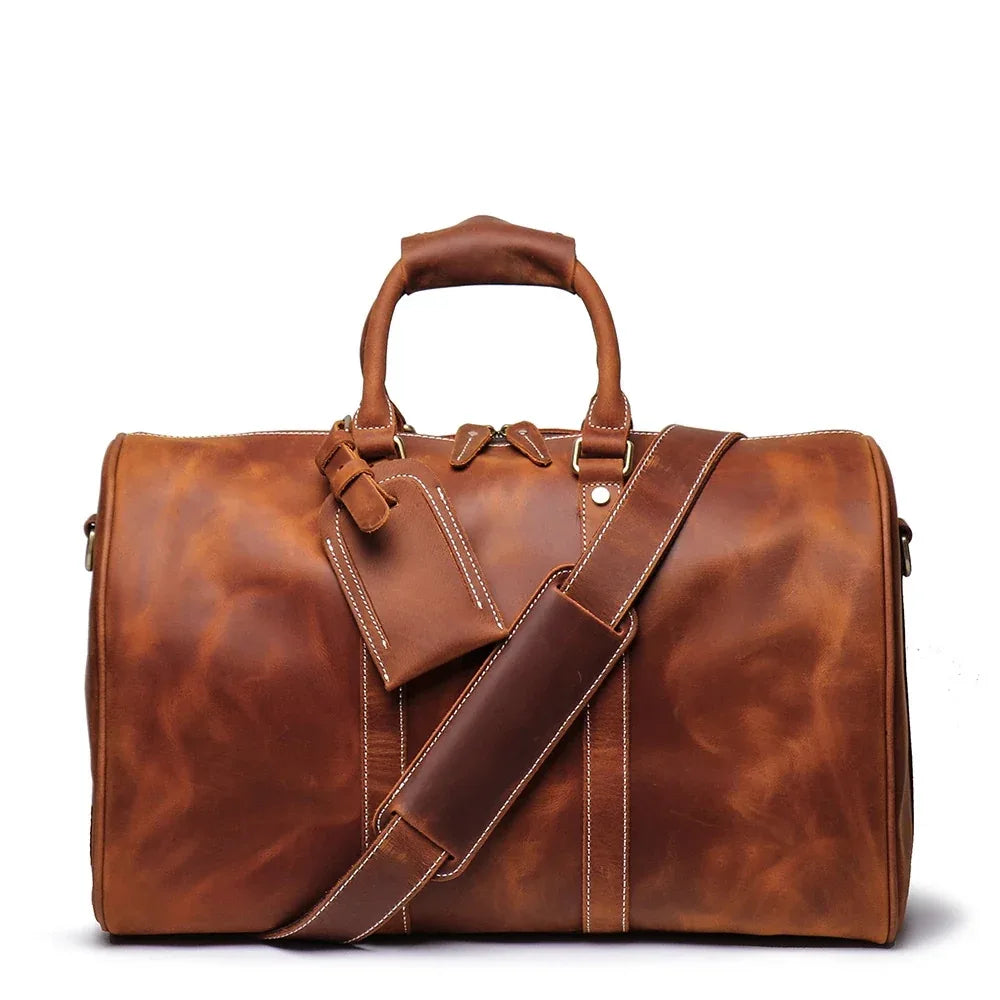
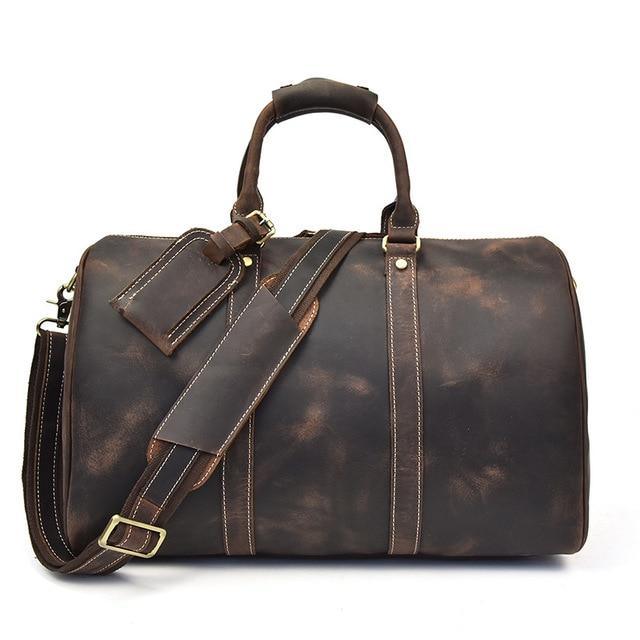
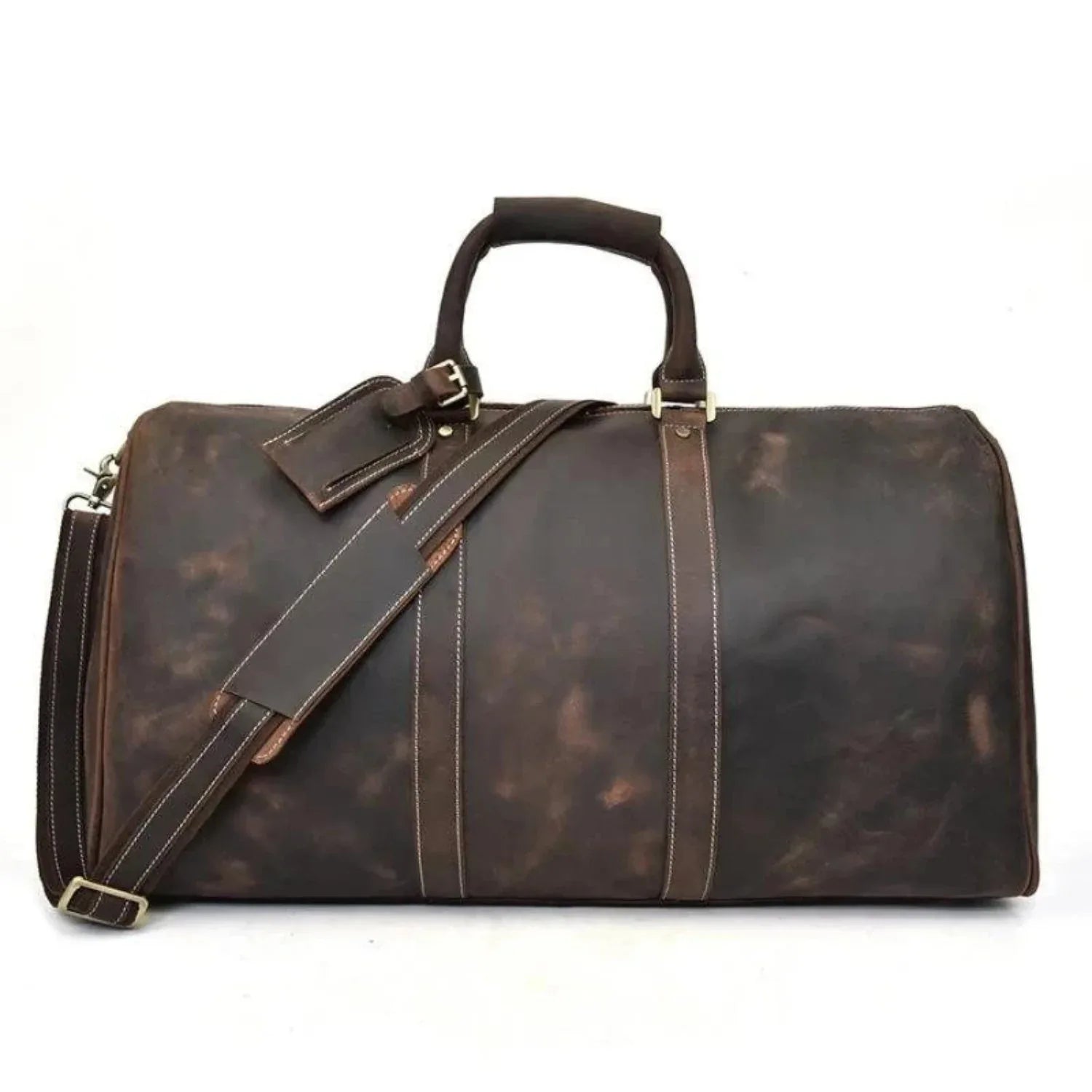
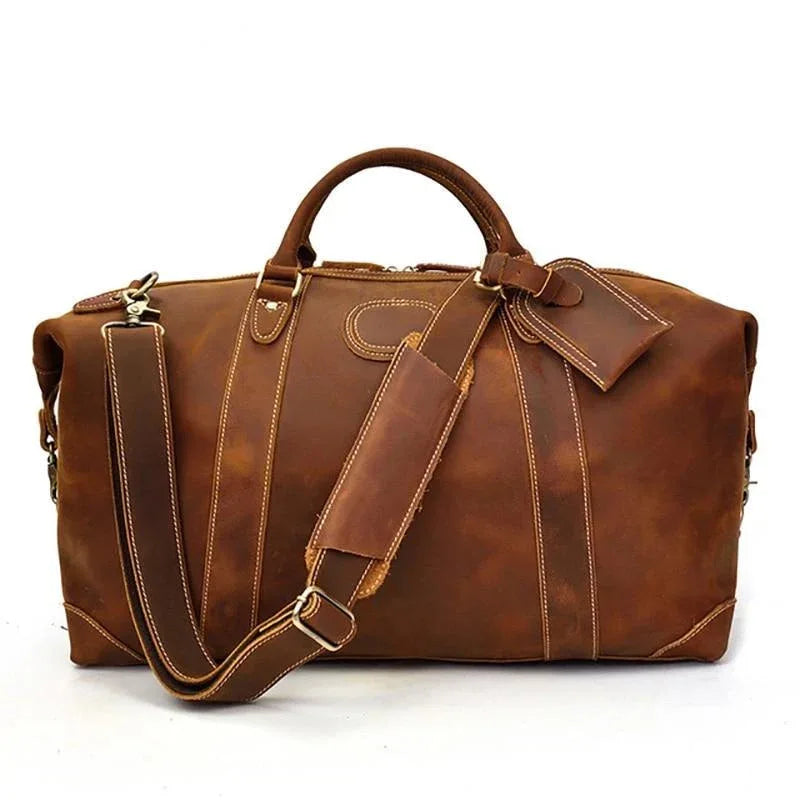
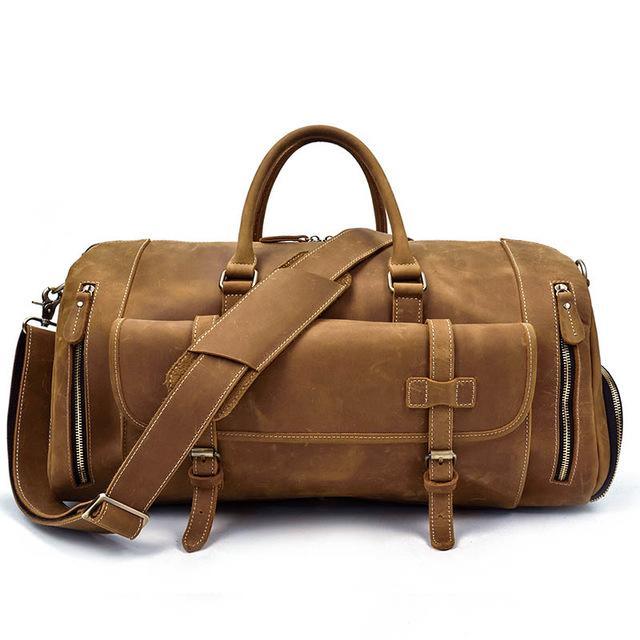
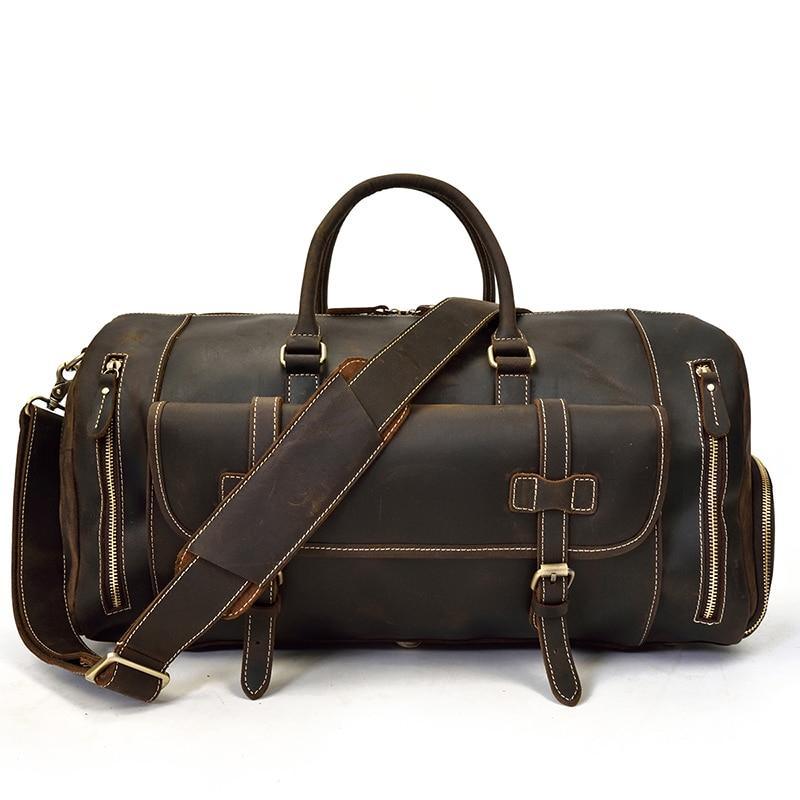
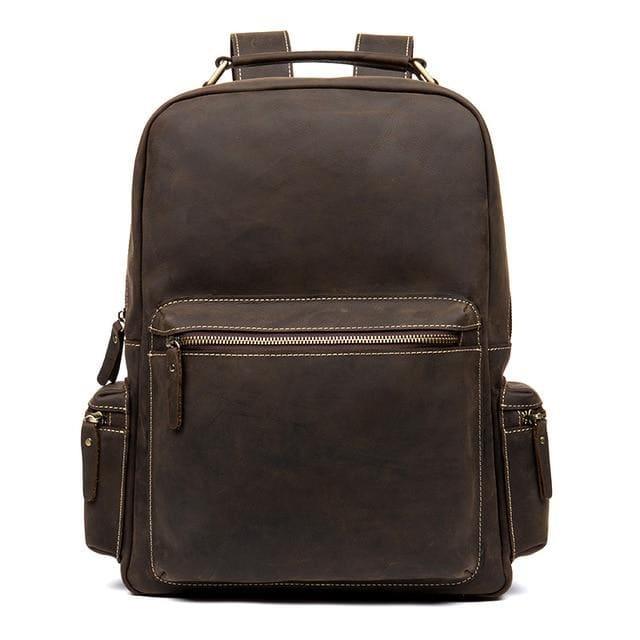
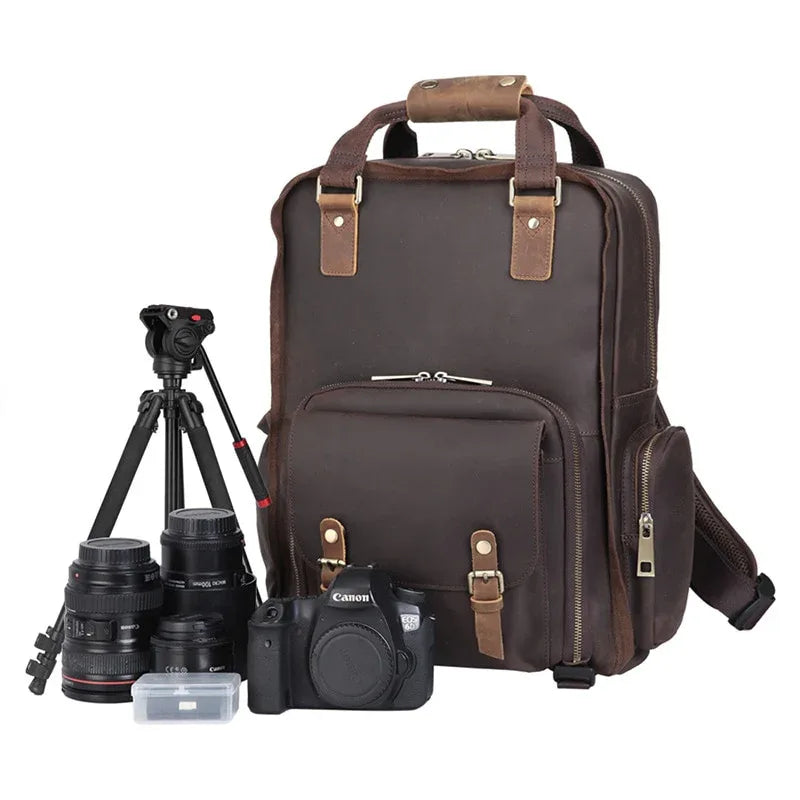
Nubuck leather is full-grain or top-grain leather that has been sanded on the outer (grain) side to create a soft, velvety nap. It is often confused with suede, but nubuck comes from the stronger outer layer of the hide while suede comes from the weaker inner split. This guide covers how nubuck is made, how it compares to suede, and exactly how to clean, condition, store, and restore it.
Key Takeaways
- Nubuck leather is made from the outer layer of animal hide (typically calfskin), making it more durable than suede, which comes from the weaker inner layer.
- The material has a distinctive velvety texture created through a sanding process, but it retains fine protein fibers that distinguish it from the coarser texture of suede.
- Cleaning nubuck requires only a soft-bristled nubuck-specific brush for regular maintenance and a nubuck eraser for removing stains and scratches.
- Nubuck offers some water resistance, but it should be kept away from excessive moisture, oil, and dirt, and stored in cool, dry places away from direct sunlight.
- Nubuck is a low-maintenance, high-quality leather that typically costs more than suede due to its greater durability.
Why Trust Our Leather Expertise?
At Steel Horse Leather, our understanding of leather types like nubuck comes from years of hands-on work with premium leather materials. Our craftsmen work daily with full-grain leather and top-grain leather, giving us direct knowledge of how different leathers behave, age, and require care.
We vet leather providers, study traditional and modern tanning and finishing methods, and test the maintenance techniques described in this article before we recommend them.
What Is Nubuck Leather?

Nubuck leather is a type of leather made by sanding the grain side (outer side) of a hide to create a short, velvet-like nap. It is used across a wide range of leather products, from footwear to bags to auto upholstery.
Nubuck is often compared to suede because the two look and feel similar at first touch. The key difference is durability: nubuck is more durable because it comes from the outer side of the hide, the grain side, which is naturally stronger and more resilient (Omer, 2021). Nubuck typically comes from the top-grain or full-grain layer of the hide, which is why it is classified as a premium leather rather than a lower leather grade.
Other leathers with related finishing characteristics include aniline leather and corrected grain leather, both of which go through specific finishing processes that change their surface appearance. Italian nubuck in particular is recognized in the industry for tight, consistent nap and refined finishing.
Nubuck comes in a wide range of colors and shows up most commonly in nubuck boots and leather shoes, as well as jackets, gloves, and small leather accessories. You will also find it used as upholstery grade leather in auto interiors and furniture, where its thermal and wear characteristics matter as much as its look.
What Does Nubuck Look and Feel Like?
Nubuck has a fuzzy, velvety surface that is smooth to the touch, similar to suede but finer. This texture is called the "nap," and it comes from the collagen fibers that make up the structure of the hide. Unlike smooth, full-grain leather, nubuck does not develop a visible patina as quickly and needs more consistent care to keep its surface looking even (Omer, 2021).
Research comparing leather types has found something notable about nubuck's surface at a microscopic level. Studies show that nubuck's porous, absorbent surface can reduce infectious virus transfer compared with coated or less porous leathers under certain lab conditions, with uncoated nubuck showing limited pathogen transfer in controlled virology studies (Owen et al., 2021; Shivkumar et al., 2021). This does not mean nubuck is risk-free to touch, and the effect depends heavily on the finish applied and the exposure conditions.
Nubuck vs. Suede: What Is the Difference?
Nubuck and suede are both sanded leathers, but they come from different layers of the hide and have different durability, feel, and price. The table below breaks down the differences directly so you don't have to compare paragraphs of description.
| Category | Nubuck Leather | Suede Leather |
|---|---|---|
| Source layer | Outer grain side of the hide, sanded to raise a fine nap | Inner split layer (flesh side) of the hide |
| Fiber structure | Fine, tightly packed collagen fibers | Coarser, looser fibers |
| Durability | More resistant to wear and abrasion | Less durable, more prone to damage |
| Water behavior | Darkens when wet, returns to original color once dry | Stains more easily and permanently from water |
| Typical uses | Boots, bags, auto interiors, furniture upholstery | Gloves, jackets, boot liners, soft accessories |
| Price | Generally higher due to durability and grade | Generally lower |
Both nubuck and suede go through a sanding process and neither holds up well to prolonged exposure to water, but they are not interchangeable materials (Staszko et al., 2025). While both often come from the top-grain layer of the hide, nubuck uses the outer side and suede uses the inner split, which is the main reason for the difference in strength (Omer, 2021).
What Is Suede Made From?
Suede is made from the inner layer or split hide of calfskin, sometimes called split suede or full reverse suede. Manufacturers essentially turn the hide inside out during processing, which is why suede is sometimes described as "flesh side" leather. This inner layer is softer but less durable than the outer grain side used for nubuck, and it is more porous, which is why suede stains from water and liquids more readily (Omer, 2021; Staszko et al., 2025).
Related leather variations include roughout leather, which flips the process by facing the rough inner surface outward, and buffed suede, where the inner surface gets extra buffing for a more refined texture. Embossed grain leather and corrected grain leather are stamped to create a uniform surface appearance rather than sanded.
The word "suede" comes from the French phrase "gants de Suede," meaning gloves from Sweden, since suede was historically used for items with direct skin contact like gloves and boot liners. Unlike nubuck, suede does develop a visible patina over time with use (see our guide on how to clean suede).
How Is Nubuck Leather Made?

Nubuck leather is made by sanding the grain side of a hide, usually calfskin, until it develops a short, even nap. Historically, nubuck was made from deer or elk buckskin, which is where the name comes from, and it gained popularity in the United States around the 1930s after the Duke of Windsor was seen wearing nubuck oxford shoes.
Today, most manufacturers use calfskin, often sourced from European hides, because it is more abundant and easier to process consistently than buckskin. Leather manufacturers use the full-grain or top-grain layer of the calfskin for nubuck because it is the strongest part of the hide. Sanding this outer layer produces the velvet-like texture, and because the starting material is already tougher than the inner split used for suede, the finished nubuck ends up more durable and more expensive (Rahmawati et al., 2022; Omer, 2021).
Nubuck can be produced using either chrome tanning or vegetable tanning. Chrome tanning is the more common industrial method and produces a softer, more water-resistant leather, while vegetable tanning produces a firmer tanned hide with a more natural character. Chrome-free nubuck is also available for buyers who want a lower-impact tanning process. The tanning method used affects the final texture, durability, and how the leather responds to conditioners and cleaners.
Because nubuck is sanded on the outer side, the process can expose small natural imperfections in the hide. Some manufacturers leave these visible as part of the leather's character, while others dye or stain the hide to even out the color, producing shades like Light Mustard, Silky Ochre, and Pearl Blue. Oiled Nubuck has oils worked into it during production for extra moisture resistance and a richer look, and Water Resistant Nubuck is treated specifically to hold up better against everyday water exposure.
Research on leather thermal properties has also found that nubuck tends to have the highest onset temperature for thermal decomposition compared with other leather types, along with a distinctive smoke-generation profile under heat (Staszko et al., 2025). This is relevant for upholstery grade leather used in auto interiors and furniture, where heat exposure and fire safety matter.
How Do You Care for Nubuck Leather?
Nubuck is cleaned with a dry brush, not water or standard leather cleaners. A nubuck-specific brush, suede brush, or soft-bristle brush is enough for most day-to-day maintenance (Omer, 2021; Başaran et al., 2012).
Beyond cleaning, proper care includes storage and conditioning. Keep nubuck items in a cool, dry place when not in use, and avoid extended exposure to direct sunlight or damp conditions (Omer, 2021; Kutnjak-Mravlinčić et al., 2020).
Since nubuck is an organic material, its collagen fibers can dry out with use and age, which eventually leads to peeling or tearing. A nubuck conditioner or general leather conditioner, applied sparingly, restores softness. A leather protector spray adds a separate layer of defense against dirt and moisture. Conditioning and protecting are two different steps and both matter for long-term nubuck maintenance (Gendaszewska et al., 2022). For a broader look at conditioning across leather types, see our guide on DIY leather conditioners.
How Should You Store Nubuck Leather?
Store nubuck leather in a dark, cool, dry place, away from water, liquids, and direct sunlight. Sunlight dries out the leather and makes it more prone to cracking, peeling, and tearing over time (Omer, 2021; Başaran et al., 2012; Kutnjak-Mravlinčić et al., 2020).
If you cannot avoid regular sun exposure, keep it to a minimum and condition the leather more frequently to compensate. Many leather bags and leather shoes come with dust bags or storage boxes designed to shield the material from sunlight, water, and dust, which is a worthwhile investment if you travel often or have limited closet space.
How Do You Clean Nubuck Leather?

Nubuck is cleaned dry, using a soft brush and an eraser for stains, not the damp cloths or liquid cleaners used on full-grain or top-grain leather. This makes nubuck one of the easier leather types to maintain day to day.
What Is the Correct Way to Clean Nubuck?
Use a nubuck-specific brush or a brush with soft bristles to remove surface dirt, dust, and grime caught in the nap. For a deeper clean, a nubuck cleaner, specialized cleaning cloth, or a microfiber cloth works well without disturbing the nap (Omer, 2021; Gendaszewska et al., 2022).
A brass-bristle brush is a solid everyday tool for nubuck. You do not need to brush it after every single use; regular brushing on a set schedule, even when the item sits unused, is enough to keep it looking even.
For stains, a nubuck eraser or a plain pencil eraser usually removes the mark. If nubuck gets wet, dry it as quickly as possible and let it air dry in a cool, dry area afterward. To avoid a "tracking effect," the directional marks left on the nap from brushing, brush in consistent, gentle strokes in one direction.
How Often Should You Clean Nubuck Leather?
There is no strict rule that says nubuck must be cleaned after every use. Brushing it regularly, even when it hasn't been worn or carried, helps prevent dirt from building up in the fibers. If it looks visibly dirty after a specific use, clean it promptly rather than letting the stain set (Gendaszewska et al., 2022).
Is Nubuck Leather Easy to Clean?
Yes. Nubuck only requires a nubuck-specific brush for most dirt and grime, with no heavy leather cleaning products needed. For liquid stains, a nubuck eraser typically handles it. Avoid excessive water, and if it does get wet, dry it as soon as possible. This is one of the lower-maintenance leather types available.
How Do You Condition and Protect Nubuck Leather?
Conditioning replaces oils the leather loses over time, and protecting shields it from moisture, dirt, and stains. These are two separate steps in nubuck maintenance, not one combined process (Kutnjak-Mravlinčić et al., 2020).
Nubuck does not need conditioning as often as some other leathers, since it is already a lower-maintenance material (Başaran et al., 2012). If the nap starts to feel stiff, apply a nubuck conditioner or use a small amount of mink oil on a soft, dry cloth rather than directly on the leather. Use mink oil sparingly since it can darken the surface, and always spot test in an inconspicuous area first.
For protection, nubuck conditioner sprays and waterproof or water-repellent leather protector sprays are widely available. These guard against dirt, moisture, and water drops, which matters because nubuck's porous surface is naturally more susceptible to staining than smooth leather (KILIÇ and Zengin, 2021; Kutnjak-Mravlinčić et al., 2020).
What Are the Disadvantages of Nubuck Leather?
The main drawback of nubuck is its vulnerability to oil, grime, and mud. Because the surface is porous and absorbent, contaminants can stain it permanently if not addressed quickly (Omer, 2021; Staszko et al., 2025).
If you wear nubuck boots or shoes, it's best to avoid muddy trails or greasy work environments. Nubuck holds up fine for street wear or office use, but it is not the right choice for rough outdoor conditions where suede or coated leather might perform better.
On the positive side, nubuck does have one advantage over suede when it comes to water exposure: it returns to its original color once it dries out, while suede often stains permanently (Omer, 2021).
How Do You Restore Faded Nubuck Color?
Nubuck fades over time with use and sun exposure, and it can be restored using a renovating spray made specifically for nubuck or suede. Here is the process broken into steps.
| Step | What to Do |
|---|---|
| 1. Gather tools | Nubuck-specific brush (or old toothbrush), nubuck eraser, mild soap, bowl, old towel or paper towels, nubuck renovator spray in the desired color |
| 2. Brush clean | Brush the nubuck to remove loose dirt and dust before doing anything else |
| 3. Treat stains | Use a nubuck eraser on stubborn marks; if that fails, wash gently with mild soap in circular motions |
| 4. Dry fully | Air dry, or speed up the process with an old towel; do not use direct heat |
| 5. Apply renovator spray | Spray in a well-ventilated area, apply a couple of light coats to reach the desired shade, and let dry between coats |
| 6. Restore the nap | Once fully dry, brush again with a soft brush to bring the nap back up |
Nubuck vs. Suede: How to Choose (Usage, Maintenance, Style)
| Category | Nubuck Leather | Suede Leather |
|---|---|---|
| Source and texture | Outer grain of the hide, lightly sanded for a soft matte finish | Underside of the hide, creating a soft, velvety napped texture |
| Durability | More durable and wear-resistant | Less durable, more delicate and prone to damage |
| Best usage | Footwear, outdoor gear, boots, bags used daily | Jackets, casual shoes, handbags, clothing, accessories |
| Maintenance | Lower maintenance; regular brushing plus occasional conditioning | Higher maintenance; needs suede brush, eraser, and protective spray, and stains easily |
| Water resistance | Better natural resistance than suede, though not waterproof | Poor water resistance; absorbs moisture easily |
| Style and aesthetic | More refined, structured, slightly formal look | Soft, plush, casual, velvety appearance |
| Best for you if | You want durability and easier care for daily or outdoor use | You prioritize softness and a luxury feel and don't mind extra upkeep |
If durability and lower maintenance matter more to you, nubuck's origin in the tougher outer hide layer makes it a better fit for footwear and outdoor gear (Omer, 2021). If softness and a plush feel matter more, suede tends to suit clothing and accessories better, at the cost of needing more careful upkeep to avoid staining (Gendaszewska et al., 2022).
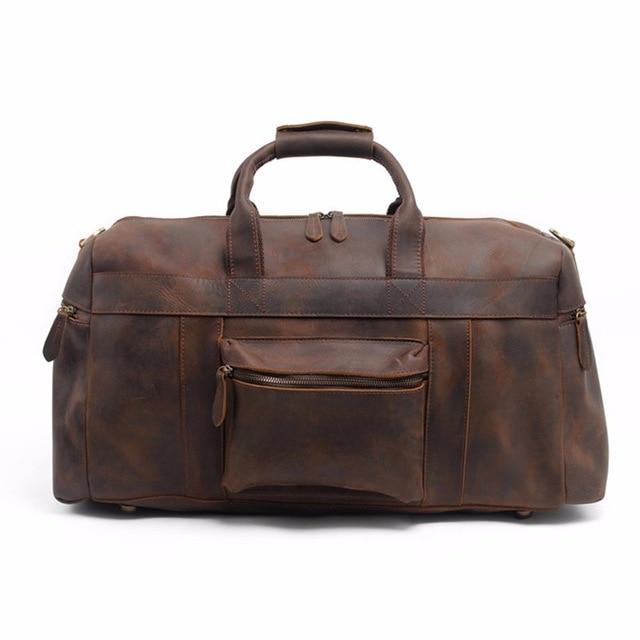
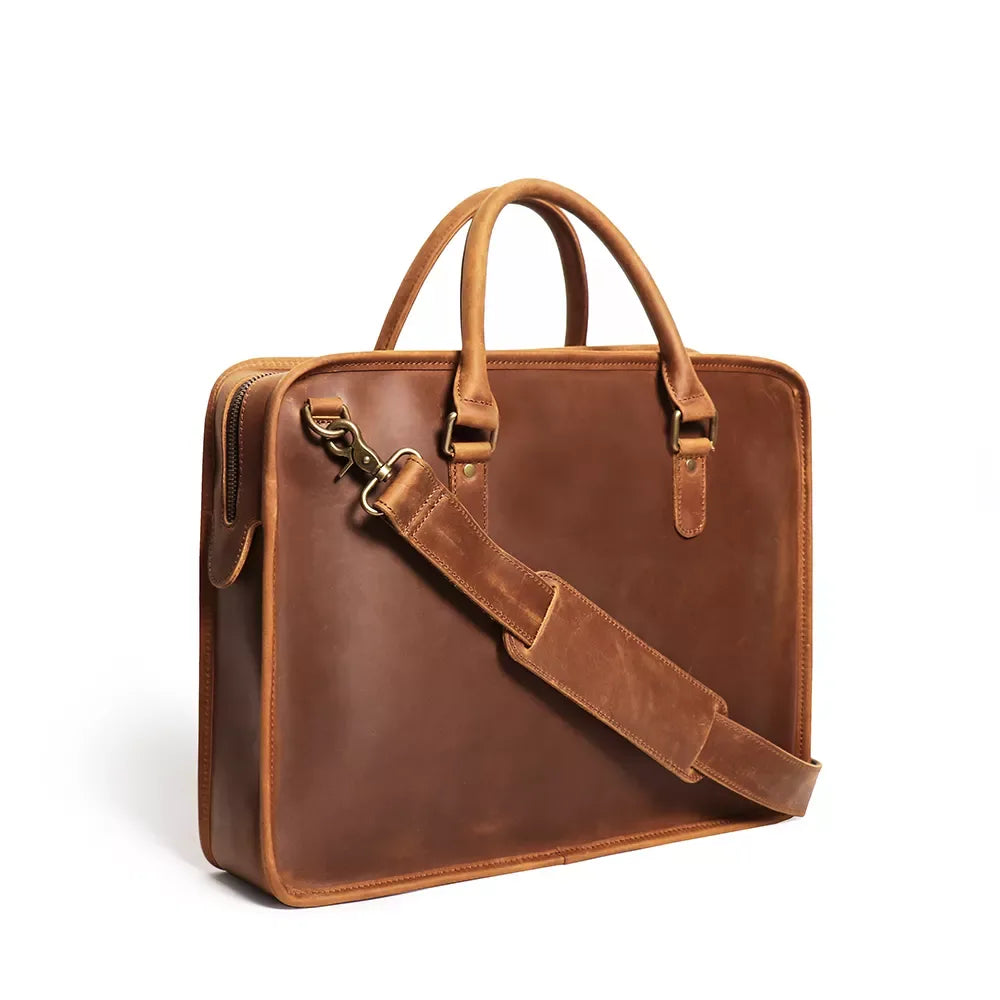
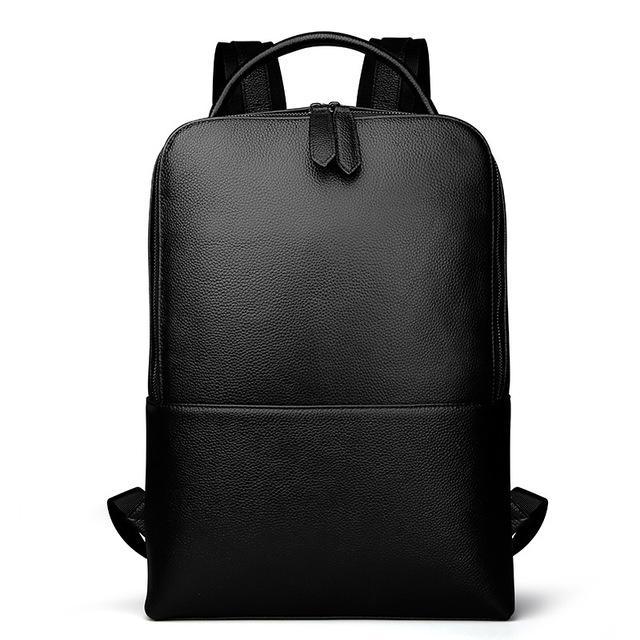
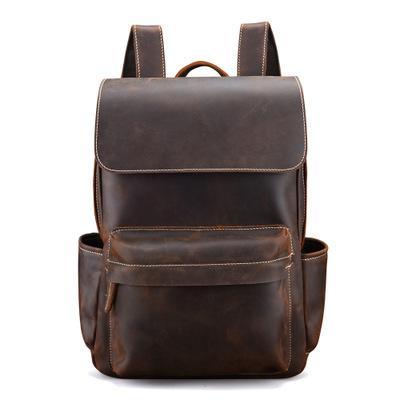
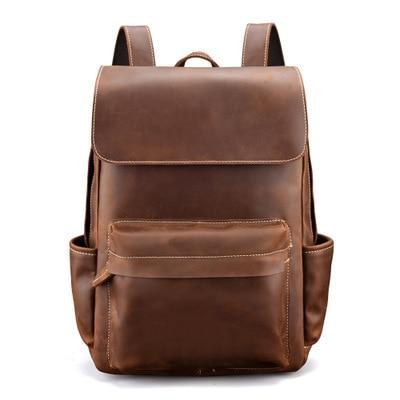
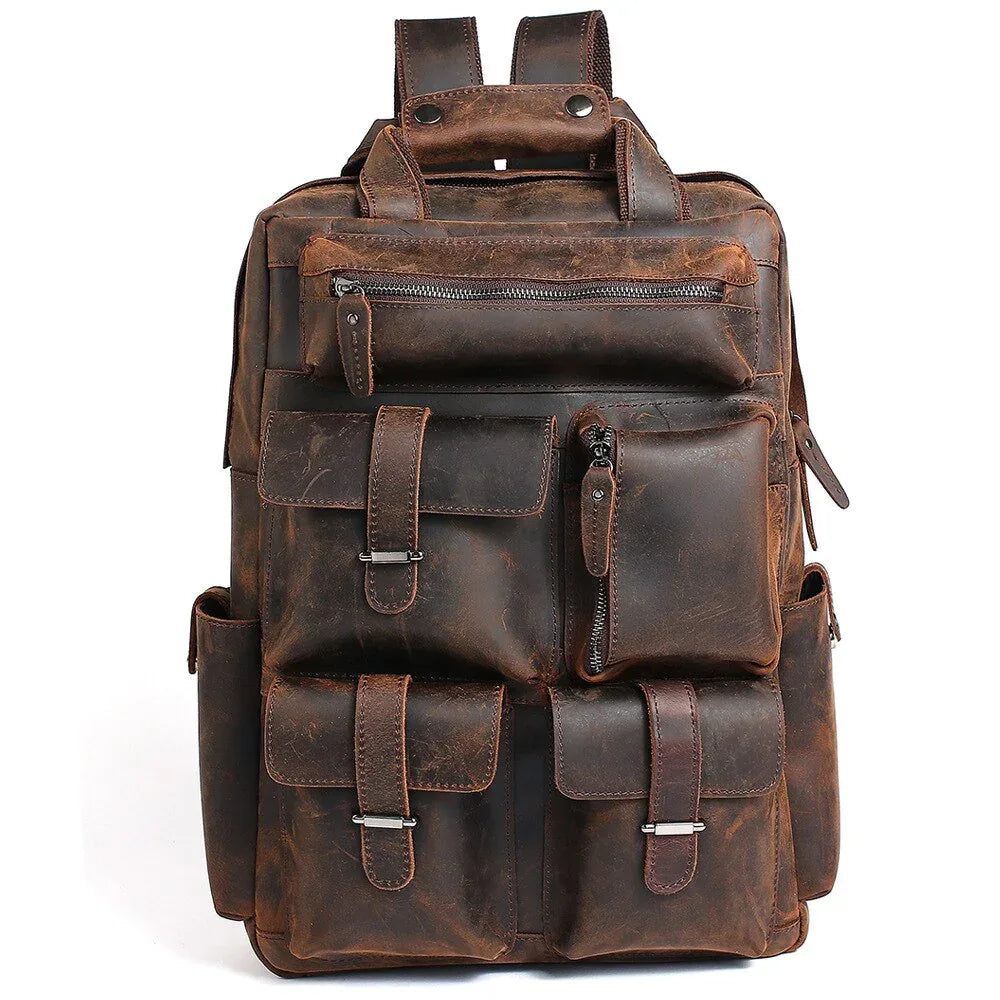
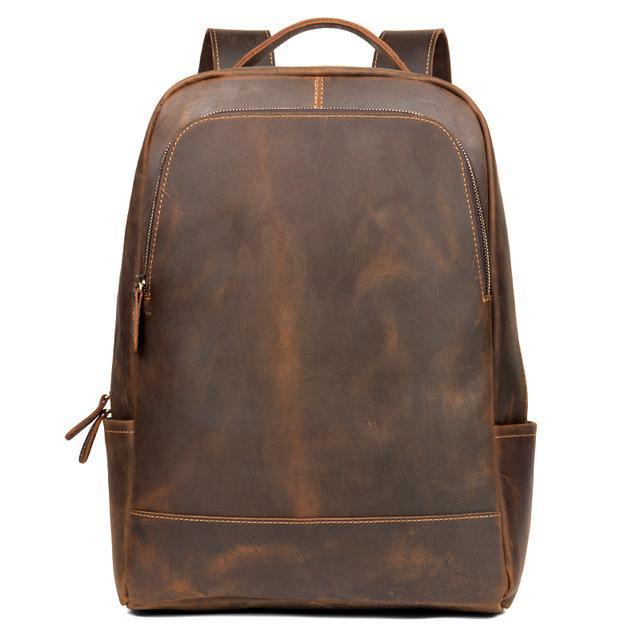
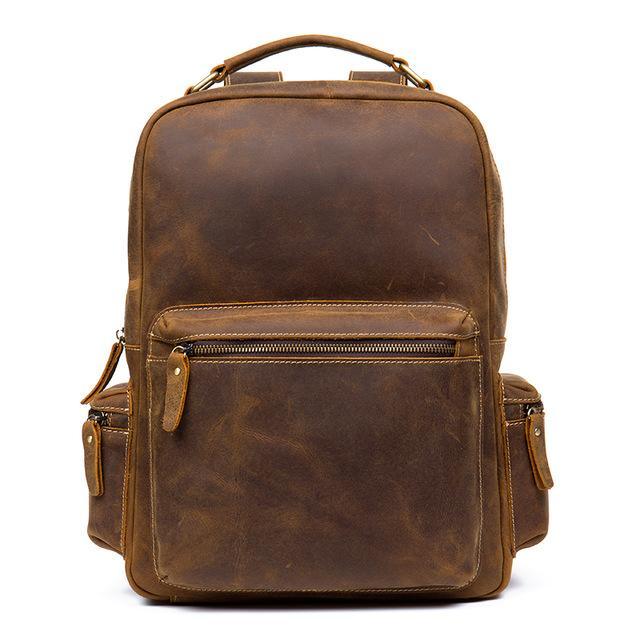
Steel Horse Leather does not currently sell nubuck bags. All of our bags are made from full-grain leather, which shares nubuck's durability advantage while offering a smooth, developing patina instead of a velvety nap. If you're deciding between leather types for your next bag, our guide to leather types and our breakdown of full-grain vs. top-grain leather are good starting points.
Full-Grain Leather Bags for Everyday Use and Travel
If you like the durability story behind nubuck but want a smooth, low-fuss leather that develops a natural patina over time, our full-grain leather collection is worth a look. Every bag below is built from full-grain leather, the same premium hide layer nubuck is sanded from, just left with its natural surface intact.
Backpacks
For daily carry and travel, popular options include the Skald Black Pebbled Leather Backpack, The Gaetano Large Leather Backpack with a built-in tripod holder, The Mann Bag camera backpack, The Icarus Backpack, The Tove Backpack, The Unn Backpack, and The Faulkner Backpack. Browse the full leather backpacks collection, including men's leather backpacks, women's leather backpacks, vintage leather backpacks, and leather camera backpacks. For guidance on picking a size or style, see our roundups on the best leather backpacks for men, women's laptop work backpacks, and backpacks with laptop compartments.
Weekenders and Duffle Bags
For travel, the Erlend Duffle Bag, Endre Weekender, Brandt Weekender (a smaller option for short trips), Bjarke Weekender, Eira Duffle Bag, Bard Weekender, Colden Duffle Bag (built for larger loads), Asta Weekender, and Wainwright Weekender cover a range of sizes and shapes. See the leather duffle bags, handmade leather duffel bags, and vintage leather duffle bags collections, along with our leather gym bags. For buying advice, read our guides on the best leather duffle bags, leather carry-on travel bags, travel-friendly duffel bag features, and our full buying guide for leather duffel bags.
Messenger Bags, Briefcases, and Laptop Bags
For work and commuting, options include the Welch Briefcase, Hemming Leather Laptop Bag, and Faust Camera Bag for crossbody carry. Explore leather messenger bags, messenger bags for women, vintage leather messenger bags, leather briefcases, and leather laptop bags. Related reading includes popular leather messenger bag brands, high-end leather briefcases, best leather laptop bags, leather messenger bags for women, women's leather briefcases, slim leather briefcases, men's work bags, and our comparison of messenger bags vs. briefcases.
Crossbody, Waist, and Camera Bags
Smaller carry options include the Erling Leather Sling Bag, Wagner Leather Waist Bag, Walcott Leather Waist Bag, Calista Small Camera Bag, and Taavi Tote. See the leather crossbody bags, leather belt bags, leather camera bags, and leather satchels collections. Background reading: the history of leather belt bags, leather camera bags for vintage lovers, our shoulder bag guide, and what is a satchel.
Wallets and Small Accessories
The Pathfinder Bifold Wallet, The Walden Front Pocket Wallet, and the Cael Coin Purse round out our small leather goods lineup. Browse leather wallets and leather accessories, plus related reading on men's leather long wallets, the best front pocket wallets, money clip wallets, and full-grain leather wallets.
Travel and Grooming
For travel kits, see the Wanderer Toiletry Bag, Dado Leather Dopp Kit, and Nomad Toiletry Bag, along with the full leather toiletry bags and leather passport holders collections. See also why is it called a Dopp kit and why a leather passport holder matters when traveling.
Gifts and Corporate Orders
For gifting, check out leather gifts, leather anniversary gifts, leather groomsman gifts, and corporate leather gifts. Related guides include leather gifts for him, leather gifts for women, groomsmen duffle bags, top leather corporate gift ideas, and our leather anniversary gift guide.
Conclusion
Nubuck leather is a durable, sanded leather made from the outer grain layer of the hide, most often calfskin. Its manufacturing process gives it more strength than suede, while its sanding gives it the same recognizable velvety texture (Omer, 2021; Staszko et al., 2025).
Care is straightforward: regular brushing with a nubuck-specific brush, storage in a cool and dark place, and occasional use of a waterproofing spray or nubuck conditioner (Gendaszewska et al., 2022; Kutnjak-Mravlinčić et al., 2020). It is not waterproof and it is not stain-proof, so keep it away from oil, mud, and standing water where you can.
If you want the strength benefits of nubuck's parent material without the nap-specific upkeep, our full-grain leather bags collection, including men's leather bags and mini leather bags, is worth browsing. For care tips that apply across leather types, see our guides on how to soften leather, remove oil stains from leather, fix scratched leather, and reduce unwanted shine on leather.
Frequently Asked Questions
What is nubuck leather made from?
Nubuck leather is made from the outer layer, or grain side, of animal hide, most commonly calfskin. The outer layer is sanded to create a fine, velvety texture made up of protein fibers and collagen fibers. This process differentiates it from suede, which is made from the inner split hide (Omer, 2021).
How do I clean nubuck leather at home?
Use a nubuck-specific brush or a soft-bristled brush to remove surface dirt and grime. For stains and scratches, a nubuck eraser or regular pencil eraser works well in gentle circular motions. Avoid excessive water or harsh cleaning agents, since they can damage the porous surface (Gendaszewska et al., 2022).
How long does nubuck leather last?
With proper care, nubuck leather can last for many years. Regular brushing, occasional conditioning with a nubuck conditioner, and applying a waterproofing spray extend its lifespan significantly. Storing it in a cool, dark, dry place away from direct sunlight also helps preserve the nap and color (Kutnjak-Mravlinčić et al., 2020).
Is nubuck leather worth the higher price compared to suede?
Nubuck generally costs more than suede because it comes from the tougher outer hide layer, is more durable, and requires less frequent care over time (Omer, 2021; Staszko et al., 2025). Whether it's "worth it" depends on use case: for footwear and bags that see daily wear, the added durability tends to pay off.
What is the best way to waterproof nubuck leather?
Apply a dedicated waterproof spray or water-repellent spray formulated for nubuck or suede. These products penetrate the porous surface to repel water drops and reduce staining. Apply in a well-ventilated area and reapply periodically, since the coating wears off with use (KILIÇ and Zengin, 2021; Kutnjak-Mravlinčić et al., 2020).
Can nubuck leather be used for bags and accessories?
Yes, nubuck shows up in shoes, gloves, bags, and small leather goods, valued for its texture and durability from the full-grain layer (Omer, 2021). Steel Horse Leather's own bag collection uses full-grain leather rather than nubuck; if you want that same durability with a smooth finish, see our leather messenger bags and leather crossbody bags.
Is nubuck leather suitable for furniture and auto interiors?
Yes. Nubuck is used as upholstery grade leather in furniture and auto interiors because of its durability and texture. Research shows nubuck has strong thermal decomposition characteristics compared with other leather types, which is relevant for interior applications (Staszko et al., 2025). It still needs a waterproofing spray and regular care to hold up in high-use environments.
Is nubuck leather real leather?
Yes, nubuck is real, genuine leather made from full-grain or top-grain hide, usually the top-grain layer. Historically it came from deer or elk buckskin, but today it's mostly made from calfskin. Chrome tanning or vegetable tanning transforms the raw hide into the finished, sanded material (Omer, 2021).
What is the difference between regular leather and nubuck leather?
Regular full-grain or top-grain leather has a smooth surface, while nubuck has a velvety surface created by sanding the grain side (Rahmawati et al., 2022). The fine protein and collagen fibers exposed during sanding give nubuck its matte, nap-textured look, which is easy to tell apart from smooth leather by sight and touch.
Is nubuck leather durable?
Yes, nubuck is more durable than suede because it comes from the outer, stronger layer of the hide rather than the inner split. The collagen and protein fibers in this outer layer give nubuck greater strength and wear resistance (Omer, 2021; Staszko et al., 2025).
Does nubuck leather need waterproofing?
Nubuck has some natural water resistance, but it is not waterproof due to its porous surface. A waterproofing spray or water-repellent spray is recommended for better protection against water drops and stains (KILIÇ and Zengin, 2021; Kutnjak-Mravlinčić et al., 2020).
What happens if nubuck gets wet?
Nubuck darkens when wet, similar to suede, but unlike suede it typically returns to its original color once it fully dries (Omer, 2021; Owen et al., 2021). To avoid long-term damage or watermarks, dry it as quickly as possible in a cool, well-ventilated space rather than near direct heat.
Is nubuck leather easy to clean?
Yes, nubuck is one of the easier leathers to maintain. Regular cleaning with a nubuck-specific brush or cleaning cloth handles most dirt, and a nubuck eraser removes stains and scratches without special products (Gendaszewska et al., 2022).
Is nubuck hard to maintain?
No. Nubuck is considered low-maintenance and needs infrequent but careful attention rather than constant upkeep (Omer, 2021; Başaran et al., 2012). Regular brushing and occasional conditioning are typically all that's required.
Can I polish nubuck leather?
No, standard shoe polish or leather cream should not be used on nubuck. The porous, textured surface isn't designed for polish, and applying it will likely flatten or ruin the nap (Kutnjak-Mravlinčić et al., 2020). Stick to a nubuck-specific brush or microfiber cloth for regular care instead.
How do you get scratches out of nubuck leather?
Rub a nubuck eraser or a plain pencil eraser gently over the scratch in small circular motions to lift the mark and restore the nap without damaging the protein fibers (Omer, 2021). For deeper damage or stubborn stains, a specialized nubuck cleaning kit or professional cleaning may be needed.
References
Başaran, B., Yorgancıoğlu, A., and Önem, E. (2012). A novel approach in leather finishing: Surface modification with flock fibers. Textile Research Journal, 82(15), 1509-1516. https://doi.org/10.1177/0040517512449048
Gendaszewska, D., Wionczyk, B., Bednarek, A., and Boniecki, P. (2022). Antifungal Activity of Finished Chromium Tanned Leather Containing Thyme and Tea Tree Essential Oils. Fibres and Textiles in Eastern Europe, 30(3), 41-45. https://doi.org/10.2478/ftee-2022-0021
KILIÇ, T. and Zengin, G. (2021). Effect of Viscosity on the Characteristic Properties of Solvent Free Patent Finished Leathers. Tekstil Ve Konfeksiyon, 31(2), 137-145. https://doi.org/10.32710/tekstilvekonfeksiyon.902181
Kutnjak-Mravlinčić, S., Akalović, J., and Bischof, S. (2020). Merging Footwear Design and Functionality. Autex Research Journal, 20(4), 372-381. https://doi.org/10.2478/aut-2019-0023
Niculescu, O., Lăzăroiu, G., Chelaru, C., and Gurău, D. (2018). New Products Based on Essential Oils for Finishing Natural Leathers with Antifungal Performances - Part 2. https://doi.org/10.24264/icams-2018.v.4
Omer, S. (2021). Leather used in Furniture Upholstery. Koža and Obuća, 69(2), 12-15. https://doi.org/10.34187/ko.69.2.2
Owen, L., Shivkumar, M., Cross, R., and Laird, K. (2021). Porous surfaces: stability and recovery of coronaviruses. Interface Focus, 12(1). https://doi.org/10.1098/rsfs.2021.0039
Rahmawati, R., Goestjahjanti, F., Handayani, S., Soenarto, S., Bandi, B., Djuminah, D., and Arifah, S. (2022). Inovasi Pewarnaan Alam Pada Kulit Sapi Strategi Peningkatan Omset BUCINI. Jurnal Pengabdian Masyarakat Progresif Humanis Brainstorming, 5(3), 557-565. https://doi.org/10.30591/japhb.v5i3.3690
Shivkumar, M., Adkin, P., Owen, L., and Laird, K. (2021). Investigation of the stability and risks of fomite transmission of human coronavirus OC43 on leather. Fems Microbiology Letters, 368(16). https://doi.org/10.1093/femsle/fnab112
Staszko, S., Półka, M., and Matuszkiewicz, R. (2025). The Influence of Leather Type on Thermal and Smoke-Generating Properties. Materials, 18(2), 304. https://doi.org/10.3390/ma18020304
All of our bags at Steel Horse Leather are crafted from full-grain crazy horse leather, built to develop a rich patina over time. Browse our Leather Bags.