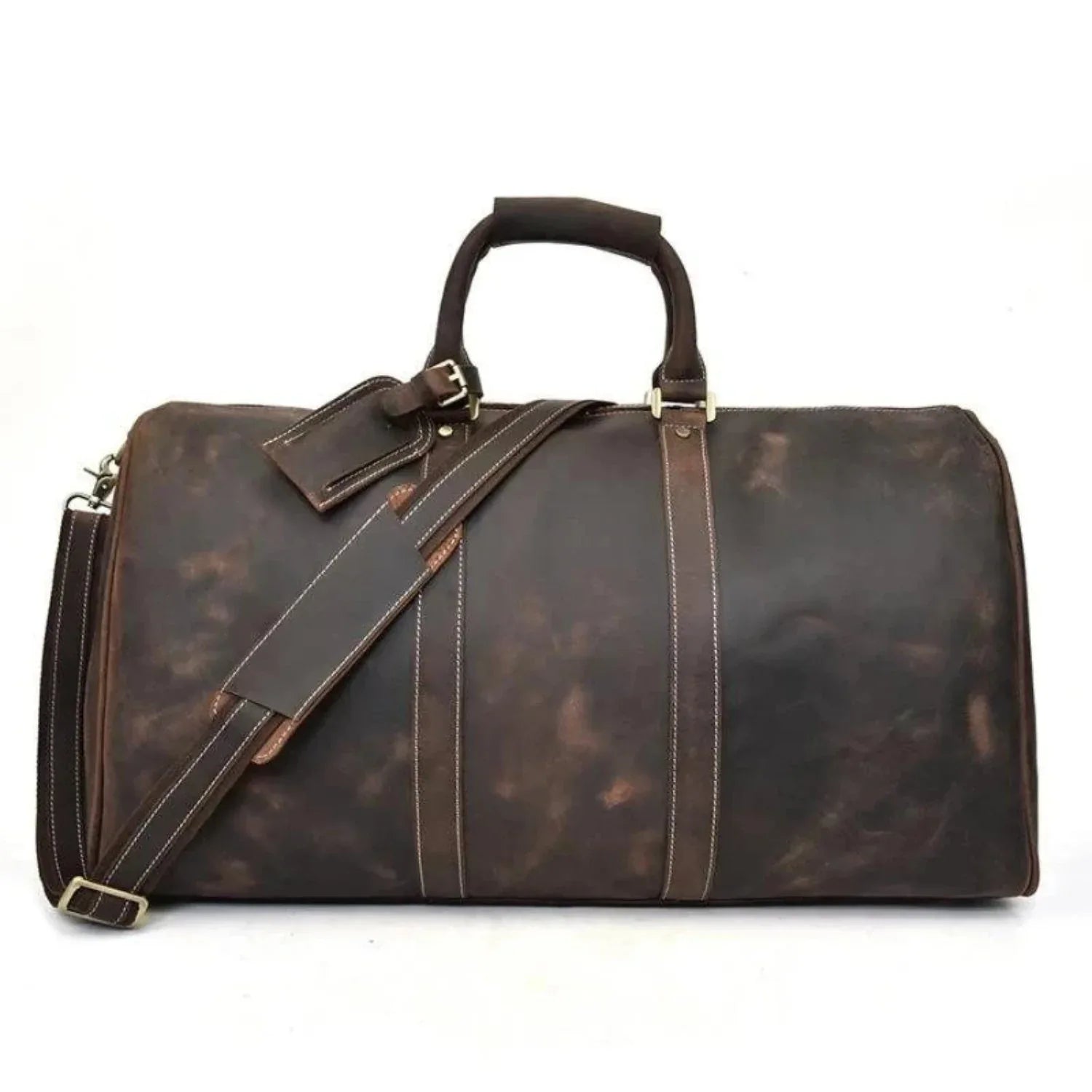
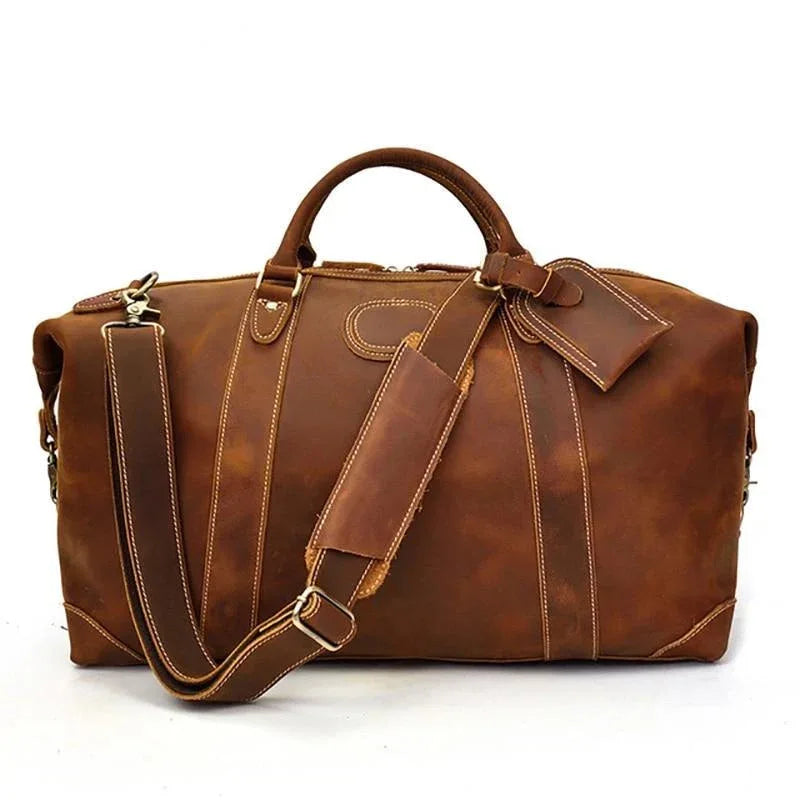
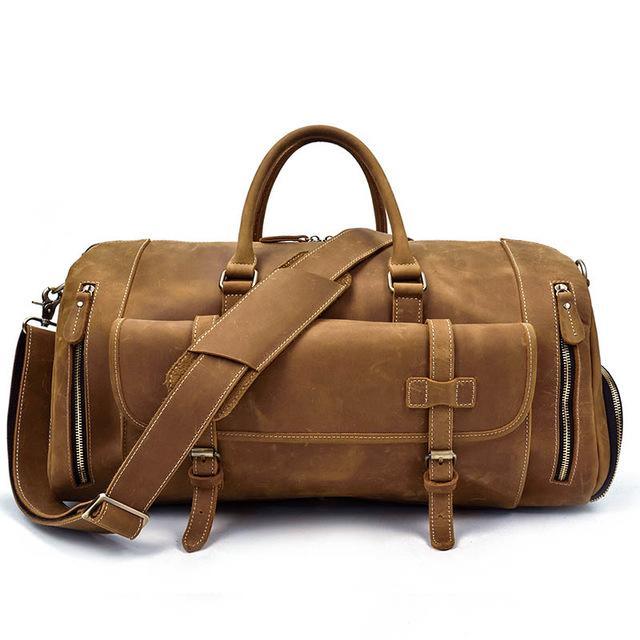
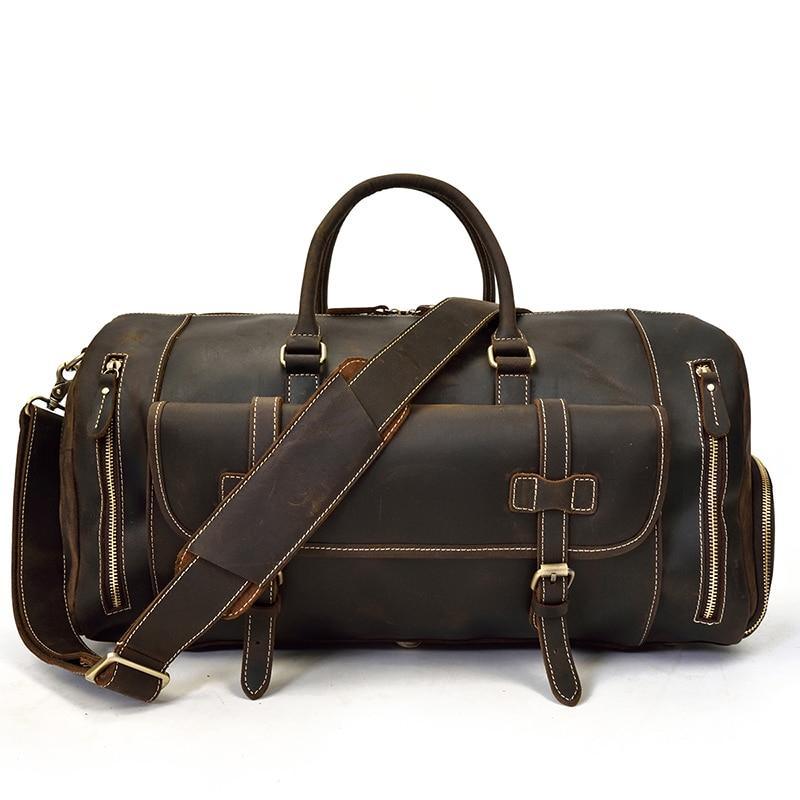
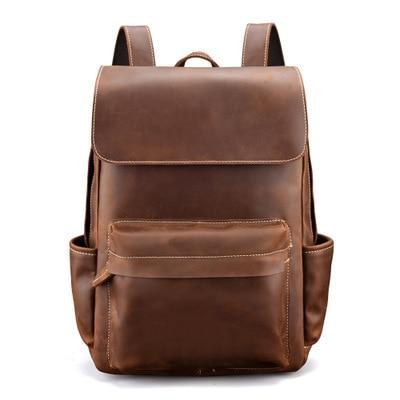
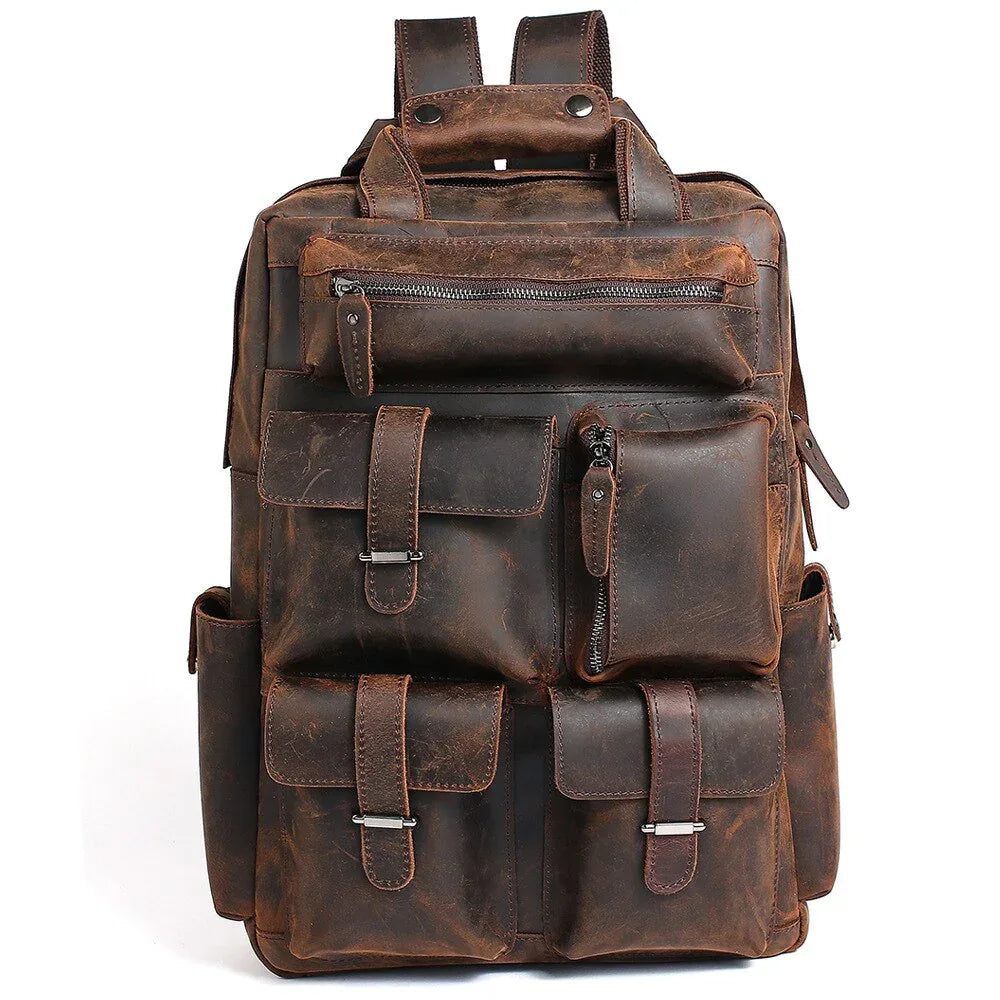
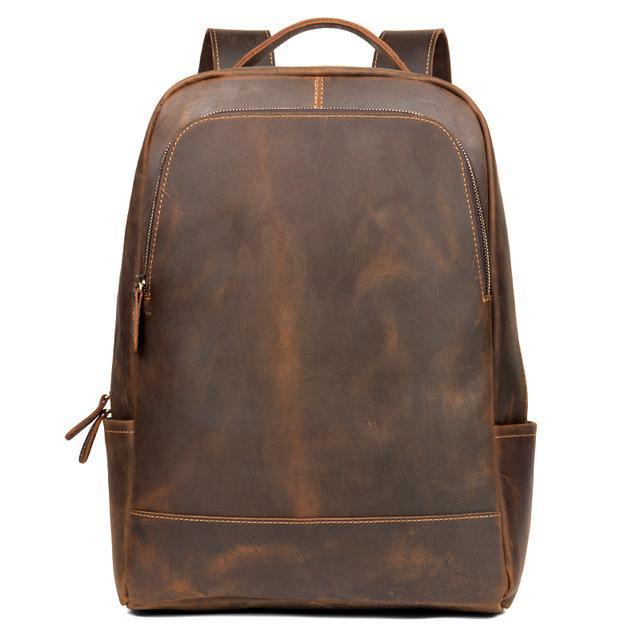
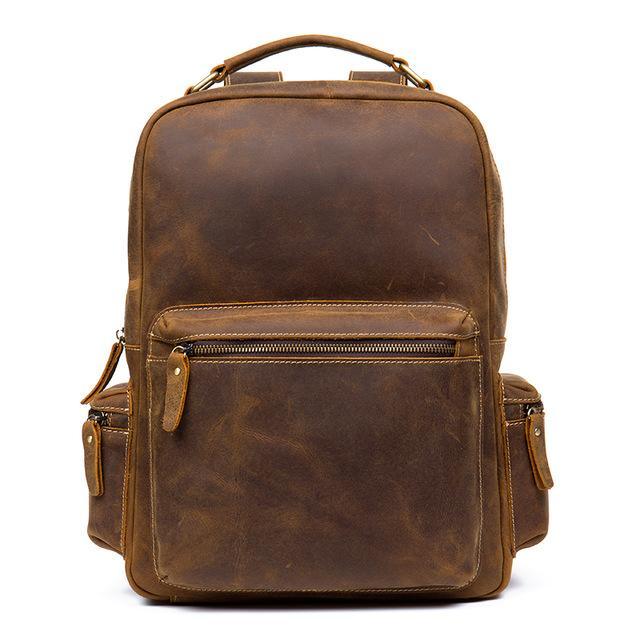
Buffalo leather is the tanned hide from one of the 74 species (or subspecies) of domestic buffalo and bovine cattle, and it stands among the most durable and versatile leather goods materials available today. The most common types are American buffalo (also known as bison leather) and Texas Longhorn, though breeds such as Angus, Hereford, Jersey, Shorthorn, Simmental, and Wagyu also contribute to the leather industry. From full grain buffalo leather bags and leather jackets to leather belts, a messenger bag, or even automotive interior upholstery, buffalo leather continues to prove its value across countless applications.
Key Takeaways
-
Buffalo leather is made from water buffalo hides, primarily in Asia, where 97% of the global 194 million buffalo population resides, and is produced as a byproduct after the animal's working life or meat production.
-
Buffalo leather is thicker, stronger, and more durable than cowhide leather, with a natural pebble grain that gives it a striking texture, and it develops a rich patina over time while resisting tearing and burning.
-
Traditional tanning methods such as veg tanned leather production are environmentally friendlier but time-consuming, taking up to four weeks, while chrome tanned leather is faster but uses harmful chemicals.
-
Buffalo leather outperforms genuine leather, lambskin, and sheep leather in durability and resistance, making it ideal for heavy-use items like saddles, luggage, and motorcycle gear.
-
Proper cleaning and conditioning using dedicated leather care products are essential to maintain buffalo leather's quality, flexibility, and longevity.
Our Mastery in Fine Leather Craftsmanship
At Steel Horse Leather, our expertise in buffalo leather craftsmanship spans generations of dedicated artisans who have perfected their skills through years of hands-on experience. Our master craftsmen have developed an intimate understanding of buffalo leather's unique characteristics, from its distinctive grain patterns to its superior durability, enabling us to select only the finest water buffalo hides and transform them into products that exemplify both functionality and elegance. We've established robust relationships with LWG certified leather suppliers and implemented rigorous quality control processes throughout our production chain, combining traditional artisanal techniques with modern quality assurance methods. When you choose our buffalo leather products, you're benefiting from our years of specialized experience and unwavering dedication to quality craftsmanship.
The Aging Process of Buffalo Leather and How It Affects Quality

The aging process of buffalo leather is a remarkable journey that enhances its character and quality over time. As the leather matures, it develops a distinctive patina, adding depth and richness that is cherished by leather enthusiasts worldwide. This natural transformation is influenced by various factors, including exposure to light, handling, and environmental conditions.
Unlike synthetic materials, buffalo leather breathes due to its porous nature, which allows it to adapt and respond to its surroundings. Over the years, this leather becomes softer, more pliable, and comfortable to wear or use, elevating its aesthetic appeal and durability. Products crafted from distressed pull-up leather or featuring a hand-stained finish often show the most striking aging characteristics, as the wax and oil embedded in the leather shift and reform with use, creating a burnished surface that deepens in character.
A particularly sought-after aesthetic is the vintage look that develops naturally on full-grain buffalo leather over time. The leather's natural variations in color and texture become more pronounced, giving each piece a one-of-a-kind appearance that cannot be replicated by corrected grain leather or synthetic alternatives. Proper care, such as regular conditioning and avoiding excessive moisture, can significantly prolong the life of buffalo leather and enhance its aging process, making it not only a style statement but also a timeless investment.
The Significance of Craftsmanship in Buffalo Leather Products
The significance of craftsmanship in buffalo leather products cannot be overstated. Each piece of buffalo leather is treated with the utmost care and attention, showcasing the artistry of skilled artisans who understand the material's unique properties. The process begins with the selection of high-quality water buffalo hide, which is renowned for its tensile strength and rich texture.
Craftsmen then employ traditional techniques alongside modern innovations, ensuring that every stitch, decorative cut, and butt seam detail enhances the final product's aesthetic appeal and functionality. Features like debossed branding, a single bend construction method, and breathable cushioning linings reflect the level of detail that separates truly handcrafted buffalo leather goods from mass-produced alternatives. This dedication to craftsmanship not only elevates the quality of buffalo leather goods but also imbues each item with a story, reflecting the time-honored traditions and skills passed down through generations.
Investing in these handcrafted items means appreciating the harmony between artistry and utility, resulting in pieces that are not only beautiful but also possess lasting value. Whether the project involves full-grain leather bags, rugged outdoor apparel, or precision-crafted EDC gear, the artisan's hand is always present in the final product.
Buffalo Leather in Fashion Versus Utility Products
When considering the distinction between buffalo leather in fashion versus utility products, it's essential to recognize the unique attributes each category brings to the table. Buffalo leather, known for its rich texture and durability, often shines in the realm of fashion, where its distinct grain and appearance can make a bold statement. Designers appreciate its ability to withstand wear, making it an ideal choice for high-end leather jackets, handbags, and shoes that require both style and longevity.
On the other hand, in utility applications such as leather belts, gun belts, wallets, and work gear, buffalo leather's resilience is equally valued. Gun belts and related hardware items like gun buckles and set screws benefit greatly from buffalo leather's tensile strength and resistance to stretching, ensuring that the belt maintains its structure under the weight of holstered firearms. Its thick composition offers superior protection against the elements, ensuring that utility products not only serve their purpose effectively but also develop a beautiful patina over time.
Nylon tactical belts and other synthetic alternatives simply cannot match the longevity or aesthetic character of a well-crafted buffalo leather belt keeper or gun belt. This duality in usage showcases the versatility of buffalo leather, appealing to a broad audience who appreciate both its aesthetic and functional qualities, bridging the gap between fashion and practicality.
Variety in Buffalo Leather Products
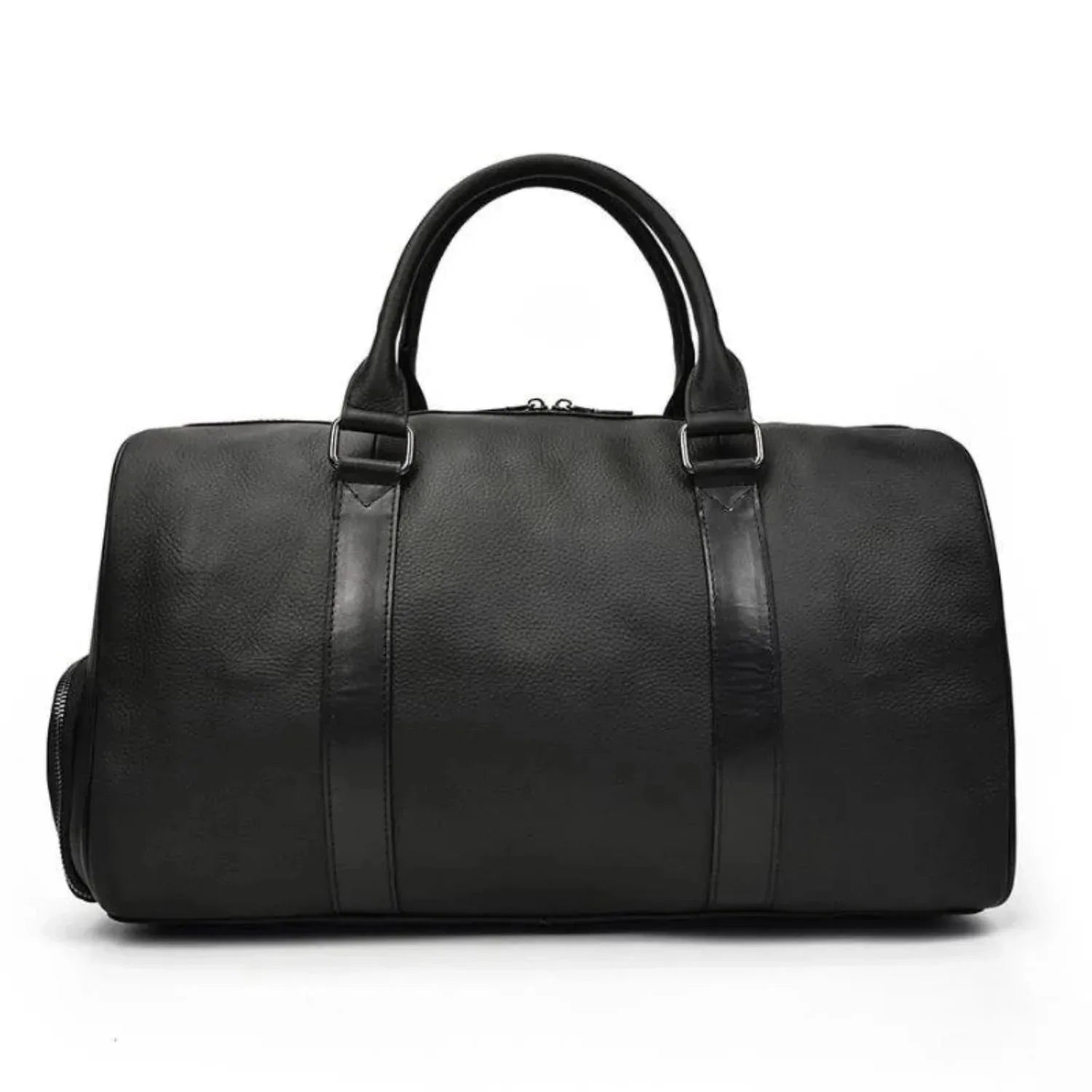
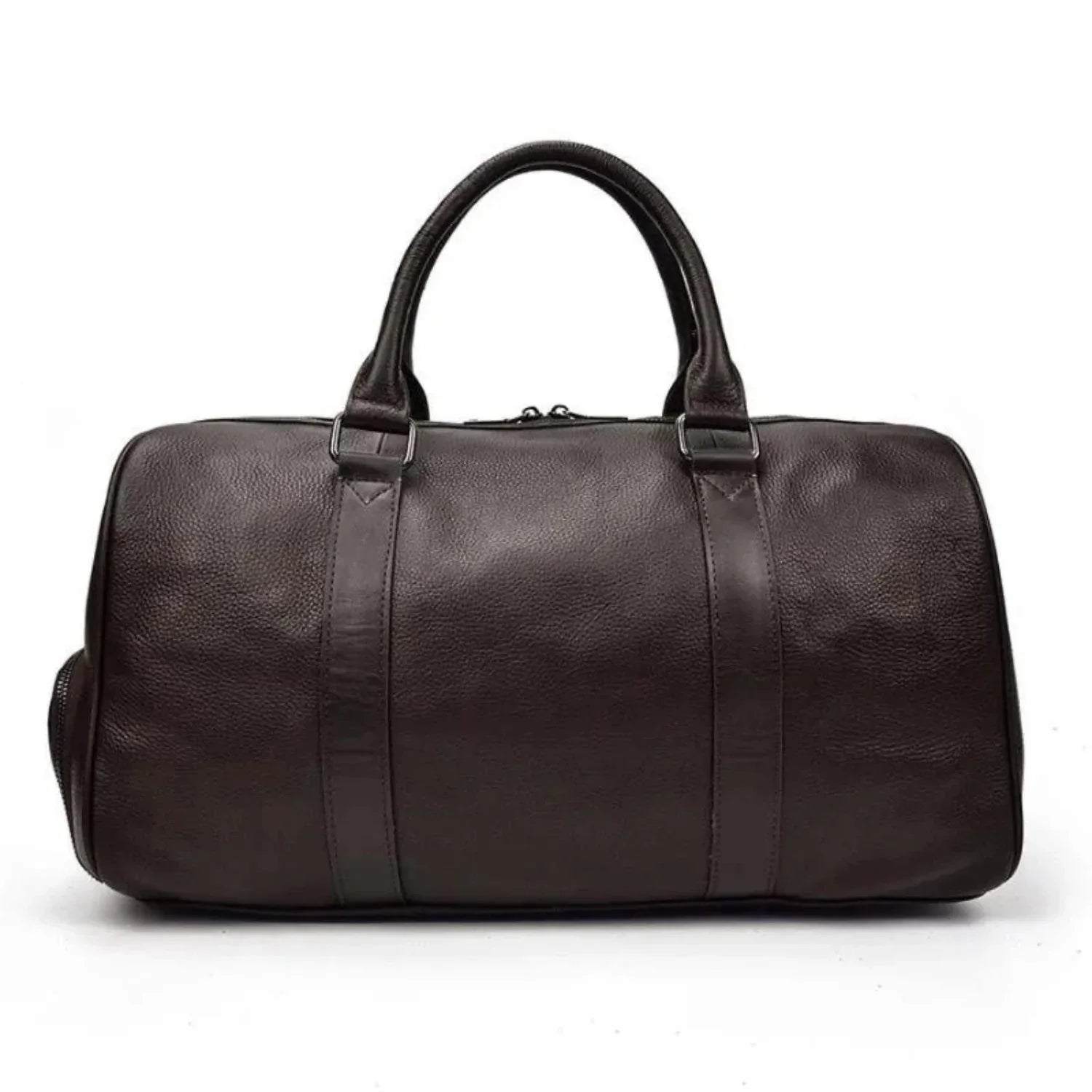
Buffalo leather is celebrated for its remarkable versatility, offering a wide array of products that cater to diverse styles and needs. From robust full-grain leather bags and sturdy wallets to elegant leather jackets, rugged outdoor apparel, and durable furniture, the options are almost limitless. Interior decorators frequently turn to buffalo leather for automotive interior upholstery and statement furniture pieces, drawn by the material's durability and its ability to develop character with age.
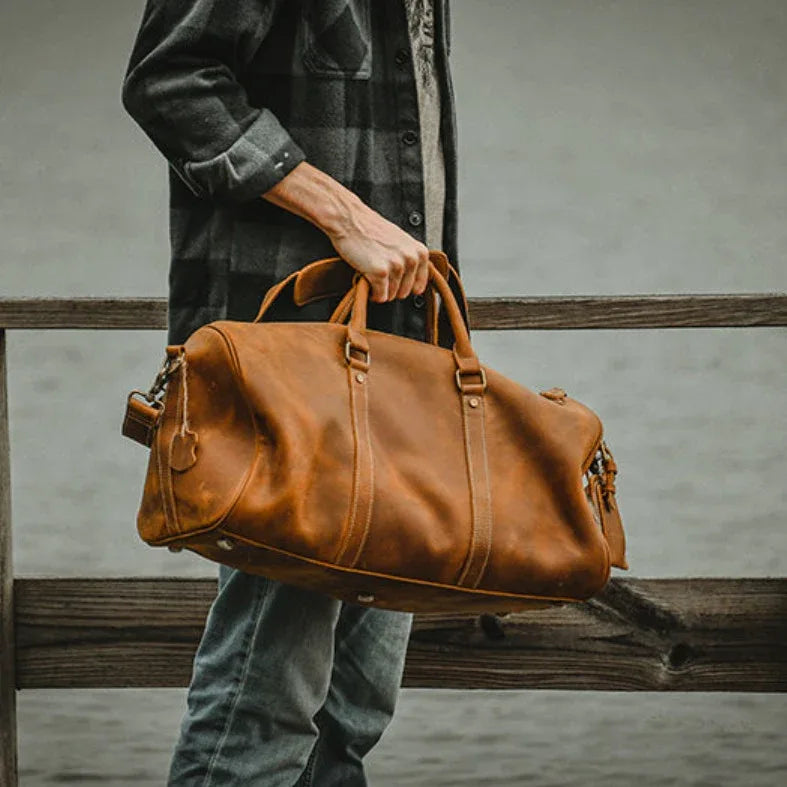
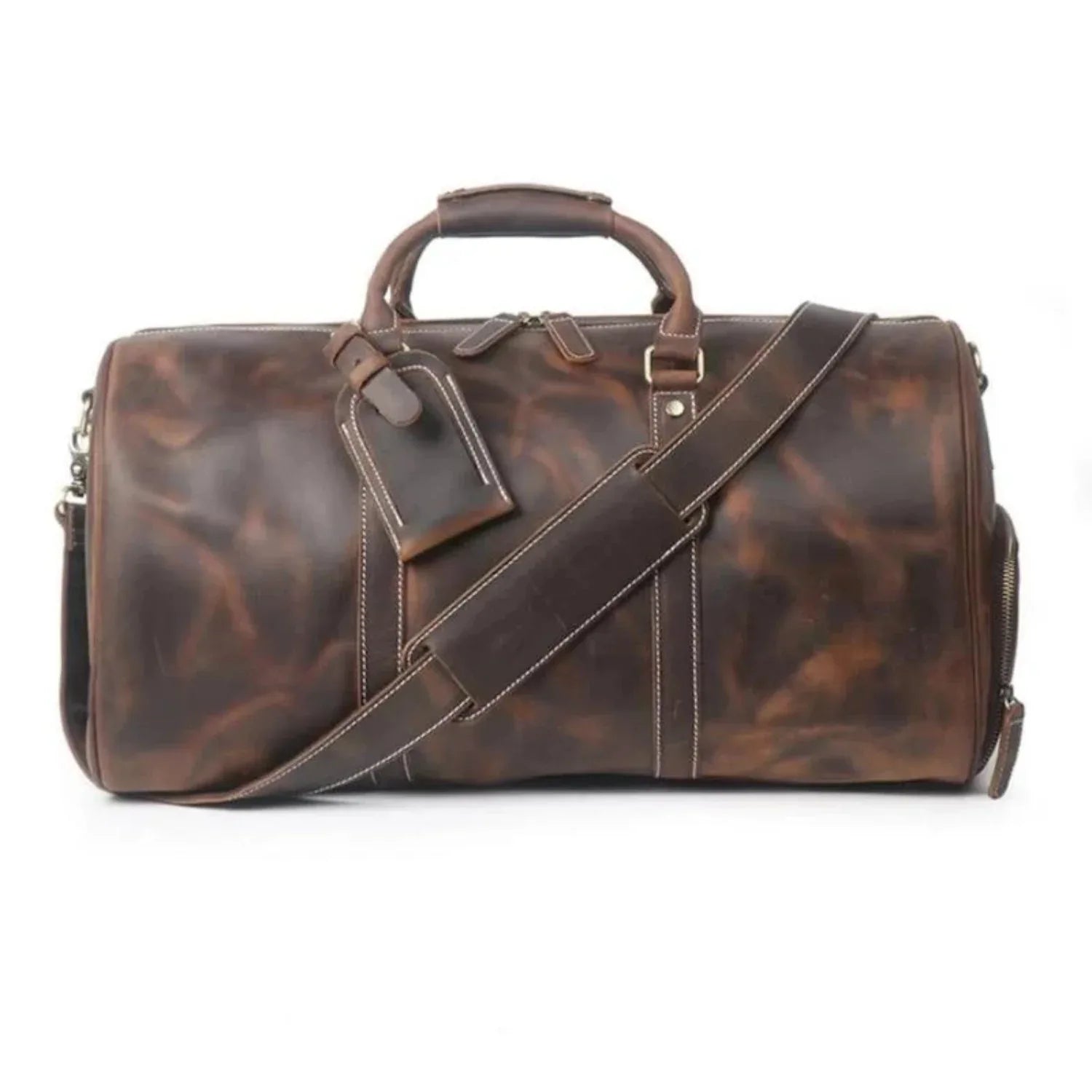
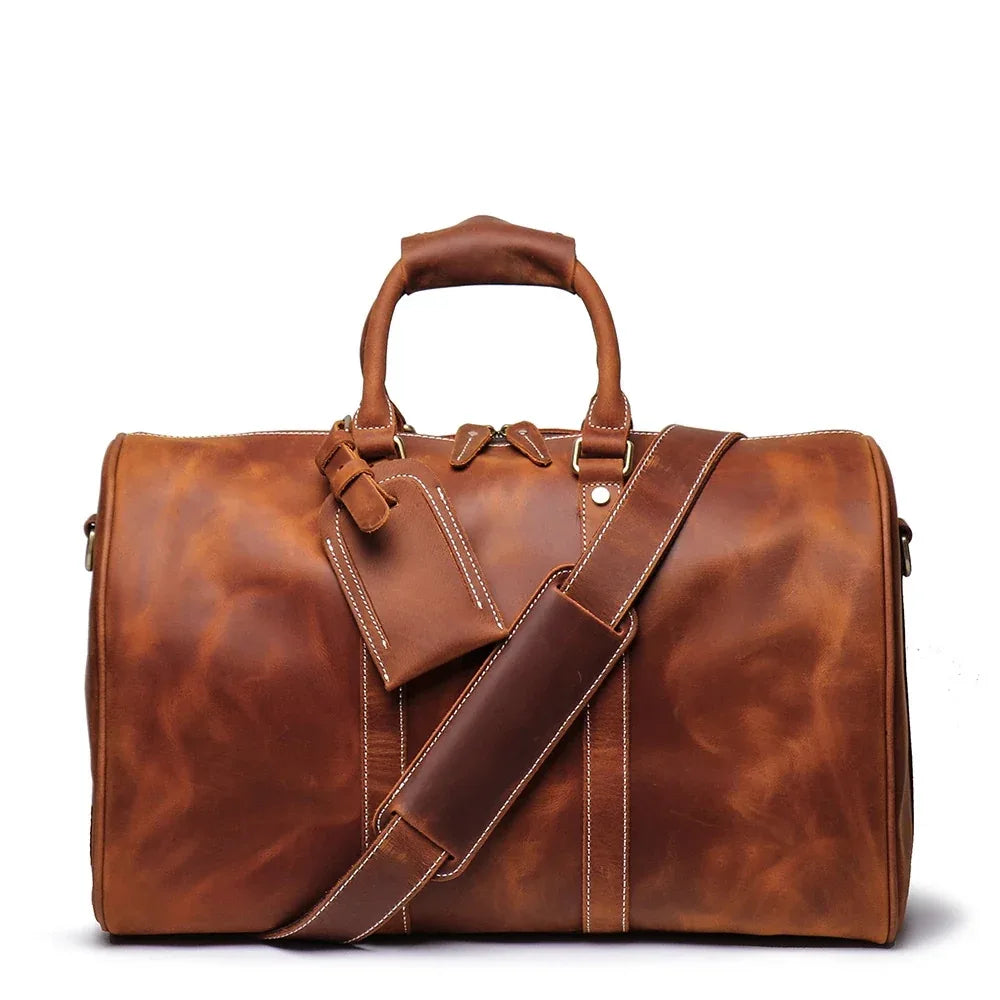
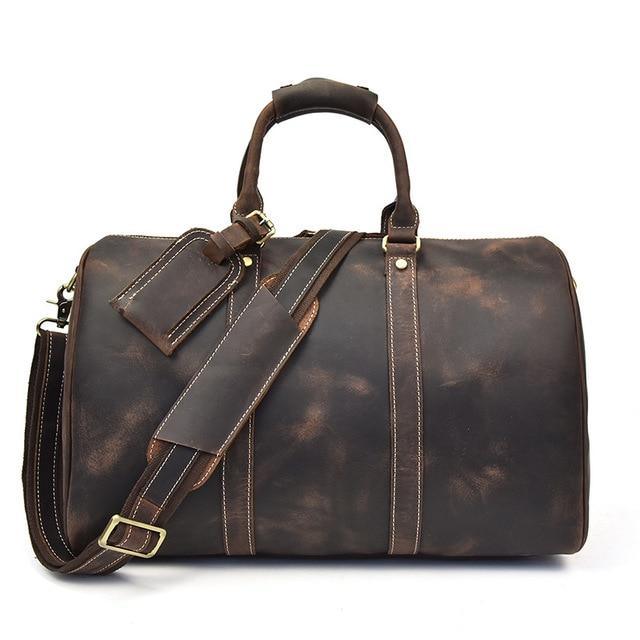
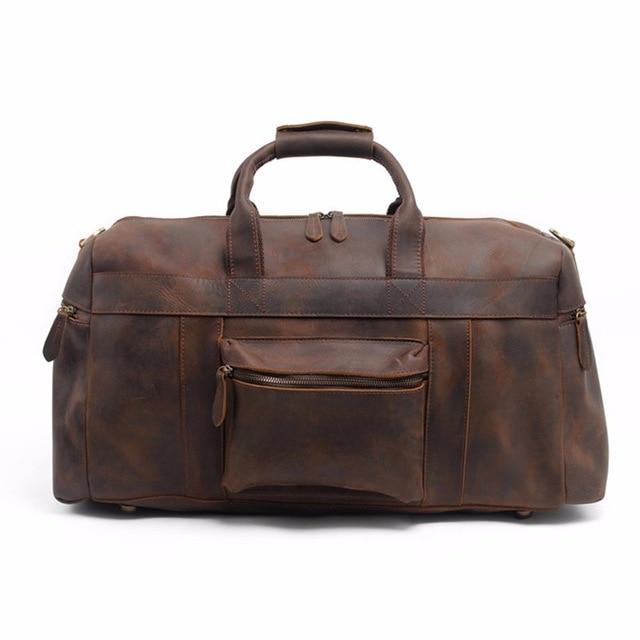
A prime example is The Colden Duffle Bag, which showcases the premium qualities of crazy horse leather, a specially treated form of buffalo leather known for its distressed pull-up leather characteristics, durability, and distinctive vintage look. This bag, measuring 23.6" x 10" x 7", exemplifies how buffalo leather can be transformed into sophisticated travel accessories that combine functionality with timeless elegance. Explore our full range of leather duffle bags to find the perfect travel companion crafted from premium buffalo leather.
Each piece showcases the unique characteristics of full-grain buffalo leather, including its natural pebble grain and natural variations in appearance. The tanning process enhances its durability while maintaining the leather's breathable qualities, making it an ideal choice for those seeking both functionality and style. Our craftsmen particularly noted how the crazy horse leather developed a beautiful patina even during the manufacturing process, promising an even more distinguished burnished surface over time.
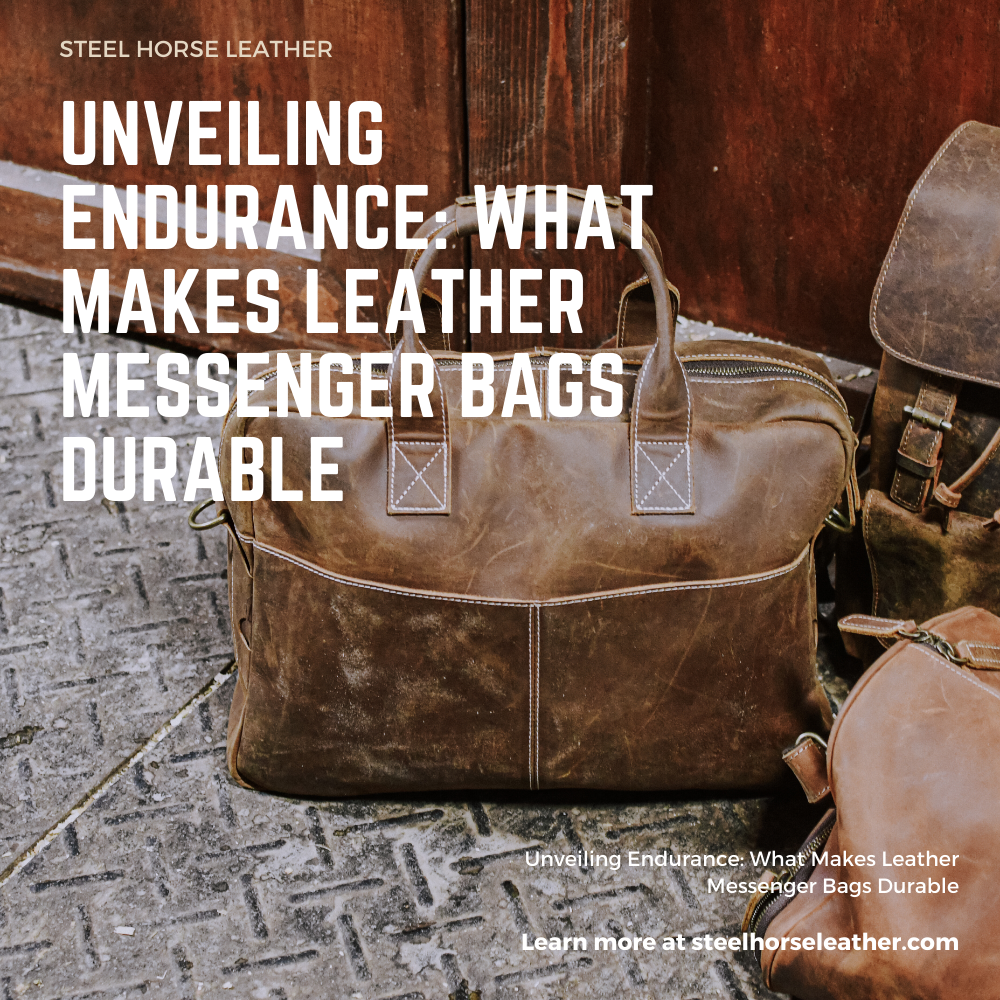
For those seeking a cross body bag or messenger bag with the same quality and character, our leather messenger bags collection and leather crossbody bags collection offer an impressive selection of handcrafted buffalo leather options.
Origin and Production

Cow leather and bison leather/buffalo leather are both made by skilled artisans following traditions that span centuries. Buffalo was first domesticated in Asia over 6,000 years before they were introduced into Europe. European leather production has its own long history, but the bulk of global buffalo leather production remains centered in Asia, where 97 percent of the world's approximately 194 million domesticated buffaloes are raised. Buffalo are domesticated animals used for pulling carts and plows in India, where they also produce more milk than cows. At the end of their working life, the water buffalo hides are tanned to produce buffalo leather, making the process an ethical byproduct of the animal's functional existence rather than its primary purpose.
Manufacturing Process
The quickest way to tan hides is by using chrome tanned methods, which can be completed in just a few days. However, research comparing the sustainability of various tanning processes has shown that chrome tanning introduces harmful pollutants into the environment, while traditional vegetable tanning methods, though taking around four weeks to complete, are significantly more environmentally friendly (Dalmases et al., 2020). Veg tanned leather produced through these traditional methods also tends to develop a richer patina and more pronounced natural variations over time, making it a preferred choice for premium leather goods. This scientific evidence underscores the importance of choosing leather products from manufacturers who prioritize sustainable tanning practices.
Tanning Steps
After a buffalo has been slaughtered for meat, its hide must be removed. The hide is sold for use by a tanner who then removes any remaining flesh, fat, or muscle from it.
The next step is to remove all of the moisture, preservatives, and oils from the skin. By this stage, the material is in its "wet blue" stage, characterized by its distinctive blue color.
All of the wet blues are tanned in a large drum with added preservatives and dyes as they get tumbled for hours. It takes anywhere from 8 to 12 hours to cure the leather.
Leather is soaked in hot water before it goes into the press. After drying, it's finished by applying various types of finishing agents, which may include wax and oil treatments for distressed pull-up leather, or specialized coatings for a hand-stained finish or burnished surface.
Physical Characteristics
Bovine leather comes in a wide variety of colors and finishes, including rich, dark tones that give it a striking appearance. It can be dyed or stained with natural dyes like indigo, madder, logwood, and walnut shell. Some manufacturers use vegetable tanning agents such as sumac, oak bark, and even coffee beans. Other methods include using mineral salts to create a salt-cured finish, or applying wax and oil treatments to create a distressed pull-up leather effect with a velvety texture.
Buffalo leather's superior performance characteristics are backed by scientific research. According to a study by Khalaf et al. published in 2023, buffalo leather typically ranges in thickness from 1.2 mm to 2.0 mm, making it significantly thicker than cowhide leather, which contributes to its enhanced durability and smoother texture (Khalaf et al., 2023). This measurable difference in thickness explains why buffalo leather products can withstand heavier use and last considerably longer than their cowhide counterparts. The natural pebble grain found on water buffalo hide further adds to its visual appeal, creating a texture that is immediately recognizable and highly valued in both fashion and utility leather goods.
Aging Properties
With proper leather care, buffalo leather will develop a beautiful patina over time, making it even more attractive. The color will deepen with age and become darker and richer, especially in products crafted from distressed pull-up leather where the wax and oil visibly shift with handling. This process takes anywhere between two months and three years depending on how often the item is used and how it is maintained. If you want to accelerate the aging process, you can treat the leather with appropriate leather conditioner or rub it with olive oil or linseed oil, though dedicated leather care products are always preferable for preserving the leather's structural integrity.
Quality Assessment and Authentication
There are many different types of leather available for purchase, and not all of them are genuine. Full-grain buffalo leather and top grain buffalo leather represent the highest tiers of quality, while corrected grain leather and genuine leather fall significantly lower on the quality scale. Understanding these distinctions is essential before making a leather project investment.
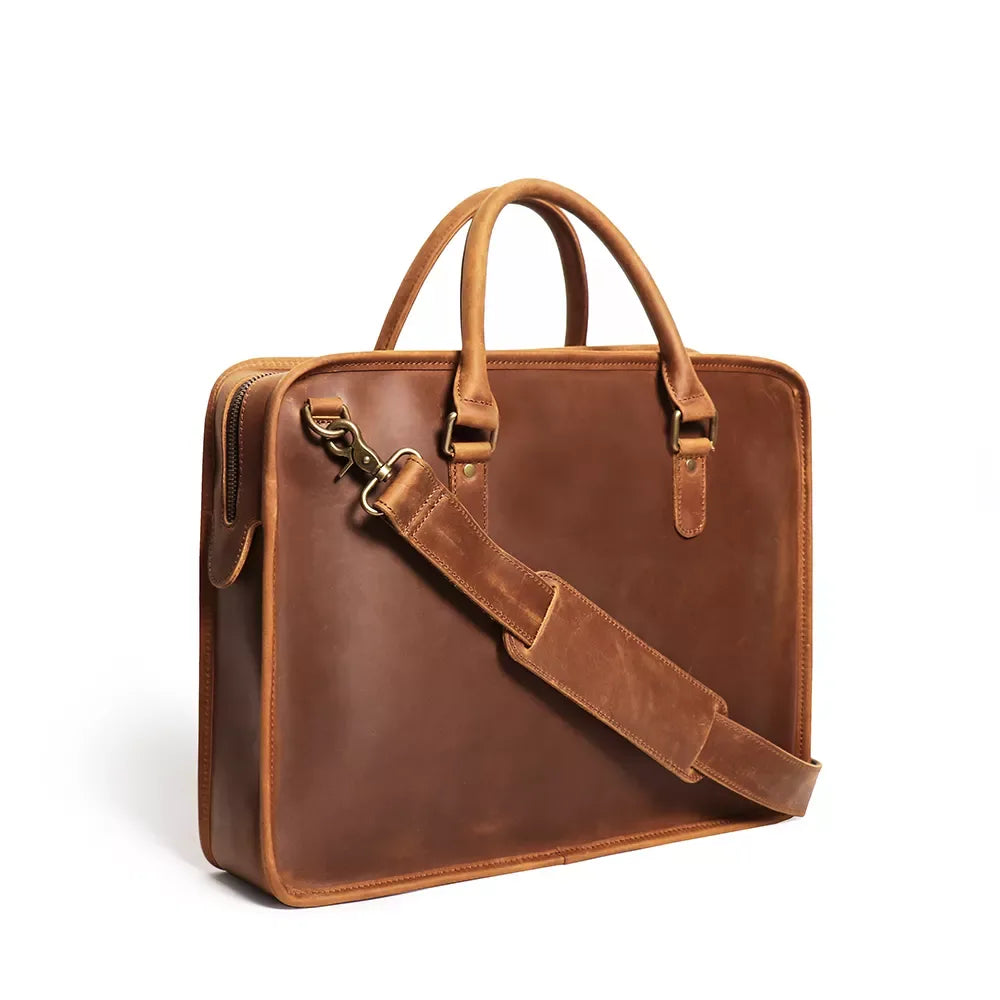
In our experience developing The Viggo Briefcase, selecting the right quality of leather was crucial for ensuring both durability and aesthetic appeal. The briefcase's construction, weighing 3.7 lbs, demonstrates how quality leather can be both substantial and practical, with features like a wear-proof grab handle and ergonomically designed straps that distribute weight evenly. The addition of debossed branding and a butt seam detail further distinguishes it as a product of genuine craftsmanship rather than mass production.
Price Indicators
Quality leather products cannot be inexpensive. If you want high quality, you will need to pay for it, and when sellers claim that their low-priced products are full grain buffalo leather, it is worth approaching such claims with skepticism. Authentic LWG certified leather goods and products made from European materials will always reflect their quality in their pricing.
Authenticity Verification
Apart from recognizing low-quality leather, knowing how to identify fake leather is equally important. Genuine buffalo leather firstly has a strong, distinctive smell, and even lower-quality leathers will carry it. If there is no strong and pungent smell, there is a high probability that the product is synthetic. Furthermore, if it feels like cheap plastic, it might be fake or of poor quality. Avoid leather products that are made by bonding leather scraps together or that display many surface imperfections inconsistent with natural grain patterns.
Strength and Durability
Buffalo leather has an extra thick skin layer that makes it stronger and more durable than cowhide leather. Buffalo water buffalo hide is not stretched during the tannage process, unlike cowhide leathers, and therefore it is thick and more resistant to tearing. Its exceptional tensile strength makes it the material of choice for demanding applications such as gun belts, holster rigs with set screws and gun buckles, cross-country hauls luggage, and motorcycle gear. Full-grain buffalo leather has one of the strongest tensile strength ratings of any leather type available. Because buffalo leather is thicker, it's also easier to repair if something does happen to it, and a leather project made from buffalo hide is generally more forgiving during the construction process.
Comparative Analysis
| Comparison 🐃 vs | Buffalo Leather 🐃💪 | The Other Leather | Winner for Durability & Strength 🏆 |
|---|---|---|---|
| Genuine Leather 🏷️ | Full-grain or top-grain • natural scars & character • thick & strong | Lowest quality • corrected-grain scraps bonded together • weak & artificial-looking | Buffalo Leather 🐃 (far superior strength & natural beauty) |
| Sheep Leather 🐑 | Thick, supple & very strong • ideal for heavy-duty bags & shoes | Thin & weak • used for lightweight items (gloves, book covers) | Buffalo Leather 🐃 (much higher tensile strength & longevity) |
| Calf Leather 🐄 | Thicker, coarser grain • extremely hard-wearing • great for luggage & gear | Softer, finer grain • smooth & durable but thinner & less rugged | Buffalo Leather 🐃 (superior thickness & toughness for heavy use) |
| Cowhide Leather 🐄 | Usually more affordable • superior performance • thicker & stronger grain | Strong & versatile • widely used • but generally thinner than buffalo | Buffalo Leather 🐃 (better durability & value in most cases) |
| Cow Leather 🐄 | Twice as thick • more pronounced grain • stronger & longer-lasting | Most common leather worldwide • thinner than buffalo hide | Buffalo Leather 🐃 (stronger, thicker & more durable) |
| Lambskin Leather 🐑 | Thicker, coarser grain • very hard & stain-resistant • built for tough use | Fine-grained, buttery-soft • thin & delicate • prone to staining | Buffalo Leather 🐃 (far more durable & practical for long-term items) |
Buffalo vs. Genuine Leather
Scars and imperfections on buffalo skin give the leather an interesting look that genuine leather simply cannot replicate. The color of buffalo leather varies depending on the breed of buffalo and the tanning process. Genuine leather refers to the lowest quality leather commercially available, often made from corrected grain leather scraps bonded together. Compared with full grain buffalo leather and top grain buffalo leather, genuine leather is an inferior product: weak, lacking durability, and devoid of the natural beauty of authentic buffalo leather.
Buffalo vs. Sheep Leather
Sheep leather is too thin and weak for many intended purposes. Thin materials are used for items where lightness is a virtue, like book covers, gloves, or lightweight clothing. Buffalo leather is thick and supple, making it ideal for weight-bearing leather goods such as shoes and bags. The difference in tensile strength between the two materials is substantial enough that no serious leatherworker would choose sheep leather for a leather project requiring long-term durability.
Buffalo vs. Calf Leather
Calf leather is prized for its softness, fine grain, and durability. Buffalo leather is a much thicker type of leather with a coarse grain; it is much harder and much more durable than calf leather. As a result, full-grain buffalo leather is best used for items that need to be exceptionally durable, such as saddlebags, motorcycle gear, and luggage designed for cross-country hauls.
Buffalo vs. Cowhide
Cowhide is the skin of a domestic bovine whose fur has been removed. Cowhide leather comes in various colors and designs and is often used to cover floors and walls, decorate furniture, and craft bags and shoes. Cowhide leather and buffalo leather are often used for similar purposes because both are strong and durable, but buffalo leather is usually more affordable than cowhide leather while offering superior performance characteristics.
Buffalo vs. Cow Leather
Cow leather is the largest type of leather produced worldwide and makes up nearly two-thirds of all leather products. About one-and-a-half billion cows produce enough hides to supply the global leather industry. Buffalo populations worldwide number just under 200 million, with 97 percent raised in Asia. The water buffalo hide is twice as thick as cowhide and has a more pronounced grain, so buffalo leather is stronger and lasts longer than cow leather.
Buffalo vs. Lambskin Leather
Lambskin leather is a fine-grained leather with a soft, buttery feel, which makes it ideal for making high-end small leather goods like handbags. It is a thin, delicate leather that is not very resistant to staining, unlike buffalo leather, whose grain is thicker, coarser, and much harder. If the item in question requires durability, then full-grain buffalo leather is obviously the best option.
Water Buffalo Leather Specifics
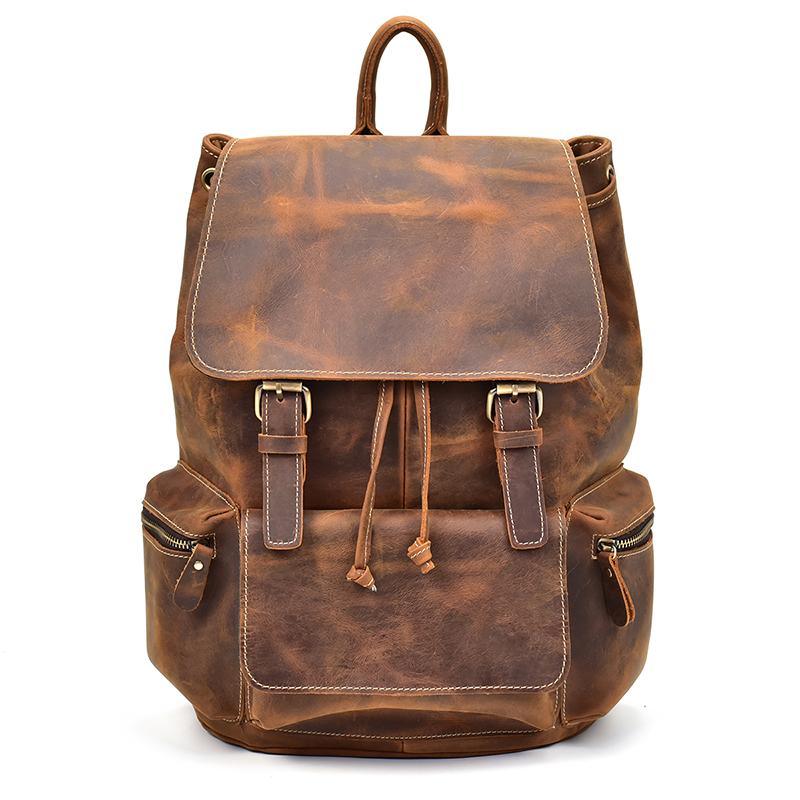
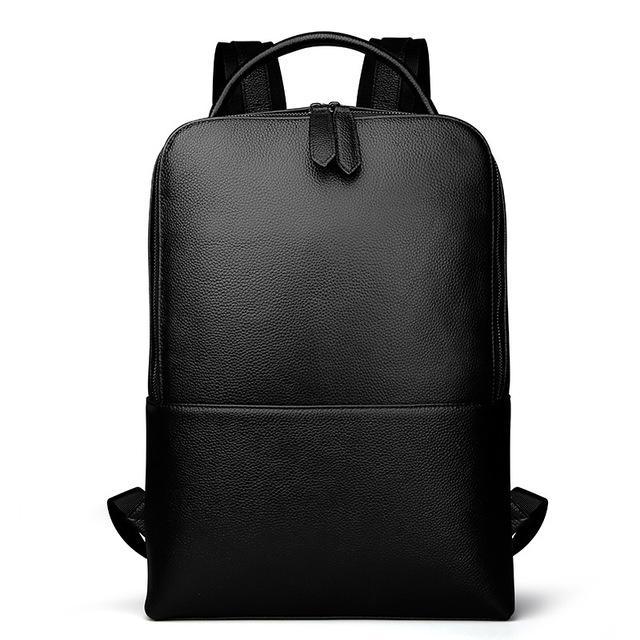
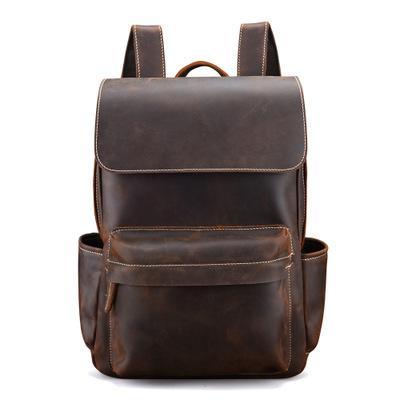
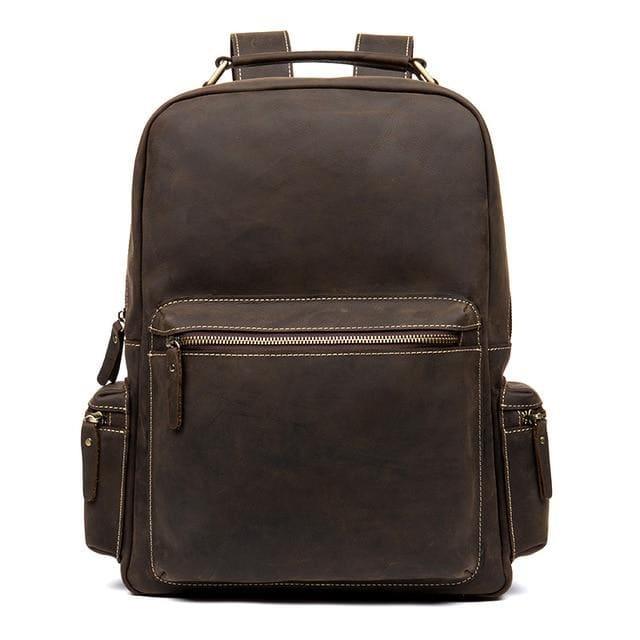
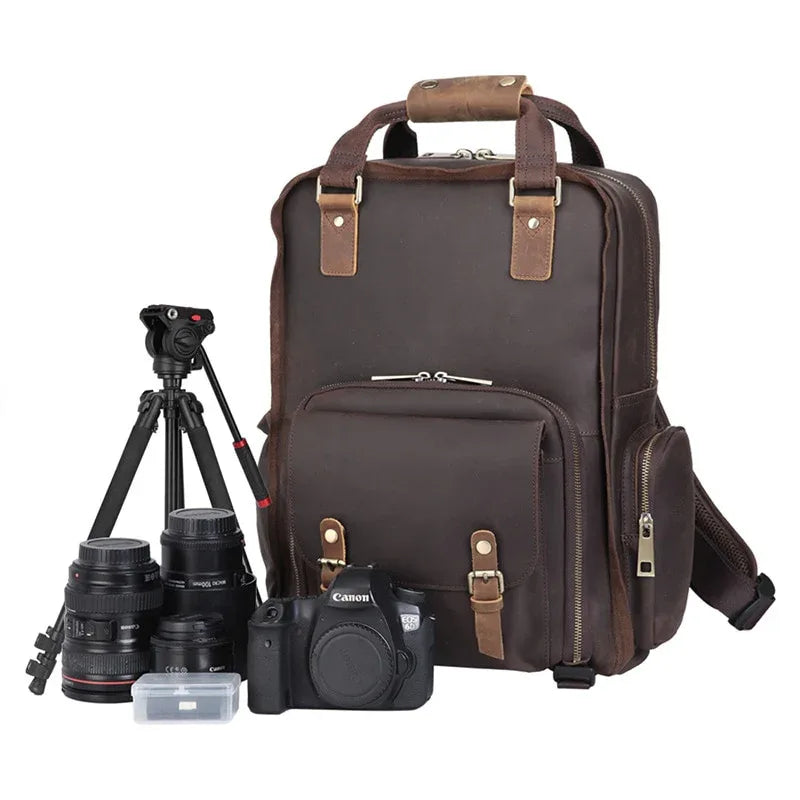
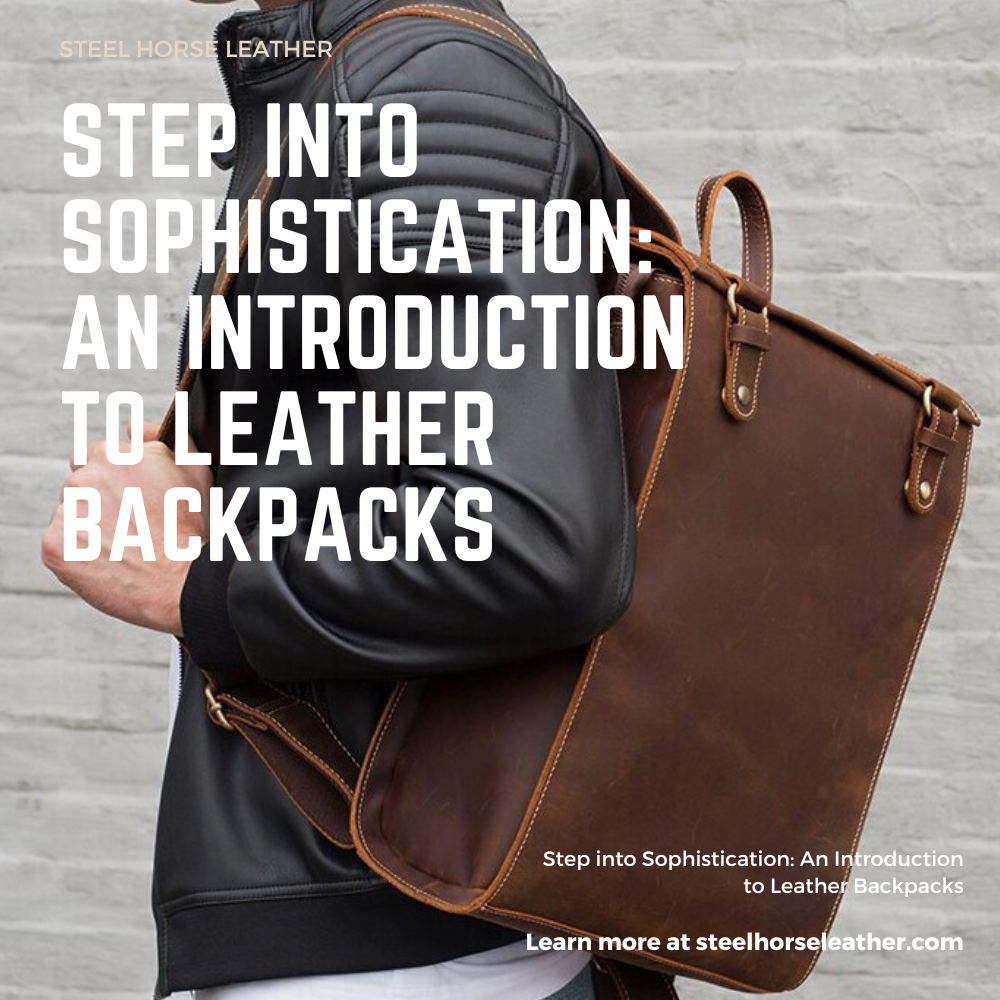
Water buffalo leather has a natural grain and soft feel. Its textured surface and impressive tensile strength have made it a favorite among horse riders, who historically referred to it as "Memel" leather. Dressage riders benefit greatly from the comfort and grip offered by water buffalo leather saddles or knee blocks. Water buffalo leather has traditionally been used for high-quality leather goods, including wallets, leather backpacks, leather duffle bags, and leather boots. Browse our complete selection of leather backpacks to find a style that matches your needs.
Water Buffalo vs. African Cape Buffalo
There are two primary kinds of buffalo: the African cape buffalo and the Asian water buffalo. Both are large members of the Bovidae family of mammals, typically large, aggressive, and brownish-black in appearance. For leather production, the Asian water buffalo is by far the more common source, owing to its long history of domestication and its 97-percent share of the global domesticated buffalo population.
Characteristics for Leather Products
Buffalo leather has different characteristics than cowhide leather. The texture of buffalo leather is especially striking because of its broader, thicker fibers and natural pebble grain. This means that buffalo leather will have a stronger, denser look and feel than cowhide, making it the preferred material for rugged outdoor apparel, EDC gear, and heavy-duty leather belts.
Flexibility Properties
Buffalo leather is made from 100% natural ingredients, so it breathes similarly to human skin because it has the ability to both release and retain moisture. It can be worn or used in any season, even during the coldest months. Buffalo leather products maintain their shape and won't stretch out even if subjected to high amounts of pressure, which is one reason it remains the material of choice for gun belts and belt keeper accessories.
Durability Features
Buffalo leather is known for its resilience and flexibility as well as its resistance to pressure and burns. It is not easily torn or burned, which makes it an extremely durable material well-suited for demanding applications. The most common products crafted from this real leather include leather wallets, handbags, briefcases, luggage for cross-country hauls, and shoes.
Quality Aspects
Buffalo leather's durability is among its best qualities. It doesn't crack or peel off as fabric does, and it's also easy to clean and maintain with appropriate leather care products. Its versatility makes it a popular choice for everything from full-grain leather bags to automotive interior upholstery, where long-term performance is paramount.
Maintenance and Care
Common Cleaning Myths
Leather cleaning doesn't have to be difficult or time-consuming, but using the wrong products or methods can cause permanent damage.
Baby Wipes: Wipes don't really clean your leather. They are just as effective as a damp cloth at cleaning the surface, meaning they simply slide across the top surface of the leather without picking up embedded dirt or conditioning the fibers.
Furniture Polish: Some furniture polish can cause damage to leather upholstery. Silicone-based polishes can interfere with the way leather repair products penetrate into the fibers of your leather.
Cheap Leather Cleaners: The cheaper the leather cleaner, the less effective it is at cleaning your leather products. Investing in quality leather care products is essential for maintaining the appearance and longevity of your buffalo leather goods.
Proper Cleaning Methods
You can clean buffalo leather by rubbing a moist, clean microfiber cloth over its surface. It's important to strike a balance between applying enough moisture to lift dirt and avoiding excessive moisture that could damage the leather.
Cleaning Steps:
-
Use microfiber towels to avoid scratching the surface
-
Apply a dedicated leather cleaner if needed, using gentle circular motions
-
Avoid excessive moisture that could saturate and weaken the leather fibers
-
Allow the leather to air dry naturally before conditioning
Conditioning Process
Buffalo tanning leaves the leather fibers exposed, so they dry out faster than leathers covered by synthetic finishes. It's therefore important to condition your veg tanned leather or distressed pull-up leather more often than chrome tanned alternatives. A quality leather conditioner will replenish the wax and oil content of the leather, keeping it supple and preventing cracking.
Conditioning Steps:
-
Apply conditioner in small circular motions
-
Allow it to soak into the leather for several minutes
-
Wipe away any excess with a lint-free cloth
-
Consider applying a protective coating for items subject to heavy outdoor use
Special Considerations
Buffalo Leather Absorption: Buffalo leather is very absorbent and works well at absorbing dirt, liquids, and stains if left unprotected. Avoid using power tools or stiff brushes when cleaning leather furniture, and avoid harsh cleaners that could permanently stain the surface.
Light-Colored Leather Care: Light-colored buffalo leather tends to show dirt more clearly than darker-colored leather. We recommend purchasing a leather cleaning product specifically designed for light-colored leather to avoid discoloration during the cleaning process.
Environmental and Ethical Footprint of Buffalo Leather
Buffalo leather, renowned for its durability and unique texture, also raises important considerations regarding its environmental and ethical footprint. Sourced from the water buffalo hides of animals raised in free-range farming conditions, this leather is often seen as a more sustainable alternative to traditional cattle leather. The extensive grazing practices employed in buffalo farming can promote biodiversity and improve soil health when managed responsibly. Many buffalo farms prioritize animal welfare, ensuring that the animals are raised in humane conditions, which aligns with ethical consumerism trends.
Choosing products from LWG certified tanneries and manufacturers who use European materials sourced from regulated supply chains further reduces the ethical risk associated with leather purchasing. It's crucial to remain vigilant about the supply chain and sourcing practices, as the benefits can vary significantly based on region and farming methods. All of the buffalo and cow hides used in our products are supplied as byproducts of the meat industry, meaning no animals are harmed solely for leather production.
For consumers who are also concerned about the shopping experience and associated costs, it is worth noting that import duties, Canadian customs fees, and other customs fees may apply when ordering leather goods internationally. Checking your cart carefully before completing a purchase will ensure full transparency regarding any applicable charges. Our customer service team is always available to assist with product information, order sample requests, and any questions about international shipping.
Explore Our Complete Buffalo Leather Collection
Whether you are searching for full-grain leather bags, rugged outdoor apparel, a leather messenger bag, or a sleek cross body bag, Steel Horse Leather offers an extensive range of handcrafted buffalo leather products built to last. Explore our full leather bags collection to discover the perfect piece for your lifestyle.
Conclusion
Buffalo leather remains one of the most durable, versatile, and aesthetically compelling materials available for leather goods production. Its exceptional tensile strength, natural pebble grain, and capacity to develop a rich patina over time set it apart from cowhide leather, corrected grain leather, genuine leather, and synthetic alternatives. Whether the application calls for leather jackets, full-grain leather bags, gun belts, EDC gear, automotive interior upholstery, or rugged outdoor apparel, buffalo leather consistently delivers superior performance and lasting beauty.
Proper care using dedicated leather care products, including a quality leather conditioner and appropriate cleaning methods, will ensure that your buffalo leather investment ages gracefully for decades. By choosing products from LWG certified suppliers and manufacturers committed to ethical sourcing, consumers can enjoy the unmatched quality of full-grain buffalo leather while supporting responsible and sustainable production practices. Buffalo leather is not merely a material; it is a legacy crafted by skilled hands and refined by time.
References
Dalmases, A., Combalía, F., Font, J., and Baquero, G. (2020). Comparison of the sustainability of the vegetable, wet-white and chromium tanning processes through the life cycle analysis. Journal of the American Leather Chemists Association, 115(03), 105-111. https://doi.org/10.34314/jalca.v115i03.1628
Khalaf, T., Muthuramalingam, T., and Moiduddin, K. (2023). Performance evaluation and moora based optimization of pulse width control on leather specimens in diode laser beam cutting process. Processes, 11(10), 2901. https://doi.org/10.3390/pr11102901
Frequently Asked Questions
What is full-grain buffalo leather and why is it the best quality?
Full-grain buffalo leather is made from the top layer of the water buffalo hide, preserving all of the natural grain, natural variations, and tensile strength of the original skin. It is considered the highest quality leather available because it has not been sanded or corrected, allowing it to develop the richest patina over time. This makes it far superior to corrected grain leather or genuine leather in both durability and aesthetic appeal.
How do I clean and condition buffalo leather products at home?
Use a clean microfiber cloth lightly dampened with water to wipe the surface, then apply a dedicated leather cleaner in gentle circular motions if needed. Follow up with a quality leather conditioner applied in small circular motions, allow it to soak in for several minutes, and then wipe away any excess with a lint-free cloth. Avoid baby wipes, furniture polish, and harsh chemical cleaners, as these can permanently damage the leather fibers.
How long does buffalo leather last with proper care?
With regular conditioning using appropriate leather care products and careful cleaning, buffalo leather products can last for decades and often improve in appearance as they age. The material's exceptional tensile strength and resistance to tearing mean that even heavy-use items like gun belts, full-grain leather bags, and motorcycle gear can endure years of demanding service. The patina that develops over time is widely considered one of the most appealing features of genuine buffalo leather.
Is buffalo leather better than cowhide leather for bags and belts?
Yes, buffalo leather is generally stronger and more durable than cowhide leather because the water buffalo hide is approximately twice as thick and has a more pronounced natural pebble grain. According to research, buffalo leather ranges in thickness from 1.2 mm to 2.0 mm, which gives it superior resistance to wear and tearing compared to standard cowhide (Khalaf et al., 2023). For demanding leather goods like leather belts, messenger bags, and cross body bags, buffalo leather is the preferred choice. You can explore a full range of handcrafted options at our leather bags collection.
What is the difference between veg tanned leather and chrome tanned buffalo leather?
Veg tanned leather is produced using natural tanning agents like oak bark and sumac over a period of up to four weeks, resulting in a leather that develops a richer patina and is more environmentally friendly (Dalmases et al., 2020). Chrome tanned leather is produced much faster, typically within a few days, using chromium salts, but this process introduces harmful pollutants into the environment. For premium leather goods and leather projects where aging and sustainability are priorities, veg tanned leather is generally the superior choice.
Can buffalo leather be used for rugged outdoor apparel and EDC gear?
Absolutely. Buffalo leather's tensile strength, resistance to burning, and natural breathability make it an excellent material for rugged outdoor apparel, EDC gear, belt keeper accessories, and gun belts. Unlike synthetic materials such as nylon tactical belts, buffalo leather develops character with use while maintaining structural integrity even under significant stress. Products made from full-grain buffalo leather are particularly well-suited to outdoor and tactical applications.
How can I tell if a buffalo leather product is genuine?
Genuine buffalo leather will have a strong, distinctive smell, a natural pebble grain with visible natural variations, and a firm yet supple feel. If a product smells like plastic, feels uniformly synthetic, or shows no natural grain pattern, it is likely fake leather or corrected grain leather of very low quality. Price is also an indicator: authentic full-grain buffalo leather or top grain buffalo leather products cannot be produced cheaply, so unusually low prices should prompt skepticism about the material's authenticity.
What are the best products made from water buffalo leather?
Water buffalo leather is used across a wide range of high-quality leather goods, including leather wallets, leather backpacks, leather duffle bags, leather boots, messenger bags, cross body bags, gun belts, and automotive interior upholstery. Its natural pebble grain, tensile strength, and capacity to develop a beautiful patina make it particularly well-suited to full-grain leather bags and rugged outdoor apparel. Interior decorators also value it for furniture and upholstery applications where long-term durability and visual richness are essential.
All of our bags at Steel Horse Leather are crafted from full-grain crazy horse leather, built to develop a rich patina over time. Browse our Leather Bags.