Leather is a timeless and versatile material known for its durability and elegance. Whether it's a slight scrape from your fingernails, a curious pet leaving its mark, or everyday contact with sharp objects, scratches on your leather bags, leather couch, car seats, or leather apparel can feel like a blemish on your prized possessions. But don't worry! With the right tools, techniques, and quality products like a leather repair kit, leather conditioner, and leather cleaner, you can restore your leather items and bring them back to their former glory.
Key Takeaways
-
While leather is strong and flexible, it's susceptible to scratches that can detract from its appearance if not addressed.
-
To repair scratches, you'll need items like a soft cloth, leather cleaner, conditioner, colorless shoe polish, and a leather marker. Always test products on a small, inconspicuous area first.
-
Light scratches can often be fixed with cleaning and conditioning, while deep scratches may need additional steps like using a leather filler, palette knife, or professional assistance.
-
Addressing scratches promptly can prevent them from worsening and becoming harder to repair over time.
-
Full-grain leather can be treated using the same techniques, but many prefer to leave minor scratches as part of its natural, aged aesthetic.
Why Trust Our Leather Repair Expertise?
At Steel Horse Leather, our deep understanding of leather repair and maintenance comes from decades of hands-on experience in leather craftsmanship. Our master artisans regularly handle both minor repairs and complex restoration projects across leather hide types, giving us practical insights into what truly works for leather maintenance. We've invested significant time in understanding every aspect of leather production, from raw material selection to tanning practices, enabling us to provide accurate and effective repair solutions. When we share leather care advice, it comes from our daily experience working with premium leather materials and our dedication to maintaining the highest quality standards.
Understanding Leather and Scratches
Leather is a durable and flexible material derived from animal leather hide, processed through various tanning methods to achieve its characteristic strength and texture. However, it is also vulnerable to scratches. Whether it's accidentally scratching your new leather wallet with your nails, your feisty cat scratching your favorite tote bag, or sharp objects grazing your leather binder or leather apparel, damage to your leather investment is something you definitely do not want to happen. If something like this occurs, do not panic. There are straightforward ways to fix scratched leather and make them look good as new.
It is also worth noting that different leather types respond differently to damage. For example, suede and nubuck leather are more porous and delicate, requiring specialized products like a Suede and Nubuck Care Kit for proper maintenance. Smooth leathers, such as full-grain or top-grain varieties from reputable sources like Exotica Leathers, are generally more resilient and easier to repair with standard leather repair techniques. Understanding these differences before beginning any repair process will save you time and prevent additional damage.
Essential Materials for Leather Repair
Before you get started fixing your scratched leather, there are a couple of things you will need:
-
A soft cloth rag
-
A good leather conditioner
-
Leather cleaner
-
Colorless shoe polish or standard shoe polish
-
Leather marker
-
Leather filler (for deeper damage)
-
Leather oil
-
Petroleum jelly (as a temporary measure)
-
Distilled white vinegar
-
Cotton swab (for precise application)
-
Palette knife (for applying leather filler)
-
Flexible glue (for lifting or reattaching damaged leather edges)
-
Leather repair kit
Please be reminded that different products work for different leathers. It is better to test these products first on a small area of your leather bag to make sure they work well. You can also ask your leather manufacturer before purchasing them. If you are ever unsure, do not hesitate to seek professional help from a leather care specialist.
Cleaning the Leather Before Applying Fixes
Before diving into the essential fixes for your scratched leather bag, it's crucial to start with a thorough cleaning process. Use a soft, damp cloth or sponge to gently wipe away any dust and dirt that may have accumulated on the surface. Avoid soaking the leather, as excess moisture can lead to further damage. After the initial wipe, employ a leather cleaner specifically formulated for your type of leather and apply it according to the manufacturer's instructions, being careful not to overwet the material.
For light surface residue, distilled white vinegar applied with a cotton swab can be a gentle and effective cleaning solution. However, always test this on a hidden area of the leather first, as vinegar can affect certain finishes. This cleaning step not only prepares the leather for the upcoming repairs but also helps in maintaining its natural oils and preventing dryness. Once the bag is cleaned and dried completely, you can confidently move on to the more detailed fixes for those pesky scratches.
Long-term Impact of Scratch Repair on Leather Bags
Repairing scratches on a leather bag not only rejuvenates its appearance but also extends its life significantly. When you take the time to fix those scuffs and marks, you're essentially investing in the longevity of your accessory. Frequent wear and tear can lead to deeper damage if left unaddressed, ultimately compromising the integrity of the leather. By proactively repairing scratches, you're preventing further deterioration, which in turn preserves the bag's value over time.
Research supports the importance of timely intervention when it comes to leather care. Studies have shown that preventive care techniques and promptly addressing superficial scratches can significantly enhance the lifespan of leather products by slowing down material deterioration (Cui and Qiang, 2019). This scientific backing reinforces why acting quickly on scratches isn't just about aesthetics but about preserving the structural integrity of your leather investment.
Additionally, many repair methods, such as using leather conditioners or dedicated leather repair kits, not only camouflage minor blemishes but also nourish and protect the leather, ensuring it remains supple and vibrant. By understanding how to fix scratched leather bags effectively, you're not just maintaining aesthetics but making a wise choice for long-term care.
Step-by-Step Leather Repair Guide

1. Identifying Your Leather Type
Different types of leather are repaired differently, so it is important to know first what kind of leather you own. Common types of leather used for leather bags include nubuck, suede, and full-grain leather such as Crazy Horse Leather. If you are unsure about the type of leather hide you have, ask your leather manufacturer. You can also inquire about what products or techniques are best suited for your specific leather, including whether you need a Suede and Nubuck Care Kit or a standard leather repair kit.
2. Assessing the Scratch
Is the scratch deep or is it light? Leather bags, leather couches, and even car seats can be scratched with different levels of severity. Light scratches are easier to fix, while deep scratches may require a more extensive procedure involving leather filler, a palette knife, or even sanding leather hides in controlled situations. You can identify the type of scratch through a simple visual assessment. Run your finger gently over the scratch to feel its depth and determine your course of action.
3. Repairing Light Scratches
Begin by cleaning the damaged area using a small amount of leather cleaner or distilled white vinegar applied with a cotton swab. Gently rub it over the scratch and allow the leather to dry completely. Once clean, apply a leather conditioner or leather oil using a small cloth rag in gentle circular motions to minimize the scratch's appearance. For very minor surface scratches, a colorless shoe polish or standard shoe polish can be buffed in to restore a smooth, uniform finish. Use a leather marker to touch up the damaged area, applying just enough to match the original color. Finally, buff the area with a dry cloth to remove any excess product and ensure a smooth, polished result.
4. Repairing Deep Scratches
Deep scratches require a more thorough approach. Start by thoroughly cleaning the damaged area using a leather cleaner or distilled white vinegar on a soft rag. Allow the leather to air dry completely. Once dry, apply a leather filler using a palette knife, spreading it evenly across the damaged area. Leather filler is specifically designed to fill in gouges and deep scratches, and it can be found as part of many comprehensive leather repair kits. Allow the filler to dry according to the product instructions.
If the area around the scratch has lifted edges, a small amount of flexible glue can be used to carefully reattach or stabilize the leather before filling. Once the filler is dry, use a colorless shoe polish and gently blend it over the area. If the scratch remains visible, apply a leather conditioner and blend it with the shoe polish using circular motions. Petroleum jelly may serve as a temporary softening agent, but always test it on an inconspicuous spot first. Use a leather marker to touch up the color as needed. If the scratch persists despite these efforts, it may be time to seek professional help from a leather restoration specialist.
In some cases, sanding leather hides very lightly with fine-grit sandpaper can help smooth out raised edges around a deep scratch before applying filler, but this technique requires care and should only be attempted by those comfortable with the process or by a professional.
5. Final Moisturizing
After completing the repair steps, always apply a good leather conditioner or leather oil to the treated area. This keeps the leather durable and supple. Apply a small amount of leather conditioner onto a soft cloth rag and gently rub it into the repaired area in circular motions. This not only moisturizes the leather but also helps blend the color from the leather marker and creates a consistent finish across the surface. The importance of regular conditioning is well-documented in leather care research. According to studies on leather maintenance, the application of suitable leather conditioners is essential for maintaining both the suppleness and aesthetic quality of the material, with consistent upkeep schedules playing a crucial role in extending the life of leather goods (Danylkovych et al., 2020).
Leather Bag Maintenance Post-Scratch Repair
Once you have successfully repaired scratches from leather using proper care techniques, it's essential to implement a maintenance routine to preserve its renewed condition. Regular cleaning should start by using a damp cloth or soft cloth to remove dirt and oils that can accumulate over time. For leather items and leather furniture, apply a quality leather conditioner or leather cream every few months to replenish moisture and maintain the leather's suppleness. This not only helps in preventing future damage but also enhances the overall appearance of the leather product.
When dealing with surface scratches or minor scratch issues on smooth leather, a soft microfiber cloth and gentle non-abrasive leather cleaner can be effective. For deeper scratch repairs across different leather types, such as full-grain leather, top-grain leather, or suede leather, specific care approaches are needed. For instance, nubuck and suede leathers respond best to a dedicated Suede and Nubuck Care Kit, while smooth leathers respond well to leather oil or leather conditioner.
Additionally, store your leather bags and leather accessories in a cool, dry place away from direct sunlight to avoid fading and drying out. This applies to all leather products, from a leather binder to leather car seats. If your leather accessory has hardware, keep it polished to prevent tarnishing. Some people use colorless shoe polish or standard shoe polish for maintaining shine, while others prefer special leather creams for a more natural grain appearance.
For scuffed leather or pesky scratches on leather apparel or bags, always test any cleaning product or leather cleaner on an inconspicuous spot first. When dealing with light scratches, simple solutions like distilled white vinegar applied with a cotton swab can be effective. For more noticeable scratches or deep scuffs, professional leather repair services or a comprehensive leather repair kit might be your best option.
If you're looking for high-quality leather bags that are crafted to last, explore our full collection at Steel Horse Leather. From our leather duffle bags to our leather backpacks, every piece is made to age beautifully with proper care.
Special Care for Crazy Horse Leather
| Care Aspect 🌟 | How to Do It 🛠️ | Tips & Notes 💡 |
|---|---|---|
| Daily / Regular Care 🧹 | Wipe gently with a soft, dry lint-free cloth to remove dust & light dirt | No special steps needed daily — simple wipe keeps it looking great ✨ |
| Handling Scratches 🩹 | Use a soft rag/cloth & rub gently in circular motions over the scratch | Many love the natural look — scratches often add unique character & story to the leather 😍 |
| Protecting from Damage 🛡️ | Avoid sharp objects, cat claws, rough surfaces & excessive moisture | It's tough full-grain leather, but prevention is easier than repair ⚠️ |
| Conditioning & Protection 💧 | Apply a manufacturer-recommended leather cream or wax periodically | Helps maintain flexibility & encourages beautiful natural patina over time 🌅 |
| Aging & Patina Development ⏳ | Use regularly — let it develop natural color changes & shine | The patina on high-use areas (grab handles, straps, front pockets) is part of its rugged beauty 👌 |
| Storage Recommendations 📦 | Store in a cool, dry place away from direct sun; use dust bag when possible | Prevents fading & keeps the leather in top shape for years 🕰️ |
| Quick Summary 🎯 | Minimal routine care + embrace natural wear = long-lasting beauty | Crazy Horse leather gets better with age — scratches & patina tell your story 📖✨ |
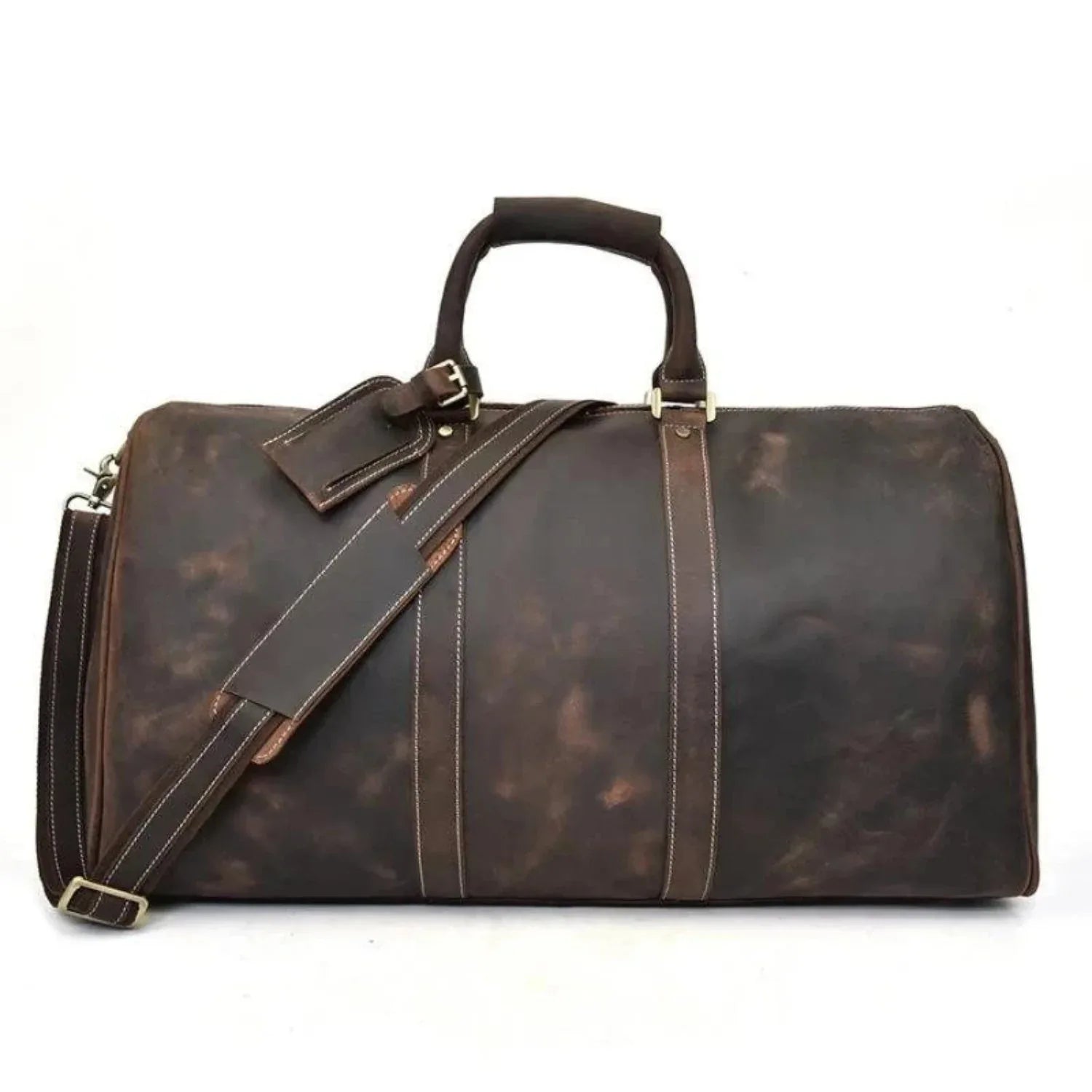
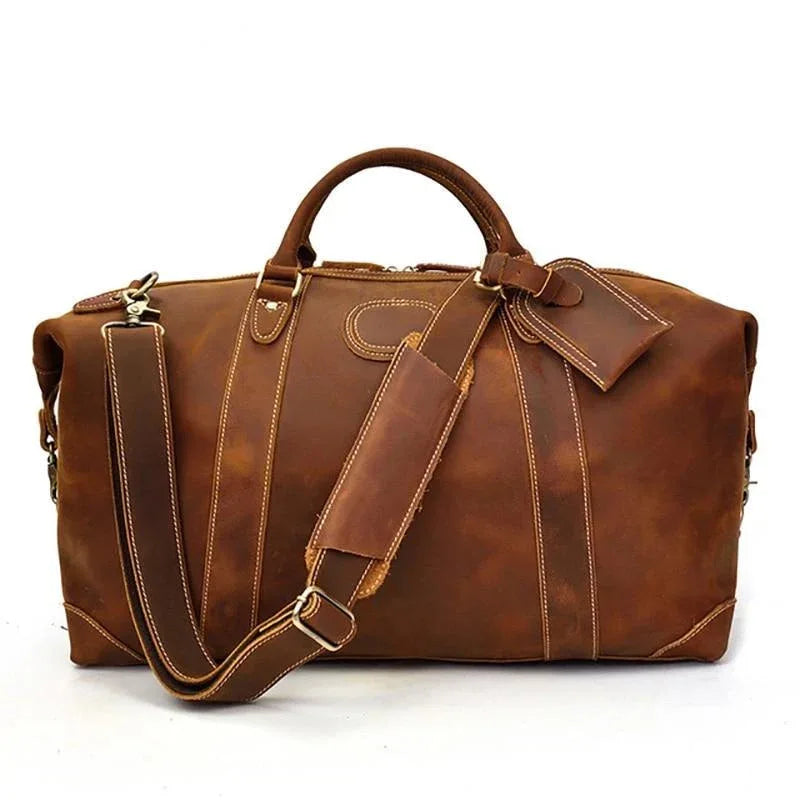
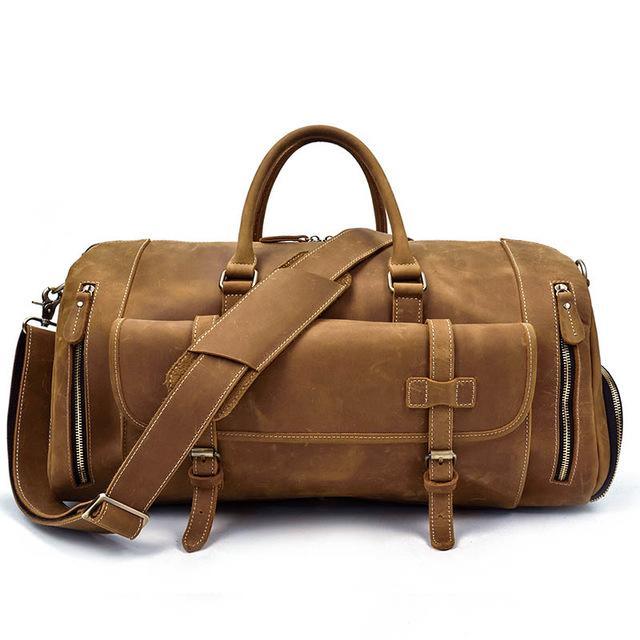
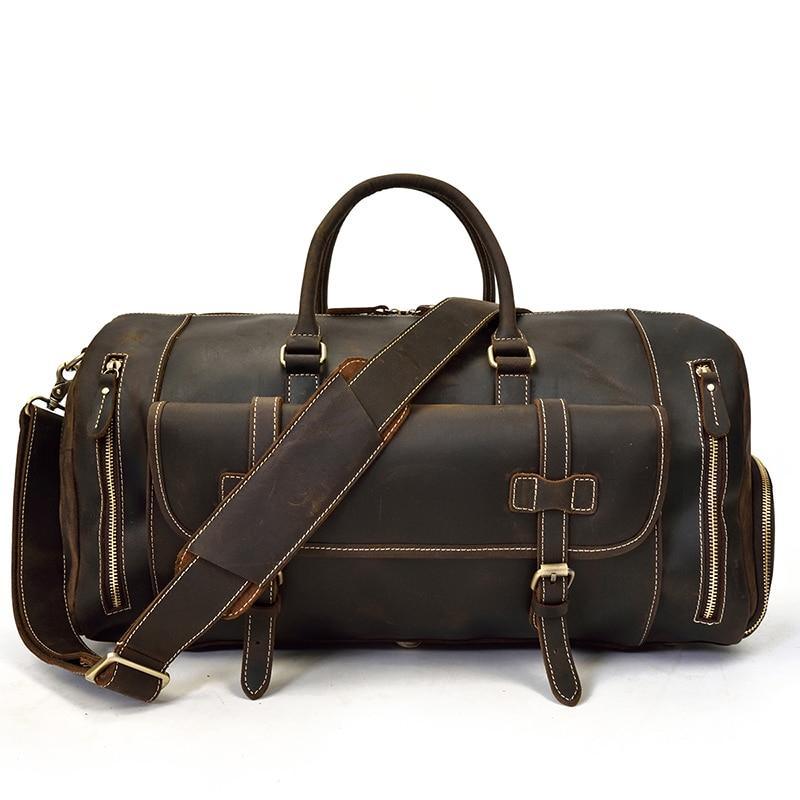
Taking care of your Crazy Horse Leather does not necessarily require special steps, but going the extra mile will help it last for a long time. Crazy Horse Leather is the best type of full-grain leather used for leather bags and accessories, known for its rugged beauty and natural character.
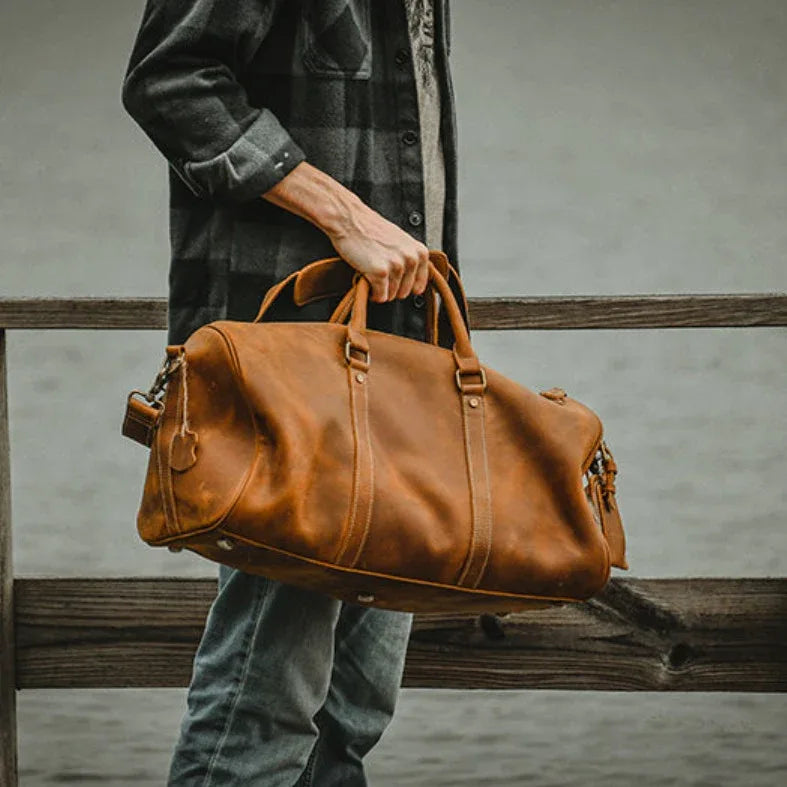
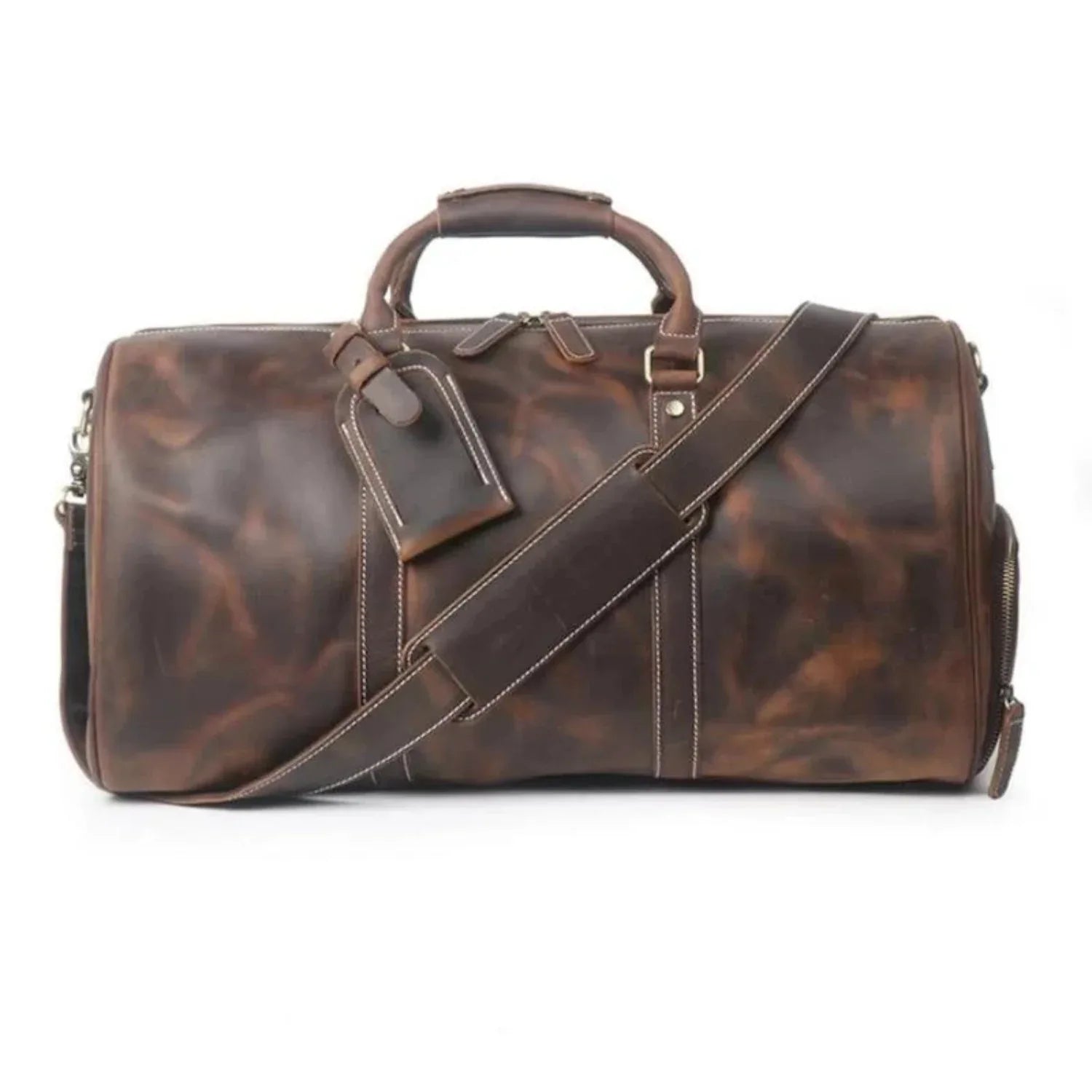
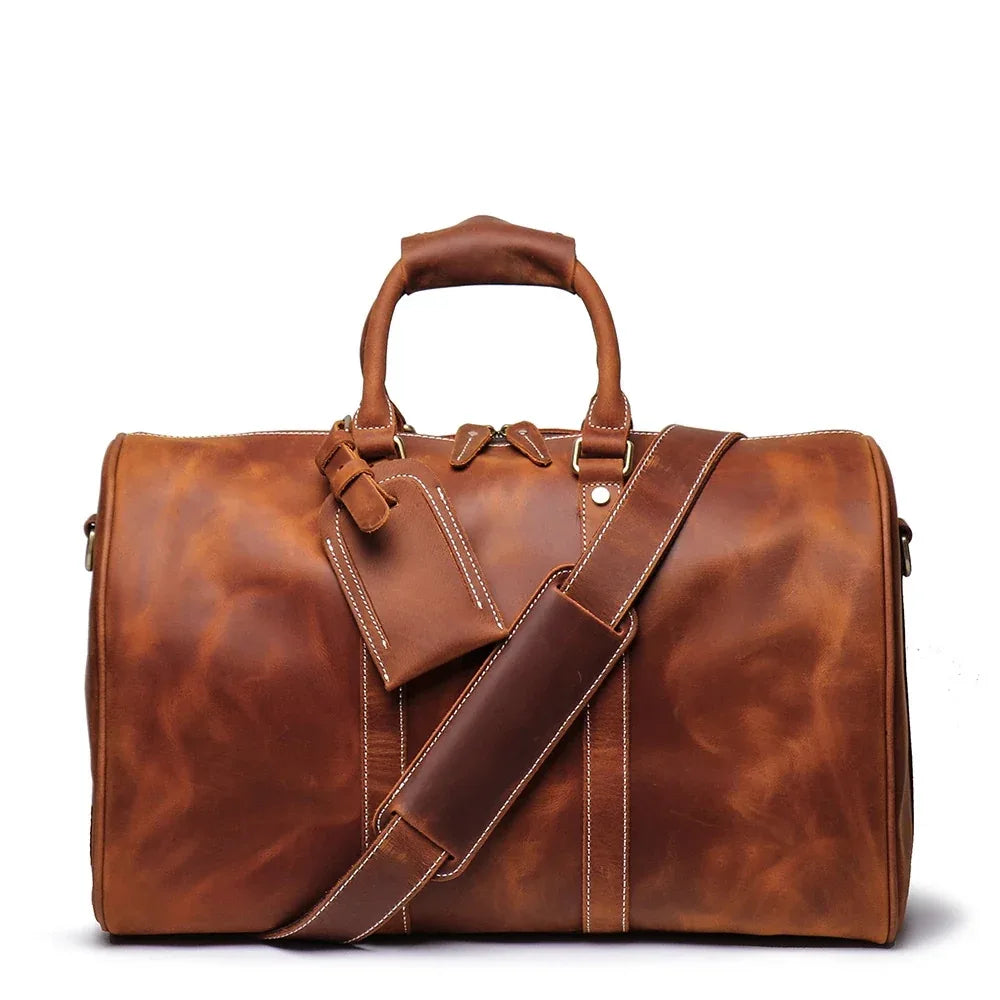
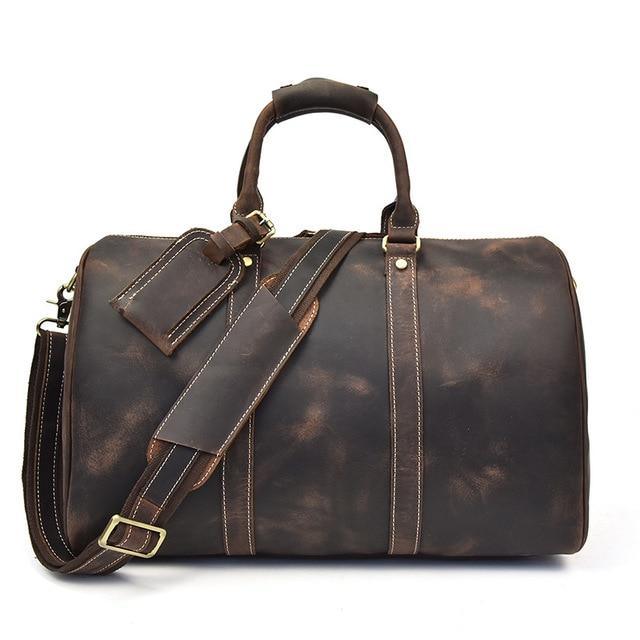
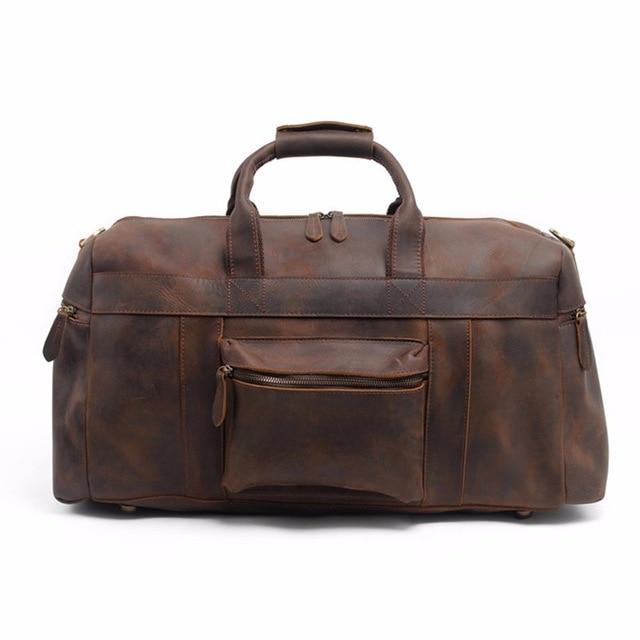
We use Crazy Horse Leather for our leather bags like The Eira Duffle Bag. Although it is a strong and flexible material, it is also not immune to cat scratches or contact with sharp objects. To fix scratches, you can grab a soft rag cloth and gently rub the scratches in a circular motion, following the easy remedies outlined in this guide. Some people, however, prefer to leave the scratches as they add to the leather's beauty and unique appearance. To ensure your leather ages beautifully and lasts for a long time, ask your leather manufacturer about special leather creams or wax products suitable for your leather.
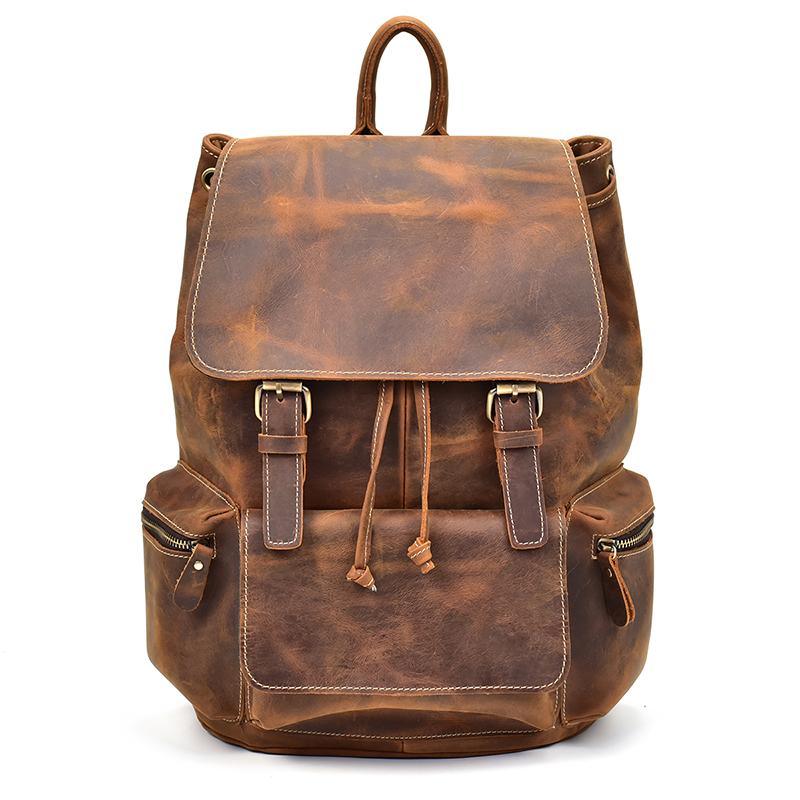
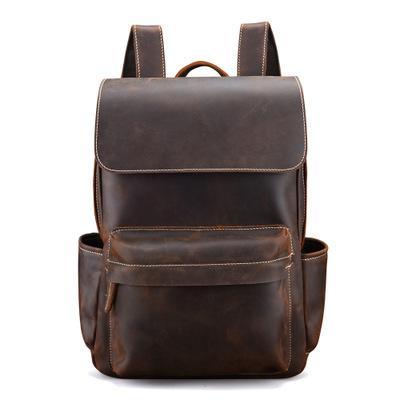
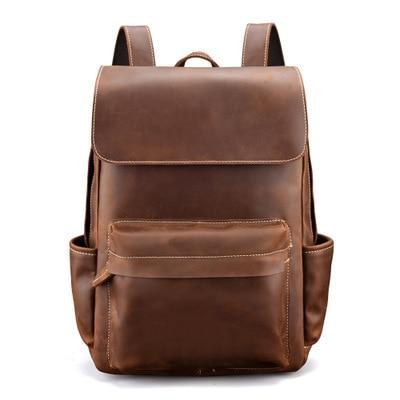
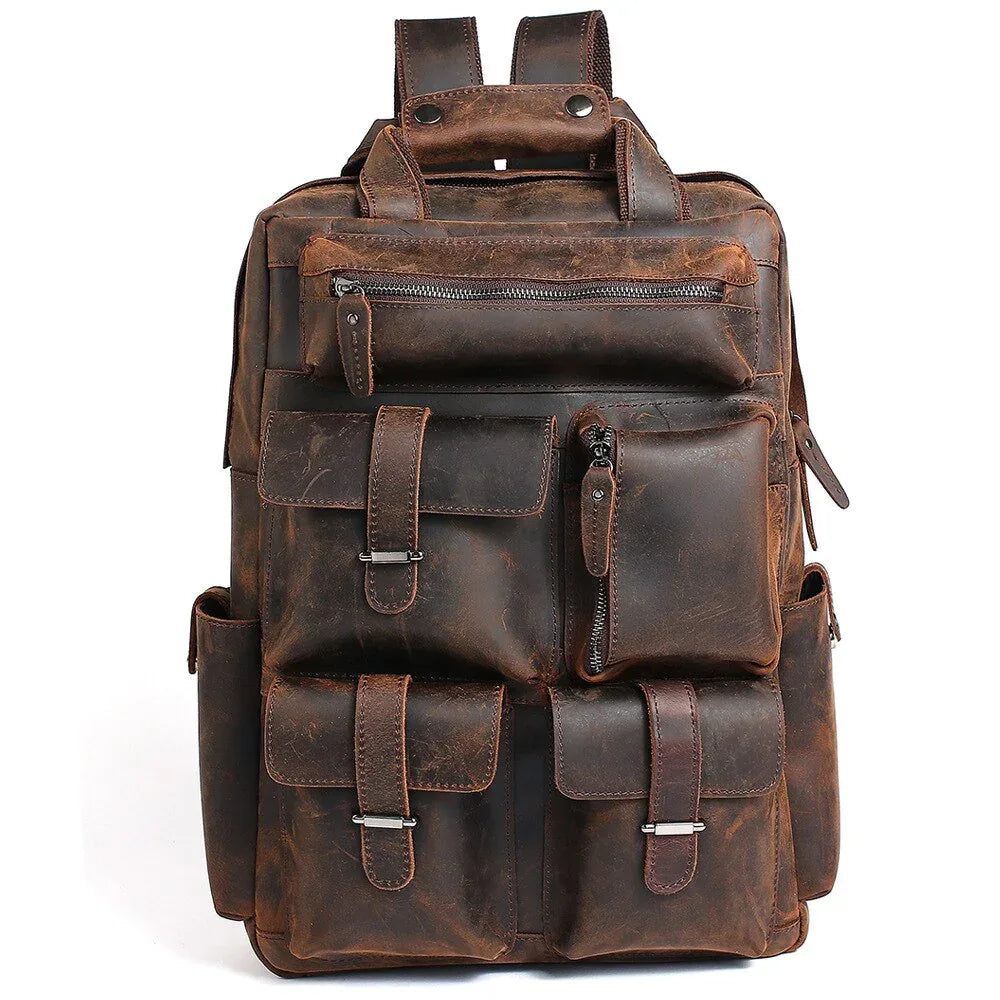
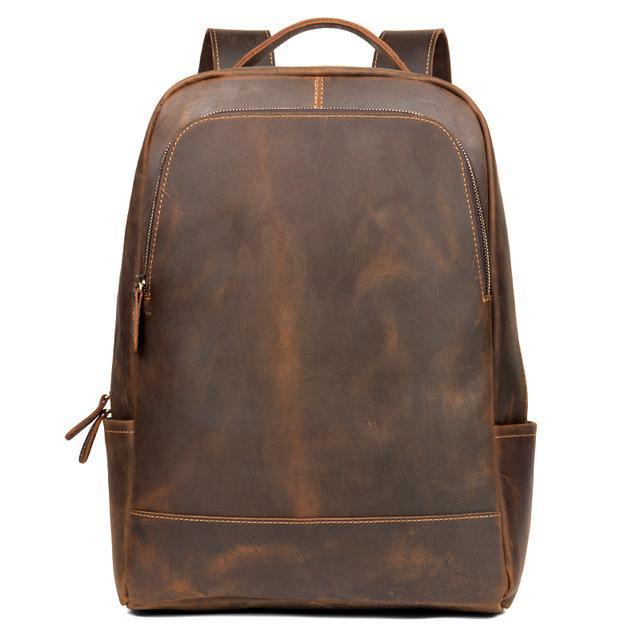
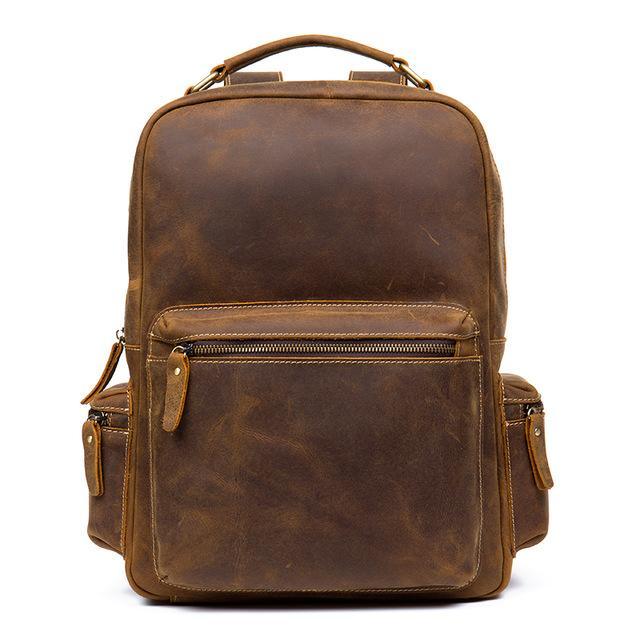
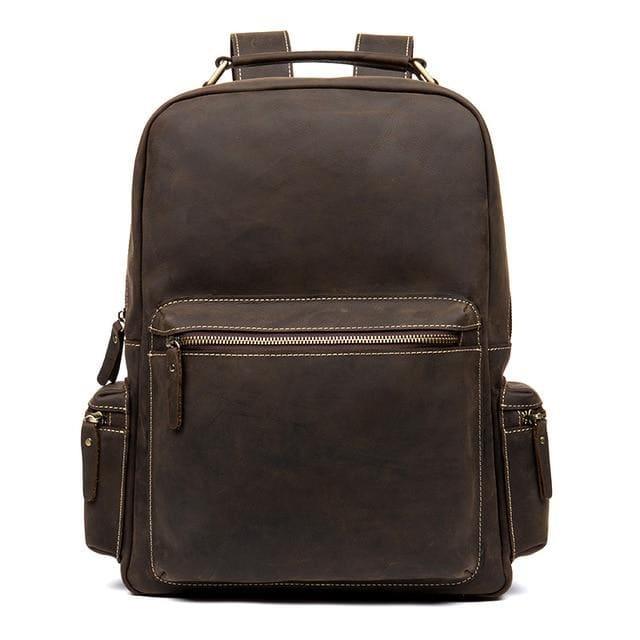
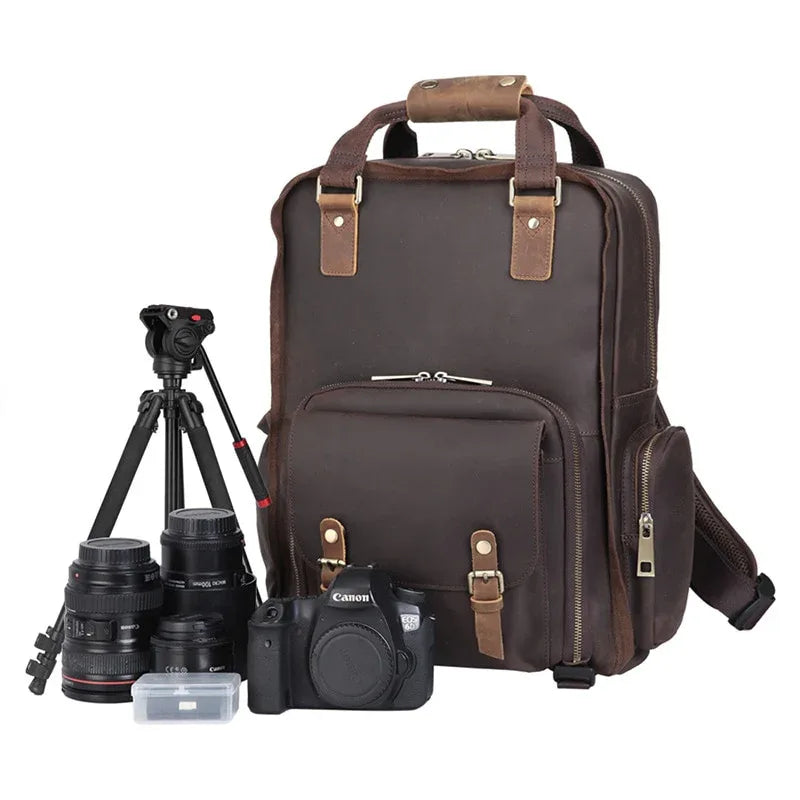
We've seen this firsthand with our Vernon Backpack, a premium leather backpack crafted from high-quality Crazy Horse leather. During its development, we extensively tested various leather care methods to ensure durability while maintaining the material's natural character. The backpack's exposed surfaces, particularly the front pocket and grab handle, demonstrated how Crazy Horse leather develops a beautiful patina over time, even with regular use. Some of our customers actually appreciate how the leather ages, especially around the ergonomically designed straps, as it adds character to their backpack.
Browse our full range of leather backpacks and leather tote bags to find the perfect piece crafted from premium Crazy Horse leather.
Professional Leather Repair Options

When it comes to addressing significant scratches on your leather, opting for professional leather repair service can be a game-changer. Many skilled artisans specialize in leather restoration, utilizing advanced techniques and touch-up color matching to achieve a seamless finish. These professionals can effectively repair deep scratches and gouges from leather, ensuring that the integrity of the material is maintained while matching color and texture.
It's advisable to seek a local repair shop with positive reviews or to consult leather care specialists who offer personalized guidance. Investing in professional repairs not only enhances the aesthetics of your leather but also extends its lifespan, allowing you to enjoy your beloved accessory for years to come. Remember to follow manufacturer recommendations for preventive measures and proper cleaning to maintain your quality leather items. If home repair methods have not resolved the issue, do not hesitate to seek professional help rather than risk causing further damage.
Conclusion
Scratches on leather may seem daunting at first, but with a little care and the right methods, they can be effectively minimized or even erased. By identifying your leather type, assessing the scratch's severity, and using the proper tools and techniques such as leather filler, a palette knife, leather oil, a leather repair kit, and quality leather conditioner, you can keep your leather looking pristine and extend its lifespan significantly.
Remember, acting quickly and using quality products are key to preventing scratches from becoming permanent. Whether you're dealing with a scratched leather couch, worn car seats, scuffed leather apparel, or a beloved leather bag, the principles remain the same. For those especially stubborn scratches, don't hesitate to seek professional help. And if you own Crazy Horse Leather, embrace its natural charm since scratches can add character and tell a unique story of your leather's journey.
Explore our full collection of handcrafted leather goods at Steel Horse Leather, including our leather messenger bags, leather work bags, and leather laptop bags. With the steps outlined in this guide, you'll be well-equipped to maintain your leather's timeless beauty and enjoy it for years to come.
References
Cui, L., and Qiang, X. (2019). Clean production for chrome free leather by using a novel triazine compound. Journal of Renewable Materials, 7(1), 57-71. https://doi.org/10.32604/jrm.2019.00118
Danylkovych, A., Korotych, O., and Romaniuk, O. (2020). Regeneration of raw hide water balance by electrochemically activated water. Journal of the American Leather Chemists Association, 115(10), 355-364. https://doi.org/10.34314/jalca.v115i10.4173
Frequently Asked Questions
What causes scratches on leather? Scratches on leather can occur from everyday activities such as accidental nail scrapes, contact with sharp objects, or pet claws. Leather couches, car seats, leather apparel, and leather bags are all particularly susceptible to surface scratches during regular use.
How do I fix a deep scratch on leather? Start by cleaning the area with a leather cleaner or distilled white vinegar applied with a cotton swab, then apply a leather filler using a palette knife and allow it to dry. Follow up with colorless shoe polish, a leather conditioner, and a leather marker for color matching. If the scratch persists, seek professional help from a leather restoration specialist.
What is the best product for leather scratch repair? A comprehensive leather repair kit is often the best starting point, as it typically includes leather filler, leather cleaner, colorless shoe polish, and color-matching compounds. For minor scratches, a quality leather conditioner or leather oil is often sufficient on its own.
Can I use petroleum jelly or distilled white vinegar on leather? Both petroleum jelly and distilled white vinegar can be used as temporary measures for cleaning or softening leather, but they are not long-term solutions. Always test these products on an inconspicuous area first and prioritize products specifically designed for leather care to avoid unintended damage.
How long does leather scratch repair take? Light scratch repairs can be completed within 30 to 60 minutes, including drying time. Deep scratch repairs involving leather filler and multiple conditioning steps may take several hours to a full day when accounting for proper drying between each stage.
Is Crazy Horse Leather more susceptible to scratches? Crazy Horse Leather is durable but can develop scratches over time due to its full-grain nature. Many owners actually embrace these marks as part of the leather's unique character and developing patina, though they can be minimized using the circular rubbing technique and a soft cloth. Browse our leather bags collection to find pieces made from this distinctive material.
When should I seek professional help for scratched leather? If scratches remain visible after trying DIY methods, or if the leather is heavily damaged with deep gouges, it is best to consult a professional leather restoration service. Professional artisans have access to specialized tools and color-matching techniques that can achieve a seamless finish beyond what home repair methods can offer.
Does moisturizing leather really help prevent scratches? Yes, regularly applying a quality leather conditioner or leather oil keeps the leather supple and less prone to cracking and surface scratches. According to leather care research, consistent conditioning schedules play a crucial role in extending the life and aesthetic quality of leather goods (Danylkovych et al., 2020).
All of our bags at Steel Horse Leather are crafted from full-grain crazy horse leather, built to develop a rich patina over time. Browse our Leather Bags.