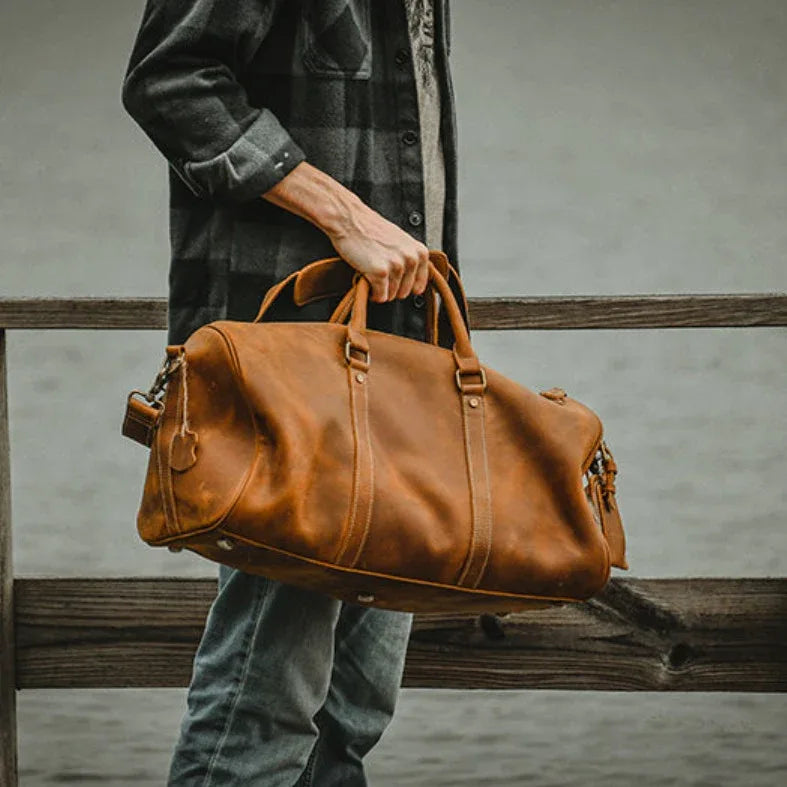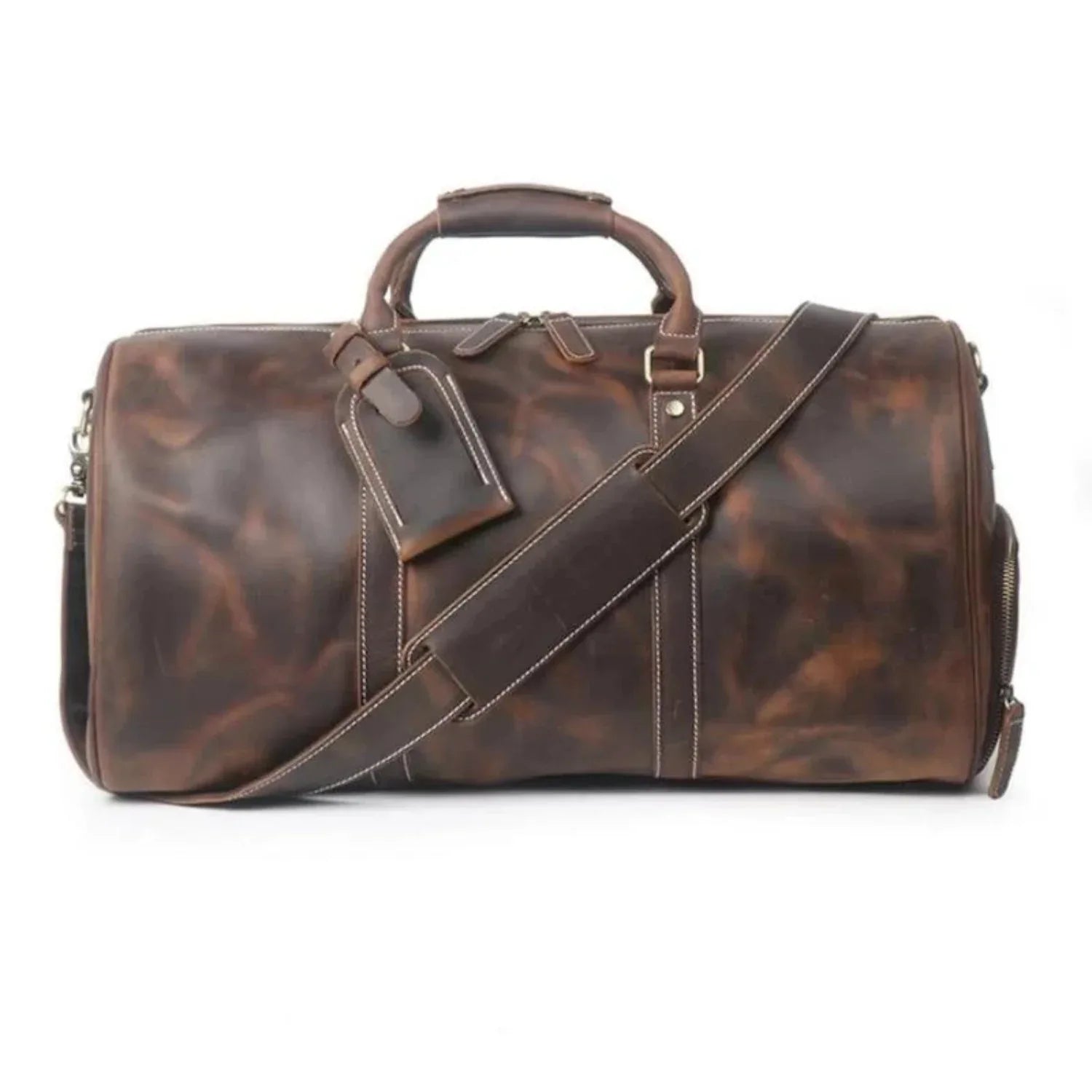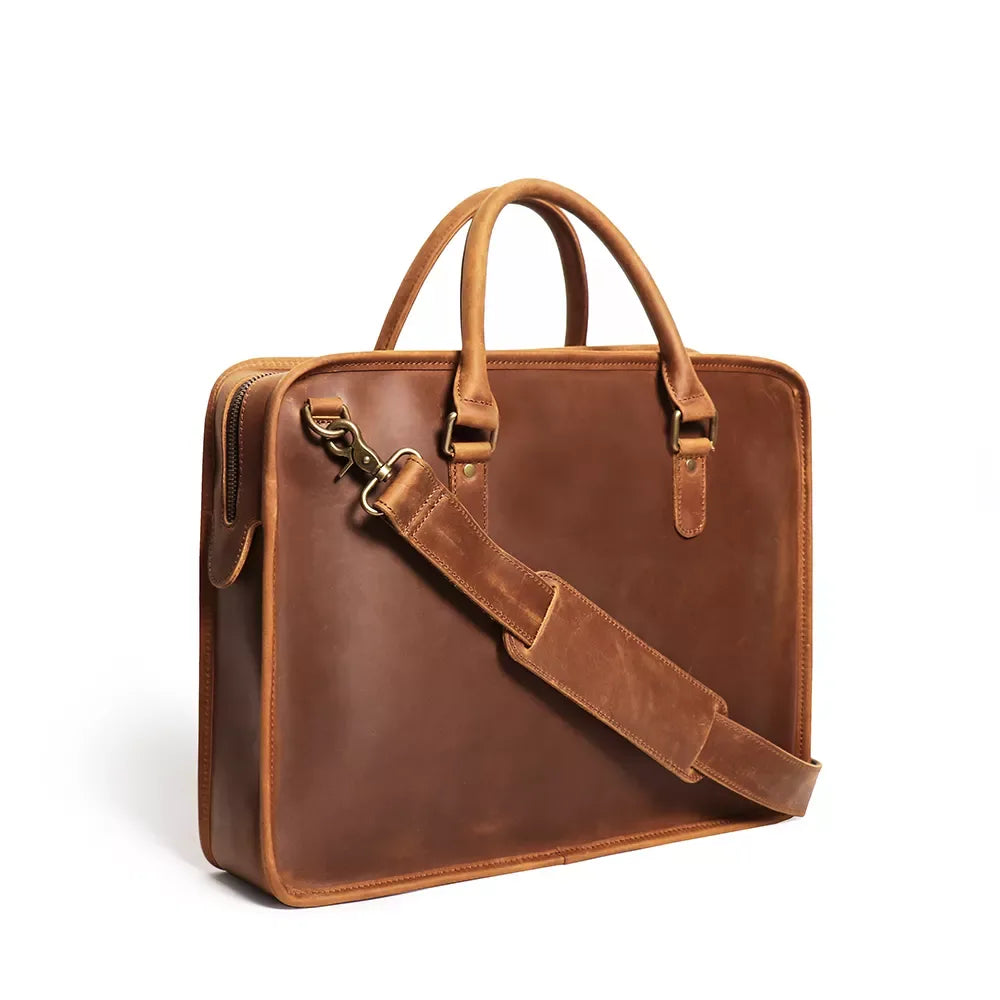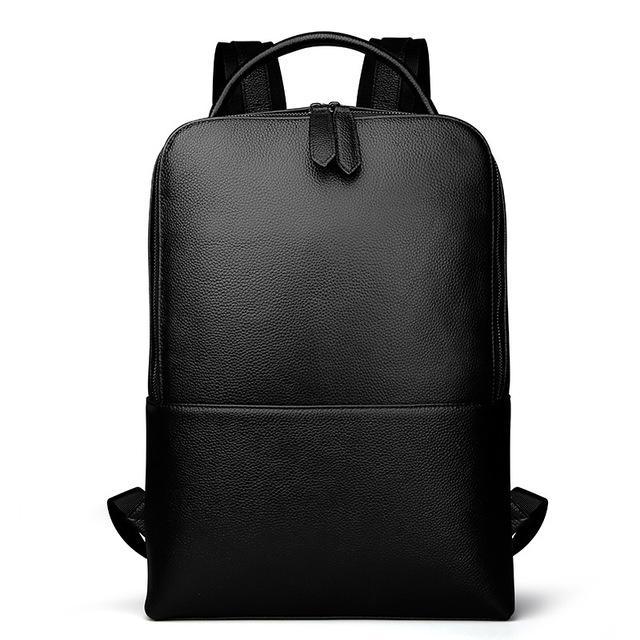
Wash and dry cleaning leather is a very specialized process, which requires the use of special equipment and chemicals to remove dirt and stains from your leather goods. The most common types of leather are cowhide and sheepskin. Both can be cleaned using different methods, depending on how much care you want to give them. Whether you are dealing with a vintage leather jacket, a cherished leather bag, or full-grain leather furniture, understanding the dry cleaning process is essential for preserving the quality and longevity of your leather items.
Leather clothes may occasionally need localized cleaning to combat fading, but regular leather maintenance will keep them looking good for years. If you're dealing with fat stains on a jacket, don't use regular cleaning products. Instead, use special leather cleaning solutions designed specifically for leather garments. For dry cleaning suede jackets or fur coats, the cleaning instructions are usually labeled on the tag. They are often very general and don't address the specific treatment for a specific type of leather. Research confirms that care labels for suede and fur garments frequently lack the detail needed to address niche finishes or sensitive textures, making professional leather cleaners an important resource for high-risk items or difficult stains (Kutnjak-Mravlinčić et al., 2020; Niculescu et al., 2018).
Knowing how leather is made gives you an idea of how to care for and clean this material properly. It's important to know that all leather comes in two forms: tanned and untanned. Untanned leather has not been treated with any tanning oils, while tanned leather has undergone some kind of chemical processing. Research confirms that tanned leather requires different maintenance than its untanned counterpart, with tanned leather being more durable and less susceptible to water damage due to its chemical treatment involving natural oils like lanolin (Sizeland et al., 2017). Effective leather care and cleaning is not one-size-fits-all; appropriate approaches depend on the specific leather type and finish, with specialized equipment and formulations tailored to the surface structure and fatliquoring compounds used during production (Niculescu et al., 2018; Staszko et al., 2025).
Key Takeaways
-
Leather Cleaning Requires Special Care: Leather cleaning involves specialized leather cleaning equipment and chemicals, with different methods depending on the leather type (cowhide or sheepskin) and the level of care desired.
-
Localized Cleaning for Leather Clothes: Leather clothes may need occasional localized cleaning for fading, and fat stains require special leather cleaning products rather than regular cleaners.
-
Suede and Fur Care: Dry cleaning instructions for suede jackets or fur garments are usually general; refer to care tags for specific guidance or consult a dry cleaning specialist.
-
Types of Leather: Leather comes in two main forms: untanned (untreated) and tanned (chemically treated), each requiring different care.
-
Untanned vs. Tanned Leather: Untanned leather is flexible but prone to stains and cracking, while tanned leather is more durable, resistant to water damage, and easier to maintain with natural oils like lanolin.
-
Professional Expertise Matters: For second hand items, vintage leather jackets, or heavily soiled leather garments, professional dry cleaners offer the expertise and specialized dry cleaning solvents needed for safe restoration.
Our Leather Care Expertise: A Legacy of Craftsmanship
At Steel Horse Leather, our deep understanding of leather care and maintenance stems from decades of hands-on experience working with premium leather products. Our master artisans have dedicated their lives to perfecting their craft, developing an intimate knowledge of different leather types, their characteristics, and the specific care requirements each demands. This expertise isn't just theoretical. It's built on years of working with various leather grades, from full-grain leather to crazy horse leather and understanding how each responds to different cleaning and maintenance techniques. Our commitment to leather excellence extends beyond craftsmanship to include comprehensive knowledge of leather sourcing and processing.
Through our extensive work with various tanneries and leather suppliers, we've gained valuable insights into the entire leather production process, from raw hide to finished product. This deep understanding allows us to provide authoritative guidance on leather care that considers not just surface-level maintenance but also the fundamental characteristics of the material itself. What sets our leather care expertise apart is our holistic approach to leather maintenance.
Our team regularly works with different leather types in our workshop, testing various cleaning and conditioning methods to ensure optimal results. This practical experience, combined with our traditional craftsmanship knowledge, enables us to offer proven, reliable advice for maintaining leather goods. Whether it's dealing with specific stains on crazy horse leather or preserving the natural patina of full-grain leather, our recommendations come from real-world experience and proven results in our own workshop. Customer reviews of our leather care guidance consistently highlight the difference that product-specific advice makes, particularly for items passed down generation to generation or recently acquired as a second hand item.
Understanding Leather: Untanned vs. Tanned
| Aspect | Untanned Leather | Tanned Leather |
|---|---|---|
| Common Uses | Shoes, belts, handbags, purses, wallets, briefcases, luggage, accessories 👞👜 | Furniture upholstery, car interiors, interior accents 🛋️🚗 |
| Texture & Feel | Soft and flexible – ideal for everyday wear | Durable with natural oils for added protection |
| Durability & Protection | Prone to staining, cracking, moisture damage; no protective oils | More resistant to water damage thanks to tanning oils (e.g., lanolin); better tear strength & flexibility |
| Maintenance & Cleaning | Highly vulnerable – requires careful inspection before/after cleaning; more prone to odors & degradation | Easier to clean & maintain; apply protective waterproof spray for extra liquid resistance |
| Modern Trends | Less emphasis on eco-friendly processing | Increasing use of plant-based tanning & water-based finishes for sustainability |
Untanned Leather
Untanned leather is typically found in shoes, belts, handbags and purses, wallets, briefcases, luggage, and other accessories. This type of leather is soft and flexible, making it ideal for everyday wear. However, untreated leather is prone to staining and cracking over time. Because untanned leather has not been processed with protective oils, it is far more vulnerable to moisture damage, staining, and surface degradation, making leather inspection before and after any cleaning attempt especially important (Niculescu et al., 2018; Sizeland et al., 2017).
Tanned Leather
Tanned leather is more durable than its untanned counterpart because it contains natural oils that protect against water damage. The tanning process involves applying oil to animal hides. The purpose of this process is to preserve the hide by preventing it from drying up. Research has demonstrated that fatliquoring with natural oils, including lanolin, increases leather tear strength and helps regulate moisture, improving flexibility and reducing cracking. Moisture retention in leather modulates collagen spacing and mechanical behavior, explaining why well-fatliquored leathers exhibit enhanced tear strength and durability (Sizeland et al., 2017; Yorgancıoğlu et al., 2025).
Tanning oils contain ingredients such as lanolin, which prevents the skin from drying out. It also helps make it easier to clean and maintain because it won't have as many odors. Contemporary leather finishing and tanning research increasingly emphasizes greener, energy-efficient approaches, including plant-based tanning and water-based finishes, to reduce environmental impact while preserving performance (Hassan et al., 2023; Cassingham & Roentgen, 2025). These eco-friendly methods also influence the selection of conditioning products compatible with more sustainable leather finishes, a consideration worth keeping in mind when choosing a natural leather cleaner.
Treated leather is often used for furniture upholstery, car interiors, and other interior accents. Because leather is naturally resistant to moisture, it doesn't require as much protection as fabric does. However, if the leather is exposed to excessive amounts of liquid, it can become damaged and discolored. To prevent this, apply a protective coating such as a waterproof spray when treating leather, paying close attention to the finish and leather type before selecting any product (KILIÇ & Zengin, 2021).
Dry Cleaning Leather: Core Methods and Tips

There are two basic ways to clean leather: steam cleaning and solvent cleaning. Steam cleaning uses hot water and a pressurized spray that loosens up dirt particles and then washes them away. This method works best for removing large amounts of dirt or grease. It's also effective in removing stains, although it won't get rid of permanent staining. Solvent cleaning uses dry cleaning solvents such as naphtha or trichloroethylene (TCE) to break down the oils and fats that hold onto dirt. Research has shown that steam cleaning is more effective for large stains, while solvent cleaning utilizes specific chemicals to break down oils and dirt, and that the method chosen should match the stain type and leather finish (Niculescu et al., 2018; Sizeland et al., 2017). Naphtha is a petroleum distillate used as an industrial cleaner and degreaser. TCE is a toxic chemical that has been banned in many countries because it causes cancer and is still legal in some states and Canada.
For those in specific locations such as the D.C. metro area, St. Paul, or Chicago, local dry cleaning services that specialize in leather care can offer cost-effective leather cleaning service options. The cost in Chicago and other major cities will vary depending on the leather item and the complexity of the staining, but investing in a reputable dry cleaning specialist typically protects your leather goods better than attempting aggressive home remedies.
Know Your Leather
Find out what the tag inside the jacket says and see if there are any special care instructions for it. The care label has everything you need to know, from what the water temperature should ideally be when washing your jacket to what materials the garment are made out of. Don't deviate from the instructions when cleaning your jacket at home. For items like a vintage leather jacket or a high-value leather garment, a leather inspection by a professional dry cleaning specialist before any treatment is strongly recommended (Kutnjak-Mravlinčić et al., 2020).
Protect It From the Elements
Especially if you're planning to wear it outside in the rain or snow, apply a moisturizer or a waterproof spray as instructed by the manufacturer. Spray it from seam to seam so there are no gaps left uncoated. This step is particularly critical for full-grain leather items and suede jackets, which are more permeable and therefore more susceptible to water saturation and salt marks from winter conditions.
You Should Know the Basics of Damage Control
Don't start frantically rubbing your jacket with any piece of cloth if you accidentally spill something on it. Instead, use a clean cloth to dab it or blot it. And let it dry on its own. Don't put it in the dryer. Salt marks and water stains can be especially damaging to leather if not treated promptly and correctly.
Hang It Up
Don't throw away your leather jacket or flail it to the corner of the closet. To keep its shape, always hang it up with a sturdy wooden hanger when not in use. This is also an important storage guideline for leather coats and leather garments that you want to preserve over time, particularly if you intend to pass them down generation to generation.
Don't Suffocate It
Whenever your jacket comes back from dry cleaning, remove the plastic immediately and hang it up. Leaving plastic on may cause the leather to become dry and flaky. This is a simple but often overlooked aspect of fabric care that applies equally to leather coats and suit jackets with leather trim.
Always Empty Your Pockets
When you take off your jacket after wearing it, empty all pockets before putting it back into storage. You never want to leave anything behind. Otherwise, the leather will stretch.
DIY Solutions Worth Trying
Post-Cleaning Care: After cleaning, apply a leather conditioner (commercial or homemade: 1 part vinegar + 2 parts linseed oil) to prevent drying and cracking.
It is important to note that while these home remedies can address minor issues, they are not suitable for all leather types. Research has demonstrated that the use of inappropriate cleaning agents such as ammonia, peroxide, or alcohol can permanently damage leather goods, making it critical to utilize products designed specifically for leather care (Sizeland et al., 2017; Niculescu et al., 2018). Fat and oil stains in particular should be treated with cleaners designed for leather surfaces rather than generic household products, as inappropriate products can cause lasting damage or discoloration (Kutnjak-Mravlinčić et al., 2020; KILIÇ & Zengin, 2021).
Dry cleaning is the most effective way to clean leather, suede jackets, or fur garments. Consumers often fail to clean their leather, suede, or fur garments properly, which causes them to get dirty and wear out faster. For particularly stubborn stains or a leather coat ink stain, consulting tutorials online from reputable leather care sources can provide additional visual guidance, though professional dry cleaning services remain the gold standard for difficult cases.
Toothpaste | Dry Cleaning Leather
Using your finger, apply non-gel toothpaste to the stain. Use a gentle cleaning solution and rub gently with a soft cloth until the stain lifts. Don't scrub or you might damage the leather. Use a clean, damp cloth to wipe the toothpaste off. This method works well as a natural leather cleaner for minor blemishes. An example leather type is suede, which is very permeable and therefore easily damaged by chemical cleaners. If you try this method, make sure to test it first on a small area of the same kind of leather.
Nail Polish Remover | Dry Cleaning Leather
To remove ink stains and scuffs, including a leather coat ink stain, blot the area with a cotton ball dipped in nail polish remover. Don't rub the ink spot or else it might spread. Blot gently until no trace of the stain remains. Use a clean, damp rag to wipe down the surface. Then use a towel or paper towel to dry it off. An example leather type is patent leather, which is very smooth and easy to clean.
Baking Soda or Cornstarch | Dry Cleaning Leather
If you want to remove oil or grease stains, sprinkle baking soda or cornstarch on them and leave them for several minutes before washing them. Use a damp cloth to rub gently. Let it sit for several hours, or let it rest overnight. The soda or starch absorbs the oil. Use a clean, damp cloth to wipe off the powder, and then use a soft, dry towel to dry it. An example leather type is nubuck leather, which has a rough texture. This type of leather needs special care because it's prone to scratches.
Rubbing Alcohol | Dry Cleaning Leather
Combine one part of rubbing alcohol and one part of water. Wipe on the affected area with an alcohol-soaked cloth. Wipe away any excess dirt with another clean cloth. This will also clean mold. Note that while diluted rubbing alcohol can be effective for surface grime, concentrated alcohol or ammonia-based cleaners should never be used on leather, as empirical analyses warn that such agents can permanently damage the leather's finish and structure (Sizeland et al., 2017; Middleton, 1978).
After cleaning your jacket, apply a leather conditioner to prevent it from drying out and cracking and to make it stain resistant. You can buy a commercially available leather conditioner or mix one part vinegar with two parts linseed oil to create your own homemade leather conditioner. Apply to leather, leave it alone for about 15 minutes, then buff it with a soft cloth until it shines. Knowing how to clean your leather jacket will make it look great and last longer for years to come. An example leather type is calfskin leather, which is made from cowhide and is usually used for expensive jackets.
How to Deodorize After Dry Cleaning Leather

The dry cleaning of leather, like a leather jacket, leather bag, or other things made of leather, can be done either by a specialized dry cleaning company or at home. Soiling caused by sweating or normal dirt on specific parts of the body can cause customers to seek specialist help. For example, grease and sweat marks on the collars of leather jackets or soiled cuff links are typical on leather clothing items. The smell of smoke, in particular, can deeply penetrate leather's porous surface and is notoriously difficult to remove without proper treatment.
Research has shown that the porosity and finish layers of leather influence how surfaces retain odors and respond to moisture. Porous finishes can moderate moisture transfer and may impact microbial growth and odor persistence, suggesting that care regimens should consider the underlying finish porosity when selecting deodorizing or conditioning steps (Owen et al., 2021; Middleton, 1978). Leather clothing and furniture can sometimes trap odors from smoke, food, household cleaners, and other items. To get rid of the smell, you need to clean and deodorize the leather.
Step 1: Remove Loose Dirt and Debris
Use a handheld vacuum or a wet cloth to clean up any spills on the leather suede garments or furniture before they set in. Pay special attention to the cracks and crevices in your item to remove any buildup of dirty water, grime, or other debris that might be hiding there. For suede clothing items, these include buttons and zippers. On furniture, these include armrests, seat cushions, and rims.
Step 2: Create the Cleaning Solution
Pour three to four drops of dish soap into a medium-sized mixing bowl and then add one gallon of hot water. When you're done using the cloth, dip it into the water again and swirl it around to create some suds.
Step 3: Apply the Solution to the Leather
Apply the cleaning solution to your cloth and then use it to clean your leather garment or furniture. Make sure to first wring out the cloth thoroughly so it's not dripping. It should be only slightly wet. Go over the leather with soap and water to remove any buildup that might be causing the odor on it.
Step 4: Wipe Down the Leather with a Damp Cloth
After rinsing the wet cleaning cloth with warm tap water, go back over the leather item again. Be sure to thoroughly rinse out the cloth so as to avoid placing too much water on the leather.
Step 5: Mix the Vinegar with the Flaxseed Oil
Next, it's time to add some essential oils to the mixture. Vinegar is a good deodorizer and odor remover, while the flaxseed oil can help to condition the leather and restore its sheen after the cleaning. Mix together two cups of flaxseed oil with one cup of white vinegar in a medium-size bowl. Gently swirl the solution around with your hand for a few seconds.
Step 6: Apply the Solution to the Leather
Put some of the solution on your cloth and then use it to clean your leather item by moving it back and forth. Don't rub the surface of the leather too hard, as you don't wish to cause the color to wear off. Let the product sit on the leather for at least five to ten hours, and then wipe it down with a clean damp rag.
How to Dry Clean a Leather Jacket with Fur
If you have a leather jacket with fur, it may be best to take it to the dry cleaners to be cleaned safely and thoroughly. However, if the label on the leather jacket says that it can be hand-washed, you can follow these leather cleaner steps to wash the leather from the inside and out.
Wash the Fur
Add three to four drops of laundry detergent to a medium-sized bowl filled with a quart of water. First, do a small test on a small area to see if it works. If the test doesn't leave the fur feeling rough or hard to the touch after using it, it should be fine for the rest of the coat. Wash your wet cleaning cloth again and go over the fur once more to remove the cleaning solution from it. Make sure to use cold water when doing this. Pat the fur dry using a clean, lint-free cloth or towel.
Clean the Inside
Even though the inside of your leather coat may not be visible, you can still smell it if there's buildup and sweat from your underarms and torso. You can use the exact same cleaning solution you used for the liner to clean the fur. First, turn the jacket inside out and hang it up on a clothes rack. After that, use your cleaning cloth to apply the cleaning solution to your liner. Ring out the cloth thoroughly before using it. After using the cleaning solution, go back over the liner with the damp cleaning cloth to remove any residue left behind. Then, finish by patting it dry with a dry, clean microfiber cloth.
Clean the Outside
Put the jacket back on the correct side. Then, add a few drops of detergent into a medium-sized container of warm water. Next, go over the jacket again, but this time use the same cleaning process that you've been using to clean the inner lining. Wash the jacket using cold water, then pat it dry with a clean, lint-free towel. After that, put the jacket on a flat, clean surface to dry.
After waiting for the jacket to dry, rub it down with mink oil. Make sure to apply the oil onto your lint-free towel and not onto your jacket directly. Using short circular motions, apply the oil to the areas around the buttonholes, zippers, and underneath the collar of the jacket, especially where there are creases. Remember, you don't need a lot of oil for the entire coat; just a quarter-sized amount will be enough.
Wrapping Things Up
If you've never owned a leather jacket before, it might be best to take it to a professional leather cleaning service for its first cleaning. Professional leather cleaners can not only clean your jacket but can also advise you on how to take care of it so that it remains lustrous and moisturized. Many professional dry cleaners now also offer convenient pickup and delivery or on-demand home pickup services, making it easier than ever to keep your leather items in top condition without leaving home.
Dry Cleaning Leather for Specific Items
The safest and most recommended option for deep cleaning, tough stains, or discoloration is always to consult a professional leather expert.
Many leather items need a cleaning system that provides the necessary protection against dirt, stains, and moisture. Some leather apparel such as shoes, bags, coats, and pants require special treatment because they are made of leather and therefore tend to absorb moisture easily.
There are some homemade solutions that can help in removing unwanted moisture and dirt from leather products. However, these solutions are not recommended for all types of leather apparel and accessories. In fact, some of them could damage the leather product. That is why the recommended option is to go to a leather expert who offers both dry cleaning services and leather restoration services.
Dry Clean Leather Shoes at Home
It is true that cleaning your shoes at home won't help if they're already afflicted with a nasty stain. Similarly, if you notice any discoloration or mold growth on your shoes, you need to take them to a professional shoe repair expert for leather restoration and color restoration. However, general dirt and dust can be easily removed at home.
-
Remove any excess dirt from the sole using a soft broom or shoe brush.
-
Add some warm water and a small quantity of laundry detergent to make a slightly soapy mixture.
-
Clean affected areas using a small amount of the liquid mixture.
-
Apply a small amount of warm water to another clean sponge or soft cloth to dissolve any excess soap.
-
Dry the shoes at room temperature, not in direct sunlight.
If the leather becomes extremely discolored or stained, then color restoration may be needed. A professional leather expert should be consulted. If the above-mentioned home remedies don't work, reach out to a professional shoe-cleaning service. Don't use any abrasive chemicals at home because they can damage the leather permanently (Sizeland et al., 2017).
Dry Clean Leather Pants
Leather pants are fashionable, fun to wear, and easy to clean. However, you must proceed cautiously when cleaning them. To keep your leather trousers clean and looking good, read the label carefully.
The best way to dry clean your pants is by taking them to a professional clothing cleaner. If you want to do it yourself, follow this simple procedure:
-
Remove any excess dirt from the inside of the pockets using a soft brush or rag.
-
Wash the outside of the pants using a mild soap solution.
-
Remove excess soap using a damp cloth.
-
Wash the inside of the pockets again using a mild soap solution and a soft brush.
-
Use a damp cloth to remove excess soap.
-
Dampen a clean, lint-free towel and lay it flat on a table.
-
Place the wet pants on top of the towel. Let them sit there until the excess water evaporates.
-
Repeat steps 3 through 6 until the entire area has been cleaned.
-
Wipe off the excess water using a clean, lint-free towel.
-
Let the pants dry naturally.
When you're cleaning your pants, be mindful of the trim and any attached items. Use a gentle cleaning technique that won't damage these parts. If the above-mentioned methods don't work, reach out to a professional dry cleaning leather service.
Dry Clean Leather Jacket
A jacket is one of those things you'll definitely need to have in your wardrobe. It's an essential part of every man's style. And as such, it needs to look great and last long. The easiest way to keep your jacket in pristine condition is to go to a professional dry cleaning service. This is especially true for a vintage leather jacket, where the vintage patina is part of the garment's appeal and should be carefully preserved during the cleaning process.
Follow the below-given instructions to learn how to clean your leather jacket at home:
-
Take the jacket off and place it on a hanger.
-
Put it into a plastic bag and seal it tightly.
-
Put the sealed bag in a safe place where no moisture will get in.
-
Wait for about two weeks before trying to clean your jacket.
-
You can also soak your jacket in a bucket filled with warm water and a few drops of laundry detergent.
-
After soaking overnight, rinse the jacket thoroughly using a soft brush.
-
Once the jacket is completely dry, hang it back up.
-
You can now store your jacket away following proper storage guidelines.
If you find that the above-mentioned method doesn't work, reach out for help from a professional dry cleaning leather company. They know exactly what kind of products and techniques to use to make your leather jackets look new.
Caring and Dry Cleaning Leather Bags
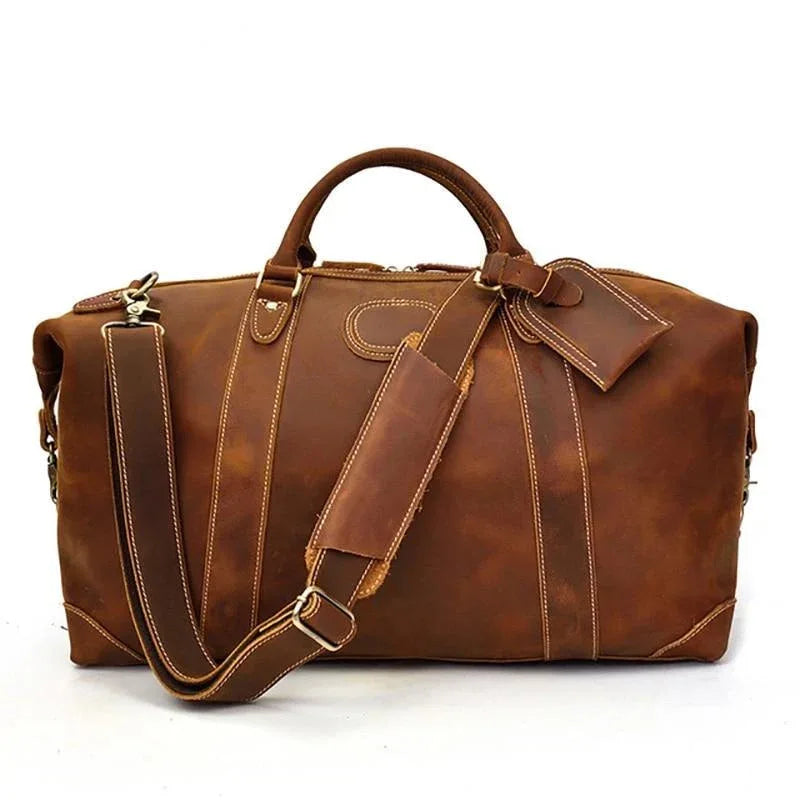
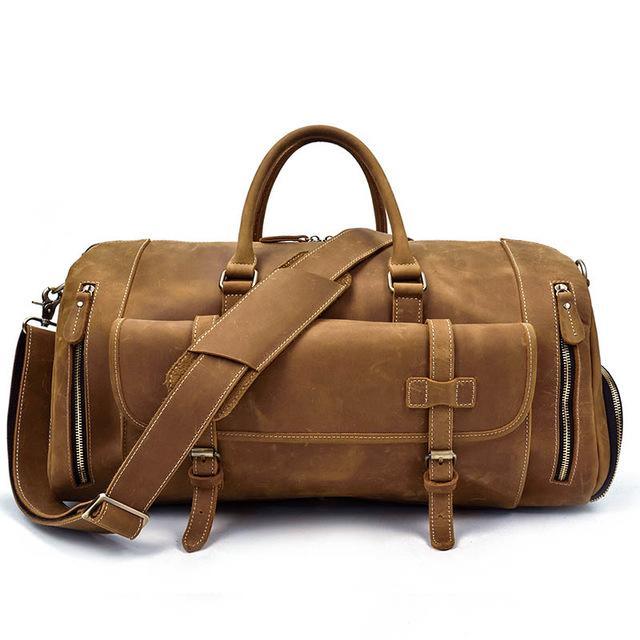
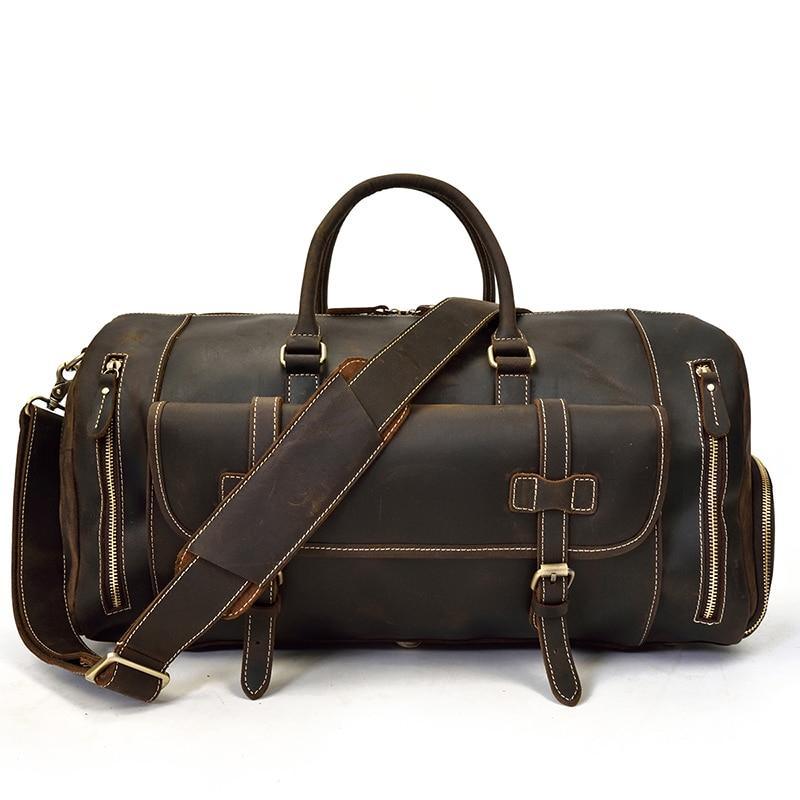
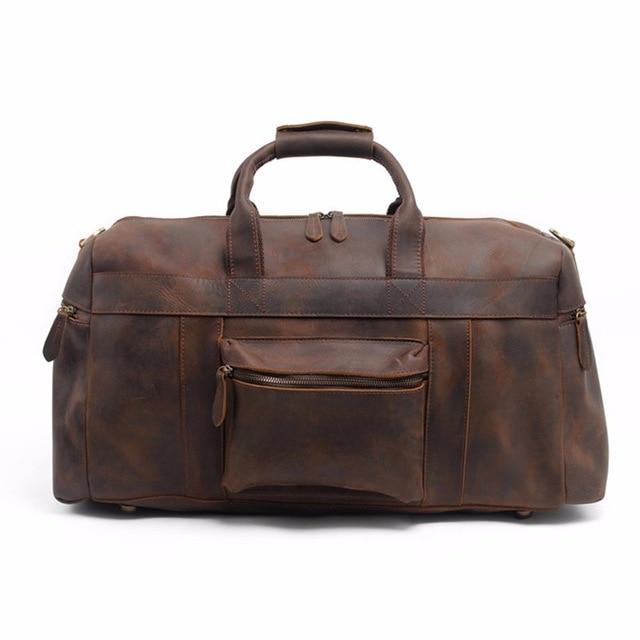
There are many different types of bags available in the market today. Some of them are made of leather while others are made of synthetic materials. Regardless of which type you choose, it's important to take proper care of it so that it lasts longer. This applies equally to everyday leather bags and to high-value handbags and purses that may require more specialized attention.
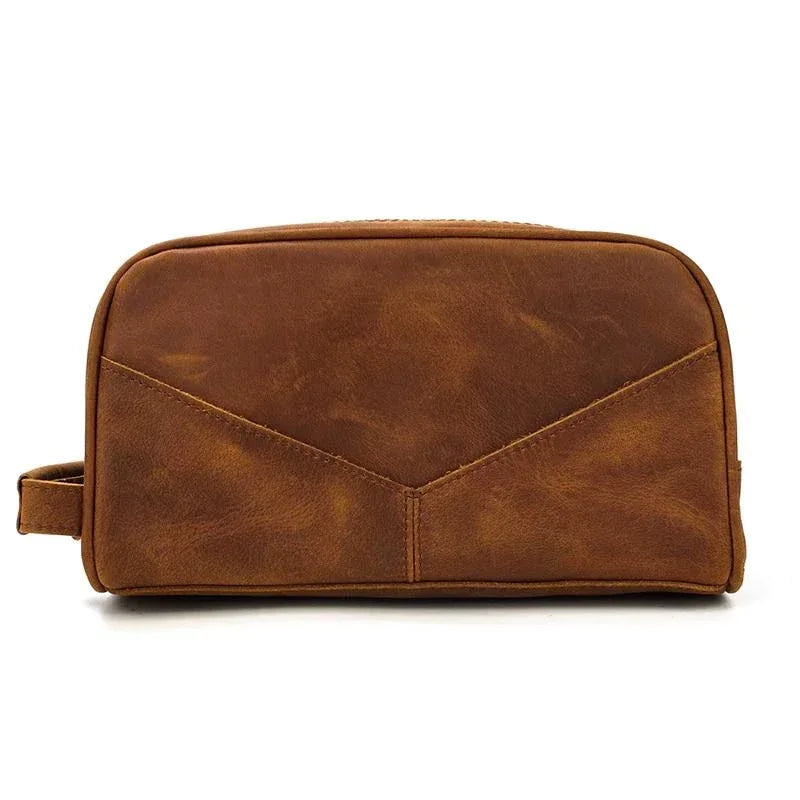
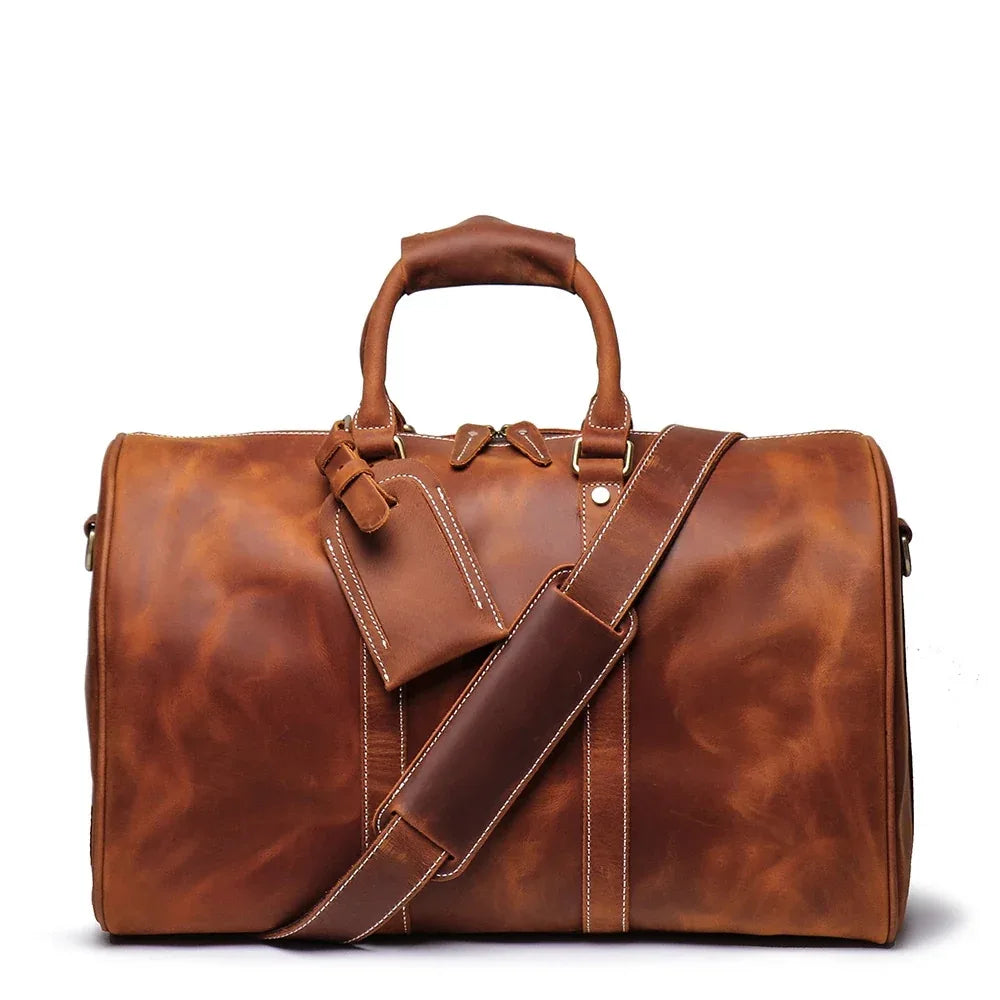
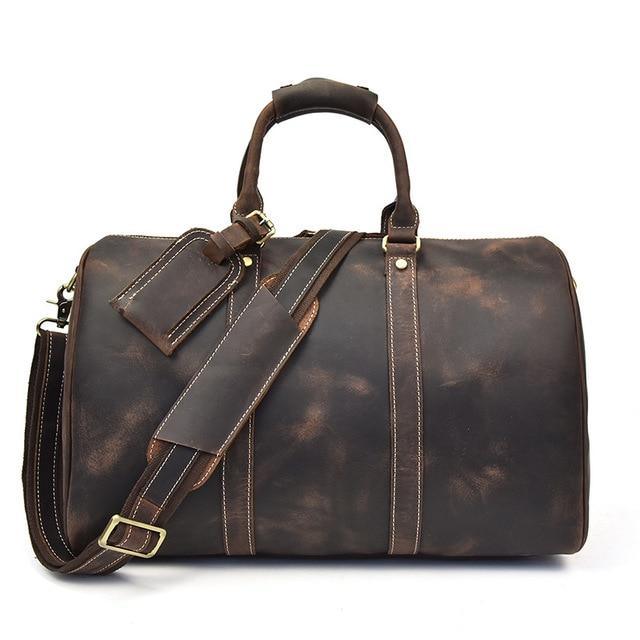
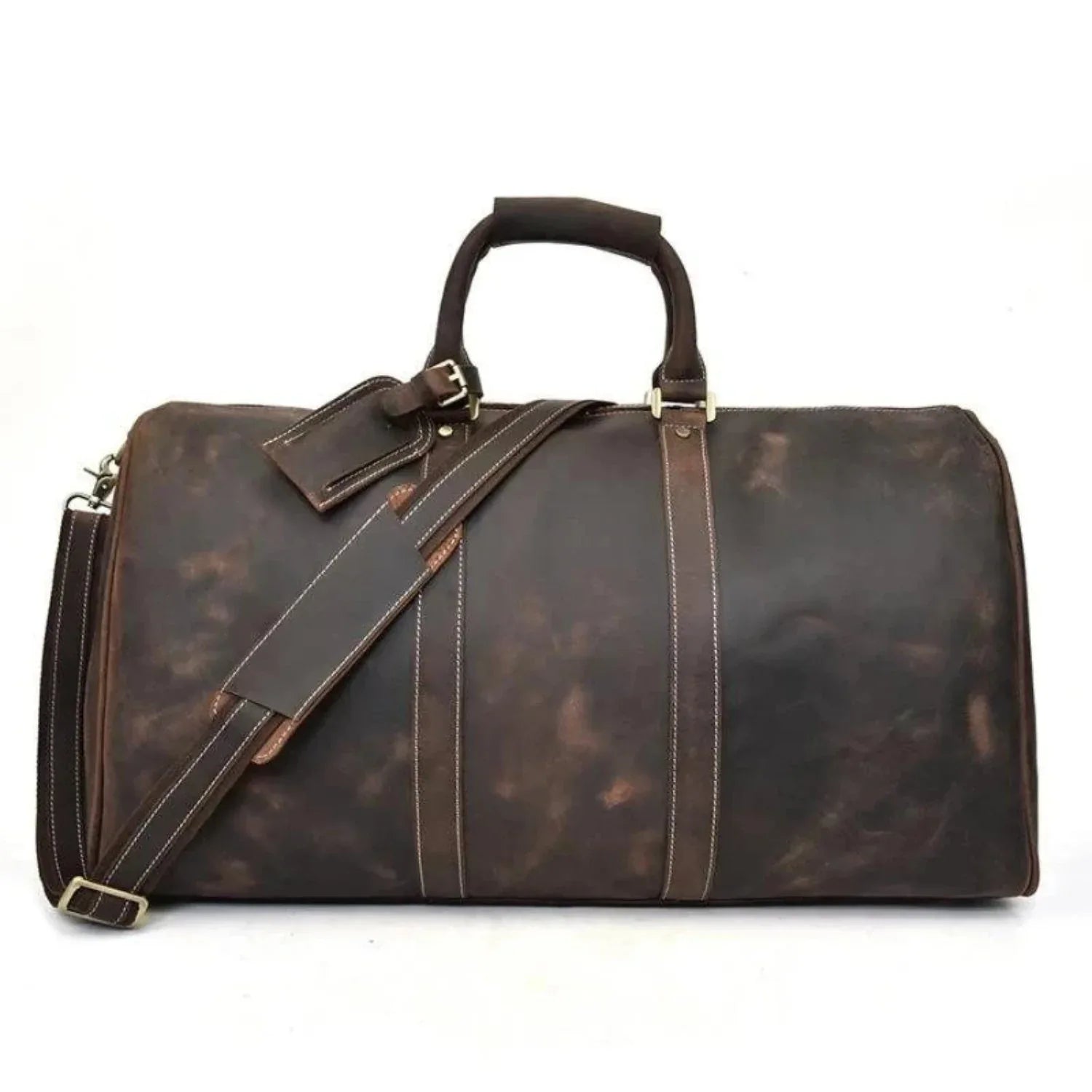
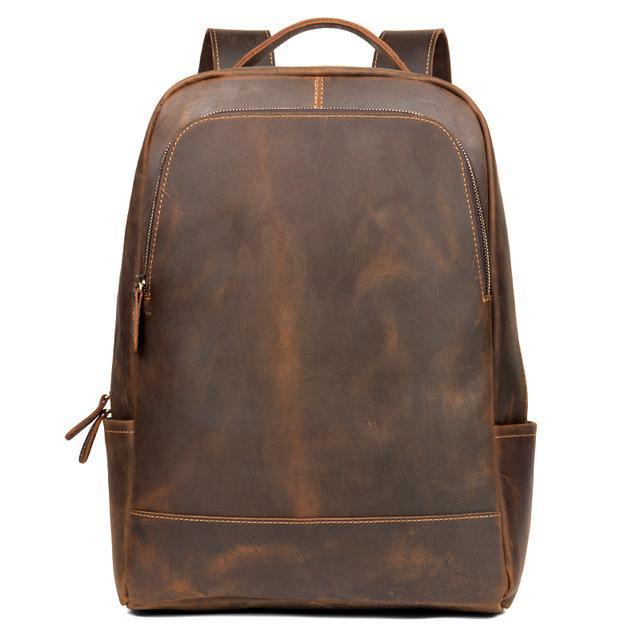
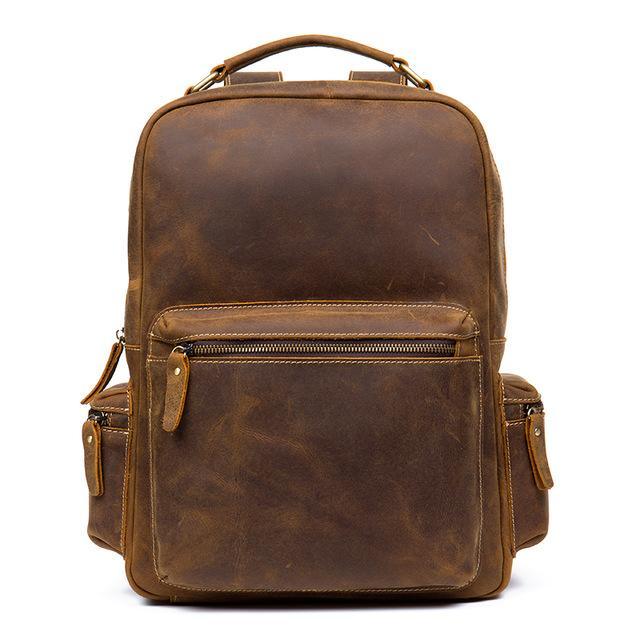
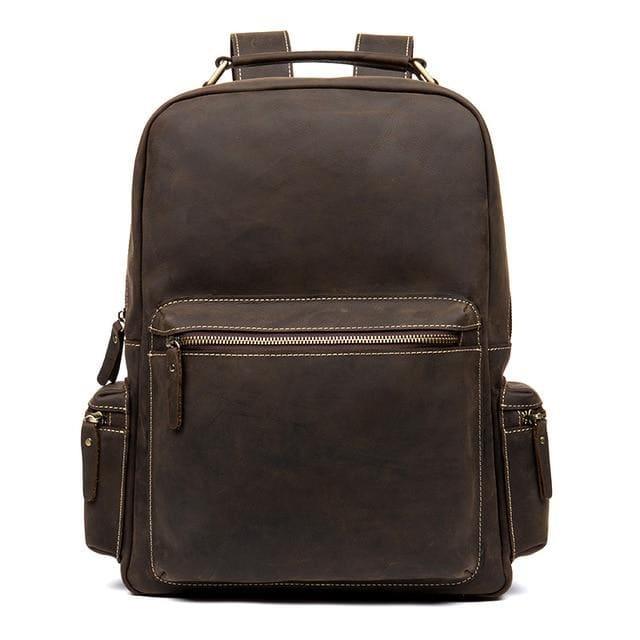
Take, for example, our Bjarke Weekender bag, crafted from high-quality crazy horse leather. During its development, we learned that different types of leather require specific care approaches. For instance, crazy horse leather, known for its durability and unique patina development, needs particular attention to maintain its characteristic appearance.
Here are some tips on how to clean and keep your leather bags in tip-top shape:
-
Clean your leather bag regularly. You should wash it once a week using a mild soap solution, followed by rinsing it well.
-
Avoid putting too much pressure on the seams of your leather bag. This could cause them to split open.
-
Avoid rubbing your leather bag against rough surfaces. Doing this could scratch it.
-
Use a good quality leather cleaner when cleaning your leather bags. Make sure that the product isn't too strong or abrasive.
-
Don't forget to apply a protective layer of wax whenever storing your leather bags. This will protect them from dust and other dirt particles.
-
Wash your leather bags only after they've been worn for more than six months.
-
Keep your leather bags away from direct sunlight. This may fade the color of your leather bags.
Reach out to a professional leather cleaning service if your leather bags aren't looking their best. They will be able to give you tips on how to clean your leather bags properly.
Dry Clean Leather Furniture
Furniture is something we all love to own. But just like everything else, furniture requires maintenance. Regularly washing and polishing your furniture ensures that it stays in top condition. Research indicates that leather used in furniture upholstery requires careful maintenance that accounts for the specific finish type and the leather's porosity, particularly in high-use areas (Omer, 2021).
Below are some tips on how you can keep your furniture looking brand new:
-
When cleaning your furniture, always start with the inside.
-
Make sure that you don't put any harsh chemicals on your furniture. Instead, opt for natural cleaners that won't harm your furniture.
-
Make sure that you remove the cushions from your furniture before cleaning it.
-
Always make sure that you have adequate ventilation when cleaning your furniture.
-
It's best to avoid using a vacuum cleaner on your furniture because it could damage it.
-
It's recommended that you clean your furniture at least twice a year.
If you're having trouble keeping your furniture clean, then reach out for help from an expert. A professional cleaning service will ensure that your furniture looks great.
Dry Clean Leather Coat and Fur Coats
Fur coats are one of the most popular items among men and women alike, and they come in various styles and designs. Whether you want a classic trench coat or a modern bomber jacket, there are plenty of choices to pick from.
If you're wondering what kind of care coats require, here are some tips on how to dry clean fur coats:
-
Never use steam irons on your fur coats. This could damage them permanently.
-
You shouldn't rub your fur coats against hard objects as doing this could leave scratches on them.
-
Store your fur coats in a place where they'll get enough air circulation.
-
Regularly check your fur coats for signs of wear and tear. If you see any, take them to a professional fur cleaning service immediately.
If you need help maintaining your fur coats, contact a professional fur cleaning service. These experts know exactly how to clean your furs without damaging them.
Materials That Help Clean and Moisturize Leather
If you have a leather garment that needs cleaning, there are several materials available in the market that can be used as a cleaner. Some of these cleaners contain ingredients such as ammonia, peroxide, and alcohol. These chemicals are not recommended for use on leather because they could damage it. Research has demonstrated that use of inappropriate cleaning agents such as ammonia or alcohol can permanently damage leather goods, making it critical to utilize products designed specifically for leather care (Sizeland et al., 2017; Middleton, 1978). When using spotting agents to treat isolated stains before full cleaning, always test the agent on a hidden area first to ensure it does not affect the leather's color or finish (Niculescu et al., 2018).
For conditioning and moisture management, products containing lanolin or other natural oils are preferred. These fatliquoring agents play a central role in maintaining pliability and reducing drying damage, and their use is supported by extensive research into leather chemistry (Sizeland et al., 2017; Yorgancıoğlu et al., 2025). When looking for a natural leather cleaner or conditioner, opt for products that list their ingredients clearly and are formulated specifically for the type of leather you own. Using metal polish or other abrasive chemicals not intended for leather should always be avoided.
How to Clean Faux Leather
It's easy to clean faux leather furniture if you know the right cleaning steps to follow. Faux leather is a type of imitation material made from various types of plastic and rubber. Just because it looks leathery doesn't mean you can use it in the same ways as genuine leather. These garment guides on how best to clean a faux leather couch, jacket, and more show you clever ways to remove any type of stain from your faux fabric.
How to Dry Clean a Faux Leather Couch and Other Items
Here are the steps you need to follow to clean faux leather items from sofas to bags and belts:
-
To keep your sofa looking good, use a clean cloth dipped in warm water to wipe down the surface.
-
Use a clean towel to wipe away any leftover liquid.
-
If there are any minor marks or stains, then you can use a small amount of mild dishwashing liquid to clean them off.
-
Squeeze out the excess water from the towel.
-
Use the cloth to remove the stain gently until it disappears.
-
To rinse out the soap from the cloth, use fresh water.
-
Wipe off any remaining residue with the cloth.
-
After finishing drying your couch, finish by using a soft microfiber towel.
How to Clean a Faux Leather Jacket
It's easy to clean faux leather clothing, as most pieces of faux leather clothing can be machine-washed, but it's not so easy to clean real leather clothing. The care label will tell you whether you can put the item into the washing machine.
Here's how to clean faux leather jackets and other kinds of clothing:
-
Put your faux leather clothing inside out.
-
Put the item into a delicate or washable mesh laundry bag.
-
Select a delicate program for your washing machine with a cold cycle and a low spin setting.
-
Use a gentle detergent (a harsh one can cause the material to become stiffened up and damaged).
-
Hang the items to dry instead of using the tumble dryer to dry them.
-
Don't use the iron directly on the faux leather. Instead, steam out the wrinkles.
How to Dry Clean Faux Leather Shoes
You can clean faux suede shoes by hand using just several simple household ingredients. To keep your shoes from wearing out, you need to take care of them properly.
-
Add one tablespoon of detergent to several cups of water.
-
Soak a cloth in the detergent mixture, then wipe down the length of the shoe using the dampened cloth.
-
Wipe away any excess moisture using a clean dry cloth.
-
Let the shoes dry naturally.
-
Dip a clean, soft cloth into a tablespoon of melted coconut oil and then rub the shoe to condition it.
How to Clean Faux Leather Pants
Using the right detergent, cold water temperature, and gentle agitation are what is needed to clean faux leather pants.
Here are some cleaning tips and some important things to remember:
-
Make sure that you are not using hot water as it can distort or melt the faux leather.
-
Always use a mild detergent for both hand or machine washing methods.
-
Swish your hand around rather than scrubbing the pants for even distribution.
-
Stretching, twisting, or pulling the fabric while it is wet can warp the shape.
-
If you have a lot of dirt on your leggings, try soaking them overnight. This may help loosen the dirt.
-
Do not use bleach or ammonia-based cleaners. These chemicals can damage the fabric and make it brittle.
Press Finishing After Cleaning

Once your leather garment has been cleaned and conditioned, press finishing can be used to restore its shape and smooth out any wrinkles acquired during the cleaning process. This step is commonly performed by professional dry cleaners using specialized leather cleaning equipment that applies controlled heat and pressure without damaging the surface. Press finishing is particularly useful for leather coats, suit jackets with leather details, and structured leather bags that need to regain their original form after treatment.
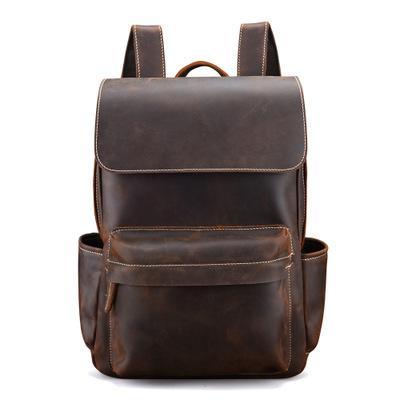
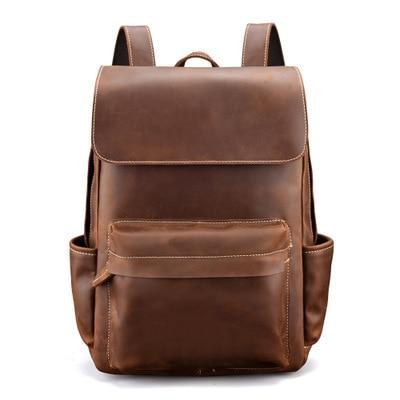
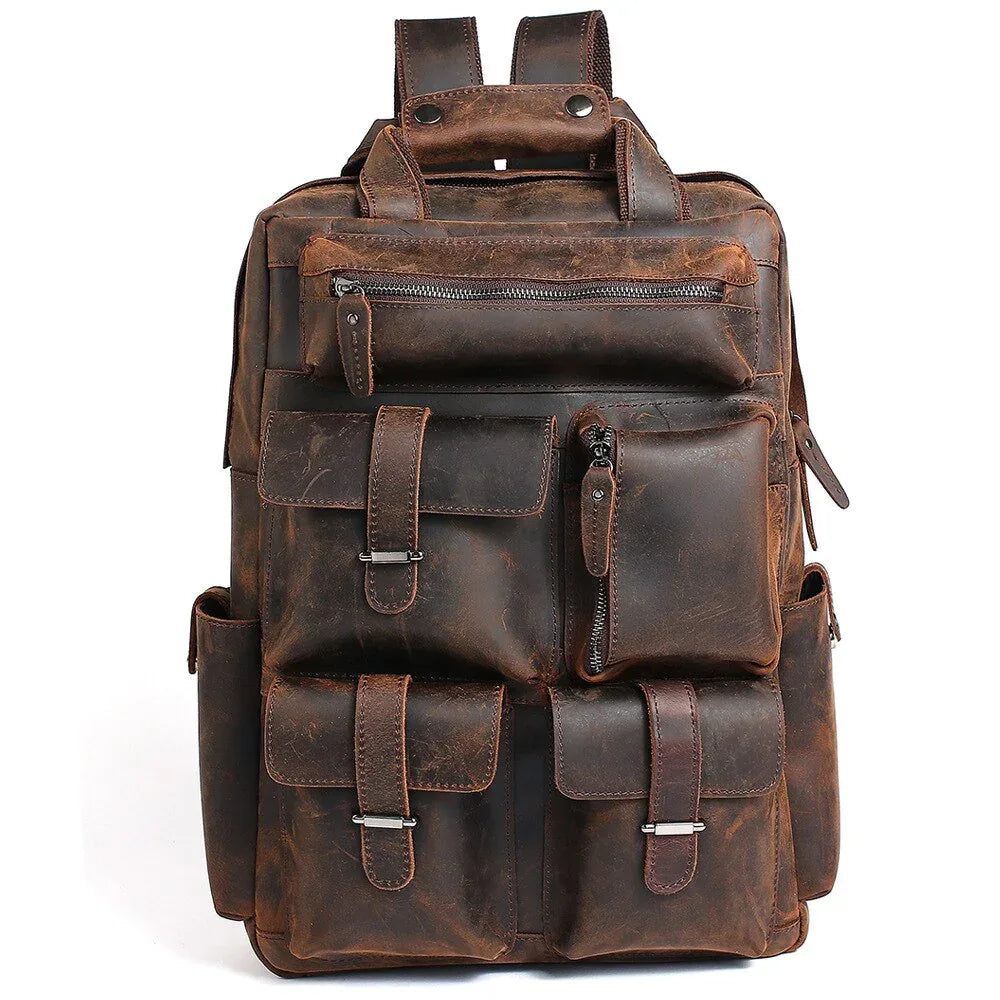
Real-World Example: The Hagen Backpack Care
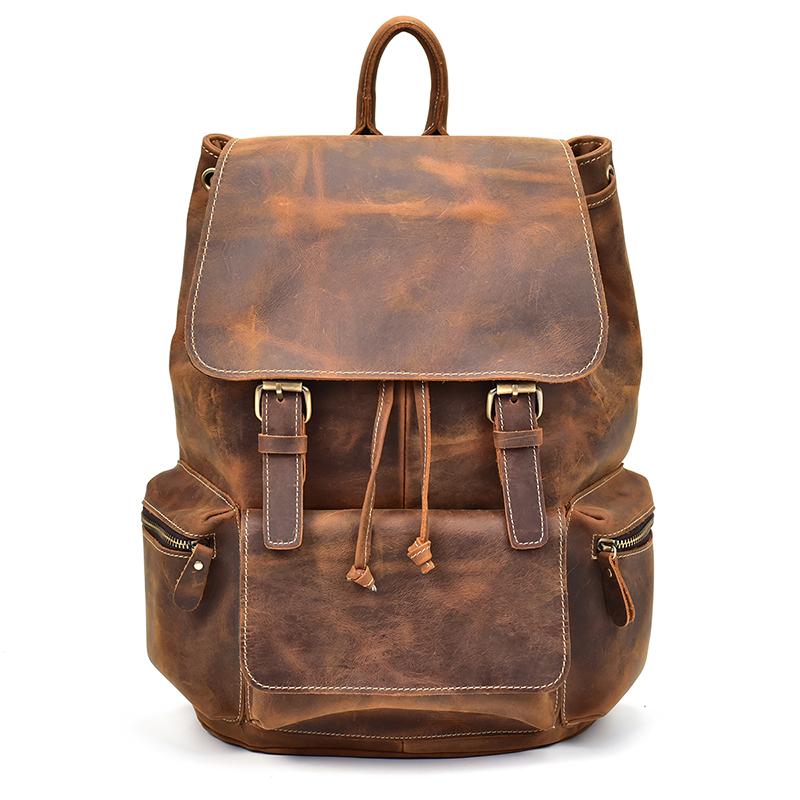
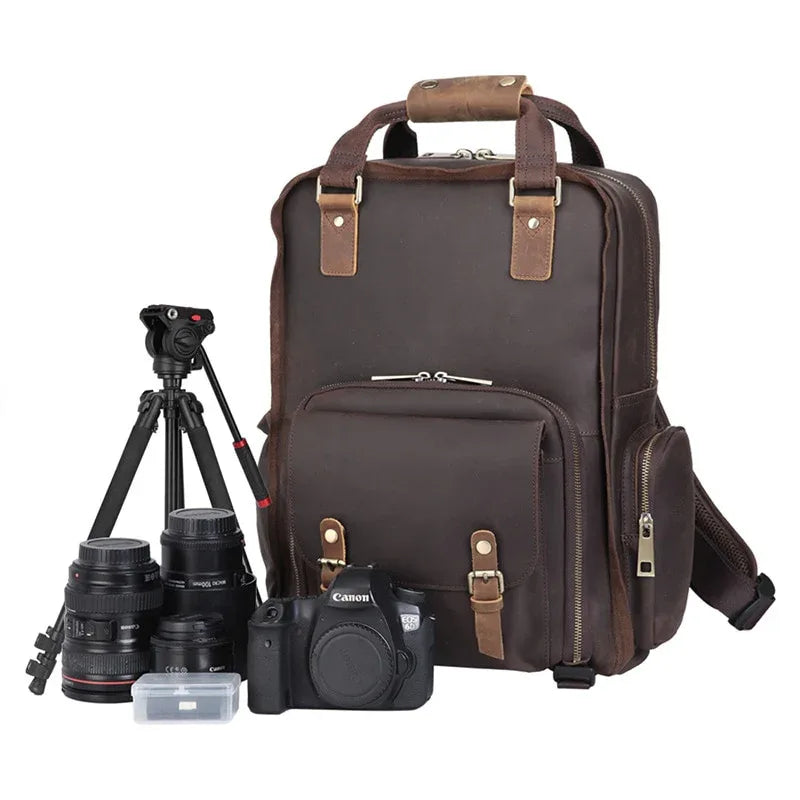
During our development of The Hagen Backpack, a premium crazy horse leather product, we learned valuable lessons about leather care and maintenance. This backpack, made from high-quality cowhide leather, requires specific care to maintain its natural creases and antique appearance. The development process also underscored the importance of understanding the specific finish and tanning chemistry of any leather product before selecting a cleaning or conditioning approach (Niculescu et al., 2018; KILIÇ & Zengin, 2021).
For The Hagen Backpack, we recommend:
-
Regular dusting with a soft, dry cloth
-
Spot cleaning with appropriate leather cleaners when necessary
-
Avoiding direct sunlight exposure to prevent fading
-
Using leather conditioner every 3 to 6 months to maintain the leather's softness
-
Storing in a cool, dry place when not in use
The natural variations in the crazy horse leather make each Hagen Backpack unique, and proper care helps preserve these distinctive characteristics, including the beloved vintage patina that develops over time. When cleaning the exterior pockets or main compartment, special attention should be paid to the magnetic locks and zippers to prevent moisture accumulation around these hardware elements. For customers who have questions about care, tutorials online and customer reviews from other leather enthusiasts can be a helpful supplement to manufacturer guidance.
Frequently Asked Questions
What is the best way to dry clean a leather jacket at home?
The best home approach is to hang the jacket on a sturdy hanger, place it in a sealed plastic bag, and allow it to air for about two weeks before attempting any spot cleaning. For more thorough cleaning, gently sponge the surface with a mild soap and water solution, allow it to dry naturally, and then apply a leather conditioner. For vintage leather jackets or heavily soiled garments, professional dry cleaning services are strongly recommended to avoid permanent damage.
How do I remove stains from a leather bag or leather coat?
For oil or grease stains, apply baking soda or cornstarch directly to the stain and allow it to absorb the oil overnight before wiping clean with a damp cloth. For ink stains or a leather coat ink stain, blot the area with a cotton ball dipped in nail polish remover without rubbing, then wipe the surface clean. Always follow stain removal with a leather conditioner to restore moisture to the treated area.
Can I use household cleaners like ammonia or alcohol on leather items?
No, you should avoid using cleaners containing ammonia, undiluted alcohol, or other abrasive chemicals on leather items. Research has confirmed that these agents can permanently damage the leather's finish and structure, causing discoloration and surface breakdown (Sizeland et al., 2017; Middleton, 1978). Always use products specifically formulated for leather care, or a mild soap and water solution for light cleaning.
How often should I apply leather conditioner to maintain leather care?
For most leather items used regularly, applying a leather conditioner every three to six months is sufficient to maintain softness and prevent cracking. Items exposed to harsh conditions, salt marks, or frequent moisture such as leather shoes or a leather jacket worn in winter may benefit from more frequent conditioning. After any cleaning session, always finish with a conditioner to restore the natural oils removed during the cleaning process.
What is the difference between professional dry cleaners and home cleaning for suede jackets and fur coats?
Professional dry cleaners use specialized leather cleaning equipment, dry cleaning solvents, and spotting agents tailored to specific leather types, making them far more effective for delicate materials like suede jackets and fur coats. Home cleaning methods, while useful for light maintenance, are often too generic to address the specific surface structures of suede or fur without risking damage (Kutnjak-Mravlinčić et al., 2020). For valuable or heavily soiled items, always consult a dry cleaning specialist.
How do I get rid of the smell of smoke from a leather garment?
To remove the smell of smoke from leather, start by wiping the surface with a mild soap solution, followed by a mixture of white vinegar and flaxseed oil applied as a conditioning treatment. Allow the garment to air out in a well-ventilated space for several hours. If the odor persists, professional leather cleaning services can use specialized deodorizing treatments that penetrate the leather's porous surface more effectively than home remedies (Owen et al., 2021).
Is dry cleaning safe for all types of leather, including faux leather?
Standard dry cleaning is designed for genuine leather and may not be appropriate for faux leather, which is made from plastic and rubber compounds that can react differently to solvents and heat. Faux leather garments are usually machine-washable on a delicate cycle using cold water and a gentle detergent, making them easier to clean at home than genuine leather. Always check the care label before attempting any cleaning method on faux leather items.
What storage guidelines should I follow to keep leather items in good condition?
Leather items should be stored in cool, dry places away from direct sunlight to prevent fading and drying. Leather jackets and coats should be hung on sturdy wooden hangers rather than folded, while leather bags should be stuffed with tissue paper to maintain their shape. Applying a waterproof spray or protective wax before storage and removing any plastic covering from dry cleaned items will help preserve the leather's flexibility and prevent drying or flaking over time.
Conclusion
In conclusion, proper leather care and dry cleaning are essential for preserving the beauty, durability, and longevity of your leather items. Whether it’s a jacket, bag, furniture, or accessory, understanding the type of leather—tanned or untanned—and using the appropriate cleaning methods and conditioners ensures your leather remains soft, supple, and protected against stains, moisture, and odors. While some maintenance can be done at home with careful attention, professional leather cleaning services offer the expertise and specialized treatments necessary for delicate, vintage, or heavily soiled pieces. With the right knowledge, products, and practices, your leather goods can maintain their quality and appeal for many years.
References
Cassingham, D., & Roentgen, G. (2025). Investigation into the eco-friendly, simultaneous tanning and reactive dyeing of leather. Review of Progress in Coloration and Related Topics, 142(1), 102-118. https://doi.org/10.1111/cote.12818
Hassan, M., Harris, J., Busfield, J., & Bilotti, E. (2023). A review of the green chemistry approaches to leather tanning in imparting sustainable leather manufacturing. Green Chemistry, 25(19), 7441-7469. https://doi.org/10.1039/d3gc02948d
KILIÇ, T., & Zengin, G. (2021). Effect of viscosity on the characteristic properties of solvent free patent finished leathers. Tekstil ve Konfeksiyon, 31(2), 137-145. https://doi.org/10.32710/tekstilvekonfeksiyon.902181
Kutnjak-Mravlinčić, S., Akalović, J., & Bischof, S. (2020). Merging footwear design and functionality. Autex Research Journal, 20(4), 372-381. https://doi.org/10.2478/aut-2019-0023
Middleton, B. (1978). Book preservation for the librarian (pp. 3-23). https://doi.org/10.1021/ba-1977-0164.ch001
Niculescu, O., Lăzăroiu, G., Chelaru, C., & Gurău, D. (2018). New products based on essential oils for finishing natural leathers with antifungal performances - Part 2. https://doi.org/10.24264/icams-2018.v.4
Niculescu, O., Albu, L., Lăzăroiu, G., Miu, L., Gaidău, C., Constantinescu, R., & Gurău, D. (2019). Testing the new products for finishing footwear made of natural leather. Leather and Footwear Journal, 19(4), 243-250. https://doi.org/10.24264/lfj.19.4.9
Omer, S. (2021). Leather used in furniture upholstery. Koža & Obuća, 69(2), 12-15. https://doi.org/10.34187/ko.69.2.2
Owen, L., Shivkumar, M., Cross, R., & Laird, K. (2021). Porous surfaces: Stability and recovery of coronaviruses. Interface Focus, 12(1). https://doi.org/10.1098/rsfs.2021.0039
Sizeland, K., Wells, H., Kelly, S., Edmonds, R., Kirby, N., Hawley, A., & Haverkamp, R. (2017). The influence of water, lanolin, urea, proline, paraffin and fatliquor on collagen D-spacing in leather. RSC Advances, 7(64), 40658-40663. https://doi.org/10.1039/c7ra05560a
Staszko, S., Półka, M., & Matuszkiewicz, R. (2025). The influence of leather type on thermal and smoke-generating properties. Materials, 18(2), 304. https://doi.org/10.3390/ma18020304
Yorgancıoğlu, A., Önem, E., & Sabyrkhanova, S. (2025). Production of an esterquat-based novel softening agent and its impact on leather and textile quality. ACS Omega, 10(9), 9289-9300. https://doi.org/10.1021/acsomega.4c09502
All of our bags at Steel Horse Leather are crafted from full-grain crazy horse leather, built to develop a rich patina over time. Browse our Leather Bags.