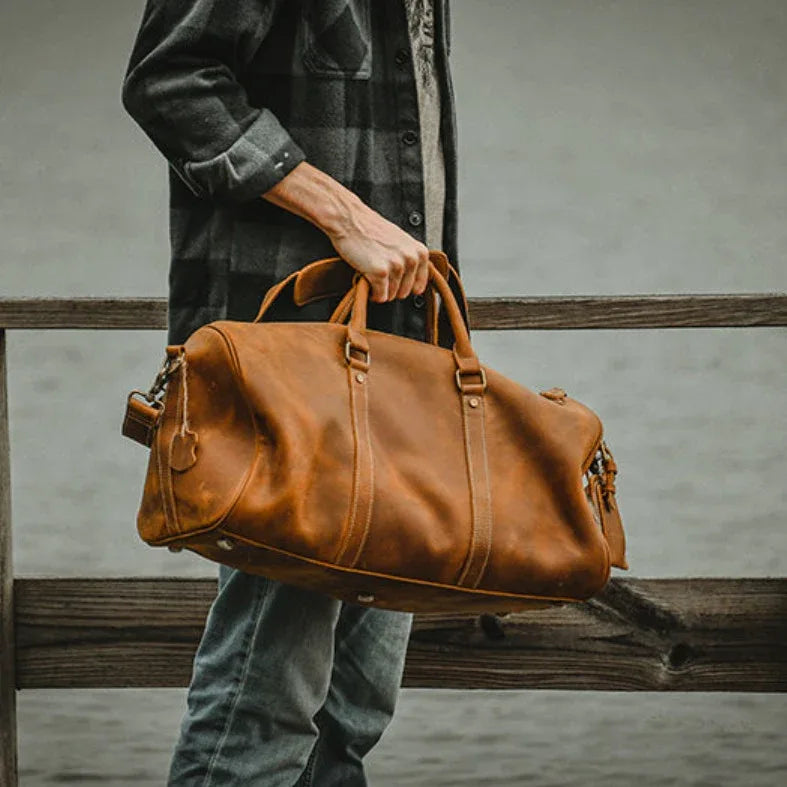
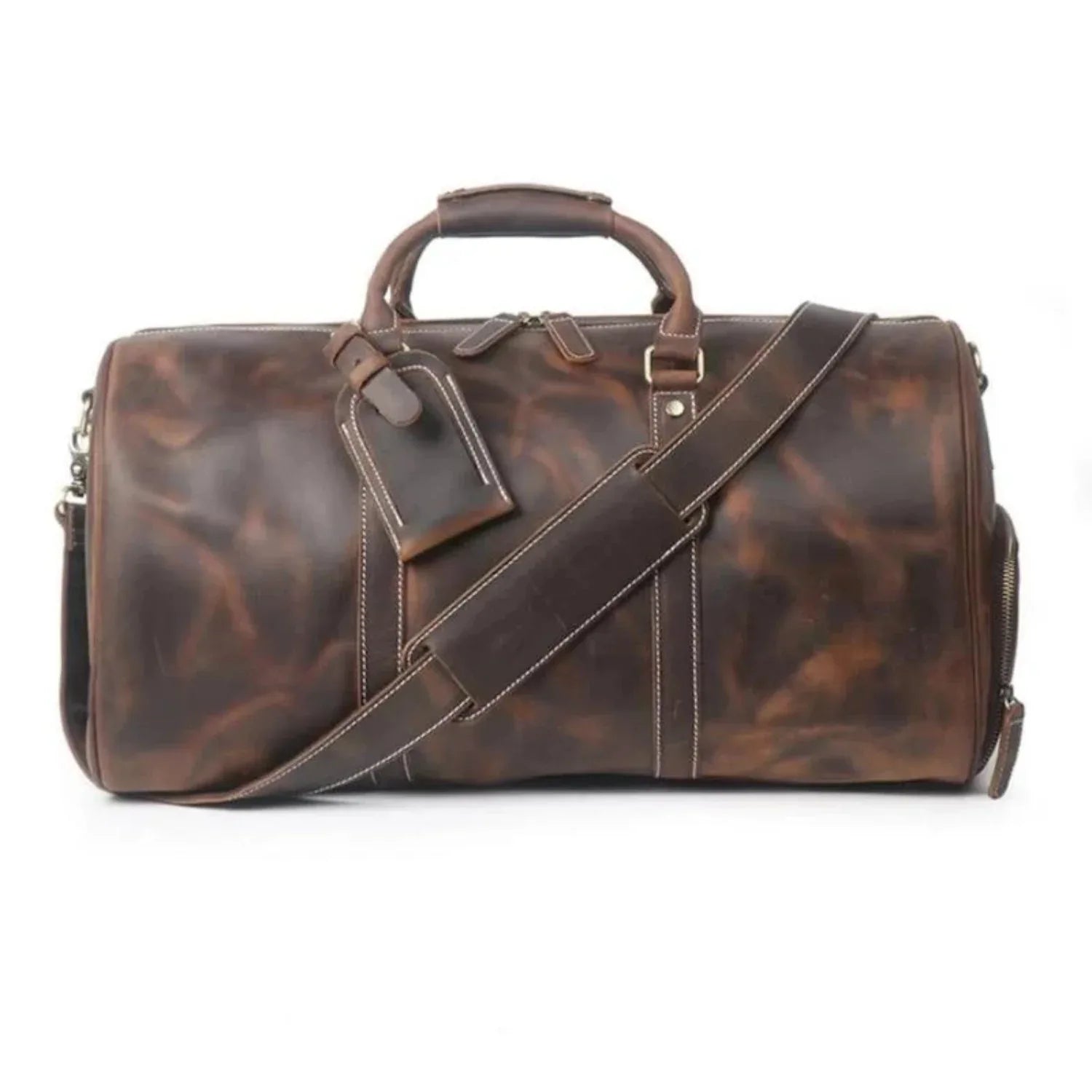
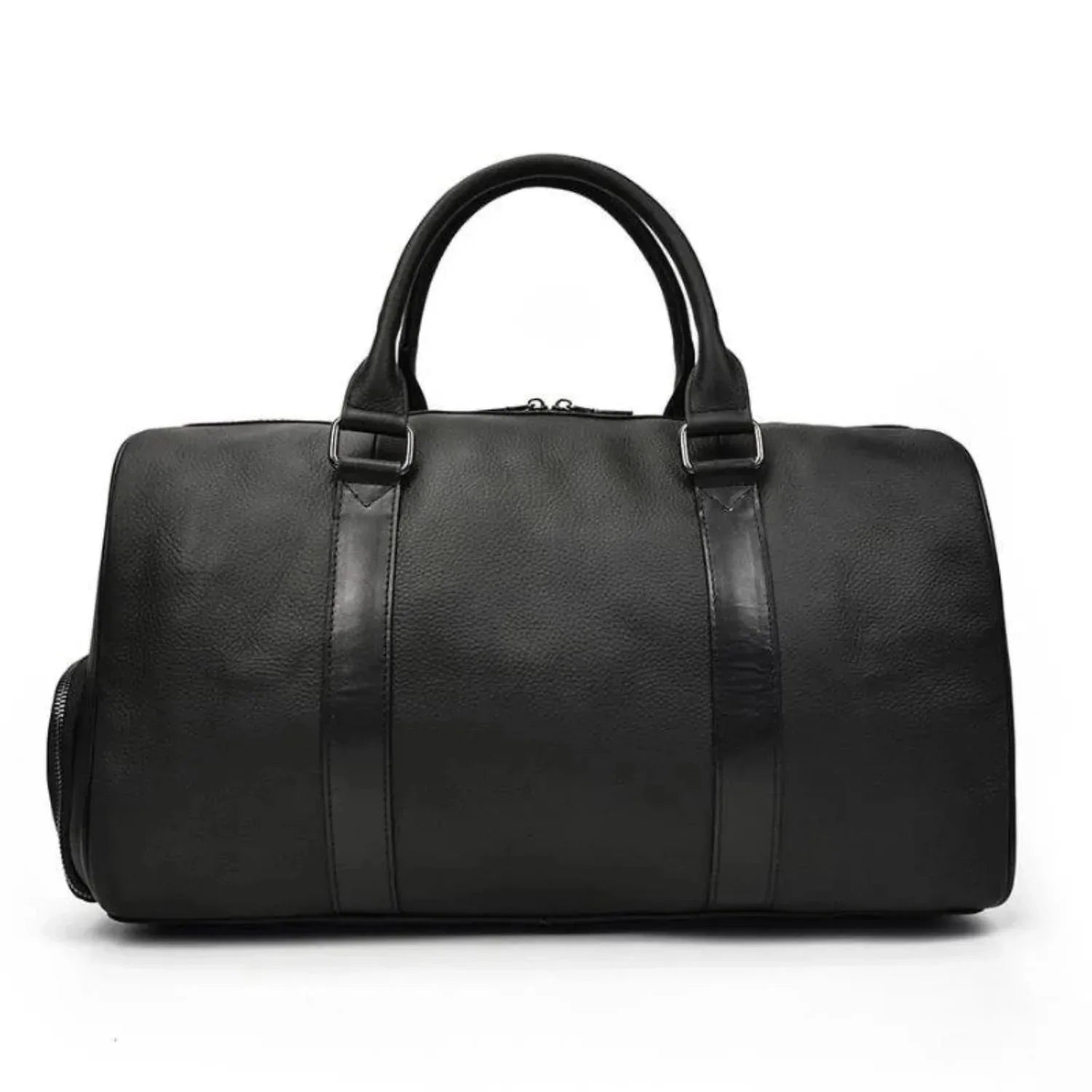
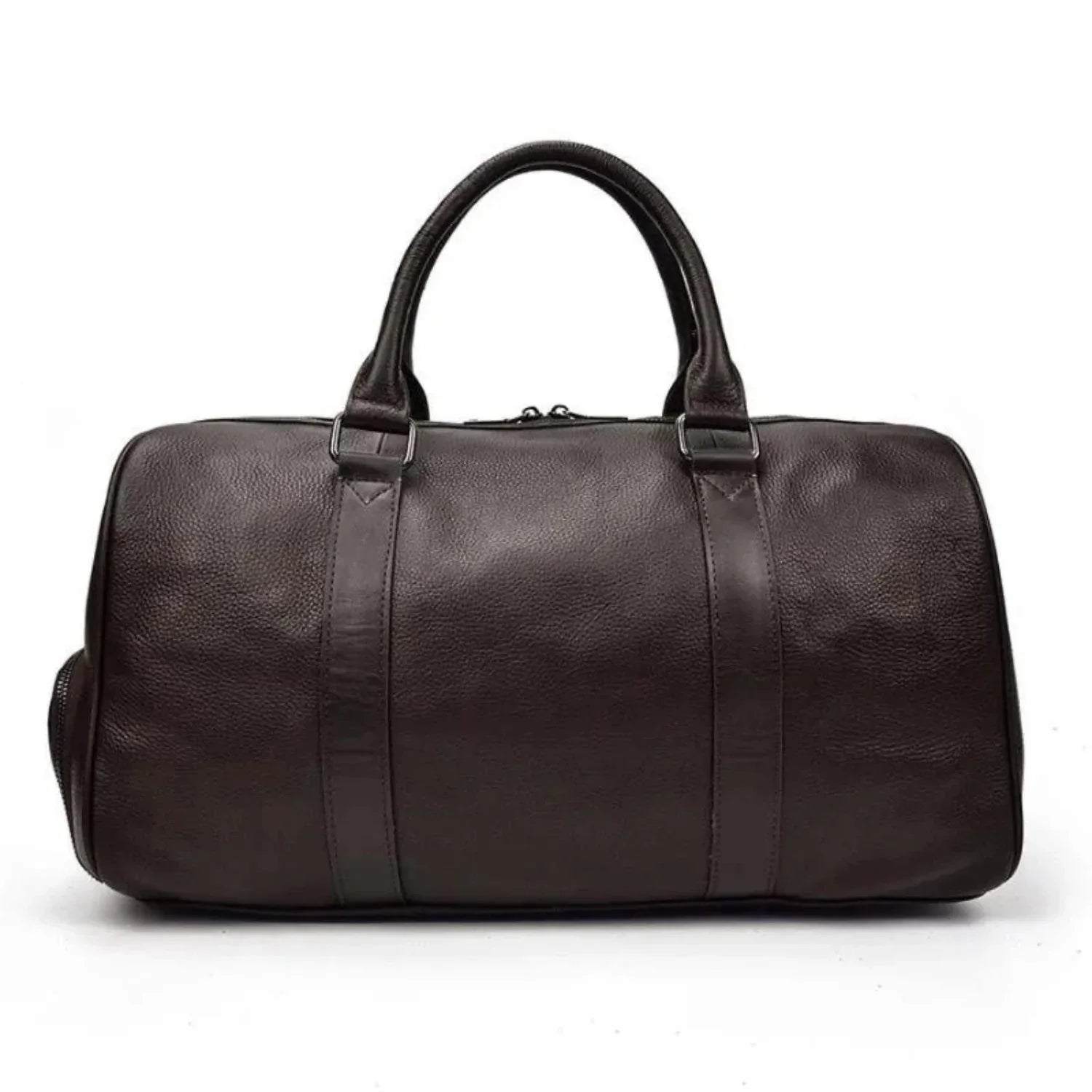
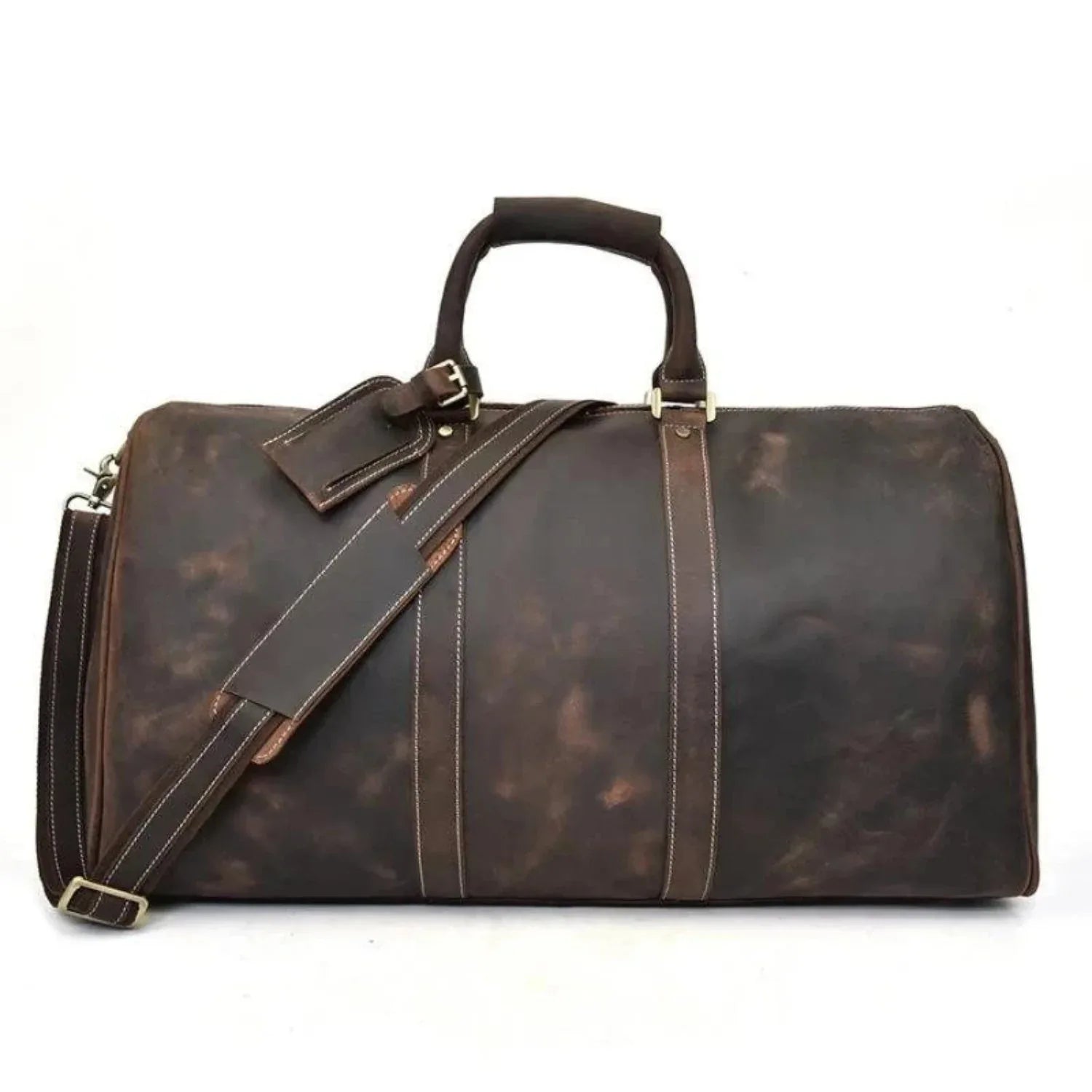
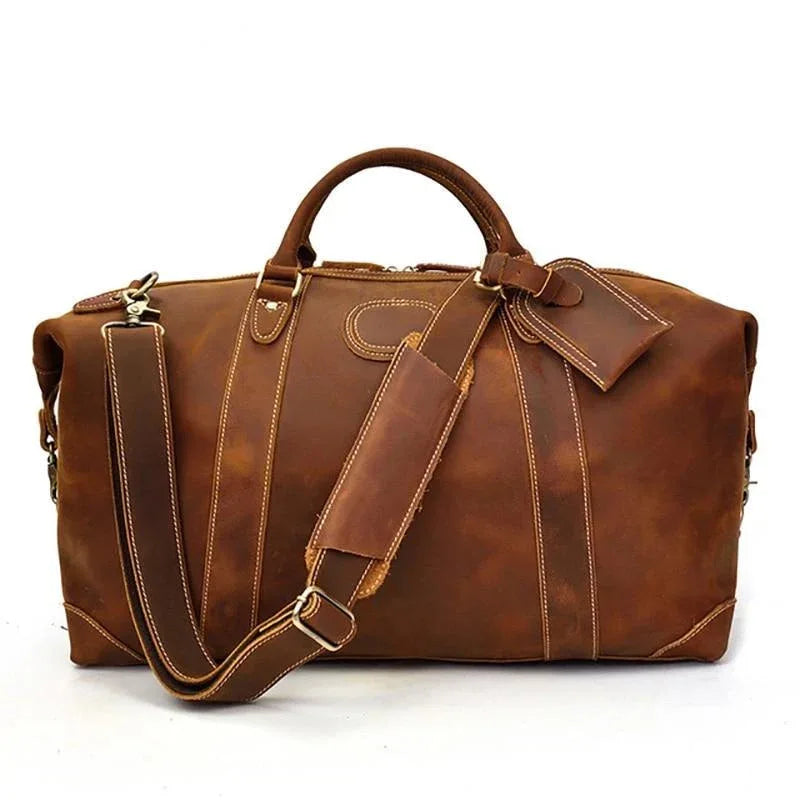
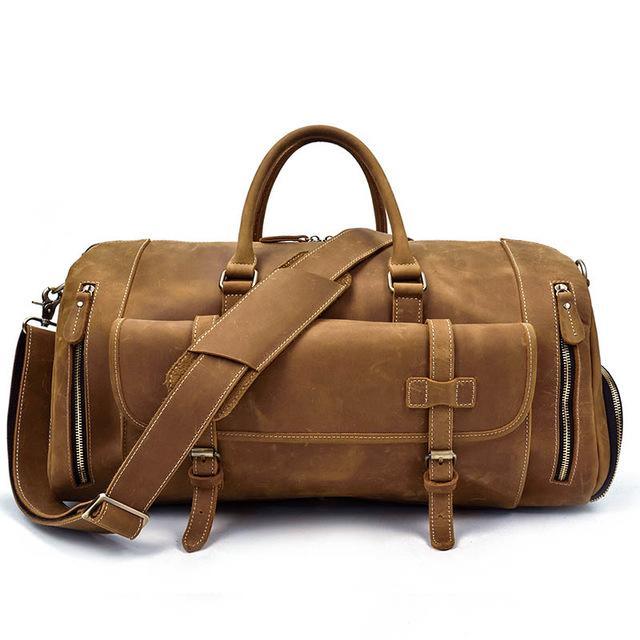
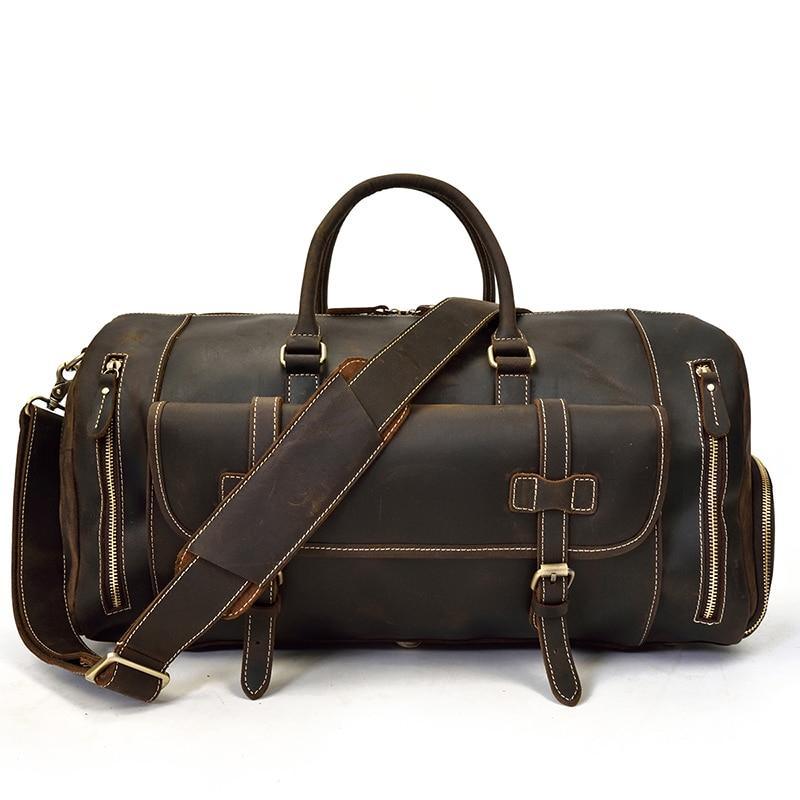
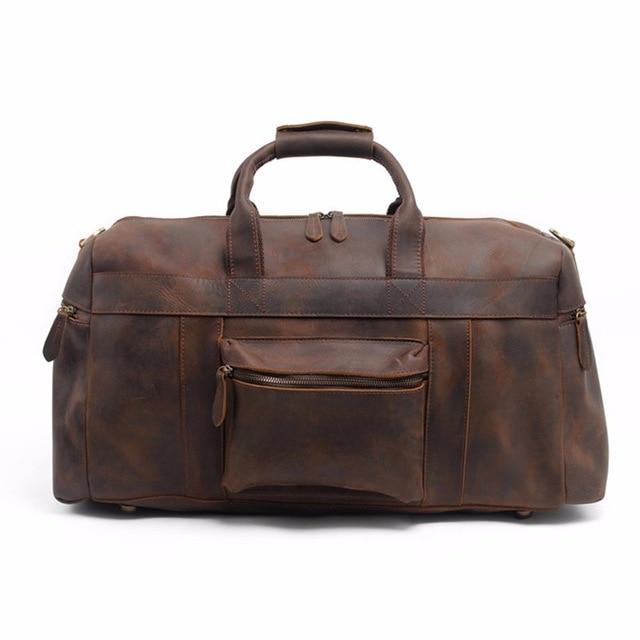
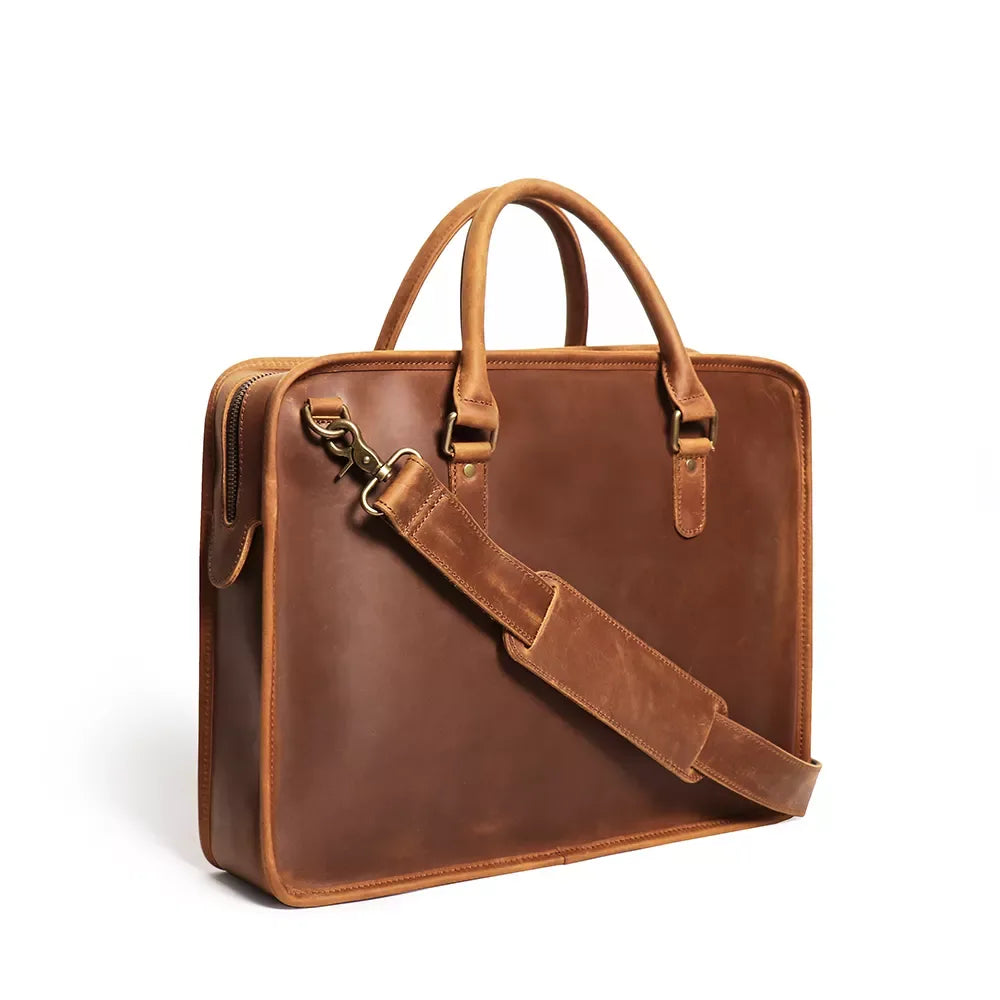
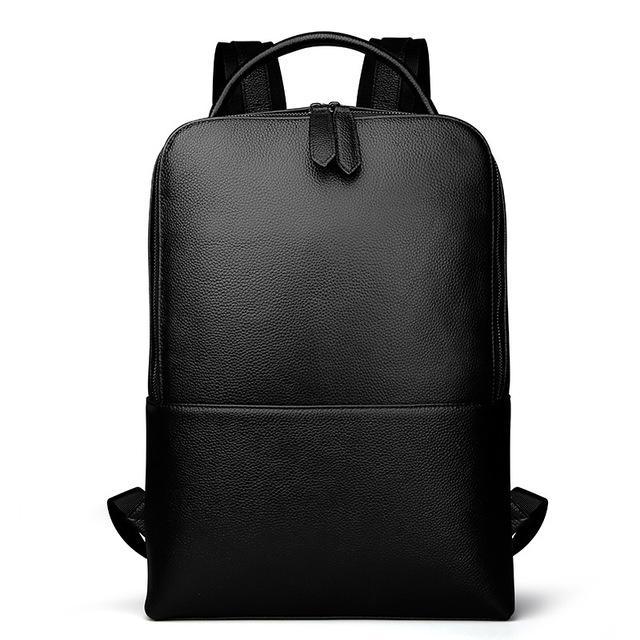
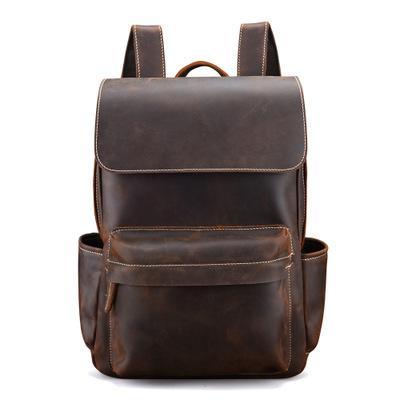
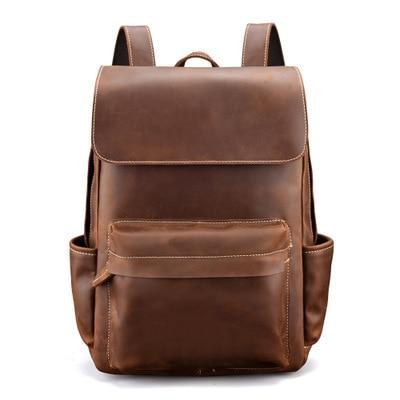
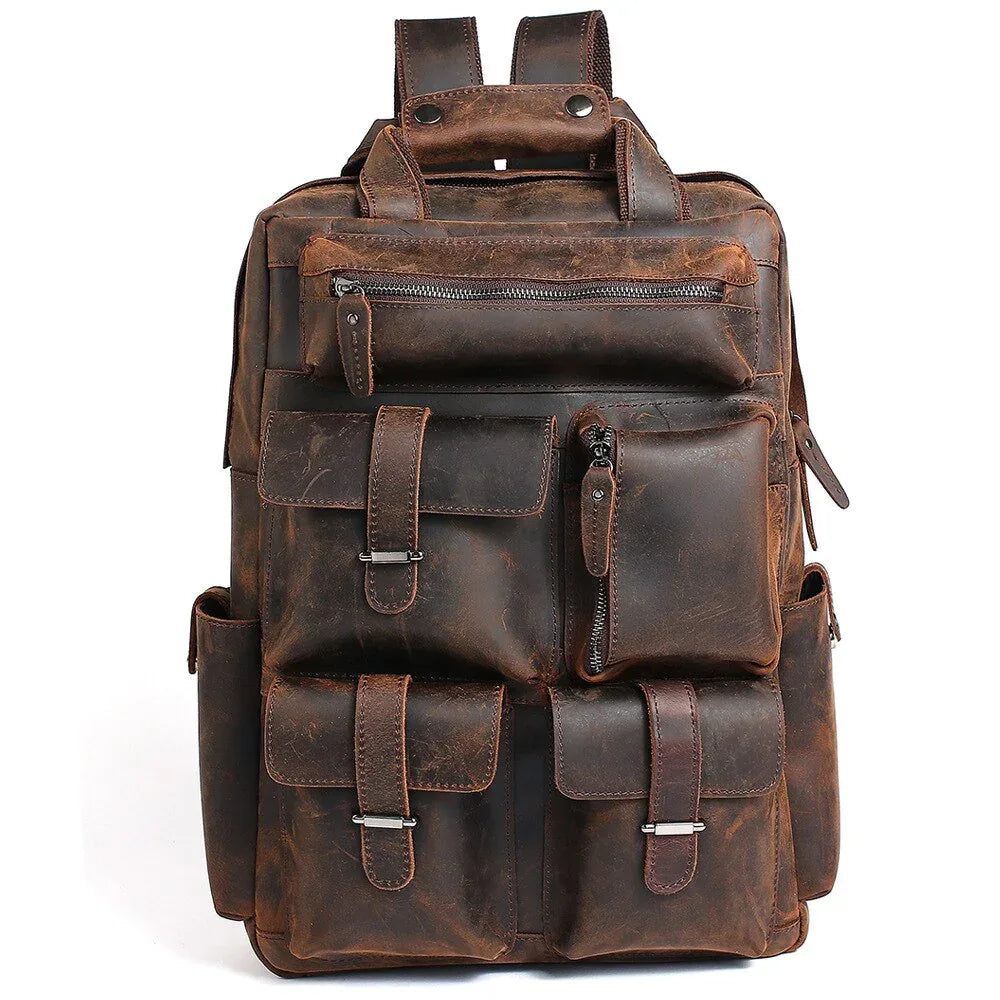
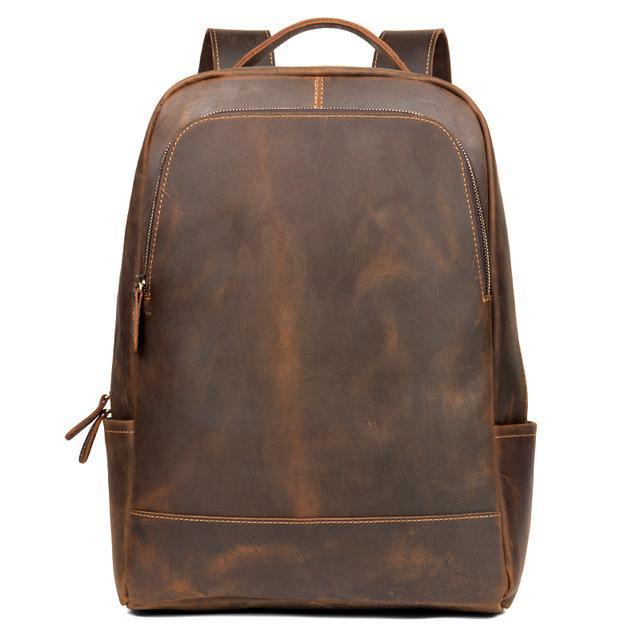
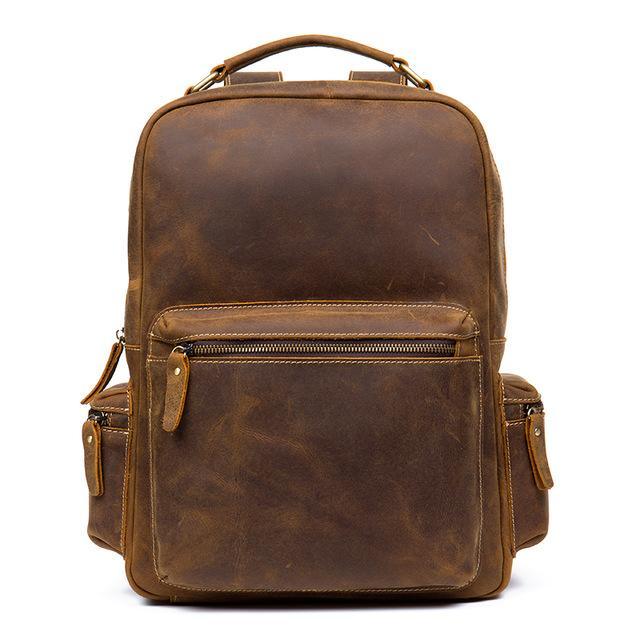
A bag is something we need for both aesthetic and functional purposes, helping us carry what we need while expressing our personal style. Types of leather bags are available across the market for different purposes, from everyday use to specialized functions, and understanding what sets each apart makes all the difference when investing in leather goods that stand the test of time. If you're thinking of buying a new bag or wondering what else is available, explore our full collection at Steel Horse Leather.
Key Takeaways
-
The leather industry has evolved significantly from ancient times to modern manufacturing, with the United States being a leading supplier of raw materials.
-
Different types of leather bags serve specific purposes, from everyday use to specialized functions like camera bags or travel luggage.
-
The quality of leather depends on multiple factors, including animal source, processing methods, and the specific part of the hide used.
-
Tanning methods (vegetable, chrome, aldehyde) significantly impact leather characteristics and environmental considerations.
-
Understanding leather types and quality indicators helps consumers make informed purchasing decisions for leather bags.
History of Leather
Before we dig deep into the different types, qualities, and characteristics of leather, let's take a look at its history and how it has evolved over time. Tanning leather has been around for hundreds of years. It's one of humanity's oldest professions. Tanning has been used for thousands of years by people from India, Egypt, Greece, China, and Mesopotamia. Leather was used to create intricate clothing items such as shoes, gloves, and armor from ancient times until today. It was also used for making bucket bags, bottles, and weapons.
Industrial Revolution and Modern Era
During the Industrial Revolution, new technologies were developed that allowed for the production of high-quality leather at an affordable price. Leather was first produced in America during colonial times. During the eighteenth century, it grew with the population. By 1850, there were over 1 thousand tanning factories in the U.S. By 1840, the population was more than eight thousand. At one point, the primary leather activity was shoemaking. By the end of the 19th century, there were approximately 11,500 shoe manufacturing companies operating in America.
It is also worth noting that the leather industry has historically been tied to the meat industry, as animal hides used in leather production are largely byproducts of meat processing. This relationship has helped reduce waste and made leather goods more sustainable than many people realize.
Current Industry Status
The United States leather industry exports more than its entire leather inventory. The U.S. is one of the world's leading suppliers of raw materials used by the leather manufacturing industry. Exports from the United States alone are worth nearly $300 billion each year. The hide, skin, and fur trade exports more than $2 billion worth of cattle hides, pig skins, and semi-processed leather products every year.
Leather goods are expected to grow at an average rate of 5 percent per year between 2016 and 2021. Leather varies greatly in quality. There are different leather types, including top grain and genuine leather. They're just different types of leather, based on their quality.
Types of Leather Bags
Leather Backpacks and Waist Bags

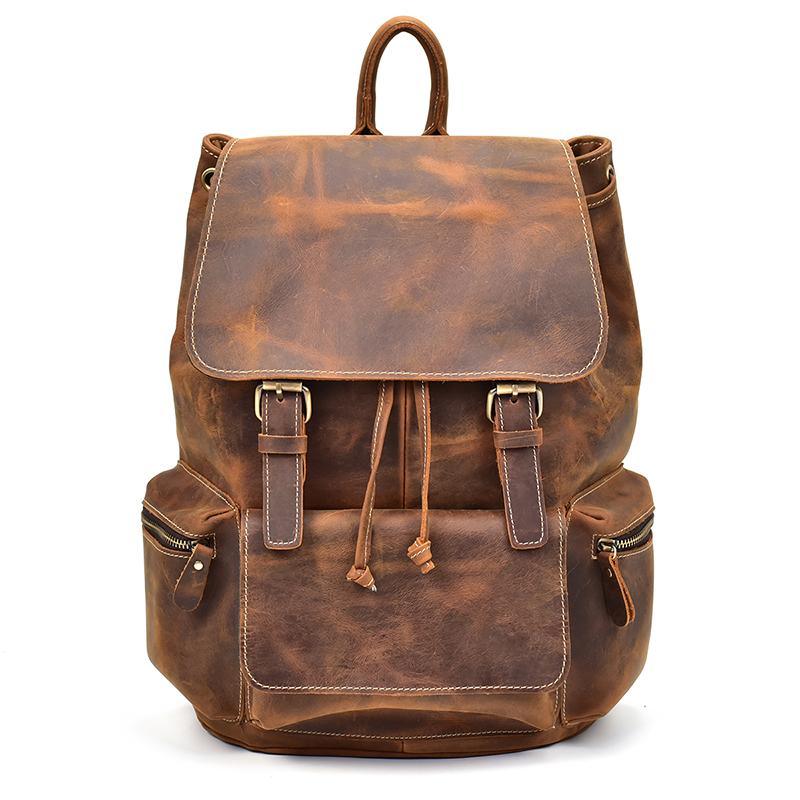
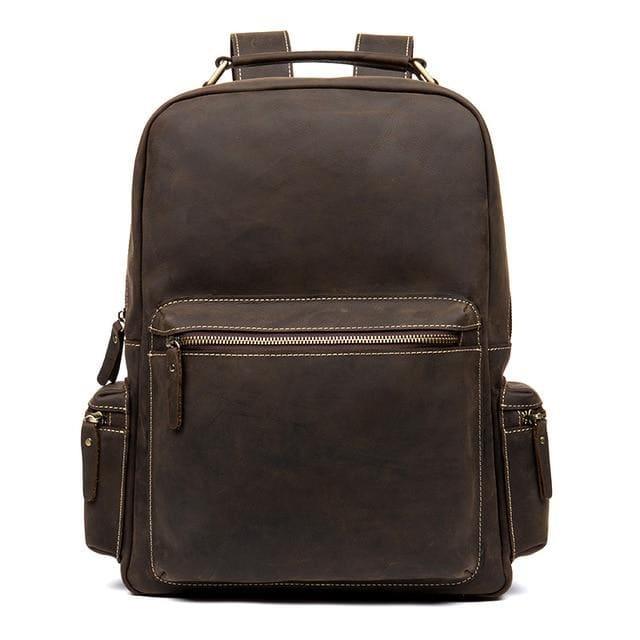
Leather backpacks are one of the most popular types of bags because they provide a convenient way to carry all sorts of things. Backpacks come in a variety of styles and sizes ranging from very small backpacks to huge ones meant for hiking. The price depends on the leather grade used.
Every bag that is primarily carried on your back or is worn on your waist is considered a backpack or a waist bag. A backpack is a large bag used to carry things on your back and is usually larger than a day pack. It's designed to hold more stuff than a day pack. Backpack use has existed for thousands of years, but the modern backpack was invented in the United States during the 1910s.
Waist bags, also known as fanny packs, are smaller bags that are worn around the waist. They are often used by women who don't like carrying big bags on their backs. Some people prefer wearing a small bag on their hips because it looks better and feels more comfortable. Fanny packs have experienced a major resurgence in urban settings and among travelers who value hands-free convenience without sacrificing style.
Leather Clutch and Handbag Bags

Clutch bags and handbags include all of the smaller bags that are typically carried without any sort of strap. They can be made from any material including leather, canvas, nylon, plastic, etc. Clutches are often small enough to fit inside a pocket or purse. Leather handbags are generally bigger and have straps so that they can be carried by hand.
Handbags come in many shapes and sizes. There are purses, leather tote bags, leather satchels, leather briefcases, laptop bags, and even diaper bags. Each one serves its own purpose depending on where you plan to wear it. For example, if you're going to work, then you probably won't want to bring along a diaper bag. But if you're heading to school, then you may want to consider bringing along a briefcase instead.
Among the most iconic designs in luxury fashion is the Kelly Bag, a flap closure handbag that has defined elegance for decades. Its bag design is a masterclass in structure, symmetry, and restraint, often crafted from smooth calf leather or exotic skins by luxury brands. Understanding bag design principles like the Kelly Bag helps consumers appreciate what makes a leather bag exceptional.
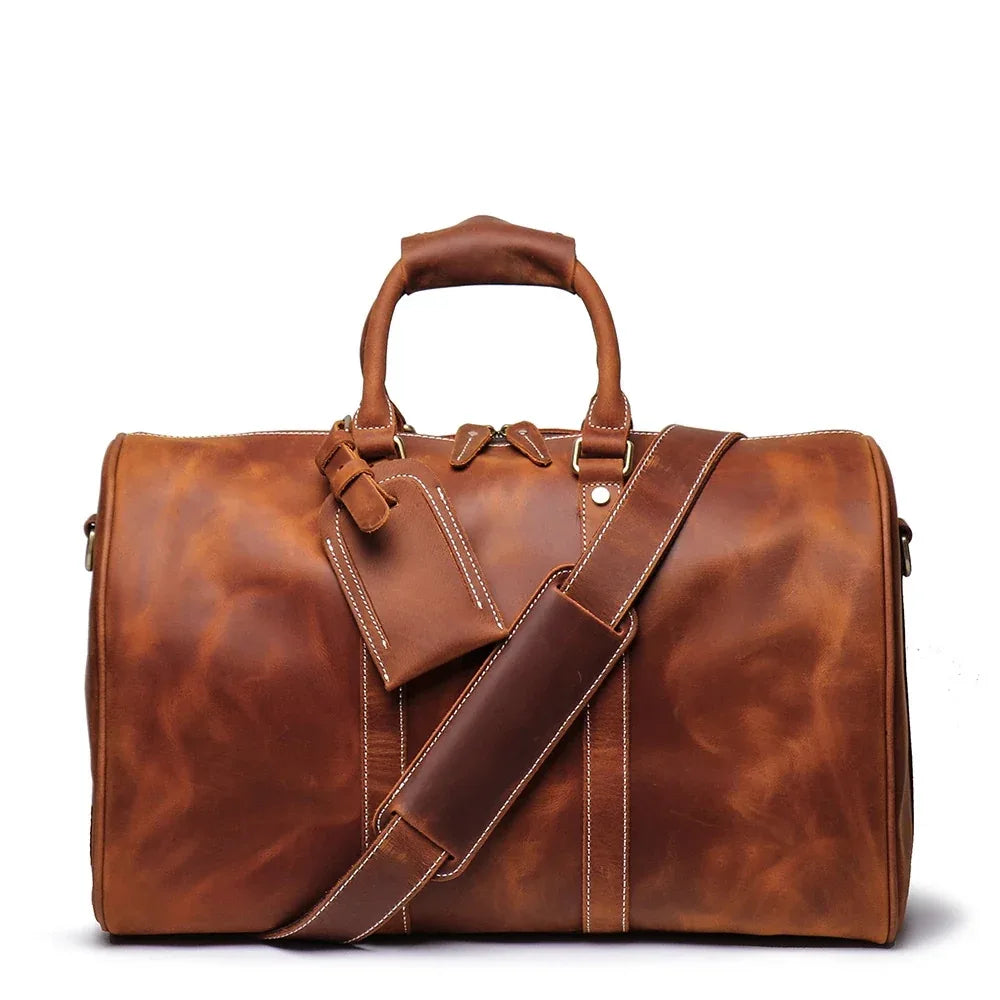
A prime example of modern leather bag innovation is The Dagny Weekender, a full-grain leather travel bag that exemplifies the perfect blend of functionality and sophistication. During its development, careful attention was paid to addressing common traveler pain points, resulting in thoughtful features like multiple interior pockets for organized storage and a laptop compartment. The bag's design incorporates an ultra-soft leather handle and optional removable shoulder strap, demonstrating how contemporary leather craftsmanship can enhance the traveling experience while maintaining traditional aesthetic appeal.
Leather Pouch

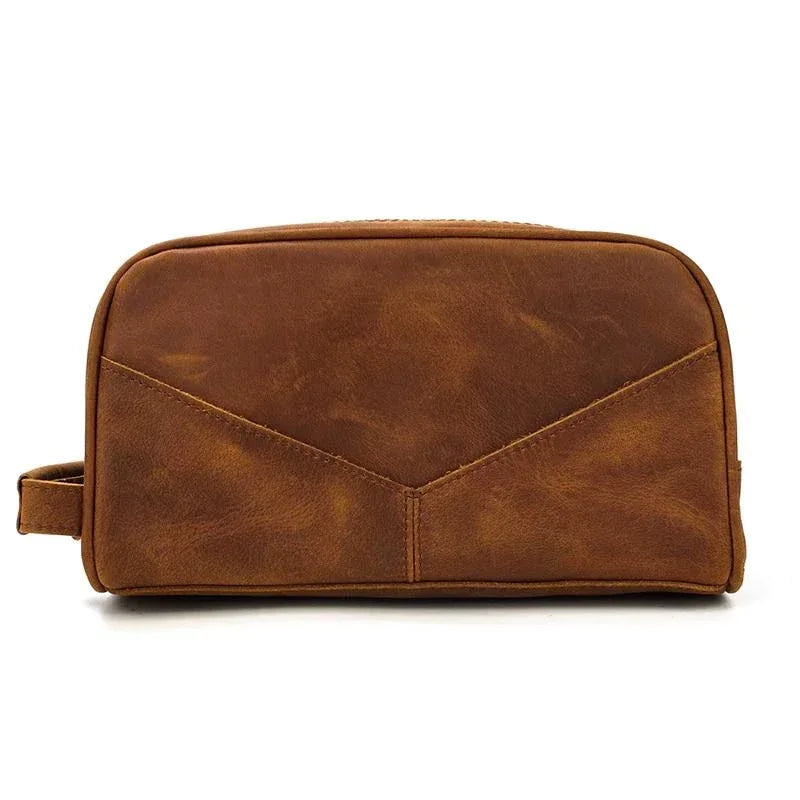
A pouch is a type of bag that is usually closed at one end by a zipper. Its first known use was recorded in Medieval times when it was used to carry items in a bag made from a drawstring. Today, the pouch has become a versatile tool used to hold small items either as a handbag or as an organizer inside larger bags. Pouches are great for holding pens, keys, coins, and other small items.
Leather Crossbody and Shoulder Bags

A crossbody bag contains all of the bags that can be carried on one shoulder or across the shoulder by means of a single strap. This includes leather messenger bags, leather satchels, and duffel bags. Crossbody leather bags are popular because they allow you to carry multiple types of bags in one place. You can easily switch between them depending on what you need to carry. A crossbody strap makes it easy to move hands-free, which is especially useful in urban settings or when traveling.
A brown leather messenger bag is a particularly popular choice for professionals and students alike, as it pairs well with both casual and formal outfits. Crossbody bags became popular in the 1980s when women started wearing dresses with slits on the sides, giving rise to the "slash" bag trend. These designs have since evolved into the sophisticated crossbody bags we see today.
Shoulder bags are among many traditional designs that tend to work well with different styles. It depends on the size, but it can hold most or all of your accessories and tools for beauty needs. You can choose from a variety of different shapes. Sometimes a neutral shoulder bag just doesn't fit into an outfit well enough to be appropriate. With so many different colors available for your bag, you're sure to find one that matches your favorite outfit. Your personal style doesn't need to be loud or refined. You can choose from a wide range of colors including black, dark brown, blue, and light green to complete your outfit.
Leather Athletic and Functional Bags

Functional and athletic bags cover bags that serve a specific function, such as a camera bag, a golf bag, or a leather travel bag. Unlike the previous categories which grouped bags by how they were carried, athletic and functional bags can be carried in a number of different ways. The bag's function is what defines this category more than anything else.
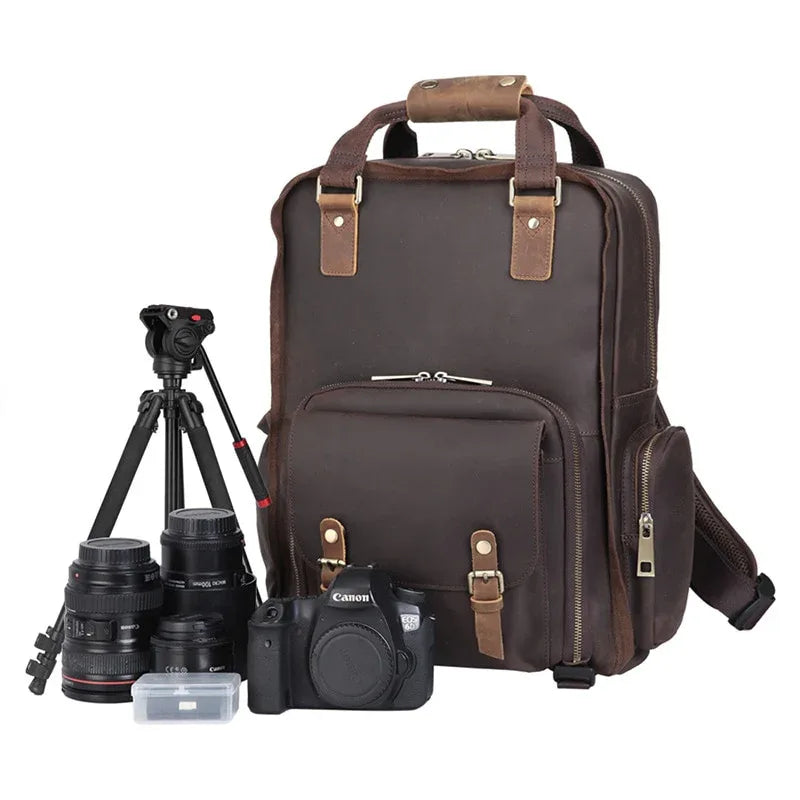
An example is called the "Small Traveling Pouch," which is designed to be worn on your body and hidden under your clothes. It's commonly used when traveling to keep expensive items safe. Another example is the "Camera Bag," which is designed to be attached to your belt or hung around your neck. The "Golf Bag" is designed to be carried over your shoulder and is usually filled with clubs and other equipment. The "Travel Bag" is also designed to be carried over the shoulder and is usually used to store clothing and toiletries.
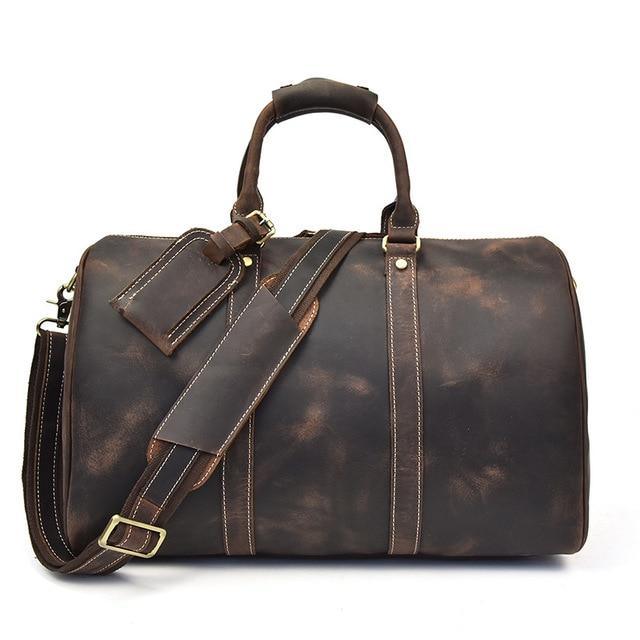
A prime example of a versatile functional leather bag is The Endre Weekender, which exemplifies the perfect balance between style and utility. Made from premium quality leather, this weekender bag features a spacious main compartment with dedicated pockets for organization, including a separate compartment for shoes. Its dimensions (20.4" x 12.6" x 11.8") make it ideal for short trips or daily use, while its dual carrying options, a comfortable leather handle and an adjustable shoulder strap, provide flexibility in how it's carried.
Leather Duffel Bags and Luggage
Leather duffel bags and travel luggage are primarily used for carrying personal belongings during travel. Most of these are large enough to be called "large" bags. Trunks have been around for millennia; however, the most common types seen and referred to today come from the late eighteenth century to the early twentieth century when they were replaced by cheaper and lighter suitcases.
Duffel bags were originally made out of waterproof canvas. They were first introduced in the nineteenth century and became very popular in the 1920s. Duffel bags are still being produced today, although they are now often made of nylon or full-grain leather. A duffel bag is typically larger than a suitcase and has two handles. It is usually made of heavy-duty material and is meant to last a long time.
Trunk boxes were usually made from a wooden base trunk box which was then covered with various types of protective and decorative materials. Early trunks were made from wood, leather, or metal and often had decorative features. Later covers included paper, canvas, plain tin, or embossed tin. There were countless varieties of hardware and hardwood. They were often made with a small brass knob on top and were made in many different sizes.
Classic trunks were widely used throughout the first two decades of the 20th century but began to decline in popularity after that time in favor of modern suitcases. Their use was nearly forgotten by the middle of the 20th century but has been revived recently.
Leather Wallets and Purses
Wallets and purses contain a category of smaller bags that are used to hold and access monetary items. A purse is a small bag used to hold money and everyday personal items such as keys, wallets, phones, etc. Purses come in different sizes and capacities but typically feature a zipper on top for easy access. A purse may be hand-held or attached to the user's arm via a strap. Some purses are designed to be worn on the waist while others are designed to be attached to a belt loop.
The wallet is a term used to describe a collection of cards, cash, and other financial documents. Wallets are generally larger than purses and are usually worn on the hip or at the side. Many wallets include compartments for holding credit cards, identification, and receipts.
Leather Hobo Bag
A hobo bag is a type of backpack that is similar to a duffel bag. Hobo bags are usually made from durable fabrics and are usually equipped with wheels for easier movement. They are usually used for carrying heavy loads and are popular amongst travelers who want to bring their own style to their travels. Hobo bags are usually used for carrying sports gear, camping supplies, or anything else you need to transport. They can also be used for storing clothes, shoes, toiletries, books, or any other item.
Leather Tote Bags and Satchels
Leather tote bags are a favorite for everyday use because of their open-top design and roomy interior. Unlike cotton tote bags or canvas tote bags, leather tote bags develop a beautiful patina over time and offer superior durability. They are commonly used in both professional and casual settings, and they pair well with almost any outfit.
Leather satchels are structured bags with a flat bottom and a long shoulder strap, often featuring a flap closure. They are popular in academic and professional environments. The leather briefcase is a more formal version of the satchel, commonly used in business settings and crafted from top grain leather or full-grain leather for maximum durability.
Best Sources of Leather

There are nothing but various kinds of leather depending on their quality. Knowing where to buy leather is just not enough; you must learn to distinguish between different leather types. You will need to know why certain materials last longer than others, and why one type of leather bag costs so much, whereas another costs just a few hundred dollars. The best quality leather bag depends on several important factors, including:
Type of Animal and Breed
Cows from different animal breeds will produce different types of leather because of their genetics and environmental conditions. Hot climates tend to have insects that bite the animal and leave scars whereas cold climates don't suffer from pests as much. Some breeds may be better suited for colder climates than others because they have thick coats.
For example, cows from the American Holstein breed are known for producing very soft leather. However, this doesn't mean that all Holsteins make good leather. Buffalo leather, derived from water buffalo hides, is another popular source known for its thick grain and durability. It tends to be more textured than cowhide and is commonly used in rugged bags and accessories.
Animal age also plays a significant role. Younger animals have thinner coats which makes them easier to work with. Older animals have thicker coats which makes them harder to work with.
Physical Location and Climate
Physical location and climate where the animal lives play an important role in determining what kind of leather you'll end up with. For instance, if you live in a cold region, you won't find many cows that would survive in those temperatures. If you live in a warm area, then you'd likely see more cows that could withstand the heat. It's also important to note that some parts of the country are better suited for certain types of leather. For example, Texas is famous for having cattle that produce great leather.
The Portion of the Skin That Was Removed
Leather from different parts of the animal yields different qualities of leather. The lower portion of the hide, which is usually made from split cowhide, has loose fibers that make up the leather. The looser fibers absorb water and expand when wet. It's important to note that lower portions of the skin also tend to be marked by insect bites and scratches. These scars and wrinkles are permanent and are almost impossible to remove during the tanning process.
On the other hand, the upper portion of the skin contains collagen, which is what gives the leather its strength. Collagen is found in the top layers of the hide. When the hide is tanned, the collagen becomes insoluble and turns into gelatin. Gelatin is the main component of leather and is responsible for giving the leather its durability.
The Layer of the Hide That Is Used
There are different layers within the hide which also have an enormous impact on the quality of the leather. Full-grain leather and top grain leather are the best. Top grain leather is made from the outermost layer of the hide. It is the thinnest and strongest part of the hide. It's also the most expensive. Full grain leather is made from the middle layer of the hide. This is the thickest and strongest natural grain layer. Split grain leather is made from the innermost layer of the hide and it's the thinnest and weakest part of it. Split grain leather is used mostly for shoes and boots.
Quality and Skill of the Processing and Tanning
Quality and skill of the processing and tanning play a major role in determining the quality of the leather produced. A good tannery will use only the highest quality hides and will pay close attention to detail. They will take care not to damage or cut any of the hides while removing them from the carcass. They will also remove all hair and fat from the hide, wash the hide thoroughly, and dry it properly. Good skill of the tanner can also help prevent cracking and splitting of the leather. Italian craftsmanship, in particular, is widely recognized in the leather industry for its exceptional standards and hand-finished detail.
How Leather Is Made

The process of making leather is always asked about. It is very simple to understand but difficult to explain. In order to make leather, you need to start with the raw material, which is the hide. Leather thickness and weight determine what the final product will be like. For example, thinner leathers are used for making jackets, furniture, moldings, and linens. On the other hand, thick leather is often used to make things like leather belts, knife sheaths, holster bags, saddle leather, and leather dog collars.
A pound is the standard unit for measuring the weight of leather. Some thickness charts may also use mm and inches as their measuring units. An ounce of leather typically measures one-sixteenth of an inch thick. But the leather thickness varies slightly depending on whether the hide has a uniform thickness. Rawhide has a more consistent thickness than split leather.
You can adjust the thickness according to your own preferences. Maintaining the recommended thickness will increase the longevity of the product. Tanning leather takes time and effort. The purpose of the tanning process is to alter the proteins of the skin so they become more durable, textured, and attractive.
Preparatory Steps
Before the leather hide is tanned, it must first be prepared for the tannery process. There are various preparatory processes for removing unwanted raw ingredients from the skins, but they're all designed to get rid of them. Some tanneries may not perform all of these processes, but they're worth trying if you want high-quality leather products.
Soaking
After the cured hide is cleaned, it is usually soaked in water for several minutes to several weeks. This process not only restores the moisture lost during salting, but helps to remove dirt, debris, blood, and excess animal fats. It's important that the soak lasts long enough to allow the hide to absorb the necessary amount of water. Too much water could cause the leather to swell up and crack.
Fleshing
This process removes fat cells from the skin. The pelt is then passed through a mechanical device to remove the fat, muscles, and meat from it. Salting, drying, or fermenting usually happens after the meat has been processed. After tanneries have finished processing hides, they may be split into different types of layers.
Un-Hairing
Hair removal is done by removing hair mechanically with tools such as rollers and razor blades. Un-hairing is often performed at the same time as fleshing. Hair removal is essential because it prevents the hide from absorbing oils from the hair follicles. If the hair is left intact, it would prevent the hide from being properly tanned.
Pickling
Rawhide needs to be cleaned and soaked in acids or salts to avoid decomposition. It helps the penetration into the skin of agents such as chromates and aldehydes. Stronger pickling agents are used to preserve hides for several months. The pickling process is particularly crucial as it serves multiple purposes beyond simple preservation. Research has shown that sulfuric and hydrochloric acids used during pickling not only acidify the collagen but also play a vital role in improving its interaction with tanning agents, ultimately affecting the final leather quality (Moujahed et al., 2022). Additionally, recent studies indicate that enzymatic treatments during pickling can enhance the permeability of the hide while preserving the collagen structure, contributing to increased thermal stability in the finished leather without compromising its integrity (Biskauskaitė et al., 2021).
De-Pickling
After pickling, the hide is soaked in sulfur dioxide to lower its pH. Sulfur dioxide is an effective de-pickling agent because it reacts with the protein structure of the hide. This causes the hide to lose some of its strength and flexibility. De-pickling also makes the hide softer and produces smooth leather.
Liming
This process loosens the fibers and allows the skin to soak up various tanning chemicals. Sodium sulfide and hydrated limes are usually used to remove hair and wool from hides. As the pH rises, fats get broken down into smaller molecules. When water enters the skin, it swells up the skin fibers, which results in a swollen skin texture. Liming softens the skin and allows it to absorb more chemicals.
De-Liming
After washing the hides, they're soaked in a solution made up of water and either ammonium chlorides or ammonium sulfates. This reduces swelling by removing excess water from the skin.
Bating
Bating marks the end of the liming process. Proteolytic bating enzymes treat flaccid skin by removing non-fibrous protein. It removes impurities from the skin and gives it a soft feel.
De-Greasing
Water-based products and solvents are sometimes used to cleanse the skin of excess oils or greasy substances. These solvents can be harmful if inhaled, so care should be taken when using them.
Bleaching
To make the hide colorless so that it can be dyed later, chemical agents are applied. Bleaches are usually composed of chlorine compounds. They help to break down the collagen fiber network, making the hide lighter in color.
Tanning
Leather production involves producing a durable and non-decomposable product from raw animal hides. Tanning turns the protein of the raw hide into a durable material. There are three main types of tanneries: Mineral tanneries, vegetable tanneries, and glutaraldehyde tanneries.
Vegetable Tanning
Vegetable tanning using natural tannins has been around for thousands of years. It doesn't use any harmful chemicals. Instead, it uses a natural astringent compound called tannin, which is usually found inside the bark, leaves, and branches of tree species such as oak, chestnuts, or mimosas. Tannins give leather its characteristic colors and textures. Vegetable-tanned leather is considered a more sustainable tanning approach, and saddle makers have long favored it for its durability and workability.
However, the process takes a lot of effort, requires lots of manual labor, and costs a lot. There are two main types of vegetable tanning methods. The slower method requires about 30 days, while a faster method only lasts about 36 to 72 hours. Sometimes, a slow treatment takes several months because it requires multiple sessions.
It produces high-quality, durable, and long-lasting products. Research confirms that vegetable tanning, which employs natural tannin sources such as those derived from mimosa, tends to yield more durable leather with a unique patina over time (Razic et al., 2022). Vegetable tannins are often applied to the leather to create products such as saddle bags or holster belts. Its unmatched durability and distinctive look make this leather ideal for printing and intricate leathercrafts such as tooling.
Semi-vegetable tanning is also practiced in some tanneries as a middle-ground approach, combining the benefits of natural tannins with faster processing times.
Mineral or Chrome Tanning
Mineral or chrome tanning is the most common type of tanning because it's quick, affordable, and less time-consuming than the other types. It was first introduced in 1858 as an inexpensive and faster way to produce leather than the traditional vegetable tanning process. It takes less than an hour to complete. For most people, the time required for chromium tanning varies from two to three hour sessions. But it can take up to 24 hours for thick hides made from cattle.
Chromium (III)-sulfuric acid is the most efficient and cost-effective tanning agent. Wet blue leather is also known as chrome tan leather because of its bluish color. Chrome-tanned leather tends to be thinner and softer than vegetable-tanned leather due to the smaller size of chromium ions relative to tannin molecules.
However, the chromium tanning processes create a negative environmental effect by using large amounts of acids and other chemicals, which pollute our environment. Toxic waste can seep into groundwater and contaminate our water supply. Environmental issues are a major concern for both developed and undeveloped nations.
In response to these environmental challenges, recent research has proposed chrome-free alternatives that combine plant tannins, such as mimosa, with biogenic silica derived from agricultural waste like rice husks. These innovative approaches significantly reduce the environmental impact associated with chromium waste while still producing high-quality leather that meets commercial standards (Nugraha et al., 2023; Ding et al., 2025).
Aldehyde Tanning
Glutaraldehyde or oxazoline compounds are used in aldehyde tanning. It is also known as "wet white" leather because of its light cream shade. Tanned leather is water absorbent, soft, and can easily be machine cleaned. Chamois is an excellent material for making clothing and genuine leather bags.
Oil Tanning
Emulsified oils are often mixed with aldehydes to create extremely soft and flexible materials. This process is called oil tanning. Oil tanning is commonly used for manufacturing shoes. It creates a very smooth leather surface that makes it easier to polish.
The oil tanning process involves mixing animal fats with aldehydes. This mixture is then heated until it becomes liquid. Then, the mixture is poured onto the hide and allowed to cool down. Afterward, the hide is washed and dried. This process is more expensive than the other tanning methods because it requires a lot of manpower and equipment. Also, it takes longer to finish compared to the other tanning methods.
Re-Tanning
Re-tanning converts the tanned leather into a marketable product. The type of chemicals chosen for this process depends on the color and texture of the end result.
Drying
After pressing the leather, the tanned leather goes through another step to remove any remaining moisture.
Shaving
It removes skin residue and makes the surface of the hide uniform. The leather goes through two rollers whereas the top roller has helical blades.
Splitting
A splitting machine cuts the thick leather into one layer at a time. Sometimes, this process may be done after liming. The top layer of leather is the most expensive. It is used to produce high-quality leather products. The layer without grains is usually made into suede leather. Sometimes, an artificial grain surface can also be applied to it.
Dyeing
All types of animal skin are colored by dyeing them. Water-soluble dyes tend to be more effective at penetrating into the fibers than oil-based dyes. Therefore, it differs significantly from applying dye only to the top layer.
Fat Liquoring
Fat liquoring refers to adding fats, oils, and/or waxes between fiber layers to keep them soft and flexible. If you don't use this step, the leather will dry out and become stiff. Fat liquoring is a critical part of the process of making leather and directly impacts the suppleness and water resistance of the finished product.
Kinds of Leather Used for Bags
| Leather Type 🏆 | Source & Processing 🐄 | Key Characteristics & Feel ✨ | Best Uses for Bags 👜 | Durability & Price Level 💪💰 |
|---|---|---|---|---|
| Full-Grain Leather 👑 | Top layer of hide – no sanding, buffing or splitting | Natural grain, scars & markings visible • Ages with rich patina | Luxury handbags, backpacks, duffels, premium carry goods | Highest durability • Most expensive |
| Top-Grain Leather ⭐ | Top layer lightly sanded to remove imperfections | Smooth, uniform, soft & flexible • Good patina potential | High-quality handbags, backpacks, totes, everyday luxury | Very durable • High price (slightly less than full-grain) |
| Corrected-Grain Leather 🛠️ | Lower/split layer sanded & coated (resin/pigment) | Uniform & smooth • Artificial look & feel | Affordable handbags, totes, casual bags | Medium durability • Budget-friendly |
| Bonded Leather 📎 | Leather scraps/dust glued together on backing | Imitates real leather • Prone to cracking/peeling | Very cheap bags & accessories | Low durability • Lowest price |
| Aniline Leather 🌟 | Usually top/full-grain dyed with translucent aniline dyes | Extremely soft • Natural markings fully visible • Stain-prone | Luxury handbags & premium bags | High durability when cared for • Very expensive |
| Semi-Aniline Leather 🛡️ | Aniline base + thin pigmented top coat | Soft & natural-looking • Better stain resistance | Daily-use luxury bags | Very good durability • High price |
| Nubuck Leather 🐾 | Top-grain sanded/buffed on grain side | Velvety matte finish • Soft & durable | Casual & premium bags | Good durability • Mid-high price |
| Saffiano Leather 🗺️ | Top-grain with crosshatch embossed texture + coating | Scratch-resistant • Structured & shiny | Structured handbags & luxury bags | High durability • Premium price |
| Pebbled / Caviar Leather 🪨 | Top-grain embossed with bumpy/pebble texture | Hides scratches • Structured & elegant | Structured & crossbody bags | High durability • Luxury price |
| Crazy Horse Leather 🌵 | Pull-up full-grain with wax/oil finish | Distressed look • Lightens on creases • Ages ruggedly | Rugged duffels, messenger bags, vintage style | Very durable • Mid-high price |
| Exotic Leather 🐊🐍 | Alligator, crocodile, ostrich, snake, stingray hides | Unique scales/patterns • Rare & luxurious | Statement handbags & luxury accessories | High durability • Extremely expensive |
| Vegan / Synthetic Leather 🌱 | Plant-based or PU/PVC synthetic | Cruelty-free • Waterproof & stain-resistant | Eco-conscious bags & fashion items | Medium durability • Lowest to mid price |
Knowing how to properly prepare rawhide for leather production is an important step toward producing high-end products. Because they're so good at their craft, Italian leather craftsmen are highly regarded by others.
There are usually four kinds of leather. These include Full Grain Leather, Top Grain Leather, Corrected Grain Leather, and Bonded Leather. Leather made from vertical fibers lasts longer than leather made from horizontal fibers because they don't easily come apart. The higher the number of vertical fiber strands, the better.
Full Grain Leather
Full-grain leather is made from the top layer of cowhide. Full grain means that there's no part of the hide left after processing. This kind of leather has retained its natural toughness, as well as its imperfections because there are not any surface alterations or splits. It is the best quality leather and the only type suitable for saddle bags. It's the most expensive and difficult to work with. It has an affinity for absorbing oil from the skin and developing a patina over time. Natural grain leather at its finest, full grain is the preferred choice of saddle makers and luxury brands alike.
Top Grain Leather
Top grain leather is the second highest quality of leather. To get top grain hide, the top layer of the hide is usually removed and the surface is sanded to get rid of inherent imperfections. This also makes top grain leather softer and more flexible than full grain. It may be strong and durable but it stretches permanently over time and is used to create suede leather as well as nubuck leather. High-end products, such as handbags, backpacks, and coats, are comprised of top grain leather.
Corrected Grain (Bottom Cut/Split) Leather
Corrected grain leather, also known as genuine leather, is made by removing the outer layer of the hide, which leaves behind the innermost layer of the hide called the corium. Leather that has been split tends to be harder than leather that hasn't been split. Like top grain leather, the bottom layer is also sanded to smooth out any rough edges. Usually, the surface of the shoe is sprayed with a clear coat and then embossed leather patterns are applied to give it a natural look. It doesn't alter the inherent breathability of real cowhide.
Bonded Leather
Bonded leather is usually made from leftover parts of the animal skin, including the dust and shavings. They're glued together by polyurethane or rubber on top of a fiberglass sheet. It is often sprayed with paint to look like real full or top grain cowhide. Bonded leather is the lowest quality of cow leather and does not stand the test of time the way full grain or top grain leather does.
Aniline Leather
Aniline leather is the most naturally soft leather with minimal resistance to staining. Soft and tanned animals' hides, such as Nappa leather, are usually dyed using aniline dioxides exclusively. Aniline dioxides are transparent and water-soluble dyes that bring out the natural markings, scarring, and wrinkles in the skin. Over the years, it develops a natural patina. It is suitable for only high-quality animal skins, so it is one of the highest-priced leather products in the entire industry.
Semi-Aniline Leather
A semi-aniline leather product has a thin layer of color applied to its top side. It is, therefore, stronger than aniline leather but retains its natural appearance. It has stain-resistant properties to some degree, making it suitable for daily luxury use.
Nubuck Leather
Nubuck leather is top grain leather that has been buffed or sanded on the grain side to create a soft, velvety surface. It is similar in feel to suede leather but more durable because it comes from the outer side of the hide. Nubuck leather is used in premium shoes, bags, and upholstery.
Vegan Leather
Vegan leather, which differs from vegetable-tanned leather, is not derived from any animal source. It's made from vegetable fibers, including cotton, linen, hemp, jute, ramie, sisal, and flax. It is very popular among eco-conscious consumers who want to avoid cruelty to animals. It can be purchased in many different colors and textures. While it serves as a good alternative to faux leathers made from plastic and vinyl, it does not develop a patina or last as long as genuine animal-based leather.
Synthetic Leather
Synthetic leather is created through a chemical process similar to vinyl and plastic. It is highly resistant to stains and scratches. It is also waterproof and easy to clean. Synthetic leather is generally cheaper than genuine leather and does not breathe as well as natural animal hides.
Patent Leather
Patent leather is often coated with a lacquered layer of plastic to give it a shiny, mirror-like surface. Patent leather is widely used in handbags, briefcases, and luggage. It is durable and long-lasting, and its high-gloss finish makes it a popular choice in luxury fashion and formal accessories.
Saffiano Leather
Saffiano leather is a type of Italian leather material that is characterized by its cross-hatch texture and rich brown color. It is strong and supple and highly scratch-resistant. Saffiano leather is considered to be among the best leathers for making shoes and bags and is frequently used by luxury brands in their signature collections.
Pebbled Leather and Caviar Leather
Pebbled leather, also known as pebble grain leather or pebble leather, features a textured, bumpy surface that is created during the tanning or finishing process. This texture gives the leather a distinctive look and helps hide scratches and signs of wear. Caviar leather is a specific type of pebbled leather with a fine, uniform grain pattern commonly associated with luxury brands. Both pebble grain and caviar leather are highly sought after for structured handbags and crossbody bags.
Embossed Leather
Embossed leather is leather that has been pressed with a pattern or texture using heat and pressure. This technique is used to mimic the look of exotic leather such as crocodile leather, python belts, or other reptile skins. It allows manufacturers to produce affordable versions of exotic leather without using protected animal species. The result is a bag with eye-catching texture and visual interest at a lower price point.
Exotic Leather
Exotic leather refers to leather made from non-standard animal hides, including crocodile leather, alligator, ostrich, and stingray. These materials are prized for their unique textures and rarity. Crocodile leather, for example, is among the most expensive types of leather in the world and is used by luxury brands to create statement handbags and accessories. Iridescent leather is a type of exotic leather or finish that shimmers with multiple colors, often used in high-fashion accessories.
Crazy Horse Leather
Crazy Horse leather is a type of leather known for its distressed, pull-up effect. When the surface is scratched or creased, it lightens in color, creating a beautiful vintage appearance. It develops a rich, aged look over time and is popular for rugged bags, briefcases, and accessories.
Regenerated Leather
Regenerated leather, sometimes called recycled leather, is made by processing leather scraps and fibers into a new material. It is more sustainable than bonded leather and can be manufactured in consistent sheets. Regenerated leather is gaining traction as a more eco-friendly alternative to both genuine and synthetic leather.
Our Expertise in Fine Leather Craftsmanship
At Steel Horse Leather, our deep understanding of leather craftsmanship comes from years of dedicated experience working with this timeless material. Our master artisans combine traditional leatherworking methods with an unwavering commitment to quality, drawing on Italian craftsmanship traditions and careful sourcing of premium animal hides. We've invested considerable time and resources into understanding every aspect of the leather supply chain, from raw material sourcing to final product creation, including a thorough analysis of tanning techniques and finishing processes. This comprehensive knowledge base allows us to offer not just products but educated insights that help our customers make informed decisions about their leather goods investments.
Conclusion
Leather is a versatile material that can be used in many ways, from shoes to wallets and bags. There are several leather types, each with its own characteristics, and the type you choose will depend on your needs, preferences, and personal style. Whether you're looking for a rugged full-grain leather backpack for outdoor adventures, a sophisticated leather briefcase for the office, or a sleek crossbody bag for everyday use, understanding the differences between tanning techniques, leather grades, and bag designs will help you make the right choice.
From the ancient traditions of vegetable tanning to modern chrome tanning and sustainable tanning innovations, the leather industry continues to evolve while maintaining its commitment to quality and durability. The most important thing is to choose a leather bag that fits your lifestyle, reflects your personal style, and is made from quality materials that will stand the test of time. Explore our full range of handcrafted leather goods at Steel Horse Leather and find the perfect bag for every occasion.
References
Biskauskaitė, R., Valeikiene, V., & Valeika, V. (2021). Enzymes for leather processing: effect on pickling and chroming. Materials, 14(6), 1480. https://doi.org/10.3390/ma14061480
Ding, W., Wang, X., Remon, J., Jiang, Z., Pang, X., Ding, Z., & Wu, Y. (2025). Engineering an epoxy tanning agent via facile functionalization of sucrose with silane coupling agent for sustainable leather production. Collagen and Leather, 7(1). https://doi.org/10.1186/s42825-025-00200-1
Moujahed, S., Errachidi, F., Oualid, H., Botezatu, A., Chahdi, F., Rodi, Y., & Dinica, R. (2022). Extraction of insoluble fibrous collagen for characterization and crosslinking with phenolic compounds from pomegranate byproducts for leather tanning applications. RSC Advances, 12(7), 4175-4186. https://doi.org/10.1039/d1ra08059h
Nugraha, A., Suparno, O., Indrasti, N., & Hoerudin, H. (2023). Chrome-free tanning: effect of a combination tannage based on mimosa and biogenic silica from rice husk. Textile & Leather Review, 6, 191-210. https://doi.org/10.31881/tlr.2023.031
Razic, S., Kopjar, N., Kasuba, V., Skenderi, Z., Akalovic, J., & Hrenovic, J. (2022). Evaluation of DNA-damaging effects induced by different tanning agents used in the processing of natural leather: Pilot study on HepG2 cell line. Molecules, 27(20), 7030. https://doi.org/10.3390/molecules27207030
Frequently Asked Questions
What is the best type of leather for everyday use bags?
Full-grain leather is widely considered the best type for everyday use because it is the most durable and develops a rich patina over time. Top grain leather is also an excellent choice for handbags and crossbody bags because it is softer and more flexible while still being highly durable.
What is the difference between full grain leather and genuine leather?
Full grain leather uses the entire top layer of the hide with its natural grain intact, making it the strongest and most durable type. Genuine leather, also called corrected grain leather, is made from the inner layers of the hide and undergoes more processing, resulting in a lower quality material that does not age as gracefully.
How do I identify high-quality leather bags?
High-quality leather bags can be identified by examining their natural appearance, flexibility, and smell. Full grain and top grain leather will show natural markings, develop a patina over time, and feel supple to the touch, while lower quality bonded leather or faux leathers may peel or crack after extended use.
What is vegetable tanning and why does it matter?
Vegetable tanning is an ancient leather tanning technique that uses natural tannins derived from plant sources such as oak bark, mimosa, and chestnuts to preserve animal hides. It matters because it produces durable, eco-friendly leather with a unique character that improves with age, making it a preferred choice for saddle makers and luxury leather goods. Research confirms that vegetable-tanned leather develops a unique patina and offers exceptional durability (Razic et al., 2022).
What are the most common types of leather bags available?
The most common types of leather bags include backpacks, shoulder bags, crossbody bags, leather tote bags, leather duffel bags, leather briefcases, leather satchels, clutches, and wallets. You can explore a wide range of styles at Steel Horse Leather's leather bags collection, where each bag is crafted from premium materials to suit various lifestyles and occasions.
Is pebbled leather more durable than smooth leather?
Pebbled leather, including caviar leather and pebble grain leather, tends to hide scratches and signs of everyday wear better than smooth leather because its textured surface disguises minor scuffs. However, both types can be equally durable depending on the grade of leather used and the quality of the tanning process.
Can leather bags be made without using animal hides?
Yes, vegan leather bags are made from plant-based fibers such as cotton, flax, hemp, and jute, while synthetic leather is made from plastic or vinyl. However, neither option develops the same patina or longevity as genuine leather made from animal hides such as cowhide or buffalo leather.
How long does a full-grain leather bag last?
A well-crafted full-grain leather bag can last decades with proper care and conditioning. Because full-grain leather retains the natural strength of the hide and develops a protective patina over time, it is one of the few bag materials that genuinely stands the test of time when maintained correctly.
All of our bags at Steel Horse Leather are crafted from full-grain crazy horse leather, built to develop a rich patina over time. Browse our Leather Bags.